Have you ever wondered, why do dogs have wet noses? This intriguing question not only sparks curiosity among dog lovers but also reveals fascinating insights into our furry friends’ health and behavior! A dog’s nose is not just a cute feature; it serves multiple essential purposes. From temperature regulation to enhancing their sense of smell, the reasons behind those moist noses are more than meets the eye. Did you know that a wet nose can indicate whether your pup is healthy? This is because dogs often use their noses to gather scents and detect changes in their environment. In this blog post, we will dive deep into the science and secrets behind why dogs have wet noses and how it contributes to their overall well-being. You’ll discover the importance of this unique trait and what it says about your dog’s emotional state. So, if you've ever asked, “What does a wet nose mean for my dog?” or “How does this affect my pet’s health?”, you’re in for a treat! Join us as we explore the fascinating world of dog noses and uncover the mysteries that lie beneath those adorable snouts.
The Science Behind Canine Moisture: Why Are Dog Noses Wet?
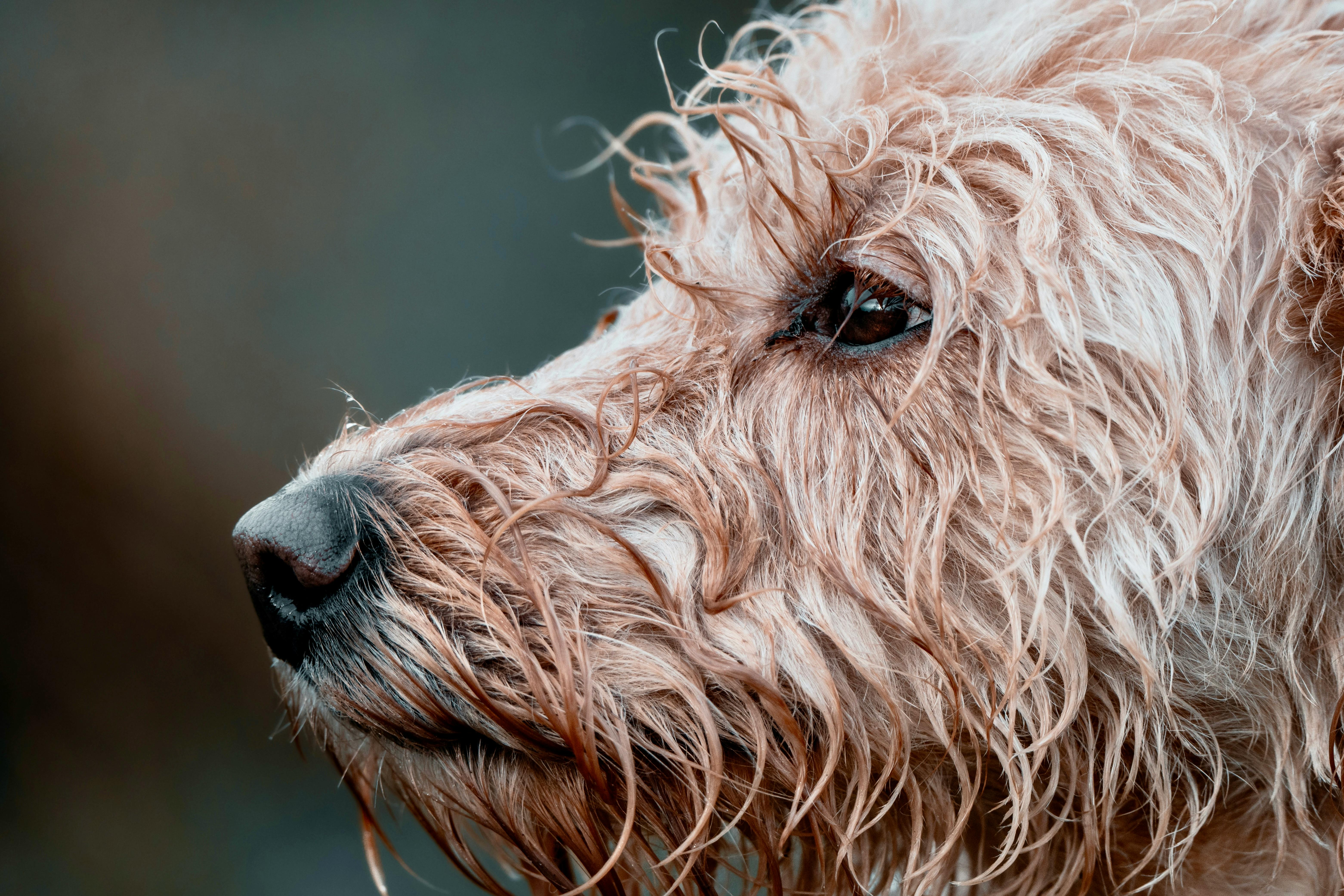
When you think about dogs, their wet noses probably come to mind. It's one of those things that people often wonder about, right? Why do dogs have wet noses? It seems like a simple question, but the answer is actually pretty fascinating. So, let’s dive into the science behind canine moisture and explore why those adorable noses are often damp.
The Science of Dog Noses
Dog noses are more than just cute features; they serve a very important purpose. The moisture on a dog’s nose helps to enhance their sense of smell, which is already incredibly powerful. Did you know that dogs have approximately 220 million scent receptors, whereas humans only have about 5 million? That’s a significant difference! A wet nose can help capture scent particles more effectively.
- Moisture and Scent Detection: The moisture on a dog’s nose helps to dissolve scent particles, making it easier for dogs to detect different smells.
- Temperature Regulation: Just like humans sweat to cool down, dogs can also use their noses to help regulate temperature.
- Behavioral Signals: A wet nose can also be a sign of a dog’s emotional state. For instance, a nervous or excited dog might have a wetter nose.
Why Are Dog Noses Wet?
You might be wondering, how do dog noses actually get wet? There are couple of reasons for this. First, dogs lick their noses frequently. It’s a natural behavior that helps keep their sense of smell sharp. Additionally, the moisture comes from a combination of glands and the environment. Here's a breakdown:
- Licking: Dogs instinctively lick their noses to keep them clean and moist.
- Nasal Glands: Dogs have special glands in their noses that secrete mucus. This mucus adds to the moisture and aids in scent detection.
- Environmental Factors: Humidity and temperature can affect how wet a dog’s nose is. For example, during hot weather, a dog might have a drier nose, while after a rain shower, their nose could be particularly moist.
Historical Context of Dog Noses
The evolution of dogs played a huge role in the development of their moist noses. Dogs are descendants of wolves, which rely heavily on their sense of smell for hunting and survival. Over thousands of years, domestic dogs have maintained this trait. The wet nose is an adaptation that has been crucial for their ancestors' ability to track prey and communicate with each other.
- Wolves vs. Domestic Dogs: Wolves have similarly moist noses, which are essential for their hunting skills.
- Breeds and Variation: Some dog breeds are known for having wetter noses than others. For example, Bloodhounds tend to have very wet noses, while some brachycephalic breeds (like Bulldogs) may have less moisture.
Interesting Facts About Dog Noses
Here are some intriguing facts about dog noses that you probably didn’t know:
- Unique Nose Prints: Just like human fingerprints, every dog has a unique nose print. This can actually be used for identification purposes.
- Heat Detection: Dogs can detect heat through their noses. This ability is useful in search and rescue operations.
- Scent Memory: Dogs have an incredible scent memory, allowing them to remember smells for years.
Common Misconceptions
There are several myths surrounding dog noses that can cause confusion. Here are a few common misconceptions:
- A Dry Nose Means Illness: Many people think that if a dog's nose is dry, they must be sick. This is not always true. A dog's nose can vary in moisture throughout the day.
- All Dogs Have Wet Noses: While most dogs do, some breeds naturally have drier noses due to their anatomy.
- Nose Temperature Indicates Health: The temperature of a dog's nose does not necessarily indicate their health status. It can vary depending on the environment.
Practical Tips for Dog Owners
If you're a dog owner, understanding your dog's nose can help you care for your furry friend. Here are some practical tips:
- Keep it Clean: Regularly check and clean your dog’s nose, especially if you notice any discharge.
- Monitor Changes: If your dog’s nose suddenly becomes excessively dry or cracked, it might be worth a trip to the vet.
- Hydration is Key: Ensure your dog is drinking enough water, as dehydration can affect their nose moisture.
The science behind why dogs have wet noses is more than just a quirk; it’s an essential aspect of their biology and behavior. Understanding this can deepen your bond with your canine companion and enhance your appreciation for their unique characteristics. So next time you see your dog’s wet nose, remember that it’s not just cute — it’s a vital part of who they are.
5 Incredible Reasons Your Dog’s Nose is Always Damp
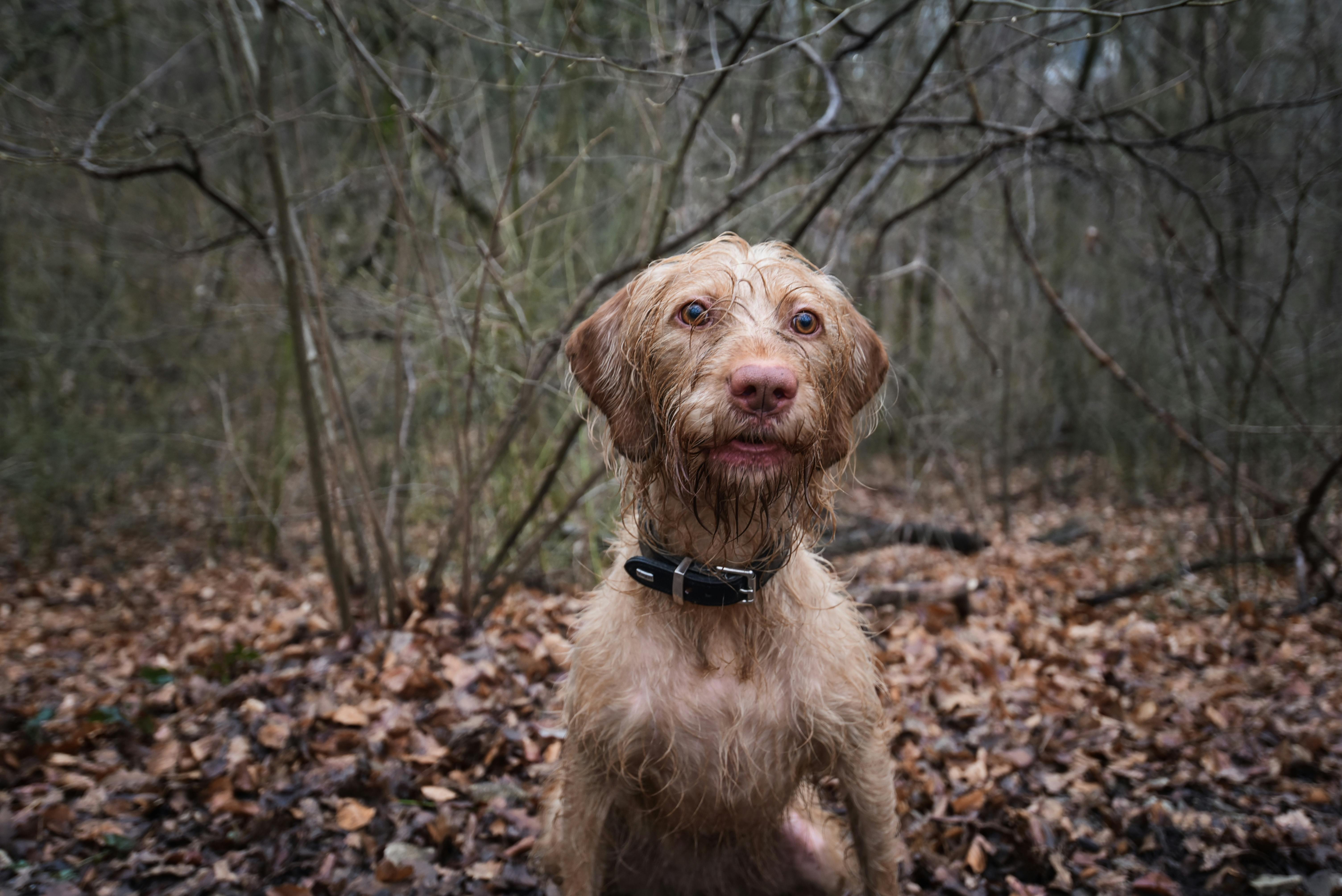
Have you ever wondered why your furry friend’s nose is often wet? It’s a question many dog owners ask, and the answer is both fascinating and a little bit complex. Dogs have wet noses for several reasons, some of which might surprise you. Understanding these reasons not only deepens your bond with your pet but also can help you better care for them. Let’s dive into the five incredible reasons your dog’s nose is always damp.
1. Temperature Regulation
One of the primary reasons why dogs have wet noses is for temperature regulation. Just like humans sweat to cool down, dogs use their noses to help regulate their body temperature. The moisture on their noses evaporates, which helps them cool off when they get too warm. This is especially important during hot weather or after vigorous play.
- Dogs’ bodies can’t sweat like humans, so their noses serve this important function.
- A wet nose helps to lower their body temperature, keeping them comfortable.
2. Enhanced Sense of Smell
Another reason for a dog's wet nose is related to their incredible sense of smell. Dogs have an extraordinary olfactory system, and moisture helps them pick up scents more effectively. When a dog's nose is wet, it can trap scent particles from the air, allowing them to better analyze their surroundings.
- A wet nose aids in the absorption of scent molecules.
- This is why dogs can sniff out things like drugs, bombs, and even diseases.
3. Communication Tool
Did you know that dogs also use their noses as a form of communication? A dog’s wet nose can indicate various emotions or states of being. For instance, when a dog is excited, it may come up to you with a particularly damp nose, eager for attention or affection.
- Dogs often nuzzle with their noses, which can be an invitation to play or a request for affection.
- A wet nose can also symbolize trust and comfort around their human companions.
4. Health Indicator
A dog’s nose can also serve as an indicator of their health. While a wet nose is generally seen as a sign of a healthy dog, changes in the nose's moisture levels can signal health issues. If a normally damp nose becomes dry or cracked, it could indicate dehydration, fever, or other health concerns.
- A healthy dog usually has a cool, moist nose.
- If you notice changes, it’s a good idea to consult a veterinarian to rule out any problems.
5. The Importance of Hydration
Maintaining a properly moist nose is also connected to hydration. Dogs that are well-hydrated tend to have wetter noses. If your dog’s nose seems dry, it might be time to assess their water intake. Keeping your dog hydrated is crucial for their overall health, including the condition of their nose.
- Ensure your dog has access to fresh water at all times.
- Monitor their drinking habits, especially during hot weather or after exercise.
Quick Facts About Dog Noses
- Dogs have between 220 million to 300 million smell receptors, compared to a human’s 5 million.
- The color of a dog’s nose can vary and is often genetically determined.
- Dogs can actually smell certain diseases, such as cancer or diabetes, through changes in body chemistry that can be detected through their noses.
Fun Comparisons
If you’re curious about how dog noses stack up against other animals, here’s an interesting comparison:
| Animal | Number of Smell Receptors |
|---|---|
| Dog | 220 million to 300 million |
| Cat | 50 to 80 million |
| Rat | 1,200 million |
| Human | 5 million |
As we can see, dogs are at the top of the list when it comes to their sense of smell, largely thanks to their wet noses.
In summary, the dampness of your dog’s nose is much more than just an interesting quirk. It plays critical roles in temperature regulation, enhances their sense of smell, serves as a communication tool, can indicate health, and is tied to their hydration levels. Next time you give your dog a scratch behind the ears, take a moment to appreciate that wet nose and all the amazing things it can do! Understanding these reasons can help you appreciate your dog’s unique physiology and strengthen the bond you share with your loyal companion.
Is a Wet Nose a Sign of a Healthy Dog? Unveiling the Truth
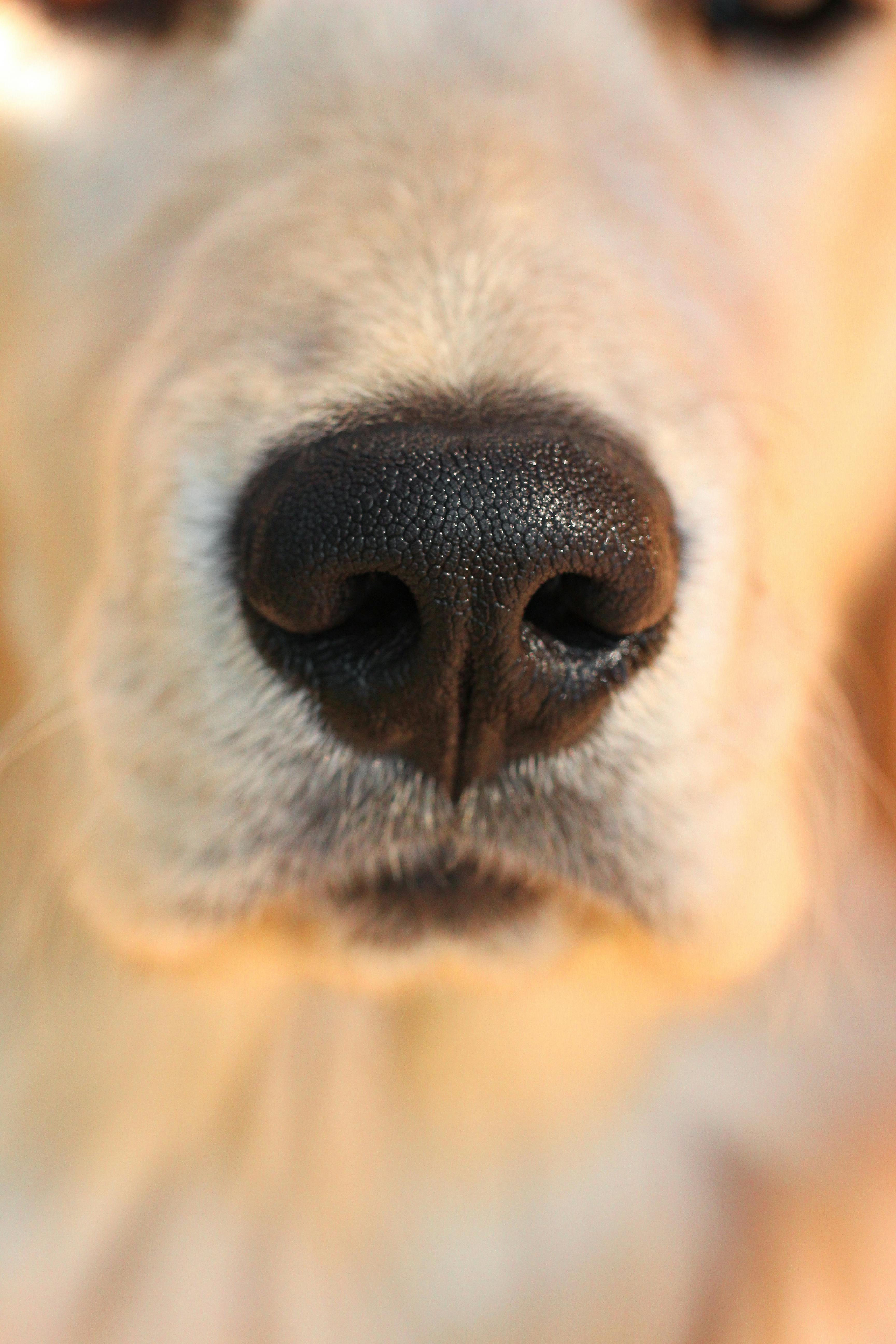
When people see a dog with a wet nose, they often think it’s a sign of a healthy dog. But is that really true? Or is it just a common misconception? In this article, we’ll dive deep into the reasons behind why dogs have wet noses and what it means for their health. You might be surprised by the findings!
The Anatomy of a Dog's Nose
A dog’s nose is more than just cute; it plays a crucial role in their overall health and well-being. Here are some interesting facts about a dog's nose:
- Moisture: A wet nose is often a result of moisture, which comes from the environment and the dog's own body. Dogs have specialized glands in their noses that help keep it moist.
- Temperature Regulation: Dogs don’t sweat like humans. Instead, they use their noses to help regulate their body temperature.
- Sense of Smell: A dog's sense of smell is incredibly powerful. A wet nose enhances their ability to detect scents by capturing odor molecules more efficiently.
Why Do Dogs Have Wet Noses?
Now that we know a bit about the anatomy of a dog’s nose, let’s explore the reasons behind that wetness.
- Cooling Mechanism: Dogs can’t sweat through their skin. They rely on panting and their noses to cool down. When a dog’s nose is wet, it helps to evaporate moisture, which cools them off.
- Scent Detection: The moisture on a dog’s nose helps to trap scent particles. This means that a wet nose is not just a sign of health; it’s essential for their ability to smell.
- Health Indicator: While a wet nose can suggest good health, it’s not the only indicator. A dog can have a wet nose and still be unwell if they show other signs like lethargy, lack of appetite, or unusual behavior.
Common Misconceptions About Dog Nose Wetness
Many people believe that a wet nose always means a dog is healthy. However, this isn’t entirely accurate. Here are some misconceptions:
- Dry Nose Equals Sick Dog: This is not always the case. A dog can have a dry nose for many reasons, including weather conditions or a simple lack of hydration.
- Wet Nose Equals Happy Dog: While a wet nose is usually associated with a healthy and happy dog, it’s not a definitive measure. Dogs can be sick but still have moisture on their noses.
- Breed Differences: Some breeds have naturally drier noses, so it's essential to consider individual differences.
How to Monitor Your Dog's Nose Health
If you’re concerned about your dog’s nose health, here are a few tips to keep in mind:
- Look for Changes: Monitor if the nose is consistently dry or cracked. This might indicate a health issue.
- Check for Other Symptoms: Look for signs of illness like coughing, vomiting, or changes in appetite. A wet nose alone doesn’t mean they are healthy.
- Hydration is Key: Ensure your dog is drinking enough water. Dehydration can lead to a dry nose.
Fun Facts About Dog Noses
Did you know that a dog’s nose print is as unique as a human fingerprint? Here are some additional fun facts:
- Nose Color: The color of a dog’s nose can change with age or health.
- Scent Recognition: Dogs have up to 300 million smell receptors, compared to humans' 5 million.
- Nose Sensitivity: A dog’s nose is about 40 times more sensitive than a human’s.
Quick Comparison: Healthy vs. Unhealthy Dog Nose
Here’s a quick reference for identifying a healthy versus an unhealthy dog nose:
| Feature | Healthy Nose | Unhealthy Nose |
|---|---|---|
| Temperature | Cool to the touch | Warm or hot |
| Moisture Level | Wet or slightly moist | Dry, cracked, or flaky |
| Color | Dark and consistent | Light patches or discoloration |
| Texture | Smooth | Rough or bumpy |
As you can see, while a wet nose is often a sign of a healthy dog, it shouldn’t be the only factor you consider when assessing your furry friend’s health. It’s always best to consult with a veterinarian if you have concerns about your dog’s nose or overall well-being.
Understanding why dogs have wet noses is not just a fun fact; it’s a glimpse into their health and biology. Next time you see your pup with a moist nose, remember, it’s more than just an adorable feature—it's a vital part of who they are!
How Dogs Use Their Wet Noses for Communication and Sensing
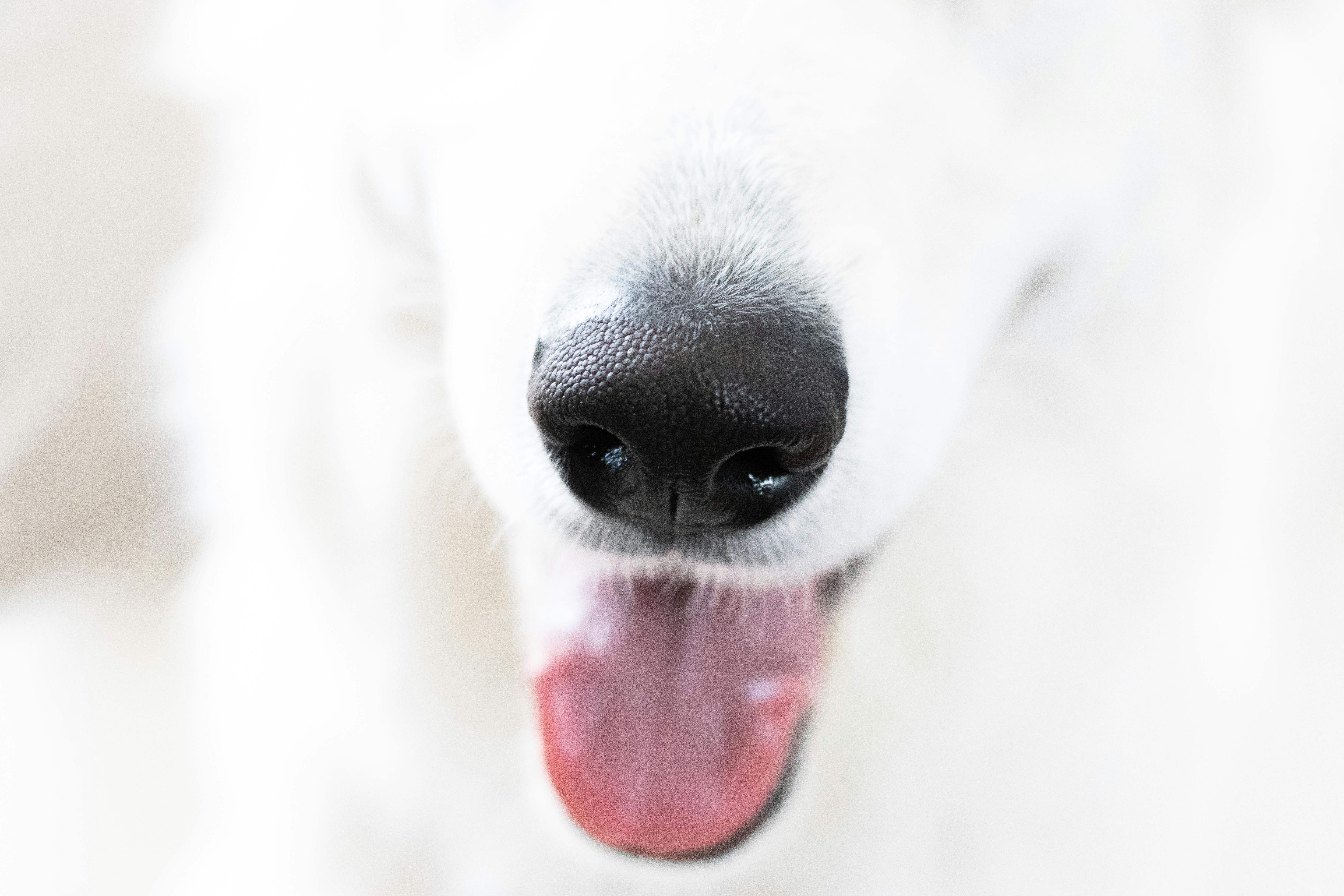
Dogs, those lovable companions, have been by our side for thousands of years. One of the most intriguing aspects of these furry friends is their wet noses. Ever wondered, why do dogs have wet noses? It’s more than just an adorable feature; it’s actually a vital part of their communication and sensory abilities. Let’s dive into the fascinating reasons behind those moist snouts and how dogs use them to interact with the world around them.
The Science Behind Wet Noses
Dogs' noses are wet for a reason, and this moisture plays a significant role in their sense of smell. The wetness helps to capture scent particles from the air and enhances their ability to detect smells. Unlike humans, dogs have an incredible olfactory system. They have up to 300 million smell receptors compared to our mere 5 million. This means that when dogs sniff things, they are not just doing it for fun; they are gathering a wealth of information.
- Enhanced Scent Detection: Moisture on the nose helps absorb scent particles, allowing dogs to interpret their environment better.
- Temperature Regulation: Dogs also use their noses to cool down. When they pant, moisture evaporates from their noses, helping to regulate their body temperature.
- Health Indicator: A wet nose can indicate a healthy dog, while a dry nose might be a sign of dehydration or illness.
How Dogs Communicate Using Their Noses
Dogs use their noses to communicate in ways that we may not fully understand. Their sense of smell is so powerful that it can convey messages about other animals, people, and even their own emotions. When a dog approaches another dog, they often sniff each other’s noses and behinds. It may seem odd to us, but this behavior is akin to a handshake in the dog world.
- Scent Marking: Dogs have scent glands in their noses and paws. By rubbing their noses on objects or the ground, they leave their scent behind, marking their territory.
- Emotion Detection: Dogs can also smell changes in human emotions. For example, when someone is afraid or stressed, their body releases different pheromones, and dogs can sense this through their noses.
- Social Signals: A quick sniff here and there can indicate curiosity or interest, while avoiding a sniff might signal discomfort or disinterest.
Why Do Dogs Have Wet Noses?
The question of why do dogs have wet noses can be answered by looking at their evolutionary history. Dogs, as descendants of wolves, developed their keen sense of smell for survival. Here’s a breakdown of why their noses are wet:
- Evolutionary Advantage: Wet noses help dogs survive in the wild by enabling them to track prey and avoid dangers.
- Thermal Regulation: A wet nose helps dogs cool off, especially after exertion. Dogs don’t sweat like humans; they rely on their noses and paws for some thermoregulation.
- Health Monitoring: A dog’s nose can indicate its health status. A healthy dog typically has a moist and cool nose, while changes in texture or temperature can suggest health issues.
Fun Facts About Dogs’ Noses
- Unique Patterns: Just like human fingerprints, every dog has a unique nose print.
- Scent Discrimination: Dogs can differentiate between scents and can even be trained to detect diseases like cancer through smell.
- Nose Temperature: The temperature of a dog’s nose can change based on their activity level. A dog who is active may have a warmer nose due to increased blood flow.
Practical Tips for Dog Owners
Knowing how important your dog's nose is can help you take better care of them. Here’s some practical advice:
- Regular Vet Check-ups: Keep an eye on your dog’s nose condition. If it becomes excessively dry or cracked, consult your vet.
- Hydration is Key: Ensure your dog has access to fresh water at all times to keep their nose moist.
- A Nose for Adventure: Take your dog on walks where they can explore different scents. It’s mentally stimulating for them!
In the end, dogs’ noses are more than just cute features; they are essential tools for communication and sensing the world. With their incredible olfactory abilities, dogs can interpret the environment in ways we can barely comprehend. So next time you see your furry friend sniffing around, remember that their wet nose is working hard, gathering vital information about their surroundings and expressing their feelings. Dogs truly are remarkable creatures, and their noses are a window into their fascinating world.
The Role of a Dog’s Wet Nose in Temperature Regulation: What You Need to Know
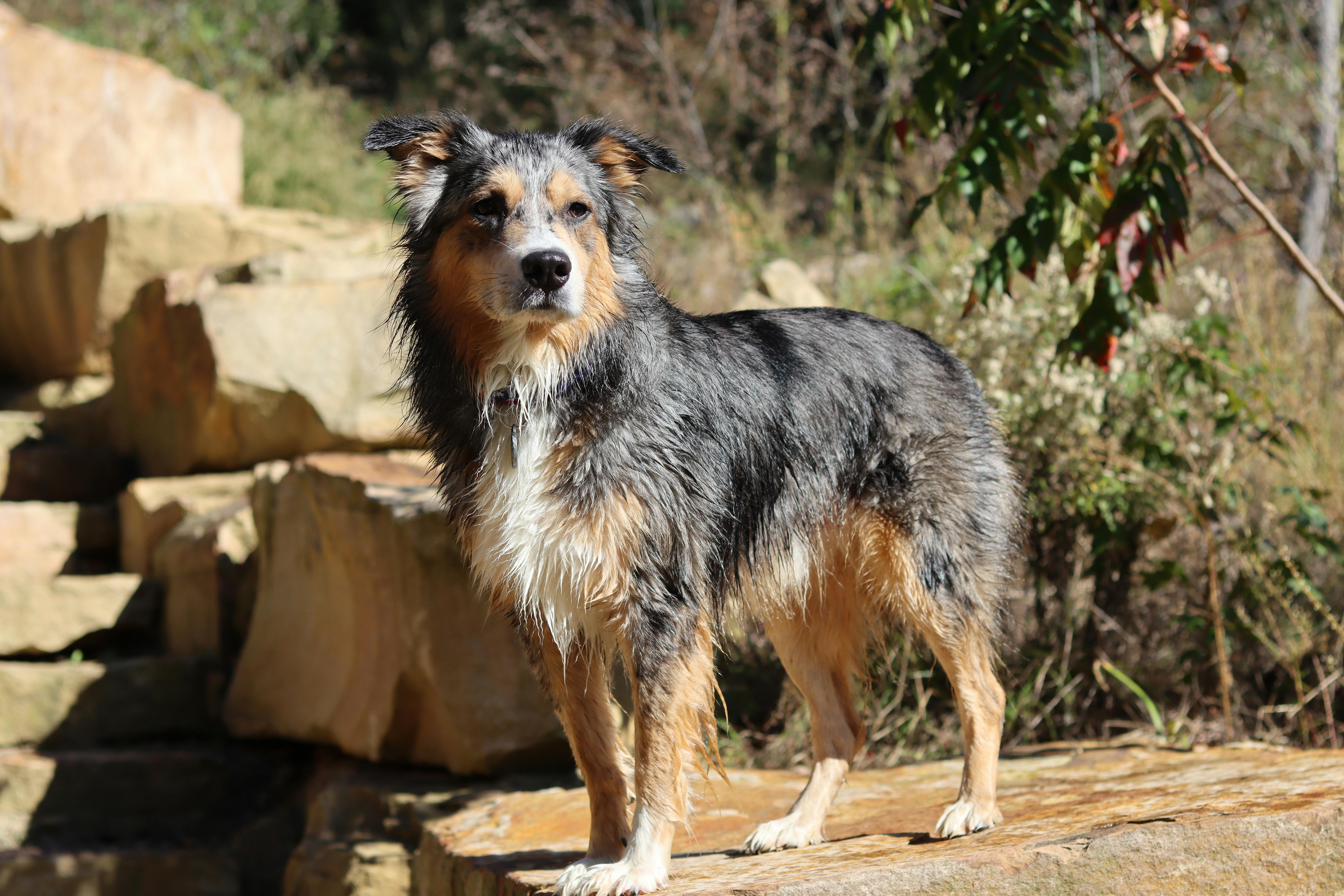
Dogs are often known for their lovable qualities, but one of the most interesting features they have is their wet noses. You might have wondered, why do dogs have wet noses? The answer is both fascinating and multi-faceted. It's not just a quirky characteristic; a dog's nose serves important purposes, especially when it comes to temperature regulation. Understanding the role of a dog’s wet nose helps to appreciate these remarkable animals even more.
The Science Behind a Dog's Wet Nose
A wet nose is not just a cute feature; it plays a crucial role in how dogs sense their environment. The moisture on their noses helps to enhance their sense of smell. When dogs sniff, they pick up scent particles. If the nose is wet, it can capture these particles more effectively. That's why dogs are able to track scents so well, sometimes even better than specialized search dogs!
- Enhanced Olfactory Function: A wet nose helps to trap scent particles.
- Thermoregulation: It helps dogs to cool down.
- Moisture Absorption: Dogs can better absorb odors through their mucous membranes.
Why Are Dog Noses Wet?
So, why do dogs have wet noses, anyway? It’s not just because they like to stick their noses in water. There are several reasons for this unique feature.
Cooling Mechanism: Dogs don’t sweat like humans do. Their primary way to cool down is through panting. However, the moisture on their noses evaporates, which helps to regulate their body temperature.
Health Indicator: A dog’s nose can be a good indicator of their health. A wet, cool nose is typically a sign of a healthy dog, while a dry nose might indicate dehydration or illness. But it’s not always black and white; some dogs naturally have drier noses.
Scent Enhancer: The moisture on a dog’s nose helps to absorb and hold scents, which amplifies their sense of smell. The more moisture, the better the olfactory function.
Historical Context of Dog Noses
Historically, dogs have been bred for various purposes—hunting, herding, guarding, and companionship. Their noses were critical to their roles. For hunting dogs, a keen sense of smell was essential for tracking prey. Over time, the importance of having a wet nose became more than just a trait; it became a necessity for survival and function in different environments.
Comparing Dog Noses to Human Noses
Dogs and humans have very different nose structures and functionalities. Here are some comparisons that highlight these differences:
- Sensitivity: A dog's sense of smell is approximately 40 times better than a human's.
- Moisture: Human noses tend to be dry, while dog noses are often wet.
- Temperature Regulation: Humans sweat to cool down; dogs rely on panting and their wet noses.
Practical Examples of Nose Functions
Let’s take a look at some practical examples of how a dog's wet nose plays a role in everyday life:
Tracking: Search and rescue dogs use their wet noses to locate missing persons. Their ability to pick up scents means they can often find people buried under rubble.
Detecting Illness: Some dogs are trained to detect certain illnesses like cancer or diabetes through scent. Their wet noses play a crucial role in this process.
Social Interaction: When dogs meet other dogs, they often sniff each other's noses as a way of gathering information. The moisture helps them absorb more information about the other dog's pheromones.
FAQs About Dog Noses
Is a dog’s wet nose a sign of health?Yes, generally a wet nose indicates a healthy dog, but it’s not the only sign to consider.
What if my dog's nose is dry?It could just be a natural trait or a sign that your dog is dehydrated, check their water intake.
How can I keep my dog’s nose healthy?Ensure they are well-hydrated and avoid extreme weather conditions that might dry out their nose.
Understanding why dogs have wet noses and their role in temperature regulation is not just for dog lovers, but also for anyone looking to enhance their relationship with these furry companions. A dog's wet nose is a small but important feature that illustrates how wonderfully adapted they are to their environments.
In summary, appreciating the fascinating reasons behind a dog’s wet nose can deepen your relationship with your pet and help you take better care of them. So next time you feel that cold, wet nose against your hand, remember, it’s doing a lot more than just being cute!
Can a Wet Nose Indicate Illness in Dogs? Expert Insights
Dogs, those lovely four-legged companions, have various traits that often fascinate us. One such characteristic is their wet noses. Many people wonder, can a wet nose indicate illness in dogs? Well, there’s a lot to unpack here. Not only do we explore if a wet nose could mean something’s wrong, but we also delve into why dogs have wet noses in the first place. Let’s dive into these intriguing questions.
Can a Wet Nose Indicate Illness in Dogs?
While a wet nose is a common trait among dogs, it doesn't always mean they are sick. However, it can be a sign of something not quite right, depending on other symptoms. Some key points to consider include:
- Normal Conditions: It is typical for dogs to have moist noses. This moisture helps them to regulate their body temperature and enhance their sense of smell.
- Possible Illness Indicators: If a dog’s nose is extremely dry or warm, and they show other symptoms like lethargy, loss of appetite, or vomiting, it might indicate a health issue.
- Seasonal Changes: Weather can also affect a dog’s nose. For instance, during the summer, dogs might have a wetter nose due to sweat and humidity.
- Hydration Levels: A dog’s hydration status can reflect on their nose. Dehydration can lead to a dry nose, thus paying attention to their water intake is crucial.
Why Do Dogs Have Wet Noses?
So, what’s the deal with those damp noses? Dogs have wet noses for several interesting reasons:
Enhanced Olfactory Function: A wet nose helps to trap scent particles in the air. This is why dogs smell so well; their noses are moist, allowing them to pick up scents better than dry noses could.
Temperature Regulation: Dogs don't sweat like humans do. Instead, they cool themselves off through panting and their noses. The moisture evaporates, which helps to regulate their body temperature.
Sensory Perception: Dogs have a highly developed sense of smell, and their wet noses are a part of that extraordinary system. The moisture helps them detect smells more accurately, which is essential for their survival instincts and social interactions.
Health Indicators: A dog’s nose can also give clues about their health. For example, a suddenly dry, cracked nose can suggest dehydration or illness, while a cold, wet nose is often seen as a sign of a healthy dog.
Fun Facts About Dog Noses
Did you know there’s more to a dog’s nose than just moisture? Here are some fun facts that make these organs even more fascinating:
- Unique Patterns: Just like human fingerprints, each dog has a unique nose print that can be used for identification.
- Scent Sensitivity: A dog’s sense of smell is estimated to be 10,000 to 100,000 times more sensitive than humans. Crazy, right?
- Temperature: A dog’s nose can change temperature based on their health. A warm nose may indicate fever, while a cool and moist nose usually means they are healthy.
Signs of Illness to Look For in Dogs
If you’re concerned about your dog’s health, it’s important to observe other signs along with the state of their nose. Here’s a checklist of symptoms to watch for:
- Changes in appetite or drinking habits
- Lethargy or decreased activity levels
- Persistent coughing or sneezing
- Vomiting or diarrhea
- Unusual behavior changes
When to Consult a Veterinarian
If you notice a combination of these symptoms along with a dry or unusually warm nose, it’s best to consult a veterinarian. Timely intervention can often lead to better outcomes for your furry friend.
- Don’t wait until the symptoms worsen.
- Always keep track of your dog's behavior and health changes.
- Regular check-ups can help catch potential health issues early.
In summary, while a wet nose often signifies a healthy dog, various factors can influence this. It’s essential to look beyond just the moisture and consider the overall health and behavior of your pet. This knowledge not only helps keep your dog healthy but also enriches your understanding of these amazing creatures we call pets. If you have more questions about your dog’s health, don’t hesitate to reach out to a veterinarian for expert advice.
The Fascinating Evolution of Dog Noses: Why Wetness Matters
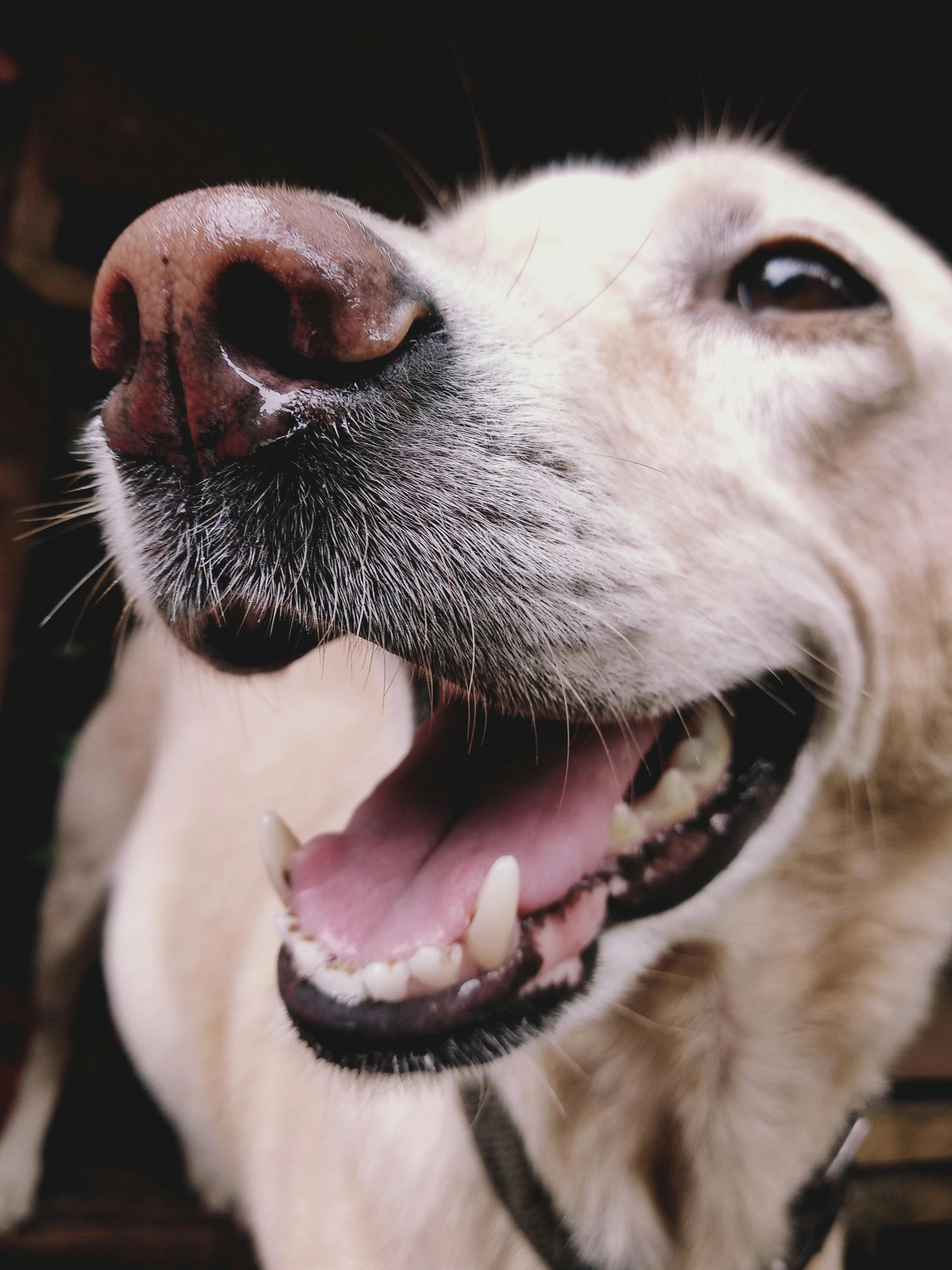
Dogs have always been our loyal companions, and their unique features often fascinate us. One of the most intriguing aspects is their noses, particularly the wetness. So, why do dogs have wet noses? This question leads us to explore the fascinating evolution of dog noses and the reasons behind their distinctive characteristics.
The Science Behind Wet Noses
Dogs' noses are usually wet, and this is not just for show. The moisture on a dog’s nose serves multiple important functions. Here’s a breakdown of why wetness matters:
Enhanced Sense of Smell: Dogs have an extraordinary sense of smell, up to 100,000 times more sensitive than humans. A wet nose helps to capture scent particles more effectively. When the surface of the nose is moist, it can trap these particles better, allowing dogs to process scents more efficiently.
Temperature Regulation: While dogs primarily cool themselves through panting, their noses also play a role in regulating body temperature. The moisture evaporating from a wet nose helps to cool a dog down.
Health Indicator: A dog’s nose can also be an indicator of health. A wet and cool nose often signifies a healthy dog, while a dry or warm nose may signal illness or dehydration. However, this isn't a definitive rule, as many factors can influence a dog's nose condition.
Historical Context: The Evolution of Dog Noses
Dogs have evolved from wolves, and their noses have adapted over thousands of years. Here are some interesting historical facts about the evolution of dog noses:
Ancestral Traits: Early domesticated dogs inherited their keen sense of smell from wolves. Their ancestors relied heavily on scent for hunting and survival.
Selective Breeding: Over generations, humans have selectively bred dogs for certain traits, including their sense of smell. Certain breeds, like Bloodhounds and Beagles, have particularly developed olfactory senses due to specific breeding practices.
Diversity Among Breeds: Different dog breeds have different nose shapes and lengths, which can affect their smelling abilities. Breeds like Greyhounds have long, narrow noses, while Bulldogs have shorter, flatter noses. This diversity shows how evolution shaped dogs to fit various roles and environments.
Fascinating Facts About Dog Noses
There’s more to a dog’s nose than just wetness. Here’s a list of fascinating facts about dog noses that might surprise you:
Unique Nose Prints: Just like human fingerprints, each dog has a unique nose print. This uniqueness can be used for identification purposes.
Scent Discrimination: Dogs can differentiate between a vast range of smells, which is why they are used in search and rescue operations, drug detection, and even medical diagnosis.
Nasal Turbinates: The structure of a dog’s nose contains complex nasal turbinates, which increase the surface area for scent processing. This makes it easier for dogs to detect and identify different smells.
Temperature Sensitivity: Dogs can actually sense changes in temperature through their noses, which may help them locate food or identify threats.
Practical Implications for Dog Owners
Understanding why dogs have wet noses and the science behind it is essential for dog owners. Here are some practical tips for you:
Regular Health Checks: Monitor your dog’s nose regularly. Changes in moisture or temperature can indicate health issues. Consult a vet if you notice anything unusual.
Hydration is Key: Ensure your dog stays hydrated, especially in hot weather. Dehydration can lead to a dry nose, which might be a health concern.
Grooming and Care: Keep your dog’s nose clean. Dirt and debris can affect their ability to smell. A gentle wipe with a damp cloth can help.
Environment Awareness: Dogs can be sensitive to their environment. If they are constantly in dry or dusty areas, their noses may dry out. Try to create a comfortable living space for them.
Final Thoughts
The evolution of dog noses is a remarkable journey that highlights the unique relationship between dogs and humans. Their wet noses are not just an adorable feature; they serve essential purposes for their health and functionality. Understanding these aspects enriches our bond with our furry friends and encourages us to care for their well-being. As we continue to explore the world of dogs, we find that there’s always more to learn about these incredible animals. So, next time you see your dog’s wet nose, remember all the fascinating reasons behind it!
7 Surprising Benefits of a Dog's Wet Nose for Their Well-Being
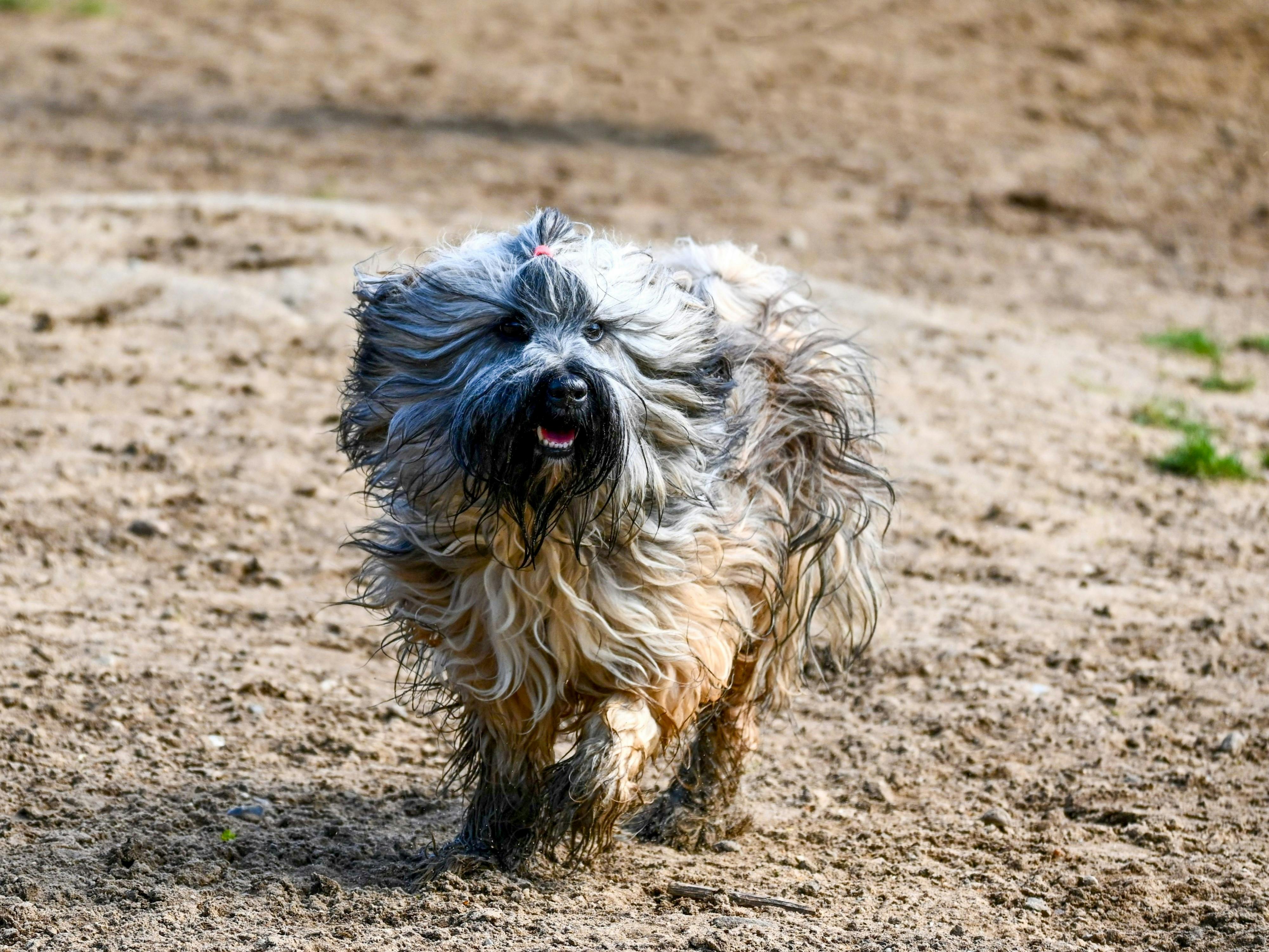
Have you ever wondered why dogs have wet noses? It’s kinda fascinating, really! While many dog owners might just think it’s a quirky dog trait, there’s actually more to it than meets the eye. Dogs' noses are not just for sniffing; their wetness serves multiple purposes for their well-being and health. Let’s dive into seven surprising benefits of a dog’s wet nose and explore the reasons behind this intriguing phenomenon.
1. Temperature Regulation
One of the most notable functions of a wet nose is its ability to help regulate a dog's body temperature. Dogs don’t sweat the same way humans do. Instead, they primarily cool off through panting. However, a wet nose helps in temperature regulation too. When the moisture evaporates, it cools the skin and thus, helps lower their body temperature.
- Dogs may pant to cool down.
- A wet nose aids in cooling through evaporation.
- Helps prevent overheating during hot weather.
2. Better Sense of Smell
A dog's sense of smell is incredible, and the moisture on their nose plays a crucial role in enhancing that ability. The wet surface traps scent particles from the air, allowing dogs to pick up odors more effectively. This is why dogs are often used in search and rescue missions or in sniffing out drugs.
- Moisture helps capture scent particles.
- Dogs can detect certain smells better than humans.
- Wet noses are essential for tracking scents.
3. Communication Tool
Believe it or not, dogs use their wet noses as a form of communication! When dogs greet each other, they often sniff each other's noses. This behavior can be a way of gathering information about other dogs, and a wet nose is more inviting than a dry one. It's like saying, "Hey, I’m friendly!"
- Dogs greet each other with a nose sniff.
- Wet noses can indicate friendliness.
- Nose sniffing fosters social interaction among dogs.
4. Health Indicator
A dog’s nose can actually tell you a lot about their health. A wet, cool nose is often a sign of a healthy dog. However, a dry or warm nose might suggest illness or dehydration. It’s important for dog owners to monitor their pets' noses, as changes can be an early indication of health issues.
- A cool, wet nose usually indicates good health.
- Changes in moisture could signal problems.
- Monitoring can lead to early detection of illnesses.
5. Natural Moisturizer
Dogs have a special gland in their noses that keeps them moist. This natural moisture not only helps with scent but also serves as a protective barrier against dust and allergens. So, a wet nose can help keep your furry friend safe from irritants in the environment.
- Special glands keep noses moist.
- Moisture protects against allergens.
- Reduces irritation from environmental pollutants.
6. Promotes Bonding
Dogs are social creatures, and their wet noses play a role in forming bonds with their human family. When a dog nudges you with their nose, it’s often a way of seeking attention or affection. This interaction can strengthen the human-animal bond, improving the dog's emotional well-being.
- Nose nudging is a form of affection.
- Strengthens bonds between dogs and humans.
- Promotes emotional health and happiness.
7. Sensory Exploration
A dog's nose is packed with sensory receptors, making it a vital tool for exploration. The wetness of their noses helps them gather more information about their surroundings. Dogs often use their noses to investigate new environments, which is essential for their mental stimulation and overall well-being.
- A well-moistened nose enhances sensory exploration.
- Dogs explore the world through their sense of smell.
- Important for mental stimulation and curiosity.
Fun Facts About Dogs' Wet Noses
- Dogs have around 300 million smell receptors compared to humans' 5 million.
- The moisture on a dog's nose comes from saliva and mucus glands.
- Different breeds might have varying levels of nose moisture.
Understanding why do dogs have wet noses can help you appreciate your canine companion even more! Their wet noses are not just cute; they serve multiple important functions that contribute to their health and happiness. Whether it’s regulating temperature, enhancing their sense of smell, or promoting bonding with you, those little wet noses are packed with purpose. So, the next time you pet your dog and feel that delightful wet nose, remember all the benefits it brings to their well-being!
The Connection Between Breed Types and Nose Moisture: What’s the Difference?
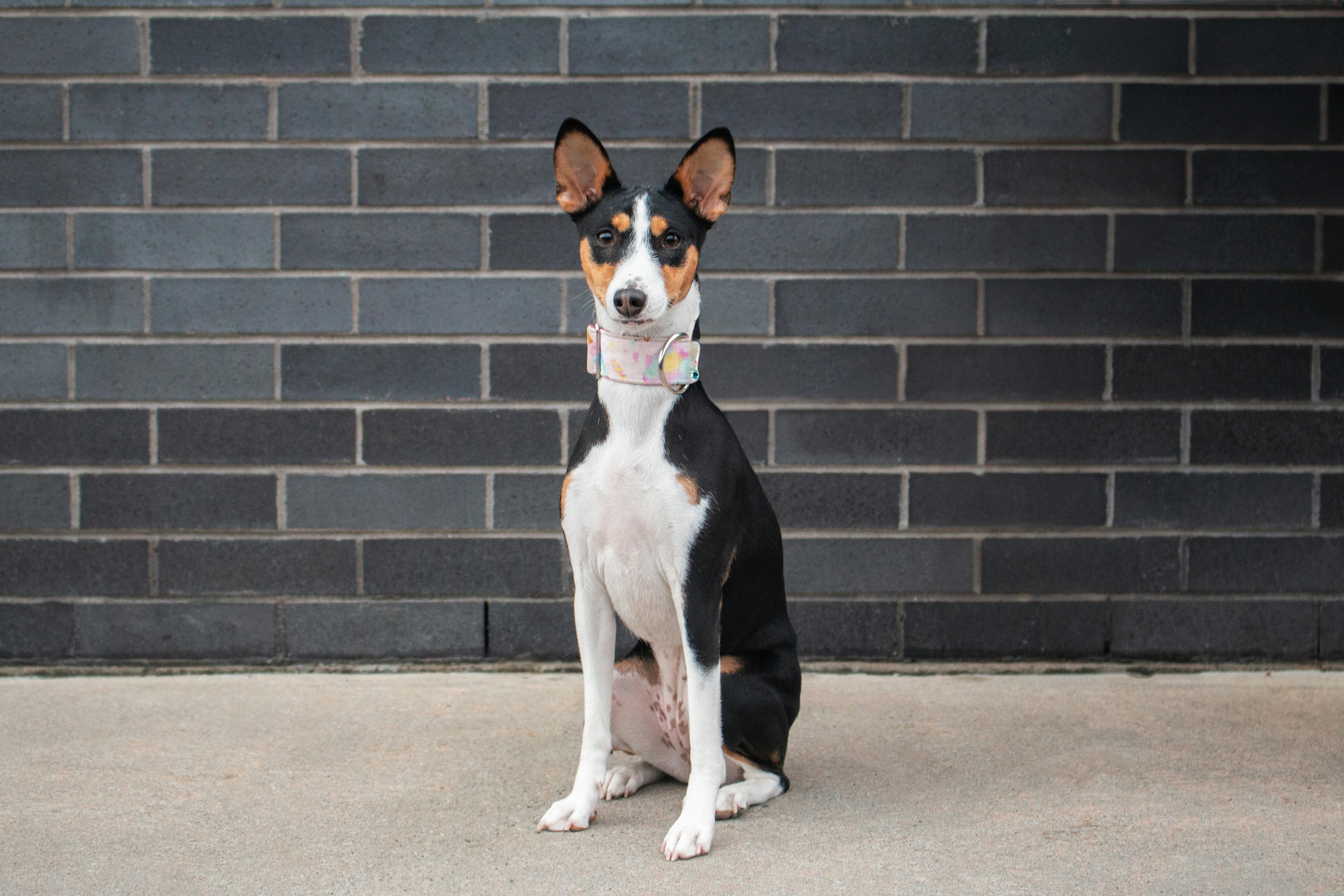
Dogs are known for many things, but one of the most interesting aspects of their anatomy is their wet noses. Many people often wonder, "Why do dogs have wet noses?" It's a common question that has some fascinating answers, intertwining biology, behavior, and even breed types. This article will explore the connection between breed types and nose moisture, shedding light on why some dogs might have wetter noses than others.
The Importance of a Dog's Nose
A dog's nose is not just for show; it serves several critical functions. Here are a few reasons why a moist nose is beneficial:
- Enhanced Scent Detection: The moisture on a dog’s nose helps to capture scent particles in the air. This makes them better at smelling, which is one of their most significant abilities.
- Temperature Regulation: A wet nose can help cool down a dog, as moisture evaporates and provides a cooling effect.
- Health Indicator: The condition of a dog's nose can sometimes indicate its health. A dry nose might suggest dehydration or illness, while a moist nose is usually seen as a sign of good health.
Breed Types and Their Nose Moisture
There’s a surprising connection between various dog breeds and the moisture levels of their noses. Some breeds are known for having wetter noses, while others might have drier ones.
Here’s a quick list of breed types and their typical nose moisture levels:
Wet-Nosed Breeds:
- Labrador Retrievers
- Golden Retrievers
- Beagles
- Bulldogs
Dry-Nosed Breeds:
- Greyhounds
- Dachshunds
- Boston Terriers
- Boxers
The moisture levels in a dog’s nose can be influenced by their breed's physical characteristics. For example, breeds with shorter snouts may have more difficulty in keeping their noses moist compared to those with longer snouts.
Why Do Dogs Have Wet Noses?
There are several reasons dogs have wet noses, and they are deeply rooted in their biology and behavior. Here are some fascinating reasons:
Thermoregulation: Dogs don't sweat like humans do. Instead, they use their noses to help regulate body temperature. A wet nose cools the blood vessels in the area, helping to cool the dog down.
Sense of Smell: The moisture attracts scent particles, enhancing a dog's sense of smell. This is why dogs excel in hunting, tracking, and search-and-rescue operations.
Communication: Dogs often use their noses to communicate with each other. A moist nose may signal to other dogs that they are healthy and ready for social interactions.
Grooming Behavior: Dogs often lick their noses, keeping them moist. This is a natural behavior that helps maintain the health of their nose.
Environmental Factors: Humidity and temperature can affect nose moisture. Hot and dry environments may lead to dryer noses, while cooler, humid areas often promote moisture.
The Science Behind Nose Moisture
The moisture on a dog's nose comes from several sources. Here’s how it works:
- Mucous Membranes: The inside of a dog’s nose has mucous membranes that produce moisture.
- Saliva: Dogs lick their noses frequently, adding saliva to the mix.
- Environmental Moisture: Just like humans, dogs can absorb moisture from the air, especially in humid conditions.
Comparing Nose Moisture Across Breeds
When considering the differences in nose moisture across breeds, it can be helpful to visualize it. Here's a simple comparison:
| Breed Type | Nose Moisture Level | Common Characteristics |
|---|---|---|
| Wet-Nosed Breeds | High | Friendly, active, often larger breeds |
| Dry-Nosed Breeds | Low | Smaller, sometimes more reserved breeds |
It’s interesting to see how these differences relate to a dog’s lifestyle and behavior. For instance, wet-nosed breeds are often more sociable and active, whereas dry-nosed breeds may be more independent.
Conclusion
Understanding the connection between breed types and nose moisture opens up a fascinating window into the world of dogs. Their wet noses are not just an adorable feature; they play vital roles in health, communication, and their ability to interact with the environment. So, the next time you notice your dog’s wet nose, you can appreciate the science and biology behind it, knowing how much it contributes to their well-being and behavior. Whether it's a playful Labrador or a dignified Greyhound, each breed has its unique characteristics, and their noses tell a story of their own.
Myths vs. Facts: Debunking Common Misconceptions About Dog Nose Moisture
Dogs are often considered man's best friend, and one of the most endearing traits they have is their wet noses. But many people got it all wrong when it comes to understanding the reasons behind this unique feature. In this article, we will explore the myths and facts surrounding dog nose moisture and why do dogs have wet noses. You might be surprised by what you learn!
The Myths Surrounding Dog Nose Moisture
Myth: A Wet Nose Means a Healthy DogMany folks believe that if a dog's nose is wet, it must be healthy. However, this isn’t always true. While a moist nose can indicate hydration, it doesn't guarantee that the dog is in perfect health. Dogs can have health issues regardless of their nose moisture.
Myth: Dogs' Noses are Wet Because They SweatSome people think that dogs sweat through their noses, but that’s not how it works. Dogs primarily regulate their body temperature through panting, not through their noses. Their wet noses actually help with another important function.
Myth: All Dogs Have Wet NosesIt’s common to think that every dog has a wet nose. But this is not the case! Some breeds, like Bulldogs or Pugs, might have drier noses due to their unique anatomy. So, it varies from one dog to another.
The Facts About Why Dogs Have Wet Noses
Enhancing Their Sense of SmellOne of the main reasons why do dogs have wet noses is because it helps them smell better. The moisture on their noses captures scent particles, enhancing their olfactory capabilities. This is why dogs are such great trackers and can smell things that humans can’t even imagine.
Cooling MechanismWet noses can also act as a cooling mechanism. When a dog pants, moisture from their nose evaporates, which helps to cool down their body temperature. This is important especially during hot weather when dogs need to find ways to cool off.
Communication and Social InteractionDogs use their noses to communicate with other dogs and even with humans. A wet nose can be an indicator of excitement or affection. When your dog nudges you with their moist nose, they might be seeking your attention or affection.
What Causes Dog Nose Moisture?
SalivaDogs lick their noses often, which keeps them moist. This is a normal behavior and should not be a cause for concern.
Environmental FactorsThe environment plays a role too. Humidity and temperature can affect how wet a dog's nose is. In cooler weather, for instance, their noses might be wetter than in dry heat.
Health ConditionsCertain health problems can affect nose moisture. For example, a dry nose can sometimes indicate dehydration or fever. If you notice changes in your dog’s nose moisture along with other symptoms, it might be a good idea to consult a vet.
Fascinating Facts About Dog Noses
Dogs Have More Olfactory ReceptorsDogs have around 220 million olfactory receptors in their noses compared to humans, who only have about 5 million. This incredible difference makes their sense of smell extraordinarily powerful.
Wet Noses and Temperature RegulationA dog's nose can be a good indicator of their body temperature. Typically, a cooler nose can indicate a cooler body temperature, while a warmer nose might indicate a fever. But this isn’t a foolproof method, so don’t rely solely on nose temperature for health assessments.
Dogs Can Smell EmotionsStudies show that dogs can detect human emotions through scent. They can pick up on chemical changes in a person's body when they experience different feelings like fear or excitement.
The Importance of Nose Health
Keeping your dog's nose healthy is crucial. Here are some tips to maintain your pup's nose moisture:
HydrationEnsure your dog always has access to fresh water. This helps keep their nose moist and healthy.
Regular Vet Check-upsRegular visits to the veterinarian can help spot any potential health issues early on.
Observe ChangesPay attention to changes in your dog’s nose. If it becomes excessively dry or cracked, consult your veterinarian.
Understanding the fascinating reasons behind why do dogs have wet noses can not only deepen your bond with your furry friend but also help you better care for them. The moisture on their noses serves more purposes than just appearing cute! So, next time you see your dog with a wet nose, remember all the incredible functions it serves.
Conclusion
In conclusion, dogs have wet noses primarily due to their unique physiology and behavior, which plays a crucial role in their overall health and sensory perception. A dog's moist nose helps to enhance their sense of smell by trapping scent particles, making them more effective hunters and companions. Additionally, the moisture on their noses aids in temperature regulation, allowing them to cool down more efficiently. It's important to recognize that while a wet nose is often a sign of a healthy dog, variations can occur based on environmental factors and individual health. As a pet owner, keeping an eye on your dog's nose can be a simple yet effective way to monitor their well-being. Remember to consult a veterinarian if you notice any unusual changes, and ensure your furry friend stays hydrated and healthy. Embrace the quirks of your dog, including that delightful wet nose, as part of what makes them so special!