
Have you ever wondered, “Why do dogs have wet noses?” This intriguing question isn’t just a quirky fact about our furry friends; it holds a fascinating truth that can deepen your understanding of dog behavior and health. A wet nose is often seen as an indicator of a happy, healthy pup, but is there more to it? Dogs have evolved to develop these unique features for several reasons, including thermoregulation and sensory enhancement. The moisture on a dog’s nose can help them smell better, allowing them to detect scents more effectively. Isn’t it amazing how something as simple as a dog’s nose can tell us so much about their world? In this article, we will explore the science behind why our canine companions have wet noses and the significance it holds for their well-being. Curiosity piqued? Discover the captivating reasons behind this endearing trait and learn how it contributes to your dog’s overall health. Whether you’re a dog owner or simply an animal lover, understanding the fascinating truth about wet noses will surely enrich your relationship with these loyal companions. So, let’s dive in and unveil the secrets behind your dog’s delightful wet nose!
The Science Behind Dog Noses: Why Are They Wet and What Does It Mean?
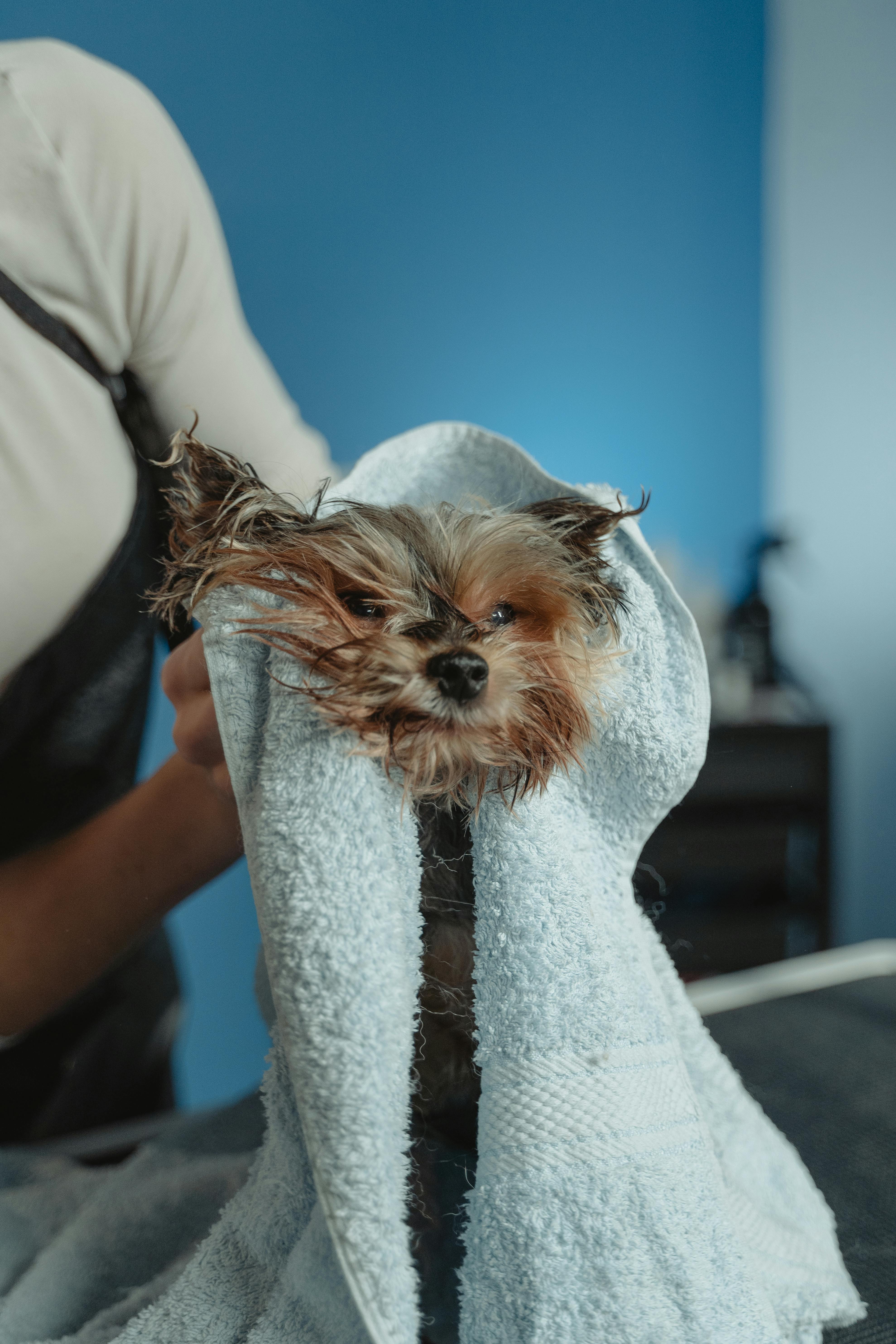
Dogs are known for many things, but one of their most distinctive features is their wet noses. Have you ever wondered why dogs have wet noses? It’s not just a quirky trait; there’s actual science behind it! In this article, we will explore the fascinating truth about dog noses, why they are wet, and what that means for our furry friends.
Why Are Dog Noses Wet?
The moisture on a dog’s nose serves several important purposes. First, it helps enhance their sense of smell. Dogs have an incredible olfactory system, and a wet nose helps to trap scent particles in the air. Here’s how it works:
- Enhanced Olfactory Sensing: The moisture on the nose picks up scent molecules, which are then absorbed by the specialized scent receptors. This allows dogs to detect smells more accurately.
- Temperature Regulation: A wet nose can help cool a dog down. Dogs don’t sweat like humans do; they primarily regulate their body temperature through panting and, to some extent, through their noses.
- Health Indicator: A wet nose can be a sign of a healthy dog. If a dog’s nose is dry or cracked, it may signify dehydration or illness.
The Science Behind Dog Noses
Dog noses are truly remarkable. They consist of a complex structure that is significantly different from that of humans. Here are some fascinating facts about dog noses:
Scent Receptors: Dogs have approximately 220 million scent receptors compared to a human’s 5 million. This makes their sense of smell about 44 times stronger than ours.
Nasal Turbinates: The internal structure of a dog’s nose contains long, scroll-like bones called turbinates, which increase the surface area for scent absorption. This is crucial for their ability to detect smells.
Jacobsen’s Organ: Also known as the vomeronasal organ, this helps dogs detect pheromones and other chemical signals. It plays a vital role in social and reproductive behaviors.
Moisture Production: The moisture comes from mucus glands located in their noses. This keeps the nose moist, helping to capture scents more effectively.
Historical Context
The evolution of a dog’s nose is fascinating. Dogs are descendants of wolves, and their noses have adapted over thousands of years to help them survive. Historically, strong olfactory skills were essential for hunting and avoiding predators. This evolutionary advantage is still present in modern dogs, who often use their noses for tracking, hunting, and exploring their environment.
Comparison: Dog Noses vs. Human Noses
To truly appreciate a dog’s nose, let’s compare it with a human nose.
| Feature | Dog Nose | Human Nose |
|---|---|---|
| Scent Receptors | ~220 million | ~5 million |
| Ability to Smell | 44 times better than humans | Limited compared to dogs |
| Nose Structure | Complex with turbinates | Simpler structure |
| Moisture Function | Enhances smell and regulates temp | Primarily for smell |
Practical Examples of Dog Nose Use
Dogs use their noses for various purposes in everyday life. Here are some common examples:
- Tracking: Search and rescue dogs use their noses to find missing persons, often locating them faster than human searchers.
- Detection: Dogs are trained to detect drugs, explosives, and even certain medical conditions, like low blood sugar or seizures.
- Social Interaction: Dogs greet each other by sniffing, which provides a wealth of information about other dogs, such as their identity and health.
What Does a Dry Nose Mean?
While a wet nose is generally a sign of good health, a dry nose can indicate several things. Here are a few possibilities:
- Dehydration: If a dog hasn’t been drinking enough water, their nose may dry out.
- Illness: A consistently dry nose can be a sign of illness. It’s important to monitor other symptoms.
- Environmental Factors: Hot weather or dry air can cause a dog’s nose to become dry.
It’s always good to consult with a veterinarian if you notice any significant changes in your dog’s nose or overall health.
Understanding the science behind dog noses adds another layer to our appreciation of these wonderful companions. Their wet noses are not just cute; they serve essential functions that help keep them healthy and connected to the world around them. Whether you’re a dog owner or just a dog lover, knowing why dogs have wet noses can deepen your bond with these amazing animals.
7 Surprising Reasons Dogs Have Wet Noses: Uncover the Mysteries!
Dogs are such fascinating creatures, and one of the most curious features they have is their wet noses. You may have asked yourself, why do dogs have wet noses? Well, there’s a lot more to it than just a quirky characteristic! Let’s dive into seven surprising reasons that make these soggy snouts truly remarkable.
1. Enhanced Sense of Smell
Dogs have an incredible sense of smell, and their wet noses play a crucial role in this. The moisture on their noses helps to trap scent particles, which enhances their ability to detect odors. It’s like adding a little glue to a piece of paper; it makes the scents stick better. Did you know that dogs have around 300 million smell receptors? That’s 40 times more than humans!
2. Thermoregulation
Just like humans sweat to cool down, dogs also use their noses to help regulate their body temperature. The moisture on their noses evaporates, which helps to dissipate heat from their bodies. It’s not their only way to cool down, but it’s an important one. When it’s hot outside, you may notice your dog’s nose is extra wet. This is their natural way of coping with the heat.
3. Communication Tool
Dogs are social animals, and their wet noses serve as a form of communication. When they nudge or touch you with their noses, they are often trying to show affection or ask for attention. It’s like a gentle tap on the shoulder from a friend. The wetness can also signal to other dogs that they are friendly and approachable, as a dry nose might suggest stress or illness.
4. Health Indicator
A dog’s nose can tell you a lot about their health. A healthy dog typically has a moist, cool nose. However, if your dog’s nose is excessively dry or cracked, it might indicate dehydration or illness. Here are some health indicators to keep an eye on:
- Cold and wet: Normal and healthy
- Warm and dry: Possible fever or dehydration
- Crusty or cracked: Could indicate allergies or skin issues
Monitoring your dog’s nose can help you catch health problems early.
5. Evolutionary Advantage
From an evolutionary standpoint, dogs with wet noses might have had an advantage in the wild. A wet nose can help dogs hunt more effectively by allowing them to detect scents more accurately. This feature could have helped their ancestors survive and thrive in their environments. Isn’t it amazing how evolution shapes the traits we see today?
6. Hydration Aid
Dogs lick their noses to keep them moist, but did you know that this behavior also helps in hydration? When dogs lick their noses, they are not just playing; they are actually hydrating themselves. The saliva that gets on their noses will eventually evaporate, creating a cooling effect. This is why you often see dogs licking their noses after drinking water or playing outside.
7. Temperature Sensitivity
Interestingly, a dog’s nose is also sensitive to temperature changes. When they smell something, the moisture in their nose can evaporate quickly, which can give them clues about the temperature of their environment. This ability helps them track scents more effectively, especially in varied weather conditions. It’s like having a built-in thermometer that helps them navigate their surroundings.
Summary of Reasons Why Dogs Have Wet Noses
- Enhanced sense of smell
- Thermoregulation
- Communication tool
- Health indicator
- Evolutionary advantage
- Hydration aid
- Temperature sensitivity
So, the next time you pet your dog and feel that wet nose against your hand, remember that there’s a lot more happening than you might think! From their incredible sense of smell to their role in communication, wet noses are just one of the many things that make dogs truly special.
In essence, dogs and their wet noses bring joy and companionship to our lives while also possessing unique physiological attributes. Whether it’s for health indicators or emotional expressions, these snouts are more than just a cute feature. They represent a beautiful blend of nature’s genius and our furry friends’ loving nature.
Is a Wet Nose a Sign of a Healthy Dog? Exploring the Connection
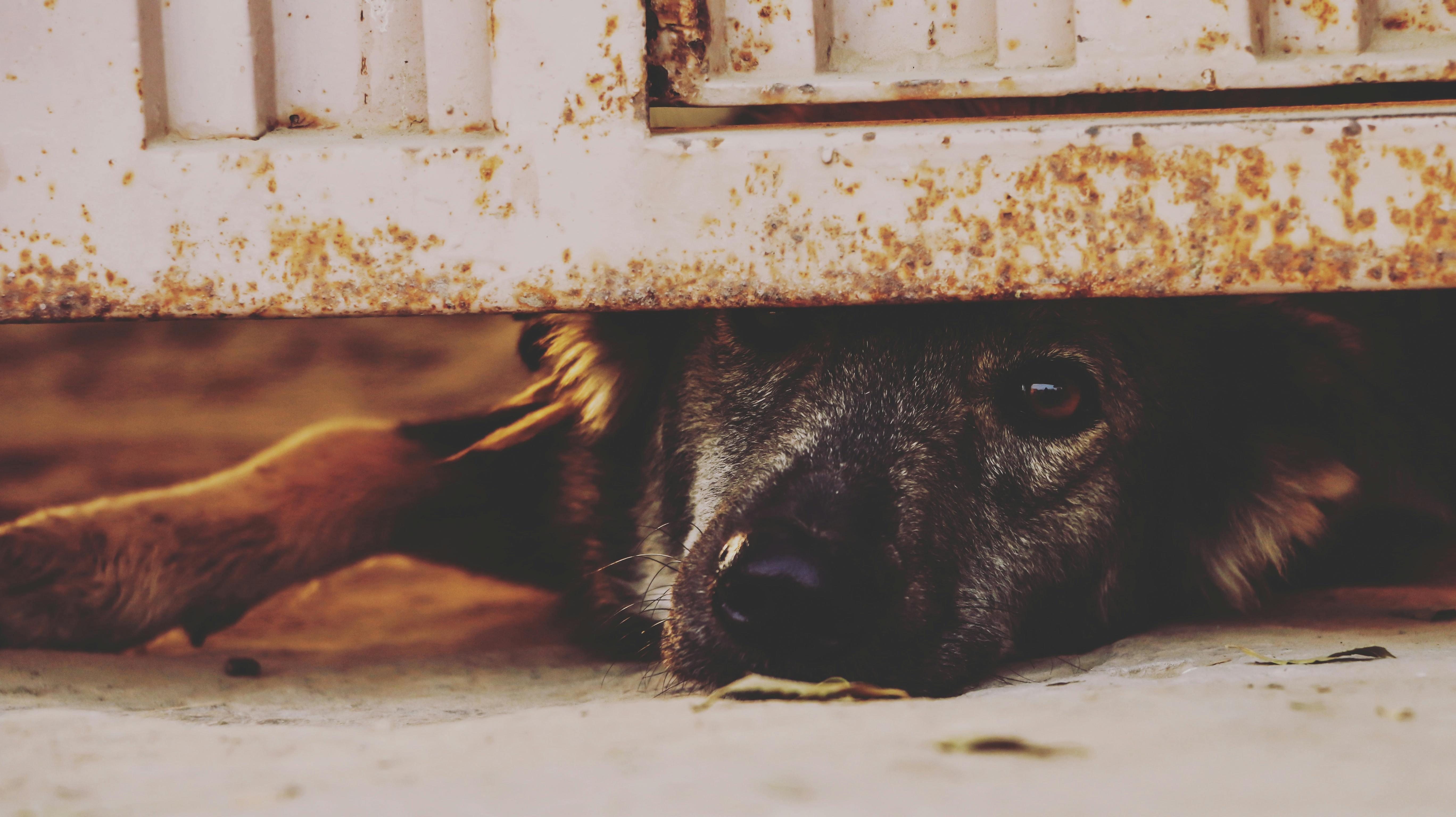
When you think about dogs, one of the first things that comes to mind is their adorable, wet noses. But have you ever wondered, is a wet nose a sign of a healthy dog? Or why do dogs have wet noses anyway? Let’s dive into this fascinating topic and uncover the truth about those damp little snouts.
The Science of a Wet Nose
A dog’s nose is not just cute; it’s also an important part of their anatomy. Dogs have wet noses due to the moisture produced by special glands in their skin. This moisture helps to enhance their sense of smell. It is said that dogs have as many as 300 million scent receptors compared to humans, who have about 5 million. The wetness on their noses helps to trap scent particles, making it easier for dogs to sniff out things in their environment.
Why Do Dogs Have Wet Noses?
There are several reasons why dogs have wet noses. Here’s a rundown:
- Scent Enhancement: As mentioned, the moisture on a dog’s nose helps to absorb scent particles, making them more capable of detecting odors.
- Temperature Regulation: Dogs don’t sweat like humans do. Instead, they regulate their body temperature through their noses and paws. A wet nose can help to cool them down.
- Health Indicator: A wet nose is often seen as a sign of a healthy dog. However, it’s important to remember that not all healthy dogs have wet noses and not all dogs with dry noses are sick.
- Social Interaction: Dogs often use their noses to communicate. A wet nose can indicate that a dog is relaxed and friendly, while a dry nose might suggest stress or discomfort.
Is a Wet Nose Always a Good Sign?
While a wet nose can indicate good health, it’s not the only factor to consider. Here are a few points to think about:
- Environmental Factors: Dogs may have drier noses in certain weather conditions, like during winter or in dry climates. This does not necessarily mean they’re unhealthy.
- Nasal Conditions: Sometimes, dogs can develop nasal conditions that lead to dryness or cracking. If you notice your dog’s nose is persistently dry or has sores, it’s wise to consult a veterinarian.
- Hydration Levels: A dog’s hydration can affect the moisture of their nose. If a dog is dehydrated, their nose may be dryer than usual.
Comparing Wet and Dry Noses: What Do They Mean?
Here’s a simple comparison to help you understand the implications of wet and dry noses in dogs:
Wet Nose:
- Indicates good hydration.
- Suggests a healthy olfactory system.
- May imply the dog is relaxed or content.
Dry Nose:
- Can indicate dehydration.
- May suggest health issues or stress.
- Sometimes normal, depending on the dog’s environment.
Practical Tips for Dog Owners
If you’re a dog owner, it’s important to keep an eye on your pup’s nose. Here are some practical tips:
- Hydration: Always ensure your dog has access to fresh water. Hydration is key for keeping their nose moist.
- Regular Vet Check-ups: Regular visits to the vet can help you catch any health issues early. A vet can inform you about the significance of your dog’s nose condition.
- Monitor Changes: Keep an eye on any changes in your dog’s nose. If it suddenly becomes dry and stays that way, consult your vet.
Fun Facts About Dogs’ Noses
- Dogs’ noses are unique, just like human fingerprints. No two dogs have the same nose print!
- A dog’s sense of smell is so powerful that they can detect certain diseases, including cancer and diabetes, in humans.
- Dogs can differentiate between thousands of smells, making them excellent at search and rescue operations.
So, is a wet nose a sign of a healthy dog? While it often indicates good health, it’s not the only measure. Dogs have wet noses for several reasons, including enhancing their sense of smell and regulating their body temperature. Always pay attention to your dog’s overall behavior and health, and consult a veterinarian if you notice concerning changes. That way, you can ensure your furry friend stays happy and healthy!
How Do Dog Noses Help Them Navigate the World? Discover the Fascinating Functionality

Dogs are amazing creatures, isn’t they? One of the most fascinating things about them is their noses. But, how do dog noses help them navigate the world? And why do dogs have wet noses? Let’s dive into the intriguing functionality behind those snouts and uncover some astonishing truths.
The Nose Knows: How Dogs Use Their Noses
First off, it’s essential to understand that a dog’s sense of smell is approximately 10,000 to 100,000 times more sensitive than a human’s. This incredible olfactory capability allows dogs to detect scents at unbelievably low concentrations.
Here’s a breakdown of how dog noses work:
- Olfactory Receptors: Dogs have around 300 million olfactory receptors compared to a human’s 5 million. This makes their noses an advanced tool for scent detection.
- Jacobsen’s Organ: Also known as the vomeronasal organ, this helps dogs to sense pheromones, which is crucial for social interactions among dogs.
- Nasal Structure: The unique structure of their nasal passages allows for more surface area to capture and analyze scents.
Because of all this, dogs can recognize their owners, find lost items, or even alert to dangers like drugs or explosives. It’s no wonder they are used in search and rescue missions, right?
Why Do Dogs Have Wet Noses?
Now, onto the question: why do dogs have wet noses? It’s not just for show, that’s for sure. A wet nose plays several important roles in a dog’s life.
- Scent Enhancement: Moisture on their noses helps to trap scent particles. This means a wet nose can actually enhance their ability to detect smells.
- Thermoregulation: Dogs don’t sweat like humans. Instead, they cool themselves through panting and the moisture on their noses. This is particularly important during hot weather.
- Health Indicator: A dog’s nose can tell you a lot about their health. A wet, cool nose is often a sign of a healthy dog, while a dry nose could indicate dehydration or illness.
The Evolution of Dog Noses
Historically, dogs developed their keen sense of smell for survival. Ancestors of domestic dogs were hunters, and being able to track scents meant they could find food more efficiently. Over time, selective breeding has emphasized these traits, making some breeds particularly adept at scent work.
For example, Bloodhounds are renowned for their extraordinary ability to follow a scent trail. They can track a scent that is days old!
Fun Facts About Dog Noses
- Dogs have unique nose prints, just like human fingerprints. Each dog’s nose is different, which can be used for identification.
- The wetness of a dog’s nose can vary based on the environment. Dogs that are more active, or in humid conditions, may have wetter noses.
- Some breeds, like Bulldogs, have shorter noses and may have more difficulty smelling compared to breeds like Greyhounds, which have long, narrow snouts.
Comparing Dog Noses to Human Noses
| Feature | Dogs | Humans |
|---|---|---|
| Olfactory Receptors | ~300 million | ~5 million |
| Ability to Detect Scents | 10,000 – 100,000 times better | Standard detection |
| Nose Print Uniqueness | Yes | No |
| Temperature Regulation | Yes (wet nose) | No (sweating) |
Practical Examples of Dog Nose Usage
- Search and Rescue: Dogs are trained to locate missing persons in disaster scenarios.
- Medical Detection: Some dogs can detect illnesses like cancer by smelling a person’s breath.
- Detection of Substances: Law enforcement uses dogs to sniff out drugs or explosives effectively.
The versatility of a dog’s nose is simply astounding, don’t you think?
Dogs rely on their noses for a variety of tasks, from navigating their environment to communicating with other dogs. Their wet noses are not just a quirky feature but a vital part of their sensory toolkit. Understanding how dog noses help them interact with the world can enrich our appreciation for these furry companions.
Next time you pet a dog, take a moment to appreciate that incredible nose. It’s not just cute; it’s a complex instrument that aids in their understanding of the world around them.
The Evolution of Dog Noses: Why Wet Noses are Key to Canine Survival
The unique characteristics of dog noses have long fascinated both pet owners and scientists alike. The wetness of a dog’s nose is not just a whimsical trait; it serves several essential functions that are critical for a canine’s survival. But why do dogs have wet noses, and what’s the science behind it? Let’s dive into the evolution of dog noses and discover the fascinating truth!
The Science Behind Wet Noses
Dogs have a variety of adaptations that help them thrive in their environments, and their noses are among the most remarkable. A dog’s nose is packed with olfactory receptors—estimated to be around 300 million compared to roughly 5 million in humans! This heightened sense of smell is crucial for their survival, allowing them to detect food, identify mates, and even sense danger.
One of the primary reasons dogs have wet noses is related to their ability to smell. A wet nose helps to capture scent particles more effectively. When the nose is moist, it can absorb these particles better, which enhances a dog’s ability to detect and interpret smells. This is why you’ll often see dogs licking their noses; it keeps them moist and helps them sniff out the world around them.
The Role of Temperature Regulation
Wet noses also play a role in thermoregulation. Dogs do not sweat through their skin like humans do; instead, they primarily cool off through panting. However, their noses can also help regulate body temperature. The moisture on a dog’s nose evaporates, which can help to cool them down—similar to how sweating works for humans.
- Dogs cool off by:
- Panting
- Wetting their noses
- Seeking shade or cooler surfaces
Historical Context of Dog Noses
Dogs have evolved from wolves, which relied heavily on their sense of smell for hunting and survival. Over time, domestic dogs have retained this adaptation, but their noses have evolved even further. Various breeds exhibit different nose shapes and sizes, affecting how they smell. For instance:
- Bloodhounds: Known for their incredible sense of smell, they have long, droopy noses that help them pick up scents.
- Bulldogs: With shorter noses, they have a different olfactory capacity, but they still retain a remarkable sense of smell.
What Happens If a Dog’s Nose is Dry?
A dog’s nose can be dry for several reasons, which can sometimes indicate health issues. Here are some common causes for a dry nose:
- Dehydration: Not drinking enough water can lead to a dry nose.
- Illness: Conditions like fever or infections can dry out a dog’s nose.
- Allergies: Just like humans, dogs can suffer from allergies that might cause their noses to dry up.
- Environmental factors: Hot, dry weather can also lead to a dry nose.
However, a dry nose doesn’t always mean there’s a serious problem. Dogs can have fluctuating nose moisture levels throughout the day.
Fun Facts About Dog Noses
- Dogs can smell up to 100,000 times better than humans.
- The unique pattern of a dog’s nose is as distinctive as a human fingerprint.
- Some breeds, like the Basenji, are known to have dry noses, and this is normal for them.
- Dogs can even detect certain diseases, such as cancer, through their superior sense of smell.
Practical Tips for Nose Care
Taking care of your dog’s nose can help maintain their health. Here are some tips:
- Keep Hydrated: Make sure your dog always has access to fresh water.
- Watch for Changes: Notice any sudden changes in your dog’s nose. Consult a vet if you see something unusual.
- Limit Exposure: Protect your dog’s nose from extreme weather conditions like harsh sunlight or freezing temperatures.
Comparing Dog Noses to Other Animals
Dogs aren’t the only animals with wet noses. Here’s how they compare to other creatures:
- Cats: Cats also have moist noses, but they have fewer olfactory receptors than dogs.
- Bears: Bears have an even sharper sense of smell than dogs, but their noses are not always wet.
- Rabbits: Rabbits possess a good sense of smell, but their noses are drier.
In summary, the evolution of dog noses is a captivating tale of adaptation and survival. Wet noses are more than just an adorable feature; they play crucial roles in a dog’s life. From enhancing their sense of smell to regulating their body temperature, these moist noses are key to canine health and well-being. Understanding the science behind why dogs have wet noses not only enriches our knowledge but also deepens our appreciation for our furry friends.
Understanding Dog Body Language: What a Wet Nose Really Tells You

Dogs are amazing creatures with a unique way of communicating that often goes unnoticed by their human companions. Many pet owners often wonder, why do dogs have wet noses? Understanding dog body language can give us insight into what our furry friends are feeling and thinking. One of the most common characteristics of dogs is their wet nose, and it’s not just for show. There’s actually a fascinating truth behind it!
The Science Behind Wet Noses
Dogs noses are wet for several reasons. One of the main reasons is that it helps them to smell better. Dogs have an incredible sense of smell, and a wet nose helps to capture scent molecules more effectively. When a dog sniffs something, the moisture on their nose helps to trap scents, which then get processed in their olfactory system.
- Dogs have up to 300 million scent receptors in their noses, compared to a human’s 5 million.
- The moisture on their noses allows them to absorb scents quicker.
- A wet nose cools down a dog’s body temperature, helping to regulate their heat.
Why Do Dogs Lick Their Noses?
You might have noticed your dog licking their nose quite often. This behavior is pretty common and serves multiple purposes:
- Hydration: Dogs lick their noses to keep them moist. This is especially important in dry environments.
- Taste: Dogs are curious creatures and licking their nose can help them taste the scents they are smelling.
- Communication: Licking can be a sign of submission or a way to calm themselves in stressful situations.
The Connection Between Wet Noses and Health
A dog’s nose is also a good indicator of their health. While a wet nose is commonly associated with a healthy dog, it’s important to note that not all wet noses mean good health. Here are some things to consider:
- Normal Wetness: A healthy dog’s nose should feel cool and wet.
- Dry Nose: A dry nose can sometimes indicate dehydration or illness, but it can also just mean your dog is warm or sleeping.
- Nasal Discharge: If there’s excessive discharge or change in color, it’s best to consult a veterinarian.
Historical Perspectives on Dog Noses
Dog noses have been the subject of curiosity for centuries. Historically, dogs were used for hunting and assistance, and their keen sense of smell was invaluable. Ancient cultures recognized the importance of a dog’s nose:
- Hunting Dogs: They were bred specifically for their olfactory abilities.
- Search and Rescue: Dogs have been utilized for search-and-rescue operations due to their ability to track scents over great distances.
- Service Animals: Today, dogs are trained to detect medical conditions, such as low blood sugar or seizures, by their incredible sense of smell.
Fun Facts About Dogs and Their Noses
- Dogs sweat through their paw pads, not their noses!
- A dog’s nose print is unique, just like a human fingerprint.
- Certain breeds have more moist noses than others; for instance, Bulldogs often have wetter noses compared to Greyhounds.
Understanding Dog Body Language
Besides a wet nose, dogs communicate through various body language cues. Recognizing these signals can help you understand your dog better:
- Tail Wagging: A wagging tail can mean different things based on its position and speed. A slow wag might indicate uncertainty, while a fast wag usually shows excitement.
- Ears Position: Ears that are perked up show interest, while ears pulled back may indicate fear or submission.
- Body Posture: A relaxed stance with a wagging tail shows contentment, while a stiff body can be a sign of aggression or fear.
Key Takeaways
- Wet Nose Benefits: Helps in smelling and regulates body temperature.
- Health Indicators: Not all wet noses equal health; dry or excessively runny noses could indicate a problem.
- Historical Importance: Dogs have been bred for their noses for thousands of years, making them essential companions in various roles.
Understanding dog body language, including what a wet nose truly communicates, can enhance your relationship with your pet. Paying attention to their signals helps you respond appropriately and keep them happy and healthy. So next time you see that wet nose, remember it’s more than just an adorable feature—it’s a window into your furry friend’s world!
Can a Dog’s Wet Nose Indicate Illness? Key Signs Every Pet Owner Should Know
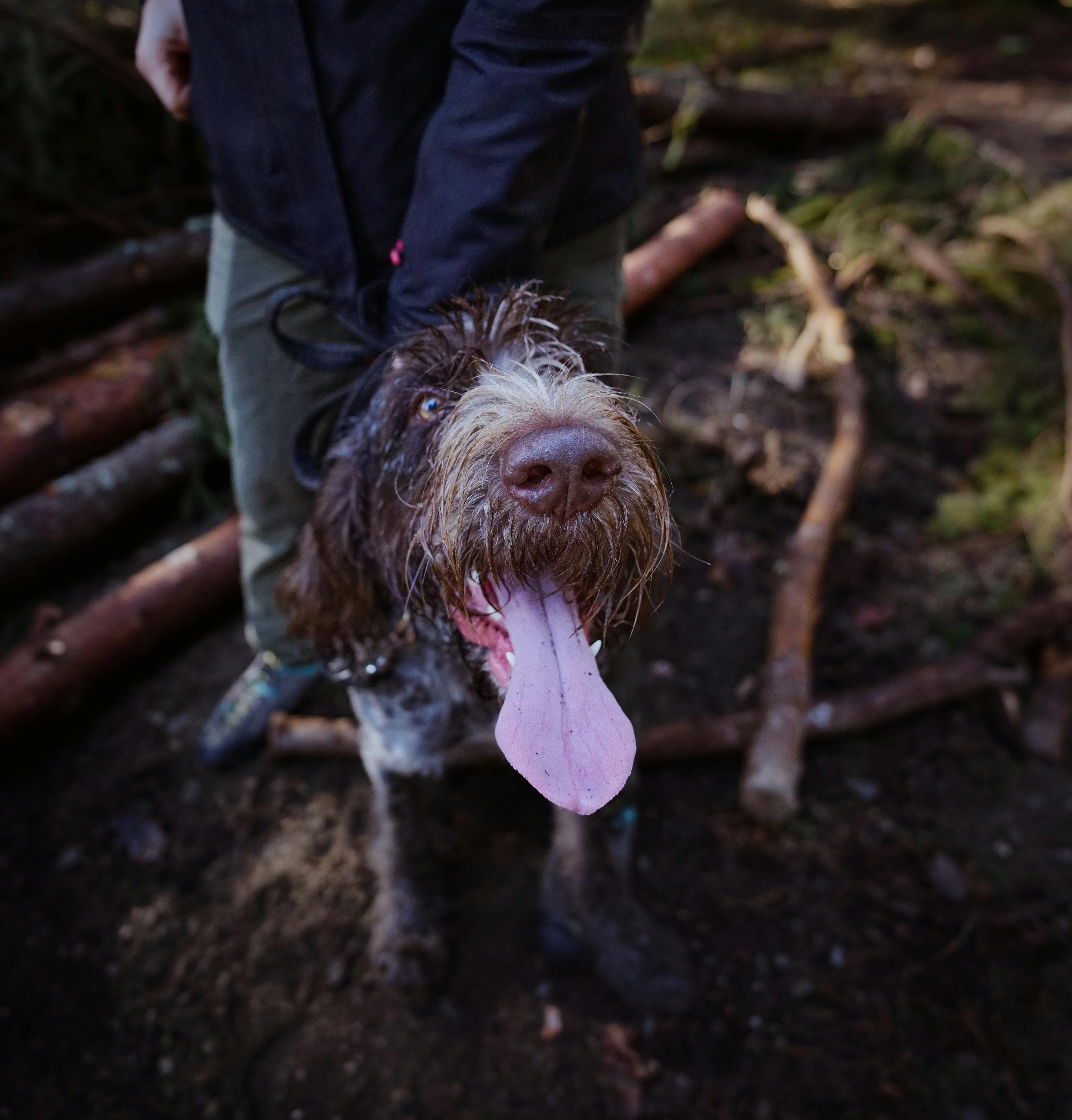
Many pet owners often wonder about their furry friends’ health, especially when it comes to something as seemingly innocuous as a wet nose. So, can a dog’s wet nose indicate illness? This question is frequently asked by concerned pet parents. In fact, understanding the reasons behind your dog’s wet nose can offer insights into their overall health and well-being.
Why Do Dogs Have Wet Noses?
First off, let’s explore the fascinating truth about why dogs have wet noses in the first place. A dog’s nose is typically wet because of its unique physiology. Here are several reasons why:
- Cooling Mechanism: Just like humans sweat, dogs use their noses to help cool down. The moisture evaporates and helps regulate their body temperature.
- Scent Detection: A wet nose enhances a dog’s ability to smell. The moisture helps capture scent particles in the air, making it easier for them to detect different smells.
- Health Indicator: A dog’s nose can be a reflection of their health. A wet and cool nose is often seen as a sign of a happy and healthy pup.
Key Signs Every Pet Owner Should Know
While a wet nose is generally a good sign, it’s not the only thing that pet owners should pay attention to. If you notice any of the following symptoms, it might be time to consult a veterinarian.
- Dry Nose: While it’s normal for a dog’s nose to dry out sometimes, a persistently dry nose could indicate dehydration or illness.
- Cracked or Bleeding Nose: This could suggest a serious health issue, including allergies or even infections.
- Discharge: Any unusual discharge from the nose, be it clear or colored, can be a sign of respiratory infections or allergies.
- Behavior Changes: If your dog seems lethargic, refuses to eat, or is acting differently than usual, these behaviors combined with a change in nose moisture might signal a problem.
The Connection Between Wet Noses and Illness
So, can a dog’s wet nose indicate illness? Not necessarily. A wet nose is usually normal, but it’s crucial to look at the bigger picture. A few things to consider are:
- Temperature: Dogs can have varying nose temperatures. If a wet nose is accompanied by a fever or other symptoms, it might be a sign of illness.
- Duration of Symptoms: If your dog’s nose remains wet or dry for an extended period, and especially if accompanied by other symptoms, you should seek professional advice.
- Environmental Factors: Weather changes can influence a dog’s nose moisture. Cold weather might lead to a dry nose, while heat can keep it moist.
Comparing Dog Health Indicators
Pet owners should also be aware of other health indicators beyond nose moisture. Here’s a quick comparison between signs of a healthy dog and one that might be unwell:
| Health Indicator | Healthy Dog | Unwell Dog |
|---|---|---|
| Nose Moisture | Generally wet and cool | Dry, cracked, or excessively wet |
| Energy Level | Playful and energetic | Lethargic and unresponsive |
| Eating Habits | Regular appetite | Loss of appetite |
| Coat Condition | Shiny and clean | Dull or patchy |
| Behavior | Social and friendly | Withdrawn or aggressive |
Practical Tips for Pet Owners
Maintaining your dog’s health is crucial, and knowing how to read their signs can make a big difference. Here’s a list of practical tips:
- Regular Vet Visits: Schedule check-ups at least once a year to monitor your dog’s overall health.
- Hydration: Ensure your dog has access to fresh water, especially during hot weather.
- Observe Changes: Keep an eye on any behavior changes and note them down for your vet.
- Provide a Healthy Diet: Quality nutrition can improve your dog’s skin and coat health.
- Groom Regularly: Regular grooming can help detect skin problems early, which may affect nose moisture.
In conclusion, while a dog’s wet nose can be an indicator of health, it is not a definitive sign of illness. Pet owners should take a holistic approach to their dog’s health, considering various factors and changes in behavior. Always trust your instincts as a pet owner, and when in doubt, consult with a vet for professional advice. Being informed and vigilant can ensure your furry companion stays happy and healthy.
The Role of Moisture in Dog Noses: Enhancing Their Sense of Smell
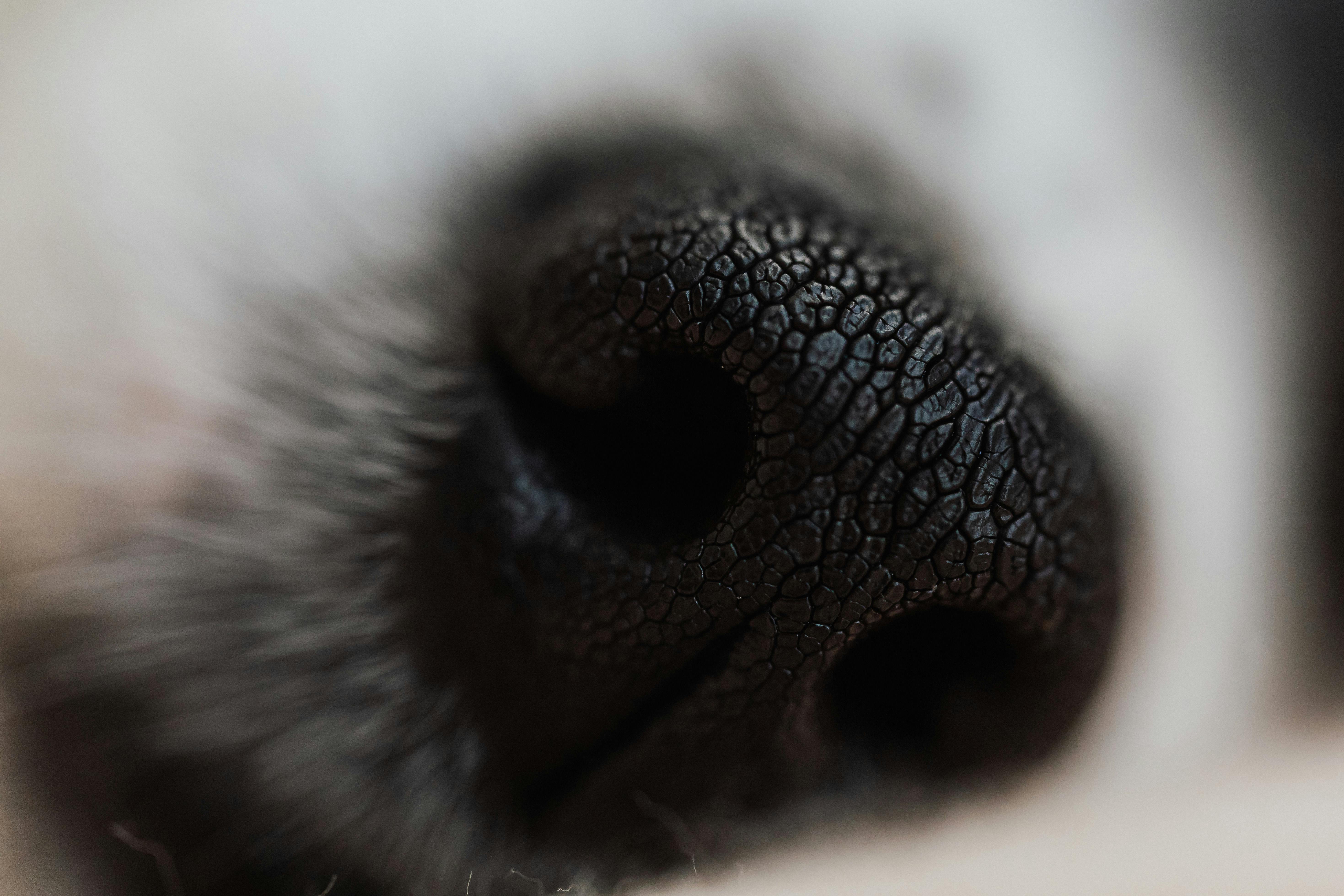
Dogs have always been our beloved companions, but have you ever wondered why do dogs have wet noses? This question leads us into a fascinating exploration of the role moisture plays in a dog’s sense of smell. The truth is, those damp noses do more than just feel cool to the touch; they are crucial for a dog’s ability to sniff out the world around them.
The Science Behind Wet Noses
A dog’s sense of smell is one of the most powerful in the animal kingdom. With about 220 million scent receptors, compared to just 5 million in humans, dogs are capable of detecting smells at incredibly low concentrations. But what does moisture have to do with it?
- Enhancing Olfactory Function: The moisture on a dog’s nose helps to trap scent particles from the air. When a dog breathes in, these particles cling to the wet surface, making it easier for them to identify different smells.
- Temperature Regulation: A damp nose also aids in thermoregulation. Dogs don’t sweat like humans, so they rely on their noses to cool down.
Why Are Dog Noses Wet?
Several factors contribute to the wetness of a dog’s nose. Here’s a quick overview:
- Nasal Glands: Dogs have specialized glands in their noses that produce mucus, making their noses moist. This mucus is essential for trapping scent particles.
- Environmental Factors: Humidity and temperature can affect how wet a dog’s nose is. A dog might have a drier nose during hot, dry summer days compared to cooler, more humid conditions.
- Health Indicators: A change in the moisture level of a dog’s nose can sometimes indicate health issues. For instance, a suddenly dry nose might suggest dehydration or illness.
The Importance of Nose Temperature
Interestingly, the temperature of a dog’s nose can also provide insight into their health. A cool, moist nose is typically a sign of a healthy dog, while a dry or warm nose might signal something amiss.
Here’s a simple guide to understanding nose temperature in dogs:
- Cool and Moist: Healthy and hydrated
- Dry and Warm: Possible fever or dehydration
- Consistently Dry: Potential health concern, needs vet attention
Historical Context: The Evolution of the Dog Nose
Dogs descended from wolves, and over thousands of years, they’ve adapted to become skilled hunters and companions. Their noses have evolved to be finely tuned to detect scents.
- Ancient Uses: In ancient times, dogs were used for hunting and tracking, heavily relying on their keen sense of smell.
- Modern Roles: Today, dogs assist in search and rescue operations, detect drugs, and even identify diseases like cancer through scent. The moisture on their noses plays a critical role in these functions.
Common Myths About Dog Noses
There are many misconceptions surrounding dog noses that can mislead pet owners. Here are a few:
Myth: A warm nose always means a dog is sick.
Fact: Nose temperature can vary due to environmental factors. Always consider other symptoms.
Myth: Dry noses are always a sign of dehydration.
Fact: Some breeds naturally have drier noses, and individual variations exist.
Practical Tips for Dog Owners
To ensure your dog’s nose stays healthy and moist, consider these tips:
- Hydration: Always provide your dog with fresh water to drink. Dehydration can affect nose moisture.
- Environmental Awareness: Be cautious of extreme weather. Dogs can get sunburned on their noses, especially breeds with light-colored noses.
- Regular Check-ups: Monitor your dog’s nose during vet visits. Ask your veterinarian about any concerns regarding changes in moisture or temperature.
Fun Facts About Dog Noses
- Dogs can recognize over 100,000 different scents.
- A dog’s sense of smell is 40 times better than a human’s.
- The wetness of a dog’s nose can help them detect the age of a scent.
The incredible anatomy of a dog’s nose, its moistness, and the role it plays in their sense of smell is a testament to nature’s design. Understanding why do dogs have wet noses not only enhances our appreciation for these animals but also highlights the importance of taking care of their health and well-being. So next time you see your furry friend with their cool, wet nose, you can be sure it’s not just for show; it’s a vital part of how they experience and interact with the world around them.
Wet Noses vs. Dry Noses: What’s Normal for Your Dog? A Comprehensive Guide
When you look into a dog’s face, one of the first things you probably notice is their nose. Some dogs got wet noses, while others have dry ones. But what does it all means? Is there a reason behind it? This article is gonna dive into the world of dog noses, exploring the question: “Why do dogs have wet noses?” and help you understand what is normal for your furry friend.
The Basics of Dog Noses
Dog noses are not just cute; they actually serve important functions. The nose helps them to smell, which is way better than humans. Dogs can smell things 10,000 to 100,000 times better than we can. Wet noses, in particular, play a big role in enhancing their sense of smell.
- Moisture Retention: A wet nose can help trap scent particles in the air which makes it easier for dogs to detect odors.
- Temperature Regulation: Dogs don’t sweat like humans do. A wet nose helps to keep them cool.
- Health Indicator: The moisture level on a dog’s nose can indicate their health status. A sudden change from wet to dry, or vice versa, could be a sign of underlying issues.
Why Are Dog Noses Wet?
There are several reasons why dogs have wet noses. Here’s some fascinating facts:
Nasal Glands: Dogs have special glands in their noses that produce mucus, which keeps it moist. This mucus aids in scent detection and helps to cool them down.
Licking Behavior: Dogs often lick their noses. This not only helps keep their noses moist but also provides them with additional scent information. It’s like a snack for their sense of smell!
Environmental Factors: Weather also plays a role. Humidity often makes a dog’s nose wetter, while dry environments can lead to drier noses.
Health Conditions: Sometimes, a dog’s nose can become dry due to health issues like dehydration or fever. If you notice a significant change, it’s best to consult a vet.
Wet Noses vs. Dry Noses: What’s Normal?
Knowing what’s normal for your dog is crucial for their health. Here’s a quick comparison:
Wet Nose Characteristics:
- Cooler to touch
- Often moist and shiny
- Typically a sign of good health
Dry Nose Characteristics:
- Warmer to touch
- May be cracked or flaky
- Can indicate dehydration or illness if persistent
Common Misconceptions
A lot of people think that a wet nose always means a dog is healthy. While it’s often the case, it ain’t a foolproof rule. Here’s some common myths:
Myth 1: A wet nose means a dog is sick.
- Truth: It’s possible for a sick dog to have a wet nose.
Myth 2: Dogs with dry noses are always dehydrated.
- Truth: Some dogs naturally have drier noses, especially certain breeds.
Myth 3: You can tell a dog’s temperature by touching their nose.
- Truth: This is not a reliable method. A vet should check if you suspect illness.
When to Consult a Vet
If you notice your dog’s nose suddenly changed from wet to dry or vice versa, it might be a good idea to get a professional opinion. Here are signs to watch for:
- Persistent dryness, especially if it’s cracked or bleeding
- Unusual discharge from the nose
- Changes in appetite or behavior
- Signs of dehydration (like dry gums)
Fun Facts About Dog Noses
- Unique Prints: Just like human fingerprints, each dog’s nose print is unique.
- Scent Detection: Dogs have approximately 220 million scent receptors, compared to humans’ 5 million.
- Breed Differences: Some breeds naturally have drier noses than others. For instance, Bulldogs may have drier noses than Greyhounds.
Understanding your dog’s nose can help you keep them healthy and happy. While wet noses are often associated with good health, it’s important to look at the bigger picture regarding your dog’s overall condition. Always remember, if something seems off, it’s better to err on the side of caution and consult with a vet. Dogs communicate in many ways, and their noses are just one of the fascinating aspects of their incredible biology. So, next time you see your pup, take a moment to appreciate that wet or dry nose—it tells a story all its own!
Fun Facts About Dog Noses: Why They’re Wet and Other Amazing Features!
Have you ever wondered why dogs have wet noses? It’s one of those quirky traits that makes our furry friends even more lovable. But there’s real science behind the moisture on those delightful snouts. Wet noses not only serve practical purposes, but they also reveal some amazing features about our canine companions. Let’s dive into some fun facts about dog noses and explore the fascinating truth of why they are wet.
The Science Behind Wet Noses
Dogs have wet noses due to a few reasons. The primary reason is that moisture helps them smell better. A dog’s sense of smell is around 40 times better than that of humans, and moisture on their noses helps capture scent particles. This enables dogs to detect smells more accurately.
- Moisture helps with scent detection: Wet noses trap scent molecules more effectively.
- Cooling mechanism: Dogs don’t sweat like humans do, so their noses also serve as a way to cool down their bodies.
- Health indicator: A wet nose can indicate a healthy dog, while a dry nose might signal dehydration or illness.
Historical Context
The evolution of the dog’s nose is as fascinating as the pets themselves. Dogs are descendants of wolves, and their noses have adapted over thousands of years. Wolves often hunt in packs and rely heavily on their sense of smell to track down prey. Over time, domesticated dogs retained this incredible olfactory ability, leading to the wet noses we see today.
Amazing Features of Dog Noses
Unique Nose Print: Just like human fingerprints, every dog has a unique nose print. The patterns of ridges and creases on a dog’s nose can be used to identify them, which is pretty cool!
Temperature Regulation: Dogs’ noses are not just wet for smelling; they also help regulate temperature. When a dog pants, moisture evaporates from their nose, which helps cool them down.
Scent Memory: Dogs can remember scents for a long time. They can recognize their owner’s scent even after long periods apart, thanks to their incredible memory linked to smell.
Nose Color Variations: The color of a dog’s nose can vary greatly. Some have pink noses, while others have black or brown. These colors can change with age or health status.
Sensitive to Emotions: Dogs can detect human emotions through scent. They can sniff out pheromones and other chemical signals that indicate how a person is feeling, which is why they often comfort us when we’re down.
Fun Facts Galore!
Dogs have up to 300 million smell receptors: In comparison, humans have about 6 million. This gives dogs the ability to detect scents at incredibly low concentrations.
The wet nose aids in cooling down: A dog’s nose can help lower their body temperature, especially on hot days when they can’t sweat.
Nasal Turbinates: Dogs have complex nasal turbinates, which are structures that increase the surface area inside the nose. This helps in filtering and warming the air they breathe in.
Dogs can smell fear: Yes, they really can! When humans are scared, they release different scents, and dogs can pick up on that.
Comparison with Human Noses
Let’s take a quick look at how dog noses and human noses differ:
| Feature | Dog Nose | Human Nose |
|---|---|---|
| Smell Receptors | Up to 300 million | About 6 million |
| Moisture | Wet and cool | Dry (mostly) |
| Unique Identification | Unique nose prints | Fingerprints |
| Emotional Detection | Yes | Limited |
Practical Examples of Nose Use
Tracking and Detection: Dogs are often used in search and rescue operations due to their ability to follow scents over long distances. This skill is invaluable in locating missing persons or detecting substances.
Therapy and Assistance: Service dogs use their noses to assist people with disabilities. They can detect medical conditions such as seizures or drops in blood sugar.
Sporting and Hunting: Many breeds like Beagles and Bloodhounds are bred specifically for their outstanding sense of smell, making them excellent hunting companions.
The next time you pet your dog and feel that wet nose against your hand, remember that it’s not just a cute feature. That wetness plays a crucial role in how your furry friend interacts with the world! From improving their sense of smell to regulating their body temperature, wet noses are truly fascinating. So, cherish those moments with your canine companions and appreciate the incredible biology behind their noses.
Conclusion
In conclusion, the wet noses of dogs serve several essential functions that contribute to their well-being and ability to interact with the world around them. As discussed, a dog’s moist nose helps enhance their sense of smell, regulates body temperature, and even plays a role in communication with other dogs and humans. The moisture on their noses is a result of various factors, including environmental influences and the unique physiology of canine anatomy. Understanding the significance of a dog’s wet nose not only deepens our appreciation for these beloved companions but also emphasizes the importance of their health and hygiene. If you notice any drastic changes in your dog’s nose moisture, it might be a good idea to consult a veterinarian. Ultimately, being attentive to these small yet telling signs can lead to a happier and healthier life for your furry friend.
