Have you ever wondered, why do dogs have wet noses? This seemingly simple question hides a fascinating truth that many pet owners might not know. Dogs, with their adorable, cold, and moist noses, are not just cute companions; their unique nose characteristics serve important functions! Curious about the science behind this phenomenon? Wet noses help dogs to enhance their sense of smell, which is already thousands of times more sensitive than ours. But that's not all! The moisture on a dog's nose helps to cool them down and even helps them to gather scent particles in the air. So, why do some dogs have drier noses than others? Is it a sign of health issues or simply a breed characteristic? In this article, we will explore the intriguing reasons behind why dogs have wet noses, debunk some common myths, and share tips on what a dog's nose condition can tell you about their overall health. Get ready to dive into the captivating world of canine biology and discover the secrets that make our furry friends even more fascinating!
\n\nThe Science Behind Dog Noses: Why Are They Always Wet?
\n\n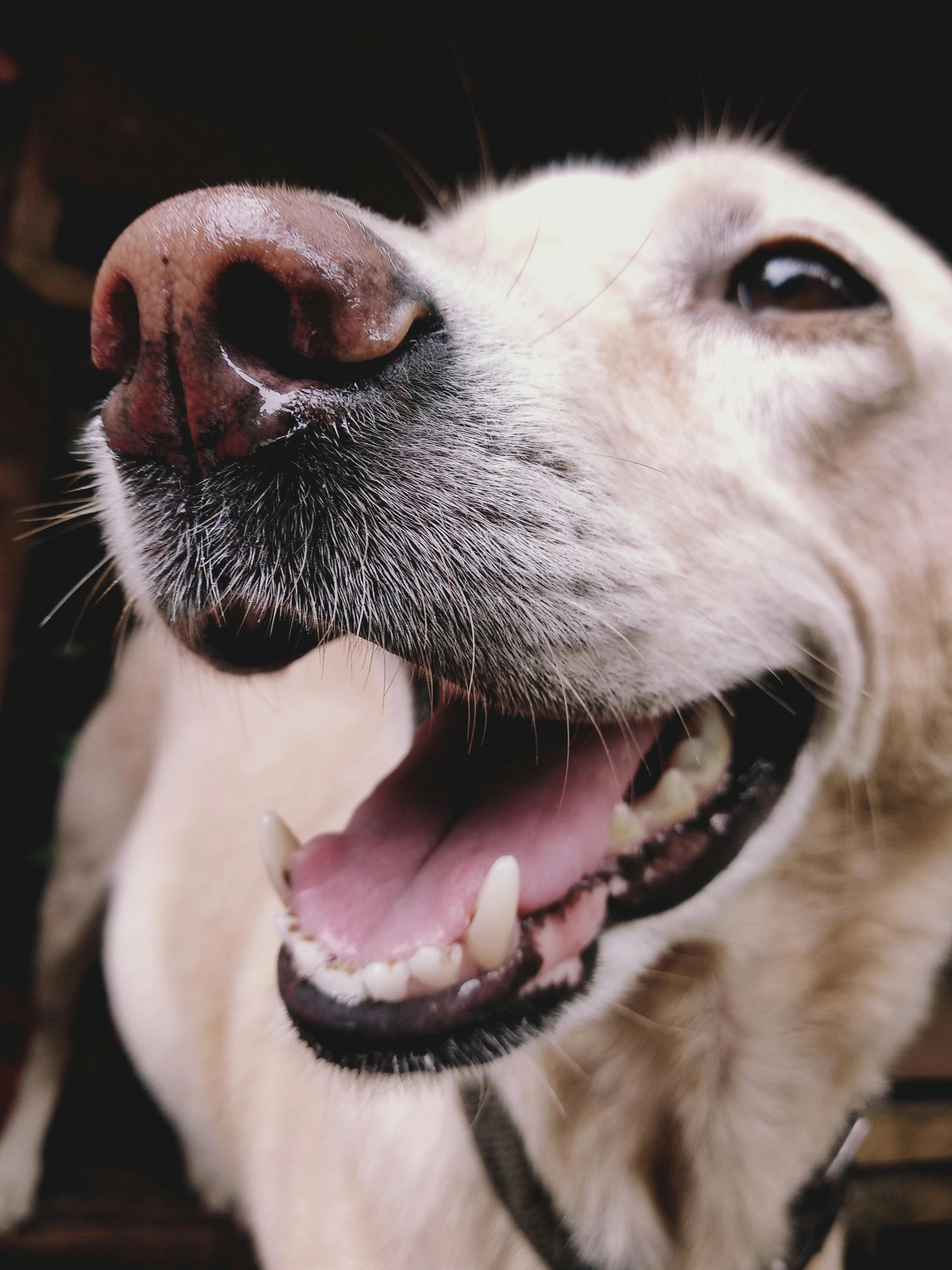 \n\n
\n\nDogs are often regarded as man's best friend, but how much do we really know about them? One of the most intriguing features of our canine companions is their noses. Have you ever stopped to wonder why do dogs have wet noses? Is it just a quirky characteristic, or is there more to it? Let's dive into the science behind dog noses and discover the fascinating truth about why they are always wet.
\nThe Biology of a Dog's Nose
\nA dog's nose is a remarkable biological organ. It’s not just for sniffing around for treats or smelling other dogs; it serves several important purposes. To understand why dogs have wet noses, we should first look at what makes their noses so special.
\n- \n
- Olfactory Receptors: Dogs have up to 300 million olfactory receptors, compared to a human's 5 million. This allows them to detect scents at incredibly low concentrations. \n
- Moisture: The wetness of a dog's nose plays a crucial role in their sense of smell. When the nose is moist, it can absorb scent particles more effectively. This moisture helps to enhance their ability to detect smells. \n
- Cooling Mechanism: Dogs do not sweat like humans do. Instead, they rely on panting and the moisture on their noses to regulate their body temperature. \n
Why Are Dog Noses Wet?
\nSo, why do dogs have wet noses? Well, there are several reasons for this phenomenon.
\n- \n
- \n
Enhanced Scent Detection: As mentioned earlier, moisture on the nose helps capture scent particles. A wet nose can pick up scents better than a dry one, which is why dogs often lick their noses.
\n \n - \n
Thermoregulation: Dogs primarily cool down through panting, but the moisture on their noses can also help to keep their body temperature in check.
\n \n - \n
Health Indicator: A wet nose is often seen as a sign of a healthy dog. While it’s not always a definitive health indicator, a dry nose could suggest that a dog is sick or dehydrated.
\n \n - \n
Behavioral Aspects: Dogs often wet their noses by licking them as a way to explore their environment. This behavior could also serve to signal to other dogs that they are friendly or curious.
\n \n
Historical Context of Dog Noses
\nDogs have been companions to humans for thousands of years. Historically, dogs were bred for specific purposes, including hunting, herding, and guarding. The wet nose was an advantageous trait, as it helped them track scents over long distances. Over time, dogs with better scent capabilities were favored, leading to the development of breeds with exceptional olfactory skills.
\nFun Facts About Dog Noses
\n- \n
- Unique Patterns: Just like human fingerprints, every dog’s nose print is unique. This means that a dog’s nose can be used to identify them, similar to how we use fingerprints. \n
- Color Variations: A dog’s nose can vary in color based on breed, age, and even genetics. Some dogs have spotted noses or even pink noses! \n
- Temperature Sensitivity: Dogs can sense temperature changes through their noses, which is why they can detect heat sources, like warm bodies or heating vents. \n
Comparison: Dog Noses vs. Human Noses
\nUnderstanding the differences between dog noses and human noses can highlight why dogs have such keen senses. Here’s a quick comparison:
\n| Feature | \nDog Nose | \nHuman Nose | \n
|---|---|---|
| Olfactory Receptors | \n300 million | \n5 million | \n
| Scent Detection | \nHighly effective | \nLimited | \n
| Moisture Content | \nAlways moist | \nMostly dry | \n
| Temperature Regulation | \nYes, through moisture | \nVery limited | \n
Practical Examples Related to Dog Noses
\n- \n
- Tracking Dogs: Law enforcement utilizes dogs with exceptional nose abilities to track down criminals or locate missing persons. Their wet noses help them do this efficiently. \n
- Therapy Dogs: Dogs used in therapy often rely on their noses to sense human emotions. A wet nose can be comforting to those in need of support. \n
In summary, the wetness of a dog's nose is not merely an amusing feature; it has significant biological and behavioral implications. From helping them detect scents to maintaining their body temperature, a wet nose enhances their quality of life. Understanding these facts about our furry friends can help us appreciate the intricacies of their biology and the deep bond we share with them. So the next time you see a dog with a wet nose, remember the fascinating science behind it!
\n\n5 Surprising Benefits of Your Dog's Moist Nose You Didn't Know About
\n\n \n\n
\n\nDogs are often called man's best friend, and part of their charm lies in their adorable features, like that moist nose. But have you ever wondered why do dogs have wet noses? There’s actually a fascinating truth behind this, and believe it or not, your dog’s moist nose can come with some surprising benefits that you probably didn't know about. Let’s explore 5 of these intriguing advantages together.
\n1. Temperature Regulation
\nOne of the primary reasons why dogs have wet noses is that it helps them cool down. Unlike humans, who sweat to regulate their body temperature, dogs primarily rely on panting. However, a moist nose plays a role too. The moisture on a dog's nose evaporates, which helps to cool them off. This is particularly important during hot weather, when dogs can easily overheat.
\n- \n
- Dogs sweat through their paw pads, but their noses help too. \n
- The moisture can evaporate and aid in lowering their body temperature. \n
- A cool nose might indicate a well-regulated body temperature. \n
2. Enhanced Sense of Smell
\nDid you know that a dog’s sense of smell is significantly stronger than that of humans? A moist nose actually enhances their olfactory abilities. The wetness helps to capture scent particles in the air, which improves their ability to detect smells. This is why bloodhounds can track scents over long distances – their moist noses are fine-tuned for sniffing!
\n- \n
- Dogs have up to 300 million scent receptors compared to humans who have about 5 million. \n
- The moisture helps trap and absorb scents. \n
- A wet nose is a sign that your dog is ready to explore their surroundings. \n
3. Health Indicator
\nAnother surprising benefit of a dog’s wet nose is that it can serve as a health indicator. A dog with a moist, cool nose is usually in good health, while a dry or excessively warm nose could suggest a problem. However, it’s not always a definitive sign. Here are some common conditions that can be indicated by changes in nose moisture:
\n- \n
- Fever: A warm, dry nose could mean your dog has a fever. \n
- Dehydration: If the nose is excessively dry, it might indicate your dog needs more water. \n
- Allergies or infections: Persistent dryness and cracking may suggest an allergy or an infection. \n
4. Communication Tool
\nDogs communicate in many ways, and their wet noses are part of that language. When a dog nudges you with their moist nose, it’s often a sign of affection or a request for attention. They also use their noses to greet other dogs and humans, making it a social tool.
\n- \n
- Dogs have a unique way of greeting each other by sniffing. \n
- Your dog’s nose can be an invitation for interaction. \n
- Wet noses are often seen as a sign of trust and comfort. \n
5. Natural Moisturizer
\nBelieve it or not, a dog’s moist nose is also a natural moisturizer. The moisture helps to keep the nose from cracking and drying out. Just like humans use lip balm to keep their lips from chapping, dogs benefit from their own natural moisture.
\n- \n
- A well-hydrated nose is less prone to irritation. \n
- It can prevent painful cracking that may lead to infections. \n
- Dogs with naturally moist noses generally have healthier skin around the nose area. \n
Fun Facts About Dog Noses
\n- \n
- The surface of a dog’s nose has a unique texture and pattern, much like a human fingerprint. \n
- Dogs use their noses to gather information about their environment, which is why they love to sniff around. \n
- A dog’s sense of smell can be so precise that they can detect certain diseases in humans, including cancer. \n
Understanding the reasons why dogs have wet noses opens a window into their health and behavior. Knowing these benefits can help you take better care of your furry friend.
\nSo next time you pet your dog and notice that moist little nose, you can appreciate the fascinating truth behind it. From temperature regulation to being a health indicator, your dog’s wet nose is more than just an adorable feature; it’s a multifunctional tool that plays a vital role in their well-being. Embrace it, and enjoy the companionship of your beloved pet even more!
\n\nHow a Wet Nose Helps Dogs Experience the World: The Fascinating Biology
\n\n \n\n
\n\nDogs are known for many things, yet one of the most intriguing features they have is their wet noses. You ever wonder why do dogs have wet noses? It turns out, there’s a fascinating biology behind it that not only helps them experience the world but also plays a crucial role in their health and communication.
\nThe Science of a Wet Nose
\nDogs noses are generally moist, and this is not just a coincidence. The wetness comes from a thin layer of mucus that helps with scent detection. Here’s how it works:
\n- \n
- Enhanced Smell: A wet nose helps absorb scent particles in the air. When moisture is present, it can trap these particles, making it easier for dogs to pick up smells. \n
- Thermoregulation: Dogs do not sweat like humans. Instead, they regulate their body temperature through their noses. A wet nose can help cool them down. \n
- Health Indicator: The moisture of a dog's nose can indicate its health. A dry nose might signal dehydration or illness. \n
Why Do Dogs Have Wet Noses?
\nSo, why do dogs have wet noses? It’s not just for show. Their wet noses serve several essential functions:
\n- \n
- Scent Detection: Dogs have an extraordinary sense of smell, estimated to be between 10,000 to 100,000 times more sensitive than humans. A wet nose increases their ability to smell. \n
- Temperature Regulation: Dogs primarily regulate their body heat through panting, but their noses also play a role. A wet nose can help them stay cooler on hot days. \n
- Communication: Dogs often greet each other by sniffing. A wet nose can be more enticing and inviting to other dogs, facilitating social interactions. \n
Historical Context of Dog Noses
\nThe evolution of the canine nose is a fascinating topic. Ancient dogs, like wolves, relied heavily on their sense of smell for hunting and survival. Over time, domesticated dogs have kept this trait, but it’s been fine-tuned through selective breeding. Some breeds, such as Bloodhounds, have particularly wet noses and are known for their amazing tracking abilities.
\nFun Facts About Dog Noses
\n- \n
- Unique Prints: Just like human fingerprints, every dog has a unique nose print. It can actually be used to identify them! \n
- Temperature Sense: A dog's nose can detect temperature differences as small as one degree Fahrenheit. This is why they can find food or track scents that other animals might miss. \n
- Nasal Turbinates: Inside a dog’s nose, there are complex structures called turbinates that help filter, warm, and humidify the air they breathe. This also aids in scent detection. \n
Comparison with Other Animals
\nWhile dogs have wet noses, other animals have different adaptations. Here’s a quick comparison:
\n| Animal | \nNose Type | \nPurpose | \n
|---|---|---|
| Dogs | \nWet Nose | \nEnhanced smell, thermoregulation | \n
| Cats | \nDry Nose | \nLess reliance on smell, better vision | \n
| Elephants | \nLong, flexible trunk | \nExcellent smell, ability to grab objects | \n
| Sharks | \nSensitive snouts | \nDetecting blood in water, tracking prey | \n
Practical Tips for Dog Owners
\nMaintaining your dog's nose can be important for their overall health. Here are some tips:
\n- \n
- Hydration: Make sure your dog has access to clean, fresh water. A hydrated dog is likely to have a healthy wet nose. \n
- Check for Changes: Pay attention to changes in your dog's nose. A sudden dryness or cracking may need a vet's attention. \n
- Environment Matters: Dogs can have drier noses in winter or in dry climates. Consider using a humidifier during dry seasons. \n
Why Dogs Might Have a Dry Nose
\nSometimes, you may notice your dog’s nose is drier than usual. There are several reasons for this:
\n- \n
- Dehydration: If your dog isn't drinking enough water, their nose may dry out. \n
- Illness: Certain illnesses can cause a dry nose. If the dryness is accompanied by other symptoms, consult a vet. \n
- Environmental Factors: Hot weather or excessive sun exposure can lead to a dry nose as well. \n
Understanding why do dogs have wet noses is just one piece of the puzzle in appreciating our furry friends. Their noses not only help them navigate the world but also communicate and stay healthy. The next time you see your dog with that familiar wet nose, remember the fascinating biology and the roles it plays in their life. It’s just another reason to love your canine companion even more!
\n\nIs Your Dog's Nose Too Wet? What It Means for Their Health
\n\n \n\n
\n\nIs your dog’s nose too wet? This question probably pops into your head when you notice your furry friend’s snout is glistening. Wet noses are often thought of as a sign of a healthy dog, but what do they really mean for your pup’s health? Let's dive into why do dogs have wet noses, and uncover the fascinating truth behind this canine characteristic.
\nWhy Do Dogs Have Wet Noses?
\nThe wetness of a dog's nose comes from a combination of factors. Primarily, a dog’s nose has a thin layer of mucus that helps to enhance their sense of smell. Dogs, you see, have an extraordinary sense of smell—far better than humans—and their wet noses play a critical role in that. When a dog sniffs, the moisture captures scent particles, allowing them to identify different odors more effectively.
\n- \n
- Moisture Production: Dogs secrete mucus from glands in their noses. This mucus keeps the nose moist. \n
- Cooling Mechanism: Dogs don’t sweat like humans do. Instead, they regulate their body temperature through panting and the moisture on their noses. \n
- Scent Detection: Wet noses can absorb scent chemicals, aiding in a dog’s powerful olfactory senses. \n
What Does a Wet Nose Mean for Your Dog’s Health?
\nGenerally speaking, a wet nose indicates your dog is healthy. However, there’s more than just wetness to consider. Here’s a list of what the state of your dog’s nose might suggest:
\n- \n
- Normal Health: A moist, cool nose is often a sign of a healthy dog. \n
- Dehydration: If the nose is dry, it could mean your dog is dehydrated. Check for other signs like lethargy or loss of appetite. \n
- Fever: A warm, dry nose might be a symptom of a fever. If your dog’s nose feels warm, it might be a good idea to take their temperature. \n
- Allergies or Illness: Excessively wet noses can sometimes indicate allergies or an underlying illness. If it’s accompanied by other symptoms like coughing or sneezing, consult a vet. \n
The Science Behind Wet Noses
\nThe composition of a dog’s nose is quite fascinating. It has a unique structure that allows it to perform various functions. Here's a brief overview:
\n- \n
- Nasal Turbinates: These are bony structures within the dog's nose, which increase the surface area for scent absorption. \n
- Olfactory Receptors: Dogs possess about 300 million olfactory receptors compared to humans, who have around 5 million. \n
- Vomeronasal Organ: This special organ helps dogs detect pheromones, which are important for social interaction. \n
Fun Facts About Dog Noses
\n- \n
- Color Variation: Dog noses come in different colors, such as black, brown, or pink. The color usually depends on the breed and genetics. \n
- Nose Prints: Just like human fingerprints, each dog has a unique nose print that can be used for identification. \n
- Temperature: The normal temperature of a dog’s nose typically ranges from 94 to 99 degrees Fahrenheit. \n
Keeping Your Dog's Nose Healthy
\nAs a dog owner, you might wonder how to ensure your dog’s nose stays healthy. Here are some practical tips:
\n- \n
- Hydration: Always provide fresh water to keep your dog hydrated. \n
- Regular Vet Checkups: Routine health checks can help catch any underlying problems early. \n
- Watch for Changes: Monitor any sudden changes in your dog’s nose (wetness, temperature, color) and consult a vet if necessary. \n
Comparing Wet and Dry Noses
\nHere's a quick comparison chart on wet vs. dry dog noses:
\n| Nose Condition | \nPossible Implications | \n
|---|---|
| Wet and Cool | \nGenerally healthy | \n
| Warm and Dry | \nPossible fever or dehydration | \n
| Excessively Wet | \nMay indicate allergies or illness | \n
Understanding your dog’s nose can give you insight into their overall health. While a wet nose often means your dog is happy and healthy, it’s important to pay attention to changes.
\nSo next time you question, is your dog’s nose too wet? Remember, it’s part of their unique biology. Dogs are amazing creatures with their own ways of communicating their health and emotions, and their noses offer a peek into their well-being. Keep an eye on it, and always make sure to give your furry friend the love and care they deserve!
\n\nThe Evolutionary Advantage of Wet Noses: How It Affects Canine Survival
\n\n \n\n
\n\nDogs are one of the most beloved pets around the world, and their unique physical traits often leave many wondering about their purpose. One of the most intriguing questions that come up is, “Why do dogs have wet noses?” It turns out that this seemingly simple characteristic plays a significant role in a dog’s ability to survive and thrive in various environments. Wet noses are not just an adorable feature; they offer several evolutionary advantages that help dogs navigate their world. Let’s dive into the fascinating truth behind this canine trait.
\nThe Science Behind Wet Noses
\nDogs' noses are wet because of a thin layer of moisture that covers them, which serves multiple purposes. Here are a few key facts:
\n- \n
- Enhanced Sense of Smell: The moist surface of a dog’s nose helps to capture scent particles more effectively. This is crucial for a dog's survival, as their sense of smell is estimated to be 10,000 to 100,000 times more sensitive than humans. \n
- Temperature Regulation: Dogs cool themselves through panting, but their noses also play a role. When the moisture on their noses evaporates, it helps to regulate their body temperature, keeping them comfortable in varying climates. \n
- Communication and Social Interaction: A wet nose can also be a signal to other dogs or animals, indicating health and mood. Dogs often greet each other with nose touches, and the wetness can convey information about their emotional state. \n
Historical Context of Canine Noses
\nThroughout history, dogs have evolved alongside humans, adapting their traits to better serve in various roles, such as hunting, herding, and companionship. Wet noses have been an essential characteristic that enhances their survival in different environments.
\n- \n
- Hunting: In ancient times, dogs were primarily used for hunting. A wet nose improved their ability to track scents over long distances, making them more efficient hunters. \n
- Herding: For herding breeds, a keen sense of smell is vital for managing livestock. Wet noses help them identify the scents of different animals and navigate their surroundings effectively. \n
The Evolutionary Advantage
\nThe evolutionary advantage of having wet noses is quite significant. Here’s a breakdown:
\n- \n
- Scent Detection: The moist surface increases the olfactory receptors' contact with scent particles. This is why dogs can detect drugs, explosives, and even certain medical conditions in humans. \n
- Survival Skills: In the wild, a dog's ability to smell can mean the difference between finding food or becoming food themselves. Wet noses enhance their hunting and scavenging capabilities. \n
- Social Bonding: Dogs are pack animals, and the wet nose helps facilitate social interactions. A wet nose can help establish bonds and hierarchies within a pack, which is crucial for cooperation and survival. \n
Fascinating Facts About Dog Noses
\n- \n
- Unique Patterns: Just like human fingerprints, every dog has a unique nose print that can be used for identification. \n
- Size Variation: The size and shape of a dog's nose can vary dramatically between breeds, but wetness is a common feature among all. \n
- Health Indicators: A dog’s nose can indicate their health. A dry or cracked nose might be a sign of dehydration or illness, whereas a wet nose is generally a sign of good health. \n
Practical Examples of Wet Noses in Action
\n- \n
- Search and Rescue: Dogs trained for search and rescue missions rely heavily on their wet noses to detect scents from missing persons, often under challenging conditions like rubble or snow. \n
- Medical Detection: Some dogs are trained to detect certain types of cancer or other diseases through scent, utilizing their acute sense of smell aided by their wet noses. \n
Comparison: Wet vs. Dry Noses
\nHere’s a quick comparison of wet and dry noses in dogs:
\nWet Nose Dry Nose
\n- \n
- Better scent detection - Can indicate health issues \n
- Helps with temperature regulation - May mean dehydration if persistent \n
- Sign of a healthy dog - May be normal for some breeds \n
Wet noses are an essential part of what makes dogs unique and successful as companions and working animals. Their evolutionary advantages have been finely tuned over thousands of years, allowing them to excel in various roles.
\nUnderstanding why dogs have wet noses is not just about appreciating a cute feature; it's about recognizing how these traits contribute to their survival and the special bond they share with humans. Dogs have been by our side for millennia, and their wet noses are just one of the many ways they demonstrate their adaptability and connection to us.
\n\nCan a Dog's Wet Nose Indicate Emotion? Exploring Their Unique Communication
\n\n \n\n
\n\nDogs have long been known as “man’s best friend,” and their ability to communicate is pretty impressive. But can a dog's wet nose indicate emotion? Many pet owners often wonders about the meaning behind their furry companion's wet snout. This article will explore not just the emotions that might be conveyed through that damp, black nose but also dive into the science behind why do dogs have wet noses in the first place. So grab a comfy spot and let’s dig into this fascinating topic!
\nThe Science of a Dog's Wet Nose
\nA dog's nose is not just cute but serves several important functions. The moisture on a dog’s nose comes from a combination of sweat glands and saliva. Here’s some interesting facts:
\n- \n
- \n
Enhanced Sense of Smell: The wetness helps to capture scent particles in the air. This is why dogs tend to sniff around a lot; they are gathering information about their environment.
\n \n - \n
Temperature Regulation: Dogs don’t sweat like humans do. Instead, they rely on their noses and panting to help cool down. The wetness can help with temperature control, keeping them from overheating.
\n \n - \n
Health Indicator: A dog’s nose can also be a sign of their health. A dry or cracked nose might indicate dehydration or illness, whereas a wet nose is often a sign of a healthy and happy pup.
\n \n
Emotional Communication Through a Wet Nose
\nNow, getting back to whether a dog's wet nose can hint at their feelings. While it’s not a definitive sign, many owners notice patterns.
\n- \n
- \n
Affection: If a dog nudges you with their wet nose, it may be their way of asking for attention or affection. This is often accompanied by tail wagging and playful behavior.
\n \n - \n
Curiosity or Excitement: A wet nose can also signify that your dog is curious or excited. When they meet new people or explore new surroundings, they might give their nose a good lick to gather more scents.
\n \n - \n
Anxiety or Stress: Sometimes, a dog might have a wet nose when they are nervous. This can be seen if they are pacing or hiding, and their nose may feel cooler and wetter than usual.
\n \n
Why Do Dogs Have Wet Noses? More Than Just Cute
\nThe primary reason dogs have wet noses is due to evolution. Ancestors of modern dogs relied on their sense of smell for hunting and survival. Here’s a closer look at the evolutionary aspects:
\n- \n
- \n
Survival Instincts: Wet noses help them detect prey or danger through scent. Those with better smelling abilities had a better chance of survival, leading to the traits we see today.
\n \n - \n
Social Interaction: Dogs are pack animals. Their wet noses help them communicate with each other. They engage in social bonding through scent, which is crucial for their well-being.
\n \n
Fun Facts About Dog Noses
\n- \n
- \n
A dog’s nose print is as unique as a human fingerprint. Each dog has a distinct pattern.
\n \n - \n
Dogs can smell up to 100,000 times better than humans! That’s like having a superpower.
\n \n - \n
The moisture on their nose can help them absorb scents more effectively, heightening their sensory experience.
\n \n - \n
Puppies are born with pink noses which darken as they grow older.
\n \n
Comparing Dog Noses to Other Animals
\nLet’s take a look at how dog noses compare to other animals:
\n| Animal | \nNose Type | \nFunction | \n
|---|---|---|
| Dogs | \nWet and sensitive | \nSmell and communication | \n
| Cats | \nDry and less sensitive | \nSmell, but rely more on sight | \n
| Bears | \nWet and highly sensitive | \nForaging and locating food | \n
| Humans | \nDry and less sensitive | \nLimited scent detection | \n
Practical Tips for Dog Owners
\nTaking care of your dog's nose is essential! Here’s how you can keep it healthy:
\n- \n
- \n
Hydration: Make sure your dog has access to fresh water at all times.
\n \n - \n
Check for Cracks: Regularly inspect for any signs of dryness or cracking.
\n \n - \n
Avoid Harmful Chemicals: Be cautious of chemicals in your home that could irritate their sensitive noses.
\n \n - \n
Regular Vet Check-ups: Routine check-ups can help catch any potential health issues early.
\n \n
In conclusion, a dog’s wet nose is not just an adorable trait but a complex feature that plays a role in their health and communication. Although there isn't a straightforward answer to whether a wet nose indicates emotion, it does reflect a dog's state of being. Understanding your furry friend's nose can deepen your bond and enhance the joy of having a dog. So, next time your pup nudges you with their damp snout, remember that there's a world of information being shared through that simple gesture!
\n\nWhy Dogs Have Wet Noses: Debunking Common Myths and Misconceptions
\n\n \n\n
\n\nDogs are one of the most loved pets around the world, and their wet noses often leave many people wondering why they are like that. Some folks think that a wet nose means the dog is healthy, while others have all sorts of wild theories. So, why do dogs have wet noses? Let’s dive into the fascinating truth and debunk some common myths!
\nThe Science Behind Wet Noses
\nSo, the first thing to understand is that a dog's nose is not just for show. It serves important functions. Dogs have something called a moist nasal surface, which is essential for their sense of smell. The moisture helps to capture scent particles from the air, making it easier for them to detect various smells. This is why dogs are often used in search and rescue missions or even in sniffing out drugs.
\nCommon Myths About Wet Noses
\nThere are many misconceptions around why dog noses are wet. Here are a few:
\n- \n
- \n
Myth 1: Wet Noses Mean a Dog is Sick
\n
\nMany people think a cold, wet nose indicates that a dog is sick, but that is totally wrong. Dogs can have wet noses when they are healthy, too! \n - \n
Myth 2: Dogs Lick Their Noses to Cool Down
\n
\nSome people believe that dogs lick their noses to cool off, but that’s not exactly true. They lick their noses primarily to keep them moist for better smelling. \n - \n
Myth 3: A Wet Nose Equals a Good Dog
\n
\nJust because a dog has a wet nose doesn't mean it’s a good or friendly dog. Behavior is much more important than nose moisture! \n
Why Do Dogs Have Wet Noses?
\nNow, let’s explore the real reasons behind those wet noses:
\n- \n
- \n
Scent Enhancement: The moisture on their noses helps enhance their sense of smell. Dogs have up to 300 million smell receptors, so every little bit helps!
\n \n - \n
Temperature Regulation: Dogs don’t sweat like humans. Instead, they cool off by panting and the moisture on their noses plays a role in regulating their body temperature.
\n \n - \n
Health Indicator: While not a definitive health marker, a wet nose can indicate hydration. Dogs that are dehydrated may have drier noses.
\n \n
Historical Context
\nHistorically, dogs have been companions to humans for thousands of years. Ancient civilizations recognized the powerful sense of smell that dogs had. In many cultures, dogs were bred not only for companionship but also for their abilities in hunting and herding, where their keen sense of smell was invaluable. The wet nose has been an integral part of their anatomy, contributing to their skills and roles.
\nPractical Examples
\nHere are some practical examples of how a wet nose can be beneficial:
\n- \n
- \n
Tracking: Dogs can follow trails of scents over long distances. A wet nose helps them pick up and track scents more effectively.
\n \n - \n
Herding: In herding breeds, a wet nose allows them to communicate better with livestock through scent signals.
\n \n - \n
Therapy: Service dogs, especially those trained for therapy, often use their noses to comfort people. Their wet noses can be soothing!
\n \n
Fun Facts About Dog Noses
\n- \n
- \n
Dogs have unique nose prints, much like human fingerprints. No two dogs have the same nose pattern!
\n \n - \n
The average dog’s nose is about 100,000 times more sensitive than a human’s.
\n \n - \n
Dogs can even detect diseases like cancer through their sense of smell!
\n \n
Debunking Misconceptions with Facts
\nHere’s a quick comparison table to further clarify some of the myths versus facts:
\n| Myth | \nFact | \n
|---|---|
| Wet noses mean illness | \nWet noses can indicate hydration, not illness | \n
| Dogs lick noses to cool down | \nThey lick to keep the nose moist for scent | \n
| All wet-nosed dogs are friendly | \nBehavior and training determine friendliness | \n
So, next time you see a dog with a wet nose, you can appreciate the science behind it! Their noses are truly fascinating tools that help them interact with the world in unique ways.
\nUnderstanding why dogs have wet noses not only debunks myths but also allows pet owners to better appreciate their furry friends. From their enhanced sense of smell to their roles in our lives, those wet noses play a significant part in making dogs, well, dogs!
\n\nThe Role of a Dog's Nose in Scent Detection: Wet vs. Dry Explained
\n\n \n\n
\n\nDogs are often called man's best friend, and one of the most interesting things about them is their incredible sense of smell. Have you ever wonder why dogs have wet noses? Or what role a dog's nose plays in scent detection? This article dives into the fascinating world of a dog's nose, comparing wet and dry noses, and revealing the truth about why these furry companions have those damp snouts.
\nThe Anatomy of a Dog's Nose
\nThe dog's nose is a complex and sophisticated organ. It's not just for sniffing; it serves many functions. Dogs have about 220 million scent receptors in their noses, compared to humans, who only have around 5 million. This difference makes dogs super sniffers capable of detecting odors at incredibly low concentrations. But what about the wetness? Let’s break that down.
\nWhy Are Dog Noses Wet?
\nThe moisture on a dog's nose is actually quite important. Here are a few reasons:
\n- \n
- Enhanced Scent Detection: Wet noses help to capture scent particles from the air. When moisture is present, it traps these particles, making it easier for dogs to detect scents. \n
- Temperature Regulation: Dogs don’t sweat the same way humans do. Instead, their noses help to cool them down through the evaporation of moisture. \n
- Health Indicator: A dog's wet nose can sometimes indicate good health, while a dry nose might signal dehydration or illness. However, this isn't a hard and fast rule, as many factors affect a dog's nose moisture. \n
The Difference Between Wet and Dry Noses
\nImagine you are at a dog park, and you see both wet-nosed and dry-nosed dogs. You might be curious about what that means. Here’s a simple comparison:
\n| Feature | \nWet Nose | \nDry Nose | \n
|---|---|---|
| Scent Detection | \nMore effective | \nLess effective | \n
| Health Indicator | \nGenerally healthier | \nMay indicate dehydration/illness | \n
| Temperature Control | \nHelps cool the dog | \nLess effective for cooling | \n
| Moisture Level | \nHigh (usually) | \nLow (usually) | \n
The Science Behind Scent Detection
\nScent detection is not only about having a wet nose. Dogs' brains are specifically wired for processing smells. The olfactory bulb, the part of the brain that processes scents, is much larger in dogs than in humans. This means dogs can differentiate between thousands of different smells.
\n- \n
- Scent Memory: Dogs have an incredible memory for scents. They can remember smells for years, which is why they can track a person or an object over long distances. \n
- Scent Discrimination: Dogs can distinguish between various scents, even if they are mixed together. This ability is why dogs are often used in search and rescue operations, as well as in police work. \n
- Sensitivity to Changes: Dogs can detect changes in the environment, like the presence of certain chemicals or even diseases in humans, such as cancer. \n
Interesting Facts About Dogs’ Noses
\nHere are some fun and surprising facts about dogs' noses:
\n- \n
- A dog's nose print is unique, much like a human fingerprint. This means it can be used to identify individuals. \n
- Dogs can detect certain diseases in humans, thanks to their extraordinary sense of smell. For example, some dogs have been trained to detect low blood sugar in diabetics. \n
- The wetness of a dog's nose can change throughout the day based on various factors, such as humidity and activity level. \n
Practical Examples of Scent Detection
\nDogs are used in many different fields thanks to their incredible sense of smell. Here are some examples:
\n- \n
- Search and Rescue: Dogs can find missing persons in disaster zones, thanks to their ability to smell human scent over long distances. \n
- Medical Detection: Some dogs are trained to sniff out specific diseases, like cancer, by detecting volatile organic compounds in a person's breath or skin. \n
- Narcotics Detection: Police dogs are trained to sniff out illegal drugs, utilizing their keen sense of smell to identify substances hidden in cars or luggage. \n
In understanding the role of a dog's nose, it's clear that their wet noses are not just an adorable feature but a vital part of their biology that enhances their abilities. The wet vs. dry nose distinction isn't just for looks; it plays a significant role in how dogs interact with their environment and perform their impressive scent detection tasks. So, next time you see a dog with a wet nose, remember there's a fascinating science behind that little feature!
\n\n7 Fun Facts About Dog Noses That Will Change How You See Your Pet
\n\n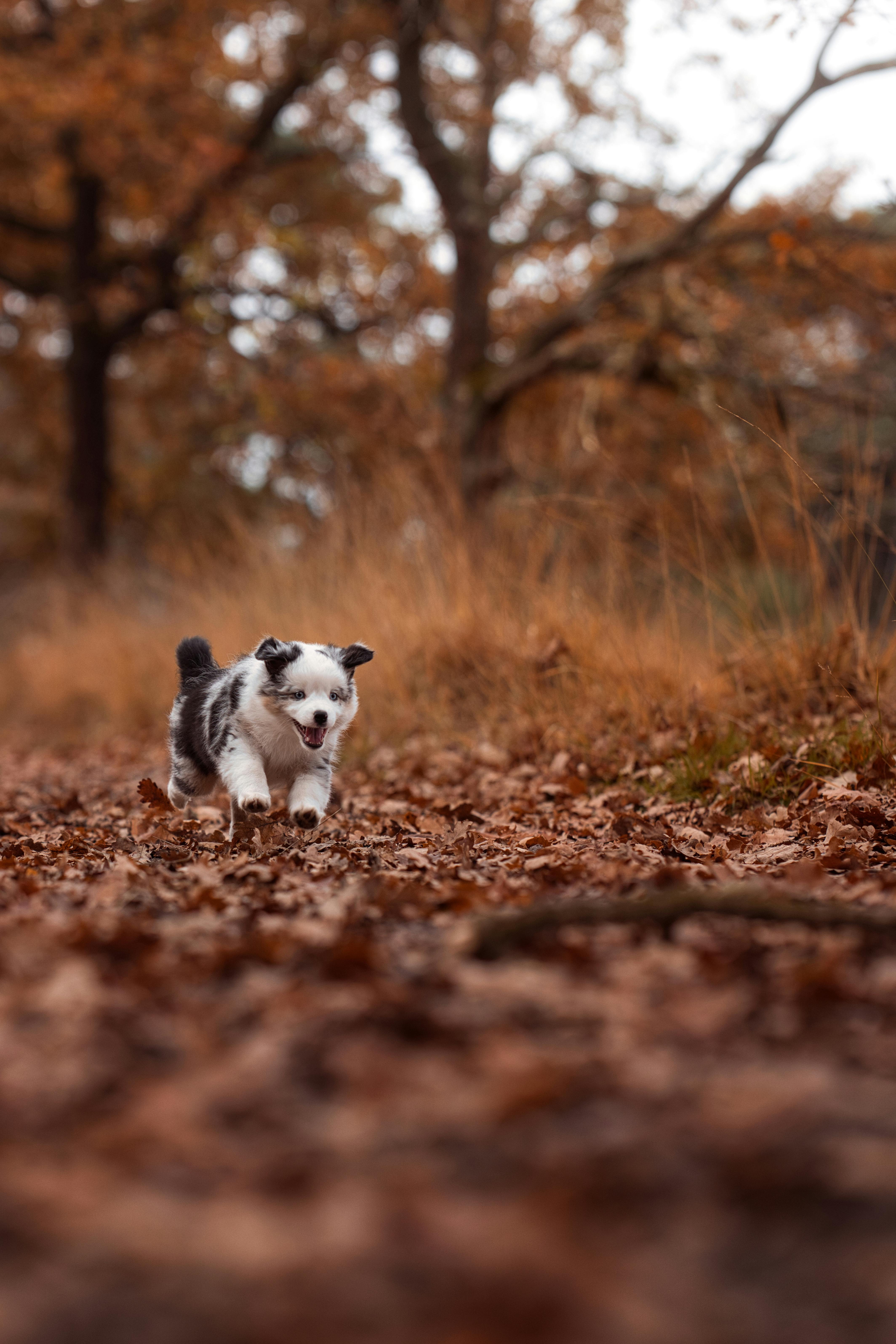 \n\n
\n\nEver wonder why dogs have wet noses? It’s a common question that many dog lovers might ask while giving their furry friends a scratch behind the ears. Dogs’ noses are quite fascinating and their wetness is just one of the many interesting things about them. Here’s some fun facts that will change how you see your pet, or at least make you appreciate their unique features a bit more.
\n1. The Wet Nose Mystery
\nFirst off, let’s tackle the wet nose question. Dogs' noses are generally wet because they secrete a thin layer of mucus. This mucus helps to enhance their sense of smell. When dogs sniff around, the moisture on their noses absorbs scent chemicals, which help them identify different smells more effectively. This is why you might notice your dog’s nose is often cool and slick to the touch.
\n2. Nose Prints Are Unique
\nJust like human fingerprints, every dog has a unique nose print. The patterns of ridges and creases on a dog's nose can be used to identify them. Some animal shelters and pet advocates have even suggested using nose prints as a form of identification. It’s a fun little fact, and it shows just how special your pet really is.
\n3. Temperature Regulation
\nAnother fun fact is that dog noses play a role in regulating their body temperature. When dogs get too hot, they often pant to cool down. But their wet noses also help to cool them down. The moisture on their noses evaporates, which can lower their body temperature. So, if you see your dog with a wet nose, they might just be trying to keep cool!
\n4. Dogs Have More Olfactory Receptors Than Humans
\nDogs have an impressive sense of smell, thanks to their anatomy. While humans have about 5 million olfactory receptors in their noses, dogs boast a staggering 220 million! This enables them to detect scents at incredibly low concentrations. Their wet noses help to trap scent particles, making them the ultimate sniffers. It's no wonder dogs are used in search and rescue missions or sniffing out contraband!
\n5. Breed Differences in Nose Size and Shape
\nDifferent dog breeds have different nose sizes and shapes, which can affect how they smell. For example, a Bloodhound has a long, droopy nose which is great for tracking scents over long distances, while a Pug has a flat nose, which is not quite as efficient for smelling. This diversity in breeds shows how evolution has shaped dogs for various roles, from hunting to companionship.
\n6. The Role of Wetness in Health
\nA dog’s nose can also be an indicator of their health. Normally, a healthy dog will have a moist, cool nose, but if you notice it becoming dry and warm, it may be a sign of illness. That’s why it’s important for dog owners to regularly check their pet's noses. However, don’t panic if their nose is dry occasionally; just like humans, dogs can have off days!
\n7. Dogs' Noses and Communication
\nDid you know that dogs also use their noses as a means of communication? They can learn a lot from sniffing other dogs' noses. This is how they gather information about each other, like their mood, what they've eaten, and their health status. This behavior is often seen in puppies, who are particularly curious about the scents around them.
\nFun Facts Summary
\n- \n
- Dogs have about 220 million olfactory receptors. \n
- Their noses are unique like fingerprints. \n
- Wet noses help regulate body temperature. \n
- Different breeds have varying nose shapes and sizes. \n
- A wet nose can indicate a dog’s health status. \n
- Dogs communicate through scent. \n
Knowing these fun facts about dog noses can really change how you view your beloved pet. Their wet noses are not just adorable features but play crucial roles in their lives and interactions. Whether it’s for health monitoring or understanding their behavior, keeping an eye on that little wet nose can enhance your relationship with your furry friend. So next time you give your dog a pat, take a moment to appreciate that fascinating nose and all the amazing things it does!
\n\nWhat to Do If Your Dog’s Nose Is Dry: Signs of Potential Health Issues to Watch For
\n\n \n\n
\n\nDogs have always been our loyal companions and their health is super important to us. If you've notice your pup’s nose is dry, it can be concerning. But what does it mean? Let’s dive into the signs of potential health issues you should watch for, and explore the fascinating truth behind why dogs have wet noses.
\nWhy Do Dogs Have Wet Noses?
\nWet noses are common in dogs and serves several purposes. It's not just for show! Here are some reasons why your dog's nose may be wet:
\n- \n
- Temperature Regulation: Dogs can’t sweat like humans do. Their noses help cool them down. \n
- Sense of Smell: A wet nose captures scent particles better, helping dogs smell things more clearly. \n
- Health Indicator: A wet nose is often a sign of a healthy dog. It’s associated with hydration and well-being. \n
Interestingly, the moisture on your dog’s nose comes from mucus and the environment. The secretions not only aid in smelling but also help in keeping them cool.
\nWhat to Do If Your Dog’s Nose Is Dry
\nA dry nose could be a sign of various health issues. Below are some common reasons for a dry nose and what you should do about it:
\n- \n
- Dehydration: If your dog isn’t drinking enough water, their nose might dry out. Make sure they have access to fresh water throughout the day. \n
- Allergies: Like humans, dogs can suffer from allergies. This might cause their noses to dry up. \n
- Skin Conditions: Dryness might indicate a skin issue. Check for any flakiness or irritation. \n
- Fever: A dry nose can also mean your dog is sick. If their nose is hot to the touch, it could be a sign of fever. \n
- Environmental Factors: Hot weather or low humidity can cause your dog’s nose to dry up. \n
If you notice your dog's nose is dry, here’s what to do:
\n- \n
- Monitor Their Behavior: Is your dog acting normal? Eating and drinking well? Changes in behavior may indicate a problem. \n
- Check for Other Symptoms: Look for signs like lethargy, coughing, or vomiting. These can help you determine if it’s serious. \n
- Consult a Vet: If the dryness persists or you see other symptoms, don’t hesitate to take your dog to the vet. They can provide a proper diagnosis and treatment. \n
Signs of Potential Health Issues to Watch For
\nBeing observant can help catch health problems early. Here are some signs to watch for if your dog’s nose is dry:
\n- \n
- Lethargy: If your dog seems more tired than usual, it could mean something’s wrong. \n
- Loss of Appetite: A sudden change in eating habits is often a red flag. \n
- Vomiting or Diarrhea: These can indicate digestive issues or infections. \n
- Coughing or Sneezing: Respiratory issues may also present themselves with a dry nose. \n
- Unusual Behavior: If your dog is hiding or acting differently, this should not be ignored. \n
Comparing Wet and Dry Noses
\n| Wet Nose | \nDry Nose | \n
|---|---|
| Usually a sign of good health | \nCan indicate health issues | \n
| Helps with temperature regulation | \nMay mean dehydration or illness | \n
| Better sense of smell | \nCould signify allergies or fever | \n
Practical Tips for Dog Owners
\nTo ensure your pup’s nose stays healthy, here are some practical tips:
\n- \n
- Hydration: Always keep water available, especially in hot weather. \n
- Regular Vet Check-ups: Routine visits can help catch issues early. \n
- Limit Exposure to Allergens: Keep your dog away from known allergens if they have sensitivities. \n
- Skin Care: Regular grooming and moisturizing (if needed) can keep their skin healthy. \n
So, if you ever wonder about your dog's dry nose, remember to observe their overall health. It’s a window into their well-being. Keeping an eye out for signs of distress can help you catch any potential health issues early.
\nNext time you see your furry friend, take a moment to check their nose. It just might tell you what they need! Keep your pup happy and healthy, and they’ll be the best companion ever.
\n\nConclusion
\n\nIn conclusion, the wetness of a dog's nose serves multiple vital purposes that are essential to their well-being. From enhancing their sense of smell by trapping scent molecules to regulating body temperature through evaporation, a moist nose is a sign of a healthy canine. Additionally, the presence of moisture can indicate hydration levels and overall health, as a dry nose might warrant further attention. Understanding why dogs have wet noses not only deepens our appreciation for these loyal companions but also helps us recognize signs of their health and happiness. As dog owners, it's essential to monitor our pets' noses and seek veterinary advice if any unusual changes occur. Embrace the quirks of your dog, and remember that their wet nose is just one of the many fascinating aspects of their biology that makes them such remarkable companions.
\n\n