Have you ever wondered why do dogs have wet noses? This intriguing question often leaves pet owners scratching their heads, as these lovable companions seem to have a perpetually moist snout. But what’s the real reason behind this unique trait? In this article, we will uncover the fascinating truth about those wet noses! Did you know that a dog’s nose can actually tell you a lot about its overall health? Yes, that's right! The moisture on their snouts plays a crucial role in their sense of smell, helping them to detect scents better. But there's more! Why is a dog's nose wet? Could it be a sign of happiness, or perhaps something else entirely? As you dive into this captivating topic, you’ll discover the science behind it, along with some surprising facts that will make you appreciate your furry friend even more. So, get ready to explore the world of canine noses, and find out how this simple feature contributes to their wellbeing and communication. Don’t miss out on learning about this endearing characteristic that sets dogs apart from other pets!
\n\nThe Science Behind Canine Hydration: Why Do Dogs Have Wet Noses?
\n\n \n\n
\n\nHave you ever noticed your dog’s wet nose and wondered why it’s always moist? It’s a question that many dog owners ponder, and the answer is not just a quirky characteristic of canines. The science behind canine hydration, especially regarding their noses, is both fascinating and important for understanding your furry friend’s health and behavior.
\nThe Science of a Dog's Nose
\nDogs have wet noses for a variety of reasons, and it all comes down to biology. The moisture on a dog's nose helps them in several ways.
\n- \n
- \n
Enhanced Sense of Smell: A wet nose helps capture scent particles. This is crucial for dogs, as their sense of smell is significantly stronger than ours, estimated to be between 10,000 to 100,000 times more sensitive. The moisture allows them to absorb these particles better.
\n \n - \n
Thermoregulation: Dogs don't sweat like humans do. Instead, they regulate their body temperature through their noses and panting. A wet nose cools down as it evaporates, helping to keep your pup from overheating.
\n \n - \n
Health Indicator: A moist nose can be a sign of a healthy dog. If your dog’s nose becomes dry or cracked, it could indicate dehydration or illness, making it important for pet owners to monitor their dog’s nasal condition.
\n \n
Interesting Facts About Dog Noses
\nHere’s a list of some interesting facts about dog noses that might surprise you:
\n- \n
- \n
Unique Nose Prints: Just like human fingerprints, every dog’s nose print is unique. This can be used for identification purposes.
\n \n - \n
Color Variations: Dog noses can come in various colors, including black, pink, and liver. The color can sometimes reflect the breed or even the individual dog's characteristics.
\n \n - \n
Nose Temperature: While a common myth is that a cold nose indicates a healthy dog, this isn't always true. The temperature of a dog’s nose can vary and isn’t a definitive sign of health.
\n \n - \n
Communication Tool: Dogs also use their noses to communicate with each other. The scent left on the ground can tell a dog a lot about another dog’s identity, mood, and even health.
\n \n
Why Is Hydration Important for Dogs?
\nHydration is crucial for dogs, just as it is for humans. Here are some reasons why keeping your dog hydrated is essential:
\n- \n
- \n
Body Function: Water aids in digestion, circulation, and nutrient absorption. A hydrated dog functions better overall.
\n \n - \n
Skin and Coat Health: Proper hydration helps maintain a shiny coat and healthy skin. A lack of water can lead to dryness and irritation.
\n \n - \n
Joint Lubrication: Water helps lubricate joints, making it easier for dogs to move around and remain active.
\n \n
How to Ensure Your Dog Stays Hydrated
\nKeeping your dog hydrated is not just about water bowls. Here are some practical tips:
\n- \n
- \n
Fresh Water: Always provide clean, fresh water. Change it daily and ensure the bowl is clean.
\n \n - \n
Hydration During Activities: If you take your dog for a long walk or play fetch, bring water along. Offer them a drink during breaks.
\n \n - \n
Consider Their Diet: Some dog foods contain higher moisture content, like wet or canned food. This can help with hydration.
\n \n - \n
Hydration Monitoring: Keep an eye on your dog’s drinking habits. If they are not drinking enough, consult your vet.
\n \n
The Fascinating Truth About Dog Noses
\nNow, let’s delve into the fascinating truth behind why dogs have wet noses. The moisture is not simply a result of licking; it’s a complex biological feature that aids in their survival and quality of life.
\n- \n
- \n
Pheromone Detection: Dogs can detect pheromones through their wet noses. This is crucial for social interactions among dogs, helping them communicate and understand each other better.
\n \n - \n
Nasal Turbinates: Inside a dog’s nose, there are complex structures called turbinates that help with scent detection. They increase the surface area for moisture absorption and scent capture.
\n \n - \n
Evolutionary Advantage: The ability to have a wet nose has given dogs an evolutionary edge, enhancing their ability to hunt and survive in the wild.
\n \n
Understanding why dogs have wet noses and the science of canine hydration can deepen your bond with your pet. It’s not just a cute quirk; it’s essential for their health and well-being. So, the next time you give your dog a scratch behind the ears, remember the incredible biology behind that wet nose!
\n\n5 Surprising Benefits of a Wet Nose in Dogs: What Every Pet Owner Should Know
\n\n \n\n
\n\nDogs are often known for their playful nature and loyalty, but one of the most fascinating features of our canine companions is their wet noses. Many pet owners might wonder, "Why do dogs have wet noses?" It turns out, there's more to that moist snout than just a quirky characteristic. Let’s explore the five surprising benefits of a wet nose in dogs and uncover the fascinating truth behind this unique trait.
\n1. Enhanced Sense of Smell
\nDogs are renowned for their exceptional sense of smell, and a wet nose plays a crucial role in this ability. The moisture on a dog’s nose helps capture scent particles from the air, which makes it easier for them to analyze their environment. A wet nose can absorb these odors, allowing dogs to identify various scents more effectively. This is why dogs can sniff out everything from food to drugs or even medical conditions.
\n2. Temperature Regulation
\nHave you ever noticed your dog panting or laying down after a long walk? Dogs can’t sweat like humans do, so they rely on their noses to help regulate their body temperature. The moisture present on their noses evaporates, which can help cool them down. This process is similar to how humans sweat, even if it's not as efficient. So, a wet nose is not just a sign of health; it can also indicate how well your dog is managing heat.
\n3. Health Indicator
\nA wet nose is often seen as a sign of a healthy dog. While it's not the only indicator of health, changes in your dog's nose moisture can alert you to potential health issues. For example, if your dog's nose becomes dry and cracked, it may signal dehydration or illness. Conversely, an overly runny nose can point to allergies or infections. Monitoring your dog’s nose can be a simple yet effective way to keep an eye on their overall health.
\n4. Social Interaction
\nDogs use their noses not just for sniffing but also for social interaction. A wet nose can be an important tool for communication among dogs. When greeting each other, dogs often sniff each other’s noses and behinds, gathering crucial information about their mood, health, and identity. So, that wet nose isn’t just a cute feature; it’s a conversation starter in the dog world!
\n5. Natural Moisturizer
\nThe moisture on a dog's nose serves as a natural moisturizer. Dogs' noses tend to be covered in a thin layer of mucus, which helps keep them hydrated. This moisture prevents the nose from becoming dry and cracked, which can be uncomfortable for your furry friend. If you notice your dog’s nose is consistently dry, it might be worth consulting your vet about proper hydration and skincare.
\nFun Facts About Dogs' Noses
\n- \n
- \n
Shape and Size: Dogs' noses come in various shapes and sizes, which can affect their sense of smell. For example, breeds like Bloodhounds have long, droopy noses that enhance their ability to trap scent particles.
\n \n - \n
Color Changes: Dogs' noses can change color based on weather, health, and even age. For instance, some dogs have a "winter nose," where their noses lighten in color during colder months.
\n \n - \n
Nose Prints: Just like human fingerprints, dogs have unique nose prints, which can be used for identification purposes.
\n \n
Practical Tips for Dog Owners
\n- \n
- \n
Regular Check-ups: Keep an eye on your dog's nose condition. If you notice abnormalities like excessive dryness or discharge, consult a veterinarian.
\n \n - \n
Hydration: Ensure your dog has enough fresh water available, especially during hot weather, to help them maintain a healthy moisture level in their nose.
\n \n - \n
Avoid Irritants: Be cautious with products like perfumes or cleaning supplies that can irritate your dog's sensitive nose.
\n \n - \n
Seasonal Care: In winter, consider applying a pet-safe moisturizer to your dog’s nose to prevent cracking from the cold.
\n \n
Understanding why dogs have wet noses can enrich the bond between you and your furry friend. The benefits of a wet nose go beyond mere physical traits; they play an essential role in your dog’s health, social interactions, and overall well-being. So next time you get a wet-nosed nuzzle, you’ll know just how important that little feature is!
\n\nIs a Wet Nose Really a Sign of Good Health? Debunking the Myths
\n\n \n\n
\n\nEver wonder if a wet nose on your dog means they’re healthy? You’re not alone! Many pet owners has pondered this question while petting their furry friends. The idea that a wet nose is synonymous with good health is a common belief, but is it really true? Let’s delve into the fascinating world of canine noses, explore the myths, and get some clarity on why do dogs have wet noses in the first place.
\nWhat’s the Deal with Wet Noses?
\nA dog’s nose can be a bit of a mystery. When you touch it, you might notice it’s cool and damp. But why is that? A dog’s nose is wet due to a variety of reasons.
\n- \n
- \n
Sweat Glands: Unlike humans, dogs don't sweat through their skin. Instead, they have sweat glands in their paws and their noses. A wet nose might be a response to their body temperature regulation.
\n \n - \n
Scent Enhancement: Dogs have an amazing sense of smell—estimated to be 10,000 to 100,000 times more sensitive than humans. The moisture on their nose helps enhance their ability to pick up scents.
\n \n - \n
Health Indicator: While a wet nose can indicate that a dog is healthy, it’s not the only factor to consider. A dry nose doesn't always mean that a dog is sick.
\n \n
Busting the Myths
\nNow, let's tackle some myths surrounding wet noses. Here’s a breakdown of common misconceptions:
\n- \n
- \n
Myth 1: A wet nose means a dog is healthy.
\n- \n
- Reality: While it can be a good sign, other factors like behavior, appetite, and energy levels must be considered. \n
\n - \n
Myth 2: All dogs have wet noses.
\n- \n
- Reality: Some breeds may naturally have drier noses due to their skin type or genetic makeup. \n
\n - \n
Myth 3: You can tell a dog’s temperature by their nose.
\n- \n
- Reality: A dog’s nose temperature varies and is not a reliable indicator of fever. \n
\n
The Importance of Nose Moisture
\nSo, why do dogs have wet noses? It's more than just a cool party trick! The wetness serves multiple purposes that are essential to a dog's well-being. Here’s a list of functions that wet noses provide:
\n- \n
- Enhanced Smell: Moisture helps in trapping scent particles, which aids in their remarkable olfactory abilities. \n
- Cooling Mechanism: A wet nose can help cool a dog down, especially on warm days when they can’t sweat efficiently. \n
- Health Monitoring: A sudden change in nose moisture can indicate health issues, prompting owners to seek veterinary advice. \n
What About Dry Noses?
\nA dry nose can be concerning for pet owners, but it doesn’t always mean something is wrong. Here’s a quick checklist to determine if a dry nose is a red flag:
\n- \n
- Check for Other Symptoms: Is your dog acting normally? Eating and drinking well? \n
- Environmental Factors: Dry weather or air conditioning can lead to a dry nose. \n
- Breed Considerations: Some breeds are more prone to dry noses due to their skin type. \n
When to See a Vet
\nIf you’re concerned about your dog’s nose, here’s when to consider visiting a veterinarian:
\n- \n
- Persistent Dryness: If the dry nose lasts more than a day or two. \n
- Cracking or Bleeding: Any signs of cracking or bleeding should be examined. \n
- Changes in Behavior: If your dog seems lethargic or is refusing to eat or drink. \n
Fun Facts About Dog Noses
\n- \n
- Did you know that dogs have unique nose prints, much like human fingerprints? Each dog’s nose has a distinct pattern! \n
- The average dog’s sense of smell is so powerful that they can detect certain diseases, including cancer and diabetes. \n
Quick Comparison: Dog Noses vs. Human Noses
\n| Feature | \nDog Nose | \nHuman Nose | \n
|---|---|---|
| Moisture Level | \nVariable | \nTypically Dry | \n
| Scent Detection | \nHighly Sensitive | \nLess Sensitive | \n
| Temperature Regulation | \nYes | \nNo | \n
| Unique Patterns | \nYes | \nNo | \n
Whether your dog’s nose is wet or dry, it’s important to pay attention to its behavior and overall health. Remember, a wet nose can be a sign of good health, but it’s not the only one. By staying informed and observant, you can ensure your furry friend remains happy and healthy. So, the next time you give your pup a little scratch on the nose, remember the fascinating reasons behind that wetness!
\n\nCurious Canine Anatomy: What Makes a Dog’s Nose Wet?
\n\n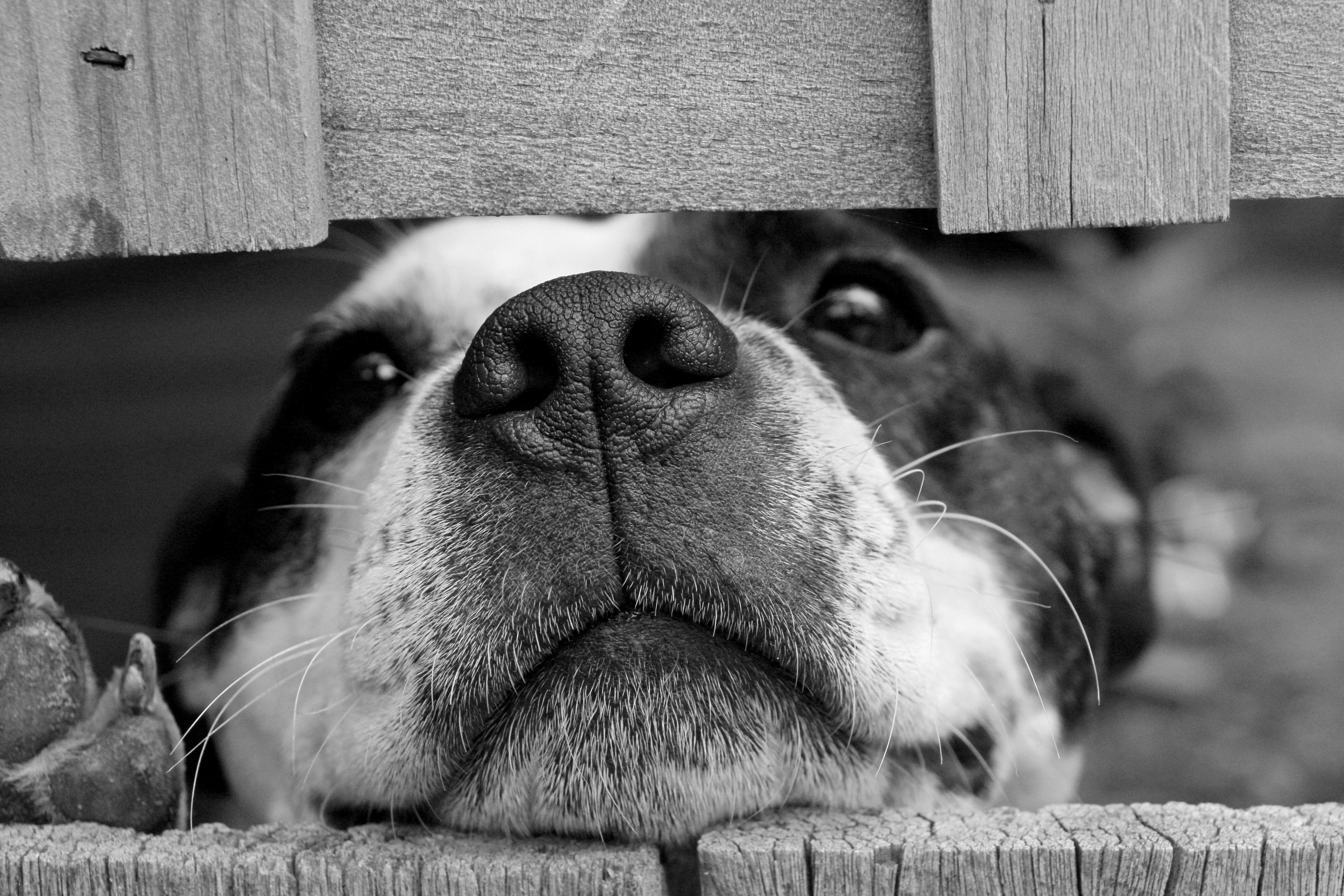 \n\n
\n\nDogs are some of the most beloved pets in the world, and their cute, wet noses are often one of the things that we notice first. But why do dogs have wet noses? This question has puzzled many dog owners and animal lovers alike. The truth is, there are several fascinating reasons behind this unique feature of canine anatomy. Let’s explore the curious canine anatomy and discover what makes a dog’s nose wet!
\nThe Basics of a Dog's Nose
\nA dog’s nose is not just an ordinary body part; it's a complex organ that plays a crucial role in their senses. The surface of a dog’s nose is covered in a layer of mucous, which helps to keep it moist. This moisture is essential for a number of reasons:
\n- \n
- Enhanced Smell: The wetness captures scent particles from the air, which helps dogs to smell better. Dogs have about 220 million scent receptors compared to about 5 million in humans. This makes their sense of smell incredibly strong. \n
- Temperature Regulation: A wet nose can help regulate a dog's body temperature. Dogs don’t sweat the same way humans do, so their noses help to cool them down. \n
- Health Indicator: A dog’s nose can also indicate their health. A cold and wet nose is generally a sign of a healthy dog, while a dry or warm nose can sometimes indicate illness. \n
The Science Behind Wet Noses
\nThe moisture on a dog’s nose comes from several sources. Mostly, a dog’s nose secretes mucus, which keeps the surface damp. Saliva also plays a role, as dogs will often lick their noses, adding more moisture.
\nHere’s a breakdown of the moisture sources:
\n- \n
- Mucous Glands: These glands produce a thin layer of mucus that coats the nose. \n
- Licking: Dogs frequently lick their noses as a behavior, which adds saliva and moisture. \n
- Environmental Factors: Humidity and temperature can also influence how wet a dog’s nose is. \n
Historical Perspective on Dog Noses
\nHistorically, dogs have been bred for various purposes, many of which rely on their keen sense of smell. Hunting dogs, for example, were specifically bred to track scents. The genetic selection for these traits has led to the development of dogs with even more sensitive noses.
\nMoreover, ancient civilizations recognized the importance of a dog’s nose. In Egypt, dogs were often depicted in art with prominently wet noses to symbolize their tracking abilities. This historical context highlights the significance of wet noses in dogs not just functionally, but culturally too.
\nPractical Examples: Why Wet Noses Matter
\nUnderstanding why dogs have wet noses can help owners care for their pets better. Here are some practical examples:
\n- \n
- Scent Work: If you have a dog that’s involved in scent work or search-and-rescue, a wet nose is a sign they are ready to track scents effectively. \n
- Temperature Monitoring: On hot days, check your dog’s nose. If it’s dry, they might need more water or a cool place to relax. \n
- Health Checks: Regularly monitor your dog’s nose. If it suddenly becomes dry or cracked, it could be a sign of dehydration or illness. \n
Fun Facts About Dog Noses
\n- \n
- Dogs can detect certain diseases such as cancer and diabetes through their incredible sense of smell. \n
- The pattern of a dog’s nose is as unique as a human fingerprint, meaning no two dogs have the same nose print. \n
- Dogs have a specialized organ called the Jacobsen's organ, which is located in the nasal cavity and helps them process smells even further. \n
Comparison: Dog Noses vs. Human Noses
\nHere’s a quick comparison between dog noses and human noses:
\n| Feature | \nDog Nose | \nHuman Nose | \n
|---|---|---|
| Scent Receptors | \nApproximately 220 million | \nAbout 5 million | \n
| Moisture Function | \nEnhances smell, regulates temperature | \nPrimarily for smell and breathing | \n
| Unique Identification | \nUnique nose print | \nNo unique print | \n
| Temperature Regulation | \nYes, through wetness | \nLimited, primarily through sweat | \n
Understanding the reasons behind why dogs have wet noses opens a window into the complexities of canine anatomy. This feature not only enhances their ability to smell but also serves as an important health indicator. Next time you pet your furry friend and notice their wet nose, you can appreciate the fascinating biology behind it! It’s just another reason why dogs are such amazing companions.
\n\nDo Different Dog Breeds Have Different Nose Moisture Levels?
\n\n \n\n
\n\nDogs are one of the most beloved pets around the world, but have you ever wondered why they have wet noses? And do different dog breeds have different nose moisture levels? These questions leads us into a fascinating world of canine biology and behavior that not only highlights the uniqueness of each breed but also helps us understand our furry friends better.
\nThe Science Behind Wet Noses
\nFirst off, a dog's nose is more then just cute; it serves crucial functions. The moisture on a dog's nose is actually a mix of secretions from the nasal glands and saliva. This wetness helps with their sense of smell, which is far superior to humans. According to several studies, dogs have as many as 300 million scent receptors in their noses, compared to about 5 million in humans. Wet noses enhances their ability to pick up scents, as moisture helps to dissolve odor particles, making it easier for dogs to detect them.
\nWhy Do Dogs Have Wet Noses?
\n- \n
- \n
Sense of Smell: As previously mentioned, a wet nose aids in olfactory functions. The moisture captures scent particles, making it easier for dogs to identify smells around them.
\n \n - \n
Temperature Regulation: Dogs don't sweat the same way humans do. They primarily regulate their body temperature through panting and the moisture on their noses helps in cooling down. A wet nose can indicate a dog is in a healthy state.
\n \n - \n
Communication: Dogs use their noses to communicate with other dogs and animals. A wet nose might indicate friendliness or curiosity, while a dry nose could signify stress or illness.
\n \n
Do Different Breeds Have Varying Moisture Levels?
\nThe moisture levels on a dog's nose can actually differ between breeds. Some breeds naturally tend to have wetter noses due to their physical characteristics and environmental exposure. For example:
\n- \n
- \n
Basset Hounds: Known for their long, droopy ears, they generally have wetter noses because their body structure encourages more saliva production.
\n \n - \n
Siberian Huskies: They might have drier noses, particularly in colder climates, as their bodies adapt to the environment.
\n \n - \n
Bulldogs: Often have a moist nose, but they can also suffer from respiratory issues, causing variations in moisture.
\n \n
Factors Influencing Nose Moisture Levels
\nSeveral factors can affect the moisture levels of a dog's nose. Here are some of the main aspects to consider:
\n- \n
- \n
Environment: Hot, dry weather can lead to a drier nose. Conversely, humid conditions might keep a dog's nose wetter.
\n \n - \n
Health: A dog's nose can be an indicator of their health. A dry or cracked nose could indicate dehydration or illness, while a consistently wet nose usually indicates good health.
\n \n - \n
Age: Puppies often have moist noses, but as they age, their nose moisture levels may fluctuate based on health and breed.
\n \n
Fun Facts About Dog Noses
\n- \n
- \n
Unique Prints: Just like human fingerprints, every dog has a unique nose print that can be used for identification.
\n \n - \n
Temperature Check: A dog's nose temperature isn't always a reliable indicator of illness. A warm, dry nose can still belong to a perfectly healthy dog.
\n \n - \n
Nose Color: The color of a dog’s nose can vary widely among breeds, and it doesn't necessarily correlate with moisture levels. Some dogs have pink noses while others have black or brown.
\n \n
Practical Tips for Dog Owners
\nTo maintain your dog's nose health, consider these tips:
\n- \n
- \n
Hydration: Ensure your dog has access to fresh water to keep its body hydrated, which can help maintain nose moisture.
\n \n - \n
Environmental Care: If you live in a dry climate, consider using a humidifier in your home.
\n \n - \n
Regular Vet Visits: Always keep up with vet check-ups to monitor your dog's overall health and address any concerns about nose moisture.
\n \n
In summary, the wetness of a dog's nose is not just a quirky trait; it's an essential part of their biology that enhances their sense of smell and helps regulate their body temperature. Different breeds do show variations in nose moisture, influenced by a variety of factors like health, environment, and age. Understanding these aspects can deepen the bond between you and your canine companion, making caring for them even more rewarding.
\n\nHow Weather Affects Your Dog’s Nose: Wet vs. Dry Conditions Explained
\n\n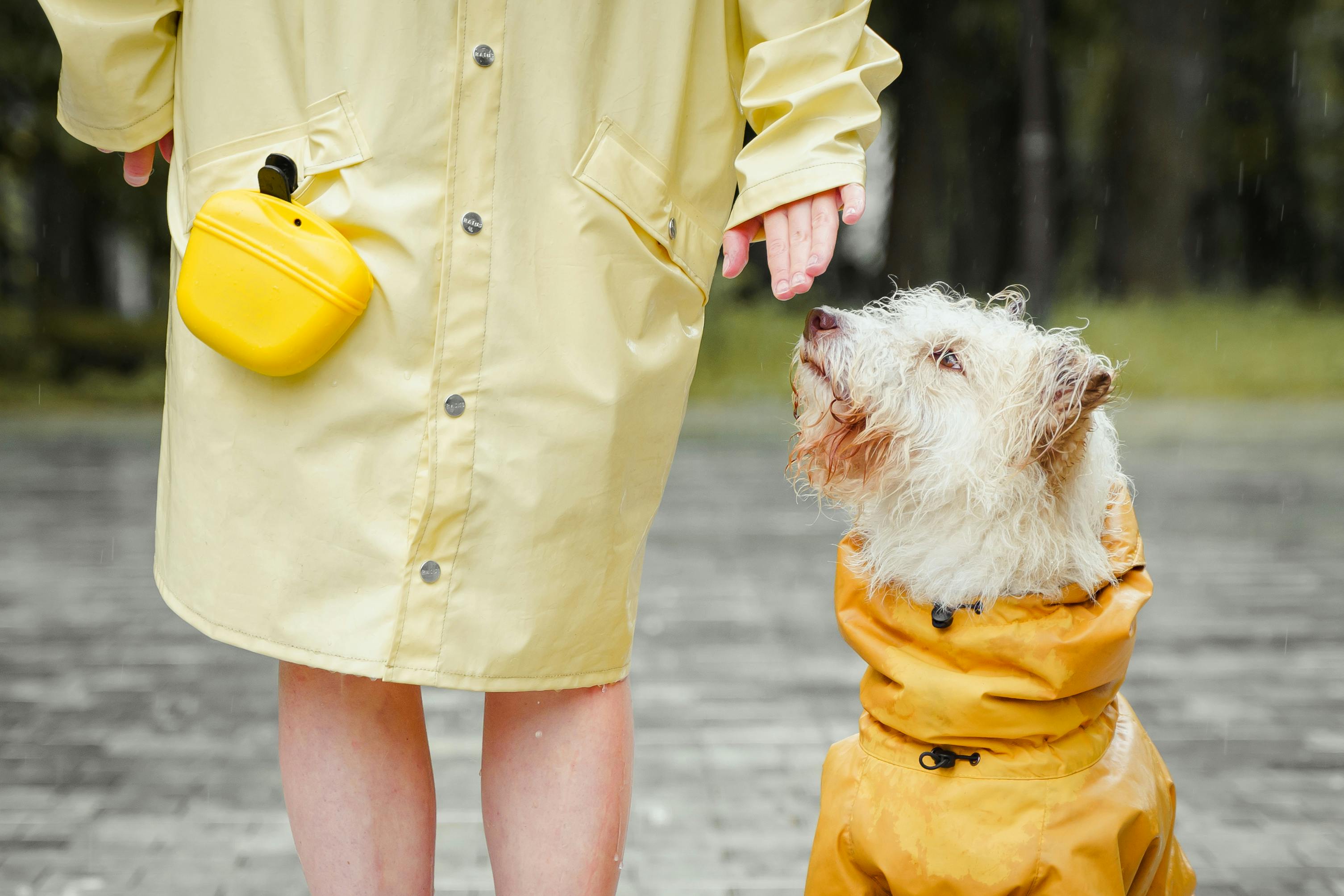 \n\n
\n\nWhen you think about dogs, their wet noses often comes to mind. But have you ever wondered how weather affects your dog's nose? In particular, the difference between wet and dry conditions can play a big role in the moisture level of your furry friend’s snout. Understanding this can help you take better care of your pet, especially during seasonal changes. So let’s dig in and explore this fascinating topic!
\nWhy Do Dogs Have Wet Noses?
\nDogs have wet noses for several reasons. One of the main reasons is that it helps them smell better. A wet nose helps trap scent particles in the air, which makes it easier for dogs to detect odors. It’s a little like how a sponge absorbs water. The moisture helps enhance their sense of smell. Additionally, a wet nose can also help regulate a dog’s body temperature.
\nHere are some more interesting facts about dog noses:
\n- \n
- Scent Detectors: Dogs have about 220 million scent receptors in their noses, compared to humans who only have about 5 million. \n
- Temperature Regulation: A wet nose cools down the dog’s body as it evaporates moisture. \n
- Health Indicator: A healthy dog generally has a moist nose. If it becomes dry and cracked, it might indicate illness or dehydration. \n
How Weather Affects Your Dog’s Nose
\nDifferent weather conditions can affect the moisture level of your dog’s nose in various ways.
\n- \n
- \n
Humidity: In humid conditions, dogs may have wetter noses. The moisture in the air helps keep their noses moist. You might notice that your dog’s nose feels particularly slippery during a rainy day or in a hot, humid summer.
\n \n - \n
Dry Weather: On the other hand, when the weather is dry, such as during winter or in arid climates, dogs' noses can become dry. This can lead to chapping or cracking, which is uncomfortable for the dog.
\n \n - \n
Temperature: Extreme temperatures can also affect nose moisture. In very hot weather, dogs might pant to cool off, and this can sometimes lead to a dryer nose.
\n \n
Tips for Keeping Your Dog’s Nose Healthy
\nKeeping your dog’s nose healthy is important, especially when the weather changes. Here are some practical tips you can follow:
\n- \n
- \n
Hydration: Make sure your dog always has access to fresh water. Staying hydrated helps maintain moisture in their nose.
\n \n - \n
Humidifiers: If you live in a dry climate, consider using a humidifier in your home. This can help keep the air from sucking moisture away from your dog's nose.
\n \n - \n
Nose Balms: If your dog’s nose is dry or cracked, applying a dog-safe nose balm can help soothe and moisturize it.
\n \n - \n
Regular Vet Visits: Always keep an eye on your pet’s health. If you notice persistent dryness or any changes in their nose, consult a veterinarian.
\n \n
How to Tell if Your Dog’s Nose is Healthy
\nUnderstanding what a healthy dog nose looks like can help prevent issues. Here’s a quick checklist:
\n- \n
- Moist: A typical healthy dog nose is cool and moist. \n
- Color: The color should be consistent; a sudden change might indicate an issue. \n
- No Cracks: Look for any cracks or sores. These can be signs of dehydration or other health concerns. \n
Comparison of Wet vs. Dry Noses in Dogs
\nHere’s a simple comparison table that illustrates the differences between wet and dry noses in dogs:
\n| Feature | \nWet Nose | \nDry Nose | \n
|---|---|---|
| Moisture Level | \nHigh | \nLow | \n
| Scent Detection | \nEnhanced | \nReduced | \n
| Temperature Regulation | \nEffective | \nLess effective | \n
| Health Indicator | \nGenerally healthy | \nCan indicate dehydration/illness | \n
It's super interesting how much a dog's nose does for them. And by understanding how weather influences their nose, you can take better care of your furry companion.
\nSo next time you’re out walking your dog on a rainy day, or you notice their nose is especially dry during winter, you can take steps to ensure they remain healthy and happy. Remember, a wet nose is not just an adorable feature; it's a crucial part of your dog's overall well-being.
\n\nWet Noses and Dog Behavior: What Your Pet’s Nose is Trying to Tell You
\n\n \n\n
\n\nDogs are often called "man's best friend," and their wet noses are one of the most endearing qualities they have. But why do dogs have wet noses? It’s not just a cute feature; it actually serves several important purposes in their behavior and health. Understanding your furry friend’s nose can deepen the bond you share and help you interpret their moods and needs, too.
\nWhy Do Dogs Have Wet Noses?
\nWet noses is something all dog owners notices, but not everyone know why. Here’s a look at some of the key reasons:
\n- \n
- \n
Enhanced Sense of Smell: Dogs have an incredible sense of smell, and their wet noses play a crucial role in that. The moisture on their noses helps to capture scent particles, making it easier for them to detect odors.
\n \n - \n
Temperature Regulation: A dog’s nose helps regulate their body temperature. When they pant, the moisture on their nose evaporates, which cools them down.
\n \n - \n
Health Indicator: A wet nose can also indicate a dog’s health. Generally, a moist nose is a sign of a healthy dog, while a dry nose may signal dehydration or illness.
\n \n - \n
Communication Tool: Dogs use their noses to communicate. A wet nose can mean they are excited or seeking attention.
\n \n
The Science Behind Wet Noses
\nThe science behind why do dogs have wet noses is pretty fascinating. Here are some interesting facts:
\n- \n
- \n
Olfactory Receptors: Dogs have about 220 million olfactory receptors in their noses, compared to a human's 5 million. This difference is what allows dogs to smell things that humans can’t even begin to comprehend.
\n \n - \n
Nasal Structure: The structure of a dog's nose, including its wetness, is specially designed to help them pick up on scents more effectively. The moisture on their noses helps to dissolve scent particles, allowing them to better analyze what they are smelling.
\n \n - \n
Behavioral Insights: A dog’s behavior can often be read through their nose. For example, if a dog approaches with a wet nose and is sniffing you, it might be a sign they are friendly and curious. Conversely, if their nose is dry and they're avoiding you, it might indicate stress or discomfort.
\n \n
Practical Tips for Dog Owners
\nUnderstanding the significance of a wet nose can help dog owners better care for their pets. Here are some practical tips:
\n- \n
- \n
Regular Check-Ups: Monitor your dog’s nose condition. If it suddenly becomes dry or cracked, consult a veterinarian to rule out any health issues.
\n \n - \n
Hydration: Keep your dog hydrated, especially during the summer months. Dehydration can lead to a dry nose which is not good.
\n \n - \n
Observe Behavior: Pay attention to changes in your dog’s behavior. If their nose is wet but they seem lethargic or uninterested in play, it’s worth a vet visit.
\n \n - \n
Temperature Control: If you notice your dog’s nose is excessively wet, it might be due to hot weather. Make sure they have a cool place to rest.
\n \n
Comparing Dogs' Noses to Other Animals
\nInterestingly, dogs are not the only animals with wet noses. Let’s compare:
\n- \n
- \n
Cats: Cats also have wet noses, but their sense of smell is less developed than dogs. They have about 50 to 80 million olfactory receptors.
\n \n - \n
Rabbits: Rabbits have moist noses as well, but they primarily use them for thermoregulation rather than scent detection.
\n \n - \n
Humans: Humans do not have wet noses. Our sense of smell is significantly less developed, with only about 5 million olfactory receptors.
\n \n
Fun Facts About Dog Behavior and Noses
\nHere’s a little list of fun facts:
\n- \n
- Dogs can identify their owner’s scent from a mile away. \n
- A dog’s nose print is unique, much like a human fingerprint. \n
- Puppies are usually born with pink noses that darken as they mature. \n
In the world of dogs, their wet noses are more than just cute features; they are vital tools for communication, health, and survival. Observing your pet’s nose can give you insights into their feelings and well-being. So the next time you see that familiar wet nose, remember there’s a lot more going on than meets the eye! Understanding these subtle signals can help you provide the best possible care for your furry companion.
\n\nThe Connection Between Wet Noses and Canine Senses: Enhancing Your Dog's World
\n\n \n\n
\n\nDogs are often considered man's best friend, but have you ever wondered about the science behind their wet noses? Many people ask why do dogs have wet noses, and it turns out, there’s more than just a cute factor at play. Wet noses play a crucial role in enhancing a dog's sensory experience, and understanding this connection can deepen our appreciation for our furry companions.
\nThe Science Behind Wet Noses
\nFirst off, a dog’s nose is not just for show. It’s like a super-sensitive organ, which is actually a big part of their world. The wetness of a dog’s nose helps to absorb scent chemicals from the air, which makes it easier for them to sniff out different smells. This is why dogs are often used in search and rescue missions, detection work, and even for therapy purposes.
\n- \n
- Scent Absorption: A wet nose can hold onto scent particles more effectively. \n
- Temperature Regulation: Dogs regulate their body temperature through their noses. When it’s hot or they are feeling too warm, they can help cool down by panting, but the moisture from their noses also plays a role. \n
- Health Indicator: A dog’s nose can reflect its health. A dry or cracked nose may indicate dehydration or illness, while a moist nose is typically a sign of a healthy pup. \n
Historical Context of Dog Noses
\nHistorically, dogs were bred for a variety of purposes, and their snouts evolved to suit these needs. For example, hunting dogs were valued for their keen sense of smell, and this trait has been emphasized through selective breeding. In ancient times, dogs were utilized for tracking game, herding livestock, and even as companions for humans.
\n- \n
- Hunting Breeds: Bloodhounds, Beagles, and German Shepherds were specifically bred for their olfactory skills. \n
- Working Dogs: Dogs used in search and rescue, detection, and law enforcement rely heavily on their sense of smell. \n
- Companionship: While many breeds are now primarily companions, the wet nose remains an important feature. \n
Comparing Wet vs. Dry Noses
\nNot all dogs have the same nose moisture levels at all times. Some people might wonder if a dog’s nose should always feel wet. Here’s a simple comparison:
\nWet Nose:
\n- \n
- Better Scent Detection: Enhances the ability to pick up scents. \n
- Healthy Indicator: Often a sign of a healthy, hydrated dog. \n
Dry Nose:
\n- \n
- Possible Dehydration: May indicate the dog is not drinking enough water. \n
- Environmental Factors: Weather changes or indoor heating can dry out a dog’s nose. \n
Fun Facts About Dog Noses
\n- \n
- Unique Patterns: Just like human fingerprints, every dog has a unique nose print. \n
- Vast Olfactory Receptors: Dogs have between 200 million to 300 million olfactory receptors in their noses, compared to humans who have about 5 million. \n
- Sniffing Technique: Dogs have a specific sniffing technique called "sniffing in layers," which allows them to detect various scents in the air. \n
Enhancing Your Dog's World
\nUnderstanding the importance of a dog’s wet nose can help you create a better environment for your furry friend. Here are some practical ways to enhance their world:
\n- \n
- Engage Their Nose: Use scent games or hide treats around the house to encourage their natural sniffing behavior. \n
- Regular Vet Check-ups: Keep an eye on their nose. If it’s persistently dry or changing in color, it’s time for a vet visit. \n
- Hydration: Always ensure your dog has access to fresh water, as hydration is crucial for keeping their nose moist. \n
Practical Tips for Dog Owners
\nHere’s some quick tips for dog owners to maintain their pet's health and nose moisture:
\n- \n
- Provide Fresh Water Daily: Make sure they always have clean water to drink. \n
- Watch for Allergies: Seasonal allergies can affect a dog’s nose, so be observant. \n
- Limit Sun Exposure: Just like humans, dogs can get sunburned, especially on their noses. Use pet-safe sunscreen if outdoors for long durations. \n
In the end, the wet noses of our dogs are not just an adorable feature; they are an essential part of what makes them such extraordinary companions. By understanding the significance behind this unique trait, dog owners can provide better care and enrich their pet's life. Keep exploring the fascinating world of dogs, and you might discover more about what makes them so special!
\n\nWhat to Do If Your Dog's Nose is Too Dry: Signs and Solutions
\n\n \n\n
\n\nDogs are often considered man's best friend, and one of the most endearing features of these furry companions is their wet noses. But what happens when your dog's nose is too dry? You might be wondering what it means and if it's a sign of something serious. In this article, we explore the signs and solutions for dry dog noses, along with the science behind why dogs have wet noses in the first place.
\nWhy Do Dogs Have Wet Noses?
\nHave you ever thought about the purpose of a dog's nose? The wetness, it turns out, serves multiple functions. Here are some reasons:
\n- \n
- Sense of Smell: A wet nose help enhances a dog’s ability to smell. The moisture traps scent particles, allowing them to better analyze their surroundings. \n
- Temperature Regulation: Dogs, unlike humans, don’t sweat through their skin. Their nose helps them cool down. The wetness evaporates and cools them off. \n
- Health Indicator: Generally, a healthy dog has a moist nose. Changes in this moisture level can indicate health issues. \n
Historically, the moisture on a dog's nose was thought to be simply a byproduct of the animal's physiology. But studies show that it plays a critical role in their biology.
\nWhat to Do If Your Dog's Nose is Too Dry
\nNoticing that your dog's nose is dry can be concerning. Here’s what you should look for and do:
\nSigns of a Dry Nose
\n- \n
- Texture Change: If the nose feel rough or cracked, that’s usually a red flag. \n
- Color Changes: A dry nose may appear pale or even flaky. \n
- Behavioral Changes: If your dog seems lethargic, it could be a sign of dehydration or illness. \n
- Excessive Drinking: If your dog starts drinking more water than usual, it could indicate an underlying health issue. \n
Solutions to Dry Dog Noses
\n- \n
- Hydration: Always make sure your dog have access to fresh water. Dehydration is a common cause of a dry nose. \n
- Humidity: If you live in a dry climate, consider using a humidifier in your home. It can help maintain moisture in the air, which may benefit your pet. \n
- Nasal Balms: There are products specifically designed for dogs that can moisturize their noses. Look for ones that are safe for animals. \n
- Veterinary Checkup: If the dryness persists, it’s a good idea to consult your veterinarian. They can rule out any serious health conditions. \n
Common Causes of Dry Noses
\nThere are several reasons why your dog’s nose could be dry, some of which are more serious than others. Here’s a quick list:
\n- \n
- Allergies: Just like humans, dogs can suffer from allergies that affect their noses. \n
- Sunburn: Dogs can get sunburned, especially those with lighter fur or skin. This can lead to dryness. \n
- Illness: Conditions such as fever, autoimmune diseases, or infections can cause a dry nose. \n
- Age: Older dogs might naturally have drier noses as part of the aging process. \n
Comparing Wet and Dry Noses
\nIt can be helpful to understand the differences between a wet and dry nose. Below is a simple comparison:
\n| Feature | \nWet Nose | \nDry Nose | \n
|---|---|---|
| Sensory Function | \nBetter at detecting scents | \nLess effective in scent detection | \n
| Temperature Regulation | \nHelps in cooling the body | \nCan indicate overheating | \n
| Health Indicator | \nGenerally indicates good health | \nMay signal health issues | \n
The Fascinating Truth About Dog Noses
\nDogs’ noses are not just cute; they are fascinating tools of nature. The intricate design of a dog's nose includes a complex network of scent receptors. These receptors are estimated to be between 10,000 to 100,000 times more sensitive than humans. This fantastic ability allows dogs to detect certain odors, like drugs or even diseases, which is why they are often used in search and rescue missions.
\nMoreover, dogs have a unique "Jacobsen's organ" that allows them to process smells in a way that humans can't. This organ gives them the ability to detect pheromones and other chemical signals, enhancing their understanding of their environment.
\nDogs’ noses may seem like a tiny aspect of their overall being, but they play a crucial role in their health and happiness. If you ever find yourself worrying about your dog's dry nose, remember that it can often be managed easily with a bit of care and attention. Keeping your dog's nose healthy contributes to their overall well-being, so stay observant and proactive about their health.
\n\nThe Fascinating Evolution of Dog Noses: Why Are They Wet?
\n\n \n\n
\n\nDogs have been companions to humans for thousands of years, and their fascinating features have intrigued us. One of the most notable characteristics of dogs is their noses. Why are they wet? What purpose does this moistness serve? Let’s dive into the evolution and science behind those adorable wet noses.
\nThe Science Behind Wet Dog Noses
\nFirst off, a dog's nose isn't just an adorable feature; it's a highly specialized organ. Dogs have an incredible sense of smell—some estimates say it’s 10,000 to 100,000 times more acute than humans. The moistness of a dog’s nose plays a crucial role in enhancing this sense of smell. Here’s how:
\n- \n
- Humidity: A wet nose helps to absorb scent particles from the air. The moisture captures and holds these particles, making it easier for dogs to detect odors. \n
- Temperature Regulation: Dogs can't sweat like humans. Their wet noses help them regulate their body temperature by allowing moisture to evaporate, which cools them down. \n
- Health Indicator: A dog’s nose can be a health indicator. Changes in moisture levels may suggest illness or dehydration. \n
Why Do Dogs Have Wet Noses? Exploring Evolution
\nThe evolution of the dog’s nose can be traced back to their ancestors, wolves. Wet noses likely provided an evolutionary advantage. Here’s a simple breakdown:
\n- \n
- Hunting Efficiency: Wolves relied on their sense of smell for hunting. A wet nose would enhance their ability to track prey over long distances. \n
- Social Interaction: Dogs use their noses to communicate with other dogs. Wet noses can pick up pheromones, which are crucial for social bonding and understanding among dogs. \n
- Survival Mechanism: In the wild, a wet nose can help dogs detect danger or find food, thus increasing their chances of survival. \n
Interesting Facts About Dog Noses
\n- \n
- Unique Patterns: Just like human fingerprints, each dog’s nose has a unique pattern of ridges and creases. \n
- Color Variation: The color of a dog’s nose can vary widely, from black to pink, and it often correlates with the dog’s coat color. \n
- Sensitivity: A dog’s nose contains up to 300 million olfactory receptors compared to about 6 million in humans. \n
The Myth of Cold vs. Warm Noses
\nMany dog owners believe that a cold nose is a sign of good health, and while it could be true, it is a simplification. A dog’s nose temperature varies throughout the day and can be influenced by many factors, such as:
\n- \n
- Activity Level: After vigorous play, a dog’s nose may feel warm. \n
- Environmental Conditions: Weather can affect nose temperature; cold weather can result in colder noses, while warm weather can lead to warmer noses. \n
Practical Tips for Dog Owners
\nUnderstanding the importance of your dog’s nose can help you take better care of your furry friend. Here are some practical tips:
\n- \n
- Regular Check-Ups: Keep an eye on your dog's nose. If you notice excessive dryness or cracking, it might be time for a vet visit. \n
- Hydration: Ensure your dog stays well-hydrated, as dehydration can lead to a dry nose. \n
- Avoid Irritants: Keep your dog away from harsh chemicals that can irritate their nose. \n
Comparing Dog Noses to Human Noses
\nDogs and humans have vastly different nose structures and functions. Here’s a quick comparison:
\n| Feature | \nDog Nose | \nHuman Nose | \n
|---|---|---|
| Olfactory Receptors | \nUp to 300 million | \nAbout 6 million | \n
| Sense of Smell | \n10,000 to 100,000 times more acute | \nLimited | \n
| Moisture Role | \nHelps absorb scents, regulates temperature | \nMinimal | \n
| Unique Patterns | \nYes | \nNo | \n
Understanding these differences can help pet owners appreciate the unique biology of their dogs.
\nConclusion
\nThe wet noses of dogs are not only a charming trait but also a vital component of their biology. Their evolution from wild ancestors to beloved pets has shaped these unique features, making dogs exceptional companions. So next time you see your furry friend with their adorable wet nose, remember the remarkable science and history behind it. Embrace the quirks of your canine companion, as they are a testament to the fascinating journey of dogs through time.
\n\nConclusion
\n\nIn conclusion, the wet noses of dogs serve several important functions that contribute to their overall health and behavior. Primarily, a moist nose helps enhance their sense of smell, allowing them to better detect scents in their environment. Additionally, the moisture aids in thermoregulation, helping dogs cool down when they pant. The wetness of a dog's nose can also indicate their emotional state, with a cooler, moist nose often suggesting a relaxed and healthy pup. It's worth noting that while a wet nose is typically a sign of good health, any sudden changes in moisture or temperature may warrant a visit to the veterinarian. As dog owners, we should appreciate these unique characteristics that make our furry companions so special. Next time you pet your dog, take a moment to consider the fascinating science behind their wet nose and what it reveals about their well-being.
\n\n