
Have you ever wondered, why do dogs have wet noses? This intriguing question has puzzled many dog owners and lovers alike. The truth behind those damp snouts is more than just a quirky characteristic; it’s a fascinating insight into your furry friend’s health and behavior! Dogs’ noses are often wet for a variety of reasons, including their incredible sense of smell and temperature regulation. But there’s more to it—did you know that a wet nose can indicate how your dog is feeling? In this article, we will explore the science behind wet noses, uncovering the reasons behind this unique trait. Plus, we’ll answer common questions like, “Is a wet nose always a sign of a healthy pup?” and “How does a dog’s nose help them in their daily lives?” Join us on this captivating journey into the world of canines, where you’ll discover the fascinating truth about why dogs have wet noses and what it means for your beloved pet. Get ready to deepen your understanding of your four-legged friend and learn something new today!
The Science Behind Dog Noses: Why Are They Wet and What Does It Mean?
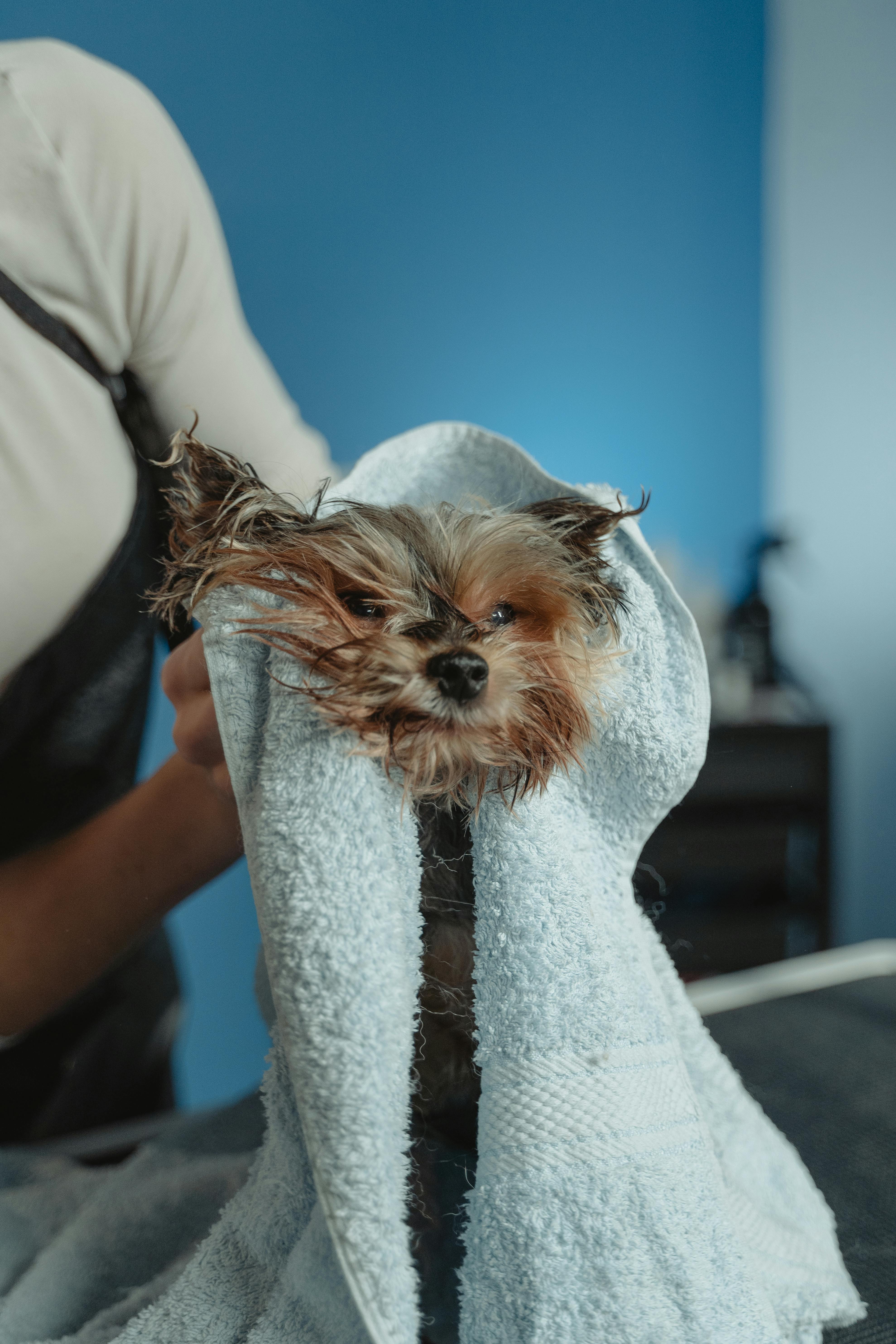
When you think about dogs, many things come to mind – their loyalty, playfulness, and those adorable wet noses. But why do dogs have wet noses? What is the science behind this unique biological feature? It’s a question that many pet owners have pondered, and it has a fascinating answer rooted in both biology and behavior. Let’s dive into this interesting topic and explore the reasons behind those damp snouts.
The Biology of a Dog’s Nose
A dog’s nose is an incredible piece of biological engineering. It not only serves as their primary way of interacting with the world, but also plays a crucial role in their health and communication. The wetness of a dog’s nose is due to a thin layer of mucus that helps them absorb scent molecules. This mucus is produced by special glands in the nose and it helps enhance their sense of smell.
- Scent detection: Dogs have up to 300 million smell receptors, compared to about 6 million in humans. This allows them to detect scents at incredibly low concentrations. A wet nose helps capture more scent particles, making them even better at sniffing things out.
- Temperature regulation: Just like humans sweat, dogs can regulate their body temperature through their noses. A wet nose helps cool them down, especially when they are panting after a long walk or play session.
- Health indicator: The moisture of a dog’s nose can also indicate their health. A dry or cracked nose might signal dehydration or illness, while a wet nose is generally a sign of a healthy dog.
Why Are Dog Noses Wet?
Now that we understand the biological function, let’s look closer at why dog noses are wet. It has to do with both anatomy and behavior.
1. Moisture Production
Dogs have specialized glands in their noses that produce mucus. This mucus keeps their noses moist and helps with scent detection. The moisture comes from a combination of saliva and nasal secretions, which is why you might notice your dog licking their nose often.
2. Environmental Factors
The environment plays a significant role in how wet a dog’s nose is. For instance, on a humid day, you might find that your dog’s nose is wetter than usual. This is because the moisture in the air can help keep their nose damp.
3. Communication
Dogs also use their noses to communicate with each other. A wet nose can be a sign of excitement or anxiety. When they meet other dogs, they often sniff each other’s noses to gather information about their health and mood.
The Fascinating Truth About Dog Noses
Here are some interesting facts that you might not know about dog noses:
- Unique Patterns: Just like human fingerprints, each dog’s nose has a unique pattern of ridges and bumps. This means that no two dog noses are alike!
- Color Matters: The color of a dog’s nose can vary, and it can change due to factors like age, health, or breed. For example, some breeds like the Dalmatian have spotted noses.
- Sniffing Speed: Dogs can sniff at speeds of up to 30 times per second! This allows them to gather a vast amount of information about their environment in a short time.
Common Myths about Dog Noses
There are a lot of myths surrounding dog noses, and it’s important to clarify them:
Myth 1: A cold, wet nose means the dog is healthy.
- Fact: While it’s a good indicator, not all healthy dogs have cold noses. A warm, dry nose can also be normal for some dogs.
Myth 2: A wet nose is a sign of a sick dog.
- Fact: A wet nose is usually a sign of good health, but always observe other symptoms for a complete health assessment.
Myth 3: Dogs can only smell things that are wet.
- Fact: Dogs can smell dry scents just as well, but moisture can enhance their ability to pick up certain odors.
Practical Tips for Dog Owners
Here are some practical tips to keep your dog’s nose healthy:
- Hydration: Ensure your dog drinks plenty of water to keep their nose moist.
- Regular Vet Check-ups: Regular vet visits can help catch any health issues early, including problems that might affect their nose.
- Observe Changes: Pay attention to any significant changes in your dog’s nose moisture, color, or texture. This can be an early warning sign of health issues.
Understanding why dogs have wet noses and what it means can deepen the bond between you and your furry friend. This simple feature is not just cute; it’s a vital part of their biology and behavior. So next time you give your dog a scratch behind the ears, take a moment to appreciate that damp nose and all the incredible science behind
5 Surprising Benefits of Your Dog’s Wet Nose You Didn’t Know About
Have you ever wondered why dogs have wet noses? It’s one of those quirky traits that dog lovers often find adorable, but there’s actually a fascinating science behind it! Not only does a wet nose serve important biological functions, but it also comes with surprising benefits that many pet owners might not know. So let’s dive into the intriguing world of our furry friends and discover the secrets of those little wet noses.
The Science Behind Wet Noses
Dogs’ noses are moist for a good reason. The moisture helps to enhance their sense of smell, which is already thousands of times more acute than that of humans. The wetness captures scent particles from the air, making it easier for dogs to sniff and identify scents. This ability is crucial for their survival and communication. But there’s more to it than just smelling!
5 Surprising Benefits of Your Dog’s Wet Nose
Thermoregulation
- Dogs cool themselves off through their noses. When a dog is panting, moisture evaporates from their nose, helping to regulate body temperature. Unlike humans, dogs don’t sweat the same way, so their noses play a vital role in staying cool.
Health Indicator
- A dog’s nose can signal their health status. While a wet nose is generally a sign of a healthy dog, if it becomes dry or cracked, it can indicate dehydration or illness. Regularly checking your dog’s nose can provide insights into their well-being.
Social Interaction
- Dogs use their noses to communicate with each other. When they meet, they often sniff each other’s noses. This behavior helps dogs gather information about one another, from their health to their mood. A wet nose can indicate a friendly and approachable dog!
Enhanced Scent Detection
- The moisture on a dog’s nose helps to absorb scent molecules, which makes it easier for them to detect odors. This is one reason why dogs are often used in search and rescue operations, as well as in drug detection.
Natural Antiseptic Properties
- Dogs’ noses contain natural antibacterial properties. The moist environment can help to keep harmful bacteria at bay, which is why dogs can often lick their wounds without becoming infected. Their saliva has healing properties that compliment the nose’s natural functions.
Why Do Dogs Have Wet Noses?
So, let’s get into the nitty-gritty of why dogs have wet noses. It boils down to evolution and survival. In the wild, the ability to smell well can make the difference between life and death. Dogs’ ancestors needed to track prey and avoid predators, so a wet nose evolved to help them be more effective hunters.
A Quick Look at Dog Nose Facts
Here’s a handy list of interesting facts about dog noses:
- Scent Detection: Dogs have about 220 million scent receptors, compared to humans’ 5 million.
- Temperature Regulation: A dog’s normal body temperature ranges from 101 to 102.5°F, and their nose can help them cool down.
- Unique Patterns: Just like human fingerprints, every dog has a unique nose print.
- Wetness Varies: Not all dogs have the same level of nose wetness. Factors like environment and health can affect moisture levels.
Comparing Dog Noses to Human Noses
Let’s break down the differences between our noses and our canine companions’ noses.
| Feature | Dog Nose | Human Nose |
|---|---|---|
| Scent Receptors | 220 million | 5 million |
| Moisture Function | Enhances scent detection | Minimal role in scent |
| Temperature Regulation | Helps cool down | Primarily for breathing |
| Unique Patterns | Unique nose prints | No unique patterns |
Practical Examples of Nose Use
Let’s say you take your dog to the park. While you enjoy the scenery, your dog is busy sniffing around. Their nose is gathering information about other animals, people, and even the environment. It’s like they’re reading the news of the world, one sniff at a time!
Moreover, if your dog suddenly stops and sniffs the air, it may be detecting something interesting nearby, like a squirrel or another dog. Their wet noses play a crucial role in all these interactions.
Understanding the reasons behind your dog’s wet nose and its many benefits can deepen your bond with your furry friend. It’s not just an adorable quirk; it’s a fascinating feature that enhances their lives and ours. So next time you give your dog a scratch behind the ears, take a moment to appreciate the science and benefits of that delightful wet nose!
Is a Wet Nose a Sign of a Healthy Dog? Unveiling the Truth Behind Canine Health
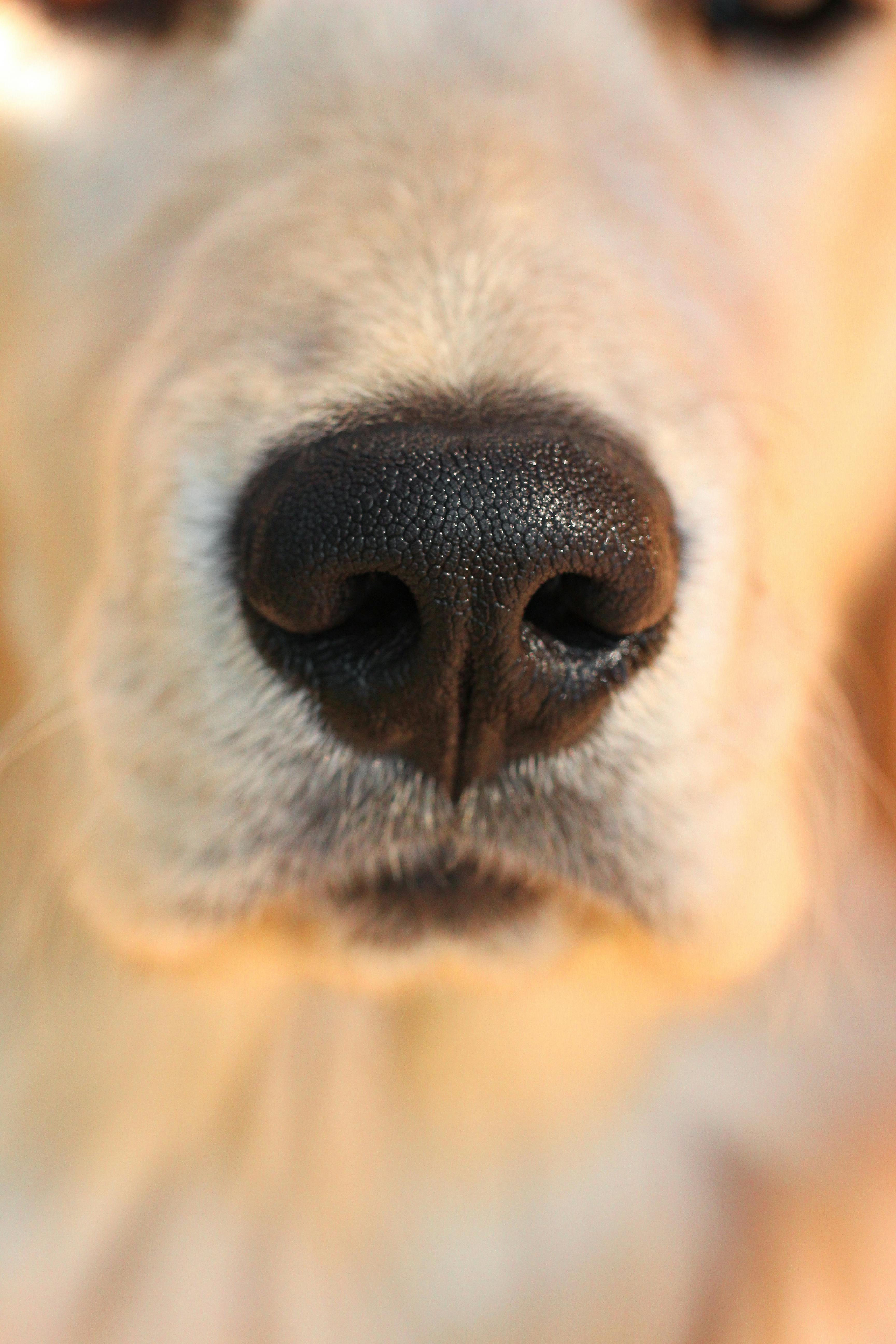
When you think about dogs, there’s just something about their wet noses that seems to fascinate us. You may wonder, is a wet nose a sign of a healthy dog? Or, why do dogs have wet noses in the first place? Let’s dive into these intriguing questions and unveil the truth behind canine health, while exploring the fascinating world of dog noses.
The Science Behind Wet Noses
Dogs have wet noses for several reasons, and it’s not only for cuteness. A wet nose is often associated with health, but it’s not a definitive indicator. Here are a few reasons why a dog’s nose tends to be wet:
- Heat Regulation: Dogs don’t sweat like humans do. Instead, they rely on panting and the moisture on their noses to help cool themselves down.
- Scent Enhancement: The moisture helps to capture scent particles from the air, making it easier for dogs to smell. This is crucial since their sense of smell is far superior to ours.
- Natural Body Function: Dogs’ noses produce mucus that keeps them moist and helps in detecting scents. The wetness is a natural part of their anatomy.
Is a Wet Nose Actually a Health Indicator?
It’s a common belief that a wet nose means a dog is healthy, but this isn’t always true. While a wet nose can indicate a dog is well-hydrated, it’s not the only sign of good health. Here are some things to consider:
- Temperature Matters: A dog’s nose can be wet for various reasons, including weather changes. A warm day can lead to a wetter nose even if the dog isn’t feeling its best.
- Health Conditions: Sometimes, a dog will have a dry nose or a cold, wet nose when they’re sick. Illnesses like canine distemper can result in a dry, cracked nose.
- Hydration Levels: Dogs that are dehydrated may have a dry nose, but they could still be healthy. Hydration is important, but it’s not the only factor.
Historical Perspective on Dog Noses
Historically, wet noses have been associated with dogs in various cultures. Ancient Greeks and Romans believed that dogs served as guardians, and their sense of smell was seen as a divine gift.
- Cultural Beliefs: In some cultures, a dog’s nose was thought to reflect the owner’s health. If a dog had a wet nose, it was seen as a sign that the owner was healthy, too.
- Working Dogs: In the past, hunting and working dogs relied heavily on their sense of smell. A wet nose was crucial for their ability to track scents, making it an essential characteristic.
Comparing Wet and Dry Noses: What’s Normal?
Here’s a quick comparison of wet and dry noses in dogs:
Wet Nose:
- Generally cool to the touch
- Often associated with hydration
- Can enhance the sense of smell
Dry Nose:
- Often warmer than a wet nose
- Could indicate dehydration or illness
- Sometimes normal, depending on the dog and environmental factors
Dog Nose Facts You Might Not Know
- Nose Color: The color of a dog’s nose can vary. It can be black, brown, or even pink. This doesn’t directly relate to health.
- Nose Prints: Just like human fingerprints, a dog’s nose print is unique. It can actually be used for identification!
- Nose Shape: The shape of a dog’s nose can impact their ability to smell. Breeds with longer noses, like Bloodhounds, typically have a better sense of smell than flatter-nosed breeds.
Practical Tips for Dog Owners
- Regular Check-Ups: Regular vet visits are important. If you notice significant changes in your dog’s nose or behavior, consult a veterinarian.
- Hydration: Ensure your dog has access to fresh water. Hydration impacts overall health.
- Watch for Symptoms: If your dog’s nose is excessively dry or cracked, along with other symptoms like lethargy or loss of appetite, reach out to a vet.
In summary, while a wet nose can be a good sign, it’s essential to look at the bigger picture of your dog’s health. Factors like behavior, appetite, and overall well-being are more reliable indicators than just the wetness of their nose. Understanding why dogs have wet noses adds a layer of appreciation for these furry companions and their unique biology. Whether it’s for cooling down, smelling better, or just being a part of their adorable charm, their wet noses are truly fascinating.
How to Keep Your Dog’s Nose Healthy and Moist: Essential Tips for Pet Owners

Dogs are often called man’s best friend, but have you ever wondered why they have wet noses? It’s kinda fascinating, really. Those damp little noses not only play a role in a dog’s sense of smell, but also in their overall health. Keeping your dog’s nose healthy and moist is crucial for their well-being. Here are some essential tips that every pet owner should know.
Why Do Dogs Have Wet Noses?
First off, let’s dive into the “why” behind those wet noses. There are several reasons that explains this phenomenon:
- Enhanced Smell: A wet surface can hold scent particles better. So, the more moist a dog’s nose is, the better they can sniff out smells in the environment.
- Temperature Regulation: Dogs don’t sweat like humans do. Instead, they use their noses to help cool down. A wet nose can help regulate their body temperature.
- Health Indicator: A dog’s nose can be a good indicator of their health. A healthy dog usually has a moist and cool nose, while a dry, warm nose might signal a problem.
How to Keep Your Dog’s Nose Healthy and Moist
Now that we know why those noses are wet, let’s look at how to keep your furry friend’s nose in tip-top shape. Here are some practical tips for pet owners:
Hydration is Key: Make sure your dog has access to fresh water all the time. Dehydration can lead to a dry nose.
Humidity Matters: Dogs can get dry noses just like humans can. If you live in a dry climate, consider using a humidifier in your home. This will help keep the air moist and the dog’s nose too.
Regular Vet Check-ups: Regular visits to the vet can help catch any issues before they become serious. If you notice your dog’s nose changing in texture or color, it’s best to consult your vet.
Avoid Irritants: Keep your pet away from smoke, strong cleaning products, and other irritants that could dry out their nose.
Use Natural Balms: There are many natural balms available that can help moisturize your dog’s nose. Look for products that are made from safe, pet-friendly ingredients.
Watch for Cracks and Peeling: If your dog’s nose starts to crack or peel, it could be a sign of something more serious. Pay attention and take them to the vet if you see these symptoms.
Signs of a Healthy Dog Nose vs. Red Flags
Understanding the difference between a healthy and unhealthy nose can help you keep your dog safe. Here’s a quick comparison:
Healthy Dog Nose:
- Moist and cool to the touch
- Smooth surface without cracks
- Normal color (usually dark or pink, depending on breed)
Unhealthy Dog Nose:
- Dry or warm to the touch
- Cracked or peeling skin
- Unusual color changes (like redness or excessive pigmentation)
Fun Facts About Dogs’ Noses
Dogs have some cool features when it comes to their noses! Here are a few interesting facts:
Unique Patterns: Just like human fingerprints, every dog has a unique nose print. It can actually be used for identification!
Scent Sensitivity: Dogs’ noses contain up to 300 million olfactory receptors, compared to about 6 million in humans. This is why they are so great at sniffing out things like drugs or even diseases.
Temperature Check: While a warm nose might indicate a fever, it’s not always the case. Some dogs have naturally warmer noses, so it’s important to observe other symptoms too.
Keeping Your Dog Active
A healthy lifestyle is also part of keeping your dog’s nose moist. Regular exercise and playtime can help maintain their overall health. Activities like:
- Daily walks
- Fetch games
- Agility training
These can keep your dog happy and healthy, which in turn supports their nose health.
In summary, keeping your dog’s nose healthy and moist is not just about aesthetics. It plays a key role in their overall well-being. Pay attention to hydration, humidity, and regular vet check-ups, and you’ll be well on your way to ensuring your furry friend has a happy, moist nose. Remember, a little extra care can make a big difference in your pet’s life!
What Makes Dogs’ Noses Wet? Exploring the Fascinating Biology of Canine Senses
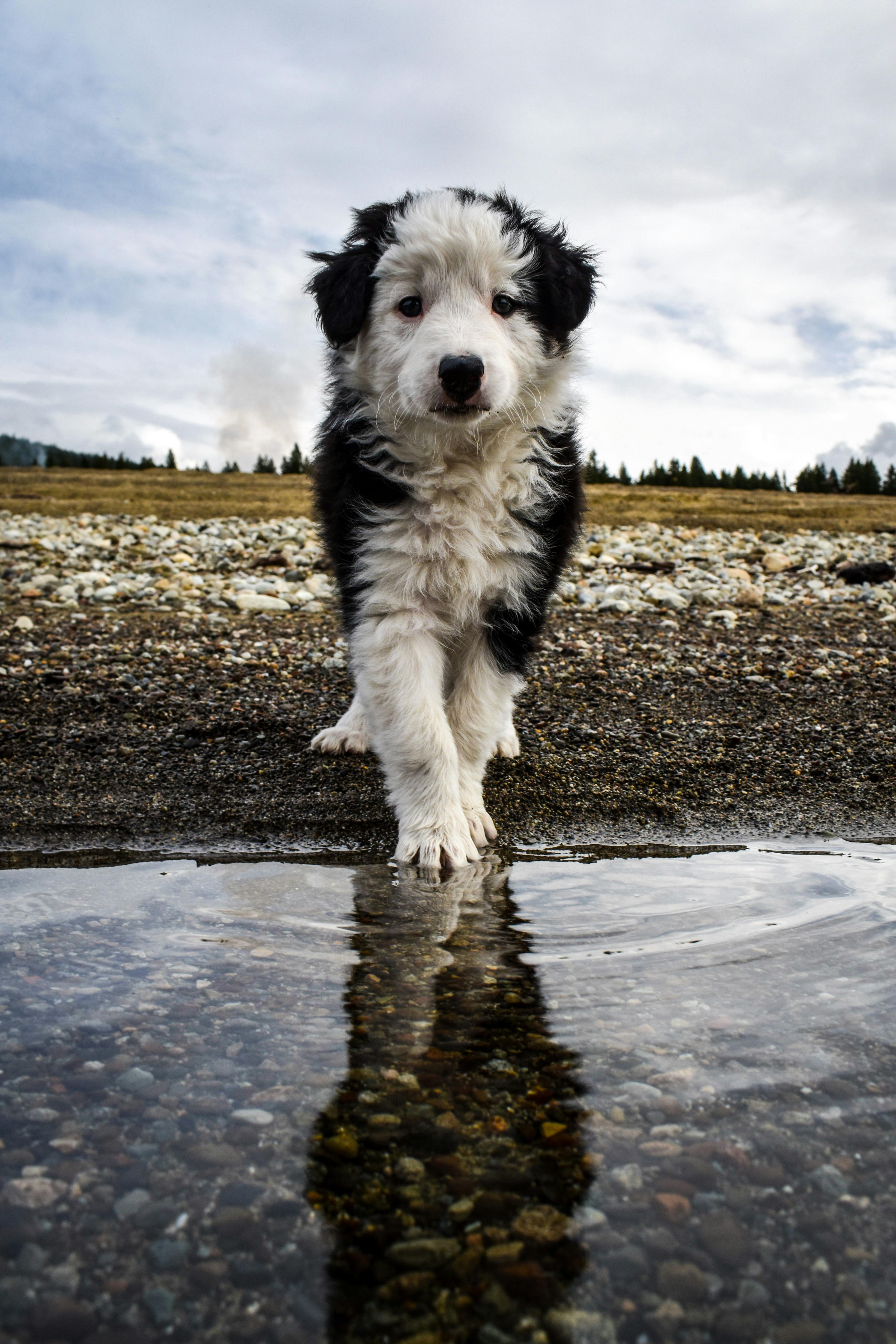
Have you ever wondered why your dog’s nose is always wet? It’s kinda fascinating when you think about it. This little detail can actually tell us a lot about their biology and senses. In fact, there’s a lot going on in those cute, cold noses that makes them more than just an adorable feature.
The Science Behind Wet Noses
To start with, a wet nose is a signal of a healthy dog. But what exactly makes them wet? The moisture on a dog’s nose is mainly due to a combination of mucus and saliva, which help to enhance their sense of smell. Dogs have a unique anatomy that contributes to this phenomenon. Their noses are equipped with specialized cells that produce mucus. This mucus serves several purposes:
- Enhances Smell: Wet noses help to trap scent particles, making it easier for dogs to detect and identify different smells.
- Regulates Temperature: Moisture on the nose also helps regulate body temperature, functioning like a built-in air conditioner.
- Protects the Nose: The wetness can protect the sensitive skin of the nose from drying out or cracking.
Evolutionary Perspective
Dogs are descended from wolves, and they have evolved to be highly skilled hunters. Their wet noses are a trait that has been passed down through generations. In the wild, a wet nose could mean the difference between finding food or missing out. Historically, animals that could smell better had a greater chance of survival.
Why Do Dogs Have Wet Noses? The Fascinating Truth!
So, why exactly do dogs have wet noses? Well, it’s not just for show. The moisture helps to amplify the scent signals they are picking up. There’s a whole lot of science behind it! Here are some interesting facts:
- Scent Detection: Dogs have around 220 million scent receptors, compared to humans who have about 5 million. Wet noses help these receptors work more efficiently.
- Social Interaction: Dogs also use their noses to communicate with other dogs. A wet nose can be a sign of friendliness and approachability.
- Health Indicator: A healthy dog typically has a cool, moist nose. If it’s dry or warm, it could indicate illness or dehydration.
What Happens When a Dog’s Nose is Dry?
A dry nose can sometimes be concerning. Here are some common reasons why your dog’s nose might not be wet:
- Dehydration: If a dog isn’t drinking enough water, their nose might dry out.
- Illness: Certain illnesses can cause changes in moisture levels. If this is accompanied by other symptoms, a vet visit is advised.
- Environmental Factors: Hot weather or low humidity can lead to a dry nose.
Fun Facts About Dog Noses
Here’s some more cool info about those wet noses:
- Unique Patterns: Just like human fingerprints, every dog’s nose print is unique. This could potentially be used for identification purposes!
- Temperature Sensitivity: Dogs can sense temperature changes through their noses, helping them navigate their environment.
- Scent Memory: Dogs can remember scents for a long time. This is why they can recognize their owners even after a long time apart.
Comparing Dog Noses to Human Noses
Interestingly, there’s a big difference between how dogs and humans detect smells. Here’s a quick comparison:
| Feature | Dogs | Humans |
|---|---|---|
| Scent Receptors | About 220 million | About 5 million |
| Ability to Smell | Superior | Limited |
| Nose Moisture | Generally wet | Typically dry |
Caring for Your Dog’s Nose
Taking care of your dog’s nose is important. Here are some tips to ensure it’s healthy and moist:
- Hydration: Always provide fresh water to keep them hydrated.
- Environment: Protect your dog from extreme weather conditions. Use nose balms for protection in cold or dry weather.
- Regular Check-ups: Regular vet visits can help catch any potential health issues early.
So, next time you see your furry friend with that cute, wet nose, remember that it’s not just an adorable trait; it’s a window into their incredible biology and senses. Understanding why dogs have wet noses can help you appreciate them even more, and maybe even take better care of your beloved pet. Dogs are amazing, and their noses are just one of the many things that make them special!
Wet Nose vs. Dry Nose: What Your Dog’s Nose Is Telling You About Their Health
When it comes to our furry friends, one of the most common things we notice is their noses. They can be wet, dry, warm, or cold, and many dog owners often wonder, what does it all means? Wet Nose vs. Dry Nose: What Your Dog’s Nose Is Telling You About Their Health is a topic worth diving into. So, let’s explore why do dogs have wet noses and what it could indicate about their health!
Why Do Dogs Have Wet Noses?
Dogs have wet noses for a couple of reasons, primarily related to their health and senses. One of the main reasons is that moisture helps to enhance their sense of smell. A wet nose helps to trap scent particles more effectively, making it easier for dogs to detect various smells in their environment.
Also, a dog’s nose secretes a thin layer of mucus which not only helps with olfaction but also keeps their nose cool. This is particularly important as dogs don’t sweat like humans do, so they rely on their noses to help regulate their body temperature.
The Health Indicators of Wet and Dry Noses
The condition of a dog’s nose can provide insights into their overall health. Here’s a quick rundown of what you might observe:
Wet Nose:
- Generally indicates that your dog is healthy and hydrated.
- Can be a sign of excitement or playfulness.
- Helps in scent detection, making it easier for them to explore their surroundings.
Dry Nose:
- May indicate dehydration, especially if it’s persistently dry.
- Can be a sign of illness, like fever or infections.
- Sometimes dry noses are normal, depending on the dog’s breed or environment.
What to Look Out For
If you notice your dog’s nose changing from wet to dry, or if there are other symptoms, it might be time to pay attention. Here are some signs to consider:
- Cracked or chapped skin around the nose
- Excessive dryness over a prolonged period
- Any discharge, like blood or yellow-green mucus
- Accompanying symptoms like lethargy, loss of appetite, or coughing
Historical Context of Dog Noses
Historically, dogs have been known for their incredible sense of smell. In fact, they have up to 300 million smell receptors in their noses, compared to a human’s 5 million! This incredible ability has made them invaluable in roles like search and rescue, detection of drugs, and even medical alert dogs for certain conditions.
Practical Examples: When to Consult a Vet
- If your dog’s nose becomes dry and cracked, and they are also not drinking water, it could be a sign of dehydration.
- A sudden change in nasal moisture, paired with other symptoms like vomiting or diarrhea, definitely warrants a vet visit.
- If you notice your dog frequently pawing at their nose or rubbing it on the ground, they might be experiencing irritation or allergies.
Comparing Wet vs. Dry Nose in Dogs
Here’s a simple comparison to help you understand the differences better:
Wet Nose
- Moisture helps dogs smell better
- Usually a sign of good hydration
- Common in healthy and active dogs
Dry Nose
- Can indicate dehydration or illness
- Sometimes normal for certain breeds
- Requires monitoring and possibly veterinary attention
A Quick Checklist for Dog Owners
Here’s a checklist to help you keep an eye on your dog’s nasal health:
- Regularly check your dog’s nose for moisture.
- Watch for any changes in behavior or appetite.
- Keep an eye on the surrounding skin for any signs of irritation or infection.
- Ensure your dog has access to plenty of water, especially in hot weather.
- Consult your vet if you notice prolonged dryness or any discharge.
Understanding your dog’s nose can provide you with valuable insights into their health. A wet nose often means your pup is happy and healthy, while a dry nose could be a warning sign.
Keeping your furry friend hydrated and paying attention to their overall behavior will help ensure they stay in tip-top shape. So, the next time you ask yourself, “Why do dogs have wet noses?” remember that it’s not just an adorable feature; it’s a window into their well-being!
The Role of a Wet Nose in Dog Behavior: Understanding Canine Communication
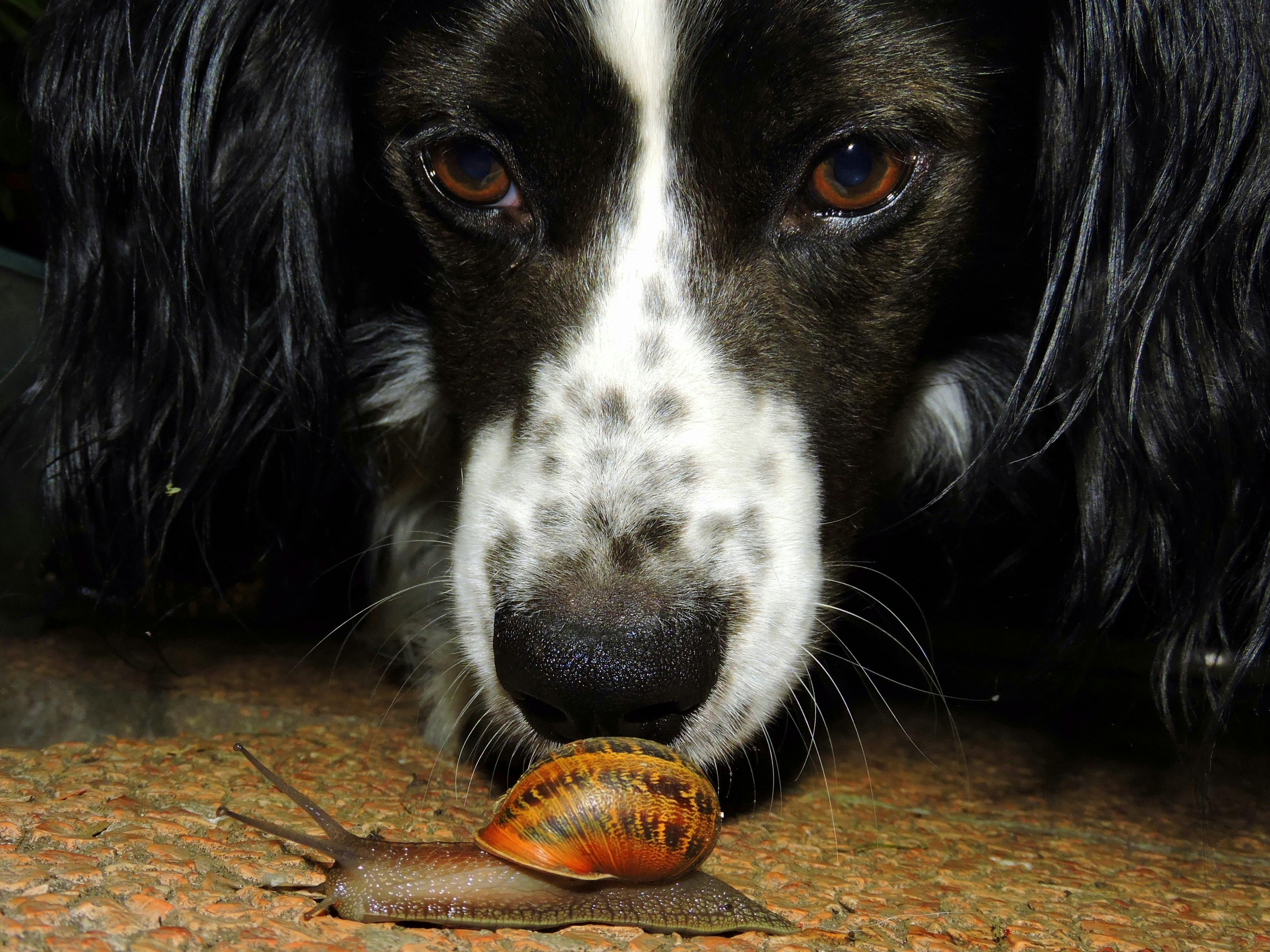
Dogs are often referred to as man’s best friend, and it’s not just because they’re loyal companions. One of the most intriguing aspects of dog behavior is their wet noses. Many dog owners may have wondered, why do dogs have wet noses? The answer is not just about hygiene or grooming—there’s a fascinating world of canine communication behind it.
The Science Behind Wet Noses
Dogs noses are moist for a reason. The primary function of a dog’s wet nose is to help them smell better. When a dog’s nose is wet, it can trap scent particles more effectively. This is crucial for dogs, who rely heavily on their sense of smell to understand their environment. In fact, dogs have up to 300 million smell receptors, compared to a human’s 6 million. Here’s a little breakdown of how it works:
- Scent Detection: The moisture on a dog’s nose helps to absorb scent particles from the air, enhancing their ability to detect and interpret smells.
- Thermoregulation: A wet nose can also help dogs cool down. Dogs don’t sweat like humans; they primarily rely on panting and the moisture on their noses for temperature regulation.
- Health Indicator: A change in the moisture level of a dog’s nose can indicate health issues. For example, a dry nose might be a sign of dehydration or illness.
A Brief History of Dog Noses
Historically, dogs have been used for various tasks that depend on their keen sense of smell. From hunting to search and rescue, their noses have proven invaluable. Ancient civilizations recognized this trait, breeding dogs for specific tasks. For instance:
- Bloodhounds: Bred for tracking due to their extraordinary olfactory capabilities.
- Terriers: Sometimes used for hunting small game, relying on their ability to sniff out prey.
Canine Communication
Dogs communicate in many ways, with their nose being one of the most significant tools. The wetness of a dog’s nose can convey different messages to other animals and even to humans.
- Scent Marking: When a dog sniffs another dog’s nose, they are engaging in a form of social communication. This behavior is akin to humans shaking hands.
- Emotional State: A dog’s nose may also reflect its emotional state. A wet, cool nose usually indicates a relaxed dog, while a dry, warm nose can suggest stress or anxiety.
Fun Facts About Dog Noses
- Nose Prints: Just like human fingerprints, every dog has a unique nose print that can be used for identification.
- Color: The color of a dog’s nose can vary widely by breed. Some breeds have black noses, while others may have brown or even spotted noses.
- Health Check: Regularly checking your dog’s nose can help you catch health issues early. Dryness, cracks, or discoloration can be signs of problems.
Comparison: Dog Noses vs. Human Noses
| Feature | Dog Nose | Human Nose |
|---|---|---|
| Smell Receptors | Up to 300 million | About 6 million |
| Moisture Function | Enhances scent detection | Minimal function |
| Temperature Regulation | Helps cool down | Primarily through sweating |
| Unique Identification | Unique nose prints | Unique fingerprints |
Why Do Dogs Have Wet Noses? The Fascinating Truth
Now that we’ve explored why dogs have wet noses in depth, it’s clear that there’s much more to it than meets the eye. Wet noses are essential for a dog’s ability to interact with and understand the world around them. This unique characteristic not only plays a critical role in their health and communication but also makes them the remarkable companions that they are.
Practical Examples of Nose Usage
- Search and Rescue: Dogs trained in search and rescue can find missing persons through scent trails, often utilizing their wet noses for tracking.
- Detection Work: Dogs are often used by law enforcement to detect drugs, explosives, and even medical conditions like cancer, thanks to their incredible sense of smell.
In summary, the wet nose of a dog isn’t just an adorable feature; it’s a vital aspect of their biology and behavior. Understanding this can help dog owners appreciate their pets even more. Dogs use their noses as tools to communicate, explore and navigate their world, making them extraordinary animals. So the next time you see your furry friend with that cold, wet nose pressed against you, remember the intricate science and history behind it.
Debunking Myths: Common Misconceptions About Dogs and Their Wet Noses

When we think about dogs, their wet noses often come to mind. People have been guessing and assuming why dogs noses are so damp for ages, creating myths that just aren’t true. In this article, we will dive into the fascinating truth behind the wet noses of our furry friends. You might be surprised, and maybe even a little confused, by the real reasons dogs have wet noses and what that means for their health and behavior.
The Science Behind Wet Noses
Dogs have wet noses for a number of reasons, and it’s not just because they love to sniff around. The moisture helps them to smell better. When their noses are wet, it traps scent molecules, allowing them to pick up smells more easily. This is important because dogs have a sense of smell that is thousands of times more sensitive than humans. Here are some facts about dog noses:
- Scent Detection: Wet noses help dogs to detect scents from farther away.
- Thermoregulation: A wet nose can help cool off their body temperature, kinda like sweating.
- Health Indicator: A wet nose can be a sign of a healthy dog, but it’s not the only indicator of their health.
Common Myths About Dog Noses
There are many misconceptions surrounding the wet noses of dogs. Let’s clear some of those up.
Myth: A Cold Nose Means a Healthy Dog
- While a cold, wet nose is often seen as a sign of health, it’s not the only thing to consider. Dogs can have various health conditions even with a wet nose. A warm, dry nose doesn’t automatically mean your dog is sick.
Myth: Dogs Sweat Through Their Noses
- Dogs actually sweat through their paw pads. Their noses are primarily for smelling, not for cooling down.
Myth: All Dogs Have Wet Noses
- Some breeds, especially those with flatter faces, may have drier noses. This doesn’t mean they are unhealthy.
Myth: A Wet Nose Indicates Happiness
- While a wet nose can be a sign of excitement, it’s not a definitive measure of a dog’s emotional state. Dogs express happiness in many ways, such as wagging tails or playful behavior.
Historical Context of Dog Noses
The history of canines and their wet noses are not just a modern phenomenon. Dogs have evolved from wolves, who relied on their keen sense of smell for hunting and survival. Over time, domestication changed many traits, but the wet nose remained an essential tool for dogs.
Comparison of Dog Breeds and Nose Conditions
Different dog breeds exhibit various nose conditions. Here’s a simple comparison:
| Breed | Nose Type | Typical Condition |
|---|---|---|
| Labrador Retriever | Wet and cold | Healthy and active |
| Bulldog | Warm and dry | Possible respiratory issues |
| Dachshund | Wet and cool | Healthy, but watch for back issues |
| Pekingese | Often dry | Commonly healthy but can have breathing issues |
Practical Examples of Nose Functions
Understanding how a dog’s nose functions can help dog owners care better for their pets. Here are some practical examples:
- Tracking: Search and rescue dogs rely on their noses to locate missing persons. Their ability to discern scents leads them to individuals even in challenging conditions.
- Detection: Dogs are trained to detect certain diseases, like cancer, by smelling breath or skin samples. Their noses can identify changes in body chemistry.
- Social Interaction: Dogs often greet each other by sniffing noses. This behavior is a social norm among canines, providing information about each other’s health and emotional state.
Health Considerations for Dog Noses
While a wet nose is generally a sign of good health, dog owners should stay vigilant. Here are some points to consider:
- Regular check-ups with a vet can help ensure that your dog’s nose remains healthy.
- Be aware of any changes in your dog’s nose condition, such as excessive dryness or discharge.
- Environmental factors, like weather, can affect your dog’s nose. In colder climates, you may notice your dog’s nose becoming drier.
Understanding the truth behind your dog’s wet nose can strengthen the bond you have with your furry friend. Next time you see your pup with that moist nose, you can appreciate not just its cuteness but also the science and history behind it. The myths surrounding dogs and their wet noses are plenty, but the reality is both fascinating and essential for dog owners to grasp. By debunking these myths, we can ensure that our beloved companions receive the care they truly need.
Why Do Some Dogs Have Wetter Noses Than Others? The Factors Behind Variations

Have you ever noticed how some dogs seem to have wetter noses than others? This might seem like a simple question, but the truth behind why do dogs have wet noses is actually pretty fascinating. Wet noses are not just a cute feature; they serve important functions for our furry friends. Let’s dive into the reasons behind this phenomenon and explore the factors that make some noses wetter than others.
Why Do Dogs Have Wet Noses?
Dogs have wet noses primarily for a few reasons. First, moisture helps enhance their sense of smell. Dogs have an incredible olfactory system, and a wet nose allows them to better absorb scent molecules in the air. When their nose is slightly damp, it can capture more scent particles, which makes their sense of smell even more acute. This is why dogs are often used in search and rescue operations, detection work, and even hunting.
Here are some key points about why dogs have wet noses:
- Enhanced Smell: A wet nose aids in trapping scent particles.
- Temperature Regulation: Dogs can’t sweat like humans do; their noses help cool them down.
- Health Indicator: A healthy dog typically has a cool, moist nose. If a dog’s nose is persistently dry or excessively wet, it might indicate underlying health issues.
Factors Behind Variations in Nose Wetness
Now, not all dogs have the same level of nose wetness. Several factors contribute to these differences. Here’s a closer look at what influences how wet or dry a dog’s nose might be:
Breed Differences: Different dog breeds have varied nose structures. For example, breeds like Bloodhounds have very moist noses, while breeds like Bulldogs might have drier noses. The shape and size of the nose can play a role in moisture retention.
Environmental Factors: Weather conditions significantly impact a dog’s nose moisture. Hot, dry weather can lead to a drier nose, while humid conditions can result in a wetter nose.
Health Status: A dog’s overall health affects nose wetness. Illness, dehydration, or fever can lead to changes in the moisture level of a dog’s nose.
Age: Puppies usually have wetter noses than older dogs. As dogs age, their skin may lose moisture, resulting in a drier nose.
Activity Level: Dogs that are active and spend time outdoors may have wetter noses due to the moisture they gather during play or exploration.
Interesting Facts About Dog Noses
Dog noses are not just charming; they are also packed with interesting facts. Here are some fun bits of information:
Unique Patterns: Just like human fingerprints, every dog’s nose has a unique pattern. This can be used to identify them, just like ID cards!
Temperature Sensitivity: A dog’s nose is more sensitive to temperature changes, which can help them detect food or potential dangers.
Nasal Cavity Size: Dogs have a larger nasal cavity than humans, allowing them to process scents more effectively. Some breeds, like the German Shepherd, are particularly known for their extraordinary sense of smell.
Wetness and Health: A healthy dog’s nose can change throughout the day. It may be wet after drinking water or playing outside but can dry out when resting.
What to Look For in Your Dog’s Nose
As a dog owner, it’s important to monitor your pet’s health through their nose. Here are some signs to pay attention to:
Persistent Dryness: If your dog’s nose is consistently dry and cracked, it may be a sign of dehydration or illness.
Excessive Wetness: A nose that is overly moist and dripping may indicate a respiratory infection or other health concerns.
Color Changes: If the color of your dog’s nose changes suddenly, it may also warrant a trip to the vet.
Foul Odor: A bad smell coming from the nose could indicate an infection or other health issue.
In summary, the variations in how wet dog noses can be are influenced by many factors including breed, environment, health, age, and activity level. Wet noses are essential for a dog’s sense of smell and play a role in their overall health and well-being. Understanding these aspects can help you take better care of your furry friend, ensuring they stay happy and healthy. So, next time you give your dog a pat, take a moment to appreciate their fascinating, wet nose and all the reasons behind it!
Can the Weather Affect Your Dog’s Nose? Discover How Climate Impacts Canine Health
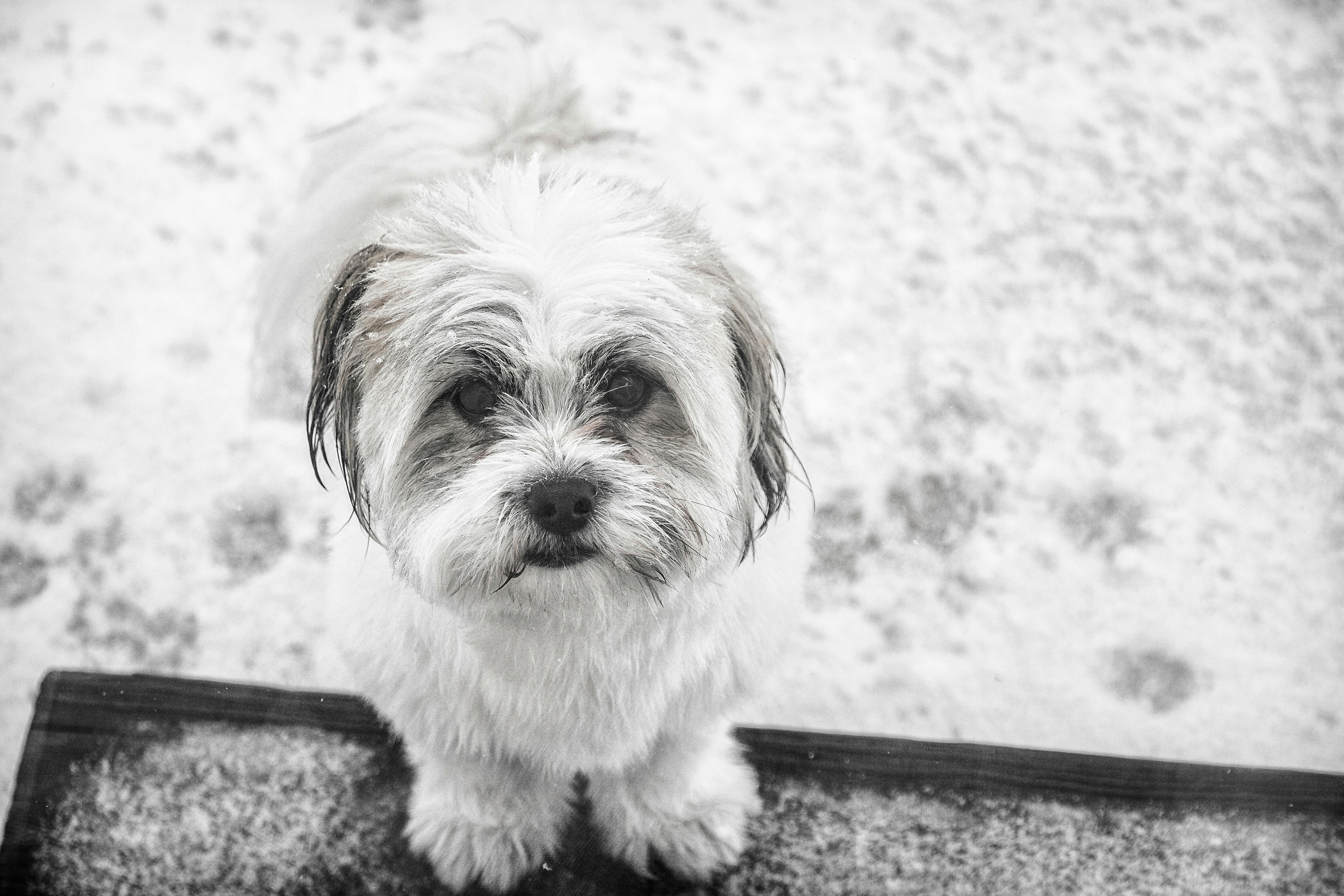
Many dog owners might wondered about their furry friend’s health and what could influence it. One common question that pops up is: Can the weather affect your dog’s nose? The simple answer is yes, it can! Climate and environmental factors can impact a dog’s health in various ways, especially their noses. So let’s dive into it all, from the reason why do dogs have wet noses to the effects of different weather conditions.
Why Do Dogs Have Wet Noses? Discover the Fascinating Truth!
You may seen your dog with a wet nose and thought it was just cute, but there’s more to it! Dogs noses are wet for several important reasons:
Temperature Regulation: Dogs can’t sweat like humans do. Instead, they rely on their noses to help cool down. A wet nose helps to dissipate heat and maintain a comfortable body temperature.
Enhanced Smell: The moisture on a dog’s nose helps to capture scent particles from the air, which enhances their sense of smell. This is why dogs are known for their incredible olfactory abilities.
Health Indicator: A wet nose can indicate good health. In general, a dog’s nose is often moist when they are happy and hydrated. However, a dry or cracked nose can signal dehydration or illness.
Natural Lubrication: The mucus on a dog’s nose helps to protect it from various environmental factors like dust and allergens, keeping it functioning well.
Can the Weather Affect Your Dog’s Nose?
Different weather conditions can impact a dog’s nose in ways owners might not realize. Here are some factors to consider:
Heat and Humidity: In hot and humid weather, dogs can experience problems such as overheating. Their noses may become dryer due to excessive heat, which can be a sign of dehydration. A lack of moisture can lead to cracked noses, which is not only uncomfortable but can also lead to infections.
Cold and Dry Weather: Cold weather can also lead to a dry nose. When the air is cold and dry, dogs might suffer from chapped noses. This can be especially true for breeds with shorter nasal passages, such as Bulldogs or Pugs, which may struggle to breathe comfortably in such conditions.
Allergies and Pollen: Seasonal allergies can also affect a dog’s nose. When pollen counts are high, dogs can develop sniffly, runny noses, which may seem like a cold but is simply an allergic reaction. Their noses might change from wet to dry, depending on their exposure to allergens.
Rain and Wet Conditions: On the flip side, rainy weather increases moisture in the air. This can keep a dog’s nose nice and wet, but too much dampness can lead to issues like fungal infections.
Practical Tips for Keeping Your Dog’s Nose Healthy
Here are some practical tips to keep your dog’s nose healthy, regardless of the weather:
Hydration: Always make sure your dog has plenty of fresh water, especially during hot months. Hydration helps in maintaining that healthy wet nose.
Protective Balm: Consider using a nose balm during harsh winter months to protect against cracking from dry air. These balms can provide a protective layer to keep it moist.
Regular Vet Check-ups: Regular check-ups can help catch any potential nose issues early. Your vet can provide guidance on what to look for in your dog’s nose health.
Monitor Changes: Keep an eye on any changes in your dog’s nose. If it becomes persistently dry, cracked, or if there’s discharge, it might be time for a vet visit.
Avoid Allergens: If your dog has known allergies, try to limit their exposure during high-pollen seasons. Keeping windows closed and using air purifiers can help cut down on allergens.
Summary of Weather Effects on Dog’s Nose
Here is a quick comparison chart for how different weather conditions affect a dog’s nose:
| Weather Condition | Effect on Dog’s Nose |
|---|---|
| Hot and Humid | Can cause dryness, leading to dehydration |
| Cold and Dry | Might result in chapped, cracked noses |
| Rainy and Wet | Can keep noses moist but risks fungal issues |
| Pollinated Seasons | Can trigger allergies, leading to runny noses |
Understanding how the weather affects your dog’s nose is crucial in ensuring their overall health and well-being. By recognizing the signs and taking proactive measures, you can help keep your furry friend comfortable and happy regardless of the climate. Keeping an eye on the weather and your dog’s health can make all the difference in their quality of life.
Conclusion
In conclusion, the wet noses of dogs serve several important functions that contribute to their overall health and well-being. The moisture helps enhance their sense of smell, allowing them to detect scents more effectively, which is vital for their communication and interaction with the environment. Additionally, a wet nose aids in thermoregulation, helping dogs stay cool. The presence of mucus also plays a role in maintaining nose health by trapping dust and allergens. Understanding the reasons behind this unique characteristic not only deepens our appreciation for our canine companions but also encourages responsible pet care. As a dog owner, it’s essential to monitor your pet’s nose condition, as changes can indicate health issues. So next time you give your furry friend a pat, take a moment to appreciate their wet nose and what it signifies about their incredible biology. Share this knowledge with fellow dog lovers to enhance their understanding too!
