Have you ever wondered, why do dogs have wet noses? This intriguing question has puzzled pet owners for ages. The truth behind those damp, cold noses is not just a quirky trait; it has fascinating implications for your furry friend’s health and behavior. Did you know that wet noses help dogs smell better? That’s right! A dog’s nose is not only a sensory powerhouse but also a crucial tool for their survival. In fact, the moisture on their snouts enhances their ability to pick up scents, making them exceptional hunters and companions. But why is it that some dogs have wetter noses than others? Are there certain dog breeds that tend to have drier noses? In this article, we will dive deep into the captivating world of canine anatomy and explore the science behind wet noses. You’ll discover the health indicators linked to nose moisture and even learn fascinating facts about how weather can affect your pup's nose! So, get ready to uncover the mysteries of your dog’s wet nose and find out what it really means for their well-being!
\n\nUnveiling the Science: Why Do Dogs Have Wet Noses and What It Means for Their Health
\n\n \n\n
\n\nDogs have been our companions for thousands of years. The bond between humans and dogs is deeply rooted in history, but there’s one thing that often puzzles dog owners: why do dogs have wet noses? It’s a question that sparks curiosity and also connects to their health. Let’s dive into the fascinating truth behind this phenomenon.
\nThe Science Behind Wet Noses
\nFirst off, the wetness of a dog’s nose has a scientific purpose. Dogs have a special gland, called the nasal gland, which produces mucus. This mucus helps to enhance their sense of smell. When the nose is wet, it can absorb scent particles better, making it easier for dogs to interpret their surroundings. It also helps in temperature regulation. A wet nose can be more effective in cooling down, just like sweating in humans.
\n- \n
- Dogs have a sense of smell that is 10,000 to 100,000 times more acute than humans. \n
- The moisture on a dog’s nose can improve their olfactory capabilities by capturing scent particles. \n
- A dog’s nose can also help them cool off, which is essential especially during hot weather. \n
Historical Context of Dog Noses
\nHistorically, dogs have been bred for various purposes, and their noses have evolved to meet those needs. Breeds meant for hunting have particularly wet noses, as they rely heavily on smell. The wetness can be traced back to their ancestors who used their keen sense of smell to track prey. For instance, bloodhounds, known for their exceptional tracking abilities, have moist noses that aid in following scents over great distances.
\nHealth Indicators of a Dog’s Nose
\nA dog’s nose can also be an indicator of their health. While a wet nose is often seen as a sign of good health, it’s not a definitive measure. Here’s what to look for:
\n- \n
- Wet and Cool Nose: Usually a sign of a healthy dog. It suggests they are well-hydrated and their body is regulating temperature properly. \n
- Dry Nose: This could indicate dehydration or illness, but it’s not always a cause for alarm. Some dogs naturally have drier noses. \n
- Cracked or Inflamed Nose: This might be a sign of allergies, infections, or other health issues. If you see this, a vet visit is recommended. \n
Comparison: Wet vs. Dry Noses
\nTo further understand the significance of a dog’s nose condition, here’s a quick comparison:
\n| Condition | \nPossible Health Implications | \n
|---|---|
| Wet Nose | \nIndicates hydration and healthy body temperature | \n
| Dry Nose | \nMay indicate dehydration, illness, or natural variation | \n
| Cracked Nose | \nPossible infection or allergies; should see a vet | \n
Practical Examples of Nose Health
\nConsider this: if you notice your dog’s nose goes from wet to dry suddenly, it might mean they are feeling under the weather. A quick check on their behavior can help you determine if a vet visit is necessary.
\n- \n
- Example 1: If your dog is active, playful, and has a wet nose, they are likely in good health. \n
- Example 2: If they seem lethargic and their nose is dry, it could be a sign of dehydration or illness. \n
Fun Facts About Dog Noses
\nDid you know that dogs have unique nose prints, similar to human fingerprints? Each dog’s nose has a distinct pattern. It’s used sometimes for identification. Also, the color of a dog’s nose can vary greatly among breeds. Some breeds have black noses, while others can be pink or spotted.
\n- \n
- Dogs also have an amazing ability to detect certain diseases, like cancer or diabetes, through their sense of smell. \n
- Studies show that dogs can even smell emotional changes in humans. A wet nose may be more than just a health indicator; it could also signal their awareness of our feelings. \n
Conclusion
\nUnderstanding why dogs have wet noses and what it means for their health can enhance the bond between pet owners and their furry friends. Dogs rely heavily on their noses for survival and communication, and keeping an eye on the state of their noses can be a valuable insight into their overall health. Next time you pet your dog, take a moment to appreciate their wet nose and all the fascinating science behind it!
\n\n7 Surprising Reasons Behind Your Dog's Wet Nose You Never Knew About
\n\n \n\n
\n\nHave you ever wonder why your dog’s nose is always wet? Many people think it’s just a cute quirk, but there are actually several fascinating reasons behind it. Dogs have wet noses for various practical and biological reasons that might surprise you. Let’s dive into the intriguing world of canine physiology and discover the truth!
\n1. Natural Cooling System
\nOne of the main reasons for a dog’s wet nose is that it acts like a natural cooling system. Like humans sweat to cool down, dogs uses their nose to regulate body temperature. When they pant, moisture evaporates from their noses, helping to cool their bodies. So, if you see your dog’s nose getting wetter, it might be a sign they are feeling a bit hot and need to chill out.
\n2. Sense of Smell
\nDogs are known for their incredible sense of smell, and having a wet nose is actually beneficial for this. The moisture on their noses helps to capture scent particles from the air. This is so crucial because it enhances their ability to detect different odors. A wet nose increases the surface area for scents, making it easier for them to process and identify smells. The next time you see your dog sniffing around, just remember that they are just being their super-sleuth selves!
\n3. Health Indicator
\nA wet nose can also serve as a health indicator for your furry friend. In general, a healthy dog should have a moist nose. However, a sudden dry nose could indicate dehydration or illness. While it's not a definitive diagnosis, it’s always good to keep an eye on your dog's nose as part of their overall health monitoring. If you notice significant changes, you may want to consult your veterinarian.
\n4. Communication Tool
\nDogs communicates in many ways, and their wet noses play a role in that too. By wetting their noses, they can leave scent trails that other dogs can pick up. This is how they share information about where they’ve been, what they’ve encountered, and even their emotional states. So, when your dog is out on a walk and stops to sniff, they’re essentially reading the “news” from other dogs!
\n5. Playfulness and Exploration
\nDogs are naturally curious and playful creatures. A wet nose can often result from their explorations. When they dig in the dirt, play in water, or even just snuggle with you, their noses can get wet. This is part of their playful behavior and shows their enthusiasm for the world around them.
\n6. Environmental Factors
\nThe environment plays a significant role in the moisture of your dog’s nose. For example, humidity and temperature can affect whether a dog’s nose feels wet or dry. On a hot, humid day, you might notice your dog’s nose being particularly moist. Conversely, in dry, cold climates, their noses may be drier. Being attentive to these environmental factors can help you understand your dog's nose condition.
\n7. Breed Variations
\nDifferent breeds can have varying nose textures and moisture levels. For instance, some breeds, like the Bulldog, have more pronounced wrinkly noses that may retain moisture differently. Others, such as Retrievers, might have consistently wet noses due to their active nature and love for water. Understanding your dog’s breed can give you insight into what’s normal for them.
\nFun Facts About Dog Noses
\n- \n
- Dogs have about 220 million scent receptors in their noses, compared to about 5 million in humans. \n
- The unique pattern of each dog's nose is similar to a human fingerprint; no two are alike! \n
- A dog's sense of smell is 10,000 to 100,000 times more acute than a human's. \n
Quick Tips for Dog Nose Care
\n- \n
- Hydration: Ensure your dog is drinking enough water to keep their nose moist and healthy. \n
- Check for Changes: Regularly check your dog's nose for any significant changes in texture or moisture. \n
- Environmental Awareness: Be mindful of the weather; during dry seasons, consider using nose balms to prevent cracking. \n
So, now you know that a dog’s wet nose is not just a random occurrence, but rather a combination of biology, environmental factors, and specific behaviors. It’s pretty fascinating to think about how much can be communicated through such a small feature. As a dog owner, you can appreciate this unique aspect of your pet even more, understanding that a wet nose is a sign of good health, a keen sense of smell, and an active, playful nature. Keep observing your pup, and you may discover even more surprising insights about their wonderful world!
\n\nThe Fascinating Truth: How a Dog's Wet Nose Enhances Their Sense of Smell
\n\n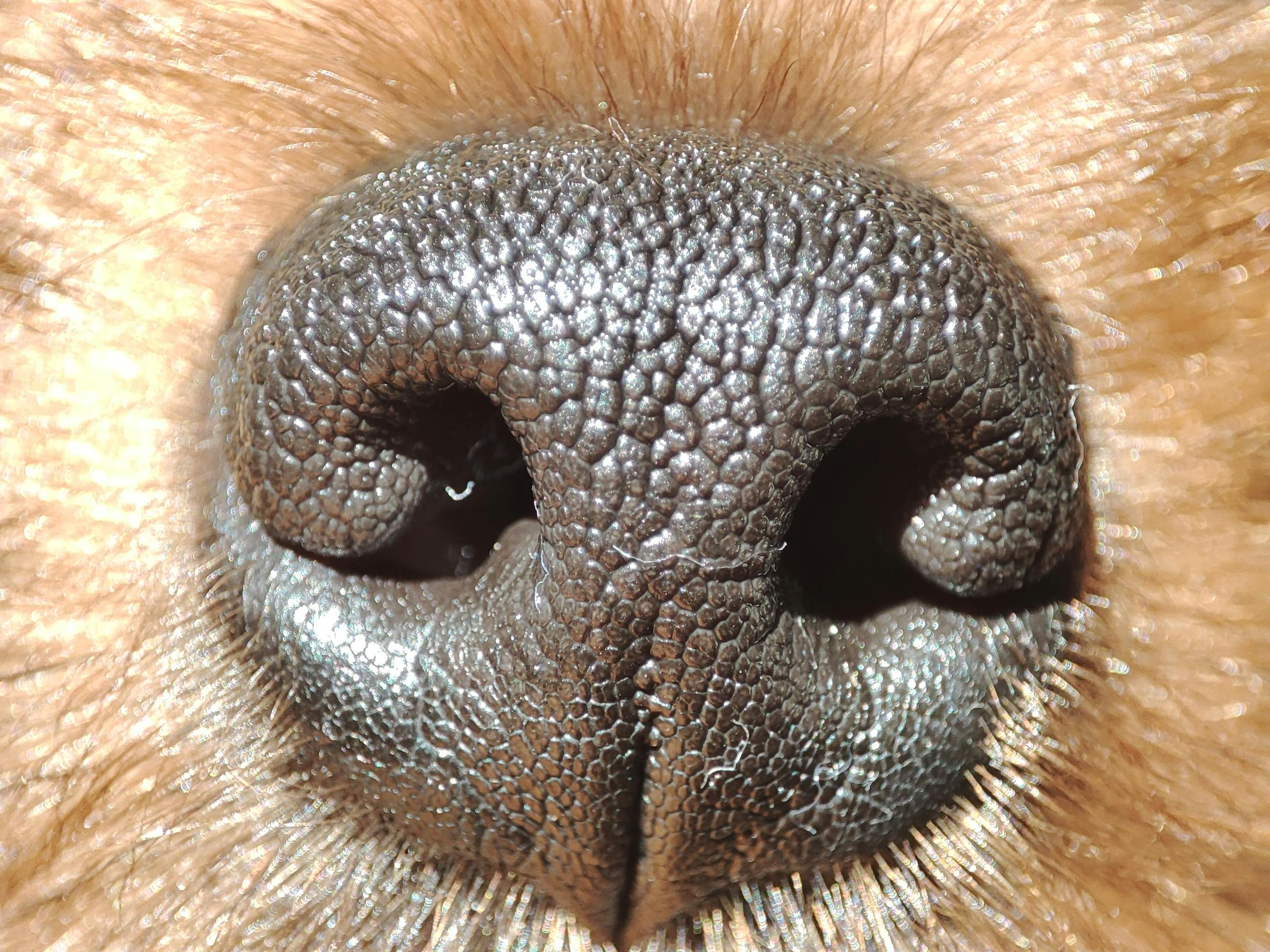 \n\n
\n\nDogs have always been known for their incredible sense of smell, but did you know that their wet noses play a big role in this? The fascinating truth behind why do dogs have wet noses goes deeper than just being cute. It relates to their biology and how they interact with their environment. Let’s dive into this intriguing topic.
\nWhat Makes a Dog's Nose Wet?
\nA dog’s nose is not just wet because of the weather or them just drinking water. Their noses are covered with a thin layer of mucus, which helps to absorb scent molecules. This mucus is secreted by special glands in the nose. When a dog sniffs, the moisture on their nose traps these scent particles, enhancing their ability to smell. This is why you often see dogs sniffing around, their noses wet and eager to explore the world.
\nThe Science Behind a Dog's Sense of Smell
\nYou might be surprised to learn that dogs have up to 300 million smell receptors in their noses, while humans only have about 5 million. This difference makes a dog’s sense of smell anywhere from 10,000 to 100,000 times more sensitive than ours! Here are some interesting facts about a dog’s olfactory abilities:
\n- \n
- Dogs can detect certain diseases, like diabetes or cancer, with their sense of smell. \n
- They can find missing persons or detect drugs and explosives. \n
- Certain breeds, like Bloodhounds, have an exceptional tracking ability due to their powerful noses. \n
Why is the Wetness Important?
\nThe wetness of a dog’s nose serves several important functions:
\n- \n
- Enhances Scent Detection: The moisture helps to capture scent particles more effectively. \n
- Regulates Temperature: A wet nose helps cool down a dog’s body since dogs primarily regulate their body temperature through panting. \n
- Provides Sensory Feedback: The wetness allows dogs to have a better sense of their surroundings, as they can pick up on scents even more accurately. \n
Historical Context and Evolution
\nHistorically, dogs have been companions to humans for thousands of years, and their sense of smell has been key to their domestication. Early humans relied on dogs for hunting and protection, so those with better olfactory senses were more valued. Over time, selective breeding has enhanced certain traits in dogs, including their ability to smell.
\nThe evolution of dogs' sense of smell can be traced back to their wolf ancestors. Wolves used their keen sense of smell for hunting and communication, and this trait has been passed down through generations.
\nCommon Misconceptions About Dogs’ Noses
\nThere are many myths surrounding dog noses. Here are some common misconceptions:
\n- \n
- \n
Myth: A dry nose means a dog is sick.
\n- \n
- Fact: Dogs can have both wet and dry noses and still be perfectly healthy. \n
\n - \n
Myth: All dogs have the same sense of smell.
\n- \n
- Fact: Different breeds have different levels of olfactory capability. For example, a Beagle has a much better sense of smell than a Chihuahua. \n
\n
Interesting Comparisons: Dogs vs. Humans
\nLet’s look at how dogs’ sense of smell compares with humans in a simple, straightforward table:
\n| Feature | \nDogs | \nHumans | \n
|---|---|---|
| Smell Receptors | \n300 million | \n5 million | \n
| Scent Detection Ability | \n10,000 to 100,000 times better | \nStandard detection | \n
| Ability to Detect Chemicals | \nYes | \nLimited | \n
| Tracking Ability | \nExcellent | \nPoor | \n
Practical Examples of Dogs Using Their Noses
\nDogs use their noses in many practical ways. Here are a few instances:
\n- \n
- Search and Rescue: Dogs are trained to find people in disaster situations using their powerful sense of smell. \n
- Medical Detection: Some dogs are trained to detect changes in blood sugar or even the presence of cancer in humans. \n
- Tracking: Law enforcement uses dogs to track down suspects or locate drugs and explosives due to their keen olfactory senses. \n
In summary, the wet nose of a dog is much more than an adorable feature. It enhances their ability to smell, aids in temperature regulation, and provides them with essential feedback about their environment. With their incredible olfactory capabilities, dogs continue to amaze us in their roles as companions, workers, and helpers in various fields. The next time you see a dog with a wet nose, remember the fascinating truth behind why they have them and how these features contribute to their extraordinary abilities.
\n\nWhy Does My Dog's Nose Feel Cold and Wet? Understanding Canine Physiology
\n\n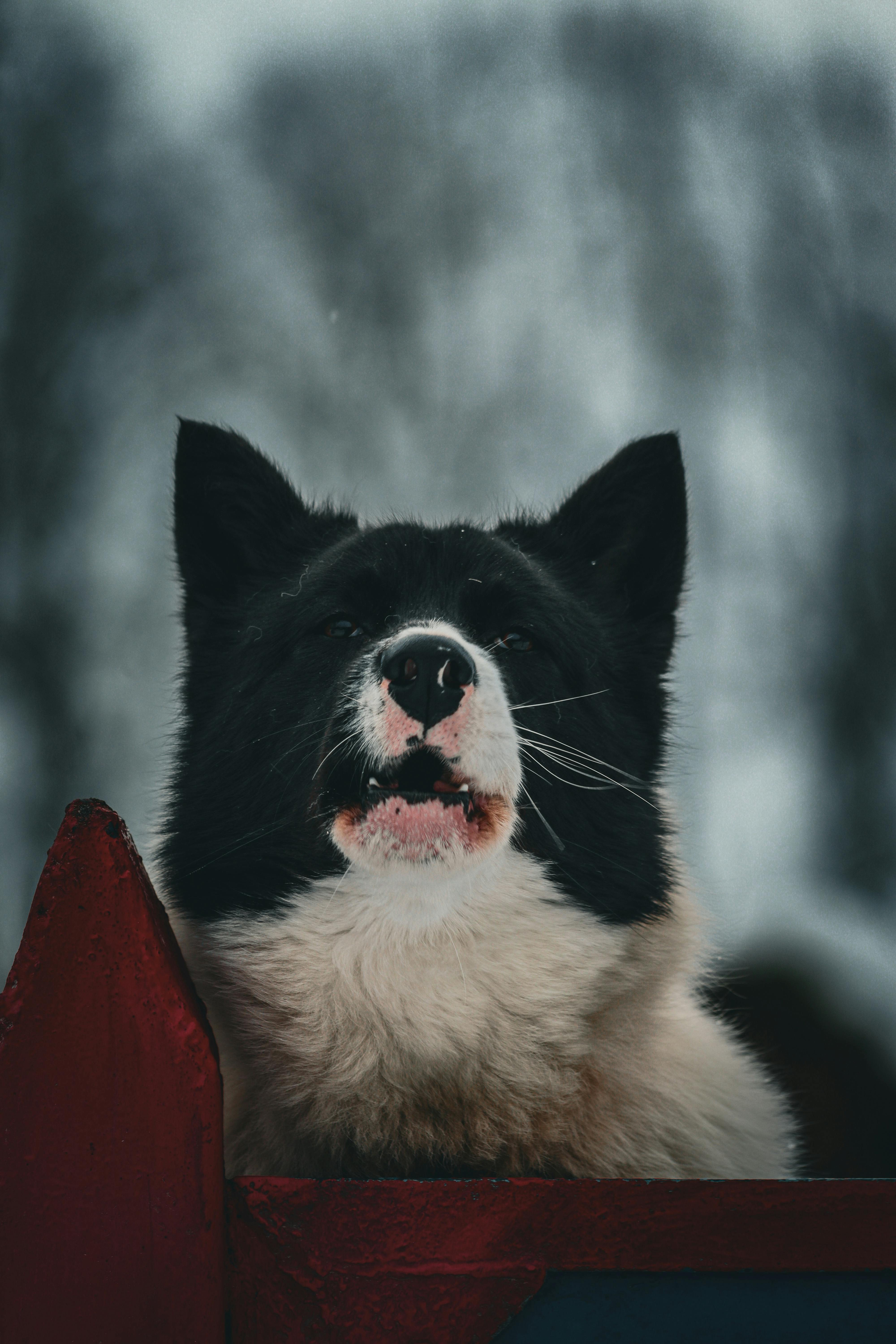 \n\n
\n\nHave you ever wondered why does my dog's nose feel cold and wet? It’s a common question among pet owners, and the answer dives into the fascinating world of canine physiology. Dogs are truly amazing creatures, and their bodies have evolved in ways that are often surprising. One such feature is their moist noses, which can tell us a lot about their health and behavior.
\nWhy Do Dogs Have Wet Noses?
\nDogs noses are usually cold and wet, but why is that? Well, there are several reasons for this phenomenon, deeply rooted in how dogs interact with their environment. Here’s a breakdown of the main reasons:
\n- \n
- \n
Thermoregulation: Dogs don’t sweat like humans do. Instead, they rely on their noses to help cool down. The moisture on their noses evaporates, which helps them regulate their temperature. This is especially important during hot days when they can easily overheat.
\n \n - \n
Enhanced Sense of Smell: A wet nose is actually more effective for detecting scents. The moisture helps capture scent particles in the air, making it easier for dogs to pick up smells. This is why you often see dogs sniffing everything; it’s their way of gathering information about the world around them.
\n \n - \n
Health Indicator: The condition of a dog’s nose can indicate their health. A wet, cool nose is usually a sign of a healthy dog, while a dry or warm nose might suggest illness or dehydration. However, it's not always a definitive measure, as various factors can influence nose temperature.
\n \n
The Science Behind Dog Noses
\nTo understand why do dogs have wet noses, we need to look at some fascinating facts about canine physiology. Did you know that dogs have a specialized organ called the Jacobsen's organ, located in the nasal cavity? This organ enhances their sense of smell even more.
\n- \n
- \n
Surface Area: The inside of a dog’s nose has a huge surface area filled with olfactory receptors. In fact, dogs can have up to 300 million olfactory receptors, compared to a human’s 5 million! This incredible feature allows them to detect scents at incredibly low concentrations.
\n \n - \n
Nasal Turbinates: These are bony structures in the nose that help warm and humidify the air dogs breathe. They also increase the surface area for scent detection. The more complex the nose, the better a dog can smell.
\n \n
Historical Context of the Dog’s Nose
\nThroughout history, dogs have been bred for various purposes, including hunting, herding, and companionship. Their wet noses have played a crucial role in their ability to track scents. For instance, bloodhounds are particularly known for their incredible sense of smell, which is largely due to their wet noses and specialized breeding.
\n- \n
- \n
Hunting Dogs: Many hunting breeds were developed with a keen sense of smell. Dogs like Beagles or German Shepherds rely heavily on their noses to track game or detect substances.
\n \n - \n
Working Dogs: Dogs used in search and rescue missions, or as service dogs, also depend on their ability to sniff out scents. Their wet noses are essential for their work.
\n \n
Fun Facts About Dog Noses
\nHere are some interesting tidbits that might surprise you about dog noses:
\n- \n
- \n
Unique Nose Prints: Just like human fingerprints, every dog has a unique nose print. This can even be used for identification purposes.
\n \n - \n
Temperature Variation: A dog’s nose can vary in temperature based on different factors. For example, a dog might have a warmer nose after being in the sun or after exercising.
\n \n - \n
Breed Differences: Different breeds can have varying wetness levels in their noses. Brachycephalic breeds, such as Bulldogs, might have less moisture due to their shorter nasal passages.
\n \n
What to Monitor
\nWhile a wet nose is usually a sign of good health, there are times when you should pay attention to changes. Consider the following signs:
\n- \n
- A nose that becomes excessively dry or cracked. \n
- Increased warmth in the nose, which can indicate fever. \n
- Discharge or bleeding from the nose. \n
These symptoms might require a visit to the veterinarian to ensure your furry friend is healthy.
\nDogs are not just pets; they are companions that provide us with joy and love. Their noses play a significant role in their interactions with the world, making them not only adorable but also fascinating. So next time you wonder, "Why does my dog's nose feel cold and wet?" remember that it’s all part of what makes our canine friends so special and unique.
\n\nWet Noses and Dog Behavior: What Your Pup's Moisture Levels Can Tell You
\n\n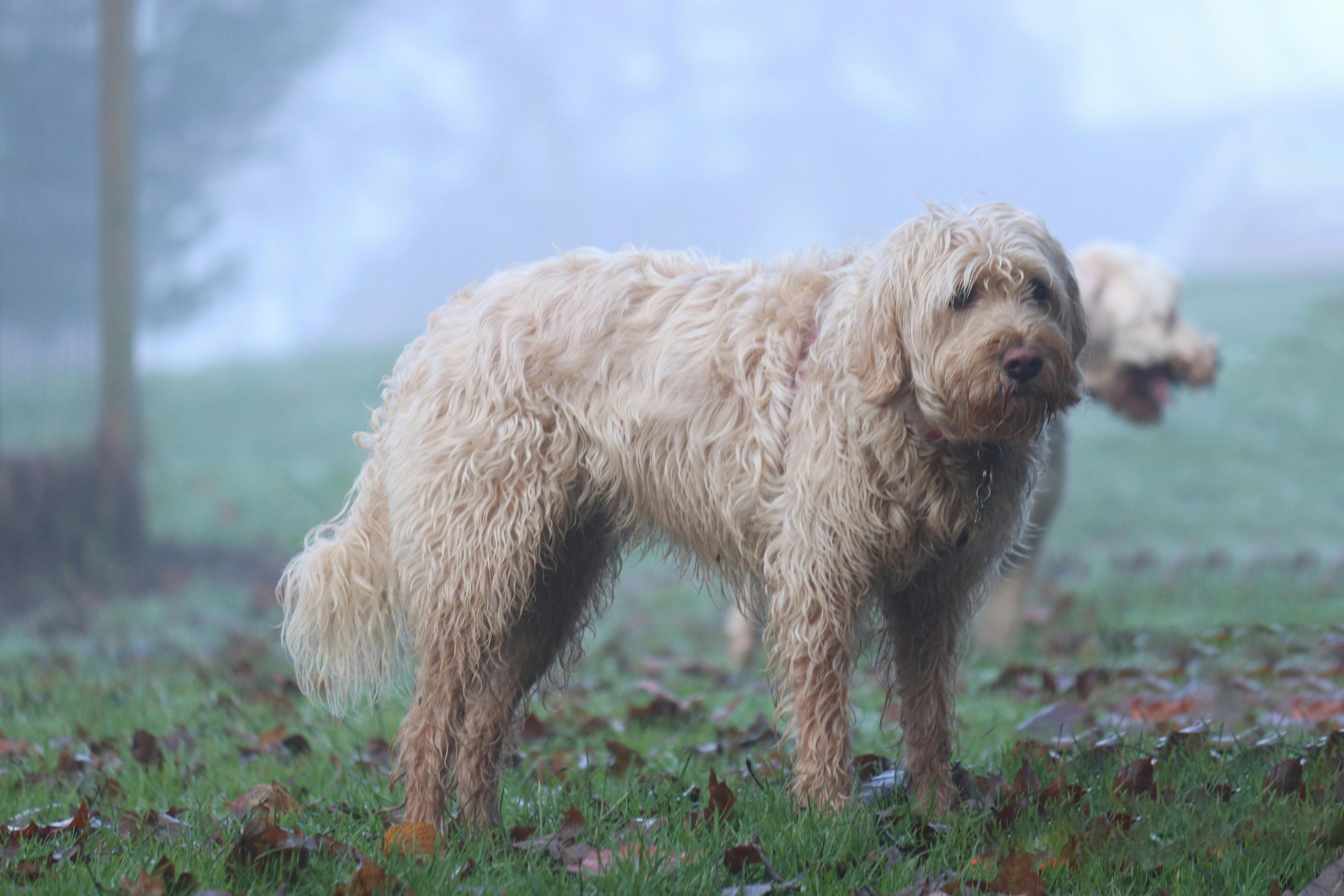 \n\n
\n\nWhen you think about dogs, you often think about their wagging tails, playful barks, and yes, their wet noses. But have you ever wondered why do dogs have wet noses? It’s a question that maybe you never thought to ask, but the answer is actually pretty fascinating. Dogs' noses are not just for smelling. They also play an important role in their health and behavior. Let’s dive into the science behind those cute, moist noses and what they might tell you about your furry friend’s mood and well-being.
\nWhy Do Dogs Have Wet Noses?
\nSo, why do doggies have wet noses? The moisture on a dog's nose is not just for show. It's a result of several interesting factors. Here’s some key points:
\n- \n
- \n
Temperature Regulation: Just like humans sweat, dogs use their noses to help regulate body temperature. A wet nose helps them cool down, especially on hot days.
\n \n - \n
Enhanced Smell: Dogs have incredible smelling abilities, much better than humans. The moisture on their noses helps to capture scent particles in the air, making their sense of smell even sharper.
\n \n - \n
Health Indicator: The dryness or wetness of a dog’s nose can indicate its health. A warm, dry nose might suggest fever or dehydration, while a cold, wet nose is generally a sign of a healthy pup.
\n \n
The Science Behind the Moisture
\nYou might be curious about how this moisture forms. Dogs secrete mucus from their nasal passages, which keeps their noses damp. When they sniff, they inhale and exhale moisture, which helps intensify their sense of smell. It’s a pretty clever way for dogs to gather more information about their surroundings.
\nWhat Your Pup’s Moisture Levels Can Tell You
\nUnderstanding your dog’s nose can give you important clues about its health and mood. Here’s a breakdown of what different nose conditions can indicate:
\n- \n
- \n
Cold and Wet Nose: Typically a sign of a healthy dog. They’re likely feeling good and in a playful mood!
\n \n - \n
Warm and Dry Nose: Could be a sign of illness. If your dog’s nose feels warm, it may be worth checking for other symptoms like lethargy or loss of appetite.
\n \n - \n
Excessively Wet Nose: Sometimes, a nose can be overly wet due to allergies or other conditions. If you notice mucus or discharge, it might be time to see a vet.
\n \n - \n
Cracked or Dry Nose: This could indicate dehydration or a skin condition. Make sure your pup has access to fresh water at all times.
\n \n
Fun Facts About Dog Noses
\nDid you know that a dog’s sense of smell is about 10,000 to 100,000 times better than humans? Here’s some cool facts regarding dog noses:
\n- \n
- \n
Unique Nose Prints: Just like human fingerprints, every dog’s nose print is unique. This could technically be used for identification purposes.
\n \n - \n
Temperature Sensing: Dogs can sense changes in temperature using their noses, which helps them detect changes in the environment.
\n \n - \n
Sniffing to Communicate: Dogs often sniff each other’s noses as a way of greeting and gathering information about one another.
\n \n
How to Keep Your Dog's Nose Healthy
\nJust like any other part of your dog's body, their nose needs care too. Here are some tips to ensure your dog’s nose stays moist and healthy:
\n- \n
- \n
Hydration: Always ensure your dog has access to fresh water. Dehydration can lead to a dry nose.
\n \n - \n
Humidity: In dry climates, consider using a humidifier in your home. This can help maintain moisture levels in the air.
\n \n - \n
Diet: A balanced diet filled with nutrients can contribute to overall health, including the condition of your dog’s nose.
\n \n - \n
Regular Vet Check-ups: Regular visits to the vet can help catch any issues early on.
\n \n
Understanding your dog’s nose and what its moisture levels can tell you is an important part of responsible pet ownership. Your furry friend communicates a lot through its body language, and the state of its nose is a significant piece of that puzzle. So next time when you give your pup a pat, take a moment to check that adorable wet nose. It might just tell you a story!
\n\nThe Evolutionary Advantage: Why Dogs Developed Wet Noses Over Time
\n\n \n\n
\n\nDogs have always been a beloved companion for humans, but have you ever wondered why do dogs have wet noses? It’s one of those quirky traits that many people notice, but not everyone knows the reasons behind it. Wet noses are not just for show; they play a significant role in a dog's health and behavior. So, let's dive into the fascinating truth behind this evolutionary advantage of our furry friends.
\nThe Science of Wet Noses
\nFirst off, a dog's nose is not just wet for aesthetics. The moisture on their nose is actually helps to enhance their sense of smell. Here's how it works:
\n- \n
- Olfactory Function: Dogs have an incredible sense of smell, estimated to be anywhere from 10,000 to 100,000 times more sensitive than humans. When their nose is wet, it helps to trap scent particles better. This means they can detect odors more efficiently. \n
- Cooling Mechanism: Just like humans sweat when it’s hot, dogs also need a way to regulate their body temperature. A wet nose helps in cooling down, as the moisture evaporates, it helps lowers their body temperature. \n
- Health Indicator: A dog’s nose can tell you about their health. A wet, cool nose often indicates a healthy dog, whereas a dry or warm nose can be a sign of illness. \n
Evolutionary Background
\nBut why did dogs evolve to have wet noses in the first place? The answer lies in their ancestry. Dogs are descendants of wolves, and wolves have wet noses too. Here’s a timeline of how this trait could have developed:
\n- \n
- Early Canids: Ancient canids likely had wet noses to improve hunting success. A better sense of smell means they could track prey more effectively. \n
- Domestication: As humans started to domesticate dogs, those with better olfactory abilities may have been favored. This could lead to a genetic preference for wet noses. \n
- Social Interactions: Dogs use their noses to interact with others. A wet nose could signal friendliness and openness, important traits for social animals. \n
Benefits of a Wet Nose
\nThe advantages of having a wet nose don’t stop at just smelling better. Here’s a list of benefits:
\n- \n
- Enhanced Smelling: Wet noses help absorb scent chemicals. \n
- Hydration: The moisture helps keep the nasal passages hydrated, which is crucial for optimal function. \n
- Thermoregulation: Evaporative cooling from the nose helps regulate body temperature. \n
- Communication: Dogs often greet each other by sniffing, and a wet nose is part of that social behavior. \n
Comparisons: Dogs vs. Other Animals
\nWhen looking at different animals, dogs are unique in this aspect. Let’s compare:
\n| Animal | \nNose Type | \nFunctionality | \n
|---|---|---|
| Dogs | \nWet | \nEnhanced smell, cooling, hydration | \n
| Cats | \nDry | \nLess reliance on smell; more on sight | \n
| Elephants | \nTrunk | \nMulti-functional tool for smell, touch, and eating | \n
| Reptiles | \nDry | \nLimited smell capability, rely on other senses | \n
Practical Examples of Wet Nose Benefits
\nHere are some real-world examples of how a dog’s wet nose can make a difference:
\n- \n
- Tracking: Search and rescue dogs utilize their wet noses to track scents in various environments, helping locate missing persons. \n
- Hunting: Hunting dogs use their keen sense of smell to track game, making their wet noses essential for the hunt. \n
- Service Dogs: Therapy and service dogs can detect medical conditions, like low blood sugar or seizures, due to their sensitive noses. \n
The Myth of Wet Noses
\nSome people think that a dog’s nose must be wet all the time to be considered healthy. However, this isn't entirely true. Factors like dehydration, weather, and activity levels can affect nose moisture. Dogs can still be healthy even if their noses are dry occasionally.
\nFun Fact
\nDid you know that dogs have a unique nose print? Just like human fingerprints, each dog’s nose print is different. It can be used for identification!
\nIn summary, the evolutionary advantage of a dog’s wet nose serves many purposes. From enhancing their remarkable sense of smell to aiding in thermoregulation and health indicators, it is a truly fascinating aspect of our canine companions. Next time you see a dog with a wet nose, you might just appreciate all the clever adaptations that come with it. Understanding these small details can deepen your relationship with these wonderful animals.
\n\nCan a Dog's Wet Nose Indicate Illness? Recognizing Signs of Health Issues
\n\n \n\n
\n\nWhen you’re a dog owner, noticing small changes in your furry friend's behavior is crucial. One common question that often pops up is: "Can a dog's wet nose indicate illness?" Many people believe that a wet nose is a sign of a healthy pup, but there's more to the story. Let's dig into why dogs have wet noses and how it relates to their overall health.
\nWhy Do Dogs Have Wet Noses?
\nDogs have wet noses for a few reasons, and it's not just for cuteness or to keep them cool. Here are some interesting facts:
\n- \n
- Sense of Smell: Dogs rely heavily on their sense of smell. A wet nose helps them absorb scent molecules better. This means that if your dog has a wet nose, they can sniff out things better than when it’s dry. \n
- Cooling Mechanism: Just like humans sweat, dogs need to cool down too. A wet nose can help regulate their body temperature, especially on hot days. \n
- Health Indicator: While a wet nose is often a sign of a healthy dog, it’s important to remember that a dry nose doesn't automatically mean illness. Many factors can affect your dog's nose moisture. \n
Can a Dog’s Wet Nose Indicate Illness?
\nSo, can a dog's wet nose actually point to health issues? Well, yes, but it’s more complicated than just that. A wet nose is usually a good sign, but here’s what to look for:
\n- \n
- Sudden Dryness: If your dog’s nose suddenly becomes dry or cracked, it could be a sign of dehydration or illness. \n
- Discharge: If there’s unusual discharge, like mucus or blood, then it could indicate a respiratory issue or infection. \n
- Change in Behavior: If your dog’s nose is wet but they’re lethargic or not eating, it’s time to see a vet. \n
Recognizing Signs of Health Issues
\nBeing observant is key when it comes to recognizing health issues in your dog. Here’s a checklist of symptoms to watch for:
\n- \n
- Changes in Appetite: Eating less or refusing food altogether can be a sign of sickness. \n
- Increased Thirst: Drinking more water than usual could indicate diabetes or kidney issues. \n
- Lethargy: If your dog suddenly seems less active or playful, it might be time for a vet visit. \n
- Vomiting or Diarrhea: Both can signify stomach issues or infections. \n
Common Health Problems Indicated by a Wet Nose
\nA wet nose can sometimes be a clue to specific health problems. Here’s a list of conditions that could be linked:
\n- \n
- Kennel Cough: This infectious disease can cause a runny nose and other respiratory symptoms. \n
- Fungal Infections: These can cause excessive moisture and discharge from the nose. \n
- Allergies: Just like humans, dogs can suffer from allergies that affect their nose and overall health. \n
The Fascinating Truth About Dog Noses
\nDog noses are fascinating and complex. Here are some cool facts about them:
\n- \n
- Unique Patterns: Just like human fingerprints, each dog’s nose print is unique. \n
- Temperature Regulation: Dogs have sweat glands in their noses which help cool them down. \n
- Scent Discrimination: Dogs can differentiate between thousands of scents, thanks to their moist noses. \n
Conclusion
\nIf you’re a dog owner, taking notice of your pet’s nose can be an important part of keeping them healthy. A wet nose often means a happy dog, but changes in that moisture can signal potential health issues. Always keep an eye on other symptoms too, so you can catch problems early. Regular vet check-ups are also very important. Remember, your dog's health is in your hands, so stay vigilant and proactive.
\n\n5 Fun Facts About Dog Noses: Why Wetness Is Just the Beginning!
\n\n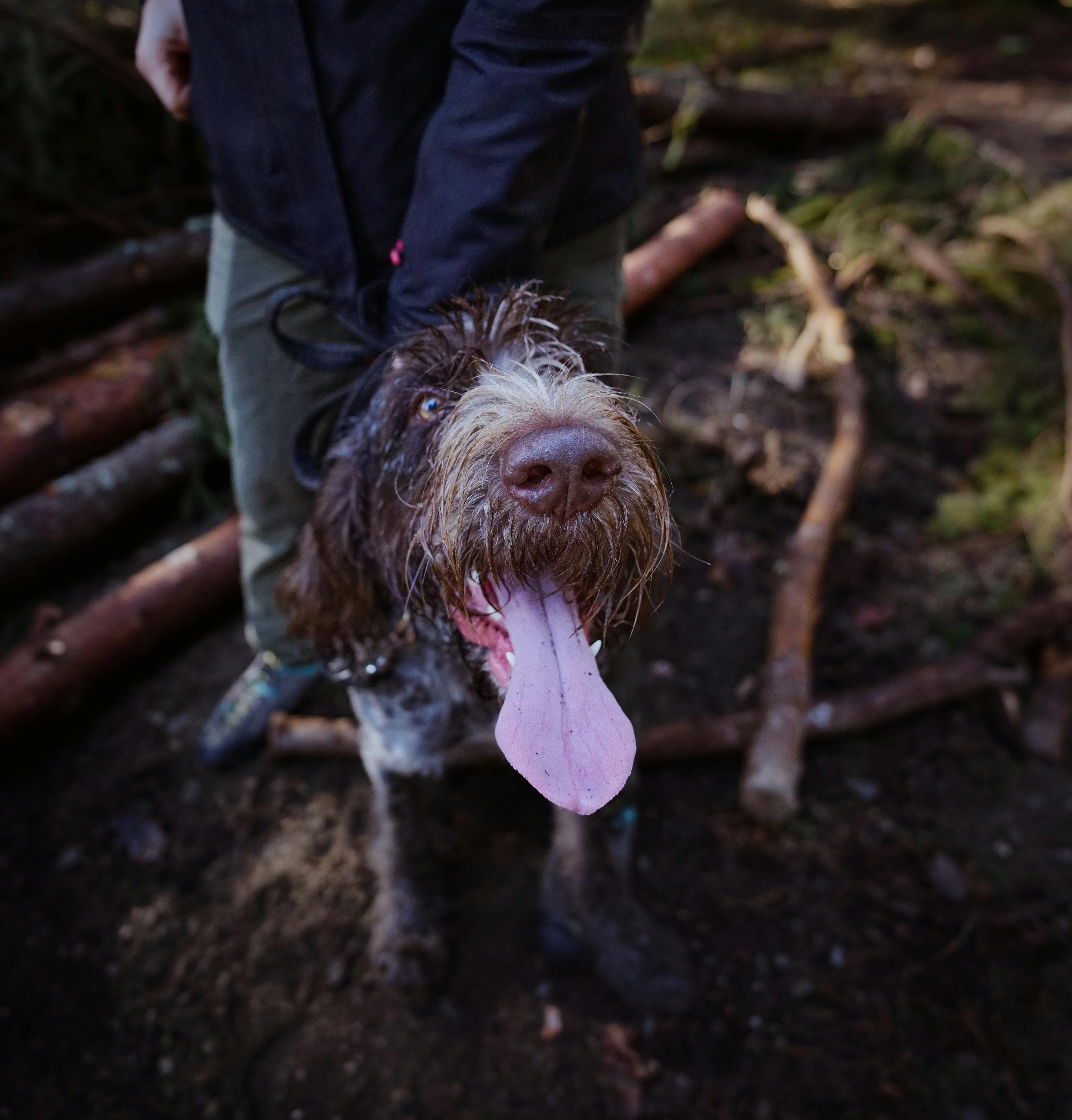 \n\n
\n\nDogs are often called man's best friend, but have you ever really thought about their noses? It’s more than just a cute feature! The wetness of a dog’s nose isn’t just a happenstance; it serves some important purposes. Here are 5 fun facts about dog noses that’ll make you look at your furry friend in a whole new light.
\n1. Wetness Helps with Smell
\nSo, why do dogs have wet noses? Well, a wet nose helps enhance their sense of smell! The moisture on a dog’s nose helps to capture scent particles in the air, which makes it easier for them to sniff out their favorite things. When the nose is moist, it can absorb these scent chemicals better. This is why dogs can smell things that humans could never imagine!
\n2. Temperature Regulation
\nYou might think that dogs just have wet noses because they like to stick their faces in water. But actually, wet noses play a part in thermoregulation too. Dogs don’t sweat like humans do. Instead, they rely on their noses and paw pads to help cool down. When a dog pants, moisture evaporates from their wet noses, helping to regulate their body temperature. It’s like their own little air conditioning system!
\n3. Unique Patterns
\nJust like human fingerprints, every dog has a unique nose print. That’s right! No two dog noses are alike. The patterns of ridges and bumps on a dog’s nose are as distinctive as a human fingerprint. Some dog owners even use their pet’s nose print as a form of identification. It’s a fun fact that can be useful in case your furry friend gets lost!
\n4. Health Indicators
\nA dog’s nose can also be a health indicator. Owners often ask why their dog’s nose changed from wet to dry. A dry nose doesn’t always mean something is wrong, but it can indicate hydration levels or even illness in some cases. Here’s a quick list of what different nose conditions might mean:
\n- \n
- Wet and Cold: Generally healthy dog. \n
- Dry and Warm: Possible fever or dehydration. \n
- Cracked or Flaky: Skin issues or allergies. \n
- Excessively Wet: Could indicate infections or other health issues. \n
5. Dogs Have More than One Nose Function
\nYou may think that a dog’s nose is only for smelling, but it does much more! Dogs use their noses for communication too. They can leave scent marks to communicate with other dogs. This is something that humans can’t quite understand, but it’s a vital part of dog social behavior.
\nHere’s a quick rundown of the functions of a dog’s nose:
\n- \n
- Scent Detection: Hunting, tracking, and identifying. \n
- Communication: Marking territory and signaling to other dogs. \n
- Temperature Regulation: Helping to cool down. \n
- Health Indicator: Reflecting overall health. \n
Dogs have around 300 million olfactory receptors in their noses, compared to only about 6 million in humans. This difference is what allows dogs to be trained for various tasks like search and rescue operations, and even detecting certain diseases.
\nFun Fact Recap
\nJust to recap the main points about why do dogs have wet noses and the fascinating truth behind them:
\n- \n
- Wet noses help with smelling by capturing scent particles. \n
- They are critical for a dog’s temperature regulation. \n
- Unique nose prints can serve as identification. \n
- The condition of a dog’s nose can indicate health. \n
- Dogs communicate through scent marking. \n
In the end, understanding why dogs have wet noses gives us insight into their biology and behavior. It’s pretty fascinating how such a small feature can have so many important functions! Next time you pet your dog, take a moment to appreciate that wet nose and all the wonders it represents. That little moist feature does way more than we often realize!
\n\nHow to Keep Your Dog's Nose Healthy: Tips for Maintaining Optimal Moisture
\n\n \n\n
\n\nDogs are some of the most beloved pets around the world. One of the most fascinating things about them is their wet noses. You ever noticed how your dog's nose is always moist? This unique feature isn’t just for show; it plays a significant role in their health and well-being. Let’s dive into the intriguing world of dog noses and explore how you can keep your furry friend’s nose healthy.
\nWhy Do Dogs Have Wet Noses?
\nDogs have wet noses because of several reasons. First, the moisture on their noses helps them smell better. You see, dogs have a sense of smell that is thousands of times more sensitive than humans. The wetness helps to capture scent particles from the air. It’s like having a built-in scent magnet!
\n- \n
- Cooling Mechanism: A wet nose helps dogs regulate their body temperature. When they pant, the moisture evaporates, cooling them down. \n
- Health Indicator: A healthy dog often has a moist nose. If it becomes dry or cracked, it might indicate dehydration or illness. \n
The Fascinating Truth About Dog Noses
\nNoses of dogs are actually quite extraordinary. They have about 300 million smell receptors, compared to a human's 5 million. This superior olfactory ability allows dogs to detect certain diseases, find lost items, and even assist in search-and-rescue missions.
\n- \n
- Variations Among Breeds: Some breeds have wetter noses than others. For instance, Bloodhounds are known for their incredibly moist and sensitive noses, while others may not have the same level of moisture. \n
- Nose Prints as Identifiers: Just like human fingerprints, every dog has a unique nose print. This can be used to identify them if they get lost. \n
Tips for Maintaining Optimal Moisture
\nKeeping your dog's nose healthy is essential. Here are some practical tips:
\n- \n
- Hydration: Always provide fresh water. Dehydration can lead to a dry nose. \n
- Humid Environment: If you live in a dry climate, consider using a humidifier. This can help your dog maintain moisture in their nose. \n
- Regular Check-ups: Regular visits to the vet can ensure your dog’s overall health. The vet can spot issues related to your dog’s nose early on. \n
- Proper Nutrition: A well-balanced diet enriched with fatty acids can help maintain skin and nose health. Foods rich in Omega-3 can be beneficial. \n
Signs of a Healthy Nose vs. an Unhealthy Nose
\nUnderstanding the difference between a healthy and an unhealthy nose can help you take action if something is wrong.
\nHealthy Nose Signs:
\n- \n
- Moist texture \n
- Slightly cool to the touch \n
- No cracks or sores \n
Unhealthy Nose Signs:
\n- \n
- Excessively dry or cracked \n
- Warm or hot to the touch \n
- Discharge or bleeding \n
Common Nose Problems and Solutions
\nSometimes, dogs experience issues with their noses. Here are some common problems:
\n- \n
- Nasal Hyperkeratosis: This condition causes the skin on the nose to become thickened and dry. It may require veterinary attention and specialized creams. \n
- Allergic Reactions: Environmental allergens can cause irritation. Regularly wiping your dog’s nose with a damp cloth can help remove allergens. \n
- Infections: If you notice unusual discharge or odor, it might be an infection. This requires prompt veterinary care. \n
Quick Tips for Dog Owners
\nHere's a quick list of things you can do to keep your dog’s nose healthy:
\n- \n
- Regularly check for any changes in moisture or texture. \n
- Keep their living area clean to reduce allergens. \n
- Avoid harsh chemicals or products that might irritate their nose. \n
- Consult your vet if you notice anything unusual. \n
Dogs’ noses are not just cute; they are essential for their health and well-being. Understanding how to care for this vital part of your furry friend can lead to a happier, healthier life for them. So next time you see that wet nose, remember it’s not just a cute feature. It's a window into their health! Keeping your dog's nose healthy is an ongoing process, and your attention to detail can make a big difference in their quality of life.
\n\nIs a Wet Nose Always a Good Sign? Debunking Common Myths About Dog Health
\n\n \n\n
\n\nWhen you see a dog with a wet nose, you might think, "Oh, that’s a healthy pup!" But is a wet nose always a good sign? Many people believe this to be true, but there’s more to the story than just a moist snout. In this article, we will dive deep into the fascinating realms of canine health, exploring the reasons behind why dogs have wet noses, debunking some common myths, and shedding light on the realities of dog health.
\nWhy Do Dogs Have Wet Noses?
\nFirst off, let’s tackle the question: why do dogs have wet noses? It's not just for show! The main reasons includes:
\n- \n
- Thermoregulation: Dogs sweat very little. Their primary way of cooling down is by panting, but having a wet nose help too. The moisture evaporates, helping to cool the blood vessels in the nose. \n
- Scent Detection: A wet nose can absorb scent particles better, allowing dogs to smell things more acutely. This is why they often sniff things before they decide to engage with it. \n
- Health Indicator: While not a definitive measure of health, a wet nose can indicate hydration and good health in dogs. \n
Common Myths about Dog Health
\nMany myths surround dog health, especially regarding things like wet noses. Let’s break down a few of them.
\n- \n
- \n
Myth: A Wet Nose Means a Healthy Dog
\n- \n
- Reality: While a wet nose can be a sign of a healthy dog, it’s not always the case. Some dogs can have health issues and still maintain a moist snout. \n
\n - \n
Myth: All Dogs Have Wet Noses
\n- \n
- Reality: Not all dogs have the same level of moisture in their noses. Some breeds, especially those with respiratory issues, might have drier noses. \n
\n - \n
Myth: A Warm Nose Always Indicates Illness
\n- \n
- Reality: A dog's nose temperature can vary throughout the day. A warm nose doesn’t always mean they are sick; it could simply be due to the environment. \n
\n - \n
Myth: Dogs Don't Get Nasal Infections
\n- \n
- Reality: Just like humans, dogs can get infections and allergies that affect their noses. \n
\n
The Science Behind a Dog's Nose
\nDogs have an incredible sense of smell, which is due in part to the unique structure of their noses. Here’s some interesting info:
\n- \n
- Nasal Turbinates: These are complex structures within a dog's nose that help to warm and humidify the air they breathe in. \n
- Scent Receptors: Dogs have up to 300 million scent receptors, compared to humans who only have about 5 million. This makes their sense of smell about 40 times better than ours! \n
- Jacobsen’s Organ: Also known as the vomeronasal organ, this helps dogs detect pheromones, adding to their already impressive olfactory capabilities. \n
What Affects a Dog's Nose Moisture?
\nSeveral factors can affect the moisture level of a dog’s nose, including:
\n- \n
- Weather: Hot, dry conditions can lead to a drier nose, whereas humidity can increase moisture. \n
- Health: Certain illnesses, medications, or allergies can result in a change of nose moisture. \n
- Activity Level: Dogs that are active may have wetter noses due to increased panting. \n
Practical Tips for Dog Owners
\nAs a responsible dog owner, keep an eye on your furry friend’s health. Here are some practical tips to ensure they stay healthy:
\n- \n
- Regular Vet Visits: Regular check-ups can help catch any potential issues early. \n
- Hydration: Make sure your dog has access to fresh water at all times. \n
- Observe Behavior: Changes in behavior, eating habits, or grooming can signal health problems. \n
- Nose Checks: While a wet nose isn't everything, occasional checks can help you monitor your dog’s health. \n
Signs to Watch For
\nWhen it comes to your dog's health, be vigilant for signs that might indicate a problem. Some of these include:
\n- \n
- Excessively dry or cracked nose \n
- Changes in appetite or energy levels \n
- Unusual behavior, such as hiding or lethargy \n
- Frequent sneezing or nasal discharge \n
Understanding the factors that contribute to your dog’s health is crucial. So, while a wet nose can be a positive sign, it shouldn't be the only metric you rely on.
\nFinally, knowing why dogs have wet noses and what it means for their health can help you become a better pet owner. Always stay informed and observant, and your canine companion will thrive with your care.
\n\nConclusion
\n\nIn conclusion, the wet noses of dogs serve several important functions that contribute to their health and well-being. The moisture helps enhance their sense of smell, allowing them to detect scents more effectively, which is crucial for their communication and survival. Additionally, the cooling mechanism provided by a wet nose helps regulate their body temperature, particularly since dogs do not sweat like humans. Understanding the science behind this unique feature can deepen our appreciation for our furry companions and their remarkable biology. As dog owners and enthusiasts, we should cherish these traits and ensure our dogs are healthy and happy. Regular vet check-ups and monitoring their nose condition can help identify any potential health issues early on. So the next time you feel your dog's wet nose, remember that it's not just a cute quirk—it's a vital aspect of their nature. Embrace the wonders of your dog's anatomy and celebrate the bond you share!
\n\n