
Have you ever wondered, why do dogs have wet noses? This intriguing question is not just a pet owner’s curiosity; it’s a fascinating topic that reveals much about our furry friends! A wet nose on a dog is more than just a cute feature; it plays essential role in their health and behavior. But what causes this moisture? Is it simply because they love to lick everything? Or does it serve a greater purpose? In this article, we will explore the science behind wet noses in dogs, uncovering the truth that might surprise you. Many people don’t realize that a dog’s nose can be a health indicator, reflecting their overall well-being. Plus, understanding why dogs’ noses are wet can deepen your bond with your canine companion. From temperature regulation to enhanced sense of smell, the reasons are both fascinating and vital for every dog lover to know. So, if you’re curious about why your dog’s nose is always moist, stay tuned! This essential information could change the way you view your pet’s health. Don’t miss out on discovering the secrets behind wet noses and what they mean for your dog’s happiness!
The Science Behind a Dog’s Wet Nose: What Every Pet Owner Should Know
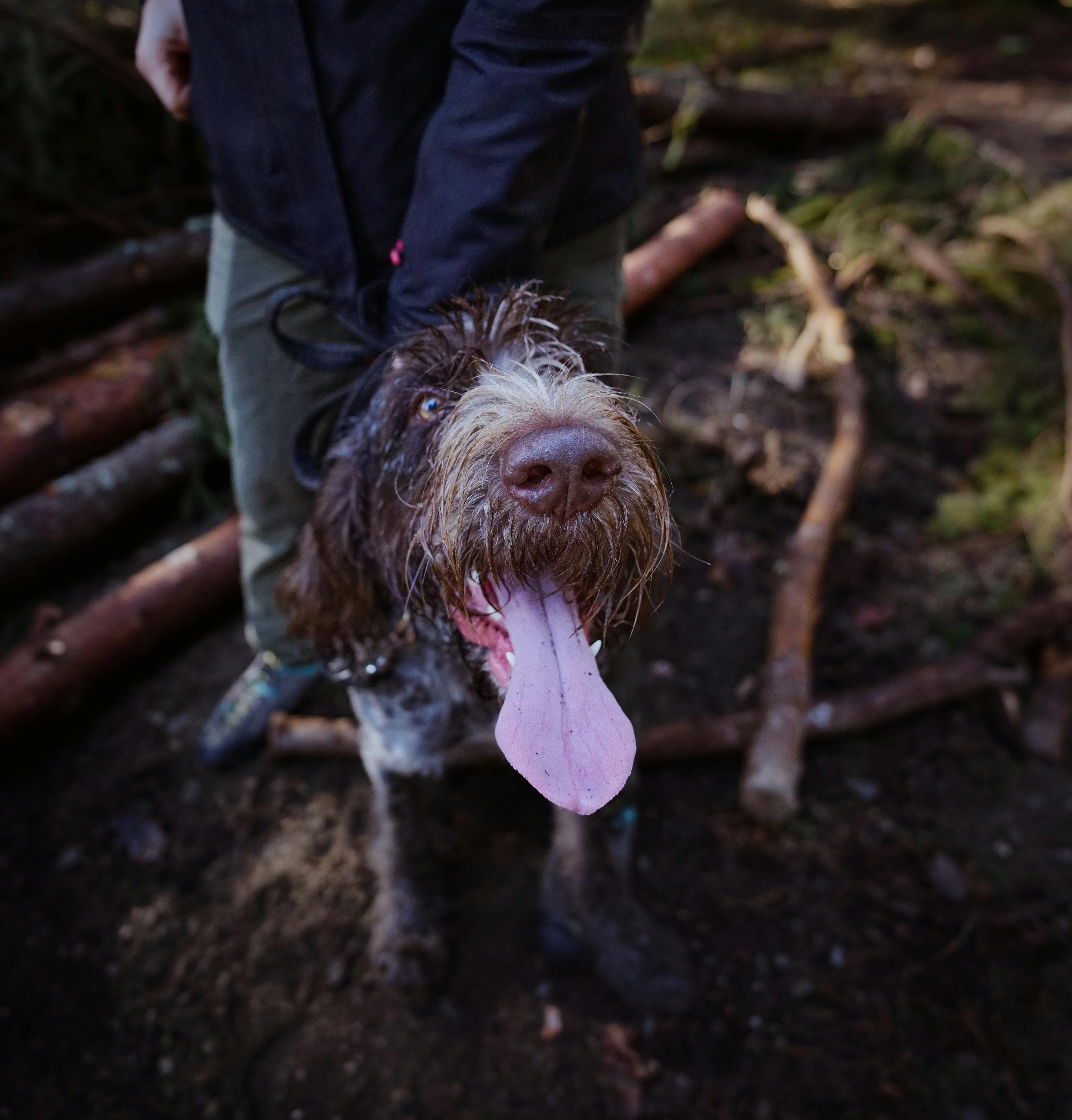
Every dog owner have probably noticed that their furry friends have wet noses. It’s one of those charming traits that can make you smile, but have you ever wondered why dogs have wet noses? The science behind this phenomenon is not only fascinating but also important for every pet owner to understand. Let’s dive into the interesting world of canine noses!
The Purpose of a Dog’s Wet Nose
Dogs’ noses are moist for several reasons. Primarily, a wet nose helps them to sense the world around them. The moisture on their noses improves their ability to detect scents, which is crucial since dogs rely heavily on their sense of smell. Here’s how it works:
- Scent Detection: The moisture on a dog’s nose captures scent particles from the air, enhancing their olfactory senses.
- Temperature Regulation: A wet nose may also help regulate a dog’s body temperature. When they pant, the evaporation of moisture can cool them down.
- Health Indicator: A dog’s nose can be an indicator of their health. Changes in moisture levels may signal various health issues.
Why Are Dog Noses Wet?
The primary reason dogs have wet noses is due to a unique secretion system. Dogs produce mucus in their noses that helps to trap scent particles. Here’s a quick breakdown of this process:
- Mucus Production: The nasal glands produce mucus that keeps the nose moist.
- Scent Absorption: Moisture helps absorb scent particles, allowing dogs to analyze different smells more effectively.
- Cooling Effect: A wet nose can help cool down a dog, especially during warm weather.
Historical Context of Wet Noses
Historically, dogs have evolved from wolves. Wolves, like their domestic descendants, rely on their sense of smell for survival – to hunt and avoid dangers. The wet nose is a trait that has been passed down through generations, and it plays an essential role in a dog’s ability to function in their environment.
Interesting Facts About Dog Noses
- Unique Patterns: Just like human fingerprints, each dog’s nose print is unique and can be used to identify them.
- Body Temperature: A dog’s body temperature is usually higher than a human’s, averaging between 101 to 102.5 degrees Fahrenheit. Their wet noses help to keep them cool.
- Breed Differences: Different breeds have different nose shapes and sizes, which can affect scent detection abilities. For example, Bloodhounds have a longer snout that allows for even greater olfactory capabilities.
Comparison: Dogs vs. Humans
Understanding how a dog’s sense of smell compares to humans highlights the importance of their wet noses:
| Feature | Dogs | Humans |
|---|---|---|
| Number of Olfactory Receptors | About 300 million | About 6 million |
| Sense of Smell Sensitivity | 10,000 to 100,000 times better than humans | Limited sensitivity |
| Nose Moisture Function | Enhances scent detection | Minimal function |
Practical Examples of Nose Use
Dogs use their noses for various everyday activities. Here are some examples:
- Tracking: Dogs can track scents over long distances, which is why they’re often used in search and rescue operations.
- Detection: Many dogs are trained to detect drugs, explosives, and even diseases like cancer by sniffing out specific scents.
- Social Interactions: Dogs use their noses to gather information about other animals and humans. They sniff to learn who’s been around and what they’ve been up to.
Monitoring Your Dog’s Nose Health
As a pet owner, it’s crucial to monitor your dog’s nose for changes. A healthy dog usually has a moist, cool nose. Here are some signs that may indicate health issues:
- A dry, cracked nose might suggest dehydration or illness.
- Excessively wet noses could indicate a fever or nasal discharge.
- Changes in color or texture may require veterinary attention.
Conclusion
Understanding the science behind a dog’s wet nose provides valuable insight into their behavior and health. It’s fascinating how something so simple can have such a profound impact on a dog’s life. As pet owners, being aware of these facts can help us better care for our furry companions and ensure they’re happy and healthy. So next time you give your dog a pat on the head and feel that familiar wet nose, remember all the incredible functions it serves!
Top 5 Reasons Why Your Dog’s Nose is Always Wet: Unveiling the Mystery

Have you ever wondered why your dog’s nose feels like a wet sponge? It’s one of those peculiar things about dogs that many of us just accept without really knowing why. The truth is, a wet nose isn’t just a random trait; there’s actually a fascinating science and history behind it. Let’s explore the top 5 reasons why your dog’s nose is always wet and uncover the mystery of why do dogs have wet noses.
1. Temperature Regulation
Dogs can’t sweat like humans do; their primary method of cooling down is through panting and their noses. A wet nose helps to regulate their body temperature. The moisture evaporates, cooling the surface of the nose and, by extension, helping to cool the dog down. This is especially important during warm weather months when dogs can struggle with overheating.
- Dogs have sweat glands only in their paw pads.
- Wet noses can help lower their body temperature by a few degrees.
- A cool nose can indicate a healthy dog.
2. Enhanced Sense of Smell
A wet nose is like an olfactory sponge. The moisture on a dog’s nose helps to capture scent particles better, which enhances their sense of smell. Dogs have an extraordinary sense of smell, estimated to be 10,000 to 100,000 times more sensitive than that of humans! The wetness allows these scent particles to stick and be analyzed by the receptors in their noses.
- Dogs have up to 300 million scent receptors.
- The wetness helps to dissolve scent particles for better detection.
- A dog’s sense of smell is a vital tool for hunting and tracking.
3. Natural Cleaning Mechanism
You might notice your dog’s nose is often wet after they’ve been sniffing around or exploring outdoors. This is because dogs naturally lick their noses to keep them clean. Their tongues help remove dirt, debris, and other irritants, which is a natural and instinctive behavior. It’s a little like how we might wash our hands before eating!
- Licking also adds moisture, which aids in scent detection.
- Dogs can’t use tissues, so their tongues are their best cleaning tool.
- A clean nose can help prevent infections and irritations.
4. Psychological Factors
Did you know that a dog’s nose can also be a reflection of their emotional state? Just like humans can show feelings through body language, dogs express themselves through their noses too. When a dog is excited or anxious, they may lick their noses more, causing it to remain wet. This behavior could stem from their instincts or even mimicry of other dogs.
- Dogs lick their noses when they are nervous or excited.
- A wet nose can indicate playfulness or happiness.
- It’s important to observe other body language signs to understand their mood.
5. Hydration Levels
Just like us, dogs need to stay hydrated. A wet nose can indicate a well-hydrated dog. However, if you notice that your dog’s nose is dry or cracked, it could be a sign of dehydration or illness. Keeping your dog hydrated is essential for their health and can influence the condition of their nose.
- Ensure your dog has constant access to fresh water.
- Dry noses can signify health issues, so watch for other symptoms.
- Regular vet check-ups are important for monitoring overall hydration.
In summary, the wet nose of a dog is not just an adorable feature; it serves several important functions related to their health and behavior. From temperature regulation to enhanced smelling abilities, the reasons are deeply rooted in nature and instinct. Understanding why your dog has a wet nose can help you appreciate your furry friend even more. So, the next time you pet your dog and feel that cool, wet nose, remember the fascinating truth behind it!
Is a Wet Nose a Sign of a Healthy Dog? Exploring the Connection
Is a Wet Nose a Sign of a Healthy Dog? Exploring the Connection, Why Do Dogs Have Wet Noses? Discover The Fascinating Truth!
When people pet their furry friends, they often notice that their noses are wet. It’s a common belief that a wet nose means a dog is healthy, but is that the whole truth? Many dog owners might wonder, why do dogs have wet noses, anyway? This article dives into the science behind it and explores the connection between a dog’s nose moisture and overall health.
The Science Behind Wet Noses
Dogs have wet noses primarily due to a combination of factors. The moisture on a dog’s nose can come from:
- Saliva: Dogs often lick their noses, which keeps them moist.
- Environmental Factors: Humidity, rain, or even snow can contribute to a wet nose.
- Body Temperature Regulation: A wet nose can help cool a dog down as they breathe, much like sweating for humans.
But, a wet nose doesn’t necessarily mean a dog is in perfect health. It’s just one of many signs, and should be considered alongside other factors.
Why Do Dogs Have Wet Noses?
Dogs have wet noses for several reasons, and it’s fascinating how their anatomy works.
Enhanced Smell: A wet surface on a dog’s nose helps them detect scents better. The moisture captures scent particles, making it easier for the dog to smell. This is crucial for their hunting instincts and social interactions.
Thermoregulation: Just like mentioned before, dogs don’t sweat like humans do. Instead, they cool themselves through panting and the moisture on their noses. A cool, wet nose can mean the dog is managing its body temperature effectively.
Health Indicator: While a wet nose can indicate a healthy dog, it isn’t the only measure. Other signs include energy level, appetite, and overall behavior.
Myths and Facts About Wet Noses
There are plenty of myths surrounding the wet noses of dogs. Here’s a breakdown of some common misconceptions:
Myth: A wet nose always means a dog is healthy.
Fact: While a wet nose can indicate health, it’s not definitive. Dogs can have health issues regardless of nose moisture.Myth: Only certain breeds have wet noses.
Fact: All dogs can have wet noses, but some breeds might have drier noses due to their skin type or environment.Myth: A dry nose is always a sign of illness.
Fact: Dogs can have dry noses for various reasons, including weather changes or after sleeping.
What Does a Dry Nose Indicate?
A dry nose doesn’t automatically signal a problem. However, sometimes it might indicate some conditions. Here are a few things to consider:
- Dehydration: If a dog is not drinking enough water, it can lead to a dry nose.
- Allergies: Allergies can cause nasal dryness, just like humans.
- Infections: Certain infections may lead to changes in a dog’s nose texture.
How to Assess Your Dog’s Health
If you’re worried about your dog’s health, it’s best to look at multiple signs. Here’s a quick checklist to determine if your dog is healthy:
- Energy Levels: Is your dog active and playful?
- Appetite: Is your dog eating normally?
- Behavior: Any changes in behavior like excessive barking or lethargy?
- Nose Moisture: Is the nose wet or dry?
When to Consult a Veterinarian
If you notice a persistent change in your dog’s nose or other health signs, you should contact a veterinarian. Here are scenarios when you should seek professional help:
- If the nose remains dry for several days, especially if accompanied by other symptoms.
- If you see any discharge from the nose that seems unusual.
- If there are changes in eating or drinking habits.
Final Thoughts
The next time you give your dog a pat and feel that wet nose, remember there’s a lot more to it than just health indicators. Dogs have evolved with wet noses for various reasons, mostly tied to their remarkable sense of smell and body temperature regulation. While a wet nose can be a good sign, it should be viewed together with other health indicators. Always be observant of your dog’s overall behavior and consult a veterinarian if you have any concerns. After all, keeping our furry companions healthy is a top priority for all pet owners!
How a Dog’s Nose Helps Them Understand the World: Fascinating Facts
Dogs are amazing creatures, with their unique abilities and behaviors captivating humans for thousands of years. One of the most interesting aspects of a dog is its nose. Have you ever wondered how a dog’s nose helps them understand the world? Or why do dogs have wet noses? These questions lead us to some fascinating facts about our furry friends.
The Science Behind a Dog’s Nose
A dog’s sense of smell is incredibly powerful—estimates say it’s anywhere from 10,000 to 100,000 times more sensitive than that of humans. This means dogs can detect scents at much lower concentrations, which is why they’re often used in search-and-rescue missions, drug detection, and even medical diagnosis. Dogs have about 300 million scent receptors in their noses, compared to a human’s mere 5 million.
- Scent Receptors: Dogs have about 300 million receptors.
- Human Comparison: Humans have only around 5 million receptors.
- Olfactory Bulb Size: The part of a dog’s brain that processes smells is about 40 times larger than that of humans.
Why Do Dogs Have Wet Noses?
One of the common questions that people ask is, “Why do dogs have wet noses?” The answer lies in the functionality and health of their sense of smell. A wet nose helps dogs absorb scents better. When their nose is moist, it can capture more scent particles. This is why you might notice your dog constantly licking its nose—it’s cleaning it to enhance its sense of smell.
- Moisture: Helps in scent absorption.
- Temperature Regulation: Wet noses can help cool down a dog.
- Health Indicator: A wet nose usually indicates a healthy dog, while a dry nose may signal dehydration or illness.
How Dogs Use Their Nose to Understand the World
Dogs rely heavily on their sense of smell to navigate their environments. Here are some interesting ways dogs use their noses:
- Finding Food: A dog’s sense of smell helps them locate food sources that humans may overlook.
- Detecting Emotions: Dogs can sense human emotions through scent, picking up on stress hormones or other chemicals released in our sweat.
- Recognizing Other Dogs: Dogs can determine the identity and health of other dogs just by sniffing their scent.
Fascinating Facts About Dog Noses
- Unique Nose Prints: Just like human fingerprints, every dog has a unique nose print.
- Temperature Sensitivity: Dogs can even detect temperature changes in their environment through their noses.
- Scent Discrimination: Dogs can distinguish between different scents, allowing them to recognize individuals by smell alone.
Historical Context of Dog Noses
The domestication of dogs started thousands of years ago, with early humans recognizing their hunting and tracking abilities. Ancient civilizations utilized dogs for their acute sense of smell, which contributed to their roles as hunting partners and companions. Over time, humans bred dogs for specific traits, including enhanced olfactory capabilities.
Practical Examples of Dogs’ Nose Use
- Search and Rescue Missions: Dogs are trained to find missing people in disaster situations, using their noses to detect human scent.
- Medical Detection: Some dogs can detect diseases like cancer or diabetes by smelling changes in a person’s breath or skin.
- Therapy and Support: Dogs can sense anxiety or sadness in humans and often provide emotional support through their comforting presence.
Comparison: Dog Noses vs. Human Noses
When you think about the differences between dog and human noses, it’s like comparing apples and oranges. Dogs can pick up on scents that are undetectable to us, and their noses are structured differently to optimize their smelling abilities.
| Feature | Dogs | Humans |
|---|---|---|
| Number of Receptors | ~300 million | ~5 million |
| Brain Area for Smell | Larger, more developed area | Smaller area |
| Scent Detection | Highly sensitive | Less sensitive |
Dogs’ noses are not just cute; they are essential tools that help them interact with the world around them. From tracking scents to understanding human emotions, a dog’s nose is a fascinating aspect of their biology that enhances their ability to bond with humans and other animals.
The next time you see your dog sniffing around, remember how much they rely on that remarkable nose to make sense of everything around them. It’s a reminder of the incredible bond we share with these loyal companions.
The Role of Moisture: Why Dogs Have Wet Noses and What It Means
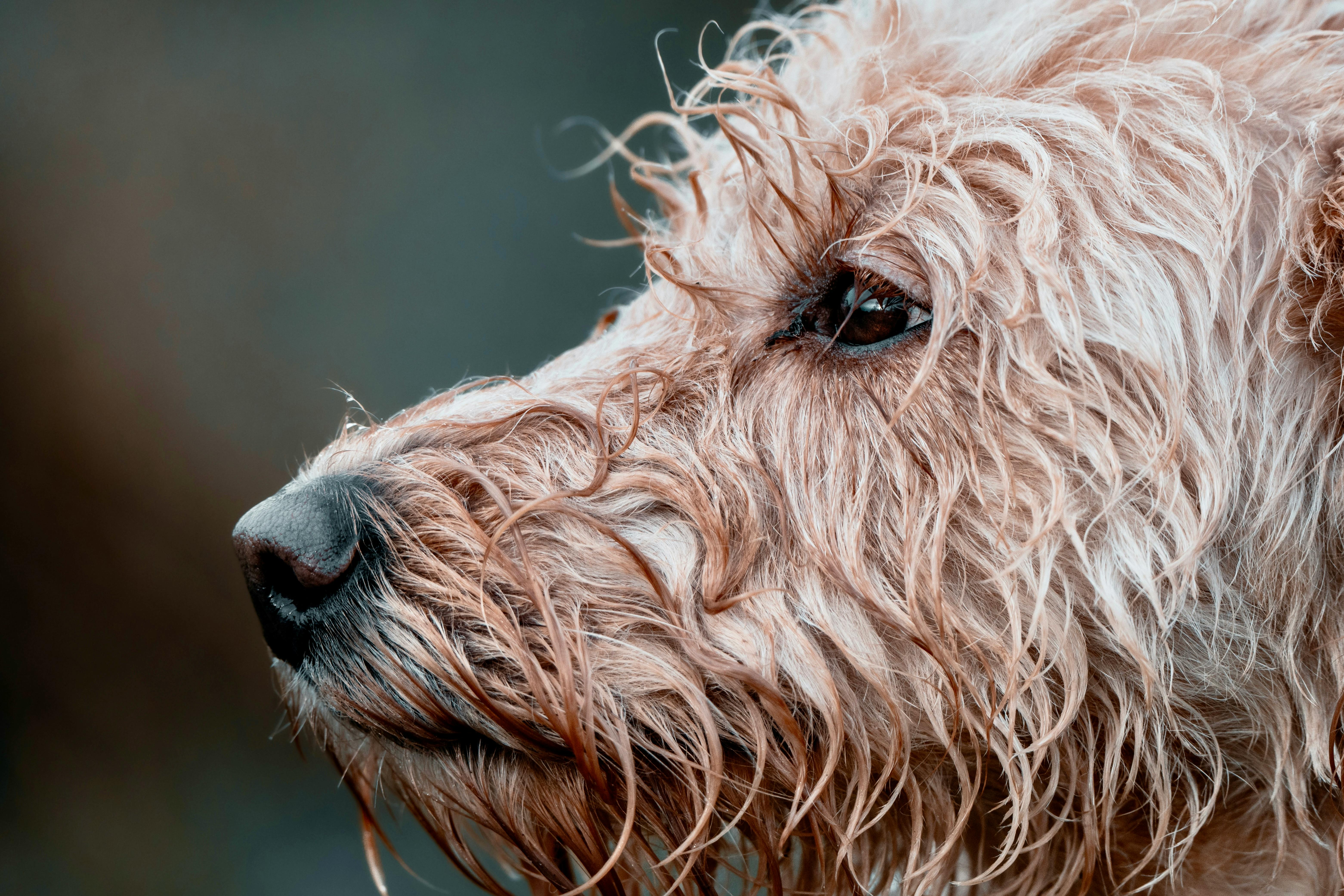
Dogs are among the most beloved pets, and one of their most endearing features is their wet noses. But why do dogs have wet noses? There’s actually some fascinating truth behind this common attribute. Not only does a wet nose look cute, but it also serves some important functions. Understanding the role of moisture in a dog’s nose can help pet owners appreciate their furry friends even more.
The Anatomy of a Dog’s Nose
A dog’s nose is a complex organ, and it’s not just for smelling. Dogs have a special structure called the vomeronasal organ, which helps them detect pheromones. The wetness of a dog’s nose plays a key role in this detection. Here are some interesting facts about dog noses:
- Moisture Helps with Smell: The wetness helps to trap scent particles. This makes it easier for dogs to pick up on different smells in their environment.
- Temperature Regulation: A dog’s nose also helps them cool down. Just like humans sweat, dogs can lose some heat through their noses.
- Health Indicator: A wet nose can often indicate that a dog is healthy. A dry nose, however, might not always mean something is wrong, but it can be a sign to pay attention.
Why Are Dog Noses Wet?
So, why do dogs have wet noses? The answer lies in their biology and the environment they live in. Here are a few reasons:
- Hydration: Dogs tend to lick their noses, which keeps them moist. This is an instinctive behavior that helps with their sense of smell.
- Scent Enhancement: The moisture on their noses enhances their olfactory receptors. It helps them absorb scent molecules more effectively.
- Natural Cooling: Dogs don’t sweat like humans do; they primarily rely on panting and moisture on their noses to regulate their body temperature.
Historical Context of Dog Noses
The evolution of dogs also plays a part in their moist noses. Early canines required highly developed senses for hunting and survival. The wetness of their noses has been favored through natural selection. Here’s how it breaks down:
- Survival: Dogs with enhanced smelling ability were better at finding food and avoiding predators, thus more likely to survive and reproduce.
- Domestication: As dogs became domesticated, their reliance on smell remained crucial. Their wet noses continued to be an important trait passed down through generations.
Fun Facts About Dog Noses
- Dogs have up to 300 million smell receptors in their noses compared to about 6 million in humans.
- The unique pattern of a dog’s nose print is as distinct as a human fingerprint.
- Certain dog breeds have wetter noses than others. For example, bloodhounds tend to have exceptionally moist noses.
Practical Examples of Nose Care
Taking care of a dog’s nose is also essential. Here’s a simple list of things to keep in mind:
- Regularly check for dryness or cracks, which could indicate dehydration or health issues.
- Ensure your dog has access to fresh water at all times.
- Avoid exposing dogs to extreme temperatures, as this can affect their nose moisture.
Comparison of Dog Noses to Other Animals
Dog noses are unique, but they are not the only animals with wet noses. Here’s a quick comparison:
- Cats: Similar to dogs, cats also have moist noses that help them smell. However, their sense of smell is not as developed as in dogs.
- Pigs: Pigs have wet noses too, which help them root around in the dirt and find food.
- Humans: Humans generally have dry noses, as our sense of smell relies on different mechanisms, such as taste.
When thinking about why do dogs have wet noses, it’s clear that this characteristic is not just for show, but has practical implications for their health and behavior. The moisture helps dogs smell better, stay cool, and it can indicate their overall health status.
With all this information, it’s easy to see that a wet nose is more than just an adorable feature. It’s a sign of a well-functioning, healthy dog. Whether you are playing fetch or going for a walk, next time you see your furry friend’s nose, you’ll know just how important that wetness really is.
Can a Wet Nose Indicate Illness in Dogs? Signs to Watch For
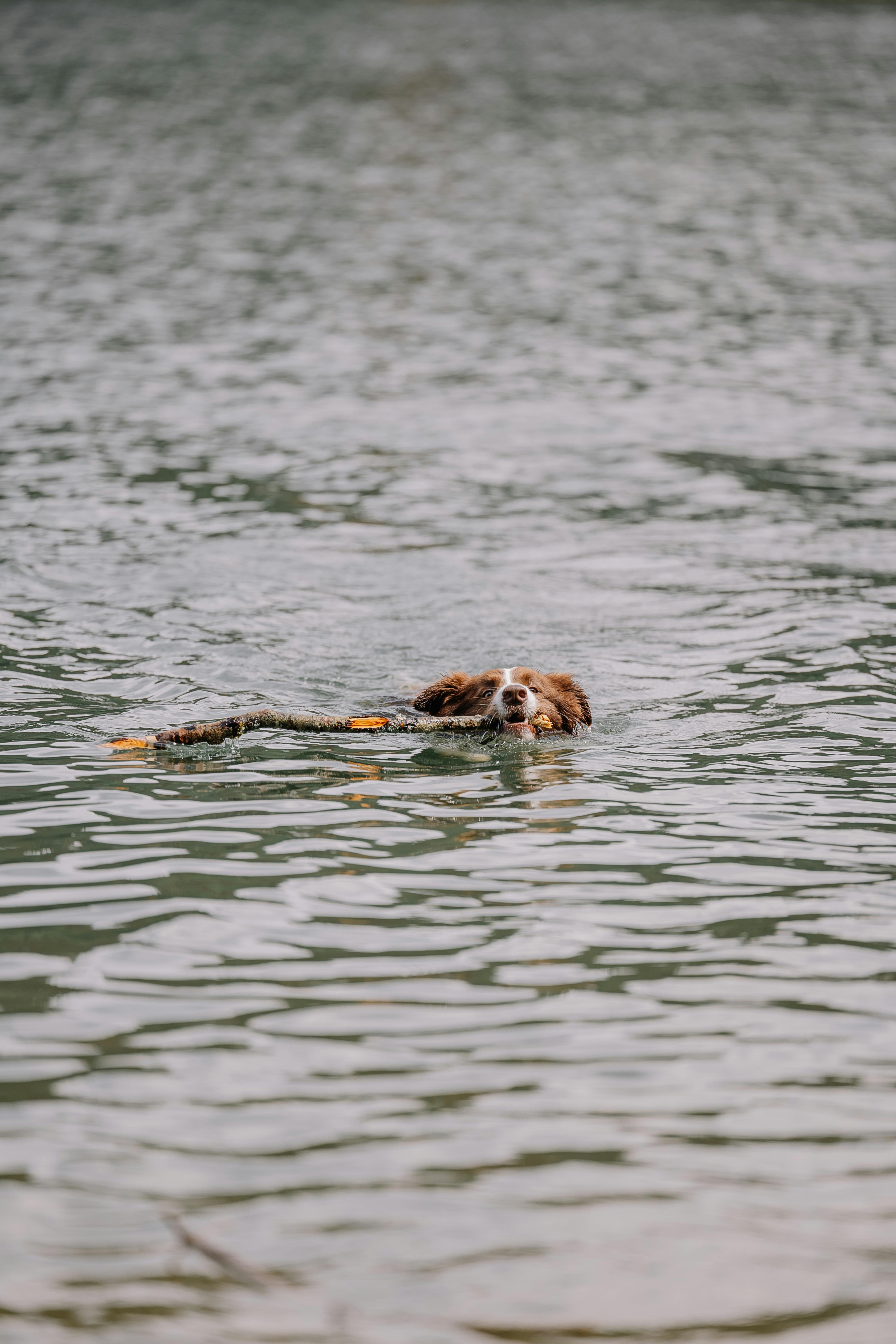
When it comes to our furry friends, many dog owners often wonder about the significance of a dog’s wet nose. It’s a common belief that wet noses are a sign of good health, but is that really true? Can a wet nose indicate illness in dogs? In this article, we explore the reasons behind why do dogs have wet noses, what signs to watch for, and uncover the fascinating truth about canine health.
Why Do Dogs Have Wet Noses?
Dogs’ noses are wet for several reasons, and it’s not just for show. A wet nose helps them in various ways. Here’s a breakdown of the main reasons:
Enhanced Sense of Smell: Dogs have an incredible sense of smell, and a moist nose helps with this. The wet surface can trap scent particles better, which helps dogs gather more information about their surroundings.
Temperature Regulation: Just like human sweat, a dog’s nose can help regulate body temperature. The moisture evaporating from the nose cools the dog down, especially on hot days.
Health Indicator: Sometimes, a wet nose can serve as an indicator of a dog’s health. A dog’s nose may be wet when they are active and healthy. However, there are times when changes in nose moisture can signal issues.
Can a Wet Nose Indicate Illness in Dogs?
While a wet nose is often a sign of a healthy dog, it is not a foolproof indicator. Here are some important signs to watch for:
- Dry Nose: If your dog usually has a wet nose and it becomes dry, it may indicate dehydration or illness.
- Excessive Moisture: A nose that is overly wet, along with other symptoms, could suggest respiratory issues or infections.
- Cracks or Sores: If you notice cracked skin or sores on the nose, it could be a sign of allergies or infections.
- Change in Color: A change in color, such as a pale or discolored nose, can indicate health issues.
Common Illnesses That May Affect a Dog’s Nose
Different health problems can lead to changes in nose moisture and texture. Here are a few examples:
- Kennel Cough: This highly contagious respiratory illness may cause nasal discharge and a change in nose moisture.
- Allergies: Allergies can lead to a dry or irritated nose.
- Nasal Tumors: Tumors can cause changes in the nose’s appearance and moisture levels, often accompanied by other symptoms like bloody discharge.
Signs of Illness to Monitor
Being vigilant about your dog’s behavior and physical state is crucial. Here’s a list of signs to watch for:
- Lethargy: If your dog is less active than usual, it could be a sign of illness.
- Changes in Appetite: Sudden loss of appetite or excessive eating can indicate health issues.
- Vomiting or Diarrhea: Gastrointestinal problems can also manifest alongside changes in nose moisture.
- Coughing or Sneezing: Persistent respiratory issues should be evaluated by a vet.
When to Consult a Veterinarian
If you notice any concerning changes in your dog’s nose or overall health, it is always best to consult a veterinarian. Here are some scenarios where you should seek professional help:
- Persistent dry or wet nose that doesn’t return to normal.
- Signs of pain or discomfort when touching the nose.
- Accompanying symptoms like fever or significant behavioral changes.
Conclusion
Understanding your dog’s health is essential, and while a wet nose can often mean your dog is healthy, it’s not the only indicator. If you notice any unusual signs or patterns, it’s wise to consult with a veterinarian. By staying informed and observant, you can help ensure your furry friend stays happy and healthy. Remember, just like us, dogs can experience a range of health issues that may not always be visible. Regular check-ups and being aware of changes in your dog’s behavior and physical condition can make a significant difference in their well-being.
The Evolutionary Purpose of a Dog’s Wet Nose: Nature’s Design Explained

Have you ever wondered why do dogs have wet noses? It’s one of those quirks that makes dogs so special. The evolutionary purpose of a dog’s wet nose is fascinating and filled with biological significance. Let’s explore this intriguing aspect of our furry friends and discover the truth behind those damp noses.
The Role of a Wet Nose in Dogs
Dog noses are not just cute, they play a vital role in their health and communication. A wet nose helps to enhance their sense of smell, which is already incredibly powerful. Dogs have up to 300 million smell receptors in their noses, compared to a human’s 5 million. A wet surface helps to capture scent particles, making it easier for dogs to identify smells.
Here’s why a wet nose is beneficial for dogs:
- Enhanced Smell: The moisture on a dog’s nose helps to absorb scent molecules. This allows dogs to take in more information about their environment.
- Cooling Mechanism: Dogs don’t sweat like humans do. Instead, their wet noses help to cool them down. When a dog pants, the moisture evaporates from their nose, helping to regulate body temperature.
- Health Indicator: A wet nose is generally considered a sign of a healthy dog. If a dog’s nose is dry or cracked, it could indicate dehydration or illness.
Historical Context of Dog Noses
Dogs have been companions to humans for thousands of years. The evolution of their noses has adapted to their needs. Early domesticated dogs had a sharp sense of smell, which was useful for hunting and tracking. Over time, certain breeds were developed for specific tasks, which enhanced their olfactory capabilities even further.
Here’s a brief timeline of dog nose evolution:
- 10,000+ years ago: Dogs began to evolve from wolves, developing stronger olfactory senses to assist humans in hunting.
- Middle Ages: The breeding of scent hounds like Bloodhounds and Beagles focused on enhancing their sense of smell.
- Modern Day: Today, dogs are used in various fields like search and rescue, detection of drugs, and even medical diagnoses, all due to their incredible sense of smell.
Why is a Wet Nose Important?
The moisture on a dog’s nose serves many essential purposes beyond just scent detection. Here’s an outline of its importance:
- Scent Detection: Helps capture scent particles and enhance overall smell.
- Communication: Dogs often use their noses to greet each other. A wet nose can signify a friendly approach.
- Thermoregulation: Helps with cooling down their body temperature.
- Health Monitoring: Changes in moisture levels can indicate health issues.
Fun Facts About Dogs and Their Noses
- Color Matters: The color of a dog’s nose is determined by genetics. Black noses tend to absorb more heat, while lighter noses can be more sensitive to sun exposure.
- Nose Prints: Just like human fingerprints, each dog has a unique nose print that can be used for identification.
- Sniffing Habits: Dogs have a specific sniffing pattern, often using their right nostril for familiar scents and the left for new ones.
Comparing Dog Noses to Human Noses
It’s interesting to see how dog noses differ from human noses. Here’s a comparison:
| Feature | Dog Nose | Human Nose |
|---|---|---|
| Number of Receptors | 300 million | 5 million |
| Scent Absorption | Moisture enhances absorption | Less effective |
| Temperature Regulation | Very effective | Not applicable |
| Unique Identifier | Unique nose print | Unique fingerprint |
Practical Examples of Nose Use in Dogs
Dogs use their noses in various ways to interact with the world. Here are some practical examples:
- Tracking: Bloodhounds are famous for their ability to follow scent trails for long distances.
- Search and Rescue: Dogs are trained to locate missing persons through smell.
- Medical Detection: Some dogs can detect diseases like cancer or diabetes in humans due to their sensitive noses.
It’s clear that a dog’s wet nose is more than just an adorable feature; it’s a vital tool for communication, health, and survival. By understanding why do dogs have wet noses, we can appreciate even more the unique design of these beloved animals. Their noses are a perfect example of how nature has equipped them for their roles in our lives, making them not just pets but true companions.
Myths Debunked: Do All Dogs Have Wet Noses? Discover the Truth!

When you think about dogs, one thing that often comes to mind is their wet noses. Its a common belief that all dogs have wet noses, but is that really true? What’s the deal with those damp little snouts? Today, we gonna dive into the myths surrounding why dogs have wet noses and uncover the real reasons behind this fascinating canine characteristic.
The Myth of the Wet Nose
First things first, let’s tackle the myth head-on. Do all dogs have wet noses? The answer is not as straightforward as you might think. While most dogs do have moist noses, there are exceptions. Dogs can have dry noses due to several reasons, such as health issues, breeds, or even the weather. Here’s a closer look:
- Health Issues: Certain medical conditions, like fever or dehydration, can lead to a dry nose in dogs.
- Breed Factors: Some breeds might naturally have drier noses. For instance, Bulldogs and Boxers often have less moisture than others.
- Environmental Conditions: Cold weather or hot, dry climates could cause a dog’s nose to dry out.
Why Do Dogs Have Wet Noses?
You might be wondering, what’s the purpose of a wet nose anyway? Well, there are several reasons that contribute to this intriguing feature. Here’s a breakdown:
Enhanced Sense of Smell: A wet nose helps dogs capture scent particles from the air. The moisture on their noses traps these particles, making it easier for them to detect odors. Research suggests that a dog’s sense of smell is 10,000 to 100,000 times more sensitive than humans.
Cooling Mechanism: Dogs don’t sweat like humans. Instead, they rely on their noses to help regulate their temperature. A wet nose can help cool their body down when they are overheated.
Communication Tool: Dogs often use their noses to communicate with other dogs and humans. A wet nose can signify affection, excitement, or curiosity, making it a vital part of canine interaction.
Historical Context of Dog Noses
Historically, dogs were bred for various purposes, and their noses played a significant role in their development. For example:
- Hunting Dogs: Many hunting breeds were selected for their strong sense of smell, which naturally includes having moist noses.
- Working Dogs: Breeds that work alongside humans, like search and rescue dogs, depend on their keen sense of smell to perform their tasks efficiently.
The Science Behind the Wet Nose
The biology of a dog’s nose is fascinating. The mucous membranes located inside a dog’s nose produce moisture that keeps it wet. This secretion is essential for the following reasons:
- Scent Absorption: Mucus on the nose aids in absorbing scent chemicals, enhancing the dog’s olfactory capabilities.
- Temperature Regulation: The wetness helps to cool the air as it enters the nasal passages.
Practical Considerations for Dog Owners
As a dog owner, keeping an eye on your pet’s nose can be important for their health. Here are some tips:
- Regular Checks: Keep an eye on your dog’s nose. If it becomes excessively dry or cracked, it’s worth consulting a veterinarian.
- Hydration: Ensure your dog has access to fresh water at all times, especially in warm weather.
- Environmental Awareness: Be mindful of the weather conditions. Extreme heat or cold can affect your dog’s nose.
Fun Facts about Dog Noses
- Dogs have unique nose prints, much like human fingerprints. Each one is different!
- The surface of a dog’s nose contains special cells that detect smells, further enhancing their ability to sniff out scents.
Comparison of Wet vs. Dry Noses
Here’s a simple comparison to help illustrate the differences:
| Wet Nose | Dry Nose |
|---|---|
| Enhanced smell detection | May indicate health issues |
| Cooling function | Might signify dehydration |
| Normal for most breeds | Common in certain breeds |
By understanding the science behind why dogs have wet noses, you can better appreciate your furry friend. It’s not just an adorable feature; it serves significant biological and functional purposes.
While it’s a myth that all dogs have wet noses, it’s clear that for many, this characteristic plays an essential role in their health and behavior. So, the next time you pet a dog and feel that dampness, remember there’s more to it than just cuteness — there’s a whole science behind that wet nose!
The Importance of Nose Temperature: Understanding Your Dog’s Health

Dogs are often referred to as man’s best friend, but did you know that their noses hold valuable health information? Yes, the importance of nose temperature in dogs is often overlooked, and understanding it can be key to monitoring your furry friend’s well-being. This article explore why do dogs have wet noses and what that signifies about their health.
Why Do Dogs Have Wet Noses?
One of the first things you might notice about dogs is their wet noses. This moistness isn’t just a random quirk; in fact, it serves several purposes that are quite interesting. Here are some key reasons why dogs noses stay wet:
- Enhanced Sense of Smell: Dogs’ noses produce mucus that helps absorb scent chemicals. A wet nose can pick up more scent particles, making their sense of smell even sharper.
- Temperature Regulation: A wet nose can help regulate a dog’s body temperature. When they pant, moisture evaporates from their noses, cooling them down.
- Health Indicator: A dog’s nose can reflect their overall health. Changes in its temperature or moisture can indicate illness or distress.
The Importance of Nose Temperature
The temperature of a dog’s nose can vary throughout the day, and understanding these fluctuations is crucial for pet owners. A normal dog nose is typically cool and slightly moist, but what happens when it’s hot or dry? Here is a handy guide to help you understand the implications.
Nose Temperature Indicators:
- Cool and Wet: This is generally a sign of a healthy dog.
- Warm and Dry: Could indicate fever or dehydration. It’s important to monitor other symptoms like lethargy or loss of appetite.
- Very Cold: May suggest shock or hypothermia, especially if the dog has been exposed to cold weather for too long.
Historical Context
The history of dogs and their noses is quite fascinating. It dates back to thousands of years ago when wolves evolved into domesticated dogs. Their noses became tools for hunting, tracking, and communicating. Ancient cultures recognized the value of a dog’s nose in various ways, from hunting companions to guardians.
In modern times, the scientific community has begun to understand the mechanical and biological aspects of a dog’s nose, leading to improvements in canine healthcare. Advances in veterinary science often use nose temperature as a diagnostic tool to assess a dog’s condition.
Practical Examples of Monitoring Nose Temperature
Here are some practical ways to keep an eye on your dog’s nose temperature and overall health:
- Daily Check: Make checking your dog’s nose part of your daily routine. It only takes a second and can give you valuable insights.
- Look for Changes: If your dog’s nose suddenly becomes warm and dry, take note. Is it accompanied by other symptoms? If yes, consult a veterinarian.
- Use a Thermometer: Some pet owners opt for a digital thermometer to check their dog’s body temperature more accurately. A normal dog temperature ranges from 101°F to 102.5°F.
Comparisons: Dog Nose vs. Human Nose
Understanding how dog noses differ from human noses can clarify why they are such unique creatures. Here’s a quick comparison:
| Feature | Dog Nose | Human Nose |
|---|---|---|
| Moisture | Typically wet | Usually dry |
| Scent Detection | 10,000 to 100,000 times better | Limited sensitivity |
| Temperature Regulation | Uses moisture for cooling | Mainly relies on sweating |
| Health Indicator | Good health = wet and cool | Not as reliable |
As you can see, dogs have evolved with distinct characteristics that enhance their abilities and health monitoring.
Important Points to Remember
- A dog’s nose can provide clues about their health, so be observant.
- Wet noses help dogs smell better and regulate temperature.
- Always consult a veterinarian when you notice unusual temperature changes or other health signs.
Being aware of your dog’s health through their nose can make a significant difference in their well-being. It’s a small part of your pet care routine but can lead to early detection of potential health issues. So next time you greet your furry companion, take a moment to feel their nose. It could be the key to understanding their health and happiness.
Fun Facts About Dog Noses: Why Their Wetness Is More Than Just Cute!
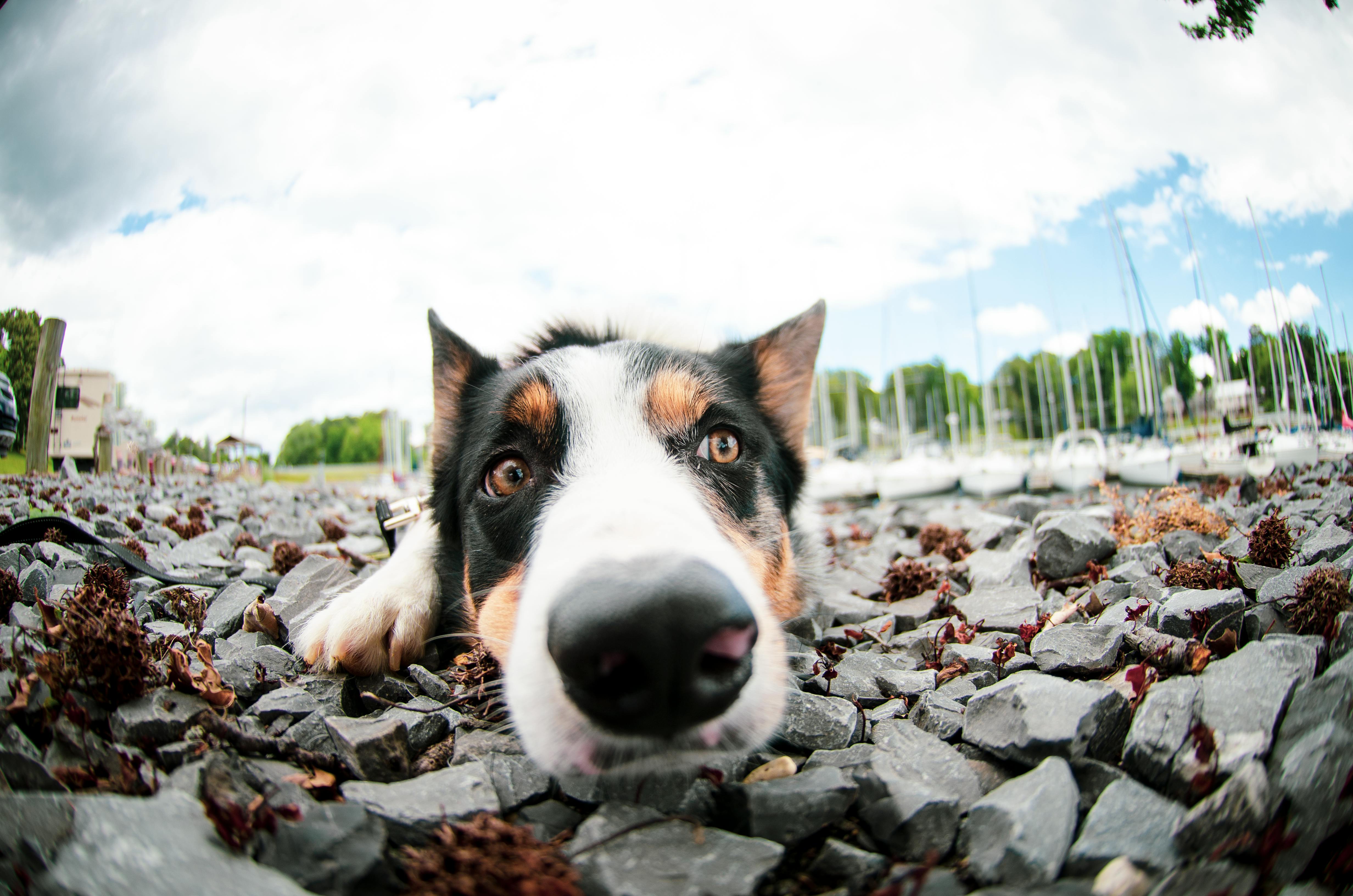
Dogs are truly amazing creatures, and one of the most fascinating aspects of them is their noses. You might have noticed your furry friend’s nose is often damp, and it’s not just a cute feature. So, why do dogs have wet noses? There’s actually a lot of science and biology behind this seemingly simple characteristic. In this article, let’s explore fun facts about dog noses and uncover the truth behind their wetness.
The Science Behind Dog Noses
Dog noses are moist for several reasons, and understanding these reasons can give you insight into your dog’s health and behavior. Here’s a quick breakdown of the science:
Scent Detection: Dogs have an extraordinary sense of smell, which is around 10,000 to 100,000 times more sensitive than humans. The wetness of their noses helps to absorb scent particles from the air, enhancing their ability to detect odors.
Temperature Regulation: A dog’s nose also plays a role in thermoregulation. When they pant or breathe, moisture from their noses evaporates, helping to cool them down.
Health Indicator: The condition of a dog’s nose can indicate its health. A wet, cool nose generally means a dog is healthy, while a dry or hot nose could signal an issue, although this isn’t always the case.
The Anatomy of a Dog’s Nose
To better understand why dog noses are wet, let’s look at their anatomy:
Nasal Mucosa: This is the lining inside the nose that secretes moisture. This moisture helps capture scent particles.
Olfactory Receptors: Dogs have millions of these receptors, allowing them to smell things we can’t even imagine.
Nasal Turbinates: These structures help to warm and moisten the air that dogs breathe in.
Fascinating Fun Facts about Dog Noses
Here is a collection of interesting facts about dog noses that you might not know:
Unique Nose Prints: Just like human fingerprints, every dog has a unique nose print. It can actually be used for identification!
Color Matters: The color of a dog’s nose can vary, and it might change with the seasons. For instance, some dogs have “snow nose,” where their noses become lighter in winter.
Nose Work: Dogs are trained for scent detection work in various fields like search and rescue, drug detection, and even medical alerts. Their noses are invaluable tools!
Dry Nose Myths: It’s a common myth that a dry nose means a dog is sick. While it can be a sign, it’s not conclusive. Factors like weather, activity level, and hydration can all affect nose moisture.
Wet Noses and Bonding: Dogs often nuzzle their noses against humans as a way to bond or show affection. Their wet noses can also help pick up our scent, which they find comforting.
Comparative Benefits of Wet vs. Dry Noses
Wet noses provide several benefits compared to dry ones. Here’s a quick comparison:
Wet Nose:
- Enhances scent detection
- Helps with temperature regulation
- Indicates hydration levels
Dry Nose:
- Can signify dehydration
- May indicate potential health issues (though not always)
- Less effective for scent absorption
Practical Examples of Nose Function
You might wonder how dogs use their noses in everyday situations. Here are some practical examples:
Finding Food: Dogs can sniff out food hidden several yards away because of their keen sense of smell.
Recognizing Owners: Dogs can identify their owners by scent alone, even if they haven’t seen them in a while.
Detecting Emotions: Research suggests dogs can even detect human emotions through scent, reacting differently depending on the person’s emotional state.
Tracking and Hunting: Many breeds are developed specifically for tracking and hunting, utilizing their noses for these tasks.
Caring for Your Dog’s Nose
To ensure your dog has a healthy nose, here are some tips you can follow:
Regular Check-ups: Keep up with vet visits and discuss any changes in your dog’s nose condition.
Hydration: Make sure your dog has access to fresh water, especially in warmer weather.
Avoid Irritants: Be cautious about exposing your dog to harsh chemicals or extreme temperatures that might affect their nose.
Moisturizing: If you notice your dog’s nose is too dry, consult your veterinarian for suitable moisturizers.
Knowing the fascinating truth behind why do dogs have wet noses not only enriches your understanding of your pet but also helps you take better care of them. Their noses are more than just cute; they’re essential tools that enhance their lives and strengthen the bond between you and your furry buddy. So next time you see your dog’s wet nose, remember all the incredible
Conclusion
In conclusion, the wet noses of dogs serve several important purposes that contribute to their health and well-being. Primarily, a wet nose helps enhance their sense of smell by trapping scent particles, allowing them to navigate their environment more effectively. It also plays a role in thermoregulation, helping dogs cool down through evaporation. Additionally, moisture on a dog’s nose can indicate their overall health, as it is often a sign of hydration and vitality. While the reasons behind this unique feature are fascinating, it’s essential for dog owners to monitor their pets’ nose condition, as significant changes might signal health issues. Embrace your dog’s wet nose as a sign of their unique biology and well-being. Next time you give your furry friend a pat, take a moment to appreciate the science behind that delightful, damp touch.
