
Have you ever wondered why do dogs have wet noses? It’s a question that sparks curiosity among dog lovers and pet owners alike. The truth about your furry friend’s wet nose is not just a quirky trait but a fascinating aspect of canine biology. Dogs’ noses are not only moist, but they also serve essential functions for their health and well-being. But what makes a dog’s nose wet, and why is it important? Is it a sign of a healthy dog or something more? In this article, we will uncover the mysteries behind the wet noses of dogs and explore the science behind it. You might be surprised to learn that these moist noses play a crucial role in a dog’s sense of smell and temperature regulation. Moreover, we will delve into whether a wet nose means your pup is sick or healthy, and why it could even affect their behavior. So, if you’ve ever found yourself asking, “Why do my dog’s nose feel so cold and wet?” you’re in for an enlightening exploration! Stay tuned as we dive deep into the captivating world of our canine companions and their unique features!
The Science Behind Why Dogs Have Wet Noses: Unveiling Nature’s Design

Dogs are often called man’s best friend, and their wet noses is one of the many things that make them so unique and lovable. But have you ever wondered why do dogs have wet noses? It’s not just for show or because they might’ve been drinking from a puddle. In fact, the science behind this phenomenon is both fascinating and practical, revealing the incredible design of nature that helps our furry companions thrive.
The Biological Function of Wet Noses
A dog’s nose is not just a cute feature; it serves several important functions. When a dog’s nose is wet, it helps to enhance their sense of smell, which is already much stronger than that of humans. This wetness allows scent molecules to dissolve more easily, which makes it easier for dogs to pick up various smells. Here are some key points about why a dog’s wet nose is so crucial:
Improved Olfactory Reception: The moisture on the nose helps trap scent particles, which aids in their detection. Dogs can smell things that are far beyond human capability, often up to 100,000 times better!
Thermoregulation: Wet noses can help dogs regulate their body temperature. When dogs pant, moisture evaporates from their noses, helping cool them down in warmer weather.
Health Indicator: A dog’s nose can provide insight into their health. A healthy dog typically has a cool, moist nose, while a dry or warm nose may indicate illness or dehydration.
How Wet Noses Help Dogs Interact with Their Environment
Dogs rely heavily on their sense of smell to interact with the world. Their noses are packed with scent receptors, which are specialized cells that react to different smells. Here’s how wet noses play a role in their daily lives:
Communication: Dogs often sniff each other’s noses as a form of greeting or communication. It’s like a handshake for them, allowing them to gather important information about their companions.
Exploration: When out on walks or in new environments, dogs use their wet noses to explore. They can detect scents that are days or even weeks old, which helps them map their surroundings.
Hunting and Foraging: Many breeds have been developed for specific tasks, such as hunting or tracking. Their wet noses are essential for these activities, enabling them to track prey or find food.
Interesting Facts About Dog Noses
Unique Patterns: Just like human fingerprints, every dog’s nose has a unique pattern of ridges and creases.
Color Variations: The color of a dog’s nose can vary depending on breed, age, and health. Some breeds have black noses, while others may have pink or spotted noses.
Nose Size: The size of a dog’s nose can correlate with their sense of smell. Generally, larger noses have more olfactory receptors, enhancing their ability to smell.
Comparing Dog Noses to Other Animals
Dogs aren’t the only animals with wet noses. Here’s a quick comparison of how various species utilize their noses:
| Animal | Nose Type | Purpose |
|---|---|---|
| Dogs | Wet & Cold | Enhanced smell, cooling |
| Cats | Dry & Warm | Limited smell, heat regulation |
| Pigs | Wet & Sensitive | Foraging, rooting for food |
| Elephants | Trunk | Smell, grasping, drinking |
Practical Examples of Dog Nose Functionality
Tracking Dogs: Breeds like Bloodhounds are known for their incredible tracking abilities, thanks to their wet noses. They can follow a scent trail for miles, which is why they’re often used in search and rescue missions.
Service Dogs: Some service dogs are trained to detect medical conditions like low blood sugar or seizures, utilizing their incredible sense of smell aided by their moist noses.
Therapy Dogs: These dogs can sense human emotions and stress levels. Their wet noses often provide comfort to those in distress, showcasing the emotional connection between humans and dogs.
Understanding why do dogs have wet noses can really enhance your appreciation for them. Their noses are marvels of nature, designed to help them navigate and understand their environment better. So next time you give your dog a pat on the head, don’t forget to appreciate that adorable, wet nose that’s more than just a cute feature. It’s a vital tool in their everyday life, connecting them with the world in extraordinary ways.
7 Fascinating Reasons Your Dog’s Nose is Always Moist
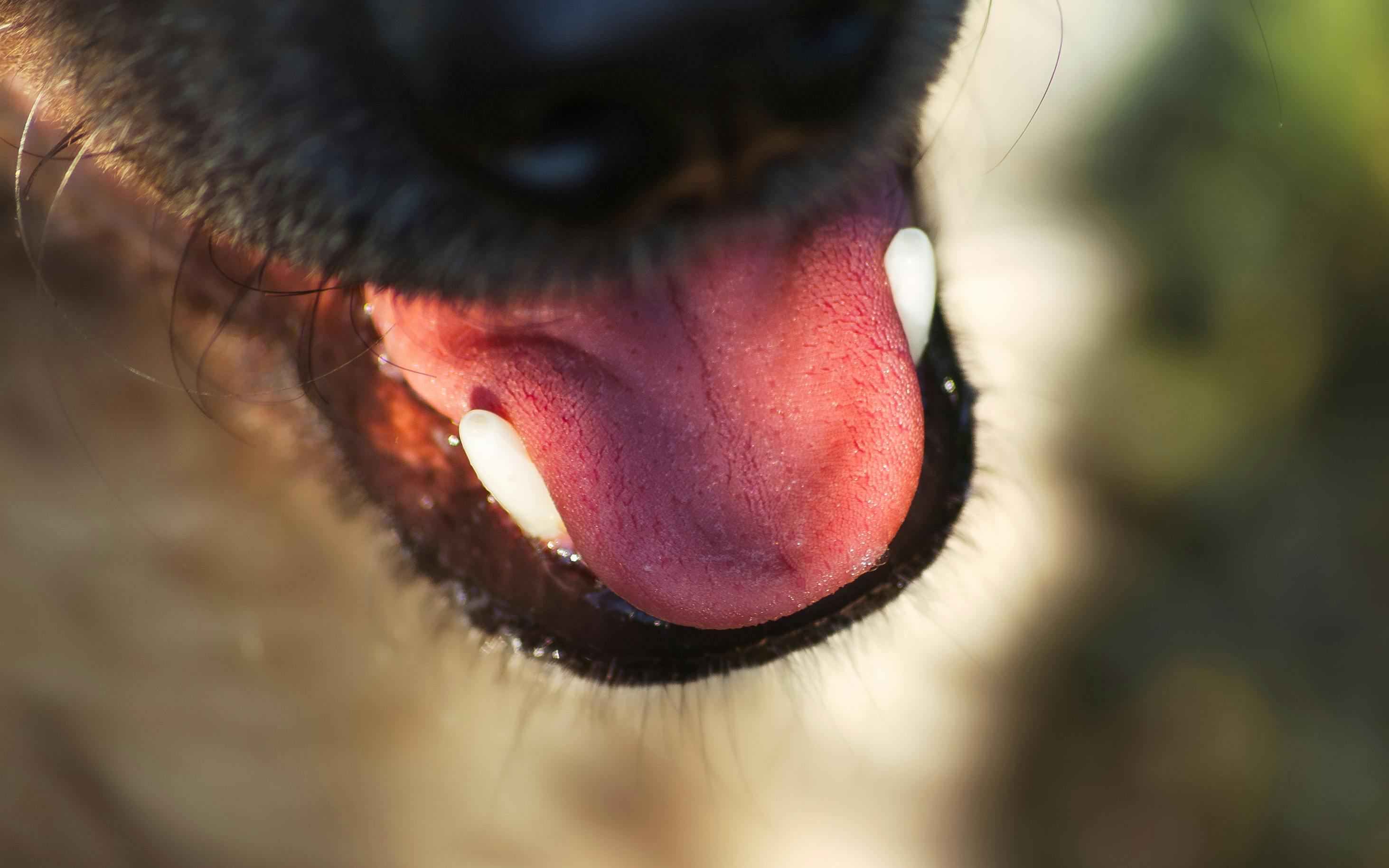
Have you ever pondered why your furry friend’s nose is usually wet? Well, you’re not alone in this curiosity. Many pet owners wan’t to know the science behind that moist nose. In fact, there are multiple reasons that contribute to this phenomenon, and they’re quite fascinating. Let’s explore seven intriguing reasons your dog’s nose is always moist and uncover the truth behind this common canine characteristic.
1. Natural Cooling System
Dogs don’t sweat like humans do. Instead, they regulate their body temperature through their noses. A wet nose helps to cool down their body. When a dog pants, the moisture on their nose evaporates, which cools them down. It’s like having built-in air conditioning! This is especially essential during hot weather when overheating can be a serious concern for dogs.
2. Enhanced Sense of Smell
Dogs have an incredible sense of smell, which is about 10,000 to 100,000 times more sensitive than humans. The moisture on their noses helps to capture scent particles from the air. When the nose is wet, it can absorb more of these particles, allowing the dog to detect scents better. It’s like having a superpower! So, the next time your dog is sniffing around, remember, that moist nose is working hard.
3. Health Indicator
A dog’s nose can actually be a good indicator of its overall health. While a wet nose is often a sign of a healthy dog, other factors matter too. If your dog’s nose becomes dry and cracked, it could suggest dehydration, fever, or other health issues. Pay attention to changes in your dog’s nose moisture; it could be a cue to see your vet.
4. Social Interaction
Dogs often use their noses to communicate with each other. When dogs greet one another, they typically sniff each other’s noses. That moisture can be a sign of friendliness and openness. A wet nose may help in social bonding. So, the next time your dog is being social, remember how important that moist nose is in making connections.
5. Hydration Levels
You might find it interesting that a dog’s nose moisture can reflect its hydration levels. When a dog is well-hydrated, its nose is usually moist. But if a dog is dehydrated, the nose can become dry. So, providing fresh water for your pet is essential not just for their overall health but also for keeping that nose nice and wet!
6. Environmental Factors
Weather can also influence the moisture of a dog’s nose. For example, in humid conditions, a dog’s nose may stay moist, while in dry weather, it may become dry. The moisture in the air can contribute to how wet or dry a dog’s nose is. So, if you notice your dog’s nose is drier in winter, it may simply be the environment affecting it.
7. Grooming Habits
Dogs often lick their noses to keep them clean and moist. This grooming behavior is instinctual and helps them maintain a sense of freshness. When dogs lick their noses, they also spread saliva which contains proteins that can help to neutralize certain odors. So, if you see your dog licking its nose frequently, it’s just their way of keeping things tidy!
Quick Facts About Dog Noses
- Dogs possess up to 300 million olfactory receptors in their noses.
- A dog’s sense of smell is so strong that they can detect certain diseases through scent.
- The wetness on a dog’s nose can change throughout the day based on activity levels and environmental conditions.
Comparison of Dog Nose Moisture
Here’s a simple comparison of nose conditions and what they might indicate:
Moist Nose:
- Generally healthy
- Good hydration
- Active and social
Dry Nose:
- Possible dehydration
- Potential health issue
- Less active or sick
Wet, Cold Nose:
- Healthy and engaged
- Actively sniffing or exploring
Practical Tips for Nose Care
- Ensure your dog has access to fresh water at all times.
- Regularly check for any signs of dryness or cracking.
- Consult your veterinarian if you notice any sudden changes in nose moisture.
Understanding why dogs have wet noses can deepen your appreciation for these wonderful creatures. Their moist noses play a vital role in their health, communication, and ability to interact with the world. Next time you pet your dog, take a moment to think about all the fascinating reasons behind that wet nose. It’s a small yet significant part of what makes dogs so special.
How Wet Noses Help Dogs Communicate: An Insight into Canine Behavior

Have you ever wondered why dogs have wet noses? It seems like a simple question, but the truth behind it is really fascinating and can tell us a lot about how our furry friends communicate. Wet noses not just play a role in their health, but also in how they express themselves and connect with the world around them. This article dives into the reasons behind dogs’ wet noses and sheds light on their behavior.
The Science of a Dog’s Nose
Dogs’ noses are moist for a reason. Their unique anatomy includes a layer of mucus that helps them absorb scent molecules. This wetness improves their sense of smell, which is crucial for their survival and interaction. Here’s a breakdown of the scientific reasons:
- Scent Detection: A wet nose can trap scent particles better than a dry one. Dogs have up to 300 million scent receptors, compared to humans’ 5 million. This allows them to pick up smells that we can’t even imagine.
- Temperature Regulation: Dogs do not sweat like humans do. Instead, they regulate their body temperature through their noses and panting. A wet nose can help keep them cool.
- Health Indicator: The state of a dog’s nose may indicate its health. A healthy dog’s nose is usually moist and cool, while a dry or cracked nose might signal dehydration or illness.
Wet Noses and Communication
Dogs use their noses not just for sniffing out food or tracking scents, but also for communicating. They can express a lot through their sense of smell and how they interact with their environment.
- Social Interaction: When dogs meet each other, they often sniff each other’s noses. This is a way of saying “hello” and gathering information about each other. It’s like a handshake in the canine world.
- Emotional Expression: The moisture of a dog’s nose can change based on its emotional state. A dog that’s relaxed and happy usually has a moist nose, while a stressed or anxious dog might have a drier nose.
Historical Context of Dogs’ Noses
Historically, dogs have been bred for various purposes, like herding, hunting, and companionship. Their noses have been a focal point in these roles. For example:
- Hunting Dogs: Breeds like Bloodhounds and Beagles were developed for their incredible sense of smell, essential for tracking scents over long distances.
- Working Dogs: In search and rescue or police work, dogs utilize their noses to locate missing persons or detect drugs, playing a crucial role in public safety.
Understanding Canine Behavior
Knowing why dogs have wet noses can help us understand their behavior better. Here are some common behaviors related to their noses:
- Sniffing: When dogs sniff around, they are gathering information about their environment. Every smell tells a story, and dogs are eager to read it.
- Licking: Dogs often lick their noses to keep them moist. It’s a natural behavior and also a way to calm themselves in stressful situations.
- Nose Bumping: If a dog bumps its nose against you, it could be a sign of affection or a request for attention.
Fun Facts About Dog Noses
- Dogs have a unique nose print, just like humans have fingerprints. Each nose is different, and it can be used for identification!
- A dog’s sense of smell is so powerful that they can detect certain diseases in humans, like cancer or diabetes, just through scent.
- Different breeds have different nose shapes, and this can affect their smelling capabilities. For example, Bloodhounds are known for their long, droopy noses which help in scent tracking.
The Importance of Nose Care
Just like other parts of a dog’s body, their noses need care too. Here are some things pet owners should keep in mind:
- Hydration: Ensure your dog drinks enough water. Dehydration can lead to a dry nose.
- Weather Conditions: In extreme weather, apply a nose balm to protect against cracking.
- Regular Check-ups: Regular vet visits can help monitor your dog’s nose condition, ensuring it’s healthy.
Dogs’ wet noses are more than just a quirky feature. They serve multiple functions that are essential for their health and communication. By understanding this aspect of canine behavior, we can build a deeper bond with our pets and appreciate the unique ways they express themselves. The next time you notice your dog’s wet nose, remember the fascinating truth behind it!
Is a Wet Nose a Sign of a Healthy Dog? Discover the Truth!

Is a wet nose a sign of a healthy dog? This question has baffled many dog owners and lovers alike. The common belief is that a wet nose indicates a healthy pooch, but is this really the truth? Let’s explore the reasons why dogs have wet noses and uncover the fascinating facts behind this trait.
Why Do Dogs Have Wet Noses?
Dogs have wet noses for several reasons, and this feature plays a crucial role in their health and well-being. First off, it’s important to note that dogs’ noses are not just for sniffing; they also serve various biological functions. Here’s a breakdown of the main reasons why dogs have wet noses:
Temperature Regulation: Just like sweating help humans cool down, dogs rely on their noses to regulate body temperature. A wet nose can help dissipate heat.
Enhanced Smell: A wet nose is better at detecting scents. The moisture helps trap scent particles, making it easier for dogs to smell things. It’s like their own version of a super nose!
Health Indicator: While not the only indicator, the moisture level of a dog’s nose can give clues about their health. A cold, wet nose often indicates a healthy dog, while a dry or warm nose might raise some flags.
Communication: Dogs use their noses to gather information about their environment and other animals. A wet nose can sometimes signal excitement or curiosity.
The Science Behind the Wet Nose
Did you know that the skin on a dog’s nose is unique? It’s covered with special glands that produce mucus. This mucus helps keep the nose moist, which is essential for their sense of smell. Interestingly, the wetness can vary throughout the day. For example, a dog might have a wetter nose after they wake up or after a good romp outside.
Common Misconceptions About Wet Noses
There’s a lot of myths surrounding wet noses in dogs. Here’s a list of some common misconceptions:
Myth: A wet nose always means a dog is healthy.
- While a wet nose can be a sign of good health, it’s not definitive. Other symptoms should also be monitored.
Myth: A dry nose means a dog is sick.
- Not necessarily! Dogs can have dry noses for various reasons, including weather changes or after sleeping.
Myth: Only certain breeds have wet noses.
- All dogs can have wet noses, regardless of breed. The amount of moisture can vary from one dog to another.
How to Care for Your Dog’s Nose
Taking care of your dog’s nose is important for their overall health. Here are some tips:
Hydration: Make sure your dog is drinking enough water. Dehydration can lead to a dry nose.
Regular Vet Check-ups: Routine visits can help catch any potential health issues, including those that might affect the nose.
Watch for Changes: If you notice your dog’s nose becoming persistently dry or cracked, it’s worth consulting a veterinarian.
Climate Considerations: In dry or cold weather, consider using a nose balm designed for dogs. This can help keep their nose moist and prevent cracking.
Dogs’ Noses Throughout History
The function of a dog’s nose has been observed for centuries. Ancient Egyptians revered dogs and noted their keen sense of smell. In fact, dogs have been used for hunting, herding, and even search-and-rescue missions due to their incredible olfactory abilities.
Fun Facts About Dogs and Their Noses
- Dogs have more scent receptors than humans. A human has about 5 million, while dogs can have up to 300 million!
- The texture of a dog’s nose is unique. Just like human fingerprints, each dog’s nose print can be used to identify them.
- Dogs can even smell emotions! They can detect changes in scent that correspond to human emotions, like fear or happiness.
Understanding why dogs have wet noses and what it signifies can enrich your knowledge as a dog owner. While a wet nose is often a good sign, it is not the only marker of health. Always keep an eye on your furry friend’s overall behavior and health for the best care possible. After all, being informed helps you provide the love and care your pet deserves!
The Role of a Dog’s Wet Nose in Their Sense of Smell: What You Need to Know
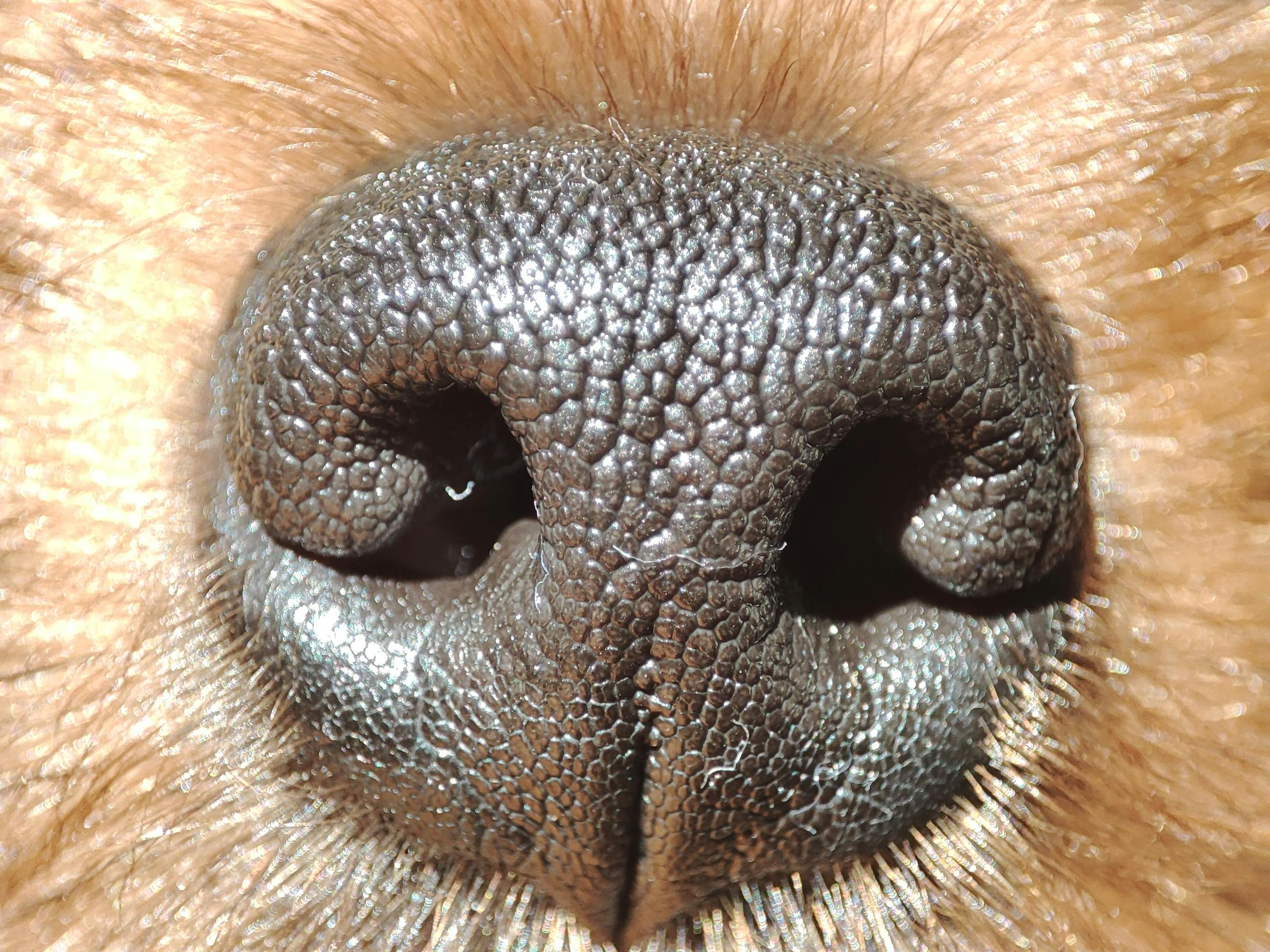
Dogs are often regarded as man’s best friend, and one of the most fascinating aspects of them is their incredible sense of smell. A key player in this is their wet nose. Many people might wonder, why do dogs have wet noses? What purpose do they serve in helping dogs sniff out the world around them? In this article, we’ll explore the intriguing role of a dog’s wet nose in their sense of smell, uncovering the fascinating truth behind it.
The Importance of a Dog’s Sense of Smell
Dogs have an astonishing sense of smell, estimated to be anywhere from 10,000 to 100,000 times more sensitive than humans. This heightened olfactory ability stems from several factors:
- Number of Olfactory Receptors: Dogs have approximately 220 million olfactory receptors compared to a human’s 5 million.
- Olfactory Bulb Size: The part of a dog’s brain that processes smells is larger relative to their brain size than in humans.
- Jacobsen’s Organ: This special organ allows dogs to detect pheromones and other chemical signals, enhancing their ability to understand their environment.
Why Do Dogs Have Wet Noses?
Now, let’s dive into the question that brought you here: why do dogs have wet noses? There’s a few reasons for this unique feature:
Enhanced Smell: The moisture on a dog’s nose helps capture scent particles. A wet nose can absorb these particles more effectively than a dry one. It’s like having a sponge that soaks up all the smells around them.
Temperature Regulation: Dogs do not sweat like humans do. Instead, they cool themselves off through their noses. A wet nose aids in regulating their body temperature, especially during warm weather.
Health Indicator: A dog’s nose can be an indicator of their health. A healthy dog typically has a cool, moist nose, while a dry or hot nose might indicate illness or dehydration.
Communication Tool: Dogs use their noses to communicate with each other. They often smell each other’s noses to gather information. A wet nose can help transfer scents more effectively during these interactions.
Historical Context of Dogs’ Noses
Historically, dogs have been bred for specific tasks, many of which relied heavily on their sense of smell. For instance:
- Hunting Dogs: Bred to track down game, these dogs needed an acute sense of smell to fulfill their roles.
- Detection Dogs: In modern times, dogs are used by law enforcement and military for drug detection, bomb sniffing, and search and rescue missions. Their wet noses play a crucial role in their effectiveness in these jobs.
Fascinating Facts About Dogs’ Noses
Here are some interesting facts about dogs and their noses:
- Nose Prints: Just like human fingerprints, every dog has a unique nose print. This can actually be used as a form of identification.
- Temperature Sensitivity: Dogs can detect temperature differences as small as 1 degree Fahrenheit. This helps them locate food or potential dangers.
- Smell and Taste Connection: A dog’s taste is also influenced by smell. They have fewer taste buds than humans but can distinguish flavors through scent.
Practical Examples: How Dogs Use Their Noses
Dogs use their noses in various ways. Here’s a list of situations where their sense of smell comes into play:
- Finding Lost Items: Many dogs can be trained to find lost keys or wallets by following the scent.
- Tracking: Search and rescue teams often utilize dogs to track missing persons, as their noses can pick up scents that are days or even weeks old.
- Alerting to Medical Problems: Some dogs can sense medical conditions, like low blood sugar or impending seizures, simply through their keen sense of smell.
Comparison: Dogs vs. Humans
When comparing dogs and humans in terms of smell, the differences are staggering. Here’s a simple breakdown:
| Feature | Dogs | Humans |
|---|---|---|
| Olfactory Receptors | ~220 million | ~5 million |
| Smell Sensitivity | 10,000 to 100,000 times better | Standard human level |
| Ability to Detect Pheromones | Yes | Limited |
Dogs’ wet noses serve as an essential tool in their highly developed sense of smell. This unique feature not only aids in their ability to navigate the world but also contributes to their health and communication. Whether you’re a dog owner or simply a dog lover, understanding the role of a dog’s wet nose can deepen your appreciation for these remarkable creatures. So next time you see a dog with their wet nose, remember the fascinating truth behind it.
Why Do Dogs’ Noses Get Wet? Exploring the Impact of Temperature and Environment

Dogs are some of the most loved pets around the world, and they often bring laughter and joy into our lives. One of the most interesting and unique things about dogs is their wet noses. Have you ever wondered why exactly do dogs have wet noses? It’s a question that many pet owners ask, and the answer is both fascinating and complex. In this article we will explore why dogs’ noses get wet, and how temperature and environment play a role.
The Science Behind Wet Noses
A dog’s nose is not just for show; it serves many important functions. The wetness of a dog’s nose can be attributed to several factors:
Temperature Regulation: Dogs don’t sweat like humans do. Instead, they rely on their noses to help regulate their body temperature. When a dog’s nose is wet, it helps cool them down.
Enhanced Smell: A wet nose helps to absorb scent molecules, making it easier for dogs to detect smells. This is essential for their hunting instincts and overall sensory perception.
Moisture Retention: The moisture on a dog’s nose keeps the skin supple and aids in the sense of smell. A dry nose might mean that a dog is dehydrated or not feeling well.
Environmental Factors Influencing Nose Wetness
Several environmental factors can influence how wet a dog’s nose gets. Understanding these can help you care for your furry friend better.
Humidity Levels: In humid environments, a dog’s nose tends to stay wetter. This is because moisture in the air can easily cling to the surface of the nose.
Temperature Changes: Hot weather can cause a dog’s nose to dry out. However, when dogs are cooled down with water or shade, their noses may become wet again.
Health Conditions: Sometimes a wet nose can indicate good health, while a dry nose might signal problems. Conditions such as fever or dehydration can cause a dog’s nose to dry out.
Activity Levels: After playing outside or going for a walk, a dog’s nose might be wetter due to panting, which moistens the air they exhale.
Common Myths About Dog Noses
There are many myths surrounding why dogs have wet noses, and debunking these can help pet owners understand their furry friends better. Here are some common misconceptions:
A Wet Nose Means a Healthy Dog: While a wet nose often indicates that a dog is healthy, it’s not a definitive sign. Some dogs can have a wet nose and still be unwell.
Dogs Only Have Wet Noses When They’re Happy: Dogs can have wet noses regardless of their emotions. The wetness is more related to their physiology than their mood.
All Dogs Have the Same Nose Moisture: Different breeds can have different nose moisture levels. For example, brachycephalic breeds might have different nose characteristics than those with longer snouts.
Understanding Dog Nose Health
Monitoring your dog’s nose health can be quite important. Here are some signs to look out for:
Color Changes: A healthy dog’s nose is usually a dark color. If you notice discoloration, it might signal a health issue.
Cracks or Dryness: If a dog’s nose becomes cracked or excessively dry, it may need veterinary attention.
Excessive Wetness: A constantly dripping nose can also indicate allergies or infections.
Tips for Keeping Your Dog’s Nose Healthy
Here are some practical tips to help maintain your dog’s nose health:
Stay Hydrated: Ensure your dog has access to fresh water at all times. Hydration plays a key role in keeping noses moist.
Monitor Temperature: In extreme heat, provide shade and cool water to help your dog regulate their body temperature.
Regular Vet Check-ups: Schedule regular vet visits to keep track of your dog’s overall health, including their nose.
Watch for Allergens: Be aware of potential allergens in your dog’s environment that could affect their nose health.
In summary, dogs have wet noses for several reasons linked to their biology and environment. Understanding this can help you ensure your pet stays healthy and happy. Whether you’re a new dog owner or a seasoned one, knowing the facts behind those wet noses can deepen your bond with your furry friend.
5 Myths About Dog Noses Debunked: Wet vs. Dry Nose Explained
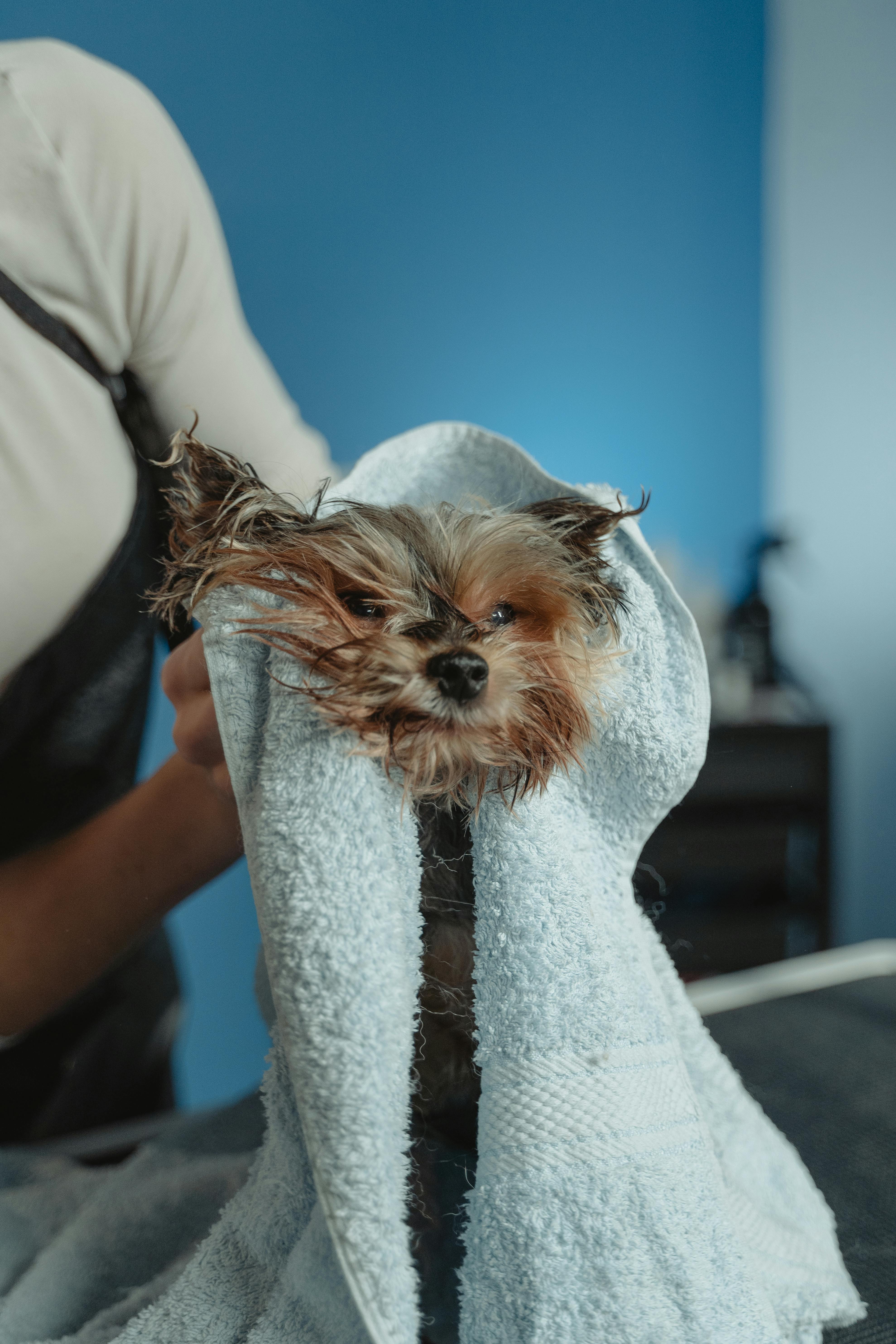
If you ever wonder why dogs have wet noses or think about the myths surrounding them, you’re not alone. Many people have strange ideas about dog noses, and it can get a little confusing. Dogs noses are fascinating and need some explaining. Let’s dive into the five myths about dog noses that just ain’t true, and explore why they are wet, and what that really means.
Myth 1: A Wet Nose Means A Healthy Dog
One common belief is that if a dog has a wet nose, it’s healthy. But this isn’t always the case. While a wet nose can indicate hydration and a certain level of health, it ain’t the only sign. Dogs can have dry noses for many reasons, including:
- Weather conditions: Hot or cold weather can affect the moisture levels.
- Age: Older dogs may have drier noses.
- Medical conditions: Certain illnesses can cause a dry nose too.
So, don’t rely just on the moisture of the nose to determine your dog’s well-being.
Myth 2: Dogs Lick Their Noses to Keep Them Wet
You might have heard that dogs lick their noses to keep them moist. While it’s true that licking can help, that is not the primary reason they have wet noses. Dogs have wet noses mostly due to mucus secretion and the unique way their bodies regulate temperature. Licking can add a bit of moisture, but it’s not the main method. Here’s a breakdown of why dogs have wet noses:
- Mucus glands: These glands produce moisture which keeps the nose wet.
- Temperature regulation: A wet nose helps dogs cool off and enhances their sense of smell.
Myth 3: All Dogs Have Wet Noses
It’s a common assumption that all dogs have wet noses, but that’s not quite right. Some breeds have naturally drier noses due to their genetics. For example, brachycephalic breeds, like Bulldogs and Pugs, might show less moisture on their noses. Here’s a list of breeds that might have a drier nose:
- Bulldogs
- Pugs
- Shih Tzus
- Boxers
So, if you see a dog with a dry nose, don’t panic. It could be completely normal for that breed!
Myth 4: A Dry Nose Equals Illness
Another widespread misconception is that if a dog’s nose is dry, it’s sick. This can lead to unnecessary worry among pet owners. While a consistently dry nose could indicate a problem, it doesn’t always mean there’s something wrong. You should consider other signs like:
- Changes in behavior
- Appetite loss
- Lethargy
- Signs of discomfort
If your dog’s nose is dry but they are otherwise acting normally, it might not be a cause for concern.
Myth 5: Dogs Use Their Noses to Detect Illness
Many people think that a dog’s wet nose can somehow detect illness in humans, but this is a bit exaggerated. Dogs do have a remarkable sense of smell and can be trained to detect certain health issues, like low blood sugar or certain cancers. However, the wetness of their nose doesn’t directly play a role in this ability. Here’s how dogs can detect illness:
- Sense of smell: Dogs have up to 300 million olfactory receptors, compared to about 5 million in humans.
- Training: Certain breeds are better at detecting specific scents and can be trained for medical detection work.
So, while a wet nose is a sign of a healthy dog, it’s not the key to diagnosing human illnesses.
Why Do Dogs Have Wet Noses? Discover The Fascinating Truth!
Well, dogs have wet noses mainly for a few reasons. Besides the moisture from mucus glands helping with smell, it also aids in thermoregulation. The wetness on their nose allows for better scent detection because it helps to trap scent particles. This is crucial for dogs since they rely heavily on their sense of smell for communication and interaction with the world.
- Scent trapping: The moisture helps capture scent particles.
- Temperature regulation: Keeps them cool during hot days.
In some ways, their wet noses are an important tool for survival and communication.
Now, when you see a dog with a wet or dry nose, remember the facts behind the myths. Understanding the truth can help you provide better care for your furry friend. So the next time you ask, “why do dogs have wet noses?” you will know there’s more to it than just a health indicator. Dogs are complex creatures, and their noses are just one part of their amazing biology.
The Connection Between Dog Nose Moisture and Their Emotions: What Experts Say
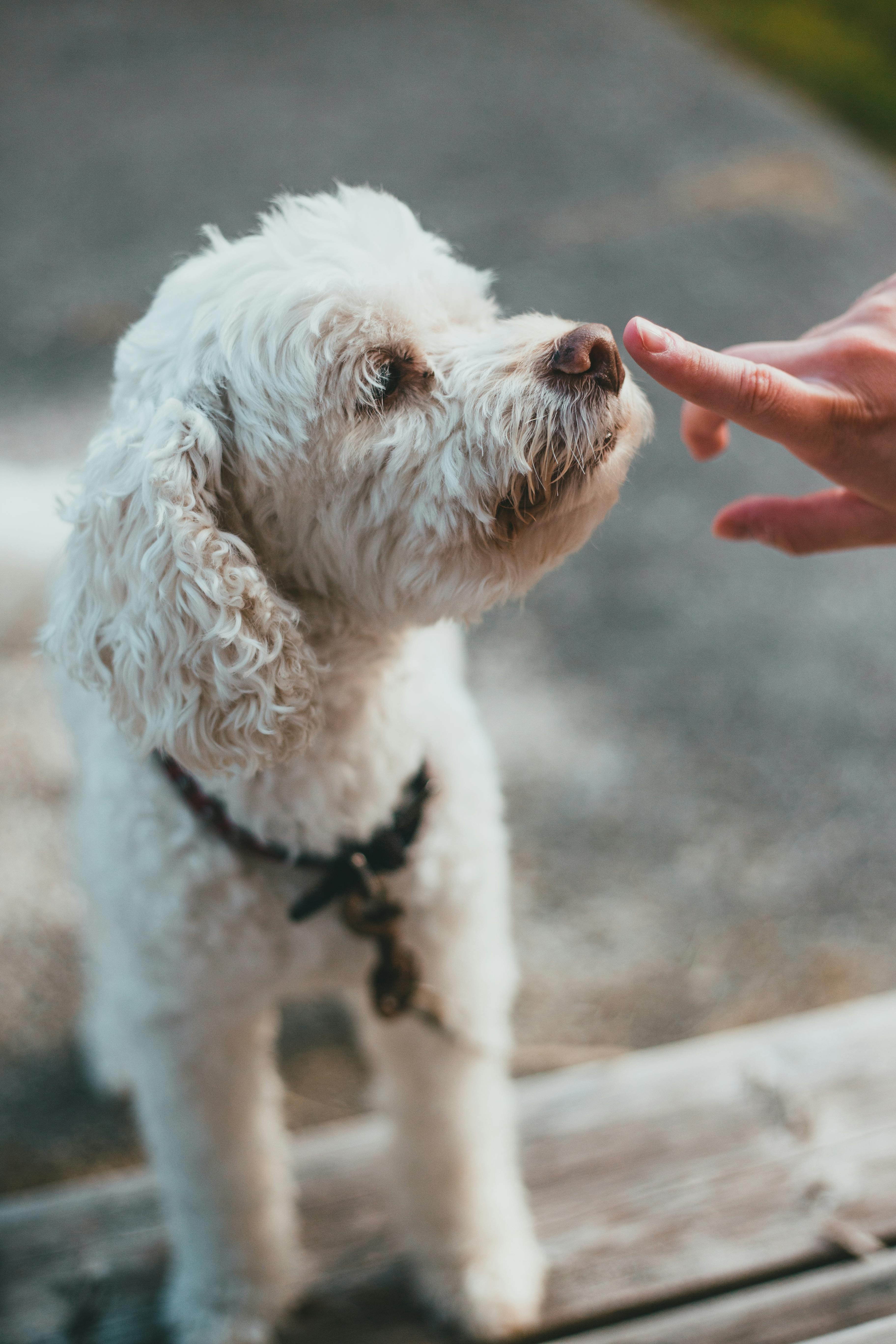
Dogs are one of the most beloved pets around the world, and one of the most curious things about them is their wet noses. Ever wonder why do dogs have wet noses? It’s not just for show. There’s a fascinating connection between dog nose moisture and their emotions. Experts have some interesting insights on this, and it’s worth diving into the details.
The Science Behind a Dog’s Wet Nose
First off, a dog’s nose is a marvel of nature. It’s covered in a special layer of tissue that helps them smell better than humans can ever imagine. But why is it wet? Well, the moisture on a dog’s nose serves several important purposes:
- Enhanced Smell: A wet nose helps to trap scent particles in the air. The moisture allows scents to dissolve, which dogs then pick up with their highly sensitive olfactory receptors.
- Temperature Regulation: Just like humans sweat, dogs use their noses to help regulate their body temperature. The moisture evaporates, cooling them down a bit.
- Health Indicator: A dog’s nose can sometimes indicate health issues. A dry nose may signal dehydration or illness, while a consistently wet nose is often seen as a sign of good health.
The Emotional Connection
Now, here is where it gets really interesting! Experts say that the moisture in a dog’s nose can also reflect their emotional state. Dogs are social animals, and they express their feelings in various ways. Moisture level can change based on their mood.
- Excitement: When a dog is excited or happy, their nose might become more moist. This is partly due to increased blood flow as they prepare for play or interaction.
- Anxiety: Conversely, if a dog is stressed or anxious, their nose might feel drier. This can be a sign that they are not feeling well emotionally.
- Calm States: A dog that is relaxed and comfortable tends to have a nose that stays at a normal moisture level.
Common Misconceptions
There are many myths surrounding dog noses. Let’s clear some of them up:
- Warm vs. Cold Nose: People often think that a warm nose means a dog is sick. However, it’s not a definitive indicator. The temperature can vary based on the environment and activity level.
- Wet Noses Always Mean Healthy Dogs: While moist noses are usually a good sign, it’s not the only indicator of health. Look for other signs like energy levels and appetite.
Historical Context of Dog Noses
Did you know that dogs have been companions to humans for thousands of years? Ancient cultures recognized their keen sense of smell and wet noses. The Egyptians even bred dogs for hunting and guarding based on their olfactory skills. Wet noses were seen as a sign of vitality, which is interesting, considering the emotional connection we talk about today.
Practical Tips for Dog Owners
So, what can you do to ensure your dog’s nose stays healthy and moist? Here are some practical tips:
- Hydration is Key: Always make sure your dog has access to fresh water.
- Regular Vet Check-ups: Keeping up with vet visits helps catch any issues early.
- Observe Behavior Changes: If you notice a sudden change in your dog’s nose moisture or overall behavior, consult your veterinarian.
Fun Facts About Dog Noses
Here are some quirky and fun facts that might surprise you about dog noses:
- Unique Patterns: Just like human fingerprints, every dog’s nose print is unique.
- Scent Detectives: Dogs can detect certain diseases like cancer through their sense of smell, which is directly related to their wet noses.
- Nose Work: Many dogs are trained for nose work activities, where they find hidden scents, showcasing their incredible olfactory abilities.
Conclusion
The connection between dog nose moisture and their emotions is an intriguing aspect of canine behavior. While wet noses serve practical purposes, they also reflect how a dog is feeling. Understanding this helps in nurturing a strong bond with your furry companion. So, next time you pet your dog and feel that moist nose, remember there’s more to it than just a cute feature! It’s a glimpse into their emotions, health, and the deep connection they share with us.
Can a Wet Nose Indicate Illness in Dogs? Understanding Health Signals

When you see a dog with a wet nose, you might wonder what it means. Is it just a normal thing, or could it be a signal of something more serious? This article explores the connection between a dog’s wet nose and their health, diving into why dogs have wet noses in the first place. Knowing these facts can help you be more aware of your furry friend’s health.
Why Do Dogs Have Wet Noses?
Dogs’ noses are often wet for a couple of reasons. One major reason is that it helps them to smell better. Dogs have an incredible sense of smell, and moisture on their noses helps to capture scent particles in the air. Isn’t that fascinating? The wetness can amplify their ability to detect different smells. It’s like how we humans often smell better when something is fresh or moist.
Here are some additional points on why dog noses are wet:
- Cooling Mechanism: Dogs don’t sweat like humans do. Their noses help them cool down. When they pant, moisture evaporates from their nose, helping to regulate their body temperature.
- Health Indicator: A wet nose is usually a sign of a healthy dog. However, changes in moisture levels can be a signal of health issues.
- Social Interaction: Dogs also use their noses to communicate. A wet nose can be inviting to other dogs and even humans, encouraging social behavior.
Can a Wet Nose Indicate Illness in Dogs?
It’s important to know that while a wet nose is often a sign of health, it’s not always the case. Sometimes a wet nose could indicate illness. Here’s how you can tell:
- Dry Nose: If a dog’s nose is unusually dry or cracked, it could be a sign that they are dehydrated or sick.
- Changes in Temperature: A cold nose is often considered normal, but if it feels warm and dry, it could mean your dog is having a fever.
- Persistent Discharge: If you notice yellow or green discharge coming from the nose, it could indicate an infection. This is a definite reason for a visit to the vet.
Common Health Issues Related to Nose Condition
Here are some health conditions that may be indicated by changes in a dog’s nose:
- Allergies: Just like humans, dogs can have allergies. If their nose is persistently wet or leaking, it might be an allergic reaction.
- Infections: Bacterial or viral infections can cause changes in moisture levels. A vet can help diagnose this.
- Autoimmune Diseases: Some autoimmune conditions can affect a dog’s nose. Look out for sores or discoloration.
What Should You Do If You Notice Changes?
If you observe any unusual signs in your dog’s nose, consider taking these steps:
- Monitor: Keep an eye on your dog’s behavior and overall health. Changes in appetite or energy levels can provide additional clues.
- Consult a Vet: If the changes are significant or persistent, it’s best to consult a veterinarian. They can provide a proper diagnosis.
- Hydrate: Make sure your dog has access to fresh water at all times. Dehydration can worsen health issues.
Interesting Facts About Dogs’ Noses
- Dogs have up to 300 million smell receptors, compared to about 5 million in humans.
- The wetness of a dog’s nose can change throughout the day. It can be wetter after they’ve been outside or after a drink of water.
- Different breeds can have different nose shapes and moisture levels. For example, brachycephalic breeds (like bulldogs) may have different nose conditions compared to longer-nosed breeds.
Comparison Table of Dog Nose Conditions
| Condition | Wet Nose | Dry Nose | Additional Symptoms |
|---|---|---|---|
| Healthy Dog | Yes | Rarely | Active, playful |
| Dehydration | Rarely | Yes | Lethargy, loss of appetite |
| Allergies | Sometimes | Sometimes | Itching, sneezing |
| Infection | Rarely | Sometimes | Discharge, fever |
| Autoimmune Disease | Sometimes | Yes | Sores, discoloration |
Understanding your dog’s nose and its condition can help you catch potential health issues early. While a wet nose is usually a good sign, it’s not the only indicator of your dog’s health. Being observant and proactive can make a big difference in your dog’s well-being. So the next time you notice that wet nose, you can appreciate both its function and what it might be saying about your furry friend.
How to Keep Your Dog’s Nose Healthy and Moist: Expert Tips and Tricks

Every dog owner wonders about their furry friend’s health, and one of the most common questions is: why do dogs have wet noses? It’s a fascinating question, really, and understanding it can help you keep your dog happy and healthy. The moisture on a dog’s nose isn’t just for looks; it’s actually plays an important role in their overall well-being.
The Purpose of a Dog’s Wet Nose
Dogs have wet noses for several reasons, and knowing these can be incredibly useful for any pet parent.
Temperature Regulation: A wet nose helps cool the dog’s body. When dogs breathe, moisture evaporates from their noses, helping to reduce their body temperature.
Enhanced Sense of Smell: The moisture on a dog’s nose helps to trap scent particles. This makes it easier for dogs to pick up scents in their environment, which is why they have such an amazing sense of smell.
Health Indicator: A nose that is too dry or too warm can indicate health issues. A wet nose is generally a sign of a healthy dog, while a dry or cracked nose might suggest dehydration or illness.
How to Keep Your Dog’s Nose Healthy and Moist
Keeping your dog’s nose in tip-top shape is not hard, and it can be done with a few simple steps. Here’s some expert tips and tricks you might find useful:
Hydration is Key: Make sure your dog always has access to fresh water. Dehydration can lead to a dry nose, so keep that water bowl filled!
Regular Vet Check-ups: Regularly visit the veterinarian to ensure that your dog’s overall health is good. Sometimes, a dry nose can be a symptom of underlying health issues.
Humidity Matters: If you live in a dry climate, consider using a humidifier in your home. This can help keep your dog’s nose moist and comfortable.
Nose Balm: If you notice your dog’s nose is dry or cracked, consider using a pet-safe nose balm. These products can help to moisturize and protect your dog’s nose.
Monitor Allergens: Be aware of any allergens that might irritate your dog’s nose. Pollen, dust, and certain chemicals can lead to dryness or other issues.
Limit Sun Exposure: Just like humans, dogs can get sunburned. If your dog spends a lot of time outside, consider applying a pet-safe sunscreen to their nose to protect it from UV rays.
Fun Facts About Dog Noses
Did you know that a dog’s sense of smell is estimated to be 10,000 to 100,000 times more sensitive than that of humans? It’s true! The wetness of their noses plays a major role in their ability to detect scents.
Each dog has a unique nose print, similar to a human fingerprint. This means no two dogs have the exact same nose pattern!
Dogs sweat primarily through their paw pads, but their noses help to cool them down, too. This is why you might see your dog panting on a hot day.
Things to Avoid for a Healthy Nose
While it’s important to keep your dog’s nose healthy, there are a few things to avoid:
Never use human products: Items like Vaseline or other human lotions can be harmful to dogs. Always choose products designed specifically for pets.
Avoid excessive cleaning: Over-cleaning or using harsh chemicals on your dog’s nose can lead to irritation. A damp cloth is usually enough for cleaning.
Don’t ignore changes: If you notice sudden changes in your dog’s nose, like excessive dryness, bleeding, or discoloration, don’t wait. Contact your vet for advice.
Understanding the Fascinating Truth
Understanding why dogs have wet noses and how to keep them healthy is vital for every pet owner. A moist nose is a sign of a happy, healthy dog, and it can provide insight into their overall health.
So, the next time you see your dog’s wet nose, remember that it’s not just cute; it’s an essential part of their health and well-being. Taking small steps to maintain this aspect of your pet’s care can go a long way in ensuring they live a long, happy life. Embrace the quirks of your dog’s nose, and make sure to keep it moist and healthy!
Conclusion
In conclusion, the wet noses of dogs serve several important functions that contribute to their overall health and behavior. The moisture on a dog’s nose helps enhance their sense of smell, allowing them to detect scents more effectively, which is crucial for their communication and hunting instincts. Additionally, the wetness aids in temperature regulation, helping dogs cool down through evaporation. While a cold, wet nose is often a sign of a healthy dog, it’s essential for pet owners to monitor any significant changes, as they could indicate health issues. Understanding the science behind this fascinating aspect of canine biology not only deepens our appreciation for our furry companions but also enhances our ability to care for them. So, the next time you lean in for that familiar nose nudge, remember the remarkable functions behind it, and ensure your dog’s health and happiness by staying informed and attentive to their needs.
