Have you ever wondered, why do dogs have wet noses? It’s a question that sparks curiosity among dog lovers and pet owners alike! A dog’s nose is not just a cute feature; it's a fascinating aspect of their biology that serves various purposes. In this article, we will explore the fascinating truth behind this common canine characteristic. Wet noses are often associated with a dog’s sense of smell, but there is so much more to discover! Did you know that a wet nose helps dogs regulate their body temperature? That's right! Not only do they help in scent detection, but they also play a vital role in keeping your furry friend cool. As you read on, you’ll uncover the science behind why our four-legged companions have these unique, moist noses. Are you ready to dive into the world of canine physiology and understand better your beloved pet's behaviors? Join us to find out the intriguing reasons and benefits of a dog’s wet nose! You won’t believe the amazing facts we have in store for you! So, let’s get started on this paws-itively exciting journey into the wonders of your dog’s wet nose!
\n\nUnderstanding the Science: Why Do Dogs Have Wet Noses and What It Means for Their Health
\n\n \n\n
\n\nDogs are one of the most beloved pets around the world, and one of the most common questions people ask about them is, why do dogs have wet noses? This question may seem simple, but it actually leads to a fascinating exploration of canine biology and health. Let's dive into understanding this intriguing feature of our furry friends.
\nThe Biology Behind Wet Noses
\nFirst, it's important to know that a dog's nose is wet for several reasons. The primary one is related with their sense of smell. Dogs have an exceptional olfactory system, and a moist nose helps to enhance their ability to detect scents. When their noses are wet, it actually helps to trap scent particles better, allowing dogs to interpret smells more effectively. This is a biological adaptation that has been around for thousands of years, probably dating back to when dogs were used for hunting.
\nHow Noses Stay Wet
\nThere are a few factors that contribute to why a dog's nose stays wet. Here’s a list of them:
\n- \n
- Mucous secretion: Dogs produce mucus in their nasal passages that naturally keeps their noses moist. \n
- Saliva: Sometimes, dogs lick their noses, which adds moisture. This is also a way for them to taste the scents they encounter. \n
- Environmental factors: Humidity and temperature can also play a role. For example, a dog’s nose might be dryer in winter, while more soggy in humid summer months. \n
Health Indicators
\nWet noses can provide valuable information about a dog's health. However, it's not the only factor to consider. A healthy dog often has a moist, cool nose, but it’s not an absolute rule. Here’s what you should know:
\n- \n
- Normal moisture: A wet nose usually indicates hydration and good health. \n
- Dry nose: A dry nose might not always mean a problem, but it could indicate dehydration, fever, or health issues if it persists. \n
- Cracked nose: This can signal a more serious condition, like a skin infection or allergies. \n
Historical Context of Dogs' Noses
\nInterestingly, the reason dogs have wet noses isn't merely a biological fluke. Historically, dogs were bred for specific tasks like hunting, herding, or guarding. Their wet noses were an evolutionary trait that supported their survival and efficiency in these roles. In fact, the ability to smell is so well developed in dogs that they can detect certain diseases in humans. Dogs are even used in medical detection roles, helping to identify conditions like cancer or diabetes through scent.
\nComparison of Dog Noses with Other Animals
\nWhen we compare dog noses to other animals, we see some interesting differences. For example:
\n- \n
- Cats: Cats also have wet noses, but their sense of smell is not nearly as strong as that of dogs. \n
- Humans: Human noses are usually dry, and our sense of smell is far less developed than that of dogs. \n
- Bears: Bears have an even more acute sense of smell than dogs, and their noses are also moist, aiding in their hunting abilities. \n
Practical Examples of Nose Health
\nTo keep your dog's nose healthy, here are some practical tips:
\n- \n
- Regular check-ups: Take your dog to the vet for regular check-ups. A vet can help ensure your dog’s overall health. \n
- Hydration: Always ensure your dog has access to fresh water, especially during hot weather. \n
- Monitor changes: Be attentive to any sudden changes in your dog’s nose moisture. If the nose becomes persistently dry or cracked, consult a vet. \n
Fascinating Facts About Dog Noses
\nHere are some fun facts you may not know about dog noses:
\n- \n
- Dogs have up to 300 million smell receptors in their noses, compared to about 5 million in humans. \n
- The surface of a dog’s nose is unique, much like a human fingerprint. \n
- Dogs can detect certain smells at incredibly low concentrations, making them invaluable in search and rescue operations. \n
Their wet noses are not just a cute feature but also a vital part of their biology and health. Understanding why do dogs have wet noses helps us better appreciate our canine companions and their remarkable abilities. So next time you see a dog with a wet nose, remember, it's not just adorable; it's a sign of their amazing biological design.
\n\nThe Surprising Benefits of a Wet Nose: How It Affects Your Dog’s Sense of Smell
\n\n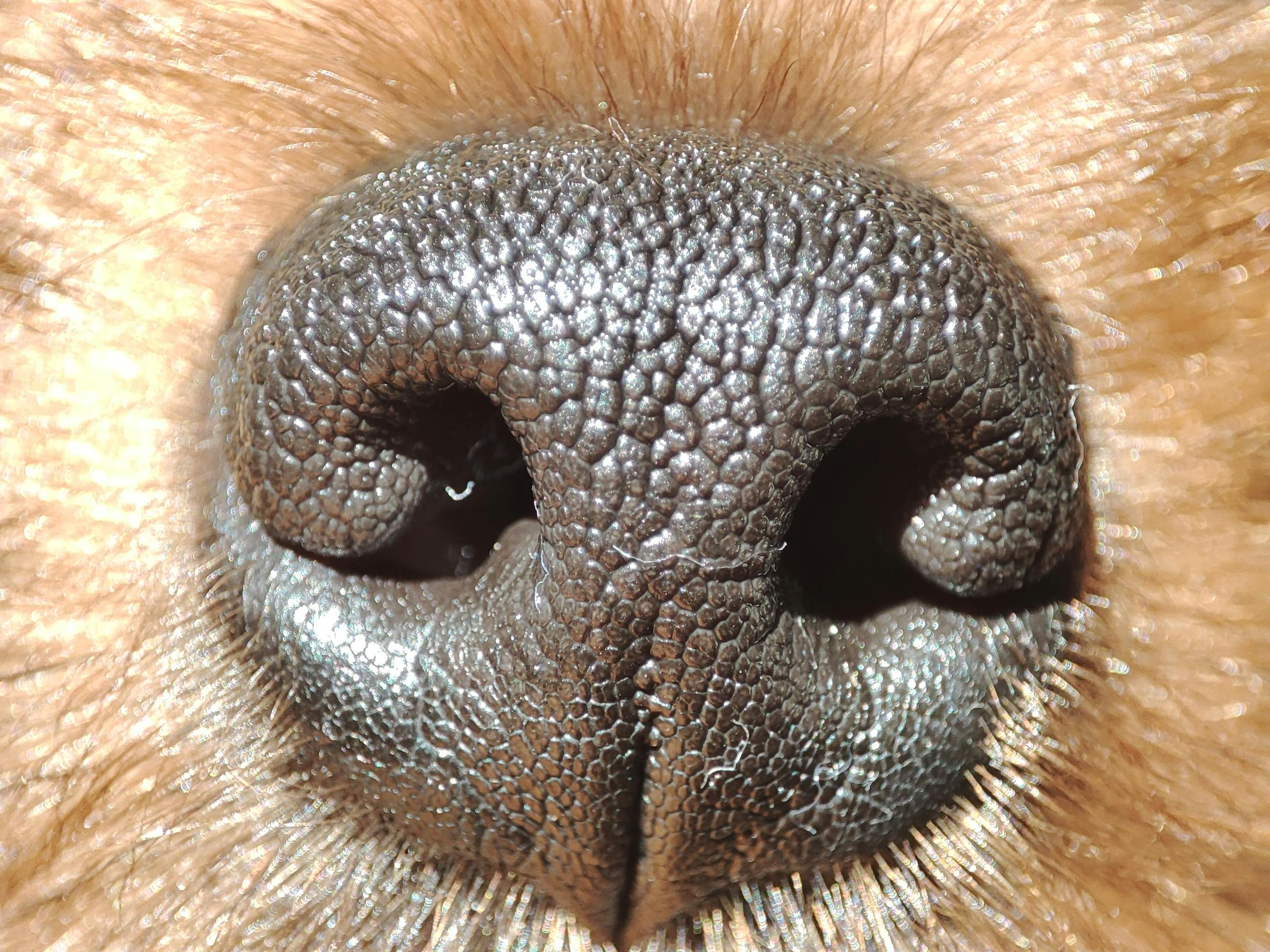 \n\n
\n\nHave you ever wondered why does your dog’s nose feel wet when you pet them? It’s not just for show, there's actually some fascinating science behind it. Dogs have wet noses for a reason, and it plays a crucial role in how they experience the world. Let’s dive into the surprising benefits of a wet nose and explore how it affects your dog's sense of smell. You might be amazed by what you discover!
\nWhy Do Dogs Have Wet Noses?
\nA wet nose isn’t just an adorable feature; it serves multiple purposes. The main reasons dogs have wet noses includes:
\n- \n
- \n
Enhanced Sense of Smell: Dogs have an incredible olfactory system, and a wet nose helps to absorb scent molecules. When the nose is moist, it can trap these particles more effectively, allowing dogs to identify various scents better than us humans can.
\n \n - \n
Temperature Regulation: Just like how we sweat, dogs also use their noses to help cool down. The moisture evaporates from their noses, which can help regulate their body temperature, especially on hot days.
\n \n - \n
Health Indicator: A dog’s nose can sometimes indicate their health. A moist, cool nose is often a sign of a healthy pup, while a dry or warm nose might suggest that something is off, although this is not always the case.
\n \n
How Wet Noses Affect a Dog's Sense of Smell
\nDogs are known for their outstanding smelling abilities, and their wet noses play a significant role in this. Here’s how it works:
\n- \n
- \n
Increased Surface Area: The moist surface of a dog’s nose increases the area for scent particles to land. It’s like having a larger net to catch fish.
\n \n - \n
Mucus Production: The mucus on a dog’s nose helps to dissolve scent particles. When these particles dissolve, it makes it easier for dogs to analyze and recognize different smells.
\n \n - \n
Olfactory Receptors: Dogs have about 300 million olfactory receptors in their noses. That’s a lot more than humans, who have only about 5 million. The wetness enhances the interaction between the scent particles and these receptors, improving their ability to detect and identify smells.
\n \n
The Fascinating Truth About Dog Noses
\nDid you know that dogs can smell certain substances in parts per trillion? That’s a staggering amount! Here’s some more interesting facts about dog noses:
\n- \n
- \n
Different Smell Zones: Dogs have different zones in their noses that are specialized for different types of smells. This means they can differentiate between scents more efficiently.
\n \n - \n
Wet Nose as a Social Tool: Dogs often use their noses to communicate with each other. A wet nose can signal a friendly approach, while a dry nose might indicate stress or discomfort.
\n \n - \n
Breed Variations: Some breeds naturally have wetter noses than others. For instance, hound breeds tend to have particularly moist noses, which enhances their tracking abilities.
\n \n
Practical Examples of Wet Noses in Action
\nLet’s take a look at some examples that highlight how a wet nose can be beneficial:
\n- \n
- \n
Tracking: Bloodhounds, with their wet noses, can track scents over long distances, even days after the trail was laid. They are often used in search and rescue operations.
\n \n - \n
Detecting Illness: Dogs have been trained to detect certain illnesses like cancer or diabetes through their sense of smell. Their wet noses help in picking up the unique odor signatures associated with these conditions.
\n \n - \n
Finding Missing Persons: Search and rescue dogs utilize their keen sense of smell, aided by their wet noses to locate missing persons in various environments, from wilderness areas to disaster sites.
\n \n
Comparison of Dog Noses vs. Human Noses
\nHere’s a quick comparison that shows just how powerful a dog’s sense of smell is compared to ours:
\n| Feature | \nHuman Nose | \nDog Nose | \n
|---|---|---|
| Olfactory Receptors | \n5 million | \n300 million | \n
| Detectable Scent | \nParts per million | \nParts per trillion | \n
| Sensitivity | \nLimited | \nExtremely sensitive | \n
| Nose Moisture | \nRarely moist | \nUsually moist | \n
The differences are staggering, showing just how remarkable dogs really are when it comes to their sense of smell.
\nUnderstanding why do dogs have wet noses can deepen your appreciation for your furry friend and their amazing abilities. Next time you give your dog a scratch behind the ears, take a moment to marvel at that wet nose and all the wonders it holds. It’s not just a cute feature, but a vital part of what makes dogs so special in our lives.
\n\nIs Your Dog’s Nose Too Wet? Discover Common Health Concerns to Watch For
\n\n \n\n
\n\nEvery dog owner wonders about their furry friend’s health. One common thing that gets noticed is the moisture of a dog's nose. "Is your dog’s nose too wet?" is a question that might pop up in your mind, especially if you’re noticing changes. Wet noses is often seen as a sign of health, but sometimes, it could indicate something else. Let’s dive into the reasons behind why dogs have wet noses and the health concerns you should keep an eye on.
\nWhy Do Dogs Have Wet Noses?
\nDogs noses are naturally moist for several reasons. Here’s a quick rundown:
\n- \n
- \n
Sense of Smell: The wetness helps to capture scent particles, enhancing their ability to smell. It's like how humans can taste food better when it’s mixed with saliva.
\n \n - \n
Temperature Regulation: Just like humans sweat, dogs use their noses to help cool down. When they breathe, moisture evaporates from their noses, helping to regulate body temperature.
\n \n - \n
Health Indicator: A moist nose is often seen as a sign of a healthy dog. But that’s not always the case, as changes in moisture can indicate health issues.
\n \n
Common Health Concerns Linked to Nose Wetness
\nWhile a wet nose is usually a good sign, there's some situations where it might suggest health problems. Here’s what to look out for:
\n- \n
- \n
Excessive Moisture: If your dog’s nose is excessively wet and stays that way, it could be a sign of an underlying issue.
\n \n - \n
Dry Nose: A dry or cracked nose can indicate dehydration or fever. Pay attention if your dog is behaving differently.
\n \n - \n
Discharge: If there is any unusual discharge from their nose, it might indicate allergies or infections that need attention.
\n \n - \n
Nasal Bleeding: If you see blood, it’s serious and you should seek veterinary help immediately.
\n \n - \n
Changes in Behavior: If your dog is lethargic, doesn’t want to eat, or shows any signs of discomfort, don’t ignore it.
\n \n
Signs of Health Issues to Watch For
\nHere’s a quick list of signs that might indicate health issues:
\n- \n
- Loss of appetite \n
- Vomiting or diarrhea \n
- Coughing or sneezing \n
- Excessive licking of the nose \n
Historical Context of Dog Nose Health
\nHistorically, dogs were bred for specific tasks, and their noses played a vital role in their work. Working dogs relied heavily on their sense of smell, which is why a wet nose was often seen as a healthy trait. Veterinarians often refer to the wetness as "the nose rule," suggesting that a healthy nose is typically wet.
\nInteresting Facts About Dog Noses
\nDid you know that a dog's sense of smell is anywhere from 10,000 to 100,000 times more sensitive than that of a human? This ability is largely due to their wet noses. Here are some fascinating tidbits:
\n- \n
- Dog noses have unique patterns similar to human fingerprints. \n
- The moisture on their noses helps enhance their olfactory receptors. \n
- Dogs can smell fear, which is why they sometimes react differently to people. \n
When to Contact a Veterinarian
\nIf you observe any abnormal signs, it’s always a good idea to consult your veterinarian. Here’s a quick guide on when to seek help:
\n- \n
- If your dog's nose is dry with other symptoms like vomiting. \n
- If there is a persistent abnormal discharge. \n
- Any sudden changes in behavior or appetite. \n
Final Thoughts
\nUnderstanding why dogs have wet noses and what changes might mean can help you keep your beloved pet healthy. Always pay attention to their behavior and look for any signs that could indicate an issue. While a wet nose is often a good sign, don’t hesitate to reach out to your vet if you have concerns. Your dog’s well-being is worth the extra attention.
\n\nThe Role of Nose Moisture: How Wet Noses Help Dogs Communicate and Interact
\n\n \n\n
\n\nUnderstanding why dogs have wet noses is kinda fascinating and can really help us connect with our furry friends. Dogs are known for their loving nature, but their wet noses play a major role in their communication and interaction with the world. So, what’s the deal with all that moisture? Let’s explore the science, the history, and why those wet noses are more than just cute.
\nThe Science Behind Wet Noses
\nWet noses in dogs serve several purposes. It’s not just a quirky trait; it's actually a biological advantage. Here are some reasons why dogs have wet noses:
\n- \n
- \n
Enhanced Sense of Smell: A wet nose helps capture scent particles. The moisture on the surface of the nose absorbs these particles, allowing dogs to smell better. Dogs have an incredible sense of smell, estimated to be tens of thousands to possibly even 100,000 times more sensitive than humans. This means they can detect scents that we can't even imagine.
\n \n - \n
Temperature Regulation: Dogs can't sweat like humans do. Instead, they cool down through their noses and paw pads. The wetness on their noses helps to regulate temperature, keeping them comfortable in various environments.
\n \n - \n
Communication Tool: Dogs communicate with each other through various means, including body language and scent. A moist nose can signal a dog’s emotional state. For instance, a wet nose may indicate that a dog is happy and healthy.
\n \n - \n
Health Indicator: A dog’s nose moisture can also be a sign of their health. A healthy dog typically has a cool, wet nose. If it becomes dry or warm, it may indicate a health issue, and it’s always best to check with a vet.
\n \n
Historical Context: Dogs and Their Noses
\nHistorically, dogs and their noses have been central to their role as companions and workers. They’ve been bred for various tasks that rely heavily on their sense of smell. Here are some roles that dogs have played through history:
\n- \n
- \n
Hunting Partners: In ancient times, dogs were used for hunting. Their keen sense of smell helped hunters track animals. They would assist in locating game, making them invaluable companions.
\n \n - \n
Search and Rescue: Dogs have been used in search and rescue operations for centuries. Their ability to smell missing persons or detect drugs and explosives makes them essential in law enforcement and rescue missions.
\n \n - \n
Service Animals: Today, dogs serve as service animals for individuals with disabilities. Their noses help them navigate and interact with the environment, improving the quality of life for those they assist.
\n \n
Why Do Dogs Have Wet Noses? The Fascinating Truth!
\nThe reasons for a dog’s wet nose aren't just functional; they’re also deeply rooted in their behavior and social interactions. Dogs use their noses to gather information about their environment, other animals, and even humans. Here are some ways they do this:
\n- \n
- \n
Scent Marking: Dogs have scent glands in their noses, which they use to mark territory. Wet noses help them to leave their scent in a more effective manner.
\n \n - \n
Social Interaction: When dogs meet each other, they often sniff each other's noses as a way of greeting. This is a natural behavior that helps them gather information about the other dog's health, mood, and even diet.
\n \n - \n
Bonding with Humans: Dogs often nuzzle with their noses to show affection. A wet nose can be a comforting touch that builds a stronger bond between dogs and their humans.
\n \n
Fun Facts About Dog Noses
\n- \n
- Dogs have two different types of scent receptors – one for detecting scents and the other for identifying them. \n
- The moisture on a dog’s nose can vary depending on their activity level and environment. \n
- Each dog's nose print is unique, much like a human fingerprint! This can even be used for identification. \n
Comparing Dog Noses to Human Noses
\nHere's a quick look at how dog noses differ from human noses in terms of functionality:
\n| Feature | \nDog Nose | \nHuman Nose | \n
|---|---|---|
| Sense of Smell | \nExtremely sensitive | \nLess sensitive | \n
| Moisture | \nTypically moist | \nGenerally dry | \n
| Temperature Regulation | \nHelps cool down | \nSweating through skin | \n
| Communication | \nUses scent to communicate | \nUses verbal and visual cues | \n
Understanding the role of nose moisture in dogs enhances our knowledge of these amazing creatures. It’s not just about wetness; it’s about how dogs interact with their world and how we can better understand them. By appreciating the science and history behind their wet noses, we can deepen our connection with our loyal companions. So, next time you see your dog’s wet nose, remember, it’s a powerful tool that helps them navigate, communicate, and bond with the world around them.
\n\n5 Fascinating Facts About Dog Noses: Why Wetness is a Key to Their Survival
\n\n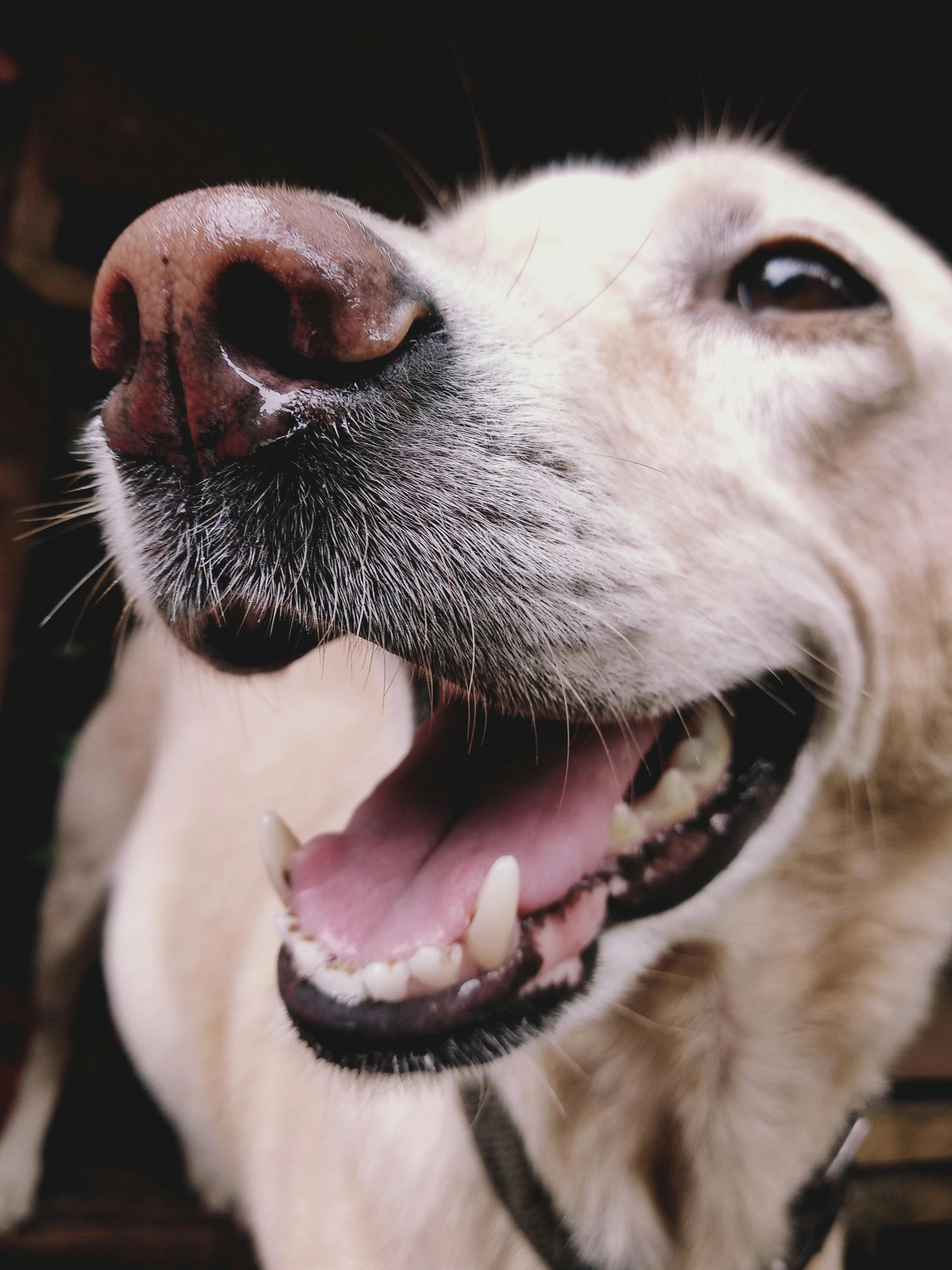 \n\n
\n\nDogs, man’s best friend, have a lot of interesting features. One of the most intriguing is their noses. Ever wondered why do dogs have wet noses? It's not just for show! Wetness plays a crucial role in how dogs interact with the world. Let’s dive into some fascinating facts about dog noses and discover why this trait is key to their survival.
\n1. Wet Noses Help with Smell
\nDog noses are wet for a reason! The moisture on a dog's nose helps them detect scents much better. The wetness traps scent particles in the air, making it easier for dogs to identify different odors. With around 220 million scent receptors in their noses, compared to about 5 million in humans, dogs have an incredible sense of smell. This ability is why dogs can be trained to sniff out drugs, explosives, and even medical conditions like cancer!
\n2. Temperature Regulation
\nDid you know that a dog's nose also helps them to regulate their body temperature? When dogs pant, they exhale moisture, and their wet noses help to cool them down. It’s like having a built-in air conditioner! On hot days, dogs often lick their noses to keep them moist, which in turn helps keep their body temperature down.
\n- \n
- Here’s how it works:
- \n
- Moisture evaporates from the nose. \n
- This evaporation cools the blood flow near the surface. \n
- Helps maintain a lower body temperature. \n
\n
3. Communication Tool
\nDogs use their noses not just for smelling but also for communicating with other dogs. A wet nose can signal to another dog that they are friendly and approachable. When dogs greet each other, they often sniff each other's noses and behinds, which is a way of gathering information about each other. The moisture can indicate their emotional state, making it a subtle yet vital part of canine communication.
\n4. Health Indicators
\nAn unusual change in a dog’s nose can indicate health issues. A perfectly healthy dog usually has a cool, moist nose. If you notice your dog’s nose is dry or cracked, it could be a sign of dehydration or illness. Other health conditions might include:
\n- \n
- Fever \n
- Allergies \n
- Skin infections \n
- Autoimmune diseases \n
It’s important to observe your dog's nose along with other symptoms. If you see something concerning, better take them to the vet for a check-up.
\n5. Individual Unique Patterns
\nJust like human fingerprints, every dog has a unique noseprint. The patterns of ridges and creases on a dog's nose can be used to identify them. There are even organizations that catalog these unique patterns for dog identification, similar to the way humans use fingerprints. This uniqueness adds another layer to the amazing world of dogs!
\nFun Facts About Dog Noses
\nHere’s a quick list of some additional fun facts about dog noses:
\n- \n
- Dogs can detect certain scents at a concentration as low as one part per trillion. \n
- The structure of a dog's nose is designed to filter out air, allowing them to smell better. \n
- Puppies are born with pink noses that darken as they grow older. \n
- Dogs can even smell emotional changes in humans, picking up on pheromones released during stress or happiness. \n
Why Dogs Have Wet Noses: The Fascinating Truth
\nSo, why do dogs have wet noses? The answer is multifaceted. From enhancing their sense of smell to helping with temperature regulation and communication, the wetness of a dog's nose is vital to their survival and wellbeing. The unique characteristics of dog noses make them some of the most advanced scent detectors in the animal kingdom.
\nIn summary, the next time you pet your dog and feel that wet nose against your hand, remember all the incredible functions it serves. A dog's nose is more than just an adorable feature; it's a sophisticated tool essential for their everyday life. Whether they’re tracking a scent, cooling off, or communicating, those wet noses are a key part of what makes dogs such wonderful companions. So, every time you ask, "why do dogs have wet noses?", you can appreciate the fascinating truth behind this unique trait!
\n\nHow to Keep Your Dog’s Nose Healthy: Essential Tips for Pet Owners
\n\n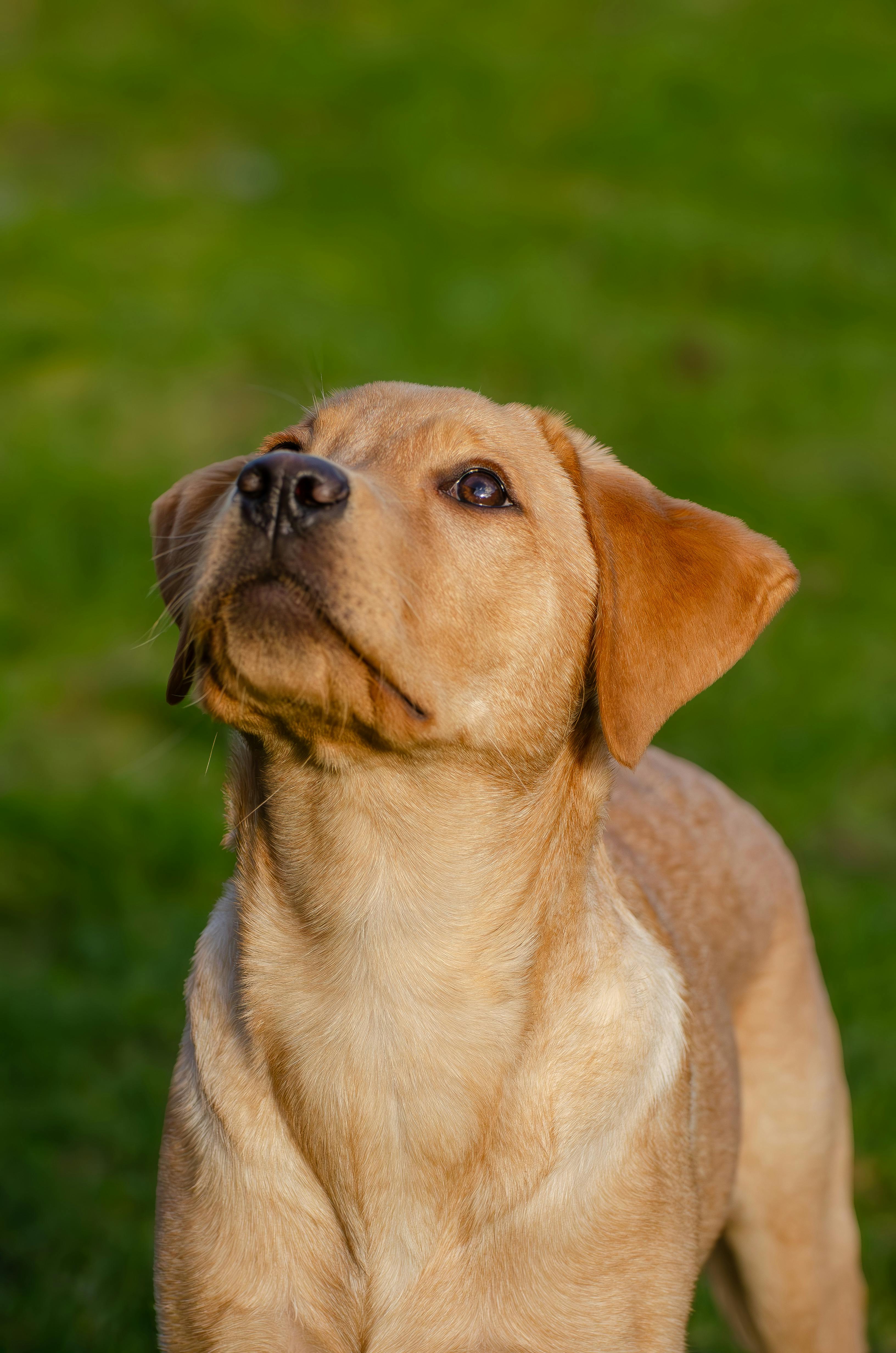 \n\n
\n\nDogs are more than just pets; they are family members. As a pet owner, you probably want to take good care of your furry friend, and that includes keeping their nose healthy. But have you ever wondered why do dogs have wet noses? The truth is, there’s a fascinating science behind it. In this article, we’ll explore essential tips for maintaining your dog’s nose health while uncovering the secrets of those adorable, moist noses.
\nWhy Do Dogs Have Wet Noses? Discover the Fascinating Truth!
\nDogs noses are wet for a variety of reasons. First off, it helps them to smell better. The moisture traps scent particles and enables them to pick up different smells more effectively. There’s been studies that show dogs have an astounding sense of smell—up to 100,000 times better than humans!
\nAnother reason for a dog’s wet nose is thermoregulation. Dogs don’t sweat like humans do; instead, they rely on their noses to help cool down. When dogs pant or breathe, the moisture on their noses evaporates, helping to reduce their body temperature.
\nHere are some quick facts about dog noses:
\n- \n
- Dogs have around 220 million scent receptors in their noses. \n
- The wetness of their noses can change throughout the day. \n
- A dog’s nose can reflect their health; a dry nose might indicate dehydration or illness. \n
Essential Tips for Keeping Your Dog’s Nose Healthy
\nMaintaining your dog's nose health is essential for their overall well-being. Here’s a list of practical tips:
\n- \n
- \n
Regular Cleaning: Wipe your dog’s nose gently with a damp cloth. This helps remove dirt and bacteria that can cause issues.
\n \n - \n
Hydration: Ensure your dog stays well-hydrated. Dehydration can lead to a dry nose, so always have fresh water available.
\n \n - \n
Watch for Cracks: If you notice any cracks or bleeding on your dog's nose, consult your vet immediately. This could be a sign of an underlying health issue.
\n \n - \n
Protect from the Elements: Just like humans, dogs can get sunburned. If your dog is spending time in the sun, consider using a pet-safe sunscreen.
\n \n - \n
Balanced Diet: A diet rich in Omega-3 fatty acids can promote a healthy coat and nose. Foods like fish oil or flaxseed oil can be beneficial.
\n \n - \n
Regular Vet Check-ups: Routine vet visits can help catch any potential problems early on.
\n \n
Signs of a Healthy Dog Nose
\nA healthy dog nose should be:
\n- \n
- Moist: A normal nose is usually moist to the touch. \n
- Cool: It should feel cool and not warm. \n
- Clear: Look for any discharge; clear is good, while colored or excessive discharge can indicate problems. \n
What Does It Mean When a Dog’s Nose is Dry?
\nA dry nose can signal several things. Here are some common reasons:
\n- \n
- Dehydration: Check your dog’s water intake. \n
- Illness: If their dry nose is accompanied by other symptoms like lethargy or a decreased appetite, it may be time for a vet visit. \n
- Weather Conditions: Cold, windy weather can dry out your dog’s nose. \n
Fun Facts About Dog Noses
\n- \n
- Dogs have unique nose prints, much like human fingerprints. No two are alike! \n
- The wetness of a dog’s nose can change throughout the day based on activity levels and environmental conditions. \n
- Certain breeds, like Bulldogs and Pugs, may have different nose structures that can affect moisture retention. \n
Keeping your dog’s nose healthy is just one part of pet ownership, but it’s an important one. By understanding why do dogs have wet noses and how to care for them, you can ensure your furry friend stays happy and healthy. Regular cleaning, hydration, and vet visits are essential, but also pay attention to any changes in their nose's texture or moisture.
\nDogs rely on their sense of smell, which plays a critical role in their interaction with the world. Keeping their noses in good shape means they can continue to enjoy all the scents that life has to offer. Remember, a moist nose is typically a sign of a happy, healthy dog!
\n\nWhy Do Some Dogs Have Drier Noses? Exploring Breed Differences and Health Indicators
\n\n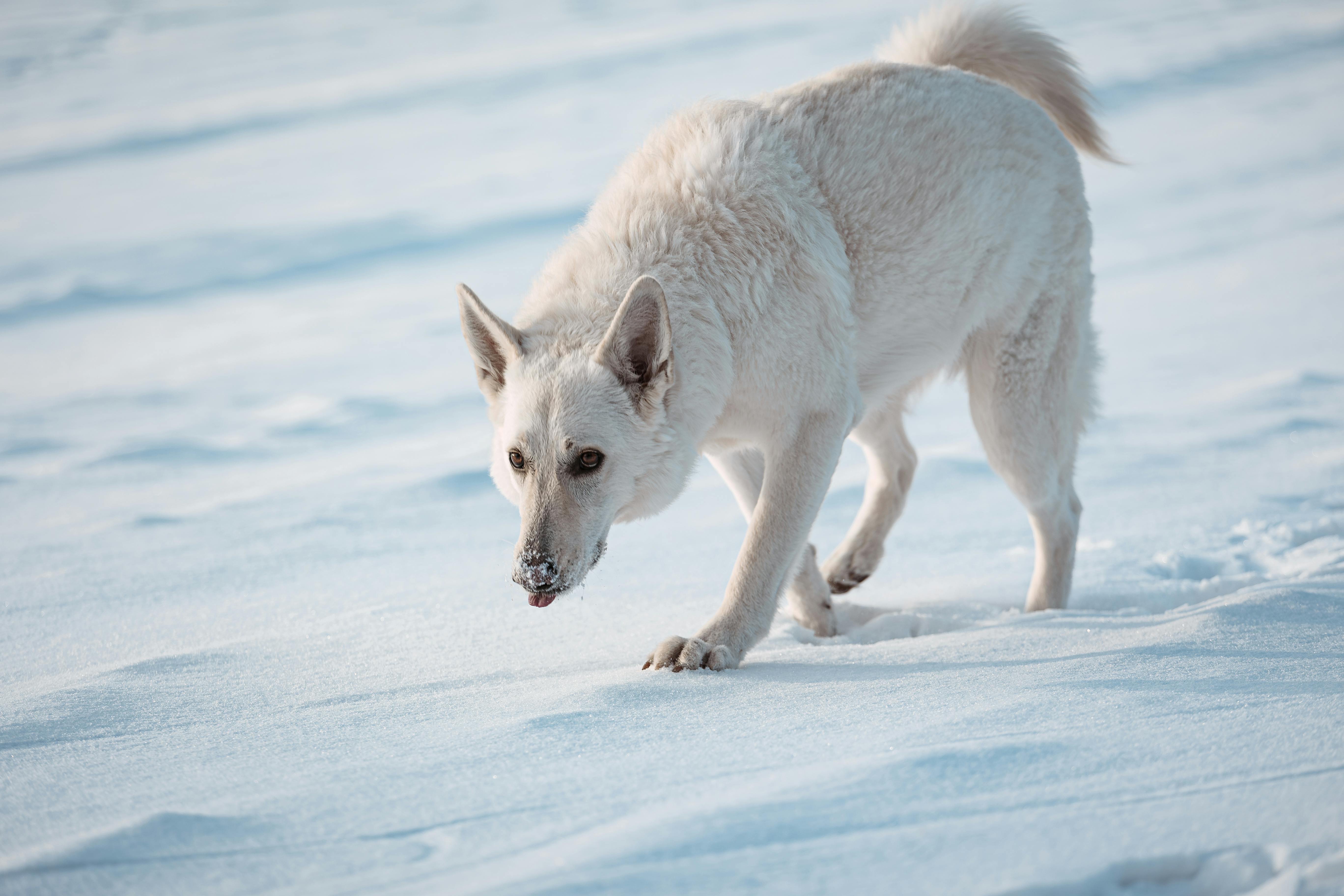 \n\n
\n\nDogs are one of the most beloved pets in the world. They come in all shapes and sizes, and their unique characteristics often leave us wondering why they behave or appear a certain way. One question that many dog owners and enthusiasts frequently ask is, "Why do some dogs have drier noses?" It's a fascinating topic that involves breed differences and health indicators. And of course, the opposite question arises too: "Why do dogs have wet noses?" Let’s dive into this intriguing aspect of our canine companions.
\nThe Science of Dog Noses
\nFirst off, dogs’ noses are some of their most important sensory organs. Did you know that a dog’s sense of smell is estimated to be between 10,000 to 100,000 times more acute than humans? That’s why their noses are wet most of the time; it helps with scent detection. The moisture from a wet nose helps trap scent particles, making it easier for dogs to identify and analyze smells around them. So, when you wonder "Why do dogs have wet noses?", it’s really a matter of biology and evolution.
\nDifferences in Nose Moisture
\nBut not all dogs have the same nose moisture. Some dogs have drier noses, and that can depend on several factors:
\n- \n
- \n
Breed Characteristics: Certain breeds are more known for having drier noses than others. For instance, breeds like the Chihuahua and the Basenji often have drier noses compared to breeds like the Labrador Retriever or the Beagle, who usually have wetter noses.
\n \n - \n
Health Indicators: A dry nose can sometimes indicate health problems. If a dog has a persistently dry nose, it might be a sign of dehydration, fever, or other health issues. However, not every dry nose suggests a serious problem. Environmental factors can play a role too.
\n \n - \n
Environmental Conditions: Changes in weather or humidity levels can also impact a dog's nose moisture. For example, during cold winters or dry summers, you might notice your dog’s nose being drier than usual.
\n \n
Understanding Nose Moisture
\nHere’s a simple breakdown of the reasons behind wet and dry noses in dogs:
\nWet Nose Characteristics:
\n- \n
- Helps with scent detection. \n
- Generally cooler and moist. \n
- Common in many breeds. \n
Dry Nose Characteristics:
\n- \n
- Can indicate health issues. \n
- May be due to environmental changes. \n
- Seen in certain breeds more often than others. \n
Interesting Facts About Dog Noses
\n- \n
- \n
Temperature Regulation: A wet nose helps dogs to cool down. When they lick their noses, it keeps them cool and comfortable.
\n \n - \n
Scent Identification: Dogs have around 300 million scent receptors in their noses. Wet noses enhance their ability to detect smells.
\n \n - \n
Health Monitoring: A sudden change in nose moisture can provide insights into a dog’s health. Dog owners should keep an eye on their pets.
\n \n - \n
Breed Variability: Breeds like Bloodhounds and Beagles tend to have wetter noses due to their hunting backgrounds, while other breeds may not need such an acute sense of smell.
\n \n
When to Consult a Veterinarian
\nIf you notice that your dog's nose is excessively dry or cracked, it might be time to visit the vet. Some signs to watch for include:
\n- \n
- Crusty or scaling skin on the nose. \n
- Bleeding or sores on the nose. \n
- Changes in behavior or appetite. \n
- Lethargy or other health concerns. \n
The Role of Hydration
\nHydration plays a key role in maintaining a dog's overall health, including the moisture of their noses. Ensuring your dog has access to fresh water at all times is essential. Dehydration can lead to a dry nose, among other issues, so it’s important to keep an eye on your furry friend’s water intake.
\nFinal Thoughts
\nSo, next time you find yourself asking, "Why do dogs have wet noses?" or "Why do some dogs have drier noses?", remember that there’s a lot behind it. It’s a combination of breed traits, health indicators, and environmental conditions. A dog’s nose can tell you a lot about their overall well-being, so being observant is key. Understanding these differences not only enriches your knowledge as a pet owner but can also strengthen the bond you have with your canine companion.
\n\nThe Connection Between Dog Noses and Temperature: Can Wetness Indicate Fever?
\n\n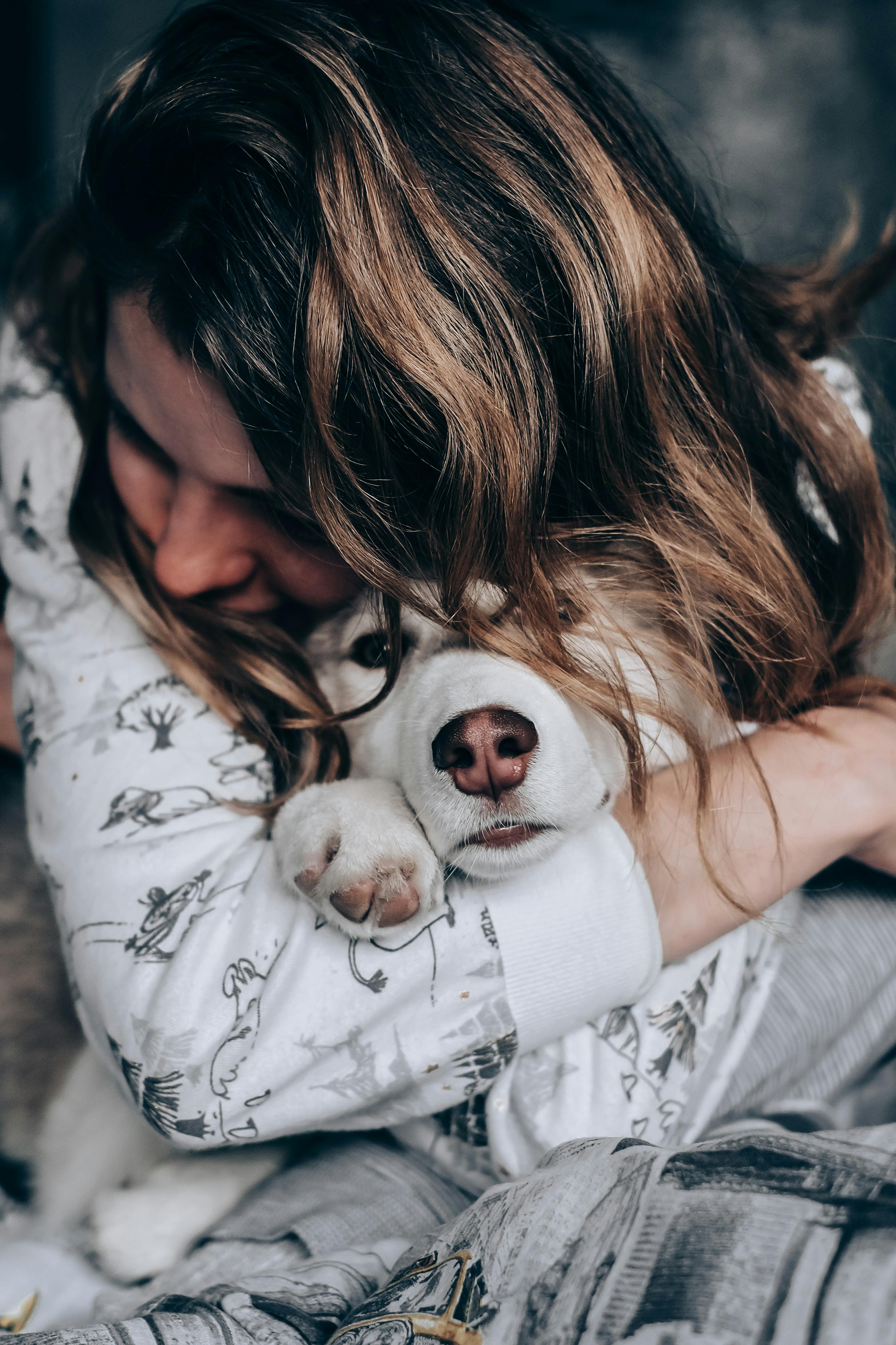 \n\n
\n\nDog noses are one of the most intriguing features of our furry friends. Many people wonder about the connection between a dog's wet nose and its body temperature. Can a wet nose really indicate a fever? Or is it just one of those myths that keeps getting passed around? Let's dive into the fascinating world of dog noses and uncover the truth behind why they are wet in the first place.
\nWhy Do Dogs Have Wet Noses?
\nFirstly, the anatomy of a dog's nose is designed in a way that it helps them to survive and thrive. A wet nose is not just an odd trait; it serves several important purposes:
\n- \n
- \n
Smell Enhancement: Dogs have a highly developed sense of smell, and a wet nose helps to capture scent molecules more effectively. The moisture on their noses picks up these odors, making it easier for them to analyze their surroundings.
\n \n - \n
Cooling Mechanism: Dogs don’t sweat like humans do. Instead, they regulate their body temperature through panting and the moisture on their noses. A wet nose can help to cool them off, especially on hot days.
\n \n - \n
Health Indicator: A dog's nose can reflect its overall health. Changes in moisture levels, color, or temperature can indicate various health issues.
\n \n
The Myth of Wet Noses and Fever
\nOne of the most common beliefs is that a dog's wet nose means they are healthy, while a dry nose indicates illness. But can wetness really be a sign of fever? Let’s break this down.
\n- \n
- \n
Normal Temperature: The average body temperature for dogs typically ranges between 101°F to 102.5°F. When they are sick, their temperature can rise, but a wet nose doesn't necessarily mean they have a fever.
\n \n - \n
Environmental Factors: A dog's nose can be wet due to environmental conditions, like humidity or recent drinking. So, a wet nose doesn’t automatically indicate good health.
\n \n - \n
Health Conditions: If a dog has a dry nose, it might not mean they are sick either. Some dogs naturally have a drier nose, and many factors can cause changes in nose moisture, including allergies, dehydration, or illness.
\n \n
The Connection Between Dog Noses and Temperature
\nWhile the wetness of a dog's nose doesn’t directly indicate fever, there are interesting correlations worth noting.
\n- \n
- \n
Nose Temperature: A dog's nose can cool down or warm up based on their body temperature. If a dog is ill, their nose might feel warmer than usual, which could be a sign of fever, but it’s not definitive.
\n \n - \n
Observational Signs: Instead of focusing solely on nose wetness, pet owners should observe other signs, such as lethargy, loss of appetite, or changes in behavior. These are more reliable indicators of a dog's health.
\n \n - \n
Veterinary Check: If you are concerned about your dog’s health, it’s always best to consult with a veterinarian. They can provide accurate temperature readings and diagnose any health issues.
\n \n
Fun Facts About Dog Noses
\n- \n
- \n
Unique Patterns: Just like human fingerprints, every dog's nose print is unique. This means that it can be used for identification.
\n \n - \n
Scent Receptors: Dogs have up to 300 million smell receptors in their noses, compared to about 6 million in humans. This is why they can detect certain scents from miles away.
\n \n - \n
Nasal Cooling: The moisture on a dog’s nose is not just for scent. It also helps to cool their blood vessels, which in turn helps to regulate their core temperature.
\n \n - \n
Behavioral Indicators: A dog might often lick its nose when it’s anxious or excited. This is a common behavior that can indicate their emotional state.
\n \n - \n
Lifespan of Scent: A dog can remember a scent for years, making their noses vital for tracking and hunting.
\n \n
Practical Tips for Dog Owners
\n- \n
- \n
Hydration is Key: Ensure your dog has access to fresh water. Dehydration can lead to a dry nose, which might be a sign of health issues.
\n \n - \n
Watch for Changes: Keep an eye on your dog's nose and overall behavior. If you notice sudden changes in moisture or temperature, it may be time for a vet visit.
\n \n - \n
Understand Your Breed: Some dog breeds naturally have drier noses. Knowing your dog’s breed can help you understand what is normal for them.
\n \n
In the end, while a wet nose can provide some insights into a dog's health, it’s not the sole indicator of fever or illness. Always look at the big picture, considering other signs and symptoms. Trust your instincts, and don’t hesitate to get professional help when needed. Your furry companion relies on you, and being informed can make all the difference.
\n\nWhy Wet Noses Matter: The Hidden Benefits of Canine Nose Moisture for Dogs and Owners
\n\n\n\nWhen you think about dogs, one of the first things that probably comes to mind is their cute, wet noses. But why do dogs have wet noses? It's not just for show. There’s a lot more going on with that moisture. Wet noses plays an important role in a dog’s health and behavior, plus they can even affect how we interact with our furry friends. Let's dive into the fascinating truth of canine nose moisture!
\nThe Science Behind Wet Noses
\nDogs' noses are not just adorable; they serve several practical functions. The moisture on a dog's nose helps to enhance its sense of smell. Dogs have an extraordinary olfactory system, and their noses are specifically designed to absorb scent particles. A moist nose can capture these particles more efficiently than a dry one. Here’s some interesting facts:
\n- \n
- Scent Absorption: Moisture helps to trap scent molecules, making it easier for dogs to detect odors. \n
- Temperature Regulation: A wet nose can help a dog cool down. Dogs don’t sweat like humans; they primarily regulate their temperature through panting and the moisture on their noses. \n
- Health Indicator: A dog's nose can indicate its health. A suddenly dry or excessively warm nose may signal an underlying health issue. \n
Historical Context of Canine Noses
\nThe evolution of dogs has led to some remarkable adaptations, and the wet nose is one of them. Historically, dogs evolved from wolves, who relied heavily on their sense of smell for hunting and survival. Over time, domestication has not diminished this trait. This ability to smell is so strong that some breeds can even detect certain diseases like cancer or diabetes in humans!
\nWhy Do Dogs Have Wet Noses?
\nSo, why do dogs have wet noses? Here’s a breakdown of the key reasons:
\n- \n
- Enhanced Olfactory Capabilities: The moisture helps in trapping scent particles. \n
- Cooling Mechanism: A wet nose helps dogs regulate their body temperature. \n
- Communication Tool: Dogs often use their noses to gather information about their environment and communicate with other animals. \n
- Health Monitoring: Changes in nose moisture can indicate health issues. \n
Practical Benefits for Dog Owners
\nFor dog owners, understanding the significance of a wet nose can improve their relationship with their pets. Here are some practical benefits:
\n- \n
- Health Checks: Regularly monitor your dog’s nose. If it’s unusually dry or warm, consult a vet. \n
- Training Aid: Use scent games to engage your dog’s nose. Hide treats around the house and let your dog sniff them out! \n
- Bonding Opportunities: Allowing your dog to sniff and explore during walks can strengthen your bond as they experience the world through their nose. \n
The Connection Between Wet Noses and Dog Behavior
\nDogs express emotions and their state of being through their noses. A wet nose can be a sign of a relaxed and happy dog. Here’s how wet noses can indicate different feelings:
\n- \n
- Excitement: A dog’s nose may become even wetter when they’re excited or playful. \n
- Curiosity: When a dog is investigating something new, their nose is often moist as they take in scents. \n
- Comfort: A relaxed dog may have a cool, moist nose, indicating they feel safe in their environment. \n
Fun Facts About Dog Noses
\n- \n
- Dogs have approximately 300 million smell receptors, compared to a human's 5 million! \n
- The texture of a dog’s nose is unique, similar to a human fingerprint. \n
- Dogs can even smell fear or stress in humans, which is why some therapy dogs can sense when someone needs support. \n
Moisture Maintenance for Your Dog’s Nose
\nKeeping your dog's nose healthy is important, too. Here are some tips:
\n- \n
- Hydration: Ensure your dog is drinking enough water; dehydration can lead to a dry nose. \n
- Environmental Factors: Cold weather or dry air can affect nose moisture. Apply a dog-safe moisturizer if needed. \n
- Regular Vet Visits: Routine check-ups can help catch any potential health issues early. \n
Understanding why dogs have wet noses gives us insight into their behavior and health. This simple feature plays a significant role in their lives and our interaction with them. So next time you cuddle with your furry friend, remember that wet nose carries more than just moisture; it holds a wealth of function and meaning.
\n\nCurious Canine Facts: Why Do Dogs Lick Their Noses and How It Relates to Wetness?
\n\n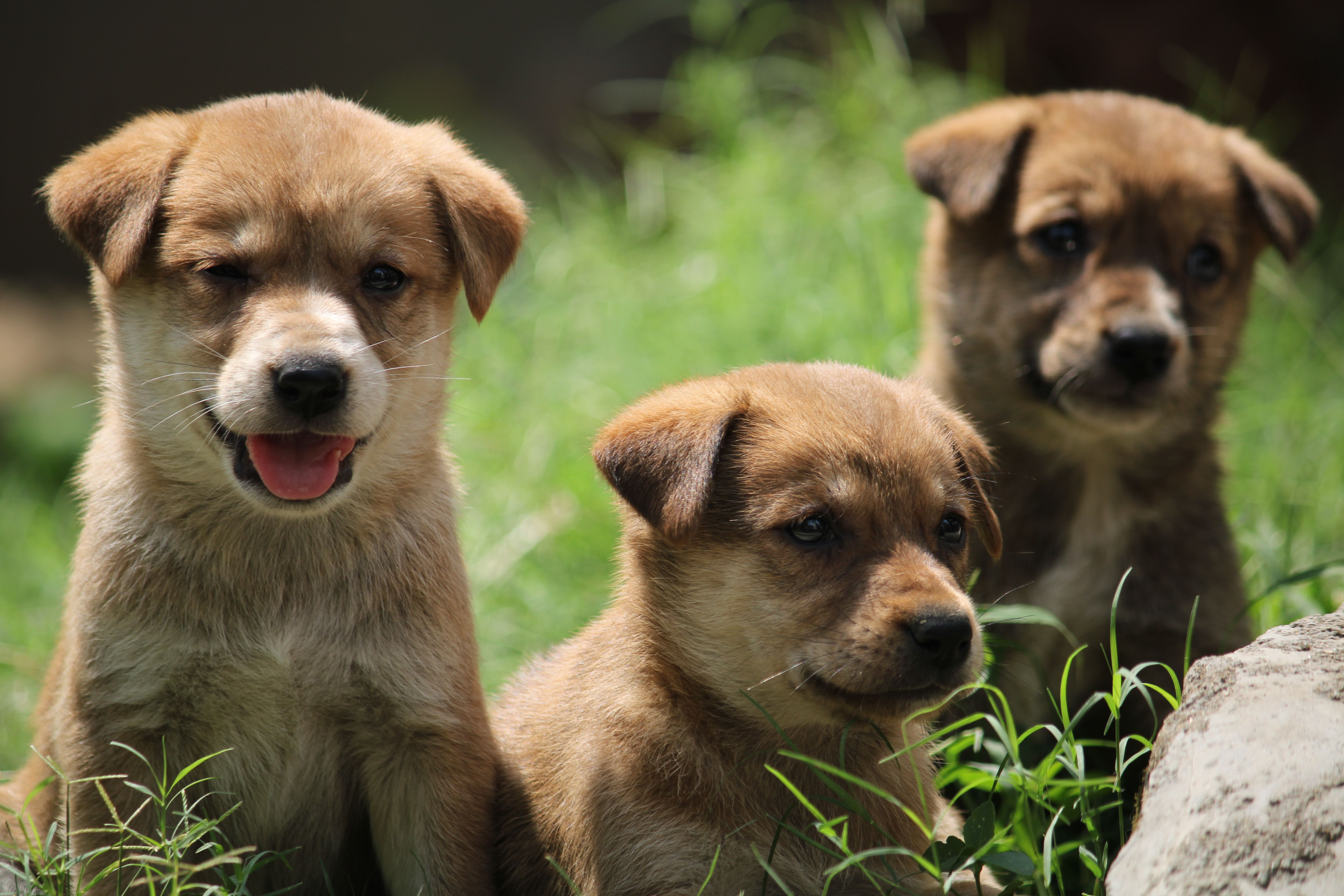 \n\n
\n\nDogs, those lovable furballs, have a lot of quirks that make us curious. One of the most fascinating things about them is their wet noses. So, why do dogs have wet noses anyway? And what’s the deal with them licking their noses? Let’s dive into the curious canine facts that unveil the reasons behind these behaviors.
\nThe Science Behind Wet Noses
\nDogs' noses are not just cute; they serve important purposes. A wet nose helps dogs in several ways:
\n- \n
- \n
Enhanced Sense of Smell: The moisture on a dog’s nose helps to capture scent particles, which improves their ability to detect smells. Dogs have an incredible sense of smell, estimated to be 10,000 to 100,000 times more sensitive than humans. Wetness aids in this superpower.
\n \n - \n
Thermoregulation: Dogs don’t sweat like humans. Instead, they cool down through panting and the moisture on their noses. A wet nose can help regulate their body temperature, especially in warm weather.
\n \n - \n
Health Indicator: A dog’s nose can tell you a lot about their health. A healthy dog usually has a cool, moist nose. However, a dry or cracked nose may indicate dehydration or other health issues.
\n \n
Dogs lick their noses to keep them moist, which is crucial for their sense of smell and overall health. But why does that happen so often?
\nWhy Do Dogs Lick Their Noses?
\nDogs lick their noses for various reasons, and understanding these can help you interpret your furry friend’s behavior better:
\n- \n
- \n
To Keep It Moist: Dogs lick their noses to maintain that wetness. This helps them gather scents and stay cool. It’s also a natural behavior that can be observed in many animals.
\n \n - \n
Taste and Exploration: Dogs are curious creatures. When they lick their noses, they may be tasting the world around them. This behavior is a way for them to explore their environment.
\n \n - \n
Communication: Licking can also be a form of communication. Dogs may lick their noses when they are anxious or unsure, signaling their feelings to other dogs or even humans.
\n \n - \n
Health Issues: Sometimes, excessive licking could indicate a problem. Allergies, nasal infections, or other medical conditions could cause your dog to lick their nose more than usual.
\n \n
Why Are Dogs’ Noses Wet?
\nThe moisture on dogs’ noses comes from several sources. Here’s a breakdown:
\n- \n
- \n
Saliva Production: Dogs naturally produce saliva. When they lick their noses, they transfer moisture from their mouths to their noses.
\n \n - \n
Environmental Factors: Dogs may get wet noses from rain, snow, or even when they drink water.
\n \n - \n
Nasal Glands: Dogs have special glands that produce mucus, which contributes to the wetness. This mucus helps to trap odors and enhances their sense of smell.
\n \n
Curious Facts About Dogs’ Noses
\n- \n
- \n
Color Changes: A dog’s nose can change color depending on the season or even their mood. For instance, some dogs develop a "winter nose," where the pigmentation lightens during colder months.
\n \n - \n
Unique Patterns: Just like human fingerprints, every dog has a unique nose print. It can actually be used for identification.
\n \n - \n
Nasal Anatomy: A dog’s nose contains up to 300 million olfactory receptors, compared to about 6 million in humans. This makes their noses incredibly sensitive.
\n \n - \n
Sniffing Speed: Dogs can sniff an object and take in all the scents within milliseconds. They can even detect certain diseases by sniffing, such as cancer or diabetes.
\n \n
Practical Tips for Dog Owners
\nIf you’re a dog owner, here are some tips to keep your pup’s nose healthy:
\n- \n
- \n
Hydration: Always provide fresh water. A hydrated dog is a happy dog!
\n \n - \n
Regular Check-ups: Keep an eye on your dog’s nose during vet visits. If you notice any changes, consult your veterinarian.
\n \n - \n
Avoid Irritants: Be cautious about chemicals in your home or yard, as they can irritate your dog’s nose.
\n \n - \n
Observe Behavior: If your dog suddenly starts licking their nose excessively, it’s worth investigating further, especially if accompanied by other unusual behaviors.
\n \n
Understanding why dogs have wet noses can enhance your bond with your canine companion. Their wet noses are more than just adorable; they are a key part of what makes them such amazing animals. So the next time you see your pup’s nose glistening, you’ll know there’s a fascinating world of science and instinct at play.
\n\nConclusion
\n\nIn conclusion, the wet noses of dogs serve multiple fascinating purposes that contribute to their overall health and functionality. Primarily, a moist nose enhances their sense of smell, allowing them to detect scents more effectively, which is essential for their survival and interaction with the world. The wetness also helps regulate their body temperature, acting as a natural cooling mechanism, while the moisture aids in keeping their nasal passages healthy. Additionally, a dog's wet nose can be an indicator of their well-being, as changes in its moisture level can signal health issues. Understanding these reasons not only deepens our appreciation for our furry companions but also encourages us to monitor their health more closely. So, the next time you receive a wet-nosed nuzzle from your dog, remember the crucial role it plays in their lives and ensure you provide them with the care and attention they deserve.
\n\n