Have you ever wondered why do dogs have wet noses? This intriguing question leads us down a fascinating path into the world of our furry friends! A dog's nose is not just a cute feature; it's packed with secrets that can teach us about their health and behavior. Many pet owners are curious about this unique aspect of canine anatomy, and it turns out there are some compelling reasons behind those moist noses. For starters, did you know that a dog's wet nose helps to enhance their sense of smell? That's right! The moisture on a dog's nose helps to trap scent particles, making their already impressive olfactory abilities even better. Additionally, a wet nose can be an indicator of a dog's overall health—so understanding this can help you become a more attentive pet parent. But what about those dry noses? Are they something to worry about? In this article, we will dive deep into the fascinating truth of why dogs have wet noses and what it means for your beloved pet. So, let’s embark on this exciting journey to uncover the mysteries behind those adorable, wet noses!
\n\nThe Science Behind Wet Noses: What Makes Your Dog's Nose Moist?
\n\n \n\n
\n\nHave you ever wondered why your dog's nose is always wet? It seems like a simple question, but the science behind wet noses is actually pretty fascinating. Many pet owners just think it's normal, but there are reasons why dogs have wet noses that go beyond just moisture. Understanding this can help you appreciate your furry friend even more.
\nThe Biology of a Dog's Nose
\nDog noses are moist for a variety of reasons. Firstly, it's part of their natural anatomy. The surface of a dog's nose is covered in a thin layer of mucus, which helps in several ways:
\n- \n
- \n
Scent Detection: Dogs have an incredible sense of smell, and a wet nose helps to trap scent particles. This enhances their ability to detect smells, which is why they're often used in search and rescue, or even in medical detection.
\n \n - \n
Temperature Regulation: Just like humans sweat to cool down, dogs can lose heat through their noses. The moisture on their noses evaporates, helping regulate their body temperature.
\n \n - \n
Health Indicator: A dog's nose can also be an indicator of their health. A warm, dry nose can sometimes suggest illness, while a cold, wet nose is typically a sign of a healthy pup.
\n \n
Why Do Dogs Have Wet Noses?
\nSo, why do dogs have wet noses? It's all about evolution and adaptation. Dogs are descendants of wolves, which are known to have wet noses. Over time, this trait has been passed down. Some reasons include:
\n- \n
- \n
Enhanced Scent Capability: As mentioned, the moisture helps capture scent particles, making them more effective hunters.
\n \n - \n
Social Interaction: Dogs use their noses to communicate with other dogs. A moist nose may signal friendliness and openness.
\n \n - \n
Cooling Mechanism: Unlike humans, dogs do not sweat through their skin; thus, a wet nose plays a crucial role in helping them maintain a comfortable body temperature.
\n \n
The Moisture Mystery
\nBut what exactly makes a dog’s nose wet? The moisture primarily comes from two sources:
\n- \n
- \n
Mucous Glands: These glands produce mucus which keeps the nose moist. This mucus can also contain pheromones, which are chemical signals that can convey information to other dogs.
\n \n - \n
Saliva: Dogs often lick their noses, which adds additional moisture. This behavior is instinctive and helps them in sensory exploration.
\n \n
Comparing Wet and Dry Noses
\nIt's interesting to note that not all dogs have the same type of nose. Wet noses are the norm, but some dogs can have dry noses due to various reasons. Here’s a quick comparison:
\n| Feature | \nWet Nose | \nDry Nose | \n
|---|---|---|
| Scent Detection | \nExcellent | \nModerate to Poor | \n
| Health Indicator | \nGenerally Healthy | \nPossible Health Issues | \n
| Temperature Regulation | \nEffective | \nLess Efficient | \n
Fun Facts About Dog Noses
\n- \n
- \n
Unique Patterns: Just like human fingerprints, every dog’s nose prints are unique. They can actually be used for identification!
\n \n - \n
Color Variations: The color of a dog’s nose can vary depending on breed and genetics. Some dogs have black noses, while others may have pink or spotted noses.
\n \n - \n
Nose Work: Many dogs can be trained to use their noses in various activities. Nose work is a popular sport that taps into their natural abilities.
\n \n - \n
Nose Temperature: The temperature of a dog's nose can vary. It's a common myth that a cold nose means a dog is healthy. However, this isn't always the case.
\n \n
Practical Tips for Nose Care
\n- \n
- \n
Regular Check-ups: Keep an eye on your dog's nose for any changes in color, texture, or temperature. If you notice anything unusual, consult a veterinarian.
\n \n - \n
Hydration: Ensure your dog drinks enough water. Keeping them hydrated is important for maintaining that moist nose.
\n \n - \n
Avoid Irritants: Try to limit your dog's exposure to harsh chemicals or allergens that may dry out their nose.
\n \n - \n
Nose Balm: If your dog's nose appears dry or cracked, consider using a dog-safe nose balm to help soothe and moisturize.
\n \n
Curious about your dog’s wet nose? It’s more than just a cute feature; it’s a vital part of their biology and health. Understanding this can help you bond with your pet and support their well-being. Next time you see your dog with that adorable wet nose, remember all the science and evolution that went into it!
\n\nTop 5 Reasons Why Dogs Have Wet Noses: More Than Just a Quirk!
\n\n \n\n
\n\nHave you ever wondered why dogs have wet noses? It’s one of those charming quirks that many people notice, but not everyone understands. Most folks just think it’s a cute trait, but there’s actually more to it than meets the eye. Let’s dive into the top 5 reasons why dogs have wet noses, exploring the fascinating truth behind this canine characteristic.
\n1. Temperature Regulation
\nDogs don’t sweat like humans do. Instead, they cool themselves down through panting and, you guessed it, having a wet nose. The moisture on their noses helps them regulate their body temperature. When a dog pants, the moisture evaporates, helping to lower their temperature. This is especially important during hot days when dogs can overheat quickly.
\n- \n
- Dogs sweat minimally through their paw pads \n
- A wet nose can help them feel cooler \n
- It’s more effective than panting alone \n
2. Enhanced Sense of Smell
\nAnother reason dogs have wet noses relates to their incredible sense of smell. The moisture on their noses helps capture scent particles from the air, which makes it easier for dogs to identify different smells. This is why dogs often seem to be sniffing everything in sight—they’re gathering information about their surroundings.
\n- \n
- Dogs have up to 300 million olfactory receptors \n
- A wet nose can improve scent detection \n
- They can smell things at incredibly low concentrations \n
3. Communication Tool
\nDogs communicate in various ways, and their noses play a role in that, too. A wet nose can indicate excitement or affection. When dogs nuzzle or nudge you with their noses, it’s often a sign they want attention or are seeking comfort. Additionally, dogs use their noses to gather social information about other animals or people.
\n- \n
- A dog’s nuzzle can be a sign of trust \n
- Wet noses can indicate a dog’s mood \n
- Dogs often greet each other with nose-to-nose contact \n
4. Health Indicator
\nThe state of a dog’s nose can also serve as an important health indicator. A wet nose is typically a sign of good health, while a dry or cracked nose might suggest dehydration or illness. However, it’s not a definitive measure. Some dogs naturally have drier noses, and that can be perfectly normal for them.
\n- \n
- A consistent wet nose is a good sign \n
- Changes in nose moisture can indicate health issues \n
- Always consult a vet if unsure \n
5. Natural Cleanliness
\nDogs are naturally inclined to keep themselves clean, and their wet noses play a role in this grooming behavior. The moisture helps to trap dirt and debris, which can then be licked off. This not only keeps their noses clean but also helps prevent infections that could arise from dirt buildup.
\n- \n
- Dogs often lick their noses to maintain cleanliness \n
- A wet nose can help prevent infections \n
- Regular cleaning can be part of a dog’s hygiene routine \n
Additional Facts About Dog Noses
\n- \n
- \n
Variety in Nose Types: Not all dog noses are created equal. Some breeds have wetter noses than others. For example, Labrador Retrievers often have very moist noses, while breeds like the Bulldog may have drier noses.
\n \n - \n
Average Temperature: A dog's nose temperature is usually cooler than the rest of their body. A healthy dog's nose temperature is often around 88 to 100 degrees Fahrenheit.
\n \n - \n
Weather Effects: Weather can affect a dog's nose. In colder climates, some dogs may have drier noses during winter months, while humidity can enhance moisture levels in summer.
\n \n
Quick Comparison: Wet Nose vs. Dry Nose
\nWet Nose:
\n- \n
- Indicates hydration and good health \n
- Enhances sense of smell \n
- Used for communication \n
Dry Nose:
\n- \n
- Could indicate dehydration or heat \n
- Not always a sign of illness \n
- Some breeds naturally have dry noses \n
Understanding why dogs have wet noses is not just about appreciating their unique traits but also recognizing how these characteristics play a role in their overall health and behavior. Next time you pet your furry friend, take a moment to marvel at that wet nose and all the fascinating functions it serves. It’s more than just a quirky feature; it’s a vital part of what makes dogs such incredible companions.
\n\nDo Wet Noses Mean Healthy Dogs? Unraveling the Myths and Truths
\n\n \n\n
\n\nDogs are often called man's best friend, and there's lot of reasons why. One curious thing that many dog owners notice is their pets' wet noses. But what does it really mean? Do wet noses mean healthy dogs? Or is it just an old wives' tale? Let's unravel the myths and truths about this fascinating aspect of our furry companions.
\nWhy Do Dogs Have Wet Noses?
\nThe wetness of a dog's nose is not just for show. There's actual science behind it, and it has to do with several factors.
\n- \n
- \n
Cooling Mechanism: Dogs don’t sweat like humans do. Instead, they cool off through their noses. A wet nose helps evaporate moisture, which cools down their body temperature.
\n \n - \n
Sense of Smell: The moisture on a dog’s nose helps them pick up scents better. When the nose is wet, it can capture more scent particles from the air. This is why dogs are so good at sniffing out things!
\n \n - \n
Health Indicator: A wet nose is often seen as a sign of a healthy dog. However, it's important to note that not all healthy dogs have wet noses.
\n \n
The Myths Surrounding Wet Noses
\nMuch like everything in life, there are myths surrounding dog noses. Here are some common ones:
\n- \n
- Myth 1: A cold, wet nose always means a healthy dog. \n
- Myth 2: If a dog's nose is dry, they must be sick. \n
- Myth 3: Wet noses are a sign of excitement or happiness. \n
In reality, while a wet nose can be a sign of health, it doesn’t always mean your dog is feeling great or that they are unwell if their nose is dry.
\nWhat Affects a Dog's Nose Moisture?
\nSeveral factors can affect the moisture level of a dog's nose:
\n- \n
- Weather Conditions: Hot and dry weather can lead to a drier nose. \n
- Hydration Levels: If a dog is dehydrated, it's possible their nose will feel dry. \n
- Activities: After play or walks, a dog's nose might be dryer than usual. \n
Signs of a Healthy Dog
\nWhile a wet nose can be a good indicator of a dog's health, it’s not the only factor. Here are some other signs to look for:
\n- \n
- Energy Levels: Is your dog active and playful? \n
- Appetite: A healthy dog tends to have a good appetite. \n
- Grooming: Regular grooming and clean fur can indicate health. \n
- Behavior: Consistent behavior, without sudden changes, is a good sign. \n
When to Worry About Your Dog's Nose
\nIf you notice changes in your dog's nose, it might be time to pay attention. Here are some signs to consider:
\n- \n
- Persistent Dryness: If their nose stays dry for an extended time, it might be a concern. \n
- Cracking or bleeding: This could indicate a health issue. \n
- Discoloration: Any change in the color of the nose could be a sign of a problem. \n
Table: Comparison of Dog Nose Conditions
\n| Condition | \nWet Nose | \nDry Nose | \n
|---|---|---|
| Health Indicator | \nOften healthy | \nNot always unhealthy | \n
| Temperature | \nCooler | \nWarmer | \n
| Scent Detection | \nMore effective | \nLess effective | \n
| Environmental Impact | \nInfluenced by weather | \nInfluenced by hydration | \n
Practical Examples of Nose Conditions
\n- \n
- \n
Healthy Dog: A dog running around in the park with a wet nose, wagging its tail, and showing excitement.
\n \n - \n
Dry Nose Scenario: A dog resting at home in the winter with a dry nose but otherwise acting normal.
\n \n
Final Thoughts
\nIn conclusion, while wet noses can indicate a healthy dog, it is not the only sign to watch for. Understanding your dog's overall behavior and health is key. Remember, just like humans, dogs can have variations in their nose moisture for many reasons. If you ever have concerns about your pet's health, a visit to the veterinarian is always a wise choice. So the next time you pet your furry friend, take a moment to appreciate that wet nose, but also know it’s just one part of the puzzle in understanding your dog's health!
\n\nHow Dogs Use Their Wet Noses: The Secret to Their Incredible Sense of Smell
\n\n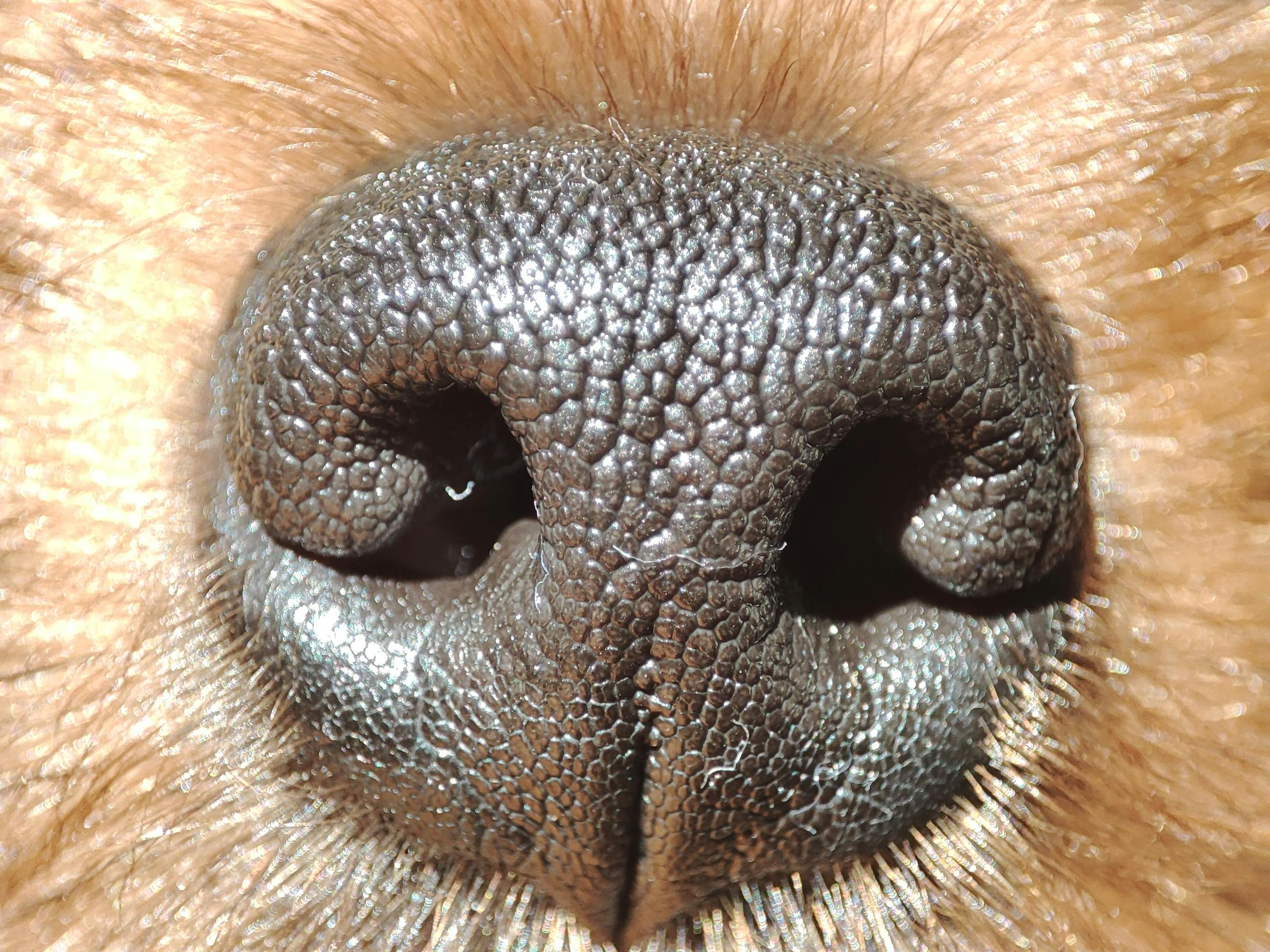 \n\n
\n\nDogs are often called man’s best friend, but have you ever wondered about the secrets behind their incredible sense of smell? One of the most fascinating features of dogs is their wet noses. You might ask yourself, why do dogs have wet noses? Well, there’s more to it than just being cute! Let’s dive into the science of how dogs use their wet noses to navigate the world, and why this unique trait makes them such amazing companions.
\nThe Science Behind a Dog's Sense of Smell
\nDogs noses are much more than just a cute feature. In fact, a dog’s sense of smell is estimated to be 10,000 to 100,000 times more sensitive than that of humans. This means that they can smell things we can’t even fathom! Here's how it works:
\n- \n
- \n
Olfactory Receptors: Dogs have about 220 million olfactory receptors in their noses, while humans have only about 5 million. This huge difference allows them to detect scents at incredibly low concentrations.
\n \n - \n
Jacobsen’s Organ: Also known as the vomeronasal organ, this organ helps dogs detect pheromones. These chemicals can convey important information about other animals, like their emotional state or reproductive status.
\n \n - \n
Nasal Conformation: The structure of a dog’s nose is designed to maximize scent detection. The complex turbinates (tiny bony structures in the nasal passage) create a large surface area for scent molecules to adhere to.
\n \n
Why Do Dogs Have Wet Noses?
\nNow, moving back to our original question, why do dogs have wet noses? Well, there are several reasons behind this characteristic:
\n- \n
- \n
Enhanced Scent Detection: The moisture on a dog's nose helps to capture scent particles. When their noses are wet, they can absorb more scent molecules, improving their ability to detect odors.
\n \n - \n
Temperature Regulation: A wet nose can help cool a dog’s body temperature. Dogs don’t sweat like humans do; instead, they pant and rely on their noses to help regulate their temperature.
\n \n - \n
Health Indicator: A dog’s nose can indicate their health. A cold, wet nose is usually a sign of a healthy dog, while a dry or hot nose can indicate illness or dehydration.
\n \n - \n
Social Interaction: Dogs use their noses to greet each other and communicate. A wet nose can help them gather information about other dogs, which is an essential part of their social behavior.
\n \n
Fun Facts About Dogs and Their Noses
\n- \n
- \n
Variety Among Breeds: Different dog breeds have different nose shapes and sizes, which can affect their sense of smell. Bloodhounds, for example, are known for their incredible tracking abilities due to their unique nasal structure.
\n \n - \n
Nose Prints: Just like human fingerprints, every dog has a unique nose print. This can actually be used for identification purposes!
\n \n - \n
Scent Work: Many dogs are trained for specific scent detection work, such as search and rescue, drug detection, or even medical alert tasks. Their wet noses play a crucial role in these activities.
\n \n
How Dogs Use Their Noses in Everyday Life
\nDogs rely on their noses for many daily activities. Here are some examples:
\n- \n
- \n
Finding Food: Dogs can sniff out food from miles away. Their sense of smell helps them locate treats, and they have been known to detect certain ingredients in food.
\n \n - \n
Recognizing Owners: Dogs can recognize their owners by scent alone, even after long periods apart. This strong sense of smell is why they often greet you with such enthusiasm.
\n \n - \n
Detecting Danger: Dogs can often sense danger before humans do. They can detect changes in their environment, such as the presence of smoke or even certain medical conditions in humans, thanks to their incredible olfactory skills.
\n \n
The Importance of a Dog’s Nose in Training
\nTraining a dog involves teaching them to use their noses in specific ways. Here’s how it can be done:
\n- \n
- \n
Using Treats: Hide treats around the house and encourage your dog to use their nose to find them. This stimulates their natural hunting instincts.
\n \n - \n
Scent Games: Play games that involve identifying different scents. This not only sharpens their sense of smell but also enhances their mental stimulation.
\n \n - \n
Tracking Training: For those interested in more advanced training, consider enroll your dog in scent tracking classes. This can lead to a fulfilling activity that both you and your dog will enjoy.
\n \n
With all this in mind, it’s clear that a dog’s wet nose is more than just a cute feature; it plays a crucial role in their ability to explore and understand the world around them. So next time you pet your furry friend, take a moment to appreciate that wet nose and all the wonders it brings!
\n\nWet Nose, Happy Dog: Is There a Connection?
\n\n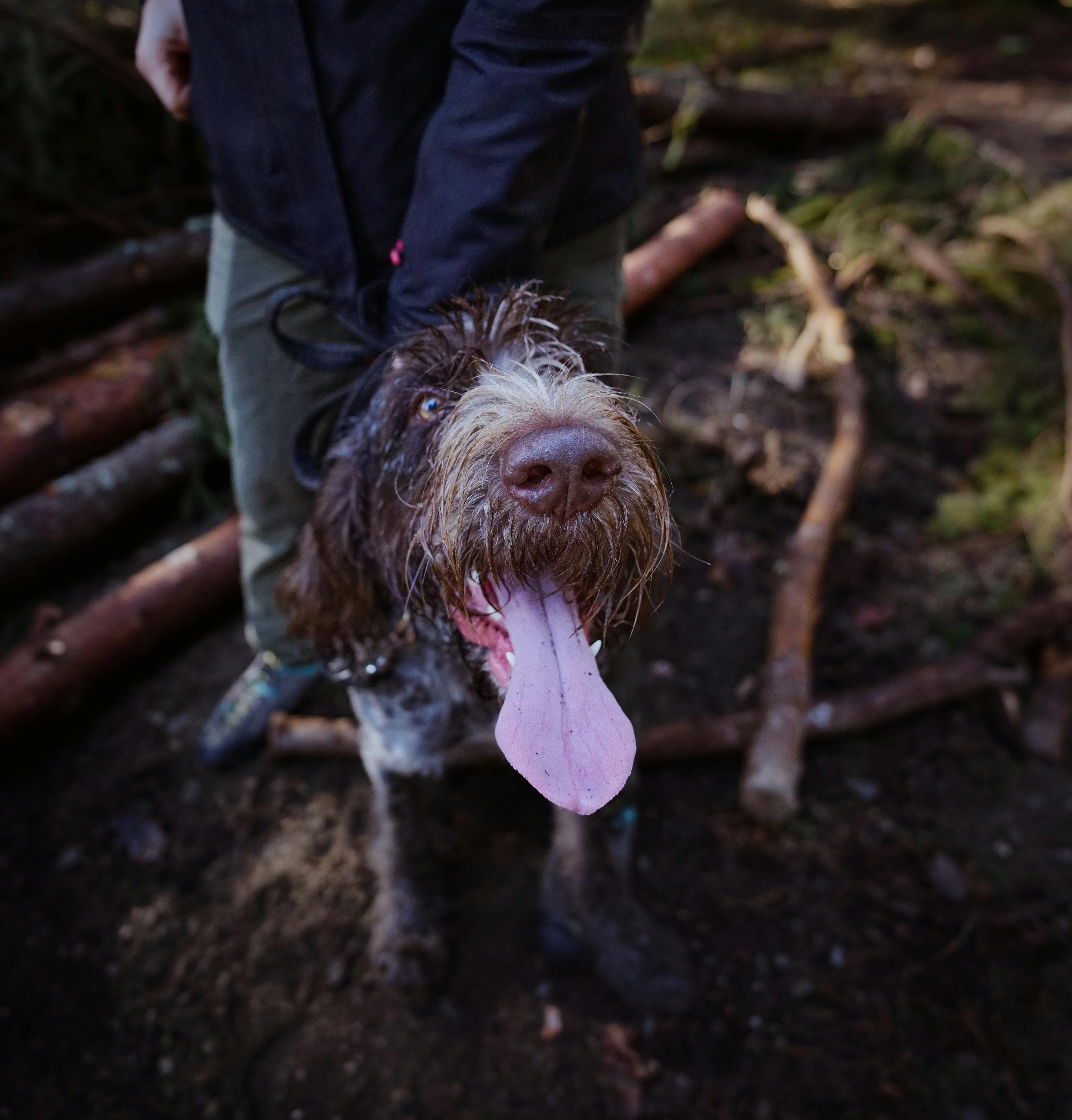 \n\n
\n\nDogs are often called man's best friend, and one of the most endearing traits about them is their wet noses. Have you ever wondered why dogs have wet noses? Is there really a connection between a wet nose and a happy dog? This article explore the fascinating truth behind this common canine characteristic, diving into the science, the history, and a bit of the fun surrounding this topic.
\nWhy Do Dogs Have Wet Noses?
\nFirst of all, dog noses are not just wet for no reason. Their moistness actually serves several important functions. Here are some of the main reasons:
\n- \n
- \n
Improved Sense of Smell: A wet nose helps dogs to better detect scents. The moisture in their nose captures scent particles, allowing dogs to smell things more effectively. This is why a dog's sense of smell is considered to be much more powerful than that of humans.
\n \n - \n
Temperature Regulation: Dogs don’t sweat like humans do. Instead, they primarily regulate their body temperature through panting and by having a wet nose. The moisture evaporating from their noses helps to cool them down, especially on hot days.
\n \n - \n
Health Indicator: A wet nose can also be a sign of a dog's health. Generally, a healthy dog will have a cool, moist nose. Conversely, if a dog’s nose is excessively dry or warm, it could be a sign of dehydration or illness.
\n \n
Historical Context and Fun Facts
\nThe unique characteristics of dogs' noses have fascinated people for centuries. In ancient times, dogs were often relied upon for hunting and herding, and their keen sense of smell helped humans in various tasks. This relationship has evolved over the years, leading dogs to become beloved family pets.
\nDid you know that dogs have around 300 million olfactory receptors? In comparison, humans only have about 5 million. This stark difference is one of the reasons why dogs can track scents over great distances.
\nHere are some fun facts about dogs’ noses:
\n- \n
- \n
Color Variation: Not all dog noses are the same color. Some breeds have black noses, while others might have pink or brown noses. Interestingly, the color has no impact on their ability to smell.
\n \n - \n
Nose Prints: Just like human fingerprints, every dog has a unique nose print. Some organizations have even started to use nose prints as a way to identify dogs!
\n \n - \n
Paw-sitive Vibes: Dogs often lick their noses, which keeps them moist and helps them gather more scent particles. This behavior is not just for cleanliness; it’s also part of their sensory process.
\n \n
The Connection Between Wet Noses and Happy Dogs
\nA common saying among dog lovers is that a wet nose indicates a happy dog. While there's some truth to this, it’s not entirely accurate. A wet nose can indeed correlate with a dog's emotional state, but it isn't the only indicator of happiness. Here’s how you can tell if a dog is happy:
\n- \n
- \n
Body Language: A wagging tail, relaxed posture, and playful behavior are strong indicators of a happy dog.
\n \n - \n
Vocalization: Happy dogs often bark, whine, or make other sounds to express their excitement or joy.
\n \n - \n
Playfulness: When your dog brings you a toy or playfully nudges you, it’s usually a sign they’re feeling good.
\n \n
Practical Considerations for Dog Owners
\nSo, how can you ensure your dog maintains a healthy, wet nose? Here are some practical tips:
\n- \n
- \n
Stay Hydrated: Make sure your dog has access to fresh water at all times. Proper hydration is essential for maintaining a moist nose.
\n \n - \n
Regular Vet Check-ups: Regular visits to the veterinarian can help catch any potential health issues early on. If you notice your dog’s nose becoming unusually dry or warm, consult your vet.
\n \n - \n
Environmental Factors: Be mindful of the weather. In very hot or dry conditions, you might need to keep an eye on your dog’s nose moisture and health.
\n \n
In summary, while a wet nose can be a sign of a happy and healthy dog, it’s important to look at the bigger picture. Dogs communicate their feelings in many different ways, and understanding them can help strengthen the bond between you and your furry friend. Whether it’s through wagging tails, playful antics, or that delightful wet nose, dogs have a unique way of expressing their joy. So, the next time you greet your pup and feel that familiar coolness, remember it’s just one of the many ways they show their love.
\n\nThe Role of Temperature: Why Does Your Dog’s Nose Change with the Weather?
\n\n \n\n
\n\nDogs are a significant part of many people’s lives, and their behavior can be quite puzzling. One of the most interesting aspects of dogs is their noses. Have you ever wondered why do dogs have wet noses? Well, there’s actually a fascinating truth behind this, and it relates closely to temperature and weather changes. A dog's nose can change with the weather, and this isn't just a random occurrence. Let's dig deeper into the science and reasoning behind it.
\nThe Science of a Dog's Nose
\nDogs noses are moist for a reason. They help them to smell better! The wetness of a dog’s nose helps to capture scent particles in the air. When a dog sniffs around, the moisture on their nose absorbs these scent particles, which then enhances their sense of smell. This is why dogs are often used in search and rescue, as well as in police work.
\nHere are some key points about why dogs have wet noses:
\n- \n
- Scent Detection: A wet nose helps dogs to detect scents more effectively because moisture traps odor molecules. \n
- Temperature Regulation: Dogs can’t sweat like humans. Their noses help to cool them down when they are hot. \n
- Health Indicator: The temperature and moisture level of a dog’s nose can signal its health status. A very dry nose can indicate dehydration or illness. \n
Why Does Your Dog’s Nose Change with the Weather?
\nThe weather plays a significant role in how a dog's nose looks and feels. When it's hot and humid outside, a dog's nose may become wetter. Conversely, during cold or dry weather, their noses might dry out. It’s interesting to notice the changes that happen.
\n- \n
- \n
In Warm Weather:
\n- \n
- Noses tend to be more moist. \n
- Dogs might pant more to cool down, which can increase nose wetness. \n
\n - \n
In Cold Weather:
\n- \n
- The nose may become dry and cracked. \n
- Dogs might not be as active, which could lead to less moisture. \n
\n
The Importance of Nose Temperature
\nThe temperature of a dog's nose can be a reflection of its overall health. A warm, dry nose might indicate a fever or illness. However, a cool, wet nose is often a sign of a healthy pup. Here’s how temperature plays into it:
\n- \n
- Normal Nose Temperature: Typically cool and moist. \n
- Warm Nose: This may suggest that the dog is sick or overheated. \n
- Cold Nose: Dogs can have cold noses especially in chilly weather, and that's usually perfectly normal. \n
Fun Facts About Dogs’ Noses
\n- \n
- Dogs have up to 300 million smell receptors in their noses, compared to about 6 million in humans. \n
- The surface area of a dog’s olfactory epithelium is about 20 times larger than that of a human's. \n
- Dogs can even detect certain diseases in humans, like cancer, just by smelling. \n
How to Care for Your Dog’s Nose
\nSo, what can you do to ensure your dog has a healthy nose? Here are some simple tips:
\n- \n
- Hydration: Make sure your dog has plenty of fresh water available. \n
- Humidifier: If you live in a dry climate, consider using a humidifier to keep the air moist. \n
- Nose Balm: For dry and cracked noses, using a pet-safe nose balm can help to keep it moisturized. \n
- Regular Vet Check-ups: Regular check-ups can help to monitor your dog’s health and nose condition. \n
Comparing Dog Noses with Other Animals
\nDogs noses are unique, but how do they stack up against other animals? Here's a quick comparison:
\n| Animal | \nNumber of Smell Receptors | \n
|---|---|
| Dogs | \n300 million | \n
| Cats | \n50-80 million | \n
| Humans | \n6 million | \n
| Elephants | \n2,000 genes for smell | \n
This table shows just how incredible a dog's sense of smell really is compared to other animals!
\nIn summary, the role of temperature and weather is crucial in understanding why your dog’s nose changes. Whether it's wet and cool or dry and warm, these changes can provide insights into your dog's health and environment. Being aware of these factors can help you ensure your furry friend stays happy and healthy. So, keep an eye on those adorable noses, they tell a story of their own!
\n\nWet Nose Remedies: What to Do If Your Dog's Nose Is Too Dry
\n\n\n\nWhen it comes to our four-legged companions, their health and well-being are often a top priority. One interesting topic that many pet owners might not think about is wet noses. Why is it that dogs have wet noses anyway? And what do you do when your dog’s nose becomes too dry? Let’s dig into this fascinating subject and explore some wet nose remedies you could try.
\nWhy Do Dogs Have Wet Noses?
\nDogs have wet noses for a bunch of reasons, and some of them are quite fascinating. One primary reason is that moisture helps them to smell better. The wetness on the nose helps to capture scent particles, therefore enhancing their sense of smell which is already much more powerful than ours. Here are some reasons listed:
\n- \n
- Scent Enhancement: As mentioned, a wet nose assists in trapping scent molecules, which improves their ability to smell. \n
- Temperature Regulation: Dogs can’t sweat like humans do. Their noses help to cool their body down, which is especially important on hot days. \n
- Health Indicator: A dog’s nose can also reflect their health. Generally, a wet and cool nose is a sign of a healthy dog, while a dry nose may indicate dehydration or other health issues. \n
What Happens If Your Dog's Nose Is Too Dry?
\nIf you notice your dog’s nose is too dry, it can be a concern. Sometimes a dry nose is nothing to worry about, but it can also be a sign of an underlying issue. Here’s a list of potential causes of a dry nose:
\n- \n
- Dehydration: Just like humans, dogs need plenty of water. If they don’t drink enough, their noses can become dry. \n
- Allergies: Environmental allergens can cause dryness and irritation. \n
- Sunburn: Dogs can get sunburned, particularly light-colored ones, leading to dryness. \n
- Temperature: Hot weather can dry out a dog's nose, just as it does with human skin. \n
Wet Nose Remedies: What to Do
\nIn case your dog’s nose is dry, there are a few remedies you can try at home. Some of these remedies are simple and only require items you might already have. Here’s a quick list of wet nose remedies:
\n- \n
- Hydration: Ensure your dog has constant access to fresh water. Encourage them to drink, especially during warmer months. \n
- Nasal Balms: There are many pet-safe balms available that can help to moisturize a dry nose. Look for products that are natural and free from harmful chemicals. \n
- Coconut Oil: Applying a small amount of coconut oil to your dog’s nose can provide moisture and also be safe if they lick it off. \n
- Humidifiers: If you live in a dry climate or use heating, a humidifier can help keep the air moist, which may help your dog’s nose. \n
Signs of Concern
\nWhile a dry nose can be remedied at home, there are times when it requires a vet’s attention. Be on the lookout for these signs:
\n- \n
- Cracking or Bleeding: If your dog’s nose is cracked or bleeding, it’s time to consult your veterinarian. \n
- Nasal Discharge: Any unusual discharge or color can indicate an infection or illness. \n
- Behavior Changes: If your dog is lethargic, refuses food, or seems in pain, seek professional advice. \n
Fun Facts About Dog Noses
\nDid you know dog noses are as unique as human fingerprints? Here are some quick interesting facts:
\n- \n
- Dogs have about 220 million scent receptors, compared to humans who have around 5 million. \n
- The wetness of a dog’s nose can change throughout the day. It's normal for it to vary. \n
- Some breeds are more prone to dry noses than others, like bulldogs and pugs. \n
Dogs’ noses are not just cute; they serve essential functions. A wet nose is usually a sign of good health, but when things change, it’s important to know how to respond. By keeping an eye on your dog’s nose and knowing the remedies available, you can ensure that your furry friend stays happy and healthy. Just remember, if any concerning signs pop up, don't hesitate to reach out to your veterinarian.
\n\nAre All Dog Breeds Created Equal? Exploring Nose Moisture Across Different Breeds
\n\n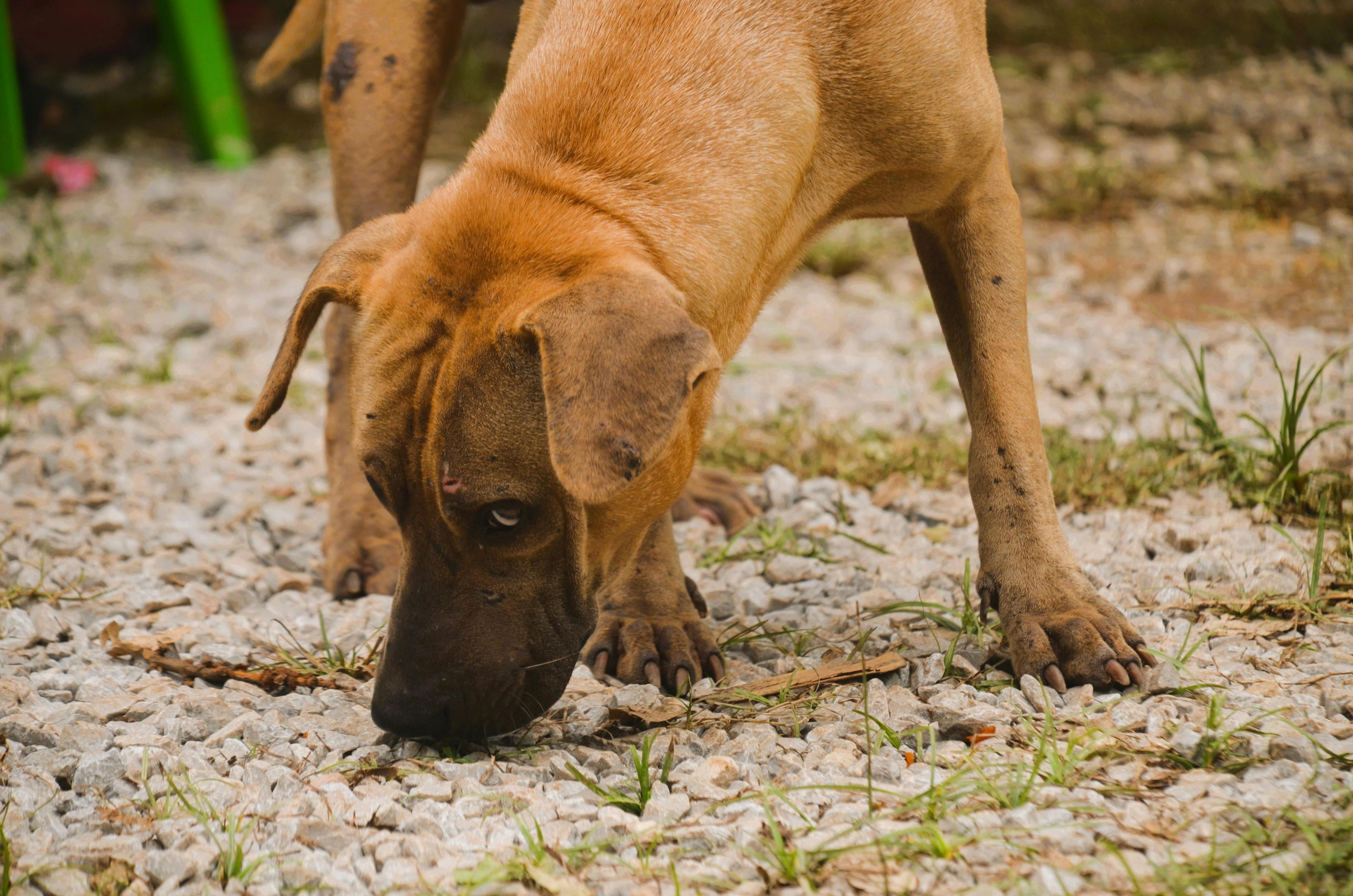 \n\n
\n\nWhen you think about dogs, you probably picture their big, wet noses. But, have you ever wondered why some dogs have wetter noses than others? Are all dog breeds created equal in terms of nose moisture? This article dives into the fascinating world of canine anatomy, particularly focusing on the reasons behind why dogs have wet noses and how this can vary across different breeds.
\nThe Science Behind Wet Noses
\nDogs have moist noses for a bunch of reasons. Firstly, a wet nose helps them to smell better. You see, dogs have an incredible sense of smell, which is thousands of times better than humans. Their noses contain special receptors that help them detect scents. The moisture on a dog’s nose helps to dissolve scent particles, making it easier for them to pick up different smells.
\n- \n
- Wet noses can:
- \n
- Enhance a dog’s ability to smell \n
- Help regulate their body temperature \n
- Act as a natural coolant \n
\n
Nose Moisture Across Different Breeds
\nNot all dog breeds are created equal when it comes to nose moisture. Some breeds naturally have wetter noses than others. For example, bloodhounds and beagles often have moist, droopy noses, which helps them track scents. In contrast, breeds like bulldogs or pugs may have drier noses due to their unique facial structures.
\nHere’s a simple comparison of various dog breeds and their typical nose moisture levels:
\n| Breed | \nTypical Nose Moisture Level | \n
|---|---|
| Bloodhound | \nHigh | \n
| Beagle | \nModerate to High | \n
| Bulldog | \nLow | \n
| Pug | \nLow | \n
| Labrador Retriever | \nModerate | \n
| German Shepherd | \nModerate | \n
Why Do Dogs Have Wet Noses?
\nNow, you might be thinking, "Okay, but why exactly do dogs have wet noses?" Let’s explore some key reasons:
\n- \n
- Scent Detection: As mentioned, moisture helps in detecting scents. A wet nose is like a sponge for smells. \n
- Thermoregulation: Dogs don’t sweat like humans. Instead, they cool off through their noses and paw pads. The moisture on their noses helps to cool them down. \n
- Health Indicator: A dog's nose moisture can indicate their health. A healthy dog usually has a cool, moist nose. Conversely, a dry or warm nose can sometimes indicate illness or dehydration. \n
Historical Context of Dog Noses
\nHistorically speaking, dogs have been our companions for thousands of years. Early humans likely recognized the hunting and tracking abilities of dogs, which were largely enhanced by their wet noses. Over time, various breeds were developed for specific tasks—some for hunting, others for herding, and a few for companionship. This led to a variety of nose shapes and moisture levels based on their roles and environments.
\nFascinating Facts About Dog Noses
\nDogs’ noses are not just moist; they're also unique! Here are some interesting facts you might not know:
\n- \n
- Each dog has a unique nose print, much like human fingerprints. \n
- Dogs can detect certain diseases, including cancer, by smelling changes in body odor. \n
- The wetness of a dog's nose can fluctuate throughout the day based on temperature and activity levels. \n
Practical Examples of Nose Care
\nCaring for your dog’s nose is important, especially for breeds that may have drier noses. Here are some tips:
\n- \n
- Hydration: Ensure your dog drinks enough water. Dehydration can lead to a dry nose. \n
- Humidity: If you live in a dry climate, consider using a humidifier in your home. \n
- Nose Balm: For breeds prone to dry noses, applying a dog-safe nose balm can help keep their noses moist. \n
The Bottom Line
\nSo, are all dog breeds created equal when it comes to their noses? Not really! Different breeds exhibit different levels of nose moisture for various reasons, including genetics, health, and environment. Understanding these differences can help dog owners better care for their furry friends. Next time you see a dog with a wet nose, you can appreciate the fascinating biology behind it!
\n\nCan You Predict Your Dog's Mood Through Their Wet Nose?
\n\n \n\n
\n\nDogs are often considered man's best friend, but have you ever wondered about the little things that make them so unique? One of those things is that wet nose. It's a common sight, but why do dogs have wet noses? And can you predict their mood through it? Let's dive into this fascinating topic and uncover the truth behind those wet noses.
\nWhy Do Dogs Have Wet Noses?
\nDogs’ noses are moist for several reasons. First off, a wet nose helps to enhance their sense of smell. Dogs have an extraordinary olfactory system, which is way more sensitive than humans. When their noses are wet, it helps to capture scent particles in the air, allowing them to detect smells better.
\nHere are some reasons why it’s important for dogs to have wet noses:
\n- \n
- Enhanced Smell: The moisture helps pick up scent particles, making their sense of smell more acute. \n
- Temperature Regulation: A wet nose can help dogs regulate their body temperature, as they don’t sweat like humans do. \n
- Health Indicator: A dog's nose can be a good indicator of its health. A cold, wet nose usually points to a happy, healthy dog, while a dry nose can indicate illness or dehydration. \n
Can You Predict Your Dog's Mood Through Their Wet Nose?
\nSo, can you really tell how your dog is feeling just by touching their nose? Well, it’s not as straightforward as it sounds. While a wet nose usually associates with a happy dog, it isn’t the only factor that determines their mood. Dogs express their emotions through body language, vocalizations, and yes, even their noses.
\nHere's a quick guide to help you decipher your dog's mood based on their nose:
\n- \n
- Cold and Wet: Happy and calm. \n
- Warm and Dry: Could mean stress or illness, but not always. \n
- Wet and Cool: Your dog might be relaxed but still alert. \n
Historical Context of Dog Noses
\nHistorically speaking, dogs were bred for specific purposes, which greatly affected their physical traits—including their noses. For instance, hunting dogs often have longer, cooler noses to help them track scents over long distances. This adaptation was essential for survival and is still visible in many breeds today.
\n- \n
- Bloodhounds: Known for their incredible sense of smell, they have wet noses that help them track scents for miles. \n
- Terriers: Originally bred to chase down small animals, their noses are smaller but still wet, helping them navigate their environment. \n
Fun Facts About Dog Noses
\nDid you know that a dog’s nose print is as unique as a human fingerprint? Here are some fun facts about dog noses that might surprise you:
\n- \n
- Dogs have up to 300 million scent glands compared to a human's 6 million. \n
- The wetness of a dog's nose can vary depending on weather conditions, health, and activity level. \n
- Some dogs have "drier" noses due to genetics or breed; for example, brachycephalic breeds (like Bulldogs) often have drier noses. \n
Practical Examples of Nose Behavior
\nUnderstanding your dog's behavior can improve your relationship with them. Here’s a list of behaviors and what they might mean:
\n- \n
- Sniffing Everything: They're exploring and adapting to their environment. \n
- Licking Their Nose: This can indicate anxiety or excitement. \n
- Nose Bumping You: They want attention or playtime. \n
Comparison With Other Animals
\nDogs aren’t the only animals with wet noses. Many mammals, such as cats and pigs, also have moist noses. However, the purpose and effectiveness can differ widely. For example, cats have a more limited sense of smell compared to dogs, so their wet noses serve a different, less critical role in their sensory perception.
\nSummary of Key Points
\n- \n
- Dogs have wet noses primarily for enhanced smell, temperature regulation, and health indicators. \n
- A wet nose can hint at a dog’s mood but shouldn’t be the sole factor in determining how they're feeling. \n
- Historical breeding practices shaped the physical traits of dogs, including their noses. \n
- Unique characteristics of dog noses make them fascinating to study and understand. \n
So next time you pet your dog and feel that wet nose, remember the science and history behind it. It’s not just a quirky trait; it’s a vital part of what makes dogs such incredible companions. Understanding your dog's wet nose might give you a little insight into their mood, but it’s just one piece of the puzzle in the wonderful world of canine communication.
\n\nFrom Puppy to Senior: How a Dog's Nose Changes Over Time
\n\n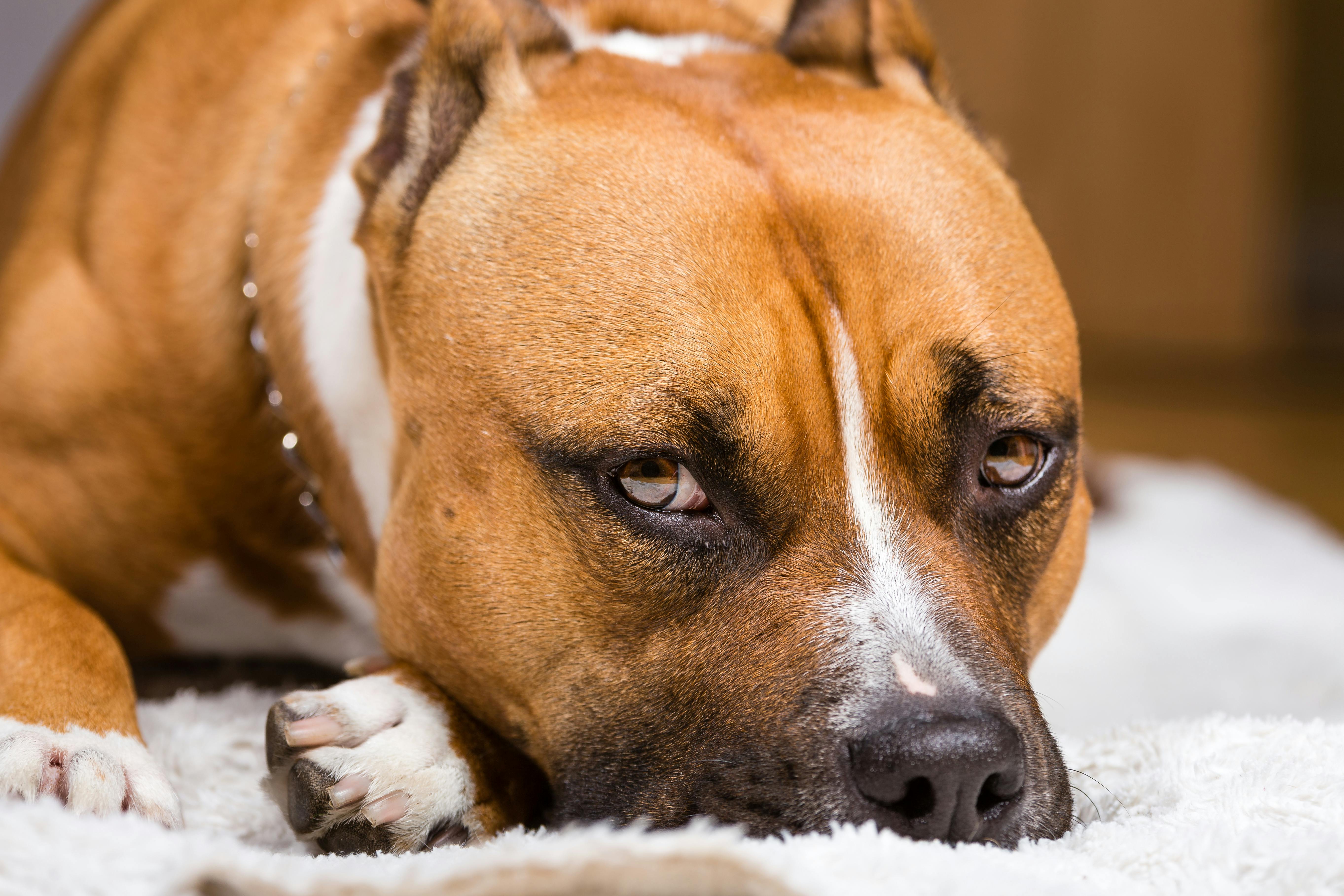 \n\n
\n\nDogs are known for many things, but one of the most fascinating aspects of their anatomy is their noses. From the moment they’re puppies, dogs have wet noses, which seems to be a universal truth across breeds and ages. But why do dogs have wet noses? And how does a dog’s nose change over time? Let’s dive into this intriguing topic and explore what makes dog noses so special, and what, if anything, changes as they grow from playful pups to wise seniors.
\nThe Science Behind Wet Noses
\nHave you ever wondered why dogs’ noses are so wet? The moisture on a dog’s nose serves several important purposes. Here’s a quick explanation of the science behind it:
\n- \n
- Enhanced Sense of Smell: A wet nose helps to capture scent particles better. It’s like the difference between a dry sponge and a wet sponge when it comes to soaking up water. The moisture helps to absorb scents, allowing dogs to smell things much more effectively. \n
- Cooling System: Dogs don’t sweat like humans do. Instead, they regulate their body temperature through panting and, to a lesser extent, through the moisture on their noses. The evaporation of this moisture can help cool them down. \n
- Health Indicator: A wet nose can indicate good health in dogs. When a dog is sick or dehydrated, their nose may become dry. However, this is not a definitive metric of health, as many factors can influence nose moisture. \n
Puppy vs. Senior: Changes Over Time
\nAs dogs age, their noses can change, but not always in obvious ways. Puppies typically have very moist noses, while senior dogs may show a variety of changes. Here are some aspects to consider:
\n- \n
- Texture: Puppy noses are often soft and pliable, while older dogs may develop a rougher texture. This is due to the natural aging process and can also be influenced by environmental factors. \n
- Color: Some puppies are born with pink noses that darken as they grow. Senior dogs might experience variations in color, such as the appearance of spots or discoloration, which can be normal but should be monitored. \n
- Temperature: A puppy’s nose may feel cooler and wetter than that of an older dog, whose nose might feel warmer and drier. However, this isn’t a hard rule; individual health and environment play roles. \n
Fascinating Facts About Dog Noses
\nDogs have an incredible sense of smell, estimated to be 10,000 to 100,000 times more sensitive than humans. Here are some cool facts about dog noses:
\n- \n
- Dogs have about 300 million smell receptors, compared to a human’s 5 million. \n
- The part of a dog’s brain that analyzes smells is proportionally larger than that of humans. \n
- Dogs can detect certain diseases, such as cancer and diabetes, through scent alone. \n
- Each dog’s nose print is unique, similar to a human fingerprint. \n
Why Do Dogs Have Wet Noses? A Summary
\nSo, why do dogs have wet noses? It's primarily for enhancing their sense of smell and regulating body temperature. But the moisture on their noses can also reflect their overall health. A wet nose means they are likely hydrated and healthy, while a dry nose can signal something might be off. However, it’s essential to note that this is not the only indicator of health, and regular veterinary check-ups are crucial.
\nCaring for Your Dog's Nose
\nAs your dog ages, it’s important to keep an eye on their nose and overall health. Here are some tips for maintaining a healthy nose:
\n- \n
- Hydration: Ensure your dog always has access to fresh, clean water. Proper hydration is key to keeping their nose moist. \n
- Regular Vet Visits: Keep up with scheduled veterinary appointments to catch any health issues early. \n
- Watch for Changes: Be aware of any sudden changes in your dog’s nose. If it becomes persistently dry or shows signs of cracking, consult with your veterinarian. \n
The Takeaway
\nUnderstanding your dog's nose, from puppy to senior, is a captivating journey that showcases the remarkable adaptations of these beloved pets. Their wet noses are more than just an endearing trait; they represent a well-oiled machine for survival and communication. As a dog ages, their nose might undergo changes, but the essence of its function remains the same. So next time you see your furry friend with that wet nose, remember the fascinating truth behind it!
\n\nConclusion
\n\nIn conclusion, the wet noses of dogs serve several vital purposes, from enhancing their sense of smell to regulating body temperature. The moisture on their noses helps to capture scent particles, making their olfactory capabilities even more impressive. Additionally, a wet nose can indicate a healthy and happy dog, as it is often associated with hydration and vitality. While a dry nose may sometimes signal illness, it is essential to consider the overall context of your pet’s health. Understanding the significance of your dog's wet nose not only enriches your knowledge as a pet owner but also helps you monitor their well-being more effectively. Keep observing your furry friend, and if you notice any concerning changes, don’t hesitate to consult your veterinarian. Embrace the uniqueness of your dog's physiology and cherish the bond you share, knowing that those wet noses are just one of the many wonders of canine companionship.
\n\n