Have you ever wondered why do dogs have wet noses? This intriguing question sparks curiosity among dog lovers and pet owners alike! A dog's nose is not just adorable; it serves several important functions that can leave you amazed. In fact, the fascinating truth behind those moist snouts could change the way you view your furry friend. But what makes their noses so special? Is it just a quirky trait, or does it have deeper significance? Studies show that a dog's wet nose helps them to detect scents better, making them exceptional companions for tracking and hunting. Moreover, the wetness of their noses also plays a role in regulating their body temperature. So, what else could this mean for your pup's health? As you delve into this topic, you may discover surprising insights about canine biology that could enhance your understanding of your pet. So, if you're eager to learn more about the mystery behind wet noses and why they matter, keep reading! This journey into the world of dogs will not only satisfy your curiosity but also deepen the bond you share with your four-legged friend.
\n\nThe Science Behind Wet Noses: Why Are Dogs’ Noses Always Moist?
\n\n \n\n
\n\nDogs are often seen with their noses glistening and moist, leading many people to wonder: Why do dogs have wet noses? This intriguing characteristic of our canine companions has more than one answer, and it taps into the fascinating world of dog biology and behavior. So let’s explore the science behind wet noses, and why they matter for our furry friends.
\nThe Biology of a Dog's Nose
\nA dog’s nose is not just cute; it serves important functions. The moistness of their noses is due to a thin layer of mucus, which helps enhance their sense of smell. Dogs have an incredible sense of smell, estimated to be anywhere from 10,000 to 100,000 times more acute than humans. Here’s how it works:
\n- \n
- Moisture: Wet noses help trap scent particles in the air, allowing dogs to pick up more smells. \n
- Temperature Regulation: Dogs don’t sweat like humans do. Their noses help cool them down since dogs primarily regulate their body temperature through panting. \n
- Health Indicator: A wet nose often indicates that a dog is healthy. A dry nose, on the other hand, sometimes can signal dehydration or illness. \n
Historical Context of Dogs' Noses
\nDogs have been companions to humans for thousands of years. Their noses have evolved from their wild ancestors, who needed an exceptional sense of smell for hunting and survival. Ancient civilizations recognized the importance of a dog's nose; some even used them for tracking and hunting.
\nFor instance, the Ancient Egyptians revered dogs and believed their keen sense of smell made them valuable assets in hunting. Over time, selective breeding enhanced specific traits, including the efficacy of their noses. This historical bond between humans and dogs has shaped how we see and understand our canine friends today.
\nWhy Are Dogs’ Noses Always Moist?
\nYou might have seen your dog licking their nose, or perhaps they just seem to have a constant sheen on it. Here’s a breakdown of why this happens:
\n- \n
- Licking: Dogs often lick their noses to keep them moist. This action helps them gather more scent particles. \n
- Environmental Factors: Humidity and temperature can affect how moist a dog’s nose is. On cooler days, a dog’s nose may be wetter than on hot days. \n
- Nasal Glands: Dogs have specialized glands in their noses that produce moisture. This secretion can increase when a dog is excited or curious. \n
It’s interesting to note that the wetness of a dog’s nose can vary from breed to breed. Some breeds, like the Bloodhound or Beagle, have particularly moist noses, while others may have slightly drier noses.
\nPractical Examples of Wet Nose Benefits
\nThe benefits of a dog’s wet nose extend beyond just smelling. Here are some practical examples of how a moist nose aids dogs:
\n- \n
- Tracking Scents: A dog can detect a trail left by another animal or person, making them excellent trackers. \n
- Social Interaction: Dogs often greet each other with a nose touch, which is a way of gathering information about one another. \n
- Health Monitoring: Owners can monitor changes in a dog’s nose to catch potential health issues early. It’s a good practice to check for unusual dryness or cracks. \n
Comparing Wet Noses to Dry Noses
\nIt’s also helpful to consider the differences between wet and dry noses. Here’s a brief comparison:
\n| Wet Nose | \nDry Nose | \n
|---|---|
| Indicates hydration and health | \nCan signal dehydration or illness | \n
| Better sense of smell | \nMay indicate a temporary issue | \n
| Common during play or excitement | \nCan result from hot weather or illness | \n
Fun Facts About Dogs' Noses
\n- \n
- Dogs have a unique nose print, much like a human fingerprint. This means each dog has a distinct pattern! \n
- The color of a dog’s nose can change depending on temperature and mood. \n
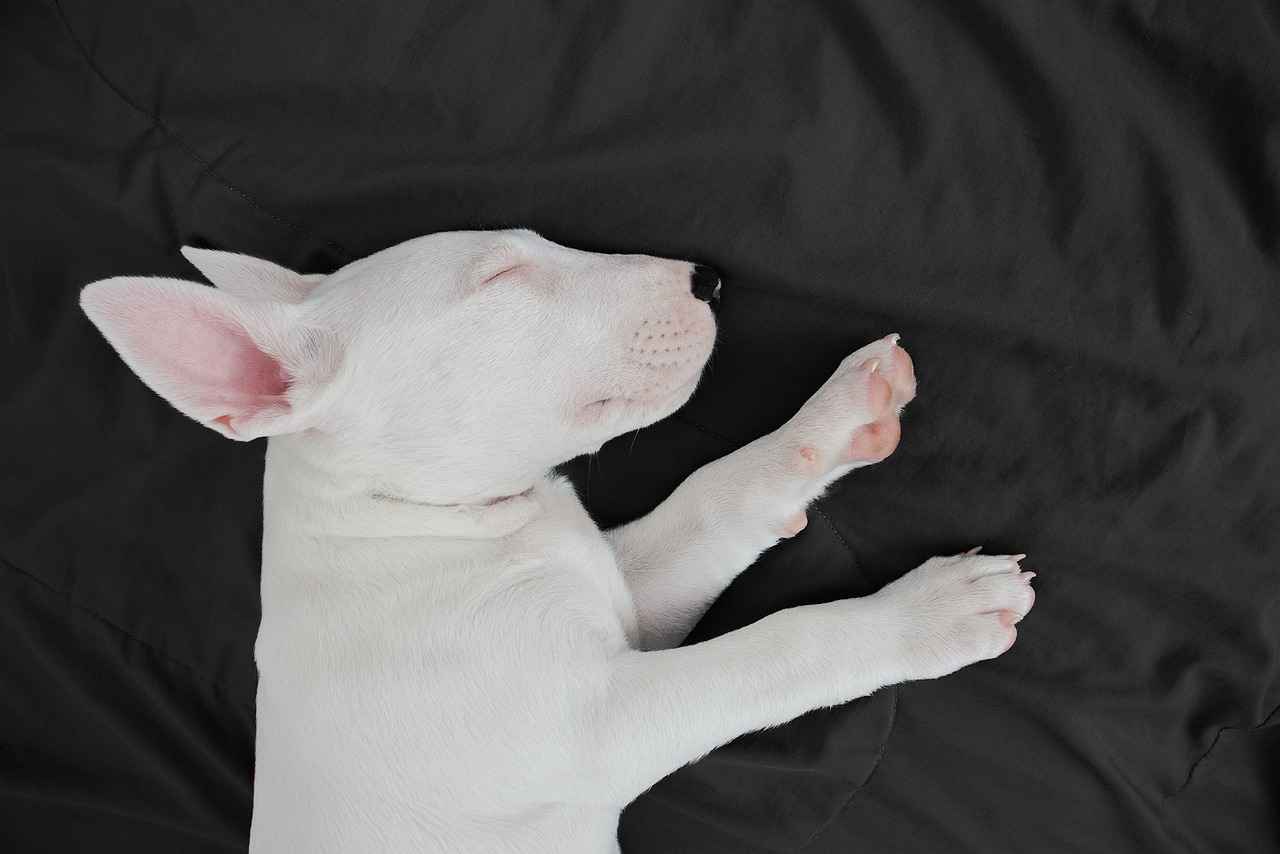
- Puppies are born with pink noses, which usually darken as they grow older. \n
Understanding why do dogs have wet noses can deepen your appreciation for these marvelous animals. Their moist noses are not just a quirky characteristic; they play a vital role in their health, behavior, and social interactions. The next time you see your dog with that shiny, wet nose, remember that it’s more than just an adorable feature—it’s a window into their world!
\nSo, if you’re a dog owner or simply a lover of these furry friends, take a moment to appreciate the science that makes them so unique!
\n\n5 Surprising Benefits of a Dog's Wet Nose You Never Knew About
\n\n \n\n
\n\nDogs are amazing creatures with many unique traits, one of the most notable being their wet noses. You might of noticed how a dog's nose is always moist, and it’s not just for show. There’s some interesting science and benefits behind this feature. So, let’s explore the 5 surprising benefits of a dog's wet nose, and also answer the question, "Why do dogs have wet noses?" The truth is quite fascinating!
\nThe Science of Wet Noses
\nFirst, it’s important to understand why do dogs have wet noses? The moisture on a dog's nose comes from a mix of mucus and secretions from the nasal glands. This helps them in many ways, including:
\n- \n
- Thermoregulation: A wet nose helps dogs cool down. Dogs don’t sweat like humans do, so they rely on their noses to regulate body temperature. \n
- Enhanced Sense of Smell: The moisture traps scent particles, allowing them to pick up smells better. This is one reason why dogs can track scents so effectively. \n
- Health Indicator: A wet nose can be an indicator of a dog’s health. While it's not a definitive sign, a dry nose may suggest dehydration or illness. \n
5 Surprising Benefits of a Dog's Wet Nose
\n- \n
- \n
Natural Air Conditioner: Dogs don’t sweat like us, but their wet noses help them cool down. When they pant, the moisture evaporates, helping to lower their body temperature.
\n \n - \n
Improved Sense of Smell: A wet nose is more sensitive to odors. This means your dog can detect things us humans can’t, like food, other animals, or even certain diseases.
\n \n - \n
Emotional Connection: Dogs often nuzzle their wet noses against people. This behavior can help forge a stronger bond, as it shows affection and trust. It's like a doggy hug!
\n \n - \n
Health Monitoring: Pet owners can occasionally check a dog's nose as a quick health indicator. A healthy dog usually has a cool, moist nose. If it’s dry or hot, it might be a sign to check in with a vet.
\n \n - \n
Social Communication Tool: Dogs use their wet noses in social interactions. When they greet each other, they often sniff each other's noses. It’s part of how they communicate and understand each other.
\n \n
Historical Context of Dog Noses
\nHistorically, dogs have been our companions for thousands of years. Their wet noses have evolved for survival and bonding. Ancient cultures recognized the special abilities of dogs, including their sense of smell. For example, in hunter-gatherer societies, dogs were essential for tracking game. Their wet noses helped them excel in this role.
\nFun Facts About Dog Noses
\n- \n
- Unique Patterns: Just like human fingerprints, every dog has a unique noseprint. \n
- Temperature Regulation: A dog's nose temperature can be around 33 degrees Fahrenheit, cooler than their body temperature. This helps with heat dissipation. \n
- Health Assessments: Some veterinarians believe that the condition of a dog’s nose can indicate certain health issues, though it’s not always accurate. \n
Why Moisture Matters
\nMoisture on a dog’s nose is more than just an aesthetic feature. It plays a critical role in their overall health and ability to interact with the world. When a dog’s nose becomes excessively dry or cracked, it may indicate underlying health issues that require attention.
\nComparing Dog Noses to Other Animals
\nDogs are not the only animals with wet noses. Other mammals, like cats and pigs, also have moist noses. However, the functionality and purpose behind the moisture vary among species. For instance:
\n- \n
- Cats: They use their noses to regulate temperature, but they don’t rely on it as heavily for smell as dogs do. \n
- Pigs: Their wet noses help them dig and forage for food, which is crucial for their survival. \n
How to Keep Your Dog’s Nose Healthy
\n- \n
- Hydration: Ensure your dog drinks plenty of water. \n
- Check for Cracks: Look for any signs of dryness or cracking and consult a vet if you notice anything unusual. \n
- Humid Environment: If you live in a dry climate, consider using a humidifier, especially during winter months. \n
The next time you see your furry friend with that wet nose, remember that it’s not just cute; it’s an essential part of their biology and health. Understanding why do dogs have wet noses and the benefits they provide can deepen the bond you share with your pet. So, take a moment to appreciate that little nose, and all the incredible things it does for your dog!
\n\nIs a Wet Nose a Sign of a Healthy Dog? Exploring the Myths and Facts
\n\n \n\n
\n\nIs a Wet Nose a Sign of a Healthy Dog? Exploring the Myths and Facts, Why Do Dogs Have Wet Noses? Discover The Fascinating Truth!
\nWhen you think about dogs, one of the first things that might pop into your head is their wet noses. You probably seen dogs greeting their owners with a friendly nuzzle, leaving you to wonder: “Is a wet nose a sign of a healthy dog?” This question has sparked a lot of myths and misconceptions over the years. Let's dive into the fascinating world of canine anatomy and behavior to separate fact from fiction.
\nWhy Do Dogs Have Wet Noses?
\nDogs have wet noses for several reasons. Here are some key points to consider:
\n- \n
- Cooling Mechanism: Dogs can’t sweat like humans do. They rely on their noses to help regulate body temperature. A wet nose can help cool them down, especially during hot weather. \n
- Sense of Smell: A wet nose enhances a dog's sense of smell. The moisture helps capture scent particles, making it easier for dogs to pick up on different odors. \n
- Health Indicator: While a wet nose is often associated with health, it’s not the sole indicator. A dog can have a wet nose but still be sick, and vice versa. \n
- Behavioral Reasons: Dogs also lick their noses regularly, keeping them moist and clean. This behavior is natural and instinctive. \n
The Myths Surrounding Wet Noses
\nThere are many myths about wet noses and dog health. Let’s break them down:
\n- \n
- \n
Myth: A Wet Nose Means a Healthy Dog
\n- \n
- Fact: While many healthy dogs have wet noses, a dry nose doesn’t automatically mean a dog is sick. Dogs can experience dry noses for various reasons, including dehydration or even just sleeping. \n
\n - \n
Myth: All Dogs Have Wet Noses
\n- \n
- Fact: Some breeds have drier noses due to their unique physiology. For example, brachycephalic breeds like Bulldogs may have different moisture levels. \n
\n - \n
Myth: Weather Affects Nose Moisture
\n- \n
- Fact: Weather can influence a dog’s nose moisture, but it’s not a definitive health marker. A dog may have a wet nose in winter and a dry nose in summer, regardless of health. \n
\n - \n
Myth: You Can Tell if a Dog is Sick by its Nose
\n- \n
- Fact: While some veterinarians may check a dog’s nose during an examination, it is just one of many indicators of overall health. Behavioral changes, appetite, and energy levels are often more telling. \n
\n
Signs of a Healthy Dog Beyond the Nose
\nA dog’s health can be evaluated through various signs. Here’s a checklist:
\n- \n
- Bright Eyes: Clear and alert eyes suggest good health. \n
- Shiny Coat: A glossy, well-groomed coat indicates proper nutrition and care. \n
- Good Appetite: A regular and healthy appetite shows that a dog is feeling well. \n
- Active Behavior: Energy and playfulness are good signs of a healthy dog. \n
- Normal Bathroom Habits: Regular bowel movements and urination can signal good health. \n
Practical Examples of Nose Variability
\nUnderstanding how different factors affect a dog’s nose can be enlightening. Here are some examples:
\n- \n
- Temperature: A dog may have a wet nose after playing outside, but it could dry up after resting. \n
- Health Status: If a dog has a cold, its nose might be wet but still show other signs of illness, like lethargy or sneezing. \n
- Diet: A lack of proper hydration can lead to a dry nose, even in otherwise healthy dogs. \n
Dogs and Nose Conditions
\nSometimes, wet noses can signal specific conditions. These include:
\n- \n
- Nasal Infections: If a dog has excessive discharge or a constantly wet nose, it could indicate an infection. \n
- Allergies: Environmental allergens can cause nasal discharge and affect moisture levels. \n
- Autoimmune Disorders: Certain conditions may lead to unusual nose behaviors, impacting its moisture. \n
In the end, while a wet nose can sometimes be a sign of a healthy dog, it’s not the only factor to consider. Observing your dog’s overall behavior, diet, and physical condition will give you a better understanding of its health. If you ever have concerns about your furry friend’s well-being, consulting with a veterinarian is always the best course of action.
\nSo next time your dog greets you with a moist nuzzle, remember it might just be saying hello, not necessarily indicating its health status. It's a fascinating world we live in with our canine companions, filled with quirks and mysteries waiting to be explored!
\n\nHow Does a Wet Nose Help Dogs Detect Scents Better? The Fascinating Connection
\n\n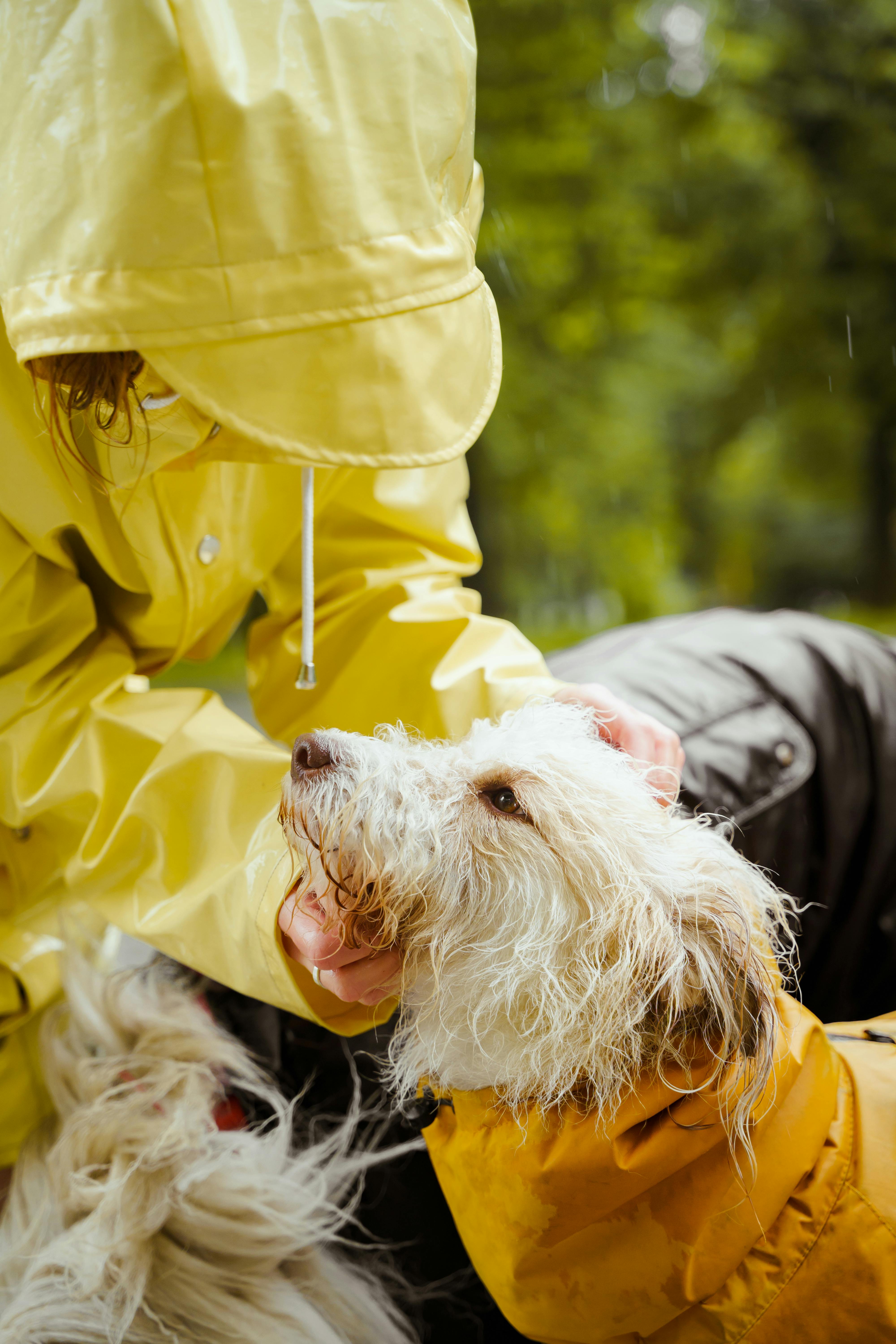 \n\n
\n\nDogs are amazing creatures, aren’t they? One of the most interesting things about them is their sense of smell. But have you ever wondered why do dogs have wet noses? And how does a wet nose help dogs detect scents better? The connection is quite fascinating and goes beyond just a quirky trait of our furry friends.
\nThe Science Behind a Wet Nose
\nA dog's nose is not just for show, it actually plays a crucial role in their ability to smell. Dogs have an incredible olfactory system, which is estimated to be anywhere from 10,000 to 100,000 times more sensitive than that of humans. Their noses are moist due to a special layer of tissue called the mucous membrane. This moisture helps in trapping scent particles from the air, making it easier for dogs to identify and analyze different smells.
\n- \n
- Moisture Retention: The wetness helps to retain scent molecules. \n
- Temperature Regulation: A wet nose also helps to cool down the dog’s body, especially when they are panting. \n
- Scent Reception: Wet noses can absorb scents more effectively, enhancing their ability to detect odors. \n
Why Do Dogs Have Wet Noses?
\nThe reasons behind the wetness of a dog's nose are both practical and evolutionary. Here are some key points:
\n- \n
- Evolutionary Advantage: Dogs are descendants of wolves, which relied heavily on their sense of smell for hunting. A wet nose likely provided an evolutionary advantage in detecting prey. \n
- Biological Functionality: The moisture in a dog's nose comes from the secretion of glands and saliva. This helps to trap scent particles, which is essential for their hunting and survival instincts. \n
- Health Indicator: A wet nose is often seen as a sign of a healthy dog. However, it’s important to note that a dry nose doesn’t automatically mean health problems. \n
The Role of Nose Shape and Size
\nNot all noses are created equal. The shape and size of a dog’s nose also play a role in their scent-detecting abilities.
\n- \n
- Long Noses vs. Short Noses: Breeds like Bloodhounds, which have long noses, tend to have a more powerful sense of smell compared to brachycephalic breeds (like Bulldogs) which have shorter noses. \n
- Nasal Structure: Dogs have more olfactory receptors in their noses than humans. A typical dog has about 300 million olfactory receptors, whereas humans have only around 5 million. \n
Fascinating Facts About Dog Smell
\nTo appreciate how amazing dogs are when it comes to smell, here are some intriguing facts:
\n- \n
- Dogs can detect certain diseases such as diabetes and cancer by smelling changes in a person’s breath or skin. \n
- They can smell fear, which is why some dogs react differently to people who are anxious. \n
- Dogs are used in search-and-rescue missions to find missing persons, thanks to their remarkable scent-tracking abilities. \n
Practical Examples of Smell Detection
\nDogs are used in many practical scenarios due to their incredible sense of smell:
\n- \n
- Search and Rescue: Dogs can locate missing persons in disaster situations or even in wilderness. \n
- Detection Services: Police and military utilize dogs for detecting drugs, explosives, and other illegal substances. \n
- Medical Detection: Some dogs are trained to detect specific medical conditions, such as seizures or low blood sugar, in their owners. \n
Enhancing Your Dog's Sense of Smell
\nIf you want to help your dog utilize their amazing sense of smell, you can engage them in activities that stimulate their olfactory senses. Here’s how:
\n- \n
- Scent Games: Hide treats around your home or yard and encourage your dog to find them. \n
- Training: Teaching your dog to track scents can increase their focus and enjoyment of their natural instincts. \n
- Variety of Smells: Introduce different scents for your dog to explore, like herbs or spices, to keep their interest piqued. \n
While we may never fully understand all the complexities of a dog's sense of smell, it’s clear that their wet noses play a significant role in their ability to detect scents. This unique physiological trait not only enhances their hunting skills but also allows dogs to connect with their environment in ways that humans can only imagine. So next time you see your dog’s wet nose, remember there’s a lot more to it than meets the eye!
\n\nThe Role of a Dog's Wet Nose in Their Sense of Taste: What You Should Know
\n\n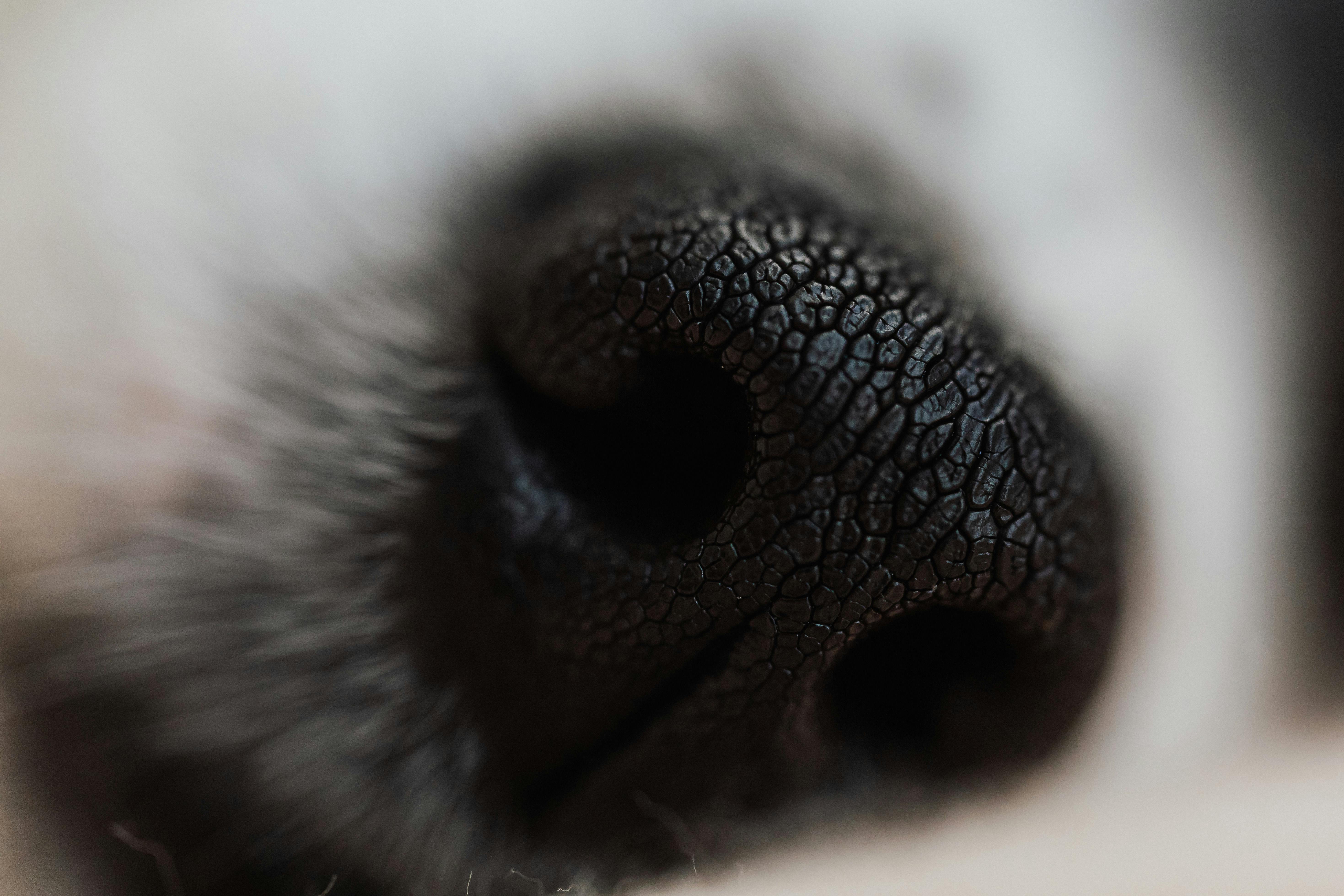 \n\n
\n\nDogs are often known for their distinct traits, and one of the most interesting is their wet noses. Many dog owners might wonder, why do dogs have wet noses? The answer goes beyond mere curiosity; it connects to their senses, health, and behaviors. In this post, we dive into the fascinating truth about a dog's wet nose and its role in their sense of taste!
\nWhat Makes a Dog's Nose Wet?
\nA dog's nose can be wet for several reasons. Firstly, the moisture on the surface of a dog’s nose helps them to absorb scent molecules. This means they can smell better. When moisture evaporates, it pulls in scent molecules. Some studies show that dogs's noses have more scent receptors than humans, making them super sniffers!
\nThe Science Behind the Wet Nose
\n- \n
- Olfactory Sensors: Dogs have approximately 220 million olfactory receptors, compared to a human's 5 million. This gives them a super sense of smell! \n
- Nasal Moisture: The wetness of the nose aids in trapping scents. The olfactory epithelium, a tissue in the nasal cavity, helps process smells. The moisture makes it easier for scent particles to stick to their noses. \n
- Temperature Regulation: Dogs also sweat through their noses, helping to regulate their body temperature, although they primarily cool off through panting. \n
Why Do Dogs Have Wet Noses?
\nThere are several reasons for a dog’s wet nose, which can be important for understanding their health and behaviors:
\n- \n
- Enhanced Smelling: As mentioned, the wetness helps in smell detection. Wet noses help dogs taste better too because their sense of taste is closely linked to their sense of smell. \n
- Health Indicator: A healthy, wet nose is often a sign of a well-hydrated dog. If a dog’s nose is dry and cracked, it could indicate dehydration or illness. \n
- Communication Tool: Dogs use their noses not just to smell, but also to communicate. They often sniff other dogs as a way of saying hello or gathering information about their canine friends. \n
How a Wet Nose Affects Taste
\nDogs rely heavily on their sense of smell when it comes to taste. Their taste buds are not as developed as humans’ but the combination of taste and smell is what makes food appealing to them. Here's a breakdown:
\n- \n
- Taste Buds: Dogs have about 1,700 taste buds, while humans have around 9,000. They may not taste as many flavors, but they can detect the presence of certain tastes like sweet, sour, and salty. \n
- Scent and Flavor: When a dog eats, the aroma of the food travels up to their nasal cavity. The wet nose helps enhance this experience by trapping those scents, making the food more flavorful to them. \n
Fun Facts About Dog Noses
\n- \n
- Unique Patterns: Just like human fingerprints, each dog has a unique nose print that can be used for identification. \n
- Color Changes: A dog’s nose color can change with the seasons. For example, some dogs might have a darker nose in the summer and a lighter one in winter. \n
- Playful Behavior: Dogs often wet their noses by licking them, which is a common behavior, especially when they are excited or curious. \n
Signs of a Healthy Nose
\nKeeping an eye on your dog’s nose can tell you a lot about their health. Here are some signs of a healthy nose:
\n- \n
- Moist and Cool: A healthy nose should feel moist and slightly cool to the touch. \n
- No Cracks or Dryness: Look for any signs of cracking or excessive dryness, which can indicate a health issue. \n
- No Discharge: Clear discharge is normal, but yellow or green discharge can signal an infection or allergy. \n
When to Worry
\nAs a dog owner, you should be aware of changes in your dog’s nose. If you notice any of these signs, it's time to consult a vet:
\n- \n
- Persistent Dryness: If the nose stays dry for long periods. \n
- Color Change: Significant changes in the color of the nose. \n
- Swelling or Cracking: If the nose becomes swollen or starts cracking, it could indicate a problem. \n
Understanding the role of a dog’s wet nose not only enriches your knowledge but also helps you care for your furry friend better. Their noses play a vital role in their health and interaction with the world. So, the next time you see your dog with that distinctive wet nose, remember that it’s not just an adorable trait; it’s a key part of what makes them the amazing companions they are!
\n\nWhat Your Dog’s Wet Nose Can Tell You About Their Health
\n\n \n\n
\n\nDogs are often considered man's best friend for a reason, but have you ever thought about what their wet nose might be telling you? Most dog owners likely notice how their furry companions often have a cold, moist nose, but there's more behind that than just a cute quirk. In fact, understanding why dogs have wet noses can offer valuable insights into their health. So, let’s dive into the fascinating truth about those slippery snouts!
\nWhy Do Dogs Have Wet Noses?
\nThe wetness of a dog's nose serves several purposes, and it’s not just about being adorable. Here are some explanations about why your pup's nose is usually damp:
\n- \n
- \n
Temperature Regulation: Dogs don't sweat like humans do. Instead, they cool down through panting and the moisture on their noses. A wet nose helps them regulate their body temperature, especially during hot weather.
\n \n - \n
Enhanced Sense of Smell: The moisture on a dog’s nose helps to capture scent particles in the air, improving their sense of smell. Wet noses can absorb scent chemicals more effectively, making the sense of smell more acute. This is why dogs can sniff out things we can’t even imagine!
\n \n - \n
Health Indicator: The condition of a dog’s nose can indicate their health. A healthy dog typically has a cool, wet nose. If the nose is excessively dry or cracked, it may signal dehydration, fever, or other health issues.
\n \n
What Does a Wet Nose Mean for Your Dog’s Health?
\nA dog’s wet nose can be a good indicator of their health status. Here’s a breakdown of what different nose conditions might mean:
\n- \n
- \n
Normal Moisture: A healthy dog will have a cool, moist nose most of the time. This is a sign that they are well-hydrated and feeling good.
\n \n - \n
Dry Nose: If your dog's nose is dry and warm, it might not always mean they are sick. It could be due to weather conditions, but if it persists, consider consulting a veterinarian.
\n \n - \n
Cracked Nose: A cracked or sore nose can indicate dehydration or a more serious condition such as a sunburn, allergies, or even infections.
\n \n - \n
Excessive Nasal Discharge: If you notice excessive mucus or discharge from your dog's nose, this could be a sign of an upper respiratory infection or allergies.
\n \n
Fascinating Facts About Dogs' Noses
\n- \n
- \n
Unique Patterns: Just like human fingerprints, every dog has a unique nose print. This could potentially be used for identification.
\n \n - \n
Scent Receptors: Dogs have anywhere from 220 million to 300 million scent receptors in their noses, compared to a human's 5 million. This makes their noses much more powerful for sniffing out scents.
\n \n - \n
Cooling Mechanism: Dogs’ noses can cool down their body temperature by up to 30%. This is crucial for their overall health, especially when they are active.
\n \n - \n
Behavioral Signals: Dogs may also use their noses to communicate. A wet nose can be a sign of affection, while a dry nose may indicate stress or discomfort.
\n \n
Tips for Keeping Your Dog's Nose Healthy
\n- \n
- \n
Hydration: Make sure your dog has access to fresh water at all times. Proper hydration is key to maintaining a healthy nose.
\n \n - \n
Moisturizers: In dry weather, consider using a pet-safe moisturizer on your dog's nose to prevent cracking.
\n \n - \n
Regular Vet Check-ups: Regular veterinary visits can help detect any underlying health issues before they become serious.
\n \n - \n
Avoid Overexposure to Sun: Just like humans, dogs can suffer from sunburn. Make sure to protect their noses during long outings in the sun.
\n \n
Comparison: Wet Noses vs. Dry Noses
\n| Wet Nose | \nDry Nose | \n
|---|---|
| Sign of good health | \nMay indicate dehydration or illness | \n
| Helps with scent detection | \nMay hinder sense of smell | \n
| Normal for active dogs | \nNeeds monitoring for health issues | \n
Understanding the nuances of your dog's health can be as simple as paying attention to their nose. A wet nose is often seen as a sign of a happy and healthy dog, but it’s important to know what changes in moisture might mean. Always keep an eye on those little signs, and don't hesitate to reach out to a veterinarian if you're concerned.
\nSo next time you lean down to give your furry friend a pat, take a moment to appreciate that wet nose! It’s not just a cute trait; it’s a window into their health and well-being.
\n\nWhy Do Different Dog Breeds Have Varying Nose Moisture? Discover the Differences
\n\n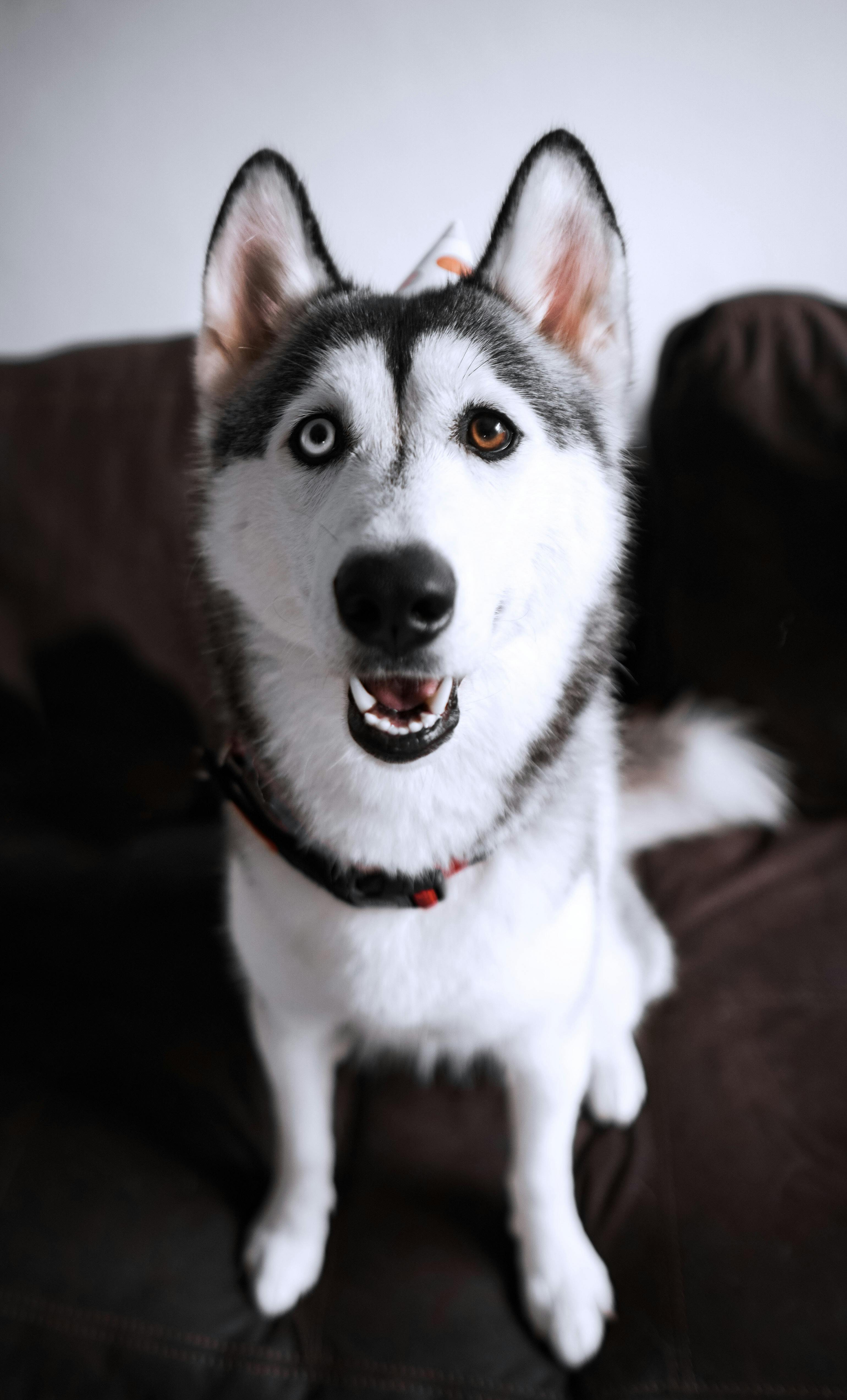 \n\n
\n\nThe fascination with dogs is unending, especially when it comes to their unique characteristics. One such characteristic that often intrigues pet owners and enthusiasts alike is the moisture of a dog’s nose. Have you ever wondered why do dogs have wet noses? And why do different dog breeds exhibit varying levels of nose moisture? Let’s dig into the fascinating truth behind this curious canine trait.
\nThe Science Behind Wet Noses
\nDogs are known for their moist noses, and this is not just for show. A wet nose plays a crucial role in a dog's ability to smell and regulate their body temperature. The moisture on a dog's nose comes from the mucous membranes, which produce a thin layer of mucus. This mucus helps to enhance the sense of smell. When a dog sniffs, the moisture captures scent molecules, allowing them to identify and categorize different smells more effectively.
\n- \n
- Dogs have around 220 million scent receptors in their noses. \n
- A wet nose helps dogs absorb scent chemicals better. \n
- Moisture helps in thermoregulation, cooling the body. \n
Different Breeds, Different Moisture Levels
\nNot all dogs have the same level of nose moisture. In fact, different breeds can have noticeably different nose textures and wetness. For instance, breeds like Bloodhounds or Beagles often have very moist noses, while others, such as Bulldogs or Pugs, might have drier noses. There are several factors that influence these differences:
\n- \n
- \n
Breed Characteristics: Some breeds are genetically predisposed to having wetter noses. Working dogs, for example, tend to have more moisture because they rely heavily on their sense of smell.
\n \n - \n
Environmental Factors: Dogs that live in humid climates may often have wetter noses compared to those in dry regions. The humidity in the air can influence the moisture level on their noses.
\n \n - \n
Health Conditions: A dog’s health can greatly affect their nose moisture. Dehydration, for instance, can lead to a dry nose, and illnesses can also change a dog’s usual nose texture.
\n \n - \n
Age: As dogs age, their body functions slow down, including the production of mucus. Older dogs might have drier noses compared to younger ones.
\n \n
The Benefits of a Wet Nose
\nWet noses are not just a quirk; they serve several important functions. Here’s a list of benefits:
\n- \n
- Enhanced Smell: A wet nose increases the ability to detect scents, which is crucial for hunting, tracking, and even social communication among dogs. \n
- Temperature Regulation: Dogs do not sweat like humans do. Instead, they rely on their noses to help cool off their bodies by allowing moisture to evaporate. \n
- Health Indicators: The texture and moisture of a dog's nose can be indicators of health. For example, if a dog’s nose suddenly becomes dry and cracked, it may signal dehydration or illness. \n
What If My Dog's Nose Is Dry?
\nIt's common for dog owners to worry when they notice a change in their pet’s nose texture. A dry nose doesn’t automatically mean something is wrong, but it can be a sign to watch for. Here are some common reasons a dog’s nose may be dry:
\n- \n
- Dehydration: Ensure your dog has constant access to fresh water. \n
- Allergies: Environmental allergens can affect nasal moisture. \n
- Infections: Bacterial or viral infections can lead to changes in nose moisture. \n
- Sunburn: Dogs can get sunburned, especially those with lighter skin or fur. \n
Interesting Facts About Dog Noses
\n- \n
- The texture of a dog’s nose is unique, similar to human fingerprints. \n
- Dogs can detect certain diseases, including cancer, through their sense of smell. \n
- A nose’s temperature is often cooler than the rest of a dog’s body, which helps them regulate heat. \n
Understanding the factors behind why do dogs have wet noses and the differences among breeds can enhance your bond with your pet. Recognizing these traits not only helps you appreciate your furry friend’s biology but also can alert you to any health concerns that may arise.
\nNext time you pet your dog and feel that moist nose, remember it’s more than just a cute feature. It’s a vital part of their anatomy that plays a significant role in their survival and well-being. Keep an eye on their nose, and you will be able to catch any changes that might indicate something is off. Dogs are fascinating creatures, and every detail, including their noses, tells a story of evolution, adaptation, and companionship.
\n\nCan Weather Affect Your Dog’s Nose Moisture? Find Out the Truth!
\n\n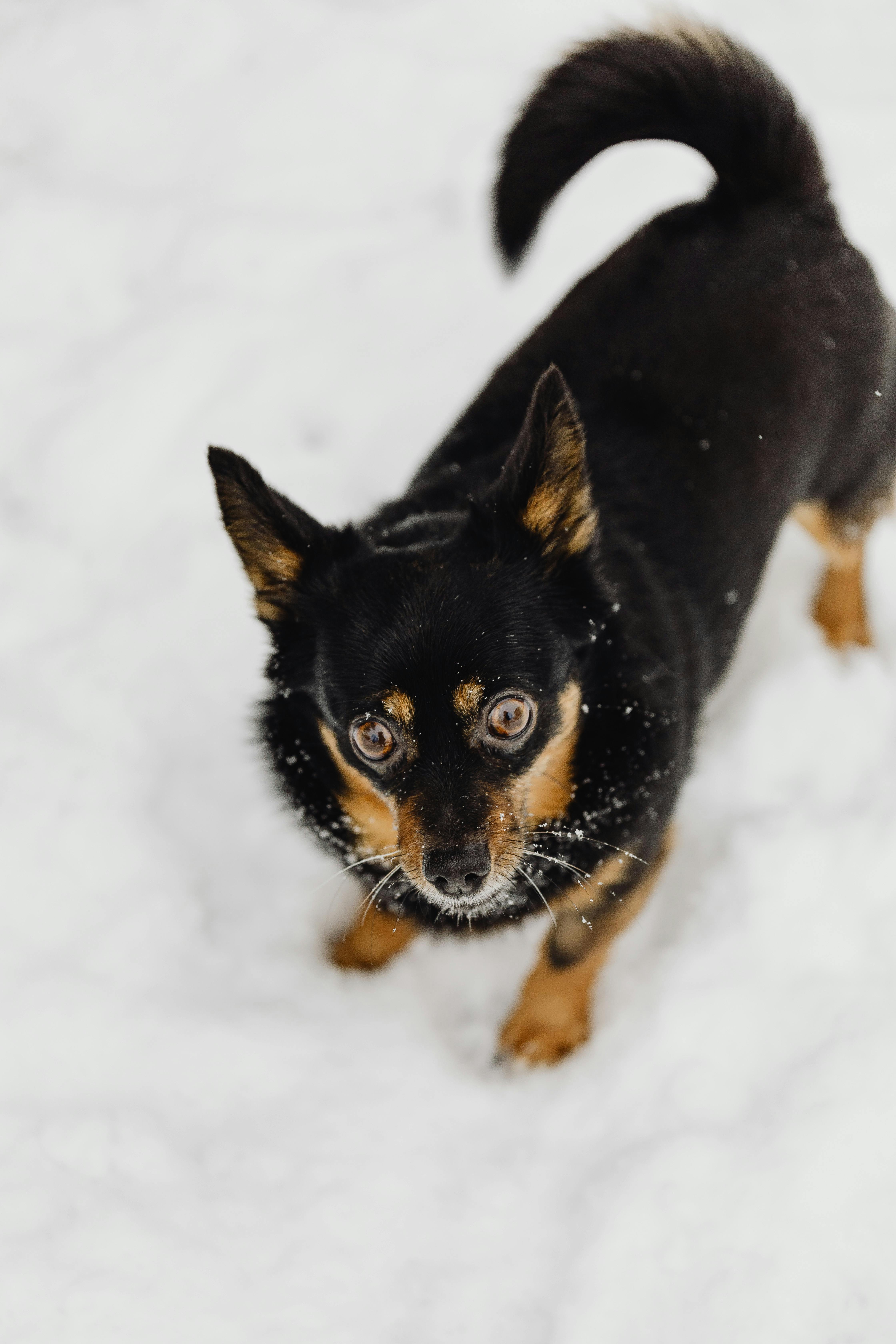 \n\n
\n\nDogs are man's best friend, right? But have you ever wondered why do dogs have wet noses? More importantly, can weather affect your dog’s nose moisture? There’s a lot of interesting facts to chew on, so let’s dive into this fascinating topic.
\nThe Basics of Dog Noses
\nFirst off, let's talk about that nose. A dog's nose is not just for sniffing around. It's a complex organ that has many functions. A wet nose is often seen as a sign of health and vitality in your canine companion. The moisture on their noses comes from a mix of mucus and secretions from the nasal glands. This moisture helps enhance their sense of smell, which is already extraordinary.
\nWhy Do Dogs Have Wet Noses?
\nHere is a list of reasons to consider why dog noses are wet:
\n- \n
- Cooling Mechanism: Dogs don’t sweat like humans. Instead, they cool off through their noses and paw pads. The moisture helps regulate their body temperature. \n
- Enhanced Sense of Smell: Wet noses capture scent particles better than dry ones. It’s like using a sponge to soak up water versus a dry cloth. \n
- Health Indicator: A wet nose can indicate that your dog is healthy, while a dry, cracked nose might suggest dehydration or illness. \n
Can Weather Affect Nose Moisture?
\nSo, can the weather really affect your dog's nose moisture? Absolutely! Different weather conditions can have a significant impact on how moist or dry your dog's nose is. Here’s how:
\n- \n
- Humidity Levels: In high humidity, you might notice your dog's nose stays wetter. This is because the air is saturated with moisture, making it easier for their noses to retain that moisture. \n
- Cold Weather: When it’s cold outside, dogs' noses might dry out quicker. The cold air can strip away moisture, leading to a dry nose. \n
- Heat and Sun Exposure: In hot weather, dogs can get dehydrated quickly. If they are not drinking enough water, their noses may lose moisture. Dogs might also get sunburned on their noses, leading to dryness. \n
- Indoor Climate: Heating systems in the winter can dry out the air in your home, affecting your dog's nose moisture. Likewise, air conditioning during the summer can also lead to drier noses. \n
What Should You Watch For?
\nIt’s important to pay attention to your dog’s nose and overall health. Here’s a quick checklist:
\n- \n
- Change in Nose Texture: If the nose goes from wet to dry suddenly. \n
- Cracking or Bleeding: This can indicate dehydration or other health issues. \n
- Behavior Changes: If your dog seems lethargic or is drinking less water, it could be a sign that something is wrong. \n
- Frequent Licking: If your dog is licking their nose more than usual, it might indicate discomfort or dryness. \n
Practical Tips for Keeping Your Dog's Nose Moist
\nHere are some tips for ensuring your dog’s nose stays nice and moist, no matter the weather:
\n- \n
- Hydration: Make sure your dog always has access to fresh water, especially during hot days. \n
- Humidifiers: Using a humidifier during winter can keep the air moist and benefit your dog's nose. \n
- Sun Protection: If your dog has a light-colored nose, consider using pet-safe sunscreen when outdoors for long periods. \n
- Regular Vet Check-ups: Regular visits to the vet can help catch any health issues early on. \n
Interesting Facts About Dog Noses
\n- \n
- Dogs have up to 300 million olfactory receptors in their noses, compared to about 6 million in humans. \n
- Each dog has a unique nose print, much like a human fingerprint. \n
- Dogs can smell fear, stress, and other emotional states in humans, thanks to their keen sense of smell. \n
The next time you pet your furry friend, take a moment to appreciate that wet nose. It's not just cute; it's essential for their health and well-being. Understanding how weather affects your dog’s nose moisture can help you better care for them, ensuring they stay comfortable and happy. So, keep an eye on those noses, and make sure your pup is hydrated and healthy in all kinds of weather!
\n\nThe Evolutionary Purpose of Dogs Having Wet Noses: A Deep Dive
\n\n \n\n
\n\nDogs have been our loyal companions for thousands of years, and their unique features have always intrigued us. One of the most fascinating aspects is their wet noses. Ever wondered, "Why do dogs have wet noses?" or "What’s the evolutionary purpose behind it?" This article takes a deep dive into the fascinating truth of why our furry friends have those moist, cool noses.
\nThe Science Behind Wet Noses
\nDogs' noses are wet for a reason, and it ain't just for show. The moisture on a dog's nose serves several important functions. Let’s explore these:
\n- \n
- Enhanced Sense of Smell: Dogs has an extraordinary sense of smell, and the wetness on their noses helps in trapping scent particles. A moist surface is more effective in capturing odors, making it easier for dogs to understand their environments. \n
- Temperature Regulation: Just like humans sweat, dogs can cool themselves down through their noses. The evaporation of moisture helps to regulate their body temperature, especially during hot days. \n
- Health Indicator: A wet nose can also indicate a dog’s health status. Generally, a healthy dog will have a moist nose, while a dry nose could signal dehydration or illness. But remember, it ain't always a definitive sign! \n
The Evolutionary Purpose
\nDigging deeper into the evolutionary history of dogs, we find that their ancestors are believed to have had similar wet noses. This characteristic likely evolved to assist in hunting and survival. Here are some key points:
\n- \n
- Hunting Efficiency: Early canines, like wolves, required acute senses for hunting. A wet nose enhances olfactory perception, crucial for tracking prey. \n
- Social Communication: Dogs communicate through scents. A wet nose aids in scent exchange with other animals, playing a role in social interactions. \n
- Adaptation to Environment: The wetness may also be an adaptation to various climates. In hotter regions, a wet nose could help keep dogs cool, while in colder areas, it aids in scent detection in snowy environments. \n
Historical Context
\nWhen we look at the history of domestication, we see that dogs have been around for over 15,000 years. They likely descended from wolves, and as they adapted to living alongside humans, their noses remained wet. Think of it as a trait that stuck around through generations.
\n- \n
- Domestication Timeline:
- \n
- 15,000 years ago: Dogs begin to emerge from wolves. \n
- 10,000 years ago: Dogs start living closely with humans, enhancing their social skills and olfactory capabilities. \n
- Present day: Dogs serve various roles, from companions to service animals, all while relying on their amazing sense of smell. \n
\n
Fun Facts About Dog Noses
\nDid you know that dog noses are as unique as human fingerprints? Here are some fun facts that might surprise you:
\n- \n
- Nasal Patterns: Each dog has a unique nose print, and it can be used for identification. \n
- Scent Receptors: Dogs have up to 300 million scent receptors in their noses, compared to about 6 million in humans. \n
- Nose Temperature: A dog's nose temperature can change based on their mood—warm may indicate excitement, while cold can be a sign of relaxation. \n
Common Misconceptions
\nThere are many myths floating around about why dogs have wet noses. Let’s clear up a few:
\n- \n
- \n
Myth: A dog’s nose should always be wet.
\n- \n
- Truth: While a healthy dog often has a moist nose, it can vary throughout the day. \n
\n - \n
Myth: A dry nose means illness.
\n- \n
- Truth: A dry nose can be normal; other signs should be considered before concluding any health issues. \n
\n
Practical Examples of Nose Use
\nYou might not realize how dogs use their noses every day. They do so in various activities:
\n- \n
- \n
Scent Detection:
\n- \n
- Search and rescue operations often rely on dogs to find missing people. \n
- Detection dogs can identify drugs, explosives, or even certain medical conditions like cancer. \n
\n - \n
Therapeutic Roles:
\n- \n
- Service dogs use their noses to assist individuals with disabilities, helping to alert them to sounds or dangers. \n
\n - \n
Socializing:
\n- \n
- Dogs greet each other by sniffing noses, exchanging information about each other's health, mood, and identity. \n
\n
The evolution of a dog's wet nose is a blend of biology, history, and astonishing capabilities. Understanding the reasons behind this unique trait not only enhances our appreciation for dogs but also deepens our bond with them. Next time you see your furry friend with a wet nose, remember that it’s not just cute — it's an evolutionary marvel!
\n\nWet Nose vs. Dry Nose: What Every Dog Owner Should Understand About Nose Health
\n\n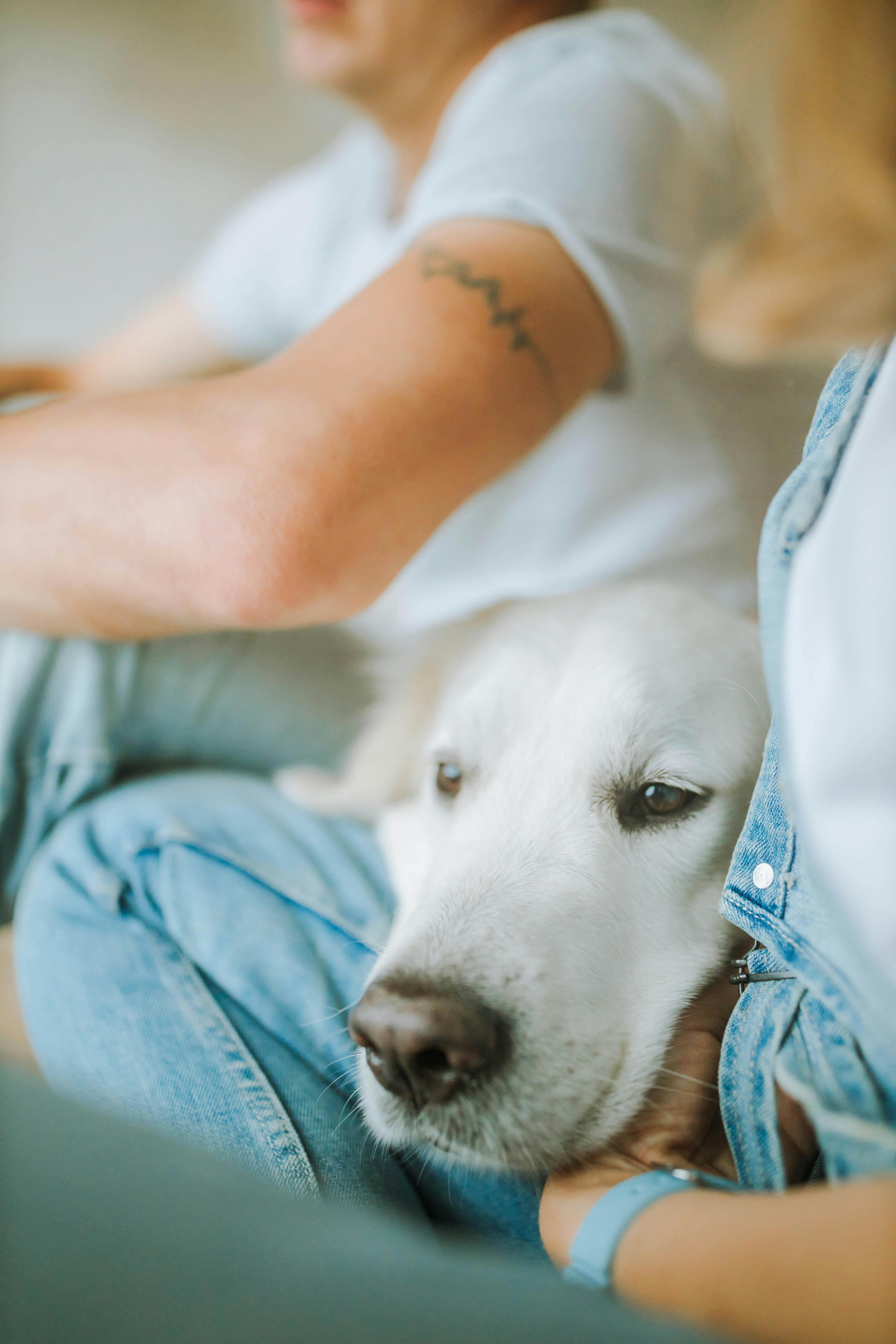 \n\n
\n\nEvery dog owner know that our furry friends come with a whole lot of quirks, but one of the most interesting is their noses. Have you ever wonder why dogs have wet noses? It’s a question that many pet parents ask, and the answer is more fascinating than you might think. Understanding the difference between wet noses and dry noses is crucial for maintaining your pup's health.
\nWhy Do Dogs Have Wet Noses?
\nIt’s simple yet complex. Dogs have wet noses mainly due to their unique physiology. Their noses are covered in mucus, which helps them sense the world around them better. Wet noses also serve a vital function in thermoregulation - that’s fancy talk for how they manage body temperature.
\n- \n
- Scent Detection: A wet nose helps absorb scent particles. The moisture pulls in scents from the environment, allowing dogs to gather more information about their surroundings. \n
- Cooling Mechanism: Just like sweating for humans, dogs can cool themselves down through their noses. The moisture evaporates, which helps lower their body temperature. \n
- Health Indicator: A wet nose is often seen as a sign of healthiness. However, this isn't always true, as other factors can affect nose moisture. \n
What About Dry Noses?
\nA dry nose could mean different things. Sometimes, it's normal, but it could also be a sign of health issues. Here are some common reasons why your dog's nose may be dry:
\n- \n
- Dehydration: If your dog isn’t drinking enough water, their nose may become dry. \n
- Illness: Certain health problems, like fever or infections, can lead to a dry nose. \n
- Weather Effects: Hot or windy weather can cause your dog’s nose to dry out. \n
- Allergies: Just like humans, dogs can have allergic reactions that can affect their noses. \n
Comparing Wet and Dry Noses: What’s Normal?
\nHere’s a quick look at some common characteristics of wet vs. dry noses in dogs.
\n| Feature | \nWet Nose | \nDry Nose | \n
|---|---|---|
| Temperature | \nTypically cool | \nOften warmer | \n
| Moisture Level | \nHigh | \nLow | \n
| Scent Absorption | \nExcellent | \nPoorer | \n
| Health Indicator | \nGenerally healthy | \nCan indicate issues | \n
When Should You Be Concerned?
\nWhile a wet nose is usually a good sign, there’s situations that may require a vet visit. If your dog’s nose is dry and cracked, or if there’s a change in the texture or color of the nose, it’s essential to seek professional advice. Signs to watch for:
\n- \n
- Persistent dryness \n
- Swelling or redness \n
- Crusty or bleeding areas \n
- Changes in behavior, like lethargy \n
FAQs About Dog Nose Health
\n- \n
- \n
Can a dog's nose be too wet?
\n- \n
- A slightly wet nose is normal, but excessive moisture can be a sign of infection or other issues. \n
\n - \n
Do certain breeds have drier noses?
\n- \n
- Yes, some breeds have naturally drier noses than others. For example, brachycephalic breeds may have different moisture levels. \n
\n - \n
How do I keep my dog’s nose healthy?
\n- \n
- Ensure they stay hydrated, monitor for allergies, and protect against extreme weather conditions. \n
\n - \n
Is it normal for a dog’s nose to change color?
\n- \n
- Sometimes, yes. Seasonal changes or sunlight exposure can cause color changes, but sudden changes should be checked. \n
\n
Fun Facts About Dog Noses
\n- \n
- Dogs have an incredible sense of smell; it’s estimated to be 10,000 to 100,000 times more sensitive than humans. \n
- The unique pattern of a dog’s nose is like a fingerprint; no two dogs have the same nose print. \n
- Dogs can even detect diseases like cancer or diabetes through their keen sense of smell. \n
Understanding your dog’s nose health is vital for their overall well-being. While a wet nose is often seen as a sign of a happy, healthy pup, a dry nose can mean different things. Always keep an eye on your furry companion and consult with a veterinarian if you notice any changes. Being proactive about your dog’s health can lead to a happier and longer life together. Remember, every dog is unique, and knowing what’s normal for your pup will help you care for them better.
\n\nConclusion
\n\nIn conclusion, the wet noses of dogs serve several important functions that contribute to their overall health and well-being. The moisture on a dog’s nose helps enhance their sense of smell, allowing them to better detect scents in their environment, which is crucial for their survival and social interactions. Additionally, a wet nose plays a role in thermoregulation, helping dogs cool down through evaporation. While it’s a common belief that a cold, wet nose indicates a healthy dog, it’s essential to remember that overall health is determined by various factors. Regular veterinary check-ups, a balanced diet, and proper exercise are vital for your furry friend. Next time you greet your dog, take a moment to appreciate that wet nose and all it represents. Embrace your dog’s unique traits and ensure they lead a happy, healthy life—because every wagging tail and wet nose is a reminder of the joy they bring into our lives.
\n\n