Have you ever wondered why do dogs have wet noses? This intriguing question has fascinated pet owners and animal lovers alike for ages. A dog’s nose is not just wet by chance; it serves several important purposes that you might not have considered. The wetness of a dog's nose plays a crucial role in their sense of smell, making them the incredible sniffers they are. But that’s not all! Did you know that a moist nose also helps regulate a dog’s body temperature? Yes, it’s true! In this post, we will dive deep into the fascinating truth behind this common canine feature. Why do dog noses seem to be always damp? Is it a sign of health or just a quirky trait? Join us as we uncover the science and secrets behind your furry friend's wet nose. You might be surprised by what you discover! Whether you’re a seasoned dog owner or simply curious about canine biology, this exploration will satisfy your curiosity. Keep reading to learn more about the incredible world of dogs and their unique characteristics!
\n\nThe Science Behind Canine Nasal Moisture: Why Do Dogs Have Wet Noses?
\n\n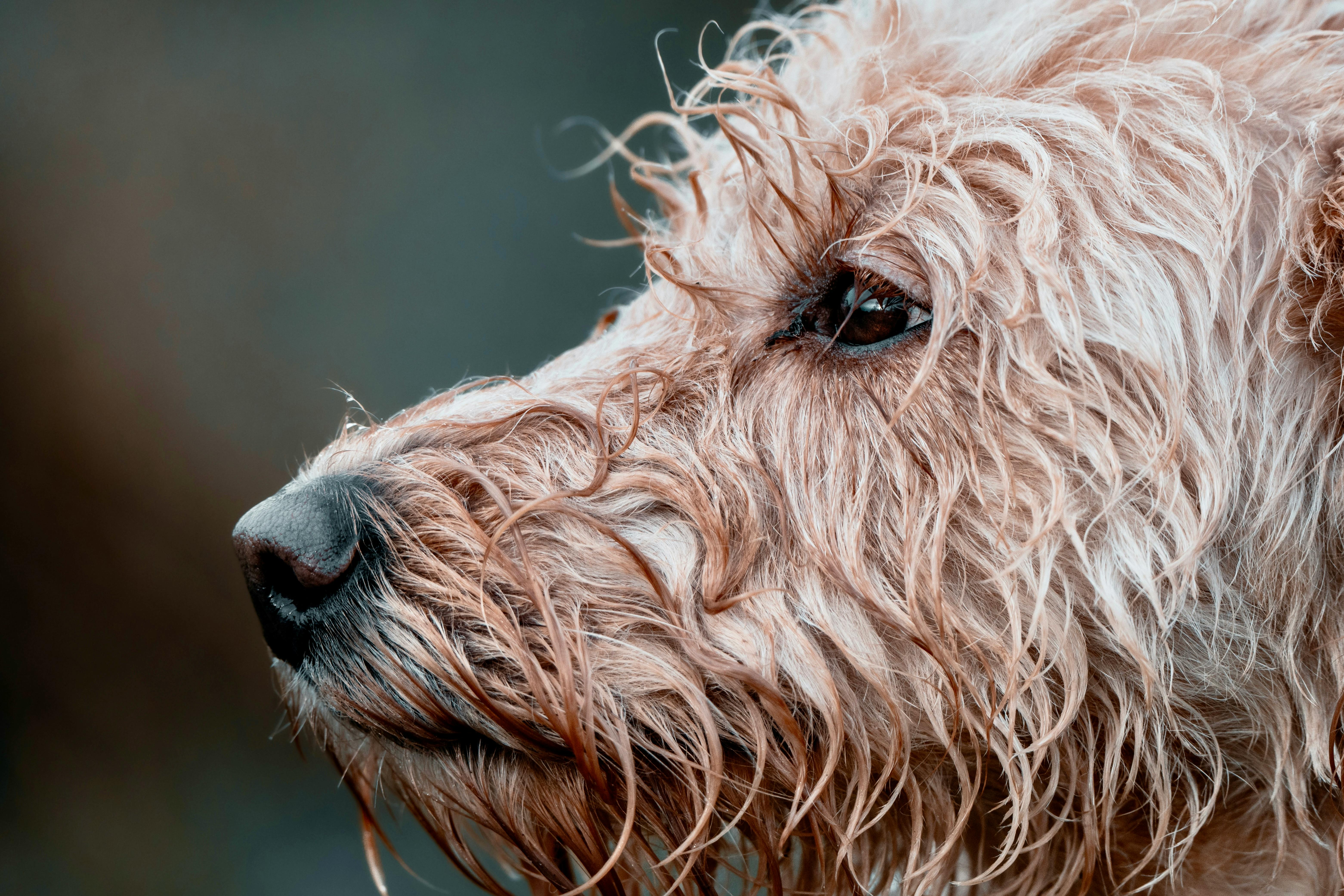 \n\n
\n\nWhy do dogs have wet noses? It's a question that many dog owners and animal lovers often wonder about. The answer isn’t just a simple one, it actually dives into the science behind canine nasal moisture. So, let’s explore the fascinating truth about why our furry friends’ noses are moist and what it really means for their health and sense of smell.
\nThe Anatomy of a Dog's Nose
\nThe dog’s nose is a complex structure made up of various tissues and features. The outer layer is covered in a thin layer of skin, but underneath lies a network of blood vessels and mucous glands. These glands play a crucial role in keeping the nose moist.
\n- \n
- Mucous glands: They produce mucus to keep the nose moist. \n
- Blood vessels: They help regulate temperature and humidity of the air that enters the nasal passages. \n
- Nasal turbinates: These are structures that increase the surface area inside the nose, helping with moisture and scent absorption. \n
The moisture on a dog’s nose isn’t just there for looks. It helps them pick up scent particles from the environment, which is super important for their acute sense of smell.
\nThe Importance of Moisture
\nSo, why do dogs have wet noses? The moisture serves several vital functions:
\n- \n
- Enhances Smell: A wet nose traps scent particles better than a dry one. This means dogs can detect smells more accurately and from further away. \n
- Temperature Regulation: The moisture helps in cooling down the dog’s body. Dogs don’t sweat like humans do, so they rely on their noses to help regulate their body temperature. \n
- Communication: Dogs can also use their sense of smell to communicate with other dogs and animals. The moisture helps in picking up pheromones and other scent signals. \n
Why Some Dogs Have Drier Noses
\nIt’s important to note that not all dogs have persistently wet noses. There can be various reasons for a dry nose, such as:
\n- \n
- Weather Conditions: Hot or dry weather can lead to a dryer nose. \n
- Health Issues: Certain illnesses, dehydration, or allergies can cause a dog’s nose to dry out. \n
- Age: Older dogs may also show changes in moisture levels in their noses. \n
A Bit of History
\nInterestingly, the belief that a dog’s nose can indicate its health has been around for centuries. In ancient cultures, a moist nose was thought to be a sign of a well and happy dog. While this isn’t always true, it does hold some weight in terms of moisture-related health indications.
\nFun Facts About Dog Noses
\nDid you know that dog noses have unique patterns, much like human fingerprints? Here are some fun facts about dog noses:
\n- \n
- Scent Detection: Dogs have about 300 million scent receptors, compared to a human’s 5 million. \n
- Color Changes: A dog’s nose can change color with the seasons, often becoming lighter in winter and darker in summer. \n
- Nasal Patterns: Each dog has a unique nose print that can be used for identification. \n
Comparing Dog Noses to Other Animals
\nWhen we compare dog noses to those of other animals, the differences are quite stark. For instance:
\n| Animal | \nNumber of Scent Receptors | \nWetness of Nose | \nPurpose of Moisture | \n
|---|---|---|---|
| Dog | \n300 million | \nWet | \nEnhances smell, cools body | \n
| Cat | \n5 million | \nSlightly Wet | \nDetects prey more effectively | \n
| Human | \n5 million | \nDry | \nLimited sense of smell | \n
Dogs excel in scent detection, making them especially good at roles like search-and-rescue or detecting drugs.
\nMaintaining Your Dog's Nose Health
\nAs a dog owner, you might wonder how to ensure your dog's nose stays healthy. Here are some tips:
\n- \n
- Hydration: Make sure your dog has plenty of water to drink. \n
- Moisturizing: If you notice your dog's nose is dry, consider using dog-safe moisturizers. \n
- Regular Check-ups: Regular vet visits can help catch any potential health issues early. \n
Overall, understanding why dogs have wet noses goes beyond just a simple observation. It’s a blend of anatomy, biology, and history that shows just how remarkable our canine companions are. Their wet noses are more than just a cute feature; they serve essential functions that contribute to their well-being and ability to connect with the world around them. So next time you give your furry friend a pat, take a moment to appreciate that wet nose and all the science behind it!
\n\n5 Surprising Benefits of a Dog's Wet Nose: What You Need to Know
\n\n \n\n
\n\nEvery dog owner knows that a wet nose is a common trait among our furry companions. But have you ever wondered why do dogs have wet noses? It's not just for show, and there’s actually more to it than one might think. In fact, there are some surprising benefits of a dog’s wet nose that you probably didn’t know about. Let's dive into the fascinating truth behind this quirky canine characteristic!
\n1. Enhanced Sense of Smell
\nOne of the main reason dogs have wet noses is due to their incredible sense of smell. A dog’s nose is packed with olfactory receptors—around 300 million of them! This is significantly more than humans, who only have about 6 million. The moisture on a dog's nose helps to capture scent particles from the air, making it easier for them to identify smells.
\n- \n
- Dogs can smell things up to 100,000 times better than humans. \n
- Wet noses allow for better absorption of scent molecules, which is vital for their hunting and tracking abilities. \n
2. Temperature Regulation
\nDogs don’t sweat like humans do. Instead, they rely on their moist noses to help regulate their body temperature. A wet nose can actually cool down your dog because evaporation of the moisture helps to dissipate heat. This is critical, especially during hot weather when dogs are at risk of overheating.
\n- \n
- Dogs might pant, but a wet nose can also act as a cooling mechanism. \n
- Keeping your dog hydrated can help maintain that wet nose, which is essential for temperature control. \n
3. Communication Tool
\nDid you know that a dog’s wet nose can also serve as a form of communication? When dogs greet each other or humans, they often nuzzle or lick with their noses. The wetness can be a signal of friendliness and openness.
\n- \n
- Dogs use their noses to explore and learn about their environment. \n
- A wet nose can indicate a dog is healthy and happy, while a dry nose might suggest something is off. \n
4. Health Indicator
\nThe condition of your dog’s nose can actually be a good indicator of their health. While a wet nose is generally a sign of a healthy pup, a sudden change might suggest something is wrong. For example:
\n- \n
- A dry nose may indicate dehydration or illness. \n
- A consistently runny nose could signal allergies or infection. \n
It’s important to monitor your dog’s nose and consult with a veterinarian if you notice significant changes.
\n5. Bonding Experience
\nFinally, the wet nose plays a role in strengthening the bond between dogs and their owners. When dogs nuzzle against you with their moist noses, it’s often their way of seeking affection and creating a connection. This simple act can enhance the emotional bond you share with your furry friend.
\n- \n
- Engaging in activities like petting or playing can keep that nose nice and wet! \n
- The more time you spend with your dog, the more they feel loved and secure. \n
Fun Facts About Dog Noses
\n- \n
- Dogs have unique nose prints, similar to human fingerprints. \n
- The color of a dog’s nose can vary widely across breeds, and some dogs even have spots or patterns! \n
- A dog’s nose can detect changes in their owner’s mood or stress levels, which is why they can be such great emotional support animals. \n
What Can You Do?
\nIf you’re wondering how to keep your dog's nose healthy, here are some tips:
\n- \n
- Ensure they have plenty of fresh water available at all times. \n
- Regularly check their nose for any unusual changes in texture or temperature. \n
- Provide a balanced diet that includes vitamins and minerals necessary for skin health. \n
In summary, a dog's wet nose is not just a cute feature; it serves multiple important functions ranging from enhancing their sense of smell to helping maintain their health. Understanding why do dogs have wet noses can deepen your appreciation for these incredible animals. So, next time your pup gives you a nudge with their wet nose, remember that it’s much more than just a friendly gesture!
\n\nWet Nose Wonders: How Your Dog's Nose Affects Their Sense of Smell
\n\n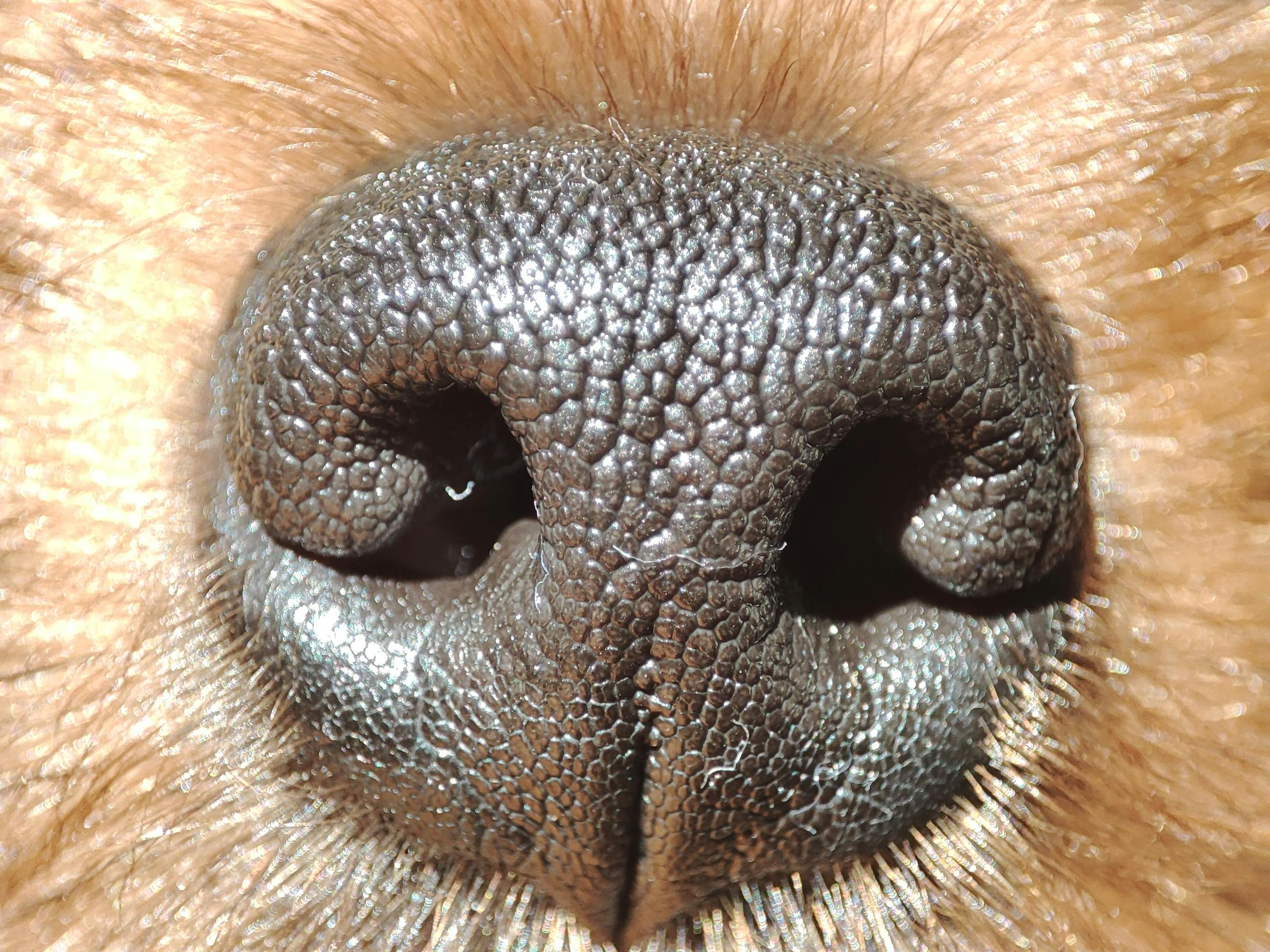 \n\n
\n\nWet Nose Wonders: How Your Dog's Nose Affects Their Sense of Smell, Why Do Dogs Have Wet Noses? Discover The Fascinating Truth!
\nHave you ever wondered why your furry friend has that wet, cold nose? It’s more than just a cute feature—dogs noses are actually quite fascinating. Understanding why dogs have wet noses can give us insight into their amazing sense of smell. This article explores the reasons behind their wet noses, the role it plays in their lives, and why it matters to us humans too.
\nThe Science of a Dog's Nose
\nDogs have an extraordinary sense of smell, which is much stronger than humans. In fact, it’s estimated that a dog’s sense of smell is anywhere from 10,000 to 100,000 times better than ours! This incredible ability is due to several factors:
\n- \n
- Olfactory Receptors: Dogs have about 300 million olfactory receptors in their noses, compared to a human’s 5 million. \n
- Vomeronasal Organ: This organ, also known as Jacobson's organ, helps dogs detect pheromones, chemical signals that affect their behavior. \n
- Brain Power: A dog's brain is specially adapted to process smells. The part of their brain responsible for analyzing scents is larger relative to their brain size than in humans. \n
Why Do Dogs Have Wet Noses?
\nThe moisture on a dog’s nose serves several important purposes. Here's a list of why these wet noses are actually helpful:
\n- \n
- Enhanced Smell: A wet nose helps to dissolve scent particles, which makes it easier for dogs to pick up various smells. When the nose is moist, it can absorb odors better. \n
- Temperature Regulation: Dogs do not sweat like humans. They regulate their body temperature through panting and the moisture on their noses. A wet nose helps cool them down. \n
- Communication: Dogs can communicate their feelings and emotions through their noses. A dog with a warm or dry nose may not be feeling well, while a cool, wet nose usually indicates good health. \n
Historical Context of Dogs’ Noses
\nDogs have been man's best friend for thousands of years, and their noses have been essential in many roles throughout history. Early humans relied on dogs for hunting and tracking, and their incredible sense of smell made them invaluable companions. As time passed, certain breeds were developed for specific tasks, and their noses were often a focal point of their abilities.
\nFor instance:
\n- \n
- Bloodhounds: Known for their tracking abilities, bloodhounds can follow a scent trail that is days old. \n
- Beagles: These dogs are often used in airports to detect drugs and explosives due to their keen sense of smell. \n
- German Shepherds: Commonly used in police and military work, their noses help locate missing persons and detect illegal substances. \n
Fun Facts About Dogs' Noses
\nHere are some quirky and interesting facts about dogs' noses that you might not have known:
\n- \n
- Unique Patterns: Just like human fingerprints, every dog has a unique nose print. This can be used to identify them! \n
- Color Changes: A dog's nose can change color with the seasons. For example, some dogs may have darker noses in the summer and lighter in the winter. \n
- Nose Cleaning: Dogs often lick their noses to keep them clean and moist. This is a natural behavior that helps maintain their sense of smell. \n
Caring for Your Dog's Nose
\nMaintaining your dog’s nose is essential for their overall health. Here are some tips for keeping it in good shape:
\n- \n
- Hydrate: Ensure your dog has access to fresh water. A well-hydrated dog will have a moist nose. \n
- Check for Cracks: If you notice any cracks or dryness, it could be a sign of dehydration or an underlying health issue. Consult your veterinarian. \n
- Avoid Harsh Chemicals: Be careful with cleaning products or chemicals that may come into contact with your dog’s nose, as they can cause irritation. \n
In summary, the wet nose of your dog is not just an adorable trait—it plays a crucial role in their ability to smell, communicate, and maintain their health. Understanding this simple yet fascinating aspect of your pet can help you appreciate their unique characteristics even more. Next time you give your furry friend a pat on the head, remember that their wet nose is a marvel of nature, aiding them in ways that are truly special.
\n\nIs Your Dog's Wet Nose Normal? Signs That Your Pup is Healthy
\n\n \n\n
\n\nIs your dog’s wet nose normal? If you’ve ever pondered that question, you’re not alone. Many pet owners wonder about the significance of their pup's wet snout. It’s a common topic of conversation among dog lovers and even among veterinarians. So, why do dogs have wet noses? Let’s dive into the fascinating truth behind this characteristic and what it means for your furry friend’s health.
\nThe Science Behind a Wet Nose
\nDogs have moist noses for a few reasons, primarily related to their sense of smell and body temperature regulation. When a dog’s nose is wet, it helps to capture scent particles more effectively. This means they can smell better!
\n- \n
- Enhanced Olfactory Function: A wet nose can absorb scent better. \n
- Temperature Regulation: Dogs can cool down through their noses, just like humans sweat. \n
- Health Indicator: A wet nose can be a sign of good health, but it’s not the only factor. \n
Signs of a Healthy Dog Nose
\nYou might be asking yourself, how do I know if my dog’s nose is healthy? Here are some signs to look for:
\n- \n
- Moisture Level: A healthy nose is usually moist and cool, but it can vary throughout the day. \n
- Color: It should be a consistent color, usually black or brown, depending on the breed. \n
- Texture: The nose should be smooth without cracks or sores. \n
- Temperature: A nose that is warm and dry could indicate illness, but it’s not always a definitive sign. \n
What Happens When Your Dog’s Nose is Dry?
\nIf your dog’s nose feels dry, it might not be cause for alarm right away. It can be normal for a dog’s nose to be dry occasionally. But take note if it persists. Here are some potential reasons for a dry nose:
\n- \n
- Dehydration: Just like us, dogs need water. A dry nose could indicate they need more hydration. \n
- Environmental Factors: Hot weather or dry air can lead to a dry nose. \n
- Allergies: Just like humans, dogs can suffer from allergies that can affect their nose. \n
- Illness: Sometimes, a dry nose can signal a fever or other health issues. \n
How to Care for Your Dog’s Nose
\nKeeping your dog’s nose healthy is pretty straightforward. Here are some easy tips:
\n- \n
- Hydration: Make sure your pup always has access to fresh water. \n
- Humidifier: If you live in a dry climate, consider using a humidifier to help maintain moisture in the air. \n
- Balanced Diet: A healthy diet contributes to overall health, including skin and nose condition. \n
- Regular Vet Check-ups: Regular visits to the vet can help catch any potential health issues early. \n
Fun Facts About Dog Noses
\nHere are some fascinating tidbits about dog noses you might not know:
\n- \n
- Unique Prints: Just like human fingerprints, every dog's nose print is unique. \n
- Scent Sensitivity: Dogs have up to 300 million scent glands in their noses, compared to a human’s 5 million! \n
- Temperature Sensation: A dog’s nose can feel temperature changes more acutely than other parts of their body. \n
Comparison of Dog Nose Types
\nDifferent breeds can have different types of noses. Here’s a quick comparison:
\n| Breed | \nNose Type | \nCharacteristics | \n
|---|---|---|
| Labrador | \nWet | \nGenerally moist, good for smelling | \n
| Bulldog | \nDry | \nMay have a drier nose, but still healthy | \n
| Beagle | \nWet | \nHighly sensitive, wet nose aids in tracking | \n
| Chihuahua | \nVariable | \nCan be wet or dry depending on health | \n
Why Do Dogs Have Wet Noses?
\nSo, why exactly do dogs have wet noses? The main reasons boil down to survival and health. A moist nose not only helps with their sense of smell but also aids in temperature regulation. This is especially important for a species that has evolved alongside humans for thousands of years.
\nIn conclusion, while a wet nose is often a sign of a happy, healthy pup, it’s essential to monitor it alongside other health indicators. If you notice any odd changes in your dog’s nose or behavior, it’s always a good idea to consult your veterinarian to ensure your furry friend stays healthy and happy. After all, a dog’s wet nose is just one of the many unique features that make them amazing companions!
\n\nThe Fascinating Connection Between a Wet Nose and Dog Behavior
\n\n \n\n
\n\nDogs have always been fascinating creatures, haven’t they? From their wagging tails to their playful barks, there's so much to adore about them. One of the most interesting features of dogs is their noses, particularly, why do dogs have wet noses? This question is more than just a random pet-owner curiosity; it connects deeply to their behavior and health. So let’s explore the wet nose phenomenon in dogs, and discover the fascinating truth!
\nThe Science Behind Wet Noses
\nDogs have wet noses due to a combination of moisture and unique physiology. The surface of a dog's nose contains a lot of mucous glands. These glands secrete a thin layer of moisture, which helps them detect scents. It’s like they have a built-in tool for sniffing out the world around them!
\nHere’s some key points on why dogs’ noses are wet:
\n- \n
- Enhanced Smell: The moisture helps to capture scent particles, making the smells stronger and easier for dogs to detect. \n
- Temperature Regulation: Dogs can’t sweat like humans, so they often rely on their noses to help cool down. The evaporation of moisture from a wet nose can help lower their body temperature. \n
- Health Indicator: A dog’s nose can tell you something about their health. A consistently dry or cracked nose could indicate dehydration or illness. \n
Historical Context of Dogs’ Noses
\nGoing back in history, dogs have been companions to humans for thousands of years. Their wet noses have always played an important role in their survival and connection with the environment around them. In ancient times, dogs were used for hunting and herding; their sense of smell was crucial for tracking prey or locating lost livestock.
\nIt’s fascinating that, even today, dogs are used in search and rescue operations, and their wet noses help them excel at these tasks. This ability has been honed over generations, making them skilled scent detectors.
\nWhat Affects a Dog's Nose Moisture?
\nSeveral factors can influence the moisture level of a dog’s nose. These include:
\n- \n
- Environment: Dry weather can lead to drier noses. If your dog spends lots of time outside, you might notice changes in their nose condition. \n
- Health: Illness can affect a dog’s nose moisture. If they have a fever or are dehydrated, their noses might become dry. \n
- Age: Older dogs may have less moist noses compared to younger ones. This is simply part of the aging process. \n
Wet Nose vs. Dry Nose: What’s the Difference?
\nIt’s not all about wetness, though! Here’s a quick comparison of wet and dry noses in dogs:
\n| Feature | \nWet Nose | \nDry Nose | \n
|---|---|---|
| Smell Sensitivity | \nHigh; captures scent better | \nLower; may struggle with scents | \n
| Health Indicator | \nGenerally healthy; active mucous glands | \nMay indicate dehydration or illness | \n
| Temperature Regulation | \nHelps cool down the body | \nLess effective; could lead to overheating | \n
| Common Causes | \nNormal function, humid weather | \nDehydration, fever, or dry air | \n
Common Misconceptions About Dog Noses
\nMany people have myths surrounding dog noses. One of the most common is that a cold, wet nose means a dog is healthy, while a warm, dry nose indicates illness. That’s not entirely true!
\n- \n
- Temperature and Health: A dog’s nose temperature can vary due to multiple factors. It can be warm during playtime or even after sleeping. It doesn’t necessarily indicate sickness. \n
- Dog Breeds: Some breeds have naturally drier noses. For instance, Bulldogs may have less moisture due to their skin structure. \n
Practical Tips for Monitoring Your Dog’s Nose
\nKeeping an eye on your dog’s nose can be an important part of pet care. Here are some useful tips:
\n- \n
- Regular Checks: Look at your dog’s nose daily. If you see persistent dryness or cracks, consult your vet. \n
- Hydration: Ensure your dog has constant access to fresh water, especially in warmer months. \n
- Humidity Levels: Use a humidifier if you live in a dry climate. This can help maintain moisture in their nose and skin. \n
The connection between a wet nose and dog behavior is indeed fascinating. It’s not just a quirky feature; it’s a crucial part of what makes dogs such excellent companions. Understanding why dogs have wet noses can help owners care for their furry friends better. So, the next time you pet your dog, take a moment to appreciate that wet nose and all the wonders it represents!
\n\nHow Temperature and Environment Influence Your Dog's Nose Moisture
\n\n \n\n
\n\nHave you ever wonder why dogs have wet noses? It’s one of those curious things about our furry friends that seems to fascinate dog lovers everywhere. The moisture on their noses isn’t just a random occurrence; it’s closely tied to temperature, environment, and even the health of the dog. Understanding this can be pretty important, especially for pet owners in places like New York where climate varies greatly. So let’s dive into the fascinating truth behind that wet nose of your beloved pup!
\nThe Science Behind Dog's Wet Noses
\nDogs have wet noses for several reasons, and it’s more than just a cute feature. The moisture serves multiple purposes:
\n- \n
- Temperature Regulation: Just like humans sweat to cool down, dogs use their noses. The moisture evaporates, helping to lower their body temperature, especially on hot days. \n
- Enhanced Sense of Smell: A wet nose is beneficial in capturing scent particles from the air. The moisture helps to absorb these particles, making it easier for dogs to detect smells. \n
- Health Indicator: A dog's nose can indicate its health. A dry nose may not always mean illness, but it can be a sign that something’s off, especially if the dog is lethargic or showing other symptoms. \n
How Environment Influences Nose Moisture
\nTemperature and environment play significant roles in how moist a dog’s nose can be. Here are some factors:
\n- \n
- Humidity Levels: High humidity can keep a dog’s nose moist, while dry air, like in winter months, can lead to drier noses. \n
- Temperature Extremes: In hot weather, dogs may have wetter noses due to their cooling process. Conversely, cold weather can lead to a dry nose, as the cold air can sap moisture away. \n
- Indoor vs. Outdoor Conditions: Dogs that stay indoors in air-conditioned or heated spaces may have drier noses compared to those who spend time outside. \n
Comparing Wet and Dry Noses
\nTo better understand the significance of a dog’s nose moisture, let’s break it down into a simple comparison chart:
\nWet Nose vs. Dry Nose
\n| Feature | \nWet Nose | \nDry Nose | \n
|---|---|---|
| Temperature Regulation | \nHelps cool down the body | \nMay indicate overheating | \n
| Sense of Smell | \nEnhanced due to moisture | \nLess effective at scent detection | \n
| Health Indicator | \nGenerally a sign of good health | \nCould indicate dehydration or illness | \n
Historical Context of Dog Nose Moisture
\nDogs, as we know them, have evolved over thousands of years. Their wet noses are a trait that has been beneficial throughout their development. Historically, dogs were used for hunting and herding, and their keen sense of smell was crucial for these tasks. The wetness of their noses likely assisted early humans in training and utilizing dogs for various functions.
\nPractical Examples of Nose Care
\nAs a dog owner, it’s important to monitor your dog’s nose condition. Here’s some practical advice:
\n- \n
- Hydration: Ensure your dog has plenty of water to drink, especially in hot weather. Dehydration can lead to a dry nose. \n
- Environmental Adjustments: Use a humidifier indoors during dry winter months to help maintain moisture levels. \n
- Regular Vet Check-ups: If you notice persistent dryness, it’s best to consult with a vet to rule out possible health issues. \n
Why Does It Matter?
\nUnderstanding why dogs have wet noses can deepen your bond with your furry pal. When you know how their environment and health affect their moisture levels, you can take better care of them. A wet nose might be a sign of a happy, healthy dog, while a dry nose could indicate a need for attention.
\nThe next time you’re petting your dog and feel that wet nose against your hand, remember that it’s not just a charming quirk. It’s a well-adapted feature that serves a variety of purposes in your dog's life, shaped by their environment and health. Keep an eye on those noses; they tell you more than you might think!
\n\nWet Nose vs. Dry Nose: What Your Dog's Nose Says About Their Health
\n\n \n\n
\n\nDogs are wonderful companions, and their health is often reflected in little details, like the state of their noses. A common question among pet owners is, "What does it mean when my dog has a wet nose versus a dry nose?" This seemingly simple observation can actually reveal a lot about your dog's overall well-being. So, let’s dive into the unique world of our furry friends and learn more about why do dogs have wet noses.
\nWhy Do Dogs Have Wet Noses?
\nThe reason dogs usually have wet noses is quite fascinating. A dog’s nose serves as their primary tool for smelling. The moisture on their noses helps enhance their sense of smell, which is significantly better than ours. Here are some reasons why dog noses are typically wet:
\n- \n
- \n
Enhanced Olfactory Function: The moisture helps to capture scent particles in the air. This is why when a dog is sniffing around, their nose is often wet.
\n \n - \n
Temperature Regulation: Dogs don’t sweat like humans. They regulate their body temperature through panting and the moisture on their noses.
\n \n - \n
Cooling Mechanism: A wet nose can also help cool down a dog, which is especially important in hot weather.
\n \n - \n
Health Indicator: The state of a dog’s nose can indicate their health. A healthy dog usually has a cool, moist nose.
\n \n
Wet Nose vs. Dry Nose: What’s the Difference?
\nWhen comparing wet noses with dry noses, it is important to understand what each state might indicate about a dog’s health. Here’s a quick breakdown:
\nWet Nose:
\n- \n
- Indicates that the dog is likely healthy. \n
- Often feels cool to the touch. \n
- Can be moist due to the dog licking it frequently. \n
Dry Nose:
\n- \n
- Might indicate dehydration or overheating. \n
- Can be a sign of illness or infection. \n
- It can also be normal for some dogs, especially after sleeping. \n
Common Misconceptions About Dog Noses
\nMany dog owners often misunderstand what is normal for their dogs. Here are some common myths:
\n- \n
- \n
All Dogs Have Wet Noses: Not all dogs have wet noses all the time. Certain breeds may naturally have drier noses.
\n \n - \n
A Dry Nose Always Means Sickness: While a persistently dry nose may be a cause for concern, it doesn’t automatically mean your dog is unwell.
\n \n - \n
Nose Color Matters: The color of a dog's nose does not determine their health. It’s more about texture and moisture.
\n \n
When to Worry About Your Dog’s Nose
\nWhile a dry nose is not always a sign of a serious issue, there are certain situations where you should consult a veterinarian. Here’s a list of symptoms to look out for:
\n- \n
- \n
Persistent Dryness: If your dog’s nose stays dry for an extended period.
\n \n - \n
Cracks or Sores: Any visible damage could indicate a health issue.
\n \n - \n
Nasal Discharge: If there’s unusual discharge, whether clear or colored.
\n \n - \n
Behavioral Changes: If your dog is unusually lethargic, not eating, or showing signs of distress.
\n \n
Historical Context of Dog Nose Research
\nInterestingly, the study of canine noses has a rich history. Ancient civilizations recognized the importance of a dog’s sense of smell. In fact, early hunters relied on dogs to track game by scent.
\n- \n
- \n
Egyptians: They domesticated dogs primarily for hunting and companionship, valuing their keen sense of smell.
\n \n - \n
Middle Ages: Dogs were used for tracking criminals and lost persons, demonstrating the significant role of their noses in society.
\n \n
Practical Tips for Dog Owners
\nMaintaining your dog’s health and ensuring they have a moist nose involves a few simple practices:
\n- \n
- \n
Stay Hydrated: Ensure your dog has plenty of fresh water.
\n \n - \n
Regular Vet Check-ups: Schedule regular examinations to catch any potential health issues early.
\n \n - \n
Monitor Their Environment: Avoid exposing your dog to extreme temperatures, which can affect their nose.
\n \n - \n
Nutrition: A balanced diet can keep your dog healthy, which in turn will reflect on the state of their nose.
\n \n
Dogs are amazing creatures, and understanding their health through their noses can help pet owners keep their furry friends happy. So, next time you notice your dog’s nose, remember that it is more than just a cute feature; it’s a window into their health and well-being!
\n\n7 Myths About Dog Noses Debunked: The Truth About Wet Noses
\n\n \n\n
\n\nDogs are some of the most beloved companions in many households, and one of their most intriguing features is their nose. You might've heard various things about dog noses, especially about why they are often wet. People tend to assume lots of things, but many of them are myths. Let’s dive into the 7 myths about dog noses debunked and discover the fascinating truth about why do dogs have wet noses.
\nMyth 1: A Wet Nose Means a Healthy Dog
\nMany pet owners believe that if a dog's nose is wet, it indicates that the dog is healthy. Well, that’s not always the case. While a wet nose can suggest hydration, it doesn’t necessarily mean the dog is in perfect health. Dogs can have dry noses and still be perfectly fine. It's important to observe other signs of health, like energy levels and appetite.
\nMyth 2: All Dogs Have Wet Noses
\nNot all dogs have wet noses. Some breeds, like Bulldogs or Shar Peis, may naturally have drier noses due to their skin structure. The wetness varies from dog to dog, and it doesn't affect their abilities or personalities.
\nMyth 3: Dogs Lick Their Noses to Keep Them Wet
\nWhile dogs do lick their noses frequently, it's not just to keep them moist. They also lick to collect scents, as smelling is a huge part of how dogs interact with the world. When they lick their noses, they can better absorb scents to identify their surroundings. So, it’s more than just a hydration tactic.
\nMyth 4: Wet Noses Are a Sign of Fever
\nSome people might think that a wet nose means a dog has a fever. This is another misconception. In fact, dogs can have wet noses even when they are ill, and a dry nose does not automatically indicate sickness. The best way to check for fever is to take the dog's temperature with a thermometer.
\nMyth 5: Dogs Sweat Through Their Noses
\nDogs don't sweat through their noses. Instead, they primarily regulate their body temperature through panting. Their noses help to keep them cool, but sweating is not a function of their nasal glands.
\nMyth 6: Nose Color Is Linked to Health
\nThe color of a dog's nose has nothing to do with its health status. Black, brown, or pink noses are all normal for different breeds. The color can change with age or seasons, but it doesn’t indicate sickness or well-being.
\nMyth 7: Wet Noses Are Only for Cooling Purposes
\nWhile a wet nose does help in cooling a dog, it has other purposes too. A wet nose enhances a dog’s sense of smell. The moisture on the nose captures scent particles from the air, allowing dogs to smell more effectively. Here’s a simple breakdown of the functions of a dog's wet nose:
\n- \n
- Enhanced Smell: Moisture helps capture scent particles. \n
- Cooling Mechanism: Assists in temperature regulation. \n
- Health Indicator: Not a definitive health measure; observe behavior instead. \n
Why Do Dogs Have Wet Noses?
\nSo, why are dog noses wet in the first place? The moisture on a dog’s nose is typically due to the secretion of mucus from the nasal glands. This mucus serves several functions. It helps the dog to better detect scents, as mentioned before. Also, it aids in keeping their noses from drying out.
\nAdditional Facts About Dog Noses
\n- \n
- Size & Shape: Different breeds have different nose shapes or sizes, which can affect their smelling abilities. \n
- Temperature Regulation: Dogs can cool off through their noses, but panting is their primary method. \n
- Nasal Patterns: Dogs have unique nose prints, similar to human fingerprints, which can identify them. \n
Here’s a quick comparison of dog noses versus human noses:
\n| Feature | \nDog Nose | \nHuman Nose | \n
|---|---|---|
| Moisture Level | \nUsually wet | \nUsually dry | \n
| Smell Sensitivity | \nHighly sensitive | \nLess sensitive | \n
| Temperature Regulation | \nMinor role | \nMajor role | \n
| Unique Patterns | \nUnique nose prints | \nNo unique prints | \n
Understanding these facts can help dog owners and enthusiasts appreciate the unique physiology of our furry friends.
\nThere you have it! These myths about dog noses have been debunked, allowing you to better understand why do dogs have wet noses and the fascinating truths that come along with it. Next time you see a dog with a wet nose, remember the science behind it and enjoy the bond you share with your four-legged companion.
\n\nCan a Dog's Wet Nose Predict Weather? The Science Behind This Belief
\n\n \n\n
\n\nHave you ever noticed how your dog seems to know when a storm is coming? Some people believe that a dog's wet nose can predict the weather. This idea is fascinating and makes many pet owners wonder if there's any truth to it. In this article, we dive into the science behind this belief, explore why dogs have wet noses, and uncover the actual facts about dogs and weather predictions.
\nThe Myth of Weather-predicting Dogs
\nMany dog lovers swear that their furry friends can sense changes in the weather. This belief has roots in folklore and anecdotal evidence, with reports of dogs behaving differently before storms or heavy rain. But how much of this is fact, and how much is just imagination?
\n- \n
- \n
Sensitivity to Environmental Changes: Dogs have an incredible sensitivity to their surroundings. They can hear sounds that humans can't, like distant thunder or the rustling of leaves. Their keen sense of smell allows them to detect changes in humidity and pressure, which might lead them to act strangely before bad weather.
\n \n - \n
Behavioral Changes: Some dogs may become restless or anxious before a storm. This could be due to their instincts kicking in, or they might just pick up on their owner's anxiety.
\n \n - \n
Scientific Evidence: While some studies suggest dogs may sense atmospheric changes, there's no definitive proof that a dog's wet nose can accurately predict the weather. The idea remains largely anecdotal.
\n \n
Why Do Dogs Have Wet Noses?
\nWet noses are one of those peculiar traits that make dogs unique. But why are they wet, and what does it mean for their health?
\n- \n
- \n
Cooling Mechanism: Dogs don’t sweat like humans do. Instead, they cool down through their noses and paw pads. The moisture on their nose helps to regulate their body temperature.
\n \n - \n
Enhanced Sense of Smell: A wet nose helps dogs to better absorb scent molecules. The moisture captures these molecules, allowing dogs to detect smells more effectively. This is one reason why dogs are often used in search and rescue or for detecting certain substances.
\n \n - \n
Health Indicator: A dog's nose can provide clues about their health. A cold, wet nose is often a sign of a healthy dog, while a dry or warm nose could indicate illness. However, this is not always the case, and the health of a dog should be assessed by a veterinarian.
\n \n
Fun Facts About Dog Noses
\n- \n
- \n
Unique Patterns: Every dog's nose print is unique, just like human fingerprints. Some people even use nose prints for identification.
\n \n - \n
Temperature Regulation: Dogs lick their noses to keep them moist, which also helps with temperature regulation.
\n \n - \n
Seasonal Changes: You might notice your dog's nose becoming drier in the winter. This is normal, and it can also depend on their environment.
\n \n
Can Dogs Sense Weather Changes?
\nWhile the idea that a dog's wet nose can predict the weather is intriguing, the reality is a bit more complex. Here’s a breakdown of factors influencing their behavior:
\n- \n
- \n
Barometric Pressure: Dogs may respond to drops in barometric pressure before a storm. They might show signs of anxiety or restlessness.
\n \n - \n
Smells in the Air: Before rain, the air can carry different scents, and dogs might react to these changes.
\n \n - \n
Human Emotions: Dogs are incredibly attuned to human emotions. If you're anxious about an impending storm, your dog can pick up on that and may behave differently.
\n \n
What to Watch for in Your Dog
\nIf you want to observe how your dog reacts to weather changes, consider the following behaviors:
\n- \n
- \n
Restlessness: Does your dog pace or seem unable to settle down before a storm?
\n \n - \n
Vocalizations: Increased barking or whining might indicate anxiety about the approaching weather.
\n \n - \n
Hiding: Some dogs may seek comfort in small, enclosed spaces when they sense a storm is coming.
\n \n - \n
Changes in Appetite: A sudden disinterest in food can also be a sign of stress related to weather changes.
\n \n
Dogs are remarkable creatures with an array of senses that can sometimes seem almost magical. However, while they might be able to sense certain changes in the environment, relying on a dog's wet nose to predict the weather is probably not the most reliable method.
\nUnderstanding why dogs have wet noses and how they interact with their surroundings is crucial for any dog owner. While the science behind weather prediction remains a mystery, the bond between dogs and humans continues to deepen as we learn more about these amazing animals. Whether they can predict rain or not, their love and loyalty are undeniable.
\n\nUnderstanding the Role of a Wet Nose in Dog Communication: What It Means
\n\n \n\n
\n\nDogs has been our companions for thousands of years, and their unique behaviors continue to fascinate us. One of the most curious aspects of dogs is their wet noses. Ever wondered why do dogs have wet noses? Understanding the role of a wet nose in dog communication provides insight into their world and helps strengthen our bond with them. So, let’s dive into this intriguing subject together!
\nThe Science Behind Wet Noses
\nDogs have wet noses for a few reasons. Firstly, the moisture on a dog's nose helps them to detect scents more effectively. Their sense of smell is about 40 times better than humans, and a wet surface can trap scent particles more efficiently. This wetness amplifies their olfactory abilities, so they can pick up on all sorts of smells in their environment.
\n- \n
- Enhances scent detection: Wet noses can absorb and retain scent particles. \n
- Regulates temperature: A dog's nose can help with thermoregulation, cooling the body down when they’re hot. \n
- Indicates health: A dog's nose condition can often signal their health status; a dry, cracked nose might suggest dehydration or illness. \n
Why Do Dogs Have Wet Noses?
\nIn addition to helping with their sense of smell, wet noses also serve other purposes. Here are a few reasons:
\n- \n
- \n
Cooling Mechanism: Dogs sweat very little through their skin. Instead, they rely on their noses to help them cool off. The moisture evaporating from their noses helps to regulate their body temperature.
\n \n - \n
Communication Tools: Dogs use their noses to communicate with each other. A wet nose can be a friendly gesture, signaling curiosity or playfulness. When a dog nudges you with their wet nose, they’re often expressing affection or seeking attention.
\n \n - \n
Health Indicator: A healthy dog typically has a moist nose. If their nose becomes excessively dry or cracked, it could indicate health issues that may require veterinary attention.
\n \n
Comparing Wet and Dry Noses
\nTo better understand the significance of a dog's nose moisture, let’s compare wet and dry noses:
\n| Characteristic | \nWet Nose | \nDry Nose | \n
|---|---|---|
| Scent Detection | \nEnhanced, traps scent better | \nReduced ability to detect scents | \n
| Temperature Control | \nHelps cool down | \nLess effective at temperature regulation | \n
| Health Indicator | \nUsually a sign of good health | \nCan indicate dehydration or illness | \n
Fun Facts About Dogs and Their Noses
\n- \n
- Dog's sense of smell: Dogs have approximately 300 million olfactory receptors in their noses, compared to about 5 million in humans. \n
- Unique Nose Prints: Just like human fingerprints, every dog has a unique nose print that can be used for identification. \n
- Nasal Mucus: The moisture on a dog’s nose is partly due to nasal mucus, which helps in scent absorption. \n
The Role of a Dog's Nose in Social Interactions
\nDogs communicate a lot through their noses. When two dogs meet, they often sniff each other's noses as a way of gathering information about each other. This behavior is very common among canines and serves several purposes:
\n- \n
- Identifying Other Dogs: A dog can tell another dog’s age, sex, and health status just through sniffing. \n
- Establishing Territories: Dogs use their noses to mark territory. They might sniff around an area to gather information about other dogs that have passed by. \n
- Understanding Emotions: A wet nose can indicate a dog’s current emotional state. For instance, a happy, excited dog may have a wet nose, while a stressed one may appear dry. \n
Practical Tips for Dog Owners
\nMaintaining your dog's nose health is important. Here’s what you can do:
\n- \n
- Hydration: Ensure your dog drinks enough water, especially in hot weather. \n
- Regular Vet Checks: Regular veterinary check-ups can help identify any underlying health issues related to a dry nose. \n
- Observe Changes: Pay attention to changes in your dog's nose condition, as they can be indicators of health concerns. \n
Understanding the multifaceted role of a wet nose in dog communication can enhance the bond between you and your furry friend. The next time you see your dog with that characteristic wet nose, remember all the amazing functions it serves. It’s not just a cute feature; it’s a vital part of how dogs experience and interact with the world around them. So, take a moment to appreciate this fascinating truth about your canine companion!
\n\nConclusion
\n\nIn conclusion, the wet noses of dogs serve essential functions that contribute to their overall health and well-being. The moisture helps enhance their sense of smell, allowing them to detect scents more effectively, which is vital for their interaction with the world. Additionally, a wet nose aids in temperature regulation, keeping them cool and comfortable. It’s also a sign of hydration and can reflect their emotional state. Understanding the significance of a dog’s wet nose not only deepens our appreciation for these beloved pets but also encourages us to monitor their health closely. If you notice any unusual changes in your dog's nose—such as excessive dryness or cracking—it's important to consult a veterinarian. Embrace the unique traits of your furry friend and ensure they stay healthy and happy, as their wet nose is just one of the many ways they communicate their needs to us.
\n\n