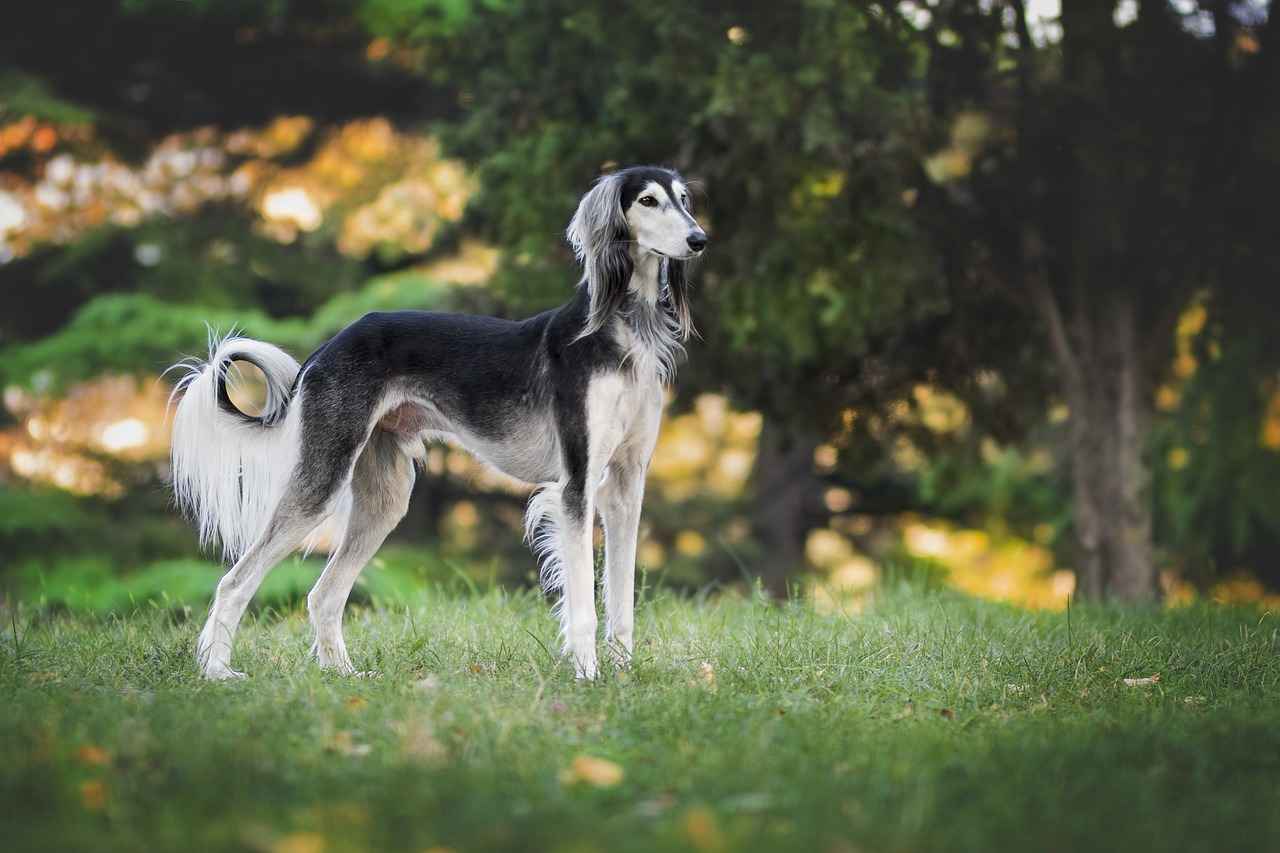
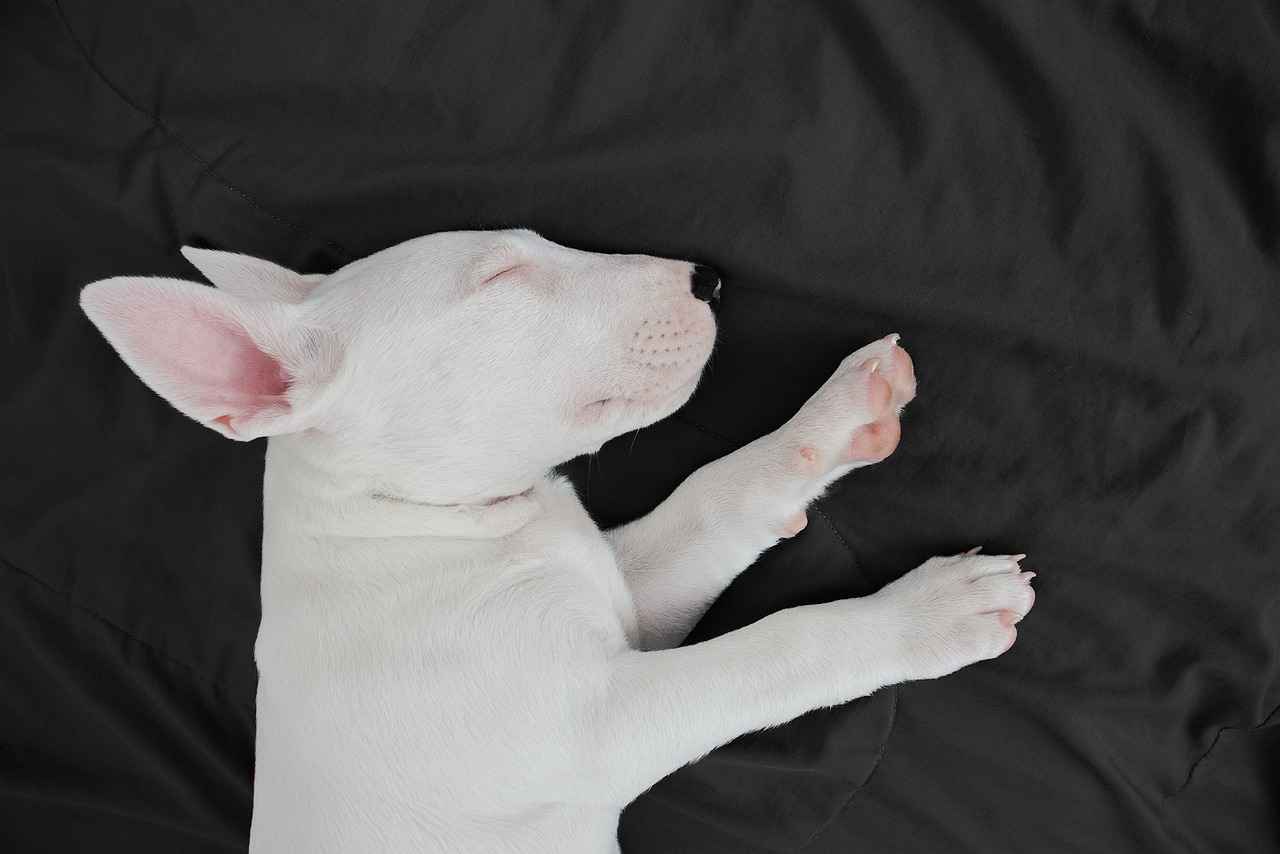
Have you ever wondered, "Why do dogs have wet noses?" This intriguing question not only piques curiosity but also opens up a world of fascinating insights into canine biology! A dog’s nose is often damp, but have you ever thought about the reasons behind it? In this article, we will explore the fascinating truth behind why our furry friends possess those wet noses. It turns out, there’s more to this unique trait than just appearance. Is it a sign of health, or does it serve a more practical purpose in their lives? For dog owners and enthusiasts alike, understanding the science behind a dog's wet nose can enhance your bond with your pet. You'll discover how this characteristic plays a crucial role in their scent detection abilities and overall well-being. Curious to find out how this simple feature can affect your dog's behavior? Keep reading as we delve into the surprising benefits of a wet nose and what it means for your loyal companion. Unravel the mystery with us and gain insights that every dog lover should know!
\n\nThe Science Behind Canine Noses: Why Are Dogs' Noses Always Wet?
\n\n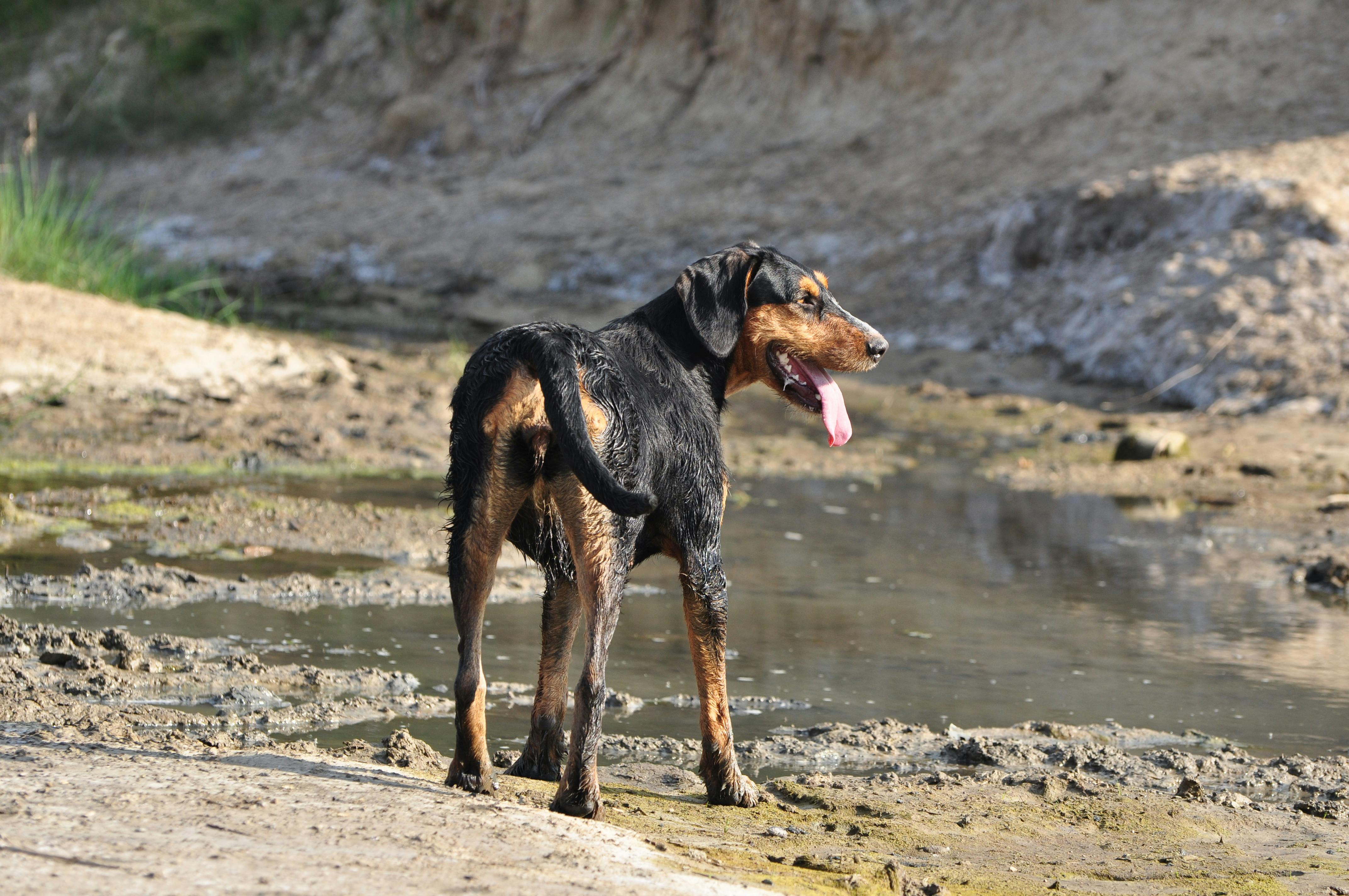 \n\n
\n\nEver wonder why dogs have wet noses? It’s one of those quirky things about our furry friends that often sparks curiosity. While we’re all used to seeing their noses glistening, there's actually a fascinating science behind it. Dogs' noses are not just cute; they serve a vital purpose in their lives. Let’s dig deep into the reasons behind those moist noses and uncover the science that explains this phenomenon.
\nThe Anatomy of a Dog’s Nose
\nFirst off, dogs have an incredibly complex olfactory system. Their noses contain up to 300 million scent receptors compared to a human's mere 5 million. This means they can smell things that are completely invisible to us. But why are they wet?
\n- \n
- Moisture helps with scent detection: A wet nose helps absorb scent particles. When a dog sniffs something, the moisture on the nose captures the odor molecules, making it easier for them to identify smells. \n
- Thermoregulation: Just like humans sweat, dogs can use their wet noses to help regulate their body temperature. A cool nose means that they are likely in a comfortable temperature range. \n
Why Do Dogs Have Wet Noses?
\nSo, why do dogs have wet noses? It isn’t just for show! There’s a mix of biology and behavior at play.
\n- \n
- Scent Enhancement: The moisture on a dog's nose enhances its ability to pick up scents. The wetness allows for better interaction with the air, capturing more odor molecules. \n
- Health Indicators: A dog's nose can also indicate its health. A healthy dog usually has a cool, moist nose. If a nose is dry, it could mean the dog is dehydrated or sick, although this isn’t always the case. \n
Historical Context
\nHistorically, dogs have been bred for various purposes, many of which relied on their incredible sense of smell. From hunting and tracking to search and rescue, a dog's wet nose plays a crucial role in these activities. In ancient times, hunters relied on dogs to track game, making the evolution of their noses an important aspect of canine development.
\nFun Facts About Dog Noses
\n- \n
- Unique Patterns: Every dog’s nose print is unique, much like human fingerprints. This has even led to some suggestions that they can be used for identification. \n
- Temperature Sensitivity: Dogs also have temperature-sensitive receptors in their noses. This helps them detect temperature changes in their environment, which can be useful for locating food or understanding their surroundings. \n
Comparison with Other Animals
\nDogs aren’t the only animals with wet noses. Many mammals have similar adaptations. Here’s how they compare:
\n| Animal | \nNose Type | \nPurpose | \n
|---|---|---|
| Dogs | \nWet | \nEnhances smell, temperature regulation | \n
| Cats | \nDry, occasionally wet | \nPrimarily for scent, less efficient than dogs | \n
| Pigs | \nWet | \nExcellent sense of smell, used for foraging | \n
| Cows | \nWet | \nHelps in grazing and social interactions | \n
Practical Examples of Nose Use
\nDogs use their noses in daily life in numerous ways, such as:
\n- \n
- Finding Food: Whether it's a hidden treat or a fallen piece of dinner, dogs rely on their noses to sniff out food. \n
- Social Interactions: Dogs greet each other by sniffing each other's noses. This is a form of communication that helps them gather information about each other. \n
- Search and Rescue: Trained dogs can detect drugs, explosives, or even find lost individuals through scent tracking. \n
Keeping Your Dog’s Nose Healthy
\nYou might be wondering how to ensure your dog's nose stays healthy. Here’s a quick checklist:
\n- \n
- Hydration: Always provide fresh water to keep your dog hydrated. \n
- Regular Vet Check-ups: Keep up with vet appointments to monitor overall health, including nose condition. \n
- Watch for Changes: If your dog’s nose becomes excessively dry or cracked, it may be time to consult a veterinarian. \n
In summary, the science behind canine noses is both fascinating and essential to understanding why dogs behave the way they do. Their wet noses are not just a charming trait; they serve significant functions that aid in survival, communication, and interaction with the world around them. So the next time you see your dog with a glistening nose, remember, it’s all part of what makes them such extraordinary companions.
\n\nWet Noses, Happy Dogs: What Your Pup's Nose Can Reveal About Their Health
\n\n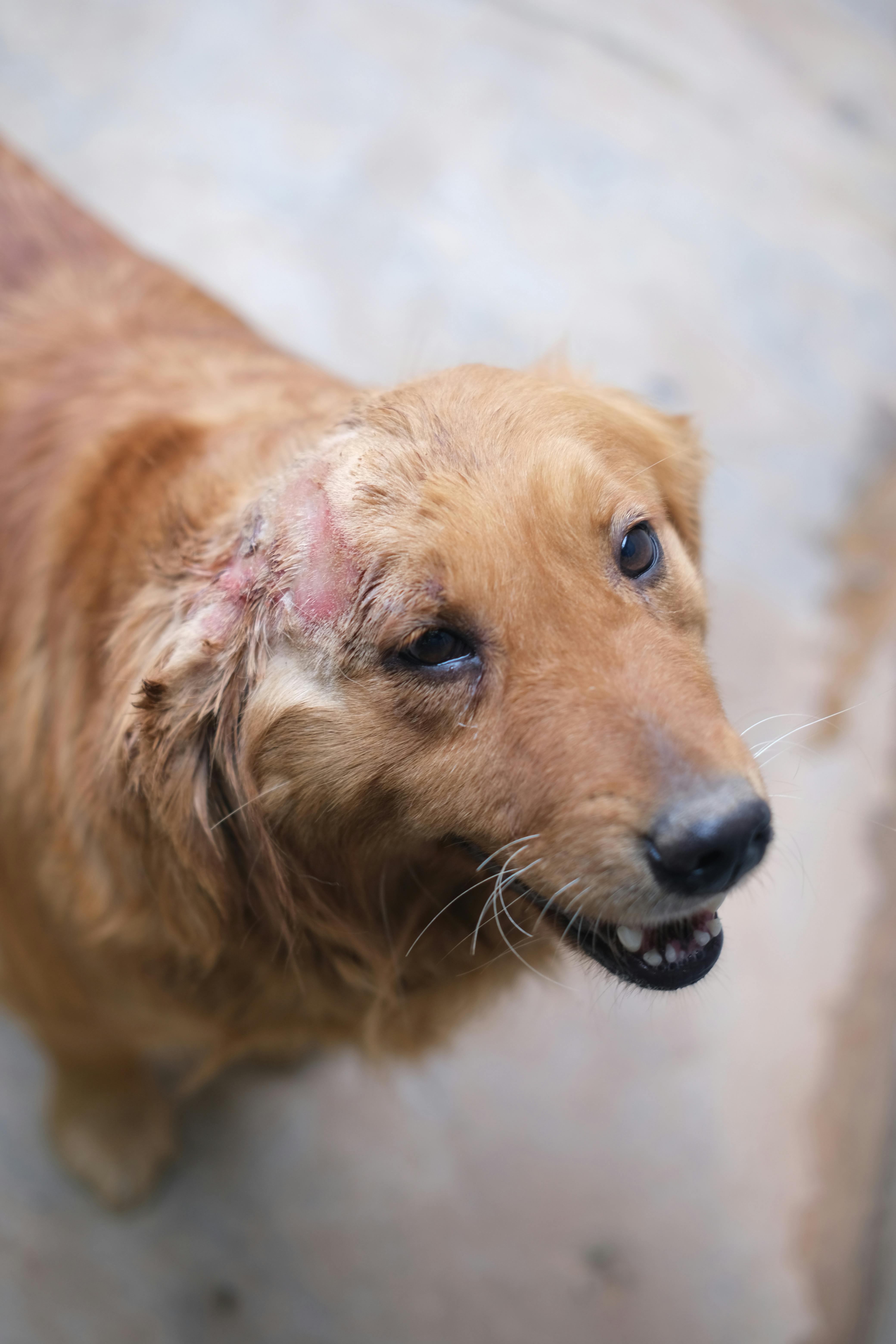 \n\n
\n\nWet noses often are the first thing you notice when you greet a dog. They’re cold and damp, and many people wonder why dogs have wet noses. But there’s so much more to this fascinating feature than meets the eye. Dogs' noses are not just cute; they’re also important indicators of their health. It’s amazing how much you can learn just by paying attention to your pup's snout.
\nWhy Do Dogs Have Wet Noses?
\nDogs have wet noses for several reasons, and it’s all about biology and behavior. First off, a wet nose helps them smell better. Dogs have an incredible sense of smell, about 10,000 to 100,000 times better than humans! The moisture on their noses helps capture scent particles in the air, making it easier for them to identify different smells.
\nAnother reason is related to thermoregulation. Dogs can’t sweat like humans do, so they rely on their noses and panting to cool down. A damp nose can help regulate their body temperature. If you ever seen your dog flopping down in the grass with a wet snout, it’s likely because they are trying to cool off!
\n- \n
- Dogs’ noses are filled with olfactory receptors, around 300 million of them! \n
- The wetness of their nose can help them absorb scents better, making them more alert to their environment. \n
- The moisture also aids in keeping their nose healthy, reducing the risk of infections. \n
The Health Indicator: What Your Dog's Nose Can Reveal
\nThe condition of your dog's nose can be a good indicator of their health. A healthy dog will typically have a cool, wet nose. However, if you notice changes, it could mean something is wrong. Here’s a little guide to what you should look out for:
\n- \n
- Dry Nose: It could indicate dehydration or illness. A dry nose alone is not a cause for alarm, but if it’s combined with other symptoms, it’s worth checking out. \n
- Cracked or Flaky Nose: This might suggest allergies, sunburn, or skin infections. Dogs, like humans, can suffer from skin conditions. \n
- Excessive Moisture: If your dog’s nose is unusually wet and accompanied by nasal discharge, it could be a sign of a respiratory issue. \n
- Color Changes: A dog's nose can change color with age, but sudden changes could indicate health problems. \n
Fun Facts About Dog Noses
\n- \n
- Unique Patterns: Just like human fingerprints, each dog’s nose print is unique. You could use it to identify your pup! \n
- Temperature Sensitivity: Dogs can feel temperature through their noses. If it’s too hot or too cold, they will often avoid touching surfaces. \n
- Nasal Folds: Dogs have folds in their noses that help trap scents. This is part of what makes them such great hunters and sniffer companions. \n
How to Care for Your Dog's Nose
\nKeeping your dog’s nose healthy is essential! Here are some practical tips:
\n- \n
- Hydration: Make sure your dog drinks enough water. Dehydration can lead to a dry nose. \n
- Sun Protection: If your dog has a light-colored nose, consider using pet-safe sunscreen during sunny days to prevent sunburn. \n
- Regular Vet Check-ups: Regular check-ups can help catch any potential health issues early. \n
- Watch for Allergens: Keep an eye on your dog’s exposure to allergens, especially if you notice skin irritations or frequent sneezing. \n
Common Misconceptions About Dog Noses
\nThere are many myths floating around about dog noses.
\n- \n
- Cold Nose Means Healthy: While a cool, wet nose is often a sign of health, it’s not the only indicator. Some dogs can be perfectly healthy with a warm, dry nose. \n
- Dogs Only Sweat Through Their Noses: Dogs primarily sweat through their paw pads, not their noses. Their nose moisture is mainly for scent absorption. \n
- All Dogs Have Wet Noses: Some breeds, like Bulldogs or Pugs, may naturally have drier noses. \n
It’s intriguing how much a simple wet nose can reveal about your dog’s well-being. Paying attention to these signs and understanding the reasons behind them can help you keep your furry friend healthy and happy. Next time you greet your pup, take a moment to appreciate that wet nose and all the wonderful things it says about their health.
\n\n5 Fascinating Reasons Dogs Have Wet Noses That Will Surprise You!
\n\n \n\n
\n\nHave you ever wondered why do dogs have wet noses? It’s a question that many pet owners ask, and, surprisingly, the answer goes beyond just being cute. Dogs’ noses are not just moist; they serve multiple important functions that play a role in their health and behavior. Let’s dive into five fascinating reasons dogs have wet noses that might just surprise you!
\n1. Enhanced Sense of Smell
\nOne of the most significant reasons for a dog's wet nose is related to their incredible sense of smell. Did you know that dogs have up to 300 million smell receptors in their noses? That’s way more than humans who only have about 5 million! The moisture on their noses helps to capture scent particles from the air. This means their wet noses actually help them smell better!
\n- \n
- Dogs can detect certain scents at incredibly low concentrations. \n
- They can distinguish between different smells, which is why they can sniff out drugs or find missing persons. \n
- Wet noses help to enhance the olfactory glands, making the smelling process more efficient. \n
2. Temperature Regulation
\nDogs don’t sweat like humans do. Instead, they regulate their body temperature through panting and the moisture from their noses. A wet nose can help keep them cool, especially on hot days. If you’ve noticed your pooch's nose becoming dry, it might be a sign that they’re overheating!
\n- \n
- Dogs can lose heat through their noses, helping to maintain a comfortable body temperature. \n
- When a dog is too hot, you might see them drooling more, which adds extra moisture to their nose. \n
- It’s important to keep your dog hydrated to help maintain their nose’s moisture. \n
3. Communication Tool
\nBelieve it or not, a dog’s wet nose is also a way of communicating! Dogs often use their noses to greet other dogs and humans. When they nuzzle or touch you with their wet nose, it’s often a sign of affection or a friendly gesture.
\n- \n
- Dogs might also use their noses to express submission or to show they’re not a threat. \n
- A wet nose can signal trust; a dog feels safe enough to interact closely with you. \n
- Different dogs have different ways of using their noses in social situations, making it a unique aspect of canine communication. \n
4. Health Indicator
\nThe state of a dog’s nose can actually be an indicator of their health. A wet, cool nose is often seen as a sign of a healthy dog. Conversely, a dry or cracked nose could indicate dehydration or illness. However, it’s not always a definitive measure, as some dogs may have dry noses due to breeds or environmental factors.
\nHere are a few health-related nose facts:
\n- \n
- A dog’s nose can change due to weather conditions, allergies, or even food sensitivities. \n
- If you notice your dog’s nose is persistently dry or has cracks, it might be worth consulting with a vet. \n
- Regular checks can help catch potential health issues early on. \n
5. Scent Marking
\nDogs also use their noses to mark their territory. They have scent glands that secrete substances that can be transferred through their wet noses. When they sniff or lick surfaces, they leave their scent behind, which serves as a way to communicate with other dogs.
\n- \n
- This is why dogs tend to sniff around when they are in new environments; they’re gathering information and marking their presence. \n
- Scent marking can help them feel more secure in unfamiliar places. \n
- It’s a natural behavior that’s deeply rooted in their instincts. \n
In summary, the wet noses of dogs serve multiple fascinating and essential functions that contribute to their health and social behavior. From enhancing their sense of smell to communicating affection and marking territory, these moist noses tell a complex story about our furry friends. So next time you give your dog a scratch behind the ears and feel that wet nose against your hand, remember the science and instincts behind it! It’s not just a cute feature; it’s a vital part of what makes dogs so special.
\n\nDo Wet Noses Mean Happy Pups? Understanding Your Dog’s Emotional Signals
\n\n \n\n
\n\nWhen we see a dog with a wet nose, many of us might think that this means they're happy. But is that really the case? Do wet noses mean happy pups? If you ever wondered why dogs have wet noses, you're not alone. This fascinating topic has a lot to do with a dog's health, emotions, and even their senses. So let's dive into the science and psychology behind those adorable snouts.
\nThe Science Behind Wet Noses
\nDogs have wet noses because of several reasons. First, it’s important to know that a dog’s nose is covered in mucous membranes, which helps them absorb scent particles and enhances their sense of smell. In fact, dogs can smell up to 100,000 times better than humans! Here are a few key points about why dogs have wet noses:
\n- \n
- Sense of Smell: A wet nose helps capture scent particles from the air, which is essential for a dog's incredible olfactory abilities. \n
- Temperature Regulation: Just like humans sweat, dogs can cool down through their noses. The moisture on their noses helps to regulate their body temperature. \n
- Health Indicator: A wet nose can sometimes indicate that a dog is healthy. However, this isn't a hard-and-fast rule since factors like dehydration or illness can also lead to a dry nose. \n
So, while a wet nose might suggest your dog is in good health, it doesn’t always mean they’re feeling happy.
\nEmotional Signals of Dogs
\nDogs communicate in many ways, and their noses are just one part of their emotional language. Just because a dog has a wet nose doesn't mean it's time to celebrate. Here are some signals to look for in addition to that wet nose:
\n- \n
- Body Language: A wagging tail often signifies happiness, while a tucked tail can indicate fear or anxiety. \n
- Vocalization: Barking, whining, or growling can provide insight into a dog’s emotional state. \n
- Facial Expressions: Relaxed ears and soft eyes typically suggest a content dog, while tense ears and a stiff body can indicate stress. \n
What Does a Dry Nose Mean?
\nA dry nose can mean various things depending on the context. Sometimes it’s a normal variation, but it can also indicate:
\n- \n
- Dehydration: If your dog hasn’t been drinking enough water, it might lead to a dry nose. \n
- Illness: A sudden change in nose moisture could be a sign of sickness. If you notice other symptoms like lethargy or changes in appetite, consult a vet. \n
- Weather Conditions: Hot or windy weather can dry out a dog’s nose temporarily. \n
Fun Facts About Dog Noses
\nHere are some fun and intriguing facts you might not know about dog noses:
\n- \n
- Unique Patterns: Just like human fingerprints, every dog has a unique nose print. \n
- Nose Temperature: A dog’s nose can change temperature, and it can be cooler than the rest of their body. \n
- Scent Memory: Dogs can remember scents for years, which is why they can recognize their owners even after a long time apart. \n
Comparing Dog Noses to Human Noses
\nIt’s interesting to compare dog noses to human noses. Here’s a quick breakdown:
\n| Feature | \nDog Nose | \nHuman Nose | \n
|---|---|---|
| Sensitivity | \nExtremely sensitive | \nLess sensitive | \n
| Temperature Regulation | \nYes, helps cool down | \nNo | \n
| Nose Print | \nUnique for each dog | \nNot unique | \n
| Moisture Level | \nOften wet | \nGenerally dry | \n
Understanding Your Dog's Behavior
\nAs a dog owner, understanding your pet’s behavior is essential. If you notice your dog’s nose is wet and they’re wagging their tail, it’s likely that they’re happy. But if their nose is dry and they’re acting differently, it could be a cause for concern. Here’s how to interpret some common behaviors:
\n- \n
- Excitement: Wet nose, wagging tail, playful stance. \n
- Anxiety: Dry nose, pacing, hiding. \n
- Contentment: Wet nose, relaxed body, snuggling. \n
Being observant can help you connect with your furry friend better.
\nSo, do wet noses mean happy pups? Not always. While a wet nose can indicate good health, it's vital to look at the whole picture when it comes to your dog’s emotional state. By understanding the fascinating truth behind why dogs have wet noses and how they express their feelings, you can be a better pet owner. Always pay attention to their behavior, and you'll be able to interpret their emotional signals with greater accuracy.
\n\nIs Your Dog's Nose Too Wet? 7 Signs to Watch For and What They Mean
\n\n \n\n
\n\nIs Your Dog's Nose Too Wet? 7 Signs to Watch For and What They Mean, Why Do Dogs Have Wet Noses? Discover The Fascinating Truth!
\nHave you ever wondered why your dog’s nose is often wet? It’s a curious feature that many dog owners might take for granted. But there’s more to it than meets the eye. A dog's nose can tell you a lot about their health and well-being. In this article, we gonna explore some signs to watch for regarding your dog's wet nose, and also dive into the reasons why dogs generally have wet noses in the first place.
\nThe Science Behind a Dog's Wet Nose
\nDogs have wet noses for a few reasons. A wet nose can help them to better absorb scents. When moisture is present, it trap more scent particles, allowing dogs to smell things better. This is particularly important since dogs have an extraordinary sense of smell, often rated thousands to millions of times better than humans.
\n7 Signs to Watch For
\nA wet nose is usually a sign of a healthy dog, but sometimes, it can indicate underlying issues. Here’s seven signs to keep an eye on:
\n- \n
- Excessive Wetness: If your dog's nose is consistently dripping, it could be a sign of something wrong. \n
- Crusting or Dry Spots: If you notice dry patches or crusting, it might indicate an infection or allergy. \n
- Change in Temperature: A warm and dry nose could signal a fever. If your pup feels hotter than usual, consider checking their temperature. \n
- Lethargy: If your dog is unusually tired or disinterested in activities they usually love, this could be a symptom of illness. \n
- Coughing or Sneezing: If your dog is also showing signs of respiratory issues, it could be more serious than just a wet nose. \n
- Unusual Behavior: Any drastic change in behavior, like increased aggression or hiding, should not be taken lightly. \n
- Loss of Appetite: If your dog suddenly doesn’t want to eat or drink, it’s time to consult a vet. \n
What Does It All Mean?
\nWhen you observe these signs, it’s crucial to closely monitor your dog. A wet nose is generally healthy, but it’s not a definitive indicator of well-being. Each dog is different, and what is normal for one may not be for another.
\nWhy Do Dogs Have Wet Noses?
\nThe wetness of a dog’s nose serves several purposes. Here are some key reasons:
\n- \n
- Smell Enhancement: As mentioned above, moisture helps to trap scent particles. \n
- Regulation of Body Temperature: Dogs cannot sweat like humans do; they rely on panting and the moisture on their noses to help cool off. \n
- Health Indicator: A healthy dog generally has a cool, moist nose. However, it’s not an absolute measure of health. \n
Historical Context of Dog Noses
\nHistorically, dog noses were studied by various cultures, realizing the importance of a wet nose in dogs’ survival. Ancient hunters depended on dogs to track scents, and a moist nose was seen as a sign of keen hunting ability.
\nFun Facts About Dog Noses
\n- \n
- Dogs have about 220 million scent receptors, while humans have only about 5 million. \n
- The texture of a dog’s nose is unique to each dog, similar to human fingerprints. \n
- A dog's nose can change color due to environmental factors, health, or even mood! \n
Practical Tips for Nose Care
\nTo ensure your dog's nose stays healthy, consider the following:
\n- \n
- Regular Check-Ups: Routine vet visits can catch potential health issues early. \n
- Hydration: Ensure your dog is drinking enough water, as dehydration can lead to a dry nose. \n
- Grooming: Keep your dog’s face clean, as debris can irritate their nose. \n
Summary
\nIn essence, while a wet nose is often a sign of a healthy dog, it’s not a guarantee. Observing your dog and knowing what signs to watch for can help you maintain their well-being. If you notice any concerning changes, especially in combination with other symptoms, reach out to a veterinarian. Your dog’s health is priceless, and understanding their physical cues can make a significant difference in their quality of life.
\n\nCurious Canines: How Wet Noses Enhance a Dog's Sense of Smell
\n\n \n\n
\n\nCurious Canines: How Wet Noses Enhance a Dog's Sense of Smell, Why Do Dogs Have Wet Noses? Discover The Fascinating Truth!
\nHave you ever wondered why dogs have wet noses? It seems like such a simple question but the answer is really fascinating. A dog's nose isn't just adorable; it serves a very important purpose. Wet noses are more than just a quirk of canine biology. They play a crucial role in how dogs experience the world around them, especially through their sense of smell. This article will dive into the science behind those curious canines and their remarkable olfactory abilities.
\nThe Science of Smell
\nDogs noses are wet for a reason! The moisture helps to enhance their sense of smell, which is already way more powerful than humans. While a human can detect about 5 million scent particles, dogs have as many as 300 million! That’s a whole lot more sniffing power.
\n- \n
- Olfactory Receptors: Dogs have more olfactory receptors in their noses than humans. These receptors help them identify different odors. \n
- Jacobsen's Organ: This special organ helps dogs detect pheromones and other chemical signals. It’s like having an extra tool for sniffing out information. \n
- Moisture Absorption: A wet nose can absorb scent particles more effectively. A dog’s nose is constantly secreting a thin layer of mucus which captures scents and helps them process smells better. \n
Why Are Dog Noses Wet?
\nNow we know that their noses are important for smelling, but why are they wet specifically? There are few reasons for this wetness:
\n- \n
- Cooling Mechanism: Dogs don’t sweat like humans do. Their bodies can get hot, and having a wet nose helps cool them down. \n
- Scent Enhancement: As mentioned earlier, moisture on the nose helps to absorb and retain scent particles, making it easier for dogs to sniff out what they are looking for. \n
- Health Indicator: A wet nose is often a sign of good health. If a dog’s nose is dry, it could indicate illness or dehydration. \n
Historical Context
\nThe fascinating truth about dog noses goes back thousands of years. Dogs have been companions to humans for over 15,000 years! They evolved from wolves, and their ability to hunt and track prey was crucial for survival. Over time, selective breeding has enhanced specific traits, including their sense of smell.
\n- \n
- Tracking Hounds: Breeds like Bloodhounds have been bred specifically for their excellent sense of smell. They can track scents that are days old! \n
- Service Dogs: Today, dogs are used in various fields like search and rescue, therapy, and even detection of diseases like cancer due to their amazing olfactory skills. \n
Fun Facts About Dog Noses
\nHere’s a few interesting facts about dog noses that you might not know:
\n- \n
- Unique Patterns: Just like human fingerprints, each dog’s nose print is unique. It can actually be used to identify them! \n
- Color Matters: The color of a dog’s nose can be black, brown, or even pink. But the color does not affect their sense of smell. \n
- Scent Memory: Dogs remember scents for a long time. They can recognize a smell even after a year has passed! \n
Practical Examples of Smell in Dogs
\nDogs use their sense of smell in various ways. Here’s a list of how they put their noses to good use:
\n- \n
- Tracking: Dogs can track down lost items or people using their incredible sense of smell. \n
- Detection: Many dogs are trained to detect drugs, explosives, and even medical conditions such as low blood sugar in diabetic patients. \n
- Social Interaction: Dogs sniff each other to gather information about the other dog. It’s their way of saying "hello" and learning about one another. \n
Comparison: Dogs vs. Humans
\nTo really appreciate a dog’s sense of smell, let’s compare it to humans:
\n| Feature | \nHumans | \nDogs | \n
|---|---|---|
| Olfactory Receptors | \nAbout 5 million | \nAbout 300 million | \n
| Smell Sensitivity | \nMuch less sensitive | \nExtremely sensitive | \n
| Smell Memory | \nShort-term memory | \nLong-lasting memory | \n
| Use of Smell | \nLimited to food and danger | \nWide range including social cues | \n
The difference is staggering! Dogs are like super sniffers, utilizing their wet noses to interpret the world in a way that humans can’t even imagine.
\nThe wet nose of a dog is not just a cute feature; it's an essential tool that enhances their remarkable sense of smell. Understanding why dogs have wet noses helps us appreciate their unique abilities. So, next time you see a pup with a wet snout, remember there's a fascinating world of scents waiting to be
\n\nThe Role of Temperature and Humidity: Why Dogs' Noses Change Throughout the Day
\n\n \n\n
\n\nDogs are fascinating creatures, and their wet noses might be one of the most intriguing features about them. You may have wondered about the role of temperature and humidity in why dogs' noses change throughout the day, or maybe you’re just puzzled about why do dogs have wet noses in the first place. Let’s dive into this captivating subject and discover the truth behind those adorable, moist noses.
\nUnderstanding the Science of Wet Noses
\nA dog’s nose is not just for show; it serves many important purposes. The moisture you feel when you touch a dog’s nose is not just a random phenomenon. It’s actually crucial for their overall health and well-being. Here are some key points about why dogs have wet noses:
\n- \n
- \n
Enhanced Smell: The moisture on a dog’s nose helps to capture scent particles, making it easier for them to smell. The more wet the nose, the better they can detect odors in the air.
\n \n - \n
Temperature Regulation: Dogs don’t sweat like humans. They primarily cool themselves down through panting, but their noses also play a role in regulating body temperature. A wet nose can help them cool off.
\n \n - \n
Health Indicator: Sometimes the condition of a dog’s nose can indicate their health. A dry nose may point to dehydration or illness, while a moist nose is usually a sign of good health.
\n \n
Why Do Dogs’ Noses Change Throughout the Day?
\nYou might notice your furry friend’s nose changes throughout the day. This can be influenced by several factors, especially temperature and humidity.
\n- \n
- \n
Temperature: During hot days, dogs may have wetter noses as they pant and their bodies try to cool down. Conversely, in colder weather, their noses may dry out a bit due to the cold air.
\n \n - \n
Humidity: High humidity levels can lead to a wetter nose, while low humidity might cause it to dry out. Just like us, dogs react to their environment.
\n \n - \n
Activity Level: When dogs are active, their noses tend to be wetter. The excitement and physical exertion can stimulate their mucous membranes, leading to increased moisture.
\n \n
A Quick Look at Nose Types
\nThere’s also some variety in dog noses that can be interesting to consider. Here’s a quick comparison of different types of noses:
\n| Type of Nose | \nDescription | \nCommon Breeds | \n
|---|---|---|
| Wet and Cold | \nUsually moist and cool to the touch | \nLabrador Retrievers, Beagles | \n
| Dry and Warm | \nCan indicate dehydration or illness if persistent | \nBulldogs, Dachshunds | \n
| Warm and Wet | \nNormal state, active and healthy | \nGolden Retrievers, Poodles | \n
What Happens When a Dog's Nose is Dry?
\nA dry nose doesn’t always mean something is wrong, but it can sometimes be a sign of dehydration or illness. Here’s a quick list of what to look for:
\n- \n
- Persistent Dryness: If the nose stays dry for an extended period, it could be concerning. \n
- Cracking or Bleeding: This is a sign that your dog might need veterinary care. \n
- Behavior Changes: If your dog is lethargic or eating less, it’s time to check with a vet. \n
Historical Context of Dogs’ Noses
\nThe evolution of dogs has played a significant role in the way their noses function. Dogs have descended from wolves, who rely heavily on their sense of smell for hunting and survival. Over time, as dogs became domesticated, their noses adapted to their new roles as companions and helpers.
\nIn fact, certain breeds have been developed specifically for their olfactory abilities. Bloodhounds, for instance, have an exceptional sense of smell, making them invaluable in search and rescue operations.
\nPractical Tips for Caring for Your Dog's Nose
\nHere are some practical tips to ensure your dog’s nose remains healthy:
\n- \n
- Hydration: Make sure your dog has constant access to fresh water. \n
- Regular Check-ups: Schedule vet visits to monitor overall health. \n
- Environmental Awareness: Be aware of changes in weather that might affect your dog's nose. \n
In summary, the wetness of a dog’s nose is more than just a cute feature; it plays a crucial role in their ability to smell, cool down, and indicate their health. Understanding the role of temperature and humidity helps pet owners care for their dogs better. Next time you pet your furry friend, take a moment to appreciate that wonderful, wet nose and all the fascinating science behind it!
\n\nWet Noses and Dog Breeds: Do Certain Breeds Have Wetter Noses?
\n\n \n\n
\n\nDogs have long been regarded as man's best friend, but did you ever wonder why they have wet noses? It’s a common sight to see a dog approaching with that cool, damp snout, but there’s more to it than just cuteness. In this article, we’ll explore wet noses and dog breeds, asking the question of whether certain breeds have wetter noses. We will also discover the fascinating truth behind why dogs have wet noses in the first place.
\nWhy Do Dogs Have Wet Noses?
\nThe primary reason dogs have wet noses is related to their sense of smell. A wet nose helps to absorb scent chemicals in the air, making it easier for dogs to detect odors. Just like how a damp sponge absorbs water better than a dry one, a wet nose absorbs smells more efficiently. Dogs have a keen sense of smell, estimated to be anywhere from 10,000 to 100,000 times better than humans. This wetness is crucial for their survival instincts and hunting abilities.
\nMoreover, a wet nose also helps regulate a dog’s body temperature. Dogs don’t sweat in the same way humans do. Instead, they rely on panting and the moisture on their nose to cool down. So, when you see your dog with a wet nose, it may not just be an indication of their health, but also a sign of their temperature regulation in action.
\nDo Certain Breeds Have Wetter Noses?
\nThe idea that some dog breeds might have wetter noses than others is an interesting one. Some breeds, particularly those known for their keen sense of smell, may indeed have wetter noses. Here’s a list of breeds that are often noted for their wet noses:
\n- \n
- Bloodhound: Known for their tracking ability, Bloodhounds have very moist noses that help them in scent detection. \n
- Beagle: These dogs are famous for their scenting abilities, and their wet noses assist them in following trails. \n
- Basset Hound: Another breed with a powerful sense of smell, their wet noses are essential for sniffing out scents. \n
- Labrador Retriever: Often used in search and rescue, Labradors have wet noses that help them locate lost persons or items. \n
- German Shepherd: Known for their intelligence and versatility, they also benefit from having a wet nose for scent tracking. \n
Different environmental factors and the individual dog’s health can affect how wet their nose is, so it’s not always solely about the breed.
\nThe Importance of Nose Wetness
\n- \n
- Scent Absorption: Wet noses help dogs better absorb scents, making them more effective at detecting various smells. \n
- Temperature Regulation: Dogs use their wet noses to help regulate their body temperature. \n
- Health Indicator: A change in nose moisture can sometimes indicate health issues. For example, a dry nose might suggest dehydration or illness. \n
What Affects Nose Moisture?
\nSeveral factors can influence how wet or dry a dog’s nose is:
\n- \n
- Humidity Levels: In more humid climates, dogs may have wetter noses because the moisture in the air can help keep their noses damp. \n
- Health Conditions: Certain illnesses can lead to a dry nose, including fever or dehydration. \n
- Hydration: A well-hydrated dog is more likely to have a moist nose. Always ensure your dog has access to fresh water. \n
- Activity Level: After exercise, a dog might have a drier nose due to panting and increased body temperature. \n
Fun Facts About Dog Noses
\n- \n
- Each dog’s nose print is unique, similar to human fingerprints. \n
- Dogs have over 220 million smell receptors, compared to about 5 million in humans. \n
- The moisture on a dog's nose can help them cool off, especially in warm weather. \n
Keeping Your Dog's Nose Healthy
\nTo ensure your dog’s nose stays healthy and moist, consider the following:
\n- \n
- Hydration: Always provide fresh water. Dehydration can lead to a dry nose. \n
- Regular Checkups: Regular veterinary visits can help catch any potential health issues early. \n
- Environment: Make sure your dog is comfortable in their environment, avoiding extremes in temperature. \n
- Diet: Ensure they are on a balanced diet to promote overall health. \n
The curiosity surrounding wet noses and dog breeds is more than just a fun topic for dog lovers. It’s a glimpse into the fascinating world of canine biology and behavior. Understanding why dogs have wet noses can deepen our appreciation for our furry companions and their unique adaptations. So, the next time you see your dog with that cool, damp snout, you’ll know there’s a lot more going on than meets the eye!
\n\nFrom Puppies to Seniors: How a Dog's Nose Changes Over Time
\n\n \n\n
\n\nDogs are truly amazing creatures, and one of the most interesting aspects about them is the way their noses change over time. From the tiny, wet noses of playful puppies to the larger, wiser noses of senior dogs, there’s a lot to learn about these fascinating features. But why do dogs have wet noses in the first place? Let’s dive into this intriguing subject and discover the truth behind these lovable companions.
\nThe Basics of a Dog's Nose
\nEvery dog owner know that a dog’s nose is usually cold and wet. This characteristic isn’t just charming, it actually serves a purpose! A wet nose helps to enhance a dog’s sense of smell, which is already incredibly powerful. Dogs have about 220 million scent receptors in their noses, compared to humans who only have around 5 million!
\nReasons for Wet Noses
\nThere are several reasons why dog noses tends to be wet:
\n- \n
- \n
Cooling Mechanism: A wet nose helps cool down a dog’s body temperature. Dogs don’t sweat like humans do, so they rely on their noses to help regulate heat.
\n \n - \n
Scent Enhancement: The moisture on a dog’s nose helps to capture scent particles from the air, making it easier for them to sniff out different smells. The wetness creates a better environment for those scent receptors to work.
\n \n - \n
Health Indicator: A dog’s nose can also indicate their health. A cold, wet nose is usually a sign of a healthy dog, while a hot, dry nose can sometimes indicate illness.
\n \n
How a Dog's Nose Changes Over Time
\nAs dogs age, their noses can change. Puppies have soft and moist noses that are often very sensitive. As they grow, their noses may become drier and rougher. Here’s a breakdown of how a dog’s nose changes from puppyhood to senior years:
\nPuppyhood (0-1 year)
\n- \n
- Soft and Moist: Puppies’ noses are generally soft and very moist. This helps them learn about the world through smell. \n
- Developing Sense of Smell: Their noses are developing, and they are learning to use them effectively. \n
Adolescence (1-3 years)
\n- \n
- More Defined Texture: As dogs reach adolescence, their noses becomes less moist but more textured. \n
- Increased Independence: They start to explore more on their own, and their noses help them navigate. \n
Adulthood (3-8 years)
\n- \n
- Stable Condition: By now, a dog’s nose is usually well-defined and functional. It’s not as moist but still efficient. \n
- Health Monitoring: Owners should monitor changes in texture or moisture levels, as these can indicate health issues. \n
Senior Years (8+ years)
\n- \n
- Drying Out: Older dogs may have drier noses, which is often normal. It can be a sign of aging, but it can also indicate health issues. \n
- Less Sensitivity: The sensitivity of their noses may decrease, and they might rely more on other senses. \n
Interesting Facts About Dog Noses
\nHere some fun and fascinating facts about dog noses:
\n- \n
- Dogs can smell certain things up to 100,000 times better than humans! \n
- A dog’s nose print is unique, much like a human fingerprint. \n
- The shape and size of a dog’s nose can affect its ability to smell; for example, Basset Hounds have long noses specifically designed for scent tracking. \n
Practical Tips for Dog Owners
\nHere are some things owners can do to keep their dogs’ noses healthy:
\n- \n
- \n
Hydration: Always ensure your dog has access to fresh water to keep their nose moist.
\n \n - \n
Regular Check-ups: Have regular vet check-ups to monitor any changes in your dog’s nose that may indicate health problems.
\n \n - \n
Avoid Irritants: Keep your dog away from harsh chemicals and irritants that could dry out their nose.
\n \n - \n
Nose Balm: Consider using a nose balm if you notice excessive dryness.
\n \n
Final Thoughts
\nUnderstanding how a dog’s nose changes over time gives us insight into their overall health and well-being. From the wet noses of puppies to the more textured noses of senior dogs, these changes reflect their life stages and health. Remember, a dog’s nose is not just a cute feature, it’s a vital tool for their survival and happiness. So next time you see your furry friend with that delightful, wet nose, remember all the amazing things it does!
\n\nCan You Trust a Dog's Nose? The Truth About Nose Moisture and Scent Detection
\n\n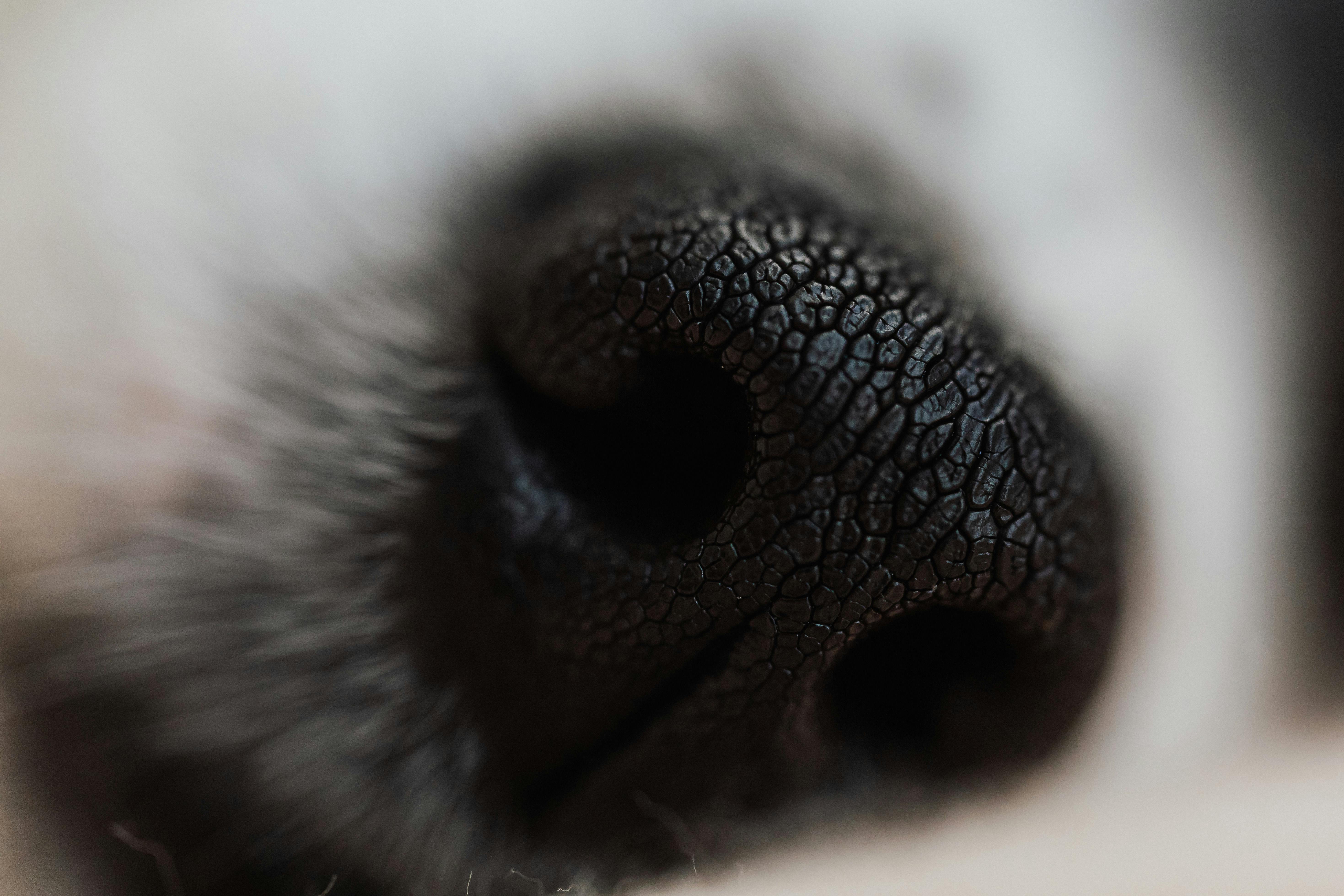 \n\n
\n\nCan you really trust a dog's nose? This question often arise when we think about how our furry friends sense the world around them. Dogs possess an incredibly developed sense of smell, with some estimates claiming they can detect scents anywhere from 10,000 to 100,000 times better than humans. But what about their wet noses? What role does moisture play in scent detection? Let’s dive deep into the fascinating world of dog noses and uncover the truth behind their wet noses and scent abilities.
\nWhy Do Dogs Have Wet Noses?
\nThe moisture on a dog’s nose is not just for looks. It actually serves several important functions:
\n- \n
- Enhanced Smell: A wet nose helps to capture scent particles in the air. When the nose is moist, it can absorb more of these particles, enhancing the dog’s ability to detect and identify different smells. \n
- Temperature Regulation: Dogs can’t sweat like humans do. Instead, they cool themselves through panting and the moisture on their noses. A wet nose can help regulate their body temperature, especially during hot weather. \n
- Health Indicator: A dog's nose can be a good indicator of their health. If a dog’s nose is dry or cracked, it could mean they are dehydrated or unwell. However, this is not always the case, and many factors can influence nose moisture. \n
The Science Behind Dogs’ Sense of Smell
\nDogs have an astonishing ability to detect scents, and their anatomy plays a major role in this. Here’s how it works:
\n- \n
- Olfactory Receptors: Dogs have approximately 300 million olfactory receptors in their noses, compared to about 6 million in humans. This massive difference allows dogs to pick up on scents that are undetectable to us. \n
- Limbic System: Dogs process smells in a part of their brain that's much larger than humans. The limbic system, which is responsible for emotions and memories, is closely tied to how dogs perceive scents. \n
- Jacobsen's Organ: Also known as the vomeronasal organ, this structure helps dogs detect pheromones, which are chemicals that carry social information. \n
Fun Facts About Dogs’ Noses
\n- \n
- Unique Nose Prints: Just like human fingerprints, every dog’s nose print is unique. This could potentially be used for identification, but it’s not commonly practiced. \n
- Nasal Turbinates: Dogs have complex structures in their noses called turbinates that help filter and warm the air they breathe while also enhancing their sense of smell. \n
- Scent Memory: Dogs can remember scents for a long time, allowing them to recognize familiar smells even after a long period. \n
Scent Detection in Action
\nDogs are used in many fields due to their incredible sense of smell. Here are some examples of how they assist humans:
\n- \n
- Search and Rescue: Dogs can locate missing persons in disaster zones using their powerful noses. \n
- Medical Detection: Some dogs are trained to detect diseases like cancer or diabetes by smelling changes in a person's body chemistry. \n
- Law Enforcement: K9 units utilize dogs to sniff out drugs, explosives, and even locate evidence at crime scenes. \n
What Affects Nose Moisture?
\nSeveral factors can influence how wet or dry a dog's nose is:
\n- \n
- Weather Conditions: Hot and dry weather can lead to a drier nose. Humidity can help keep it moist. \n
- Health Conditions: Illnesses, allergies, or infections can cause changes in nose moisture. \n
- Hydration: A well-hydrated dog usually has a moist nose, while a dehydrated dog may have a dry one. \n
Comparing Dog Breeds and Their Noses
\nDifferent breeds can have varying characteristics regarding their noses:
\n- \n
- Bloodhounds: Known for their incredible sense of smell, they are often used in tracking and search operations. \n
- Beagles: These dogs have a keen sense of smell, making them excellent for detection work, especially in customs and baggage checks. \n
- Greyhounds: While they are known for speed, their sense of smell is not as strong as that of some other breeds, but they still have a decent olfactory ability. \n
Practical Tips for Dog Owners
\n- \n
- Monitor Nose Moisture: Keep an eye on your dog’s nose. If it changes drastically and stays dry for a long time, consult a vet. \n
- Hydration is Key: Ensure your dog has access to clean water, especially during hot weather. \n
- Regular Vet Check-Ups: Routine visits can help catch any health issues early, which may affect your dog’s nose moisture. \n
The nose of a dog is a remarkable tool, and understanding its functions and characteristics can deepen your appreciation for these loyal companions. Whether it's their ability to detect scents or the significance of their wet noses, there's a lot to learn and admire about our
\n\nConclusion
\n\nIn conclusion, the wet noses of dogs are not just an endearing characteristic; they play a vital role in their health and sensory perception. The moisture helps enhance their sense of smell, allowing them to detect scents more effectively. Additionally, a wet nose aids in thermoregulation and can indicate hydration levels. While the science behind this fascinating feature highlights its importance, it also reinforces the bond we share with our canine companions. Understanding why dogs have wet noses can deepen our appreciation for their unique biology and behaviors. So the next time you give your furry friend a pat and feel that cool, damp nose against your skin, remember the incredible functions it serves. Consider sharing this knowledge with fellow dog lovers or even exploring more about your dog's health and happiness to ensure a long, joyful life together.
\n\n