Have you ever wondered why do dogs have wet noses? This intriguing question not only sparks curiosity but also reveals some fascinating truths about our furry companions! A dog’s nose is not just for sniffing; it plays a vital role in their health and behavior. The moisture found on a dog's snout serves multiple purposes, from enhancing their sense of smell to regulating their body temperature. But why is it that some dogs have wetter noses than others? Are there health implications tied to this phenomenon? In this blog post, we’re going to dive deep into the science and secrets behind those cute, cold noses. You’ll discover the surprising reasons that lay behind the wetness of a dog's nose, including how it relates to their emotional state and overall wellbeing. Whether you’re a seasoned dog owner or just a curious pet lover, understanding your canine’s nose can enrich your relationship with your furry friend. Get ready to uncover the truth about why your dog’s nose is often damp and what that means for their health! Stay tuned as we unravel the mysteries of canine anatomy and behavior—because knowing your pet better makes for a happier life together!
\n\nThe Science Behind Canine Wet Noses: What You Need to Know
\n\n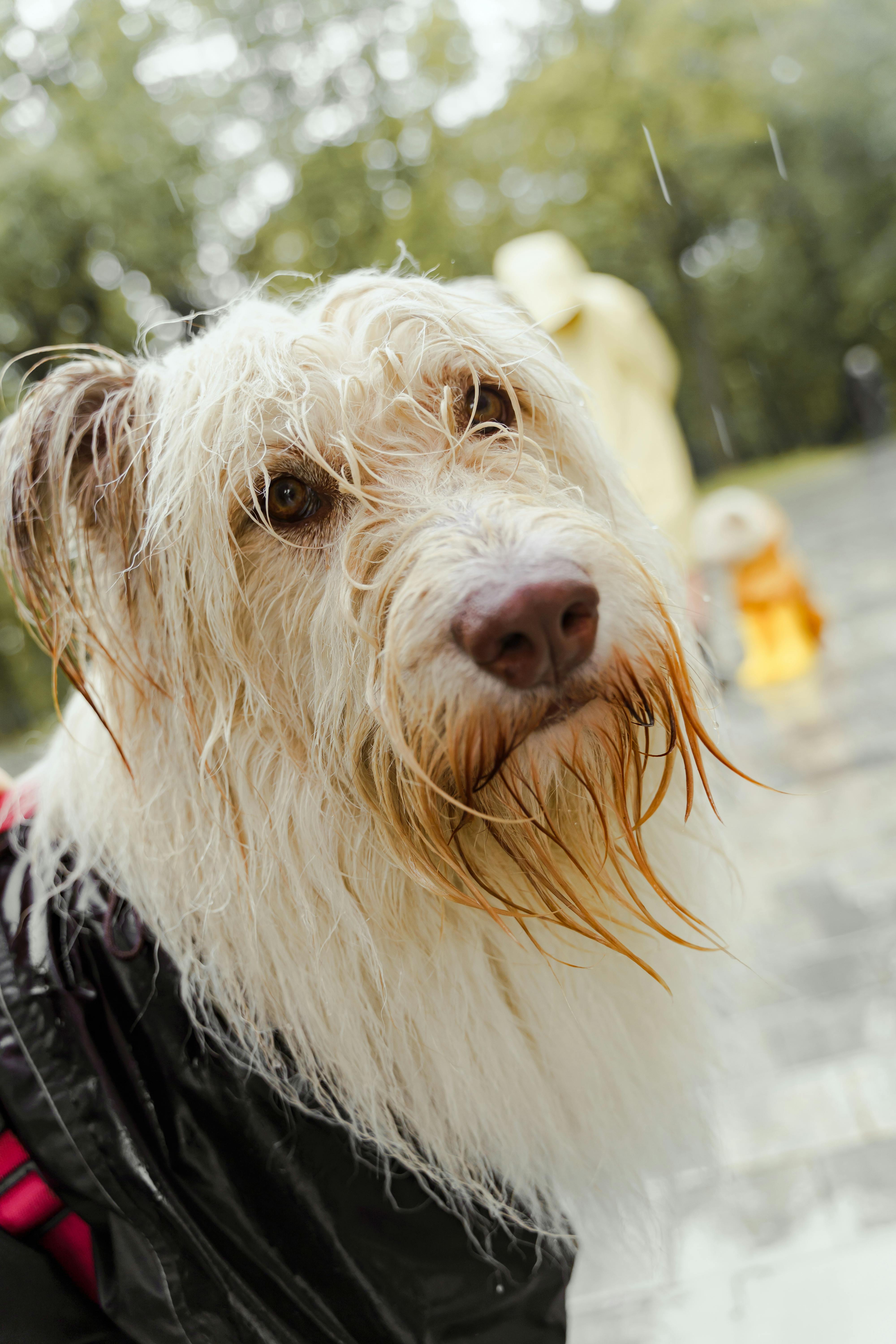 \n\n
\n\nDogs are often seen with their noses glistening and wet, making many of us wonder, why do dogs have wet noses? This unique characteristic of our canine companions isn’t just for show, it plays a important role in their health and behavior. Let’s dive into the science behind canine wet noses and discover the fascinating truth that lies beneath!
\nThe Functionality of a Wet Nose
\nA wet nose is not just a cute feature on your pet, it serves several practical purposes. Here are some key reasons why dogs have wet noses:
\n- \n
- \n
Enhanced Sense of Smell: Dogs' noses are packed with olfactory receptors. When their noses are moist, it helps capture scent particles better, allowing them to pick up a wider variety of smells. This is why dogs are often used in search and rescue operations or detecting drugs.
\n \n - \n
Temperature Regulation: Dogs don’t sweat like humans do. They mainly regulate their body temperature through panting and their noses. A wet nose helps to cool them down, especially during hot weather.
\n \n - \n
Health Indicators: A dog's nose can give clues about its health. For instance, a dry or cracked nose may indicate dehydration or illness. Regular checks can help you monitor your pet’s well-being.
\n \n
Anatomy of a Dog's Nose
\nThe dog’s nose is quite complex. It is made up of various parts that all work together. Here’s a simple breakdown:
\n- \n
- \n
Nasal Cavity: This is where the air goes in and is filtered. It is lined with mucous membranes that help in trapping scent particles.
\n \n - \n
Olfactory Bulb: This part of the brain processes smells. Dogs have a much larger olfactory bulb than humans, which is why their sense of smell is so much more acute.
\n \n - \n
Moisture Production: Dogs have glands in their noses that produce mucus. This mucus keeps the nose moist and helps in scent detection.
\n \n
Historical Context
\nThe relationship between humans and dogs goes back thousands of years. Dogs were domesticated for hunting and herding, and their keen sense of smell was invaluable. Ancient civilizations recognized this ability and often utilized dogs for tracking game and locating lost items. Over time, this trait has been bred into many dog breeds.
\nFun Facts About Dog Noses
\n- \n
- \n
Unique Patterns: Just like human fingerprints, each dog has a unique nose print. This can be used for identification, although it’s not as common as using microchips today.
\n \n - \n
Color Variation: Not all dog noses are the same color. They can be black, brown, or even pink, depending on the breed. The color doesn't affect the functionality, but some believe it might be linked to specific health issues.
\n \n - \n
Wetness Levels: Different breeds may have different levels of nose wetness. Some dogs have naturally drier noses, which can still be completely healthy.
\n \n
Practical Tips for Dog Owners
\nHere are some things to keep in mind regarding your dog's nose:
\n- \n
- \n
Check for Changes: Regularly examine your dog's nose for any changes in color or texture. If you notice a persistent dryness or cracking, it might be time for a vet visit.
\n \n - \n
Stay Hydrated: Ensure your dog drinks plenty of water. Dehydration can lead to a dry nose, and keeping your pet hydrated is essential for overall health.
\n \n - \n
Avoid Irritants: If your dog spends time outdoors, be mindful of environmental factors that can irritate their nose, such as pollen or chemicals.
\n \n - \n
Watch the Weather: In cold weather, a dog’s nose can become dry. You can apply a bit of pet-safe balm if you notice excessive dryness.
\n \n - \n
Know Your Breed: Some breeds are more prone to nose problems than others. Understanding your dog's breed can help you provide better care.
\n \n
Common Misconceptions
\nThere are many myths surrounding dogs' noses. Here are a few:
\n- \n
- \n
A Cold Nose Means Healthy: While many believe that a cold, wet nose indicates a healthy dog, this isn’t always true. Health can vary greatly among individual dogs.
\n \n - \n
Dogs Can’t Smell When Their Nose is Dry: This is false. While a wet nose enhances their sense of smell, dogs can still detect scents with a dry nose.
\n \n - \n
Only Certain Breeds Have Wet Noses: All dogs can have wet noses, though some may be drier than others due to breed characteristics.
\n \n
Understanding why dogs have wet noses helps us appreciate these amazing animals even more. Their noses aren’t just cute; they’re a vital part of their biology and well-being. As a dog owner, keeping an eye on your furry friend's nose can be an important part of ensuring their overall health and happiness.
\n\nTop 5 Reasons Why Your Dog’s Nose is Always Wet: Unveiling the Mystery
\n\n \n\n
\n\nDogs, our furry companions, are a source of endless fascination. One of their most curious features is their wet noses. Ever wonder why do dogs have wet noses? If you find yourself asking, "Top 5 Reasons Why Your Dog’s Nose is Always Wet," you’re not alone. Many dog owners have pondered this quirky characteristic. Let’s dive into the reasons behind those damp noses and uncover the fascinating truth.
\n1. Temperature Regulation
\nDogs don’t sweat like humans do. Instead, they rely on their noses to help regulate their body temperature. A wet nose can help cool down a dog when it’s feeling hot. The moisture on their nose evaporates, which creates a cooling effect. Kinda like how we feel cooler when we sweat. So, if your pup’s nose is wet, it might just be their natural way of keeping cool.
\n2. Enhanced Sense of Smell
\nDid you know that dogs have an extraordinary sense of smell? Their noses are wet for a reason. The moisture on a dog’s nose can help capture scent particles from the air. This moisture acts like a kind of glue that makes it easier for them to pick up on different scents. So, when you see your dog sniffing around, you can bet their wet nose is working overtime to gather all those fascinating smells!
\n3. Communication Signals
\nDogs also use their noses as a communication tool. A wet nose can signal excitement or friendliness. When your dog approaches you with a damp nose, it could be their way of saying, "Hey, look at me! I’m happy to see you!" This behavior is especially common in social dogs. They express their emotions not just through barking or wagging their tails, but also through that adorable, wet nose.
\n4. Health Indicator
\nA wet nose is usually a sign of good health in dogs. Healthy dogs typically have moist noses, while a dry nose can indicate illness or dehydration. It's important to monitor your dog’s nose. If it suddenly becomes excessively dry or cracked, it could be a sign to visit the vet. Here’s a quick checklist for dog owners to consider regarding nose health:
\n- \n
- Wet and Cool: Normal and healthy. \n
- Dry and Cracked: Possible signs of dehydration. \n
- Excessively Runny: Could indicate allergies or infections. \n
- Abnormal Color: Changes in color may require attention. \n
5. Environmental Factors
\nThe environment plays a significant role in how wet or dry a dog’s nose might be. Humidity, temperature, and even the time of day can affect nose moisture. For instance, in the summer, when it’s more humid, you might notice your dog’s nose is wetter. Conversely, during winter months, when the air is dry, their nose might feel drier. So, if you’re wondering why your dog’s nose changes throughout the day, look around at the weather!
\nFun Facts About Dog Noses
\n- \n
- Unique Patterns: Just like human fingerprints, each dog has a unique nose print. \n
- Scent Detection: Dogs can detect certain scents at concentrations as low as one part per trillion. \n
- Nasal Turbinates: Dogs have intricate structures in their noses called turbinates, which increase the surface area for scent detection. \n
Comparing Dog Noses to Human Noses
\nDogs and humans have significant differences in their nose functions. Here’s a simple comparison:
\n| Feature | \nDogs | \nHumans | \n
|---|---|---|
| Sweat glands | \nFew, rely on noses | \nNumerous, all over body | \n
| Olfactory receptors | \nAbout 300 million | \nAbout 5 million | \n
| Nose moisture source | \nSaliva and mucus | \nSweat | \n
| Purpose of wetness | \nScent capture and cooling | \nCooling body temperature | \n
Understanding why do dogs have wet noses can enrich our relationship with them. It not only helps us appreciate their unique biology but also reminds us to care for them better. So the next time you pet your pup and feel that lovely, moist nose, you’ll know it’s working hard for a multitude of reasons. From keeping cool to sniffing out new adventures, a dog's nose is a fascinating tool that deserves a little admiration. Embrace the quirks of your canine companion and enjoy the wet-nosed love they bring into your life!
\n\nIs a Wet Nose a Sign of a Healthy Dog? Exploring the Connection
\n\n \n\n
\n\nWhen you see a dog, one of the first things you might notice is its nose, especially if it’s all wet and cool to the touch. You may wonder, is a wet nose a sign of a healthy dog? Many pet owners and even veterinarians have debated this question for years. Wet noses are often associated with health, but is that always the case? Let’s explore the fascinating connection between wet noses and dog health, and also uncover why do dogs have wet noses in the first place.
\nWhy Do Dogs Have Wet Noses?
\nDogs have wet noses for several reasons, and it’s a lot more than just a cute feature. Here's a few of the main reasons:
\n- \n
- \n
Regulating Temperature: Dogs don’t sweat like humans do. Instead, they cool themselves off by panting and through their noses. A wet nose helps to regulate their body temperature, allowing them to stay cool on hot days.
\n \n - \n
Scent Detection: Dogs have an incredible sense of smell. A wet nose helps to enhance their olfactory receptors. The moisture on their nose catches scent particles, making it easier for them to detect various smells in their environment.
\n \n - \n
Health Indicator: While a wet nose is often seen as a sign of a healthy dog, it can be misleading. A dog's nose can be wet or dry depending on various factors, including the weather, activity level, and even health conditions.
\n \n
The Myth and Reality of Wet Noses
\nThere’s a common belief that a wet nose signifies a healthy dog. It’s true that many healthy dogs have moist noses, but there’s more to the story.
\n- \n
- \n
Wet Nose and Health: A wet nose can indicate good hydration and general health. However, some dogs may have a dry nose and still be perfectly healthy. Factors like breed, age, and environmental conditions can affect nose moisture.
\n \n - \n
Signs of Illness: If a dog’s nose becomes excessively dry, cracked, or develops sores, it could be a sign of health issues. Conditions like allergies, dehydration, or even autoimmune diseases can cause changes in nose moisture.
\n \n
Interesting Facts About Dog Noses
\nDogs have some of the most fascinating noses in the animal kingdom. Here are some interesting points:
\n- \n
- \n
More Than Just Wetness: Did you know that a dog's nose has unique patterns? Just like human fingerprints, no two dog noses are alike.
\n \n - \n
Temperature Sensitivity: Dogs can sense changes in temperature through their noses, which is why they often sniff around before eating or exploring.
\n \n - \n
Nasal Turbinates: The inside of a dog’s nose contains structures called nasal turbinates, which help filter and warm the air they breathe. This aids in better smell detection.
\n \n - \n
Variety in Breeds: Some breeds, like Bulldogs, may have naturally drier noses because of their shorter snouts. This doesn’t mean they’re unhealthy; it's just part of their anatomy.
\n \n
How to Monitor Your Dog's Nose Health
\nKeeping an eye on your dog’s nose can be a simple way to monitor its health. Here’s what you should look out for:
\n- \n
- \n
Moisture Level: Is it typically wet? If it suddenly becomes dry or crusty, consider consulting your vet.
\n \n - \n
Color Changes: A healthy dog’s nose can range from black to brown to pink, depending on the breed. If you notice any unusual discoloration, it might be a cause for concern.
\n \n - \n
Texture: A healthy nose is usually smooth. If it becomes bumpy, cracked, or develops sores, it’s time for a vet visit.
\n \n - \n
Behavioral Changes: If your dog is acting differently—like reducing activity or eating less—along with a dry nose, it could signal underlying issues.
\n \n
Conclusion
\nSo, is a wet nose a sign of a healthy dog? While it can be an indicator of good health, it’s not the only measure. Understanding your dog’s unique traits, behaviors, and health needs is essential. Always consult with a veterinarian if you have concerns about your pet’s health. Dogs are wonderful companions, and taking care of them means paying close attention to all their little quirks, including that adorable wet nose!
\n\nWhy Do Dogs Have Wet Noses? The Fascinating Truth Revealed!
\n\n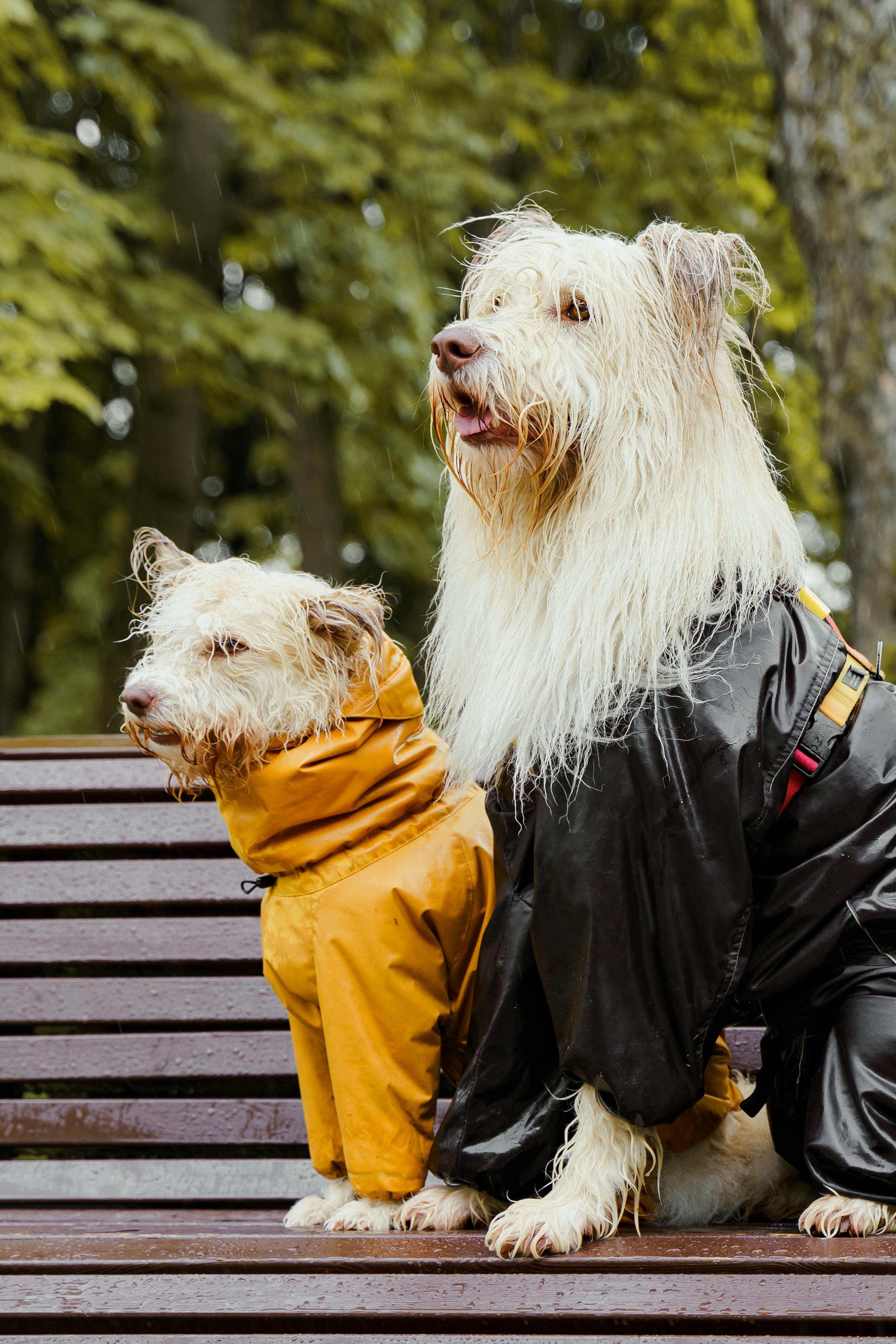 \n\n
\n\nDogs are often considered man's best friend, but have you ever wonder why they have those wet noses? It’s kinda fascinating, right? The truth behind why dogs’ noses are wet is not just a quirky characteristic; it actually has a lot to do with their health, senses, and behavior. Let’s dive into this intriguing topic and uncover the reasons behind those moist noses.
\nThe Science of Wet Noses
\nFirst off, the moisture on a dog's nose serves multiple purposes. Dogs have glands in their noses that produce mucus, which helps to keep the nose moist. So, it’s not just water, like some might think. Here’s a breakdown of the main reasons why dogs have wet noses:
\n- \n
- \n
Enhanced Smell: Dogs have an incredible sense of smell, which is about 10,000 to 100,000 times more sensitive than humans. A wet nose helps to trap scent particles better, allowing them to detect smells more efficiently. This is crucial for their survival instincts, whether it’s hunting or just exploring their environment.
\n \n - \n
Temperature Regulation: Just like humans sweat to cool off, dogs sweat through their paw pads, but their noses also play a role in regulating body temperature. A wet nose can help keep them cool during hot weather.
\n \n - \n
Health Indicator: A wet nose is often seen as a sign of a healthy dog. If a dog's nose is dry, it may indicate that they are sick or dehydrated. However, this isn't a foolproof sign, as factors like weather and activity level can also affect moisture levels.
\n \n
Historical Context
\nInterestingly, the wet nose characteristic has been around for ages. Ancient cultures often viewed dogs as companions and hunters. Their keen sense of smell was utilized for tracking prey and finding food. Over time, evolution has favored dogs with wet noses, allowing them to be more effective hunters and companions.
\nFun Facts About Dog Noses
\n- \n
- Dogs have about 300 million smell receptors in their noses, compared to a human’s 5 million. \n
- The surface of a dog’s nose has unique patterns, much like a human fingerprint. \n
- Each dog has a distinct nose print, which can be used for identification. \n
- Wet noses can help detect changes in the environment, alerting to danger or other animals. \n
Common Myths Debunked
\nThere are many myths surrounding dog noses. Here are a few that just aren’t true:
\n- \n
- \n
A Wet Nose Means a Healthy Dog: While it’s often a good sign, it’s not a guarantee. Some dogs can be healthy with a dry nose.
\n \n - \n
Dogs Can’t Smell When Their Nose is Dry: Dogs can still smell with a dry nose, but they may not be as efficient at it.
\n \n - \n
All Dogs Have Wet Noses: Some breeds, particularly brachycephalic ones like Bulldogs and Pugs, may have drier noses due to their facial structure.
\n \n
Practical Examples of Nose Care
\nTaking care of your dog’s nose is important. Here are some practical tips to keep your furry friend’s nose healthy:
\n- \n
- \n
Hydration: Make sure your dog always has access to fresh water. Dehydration can lead to a dry nose.
\n \n - \n
Avoid Sunburn: Just like humans, dogs can get sunburned on their noses. Use pet-safe sunscreen if your dog spends a lot of time outside.
\n \n - \n
Regular Vet Check-ups: If you notice persistent dryness, cracks, or changes in color, it’s good to consult with a veterinarian.
\n \n
Comparison of Dog Breeds and Nose Types
\nSome dog breeds have unique nose characteristics that can affect their moisture levels. Here’s a quick comparison:
\n| Dog Breed | \nNose Type | \nMoisture Level | \n
|---|---|---|
| Labrador Retriever | \nTypical Wet Nose | \nHigh | \n
| Bulldog | \nShort and Flat | \nOften Dry | \n
| Beagle | \nLong and Wet | \nHigh | \n
| Pug | \nShort and Flat | \nOften Dry | \n
Dogs are such incredible creatures with fascinating attributes. Their wet noses are just one of the many things that make them special. Understanding why dogs have wet noses not only deepens our appreciation for them but also helps us care for them better. Next time you give your dog a pat, take a moment to marvel at that wet nose and all the amazing functions it serves!
\n\nThe Role of a Dog's Wet Nose in Their Sense of Smell: A Deep Dive
\n\n \n\n
\n\nDogs are known for many things, their loyalty, playful nature, and of course, their wet noses. But have you ever wondered why do dogs have wet noses? It's a question that sparks curiosity for many dog owners and enthusiasts alike. In this article, we will dive deep into the fascinating truth about the role of a dog's wet nose in their sense of smell and the various reasons behind this unique trait.
\nThe Science Behind a Dog's Nose
\nFirst, let’s talk about the anatomy of a dog’s nose. A dog’s nose is covered in a thin layer of moist tissue called the mucous membrane. This moisture plays a crucial role in how dogs perceive the world. When a dog sniffs something, the moisture on their nose helps to capture scent particles from the air. The more moisture there is, the better they can smell.
\nInteresting fact: Dogs have up to 300 million scent receptors in their noses, compared to a human’s mere 5 million. This staggering difference is what makes dogs such exceptional sniffers.
\nWhy Are Dog Noses Wet?
\nThere are several reasons why dogs have wet noses, and they all relates to their sense of smell and overall health.
\n- \n
- Enhanced Scent Detection: A wet nose helps in trapping scent particles. When these particles stick to the moisture, it allows the dog to analyze and identify them more effectively. \n
- Cooling Mechanism: Dogs don’t sweat like humans do. Instead, they rely on their noses and paw pads to regulate their body temperature. A wet nose can help cool them down. \n
- Health Indicator: The condition of a dog's nose can be an indicator of their health. A healthy dog typically has a moist and cool nose, while a dry nose can sometimes signal dehydration or illness. \n
Historical Context of Dog Noses
\nHistorically, dogs have been celebrated for their exceptional sense of smell for thousands of years. Different breeds were developed for specific tasks like hunting, herding, and protection, all of which relied heavily on their olfactory abilities.
\n- \n
- Hunting Breeds: Breeds like Bloodhounds and Beagles were bred specifically for their incredible tracking abilities, thanks in part to their moist noses. \n
- Service Dogs: Today, dogs are not only companions but also serve in roles such as search and rescue, detection of illegal substances, and even medical alerts for conditions like diabetes. Their wet noses are essential for these tasks. \n
The Role of a Wet Nose in Smell
\nNow, let’s break down how a wet nose enhances a dog’s sense of smell. When a dog inhales, the moist surface of their nose captures scent particles. These particles dissolve in the moisture, making it easier for olfactory receptors to identify what they are.
\nDogs have two distinct pathways for smelling:
\n- \n
- The Main Olfactory System: This is responsible for detecting scents and is what most people think of when considering a dog’s sense of smell. \n
- The Accessory Olfactory System: This pathway is used to detect pheromones, which are chemical signals that can convey information about other animals, such as their reproductive status or mood. \n
Fun Facts About Dog Noses
\nHere are some fun facts about dog noses that you might find surprising:
\n- \n
- Unique Nose Prints: Just like human fingerprints, every dog has a unique nose print. This could potentially be used for identification. \n
- Color Variation: The color of a dog’s nose can vary based on breed and genetics, ranging from black to pink. \n
- Sensitivity to Temperature: A dog’s nose is sensitive not just to smell but also to temperature. They can tell if something is hot or cold just by touching it with their nose. \n
Practical Examples of Nose Use
\nDogs use their noses in everyday life in numerous ways. Here’s how they might use their sense of smell:
\n- \n
- Detecting Food: Dogs can smell food from miles away, which explains why they often beg at the table. \n
- Recognizing Owners: Dogs can identify their owners by scent, even if they have been apart for an extended period. \n
- Finding Hidden Items: Some dogs are trained to find hidden items like toys or even lost people based on scent trails. \n
In summary, the wet nose of a dog is not just a cute feature but a critical component of their remarkable sense of smell. It’s an evolutionary trait that aids them in hunting, tracking, and even communicating. Understanding why dogs have wet noses not only deepens our appreciation for them but also highlights the incredible capabilities that dogs possess. So next time you give your furry friend a scratch, remember the science behind that wet little nose!
\n\nHow Weather Affects Your Dog's Nose Moisture: Surprising Insights
\n\n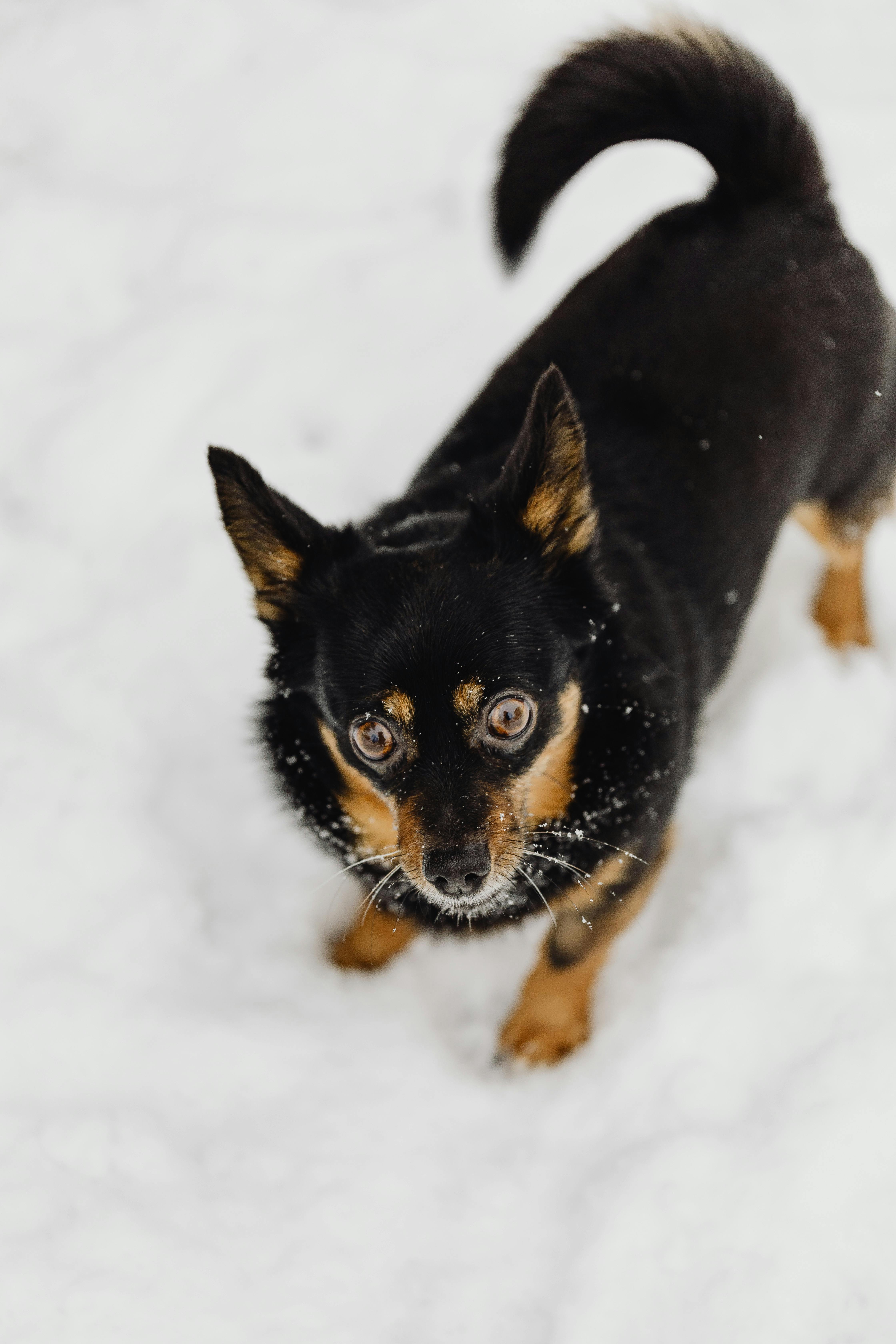 \n\n
\n\nDogs are more than just pets; they become part of our families, and understanding their unique features can help us care for them better. One of the most fascinating aspects of dogs is their noses. Have you ever wondered why do dogs have wet noses? Or how weather affects your dog's nose moisture? Let’s take a dive into the surprising insights behind these questions.
\nThe Science of a Dog's Nose
\nA dog's nose is not just wet for no reason; it serves several important functions. The moisture on their nose helps to enhance their sense of smell. Dogs have an extraordinary olfactory system, and wetness allows scent particles to adhere better. This means they can sniff out the best spots in the park or even detect scents from miles away!
\nWhy Do Dogs Have Wet Noses?
\n- \n
- Moisture Retention: The wetness on a dog's nose helps to trap scent particles, improving their ability to smell. \n
- Temperature Regulation: Dogs can’t sweat like humans do, so their noses help to cool them down on hot days. \n
- Health Indicator: A wet nose is often a sign of a healthy dog. If you notice it’s dry or cracked, it could indicate dehydration or illness. \n
How Weather Affects Nose Moisture
\nWeather plays a big role in how wet or dry a dog’s nose can be. Here’s how different weather conditions can affect your furry friend:
\n- \n
- Hot Weather: During summer months, dogs can get dehydrated quickly. Dry, hot air can cause their noses to become dry, which is why it’s important to keep them hydrated and cool. \n
- Cold Weather: In winter, the cold air can also dry out their noses. Snow and ice can lead to chapping or cracking, making it essential to watch for signs of discomfort. \n
- Humidity: High humidity can lead to a wetter nose, as the moisture in the air helps keep it moist. However, too much humidity can also lead to other health issues, like fungal infections. \n
The Fascinating Truth About Nose Moisture
\nDid you know that a dog's nose print is unique, just like a human fingerprint? Each dog has a distinct pattern that can be used for identification! This is just one of the many remarkable things about dogs.
\nPractical Tips for Nose Care
\nTo ensure your dog's nose stays healthy, consider these tips:
\n- \n
- Regular Hydration: Always provide fresh water for your dog, especially during hot days. \n
- Protect from Cold: In winter, consider using a pet-safe balm on their nose to prevent cracking. \n
- Watch for Changes: If you notice a sudden change in your dog’s nose moisture, it may indicate a health issue. Consult a vet if necessary. \n
Comparison of Nose Conditions
\nHere’s a quick comparison of different nose conditions and what they might mean:
\n| Condition | \nDescription | \nPossible Causes | \n
|---|---|---|
| Healthy Nose | \nWet and cool; no cracks | \nGood hydration, healthy dog | \n
| Dry Nose | \nDry and warm; possible cracks | \nDehydration, illness | \n
| Runny Nose | \nExcessively wet; may have discharge | \nAllergies, infections | \n
| Cracked Nose | \nVisible cracks, may bleed | \nCold weather, dehydration | \n
Common Misconceptions About Dog Noses
\nMany people believe that a warm nose means a dog is sick, but that’s not always true. Nose temperature can fluctuate due to various factors, including activity level and environmental conditions. So, it’s important not to jump to conclusions based solely on nose temperature.
\nInteresting Dog Nose Facts
\n- \n
- Dogs have up to 300 million scent receptors in their noses, compared to about 5 million in humans. \n
- The area of a dog’s brain that processes smells is about 40 times larger than that of humans. \n
- Dogs can even smell certain diseases, like cancer, through their ability to detect specific scents. \n
Understanding how weather affects your dog’s nose moisture can help you take better care of your furry friend. By keeping an eye on their nose's condition and adjusting care based on weather, you can ensure they stay comfortable and healthy. Dogs communicate through their noses as much as they do through their barks, so keeping that nose moist is essential!
\n\nWet Noses and Dog Behavior: What Your Pup is Trying to Tell You
\n\n \n\n
\n\nEvery dog owner has probably notice their pup's wet nose at some point. This wetness not just a cute feature, but it also serves a important purpose. Understanding why do dogs have wet noses and what your furry friend might be trying to communicate can enhance your bond with them. Lets dive into the fascinating truth behind those wet noses!
\nWhy Do Dogs Have Wet Noses?
\nDogs have wet noses for several reasons. One major reason is that a wet nose helps them to smell better. Dogs have an incredible sense of smell, estimated to be between 10,000 to 100,000 times more sensitive than humans. The moisture on their noses helps to capture scent particles in the air. Here are some key points about why a dog’s nose is wet:
\n- \n
- Enhanced Smell: The mucous on the nose traps scent molecules, allowing dogs to gather information about their environment. \n
- Cooling Mechanism: Dogs do not sweat like humans do. Their wet noses help to regulate body temperature by evaporative cooling. \n
- Health Indicator: A dog's nose can reflect their health. A warm, dry nose might indicate illness, while a cool, wet one is generally a sign of good health. \n
What Your Dog's Nose Might be Telling You
\nDogs communicates in many ways, and their nose is one of them. A wet nose can mean different things depending on the context. Here’s a breakdown of what you might interpret from your dog’s wet nose:
\n- \n
- Happy and Healthy: If your dog’s nose is nice and moist, they likely feel good. This is a sign that your pup is hydrated and healthy. \n
- Anxiety or Stress: Sometimes, a suddenly dry or warm nose can indicate anxiety or stress in dogs. Pay attention to other signs of stress, such as whining or pacing. \n
- Illness: If your dog’s nose is persistently dry and warm, this may indicate they’re not feeling well. In such cases, it’s wise to consult a veterinarian. \n
Historical Context of Dog Noses
\nThroughout history, dogs were bred for specific purposes, like hunting, herding, or guarding. Each breed has different nose shapes and moisture levels based on their tasks. For instance:
\n- \n
- Bloodhounds: Known for their incredible sense of smell, their noses are always moist to maximize scent detection. \n
- Sighthounds: These breeds, like Greyhounds, may have drier noses because they rely more on vision than scent. \n
Fascinating Facts About Dog Noses
\nHere are some interesting facts that might surprise you about dog noses:
\n- \n
- Unique Patterns: Just like human fingerprints, each dog has a unique nose print that can be used for identification. \n
- Temperature Sensitivity: Dogs can detect changes in temperature using their noses. This can help them sense danger or find food. \n
- Nose Color: The color of a dog's nose can vary based on breed, age, and health. A pink nose might be more prone to sunburn than a black nose. \n
Practical Tips on Nose Care
\nTaking care of your dog’s nose is important for their overall health. Here are some tips to keep in mind:
\n- \n
- Stay Hydrated: Ensure your dog has access to fresh water, especially in hot weather. \n
- Watch for Cracks: Dry, cracked noses can be painful. If you notice any cracks, consider applying a dog-safe moisturizer. \n
- Regular Vet Check-ups: Incorporate nose examinations during regular vet visits to catch any potential issues early. \n
Common Misconceptions About Dog Noses
\nThere are several myths surrounding the wetness of dog noses. Here’s a few:
\n- \n
- \n
Myth: A wet nose always means a dog is healthy.
\n- \n
- Reality: While a wet nose often indicates good health, it's not a definitive sign. \n
\n - \n
Myth: Dogs only sweat through their noses.
\n- \n
- Reality: Dogs primarily sweat through their paw pads, not their noses. \n
\n - \n
Myth: All dog noses are the same.
\n- \n
- Reality: Different breeds have different nose shapes, sizes, and moisture levels that serve their unique functions. \n
\n
Understanding your dog’s wet nose can help you communicate better with your furry companion. Paying attention to the signs, keeping their nose healthy, and knowing the facts behind their behavior can foster a deeper connection. Next time you give your pup a scratch, take a moment to appreciate that wet nose and all the stories it has to tell!
\n\nThe Evolutionary Advantage of Wet Noses in Dogs: A Closer Look
\n\n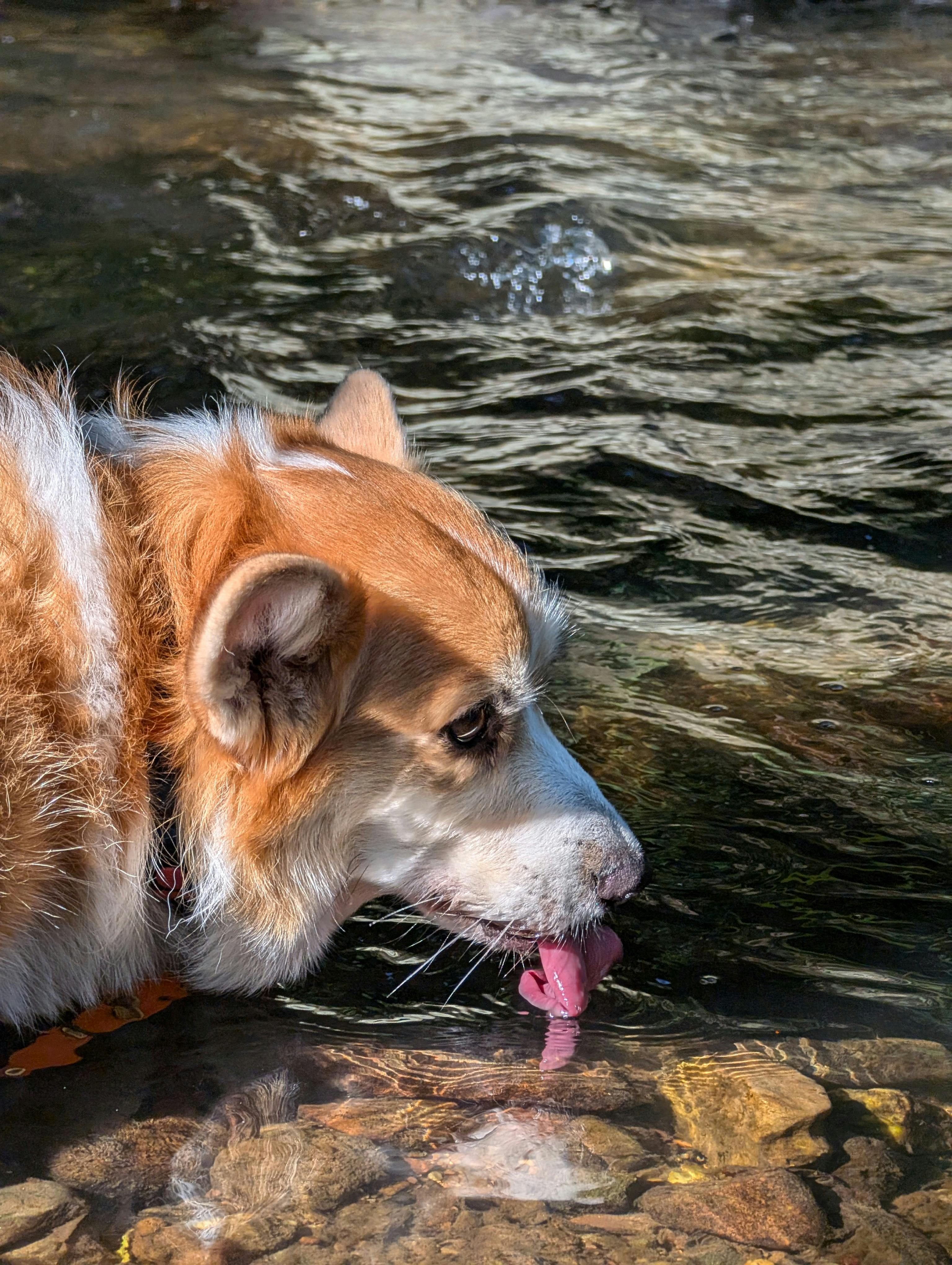 \n\n
\n\nThe unique characteristics of dogs have fascinated humans for centuries. One of the most intriguing features is their wet noses. Ever wondered why do dogs have wet noses? It’s more than just a cute quirk; it’s a fascinating evolution advantage that has helped dogs thrive alongside humans. Let’s take a closer look at the science behind those moist snouts and why they play a crucial role in your furry friend’s life.
\nThe Science Behind Wet Noses
\nDogs’ noses are not just for show. They are highly specialized organs that offer a range of benefits. Here’s how it works:
\n- \n
- \n
Moisture Helps with Scent Detection: A wet nose helps to capture scent particles in the air. When a dog sniffs, moisture from the nose traps these particles, making it easier for the olfactory receptors to do their job. This is critical because dogs have an extraordinary sense of smell—estimated to be between 10,000 to 100,000 times more acute than humans!
\n \n - \n
Temperature Regulation: Dogs don’t sweat like humans do. Instead, they use their noses to help regulate their body temperature. The moisture on their noses evaporates, which helps cool them down. This is especially important on hot days when they are more prone to overheating.
\n \n - \n
Health Indicator: A dog’s nose can also give insights into their health. A healthy dog usually has a cool, wet nose, while a dry or warm nose may signal illness or dehydration. Still, it’s important to remember that noses can vary throughout the day due to various factors like activity level, temperature, and environment.
\n \n
Historical Context: Why Did Dogs Evolve Wet Noses?
\nDogs are descendants of wolves, which used their keen sense of smell for hunting and survival. The evolution of wet noses can be traced back to their ancestors. Here are some historical points to consider:
\n- \n
- \n
Survival Mechanism: Early dogs with enhanced olfactory abilities were more successful in hunting and scavenging. Those that could detect food from further away had a better chance of survival and reproduction.
\n \n - \n
Domestication and Companionship: As dogs became domesticated, their wet noses remained an evolutionary advantage. They helped in understanding human emotions and needs, making them excellent companions.
\n \n
The Advantages of Wet Noses: A Quick Comparison
\nLet’s compare wet noses to dry noses in dogs:
\nWet Noses:
\n- \n
- Enhanced scent detection \n
- Better temperature regulation \n
- Indicator of health \n
Dry Noses:
\n- \n
- Less effective in trapping scent particles \n
- May indicate dehydration or health issues \n
- Not as efficient in cooling \n
Practical Examples of Nose Benefits
\nConsider your own dog and their wet nose. Here are some real-life scenarios where this feature shines:
\n- \n
- \n
Tracking: If your dog is a tracking breed, you’ll notice them sniffing the ground or air more frequently. A wet nose helps them pick up scents that lead them to their target.
\n \n - \n
Social Interactions: When dogs greet one another, they often sniff each other’s noses. This behavior allows them to gather information about the other dog, including their health, diet, and even mood.
\n \n - \n
Scent Work: Many dogs are employed in search and rescue operations or sniffing out drugs and explosives. Their wet noses are crucial in these high-stakes environments, as they can detect scents that humans cannot.
\n \n
Fun Facts About Dog Noses
\n- \n
- Dogs have about 300 million olfactory receptors in their noses, compared to about 6 million in humans. \n
- The shape of a dog’s nose can affect their sense of smell; breeds like Bloodhounds are especially known for their remarkable olfactory abilities. \n
- A dog’s nose print is unique, much like a human fingerprint. \n
Understanding the evolutionary advantage of wet noses in dogs reveals a lot about their biology and behavior. It’s not just an adorable characteristic; it’s a testament to how these animals have adapted to their environments over thousands of years. So next time you see your pup with that charming wet nose, remember, it’s more than just cute—it’s a vital part of what makes dogs such amazing companions. Their wet noses are not only a sign of health but also a window into their evolutionary journey, showcasing how they have worked alongside humans throughout history.
\n\nCan Your Dog's Wet Nose Indicate Illness? Signs Every Owner Should Know
\n\n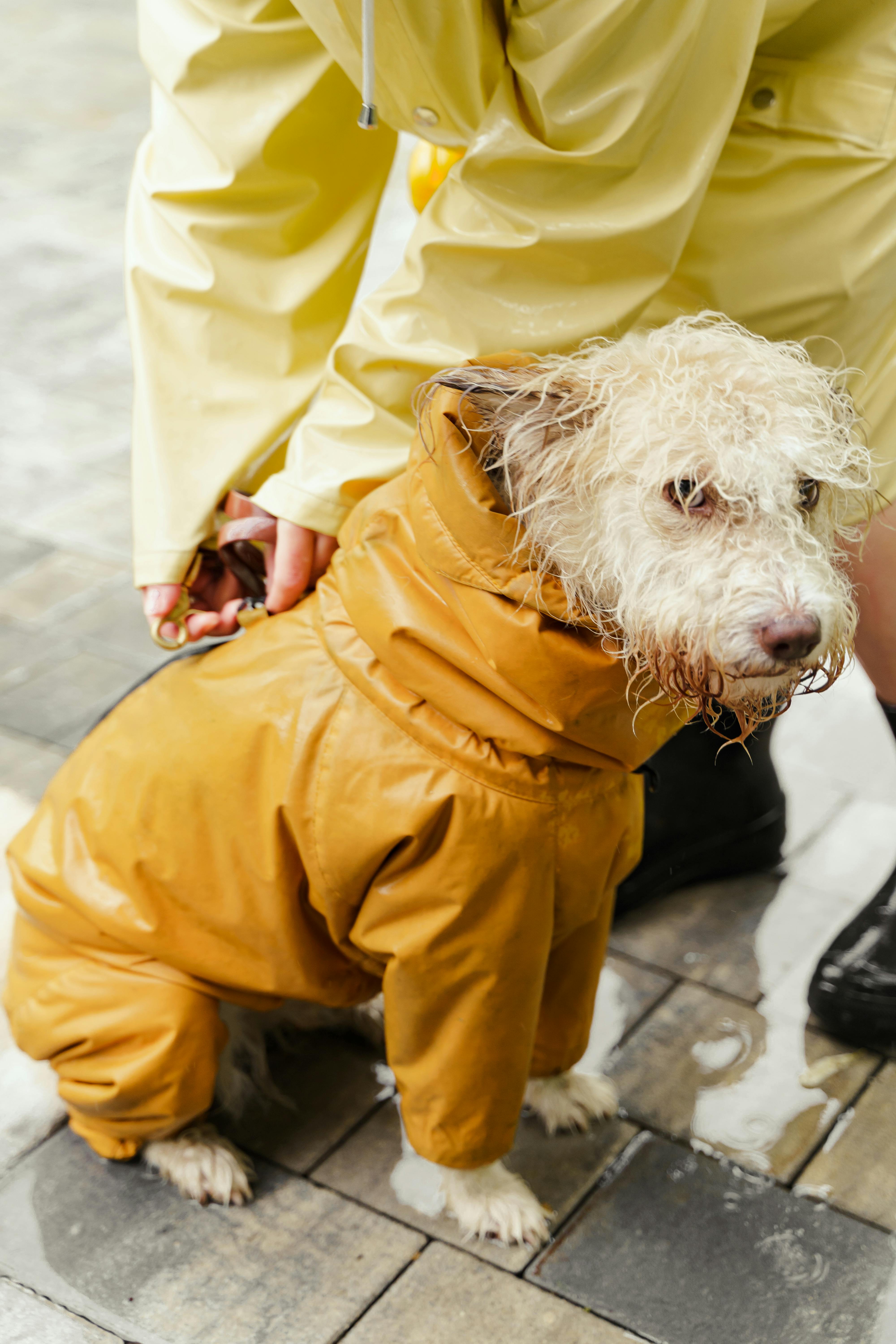 \n\n
\n\nOwning a dog is one of the most rewarding experiences, but it also come with its share of responsibilities. One key aspect of pet care is monitoring their health. Have you ever wondered, "Can your dog's wet nose indicate illness?" This common question reveals a lot about dog health and behavior. In this article, we will explore the reasons behind a dog's wet nose, what it means for their health, and the signs every dog owner should know.
\nWhy Do Dogs Have Wet Noses?
\nDogs have wet noses for several reasons, and it's not just because they love to sniff everything. Here are some interesting facts about why our furry friends have that moist feature:
\n- \n
- Cooling Mechanism: Dogs do not sweat like humans do. Instead, they regulate their body temperature through their noses. The moisture helps to cool them down, especially during hot days. \n
- Sense of Smell: A wet nose helps enhance a dog’s sense of smell. The moisture traps scent particles, making it easier for them to detect various odors. \n
- Health Indicator: A dog’s nose can be an indicator of their overall health. A normal, wet nose often suggests that a dog is hydrated and healthy, while changes can signal underlying issues. \n
Can Your Dog's Wet Nose Indicate Illness?
\nMany dog owners notice that their pet's nose can vary in wetness throughout the day. It might seem like a simple observation, but it can indicate health problems. Here are some signs that could suggest your dog might be unwell:
\n- \n
- Dry Nose: If your dog usually has a wet nose but suddenly it's dry, it might indicate dehydration or fever. \n
- Cracked or Chapped Nose: A nose that appears cracked or chapped can be a sign of certain skin conditions or allergies. \n
- Excessive Nasal Discharge: Clear discharge is normal, but if it's thick, green, or yellow, it could mean an infection. \n
- Change in Color: A change in the color of your dog’s nose can indicate various health concerns, including autoimmune diseases. \n
- Behavioral Changes: If your dog is lethargic, not eating, or showing signs of discomfort, these could be red flags. \n
Common Health Issues Associated With Nose Changes
\nThere are some common health issues that can be associated with changes in a dog’s nose. Here’s a list of what to watch for:
\n- \n
- Allergies: Just like humans, dogs can have allergies that cause skin irritation and nasal issues. \n
- Infections: Bacterial or viral infections can lead to changes in a dog's nose. \n
- Autoimmune Disorders: Some autoimmune diseases can affect the skin, including the nose. \n
- Nasal Tumors: Though rare, tumors can develop in the nasal passages, causing unusual symptoms. \n
- Fever: A fever can sometimes lead to a dry nose, which is a strong indicator to seek veterinary care. \n
What to Do if You Notice Changes
\nIf you notice that your dog's nose has changed, it’s important to take action. Here’s what you should consider doing:
\n- \n
- Observe: Keep an eye on any other symptoms like coughing, sneezing, or lethargy. \n
- Hydration: Ensure that your dog is drinking enough water. \n
- Consult a Veterinarian: If changes persist, make an appointment with a vet to get a thorough examination. \n
Fun Facts About Dogs’ Noses
\nHere are some fascinating tidbits about dogs’ noses that you might not know:
\n- \n
- Unique Patterns: Just like human fingerprints, a dog’s nose print is unique to each individual. \n
- Nose Temperature: A cool, wet nose is often a sign of health, but the temperature can vary throughout the day. \n
- Scent Discrimination: Dogs have up to 300 million smell receptors in their noses, far more than humans, who have about 5 million. \n
Monitoring your dog’s health is crucial, and understanding what their wet nose means can help you spot potential issues early. Remember, a wet nose is generally a sign of a happy, healthy dog, but any sudden changes could mean it's time to check in with your veterinarian. Always trust your instincts as a pet owner; if something seems off, don’t hesitate to seek professional advice. By staying informed and attentive, you can ensure your furry companion leads a healthy and happy life.
\n\nFun Facts About Dog Noses: Why Wetness is Just the Tip of the Iceberg!
\n\n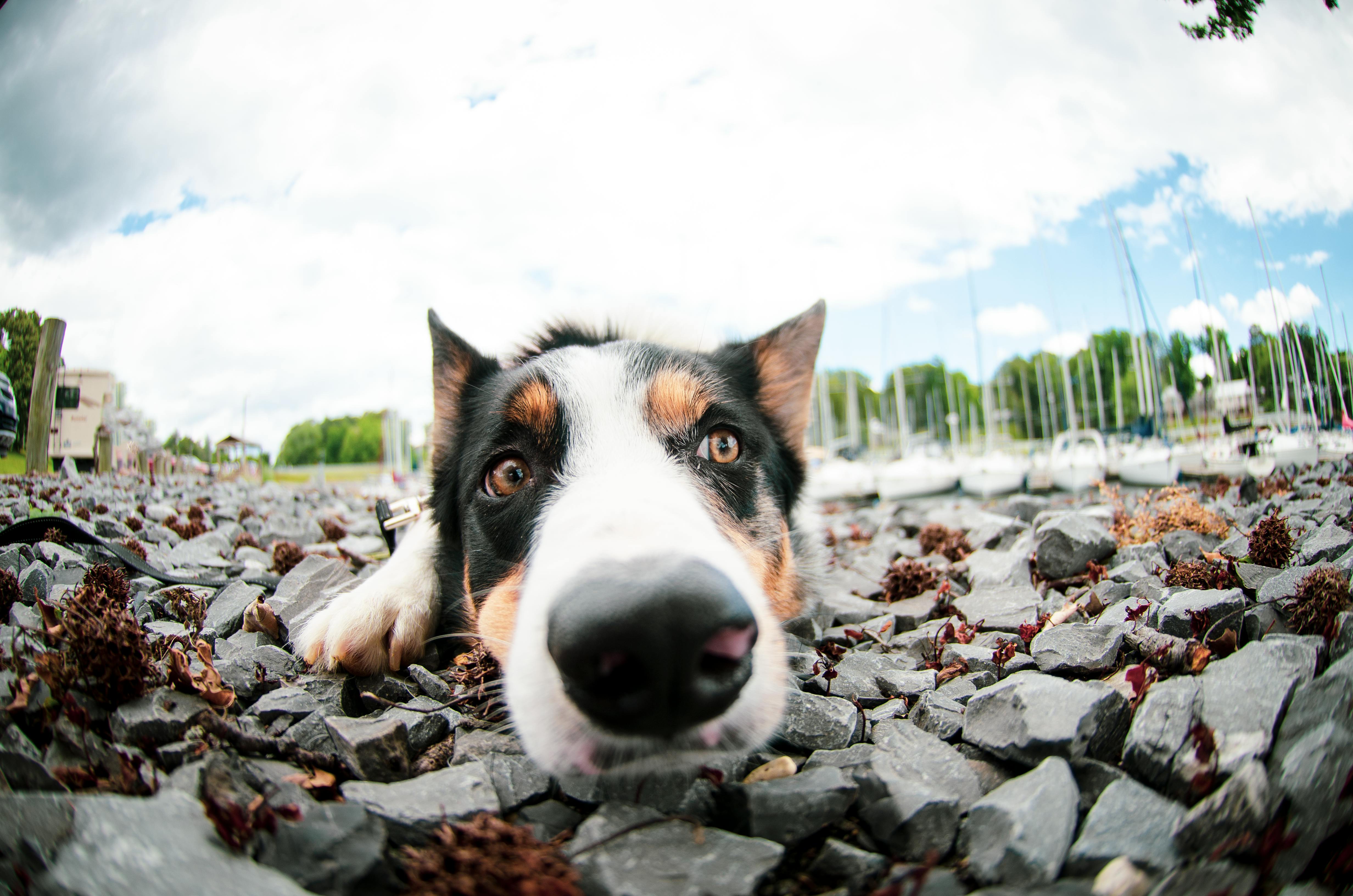 \n\n
\n\nDogs are some of the most beloved pets in the world, and their noses are a big part of what makes them so unique. Ever wonder why dogs have wet noses? Most people just think it’s cute, but there’s way more to it than that. Wet noses actually serve several important purposes. Let’s dive into some fun facts about dog noses and uncover the fascinating truth behind why they’re always so damp!
\nThe Basics of a Dog's Nose
\nFirst things first, dog noses are not just for show. They are highly sensitive and play a crucial role in how dogs interact with the world. The wetness of a dog’s nose helps to enhance their sense of smell. The moisture allows odor molecules to stick to their noses, making it easier for them to pick up scents. This is one of the reasons why dogs can sniff out everything from food to lost people!
\nWhy Are Dog Noses Wet?
\nSo, why do dogs have wet noses? Well, there are several reasons for this phenomenon:
\n- \n
- Enhancing Smell: As mentioned, wet noses help dogs capture scents more effectively. \n
- Thermoregulation: A wet nose helps to cool a dog’s body. Dogs don’t sweat like humans do, so they rely on their noses to help regulate their temperature. \n
- Health Indicator: A dog’s nose can sometimes indicate their health. A warm, dry nose might suggest a fever, while a cool, wet nose is often a sign of a healthy pup. \n
Fun Facts About Dog Noses
\nHere are some fun and interesting facts about dog noses that you might not know:
\n- \n
- Unique Patterns: Just like human fingerprints, every dog has a unique nose print. This means that no two dogs have the same nose! \n
- Incredible Sensitivity: A dog’s sense of smell is estimated to be anywhere from 10,000 to 100,000 times better than humans. This is why they are used in search-and-rescue operations and for detecting drugs or explosives. \n
- Nasal Turbinates: Dogs have complex structures in their noses called nasal turbinates, which help to warm and humidify the air they breathe in. This structure also helps to capture scent particles. \n
- Sniffing Technique: Dogs have a special sniffing technique that involves inhaling and exhaling through their noses simultaneously. This allows them to continually sample scents for longer periods. \n
The Evolution of Dog Noses
\nThe evolution of a dog's nose is quite fascinating. Over thousands of years, dogs have evolved alongside humans, and their noses have adapted to various roles. Historically, dogs were bred for specific tasks, such as hunting or herding, which often required a strong sense of smell.
\n- \n
- Hunting Dogs: Breeds like Bloodhounds and Beagles were specifically bred for their exceptional olfactory abilities to track scents over long distances. \n
- Working Dogs: Certain breeds, like German Shepherds, have also been utilized for their noses in police and military work for detecting substances or locating individuals. \n
Comparing Dog Noses to Human Noses
\nThere are some key differences between dog noses and human noses that highlight just how special dogs really are:
\n| Feature | \nDog Nose | \nHuman Nose | \n
|---|---|---|
| Smell Sensitivity | \n10,000 to 100,000 times better | \nStandard human sensitivity | \n
| Moisture | \nTypically wet | \nGenerally dry | \n
| Unique Patterns | \nUnique nose prints | \nNo unique prints | \n
| Nasal Structures | \nComplex nasal turbinates | \nSimple nasal structure | \n
Practical Examples of How Dogs Use Their Noses
\nDogs use their noses for a variety of reasons in everyday life. Here are some practical examples:
\n- \n
- Finding Food: When a dog sniffs around the kitchen, they’re using their nose to detect food smells. \n
- Identifying People: Dogs can recognize their owners and other familiar people by scent, not just sight. \n
- Detecting Danger: In the wild, dogs use their noses to avoid predators or find prey. \n
In many ways, a dog’s nose is like a superpower, helping them navigate the world in ways that humans can’t even imagine. So the next time you see your furry friend with that adorable wet nose, remember that it’s just the tip of the iceberg when it comes to their incredible abilities. From enhancing their sense of smell to playing a role in their health, dog noses are truly fascinating!
\n\nConclusion
\n\nIn conclusion, the wet noses of dogs serve multiple important purposes, from enhancing their sense of smell to regulating body temperature. The moisture on their noses helps to dissolve scent molecules, making it easier for dogs to pick up on various odors in their environment. Additionally, a wet nose can indicate a healthy dog, as it is often a sign of good hydration and overall well-being. Understanding these fascinating aspects of canine biology not only deepens our appreciation for our furry friends but also highlights the importance of regular veterinary check-ups to ensure their health. So, the next time you catch your dog giving you a friendly nuzzle with their wet nose, remember that it’s not just an endearing trait; it's a testament to their unique physiology. Embrace the bond you share with your dog and cherish these little quirks that make them so special.
\n\n