Have you ever wondered, why do dogs have wet noses? This intriguing question has sparked the curiosity of pet owners and animal lovers alike. The truth behind those cool, damp noses is not just for show; it plays a vital role in your dog's health and communication. In fact, the benefits of wet noses extend beyond simple moisture — they are essential for a dog's sense of smell and temperature regulation. But what makes a dog's nose wet in the first place? Is it just a natural trait, or does it serve a deeper purpose? Understanding the science behind a dog’s nose can shed light on their behavior and well-being. In this article, we will explore the fascinating truth about why dogs have wet noses, uncovering the surprising reasons behind this common canine characteristic. Plus, we’ll delve into how you can ensure your furry friend stays healthy and hydrated. So, are you ready to discover the secrets hidden in those adorable, wet noses? Let's embark on this journey together and learn more about your beloved pet’s unique biology!
\n\nThe Science Behind Canine Noses: Why Are Dogs' Noses Always Wet?
\n\n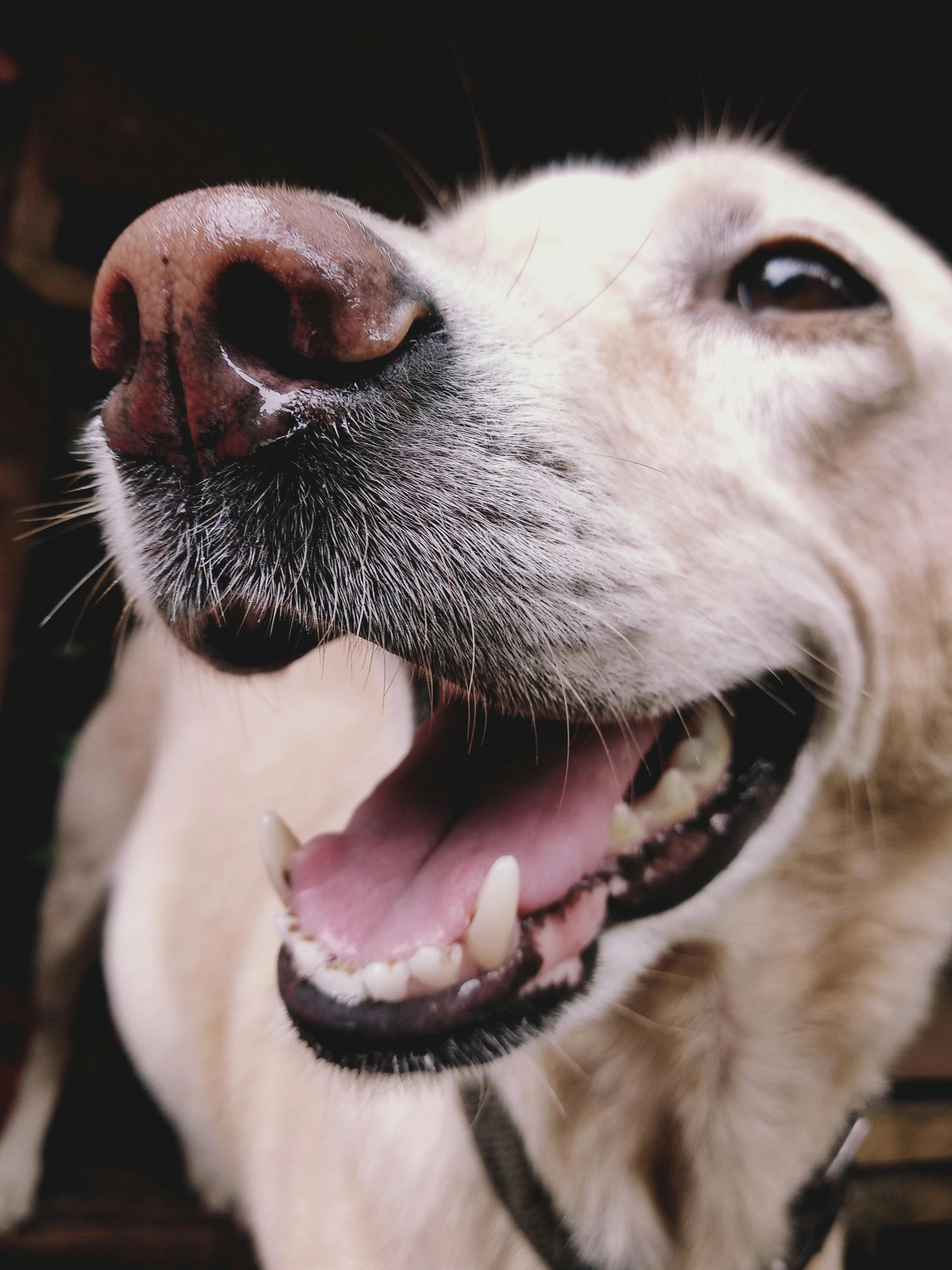 \n\n
\n\nThe Science Behind Canine Noses: Why Are Dogs' Noses Always Wet?
\nHave you ever wondered why dogs always seem to have wet noses? If you’re a dog owner or just a fan of these furry friends, you probably notice their noses are often damp, and there’s a reason for that. This intriguing aspect of canine anatomy is more than just a quirky feature; it’s a remarkable physiological trait that plays a vital role in how dogs interact with the world around them.
\nThe Anatomy of a Dog's Nose
\nDogs' noses are truly marvels of nature. The surface of a dog's nose is covered with a specialized skin that is rich in nerve endings and is incredibly sensitive. Here’s some important stuff about their anatomy:
\n- \n
- Nasal Mucosa: This is the moist tissue that lines the nasal cavity, helping to keep the nose wet. \n
- Olfactory Receptors: Dogs have up to 300 million olfactory receptors, compared to about 5 million in humans. This gives them an extraordinary sense of smell. \n
- Scent-Processing Area: The part of a dog’s brain that processes smells is about 40 times greater than that of a human's. \n
Why Do Dogs Have Wet Noses?
\nThe wetness of a dog’s nose serves multiple purposes. Firstly, it helps in enhancing their sense of smell. When the nose is moist, it can better absorb scent particles from the air, which is essential for a dog’s ability to detect odors. This is why you'll often see dogs sniffing around; they are gathering information about their environment. Here are some key reasons:
\n- \n
- Improved Scent Detection: Wet noses can trap scent particles, making it easier for dogs to identify smells. \n
- Temperature Regulation: A wet nose helps dogs cool down, similar to how humans sweat. It’s a way for them to regulate their body temperature, especially after exercise or on hot days. \n
- Health Indicator: A dog's nose can indicate its health status. A consistently dry nose can sometimes signal dehydration or illness. \n
Historical Context and Evolution
\nDogs have been by humans’ sides for thousands of years. Their noses have evolved to help them perform various tasks, from hunting to herding. Early domesticated dogs relied on their keen sense of smell for survival, which made them invaluable companions to humans.
\n- \n
- Hunting and Tracking: In ancient times, dogs were used to track animals, and their wet noses helped them pick up scents from great distances. \n
- Companion Animals: As dogs became more integrated into human society, their sense of smell became essential for various roles, including search and rescue operations today. \n
Interesting Facts About Dog Noses
\n- \n
- Did you know that each dog's nose print is unique, much like a human fingerprint? This characteristic can actually be used for identification purposes. \n
- The color of a dog’s nose can change depending on the breed and can also be influenced by environmental factors like the sun. \n
Common Misconceptions
\nMany people believe that a dry nose means a dog is sick, but this isn't always true. A dog's overall behavior and other symptoms should be considered. Wet noses can also vary by breed and individual dog. Some breeds naturally have drier noses than others.
\nTips for Keeping Your Dog's Nose Healthy
\nIf you're a dog owner, it’s essential to ensure your pet's nose stays healthy. Here are some simple tips:
\n- \n
- Hydration: Ensure your dog has constant access to fresh water to keep it hydrated. \n
- Regular Vet Checkups: Regular visits to the vet can help catch any potential health issues early on. \n
- Protect from Sun: If your dog has a light-colored nose, consider using sunscreen made specifically for pets to protect against sunburn. \n
Final Thoughts
\nThe wet nose of a dog is not just a cute feature; it’s a crucial part of their ability to interact with the world. Understanding the science behind why dogs have wet noses can help deepen your appreciation for these loyal companions. Whether you are a long-time dog owner or considering adopting a furry friend, knowing how their noses work can enhance your bond with them. After all, a wet nose is often a sign of a happy, healthy dog, ready to explore and experience life to the fullest!
\n\nTop 5 Reasons Your Dog’s Wet Nose is More Than Just Cute!
\n\n \n\n
\n\nDogs are often known for their adorable features, and one of the most charming traits is their wet nose. But have you ever wondered why do dogs have wet noses? It's not just for show or cuteness, there's a fascinating truth behind it! Here’s a look at the top 5 reasons your dog’s wet nose is more than just cute, proving that there’s a lot more going on under that lovable exterior.
\n1. Temperature Regulation
\nOne of the main reasons dogs have wet noses is to help them regulate their body temperature. Dogs don’t sweat like humans do; instead, they primarily cool down through panting. Their wet noses play an integral role in this process. The moisture on a dog’s nose evaporates, which helps to cool their body down.
\n- \n
- Dogs perspire minimally through their paw pads. \n
- A wet nose can also help cool the air entering their lungs. \n
So, next time you see your pup with a glistening nose, remember it’s not just moisture—it’s a vital tool for keeping them cool!
\n2. Enhanced Sense of Smell
\nDogs have an incredible sense of smell, and a wet nose helps enhance this ability. The moisture on a dog’s nose helps capture scent particles from the air, making them easier to detect. When a dog’s nose is wet, it can absorb more scents than a dry nose.
\n- \n
- Dogs have up to 300 million smell receptors, compared to humans’ 5 million. \n
- A wet nose keeps these receptors functioning at their best. \n
This is why a wet nose can be a sign of a healthy and alert dog, ready to sniff out all sorts of interesting smells!
\n3. Health Indicator
\nSometimes, your dog’s wet nose can be a health indicator. A wet, cool nose is generally a good sign of a healthy dog. However, if you notice changes, such as a dry or excessively warm nose, it might indicate health issues.
\nHere are some common health indicators linked to a dog’s nose:
\n- \n
- Dry Nose: Could indicate dehydration or illness. \n
- Excessively Wet Nose: Might be a sign of an infection or other health concern. \n
- Cracked Nose: Can suggest allergies or other skin conditions. \n
Keeping an eye on your dog’s nose can help you catch potential health problems early!
\n4. Communication Tool
\nDogs use their noses as a way to communicate with each other and with humans. When a dog greets another dog, they often sniff each other’s noses and bodies as a form of introduction. This is how they gather information—who’s been where, what they’ve eaten, and even their emotional state.
\n- \n
- A wet nose can also indicate excitement or affection. \n
- Dogs may nudge you with their noses to seek attention or express their feelings. \n
Understanding this communication can deepen the bond you share with your furry friend!
\n5. Instinctual Behavior
\nDogs are descendants of wolves, and their wet noses serve instinctual purposes that have been carried down through generations. In the wild, a wolf’s wet nose helps them track prey and navigate their environment more effectively.
\n- \n
- The ability to smell is crucial for survival. \n
- A wet nose aids in detecting food sources and avoiding danger. \n
Even though our domesticated dogs may not need to hunt for food, these instincts remain strong. Their wet noses are a reminder of their wild heritage!
\nInteresting Facts About Dog Noses
\n- \n
- A dog’s nose print is unique, much like a human fingerprint. \n
- Dogs can smell certain diseases, like cancer, due to their heightened sense of smell. \n
- The color of a dog’s nose can change with age, health, or even season. \n
Reasons Dogs Might Have a Dry Nose
\n- \n
- Dehydration \n
- Allergies \n
- Environmental factors (like hot weather) \n
So, if you notice your dog’s nose is dry, a vet visit might be in order.
\nUnderstanding why dogs have wet noses can enhance your relationship with your pet and help you care for them better. The next time you give your dog a scratch behind the ears, take a moment to appreciate that wet nose—it’s not just cute, it’s a marvel of nature!
\n\nHow a Wet Nose Helps Dogs Smell: Uncovering the Secrets of Canine Senses
\n\n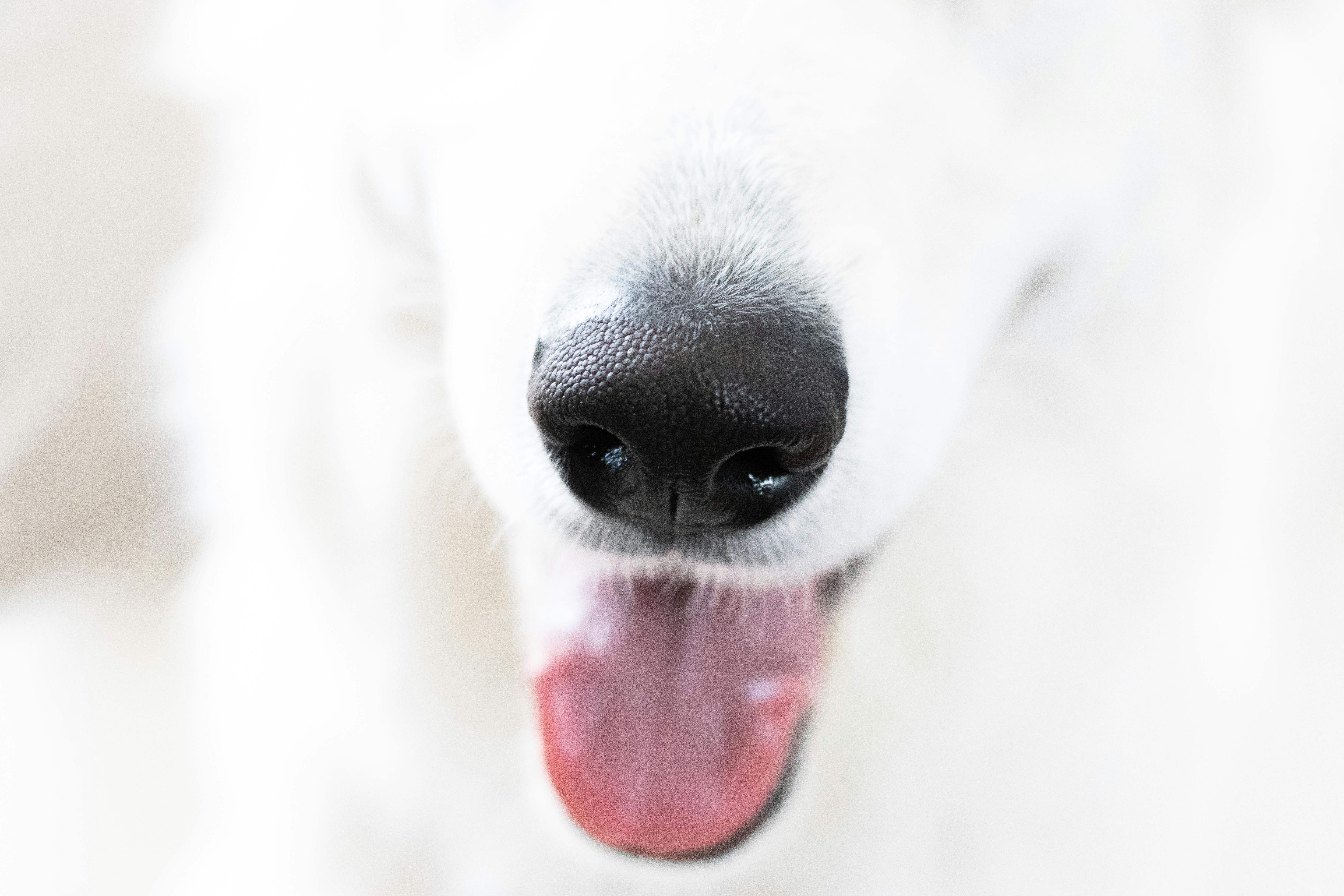 \n\n
\n\nDogs are known for their incredible sense of smell, which is something we all heard about. But have you ever wonder why do dogs have wet noses? It’s not just for show! The moisture on their noses plays a significant role in how they perceive the world. Let’s dive into the fascinating truth behind why a wet nose helps dogs smell and the secrets of their canine senses.
\nThe Science Behind a Dog's Nose
\nFirst off, dogs have an exceptional olfactory system. Their noses are equipped with an average of 300 million scent receptors, compared to a human's 5 million. This difference explains why dogs can sniff out drugs, detect diseases, and even locate missing persons. The wetness of a dog's nose enhances this ability.
\nHow Moisture Affects Smell
\nThe moisture on a dog's nose helps to capture and hold scent particles. When a dog sniffs, the wet surface absorbs these particles, which then bind to the olfactory receptors. Here’s how it works:
\n- \n
- Moisture: Keeps scent particles from drying out. \n
- Increased Surface Area: A wet nose increases the area available for scent absorption. \n
- Temperature Regulation: Wet noses help regulate temperature, which can also affect how scents are processed. \n
Why Do Dogs Have Wet Noses?
\nNow, let’s break down the reasons why dogs have wet noses. Understanding this can be more complicated than it seems:
\n- \n
- Enhanced Scent Detection: As mentioned, the moisture aids in capturing scents, making it easier for dogs to identify different smells. \n
- Cooling Mechanism: Dogs don’t sweat like humans. Their noses help cool their bodies down through evaporation. \n
- Health Indicator: A dog’s nose can indicate their health. A dry nose might suggest dehydration or illness, while a wet nose is generally a sign of a healthy pup. \n
Historical Context
\nThroughout history, dogs have been bred for specific tasks, many of which rely heavily on their sense of smell. For instance, hunting dogs were bred to track scents over long distances. The evolution of their wet noses is likely linked to these needs. Here’s a brief look:
\n- \n
- Ancient Egypt: Dogs were revered for their hunting skills. \n
- Middle Ages: Specific breeds were developed for tracking and herding. \n
- Modern Times: Today, dogs assist in search and rescue, law enforcement, and medical detection. \n
Fascinating Comparisons
\nLet’s compare dogs’ noses with other animals to better understand their unique abilities.
\n| Animal | \nNumber of Scent Receptors | \nNose Wetness | \nSpecial Abilities | \n
|---|---|---|---|
| Dogs | \n300 million | \nYes | \nTracking, Detection | \n
| Cats | \n50-80 million | \nNo | \nHunting, Climbing | \n
| Elephants | \n2,000-3,000 million | \nNo | \nLong-distance tracking | \n
| Rats | \n1,200 million | \nYes | \nFinding food | \n
Practical Examples of Smell Usage
\nDogs utilize their incredible sense of smell in many practical ways. Here are a few examples of how their wet noses help them in different scenarios:
\n- \n
- Search and Rescue: Dogs can locate missing persons in disaster areas. Their wet noses help them pick up scents carried by the wind. \n
- Medical Detection: Some dogs are trained to sniff out diseases like cancer or diabetes. The moisture on their noses helps them identify specific chemical markers in the human body. \n
- Tracking: Hunting dogs can track the scent of game animals over long distances, thanks to their keen sense of smell and wet noses. \n
Fun Facts About Dog Noses
\nHere are some additional interesting facts about dog noses that you might not know:
\n- \n
- The texture of a dog's nose is unique, much like a human fingerprint. \n
- Dogs have a Jacobsen's organ, which helps them process scents more effectively. \n
- Some breeds, like Bloodhounds, have an extraordinary ability to follow scent trails that are days old. \n
As you can see, a dog's wet nose is not just a cute feature—it's a vital tool for their survival and ability to interact with the world. So, the next time you wonder why do dogs have wet noses, remember that this characteristic is key to their incredible sense of smell and overall well-being. Understanding how a wet nose helps dogs smell not only uncovers the secrets of their senses but also reveals the fascinating truth about our furry friends.
\n\nIs Your Dog’s Wet Nose a Sign of Health? The Truth Revealed!
\n\n \n\n
\n\nIf you're a dog owner, you might have wondered about your furry friend's wet nose. Is it really a sign of health? Or is it just one of those quirks of nature? There's a lot more to your dog's nose than meets the eye, and understanding it could help you better care for your beloved pet. Let's dive into the fascinating world of dog noses and uncover the truth behind that wetness.
\nWhy Do Dogs Have Wet Noses?
\nFirst things first, let's explore why dogs have wet noses. It turns out there's a few reasons for this unique characteristic. Dogs noses are moist for several reasons, including:
\n- \n
- Enhanced Smell: The moisture helps to capture scent particles in the air. This improves their sense of smell, which is already thousands of times more sensitive than humans. \n
- Temperature Regulation: A dog’s nose plays a role in regulating their body temperature. When a dog pants, its nose often remains wet to help cool them down. \n
- Health Indicator: While a wet nose can be a good sign, it’s not the only indicator of health. A dog’s nose can also vary in moisture based on their environment and activity level. \n
The Science Behind a Dog's Wet Nose
\nSo, why is the nose wet? Dogs have specialized glands in their nose that produce moisture. This moisture can help them pick up scents, as mentioned before, but it also serves another purpose. When dogs lick their noses, they can further enhance their sense of smell. Licking spreads the moisture, allowing for more scent particles to be captured.
\nIt's interesting how this works — the mucous membranes in a dog's nose are lined with tiny, specialized cells that can absorb scent molecules. This means that the wetter the nose, the more scents a dog can detect.
\nHealth Myths: Wet Nose vs. Dry Nose
\nMany people believe that a wet nose equals a healthy dog, and a dry nose signals illness. While this can sometimes be true, it’s not a hard and fast rule. Here are a few points to consider:
\n- \n
- Normal Variance: Some dogs naturally have drier noses, and that doesn't mean they are sick. It can depend on the breed, age, and individual dog. \n
- Environmental Factors: A dog’s nose can dry out due to weather conditions. Hot summers or dry winters can lead to temporary dryness. \n
- Health Issues: In some cases, a dry nose could indicate dehydration, fever, or other health problems. If your dog’s nose is consistently dry and they show other signs of illness, it might be time to visit the vet. \n
What Else Can You Observe About Your Dog's Nose?
\nWhile the moisture level is important, there are other aspects of your dog’s nose you should pay attention to:
\n- \n
- Color Changes: A dog's nose can change color due to various factors, including health. A sudden change from black to pink may need a vet's attention. \n
- Crustiness or Cracks: If your dog's nose is cracked or crusty, it could indicate a health issue or environmental stress. Keep an eye on it. \n
- Discharge: Clear discharge is typically okay, but if you notice thick or colored discharge, it may signal a problem. \n
Fun Facts About Dog Noses
\n- \n
- Unique Patterns: Just like human fingerprints, each dog's nose print is unique. You could even register your dog’s nose print as a form of identification! \n
- Scent Detection: Dogs can detect certain diseases, like cancer, by smelling breath samples. Their noses are powerful tools in the medical field. \n
- Nose Work: Because of their incredible sense of smell, many dogs are trained for tasks like search and rescue, detecting drugs, and even locating missing persons. \n
When to See a Vet
\nIf you notice any of the following signs along with a dry nose, it's probably a good idea to consult with a veterinarian:
\n- \n
- Loss of appetite or thirst \n
- Lethargy or unusual behavior \n
- Vomiting or diarrhea \n
- Persistent coughing or sneezing \n
Final Thoughts
\nSo, is your dog’s wet nose a sign of health? The answer isn't a simple yes or no. While moisture can indicate a healthy nose, it shouldn't be the only factor in assessing your dog's well-being. Always pay attention to your dog’s overall behavior and health, and don't hesitate to reach out to a veterinarian if you're concerned. Understanding your dog's nose is just one part of being a responsible pet owner and ensuring your furry friend lives a happy and healthy life.
\n\nThe Fascinating Role of Mucus: Why Do Dogs Have Wet Noses?
\n\n \n\n
\n\nDogs are truly fascinating creatures, and one of the quirkiest characteristics they have is their wet noses. Many people wonder, why do dogs have wet noses? This question leads us down a rabbit hole of biology, evolution, and even a bit of history. So let’s dive into the world of canine noses and explore the science behind this curious phenomenon.
\nThe Science Behind Wet Noses
\nThe wetness of a dog’s nose isn’t just for show. It plays a critical role in their sense of smell, which is one of the most powerful senses they possess. Here’s how it works:
\n- \n
- Moisture Retention: The moisture on a dog’s nose helps to capture scent particles. When their nose is wet, it can absorb these particles better, enhancing their sense of smell. \n
- Temperature Regulation: A wet nose helps dogs cool down. Just like sweating in humans, moisture on their nose evaporates and helps regulate body temperature. \n
- Health Indicator: A wet nose is often seen as a sign of a healthy dog. However, it’s important to note that a dry nose doesn’t necessarily indicate illness. \n
Evolutionary Perspective
\nHistorically, dogs are descendants of wolves, and their wet noses have evolved over time for various reasons. Some researchers suggests that:
\n- \n
- Hunting: Wet noses helped early canines track prey better. The ability to detect scents more efficiently could mean life or death for them. \n
- Social Interaction: Dogs communicate with each other and humans through scent. A wet nose could have played a role in social dynamics among packs. \n
Interesting Facts About Dog Noses
\nDid you know dog noses have unique patterns, kind of like human fingerprints? Here’s a list of interesting facts about dog noses:
\n- \n
- Scent Receptors: Dogs have approximately 220 million scent receptors, compared to about 5 million in humans. This makes their sense of smell 40 times better than ours! \n
- Color Sensitivity: Dogs see the world differently than we do. While humans are trichromatic (seeing three colors), dogs are dichromatic, which means they see fewer colors but can still detect movements and scents that we can’t. \n
- Health Monitoring: Some studies have suggested that dogs can detect certain diseases, like cancer, through their sense of smell. Their noses are finely tuned to pick up on subtle changes in human body chemistry. \n
The Role of Mucus in Dog Noses
\nMucus plays a significant role in the function of a dog’s nose. Here’s a breakdown of why mucus is important:
\n- \n
- Moisture Maintenance: Mucus keeps the nasal passages moist, which is essential for olfactory sensitivity. \n
- Filtering Particles: Mucus acts as a barrier, trapping dust, pollen, and other particles, preventing them from entering the lungs. \n
- Chemical Detection: The mucus layer can help dogs detect pheromones and other chemical signals in their environment. \n
Comparison: Dog Noses vs. Human Noses
\nLet’s look at how dog noses stack up against human noses in various aspects:
\n| Aspect | \nDogs | \nHumans | \n
|---|---|---|
| Scent Receptors | \n220 million | \n5 million | \n
| Sense of Smell | \n10,000 to 100,000 times more sensitive | \nMuch less sensitive | \n
| Nasal Structure | \nLong and moist | \nShorter and drier | \n
| Mucus Function | \nTraps particles, aids in scent detection | \nKeeps nasal passages moist | \n
Common Misconceptions
\nThere are several myths surrounding dog noses that are worth clarifying:
\n- \n
- A warm nose means a sick dog: This is not always true. A dog’s nose temperature can fluctuate based on activity or environmental factors. \n
- Wet noses are always a sign of health: While a wet nose is often associated with health, other indicators like energy level and appetite are more reliable signs. \n
Practical Examples of Nose Function
\nHere are some everyday scenarios that showcase the importance of a dog’s nose:
\n- \n
- Tracking: Search and rescue dogs use their noses to track missing persons, often locating them in difficult conditions. \n
- Detection: Many law enforcement agencies utilize dogs to sniff out drugs or explosives, proving their noses are invaluable tools. \n
- Therapy: Dogs in therapy roles often bring comfort to people through their ability to sense emotions, aided by their keen sense of smell. \n
Understanding why dogs have wet noses reveals much more than just an adorable quirk. It showcases their evolutionary advantages and highlights the incredible biology that makes them such remarkable companions. Whether you’re a dog owner or simply an admirer of these furry friends, appreciating their wet noses can deepen your connection with them.
\n\nFrom Temperature Regulation to Communication: The Benefits of a Wet Nose in Dogs
\n\n \n\n
\n\nDogs have long been known for their wet noses, but have you ever wondered why they’re like that? It’s not just a quirky feature; there’s actually a lot of fascinating science behind it. From temperature regulation to communication, a dog’s wet nose serves multiple purposes that benefit both them and their humans. Let’s dive into the captivating reasons why dogs have wet noses and what it means for their health and behavior.
\nThe Science of a Wet Nose
\nFirst off, the moisture on your dog's nose is not just plain water. It’s a combination of sweat and mucus, which helps dogs with various functions. Some of the most significant benefits include:
\n- \n
- \n
Temperature Regulation: Dogs don’t sweat like humans do. Instead, they cool off through panting and the moisture on their noses. When a dog’s nose is wet, it helps them to stay cool by allowing heat to escape. If the nose is dry, it can indicate that they might be overheating.
\n \n - \n
Enhanced Smell: The wetness on a dog's nose is crucial for their sense of smell. A moist nose can trap scent particles better than a dry one. This is why dogs are such great sniffers—they have a highly developed olfactory system, and the wet surface helps enhance their ability to detect odors.
\n \n - \n
Communication Tool: Dogs communicate using scent. A wet nose can pick up pheromones and other chemical signals in the environment, which can convey important information about other animals or even humans. When your dog greets another dog, they usually sniff each other’s noses, a way of saying “hello” and gathering information.
\n \n
Historical Perspective on Dog Noses
\nThe evolution of dogs has led them to develop these moist noses. Ancient wolves, from which modern dogs descend, also had wet noses. This trait likely helped them survive in the wild by improving their hunting skills through heightened smell. Over time, domestic dogs have retained this characteristic, which has adapted to suit their new roles in human society.
\nFun Facts About Dog Noses
\nHere are some interesting tidbits about dog noses that might surprise you:
\n- \n
- \n
Every Dog Has a Unique Nose Print: Just like human fingerprints, no two dog nose prints are alike. This uniqueness can be used for identification purposes.
\n \n - \n
Dogs Can Smell Disease: Some studies have shown that dogs can detect certain diseases, such as cancer or diabetes, through scent. Their keen sense of smell, enhanced by their wet noses, plays a significant role here.
\n \n - \n
Nose Color Doesn't Matter: The color of a dog’s nose, whether black, brown, or pink, doesn't affect their sense of smell. This is purely a genetic trait.
\n \n
The Health of a Dog’s Nose: What's Normal?
\nA healthy dog’s nose should generally be cool and moist. However, there are times when it can become dry or warm, which could signal potential health issues. Here are some indications to watch for:
\n- \n
- \n
Dry Nose: While a dry nose does not always mean something is wrong, it can indicate dehydration or illness. If your dog’s nose is persistently dry, it's good to consult a vet.
\n \n - \n
Cracked or Bleeding Nose: This can be a sign of more serious issues requiring veterinary attention. It’s essential to monitor any changes in your dog's nose.
\n \n - \n
Discoloration: Changes in the color of the nose, such as spots or lesions, should be assessed by a veterinarian.
\n \n
Dogs and Their Noses: A Practical Guide
\nWhen it comes to taking care of your dog's nose, here are some simple tips:
\n- \n
- \n
Hydration: Ensure your dog has access to fresh water at all times to help keep their nose moist and cool.
\n \n - \n
Regular Check-ups: Make sure to schedule regular vet visits. Your veterinarian can provide guidance on your dog’s overall health, including their nose.
\n \n - \n
Observe Behavior: Pay attention to any changes in your dog’s behavior, especially if they are sniffing less or seem uninterested in their surroundings.
\n \n
In the end, a dog’s wet nose isn’t just an adorable feature; it’s a vital part of their health and well-being. Understanding why dogs have wet noses can help you appreciate these furry companions even more. Whether it’s for temperature regulation, communication, or enhancing their sense of smell, that wet nose is a fascinating reflection of a dog’s biology and their connection to the world around them. Embrace the quirks of your canine friend and remember that their wet nose plays a significant role in their everyday life!
\n\nWet Nose Wonders: How Dogs Use Their Noses to Understand the World
\n\n\n\nDogs are known for their incredible sense of smell, but what’s even more intriguing is the reason behind their wet noses. When you see a dog, one of the first things you might notice is that their noses are often moist and cool to the touch. You might have wondered, why do dogs have wet noses? Well, let's explore the fascinating world of canine olfactory abilities and discover the truth behind those wet noses.
\nThe Science Behind Wet Noses
\nA dog’s nose is not just cute; it’s a highly developed sensory tool. In fact, dogs have up to 300 million olfactory receptors in their noses, compared to a human’s mere 5 million. This means dogs can detect scents at incredibly low concentrations. But why are those noses wet? Here are some reasons:
\n- \n
- Enhanced Smell: The moisture helps to capture scent particles in the air, making it easier for dogs to detect smells. \n
- Cooling Mechanism: Wet noses can help regulate a dog’s body temperature. Just like sweating cools humans down, a dog’s wet nose aids in thermoregulation. \n
- Health Indicator: A dog's nose can also indicate health. A healthy dog usually has a cool, wet nose, while a dry nose could be a sign of dehydration or illness. \n
Historical Context of Dogs and Their Noses
\nDogs have been companions to humans for thousands of years. Ancient civilizations recognized their keen sense of smell. In fact, dogs was often used by hunters and herders to track game or herd livestock. Over time, specific breeds were developed for certain tasks, from tracking to scent detection in law enforcement. This history contributes to the remarkable abilities of dogs today.
\nFun Facts About Canine Noses
\nDogs noses are not just functional; they are fascinating! Here are some fun facts that you might find interesting:
\n- \n
- Unique Patterns: Just like human fingerprints, each dog's nose print is unique. This can be used for identification! \n
- Scent Memory: Dogs can remember scents for years. They can recognize and remember the smell of their owners or places they’ve been. \n
- Scent Discrimination: Dogs can distinguish between different scents and can even detect substances like drugs or explosives. \n
How Dogs Use Their Noses to Understand the World
\nDogs experience the world primarily through their sense of smell. Here’s how they do it:
\n- \n
- Scent Detection: Dogs can smell fear, stress, and even illness in humans. They can detect changes in body chemistry, which is why therapy dogs are often used in hospitals. \n
- Communication: Dogs use their noses to gather information about other dogs. They can tell if another dog is friendly or aggressive, or even if a female dog is in heat. \n
- Exploration: Dogs often use their noses to explore their environment, sniffing everything from grass to trees. This is how they gather information about their surroundings. \n
The Importance of a Wet Nose
\nSo, thinking about why do dogs have wet noses, it’s clear that moisture plays a crucial role. A dog’s wet nose is not just for show; it serves multiple purposes that contribute to their overall well-being and ability to connect with the world.
\nComparing Dog Noses to Human Noses
\nHere’s a simple comparison between dog noses and human noses:
\n| Feature | \nDog Nose | \nHuman Nose | \n
|---|---|---|
| Olfactory Receptors | \nUp to 300 million | \nAbout 5 million | \n
| Scent Detection Ability | \nExcellent | \nFairly good | \n
| Temperature Regulation | \nHelps cool down | \nSweating primarily | \n
| Identification | \nUnique nose prints | \nFingerprints | \n
Practical Examples of Canine Nose Use
\n- \n
- Search and Rescue: Dogs are trained to find missing persons using their noses. They can locate someone even in challenging terrains. \n
- Medical Detection: Some dogs are trained to detect diseases like cancer by smelling breath or body fluids. \n
- Flavor Detection: Dogs can also detect different flavors, which is why they are often used in food testing. \n
Dogs are truly remarkable creatures, and their wet noses are just one part of what makes them so special. Understanding why do dogs have wet noses helps us appreciate their unique abilities and the roles they play in our lives. So the next time you pet your furry friend and feel that cool, moist nose, you can smile knowing it’s not just adorable—it’s a wonder of nature!
\n\nDecoding Dog Behavior: What a Wet Nose Says About Your Furry Friend
\n\n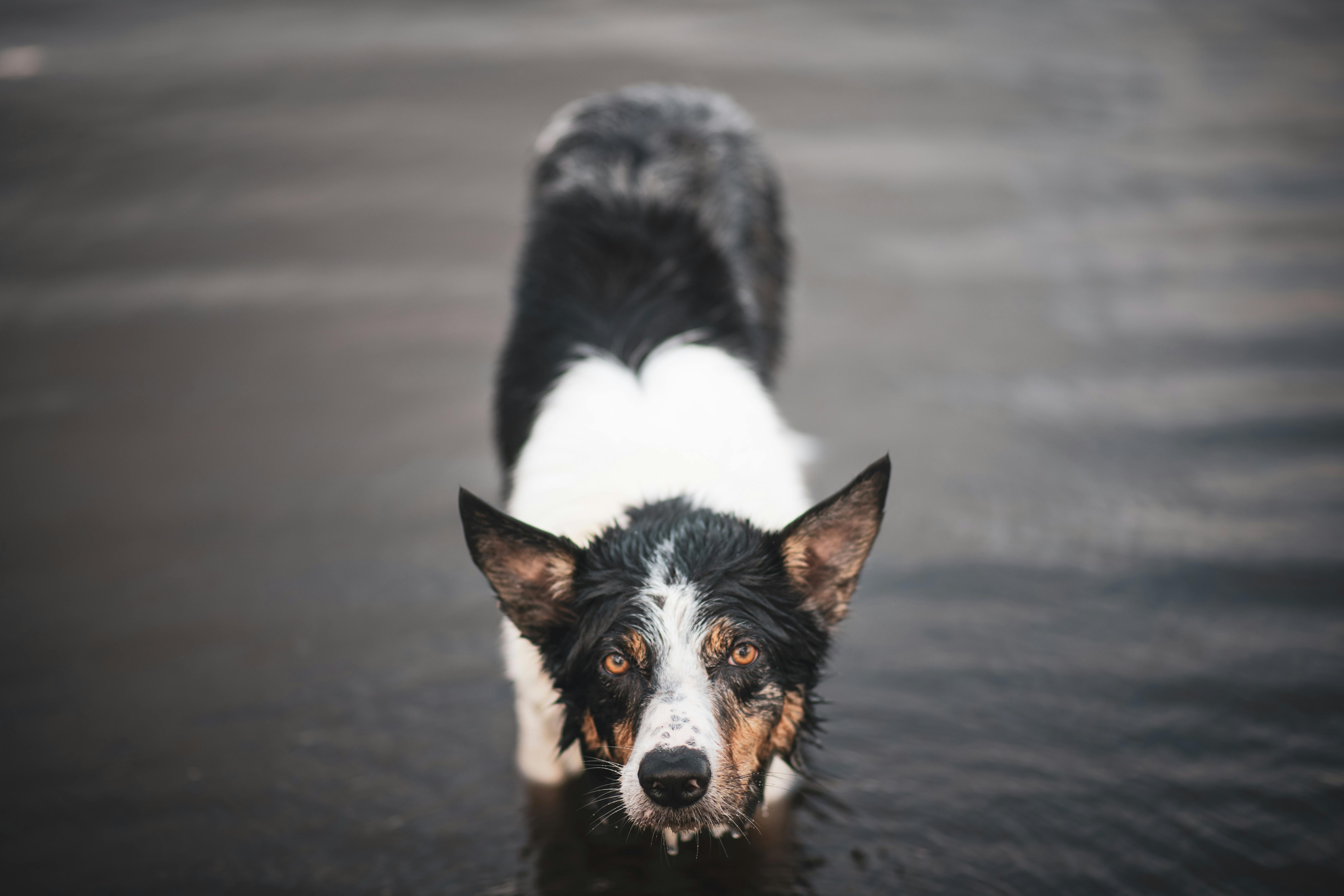 \n\n
\n\nDogs are often called man's best friend, and there are many reasons for that. One of the most interesting things about them is their noses. If you've ever wondered why do dogs have wet noses, you are not alone! The truth is, a wet nose could mean a lot of things, and it may even be a window into your furry friend's health and emotions. So, let's dive into decoding dog behavior, and discover the fascinating truth behind those wet noses!
\nWhy Do Dogs Have Wet Noses?
\nThere are several reasons why dogs have wet noses, and they are more than just cute! Here’s a list of some of the main reasons:
\n- \n
- \n
Cooling Mechanism: Dogs don’t sweat like humans do. Instead, they regulate their body temperature through panting and the moisture on their noses. A wet nose helps to cool them down, especially when they are feeling hot.
\n \n - \n
Enhanced Sense of Smell: A dog’s sense of smell is about 10,000 to 100,000 times more powerful than ours. Moisture on their nose helps to capture scent particles from the air, allowing them to smell better. This is why your dog often sniffs everything when you take them out for a walk!
\n \n - \n
Health Indicator: A wet nose is often a sign of a healthy dog. If your dog’s nose is dry or warm, it could indicate fever or dehydration, so it’s important to pay attention to changes in their nose’s condition.
\n \n - \n
Communication Tool: Dogs communicate through their body language, and their nose can be part of that. A wet nose can signify excitement or affection. When your pup nudges you with their wet nose, they may simply be trying to say, "Hey, I love you!"
\n \n
The Science Behind Dog Noses
\nThe anatomy of a dog's nose is quite fascinating. The surface of a dog's nose is covered in a thin layer of mucus, which helps in the scent detection process. Here’s how it works:
\n- \n
- \n
Scent Reception: Dogs have a specialized organ called the Jacobsen's organ, located in the nasal cavity. This organ helps them process different scents, and the moisture from their nose helps in trapping those scents.
\n \n - \n
Temperature Regulation: The wetness also helps in thermoregulation. When the moisture on their nose evaporates, it cools them down, much like how humans feel cooler when they sweat.
\n \n - \n
Health Monitoring: Changes in the wetness of a dog’s nose can indicate health issues. A consistently dry nose could be a sign of illness, especially if it’s combined with other symptoms like lethargy or loss of appetite.
\n \n
Common Myths About Dog Noses
\nThere are many myths floating around about dog noses. Here are a few that should be put to rest:
\n- \n
- \n
Myth 1: A cold nose means a healthy dog. Not always true! While a wet and cool nose can be a sign of good health, other factors need to be considered too.
\n \n - \n
Myth 2: Dogs only have wet noses when they are sick. This is misleading. Many healthy dogs have wet noses as a normal part of their physiology.
\n \n - \n
Myth 3: A dog's nose should always be wet. This isn't the case. Dogs can have dry noses for various reasons, like weather conditions or just being in a warm environment.
\n \n
Fun Facts About Dog Noses
\nHere are some fun and interesting facts about dog noses that you may not know:
\n- \n
- \n
Unique Patterns: Just like human fingerprints, every dog has a unique nose print that can be used for identification.
\n \n - \n
Temperature Sensitivity: Dogs can detect temperature changes through their noses. This is why they can sense when something is hot or cold.
\n \n - \n
Scent Memory: Dogs can remember smells and associate them with experiences. This is why they may get excited when they smell their favorite treat or a familiar person.
\n \n
Understanding Your Dog's Behavior
\nKnowing about your dog's nose and its significance can help you understand their behavior better. Here are a few pointers to keep in mind:
\n- \n
- \n
If your dog is constantly licking their nose, it might indicate anxiety or stress.
\n \n - \n
A dog that nudges you with their wet nose may be seeking attention or playtime.
\n \n - \n
If you notice sudden changes in your dog's nose moisture, it’s always a good idea to consult your vet.
\n \n
The wet nose of a dog is more than just a cute feature; it’s a vital part of their health and communication. Understanding what a wet nose says about your furry friend can enhance your relationship and help you care for them better. So next time you feel that cool, wet nudge, remember that there’s a whole world of meaning behind it!
\n\nWhat You Need to Know About Your Dog’s Nose: Myths and Facts Explained!
\n\n \n\n
\n\nEvery dog owner has probably noticed their furry friend’s wet nose. It’s one of those cute quirks that make dogs even more lovable. But what’s the deal with it? Why do dogs have wet noses anyway? There’s a bunch of myths and facts floating around about our canine companions, and sorting through them can be kinda confusing. So, let’s dig into some of the fascinating truths about your dog’s nose!
\nThe Science Behind a Wet Nose
\nFirst off, let’s talk about why dog noses are often wet. It’s not just for show! A wet nose helps dogs in a few key ways:
\n- \n
- \n
Enhanced Smell: Dogs have an incredible sense of smell, which is way stronger than humans. A wet nose helps to capture scent particles better. When the nose is moist, it can absorb more scents, making it easier for dogs to sniff out food, friends, or even trouble.
\n \n - \n
Temperature Regulation: Believe it or not, a dog’s wet nose also helps them cool down. Dogs don’t sweat like humans do. Instead, they pant and use their noses to help regulate their body temperature.
\n \n - \n
Health Indicators: A wet nose can also be an indicator of your dog’s health. Generally, a healthy dog will have a cool, moist nose. However, if it’s dry, warm, or cracked, it could signal a health issue and you may want to consult a vet.
\n \n
Myths About Dog Noses
\nThere’s a lot of myths that surround dog noses, and it’s easy to get mixed up. Here’s a few common myths busted:
\n- \n
- \n
Myth 1: A warm nose means a dog is sick.
\n- \n
- Fact: Not necessarily! While a warm, dry nose can indicate illness, it’s not a definitive sign. Dogs’ noses can change temperature for many reasons, so it’s important to look at other symptoms too. \n
\n - \n
Myth 2: Dogs only have wet noses when they’re happy.
\n- \n
- Fact: A dog’s nose can be wet for various reasons, including environmental factors. Just because it’s wet doesn’t mean they’re in a good mood. \n
\n - \n
Myth 3: All dogs have wet noses.
\n- \n
- Fact: Some breeds, especially those with shorter snouts, may have drier noses. For example, bulldogs and pugs may not always have that signature moisture. \n
\n
Historical Context of Dog Noses
\nDogs have been by our side for thousands of years, and their noses have played a crucial role in their evolution. Historically, dogs were bred for specific tasks, like hunting or herding. Their ability to smell helped them perform these roles effectively.
\n- \n
- \n
Hunting Dogs: Breeds like Bloodhounds and Beagles have been trained to track scents for hunting purposes. Their wet noses are a key part of that skill.
\n \n - \n
Service Dogs: Today, dogs are often trained as service animals, and their sense of smell is invaluable. They can detect certain medical conditions like low blood sugar or seizures before they happen.
\n \n
Fascinating Nose Facts
\nHere’s a few more cool facts about dog noses that you might not know:
\n- \n
- \n
Unique Patterns: Just like human fingerprints, every dog’s nose print is unique. Some even say that nose prints can be used for identification.
\n \n - \n
Nasal Turbinates: Dogs have complex structures in their noses called nasal turbinates, which help filter and warm air. These structures also help in enhancing their sense of smell.
\n \n - \n
Nose and Brain Connection: A large part of a dog’s brain is dedicated to processing smells. They can detect some scents at incredibly low concentrations, making them natural detectives!
\n \n
Practical Tips for Nose Care
\nCaring for your dog’s nose is essential, especially in extreme weather conditions. Here are some tips:
\n- \n
- \n
Moisturize if Needed: In dry conditions, consider using a vet-approved nose balm to keep your dog’s nose hydrated.
\n \n - \n
Check Regularly: Make it a habit to check your dog’s nose regularly. Look for signs of dryness, cracking, or change in color, and consult your vet if you notice anything unusual.
\n \n - \n
Protect from Weather: During extreme cold or heat, consider protecting your dog’s nose by minimizing outdoor exposure or using protective gear if necessary.
\n \n
Understanding more about your dog's nose can help you be a better pet owner. The wetness of a dog's nose is just one of the many fascinating features that show how unique our canine companions are! So, next time you cuddle with your furry friend, give that wet nose a little extra love, knowing all the interesting science behind it.
\n\nKeeping It Cool: How Wet Noses Help Dogs Beat the Heat and Stay Healthy
\n\n \n\n
\n\nWhen you think about dogs, one of the most interesting features that often come to mind is their wet noses. You might wonder, why do dogs have wet noses? Well, there’s actually a fascinating truth behind this unique trait. Not only does a wet nose help dogs in their daily lives, but it also plays a crucial role in keeping them healthy, especially when the weather is hot. Let’s dive into the science and history behind those cold, wet noses.
\nThe Science Behind Wet Noses
\nDogs’ noses are wet for a few reasons. Primarily, it assists in their sense of smell. The moisture on their noses helps to capture scent particles, making it easier for them to detect different smells in the environment. This is important for their survival and hunting instincts. Here are some key points on why wet noses are beneficial:
\n- \n
- Enhanced Scent Detection: The moisture helps to bind scent molecules, allowing dogs to pick up odors more effectively. \n
- Cooling Mechanism: Just like humans sweat, dogs also use their noses to help regulate temperature. A wet nose can cool them down when the weather is hot. \n
- Health Indicator: A wet nose is often a sign of good health. If a dog’s nose becomes dry, it might indicate dehydration or illness. \n
Historical Context of Dog Noses
\nHistorically, dogs have been bred for various roles, from hunting to herding to companionship. The evolution of their wet noses is significantly linked to their roles. Canines that excel in tracking and hunting developed wetter noses over generations, as those traits were favored by their human companions.
\n- \n
- Tracking Dogs: Breeds like Bloodhounds and Beagles have particularly moist noses for better scent tracking. \n
- Companionship Breeds: Even smaller breeds have maintained this characteristic, which indicates overall health and vitality. \n
The Temperature Regulation Connection
\nYou might be surprised to learn that a dog’s wet nose plays a role in thermoregulation. When the temperatures rise, dogs can’t sweat like humans do. They primarily rely on panting, but the moisture from their noses aids in cooling down too.
\n- \n
- Panting Mechanism: Dogs pant to release heat, and a wet nose enhances this process by reducing their body temperature faster. \n
- Environmental Adaptation: In hot weather, a dog’s nose may become even wetter as they lick it more frequently, which helps keep them cool. \n
Wet Nose Myths Debunked
\nThere are many myths surrounding the wet noses of dogs. Let’s tackle some of the most common ones:
\n- \n
- Myth 1: A Dry Nose Means Illness. While a dry nose can indicate health issues, it’s not a definitive sign. Many factors, like temperature and the dog’s activity level, can affect nose moisture. \n
- Myth 2: Wet Noses Are Always Healthy. Just because a dog has a wet nose doesn’t mean they’re free of health problems. Regular vet check-ups are essential for overall health assessment. \n
- Myth 3: All Dogs Have Wet Noses. Some breeds may have drier noses due to genetic traits, and that’s perfectly normal. \n
Practical Tips for Dog Owners
\nKeeping your dog healthy and cool during hot months is important. Here are some tips:
\n- \n
- Hydration: Always make sure your dog has access to fresh water. Dehydration can lead to a dry nose. \n
- Shade and Shelter: Ensure your dog has a shaded area to rest in, especially during the hottest parts of the day. \n
- Regular Vet Visits: Schedule routine check-ups to monitor your dog’s health, including their nose condition. \n
Fun Facts About Dog Noses
\n- \n
- Dogs have about 220 million scent receptors, compared to humans who only have about 5 million. \n
- The humidity level of a dog's nose can change depending on their emotions; excitement can lead to a wetter nose. \n
- Some dogs can even detect diseases like cancer through their sense of smell. \n
Understanding why dogs have wet noses is not just a matter of curiosity; it also provides insights into their health and well-being. A wet nose is a multifaceted feature that aids in scent detection, temperature regulation, and can be an indicator of a dog’s overall health. The next time you pet your dog, take a moment to appreciate that nose and all the incredible things it does. After all, keeping it cool and healthy is just as important as enjoying those moments together.
\n\nConclusion
\n\nIn conclusion, the wet noses of dogs serve several important functions that contribute to their health and well-being. The moisture on a dog’s nose helps enhance their sense of smell by capturing scent particles, which is vital for their communication and navigation in the world. Additionally, the wetness aids in thermoregulation, allowing dogs to cool down effectively. This natural trait not only reinforces their keen hunting instincts but also keeps them comfortable in varying environments. Understanding the significance of a dog’s wet nose can deepen our appreciation for these wonderful companions. So the next time you notice your furry friend’s damp nose, remember that it’s not just an adorable feature; it’s a crucial aspect of their biology. Embrace the unique traits of your dog and consider how you can support their health and happiness, ensuring they thrive in your care.
\n\n