Have you ever wondered, why do dogs have wet noses? This intriguing question has puzzled many pet owners and animal lovers alike. Dogs’ noses are not just wet for no reason; there's a fascinating truth behind this phenomenon! The moisture on a dog’s nose is more than just a quirky trait; it plays a critical role in their sense of smell. But what exactly does a wet nose mean for your furry friend? Is it a sign of health, or could it indicate something else? As we explore the science behind dog noses and their importance in canine communication, you'll discover how this unique feature contributes to their overall well-being. Plus, learn how various factors, like temperature and humidity, can affect your dog’s nose moisture. So, if you’re curious about the mysteries of dog anatomy and want to deepen your understanding of your canine companion, stick around! This article will unveil the secrets of why dogs have wet noses and what it means for their health and happiness. Don’t miss out on uncovering the truth that every dog lover should know!
\n\nThe Science Behind Wet Noses: Why Your Dog's Snout is Nature's Thermometer
\n\n \n\n
\n\nDogs are amazing creatures with lots of unique traits, like their wet noses. You might wonder, "Why do dogs have wet noses?" Well, there’s actually a fascinating science behind it! The wetness of a dog’s nose is not just a random thing; its linked to how they sense the world and regulate their body temperature.
\nThe Biology of a Dog's Nose
\nFirst, let’s talk about the anatomy of a dog’s nose. Dogs have a lot more olfactory receptors than humans do. While we humans have about 5 million, dogs have anywhere from 20 to 300 million! This makes their sense of smell extraordinarily powerful, which is why they can detect scents that humans can’t even imagine.
\n- \n
- Olfactory Receptors: The number of receptors helps dogs identify scents, even in tiny amounts. \n
- Moisture: Their wet noses help capture scent particles in the air, making it easier for them to smell. \n
Dogs noses are also covered with a thin layer of mucus, which helps in this scent collection process. The moisture that’s present on their noses is not just for show; it’s a vital part of how they interact with their environment.
\nWhy Are Dog Noses Wet?
\nSo, you might be asking, why are dog noses wet? There’s some science behind that too! The moisture on their snouts comes from various sources:
\n- \n
- Saliva: Dogs often lick their noses, which adds moisture. This is a natural behavior and helps them keep their noses wet. \n
- Environmental Factors: When dogs are outside, their noses can pick up moisture from the air or ground, especially if it's humid or wet. \n
- Body Temperature Regulation: Dogs do not sweat like humans do. Instead, they lose heat primarily through their noses and paw pads. A wet nose helps them cool down. \n
The Thermoregulation Function
\nYou might not know, but a dog’s nose plays a key role in thermoregulation. If a dog is feeling too warm, their noses can help bring their body temperature down. This is important for their overall health.
\n- \n
- Cooling Mechanism: The moisture evaporates, which cools the nose and helps the dog feel cooler overall. \n
- Scent Detection: A cooler, moister nose helps improve their ability to detect scents. \n
Historical Context of Dog Noses
\nHistorically, dogs were domesticated for various reasons, including hunting, herding, and companionship. Their keen sense of smell made them invaluable in hunting and tracking. Ancient civilizations recognized the benefits of a dog’s acute sense of smell, which is why they were used in various roles throughout history.
\n- \n
- Tracking: Ancient Egyptians used dogs for tracking prey. \n
- Herding: Shepherds relied on dogs to manage their flocks. \n
Fun Facts About Dog Noses
\nHere are some interesting tidbits about dog noses that you might find surprising:
\n- \n
- Unique Patterns: Just like human fingerprints, every dog has a unique nose print. \n
- Temperature Check: A warm, dry nose can sometimes indicate a dog is sick, but it’s not always a reliable sign. \n
- Color Changes: A dog’s nose color can change with the seasons or their health status. \n
Comparing Wet and Dry Noses
\nIt’s important to clarify that not all wet noses are the same. Here’s a quick comparison between wet and dry noses:
\n| Feature | \nWet Nose | \nDry Nose | \n
|---|---|---|
| Scent Detection | \nBetter at capturing scents | \nLess effective at sensing | \n
| Temperature Regulation | \nHelps in cooling | \nMay indicate overheating | \n
| Health Indicators | \nUsually healthy | \nCan indicate potential illness | \n
Practical Examples of Nose Behavior
\nObserve your dog the next time they’re outside. You might notice them sniffing around, which is a natural behavior. They’re using their wet noses to gather information about the environment. Other practical examples include:
\n- \n
- Greeting: When dogs meet each other, they sniff each other’s noses to gather information. \n
- Exploration: Dogs often use their noses to explore new environments, whether it’s a park or a new house. \n
Understanding why dogs have wet noses can make you appreciate these furry friends even more. Their noses are not just cute features; they’re essential tools for survival and interaction. By recognizing the science behind it, you can enhance your relationship with your dog and ensure they stay healthy and happy. The next time you see your dog with that shiny, wet nose, you’ll know it’s nature’s thermometer, doing its job perfectly.
\n\nTop 5 Reasons Dogs Have Wet Noses: Unveiling the Secrets of Canine Anatomy
\n\n \n\n
\n\nDogs are often called "man's best friend," and one of the most noticeable features about them is their wet noses. Have you ever wondered, why do dogs have wet noses? There's actually a lot more to this quirky feature then meets the eye. In fact, the wetness of a dog’s nose serves several important purposes and reflects their unique anatomy. Let’s dive into the top 5 reasons dogs have wet noses and unveil the secrets behind this fascinating aspect of canine biology.
\n1. Enhanced Sense of Smell
\nDogs have an incredible sense of smell, which is about 10,000 to 100,000 times more sensitive than humans. One of the reasons for their wet noses is that moisture helps enhance their olfactory senses. The wetness increases the surface area of the nose, allowing more scent particles to adhere to it. This moisture helps to dissolve the scents, making it easier for dogs to detect them.
\n- \n
- Fact: A dog's sense of smell consists of up to 300 million olfactory receptors, compared to only about 6 million in humans. \n
- Comparison: While humans rely mainly on sight for information, dogs rely heavily on their sense of smell. \n
2. Temperature Regulation
\nDogs do not sweat like humans do. They mostly regulate their body temperature through panting, but their noses play a crucial role too. A wet nose helps to cool a dog down. When the moisture on their nose evaporates, it helps to lower their body temperature, similar to how sweating works for humans.
\n- \n
- Tip: If you notice your dog's nose is dry and warm, it might be a sign of dehydration or overheating. Always ensure your pet has plenty of water and shade on hot days. \n
- Example: After a good run, a dog’s wet nose may be a sign that they are cooling off. \n
3. Communication Tool
\nBelieve it or not, a dog's nose is also a tool for communication. Dogs often use their noses to gather information about other dogs and their environment. A wet nose can indicate a friendly approach. When dogs greet each other, they sniff each other's noses, which is a way of saying, “Let’s be friends.”
\n- \n
- Fact: Dogs have social hierarchies, and sniffing is part of their social interaction. \n
- Point: The moisture on a dog’s nose can indicate their emotional state. A happy dog may have a cooler, wetter nose. \n
4. Health Indicator
\nThe condition of a dog’s nose can be a window into their overall health. A healthy dog usually has a moist and cool nose, while a dry or cracked nose may indicate health issues. Many dog owners often monitor their pet's nose to catch any signs of illness early.
\n- \n
- Common Signs to Watch For:
- \n
- A persistently dry nose could suggest dehydration. \n
- A warm, dry nose might indicate a fever. \n
- Cracked or bleeding noses could suggest allergies or other health problems. \n
\n
5. Natural Lubrication
\nDogs’ noses are naturally moist due to a layer of mucus that helps to trap scents and adds lubrication. This moisture is produced by special glands in the nasal passages. This lubrication helps maintain the nose's structure and function, ensuring that it remains sensitive to the environment.
\n- \n
- Note: The mucus can also help to protect the internal structures of the nose from dust and debris. \n
- Fun Fact: You might notice your dog licking their nose frequently. This behavior helps to keep the nose moist and clear of any particles. \n
Understanding why do dogs have wet noses can deepen our appreciation for these amazing creatures. Their noses are not just adorable features; they serve crucial functions. From enhancing their sense of smell to acting as indicators of health, the wet nose of a dog is a remarkable aspect of their anatomy.
\nNext time you pet your furry friend and feel that cool, wet nose, remember that it's not just a cute quirk but a vital part of who they are. Whether it's helping them communicate, regulating their temperature, or indicating their health, dog noses are an integral part of canine life. So, cherish those wet noses and all the love they bring!
\n\nDo All Dogs Have Wet Noses? Exploring Variations Across Breeds
\n\n \n\n
\n\nDogs, those furry companions that bring joy and laughter to our lives, have some pretty interesting characteristics. One of the most delightful features of most dogs is their wet noses. But, you might wonder, do all dogs have wet noses? Or is it just a cute trait of certain breeds? Let’s dive into this fascinating topic, exploring the science behind why dogs have wet noses and how it varies across different breeds.
\nDo All Dogs Have Wet Noses?
\nNot all dogs have wet noses, and that can depend on various factors. Generally speaking, a wet nose is a sign of a healthy dog, but not every breed might maintain that level of moisture at all times.
\nHere are some common breeds with wet noses:
\n- \n
- Labrador Retrievers \n
- Golden Retrievers \n
- Beagles \n
- Poodles \n
And here are breeds that might have drier noses more frequently:
\n- \n
- Bulldogs \n
- Boxers \n
- Dachshunds \n
The moisture on a dog's nose comes from a few sources including the secretion of mucus and saliva. When a dog licks its nose, it adds moisture, contributing to that wet sensation. However, some breeds have anatomical differences that might affect how wet their noses stay.
\nWhy Do Dogs Have Wet Noses?
\nSo, why do dogs have wet noses in the first place? The reasons are pretty interesting! Wet noses help dogs in a variety of ways:
\n- \n
- \n
Enhanced Sense of Smell: Dogs have an incredible sense of smell, and a wet nose helps to absorb scent particles in the air. The moisture helps to trap these particles, making it easier for dogs to smell things. This is why you often see them sniffing around!
\n \n - \n
Temperature Regulation: Dogs don’t sweat like humans do. Instead, they cool off through panting and the moisture on their noses. A wet nose can help in regulating their body temperature, especially during hot weather.
\n \n - \n
Health Indicator: A wet, cool nose is often a sign of good health. If a dog’s nose is dry and warm, it might indicate that they are sick or dehydrated. However, it’s not a definitive health indicator, so always consult a vet if you have concerns.
\n \n - \n
Communication: Dogs use their noses to communicate with other dogs and animals. A wet nose can signal curiosity and engagement, while a dry nose might suggest disinterest.
\n \n
Variations Across Breeds
\nAs mentioned, not every breed maintains the same moisture level on their noses. Here’s a deeper look at how different breeds might differ:
\n- \n
- \n
Short-Muzzled Breeds: Breeds like Bulldogs or Pugs tend to have shorter muzzles, which can lead to less moisture on their noses. Their anatomical structure can make it harder for them to lick their noses effectively.
\n \n - \n
Long-Muzzled Breeds: Breeds such as Greyhounds and Collies might have more moisture due to their longer snouts, which allows them to collect more scent particles and lick their noses more frequently.
\n \n - \n
Hairy Noses: Some breeds have more fur around their noses, which can also affect how wet their noses remain. For example, Terriers or Shih Tzus may have fluffier faces that block moisture from being as noticeable.
\n \n
Fun Facts About Dog Noses
\n- \n
- \n
Did you know that a dog’s sense of smell is between 10,000 to 100,000 times more sensitive than humans? That’s a lot of sniffing power!
\n \n - \n
Every dog's nose has a unique pattern, much like human fingerprints.
\n \n - \n
Dogs can even detect certain diseases like cancer through their sense of smell!
\n \n - \n
A dog's nose temperature can vary based on their activity level. After a good run, it might be warmer!
\n \n
What Can You Do?
\nIf you notice that your dog’s nose is excessively dry or cracked, consider the following tips:
\n- \n
- \n
Hydration: Ensure your dog is drinking plenty of water, especially during hot days.
\n \n - \n
Humidity: Use a humidifier in your home during dry seasons to keep the air moist.
\n \n - \n
Vet Check: Regular vet check-ups can help ensure your dog’s overall health, including their nose condition.
\n \n - \n
Diet: A balanced diet rich in omega fatty acids can help maintain healthy skin and coat, including the nose.
\n \n
Understanding dog noses is not only fun but also important for every pet owner. While the wetness of your dog's nose might vary, it serves various functions crucial to their health and well-being. So, next time you give your furry friend a pat on the head, take a moment to appreciate that wet nose – it's a window into their incredible world!
\n\nHow a Dog's Wet Nose Contributes to Their Sense of Smell: The Fascinating Facts
\n\n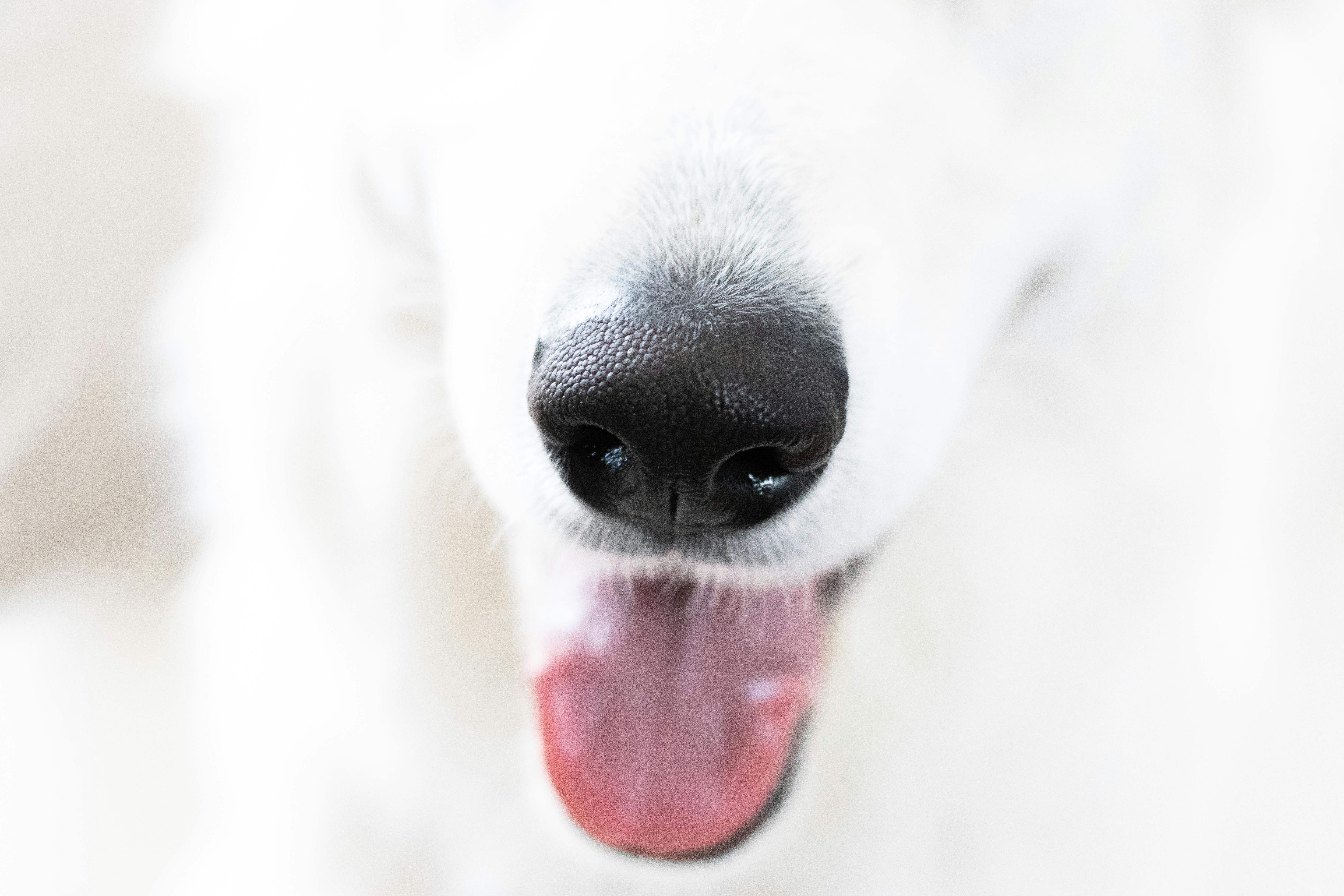 \n\n
\n\nDogs are known for their incredible sense of smell, which is about 10,000 to 100,000 times more sensitive than that of humans. One of the most interesting aspects of their sense of smell is the role of their wet noses. Many of us have probably seen our furry friends sniffing around, but have you ever wondered why do dogs have wet noses? This is a fascinating topic that reveals a lot about dog physiology and behavior.
\nThe Science Behind a Dog's Wet Nose
\nA dog's nose is not just for show; it serves several important functions. The moisture on a dog's nose plays a critical role in enhancing their olfactory capabilities. When their noses are wet, they are able to capture scent particles more efficiently. This is because moisture helps to dissolve the scent molecules, making it easier for them to be absorbed by the olfactory receptors in the nose.
\n- \n
- Olfactory Receptors: Dogs have about 300 million olfactory receptors in their noses. In comparison, humans have only about 5 million. This vast difference allows dogs to detect a wide range of smells. \n
- Scent Processing: Dogs have a special organ called the Jacobsen's organ, located in the nasal cavity. This organ helps them process the scents they detect, providing them with even more information about their environment. \n
- Temperature Regulation: Wet noses also help in regulating a dog's body temperature. When moisture evaporates from their noses, it cools them down, similar to how sweating works in humans. \n
Why Are Dog Noses Wet?
\nThe question of why do dogs have wet noses can be answered by looking into several factors:
\n- \n
- Health Indicator: A wet nose can indicate that a dog is healthy and hydrated. Dry noses, on the other hand, might suggest illness or dehydration. \n
- Natural Behavior: Dogs frequently lick their noses. This behavior keeps their nose moist and also helps to gather scents from their environment. \n
- Environmental Adaptation: Dogs have evolved to have wet noses as a means of survival. A moist nose can help them detect prey or avoid predators through scent. \n
The Evolution of Dog Noses
\nHistorically, dogs have been domesticated for thousands of years. Their acute sense of smell has been utilized for various purposes such as hunting, herding, and even search and rescue operations. The evolution of dogs has favored those with better olfactory capabilities, leading to a breed of animals that excel in scent detection.
\n- \n
- Hunting and Tracking: Early humans relied on dogs with excellent noses to track game. This partnership has developed into various breeds known for their scenting abilities, such as Bloodhounds and Beagles. \n
- Service Dogs: Nowadays, dogs are trained to use their sense of smell for various services, including detecting drugs, explosives, and even medical conditions like diabetes or certain cancers. \n
The Fascinating Facts about Dog Noses
\nHere are some intriguing facts about dog noses that many people may not know:
\n- \n
- Dogs can detect certain diseases in humans, like cancer and diabetes, just by smelling their breath or skin. \n
- Each dog's nose print is unique, much like a human fingerprint. This uniqueness can even be used for identification purposes. \n
- Dogs can differentiate between human scents, which is why they are often used in search and rescue missions. \n
Comparisons Between Dog and Human Noses
\nHere's a quick comparison of dog and human noses:
\n| Feature | \nDog Nose | \nHuman Nose | \n
|---|---|---|
| Olfactory Receptors | \n300 million | \n5 million | \n
| Sense of Smell Sensitivity | \n10,000 to 100,000 times | \n1 time | \n
| Nose Print | \nUnique for each dog | \nUnique for each human | \n
| Role in Temperature Control | \nYes | \nNo | \n
Practical Examples of Dog Nose Usage
\n- \n
- Detection Work: Law enforcement agencies use dogs to sniff out drugs and explosives. Their training enhances their natural abilities, making them invaluable assets. \n
- Medical Detection: Some dogs are trained to alert their owners about medical emergencies, like low blood sugar. \n
- Search and Rescue: Dogs are often deployed in disaster areas to find survivors, thanks to their powerful noses. \n
Understanding why do dogs have wet noses and how it contributes to their sense of smell is not just an academic curiosity. It actually helps us appreciate the unique capabilities of our canine companions. The next time you see your dog with a wet nose, remember that it’s not just cute; it’s a vital tool that aids their survival and enhances their interactions with the world. Our furry friends truly are remarkable creatures!
\n\nThe Connection Between a Wet Nose and Your Dog's Health: What Every Owner Should Know
\n\n \n\n
\n\nEvery dog owner has probably noticed their furry friend has a wet nose, but have you ever wondered why? Yes, having a moist nose is not just a cute quirk. It can be a reflection of your dog’s overall health. In this article, we explore the connection between a wet nose and your dog's health, along with what every owner should know. So, let’s dive deeper into this fascinating topic!
\nWhy Do Dogs Have Wet Noses?
\nDogs have wet noses for several reasons, all of which are connected to their unique biology. Here’s a breakdown of some key points:
\n- \n
- Cooling Mechanism: Just like humans sweat, dogs cool down through their noses. When they breathe, moisture evaporates from the surface, helping to regulate their body temperature. \n
- Sense of Smell: A wet nose enhances a dog’s ability to smell. The moisture helps trap scent particles, which makes it easier for them to detect different odors. This is why dogs are often used in search and rescue missions. \n
- Health Indicator: The condition of a dog’s nose can indicate its health. A wet, cool nose usually signals a healthy dog, while a dry or cracked nose could indicate dehydration or other health issues. \n
The Science Behind a Wet Nose
\nEver wonder what makes a dog's nose wet? Well, here’s what you need to know:
\n- \n
- Mucous Glands: Dogs have mucous glands located in their noses. These glands produce moisture that keeps the nose damp. \n
- Environmental Factors: Weather can affect nose moisture too. Humidity or rain can lead to a wetter nose, while dry or hot conditions might cause it to dry out. \n
- Behavioral Factors: Dogs often lick their noses, contributing to the wetness. This behavior is instinctive and can help them gather more scents. \n
What Does a Dry Nose Mean?
\nWhile a wet nose is generally a sign of good health, a dry nose could mean various things:
\n- \n
- Dehydration: If your dog isn’t drinking enough water, their nose might dry out. Always ensure fresh water is available. \n
- Fever: A dry, warm nose can signal fever. If you suspect this, it’s best to consult a vet. \n
- Allergies: Allergic reactions can lead to changes in nose moisture. Watch for other symptoms like itching or sneezing. \n
- Infections: Certain infections can cause a dog’s nose to be dry or cracked. It’s critical to monitor any other symptoms. \n
Signs of a Healthy Dog Nose
\nHere’s a quick list of what to look for to ensure your dog’s nose is healthy:
\n- \n
- Cool to the touch \n
- Slightly moist \n
- No cracks or sores \n
- Consistent color (shouldn't be too pale or too dark) \n
- No excessive discharge \n
Interesting Facts About Dog Noses
\nDid you know that dog noses are just as unique as human fingerprints? Here are some intriguing facts:
\n- \n
- Sense of Smell: A dog's sense of smell is 10,000 to 100,000 times more sensitive than humans! \n
- Nose Prints: Just like fingerprints, each dog has a unique nose print that can be used for identification. \n
- Temperature Regulation: Dogs have sweat glands only in their paw pads; thus, their nose plays a vital role in thermoregulation. \n
Caring for Your Dog's Nose
\nSo, how can you ensure your dog's nose stays healthy? Here are some practical tips:
\n- \n
- Hydration: Keep your dog hydrated. Ensure they drink enough water throughout the day. \n
- Regular Vet Check-ups: Regular visits to the vet can help catch any potential issues early. \n
- Monitor Environment: In hot or dry weather, consider using a dog-safe moisturizer on their nose if it appears dry. \n
- Nutrition: A balanced diet can contribute to your dog’s overall health, including their nose. \n
When to Consult a Veterinarian
\nIf you notice persistent changes in your dog’s nose, it might be time to consult with a veterinarian. Here’s when you should seek professional help:
\n- \n
- If the nose remains dry and cracked over a few days \n
- If there is any bleeding or unusual discharge \n
- If your dog shows signs of discomfort or pain \n
- If you notice any other unusual symptoms, like lethargy or loss of appetite \n
Understanding the connection between a wet nose and your dog's health is crucial for every dog owner. It’s not just about a cute feature; it’s a window into their overall well-being. Keeping an eye on your dog's nose can help you detect health changes early on, allowing for prompt action when necessary. Always remember, a happy, healthy dog is a joy to have around!
\n\nWhy a Dry Nose May Not Be a Bad Sign: Debunking Common Myths About Dog Health
\n\n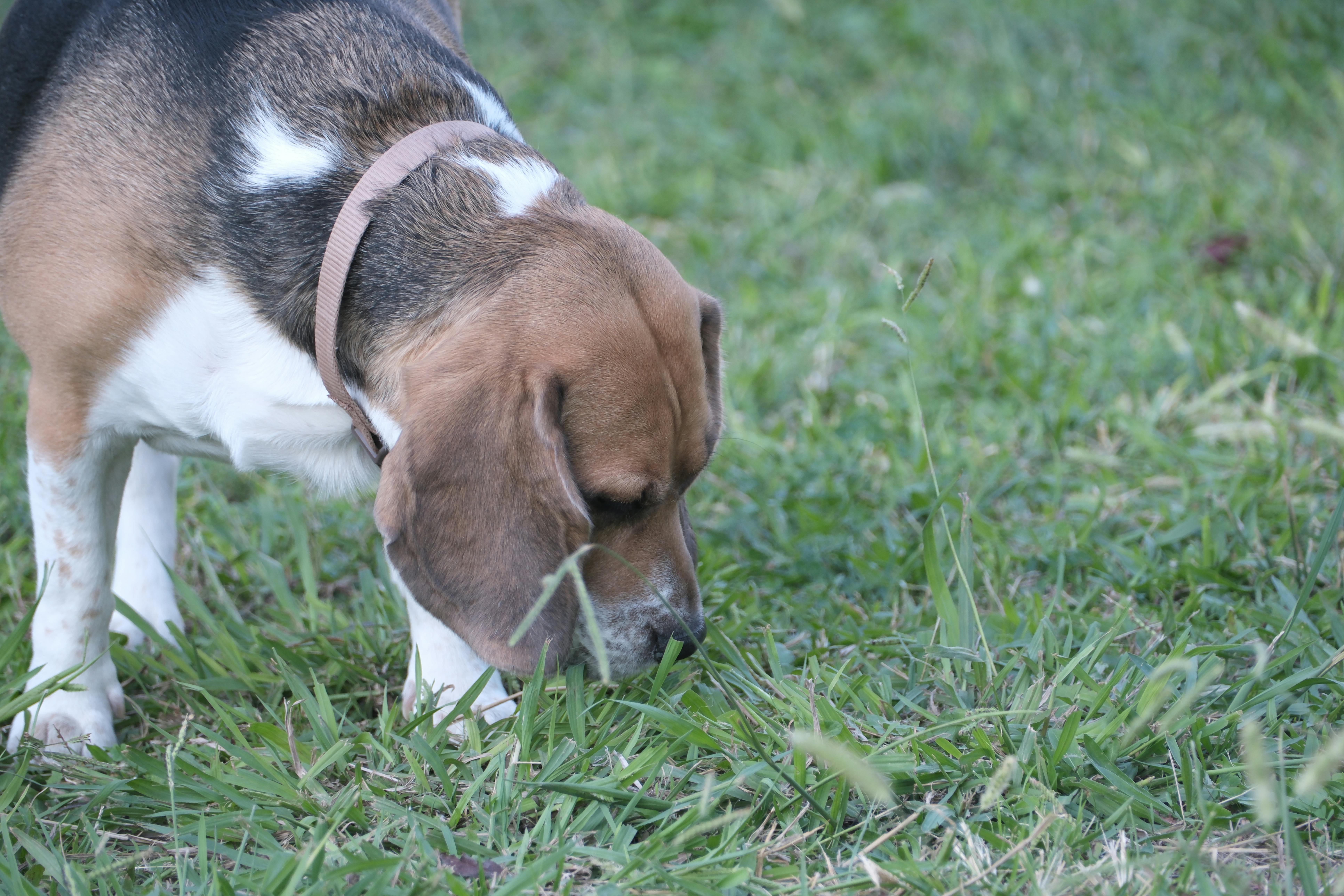 \n\n
\n\nMany dog owners worry when they notice their pup's nose is dry. They often think it indicates illness or dehydration. However, dry noses in dogs might not be as concerning as many people believes. Understanding the reasons behind a dog’s wet nose can help pet owners feel more at ease. This article will explore the fascinating facts about why dogs have wet noses and debunk some common myths surrounding dog health.
\nWhy Do Dogs Have Wet Noses?
\nDogs have wet noses for several reasons, and it's not just for appearance. A wet nose actually serves important functions:
\n- \n
- \n
Scent Detection: Dogs rely heavily on their sense of smell, and a wet nose can enhance their ability to pick up scents. The moisture on their nose helps absorb scent particles, making it easier for them to detect smells.
\n \n - \n
Thermoregulation: Just like humans sweat, dogs use their noses to help cool down. When a dog’s nose is wet, it can help to regulate their body temperature more effectively.
\n \n - \n
Health Indicator: While a wet nose is often seen as a sign of good health, it’s not always true. Dogs can be healthy with dry noses too. The key is to look for other symptoms as well.
\n \n
Common Myths About Dog Health
\nThere are many myths surrounding dog health that can lead to confusion for dog owners. Here’s a look at some of the most common misconceptions:
\n- \n
- \n
Myth 1: A Dry Nose Means Your Dog is Sick
\n
\nThis is probably the most widespread belief among dog owners. While a dry nose can indicate dehydration or a fever, it is not a definitive sign of illness. Dogs can have dry noses for various reasons, including environmental factors or simply being asleep. \n - \n
Myth 2: Dogs Only Get Wet Noses When They’re Healthy
\n
\nAnother fallacy is that a wet nose always indicates a healthy dog. This is false! A dog can have a wet nose and still be experiencing health issues. It’s important to monitor their overall behavior and health. \n - \n
Myth 3: Dogs Can’t Get Sunburned on Their Noses
\n
\nMany people don’t realize that dogs can indeed get sunburned, especially on their noses. Dogs with lighter fur or skin are more susceptible to sunburn, so it’s crucial to apply pet-safe sunscreen when they are out in the sun for long periods. \n
Factors Affecting Nose Moisture
\nThe moisture of a dog's nose can be influenced by various factors. Here are some of them:
\n- \n
- \n
Weather Conditions: Dry air, especially in winter, can lead to dry noses. Humidity levels can also impact how dry or wet a dog’s nose is.
\n \n - \n
Hydration: Just like humans, dogs need plenty of water. If a dog is not drinking enough, it may lead to a dry nose.
\n \n - \n
Health Conditions: Certain health issues can affect nose moisture. Allergies, infections, or autoimmune diseases might manifest in a dog’s nose condition.
\n \n
Signs to Watch Out For
\nWhile a dry nose may not always indicate a health problem, there are signs pet owners should keep an eye on. Here’s a quick list:
\n- \n
- Change in appetite \n
- Lethargy or unusual behavior \n
- Vomiting or diarrhea \n
- Excessive scratching or pawing at the nose \n
- Nasal discharge or bleeding \n
Practical Tips for Dog Owners
\nIf you're concerned about your dog’s dry nose, here are some practical steps you can take:
\n- \n
- \n
Keep Them Hydrated: Make sure your dog has access to fresh water at all times. Dehydration can lead to other health issues beyond just a dry nose.
\n \n - \n
Moisturize: If your dog's nose looks cracked or dry, consider applying a pet-safe moisturizer specifically designed for dogs.
\n \n - \n
Regular Vet Visits: Regular check-ups with a veterinarian can help catch any potential health issues early.
\n \n - \n
Observe Behavior: Always pay attention to your dog's overall behavior and health. A dry nose alone is not enough to determine their health status.
\n \n
In summary, while a wet nose is often associated with a healthy dog, it’s essential to understand that a dry nose can occur for many reasons and isn't always a bad sign. Monitoring their overall health and behavior is key to ensuring your furry friend stays happy and healthy. By debunking these myths and understanding the facts, dog owners can better care for their beloved pets.
\n\nHow to Keep Your Dog's Nose Moist and Healthy: Essential Tips for Pet Owners
\n\n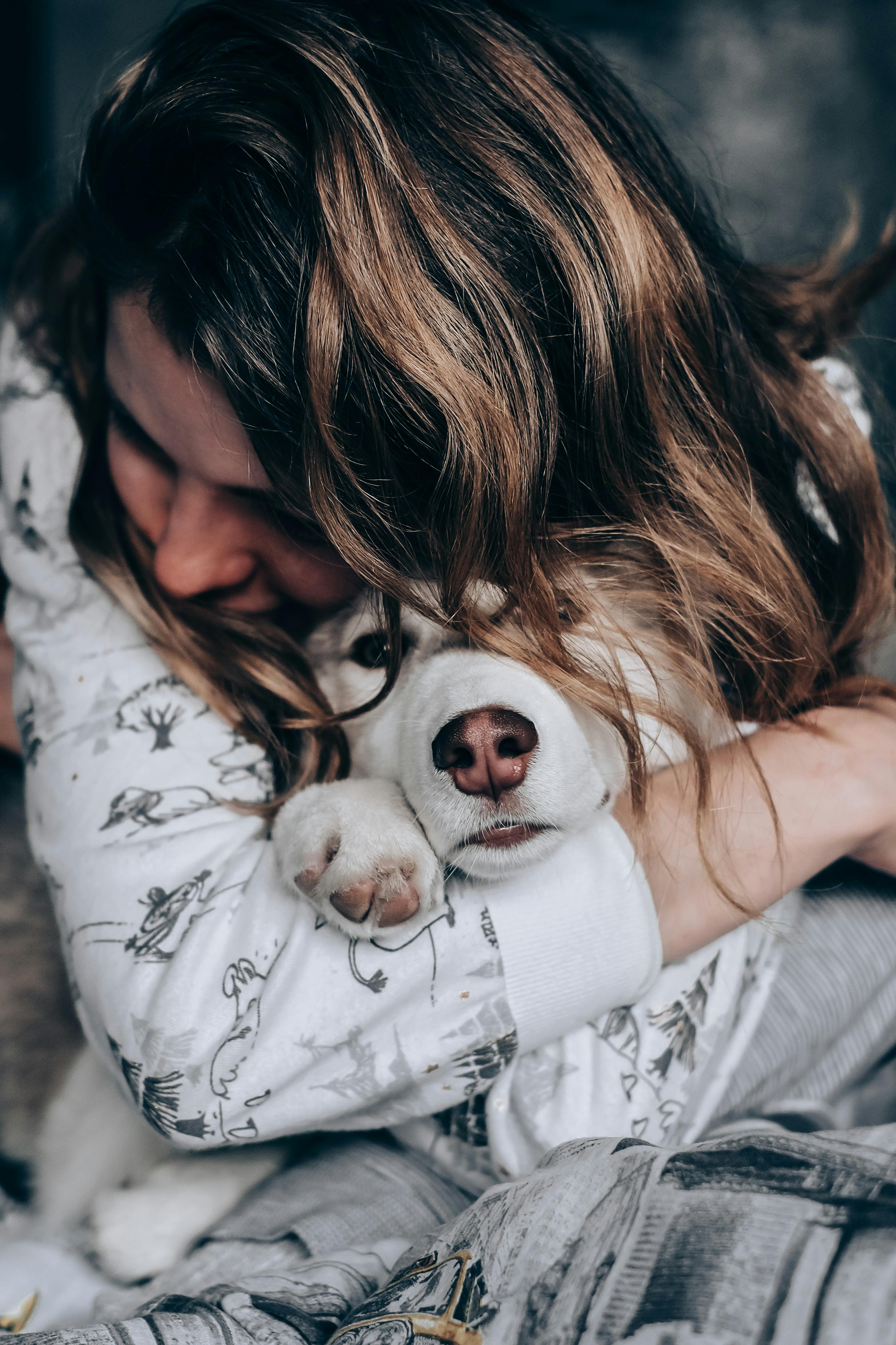 \n\n
\n\nAs a loving pet owner, you probably wonder about your dog's health and wellbeing. One key aspect of their health is their nose, which often appears moist and cool. But why do dogs have wet noses? The answer is more than just a quirky feature; it plays a significant role in their overall health and senses. Learning how to keep your dog's nose moist and healthy is essential for pet owners who want to ensure their furry friends are comfortable and happy.
\nWhy Do Dogs Have Wet Noses?
\nDogs have moist noses for several reasons, and understanding these can help you appreciate your pet's unique biology. Here’s a look at some of the fascinating truths behind those wet noses:
\n- \n
- \n
Sense of Smell: A dog’s nose is packed with olfactory receptors. A wet nose helps to capture scent particles in the air, enhancing their sense of smell. This is why dogs are often used in search and rescue operations or as service animals.
\n \n - \n
Temperature Regulation: Dogs don’t sweat like humans do. Their noses help them regulate body temperature. When they pant and the moisture evaporates from their nose, it cools them down.
\n \n - \n
Health Indicator: The state of your dog's nose can indicate their health. A moist, cool nose is often a sign of a healthy dog, whereas a dry or cracked nose might suggest dehydration or illness.
\n \n
How to Keep Your Dog's Nose Moist and Healthy
\nMaintaining the moisture of your dog’s nose is important. Here’s a list of essential tips that pet owners can follow:
\n- \n
- \n
Hydration: Always provide fresh water to your dog. Dehydration can lead to a dry nose. Make sure your dog drinks plenty of water, especially during hot weather or after exercise.
\n \n - \n
Humidifiers: If you live in a dry climate, consider using a humidifier in your home. This can help keep the air moist, which in turn helps your dog’s nose stay hydrated.
\n \n - \n
Regular Grooming: Keep the fur around your dog’s nose trimmed and clean. Sometimes, dirt and debris can irritate their nose and lead to dryness.
\n \n - \n
Natural Oils: If your dog’s nose is dry or cracked, you can apply a little coconut oil or petroleum jelly to soothe it. Just be sure to use products that are safe for dogs, as they tend to lick their noses frequently.
\n \n - \n
Veterinarian Check-ups: Regular check-ups with the vet can help catch any underlying health issues. If you notice persistent dryness, consider having your dog examined by a professional.
\n \n
Signs of a Healthy Dog Nose
\nYou may be asking yourself, how can I tell if my dog's nose is healthy? Here are some signs to look out for:
\n- \n
- \n
Temperature: A healthy dog nose should be cool to the touch. If it feels unusually warm or hot, it might be a sign of illness.
\n \n - \n
Moisture Level: Generally, a moist nose is a good indicator of health. If it’s dry and cracked, it may need some attention.
\n \n - \n
Color: A normal nose color ranges from black to brown, depending on your dog’s breed. If you notice any discoloration, it could be a sign of allergies or other health concerns.
\n \n - \n
No Unusual Odors: A healthy nose shouldn’t have any bad smells. Foul odors might indicate an infection or other health issues.
\n \n
Interesting Facts About Dog Noses
\nHere are some fun and interesting facts about dog noses that you might not know:
\n- \n
- \n
Unique Prints: Just like human fingerprints, each dog has a unique nose print that can be used for identification.
\n \n - \n
Cooling Mechanism: Dogs have sweat glands only in their paw pads and nose. This means their noses play a crucial part in thermoregulation.
\n \n - \n
Health Indicators: Changes in your dog’s nose can be indicators of various health issues, like allergies or infections. Keeping an eye on your dog's nose can help catch problems early.
\n \n
Final Thoughts
\nUnderstanding why dogs have wet noses and how to keep them healthy is part of being a responsible pet owner. By ensuring your dog stays hydrated, maintaining a comfortable living environment, and keeping regular vet appointments, you can help keep your furry friend healthy and happy. After all, a moist and cool nose is just one of the many signs that your dog is thriving. So, take a moment to check your dog's nose today and give them the love and care they deserve!
\n\nCurious Canines: What Does Your Dog's Wet Nose Say About Their Emotions?
\n\n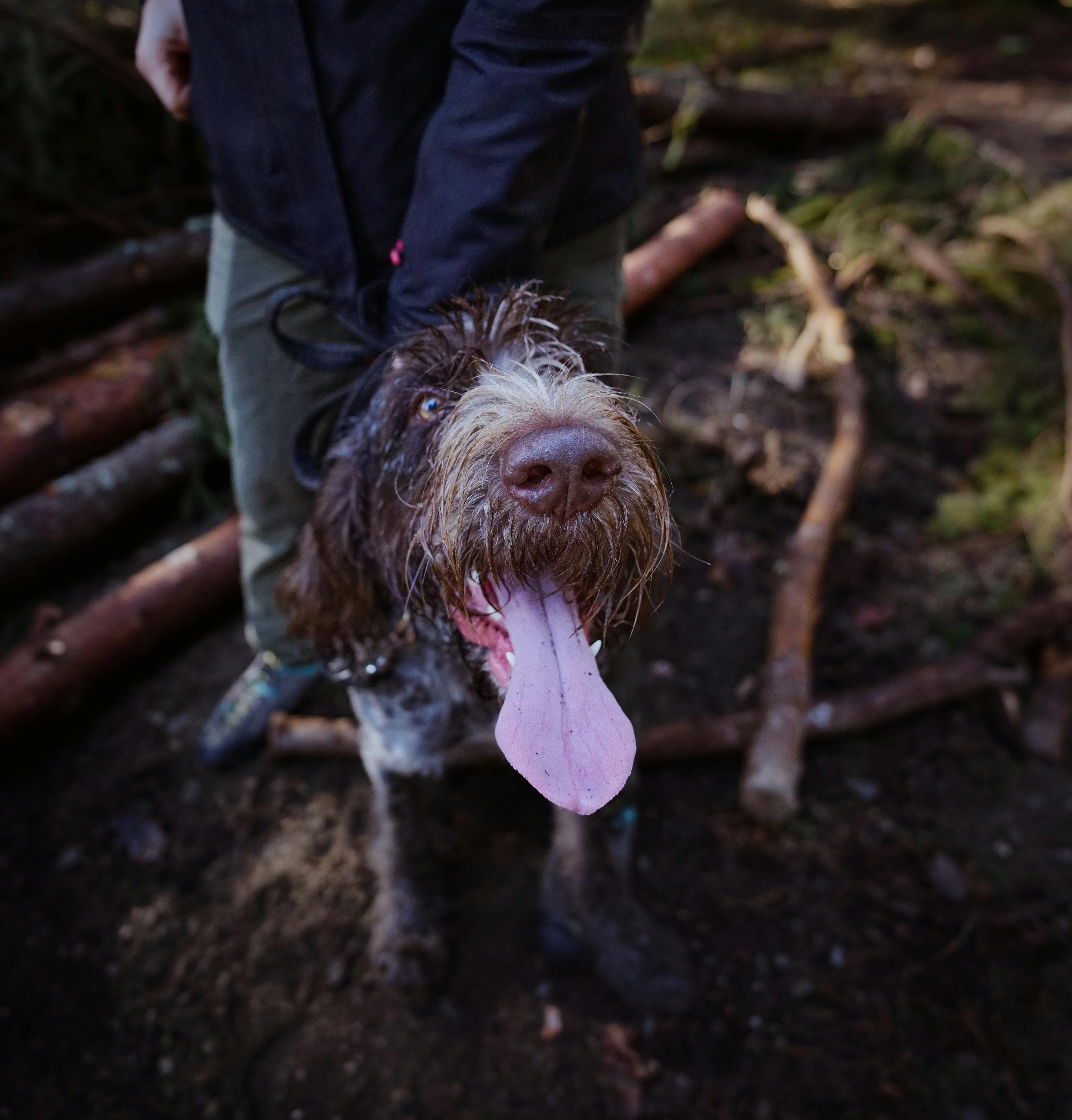 \n\n
\n\nHave you ever noticed your dog's nose? It’s often wet, cold, and sometimes a little slimy. But have you ever wondered what does it really means? Our canine companions express their feelings in many ways, but their wet noses can tell us a lot about their emotions and health. In this article, we will explore the fascinating reasons behind why dogs have wet noses and what they might be trying to communicate to us.
\nWhy Do Dogs Have Wet Noses?
\nDogs have wet noses for several reasons. Most importantly, it plays a significant role in their sense of smell. A dog's sense of smell is incredibly powerful, estimated to be around 10,000 to 100,000 times more acute than humans. The moisture on a dog’s nose helps to capture scent molecules, making it easier for them to detect smells. Here’s a breakdown of some key reasons:
\n- \n
- Enhanced Scent Detection: The wetness helps absorb scent particles, which makes it easier for dogs to “taste” the smells in their environment. \n
- Temperature Regulation: Dogs do not sweat like humans; instead, they depend on their noses to help regulate their body temperature. \n
- Health Indicator: A dog’s nose can be an indicator of their health. A sudden change from wet to dry can signify illness or dehydration. \n
The Emotional Side of a Wet Nose
\nNow, let’s dive into the emotional aspect of your dog's wet nose. Dogs are known for their ability to sense human emotions, and their wet noses often reflect their feelings. Here are some emotions that can be linked to their nose temperature and moisture:
\n- \n
- Excitement: When dogs are excited, their noses tend to be wetter. This can happen when you come home or when they see their favorite toy. \n
- Anxiety: A stressed dog may have a drier nose. If your dog is anxious during a thunderstorm or fireworks, keep an eye on their nose. \n
- Affection: Dogs often nuzzle or nudge you with their wet noses as a sign of affection. It’s their way of saying, “I love you!” \n
How Can You Tell What Your Dog Is Feeling?
\nUnderstanding your dog’s emotions can be tricky but observing their behavior can give you clues. Here are some things to look for:
\n- \n
- Body Language: A wagging tail, relaxed ears, and a soft gaze typically indicate a happy dog. Conversely, a tucked tail and tense body might mean fear or anxiety. \n
- Vocalization: Barking, whining, or growling can also provide insight into their emotional state. \n
- Nose Check: Regularly check your dog's nose. Is it wet or dry? A change could indicate something’s off. \n
Fun Facts About Dog Noses
\n- \n
- Did you know that dogs have unique nose prints, similar to human fingerprints? Each dog’s nose is different! \n
- Dogs can smell fear in humans. They might pick up on your anxiety and react accordingly. \n
- The wetness of a dog’s nose can vary depending on the weather. Hot days may lead to drier noses, while cooler days can keep them moist. \n
What To Do If Your Dog's Nose Changes
\nIf you notice your dog's nose suddenly becomes dry or cracked, it's essential to keep an eye on them. Here are some steps to consider:
\n- \n
- Monitor Behavior: Is your dog acting differently? Eating less or lethargy can be signs of illness. \n
- Check for Other Symptoms: Look for signs like coughing, sneezing, or vomiting. \n
- Consult Your Veterinarian: If you’re concerned about your dog’s health, it’s always best to seek advice from a professional. \n
The Bottom Line
\nYour dog's wet nose is more than just a quirky feature; it serves important functions in their life. From enhancing their ability to smell to reflecting their emotional state, understanding what their nose says can strengthen your bond with your furry friend. So next time you give your dog a pat, take a moment to appreciate the wetness of their nose—it’s a fascinating part of what makes them unique!
\nDogs are incredible creatures, and their wet noses are just one more reason to love them. Embrace all the little quirks that come with being a pet owner and remember to pay attention to those subtle signs your dog gives you!
\n\nThe Evolutionary Benefits of a Wet Nose: How Nature Crafted the Perfect Sniffer
\n\n \n\n
\n\nDogs have been companions to humans for thousands of years, and their unique traits have fascinated us. One of the most distinctive features of dogs is their wet noses. Have you ever wondered why do dogs have wet noses? The evolutionary benefits of this trait are not just for show; there's a fascinating truth behind it that connects to their survival instincts, communication, and overall health. Let's dive into the reasons that make their wet noses a marvel of nature.
\nThe Science Behind the Wet Nose
\nFirst off, the moisture on a dog’s nose plays a critical role in their ability to smell. Dogs have an incredible sense of smell, estimated to be between 10,000 to 100,000 times more sensitive than humans. This is due largely to their olfactory receptors. A wet nose helps dogs to pick up scents more effectively. Here's how it works:
\n- \n
- \n
Enhanced Scent Detection: The moisture on a dog's nose helps to trap scent particles. When these particles stick to the wet surface, they can be absorbed into the olfactory receptors, enhancing the dog’s ability to detect different smells.
\n \n - \n
Temperature Regulation: Dogs can’t sweat like humans do. Their noses help them cool down. The evaporation of moisture from their noses can assist in regulating body temperature.
\n \n - \n
Health Indicator: A wet nose is often a sign of a healthy dog. If a dog’s nose is dry and cracked, it may indicate dehydration or illness. But, not every dog is the same, and environmental factors can affect nose moisture.
\n \n
Historical Context and Evolutionary Advantages
\nDogs evolved from wolves, and this trait likely helped their ancestors in hunting and survival. Wet noses provided several advantages in the wild:
\n- \n
- \n
Tracking Prey: In the wild, wolves depended on their sense of smell to track prey over long distances. A wet nose helped them pick up the scent of their target, even in challenging conditions.
\n \n - \n
Communication: Dogs also use their noses to communicate with each other. The moisture can carry pheromones and other scent signals that provide information about their emotional state or reproductive status.
\n \n - \n
Social Bonds: Dogs often greet one another with sniffs, and a wet nose can convey friendliness and openness, promoting social interaction.
\n \n
Comparative Anatomy: How Do Other Animals Measure Up?
\nWhen comparing dogs to other species, it’s interesting to note how different noses serve different functions. Here’s a brief comparison:
\n| Animal | \nNose Type | \nFunction | \n
|---|---|---|
| Dogs | \nWet Nose | \nEnhanced smell, communication, temperature regulation | \n
| Cats | \nDry Nose | \nGood sense of smell, but less reliant on scent than dogs | \n
| Pigs | \nWet Nose | \nExcellent sense of smell, used for foraging | \n
| Humans | \nDry Nose | \nLimited olfactory capabilities, primarily rely on sight and hearing | \n
Practical Insights on Dog Health and Care
\nUnderstanding the significance of a dog’s wet nose can help pet owners maintain their health. Here are some tips:
\n- \n
- \n
Hydration: Always ensure your dog has access to fresh water, as hydration impacts nose moisture.
\n \n - \n
Environment: Keep an eye on your dog’s nose condition. A change in moisture can indicate environmental stresses, like extreme heat or cold.
\n \n - \n
Regular Vet Check-ups: If you notice persistent dryness or other abnormalities in your dog’s nose, consult a veterinarian for advice.
\n \n
Fun Facts About Dog Noses
\n- \n
- Dogs can distinguish between different types of scents, such as food, other animals, and even humans. \n
- The texture of a dog’s nose can vary; some have rough textures while others are smooth. \n
- Just like fingerprints, no two dogs have the same nose print. \n
The wet nose of a dog is not just an endearing trait; it’s a testament to the wonders of evolution. It serves multiple purposes that enhance their ability to interact with their environment, communicate with other dogs, and maintain their health. So next time you see your furry friend with that glistening nose, remember that it’s more than just cute; it’s a vital part of their biology and a key to their survival. Embrace the unique qualities that make dogs such wonderful companions, and appreciate the science behind their adorable noses!
\n\nWet Noses and Dog Behavior: Understanding the Role of Moisture in Communication
\n\n\n\nWet Noses and Dog Behavior: Understanding the Role of Moisture in Communication, Why Do Dogs Have Wet Noses? Discover The Fascinating Truth!
\nHave you ever wondered why dogs have wet noses? It’s one of those quirky features that seem to perplex many. While it may seem trivial, the moisture on a dog's nose plays a significant role in their communication and overall health. Let’s dive into the fascinating world of dog behavior and explore the science behind those adorable, damp noses.
\nThe Science Behind Wet Noses
\nDogs noses are not just for show. They are highly sensitive organs that serve multiple purposes. The moisture on a dog’s nose comes from various sources, including saliva and environmental factors. When a dog licks its nose, they actually enhance their sense of smell. It’s like a built-in air freshener, allowing them to absorb scent particles in the air.
\n- \n
- Dogs have about 300 million smell receptors in their noses, compared to about 6 million in humans. \n
- The wet surface of a dog’s nose helps to trap scent particles, making it easier for them to identify and differentiate smells. \n
This unique adaptation allows dogs to experience the world in ways humans can't even begin to fathom.
\nCommunication Through Scent
\nDogs are social animals, and they communicate with each other using various methods, and scents are one of the primary ways. A wet nose can signal a variety of emotions and intentions. For instance:
\n- \n
- Curiosity: When a dog approaches another dog with a wet nose, they are often trying to gather information about that dog’s health, mood, and even diet. \n
- Affection: Dogs may nuzzle or press their wet noses against their owners as a sign of love and trust. \n
- Playfulness: A wet nose can also indicate that a dog is ready to play or explore. \n
Why Moisture Matters
\nThe moisture on a dog’s nose is not just an accessory; it’s essential for their well-being. Here’s why:
\n- \n
- Temperature Regulation: Dogs don’t sweat like humans. Instead, they cool off by panting and through their noses. A wet nose helps them maintain an optimal body temperature. \n
- Health Indicator: A dog’s nose can also indicate its health status. A dry nose might be a sign of dehydration or illness, while a wet nose often indicates a healthy, hydrated dog. \n
Historical Context of Dog Noses
\nHistorically, dogs have been bred for various purposes, many of which rely on their remarkable sense of smell. From hunting and herding to search and rescue, the importance of a dog’s nose cannot be understated. Ancient civilizations recognized this, often utilizing dogs for their olfactory capabilities.
\n- \n
- Hunting: Breeds like Bloodhounds were specifically bred for their superior sense of smell, making them excellent tracking dogs. \n
- Search and Rescue: In more modern times, dogs have been trained to locate missing persons or detect drugs and explosives, showcasing the critical role their noses play. \n
Interesting Facts About Dog Noses
\n- \n
- No Two Noses Are Alike: Just like human fingerprints, no two dogs have the same nose print. \n
- Color Matters: A dog's nose color can change due to temperature, health, or age. A brown dog might have a black nose, but it can lighten over time. \n
- Nose Work: There are specific sports and activities centered around a dog’s sense of smell, known as "nose work," where dogs are trained to detect specific scents in various environments. \n
Practical Tips for Nose Care
\nTaking care of your dog’s nose can contribute to their overall health. Here are some tips:
\n- \n
- Hydration: Always ensure your dog has access to fresh water to keep their nose moist and hydrated. \n
- Avoid Chemicals: Keep your dog away from harsh chemicals that might irritate their nose. \n
- Regular Checks: Inspect your dog’s nose for any signs of cracking or bleeding. If you notice anything unusual, consult a veterinarian. \n
Conclusion
\nUnderstanding why dogs have wet noses is just one part of appreciating the complex communication system they use. Their moist noses serve many functions that go beyond mere cuteness. From enhancing their sense of smell to indicating health status, those wet noses are essential to their behavior and well-being. Next time you see a dog’s adorable, wet nose, remember the fascinating science and history behind it!
\n\nConclusion
\n\nIn conclusion, the wet noses of dogs serve multiple important purposes that contribute to their overall health and sensory abilities. Firstly, a moist nose helps enhance their sense of smell, allowing them to detect scents more effectively, which is vital for their communication and interaction with the world around them. Additionally, a wet nose aids in thermoregulation, helping dogs cool down by evaporating moisture. The hydration of the nasal tissues also plays a crucial role in trapping allergens and pathogens, protecting their respiratory health. Understanding the significance of a dog’s wet nose not only deepens our appreciation for these beloved pets but also encourages us to monitor their health closely. If you notice any unusual changes in your dog's nose or overall well-being, don’t hesitate to consult your veterinarian. By staying informed and proactive, you can ensure a happy and healthy life for your furry companion.
\n\n