Have you ever wondered, why do dogs have wet noses? This curious trait of our furry friends has intrigued pet owners and researchers alike. A dog’s nose is more than just a cute feature; it serves an important purpose in their sense of smell and overall health. But what makes their noses wet? Is it simply due to the moisture in the air, or is there something more fascinating at play? Understanding the science behind why dogs have wet noses can enhance your bond with your canine companion and provide insights into their well-being. Moreover, did you know that a wet nose can indicate hydration levels in dogs? This makes it crucial for pet owners to pay attention to their dog's nose condition. In this article, we will uncover the surprising reasons behind this unique characteristic and how it relates to your dog's emotions and health. So, are you ready to dive into the fascinating world of canine biology? Let’s explore the truth behind those adorable, wet noses!
\n\nThe Science Behind Wet Noses: Why Are Dogs' Noses Always Moist?
\n\n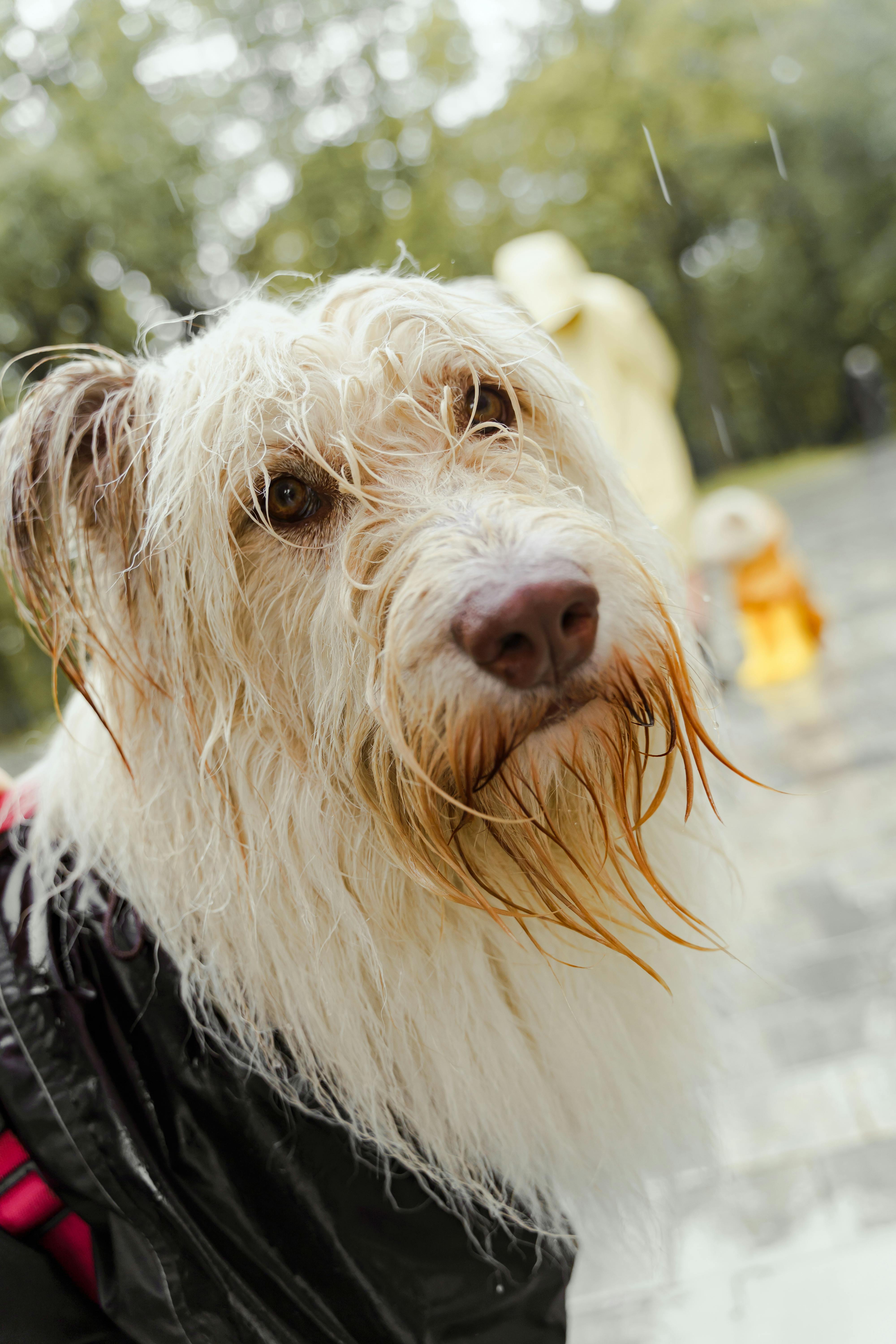 \n\n
\n\nWhen you see a dog, one of the most prominent features you probably notice is its nose. But have you ever wondered why do dogs have wet noses? It's a question that many dog lovers ask, and it turns out there's a fascinating science behind it. Dogs’ noses are not just cute; they play an important role in their health and everyday life.
\nThe Function of a Wet Nose
\nFirst off, a dog's wet nose serves several vital functions. The moisture on a dog’s nose comes from a combination of mucous membranes and secretions. This wetness helps dogs in a variety of ways:
\n- \n
- Enhanced Smell: The moisture helps capture scent particles in the air. This makes it easier for dogs to take in smells, which is essential since their sense of smell is far superior to that of humans. \n
- Thermoregulation: Dogs don’t sweat like humans do. Instead, they cool off through their noses and pads. A wet nose helps cool the blood vessels in the area, thus regulating their body temperature. \n
- Health Indicator: A dog's nose can indicate its health status. A consistently dry or cracked nose may suggest dehydration or illness, while a moist nose is generally a sign of good health. \n
Historical Context of the Wet Nose
\nThroughout history, dogs have been companions, workers, and even protectors. Their evolution from wild wolves to domesticated pets has seen a lot of changes, and their noses have adapted too. In ancient times, dogs were used for hunting, and their incredible sense of smell was crucial for tracking prey.
\n- \n
- Tracking and Hunting: Many breeds have been developed specifically for their olfactory abilities. Bloodhounds are famous for their tracking skills, thanks to their moist noses. \n
- Cultural Significance: In various cultures, dogs are seen as symbols of loyalty and protection. The wet nose is often associated with a friendly and approachable demeanor. \n
Why Are Dogs’ Noses Always Moist?
\nSo, why do dogs have wet noses? The science behind it is quite fascinating. The moisture on a dog's nose comes from a few sources:
\n- \n
- Secretions: Dogs have specialized mucous glands in their noses that produce mucus. This mucus increases the ability to absorb scent particles. \n
- Environmental Factors: Dogs often lick their noses, which keeps them moist and helps to enhance their sense of smell. Additionally, outdoor humidity and the weather can affect how wet a dog’s nose is. \n
- Temperature Regulation: As mentioned before, the moisture helps to keep them cool, especially during warmer months. \n
Comparing Wet and Dry Noses
\nThere’s a lot of debate around what a dog’s nose can tell you about its health. Here’s a simple comparison:
\n| Feature | \nWet Nose | \nDry Nose | \n
|---|---|---|
| Smell Sensitivity | \nHigh | \nLower | \n
| Temperature Control | \nEffective | \nLess effective | \n
| Health Indicator | \nUsually healthy | \nCould indicate dehydration or illness | \n
Practical Examples of Nose Moisture
\n- \n
- Active Dogs: Dogs that are very active, like retrievers or working breeds, will often have wetter noses due to increased panting and licking. \n
- Health Monitoring: If you notice that your dog’s nose suddenly becomes dry, it might be a good idea to check for signs of illness. Keep an eye out for other symptoms like lethargy or loss of appetite. \n
Fun Facts About Dog Noses
\n- \n
- A dog’s sense of smell is estimated to be 10,000 to 100,000 times more sensitive than that of humans. \n
- Each dog has a unique nose print, similar to human fingerprints. \n
- Dogs have around 300 million olfactory receptors in their noses, compared to about 6 million in humans. \n
In summary, the wet nose of a dog is not just a cute feature; it’s a multifaceted tool that helps in their survival and health. The evolution of this trait shows how dogs have adapted to live alongside humans, and understanding the science behind it can deepen our appreciation for these loyal companions. Next time you pet your furry friend, take a moment to appreciate that moist nose and everything it represents!
\n\nTop 5 Fascinating Facts About Dog Noses That Will Surprise You!
\n\n \n\n
\n\nWhen you think about dogs, one of the first things that might come to mind is their adorable wet noses. But, have you ever stopped to think why they are like that? Wet dog noses aren’t just cute; they serve important purposes! In fact, there's a whole world of fascinating facts about dog noses that might just surprise you. Here are the top five intriguing insights that could change the way you look at your furry friend.
\n1. Dogs Have an Incredible Sense of Smell
\nDid you know that a dog’s sense of smell is between 10,000 to 100,000 times more powerful than humans? This is due to the fact that dogs have around 300 million smell receptors in their noses, compared to about 6 million in humans. This ability helps them detect scents over great distances and even differentiate between various smells. For instance, they can track a person’s scent, find lost items, or even detect medical conditions. It’s like they have their own built-in superpower!
\n2. Why Do Dogs Have Wet Noses?
\nSo, why do dogs have wet noses and what’s the scientific reason behind it? The moisture on a dog’s nose serves several purposes:
\n- \n
- Enhanced Smell: The wet surface of the nose helps to capture scent particles more effectively. When the nose is damp, it can absorb scent molecules better, allowing dogs to process smells more efficiently. \n
- Cooling Mechanism: Just like humans sweat, dogs cool themselves through their noses. The moisture evaporating from their noses helps regulate their body temperature. \n
- Health Indicator: A dog’s nose can indicate its health. A healthy dog often has a cool, moist nose, while a warm, dry nose could be a sign of illness or dehydration. \n
3. Unique Nose Prints
\nEvery dog has a unique nose print, similar to human fingerprints! The patterns of ridges and creases on a dog's nose are distinct and can be used for identification. Some organizations even use nose prints for this purpose. It’s a quirky but fascinating fact that adds to the individuality of our canine companions.
\n4. Historical Uses of Dog Noses
\nThroughout history, dogs have been trained for a variety of tasks that utilize their incredible sense of smell. For example:
\n- \n
- Search and Rescue: Dogs have played vital roles in search and rescue operations, particularly after natural disasters. Their noses help locate survivors trapped under rubble or snow. \n
- Detection Work: From sniffing out drugs to locating explosives, dogs are essential in law enforcement and military operations. \n
- Medical Detection: Some dogs are trained to detect diseases like cancer or diabetes by sensing changes in their owner's body chemistry through smell. \n
5. The Science Behind Nose Moisture
\nYou might be wondering, what makes a dog’s nose wet? The moisture comes from a combination of mucus and the dog's own saliva. When dogs lick their noses, they add extra moisture that helps enhance their sense of smell. The nose also secretes a thin layer of mucus that keeps it moist, ensuring they can effectively analyze scents.
\nFun Facts About Dog Noses
\n- \n
- Dogs can smell fear! They can pick up on pheromones released by humans when they are scared. \n
- Some breeds, like Bloodhounds, have an incredible tracking ability thanks to their noses, which can follow a scent trail that is days old. \n
- Dogs can even detect certain types of cancer in humans just by smelling their breath or urine! \n
Practical Tips for Dog Owners
\n- \n
- Always make sure your dog stays hydrated, as a dry nose can sometimes indicate dehydration. \n
- Regularly check your dog's nose for any abnormalities like cracks or excessive dryness, which could signal health issues. \n
- Engage your dog’s sense of smell with interactive toys or games that encourage them to use their nose. \n
In summary, dog noses are not just cute features; they are complex tools that serve multiple functions. From their remarkable sense of smell to their unique nose prints, there’s so much more to learn about our four-legged friends. Understanding why dogs have wet noses can help us appreciate them even more. So next time you see your dog with that wet, shiny nose, you’ll know there’s a fascinating world behind it!
\n\nDo Wet Noses Indicate a Healthy Dog? Debunking Common Myths
\n\n \n\n
\n\nWhen you see a dog with a wet nose, you might think that it's healthy and happy. But is that actually the case? There are lots of myths about dog noses out there, and today we are gonna debunk some of those common misunderstandings. So, let’s dive into the fascinating world of why do dogs have wet noses and what it really means for their health.
\nThe Science Behind Wet Noses
\nFirst off, it’s important to understand why dogs noses are wet in the first place. Dogs’ noses are moist for few reasons. One of the main reasons is to help them smell better. Yes, you heard that right! A wet nose enhances their sense of smell. The moisture captures scent particles, which allow dogs to pick up more smells than dry noses. Isn’t that cool?
\nHere’s a breakdown of the main reasons dogs have wet noses:
\n- \n
- Scent Detection: Moisture helps to trap scent particles. \n
- Cooling Mechanism: Dogs do not sweat like humans do, so they might use their noses to help cool down. \n
- Body Temperature Regulation: A wet nose can help regulate a dog’s body temperature, especially in warm weather. \n
Common Myths About Dog Noses
\nNow that we know why dogs have wet noses, let’s tackle some myths. Many people think that a wet nose always means a dog is healthy. This is not entirely true. Here’s a list of common myths debunked:
\n- \n
- \n
Myth: A Wet Nose Means a Healthy Dog
\n
\nReality: While many healthy dogs have wet noses, a dry nose doesn’t automatically mean a dog is sick. \n - \n
Myth: All Dogs Have Wet Noses
\n
\nReality: Some dog breeds, like Bulldogs, may have drier noses naturally. \n - \n
Myth: You Can Tell a Dog’s Temperature by Their Nose
\n
\nReality: A dog’s nose temperature is not a reliable indicator of their overall health. \n - \n
Myth: A Cold Nose Means a Cold Dog
\n
\nReality: Dogs can have cold noses even when they are warm and cozy. \n
What Does a Dry Nose Indicate?
\nSo, what does it mean if your dog has a dry nose? It can indicate several things, but not all of them are serious. Some common reasons for a dry nose might include:
\n- \n
- Dehydration: If your dog isn’t drinking enough water, their nose may dry out. \n
- Weather Conditions: Hot or windy weather can lead to a dry nose. \n
- Illness: In some cases, a dry nose can be a sign of fever or other health issues but not always. \n
Signs of a Healthy Dog
\nWhile a wet nose can be a good sign, it’s not the only indicator of a dog’s health. Here are some other signs to look out for:
\n- \n
- Bright Eyes: Clear, alert eyes are a good indication. \n
- Good Appetite: Eating well is a positive sign. \n
- Active Behavior: A playful and energetic dog is likely healthy. \n
- Normal Coat Condition: A shiny and clean coat usually means good health. \n
What to Do If You’re Concerned
\nIf you do notice changes in your dog’s nose, or if they seem lethargic or unwell, it’s best to consult with a vet. Here are some steps you can take:
\n- \n
- Monitor Their Behavior: Keep track of any changes in energy levels, appetite, or behavior. \n
- Check for Other Symptoms: Look for signs like coughing, vomiting, or diarrhea. \n
- Visit the Vet: If you’re worried, a veterinary check-up can provide peace of mind. \n
Fun Fact About Dog Noses
\nDid you know that every dog’s nose print is unique, just like human fingerprints? This makes them special in more ways than one!
\nSummary of Key Points
\n- \n
- Wet noses help dogs smell better, cool down, and regulate temperature. \n
- A wet nose is not the sole indicator of health. \n
- Dry noses can be caused by various factors, not all of them serious. \n
- Monitoring behavior and consulting a vet is essential for dog health. \n
Understanding why do dogs have wet noses and what those wet noses mean can help dog owners take better care of their furry friends. It’s always best to keep an eye on multiple signs of health, not just the wetness of their noses. Remember, every dog is unique, so what’s normal for one might not be for another. Always trust your instincts and reach out to professionals when in doubt!
\n\nWhy Do Dogs Have Wet Noses? The Evolutionary Advantage Explained
\n\n \n\n
\n\nDogs are fascinating creatures, and one of the most interesting things about them is their noses. If you ever wondered, “Why do dogs have wet noses?” you’re not alone. Many people ask this question, often without realizing that there’s a deeper evolutionary reason behind it. Let’s dive into the science and history of why our furry friends sport those damp snouts.
\nThe Science of a Wet Nose
\nTo understand why dogs have wet noses, we first need to look at what purpose it serves. A dog’s nose is packed with olfactory receptors, which helps them smell things much better than humans can. A wet nose, it turns out, enhances their ability to detect scents. Here’s how:
\n- \n
- \n
Moisture and Smell: When a dog’s nose is moist, it can capture scent particles more effectively. The moisture helps to dissolve these particles, making it easier for the olfactory receptors to identify different smells.
\n \n - \n
Temperature Regulation: Dogs don’t sweat like humans do; instead, they lose heat through their noses. A wet nose helps in cooling down their body temperature in hot weather.
\n \n
Evolutionary Advantage
\nWhen we think about evolution, it’s clear that a wet nose is more than just a quirky characteristic. It has provided dogs with significant advantages over the years, especially in the wild. Some of these advantages include:
\n- \n
- \n
Hunting: Dogs evolved from wolves, who depend heavily on their sense of smell for hunting. A wet nose increases their hunting success, allowing them to track prey more effectively.
\n \n - \n
Communication: Dogs communicate with each other through scent. A wet nose can pick up pheromones and other scent signals that convey information about other animals, including their health and reproductive status.
\n \n - \n
Survival: In the wild, being able to smell food, predators, or mates is crucial for survival. A wet nose is one of the traits that helps ensure they thrive in their environment.
\n \n
Historical Context
\nThe relationship between humans and dogs goes back thousands of years. Early humans domesticated dogs, and over time, selective breeding has shaped many dog breeds we see today. However, the fundamental characteristics, including the wet nose, remained intact due to their importance in survival.
\n- \n
- \n
Early dogs helped hunters find game, and their ability to smell was paramount. This symbiotic relationship created a bond that still exists today.
\n \n - \n
Different dog breeds have varying nose shapes and sizes, but most still retain that wetness, a testament to their common ancestry.
\n \n
Fun Facts About Dog Noses
\n- \n
- \n
Unique Prints: Just like human fingerprints, a dog’s nose print is unique. This means that no two noses are alike, which can even be used for identification purposes.
\n \n - \n
Nose Temperature: A dog’s nose can change temperature. A cool, wet nose is typically a sign of a healthy dog, while a warm, dry nose may indicate illness.
\n \n - \n
Nose Color: The color of a dog’s nose can vary based on breed, genetics, and age. Some dogs have pink noses, while others sport black or brown.
\n \n
The Role of Breed Differences
\nDifferent breeds can have distinct characteristics in their noses. For example, brachycephalic breeds like Bulldogs or Pugs have shorter snouts, which can affect their ability to smell compared to longer-nosed breeds like Bloodhounds.
\n- \n
- \n
Long-Nosed Breeds: More efficient at picking up scents. Examples include Greyhounds and German Shepherds.
\n \n - \n
Short-Nosed Breeds: May have limitations in scent detection. Examples include Boxers and Shih Tzus.
\n \n
Practical Examples of Nose Functionality
\n- \n
- \n
Tracking Dogs: Some dogs are trained specifically for tracking, and their wet noses play a critical role in their ability to follow scents. Bloodhounds, for instance, are renowned for their incredible tracking skills.
\n \n - \n
Rescue Dogs: In search and rescue operations, dogs utilize their noses to find missing persons, which often leads to successful recoveries. Their wet noses assist them in detecting human scent over vast distances.
\n \n - \n
Therapy and Service Dogs: Many therapy and service dogs use their sense of smell to detect medical conditions, such as low blood sugar or impending seizures, thanks to their keen olfactory abilities.
\n \n
In summary, the wet nose of a dog is far from a trivial feature. It’s an evolutionary trait that enhances their sense of smell, aids in communication, and even helps regulate their body temperature. The next time you give your furry friend a pat on the head and feel that damp nose, remember that it’s not just cute — it’s a powerful tool that has been honed over thousands of years to help them thrive alongside us.
\n\n5 Reasons Why Your Dog's Nose is Wet and What It Means for You
\n\n \n\n
\n\nDogs, those beloved companions, have many unique traits that make them special. But one of the most fascinating characteristics is their wet noses. Ever wondered why do dogs have wet noses? Or maybe you’ve noticed that your pup’s nose is often damp and thought, “What does this mean?” Well, there’s more to it than you might think! Here’s five reasons why your dog’s nose is wet and what it means for you.
\n1. Natural Cooling Mechanism
\nDogs, unlike humans, they don’t sweat through their skin. Instead, they have a few ways to regulate their body temperature. One of these ways is through their noses. The moisture on their noses helps cool them down. When a dog breathes in, the moisture evaporates, which can lower their body temperature. So, if your dog’s nose is wet, it may simply be helping them stay cool, especially on hot days.
\n2. Sense of Smell
\nAnother reason your dog’s nose is wet because it enhances their sense of smell. Dogs have an incredible sense of smell, estimated to be anywhere from 10,000 to 100,000 times more sensitive than humans. A wet nose captures scent particles more effectively. When their nose is moist, it can pick up on odors better, allowing your furry friend to detect scents in their environment. So, if you notice your dog sniffing around more than usual, their wet nose is working hard!
\n3. Health Indicator
\nBelieve it or not, a dog’s nose can also be a health indicator. While a wet nose is often a sign of a healthy dog, it’s not the only thing to consider. A dry or cracked nose might signal dehydration, illness, or even allergies. It’s important to monitor your dog’s overall health through other signs as well, like energy levels and appetite. Here are some health aspects to watch for:
\n- \n
- Wet Nose: Typically indicates a healthy dog, especially if they’re active. \n
- Dry Nose: Could mean dehydration or health issues. \n
- Cracked Nose: May indicate allergies or skin conditions. \n
- Nose Color Change: Any sudden changes should be checked by a vet. \n
4. Natural Behavior
\nDogs often lick their noses, which keeps them moist. This behavior is natural and instinctive. They lick their noses to not only keep them wet but also to clean them. Dogs are curious creatures, and they explore their world with their noses, thus getting dirt and other particles on them. Licking is their way of cleaning up. So, if you see your dog frequently licking their nose, it’s just them being their curious selves.
\n5. Temperature and Weather Changes
\nThe weather can also affect your dog’s nose. For example, if it’s humid or raining, your dog’s nose might stay wetter than usual. Conversely, in cold weather, you might notice it being drier. Dogs’ noses can react to their environment, so don’t be alarmed if you see fluctuations based on the weather. Keeping your dog hydrated during extreme weather can help maintain their nose’s health.
\nInteresting Facts About Dog Noses
\n- \n
- Unique Patterns: Just like human fingerprints, every dog has a unique pattern on their nose. \n
- Heat Sensors: Dogs can detect heat through their noses, which helps them find warm-blooded animals. \n
- Nasal Turbinates: Dogs have complex structures in their noses called turbinates, which help in smelling. \n
- Size Matters: Larger breeds often have larger noses, which may enhance their smelling capabilities. \n
- Medical Uses: Dogs are being trained to detect diseases like cancer due to their incredible sense of smell. \n
Comparisons: Dog Noses vs. Human Noses
\n| Feature | \nDog Nose | \nHuman Nose | \n
|---|---|---|
| Sensitivity | \n10,000 - 100,000 times more | \nStandard sense of smell | \n
| Moisture Functionality | \nHelps cool and smell | \nPrimarily for smell | \n
| Cleaning Mechanism | \nLicking | \nN/A | \n
Understanding why do dogs have wet noses can deepen your bond with your furry friend. It’s not just a quirky trait; it serves multiple purposes, from temperature regulation to enhancing their incredible sense of smell. So, the next time you give your dog a scratch behind the ears and feel that cool, wet nose, know that it’s doing some important work!
\nSo, keep an eye on your dog's nose, and remember, it’s not just a cute feature; it’s a window into their overall health and well-being!
\n\nIs Your Dog’s Nose Too Wet? When to Worry About Nose Health
\n\n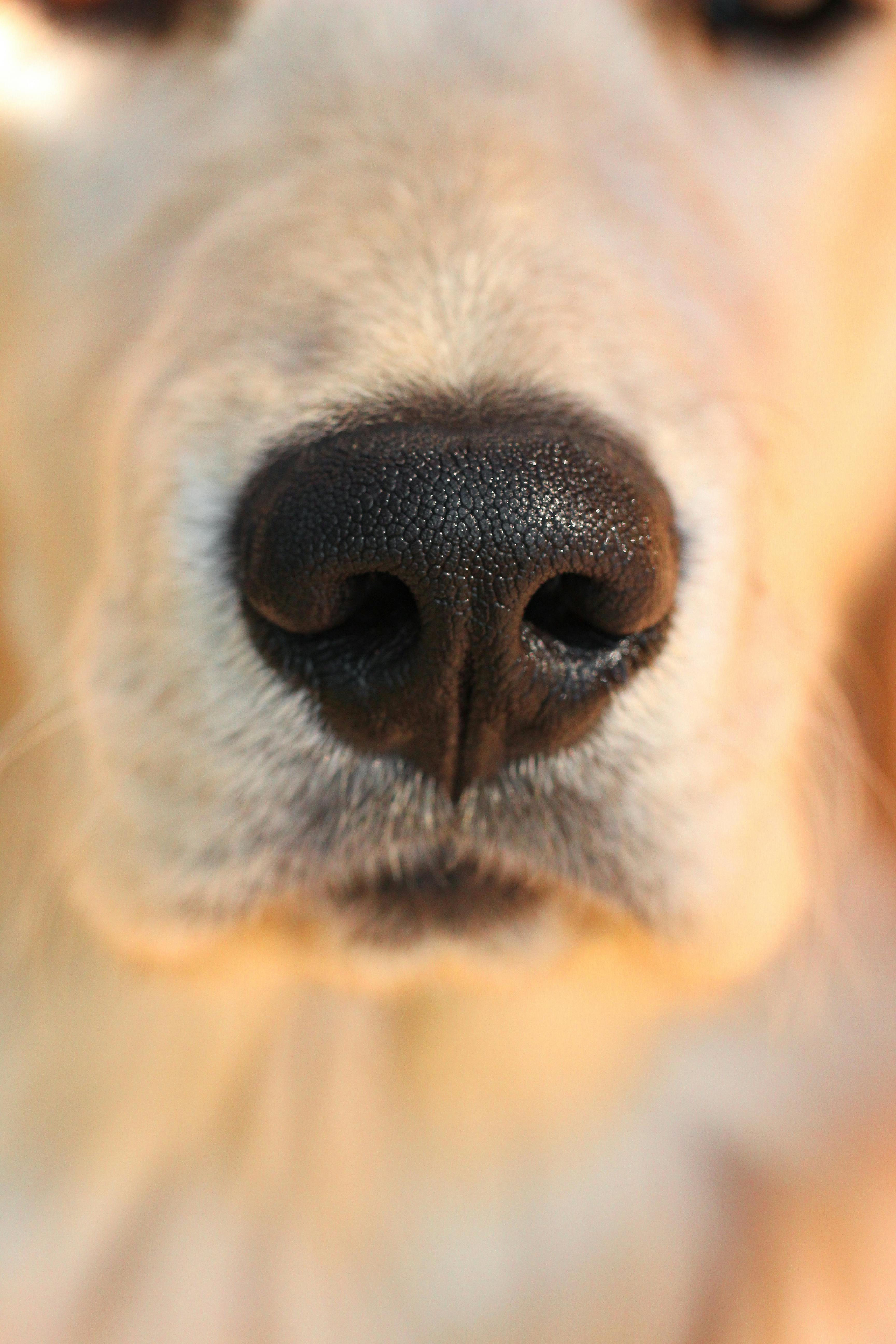 \n\n
\n\nIs your dog’s nose too wet? If you ever wonder about your furry friend’s nose health, you’re not alone. Many dog owners often ask this question. Dogs have wet noses for a variety of reasons, and while it’s usually normal, there are times when you should pay attention to changes in their nose's moisture. Let’s dive into the fascinating truth about why dogs have wet noses and when you might need to start worrying about nose health.
\nWhy Do Dogs Have Wet Noses?
\nThe moisture on a dog’s nose has multiple purposes. Here’s a breakdown of the main reasons:
\n- \n
- Scent Detection: Dogs have an incredible sense of smell, and the moisture helps to enhance their ability to detect odors. A wet nose can capture more scent particles in the air, making it easier for your pup to sniff out things. \n
- Temperature Regulation: Just like humans sweat to cool down, dogs use their noses to help regulate body temperature. The moisture evaporates, helping them stay cool, especially during warm weather. \n
- Health Indicator: A dog’s nose can indicate health status. A healthy nose is typically cool and moist. Changes in texture or temperature might hint at health issues. \n
When to Worry About Nose Health
\nWhile a wet nose is usually a sign of a healthy dog, there are situations when it can signal problems. Here’s a list of signs that could indicate trouble:
\n- \n
- Drastic Change in Moisture: If your dog’s nose goes from wet to dry suddenly, it might be something to check out. \n
- Cracks or Sores: Any visible sores, cracks, or bleeding should not be ignored. These could be signs of infections or allergies. \n
- Unusual Color Changes: If the nose changes color, like turning pale or red, it might indicate a health issue. \n
- Foul Odor: A bad smell coming from the nose could suggest an infection. \n
- Excessive Discharge: Clear discharge is normal, but thick or colored discharge might be a cause for concern. \n
What Can Cause Changes in Nose Health?
\nVarious factors can contribute to changes in your dog’s nose health. Here are some common causes:
\n- \n
- Allergies: Dogs can be allergic to pollen, dust, or certain foods, and this can lead to nasal irritations. \n
- Infections: Bacterial or fungal infections can affect the nose, leading to discharge and other symptoms. \n
- Environmental Factors: Changes in climate, such as dry air or extreme temperatures, can cause a dog’s nose to dry out. \n
- Underlying Health Conditions: Conditions like autoimmune diseases or certain cancers can also affect nose health. \n
Taking Care of Your Dog’s Nose
\nMaintaining your dog’s nose health is fairly simple. Here are some practical tips:
\n- \n
- Regular Check-Ups: Frequent veterinary visits can help catch any potential issues early. \n
- Hydration: Make sure your dog always has access to fresh, clean water to keep them hydrated. \n
- Avoid Irritants: Try to limit exposure to smoke, strong perfumes, or cleaning chemicals that can irritate your dog’s nose. \n
- Healthy Diet: A balanced diet rich in nutrients can support your dog’s overall health, including their nose. \n
- Grooming: Regular grooming can prevent dirt buildup around the nose area, which can lead to infections. \n
Common Myths About Dog Nose Health
\nThere are many misconceptions regarding dog noses. Here are a few that you might have heard:
\n- \n
- Myth: A hot nose means the dog has a fever.
- \n
- Fact: A dog’s nose temperature doesn’t always correlate with their overall health. \n
\n - Myth: A wet nose is always a sign of a healthy dog.
- \n
- Fact: While often true, a wet nose can also indicate a problem if it suddenly changes. \n
\n - Myth: Dogs only have wet noses because they lick them.
- \n
- Fact: Dogs’ noses are naturally moist due to the secretion of mucous and the environment. \n
\n
In conclusion, understanding why your dog’s nose is wet and when to worry about it is essential for every dog owner. Regular monitoring and care can help maintain your furry friend’s nose health. If you ever have doubts or concerns regarding your dog’s nose, it’s always best to consult with a veterinarian. They'll provide you guidance specific to your dog’s individual health needs. Remember, your dog's nose is just one part of their overall well-being, but it’s an important one!
\n\nThe Role of Scent and Temperature: How Dogs Use Their Wet Noses
\n\n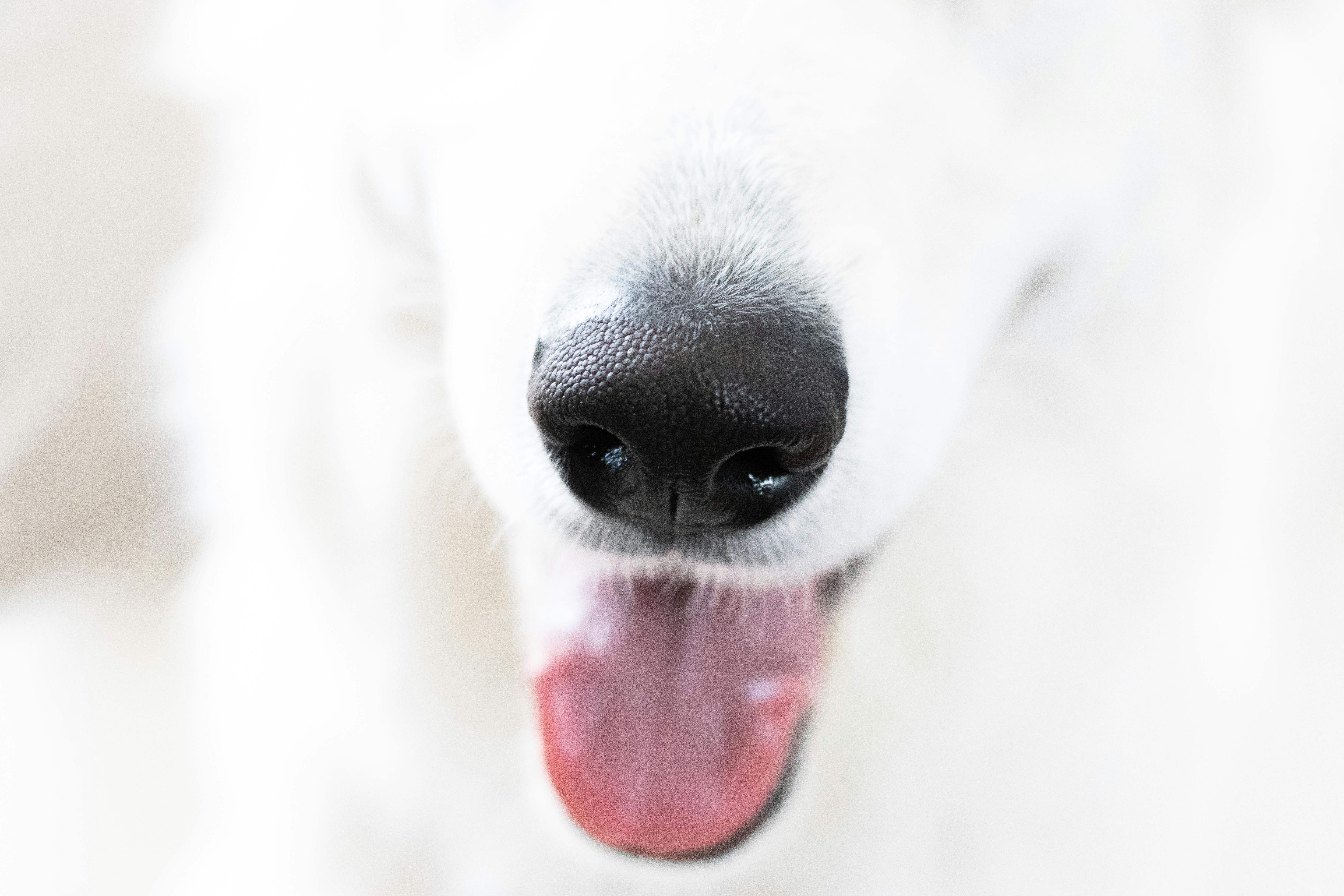 \n\n
\n\nDogs are often called man's best friend, but their unique features, like wet noses, sparks curiosity. Why do dogs have wet noses? It's not just for show; there's a fascinating science behind it. This article will delve into the role scent and temperature play in a dog's life, especially how their wet noses help them interact with the world.
\nThe Science of a Dog's Nose
\nDogs have an incredible sense of smell, estimated to be 10,000 to 100,000 times more sensitive than humans. Their noses are specially designed for detecting scents, and moisture plays a vital role in this. A wet nose helps dogs capture scent particles more effectively.
\n- \n
- Olfactory Receptors: Dogs have around 220 million olfactory receptors compared to humans who only have about 5 million. This means they can smell things we can't even imagine. \n
- Jacobsen's Organ: This is a special organ located in the nasal cavity that helps dogs analyze smells. It’s one of the reasons why dogs can smell pheromones and other chemical signals. \n
Why Are Dog Noses Wet?
\nSo, why do dogs have wet noses? The moisture on a dog's nose comes from a combination of factors. It’s not just because they lick it; there’s more to the story.
\n- \n
- Cooling Mechanism: Just like humans sweat to cool down, dogs use their wet noses to regulate temperature. The moisture evaporates, helping to cool their body. \n
- Enhanced Smell: When a dog’s nose is wet, it can trap more scent particles. This boosts their ability to detect smells in the environment, making them excellent hunters and trackers. \n
- Health Indicator: A wet nose is often seen as a sign that a dog is healthy. However, this isn’t always the case. Some dogs can have a dry nose and still be perfectly fine. \n
Temperature Regulation in Dogs
\nTemperature regulation is important for dogs, especially since they cannot sweat like humans. Their wet noses play a key role in this function.
\n- \n
- Panting: Dogs often pant to cool down, but their noses also assist in this process. The moisture evaporating from their nose helps in lowering their body temperature. \n
- Heat Sensitivity: A dog’s body temperature is typically around 101 to 102.5 degrees Fahrenheit. A wet nose helps them maintain a comfortable temperature, especially during hot weather. \n
The Role of Scent in Communication
\nDogs use their noses not just for detecting food or danger, but also for social interactions. They communicate through scent, which is why they tend to sniff other dogs and objects.
\n- \n
- Scent Marking: Dogs have scent glands in their bodies. They can mark their territory through urination, which leaves behind a scent that can tell other dogs a lot about them, like their age, health, and even mood. \n
- Understanding Emotions: Dogs can pick up on the emotions of other dogs or humans through smell. They can detect pheromones released when someone is happy or scared, allowing them to respond appropriately. \n
Fun Facts About Dog Noses
\nHere’s a few interesting tidbits about dog noses that you may not know:
\n- \n
- No Two Noses Are Alike: Just like human fingerprints, every dog’s nose print is unique. This could potentially be used for identification! \n
- Dogs and Cold Weather: In colder climates, some dog breeds may have thicker fur and a wetter nose to help them adapt. They can smell even better in the cold due to the way scents travel. \n
- Aging and Nose Moisture: As dogs age, their noses can become drier. This is not necessarily a sign of illness, but it’s a good idea to monitor changes. \n
Practical Tips for Dog Owners
\nMaintaining the health of your dog’s nose is important. Here are some tips:
\n- \n
- Regular Check-Ups: Always keep a check on your dog's nose. If it becomes excessively dry, cracked, or changes color, consult a veterinarian. \n
- Hydration: Ensure your dog is well-hydrated, as this can affect the moisture of their nose. \n
- Avoid Irritants: Keep your dog away from harsh chemicals or strong fragrances that might irritate their sensitive noses. \n
Understanding why dogs have wet noses and how they use them can deepen your appreciation for these furry companions. Their wet noses are not only a charming feature but also a fascinating tool that aids them in navigating the world. It's amazing how something so simple can play such a significant role in a dog's life, impacting their health, communication, and overall well-being.
\n\nWet Noses and Dog Behavior: What Your Pup is Trying to Tell You
\n\n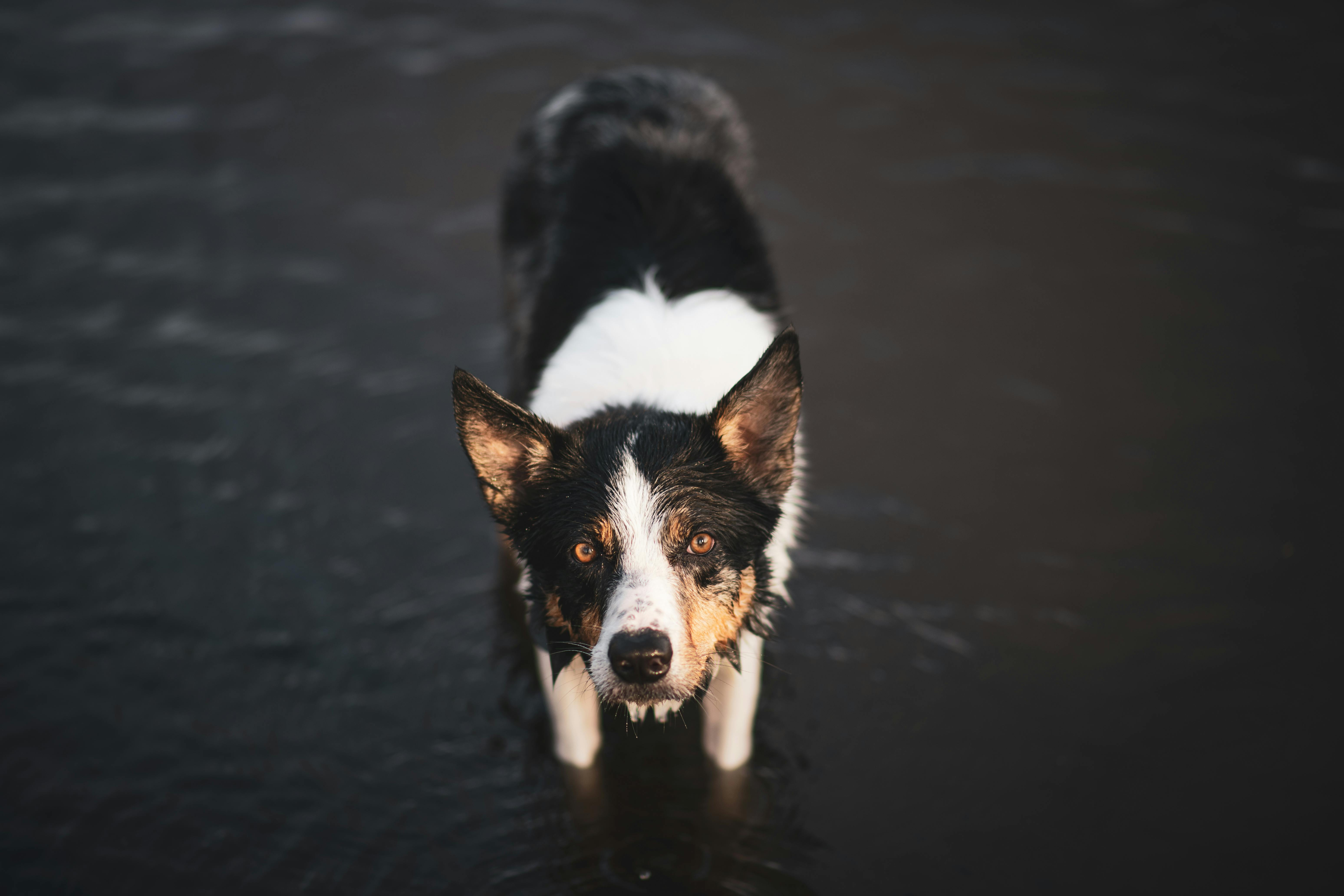 \n\n
\n\nDogs are truly fascinating creatures, and their behavior can tell us so much about what they are feeling. One of the most curious aspects of dog behavior is their wet noses. Many dog owners have probably wondered, why do dogs have wet noses? Understanding the reason behind this unique trait can offer insights into your pup's health and emotions. So let’s dive into the world of wet noses and what they might be communicating!
\nA Natural Phenomenon
\nFirst off, the wetness of a dog's nose is not just for show. It serves several important functions. A dog's nose is often wet due to the secretion of mucus, which helps to enhance their sense of smell. Dogs have an incredible sense of smell that is estimated to be over 10,000 to 100,000 times more sensitive than that of humans! That’s pretty amazing, right? The moisture on their noses helps to capture scent particles from the air, allowing them to analyze odors more effectively.
\nThe Science Behind Wet Noses
\n- \n
- \n
Cooling Mechanism: Dogs don't sweat like humans do. They mainly rely on panting to cool down, but their noses also play a role. The wetness helps to cool them down, which is crucial during hot days or after vigorous playtime.
\n \n - \n
Health Indicator: A dog's nose can give clues about their health. Normally, a healthy dog has a moist, cool nose. If your dog's nose becomes dry or cracked, it could indicate dehydration or illness.
\n \n - \n
Communication Tool: Dogs use their noses to interact with their environment. When they sniff something, they are not just being nosy; they are gathering information. A wet nose could also mean your dog is excited or nervous, as they may lick their noses more when feeling these emotions.
\n \n
Historical Context
\nThe evolution of dogs from wolves has led to many adaptations, including the wet nose. Wolves, the ancestors of modern dogs, also have wet noses, which help them hunt and survive. The ability to smell prey from great distances was vital for their survival, and even today, this trait remains strong in domestic dogs.
\nInteresting Facts About Dog Noses
\n- \n
- \n
Unique Patterns: Just like human fingerprints, every dog's nose print is unique! This means that you could identify a dog by their nose if you ever needed to.
\n \n - \n
Temperature Regulation: Dogs have a specialized cooling system in their noses. When they exhale, the moisture evaporates, which helps cool them down.
\n \n - \n
Scent Memory: Dogs can remember scents for years. If they smell something familiar, it can trigger memories of experiences or other animals they encountered.
\n \n
What Your Dog is Trying to Tell You
\nWhen your dog approaches you with a wet nose, they could be communicating a variety of messages. Here’s a list of possible meanings:
\n- \n
- \n
Affection: A gentle nudge from a wet nose could mean your dog is showing love or seeking attention.
\n \n - \n
Curiosity: Dogs are naturally curious creatures. When they sniff you or something new, they are just trying to learn more about their environment.
\n \n - \n
Anxiety or Stress: If your dog is licking its nose excessively or has a suddenly dry nose, it might be feeling anxious. It's worth considering any changes in their environment or routine.
\n \n
Comparison of Dog Nose Types
\n| Type of Dog | \nNose Characteristics | \nSmell Sensitivity | \n
|---|---|---|
| Bloodhound | \nLarge, moist, and wrinkled | \nExtremely high | \n
| Beagle | \nShort, moist, and well-defined | \nVery high | \n
| Chihuahua | \nSmall, moist, and compact | \nModerate to high | \n
| Siberian Husky | \nMedium, moist, and fluffy | \nHigh | \n
Practical Tips for Nose Care
\nTaking care of your dog's nose is important. Here are a few tips:
\n- \n
- \n
Hydration: Make sure your dog is drinking enough water to keep their nose moist.
\n \n - \n
Nutrition: A balanced diet can impact their overall health, including the health of their nose.
\n \n - \n
Check for Cracks: If you notice cracks or dryness, consider a dog-safe balm to soothe their nose.
\n \n - \n
Regular Vet Checkups: Regular visits to the vet can help catch any health issues early.
\n \n
Understanding your dog's wet nose can enhance the bond you share. It's not just a cute characteristic; it's a window into their health and emotions. So, the next time you see that wet nose, remember there’s a lot more going on than just moisture! Your pup might just be trying to tell you something important.
\n\nCan Dogs Have Dry Noses? Understanding Nose Variations and Health
\n\n \n\n
\n\nDogs are such fascinating creatures, ain't they? One question that many pet owners often wonder about is “Can dogs have dry noses?” or “Why do dogs have wet noses?” Understanding the variations in a dog's nose and the health implications behind them can really help you take better care of your furry friend. So, let’s dive deep into the science and the quirks of our four-legged companions' noses!
\nThe Basics of Dog Noses
\nFirst off, it’s important to know that a dog's nose comes in different shapes and sizes, right? Some dogs have big, broad noses while others may have narrow, pointy ones. Generally, a dog's nose is moist, but that’s not always the case. The texture and moisture level can depend on several factors including breed, temperature, and even health.
\nWhy Do Dogs Have Wet Noses?
\nHave you ever notice how a dog’s nose feels cool and wet? This ain't just for show. There’s actually reasons behind it. Here are some key points:
\n- \n
- \n
Temperature Regulation: A wet nose helps dogs to cool down. Dogs don’t sweat like humans do; instead, they rely on their noses to help regulate body temperature.
\n \n - \n
Enhanced Smell: The moisture in the nose helps to trap scent particles. This is why dogs are so good at sniffing out things! Their sense of smell is thousands of times more sensitive than ours.
\n \n - \n
Communication: Dogs can communicate their emotions through their noses. A wet nose might suggest a happy, healthy dog while a dry nose might indicate something’s off.
\n \n
Can Dogs Have Dry Noses?
\nNow, let’s tackle the big question: can dogs have dry noses? Yes, they can! But it doesn’t necessarily mean something is wrong. Here’s a breakdown of why a dog’s nose might be dry:
\n- \n
- \n
Weather Conditions: If it’s hot outside or they’ve been in a warm room, their nose might dry out. It’s similar to how our skin can dry out in the winter.
\n \n - \n
Dehydration: If a dog isn’t drinking enough water, their nose can become dry. Always keep fresh water available for your pet.
\n \n - \n
Health Issues: Sometimes, a persistently dry nose can be a sign of an underlying health issue. Conditions like fever, allergies, or even autoimmune diseases may cause a change in nose texture.
\n \n
When to Be Concerned
\nSo, how do you know when a dry nose is a reason for concern? It’s helpful to monitor your dog’s behavior and other symptoms. Here’s what to look for:
\n- \n
- \n
Changes in Appetite: If your dog isn’t eating or drinking as usual, this could be a red flag.
\n \n - \n
Lethargy: If your dog seems more tired than normal or isn’t playing, it might be worth a vet visit.
\n \n - \n
Nasal Discharge: If there’s any discharge from the nose that is yellow or green, that could indicate infection or illness.
\n \n - \n
Persistent Dryness: If the nose stays dry for several days, you should seek professional advice.
\n \n
What Should You Do?
\nIf you’re ever in doubt about your dog’s health, it’s always best to consult a veterinarian. But here’s a few tips on how to maintain a healthy nose for your dog:
\n- \n
- \n
Hydration: Always ensure your dog has access to fresh water. Dehydrated dogs often have dry noses.
\n \n - \n
Humidity Control: If you live in a dry climate, consider using a humidifier in your home to keep the air moist.
\n \n - \n
Regular Vet Check-ups: Routine check-ups can help catch any potential health issues early on.
\n \n
Fun Fact About Dog Noses
\nHere’s a fun tidbit: did you know every dog’s nose print is unique? Just like a human fingerprint! This means that you could potentially identify your dog through its nose alone. How cool is that?
\nIn conclusion, understanding why dogs have wet noses and the implications of a dry nose is crucial for any dog owner. Dogs’ noses are not just adorable features; they play a significant role in their overall health and well-being. By paying attention to these details, you can ensure your furry friend stays happy and healthy. So next time you give your pup a pat, don’t forget to check that nose!
\n\nThe Connection Between Dog Noses and Their Sense of Smell: A Deep Dive
\n\n \n\n
\n\nDogs are often referred to as man's best friend, and one of the most fascinating aspects of dogs is their incredible sense of smell. With a nose that is both unique and fascinating, dogs have the ability to detect scents at levels far beyond human capability. So, why do dogs have wet noses? This question sparks curiosity that leads to a deeper understanding of how dogs perceive the world around them. Let’s explore the connection between dog noses and their sense of smell, including the science behind why these noses are wet.
\nThe Anatomy of a Dog's Nose
\nTo better understand why dogs have wet noses, it's important to look at the anatomy of a dog’s nose. A dog’s nose contains a variety of structures that aid in smell, including:
\n- \n
- Nasal Turbinates: These are bony structures in the nasal cavity that help warm and humidify the air, increasing the scent molecules available for detection. \n
- Olfactory Receptors: Dogs have around 220 million olfactory receptors, compared to humans who only have about 5 million. This means dogs have an extraordinary ability to smell. \n
- Jacobsen's Organ: This is an additional scent detection organ that helps dogs process pheromones, which are chemicals that convey information about other animals. \n
Why Do Dogs Have Wet Noses?
\nSo, why are dog noses wet? A wet nose serves multiple purposes. Here are some reasons:
\n- \n
- Enhanced Smelling: Moisture in the nose helps to dissolve scent particles, which makes it easier for dogs to detect and identify smells. The wetness helps to trap scent molecules, improving their sense of smell. \n
- Temperature Regulation: Dogs do not sweat in the same way humans do. A wet nose can help cool them down, as moisture evaporates, it cools the air they breathe. \n
- Health Indicator: A wet nose is often seen as a sign of a healthy dog. While not always a definitive indicator, a dry or cracked nose might suggest dehydration or illness. \n
The Science Behind Smell
\nUnderstanding how dogs smell requires a look into the science. Dogs can detect certain scents at incredibly low concentrations. For example, they can identify a single drop of blood in an Olympic-sized swimming pool. This super-sense can be attributed to several factors:
\n- \n
- Greater Surface Area: The larger surface area of a dog’s nasal cavity allows for more scent molecules to be captured. \n
- Scent Memory: Dogs have an impressive memory for smells. They can remember scents for years, associating them with specific experiences or locations. \n
- Vomeronasal Organ: This organ, also known as Jacobsen’s organ, plays a crucial role in detecting pheromones, adding another layer to their olfactory capabilities. \n
Wet Noses Across Breeds
\nNot all dog breeds have the same nose structure or wetness. Breeds like Bloodhounds and Basset Hounds are renowned for their sense of smell due to their unique nose characteristics. Here’s a comparison of how different breeds might exhibit their olfactory prowess:
\n| Breed | \nKey Features | \nSmell Sensitivity Level | \n
|---|---|---|
| Bloodhound | \nLong, droopy skin with large nostrils | \nExtremely High | \n
| Beagle | \nShorter snout, compact structure | \nVery High | \n
| German Shepherd | \nStrong, versatile working dog | \nHigh | \n
| Chihuahua | \nSmall but effective nostrils | \nModerate | \n
Fun Facts About Dog Noses
\nHere are some fun facts that might surprise you:
\n- \n
- Each dog’s nose print is unique, similar to human fingerprints. \n
- Dogs have a specialized area in their brain dedicated to processing smells, making it larger in proportion to their brain than in humans. \n
- Dogs can smell emotions. They can detect cortisol, a stress hormone, indicating when someone is anxious or upset. \n
Practical Applications of Dog Senses
\nDogs have been trained for a variety of practical purposes due to their exceptional sense of smell. Some applications include:
\n- \n
- Search and Rescue: Dogs are often used in search and rescue operations due to their ability to locate missing persons. \n
- Detection Work: Law enforcement utilizes dogs to detect drugs, explosives, and even certain medical conditions like cancer. \n
- Service Animals: Some dogs are trained to assist individuals with disabilities by detecting changes in the environment or health conditions. \n
Understanding the connection between dog noses and their remarkable sense of smell not only reveals the intriguing biology of these animals but also highlights their important roles in society. The wetness of a dog's nose plays a crucial part in their ability to interact with the world, making them not just pets, but vital companions. So next time you see a dog with a shiny, wet nose, remember the science and purpose behind it—it's much more than just a cute feature!
\n\nConclusion
\n\nIn conclusion, the wet noses of dogs serve several important functions that contribute to their overall health and well-being. Primarily, a dog's moist nose enhances their sense of smell, allowing them to effectively gather scent particles from the environment. This is crucial for their communication and navigation, as well as for detecting potential dangers or food sources. Additionally, the moisture on their noses helps regulate their body temperature and keeps them cool, especially during warmer weather. While a wet nose is often associated with a healthy dog, it's essential for pet owners to monitor their dog's overall health and consult a veterinarian if any unusual changes occur. As you continue to explore the fascinating world of canine biology, consider sharing your newfound knowledge with fellow dog lovers or engaging with your local pet community. Understanding our furry friends better strengthens the bond we share with them.
\n\n