Have you ever wonder why your furry friend has a wet nose? It's a question that many dog owners ask, and the answer is more fascinating than you might think! Dogs have wet noses for several reasons, and understanding them can deepen your bond with your pet. Did you know that a dog's nose not only helps them smell but also plays a crucial role in their overall health? Curious about how a wet nose can indicate if your dog is feeling good? In this blog post, we will dive into the science behind why do dogs have wet noses and uncover the secrets of their unique anatomy. From the role of moisture in enhancing their sense of smell to how it helps them regulate body temperature, the truth is both intriguing and essential for any dog lover. So, are you ready to discover the fascinating truth behind those adorable, damp noses? Keep reading to learn why your pup’s wet nose is more than just cute—it's a vital part of their instincts and wellbeing! Don’t miss out on these insights that every dog owner should know!
The Science Behind Wet Noses: What Makes Your Dog's Nose So Special?
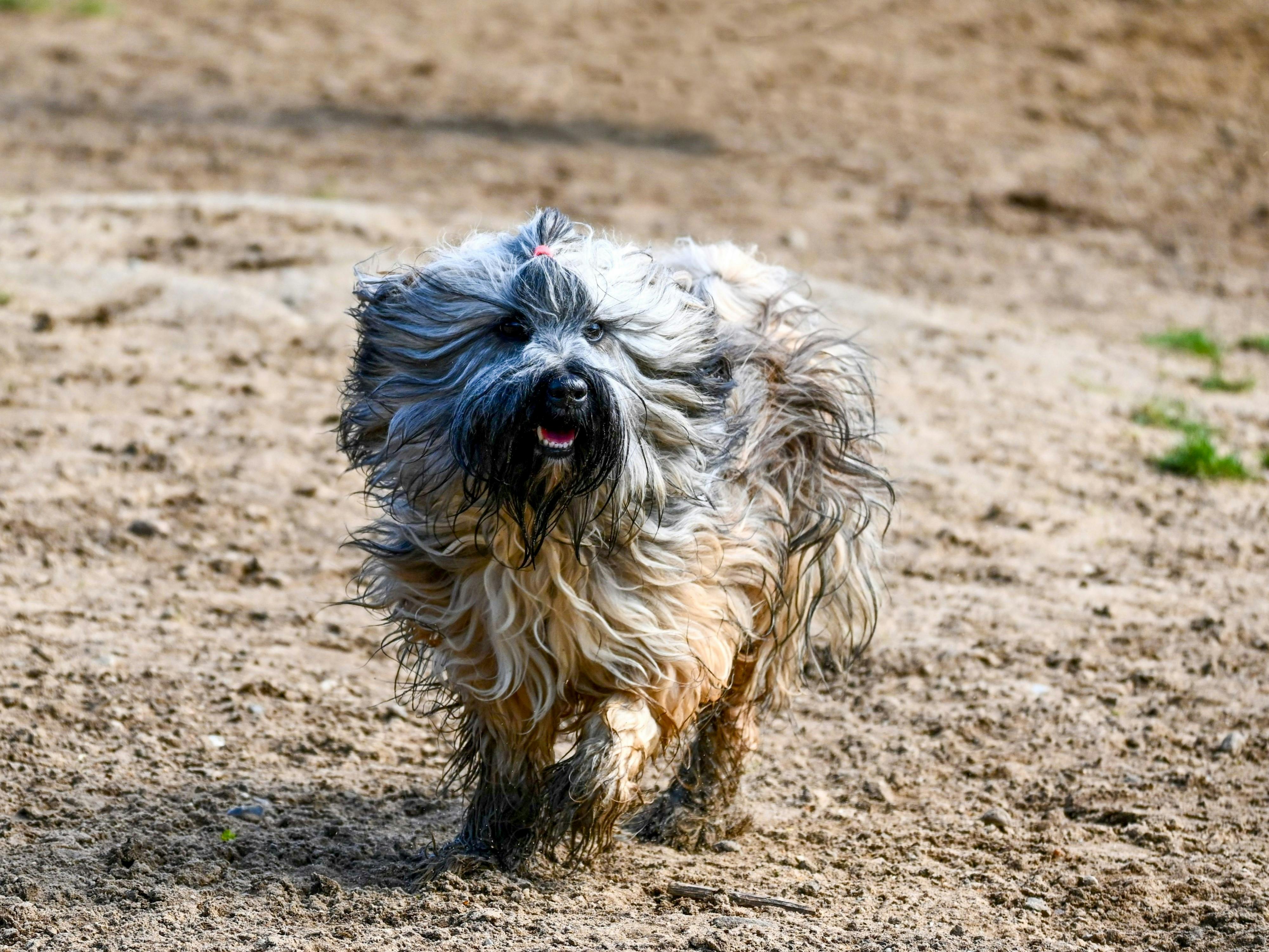
Dogs have been man's best friend for centuries, and their unique features contribute to their charm. One of the most interesting aspects of a dog’s anatomy is its nose, particularly why dogs have wet noses. This characteristic is not just a quirky trait; there’s actually a fascinating science behind it. Let’s delve into the reasons why your dog’s nose is so special, and uncover the truth about those moist, cold noses.
The Biology of a Dog's Nose
Firstly, the nose of a dog is a highly complex organ. It consists of numerous sensory receptors and tissues which make it incredibly effective at detecting scents. When we talk about wet noses, we should note that this wetness is caused by a thin layer of mucus. This mucus serves multiple purposes:
Enhanced Scent Detection: A wet nose can capture more scent particles. When the nose is moist, it helps to absorb the scent molecules better, allowing dogs to detect smells that are undetectable to humans.
Temperature Regulation: Dogs don’t sweat like humans do. Instead, they regulate their body temperature through panting and the moisture on their noses. A wet nose can help cool them down, especially during warmer days.
Health Indicator: The state of a dog’s nose can indicate its health. A healthy dog typically has a moist nose, while a dry nose might suggest dehydration or illness. However, it’s important to note that a dog’s nose can vary throughout the day.
Why do Dogs Have Wet Noses?
There’s actually a lot of science behind why dogs have wet noses, and it ties into their evolutionary history as well.
Evolutionary Adaptation: Dogs are descendants of wolves, which rely heavily on their sense of smell for hunting. The wetness of their noses is believed to be an evolutionary adaptation to improve their hunting capabilities.
Behavioral Aspects: Dogs often lick their noses, which not only keeps them moist but also allows them to gather additional scent information from their surroundings. When dogs encounter something new, licking their noses helps them to analyze potential threats or food.
Interesting Facts About Dog Noses
Unique Patterns: Just like human fingerprints, every dog has a unique nose print. This can actually be used to identify them!
Scent Sensitivity: Dogs’ noses are about 10,000 to 100,000 times more sensitive than humans’. This means they can detect certain smells in incredibly low concentrations.
Temperature and Activity: A dog’s nose can change temperature based on activity levels. After running or playing, their noses may feel warmer, but a cool, wet nose typically indicates a relaxed state.
Comparing Dog Noses to Human Noses
When we look at the differences between dog and human noses, it’s pretty clear how special a dog’s nose really is. Here’s a simple comparison:
| Feature | Dog Nose | Human Nose |
|---|---|---|
| Sensitivity | 10,000-100,000 times more | Normal, much less sensitive |
| Moisture | Typically wet | Generally dry |
| Temperature | Can vary with activity | Less variance in temperature |
| Unique Patterns | Unique nose prints | No unique patterns |
Fun Activities to Engage Your Dog’s Sense of Smell
To keep your dog happy and mentally stimulated, you can engage their sense of smell in different fun activities:
Hide and Seek: Hide treats around the house and let your dog find them using their nose.
Scent Work Games: Use specific scents like essential oils or spices, and train your dog to identify and locate them.
Nature Walks: During walks, give your dog time to sniff around. This is not only enjoyable for them but also gives them mental stimulation.
The Importance of Nose Health
It’s vital to keep an eye on your dog’s nose health. A change in moisture level, color, or texture could indicate health issues. Here’s what to watch for:
Dryness: A persistently dry nose could signal dehydration or a medical condition.
Cracking or Bleeding: This could indicate allergies or infections and should warrant a vet visit.
Color Changes: If the nose changes from normal black to pink or shows spots, it’s best to consult a veterinarian.
Understanding the science behind wet noses not only enriches our appreciation for our furry friends but also highlights their needs and health care. So, the next time you see your dog with that adorable wet nose, remember the fascinating biology and evolutionary history that makes it so special!
5 Surprising Benefits of Your Dog's Wet Nose You Never Knew About
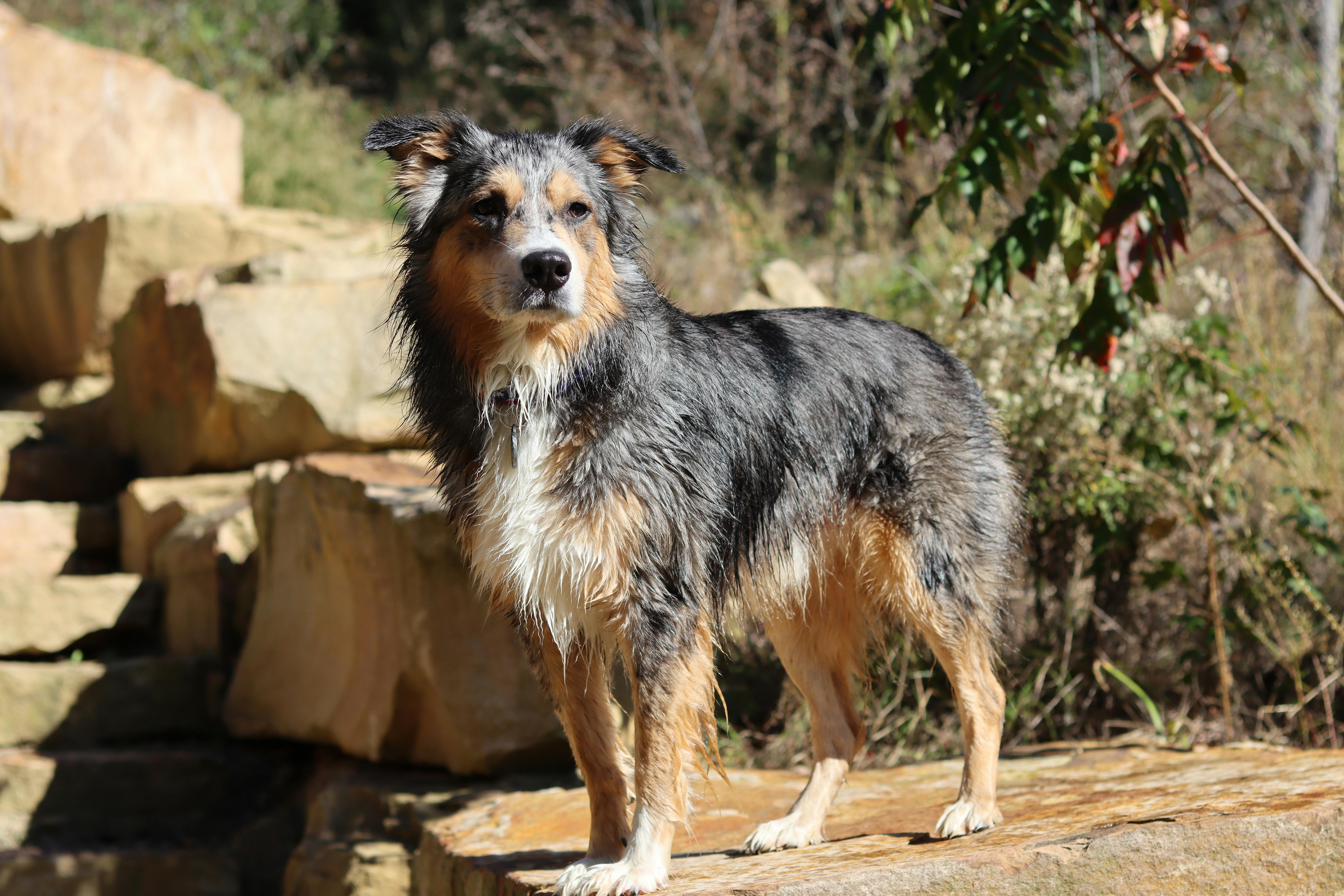
Dogs have always been man’s best friend, and one of their most charming features is their wet noses. But have you ever stopped to wonder, why do dogs have wet noses? What makes them so special? Turns out, there’s more to those moist little snouts than just a cute appearance. Here’s a look at 5 surprising benefits of your dog’s wet nose that you might not have known about!
1. Enhanced Sense of Smell
First off, dogs have incredibly powerful noses, way better than ours. The wetness of their noses helps to trap scent particles in the air, allowing them to pick up smells more effectively. When a dog’s nose is wet, it absorbs scent molecules better, which is why they can sniff out everything from hidden treats to their owner’s favorite shoes.
- Dogs have about 300 million scent receptors, compared to humans’ 5 million.
- A dog’s sense of smell can be 10,000 to 100,000 times more acute than a human's.
This means your furry friend can detect scents that you cannot even imagine. So, the next time your dog seems fixated on a particular spot, just know they’re probably picking up on something you’d never notice!
2. Temperature Regulation
A wet nose also helps dogs to regulate their body temperature. When they’re panting or feeling hot, moisture on their noses can help cool them down. Dogs don’t sweat like we do; they rely on panting and the moisture on their noses to help keep their body temperatures in check.
- Dogs have sweat glands only in their paw pads.
- A wet nose can lower body temperature by a few degrees.
This is particularly beneficial during warm weather or after vigorous playtime. So, if you notice your dog’s nose is particularly damp after a romp in the park, it’s their way of staying cool!
3. Emotional Connection
The wetness of a dog’s nose can also be an indicator of their emotional state. A moist nose often means a happy and healthy dog. However, if the nose is excessively dry, it might signal that they’re feeling unwell or stressed.
Here’s a quick guide to what a dog’s nose might tell you:
- Wet and Cool: Happy and relaxed.
- Dry and Warm: Potentially sick or stressed.
- Excessively Dry: Dehydration or illness.
So next time you greet your pup, take a moment to check that wet nose. It could tell you more about how they’re feeling than you might think!
4. Natural Antibacterial Properties
Dogs’ noses are not just good for smelling, they also have some natural antibacterial properties. The mucus on a dog’s nose contains antimicrobial proteins that help fight off bacteria and other harmful pathogens. This is particularly important because dogs are often exploring the world with their noses, and having that extra layer of protection keeps them safe.
- This natural defense helps prevent infections.
- It keeps their noses healthy despite frequent contact with various surfaces.
So, while it might seem like just a charming feature, that wet nose is actually doing some heavy lifting to keep your dog well!
5. Social Signals
Dogs communicate in many ways, and their noses can be part of that language. A wet nose can signal friendliness and approachability. Dogs often greet each other with a nose-to-nose touch, and a moist nose can indicate a willingness to engage and socialize.
- Wet noses can signal openness and curiosity.
- Dogs may use their noses to explore and understand their environment.
This social aspect is crucial for dog interaction, as it helps prevent misunderstandings and fights. So, the wetness of your dog’s nose can help them make friends in the canine world!
Final Thoughts
In summary, your dog’s wet nose is not just a quirky feature; it has several important benefits that enhance their health, communication, and overall happiness. From helping them smell better to regulating their temperature and communicating emotions, those damp little noses are critical to their well-being. So, the next time you pet your furry friend, take a moment to appreciate that remarkable wet nose – it’s doing a lot more than you might’ve thought! Remember, a happy dog is a healthy dog, and their nose plays a big part in that.
Is a Wet Nose a Sign of a Healthy Dog? Understanding Canine Health Indicators
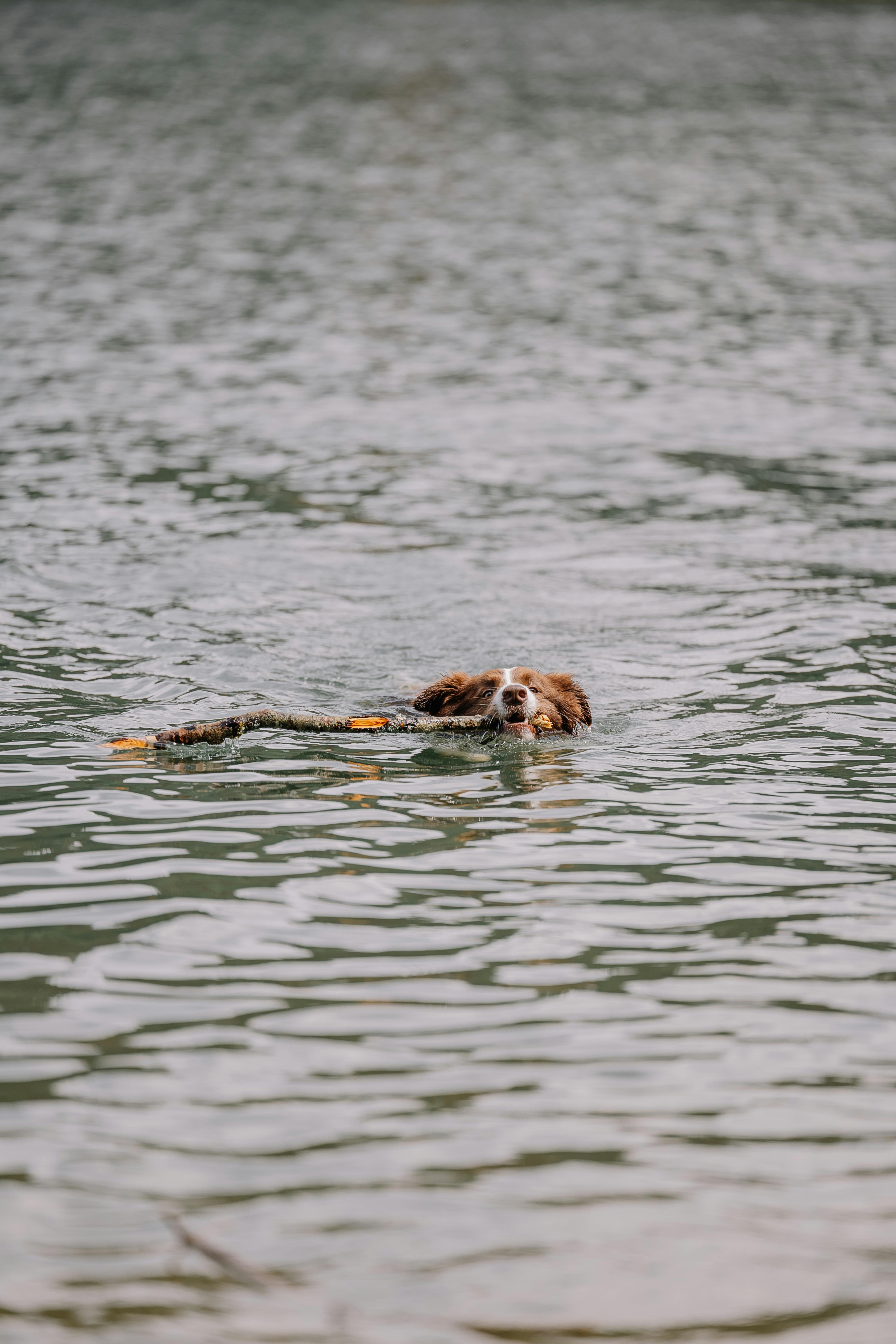
Is a wet nose a sign of a healthy dog? This question has puzzled many dog owners and even some veterinarians. While a wet nose is often considered a good indicator of canine health, it's not the whole picture. Understanding the reasons behind this phenomenon can help you better care for your furry friend. So, let’s dive into the fascinating world of dog noses and what they say about your pet's health.
Why Do Dogs Have Wet Noses?
Dogs noses are usually wet for a couple of reasons. Mainly, it helps them sense their environment better. The moisture on their noses enhances their ability to pick up scents. A wet nose can capture scent particles from the air, making it easier for dogs to detect smells. They have more than 220 million scent receptors, compared to humans who have around 5 million. This huge difference shows why dogs can sniff out things we cannot even imagine smelling.
Here are some key points about why dogs have wet noses:
- Scent Detection: The moisture helps trap scent particles.
- Temperature Regulation: Dogs sweat through their noses, helping them cool down.
- Health Indicator: A wet nose can indicate hydration and overall health.
Is a Wet Nose Always a Good Sign?
It's easy to jump to the conclusion that a wet nose means a healthy dog. However, that's not always true. While a wet nose often indicates that a dog is healthy, there are exceptions. For example, if your dog's nose is dry but they are active and eating well, they might just be fine. On the other hand, a persistently dry or warm nose could indicate a problem, such as:
- Fever: A warm nose can be a sign of illness.
- Dehydration: If the nose is dry, it might point to not enough water intake.
- Allergies or Infections: Nasal discharge or changes in texture could signal health issues.
Historical Context of Dog Noses
Traditionally, many cultures viewed a dog’s nose as a barometer of health. Ancient Greeks believed that the moistness of a dog’s nose correlates with its vitality. In fact, some dog breeds were even bred for their keen sense of smell, emphasizing the importance of a healthy nose in hunting and herding tasks.
How to Monitor Your Dog’s Nose
Keeping an eye on your dog's nose can help you catch potential health problems early. Here’s a quick list of what to observe:
- Texture: Is it smooth, or are there cracks?
- Color: Is it the usual color for your dog, or does it seem off?
- Temperature: Is it warmer than usual?
- Discharge: Is there any unusual mucus or discharge?
Other Canine Health Indicators
Besides the wetness of a dog’s nose, there are other health indicators to pay attention to. Here are some signs of a healthy dog:
- Energy Level: Active and playful demeanor.
- Appetite: Consistent eating habits.
- Coat Condition: Shiny, clean fur without bald patches.
- Behavior: Engaging with people and other pets, not hiding or acting unusually.
Comparisons: Wet Nose Vs. Dry Nose
To illustrate the differences between a wet and dry nose, here's a quick comparison:
| Indicator | Wet Nose | Dry Nose |
|---|---|---|
| Health Status | Often healthy, but not always | Can indicate dehydration or illness |
| Temperature | Generally cooler | May be warmer than normal |
| Scent Detection | More effective at picking up scents | Less effective |
| Moisture Level | Moist and slick | Dry, potentially cracked |
Practical Examples
Imagine you just came back from a long walk with your dog. You notice they have a wet nose and they seem to be in good spirits. This is typically a sign they are healthy. However, if they had a dry nose and seemed lethargic, it might be time for a vet visit. Regular monitoring can help you catch issues before they become serious.
Being aware of these factors and keeping track of your dog's nose condition can lead to better health outcomes. If you ever have doubts about your dog's health, consulting with a veterinarian is always a wise choice. They can provide accurate assessments and recommendations.
In summary, while a wet nose can be an indicator of a healthy dog, it’s just one of many factors to consider. Regular observation and understanding canine health indicators are important for every dog owner. By being aware of your dog's health signals, you can ensure they live a happy and healthy life.
How Dogs Use Their Wet Noses: The Secret Language of Scent and Emotion

Dogs and their wet noses — it’s a thing everyone notices. But have you ever wondered, why do dogs have wet noses? This question goes beyond simple curiosity. It's about understanding how dogs communicate, perceive their world, and even how they feel. The truth is, a dog's nose is not just for smelling, it’s a complex tool that expresses a world of emotions and scents.
The Science Behind Wet Noses
Dogs have wet noses for a bunch of reasons, most of which relate to their incredible sense of smell and how they interact with their environment. A dog’s nose contains millions of scent receptors, about 220 million compared to a human’s mere 5 million. This impressive olfactory system allows dogs to detect scents at incredibly low concentrations. The moisture on their noses helps enhance this sense of smell. Here’s how:
- Increases Sensitivity: The wetness traps scent particles, making it easier for dogs to sniff out and analyze different smells.
- Regulation of Temperature: Just like humans sweat to cool off, dogs can use their noses to help regulate their body temperature. The moisture evaporates, which has a cooling effect.
- Communication Tool: A wet nose signals health and well-being. When a dog is sick, their nose may become dry.
How Dogs Use Their Noses to Communicate
Dogs are social animals, and their noses play a crucial role in their social interactions. They often engage in what can be considered a “scent language.” Here are some fascinating ways dogs use their noses to communicate:
Greeting Rituals: When dogs meet, they often sniff each other’s noses and behinds. This is their way of gathering information about each other’s identity, health, and mood.
Emotional Indicators: A wet nose can indicate excitement or happiness. When a dog is feeling good, they may approach you with a wet, cool nose as a sign of affection.
Scent Marking: Dogs have scent glands in their noses and can leave their scent to mark territory or communicate their presence to other dogs.
Detecting Emotions: Dogs are surprisingly adept at sensing human emotions through scent. They can detect changes in body odor that occur with stress, fear, or happiness.
The Evolutionary Perspective
Historically, dogs have evolved from wolves, and their noses have adapted over thousands of years. Wolves relied heavily on their sense of smell for hunting and social interactions. Here’s a quick rundown of how this evolutionary background plays into the wet nose phenomenon:
- Hunting: The ability to smell prey from long distances was crucial for survival.
- Pack Dynamics: Understanding the scent of other pack members helped in forming bonds and hierarchies.
- Welfare Indicators: A healthy pack member with a wet nose was a sign of good health, which is still relevant today.
Fun Facts About Dog Noses
Let’s throw in some interesting tidbits about dog noses that might surprise you:
- Unique Patterns: Just like human fingerprints, each dog has a unique nose print. This could theoretically be used for identification.
- Scent Memory: Dogs can remember smells for years. This is why a dog might get excited when they smell a familiar scent.
- Temperature Regulation: Dogs sweat through their paw pads, but their noses also help them cool down when it's hot.
The Importance of Nose Health
Keeping a dog’s nose healthy is important, just like any other aspect of their health. Here are some signs to look for regarding your dog's nose:
- Dryness or Cracking: This can signal dehydration or illness.
- Excessive Discharge: A runny nose could indicate allergies or infections.
- Color Changes: A sudden change in color (to very pale or dark) can be a sign of health issues.
Caring for Your Dog's Nose
To help maintain the health of your dog's nose, consider the following tips:
- Hydration: Ensure your dog has access to fresh water at all times.
- Regular Vet Check-ups: Regular check-ups can help catch any underlying issues early.
- Avoid Irritants: Be cautious of strong fragrances or harsh chemicals that could irritate their nose.
Understanding why dogs have wet noses can lead to a deeper appreciation of these loyal companions. Their noses not only enhance their sense of smell but also serve as a vital tool for communication and emotional expression. When we look at a dog’s wet nose, we’re seeing a gateway into their world — one filled with scents, emotions, and connections that are uniquely theirs.
The Myth of the Dry Nose: When to Worry About Your Dog's Nose Condition

Every dog owner has probably heard the saying that a wet nose is a sign of a healthy dog. But what if your furry friend’s nose feels dry? This leads to the big question: when should you really worry about your dog’s nose condition? And why do dogs have wet noses in the first place? Let’s dive into the fascinating truth behind these common doggie myths.
The Science of a Wet Nose
Dogs' noses are not just adorable; they serve important functions. A wet nose helps dogs to absorb scent molecules in the air. This ability is crucial because dogs have an extraordinary sense of smell, estimated to be between 10,000 to 100,000 times more sensitive than humans. A moist nose can capture more scent particles, making your pup an excellent sniffing companion.
Why Do Dogs Have Wet Noses?
There are several reasons why dogs noses are typically wet:
Temperature Regulation: Dogs sweat primarily through their paws, so a wet nose can help with cooling down. When they pant, moisture from their noses evaporates, helping to regulate body temperature.
Enhanced Smell: As mentioned earlier, a wet nose can absorb more scents. This is essential for hunting dogs or any dog that loves to sniff around.
Health Indicator: A healthy dog’s nose is usually moist and cool. Changes in the texture or temperature of a dog’s nose can sometimes indicate health issues.
The Myth of the Dry Nose
It's a common belief that a dry nose signals illness, but this isn’t always true. Here are some facts to debunk this myth:
Variability: Just like humans, dogs can have dry skin or dry noses for various reasons that do not indicate a serious health problem. Sometimes, it can just be due to climate or dehydration.
Individual Differences: Some breeds tend to have drier noses naturally. For instance, bulldogs often have drier noses compared to retrievers, and this doesn’t mean they are unhealthy.
Temporary Conditions: A dog may have a dry nose after sleeping, due to sleeping on a hard surface, or being in a hot environment. This doesn't necessarily mean there's a health issue.
When to Worry: Signs of Potential Problems
While a dry nose isn’t an automatic cause for concern, there are signs you should look for that may indicate your dog needs a vet visit:
Cracking or Bleeding: If your dog’s nose is not just dry but also cracked or bleeding, it’s time to see a vet.
Change in Color: A sudden change in the color of the nose, such as becoming very pale or very dark, could indicate health issues.
Excessive Dryness or Flakiness: If the dryness is persistent and accompanied by flaking, it may indicate a skin condition or allergies.
Behavior Changes: If your pup seems lethargic, stops eating, or shows signs of discomfort along with a dry nose, that’s a red flag.
Common Causes of Dry Nose in Dogs
Here’s a quick list of potential causes for a dry nose in dogs:
- Allergies (food or environmental)
- Dehydration
- Sunburn
- Nasal infections
- Autoimmune diseases
Practical Examples
Consider the case of Max, a Golden Retriever. His owner noticed that his nose felt dry one summer afternoon. After some observation, it was clear that Max had been playing outside under the sun without enough water. Once he was hydrated, his nose returned to its usual moist state.
In contrast, Daisy, a Dachshund, had a dry nose for several days. Her owner noted other symptoms like lethargy and loss of appetite. A trip to the vet revealed Daisy had an upper respiratory infection, which required treatment.
What to Do If You’re Concerned
If you’re worried about your dog’s nose condition, here are steps you can take:
Monitor Symptoms: Keep track of any other symptoms. Is your dog eating normally? Are they active?
Hydration: Ensure your dog has access to fresh water. Dehydration is a common issue that can lead to a dry nose.
Consult Your Vet: When in doubt, it’s always best to consult your veterinarian. They can provide guidance and necessary examinations.
In summary, while the notion of a wet dog nose often suggests good health, it’s essential to understand the context. Be vigilant, but don’t panic over a dry nose alone. Understanding the nuances of canine health can help you provide better care for your furry friend. Always trust your instincts and consult a professional if something seems off.
7 Fascinating Facts About Dog Noses That Will Leave You in Awe
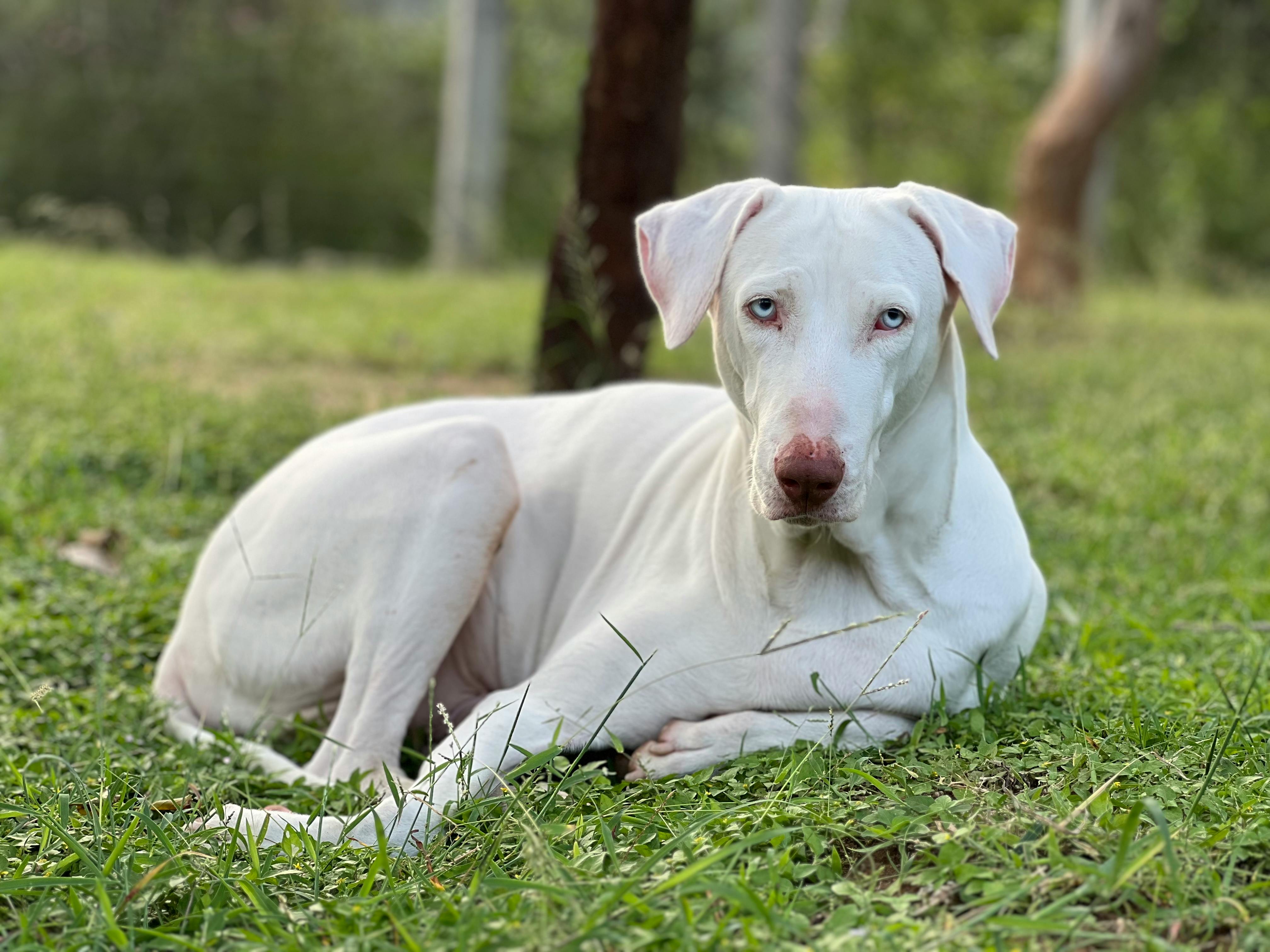
Have you ever wondered why dogs have wet noses? It's one of those things that seems natural, but there’s more to it than you might think. Dog noses are not just cute; they serve a purpose and are filled with fascinating facts that make them stand out! So, let's dive into seven interesting facts about dog noses that are sure to leave you in awe.
1. The Moisture Mystery
One of the most frequently asked questions is, why are dogs noses wet in the first place? The main reason is that a dog’s nose secretes moisture, which helps them to pick up scents more effectively. Wetness increases the surface area which allows for better absorption of scent chemicals in the air. So, when your pup gives you that adorable nuzzle with their wet nose, they’re actually doing some serious sniffing!
2. Incredible Sense of Smell
Dogs have an extraordinary olfactory system. Their noses have approximately 300 million scent receptors compared to a human's mere 5 million. This incredible sense of smell allows dogs to detect various scents, including drugs, explosives, and even diseases. In fact, they can even smell changes in a person’s body chemistry, making them great companions for people with medical conditions like diabetes.
3. Unique Nose Prints
Just like human fingerprints, every dog has a unique nose print! The patterns of ridges and creases on a dog's nose can be used to identify them. Some animal shelters even use nose prints as a form of identification. It’s a fun fact that not many people know!
4. Temperature Regulation
Wet noses also help dogs regulate their body temperature. When a dog pants, the moisture on their nose evaporates, which helps to cool them down. This is especially crucial during hot summer months when overheating can be dangerous. So, if you notice your dog's nose is particularly wet, it might be their way of cooling off!
5. Health Indicator
A dog’s nose can be an indicator of their health. Generally speaking, a wet and cool nose is seen as a sign of a healthy dog. Conversely, a dry or warm nose might indicate illness. However, it’s important to note that many factors can affect the moisture level of a dog’s nose, such as weather and activity level. So, while it's a useful indicator, it shouldn’t be the only thing you look at when assessing your pet’s health.
6. Communication Tool
Dogs also use their noses for communication. When they sniff other dogs, they are gathering important information about them, such as their age, health, and mood. It’s like a doggy handshake! This social behavior is crucial for dogs as they navigate their relationships with other canines.
7. The Science Behind the Scent
The reason why dogs are such great sniffers lies in how their brains process smells. A dog's brain is dedicated to analyzing scents. About 40% of a dog’s brain is involved in analyzing smells, compared to only about 5% in humans. This means dogs can differentiate between a multitude of scents more effectively than we ever could!
Fun Facts About Dog Noses
- Color Variation: Dog noses can come in many colors, from black to pink, and even brown. The color can be influenced by breed and genetics.
- Surface Texture: The texture of a dog’s nose is rough and helps to enhance their sense of smell.
- Nose Size Matters: Larger breeds often have larger noses, which can contribute to their heightened sense of smell.
Quick Comparison: Dog Noses vs. Human Noses
| Feature | Dog Nose | Human Nose |
|---|---|---|
| Scent Receptors | 300 million | 5 million |
| Moisture Level | Wet for scent absorption | Typically dry |
| Unique Identification | Unique nose prints | Unique fingerprints |
| Role in Communication | Sniffing other dogs | Verbal communication |
Understanding the fascinating truth about why dogs have wet noses can deepen your appreciation for these loyal companions. Next time your furry friend greets you with a wet nose, remember all the incredible functions it serves! From health indicators to communication tools, dog noses are truly remarkable. Embracing these little quirks can enrich the bond you share with your pet and make every interaction special.
The Role of a Dog's Wet Nose in Temperature Regulation: What Every Pet Owner Should Know
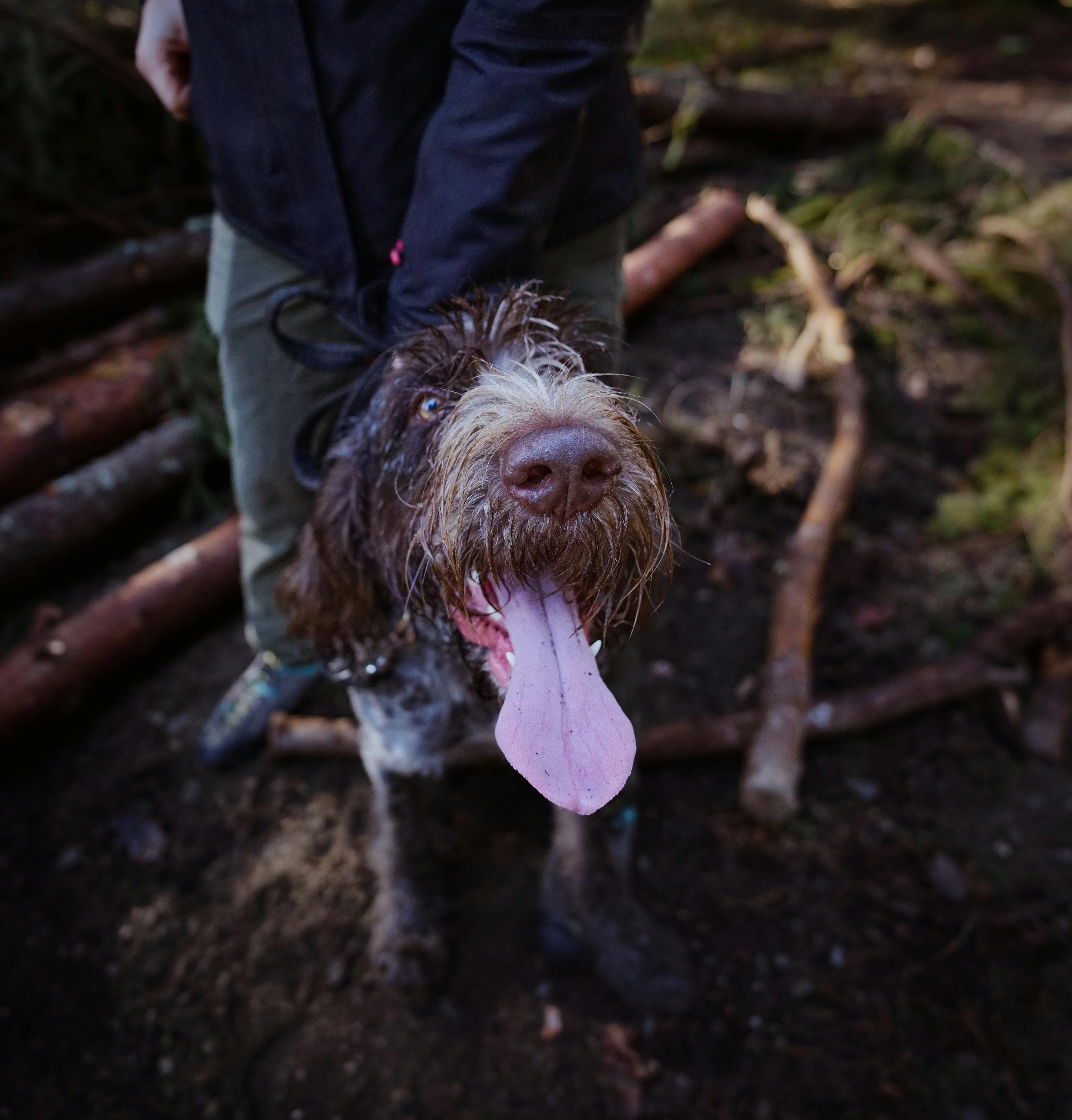
Every pet owner often wonders about the little things that make their furry friends so unique. One of the most fascinating aspects of dogs is their wet noses. If you’ve ever noticed the cool, damp touch of a dog’s nose, you might’ve asked, “Why do dogs have wet noses?” This article digs into the role of a dog's wet nose in temperature regulation and the overall health of your pet. So, let's explore the science behind that moist little feature!
The Science Behind a Wet Nose
Dog noses are wet for many reasons. First off, the moisture on a dog's nose helps them to sense their environment better. The surface area of a wet nose increases the ability to collect scent particles, which is essential for their keen sense of smell. A wet nose is also a sign of good health in dogs. When your dog’s nose is dry or cracked, it may indicate dehydration or illness.
Here some key facts about why dog noses are wet:
- Thermoregulation: The wetness on a dog’s nose allows for better temperature regulation. Dogs don’t sweat like humans do; they primarily cool off through panting. However, the moisture on their noses plays a role in cooling their bodies too.
- Enhanced Smell: The wetness helps trap scent particles, making it easier for dogs to detect smells. This is why dogs are often used in search-and-rescue missions or in police work.
- Health Indicator: A wet nose is generally a sign a dog is well-hydrated and healthy. If it’s dry, it could be a sign of an underlying issue.
Historical Context of Dog Noses
Historically, dogs have been companions to humans for thousands of years. Their incredible sense of smell has been documented as far back as ancient civilizations. The Egyptians used dogs for hunting and as companions, and their wet noses were likely a fascination even then.
Interestingly, different breeds of dogs have varying nose shapes and moisture levels. For example, Bulldogs often have drier noses compared to Greyhounds. This variability can be due to genetics and the specific roles dogs have had throughout history.
How Dogs Regulate Their Temperature
Dogs have various mechanisms to keep their body temperatures in check. Here’s how the wet nose plays a role:
- Evaporative Cooling: Just like sweating for humans, the moisture on a dog’s nose evaporates and helps cool their body. This process is vital, especially in hot weather.
- Behavioral Changes: Dogs often seek out cool surfaces or shade when they’re feeling too warm. You can observe them lying on tiled floors or in shaded areas, which helps them cool down naturally.
- Panting: While this isn’t directly related to their noses, panting is crucial for dogs. It helps them expel heat and is a compensatory mechanism they use when they can't cool down through their noses alone.
Practical Tips for Pet Owners
As a responsible pet owner, understanding your dog’s nose can help you keep them healthy. Here are some practical tips:
- Monitor Moisture Levels: Regularly check your dog’s nose. If it’s unusually dry for an extended period, consult a vet.
- Hydration: Always provide fresh water, especially during hot weather. Dehydration can affect their nose and overall health.
- Temperature Awareness: Be aware of the temperature. Avoid long walks during peak heat to prevent overheating.
Comparison of Dog Breeds and Their Noses
Different breeds have different nose characteristics. Here’s a quick comparison:
| Breed | Nose Type | Moisture Level | Cooling Efficiency |
|---|---|---|---|
| Labrador | Long & Wet | High | Very High |
| Bulldog | Short & Dry | Moderate | Moderate |
| Greyhound | Long & Wet | High | Very High |
| Pug | Short & Dry | Low | Low |
Fascinating Facts About Dog Noses
- Dogs have up to 300 million smell receptors in their noses, compared to about 6 million in humans.
- The wetness can also help dogs identify pheromones, which can communicate important information about other animals.
- Some dogs even have unique nose prints, similar to human fingerprints, which can be used for identification.
Understanding why dogs have wet noses can greatly enhance your knowledge as a pet owner. It’s not just a quirky trait; it plays a significant role in their health and well-being. So the next time you feel that cool, damp touch, remember the fascinating science behind it. By keeping your furry friend hydrated and aware of their needs, you can ensure a happy and healthy life together.
Can a Wet Nose Predict Your Dog's Mood? Exploring Canine Emotions and Behavior
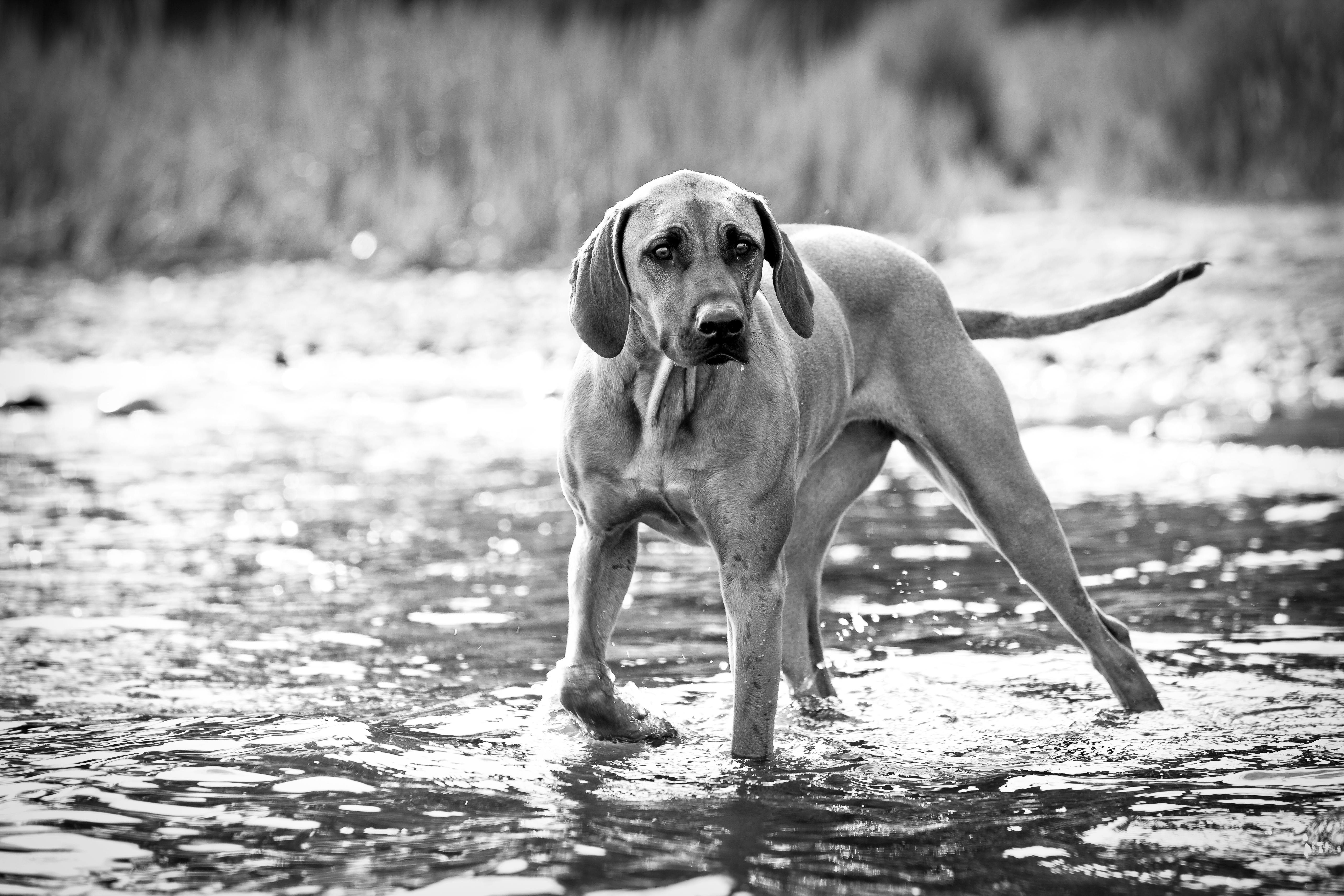
Can a Wet Nose Predict Your Dog's Mood? Exploring Canine Emotions and Behavior, Why Do Dogs Have Wet Noses? Discover The Fascinating Truth!
Have you ever noticed your dog's wet nose and wondered what it means? Many people think that a dog’s wet nose is a sign of health, but it could be much more than that. It might actually connect to your dog's mood and emotions as well. In this article we’ll explore if a wet nose can predict your pup's feelings and dig into the reasons why dogs have wet noses in the first place.
The Connection Between a Wet Nose and Canine Emotions
Dogs are known for their expressive behaviors. They wag their tails, tilt their heads, and yes, they have those wet noses. But can you really tell how your dog is feeling just by touching their nose? Some experts suggest that while a wet nose doesn't directly indicate mood, it can be an indicator of your dog's overall well-being.
- A wet nose may signify that your dog is happy and engaged.
- Dry noses can suggest stress or illness, but it is not always the case.
- Dogs often lick their noses when they are relaxed or content.
The science behind this is that a dog's nose plays a role in their sense of smell, which is crucial for their interactions with the world. If your dog's nose is wet, it may be more effective at picking up scents, which can lead to better social interactions and possibly a happier demeanor.
Why Do Dogs Have Wet Noses?
So, why exactly do dogs have noses that are often wet? Well, there are a few reasons that contribute to this unique characteristic. Here’s a breakdown:
Cooling Mechanism: Dogs don’t sweat like humans do. Instead, they cool themselves through panting and by having moisture on their noses. A wet nose can help regulate body temperature.
Enhanced Smell: The moisture on a dog’s nose helps to capture scent particles, making it easier for them to smell. This is why you see dogs sniffing all sorts of things — they’re gathering information about their environment!
Health Indicator: A healthy dog typically has a moist nose. A dry nose can sometimes indicate dehydration, fever, or other health issues, but it’s important to consider the context before jumping to conclusions.
Licking Habit: Dogs frequently lick their noses to keep them moist. This habit also helps them taste and interpret scents better.
The Facts About Dog Noses
Here’s some interesting facts about dog noses that you might not know:
Size Matters: The size and shape of a dog's nose can affect their sense of smell. Breeds like Bloodhounds have large, wet noses to help them pick up scents over long distances.
Temperature: A dog's nose can fluctuate in temperature. It’s not a definitive measure of health, though. Sometimes it can be cool, warm, or even hot depending on the surroundings.
Individual Variation: Just like humans, every dog is unique. Some breeds naturally have drier noses than others.
Behavioral Cues: Dogs communicate their emotions through their body language. A wet nose might be just one part of how they express themselves.
Understanding Canine Behavior
Recognizing and understanding your dog's behavior is crucial for a happy relationship. Here are some common signs of a dog's mood:
- Happy: Wagging tails, relaxed body, and a wet nose.
- Anxious: Panting, pacing, and a dry nose may indicate stress or discomfort.
- Playful: Bouncing around with a playful bark and a shiny, moist nose.
- Aggressive: Growling, stiff body posture, and sometimes a dry nose.
Practical Tips for Dog Owners
If you want to keep your dog's nose healthy and gauge their mood better, consider these tips:
- Regular Vet Check-ups: Ensure your dog is healthy through routine veterinary visits.
- Hydration: Make sure your dog has access to clean water at all times.
- Observe Behavior: Pay attention to changes in your dog’s behavior, as these can indicate mood shifts or health issues.
- Engagement: Spend quality time playing or training with your dog to keep them mentally stimulated.
Dogs communicate in many ways, and while a wet nose can be a sign of health and happiness, it is just part of a larger picture. Being attentive to your dog's overall behavior and health will help you understand them better. So next time you notice that wet nose, take a moment to consider the whole dog — not just the nose! Understanding these adorable creatures involves more than just what meets the eye; it’s about building a relationship based on love and care.
Why Do Certain Breeds Have Wetter Noses? Discover the Genetics Behind the Moisture

Have you ever noticed that some dogs have wetter noses than others? It’s a curious feature that many pet owners often wonder about. Is it just a breed thing? Or is there something deeper, like genetics or environmental factors, playing a role? Let's dive into the fascinating truth behind why do dogs have wet noses and what that means for our furry friends.
The Science Behind Wet Noses
A dog’s nose is not just cute; it serves a critical role in their health and sensory perception. The moisture on a dog’s nose comes from a combination of sweat glands and mucus. Here’s how it works:
- Sweat Glands: Dogs do not sweat like humans. Instead, they have sweat glands located in their paw pads. The moisture you see is often due to environmental factors like humidity.
- Mucus Production: The nasal passages produce mucus which keeps the nose moist. This moisture helps dogs absorb scent molecules better, therefore enhancing their sense of smell.
Genetics and Nose Moisture
Certain breeds are known to have wetter noses, and genetics plays a significant role in this. Breeds with longer snouts, like Greyhounds and Bloodhounds, tend to have wetter noses than those with shorter snouts, like Bulldogs. This difference can be attributed to the structure of their nasal passages. Here are some breeds that typically have wetter noses:
- Bloodhound: Known for their incredible sense of smell, Bloodhounds have long, moist noses that aid in tracking scents.
- Labrador Retriever: Popular family pets, Labs also have wet noses which help them detect scents from a distance.
- Beagle: These small hounds have a keen sense of smell and a perpetually wet nose, making them great scent trackers.
Environmental Factors
Besides genetics, the environment also influences a dog’s nose moisture. Here are some factors that can contribute:
- Humidity: In humid weather, dogs’ noses tend to stay wetter. The moisture in the air helps to keep their noses hydrated.
- Temperature: In hot weather, dogs may have drier noses, as they can lose moisture quickly. Conversely, in cooler temperatures, the moisture tends to stay longer.
- Health: Sometimes, a change in nose moisture can indicate health issues. A dry nose could signal dehydration or illness, while a consistently wet nose generally indicates good health.
Comparisons with Other Animals
Interestingly, wet noses are not exclusive to dogs. Other animals also have wet noses, but for different reasons. For example:
- Cats: Cats typically have moist noses, but they don’t rely on their sense of smell as much as dogs do. Their noses are more of a sensory tool rather than a primary means of gathering information.
- Pigs: Pigs have wet noses too! This moisture helps them dig and forage for food in the ground.
Practical Implications for Dog Owners
As a dog owner, understanding the moisture levels of your dog’s nose can be important. Here are some practical tips:
- Monitor Changes: Keep an eye on your dog’s nose. If it suddenly becomes dry or cracked, that could be a sign of dehydration or illness.
- Hydration: Always provide fresh water for your dog, especially in warmer months. Hydration is key to maintaining a healthy nose.
- Check for Allergies: If your dog has a persistently dry nose, consider potential allergens in their environment, like pollen or dust.
Fun Facts About Dogs’ Noses
- Dogs have approximately 220 million scent receptors in their noses compared to about 5 million in humans.
- A wet nose can help dogs detect smells more effectively, enhancing their tracking abilities.
- The moisture on a dog’s nose can help regulate their body temperature.
In exploring why do dogs have wet noses, we find that it’s a combination of genetics, environment, and health factors. The wetness of a dog’s nose is more than just an adorable trait; it serves essential functions that contribute to their keen sense of smell and overall well-being. So, next time you cuddle with your furry friend, take a moment to appreciate that wet nose—it's a small but significant part of what makes dogs so special!
Tips for Keeping Your Dog’s Nose Healthy and Moist: Essential Care Practices for Pet Owners

Understanding the care of your dog’s health includes knowing why their nose is often wet and how to keep it that way. Dogs have wet noses for a variety of reasons, and pet owners should pay attention to this important aspect of their furry friends. Here are some tips for keeping your dog’s nose healthy and moist, alongside insight into the fascinating truth of why dogs have wet noses.
Why Do Dogs Have Wet Noses?
It’s not just a cute feature; the wetness serves several important functions. Here's a breakdown of reasons:
- Temperature Regulation: Dogs can’t sweat like humans do. Their nose helps them cool down through evaporation, acting sorta like a radiator.
- Enhanced Smell: A moist nose helps to capture scent particles, which makes it easier for dogs to smell better and more effectively. This is why they’re such great hunters and trackers.
- Health Indicator: The state of a dog's nose can indicate its overall health. A dry or cracked nose might signal dehydration or illness.
Keeping Your Dog's Nose Healthy
To ensure your dog’s snout stays in tip-top shape, consider these practical tips:
Hydration is Key
Make sure your pup is drinking enough water. Dehydration can cause a dry nose, so keep their water bowl filled and fresh.Regular Vet Check-ups
Regular visits to the vet can help catch any underlying issues. If you notice changes in your dog’s nose or behavior, don’t hesitate to get it checked out.Protect from Harsh Weather
Just like our skin, a dog’s nose can get chapped. In winter, consider using a canine-specific nose balm to protect it from cold and wind.Monitor for Allergies
Allergic reactions can lead to a dry or irritated nose. Common allergens include pollen, dust mites, or even certain foods. Identifying these can help you mitigate nose issues.Maintain a Healthy Diet
A balanced diet contributes to overall health, including skin and nose health. Foods rich in omega fatty acids can promote a healthy coat and moist nose.Avoid Chemical Irritants
Be cautious with cleaning supplies and other chemicals that might irritate your dog's nose. Use pet-safe products whenever possible.Gentle Cleaning
Occasionally, wipe your dog’s nose with a damp cloth to remove dirt or debris. This can help prevent infections and keep it clean.
Signs of a Problematic Nose
It’s important to keep an eye on your dog’s nose for any changes that could indicate problems. Here’s a list of signs that should raise a red flag:
- Persistent dryness or cracking
- Discoloration (like a change from pink to brown)
- Swelling or lesions
- Unusual discharge or bleeding
If any of these symptoms appear, it’s a good idea to take your dog to the vet for a professional evaluation.
Fun Facts About Dog Noses
Did you know that the patterns on a dog’s nose are unique, much like human fingerprints? Each dog has their own distinct nose print! It’s an interesting tidbit that showcases just how special our furry companions are.
Moreover, dogs have a sense of smell that’s up to 100,000 times more sensitive than humans. The wetness of their noses plays a crucial role in making sure they can pick up on all the fascinating scents in their environment.
Summary of Care Practices
In case you need a quick reference, here’s a handy list of essential practices to keep your dog’s nose healthy:
- Ensure plenty of fresh water.
- Schedule regular vet visits.
- Use nose balm in extreme weather.
- Identify and avoid allergens.
- Feed a nutritious diet.
- Use pet-safe cleaning products.
- Clean the nose gently when needed.
By following these tips, you can help ensure that your dog's nose stays healthy and moist. A well-cared-for nose is just one of the many ways to contribute to your dog’s overall well-being. So, the next time you see your pup with their wet nose, remember it’s not just adorable – it’s an essential part of their health! Taking care of their nose is part of the broader responsibility of being a pet owner, and it’s a small effort that can yield big results in their health and happiness.
Conclusion
In summary, the wet noses of dogs serve several important purposes that contribute to their overall health and sensory perception. The moisture aids in enhancing their sense of smell, allowing them to detect scents more effectively, which is vital for their communication and interaction with the world around them. Additionally, a wet nose helps regulate their body temperature and provides a cooling effect, especially during warmer weather. By understanding these fascinating aspects of our canine companions, we can appreciate the unique biology that makes dogs such remarkable animals. As a pet owner, it’s essential to regularly check your dog’s nose for any significant changes, as this can be an indicator of their health. So, the next time you greet your furry friend, remember that their wet nose is not just a cute feature but a vital part of their well-being. Embrace these little wonders and cherish the bond you share with your dog!