Have you ever wonder why do dogs have wet noses? It’s a question that sparks curiosity among dog lovers everywhere! The truth behind this fascinating trait is more than just a quirky characteristic; it plays a crucial role in your pup's health and well-being. Wet noses in dogs are often seen as a sign of a happy, healthy canine, but there’s so much more to it. Many people ask, "Is it normal for a dog’s nose to be wet?" or "What does a wet nose indicate about my dog’s health?" These questions lead us to explore the scientific reasons and benefits of this unique feature. Did you know that a wet nose helps dogs to better smell their environment? It’s true! The moisture enhances their sense of smell, allowing them to pick up scents more effectively. This is especially important for breeds known for their superior olfactory abilities. Whether you're a curious pet owner or a passionate dog enthusiast, understanding why do dogs have wet noses can deepen your bond with your furry friend. So, are you ready to uncover the fascinating truth behind your dog's wet nose? Let's dive in!
The Science Behind Wet Noses: Why Do Dogs Have This Unique Trait?

Dogs are some of the most beloved companions for people around the world, and one of their most endearing traits is their wet noses. But have you ever stopped to think, why do dogs have wet noses? It’s not just an adorable quirk; there’s some fascinating science behind it.
The Biology of a Wet Nose
Firstly, a dog's nose is moist, and this serves several vital purposes. One of the primary reasons is to help enhance their sense of smell. Dogs have an extraordinary sense of smell, and a wet nose helps to capture scent molecules. When these molecules stick to the moisture on the surface, it makes it easier for dogs to detect various smells. In fact, a dog's sense of smell is estimated to be anywhere from 10,000 to 100,000 times more sensitive than that of humans.
- Scent Detection: Wet noses trap scent particles.
- Temperature Regulation: Helps cool down the dog.
- Health Indicator: Changes in nose moisture can signal health issues.
Evolutionary Perspective
Historically, dogs evolved from wolves, and their wet noses likely provided advantages in the wild. A moist nose can also help regulate a dog’s body temperature. Unlike humans, who sweat to cool off, dogs primarily rely on panting and the moisture on their noses to maintain a comfortable body temperature. So, when you see your dog with a wet nose, it may be working hard to stay cool, especially on warm days.
Comparing Dog Noses to Human Noses
It’s interesting to compare the wet noses of dogs to the dry noses of humans. Here are some points of comparison:
| Feature | Dog Nose | Human Nose |
|---|---|---|
| Moisture Level | Always wet | Usually dry |
| Scent Detection | Extremely sensitive | Less sensitive |
| Temperature Control | Regulates body heat | Sweating for cooling |
| Health Indicator | Changes indicate health | Less reliable |
The Role of Nose Moisture in Health
A wet nose can also act as a health indicator. Many dog owners often check their pet's nose to gauge their health. A healthy dog tends to have a moist, cool nose, while a dry, warm nose could indicate fever or dehydration. However, it’s worth noting that individual variation exists. Some dogs naturally have drier noses, and it doesn't always mean they are unhealthy.
Why Do Dogs Lick Their Noses?
Another interesting aspect is that dogs frequently lick their noses. This behavior serves multiple purposes:
- Sensation Enhancement: Licking helps to keep the nose moist, thus enhancing their sense of smell.
- Taste: Dogs explore their environment through taste and smell, and licking helps gather information about their surroundings.
- Self-Cleaning: It’s a way for dogs to keep their noses clean of dirt and debris.
Common Misconceptions
There are several misconceptions about why dogs have wet noses. For instance, many people think a dog's nose should always be wet to be considered healthy. However, this is not always true. Here’s a quick list of common myths:
- A wet nose always means a healthy dog: Not necessarily; some healthy dogs have drier noses.
- Dogs sweat through their noses: Dogs mostly sweat through their paw pads, not their noses.
- A warm nose means a fever: Temperature can vary throughout the day, and a warm nose doesn’t always indicate illness.
The Fascinating Truth
So, why do dogs have wet noses? To sum it up, it’s a combination of biology, evolution, and behavior. Their moist noses enhance their remarkable sense of smell, help regulate body temperature, and can even signal health. Next time you pet your furry friend and feel that wet nose, remember, it’s not just cute; it’s a unique adaptation that has evolved over thousands of years.
In an ever-changing world, knowing the science behind our canine companions helps us better understand and care for them. Their wet noses are just one of the many wonders that make dogs such special pets. Whether they are wagging their tails or snuggling up on the couch, dogs continue to enrich our lives in countless ways.
Top 5 Reasons Your Dog's Nose is Always Moist: A Deep Dive into Canine Biology

Dogs are often seen with moist noses, and it’s a common sight for pet owners. Have you ever wondered why their noses are always wet? There’s more than just a cute factor behind this phenomenon. In fact, there are various biological reasons that explain why dogs have wet noses, and understanding these can give you insight into your furry friend’s health. Here we delve into the top five reasons your dog's nose is often moist.
1. Natural Cooling Mechanism
One of the primary reasons for a wet nose is that it helps regulate a dog's body temperature. Dogs don’t sweat like humans do. Instead, they cool off through panting and the moisture on their noses. When a dog’s nose is wet, it can help dissipate heat. This is especially important during hot weather or after exercise.
- Dogs pant to release heat.
- Wet noses help cool the air entering their lungs.
- Higher temperatures outside can lead to increased moisture on their noses.
2. Enhancing Sense of Smell
Did you know that dogs have an incredible sense of smell? Their noses are designed to help them smell better, and moisture plays a big role in this. When a dog’s nose is wet, it traps scent particles from the air, allowing them to pick up smells more effectively. This is crucial for their survival instincts, as they use their noses to find food, navigate their environment, and even communicate with other dogs.
- Moisture traps scent particles.
- Enhanced smell helps in tracking and hunting.
- Dogs can detect different scents better with a wet nose than a dry one.
3. Health Indicator
A dog's nose can also serve as a health indicator. While a moist nose is usually a sign of a healthy dog, changes in its moisture level can indicate potential health issues. For instance, a sudden dry nose might signal dehydration or illness. Conversely, excessive wetness could indicate nasal infections or allergies.
- Moist Nose: Generally a healthy sign.
- Dry Nose: Could mean dehydration or fever.
- Excessive Wetness: May indicate allergies or infections.
4. Grooming Habits
Dogs are known for their grooming habits. They often lick their noses, which keeps them moist. This behavior is not just about hygiene; it's also a way for them to explore their surroundings. When dogs lick their noses, they're also tasting and smelling the world around them, further enriching their understanding of their environment.
- Licking is a natural behavior for dogs.
- Helps them explore their surroundings.
- Contributes to the moisture on their noses.
5. Breed Characteristics
Different breeds can have varying degrees of nose moisture, and this can be tied to their physical characteristics. Breeds with shorter snouts, like Bulldogs, may have less moisture compared to those with longer snouts. This can affect how they cool themselves and their ability to smell. Additionally, certain breeds are more prone to nasal issues, which can also influence how moist their noses tend to be.
- Short-nosed breeds: Less moisture, different cooling.
- Long-nosed breeds: More surface area for moisture.
- Breed-specific health issues can affect nose moisture.
Additional Insights
When talking about wet noses, it's also interesting to mention common myths. Many people think that a warm, dry nose equals a sick dog, but this isn't always true. A dog's nose temperature can fluctuate based on their environment and activity level.
Here's a quick comparison of what to look for regarding your dog’s nose:
| Condition | Moisture Level | Potential Meaning |
|---|---|---|
| Healthy Dog | Normal | No immediate health concerns |
| Dry Nose | Low | Possible dehydration or fever |
| Excessively Wet Nose | High | Possible allergy or infection |
Understanding your dog's biology can help you take better care of them. Their wet noses are not just a simple quirk, but a fascinating aspect of their physiology that plays crucial roles in their health and behavior.
Pay attention to your dog’s nose. It can be a window into their well-being and an essential part of their identity. If you notice changes, don’t hesitate to consult a veterinarian. Keeping your furry friend healthy starts with understanding their unique biology.
Is a Wet Nose a Sign of Good Health? Uncovering Canine Wellness Indicators

When we think about our beloved dogs, we often wonder about their health and wellbeing. One common question that arises is, "Is a wet nose a sign of good health?" This question leads us down a rabbit hole of canine wellness indicators. So, why do dogs have wet noses anyway? Let’s uncover the fascinating truth about this curious feature of our four-legged friends!
The Science Behind Wet Noses
Dogs' noses are typically moist, and this isn't just a coincidence. The wetness of a dog's nose plays a vital role in their sense of smell. Dogs have an incredible olfactory system, and a wet nose helps to enhance their ability to pick up scents. The moisture on their noses captures scent particles in the air, making it easier for them to identify different smells. Isn't that neat?
The Role of Canine Noses in Health Indicators
Many pet owners might think that a wet nose is synonymous with good health, but that’s not always the case. Dogs can have wet noses for several reasons, and it could be a sign of various health issues or normal behavior. Here are some common reasons for a wet nose:
- Natural moisture: Dogs’ noses are naturally moist, and this is normal.
- Temperature regulation: Dogs sweat through their noses and paw pads, helping them cool down.
- Excitement or stress: A dog may have a wet nose when they are excited or anxious.
- Health conditions: Sometimes, a wet nose can indicate that your dog is sick or has an infection.
Wet Nose vs. Dry Nose: What’s the Difference?
It’s important to understand the difference between a wet and dry nose in dogs. While a wet nose can mean your dog is healthy, a dry nose isn’t always a sign of illness. Here’s how you can compare the two:
| Condition | Wet Nose | Dry Nose |
|---|---|---|
| Health Indicator | Often healthy, depending on context | Could indicate dehydration or illness |
| Temperature | Cooler than the body | Warmer, potentially indicating fever |
| Behavior | Active, playful, or excited | May be lethargic or not behaving normally |
Historical Context of Dogs’ Noses
For centuries, humans have been fascinated by dogs and their unique features. Ancient societies believed that a dog’s nose could tell you a lot about their health and even their mood. The Egyptians, for example, revered dogs and often depicted them in art, showcasing their importance in society. They thought that the moisture of a dog’s nose had protective properties.
As we moved into the modern era, veterinary science began to study dogs’ noses more closely. While the old wives' tales about wet noses being a sign of health persisted, science revealed that there are more factors to consider when assessing a dog's wellbeing.
Practical Examples and What to Monitor
When assessing your dog’s health, you should monitor not only their nose but their overall behavior. Here’s a checklist to help you determine if your dog is healthy:
- Energy levels: Is your dog energetic and playful?
- Appetite: Are they eating regularly?
- Behavior: Is your dog behaving normally, or are there changes?
- Nose appearance: Is the nose excessively dry or cracked?
- Temperature: Does your dog feel unusually warm?
When to Consult a Veterinarian
If you notice that your dog’s nose has suddenly become dry, or if they are displaying other concerning symptoms, it might be time to visit a veterinarian. Here are signs that warrant a vet appointment:
- Persistent dry nose for several days
- Signs of dehydration (e.g., sunken eyes, loss of skin elasticity)
- Lethargy or lack of interest in activities
- Changes in appetite or drinking habits
- Any unusual discharge from the nose
Understanding your dog's health goes beyond just looking at their nose. A wet nose can be one indicator, but it's crucial to look at the bigger picture of your pet's wellbeing.
In the end, while wet noses might often be associated with healthy dogs, it’s not the only factor to consider. Being a responsible pet owner means paying attention to all aspects of your dog’s health. So next time you give your pup a scratch behind the ears, remember to take note of their nose, but don’t forget to observe their overall behavior and health as well!
How a Dog's Wet Nose Enhances Their Sense of Smell: The Fascinating Connection

Dogs are often called man's best friend, but have you ever wonder why? One of the most fascinating traits they have is their wet noses. Most of us just think it's cute or maybe a little gross when they slobber on you, but there’s more to it than that! The question, why do dogs have wet noses, leads us to an intriguing connection between their nose moisture and their incredible sense of smell. Let’s dive into this captivating topic!
The Science Behind a Dog's Wet Nose
Dogs have moist noses for a reason. The wetness helps to enhance their sense of smell, which is already way more powerful than humans. A dog's sense of smell is estimated to be anywhere from 10,000 to 100,000 times more acute than ours. So, what exactly happens with that wet nose?
Moisture Capture: A wet nose helps to capture scent particles in the air. When the nose is moist, it can trap more of these particles which then helps the dog to analyze different smells better.
Cooling Mechanism: Dogs don’t sweat like humans do. Their noses help to cool them down. The moisture evaporating from their noses helps to regulate their body temperature, which is important especially during hot weather.
Chemical Detection: The moisture on their noses allows dogs to absorb scent chemicals more effectively. This means that when they sniff, they can detect pheromones and other chemical signals that give them information about their environment.
Historical Perspective on Dog Noses
Long ago, dogs were domesticated from wolves, and their noses have since evolve to serve various functions. Ancient cultures recognized the value of dogs' keen sense of smell, often using them for hunting and tracking.
Tracking Game: In ancient hunts, dogs with superior scent abilities were prized, leading to selective breeding for those traits.
Search and Rescue: In more modern times, dogs have been utilized in search and rescue operations, showcasing their ability to locate missing persons or detect drugs.
Fun Facts About Dog Noses
Understanding why dogs have wet noses also involves some fun trivia. Here are some interesting facts you probably didn’t know:
Unique Nose Prints: Just like human fingerprints, each dog has a unique nose print that can be used for identification.
Nasal Structure: Dogs have a complex nasal structure with over 300 million scent receptors, compared to humans who only have about 5 million.
Scent Memory: Dogs can remember smells for a long time. This helps them to recognize familiar scents and places.
Why Are Some Dog Noses Dry?
You may notice that sometimes your dog's nose is dry. There can be various reasons for this, such as:
Dehydration: Just like humans, if a dog isn’t drinking enough water, their nose may become dry.
Weather Conditions: Hot weather or indoor heating can dry out a dog's nose.
Health Issues: Sometimes, a persistently dry nose can indicate health problems. It’s best to consult a veterinarian if this becomes a concern.
Comparing Dog Noses to Human Noses
Let’s take a look at how dog noses stack up against human noses in terms of sense of smell:
| Feature | Dog Nose | Human Nose |
|---|---|---|
| Number of Receptors | 300 million | 5 million |
| Scent Detection | 10,000 - 100,000 times stronger | Relatively weak |
| Moisture Role | Enhances scent capture | Minimal role |
| Unique Identifiers | Unique nose prints | Unique fingerprints |
Practical Implications of a Dog's Nose
In everyday life, understanding your dog's nose can help in various ways:
Training: Leverage the dog's sense of smell during training. Use treats or toys with strong scents to enhance learning.
Health Monitoring: Keep an eye on your dog’s nose condition. A sudden change can indicate health issues.
Enrichment Activities: Create scent games at home. Hide treats and encourage your dog to find them using their remarkable sense of smell.
So, why do dogs have wet noses? The answer lies in their evolutionary history, their biology, and their connection to the world around them. A dog’s wet nose is not just a charming feature; it plays a crucial role in their ability to explore and interact with their environment. The next time you feel that wet nose against your skin, remember all the incredible functions it serves.
Exploring the Benefits of a Wet Nose: What It Means for Your Dog's Comfort

When you think of a dog, one of the first things that comes to mind is probably their wet noses. But have you ever stopped to think, why do dogs have wet noses? There’s more to it than just a cute feature! In fact, wet noses plays a crucial role in a dog’s overall health and comfort. In this article, we explore the fascinating truth behind your furry friend's snout and what it can tell you about their well-being.
The Science Behind Wet Noses
Dogs have wet noses mainly because of a natural phenomenon called nasal secretions. These secretions are a combination of moisture and mucus. It's not just for show! Wet noses helps dogs in several ways:
- Olfactory Enhancement: A wet nose helps to absorb scent molecules, which enhances a dog’s sense of smell. This is crucial for their ability to detect and identify different scents.
- Thermoregulation: Dogs don’t sweat like humans do. Instead, they regulate their body temperature through panting and the moisture on their noses. Wet noses help to cool down the dog by evaporating the moisture.
- Health Indicator: A dog’s nose can indicate their health. A warm, dry nose might suggest illness, while a cool, moist one is typically a sign of a healthy pooch.
Historical Context
The evolution of a dog’s wet nose goes back thousands of years. Dogs are descendants of wolves, which also have moist noses. Over time, this trait has been passed down, as it provides survival advantages. Ancient cultures recognized this and often bred dogs for specific traits, including their olfactory abilities, which was essential for hunting and tracking.
Why Your Dog's Nose Matters
Understanding why dogs have wet noses can help you care for your pet better. Here’s a quick list of what you should know:
- Observe for Changes: If your dog usually has a wet nose and suddenly becomes dry and warm, it might be a sign to check with your veterinarian. This could indicate fever or dehydration.
- Keep it Clean: Regularly check your dog’s nose for dirt or irritants. A clean nose is essential for maintaining its function.
- Watch the Weather: Dogs can also get sunburnt! A wet nose can help protect against the harmful effects of sun exposure, but it's important to monitor them during hot days.
Fun Facts About Dog Noses
Here are some fun and interesting facts about dog noses that might surprise you:
- Unique Patterns: Just like human fingerprints, every dog has a unique nose print. This can even be used for identification purposes!
- Nose Temperature: The temperature of a dog’s nose changes throughout the day. A cool, wet nose is typically a sign of a happy and healthy dog, but it can fluctuate depending on the activity level and environment.
- Different Breeds, Different Noses: Some dog breeds have naturally drier noses than others, such as bulldogs and pugs. This doesn’t necessarily mean they're unhealthy; it’s just how their bodies are!
Practical Tips for Dog Care
Ensuring your dog’s nose stays healthy is part of overall pet care. Here are some practical tips you can follow:
- Hydration: Always provide fresh water. Dehydration can lead to a dry nose.
- Regular Vet Check-ups: Regular check-ups can help catch any underlying health issues early.
- Nose Balm: If your dog has a particularly dry nose, consider using a nose balm made for dogs. This can provide moisture and protect against cracking.
- Limit Sun Exposure: When it's hot outside, try to keep your dog in the shade and avoid long walks during peak sun hours.
The Bottom Line
So, next time you pet your dog and feel that wet nose, remember there's a lot more going on than you might think. Wet noses are not just an adorable trait; they play a vital role in your dog's comfort and health. By understanding why do dogs have wet noses, you can better care for your furry friend and enjoy the many benefits of their company. Dogs are loyal companions, and recognizing the signs of their health can enhance the bond you share with them. Keep those noses wet and your pups happy!
Debunking Myths: Wet Noses and Dog Behavior – What Every Pet Owner Should Know
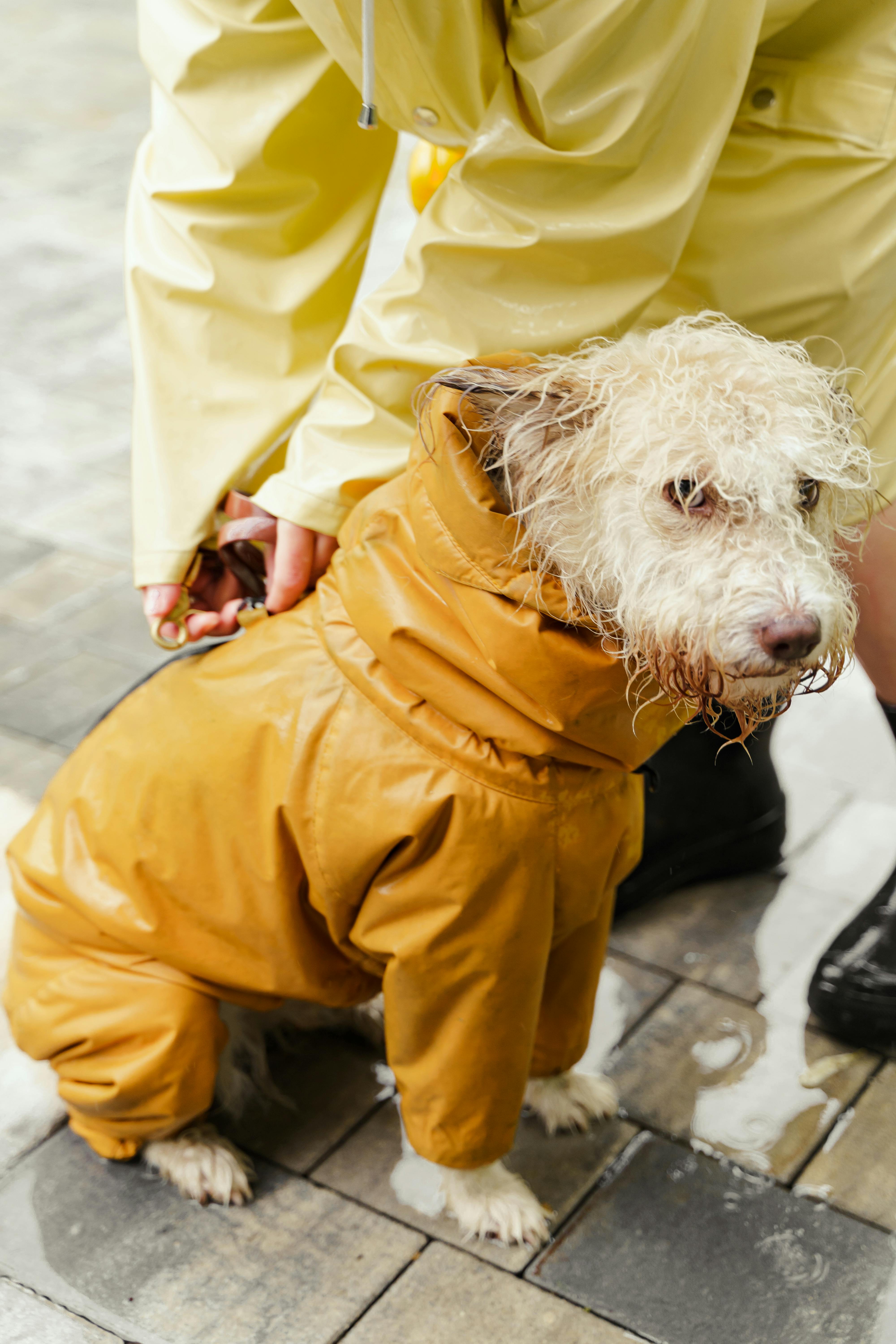
When it comes to our furry friends, many myths and misconceptions float around, and one of the most common is about their wet noses. Dog owners often curious about why do dogs have wet noses? This article dives into the facts, debunking myths, and explaining the fascinating truth behind this common feature of dogs.
The Science Behind Wet Noses
Dog noses are often wet, and this moisture serves several important purposes. A wet nose helps dogs to detect scents better. Here's how it works:
- Increased Surface Area: The moisture on a dog’s nose helps capture scent particles from the air. The more wet their nose is, the more scent they can collect.
- Thermoregulation: Dogs can’t sweat like humans do. Their wet noses help them cool down by evaporating moisture.
- Health Indicator: A wet nose is often seen as a sign of health. While it’s not a definitive indicator, a dry nose can sometimes signal illness or dehydration.
Why Do Dogs Have Wet Noses? Tracing Back to Evolution
Dogs, like their ancestors, the wolves, have evolved to have wet noses for survival. In the wild, scent is crucial for hunting and social interactions. A wet nose helps them navigate their environment. Historical studies shows that wolves, which have wet noses, are better hunters than those without. This evolutionary trait has been passed down through generations.
Common Myths About Dog Noses
There’s a lot of misinformation floating around about dog noses. Here’s a list of some common myths:
Myth 1: A Dry Nose Means Your Dog is Sick
While a dry nose can indicate a problem, it’s not always the case. Many healthy dogs have dry noses at times, especially after sleeping.Myth 2: All Dogs Have Wet Noses
Not all dogs have the same nose texture. Some breeds, especially those with short snouts, might have drier noses.Myth 3: Dogs’ Noses Are Always Cold
While many dogs have cool noses, temperature can vary. A warm nose doesn’t always mean illness.Myth 4: Dogs Can’t Smell with a Dry Nose
Dogs can still smell even when their noses are dry, though wet noses are more effective.
How to Care for Your Dog's Nose
Maintaining the health of your dog's nose is important. Here are some practical tips:
- Hydration: Make sure your dog always has access to fresh water.
- Moisturizing: If your dog has a persistently dry nose, consult with a vet about safe moisturizers.
- Check for Cracks: Regularly inspect your dog’s nose for cracks or sores, which can indicate health issues.
Fascinating Facts About Dog Noses
Did you know that a dog’s nose print is unique, similar to a human fingerprint? Here’s a few more interesting facts:
- Dogs have about 300 million scent receptors in their noses, compared to humans who have around 6 million.
- The wetness of a dog’s nose can actually help them cool down, as moisture evaporates, it cools the blood flow to the brain.
- Dogs can be trained to detect certain diseases, like cancer or diabetes, using their incredible sense of smell.
Comparing Dog Noses to Human Noses
Here’s a quick comparison between dog noses and human noses:
| Feature | Dog Nose | Human Nose |
|---|---|---|
| Scent Receptors | ~300 million | ~6 million |
| Temperature Regulation | Yes | No |
| Unique Prints | Yes | No |
| Moisture Function | Captures scents | Not significant |
Final Thoughts
Understanding why do dogs have wet noses is not just about curiosity; it's about recognizing the complexities of dog behavior and health. By debunking myths and knowing the facts, pet owners can be better prepared to care for their furry companions. So next time you feel your dog’s wet nose, remember—it's not just a cute feature, it’s a vital part of their biology and a fascinating trait that connects them to their wild ancestors.
Why Are Some Dogs' Noses Drier Than Others? Understanding Breed Differences

Dogs are often seen as our most loyal companions, and one of the most curious features about them is their noses. You may have noticed that some dogs have drier noses than others, and wondered why that is. Or maybe you’re just curious about why dogs have wet noses in the first place. Understanding these differences can help you appreciate your furry friend even more. So, let’s dive into the fascinating world of dog noses and uncover some interesting facts about them!
Why Do Dogs Have Wet Noses?
Firstly, the wetness of a dog’s nose is not just for show. Dogs' noses are wet for a number of important reasons. Here are some reasons why:
Sense of Smell: A wet nose helps enhance a dog’s sense of smell. The moisture on the nose captures scent particles from the air, allowing dogs to detect smells much more effectively than humans can. This is crucial for their survival and helps them in hunting or locating food.
Temperature Regulation: Dogs can't sweat like humans do, so they rely on their noses and panting to cool down. The evaporation of moisture from a dog's wet nose can help regulate their body temperature, especially on hot days.
Health Indicator: A wet nose can also be a sign of a healthy dog. While a dry nose can sometimes indicate dehydration or illness, it’s not always a definitive sign. Other factors can affect the moisture of a dog’s nose, including weather, activity levels, and even the time of day.
Understanding Breed Differences
Now, if you ever wondered why some dogs have drier noses than others, it’s mostly because of breed differences. Some breeds naturally have drier noses, and these differences can be attributed to several factors:
Genetics: Certain breeds, like bulldogs and pugs, tend to have drier noses due to their unique genetic makeup. Their facial structure and skin type may contribute to a less moist nose.
Environmental Factors: Dogs that live in drier climates might have drier noses compared to those in humid areas. If a dog spends a lot of time in air-conditioned spaces or in the sun, their nose may be drier as well.
Age: Older dogs might also experience changes in nose moisture. As dogs age, their bodies undergo various changes, and a dry nose can be one of them.
Breed-Specific Nose Conditions
Some breeds are prone to specific nose conditions that can lead to dryness. For instance:
Schnauzers: These dogs are known for having coarse hair on their noses, which may absorb moisture and lead to dryness.
Boxers: They often have skin folds that can trap moisture and cause the nose to become dry over time.
Chihuahuas: Their small size and unique physiological traits can cause variations in nose moisture.
Practical Tips for Dog Owners
If you've noticed that your dog has a drier nose, it doesn’t automatically mean there’s a problem. However, here are some tips for dog owners to help maintain a healthy nose:
Hydration: Make sure your dog has access to fresh water at all times. Proper hydration is crucial for maintaining moisture in their nose.
Humidifiers: If you live in a dry climate or during winter months, consider using a humidifier in your home. This can help keep the air moist and beneficial for your dog's nose.
Regular Vet Check-ups: Regular vet visits can help identify any underlying issues that may be causing excessive dryness or other health concerns.
Nose Balm: For dogs that suffer from chronic dryness, applying a vet-approved nose balm can help keep their noses moisturized.
Interesting Facts About Dog Noses
Dogs have about 300 million smell receptors in their noses, compared to about 5 million in humans. That’s why they can sniff out things we can’t even imagine!
The shape and size of a dog’s nose can affect their sense of smell. Breeds with longer noses, like Bloodhounds, are often better at tracking scents than those with shorter noses.
Dogs can actually detect diseases, such as cancer, using their incredible sense of smell. They can sense chemical changes in the body that might indicate illness.
Understanding why some dogs have drier noses than others and the reasons behind the wetness can enhance your bond with your dog. It’s not just a quirky feature; it’s a vital part of their biology and health. Whether your dog has a wet or dry nose, what truly matters is the love and connection you share.
The Role of a Wet Nose in Dog Communication: How Dogs Convey Emotions
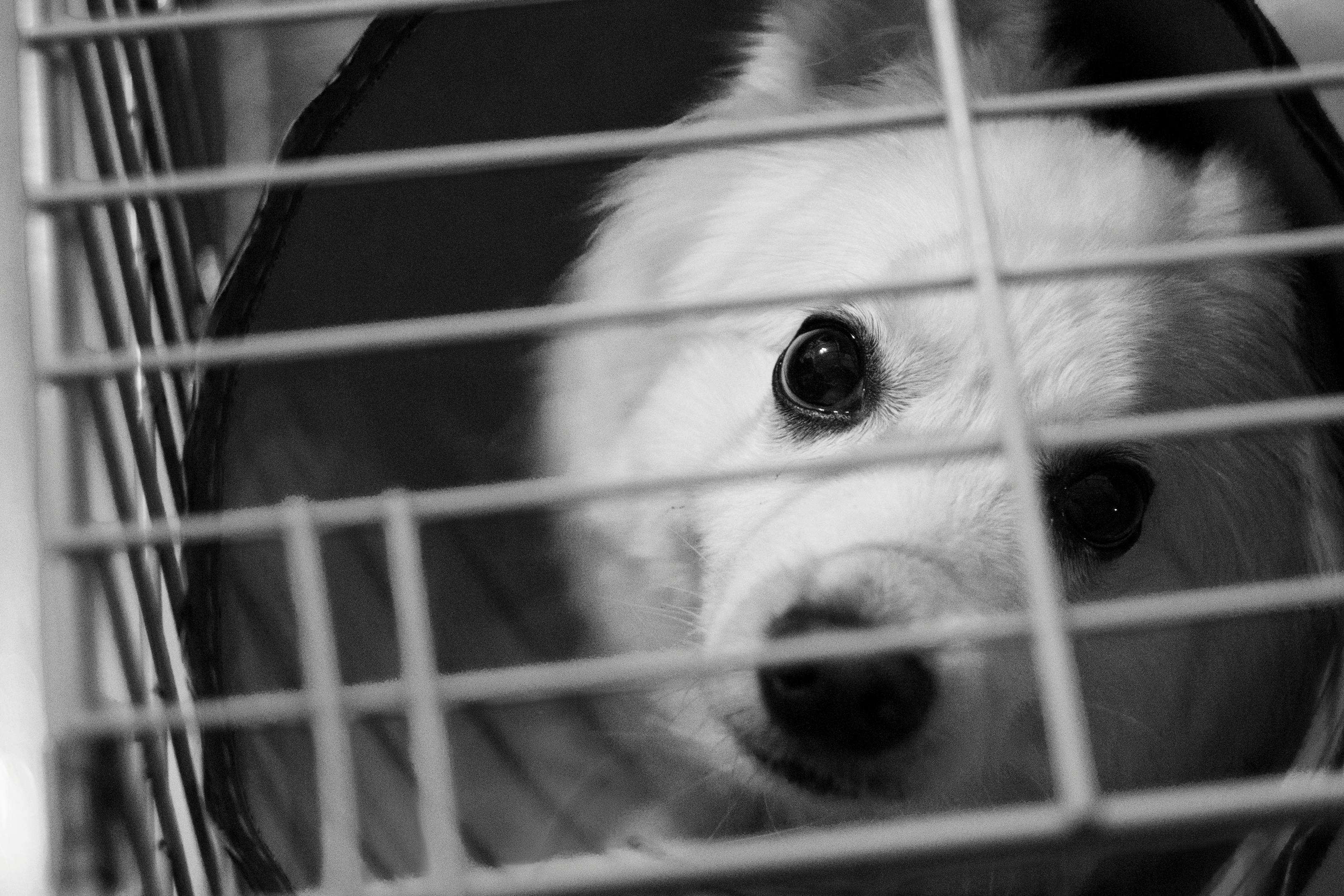
Dogs are truly fascinating creatures, and their ability to communicate is something that many people overlook. One of the most interesting aspects of a dog's communication is their wet nose. You might have noticed that your furry friend’s nose is often damp, but have you ever wondered why? Well, let’s dive into the role of a wet nose in dog communication, how dogs convey emotions, and the reasons behind that intriguing wetness.
The Science Behind a Wet Nose
So, why do dogs have wet noses? The answer lies in their biology. A dog’s nose is not just for smelling; it plays a significant role in their health and communication. Here are some key points about wet noses:
- Temperature Regulation: Dogs sweat through their noses and paw pads. The moisture helps them cool down, especially on hot days.
- Enhanced Sense of Smell: A wet nose can better absorb scent particles in the air, making it easier for dogs to identify different smells. This is why your pup might sniff around before approaching someone.
- Emotional Signaling: Just like humans have body language, dogs use their noses to communicate their feelings. A wet nose can indicate excitement or affection.
How Dogs Convey Emotions
Dogs are known for their expressive behavior, and their noses are a part of that. They might use their wet noses to show various emotions. Here’s how:
- Affection: When your dog nudges you with their wet nose, it’s a sign of affection or a request for attention. They might want to be petted or played with.
- Anxiety: If your dog’s nose feels unusually dry, it might indicate stress or anxiety. They might be feeling nervous about a situation or environment.
- Curiosity: A wet nose can also mean curiosity. Dogs often investigate new things by sniffing, and a wet nose helps them gather information.
The Fascinating Truth About Wet Noses
The wetness of a dog's nose can tell you a lot about their health and emotional state. Here are some interesting facts:
- Health Indicator: A dry nose isn’t always a bad sign, but if it is cracked or very dry, it might indicate dehydration or illness. Regularly checking your dog’s nose can be a simple way to monitor their health.
- Nose Prints: Just like human fingerprints, each dog’s nose print is unique. This has even been used for identification purposes.
- Cultural Beliefs: Different cultures have various beliefs surrounding a dog's nose. Some think a wet nose is a sign of good luck, while others view it as a sign of a happy dog.
Why Is a Wet Nose Important?
The importance of a wet nose goes beyond just looks. A wet nose can impact a dog's everyday life in several ways:
- Better Interaction: Dogs with wet noses tend to interact better with their environment. They can detect scents more effectively, helping them navigate their surroundings.
- Social Signals: Wet noses can serve as social signals among dogs. When meeting another dog, a wet nose can indicate friendliness and willingness to engage.
- Scent Marking: Dogs may also use their wet noses to mark territories. The moisture on their noses helps them leave scent trails.
Comparing Dry and Wet Noses
It’s important to recognize the differences between dry and wet noses. Here’s a quick comparison:
| Feature | Wet Nose | Dry Nose |
|---|---|---|
| Temperature | Cool to touch | Warm to touch |
| Health Indicator | Generally healthy | Can indicate dehydration/illness |
| Emotional State | Happy, curious | Stressed, anxious |
| Interaction Quality | Engages better with environment | Can be less interactive |
Practical Examples of Nose Communication
Understanding how your dog uses their nose can enhance your relationship. Here are some practical examples:
- Greeting: When you arrive home, your dog might greet you with a wet nose. They are expressing joy and eagerness to see you.
- Seeking Attention: If your dog nudges you with their nose, they might be asking for playtime or some treats. It’s their way of saying, “Hey, look at me!”
- Exploring New People: When meeting new people, dogs often sniff and wet their noses. This is their way of gathering information about the unfamiliar person.
In summary, the role of a wet nose in dog communication is multifaceted, serving purposes from health monitoring to emotional expression. Dogs use their noses to convey feelings and navigate their world, making them even more endearing companions. Next time you see your dog’s wet nose, remember the fascinating truth behind it and appreciate the unique ways they communicate with you.
Can a Dog's Nose Predict Illness? Exploring the Health Implications of a Wet Snout
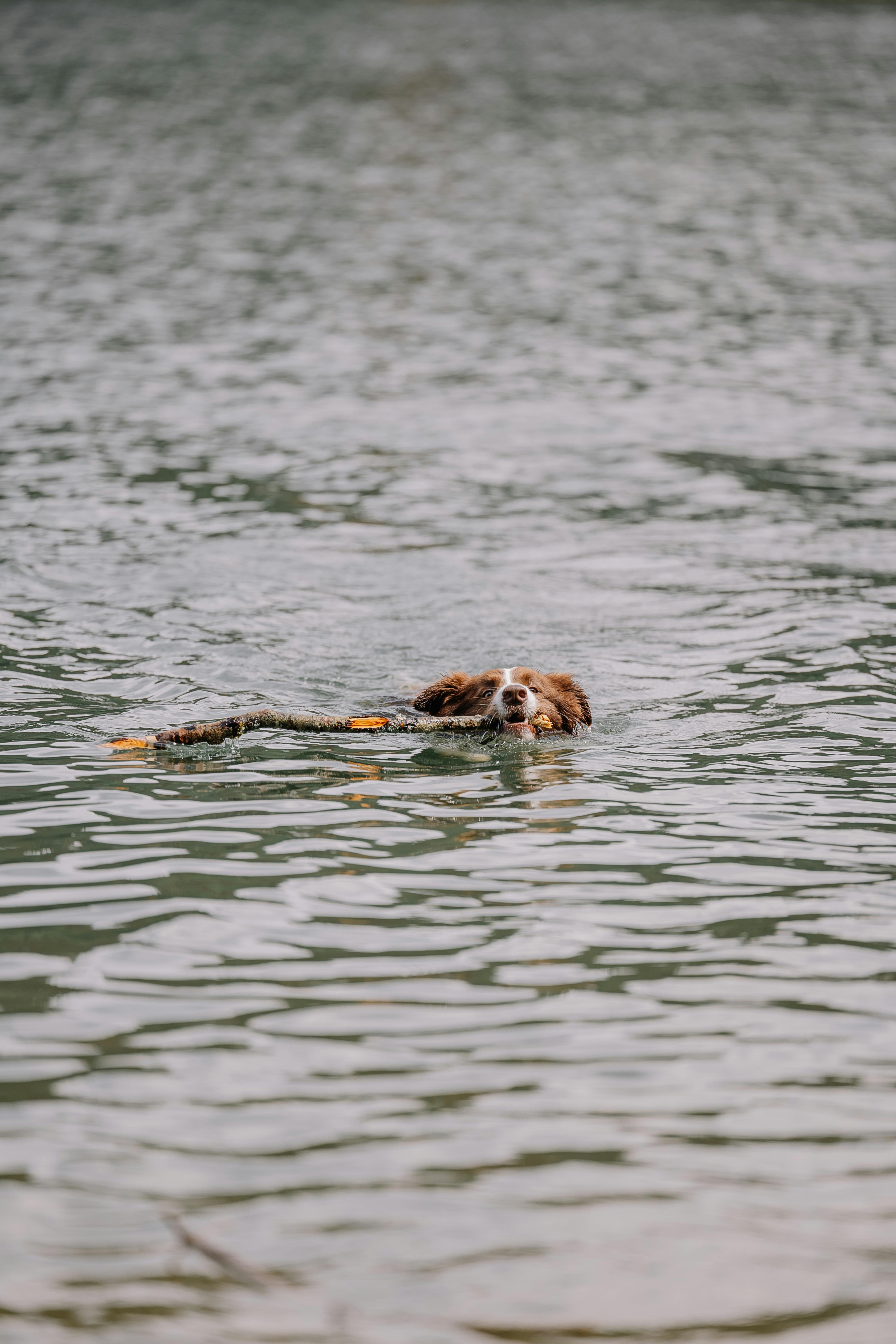
Can a dog’s nose predict illness? This is a question that many pet owners might have pondered while observing their furry friends. With their keen sense of smell, dogs have been known to detect certain health conditions. But what exactly does that mean for our four-legged companions? Plus, have you ever wondered why dogs have wet noses? The answers to both of these queries are more fascinating than you might think.
The Science Behind a Dog's Sense of Smell
Dogs have an incredible olfactory system. Their noses contain up to 300 million scent receptors, compared to the mere 5 million found in humans. This means they can detect odors at concentrations nearly 100 million times lower than we can. Because of this, dogs are sometimes trained to sniff out diseases like cancer, diabetes, and even certain infections.
- Olfactory Receptors: Dogs have between 220-300 million olfactory receptors.
- Brain Regions: The part of a dog’s brain that processes smells is 40 times larger than that of a human.
- Scent Discrimination: Dogs can distinguish between similar scents, allowing them to identify specific diseases.
Can Dogs Really Predict Illness?
Yes, dogs have shown the capability to detect certain illnesses. Researchers have studied how dogs can alert their owners to medical conditions. For example:
- Cancer Detection: Some dogs can detect cancer by smelling breath samples or skin.
- Diabetes Alert Dogs: These dogs can sense changes in blood sugar levels and alert their owners.
- Seizure Dogs: Some trained dogs can predict seizures before they happen.
The mechanisms behind this are not completely understood, but it’s believed that dogs can detect chemical changes in the body when someone is ill.
Why Do Dogs Have Wet Noses?
Now, onto a more common curiosity: why do dogs have wet noses? The wetness of a dog’s nose serves several important functions.
- Temperature Regulation: Dogs can’t sweat like humans do, so they cool off through their noses. The moisture helps to regulate their body temperature.
- Enhanced Smell: A wet nose can better trap scent particles from the air, enhancing their sense of smell even further.
- Health Indicator: A dog’s nose can sometimes indicate their health. A warm, dry nose might signal illness, while a cool, wet one is often a sign of good health.
Fun Facts About Wet Noses
- Nose Prints: Just like human fingerprints, each dog’s nose print is unique. This can actually be used for identification.
- Variety in Texture: The texture and shape of a dog’s nose can vary greatly among breeds.
- Sensitivity: A dog’s nose is incredibly sensitive. It can pick up scents that are undetectable to humans.
The Health Implications of a Wet Snout
A wet dog nose is often a sign of a healthy pup, but it can also be a signal for pet owners to monitor their pet’s health. Here are some implications:
- Hydration Level: A wet nose usually indicates that your dog is well-hydrated. If the nose becomes excessively dry, it might be time to check their water intake.
- Temperature Check: If the nose is dry and warm, it could be a sign of fever or illness. Keep an eye on other symptoms like lethargy or loss of appetite.
- Skin Conditions: Constant moisture can sometimes lead to skin issues. If you notice excessive wetness or discharge, consult your veterinarian.
Practical Tips for Dog Owners
- Monitor Nose Condition: Regularly check your dog's nose. Changes can indicate health issues.
- Stay Hydrated: Make sure your dog always has access to fresh water.
- Watch for Changes: Keep an eye on behavior changes. If your dog seems off, it’s best to consult a vet.
Understanding the nuances of your dog's health is crucial. So the next time you see your furry friend with a wet nose, remember that it might do more than just look cute. It could be an indicator of their well-being, or hint that they might even have a special ability to sense illness.
With their incredible sense of smell and the unique characteristics of their wet noses, dogs truly are remarkable companions. Whether it’s sniffing out disease or simply providing comfort with a nuzzle, our canine friends continue to amaze us every day.
Fun Facts About Dog Noses: Why Wetness Matters More Than You Think!
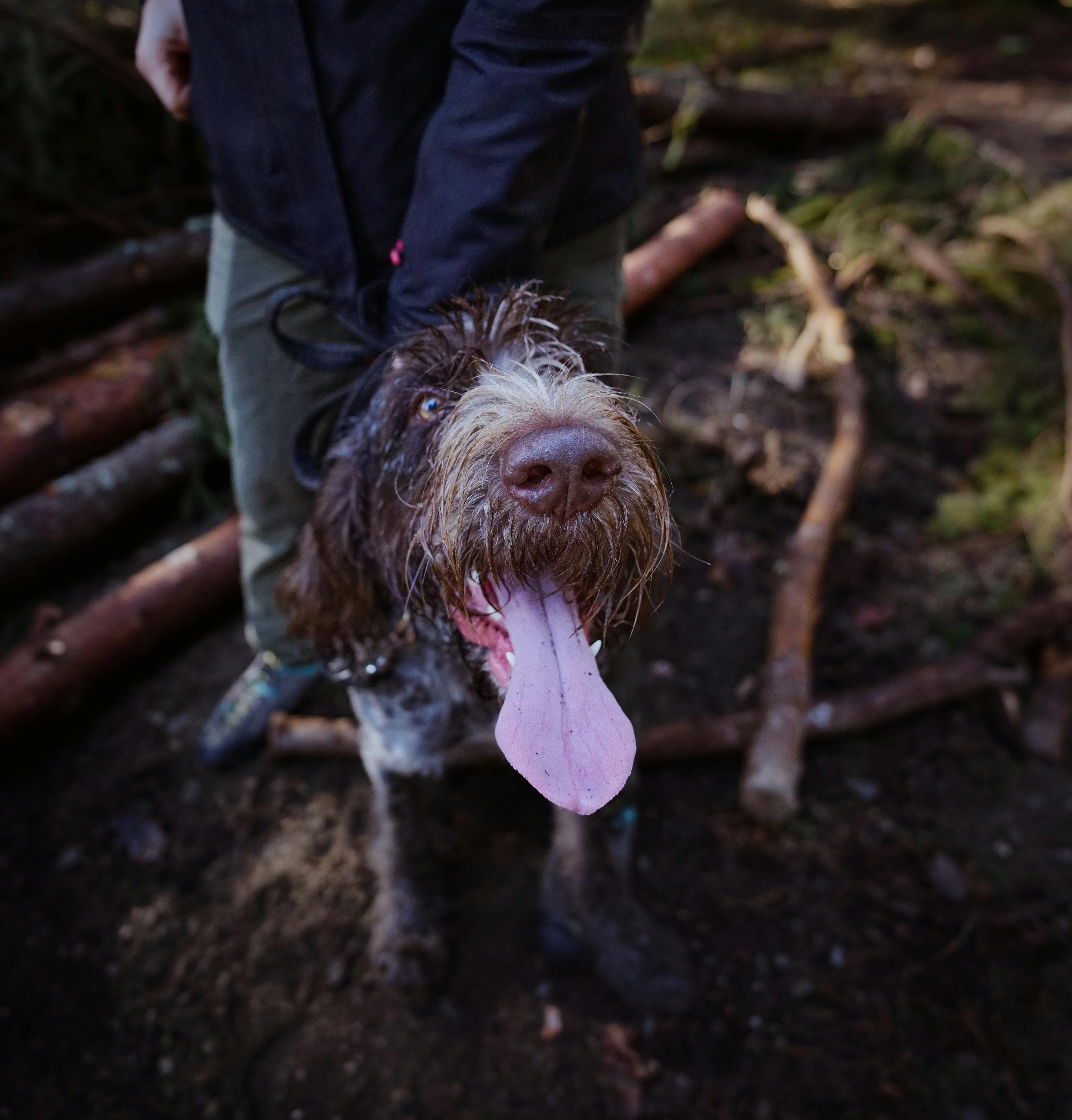
When you think of dogs, what's the first thing that pops in your mind? For many, it’s their wagging tails, playful barks, or those adorable wet noses. But have you ever stopped to wonder why do dogs have wet noses? It’s not just for show! There’s a whole lot of fascinating science behind those moist, cold noses that goes far beyond a simple quirk of canine anatomy. Let’s dive into some fun facts about dog noses and discover why wetness matters more than you might think!
The Science Behind Wet Noses
A dog’s nose is a complex organ. Unlike humans, who have a more limited sense of smell, dogs have up to 300 million scent receptors! That’s a million times more than we do. The wetness of a dog’s nose plays a crucial role in enhancing their sense of smell. Here’s how:
- Moisture Absorption: The moisture on a dog’s nose helps to absorb scent particles from the air. This makes it easier for them to detect odors.
- Temperature Regulation: A cool, wet nose can help regulate their body temperature, especially on hot days.
- Health Indicator: The state of a dog’s nose can often indicate their health. A dry or cracked nose may suggest dehydration or illness.
Why Do Dogs Have Wet Noses? Historical Context
Historically, dogs have been humans’ companions for thousands of years. Ancient civilizations relied on dogs for hunting and protection, and their keen sense of smell was vital. The evolution of a wet nose likely helped them in these roles.
- Hunting: Early hunters needed dogs that could track scents over long distances. A wet nose was advantageous for picking up on subtle smells.
- Communication: Dogs communicate through scent as much as they do through sounds or body language. A wet nose helps them to better understand their environment and the presence of other animals or humans.
Fun Facts About Dog Noses
Unique Patterns: Just like human fingerprints, every dog’s nose print is unique! You can actually use it for identification.
Temperature Sensitivity: Dogs can sense temperature changes with their noses, making them great at detecting things like someone’s body heat or even changes in the environment.
Scent Memory: Dogs can remember scents for a long time. They can recognize a person by their smell even years after they've last met.
Sniffing Technique: Dogs often sniff in a certain way. They might take short, quick sniffs to gather more information about their surroundings.
Nasal Turbinates: Inside a dog’s nose are structures called turbinates that help to filter and warm the air as it enters, enhancing their olfactory capabilities.
The Importance of a Wet Nose
Many dog owners often wonder if their pet's nose should be wet or dry. Here’s a quick comparison to clarify:
| Condition | Wet Nose | Dry Nose |
|---|---|---|
| Indication | Healthy and hydrated | May indicate dehydration or illness |
| Smell Ability | Enhanced scent detection | Can be reduced in effectiveness |
| Temperature | Helps cool the body | Can signal overheating |
| Health Signals | Generally a good sign | May require vet attention |
Practical Examples of Nose Functionality
Tracking and Search: Many breeds, like Bloodhounds, are specifically trained for search and rescue missions due to their exceptional olfactory capabilities. Their wet noses help them track scents even in challenging environments.
Therapy and Service: Dogs that provide therapy or assistance often use their noses to help people, whether it’s detecting medical conditions or providing comfort through their presence.
Play and Exploration: When dogs play, they often use their noses to explore their surroundings, sniffing out new scents or even other animals. Their wet noses help them gather more information during these adventures.
Understanding why do dogs have wet noses not only enriches our appreciation of our furry friends but also highlights the incredible adaptations they possess. Next time you give your pup a scratch behind the ears, take a moment to notice that wet nose and think about all the fascinating things it can do. It’s not just cute; it’s an essential part of what makes dogs, well, dogs!
Conclusion
In conclusion, the wetness of a dog's nose serves several important functions, ranging from enhancing their sense of smell to helping regulate body temperature. A moist nose increases the surface area for scent molecules, allowing dogs to detect and differentiate a wide array of odors. Additionally, the cooling effect of moisture helps them stay comfortable in warmer climates. While a wet nose is typically a sign of good health, it’s essential for pet owners to monitor any significant changes in their dog's nose condition, as it could indicate underlying health issues. Ultimately, understanding the science behind a dog's wet nose not only deepens our appreciation for these beloved companions but also underscores the importance of regular veterinary check-ups. So, the next time you greet your furry friend, take a moment to appreciate the unique features that make dogs such remarkable animals and ensure their well-being through attentive care.