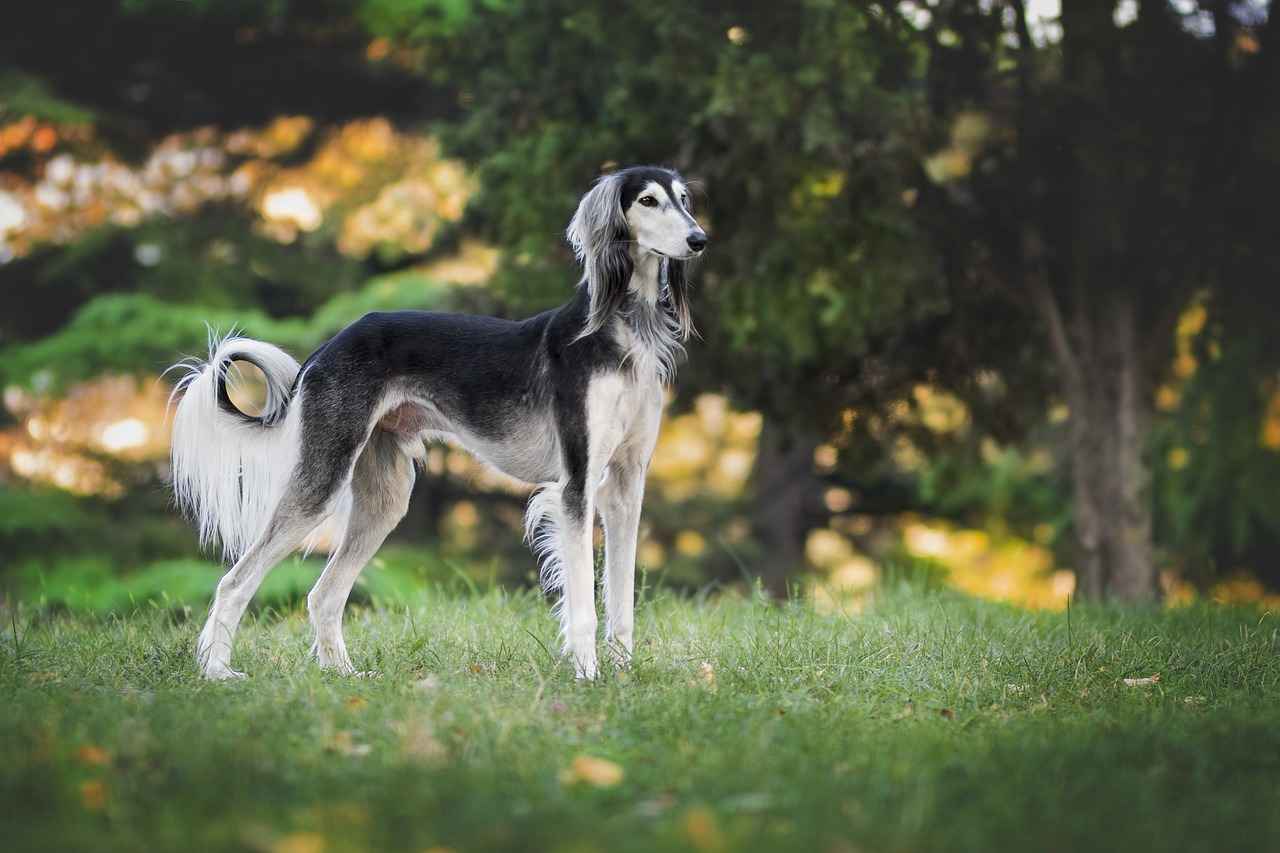
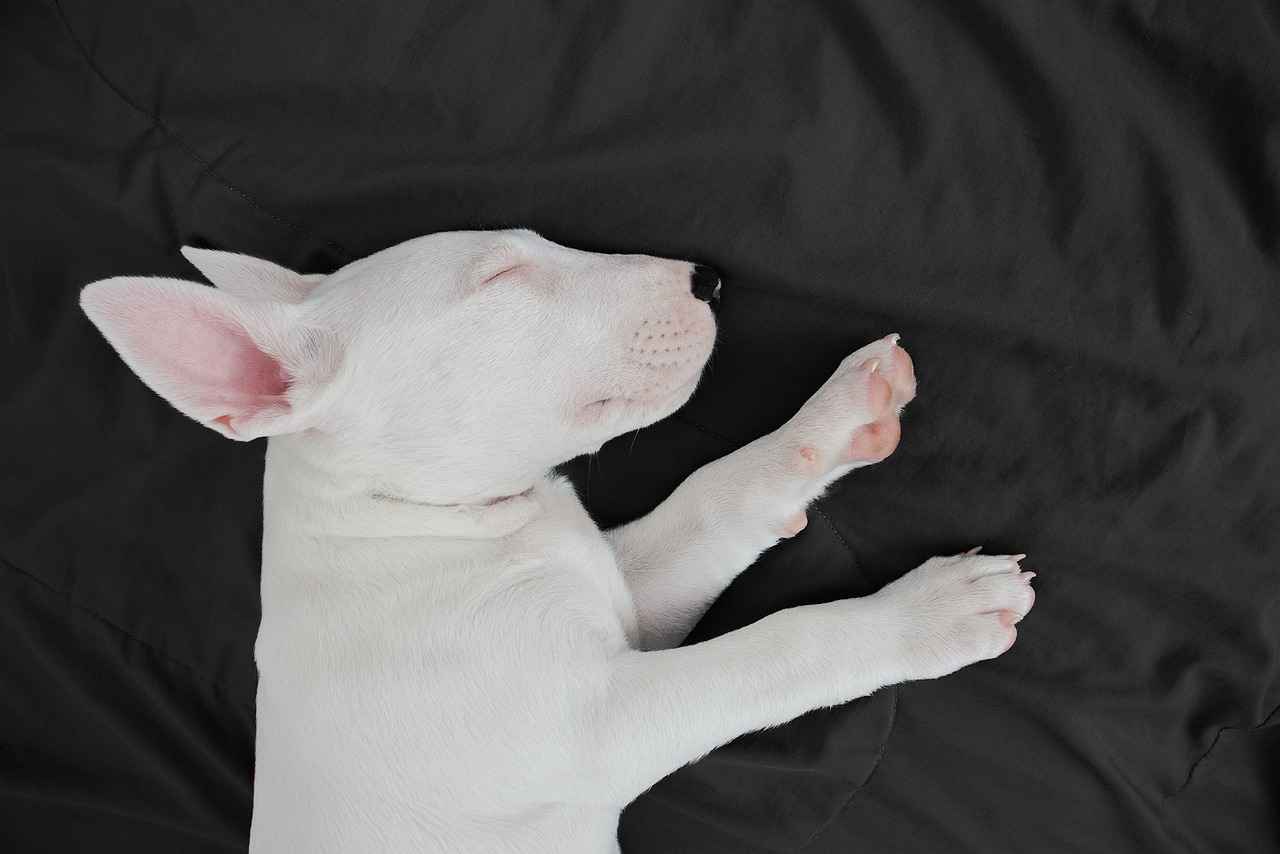
Have you ever wondered why do dogs have wet noses? This intriguing question has sparked curiosity among dog lovers and pet owners alike. Dogs’ noses are not just adorable; they serve a crucial role in their overall health and behavior. In this post, we will uncover the fascinating truth behind this unique characteristic. The wetness of a dog’s nose is often a sign of their well-being, but did you know it also helps them to smell better? That's right! A moist nose enhances a dog’s olfactory senses, allowing them to detect scents from far away. But what causes this wetness? Is it just the weather, or is there more to the story? Join us as we dive deeper into the world of our furry friends and explore the science behind dog noses. You might be surprised to learn how much a simple wet nose can tell us about a dog’s mood and health. Get ready to satisfy your curiosity as we explore this captivating topic and discover why your canine companion’s nose is so special! Let’s embark on this journey together to find out more!
\n\nThe Science Behind Dog Noses: Why Are They Always Wet?
\n\n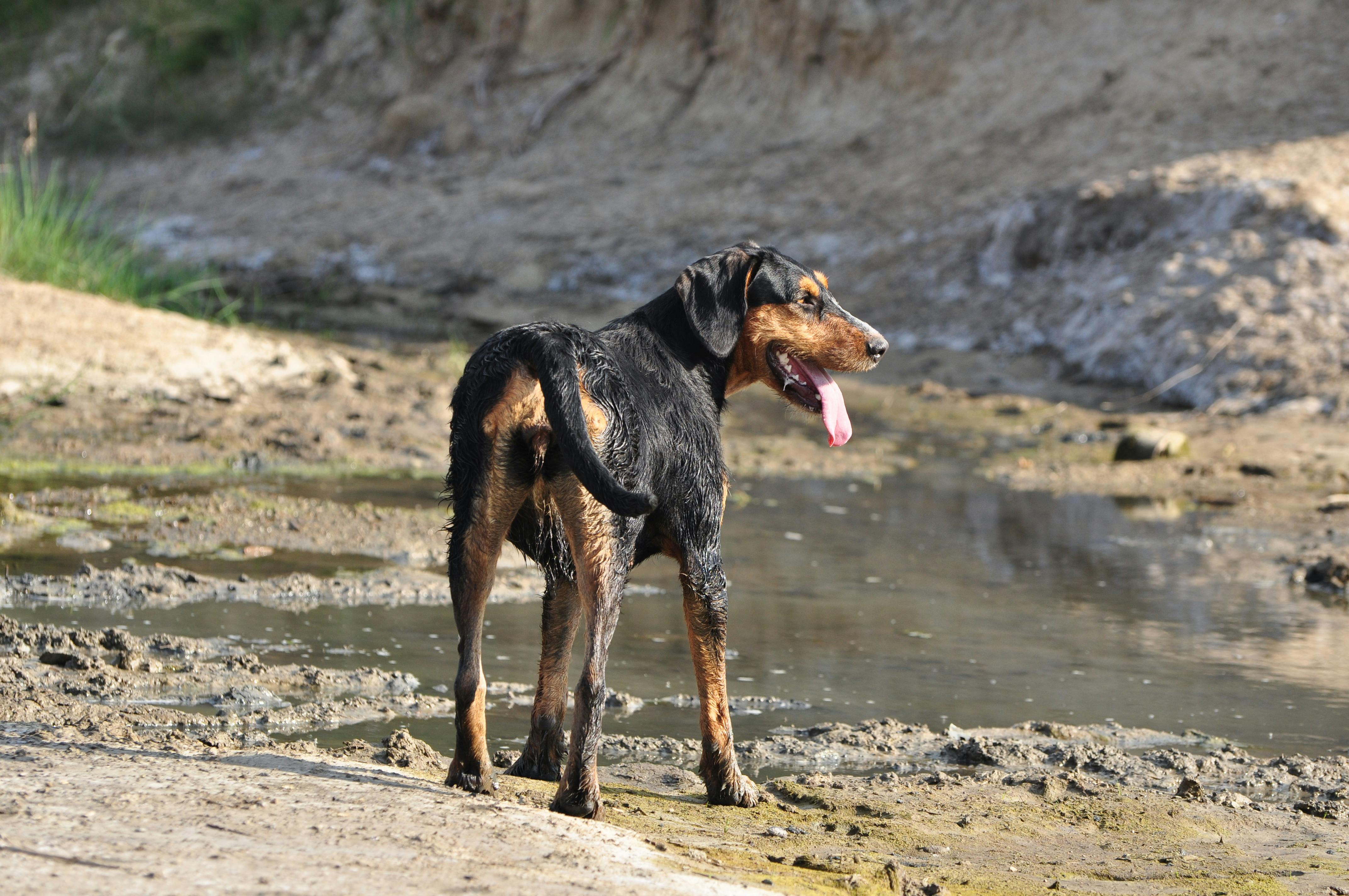 \n\n
\n\nDogs are often known for their playful behavior, loyalty, and the unique wetness of their noses. But have you ever wondered why do dogs have wet noses? It’s not just a quirky feature; there’s actually some science behind it. Understanding the reasons behind this fascinating trait can give us insight into our furry friends' health and communication.
\nThe Anatomy of a Dog’s Nose
\nA dog’s nose is a complex organ. It's made up of many olfactory receptors which helps them to smell things much more effectively than humans can. In fact, they have about 220 million olfactory receptors compared to a human’s mere 5 million. This incredible sense of smell is one of the reasons dogs are used in search and rescue operations, as well as in detecting drugs and other substances.
\nBut why is it wet? The wetness of a dog’s nose comes from a thin layer of mucous. This mucous helps to enhance their sense of smell. When scent particles land on this wet surface, it helps trap them, making it easier for dogs to detect and identify different smells.
\nEvolutionary Benefits of a Wet Nose
\nThere are several evolutionary advantages for having a wet nose. Let’s break it down:
\n- \n
- Enhanced Smell: As mentioned earlier, moisture helps to absorb scent molecules. The wetter the nose, the better the smell. \n
- Thermoregulation: Dogs also use their noses to help regulate body temperature. The moisture evaporates from the nose, which can cool them down somewhat, similar to how sweating works in humans. \n
- Communication: Dogs communicate a lot with their noses. A wet nose can signal to other dogs that they are friendly and not a threat. It can also help them gather information about their environment and other animals. \n
Why Are Dog Noses Wet? The Science Explained
\nThere’s more to the story than just evolution. Various factors can contribute to the wetness of a dog’s nose:
\n- \n
- Humidity: Higher humidity levels in the air can increase the moisture on a dog’s nose, making it wetter. \n
- Health Indicators: An unusually dry nose can sometimes indicate a health issue or dehydration. If your dog’s nose is dry and warm, it might be worth consulting a vet. \n
- Licking: Dogs often lick their noses, which adds moisture. It’s a natural behavior that also helps them taste the air, gathering more scent information. \n
Common Myths About Dog Noses
\nThere are many myths about dog noses that may not hold up to scrutiny. Here are a few common misconceptions:
\n- \n
- Myth: A dry nose means a dog is sick. While a dry nose can indicate illness, it’s not the sole factor. Dogs can have dry noses for various reasons. \n
- Myth: All dog noses are wet. Not all dogs have the same level of nose moisture. Some breeds may be drier than others, and it can change throughout the day. \n
- Myth: Warm nose indicates fever. A dog’s nose temperature can fluctuate for many reasons. A warm nose doesn’t always mean they have a fever. \n
How to Care for Your Dog’s Nose
\nTo maintain your dog’s nose health, consider the following tips:
\n- \n
- Hydration: Ensure your dog is drinking enough water, especially during hot weather. \n
- Avoid Irritants: Keep them away from harsh chemicals, as these can dry out their noses. \n
- Regular Vet Visits: Routine check-ups can help catch any potential issues early. \n
The Fascination with Dog Noses
\nDog noses are not just interesting; they are vital for their existence. From tracking scents to communication with other dogs, their wet noses play a significant role in how they interact with the world. It’s also a reminder of the deep bond we share with our pets.
\nDogs, with their unique characteristics and behaviors, continue to amaze us. Their noses, always wet and ready to explore, are just one example of how special they really are. So next time you wonder why do dogs have wet noses, just remember the science, the evolution, and the love behind that little feature. It adds to the charm of our furry friends, making them even more lovable.
\n\n5 Fascinating Reasons Your Dog’s Nose is Wet and What It Means
\n\n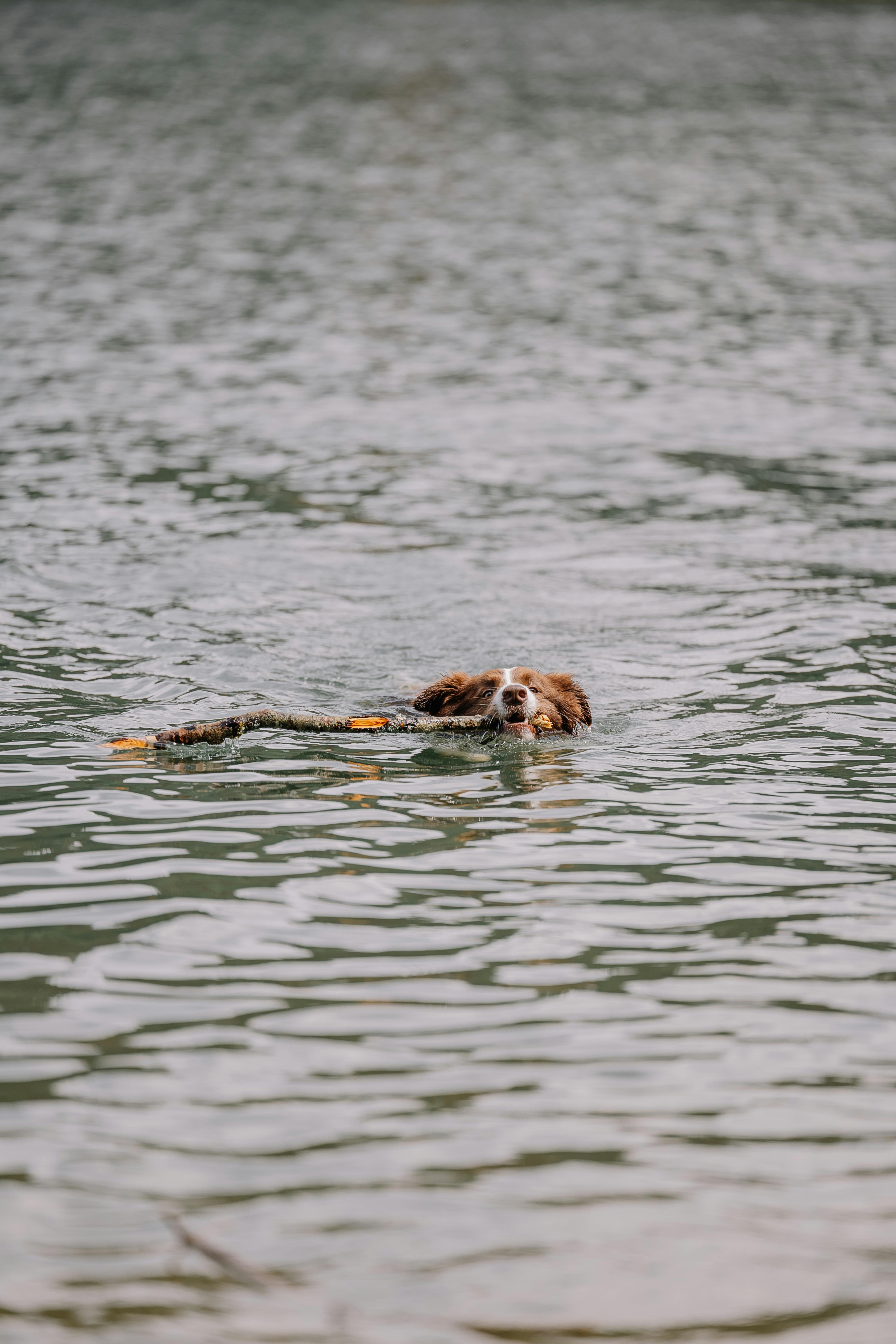 \n\n
\n\nHave you ever noticed your dog’s nose? It's often wet, and you might wonder why that is. Believe it or not, there's actually some fascinating reasons behind this peculiar trait. Understanding the reasons why dogs have wet noses can not only satisfy your curiosity but also deepen the bond you share with your furry friend. Here are 5 fascinating reasons your dog’s nose is wet and what it means.
\n1. Natural Cooling Mechanism
\nDogs don’t sweat like humans do. Instead, they regulate their body temperature through panting and their noses. A wet nose helps to cool them down. When a dog’s nose is moist, it allows for evaporation, which cools the blood vessels located close to the surface. This is particularly important during hot summer days, when overheating can become a serious concern.
\n- \n
- Comparison with Humans: Humans sweat to cool down, while dogs rely on this unique method. \n
- Example: If you see your dog sniffing around and then suddenly licking its nose, it might be trying to cool off. \n
2. Enhanced Sense of Smell
\nA wet nose plays a crucial role in your dog’s ability to smell. The moisture helps to capture scent particles from the air, allowing your dog to detect smells better. When the nose is wet, it can absorb these scent particles more effectively, making it easier for your pup to identify different scents.
\n- \n
- Fact: Dogs have up to 300 million scent receptors in their noses, compared to about 6 million in humans. \n
- Bullet Points:
- \n
- Wet nose = Better smell. \n
- Helps in tracking and hunting. \n
- Plays a role in social interactions among dogs. \n
\n
3. Communication Tool
\nDogs are social animals, and their noses can indicate their emotional state. A wet nose can signify that a dog is content or excited. Conversely, a dry nose might signal stress or health issues. By paying attention to your dog’s nose, you can gain insights into how they are feeling.
\n- \n
- Examples of Nose Behavior:
- \n
- Wet and cold = Relaxed and calm. \n
- Dry and warm = Possible anxiety or illness. \n
\n - Visual Signs: Look for other body language cues, such as tail wagging or barking, to understand their emotional state better. \n
4. Health Indicator
\nA dog’s nose can also be an indicator of their overall health. While a wet nose is often a sign of a healthy dog, there are exceptions. If your dog's nose suddenly becomes dry or cracked, it could signify dehydration or illness. Monitoring your dog’s nose can help you catch potential health issues early.
\n- \n
- Common Health Issues:
- \n
- Dehydration: Dry nose may indicate your dog needs more water. \n
- Allergies: Excessively wet or runny nose can point to allergies. \n
- Infections: Constantly wet nose might suggest a cold or infection. \n
\n
5. Evolutionary Trait
\nThe wet nose of a dog is believed to be an evolutionary trait that has helped them survive and thrive in various environments. Historically, dogs that had better scent capabilities were more successful hunters. This trait has been passed down through generations, making it an integral part of canine biology.
\n- \n
- Historical Context:
- \n
- Early dogs were hunters and needed to track prey. \n
- Wet noses became advantageous for survival. \n
\n - Modern Implications: This evolutionary trait continues to benefit dogs today, allowing them to excel in roles such as search and rescue, therapy work, and hunting. \n
In closing, the next time you pet your dog and feel that wet nose, remember there's a lot more going on than just a cute feature. Your dog’s wet nose helps them cool off, enhances their sense of smell, communicates their feelings, indicates their health, and reflects their evolutionary history. So, next time someone asks, "Why do dogs have wet noses?" you can share these fascinating insights. It’s just another reason to appreciate the incredible nature of our furry companions!
\n\nIs a Wet Nose a Sign of a Healthy Dog? Unveiling the Truth
\n\n \n\n
\n\nWhen it comes to our furry friends, one question often pops up: Is a wet nose a sign of a healthy dog? It’s a fascinating subject that many dog owners wonder about. Let's unravel the truth behind those adorable, damp noses and explore why dogs have wet noses in the first place.
\nThe Science Behind Wet Noses
\nDogs have wet noses for multiple reasons, and it's not just about being cute. The moisture on their noses primarily comes from two sources: nasal secretions and environmental factors. When a dog sniffs around, they tend to collect moisture from their surroundings, which helps them gather scents better. A wet nose can enhance their sense of smell, which is essential since dogs rely heavily on this sense to understand their world.
\nWhy Do Dogs Have Wet Noses?
\n- \n
- \n
Enhanced Sense of Smell: The wetness helps disperse scent particles, making it easier for dogs to smell things. This is why dogs are often used in search and rescue missions, sniffing out substances from drugs to missing persons.
\n \n - \n
Temperature Regulation: Dogs don't sweat like humans do. Instead, they regulate their body temperature through panting and the moisture on their noses. A wet nose can help them stay cool, especially during hot weather.
\n \n - \n
Health Indicator: While a wet nose can be a sign of good health, it’s not the only indicator. Many people believe that a warm, dry nose can signal illness, but that's not always true. A dog may have a dry nose for various reasons, including environmental factors like dry air, or simply because they just woke up from a nap.
\n \n
Common Misconceptions About Wet Noses
\n- \n
- \n
Not Always Healthy: Just because a dog has a wet nose doesn’t mean they are free of ailments. Dogs can suffer from various health issues, including allergies, infections, or autoimmune diseases, regardless of nose moisture.
\n \n - \n
Nose Temperature: Some people think that a cold nose means a dog is sick, but again, this is a misconception. A dog’s nose temperature can vary throughout the day based on activity levels and environmental conditions.
\n \n - \n
Breed Differences: Different breeds may have varying nose moisture levels. Some breeds naturally have drier noses, while others may always have that adorable wetness.
\n \n
Fun Facts About Dog Noses
\n- \n
- \n
The average dog has about 220 million scent receptors in their noses, compared to humans’ mere 5 million.
\n \n - \n
Dogs can smell up to 100,000 times better than humans. That's why they can detect certain diseases, like cancer, just by smelling a person’s breath.
\n \n - \n
Every dog's nose print is unique, much like a human fingerprint. This means it could theoretically be used for identification.
\n \n
When to Worry About Your Dog's Nose
\nWhile a wet nose is often a sign of a happy pup, there are instances when you should pay attention to your dog's health. Keep an eye out for:
\n- \n
- \n
Changes in Nose Moisture: If your dog's nose suddenly becomes dry or cracked, it could indicate dehydration or other health issues.
\n \n - \n
Color Changes: A significant change in the color of your dog's nose could signal a health concern. For instance, a nose turning pale or developing sores may require a vet’s attention.
\n \n - \n
Behavioral Changes: If your dog seems lethargic, refuses to eat, or shows signs of distress, it’s time to consult a veterinarian, regardless of their nose condition.
\n \n
Quick Checklist for Dog Nose Health
\n- \n
- Is the nose consistently dry? \n
- Are there any unusual spots or sores? \n
- Has your dog’s behavior changed? \n
- Is your dog drinking enough water? \n
Monitoring your dog’s nose can certainly give you clues about their health, but it shouldn't be the only factor you consider. Regular vet visits and being aware of your dog's overall behavior are essential for keeping them healthy.
\nIn the end, while a wet nose can often suggest a happy, healthy dog, it’s just one piece of the puzzle. Understanding the reasons behind why dogs have wet noses helps us take better care of our furry companions. Always remember, if in doubt regarding your dog's health, reach out to a vet who can give you tailored advice and support.
\n\nHow Your Dog’s Wet Nose Enhances Their Sense of Smell: A Deep Dive
\n\n \n\n
\n\nHave you ever wondered why your dog's nose is always wet? This curiosity is not just a trivial question; it opens a doorway to understanding how dogs perceive the world. A dog's wet nose plays a crucial role in enhancing their sense of smell, which is significantly more powerful than that of humans. In this article, we’ll explore the fascinating truth behind why do dogs have wet noses and how it contributes to their extraordinary olfactory abilities.
\nThe Science Behind Wet Noses
\nDogs have wet noses for multiple reasons, and one of the main factors is to help in smelling. The moisture on a dog's nose actually helps to capture scent particles from the air. When these tiny particles land on the damp surface of the nose, they dissolve and become accessible to the sensory receptors, which then relay the information to the brain. This process increases the overall effectiveness of a dog's sense of smell.
\n- \n
- Dogs have approximately 220 million olfactory receptors, compared to a human's 5 million. \n
- The part of a dog’s brain that analyzes smells is about 40 times bigger than that of humans. \n
- Dogs can detect certain scents, like drugs or explosives, from miles away. \n
Historical Context of Dogs’ Noses
\nHistorically, dogs have been companions to humans for thousands of years. From hunting partners to protective guardians, their sense of smell has been honed through generations. Early humans recognized the value of dogs in tracking prey, finding lost individuals, and even detecting changes in the environment. The wet nose is not just a quirky feature; it’s a trait that has evolved over time, benefiting both the dogs and their human companions.
\nHow Does the Wetness Help?
\nThe wetness of a dog's nose is more than just a cute attribute. It serves several practical purposes, which can be summarized as follows:
\n- \n
- \n
Temperature Regulation: The moisture helps to cool down the dog. Dogs don't sweat like humans; they primarily regulate their body temperature through panting and the moisture on their noses.
\n \n - \n
Enhanced Scent Detection: As mentioned earlier, a wet nose captures scent particles more efficiently. The more particles captured, the better the dog can interpret its environment.
\n \n - \n
Health Indicator: A dog's nose can also be an indicator of their health. A dry or cracked nose can sometimes signal dehydration or illness, prompting pet owners to take action.
\n \n
Why Do Dogs Have Wet Noses?
\nLet’s delve deeper into the reasons behind this fascinating feature.
\n- \n
- \n
Evolutionary Advantage: Dogs evolved from wolves, who used their sense of smell to hunt and survive. The wet nose is an adaptation that aids in this survival instinct.
\n \n - \n
Communication Tool: Dogs also use their noses to communicate with each other. A wet nose can carry pheromones and other scent markers that convey important information about identity, reproductive status, and territory.
\n \n - \n
Emotional Connection: Interestingly, dogs often use their wet noses to nuzzle or poke their owners, showing affection and seeking attention. This behavior reinforces the bond between dogs and humans.
\n \n
Comparisons with Other Animals
\nWhile dogs are renowned for their sense of smell, they aren't the only animals that utilize wet noses for this purpose. Let’s take a look at how other animals compare:
\n| Animal | \nNumber of Olfactory Receptors | \nNotable Smelling Ability | \n
|---|---|---|
| Dogs | \n220 million | \nDetect drugs, track scents | \n
| Cats | \n50-80 million | \nLocate prey, recognize territory | \n
| Elephants | \n2.5 billion | \nDetect water sources from miles | \n
| Bears | \n2,000 times more sensitive than humans | \nTrack food and mates | \n
Practical Examples of Dogs’ Sense of Smell
\nDogs’ incredible sense of smell has been put to good use in various fields, such as:
\n- \n
- Search and Rescue: Dogs are trained to locate missing persons in disaster zones. \n
- Medical Detection: Some dogs can detect diseases like cancer or diabetes by smelling changes in their owner’s breath or skin. \n
- Law Enforcement: Dogs are used to sniff out drugs, explosives, and even currency. \n
The diverse roles that dogs play in our society highlight the importance of their sense of smell, which is significantly enhanced by their wet noses.
\nUnderstanding why do dogs have wet noses not only satisfies your curiosity but also emphasizes the incredible capabilities of our furry friends. So, the next time you notice your dog’s cold, damp nose, remember that it's more than just an endearing feature; it’s a vital tool that enhances their perception of the world. Embrace this unique aspect of your dog, and appreciate how it connects them to their environment and to you.
\n\nWet Noses vs. Dry Noses: What Different Dog Nose Conditions Indicate
\n\n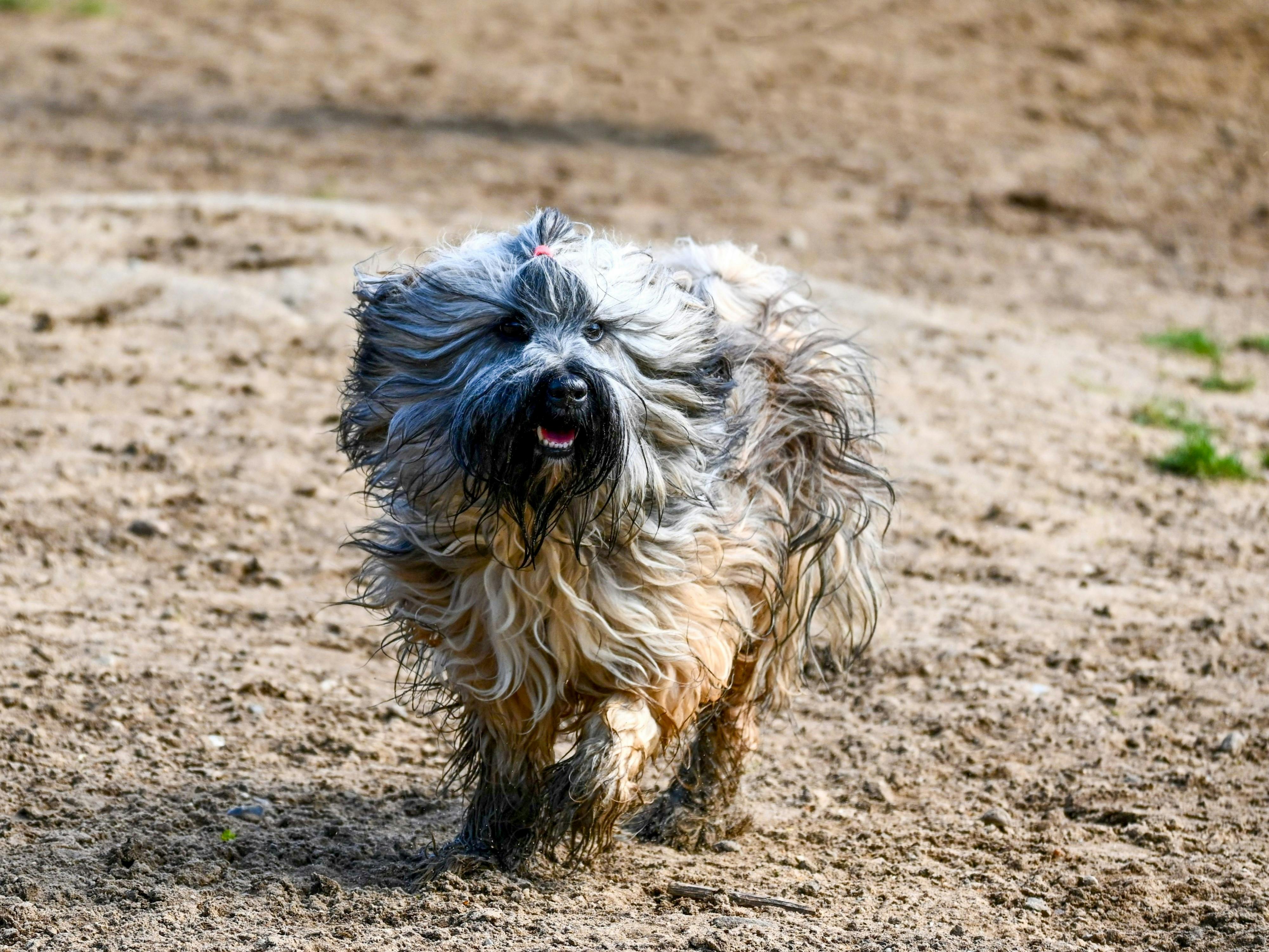 \n\n
\n\nDogs are often seen with their wet noses, and many people wonder why that is. The moisture on a dog's nose is not just for show; it serves several important functions. Wet noses vs. dry noses can actually tell you a lot about a dog's health and well-being. In this article, we will dive into the fascinating world of dog nose conditions and explore the reasons behind why dogs have wet noses.
\nWhy Do Dogs Have Wet Noses?
\nThe wetness of a dog’s nose can be attributed to several factors. One major reason is that moisture helps dogs to enhance their sense of smell. Dogs have an incredible olfactory system, and a wet nose can help trap scent particles from the air. This ability to smell is critical for dogs, as they rely on it for communication and navigation.
\nSome reasons why dogs have wet noses include:
\n- \n
- Scent Detection: A wet nose absorbs scent chemicals better than a dry nose. This aids in their ability to detect smells, which is essential for their survival. \n
- Temperature Regulation: Dogs can’t sweat like humans do. A wet nose may help them to cool down, as evaporation of moisture can lower their body temperature. \n
- Health Indicator: A dog's nose can serve as a health barometer. Changes in moisture levels might indicate health conditions that require attention. \n
Wet Noses vs. Dry Noses: What They Indicate
\nNot all noses are created equal, and a dog’s nose can change from wet to dry throughout the day. Here’s a breakdown of what each condition might mean:
\nWet Nose
\n- \n
- Normal Condition: A wet nose is typically a sign of a healthy dog. \n
- Excitement or Activity: Dogs often have wet noses after playing or being active. \n
- Temperature Regulation: As mentioned earlier, a wet nose assist in cooling dogs down. \n
Dry Nose
\n- \n
- Possible Dehydration: A dry nose might indicate that a dog is not drinking enough water. \n
- Illness or Fever: Sometimes, a dry nose can be a sign of a fever. If it’s persistently dry, it could be a symptom of an underlying health issue. \n
- Environmental Factors: Weather can affect a dog's nose. Hot weather may dry it out. \n
When to Be Concerned
\nWhile a dry nose does not always mean something is wrong, there are situations when it’s important to consult with a veterinarian. Here are some red flags to look for:
\n- \n
- Persistent Dryness: If your dog’s nose stays dry for an extended period, it’s worth checking out. \n
- Cracking or Bleeding: If the nose shows signs of cracking or bleeding, it could be a more serious issue. \n
- Changes in Behavior: If your dog is showing signs of lethargy, loss of appetite, or other unusual behaviors, a dry nose might be a part of a bigger problem. \n
Fun Facts About Dog Noses
\n- \n
- Unique Patterns: Just like human fingerprints, each dog has a unique nose print. \n
- Temperature Sensitivity: Dogs can sense changes in temperature through their noses, which helps them to detect potential danger. \n
- Nasal Turbinates: Inside a dog's nose are structures called turbinates, which help warm and moisten the air before it goes into the lungs. \n
Care Tips for Your Dog’s Nose
\nTo keep your dog's nose healthy, consider these tips:
\n- \n
- Hydration: Always make sure your dog has access to fresh water. \n
- Limit Sun Exposure: Dogs can get sunburned on their noses, especially the ones with lighter pigmentation. Applying pet-safe sunscreen can help. \n
- Regular Vet Check-ups: Routine veterinary visits are essential to catch any potential health issues early on. \n
In Summary
\nUnderstanding the differences between wet and dry dog noses can give you insights into your furry friend’s health. A wet nose is generally a sign of a happy, healthy dog, while a dry nose may require a bit more attention. Observing your dog’s behavior and nose condition can help ensure they lead a happy life. If you ever feel unsure about any changes, don’t hesitate to reach out to a veterinarian. They can provide guidance and help keep your pet healthy and thriving. So, the next time you see your dog with a wet nose, remember the fascinating reasons behind it!
\n\nCan a Dog’s Wet Nose Predict Their Mood? Discover the Surprising Link
\n\n\n\nDogs have been our companions for thousands of years, but one of the most intriguing questions about them is, can a dog’s wet nose predict their mood? Many dog owners have noticed that their furry friends' noses seem to be perpetually moist, leading to speculation and curiosity. So, why do dogs have wet noses? Let’s dive into this fascinating topic and uncover the surprising link between a dog’s wet nose and their emotional state.
\nWhy Do Dogs Have Wet Noses?
\nFirst off, it's important to understand the biology behind a dog’s wet nose. A dog's nose gets its moisture from a combination of saliva and the mucous membranes. This isn’t just for show; wet noses actually play a crucial role in their sense of smell. Studies have shown that the moisture helps to capture scent particles from the air, enhancing their ability to sniff out different scents.
\nA dog’s nose is packed with scent receptors—up to 300 million, compared to a human's mere 5 million. This makes dogs excellent at detecting changes in their environment, including the emotional states of humans and other animals.
\nThe Surprising Link Between Wet Noses and Mood
\nNow, let’s explore the potential connection between a dog’s wet nose and their mood. While there's no definitive scientific proof linking the two, many pet owners believe that the moisture level of a dog’s nose can indicate their emotional state. Here are some observations that might shed light on this connection:
\n- \n
- Wet Nose = Happy Dog: If your dog’s nose is moist, it might indicate they are feeling happy and relaxed. A wet nose can be a sign of a dog that is comfortable in their environment. \n
- Dry Nose = Stressed or Sick: Conversely, a dry nose could suggest that a dog is anxious, stressed, or even unwell. It’s not a hard and fast rule, but many owners have reported this correlation. \n
- Temperature and Weather Effects: When it’s hot outside, a dog’s nose may dry out more quickly, which can affect their mood. A cool, wet nose may indicate that they are feeling fresh and energetic. \n
Factors That Influence Nose Moisture
\nThere are several factors that can affect the moisture level of a dog's nose, including:
\n- \n
- Weather Conditions: Humidity and temperature can play a big role. On hot, dry days, dogs may have drier noses. \n
- Health Status: Illness or dehydration can lead to a dry nose. If you notice persistent dryness, it might be time for a vet visit. \n
- Activity Level: After a vigorous play session, a dog’s nose might be wetter due to increased panting and saliva. \n
Fun Facts About Dog Noses
\nHere are some interesting tidbits about dog noses that you might not know:
\n- \n
- Unique Patterns: Just like human fingerprints, every dog has a unique nose print that can be used for identification. \n
- Temperature Regulation: Dogs also use their noses to help regulate their body temperature. A wet nose can help cool them down. \n
- Scent Memory: Dogs can remember scents for years. Their noses are not just tools for discovery; they play a role in their memory. \n
Practical Tips for Dog Owners
\nIf you want to monitor your dog’s mood through their nose, here are some practical tips:
\n- \n
- Observe Regularly: Keep an eye on your dog’s nose throughout the day. Note any changes in moisture and how it correlates with their behavior. \n
- Check for Other Signs: Look for other indicators of mood such as tail wagging, body posture, and vocalizations. \n
- Stay Hydrated: Ensure your dog always has access to fresh water, which helps keep their nose moist and healthy. \n
- Consult a Vet: If you notice significant changes in your dog’s nose moisture or overall behavior, consult with a veterinarian. \n
Emotional Intelligence in Dogs
\nDogs are known for their emotional intelligence, capable of picking up on human feelings. They can sense when you’re happy, sad, or stressed. It’s possible that a wet nose is just one of many ways they communicate their own feelings and connect with us emotionally.
\nUnderstanding your dog’s behavior and what their wet nose might mean can enhance the bond you share. Dogs are complex creatures with rich emotional lives, and their noses are just a small window into their world.
\nIn essence, while a dog’s wet nose might not be a foolproof indicator of mood, it certainly offers intriguing insights into their emotional state. So the next time you pet your furry friend, take a moment to consider that wet nose and what it might be trying to tell you about how they feel.
\n\nThe Role of Dog Noses in Temperature Regulation: Why Wet is Best
\n\n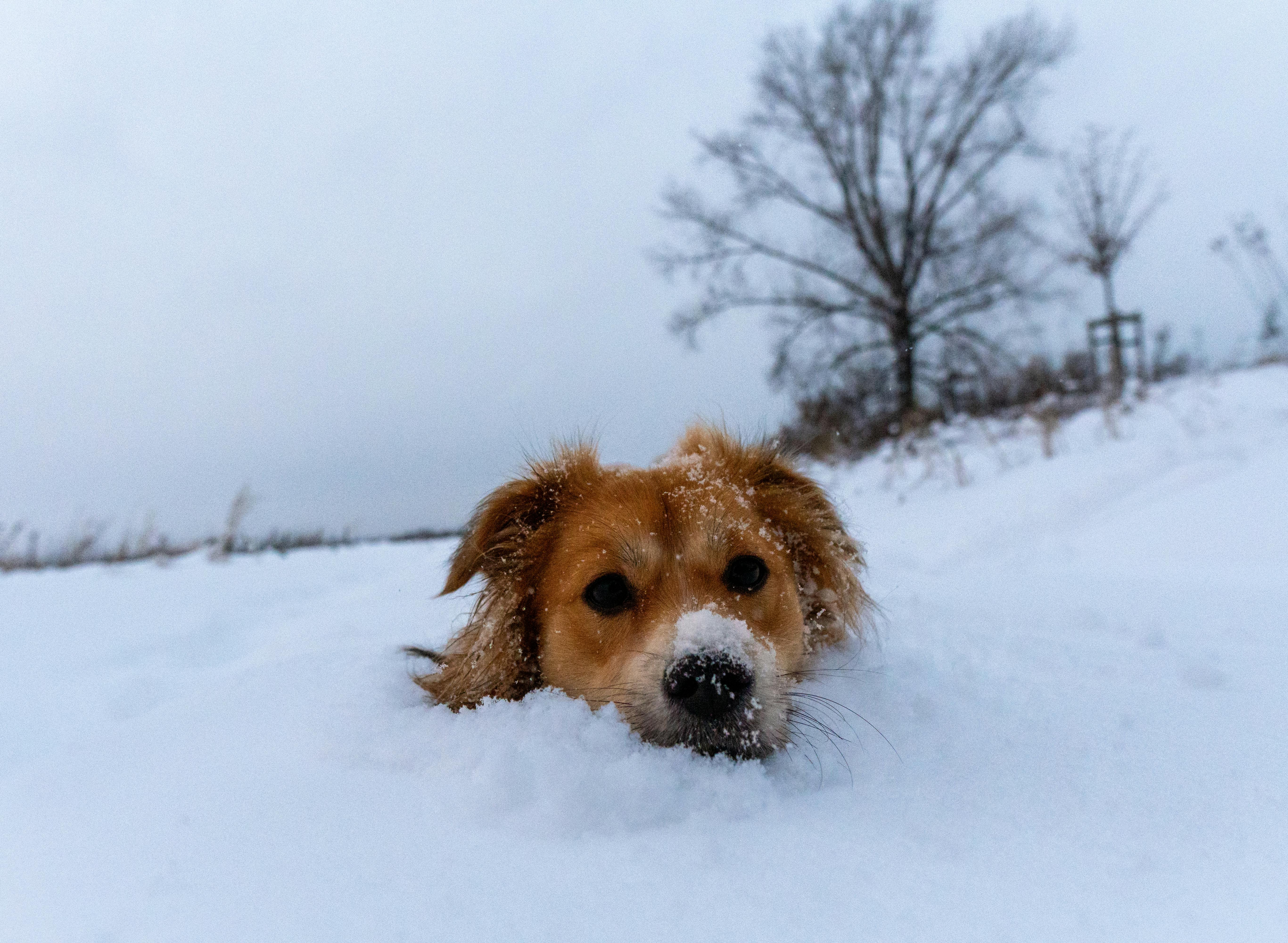 \n\n
\n\nDogs have always been a fascinating subject for humans, haven’t they? They’re not just our loyal companions, but they also have some pretty interesting features. One of those features is their wet noses. You might have wondered, why do dogs have wet noses? Well, there's actually a lot going on beneath the surface, and the role of dog noses in temperature regulation is an area that many people overlook.
\nThe Science Behind Wet Noses
\nFirst off, let’s dive into the science of it all. A dog’s nose is not just for sniffing out that delicious treat hidden in the couch cushions. It serves critical functions, including temperature regulation. The moisture on a dog's nose helps them to cool down in a unique way. When dogs pant, they release moisture from their mouths, but the wet nose also plays a part. The evaporation of the moisture on their nose helps cool their blood vessels, which is why a wet nose is essential for temperature control.
\n- \n
- Dogs have about 300 million scent receptors in their noses. \n
- Their noses are usually cooler than their body temperature, which ranges between 101°F to 102.5°F. \n
- The moisture aids in scent detection. When the nose is wet, it can capture more scent particles. \n
Why Wet is Best
\nNow, let’s explore why a wet nose is actually a good thing. A wet nose not only helps with temperature regulation, but it also increases a dog's ability to smell. When their nose is moist, it can absorb scent particles better. This means that dogs are more in tune with their environment, which is why they can sniff out a treat or track a scent with incredible accuracy.
\n- \n
- Wet noses help in:
- \n
- Cooling down the body. \n
- Enhancing the sense of smell. \n
- Keeping the nasal passages moist for easier breathing. \n
\n
The Evolutionary Aspect
\nHistorically, dogs evolved from wolves, who relied on their keen sense of smell for hunting and survival. A wet nose was a beneficial trait that helped them thrive. This evolutionary advantage has carried through to modern dogs. Their noses are designed to keep them cool and help them breathe better while also being effective hunters.
\n- \n
- Early domesticated dogs had wet noses for:
- \n
- Better hunting capabilities. \n
- Enhanced communication with other dogs. \n
- Improved survival rates. \n
\n
What Happens When a Dog's Nose is Dry?
\nYou might wonder what it means when a dog’s nose is dry. While a warm, dry nose is not always a sign of illness, it can indicate dehydration or overheating. If you notice this alongside other symptoms like lethargy or loss of appetite, it might be time to consult your veterinarian. Some potential causes for a dry nose include:
\n- \n
- Dehydration \n
- Allergies \n
- Sunburn \n
- Illness or infections \n
Fun Facts About Dog Noses
\nLet’s throw in some fun facts to spice things up! Did you know that a dog’s nose print is as unique as a human fingerprint? Here are some more intriguing tidbits:
\n- \n
- Dogs sweat through their paws, but mainly they regulate heat through their noses. \n
- The color of a dog’s nose can vary from pink to black, and some breeds even have spotted noses! \n
- A dog’s sense of smell can be up to 100,000 times more sensitive than a human's. \n
Practical Tips for Dog Owners
\nAs a dog owner, it’s essential to keep an eye on your furry friend’s nose health. Here are some practical tips:
\n- \n
- Regularly check for dryness or cracks on the nose. \n
- Ensure your dog stays hydrated, especially during hot weather. \n
- Avoid exposing your dog to extreme temperatures for long periods. \n
- Consult your vet about any noticeable changes in your dog’s nose condition. \n
So, the next time you’re petting your dog and feeling that delightful wet nose, remember, it’s more than just cute. It’s a vital part of their biology that keeps them cool and helps them smell the world around them. Understanding the role of dog noses in temperature regulation can help you become a better dog owner. Embrace the wetness, it’s best for your furry friend!
\n\n7 Myths About Dogs and Their Wet Noses Debunked
\n\n \n\n
\n\nWhen it comes to our furry friends, there’s a lot of fascination surrounding their behavior and biology. One of the most intriguing features of dogs are their wet noses. You might’ve heard a bunch of things about it, but many of those are just myths. So, let’s dive into the seven common misconceptions about dogs and their wet noses, and uncover the truth behind this canine characteristic. Why do dogs have wet noses anyway? Let’s find out!
\nMyth 1: A Wet Nose Means a Dog is Healthy
\nMany people think that if a dog’s nose is wet, it’s a sign of good health. Well, that's kinda misleading. While a wet nose can indicate hydration, it doesn’t always mean a dog is healthy. Dogs can have wet noses when they're sick, and they can have dry noses when they’re perfectly fine. So, it’s better to look at other signs of health, like appetite and energy levels.
\nMyth 2: Dogs Have Wet Noses to Cool Off
\nIt is believed by some that dogs primarily have wet noses to help them cool down. While it’s true that dogs can sweat through their paw pads, the moisture on their noses serves more purposes than just cooling. The moisture helps to enhance their sense of smell, which is way more important for dogs than cooling down.
\nMyth 3: All Dogs' Noses are Wet
\nNot all dogs have wet noses, and that’s totally normal. Different breeds can have different nose types. For instance, brachycephalic breeds (like Bulldogs or Pugs) may have drier noses. Factors like age, environment, and overall health can influence the moisture of a dog’s nose, so it varies.
\nMyth 4: A Dog’s Nose Can Predict the Weather
\nEver heard someone say that a dog’s wet nose can predict the rain? That’s a fun thought, but it’s not scientifically backed. While dogs are sensitive to changes in the environment, such as humidity and pressure, there’s no solid evidence that they can forecast the weather like a meteorologist.
\nMyth 5: Wet Noses Are Caused by Saliva
\nMany people think that the wetness of a dog's nose comes from saliva. While a dog may lick its nose, the moisture is primarily produced by the nasal glands. This moisture helps in trapping scent particles, enhancing their ability to smell. So, it's more about biology than a slobbery kiss!
\nMyth 6: A Cold Nose Means a Dog is Sick
\nA cold, wet nose is often viewed as a sign of a sick dog, but this isn’t necessarily true. Dogs’ noses can fluctuate in temperature throughout the day, depending on activity levels and the environment. It's better to pay attention to other symptoms like coughing or lethargy rather than just relying on the nose temperature.
\nMyth 7: Dogs’ Noses are Wet Because They Live in Water
\nSome folks think dogs have wet noses because they swim or play in water. But this isn't the case. While some dogs love water, the wetness of their noses isn't caused by water play. It's more about their unique physiology and how their bodies are designed.
\nThe Fascinating Truth About Dogs’ Wet Noses
\nSo, why do dogs have wet noses? The truth is, the moisture plays a significant role in a dog's life. Here are some fascinating points:
\n- \n
- Sensory Enhancement: The wetness helps capture scent particles, which is why dogs can smell things way better than humans can. \n
- Cooling Mechanism: While primarily not for cooling, moisture can play a small role in thermoregulation. \n
- Social Signals: A dog’s nose can communicate feelings and intentions to other dogs through scent. \n
Summary of Key Points
\n- \n
- A wet nose doesn’t always mean health. \n
- Moisture enhances their sense of smell, not just cooling. \n
- Nose wetness varies by breed and health. \n
- Dogs can’t predict the weather with their noses. \n
- Moisture is produced by nasal glands, not saliva. \n
- Nose temperature fluctuates, so don't rely on it to judge health. \n
- Wet noses aren't just from water play; it’s biology! \n
Understanding these myths and facts can help dog owners and enthusiasts appreciate their pets even more. It's amazing how much our furry companions can teach us about nature and biology. So, next time you see your dog’s wet nose, you can smile knowing the science behind it!
\n\nWhat Makes a Dog's Nose Wet? Exploring the Anatomy and Function
\n\n \n\n
\n\nHave you ever noticed how your dog's nose is often wet? It's one of those cute little quirks that many dog lovers have pondered over. But what makes a dog's nose wet? Let's dive into the fascinating anatomy and function of our furry friends' noses, exploring the reasons behind this intriguing moisture and what it indicates about their health and behavior.
\nThe Anatomy of a Dog's Nose
\nTo understand why dogs have wet noses, we first need to look at the structure of their noses. A dog’s nose, also called the snout, is made up of various parts that contribute to its unique function:
\n- \n
- Nasal Passages: These are lined with moist tissue that helps to trap scents. \n
- Olfactory Receptors: Dogs have an incredible number of these receptors—estimated to be around 220 million, compared to a human’s 5 million. This allows them to smell things that are completely undetectable to us. \n
- Mucus Glands: These glands secrete moisture onto the nose, helping to enhance a dog's sense of smell. \n
The moisture on a dog's nose is primarily produced by these glands. But why is that moisture so important?
\nWhy Do Dogs Have Wet Noses? The Fascinating Truth!
\nThere are several reasons why a dog’s nose is wet, and each serves a different purpose. Here are some key points:
\n- \n
- Enhanced Smell: The moisture helps to absorb scent particles, making it easier for dogs to pick up various smells. This is why a wet nose is essential for their tracking and hunting skills. \n
- Thermoregulation: Dogs don’t sweat like humans do. Instead, they rely on their noses and panting to cool down. A wet nose can help in regulating their body temperature. \n
- Health Indicator: A dog's nose can be a good indicator of their health. A consistently dry nose may suggest dehydration or illness, while a wet nose is typically a sign of good health. \n
The Role of Moisture in a Dog's Nose
\nMoisture on a dog's nose plays a pivotal role in their daily lives. Here’s how:
\n- \n
- Scent Detection: When a dog's nose is moist, it can better absorb scents. This is why dogs often lick their noses; they increase the moisture to improve their smelling ability. \n
- Communication Tool: Dogs use their noses to interact with other dogs and animals. A wet nose may signal to other dogs that they are friendly and approachable. \n
- Environmental Awareness: Dogs explore their environments primarily through smell. A wet nose helps them gather more information about their surroundings, including potential dangers. \n
Fun Facts About Dog Noses
\n- \n
- Unique Nose Prints: Just like human fingerprints, every dog's nose print is unique and can be used for identification. \n
- Color Variation: The color of a dog’s nose can vary greatly depending on the breed, genetics, and even age. \n
- Temperature Sensitivity: Dogs' noses are sensitive to temperature changes, which helps them detect heat from food or other animals. \n
Common Misconceptions
\nMany people have misconceptions about dog noses. Here’s a list of some common myths:
\n- \n
- \n
Myth: A dry nose means a dog is sick.
\n- \n
- Truth: While a dry nose can indicate health issues, it’s not a definitive sign. Dogs can have dry noses for various reasons, including weather or just waking up. \n
\n - \n
Myth: Dogs' noses are always wet.
\n- \n
- Truth: A dog’s nose can be dry at times, especially after sleeping. \n
\n
How to Care for Your Dog’s Nose
\nKeeping your dog’s nose healthy is important. Here’s a quick list of tips:
\n- \n
- Hydration: Ensure your dog is always hydrated. A well-hydrated dog is more likely to have a healthy, moist nose. \n
- Regular Vet Check-ups: Routine check-ups can help identify any issues early on. \n
- Protect from Extreme Weather: In cold weather, consider applying a dog-safe balm to prevent chapping. \n
In Conclusion
\nThe wetness of a dog's nose is not just a charming feature; it serves essential functions that impact their health, behavior, and interaction with the world around them. Understanding what makes a dog's nose wet gives us insight into their biology and how we can care for them better. So next time you see your furry friend with their adorable wet nose, remember all the incredible things it allows them to do!
\n\nHow to Keep Your Dog’s Nose Healthy and Moist: Expert Tips and Tricks
\n\n \n\n
\n\nKeeping your furry friend happy and healthy is a top priority for every pet owner. One often-overlooked aspect of dog health is the condition of their nose. You might have wondered, "Why do dogs have wet noses?" Well, there is actually a fascinating truth behind it! Plus, maintaining that moisture is important for your pup's overall well-being. Let’s dive into some expert tips and tricks on how to keep your dog’s nose healthy and moist.
\nWhy Do Dogs Have Wet Noses?
\nDogs have wet noses for several reasons, and it’s more than just a quirk of nature. Here’s what you need to know:
\n- \n
- Cooling Mechanism: Dogs don’t sweat the way humans do. Instead, they rely on their nose to help regulate body temperature. A moist nose helps cool them down. \n
- Sense of Smell: A wet nose can enhance a dog’s sense of smell. The moisture helps capture scent particles, making it easier for dogs to sniff out all sorts of interesting smells. \n
- Health Indicator: A healthy dog usually has a cool and moist nose. Changes in the nose's moisture level could indicate health issues, such as dehydration or illness. \n
How to Keep Your Dog’s Nose Healthy and Moist
\nMaintaining your dog’s nose is easier than you might think. Here are some practical tips:
\n- \n
- Stay Hydrated: Always provide fresh water for your dog. Dehydration can cause their nose to dry out. Aim for at least 1 ounce of water per pound of body weight daily. \n
- Humid Environment: In dry climates or during winter months, consider using a humidifier. This can help maintain moisture in the air, which is beneficial for your dog’s nose. \n
- Regular Vet Visits: Annual check-ups can help catch potential health issues early. Your vet can check the condition of your dog’s nose and overall health. \n
- Watch for Allergens: Just like humans, dogs can be allergic to environmental factors. Dust, pollen, and mold can irritate their noses. Regular cleaning and monitoring can help reduce exposure. \n
- Use Nose Balm: If you notice your dog’s nose is dry, consider using a pet-safe nose balm. These balms are designed to moisturize and protect the nose. \n
Signs of a Healthy Nose vs. Unhealthy Nose
\nTo keep a close eye on your dog’s nose, it helps to know the signs of a healthy versus unhealthy nose. Here’s a simple comparison:
\nHealthy Nose:
\n- \n
- Moist and cool to the touch \n
- Smooth texture, with no cracks or sores \n
- Normal color (usually black or brown, depending on the breed) \n
Unhealthy Nose:
\n- \n
- Dry and warm \n
- Cracked or bleeding \n
- Change in color (redness or excessive pigmentation may indicate issues) \n
- Unusual discharge or foul odor \n
Common Nose Conditions to Watch For
\nSometimes, despite your best efforts, your dog might develop nose conditions. Here are a few to be aware of:
\n- \n
- Nasal Dermatitis: This condition can result from allergies or irritants. Symptoms include redness and inflammation. \n
- Nasal Tumors: While rare, tumors can occur. Look for persistent changes in the nose’s texture or color. \n
- Autoimmune Disorders: These can cause lesions or sores on the nose. Regular veterinary check-ups can help catch these early. \n
Fun Facts About Dog Noses
\nDid you know that dog noses are unique just like human fingerprints? Here are some fun facts:
\n- \n
- Scent Detection: Dogs have up to 300 million scent receptors, compared to about 5 million in humans. That’s why their noses are so wet — to capture even more scents! \n
- Temperature Regulation: A dog’s nose can change temperature based on their mood or health. A wet nose usually indicates a relaxed and healthy pup. \n
- Communication Tool: Dogs use their noses to communicate with other dogs. A sniff can convey a lot of information about another dog’s health, mood, and identity. \n
In the end, keeping your dog's nose healthy and moist is not just about aesthetics; it plays a vital role in their overall health. By following these tips and staying attuned to their nose's condition, you can help ensure your furry friend remains happy and healthy. Remember, a moist nose often signifies a well-cared-for dog, so keep those hydration levels up and watch for any signs of distress!
\n\nConclusion
\n\nIn conclusion, the wet noses of dogs serve several vital functions that contribute to their overall health and well-being. The moisture helps enhance their sense of smell, allowing them to pick up on a wider range of scents, which is crucial for their communication and navigation in the world. Additionally, a wet nose can assist in regulating body temperature and may even play a role in their emotional state. Understanding the significance of this unique feature not only deepens our appreciation for our canine companions but also highlights the importance of regular veterinary check-ups to ensure their health. So next time you feel your dog's cool, wet nose, remember the fascinating reasons behind it. Embrace the wonder of your pet's biology, and consider sharing this knowledge with fellow dog lovers to promote awareness about the incredible ways dogs interact with their environment.
\n\n