Have you ever wondered, why do dogs have wet noses? This intriguing question has piqued the interest of dog lovers and pet owners alike. A dog's nose is not just a cute feature; it serves several purpose that are essential for their health and well-being. Understanding this can help you bond better with your furry friend. Dogs, with they moist noses, can detect scents more effectively, making them incredible companions for tracking and search-and-rescue missions. But what really causes their noses to be so wet? Is it just a natural occurence, or does it have deeper implications about a dog's health? In this article, we will uncover the fascinating truth behind why our beloved pets have these damp noses. From canine anatomy to health indicators, you'll learn everything you need to satisfy your curiosity. So, if you’ve ever asked yourself, "What’s up with my dog’s wet nose?" or "Is a wet nose a sign of a healthy dog?" keep reading to discover the answers! Embrace the journey of learning and deepen your understanding of your four-legged friends.
The Science Behind Canine Noses: Why Are They Always Wet and What It Means for Your Dog's Health

Have you ever wondered why dogs have wet noses? This question often pops up among pet owners and dog lovers alike. The truth behind canine noses is fascinating and quite complex. Wet noses are not just a quirky characteristic of dogs—they play a vital role in their health, behavior, and sensory perception. Let's delve into the science behind those moist snouts and uncover what they reveal about your furry friend.
The Science of a Dog’s Nose
The first thing to understand is that a dog's nose is an incredible sensory organ. It contains up to 300 million olfactory receptors compared to a human’s mere 5 million. This means dogs have a sense of smell that is 40 times more powerful than ours! Their wet noses help enhance this sense, absorbing scent particles more effectively.
Why are they wet? Well, several factors contribute to this phenomenon:
- Moisture absorption: The wetness helps capture and retain scent particles, making it easier for dogs to detect odors.
- Temperature regulation: A wet nose can help cool a dog’s body temperature, which is especially important for breeds that struggle with heat regulation.
- Health indicators: A change in the moisture level of a dog's nose can sometimes signal health issues. A dry nose might indicate dehydration or illness, while a wet nose is generally a sign of a healthy pup.
Why Are Dog Noses Wet?
Let’s break down some reasons for that wetness:
- Nasal Secretions: Dogs produce mucous that keeps their noses moist. This mucous is crucial for trapping scent particles.
- Licking: Dogs often lick their noses, which adds to its moisture. This behavior can be a natural part of their grooming routine.
- Environmental Factors: Weather conditions, humidity, and temperature can affect how wet a dog's nose is. For example, in hot weather, you might notice your dog’s nose being drier than usual.
The Role of Dog’s Nose in Health
A wet nose is often seen as a sign of good health, but it isn't the only indicator. Here’s what a dog’s nose can tell you:
- Normal Conditions: A healthy dog typically has a moist, cool nose. This is often accompanied by a bright-eyed demeanor and playful behavior.
- Dehydration: If your dog’s nose is excessively dry and cracked, this could indicate dehydration. Make sure your pup is drinking enough water.
- Illness: A sudden change in the moisture of their nose, especially if it becomes excessively dry or you notice other symptoms (like lethargy or loss of appetite), might warrant a trip to the vet.
Fun Facts About Dog Noses
- Unique Patterns: Just like human fingerprints, each dog’s nose print is unique. This means it can be used to identify them.
- Scent Discrimination: Dogs can differentiate between smells even in highly saturated environments, making them excellent at search and rescue tasks.
- Emotional Detection: Dogs can detect human emotions through scent. They can smell changes in pheromones and sweat that correlate with emotional states.
Comparing Wet and Dry Noses
Here’s a quick comparison to help you understand the significance of wet and dry noses:
| Nose Condition | Potential Implications |
|---|---|
| Wet Nose | Healthy, hydrated, content |
| Dry Nose | Possible dehydration, illness, stress |
| Cracked Nose | Severe dehydration or health issues |
| Warm Nose | May indicate fever or overheating |
Practical Examples of Nose Health
- Routine Checks: Regularly check your dog’s nose; it’s a simple way to monitor their health.
- Hydration: Ensure your dog has constant access to fresh water, especially in hot weather.
- Consulting Vets: If you notice persistent changes in your dog’s nose moisture, consult your veterinarian for advice.
Understanding why do dogs have wet noses can lead to better care for your furry friend. It’s amazing how something so simple can hold so much importance in a dog’s life. In addition to the wetness, the overall health and behavior of your dog should be monitored regularly. After all, a happy and healthy dog makes for a joyful pet owner! So next time you see your pup's wet nose, remember all the remarkable roles it plays in their life.
7 Surprising Benefits of a Wet Nose: What Your Dog's Sniffer Reveals About Their Well-Being

Ever noticed how your dog’s nose is always a little wet? You might think it’s just a quirky trait, but there’s actually a lot more going on than meets the eye! In fact, a wet nose can be a sign of your dog’s overall health and well-being. Let’s delve into 7 surprising benefits of a wet nose and uncover what your dog’s sniffer reveals about their condition. Why do dogs have wet noses anyways? Well, let’s explore the fascinating truth behind this.
1. Natural Cooling System
Dogs don’t sweat like humans do. Instead, they rely on their nose and other body parts to help regulate their body temperature. A wet nose aids in cooling down. The moisture helps to evaporate and keep them from overheating. So, when you see your pup with a shiny, wet snout, it might be working overtime to keep them comfortable.
2. Enhanced Sense of Smell
Dogs are known for their incredible sense of smell—up to 100,000 times more sensitive than ours. The moisture on their noses absorbs scent particles from the air, making their sniffing even more effective. This is why you might find them sniffing around the ground or other dogs. It’s not just a habit; it’s essential for them to gather information about their environment!
3. Indicator of Health
A wet nose is often associated with a healthy dog. While not a definitive measure, if your dog’s nose feels dry and warm, it could be a sign they’re unwell. Illnesses, fever, or dehydration can lead to a dry nose. Regularly checking your pup’s nose can help you catch potential health issues early on.
4. Social Interactions
Dogs communicate in many ways, and their noses play a significant role in social interactions. A wet nose can indicate excitement or friendliness. When dogs greet each other, they often sniff each other’s noses as a way to gather information. It’s their version of a handshake! So, a wet nose can signal that your dog is open to meeting new friends.
5. Sense of Security
A wet nose can also be a sign of emotional well-being. Dogs often feel more secure and relaxed when their environment is comfortable. If your dog’s nose is moist, it could mean they’re feeling safe and happy in their surroundings. On the other hand, a dry nose might indicate stress or anxiety. Paying attention to your dog's nose can give you insights into their emotional state.
6. Healing Properties
Believe it or not, a dog’s nose has natural healing properties. The moisture found on their nose can help to heal minor cuts and scrapes. It’s a bit like nature’s own band-aid! When dogs lick their noses, they’re not just grooming themselves; they’re also applying antibacterial properties that can help protect against infections.
7. Temperature Regulation
As mentioned earlier, a dog’s nose plays a role in regulating body temperature. But did you know it also helps to maintain moisture levels? The wetness on a dog’s nose can help to balance humidity and keep their respiratory system functioning properly. A well-hydrated nose contributes to a dog’s overall respiratory health, which is crucial for their well-being.
Quick Facts About Dogs' Noses
- Dogs have approximately 300 million smell receptors, compared to humans' 5 million.
- The unique pattern of a dog’s nose is as individual as a human fingerprint.
- A dog’s sense of smell can identify certain diseases, including cancer and diabetes.
Comparison: Wet Nose vs. Dry Nose
| Wet Nose | Dry Nose |
|---|---|
| Usually indicates good health | Could indicate illness or dehydration |
| Helps with temperature regulation | May suggest stress or anxiety |
| Enhances sense of smell | Less efficient in scent detection |
| Sign of a happy dog | Can be a sign of discomfort |
Regularly checking your dog’s nose can provide you with clues about their health and happiness. The next time you give your furry friend a scratch behind the ears, take a moment to observe that adorable, wet nose. It’s more than just a feature; it’s a window into their well-being. So next time someone asks, “Why do dogs have wet noses?” you can share these fascinating insights!
Why Do Dogs Have Wet Noses? Uncovering the Evolutionary Advantage of Moisture
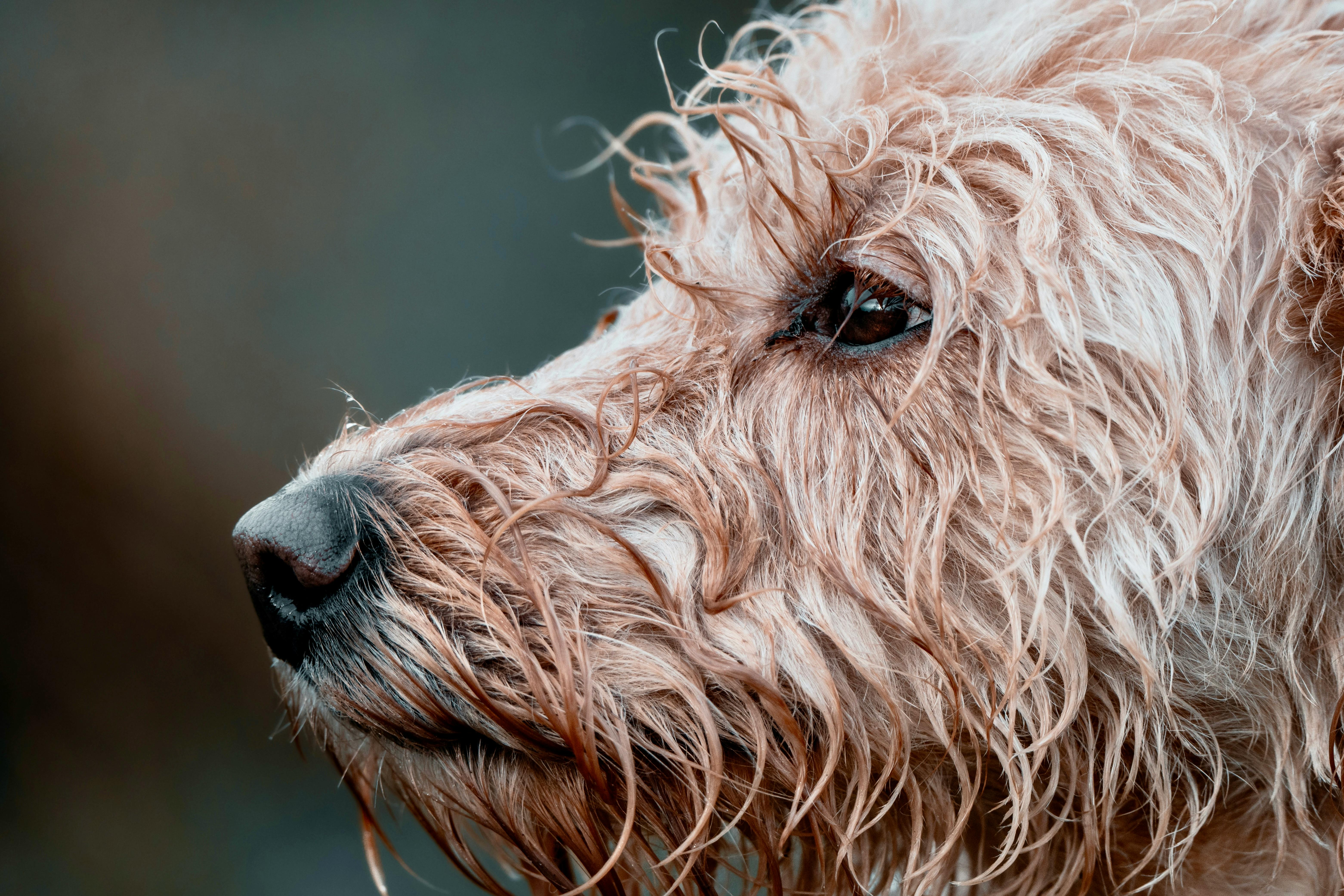
Have you ever wondered why do dogs have wet noses? It's kind of interesting when you start think about it. Many people just accept it as a norm of having a dog, but there’s actually more to it than just a cute feature. The moisture on a dog's nose serves several important purposes, and it can trace back to evolutionary advantages that became essential for their survival. So, let’s dive into the fascinating truth behind those damp noses!
The Functionality of Moisture
Dogs noses are often wet, and there's a good reason for it. The moisture helps them in various ways:
Enhanced Smell: Dogs have an extraordinary sense of smell, and having a wet nose helps to capture scent particles in the air. The moisture traps these particles, allowing dogs to detect scents more effectively. That's why they can find things we humans can’t even smell.
Thermoregulation: Dogs do not sweat like humans do. Instead, they often cool off through their noses. The evaporation of moisture from a dog's nose helps to regulate their body temperature, especially on hot days.
Health Indicator: A dog's nose can indicate its health. A wet nose usually means a dog is healthy, while a dry nose could suggest dehydration or illness. But, this is not a strict rule; many factors can influence nose moisture.
Evolutionary Background
Dogs evolved from wolves, and their noses have adapted over time. The ancestors of dogs required keen senses for hunting and survival. A moist nose was probably a trait that improved their hunting skills, helping them catch prey. This feature became more pronounced as dogs were domesticated, and their roles shifted from wild hunters to companions.
Scenting Ability: Wolves relied heavily on their sense of smell to track prey. The wetness of their noses helped them in this task. As dogs evolved, they retained this feature, which has become essential for their daily lives.
Social Interaction: Dogs communicate with each other through scent, which is why they often sniff each other’s faces and behinds. A moist nose enhances their ability to gather information about other dogs, which is crucial for social behavior.
Fun Facts About Dog Noses
Did you know that dog noses are as unique as human fingerprints? Here are some fun facts:
Nasal Prints: Just like fingerprints, each dog has a unique nose print. Some organizations even use these prints for identification.
Temperature Regulation: Dogs' noses are cooler than their body temperature. This helps in keeping their body temperature in check.
Sensory Organs: A dog's nose contains up to 300 million olfactory receptors, whereas humans have around 5 million. This difference explains why dogs can smell things that we cannot even fathom.
Comparing Dog Noses and Human Noses
While both dogs and humans have noses, their purposes and functions differ significantly. Here's a comparison:
| Feature | Dog Nose | Human Nose |
|---|---|---|
| Scent Receptors | ~300 million | ~5 million |
| Moisture Purpose | Improves smell, cools body | Mostly for smell and breathing |
| Temperature | Cooler than body temperature | Similar to body temperature |
| Identification | Unique nasal prints | Unique fingerprints |
Practical Examples of Nose Moisture
If you've ever noticed your dog’s nose being dry or cracked, it might be a good idea to check in with a vet. Here’s a quick list of when to be concerned:
- Dry Nose: If your dog’s nose is persistently dry, it could suggest dehydration or fever.
- Cracked Nose: Cracks might indicate a need for more hydration or could be a sign of allergies or irritants.
- Unusual Discharge: If there’s any unusual discharge, it could signify a health issue that needs attention.
So, why do dogs have wet noses? It’s not just for show! Their moist noses serve critical functions, from enhancing their remarkable sense of smell to helping in regulating body temperature. Understanding these aspects can deepen your appreciation for our canine companions and their unique characteristics. Dogs have been our loyal friends for thousands of years, and their wet noses are just one of the many fascinating traits that make them so special. So, next time you give your furry friend a scratch behind the ears, take a moment to appreciate that wet nose and all it represents!
The Truth About Wet Noses: Do They Really Help Dogs Smell Better?

The wet nose of a dog is often thought to be some kind of magical tool that helps them smell better. You might have wondered, why do dogs have wet noses anyway? Is it just for show, or does it serve a real purpose in their amazing sense of smell? Well, let’s dive into the fascinating truth about wet noses and discover what science has to say about them.
The Science Behind Wet Noses
Dogs noses are not just cute, they're also incredibly functional. A dog's nose contains more scent receptors than a human's, which is part of why they can smell so well. But, wet noses play a part in this too.
Moisture: The moisture on a dog’s nose helps to trap scent particles. When the nose is wet, it can absorb more odor molecules from the environment. This leads to better detection of smells.
Cooling Mechanism: Dogs don’t sweat like humans, so a wet nose can help keep them cool. The moisture evaporates and cools the nose, which is important for regulating body temperature.
Health Indicator: A wet nose can also indicate that a dog is healthy. Dogs with dry noses might be sick or dehydrated, although this isn’t always the case.
How Do Dogs Smell?
Understanding how dogs smell helps to appreciate the role of their wet noses. Dogs have about 300 million scent receptors compared to a human’s 5 million. Their sense of smell is so powerful that they can detect certain scents at incredibly low concentrations.
Dogs can smell things in parts per trillion! Here’s how it works:
Detection: When a dog sniffs, they draw air into their nostrils, where scent particles stick to the moist surface.
Processing: The olfactory bulb in a dog’s brain processes these scent particles. This area is much larger in dogs than in humans, allowing them to differentiate between countless smells.
Responding: Once they smell something, they can react based on their training or instincts, whether it's finding a lost person or just sniffing out a tasty treat.
Why Do Dogs Have Wet Noses?
You might be curious about the evolutionary aspect of wet noses. Dogs, like their wolf ancestors, likely developed wet noses because it improved their hunting capabilities. Here are some reasons:
Survival: Being able to smell prey or avoid predators was crucial in the wild. A wet nose would have been an advantage in tracking scents over long distances.
Social Interaction: Dogs often greet each other by sniffing. A wet nose can signal health and readiness to engage.
Temperature Regulation: A cool nose can help regulate a dog’s body temperature during warmer weather, especially since they lack sweat glands.
Common Myths About Wet Noses
There are many misconceptions floating around about wet noses and dogs. Here are a few myths debunked:
Myth 1: A wet nose means a dog is sick.
- Fact: While a dry nose can indicate illness, it’s not always a reliable symptom.
Myth 2: Only purebred dogs have wet noses.
- Fact: All dogs, regardless of breed, can have wet noses.
Myth 3: Wet noses are a sign of happiness.
- Fact: A wet nose doesn’t directly correlate with a dog’s emotional state.
Fun Facts About Dogs’ Noses
- Dogs’ wet noses are about 20-30 degrees cooler than their body temperature.
- The pattern of a dog's nose print is unique, similar to human fingerprints.
- Dogs can smell diseases like cancer or diabetes in humans due to their acute sense of smell.
Practical Tips for Dog Owners
Understanding the importance of a dog’s wet nose can help pet owners take better care of their furry friends. Here are some tips:
- Hydration: Always ensure that your dog has access to fresh water to keep their nose moist.
- Regular Check-Ups: Monitor your dog’s nose. If it becomes persistently dry or cracked, consult a vet.
- Temperature Awareness: Be mindful of your dog's body temperature, especially during hot days. A wet nose can be a good indicator that they are managing well.
In conclusion, the wet nose of a dog is more than just an adorable feature; it’s a fascinating tool that enhances their ability to smell, helps in their social interactions, and serves as a health indicator. So the next time your dog nudges you with their wet nose, remember there’s a lot more to it than meets the eye!
How a Wet Nose Can Indicate Your Dog's Emotions: Understanding Their Feelings
Understanding your dog's feelings can be quite a fascinating journey, especially when you consider some of the most notable traits they have, like their wet noses. Ever wondered why do dogs have wet noses? Or how a wet nose can indicate your dog's emotions? The truth behind these questions goes beyond just a physical characteristic; it reflects a deep connection between dogs and their humans.
Why Do Dogs Have Wet Noses?
Most of people probably notice that dogs’ noses are often moist or wet. This wetness is not just random; it serves several important purposes. Here are a few reasons why dogs have wet noses:
Sense of Smell: A wet nose actually enhances a dog's sense of smell. The moisture helps to capture scent particles from the air, making it easier for them to identify different smells. This is crucial for their survival instincts and helps them understand their environment.
Thermoregulation: Dogs can’t sweat like humans do. Instead, they regulate their body temperature partly through their noses. A cool, wet nose means the dog is able to cool down effectively.
Health Indicator: The condition of a dog’s nose can indicate their overall health. A healthy nose tends to be moist, while a dry nose could signal dehydration or illness.
Communication: Dogs sometimes use their noses to communicate with each other and with humans. A dog might nuzzle you with their wet nose as a sign of affection or to get your attention.
How a Wet Nose Can Indicate Your Dog's Emotions
Have you ever noticed how your dog reacts when they greet you? Their wet nose often plays a big role in their emotional expressions. Here’s some ways to interpret your dog's feelings through their wet nose:
Excitement or Happiness: When a dog is happy or excited, their nose tends to be even wetter than usual. You might notice them wagging their tail furiously while coming up to you with that cool, moist nose.
Anxiety or Stress: Conversely, a dog that is feeling anxious might have a dry nose. This could happen during thunderstorms, fireworks, or when they’re feeling threatened.
Affection and Trust: If your dog gently nudges you with their wet nose, it’s often a sign of affection. They trust you and are seeking your attention.
Curiosity: When your dog is exploring a new environment or meeting new people, their nose will likely be wet. It indicates they’re using their sense of smell to understand what's around them.
Interesting Facts About Dogs' Noses
Dogs are truly fascinating creatures, and their noses are no exception. Here’s a list of some interesting facts about dogs’ noses:
A dog’s sense of smell is about 10,000 to 100,000 times more sensitive than that of humans.
Dogs have approximately 300 million smell receptors in their noses, while humans only have about 6 million.
The unique pattern of a dog's nose is similar to a human fingerprint; no two dogs have the same nose print.
Certain breeds, like Bloodhounds, have an exceptional sense of smell and can track scents over long distances.
How to Take Care of Your Dog's Nose
A wet nose is generally a sign of good health, but it’s important to maintain it. Here are some tips for dog owners:
Hydration: Make sure your dog always have access to fresh water. This helps keep their nose moist.
Check for Cracks or Dryness: Regularly check your dog’s nose for any signs of cracking or dryness, as this could indicate a health issue.
Avoid Irritants: Keep your dog away from strong chemicals or substances that could irritate their noses, like certain cleaning products.
Regular Vet Check-ups: During vet visits, don't forget to mention any changes in your dog’s nose condition, as it could be a sign of underlying health issues.
Understanding why do dogs have wet noses and how it relates to their emotions can deepen the bond you share with your furry friend. It’s a world full of signals and signs that we can learn to interpret, helping us to respond better to our dogs’ needs and feelings. So, next time you see that wet nose, take a moment to appreciate the emotional language it speaks!
Is a Wet Nose Always Healthy? 5 Signs Your Dog’s Nose Could Be a Cause for Concern
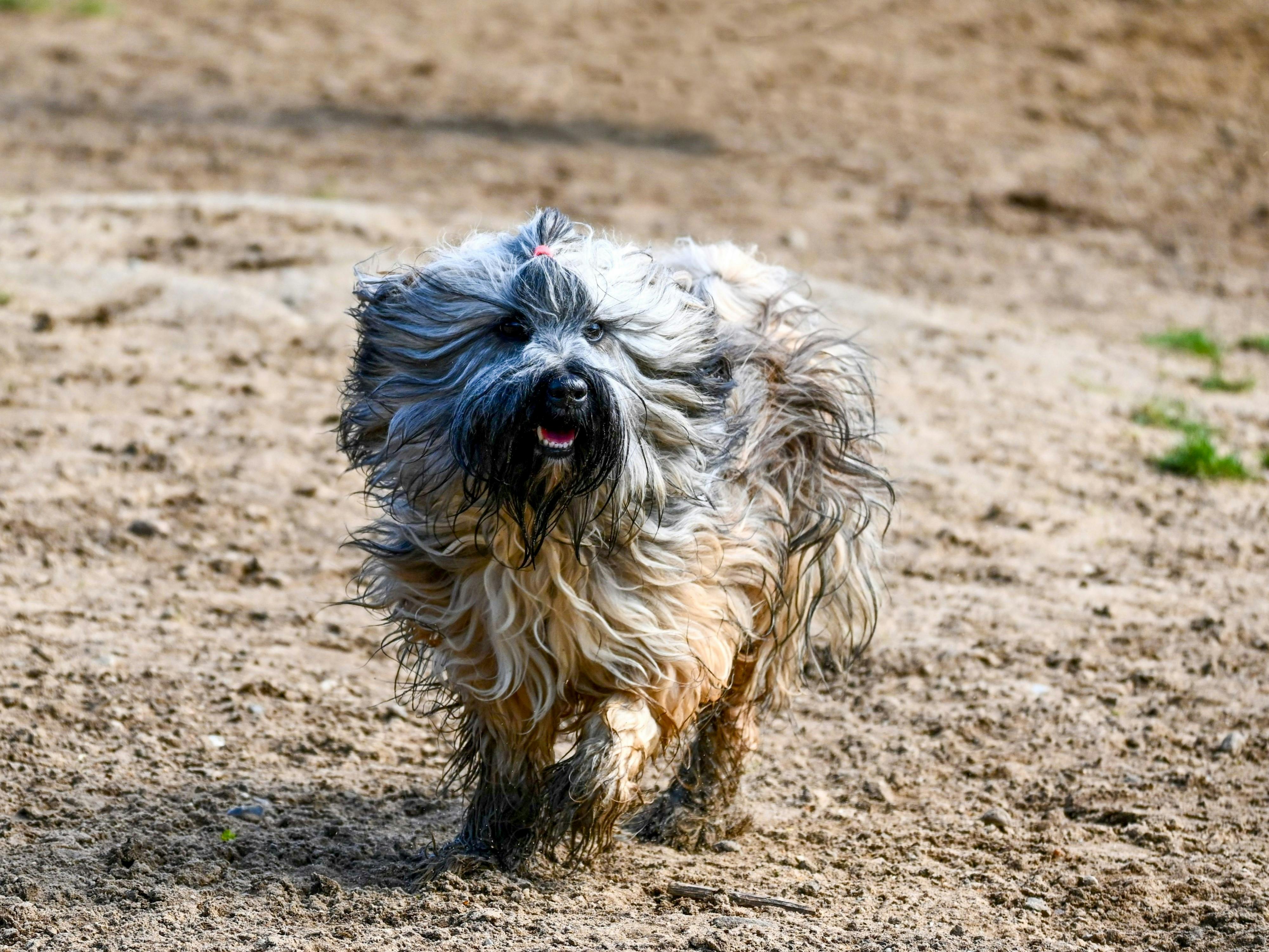
Dogs are known for their wet noses, but many dog owners wonder, "Is a wet nose always healthy?" The answer is not as straightforward as you might think. While a wet nose can be a sign of health, there are several factors that can indicate potential issues. In this article, we’ll explore why do dogs have wet noses and discuss five signs that your dog’s nose might be a cause for concern.
Why Do Dogs Have Wet Noses?
Dogs have wet noses for a variety of reasons, and it’s fascinating how nature equipped them with this feature. A wet nose helps dogs to sense their environment better. The moisture on their nose enhances their sense of smell, which is crucial for their survival and communication.
Here’s a few reasons why dog noses are typically wet:
- Cooling Mechanism: Dogs do not sweat like humans do. Their nose helps to cool them down as the moisture evaporates.
- Enhanced Smell: The wet surface traps scent particles, making it easier for dogs to detect various odors.
- Health Indicator: A moist nose often reflects hydration and overall health.
5 Signs Your Dog’s Nose Could Be a Cause for Concern
While a wet nose usually indicates a healthy dog, there are exceptions. Here are five signs that could indicate potential health issues.
Dry or Cracked Nose: If your dog’s nose is suddenly dry or cracked, it could be a sign of dehydration or an underlying health issue. Dogs can become dehydrated for many reasons, including illness or excessive heat.
Change in Color: A sudden change in the color of your dog’s nose can be concerning. For instance, if the nose turns pale or develops spots, this could indicate an autoimmune disease or other health problems.
Nose Discharge: A dog’s nose may occasionally have some discharge, but if it’s excessive, foul-smelling, or discolored, it might be a sign of a respiratory infection or allergies. Normal discharge should not be thick or cause discomfort.
Swelling or Inflammation: If you notice that your dog’s nose looks swollen or inflamed, it could indicate an infection or allergic reaction. This might require immediate veterinary attention.
Persistent Symptoms: If the wetness of your dog’s nose is accompanied by other symptoms like lethargy, vomiting, or changes in appetite, it’s time to consult a veterinarian. These signs could indicate something more serious.
What Should You Do If You Notice These Signs?
If you see any of the above signs in your dog, it’s better to take action quickly. Here’s a simple checklist of steps to follow:
- Monitor Symptoms: Keep a close eye on your dog. Note any additional symptoms that may arise.
- Hydration Check: Ensure your dog is drinking enough water. Dehydration can worsen the situation.
- Veterinary Consultation: If symptoms persist or worsen, contact your veterinarian. They can provide a proper diagnosis and treatment options.
A Brief Historical Context
Historically, dogs have been close companions to humans, with their wet noses often seen as a sign of affection and health. Ancient cultures revered dogs for their loyalty and hunting capabilities, and their wet noses were often thought to be magical or a sign of good fortune. Even today, many believe that a dog’s nose can tell you a lot about their wellbeing, reflecting a long-standing relationship between humans and their furry friends.
Fun Facts About Dog Noses
- Unique Patterns: Just like fingerprints in humans, every dog has a unique nose print.
- Temperature Regulation: Dogs’ noses help regulate their body temperature, providing a cooling effect in hot weather.
- Nose as a Tool: Dogs use their noses not just for smelling but also for social interactions with other dogs.
Noses are just one part of the complex health puzzle of dogs. While a wet nose is generally a good sign, it’s essential to remain vigilant about any changes. If you notice any alarming symptoms, don’t hesitate to reach out to your veterinarian.
Understanding your dog's health goes beyond just looking at their nose. Regular check-ups, a balanced diet, and plenty of exercise are vital for keeping your furry companion happy and healthy. So, the next time you wonder if a wet nose always means health, remember to look deeper into your dog's overall behavior and wellbeing.
The Fascinating Connection Between Your Dog’s Wet Nose and Their Sense of Smell
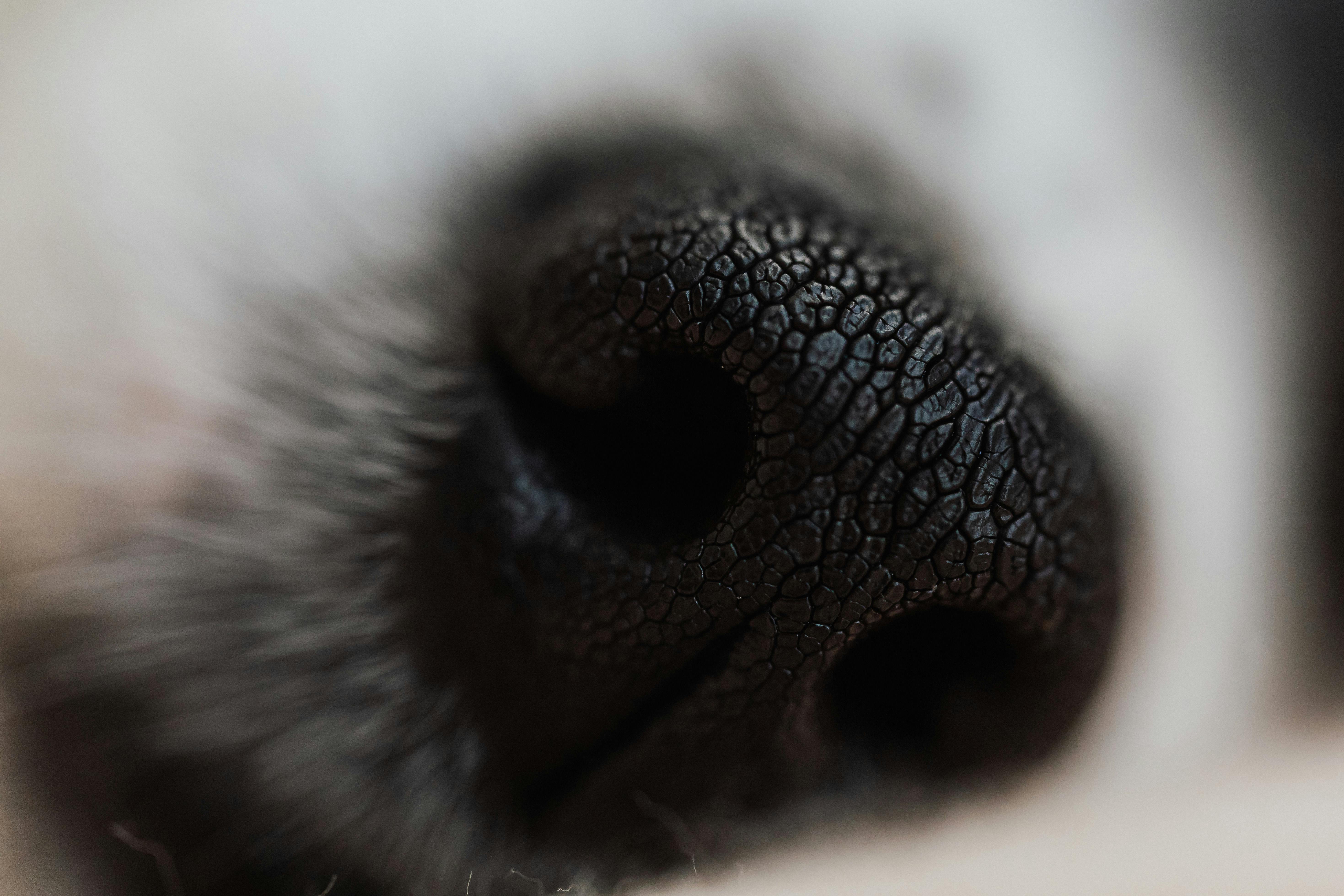
Dogs are such fascinating creatures, and one of the most notable things about them is their noses! Have you ever wondered why do dogs have wet noses? Well, there's more to it than just a quirk of nature. The connection between a dog’s wet nose and its incredible sense of smell is truly captivating.
The Science Behind Wet Noses
When you see a dog with a wet nose, it may look cute, but it serves several important functions. Dogs typically have moist noses due to a thin layer of mucus. This moisture helps to enhance their sense of smell, which is already ranked among the best in the animal kingdom.
Here are some key points on how a wet nose helps dogs:
- Enhanced Olfactory Function: The moisture aids in trapping scent particles, allowing dogs to smell better. It’s like having a sponge that absorbs more scents.
- Temperature Regulation: Dogs don’t sweat like humans. They rely on their noses to cool off. A wet nose helps to regulate their body temperature through evaporation.
- Health Indicator: A dog’s nose can also indicate its health. A warm, dry nose could signal that the dog is sick or dehydrated, while a cold, wet nose is usually a sign of good health.
Historical Context of Dogs' Noses
Throughout history, dogs have been companion animals, working alongside humans in various capacities, from hunting to herding. Their noses have played a crucial role in these tasks. Ancient civilizations recognized their extraordinary abilities and often trained them for scent-related work, like tracking game or finding missing persons. For example, bloodhounds were bred specifically for their keen sense of smell, which could track scents over great distances.
Comparing Dog Noses to Human Noses
Have you ever considered how dog noses differ from human noses? Here’s a quick comparison:
| Feature | Dog Nose | Human Nose |
|---|---|---|
| Number of Olfactory Receptors | Approximately 300 million | About 5 million |
| Sensitivity | Can detect scents up to 100,000 times better than humans | Much less sensitive |
| Moisture | Naturally moist | Generally dry |
| Functionality | Primary sense for tracking and identification | Primarily for breathing and tasting |
Fun Facts About Dog Noses
- Unique Nose Prints: Just like human fingerprints, each dog's nose print is unique. This means that you could actually use a dog’s nose print for identification!
- Scent Discrimination: Dogs can differentiate between different scents, which is why they are often used in search and rescue missions or in police work.
- Scent Memory: Dogs have an incredible scent memory; they can remember scents for years!
- Breeds with Different Noses: Not all dog noses are created equal. Breeds like Bloodhounds have a larger surface area of olfactory receptors compared to breeds like Dachshunds.
Practical Examples of Dogs' Sense of Smell
When you think about dogs’ noses, their uses in real life are pretty amazing. Here are some practical applications:
- Search and Rescue: Dogs are often used to locate missing persons. Their ability to follow a scent trail can be crucial in emergencies.
- Medical Detection: Some dogs are trained to detect diseases like cancer or diabetes by sniffing out specific scents in a person’s breath or urine.
- Detection of Illegal Substances: Law enforcement uses dogs to sniff out drugs or explosives. Their keen sense of smell is invaluable in keeping communities safe.
Your Dog’s Nose and Its Care
Taking care of your dog’s nose is also very important. Here are some tips:
- Keep It Moist: If your dog's nose is often dry, consider using a veterinarian-approved moisturizer.
- Watch for Changes: If you notice your dog’s nose becoming excessively dry or cracked, it may be time to check with a vet.
- Check for Irritation: Sometimes, irritants like pollen or dust can lead to a dry nose.
In the end, the fascinating connection between your dog’s wet nose and their sense of smell opens up a world of understanding about these beloved pets. Their noses are not just adorable; they are powerful tools that enhance their lives and ours. Understanding the science and the history behind it all gives us a greater appreciation for the dogs that share our lives. So, next time you see your furry friend with that wet nose, remember that it’s not just a cute feature—it’s a vital part of what makes them so special.
10 Common Myths About Dog Noses Debunked: What Every Dog Owner Should Know
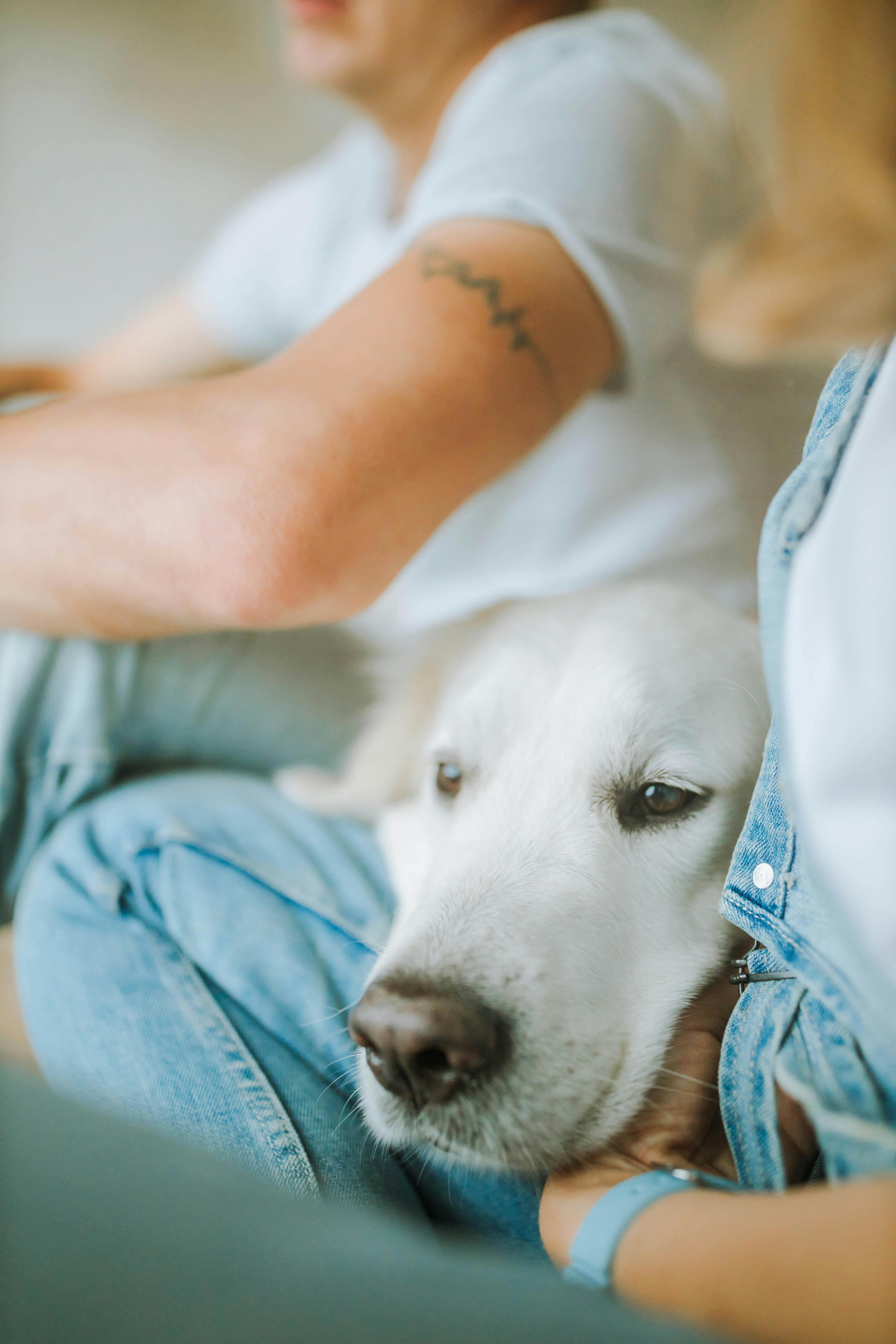
Dog noses, they are one of the most recognizable features of our furry friends. But, there are a lot of myths floating around about why they are wet, how they work, and their overall significance. Many dog owners are curious about these topics and often spread misinformation unknowingly. Let's explore 10 common myths about dog noses and uncover the fascinating truths behind them.
Myth 1: Dogs Have Wet Noses to Cool Down
Many people believe that dogs have wet noses to regulate their body temperature like sweating. While it’s true that dogs don’t sweat as humans do, the wetness of their noses does help in cooling them down a bit, but its primary purpose is something else.
Myth 2: A Wet Nose Means a Healthy Dog
This myth is widely accepted. A dog with a wet nose is often seen as healthy, but it’s not always the case. Dogs can have dry noses and still be perfectly healthy, or they might have a wet nose while being sick. There are many factors that influence the moisture of a dog's nose, including the weather, activity level, and even their breed.
Myth 3: Dogs Smell with Their Noses Only
Some folks think that dogs only use their noses for smelling. This is not correct. Dogs also use their mouths and even their respiratory systems to detect smells. Their olfactory system is incredibly complex and works in tandem with other senses to help them interpret their environment.
Myth 4: Dogs' Noses Are Always Wet
It's a common belief that dog noses are always wet. In reality, a dog's nose can dry out, especially if they are sleeping or if the weather is dry. Just because a dog's nose is dry doesn't mean they are sick.
Myth 5: Dogs Noses Can Predict Weather
Many dog owners claim that their pets can predict the weather. While dogs can sense changes in the environment, saying they can predict rain or snow is a stretch. They might just be reacting to the change in humidity or air pressure, but it's not a reliable skill.
Myth 6: All Dog Noses Are Black
Another myth is that all dog noses are black. This is far from the truth! Dog noses come in a variety of colors, including brown, pink, and even mottled patterns. The color of a dog's nose is often determined by their breed and genetics.
Myth 7: Dogs Can’t Smell When They Have a Cold
Some believe that a dog loses its sense of smell completely when they have a cold. While it’s true their sense of smell can be affected, it doesn’t disappear entirely. Dogs might still be able to detect some scents, just not as effectively as they usually do.
Myth 8: The Size of a Dog's Nose Relates to Their Sense of Smell
It’s often thought that larger dog breeds have better smelling capabilities due to their larger noses. However, it’s the number of olfactory receptors in a dog’s nose that matters more. For example, bloodhounds, despite having a large nose, have an incredible sense of smell because of their genetic makeup.
Myth 9: A Dog's Nose Can Detect Any Scent
While dogs have an extraordinary sense of smell, they can’t detect every scent equally. Some odors can be too faint for them to pick up. Moreover, if a dog is exposed to many strong smells at once, they may become overwhelmed and unable to distinguish specific scents.
Myth 10: Dog Noses Are Just for Smelling
Lastly, many think dog noses are only good for smelling. But they also play a role in communication. Dogs use their noses to gather information about other dogs, humans, and their environment. A dog may sniff another dog’s nose as a greeting or to gather information about them.
Now, understanding why do dogs have wet noses is key. The moisture on a dog’s nose helps to enhance their sense of smell. The wetness allows scent molecules to bind better, making it easier for dogs to detect various odors. This is why you often see them sniffing everything around them.
Quick Facts About Dog Noses:
- Dogs have about 220 million olfactory receptors, compared to humans who have about 5 million.
- A dog's sense of smell is 40 times better than that of humans.
- The wetness of a dog’s nose can vary due to hydration levels and environmental factors.
Knowing these facts can help dog owners understand their pets better. The world of dogs is fascinating, and their noses are just one part of what makes them so unique. Embrace the quirks and oddities of your dog, and remember that every wet nose tells a story.
Why Do Dogs Lick Their Noses? Exploring the Behavior Behind Wetness
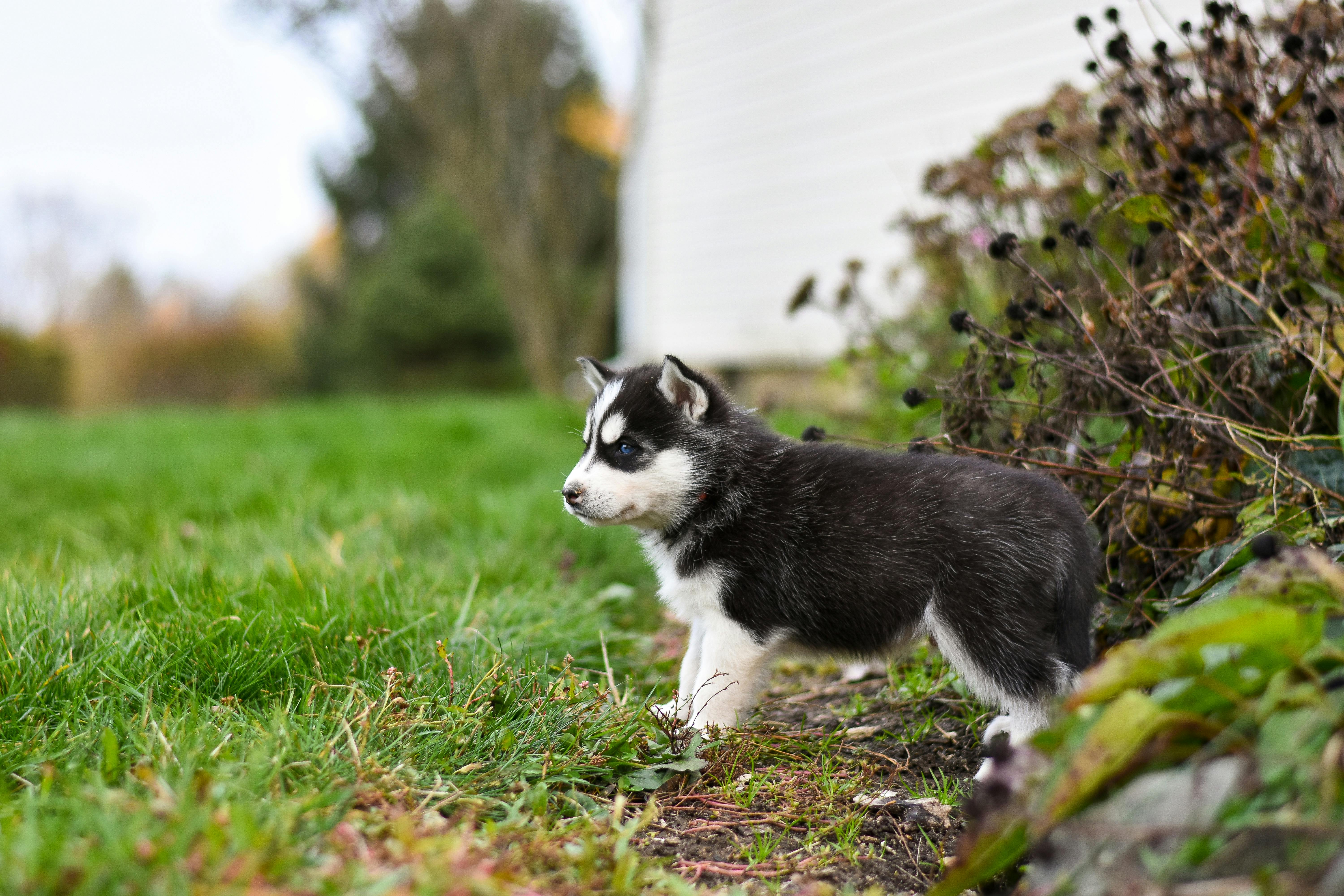
Why do dogs lick their noses? This question often pops up among dog lovers and new pet owners alike. It’s an interesting behavior that many find themselves curious about. Dogs noses are not just cute; they also play an important role in their health and well-being. Let’s dive into the reasons behind why dogs have wet noses and what this means for our furry friends.
The Science of a Wet Nose
To understand why dogs lick their noses, we first need to understand the anatomy behind it. A dog's nose is covered in a thin layer of moisture that helps them to smell better. Yes, dogs have an incredible sense of smell, and their wet noses play a crucial role in this. The moisture helps to capture scent particles from the air, making it easier for dogs to detect different smells.
- Dogs can have up to 300 million scent receptors in their noses.
- The wetness of a dog's nose helps to enhance their ability to identify scents.
- A dog’s sense of smell is about 40 times better than that of humans.
Why Do Dogs Lick Their Noses?
Now, let’s explore the reasons why dogs might lick their noses. This behavior can be due to various factors, including:
Hygiene: Just like humans wash their hands, dogs lick their noses to keep them clean. They could be removing dirt and debris that may have collected on their noses.
Taste: Dogs are naturally curious creatures. When they lick their noses, they might be tasting smells. Dogs often explore their environment with their mouths, and licking their noses could be a way of gathering more information about what they’ve encountered.
Nervousness or Anxiety: Sometimes, dogs lick their noses when they are feeling anxious or stressed. This behavior can be a sign of discomfort or uncertainty, especially in new situations or environments.
Communication: Dogs use body language to communicate with each other and with humans. Licking their noses can be a calming signal indicating they are not a threat or that they’re feeling submissive.
Health Reasons: A sudden increase in nose licking might indicate a health issue. If a dog is licking excessively, it could be due to allergies, irritation, or even a nasal infection.
The Importance of Moisture
So, why do dogs have wet noses? The moisture on a dog’s nose serves several important functions:
Enhanced Smelling: As mentioned earlier, the wetness helps to absorb scent particles. This is vital for their hunting instincts and overall awareness of their environment.
Temperature Regulation: A wet nose helps dogs cool down. Just like sweating in humans, a dog’s nose can help regulate their body temperature.
Health Indicator: A dog’s nose can also indicate health status. A cold, wet nose is typically a sign of a healthy dog, while a dry or warm nose could suggest dehydration or illness.
Factors Influencing Nose Wetness
There are many factors that can influence how wet a dog’s nose is. These include:
Weather Conditions: Humidity and temperature can affect nose moisture. In dry or hot weather, a dog’s nose may become drier.
Breed Differences: Some breeds naturally have drier noses than others. For instance, brachycephalic breeds like Bulldogs might have less moisture due to their shorter nasal passages.
Age and Health: Older dogs or those with underlying health conditions may experience changes in nose moisture. Regular vet check-ups can help identify any potential issues.
Observing Your Dog
If you have a dog, it's important to observe their behavior closely. Here are some things to look out for:
- Frequency of nose licking: Is it occasional or constant?
- Changes in nose texture: Is it becoming dry or cracked?
- Other behavioral changes: Is your dog showing signs of distress or discomfort?
Quick Facts About Dog Noses
- Dogs have a unique nose print, similar to human fingerprints.
- A dog’s sense of smell is not only for detecting food; they can also sense emotions in humans.
- Nose licking is a normal behavior but excessive licking should be monitored.
Understanding why dogs lick their noses and the significance of their wetness can improve our relationship with them. It’s fascinating how something so simple can reflect a dog’s well-being and emotional state. Whether your dog is licking their nose out of curiosity or need for hygiene, it’s just another reason to appreciate these amazing animals. Keep an eye on your pup, enjoy their quirks, and remember that their wet noses are part of what makes them special!
The Role of Temperature and Humidity: How Weather Affects Your Dog's Nose Moisture Levels

Have you ever wondered why your dog’s nose is often wet? It’s a familiar sight for pet owners. But what if I tell you that temperature and humidity plays a significant role in this phenomenon? Let’s dive into the fascinating truth behind why dogs have wet noses and how weather conditions affect their moisture levels.
Why Do Dogs Have Wet Noses?
Dogs noses are not just adorable; they serve several essential functions. Here’s a quick rundown of some reasons why they are wet:
- Enhanced Sense of Smell: A moist nose can help absorb scent chemicals from the air, making it easier for dogs to identify smells.
- Regulation of Body Temperature: Dogs can’t sweat like humans do. A wet nose can help cool them down when it’s too hot.
- Health Indicator: Changes in the moisture level of a dog's nose can sometimes indicate health issues. A dry or cracked nose might suggest dehydration or illness.
The Science Behind Nose Moisture
The moisture on a dog’s nose comes from a combination of saliva and environmental factors. When dogs lick their noses, they coat it in saliva. This is crucial because the moisture helps trap scent particles, enhancing their olfactory abilities.
How Weather Influences Nose Moisture
Temperature:
- Warm weather can make a dog’s nose dry out more quickly, especially if it is sunny and dry outside.
- Cold weather can cause noses to become chapped or cracked, reducing moisture levels.
Humidity:
- High humidity levels can help keep a dog’s nose moist, as there’s more moisture in the air.
- Low humidity causes moisture to evaporate faster, resulting in a drier nose.
The Effects of Environmental Changes
Let’s break down how different weather conditions affect your dog’s nose:
| Weather Condition | Nose Moisture Level | Potential Effects on Dogs |
|---|---|---|
| High Temperature | Low | Risk of dehydration and overheating |
| Low Temperature | Variable | Chapped or cracked noses |
| High Humidity | High | Moist and healthy noses |
| Low Humidity | Low | Increased risk of dry noses |
Practical Examples of Dog Nose Care
Taking care of your dog’s nose is important, especially as the weather changes. Here are a few tips:
- Hydration: Always ensure your dog has access to fresh water, especially during hot days.
- Nose Balm: Consider using a dog-safe nose balm in winter to keep it moist and protected from the cold.
- Regular Check-Ups: Monitor your dog’s nose for unusual dryness or cracks, and consult a vet if you notice changes.
Dogs and Their Unique Adaptations
Different dog breeds have varying nose moisture levels. Some breeds like Bulldogs might have more moisture due to their unique facial structures, while others might naturally have drier noses.
Breeds with Moist Noses:
- Labrador Retrievers
- Beagles
- German Shepherds
Breeds with Drier Noses:
- Poodles
- Greyhounds
- Dachshunds
Fun Facts About Dog Noses
- Unique Prints: Just like human fingerprints, every dog has a unique nose print.
- Scent Detection: Dogs have as many as 300 million smell receptors in their noses, compared to about 5 million in humans!
- Temperature Regulation: When a dog pants, it helps regulate their body temperature through evaporation, much like how a wet nose works.
Understanding why dogs have wet noses and how temperature and humidity affect them can help pet owners take better care of their furry friends. It’s essential to be aware of how environmental factors play into your dog’s health and well-being. By keeping an eye on those moisture levels, you can ensure your dog stays happy and healthy regardless of the weather. Always remember, a moist nose is often a sign of a healthy pup!
Conclusion
In conclusion, the wet noses of dogs serve multiple essential functions, contributing to their well-being and communication. The moisture on a dog's nose plays a crucial role in enhancing their sense of smell, allowing them to detect scents more effectively due to the increased surface area and moisture that captures scent particles. Additionally, a wet nose helps regulate their body temperature, as dogs do not sweat like humans. It also serves as a social signal to other dogs, indicating health and emotional status. Understanding these aspects of canine biology enriches our appreciation for our furry companions. As you continue to observe and bond with your dog, take a moment to appreciate the significance of that wet nose. Consider sharing this knowledge with fellow dog lovers to spread awareness about the fascinating traits that make dogs unique and beloved members of our families.