Have you ever wondered why do dogs have wet noses? This intriguing question leads us to the fascinating world of canine biology! A dog's wet nose is more than just an adorable feature; it plays a crucial role in their health and senses. But what exactly is the truth behind this curious trait? Many pet owners are often surprised to learn that a wet nose can actually help dogs in smelling better. It works like a natural air conditioner and keeps their olfactory senses sharp. Isn't that amazing? Plus, the moisture on their noses can give you insight into their overall well-being. But wait, there's more! The texture and temperature of a dog's nose can reflect their condition—so, what should you be looking out for? In this post, we will explore the science behind those wet noses and how they contribute to your furry friend's health. Get ready to dive into the captivating secrets of why dogs have wet noses, and discover tips on how to keep your pup's nose healthy. Are you curious yet? Let's uncover the mystery together!
\n\nThe Science Behind Wet Noses: Why Are Dogs’ Noses Always Damp?
\n\n \n\n
\n\nHave you ever wondered why do dogs have wet noses? It’s a question that many pet owners ask, and the answer is as fascinating as it is practical. Dogs' noses aren’t just damp; they are a vital part of their anatomy that plays a crucial role in their overall health and behavior. Let’s dive into the science behind those wet noses and discover the truth about why they are always damp.
\nThe Anatomy of a Dog's Nose
\nFirst off, a dog’s nose is made up of a complex structure of tissues and cells. The surface is covered in a thin layer of mucus, which keeps it moist. This moisture is essential for a few reasons:
\n- \n
- Enhanced Sense of Smell: Dogs have an incredible sense of smell, estimated to be anywhere from 10,000 to 100,000 times more sensitive than humans. Moisture helps to capture scent particles better, allowing them to detect smells more effectively. \n
- Temperature Regulation: A damp nose can help dogs cool down. When they pant or breathe, moisture evaporates from their noses. This process can help regulate their body temperature, especially on hot days. \n
- Health Indicator: A dog’s nose can also be an indicator of their health. A healthy dog typically has a moist, cool nose, while a dry nose might indicate dehydration, illness, or stress. \n
The Role of Mucus
\nYou might be asking yourself, why is mucus important? Well, the mucus that covers a dog’s nose is not just for show. It serves several vital functions:
\n- \n
- Scent Absorption: The mucus layer traps odor molecules in the environment, allowing dogs to analyze and identify scents. \n
- Protection: It acts as a barrier to protect delicate nasal tissues from dust, dirt, and allergens. \n
- Signal for Other Dogs: Dogs can also pick up on pheromones and other chemical signals from the mucus, which can help them communicate with other dogs. \n
Historical Context: Dogs and Their Noses
\nThroughout history, dogs have been bred for their specific abilities, including their sense of smell. The wet nose is a trait that has been valued since ancient times. For example, hunting breeds were often selected for their superior olfactory capabilities, which are aided by their moist noses.
\n- \n
- Tracking: Dogs have been used for tracking and hunting for centuries. Their wet noses help them follow scents over long distances. \n
- Service Dogs: Many service dogs, such as those used in search and rescue operations, rely heavily on their sense of smell. Their damp noses play a crucial role in their ability to locate missing persons. \n
Common Misconceptions
\nThere’s a lot of myths surrounding why dogs have wet noses. Let’s bust some of those misconceptions:
\n- \n
- All Dogs Have Wet Noses: While most dogs do have damp noses, some breeds may have drier noses due to their genetic makeup. \n
- A Wet Nose Means a Healthy Dog: Not always! While a moist nose can indicate good health, other factors must be assessed. A dog may have a wet nose and still be sick. \n
- Dogs Lick Their Noses to Keep Them Wet: This is partially true, but they also produce moisture naturally. \n
Interesting Facts About Dogs' Noses
\nHere’s a quick rundown of some intriguing facts related to dog noses:
\n- \n
- A dog’s nose print is unique, much like a human fingerprint. \n
- Dogs have about 300 million olfactory receptors in their noses, compared to about 6 million in humans. \n
- The texture of a dog’s nose can change due to weather and temperature, becoming drier in cold conditions. \n
Practical Implications for Dog Owners
\nAs a dog owner, it's important to understand how to care for your dog's nose, and what the condition of their nose might mean. Here’s a quick checklist:
\n- \n
- Check for Moisture: Regularly check if your dog's nose is moist. If it’s consistently dry and cracked, consult your vet. \n
- Hydration: Keep your dog well-hydrated, especially during hot weather. \n
- Watch for Changes: Any sudden changes in the texture or temperature of your dog’s nose should be monitored closely. \n
Understanding why do dogs have wet noses can enhance your appreciation for our furry friends and their unique biology. The next time you give your dog a scratch behind the ears, take a moment to think about the science behind that adorable, damp nose. It’s just one of the many wonders of the canine world!
\n\nTop 5 Reasons Your Dog's Nose Is Wet: Understanding Canine Physiology
\n\n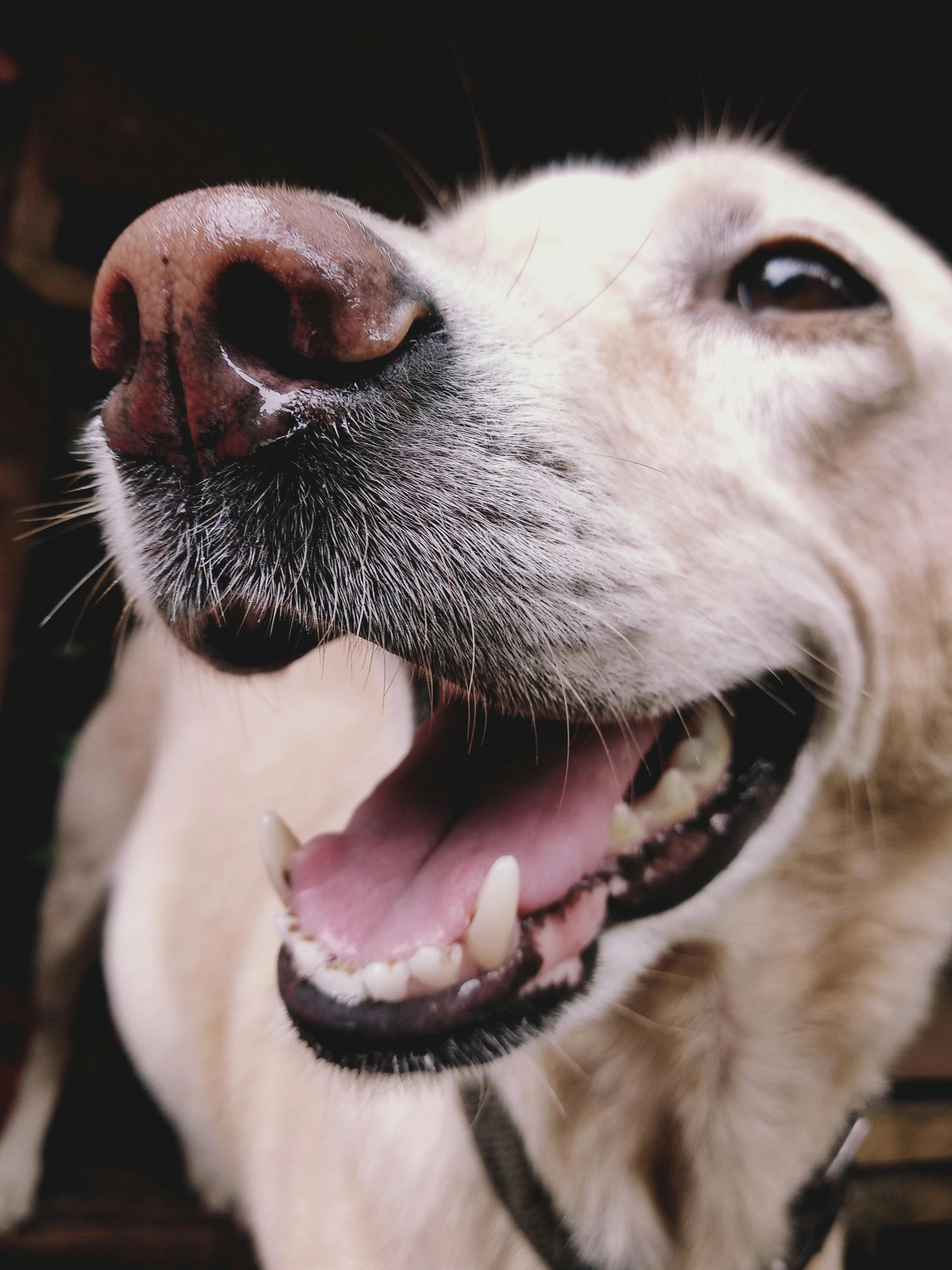 \n\n
\n\nHave you ever wondered why your furry friend’s nose is often wet? It’s one of those little mysteries of the canine world that many pet owners ponder. The truth is, there’s a lot more going on than just a simple moisture factor. Understanding canine physiology is key to knowing why dogs have wet noses. Here we explore the top five reasons behind this fascinating phenomenon and why it truly matters for your dog’s health and well-being.
\n1. Thermoregulation: Keeping Cool
\nDogs can't sweat like humans do. Instead, they rely on their noses to help regulate body temperature. A wet nose can help cool down a dog when it’s hot outside. The moisture in the nasal passages evaporates, drawing heat away from the body. This is why you might notice your dog’s nose being especially damp during warm weather or after they've been running around.
\n- \n
- Dogs have about 300 million olfactory receptors in their noses, which helps them sense their environment. \n
- Wetness can enhance their ability to pick up scents, making their noses not just cool but also extremely efficient. \n
2. Enhanced Sense of Smell
\nA wet nose helps to enhance a dog’s sense of smell. When moisture is present, it helps to trap scent particles better than a dry nose can. This is crucial for dogs, as they rely heavily on their sense of smell for communication and understanding their surroundings.
\n- \n
- Dogs’ noses are moist due to a combination of mucus and saliva. \n
- The moisture helps to dissolve scent molecules, making it easier for the olfactory receptors to pick them up. \n
3. Health Indicator: What Wet Noses Mean
\nA wet nose can be a sign of a healthy dog, but it’s not always the case. While a wet nose is typically a sign of good health, there are times when it indicates something else. For example, if your dog’s nose is excessively wet or dry, it could be a sign of illness.
\n- \n
- Normal dogs usually have a cool and moist nose. \n
- Dogs with fevers might have a dry, hot nose, indicating a need for vet attention. \n
4. Communication Tool: Expressing Emotions
\nDogs use their noses not just for smelling but also for communication. A wet nose can serve as a way for dogs to express emotions and establish social connections with other dogs or humans. When they nuzzle you with their wet noses, it’s often a sign of affection or a request for attention.
\n- \n
- Dogs might also use their noses to show submission or friendliness to other dogs. \n
- Wet noses can signal that they are relaxed and comfortable in their environment. \n
5. Environmental Factors: Weather and Humidity
\nVarious environmental factors play a significant role in how wet a dog's nose can be. For instance, humidity and temperature can affect the moisture level of a dog’s nose. In humid weather, you may notice your dog's nose is wetter compared to drier conditions.
\n- \n
- Weather changes can influence the humidity levels, thus affecting the moisture on your dog’s nose. \n
- Dogs might also lick their noses more when they are excited or after eating, contributing to wetness. \n
Quick Facts About Dog Noses
\n- \n
- Dogs have a special organ called the Jacobsen's organ that helps them process smells. \n
- A dog’s sense of smell is 40 times better than that of humans. \n
- The moisture in their noses can change depending on their activity level or the time of day. \n
Comparison: Dog Noses vs. Human Noses
\n| Feature | \nDog Nose | \nHuman Nose | \n
|---|---|---|
| Moisture Level | \nOften wet | \nVaries, typically dry | \n
| Olfactory Receptors | \nAbout 300 million | \nAbout 5 million | \n
| Temperature Control | \nEvaporative cooling | \nSweating | \n
| Sensory Function | \nStronger in detecting scents | \nLess sensitive | \n
Understanding why dogs have wet noses can help you appreciate the nuances of their health and behavior. It’s not just a quirky characteristic; it’s a vital part of their physiology that plays a key role in their day-to-day lives. As you observe your dog, take note of their nose’s condition, as it can be a window into their overall health.
\nThe next time you give your dog a pat and feel that cool, damp nose against your hand, remember there’s a lot happening underneath that surface. Embrace the mysteries of your canine companion and enjoy the little quirks that make them such unique and loving pets.
\n\nWet vs. Dry: What Your Dog's Nose Can Reveal About Their Health
\n\n \n\n
\n\nWhen you see your dog, you probably notice that their nose is often wet. But have you ever wondered why do dogs have wet noses? This simple characteristic can actually tell you a lot about your furry friend’s health. Let’s dive into the fascinating world of wet vs. dry noses and what they might mean for your dog’s well-being.
\nThe Science Behind Wet Noses
\nDogs’ noses are wet for a few reasons. First, it helps them smell better. The moisture on a dog’s nose collects scent particles from the air, which makes their sense of smell even sharper. Dogs have around 220 million scent receptors, compared to humans who only have about 5 million. So when you see that shiny, wet nose, it’s not just cute; it’s functional!
\nMoreover, the wetness of a dog’s nose can also help regulate their body temperature. Dogs don't sweat the way humans do, and their nose acts like a cooling system. When the air evaporates from their nose, it cools down their body.
\nWhy Do Dogs Have Wet Noses?
\nHere’s a list of reasons why dogs’ noses are typically wet:
\n- \n
- Enhanced Smelling: Moisture helps to capture scent particles. \n
- Temperature Regulation: It cools them off when they can’t sweat. \n
- Health Indicator: Changes in nose moisture can signal health issues. \n
Wet vs. Dry: What Does It Mean?
\nSo, what happens when a dog’s nose is dry? A dry nose doesn’t always mean something is wrong, but it can be an indicator of health issues. Here are some factors to consider when evaluating the condition of your dog’s nose:
\n- \n
- \n
Normal Conditions:
\n- \n
- A dog’s nose can dry out after sleeping or spending time in a warm environment. \n
- Some breeds naturally have drier noses. \n
\n - \n
Health Concerns:
\n- \n
- A persistently dry nose may indicate dehydration. \n
- Other health issues such as fever or allergies could also lead to changes in nose moisture. \n
- Infections or skin conditions might cause a nose to become dry and cracked. \n
\n
Common Signs of Health Issues
\nIf you’re unsure whether your dog’s nose condition is normal, look for these signs:
\n- \n
- Cracks or Sores: If you see any cracks on their nose, it might need a vet's attention. \n
- Change in Color: A sudden change in color could be a sign of an underlying issue. \n
- Excessive Dryness: If the nose is dry for an extended period, it’s worth consulting with a veterinarian. \n
Fun Facts About Dog Noses
\nDid you know that there’s much more to a dog’s nose than just its wetness? Here are some interesting facts:
\n- \n
- Unique Patterns: Just like human fingerprints, every dog’s nose has a unique pattern. \n
- Canine Communication: Dogs use their noses to communicate with each other by leaving scent marks. \n
- Nose Work Sports: Many dog owners engage their pets in nose work, a sport that taps into their incredible sense of smell. \n
The Importance of Regular Check-Ups
\nKeeping an eye on your dog’s health includes monitoring their nose. Regular veterinary visits are crucial in catching any potential health issues early. Here’s what to discuss with your vet during check-ups:
\n- \n
- Changes in nose moisture or color \n
- Any other symptoms (like lethargy or loss of appetite) \n
- Routine vaccinations and preventive care \n
Practical Tips for Nose Care
\nTaking care of your dog’s nose can help maintain its health. Here are some practical tips:
\n- \n
- Hydration: Ensure your dog has constant access to fresh water. \n
- Humidity: If your home is dry, consider using a humidifier. \n
- Avoid Irritants: Be cautious of chemicals or allergens that may irritate your dog’s nose. \n
Understanding why do dogs have wet noses and what that might mean for their health is important for every dog owner. Keeping an eye on these little details can help you ensure your furry friend stays happy and healthy. Whether your dog’s nose is wet or dry, being aware and proactive can make all the difference. Always consult with your veterinarian if you’re ever in doubt about your dog’s health.
\n\nDo Wet Noses Mean a Happy Dog? Exploring Canine Emotions and Behavior
\n\n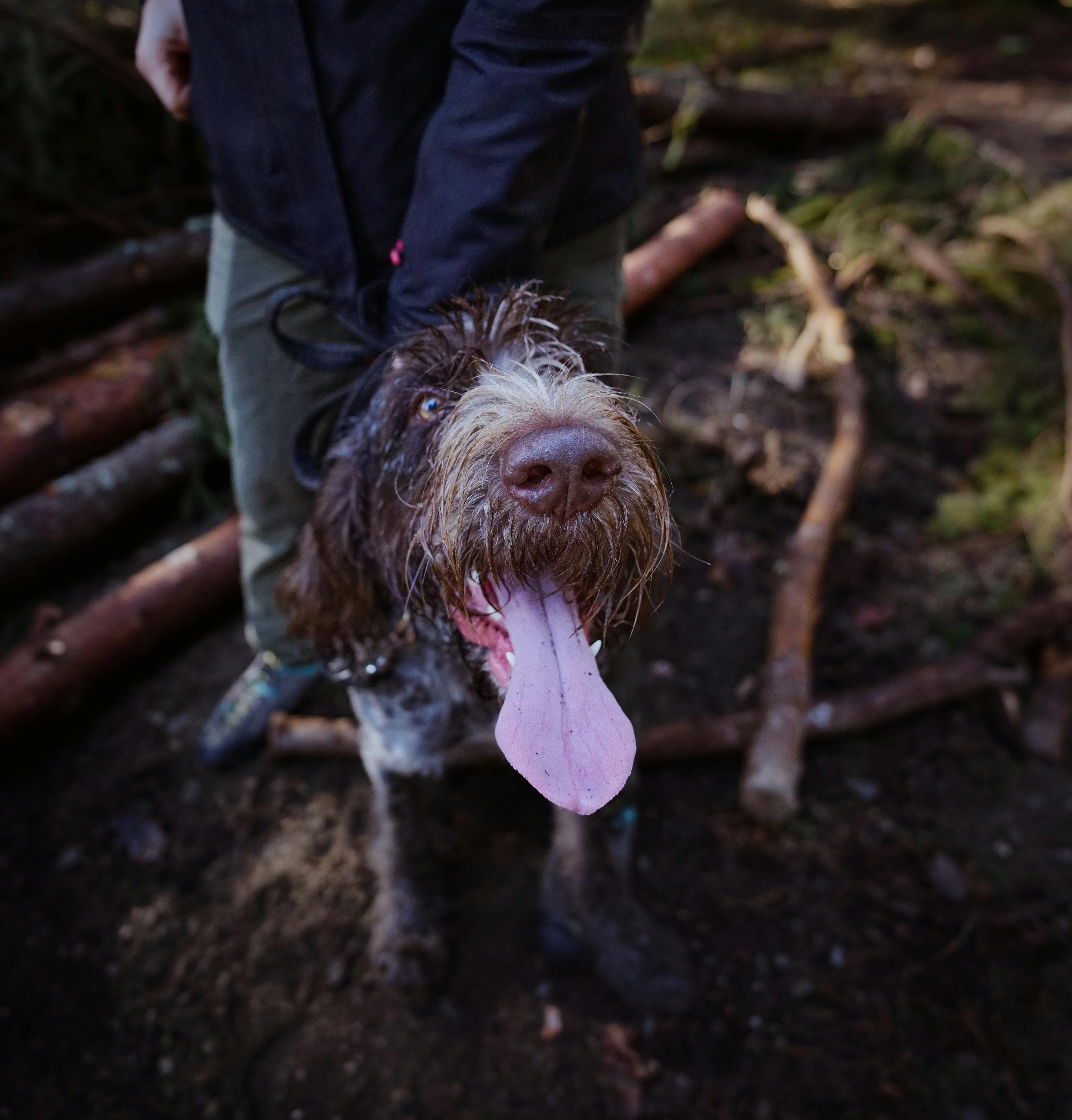 \n\n
\n\nDo Wet Noses Mean a Happy Dog? Exploring Canine Emotions and Behavior, Why Do Dogs Have Wet Noses? Discover The Fascinating Truth!
\nWhen you think about dogs, one of the first things that come to mind is their wet noses. But what does it means? Do wet noses really indicates a happy dog, or is there more to it? In this article, we will explore the reasons why dogs have wet noses and what it can tell us about their emotions and behaviors.
\nThe Science Behind Wet Noses
\nDogs' noses are naturally moist for several reasons. One primary function of a wet nose is to enhance their sense of smell. Dogs has an extraordinary sense of smell, which is far more developed than that of humans. A wet nose helps to capture scent particles more effectively. Some of the reasons for this include:
\n- \n
- Cooling Mechanism: A wet nose helps regulate body temperature. Dogs cool down by panting and through the moisture in their noses. \n
- Scent Detection: Moisture helps to dissolve scent chemicals in the air, making it easier for dogs to detect and identify smells. \n
- Health Indicator: Wetness can sometimes indicate a dog's health status. A consistently dry or excessively wet nose might be a sign of dehydration or illness. \n
Do Wet Noses Mean a Happy Dog?
\nMany people has the belief that a wet nose is a sign of a happy and healthy dog. While it can indicate well-being, it is not always a definitive measure of a dog's emotional state. Here are some points to consider:
\n- \n
- Behavioral Signs: Look for other signs of happiness. A wagging tail, playful energy, and a relaxed posture often indicates a happy dog. \n
- Context Matters: A wet nose during playtime can mean excitement, but if a dog is sick or nervous, their nose might also be wet due to stress. \n
- Variability: Some dogs naturally have drier noses, and that doesn't necessarily means they are unhappy or unhealthy. \n
What Factors Influence Nose Moisture?
\nSeveral factors can affect how wet or dry a dog's nose is. It's a combination of environmental and physiological elements. Here’s a look at some of those factors:
\n- \n
- Temperature and Humidity: In hot or dry conditions, a dog's nose may dry out more quickly. \n
- Health Conditions: Certain medical issues, like allergies or infections, can cause changes in nose moisture. \n
- Breed Differences: Some breeds, like Bulldogs, might have naturally drier noses than others. \n
Canine Emotions: More Than Just Wet Noses
\nDogs show their emotions in various ways, and it’s important to recognize these signs. A wet nose is just one of many indicators. Here’s a list of common canine behaviors, and what they can mean:
\n- \n
- Tail Wagging: A wagging tail usually indicates happiness, but the speed and position can also change the meaning. \n
- Ears Position: Erect ears often signals alertness or excitement, while flattened ears might indicate fear or submission. \n
- Body Language: A relaxed body posture means comfort, while a stiff body might indicate tension or aggression. \n
- Vocalizations: Barking, growling, or whining can express different feelings, from joy to anxiety. \n
The Evolution of Dogs' Noses
\nHistorically, dogs have evolved alongside humans for thousands of years, and their noses have developed to help them survive. Ancient hunting dogs relied on their keen sense of smell to track prey, which has influenced their physical and behavioral traits today.
\nA few interesting facts about the evolution of dogs' noses:
\n- \n
- Genetic Variability: Different breeds have different nose shapes and sizes, influencing their smelling capabilities. \n
- Domestication: As dogs became domesticated, their behaviors and how they communicate with humans has also evolved. \n
Practical Tips for Dog Owners
\nUnderstanding your dog’s nose and emotional signals can help promote a happier pet. Here’s a few practical tips for dog owners:
\n- \n
- Regular Checks: Keep an eye on your dog's nose. A sudden change in moisture could require a vet's attention. \n
- Stay Observant: Learn to read your dog's body language and vocalizations to better understand their feelings. \n
- Create a Comfortable Environment: Ensure your dog has plenty of fresh water, a cool space in hot weather, and a cozy place to rest. \n
In summary, while wet noses can often indicate a happy dog, it is just one piece of the puzzle. Understanding the full spectrum of canine emotions and behaviors is essential for any dog owner. By paying attention to your dog's overall health and behavior, you can ensure they are both happy and healthy. Remember, a dog’s happiness is often reflected in their actions, not merely the moisture on their noses.
\n\nHow Dogs Use Their Wet Noses: The Fascinating Role of Olfactory Senses
\n\n \n\n
\n\nHave you ever noticed how your dog’s nose always seems to be damp? This is not just a quirky feature; it actually serves a purpose. Dogs have wet noses for a variety of reasons, but the most fascinating aspect is how their olfactory senses work. Understanding why dogs have wet noses can unveil a whole new world of canine communication and perception. So, let's dive into this captivating topic!
\nThe Science Behind Wet Noses
\nDogs, as we know, are known for their incredible sense of smell. But why exactly do they have wet noses? The moisture on a dog's nose is primarily due to the secretion of mucus. This mucus serves a crucial function in enhancing their ability to smell. When the nose is moist, it can better capture scent particles from the air.
\nHere are some key points to consider about how dogs use their wet noses:
\n- \n
- Enhanced Olfactory Function: Moisture helps to dissolve scent particles, making it easier for dogs to detect and identify different smells. \n
- Temperature Regulation: A wet nose can help cool a dog down, particularly during hot weather. It’s similar to how we sweat. \n
- Health Indicator: A dog’s nose temperature and moisture level can indicate its health. A dry, hot nose might signal illness, while a cool, wet nose is often a sign of a healthy pup. \n
Historical Context: Dogs and Their Noses
\nHistorically, dogs have been bred for various purposes, many of which rely heavily on their sense of smell. From hunting to search and rescue, the wet nose has always been a vital part of a dog’s toolkit.
\n- \n
- Hunting Dogs: Bred for tracking scents over long distances. \n
- Service Dogs: Trained to detect medical conditions, like low blood sugar or seizures, using their superior sense of smell. \n
- Search and Rescue Dogs: Relying on their noses to find missing persons or locate drugs and explosives. \n
Fascinating Facts About Dog Noses
\nDid you know that a dog’s nose print is unique, much like a human fingerprint? Here’s a list of some other amazing facts about dog noses:
\n- \n
- Scent Receptors: Dogs have about 220 million scent receptors in their noses, compared to about 5 million in humans. \n
- Olfactory Bulb: The part of a dog’s brain that analyzes smells is proportionally larger than that in humans, highlighting its importance. \n
- Sweat Glands: Dogs only sweat through their paw pads, making their noses even more crucial for regulating body temperature. \n
Different Types of Dog Noses
\nNot all dog noses are created equal! Different breeds may have different characteristics in their noses, which can affect their smelling ability.
\n- \n
- Brachycephalic Breeds: Dogs like Bulldogs and Pugs have shorter noses and may have a reduced sense of smell. \n
- Scent Hounds: Breeds like Bloodhounds and Beagles are known for their incredible tracking abilities, thanks to their long, wet noses. \n
- Working Dogs: German Shepherds and Labrador Retrievers are often used in police work and service tasks due to their keen sense of smell. \n
Practical Examples of Olfactory Use
\nDogs use their noses in various ways, which can be quite fascinating. Here are some practical examples of how dogs utilize their olfactory senses:
\n- \n
- Identifying People: Dogs can recognize their owners by scent alone, even if they haven't seen them for a long time. \n
- Detecting Emotions: Dogs can sense human emotions through body language and smells, including stress or fear. \n
- Tracking and Hunting: When hunting, dogs follow scent trails to locate prey, showcasing their natural instincts. \n
In addition, working dogs are trained to pick up specific scents, which can make them invaluable in various situations. For instance, dogs can be trained to detect:
\n- \n
- Drugs: Used by law enforcement to find illegal substances. \n
- Explosives: Essential in security settings, especially in airports. \n
- Medical Conditions: Some dogs can even detect diseases like cancer or diabetes. \n
As we can see, a dog’s wet nose is not just an endearing attribute; it plays a vital role in their lives. Their incredible sense of smell, enhanced by that moisture, allows them to navigate their world in ways we can hardly comprehend.
\nBy understanding how dogs use their wet noses, we can appreciate our furry friends even more. Their ability to sniff out scents, identify emotions, and even detect health issues truly showcases the complexity of their olfactory senses. So, the next time you give your pup a scratch behind the ears and feel that cool, damp nose, remember the amazing functions it serves.
\n\nThe Myth of the Wet Nose: Debunking Common Misconceptions About Dogs
\n\n\n\nThe idea that dogs have wet noses is often romanticized and tied to the affection we feel for our furry friends. Many people think a wet nose means the dog is healthy and happy, but is that really the whole story? There's a lot more going on with dog noses than meets the eye, and in this article, we gonna explore the truth behind the myth of the wet nose, uncovering why dogs have wet noses and what it really means for their health and well-being.
\nWhy Do Dogs Have Wet Noses?
\nDogs’ noses are wet for several reasons, but the primary one is that moisture helps enhance their sense of smell. A wet nose can trap scent particles better than a dry one, which is essential for dogs since they rely heavily on their sense of smell to understand the world. Here are some facts about why dog noses are usually wet:
\n- \n
- Enhanced Olfactory Function: The moisture on the nose helps absorb scent chemicals, allowing dogs to detect smells more effectively. \n
- Temperature Regulation: Dogs do not sweat like humans do, so a wet nose can help them regulate their body temperature. \n
- Health Indicator: While a wet nose is often seen as a sign of good health, it’s not the only indicator. A dog can be healthy even with a dry nose sometimes. \n
The Science Behind a Wet Nose
\nA dog's nose is an incredible organ, way more complex than we might think. The surface of a dog's nose is covered in a thin layer of mucus that helps to keep it moist. When the dog breathes in, scent molecules stick to this moisture, allowing them to process smells more effectively.
\n- \n
- Dogs have up to 300 million scent receptors in their noses. For comparison, humans only have about 5 million. \n
- The structure of a dog’s nose is unique. The grooves and folds help to trap more scent particles, making it easier for them to pick up scents from the environment. \n
Common Misconceptions About Wet Noses
\nThere are several myths that surround the idea of wet noses in dogs. Let’s debunk some of the most common misconceptions:
\n- \n
- Myth 1: A Wet Nose Equals a Healthy Dog. While a wet nose can be a sign of health, it’s not definitive. A dog can be sick with a dry nose, so it’s essential to look for other signs of illness. \n
- Myth 2: Dogs Sweat Through Their Noses. Dogs actually sweat through their paw pads and rely on panting to cool down. The moisture from their noses is not from sweating. \n
- Myth 3: All Dogs Have Wet Noses. Some breeds, especially those with flatter faces like Bulldogs, may naturally have drier noses. \n
What Can Affect a Dog's Nose Moisture?
\nSeveral factors can influence the moisture level of a dog’s nose. Here’s a list of some of them:
\n- \n
- Weather Conditions: Hot and dry weather can lead to a drier nose, while humidity can keep it moist. \n
- Health Issues: Certain conditions, like fever or dehydration, can result in a dry nose. \n
- Age: Older dogs may experience changes in nose moisture due to aging. \n
Practical Tips for Dog Owners
\nAs a dog owner, you might wonder how you can ensure your dog's nose stays healthy. Here are some practical tips:
\n- \n
- Hydration is Key: Make sure your dog has constant access to fresh water. \n
- Regular Vet Check-Ups: Keeping up with vet appointments can help catch any potential health issues early. \n
- Watch for Changes: If your dog's nose is suddenly dry or cracked, it might be a good idea to consult a veterinarian. \n
Fun Nose Facts
\nHere’s a few fun facts about dogs' noses that you might not know:
\n- \n
- Nose Prints are Unique: Much like human fingerprints, each dog has a unique nose print. It can even be used for identification. \n
- Color Matters: The color of a dog’s nose can vary widely depending on their breed. Some dogs have black noses, while others have brown or pink. \n
- Dogs Can Smell Emotions: It’s believed that dogs can detect human emotions through scent changes in our bodies. \n
In summary, the connection between a dog’s wet nose and its overall health is more complex than many people realize. While it can be a good indicator of health, it’s crucial to consider other factors and signs. Understanding why dogs have wet noses can deepen our appreciation for these remarkable animals. Remember, a dog’s health is not just in the moisture of their nose, but in their overall behavior and well-being. So keep those tails wagging and noses wet!
\n\n7 Surprising Facts About Dogs' Wet Noses You Never Knew
\n\n\n\nDogs are often known for their loyalty, playfulness, and that unmistakable wet nose. But have you ever wondered why dogs have wet noses? It turns out, there’s a lot more to those damp snouts than meets the eye. Here are 7 surprising facts about dogs' wet noses you probably never knew.
\n1. Wet Noses Help with Smell
\nDogs have an incredible sense of smell, which is about 10,000 to 100,000 times more sensitive than humans. Their wet noses play a big role in this! The moisture on their noses helps to capture scent particles in the air. When a dog sniffs around, the wetness allows for better absorption of these particles, enhancing their ability to detect various odors.
\n2. Temperature Regulation
\nDid you know that dogs sweat a little through their paws? But their noses are also a part of their cooling system. A wet nose can help regulate their body temperature. When the moisture evaporates, it cools down the nose and, in turn, helps to lower the dog’s overall body temperature, especially on hot days. This is one reason why you might notice your dog’s nose is drier after a long walk or play session.
\n3. Communication Tool
\nDogs use their noses as a form of communication. A wet nose can indicate a happy and healthy dog, while a dry nose might suggest they’re sick or dehydrated. When dogs greet each other, the first thing they often do is sniff each other’s noses. This is how they gather information about each other, like age, health, and even mood.
\n4. The Role of Genetics
\nSome breeds have wetter noses than others. For example, breeds like the Labrador Retriever or the Dalmatian often have moist noses, while dog breeds like the Shar Pei may have drier noses due to their unique skin structure. This can be influenced by genetics, as certain physical characteristics are passed down through generations.
\n5. Health Indicators
\nA wet nose is generally a sign of good health, but that’s not always the case. If your dog’s nose is persistently dry and cracked, it may be a sign of dehydration or an underlying health issue. It's important to monitor your pet's nose along with other symptoms. Here are some indicators to watch for:
\n- \n
- Dry and Cracked Nose: Could indicate dehydration or illness. \n
- Excessively Wet Nose: Might suggest allergies or a respiratory infection. \n
- Discoloration: Changes in color could be due to various health concerns. \n
6. Historical Context
\nHistorically, wet noses have been admired in dogs, adding to their charm. In ancient times, dogs were often referred to as "man’s best friend," and their keen sense of smell was prized in hunting and tracking. The wet nose was seen as a sign of vitality, and many cultures believed that a dog’s health was directly linked to the condition of their nose.
\n7. Caring for Your Dog's Nose
\nTo keep your pup's nose healthy, there are a few practical tips to consider. Regular checks can help ensure it stays in good condition:
\n- \n
- Hydrate: Make sure your dog has plenty of fresh water available. \n
- Avoid Harsh Chemicals: Be cautious with cleaning products that may irritate their skin. \n
- Protect against Extreme Weather: In cold weather, consider using a dog-safe moisturizer to prevent cracking. \n
Quick Facts Summary
\n- \n
- Dogs’ noses are essential for their sense of smell. \n
- Wet noses help regulate body temperature. \n
- Noses are a key communication tool among dogs. \n
- Genetics affect the moisture levels of a dog’s nose. \n
- A dog’s nose can be a health indicator. \n
- Historically, wet noses have been valued in dogs. \n
- Regular care is essential for maintaining a healthy nose. \n
So, the next time you pet your furry friend and feel that wet nose, remember there's a whole lot of science behind it. From helping them smell better to regulating their temperature, those damp noses are truly fascinating. Understanding why dogs have wet noses not only deepens your appreciation for your pet but also helps you care for them better. Always keep an eye on their nose, and you might just notice things that can help you keep them healthy and happy for years to come!
\n\nIs a Wet Nose a Sign of Illness? When to Worry About Your Dog's Health
\n\n \n\n
\n\nHave you ever wondered why your dog's nose is often wet? Is a wet nose a sign of illness? Or is it just one of those quirky things about our furry friends? In this article, we will explores the fascinating truth behind wet noses, when you should worry about your dog's health, and why dogs have wet noses in the first place.
\nWhy Do Dogs Have Wet Noses?
\nDogs noses are wet for a few reasons, and it's quite interesting when you think about it. A dog's nose is actually a super important tool, helping them smell the world around them. Their noses are covered in a special mucus that helps to trap scent particles, making it easier for them to identify different smells. Here’s some reasons why dogs’ noses tend to be moist:
\n- \n
- Enhanced Smell: The moisture helps in capturing scent particles. \n
- Temperature Regulation: Dogs don’t sweat like humans, so they use their noses to help cool down. \n
- Health Indicator: A wet nose can sometimes indicate a well-hydrated and healthy dog. \n
Is a Wet Nose a Sign of Illness?
\nNow, let's tackle a common question: is a wet nose a sign of illness? The answer is not straightforward. While a wet nose is generally a good sign, there are times when it can signal health issues. Here’s some situations when you might want to keep an eye on your dog's health:
\n- \n
- Dry Nose: If your dog’s nose is unusually dry and warm, it may indicate fever or dehydration. \n
- Cracked or Bleeding Nose: This can be a sign of a more serious underlying condition, such as allergies or infections. \n
- Excessive Nasal Discharge: If your dog has a runny nose that is unusual or persistent, it could be a sign of a respiratory infection or other health issue. \n
- Behavioral Changes: If your dog is acting differently, like being less active or not eating as usual, it might be time to visit the vet. \n
When to Worry About Your Dog's Health
\nKnowing when to worry about your dog's health can be tough. Here are some indicators that suggest you should take your pup to the vet:
\n- \n
- Changes in Appetite: If your dog stops eating or drinking, that’s a red flag. \n
- Lethargy: If your dog seems unusually tired or doesn’t want to play, pay attention! \n
- Vomiting or Diarrhea: These symptoms can lead to dehydration and need prompt attention. \n
- Changes in Urination: If your dog is urinating more or less than usual, it could be a sign of kidney problems or diabetes. \n
- Coughing or Sneezing: Persistent coughing or sneezing could indicate respiratory issues. \n
The Science Behind Dog Noses
\nDid you know that dogs have a sense of smell that is 10,000 to 100,000 times more sensitive than humans? This extraordinary ability is due in part to the structure of their noses. Here are some fascinating facts about how dogs’ noses work:
\n- \n
- Olfactory Receptors: Dogs have around 220 million olfactory receptors, while humans only have about 5 million. \n
- Nasal Turbinates: These are the structures inside the nose that help to filter and warm the air, while also aiding in smell detection. \n
- Vomeronasal Organ: This organ helps dogs detect pheromones, which are chemicals that convey information about other animals. \n
Fun Facts About Dog Noses
\n- \n
- Dogs’ noses have unique patterns, much like human fingerprints. \n
- Puppies are born with pink noses that darken as they grow. \n
- Some breeds, like Bloodhounds, have such strong noses that they can track scents days old! \n
Final Thoughts
\nUnderstanding your dog’s health is important, and knowing about their wet nose can help you gauge their well-being. A wet nose is typically a sign of health, but changes in its condition can indicate issues that need attention. Always be observant of your dog’s behaviors and physical state. If something seems off, don’t hesitate to consult with a veterinarian, as they can provide the best guidance when it comes to your furry friend’s health. So next time you see that wet nose, remember it’s not just adorable — it’s a window into your dog’s overall health!
\n\nThe Role of Temperature Regulation: How Wet Noses Help Dogs Stay Cool
\n\n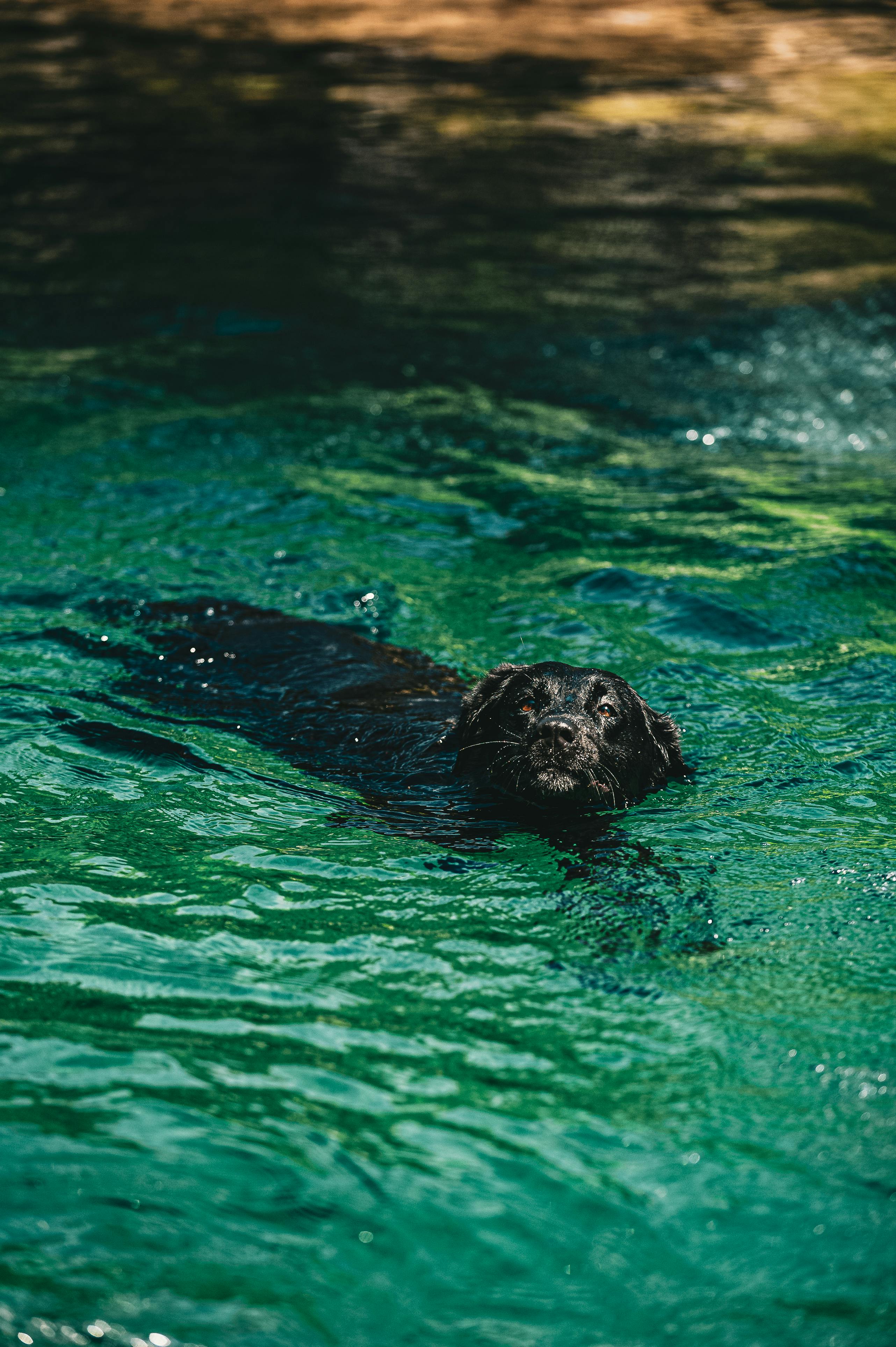 \n\n
\n\nDogs are more than just pets; they are companions, helpers, and sometimes, family. One of the most intriguing facts about our furry friends is their wet noses. You may have asked yourself, "Why do dogs have wet noses?" or "What role does temperature regulation play in keeping them cool?" Well, it turns out, wet noses serve a purpose beyond being adorable. Let's dive into this fascinating topic and uncover the truth behind those moist snouts!
\nThe Science Behind Wet Noses
\nDogs have wet noses due to a combination of sweat glands and their unique anatomy. The moisture on a dog's nose comes primarily from the mucous membranes, which are specialized tissues that help dogs smell better and keep their noses moist. This moisture is essential for a few reasons:
\n- \n
- Enhanced Sense of Smell: A wet nose helps capture scent particles from the air, improving a dog's ability to smell. Dogs have an incredible sense of smell that can be up to 100,000 times more sensitive than humans. \n
- Cooling Mechanism: Like humans sweat to cool down, dogs rely on their noses. The wetness evaporates, helping to regulate their body temperature. This is particularly important because dogs can't sweat like we do. \n
- Health Indicator: A dog's nose can indicate its health. A healthy dog usually has a cool, moist nose. If a dog has a dry or warm nose, it might be a sign of illness, dehydration, or fever. \n
Why Temperature Regulation Matters
\nDogs don't sweat through their skin like humans, so they need alternative ways to regulate their body temperature. Here's how their wet noses play a vital role in temperature management:
\n- \n
- Evaporation Cooling: When the moisture on a dog's nose evaporates, it helps to cool their body. This process is similar to how we feel cooler when we sweat. \n
- Behavioral Adaptations: Dogs also engage in behaviors that assist with temperature regulation. If it’s too hot, you might notice your dog seeking shade or lying on cool surfaces. They even pant to help release heat. \n
- Breeds and Temperature Sensitivity: Different breeds have different abilities to handle heat. For example, brachycephalic breeds (like Bulldogs and Pugs) struggle more with heat regulation due to their short muzzles and may rely more on their wet noses for relief. \n
Fun Facts About Dog Noses
\n- \n
- Uniqueness: Just like human fingerprints, each dog's nose print is unique. This means it could potentially be used for identification. \n
- Color Variation: The moisture levels and color of a dog's nose can change due to various factors, including temperature and health status. \n
- Licking Behavior: Dogs often lick their noses to keep them wet. This behavior can also help them taste the scents they pick up, enhancing their sense of smell. \n
Practical Tips for Keeping Your Dog Cool
\nAs a responsible pet owner in New York, it's important to know how to help your dog stay cool, especially during the hot summer months. Here are some practical tips:
\n- \n
- Provide Fresh Water: Always make sure your dog has access to fresh water. Hydration is key in keeping them cool. \n
- Limit Exercise on Hot Days: Try to avoid walks during peak sun hours. Early mornings or late evenings are best. \n
- Create a Cool Spot: Provide a shaded area or a cool mat for your dog to rest on. This can help them regulate their temperature. \n
- Watch for Signs of Overheating: Symptoms like excessive panting, drooling, or lethargy can indicate overheating. If you see these signs, take action immediately. \n
Comparing Dogs and Other Animals
\nDogs have evolved different mechanisms for temperature regulation compared to other animals. For instance:
\n- \n
- Cats: They also have wet noses, but they rely more on grooming to cool off. \n
- Horses: Horses sweat more than dogs and release heat through their skin more efficiently. \n
- Rabbits: They regulate heat through their ears, which have a large surface area. \n
Dogs’ wet noses might seem like a small detail, but they are crucial for their survival and comfort. Understanding why dogs have wet noses and how they help in temperature regulation can deepen your appreciation for these wonderful creatures. So, the next time you see your dog with that adorable, moist nose, remember the fascinating truth behind it!
\nWith the right care and knowledge, we can keep our beloved pets healthy and happy, ensuring they thrive in any environment.
\n\nCan You Train Your Dog to Have a Wet Nose? Tips for Happy, Healthy Pets
\n\n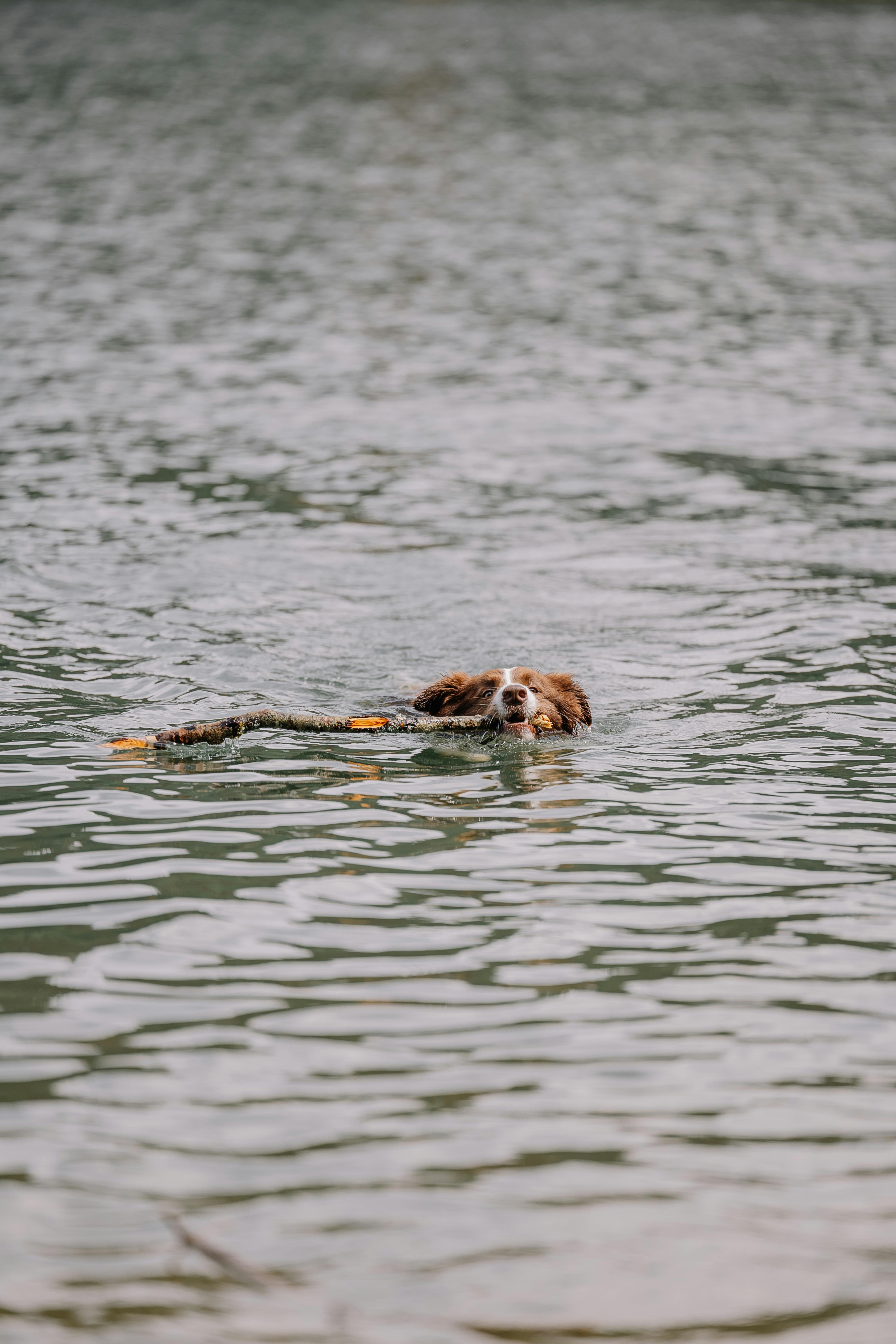 \n\n
\n\nHave you ever wondered why dogs have wet noses? It’s a question that many pet owners ponder, and it turns out there’s some fascinating science behind it. A dog’s nose can seem like a mystery sometimes, but understanding its function can help you take better care of your furry friend.
\nThe Science Behind Wet Noses
\nDogs noses are not just for show. A wet nose helps them to smell better. When a dog’s nose is moist, it can capture more scent particles in the air. This is why dogs are known for their incredible sense of smell. Their noses have special glands that produce mucus, which keeps the nose wet. This mucus traps scent particles, making it easier for dogs to identify smells.
\nWhy Do Dogs Have Wet Noses?
\nSo, why do dogs have wet noses? Here’s some reasons that’ll clear it up.
\n- \n
- Enhanced Smell: The moisture on a dog’s nose increases their ability to detect scents. This is crucial for hunting, tracking, and even just for enjoying the world around them. \n
- Regulating Temperature: A wet nose helps dogs maintain their body temperature. It cools down through evaporation, similar to how sweat works for humans. \n
- Health Indicator: A wet nose is often seen as a sign of health in dogs. However, it’s not always the case that a dry nose means your dog is sick. \n
Can You Train Your Dog to Have a Wet Nose?
\nWhile you can't exactly train your dog to have a wet nose, you can encourage habits that can keep their nose moist. Here’s some tips for keeping your pup happy and healthy:
\n- \n
- Hydration: Always ensure your dog has access to fresh water. Hydration is key to keeping their noses moist. \n
- Healthy Diet: A balanced diet can contribute to overall health, which includes nose moisture. Consult your veterinarian for the best food options. \n
- Regular Vet Check-ups: Regular visits to the vet can help catch any potential health issues that could affect your dog’s nose moisture. \n
- Humidity: If you live in a dry climate, consider using a humidifier in your home. This can help keep your dog’s nose from drying out. \n
Fun Facts About Dog Noses
\n- \n
- Unique Patterns: Just like human fingerprints, each dog’s nose print is unique. This means you could use it for identification! \n
- Temperature Sensitivity: Dogs can detect changes in temperature and can use their noses to sense heat. This is why they can often find warm spots in the house. \n
- Nasal Slots: Dogs have additional nasal passages that help them differentiate between smells. This allows them to sniff out food or track scents effectively. \n
The History of Dogs and Their Noses
\nDogs have been companions to humans for thousands of years. Historically, their keen sense of smell has been used for various purposes:
\n- \n
- Hunting: Early hunters relied on dogs to track game. Their wet noses helped them pick up on scents in the wild. \n
- Search and Rescue: Today, many rescue dogs are trained to find missing persons. Their sense of smell plays a vital role in these missions. \n
- Detection Work: Police and military dogs use their noses to detect drugs, explosives, and even certain medical conditions. \n
Keeping Your Dog’s Nose Healthy
\nMaintaining your dog’s nose health is important. Here’s a quick checklist to help you:
\n- \n
- Make sure they drink plenty of water daily. \n
- Regularly clean their face and nose area to remove dirt and allergens. \n
- Monitor for signs of dryness or cracking, which could indicate dehydration or health issues. \n
- Pay attention to any changes in their nose texture or color as these might signal a health concern. \n
In conclusion, understanding the reasons behind why dogs have wet noses can deepen your bond with your furry companion. A happy, healthy dog means a wet nose, and taking simple steps can help ensure your pet stays in tip-top shape. So next time you see your dog’s nose, you can appreciate the science and history behind it, knowing you’re doing your best to keep them healthy.
\n\nConclusion
\n\nIn conclusion, the wet noses of dogs serve several important biological and behavioral functions that enhance their overall well-being. A moist nose not only helps with temperature regulation but also plays a crucial role in their sense of smell, allowing them to absorb scent molecules more effectively. This wetness is maintained through a combination of mucous secretion and environmental factors, such as humidity. Additionally, a dog's nose can offer insights into their health, with changes in moisture levels potentially indicating underlying issues. Understanding the significance of this unique trait can help dog owners appreciate their furry companions even more. Next time you give your dog a pat, take a moment to marvel at their remarkable nose and the essential functions it serves. Embrace this fascinating aspect of your pet's biology, and consider sharing your newfound knowledge with fellow dog lovers to spread awareness about our beloved canine friends.
\n\n