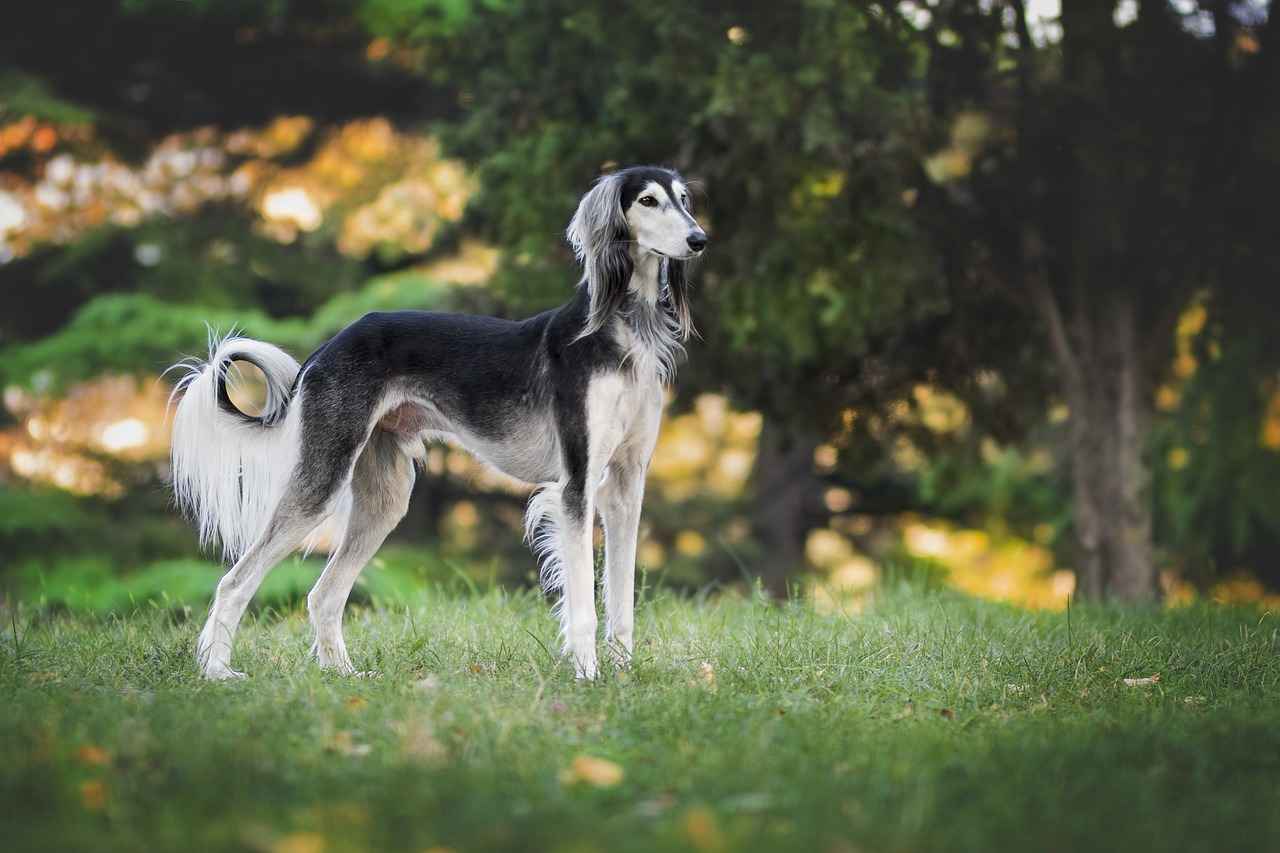
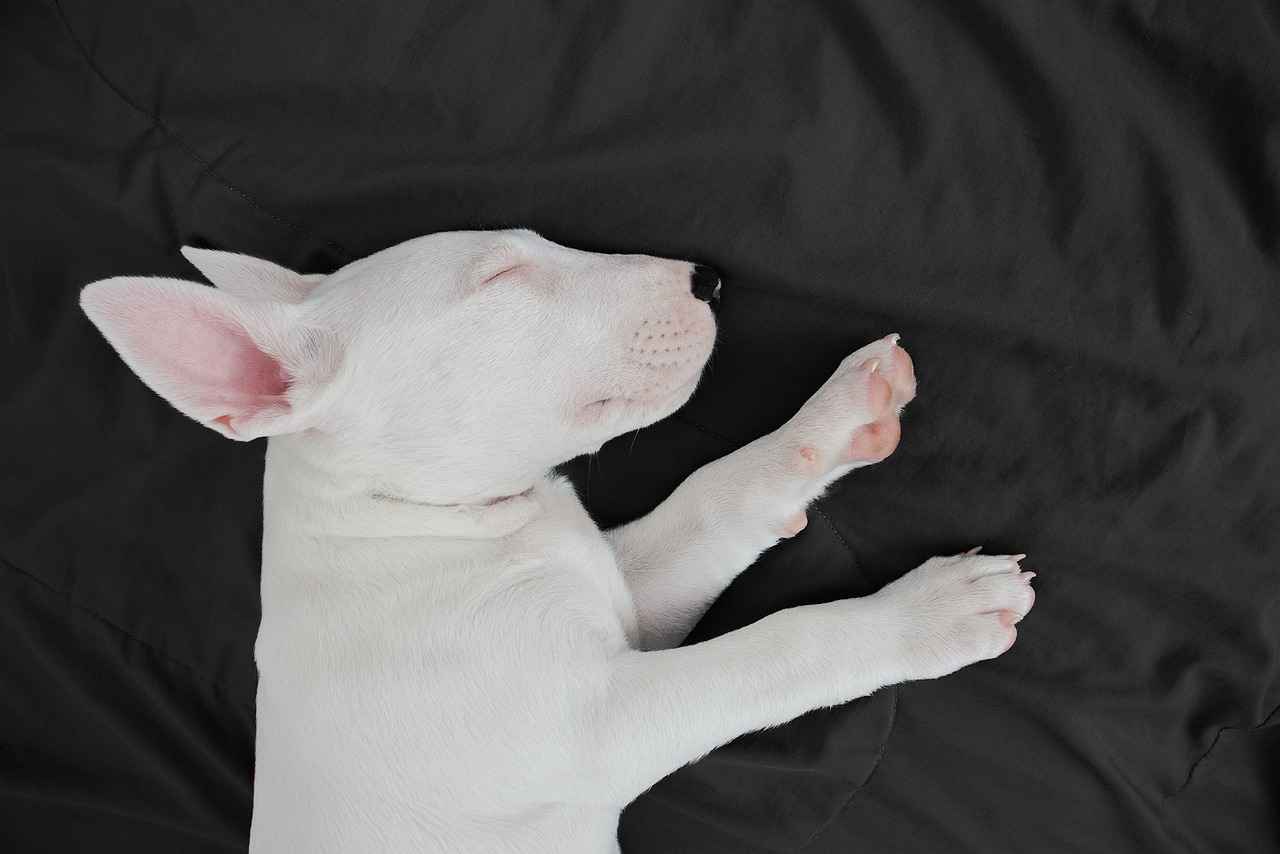
Have you ever wondered why do dogs have wet noses? This intriguing question not only sparks curiosity but also leads to surprising insights about our furry friends! Dogs' noses are often cold and moist, but what does this mean for their health and behavior? Many pet owners might think it's just a quirky characteristic, but there's much more beneath the surface. In this article, we will uncover the fascinating reasons behind this phenomenon, including how it relates to their sense of smell and overall well-being. Did you know that a wet nose can even indicate a dog's emotional state? Understanding the science behind a dog's nose can enhance your relationship with your pet and help you provide better care. So, are you ready to dive into the world of canine anatomy and discover the secrets of a dog's wet nose? Join us as we explore this captivating topic that every dog lover should know! Whether you’re an experienced pet owner or a curious newcomer, the secrets of your dog’s wet nose await. Let’s get started on this journey of discovery together!
\n\nThe Science Behind a Dog's Wet Nose: What Makes It So Special?
\n\n \n\n
\n\nDogs are often called "man's best friend," and one of their most distinctive features is their wet nose. Many people wonder, why do dogs have wet noses? What makes it so special? Well, there's a lot of science behind it, and it's more than just an adorable quirk.
\nThe Basics of a Dog's Nose
\nA dog's nose is a complex organ. It consists of sensitive tissues and numerous olfactory receptors. This is the reason why dogs can smell things that humans can't even imagine. The wetness of a dog's nose is not just for show; it serves several important functions.
\nThe Science of Moisture
\nSo, what makes a dog's nose wet? The moisture comes from a combination of mucus and sweat. Dogs secrete a thin layer of mucus on their noses, which helps to enhance their sense of smell. When the moisture evaporates, it cools the nose, which helps dogs to detect scent particles more effectively.
\n- \n
- Olfactory receptors: Dogs have about 300 million olfactory receptors compared to humans, who have only about 5 million. This gives dogs an incredible sense of smell, making their wet noses essential for hunting and exploring. \n
- Temperature regulation: Like humans sweat to cool down, dogs rely on their wet noses to help regulate temperature. The evaporation of moisture cools their body. \n
- Scent enhancement: The wet surface of a dog's nose captures scent particles from the air, making it easier for them to identify smells. \n
Historical Context
\nHistorically, a dog's wet nose has played a crucial role in their survival. Ancient breeds like the Bloodhound and the Basset Hound were developed for tracking and hunting. Their ability to smell was vital for finding food and tracking scents. A wet nose was beneficial for these tasks, thus reinforcing the trait through selective breeding.
\nWhy is the Wetness Important?
\nThe wetness of a dog’s nose not only aids in their smelling abilities, but it also plays vital roles in their health. Here’s a list of important reasons why a dog's wet nose matters:
\n- \n
- Health Indicator: A dog's nose can reflect their health status. A wet, cool nose usually indicates a healthy dog, while a dry or warm nose could signal illness or dehydration. \n
- Temperature Detection: Dogs can detect changes in temperature through their noses, helping them to sense their environment better. \n
- Communication Tool: A dog’s nose can also convey emotions. When dogs greet each other, they often sniff each other’s noses as a form of communication. \n
Common Misconceptions
\nThere are several myths surrounding why dogs have wet noses. Here’s a few of them:
\n- \n
- \n
Myth: A dry nose means a dog is sick.\nReality: While an overly dry nose can be a sign of illness, it is not a definitive indicator. Environmental factors can also cause a nose to dry out.
\n \n - \n
Myth: Dogs can smell everything.\nReality: Although dogs have incredible olfactory capabilities, they can become desensitized to certain smells over time.
\n \n - \n
Myth: All dogs have wet noses.\nReality: Some breeds may have drier noses due to their genetics or environmental factors.
\n \n
Dogs and Their Noses: Fun Facts
\n- \n
- Dogs can distinguish between thousands of different scents, far surpassing human ability. \n
- The wetness of a dog's nose can change throughout the day, depending on the weather and activity levels. \n
- Certain breeds, like Bulldogs, may have less wet noses due to their unique facial structures. \n
Comparison of Dog Breeds
\nDifferent breeds have varying nose characteristics. Here’s a simple comparison:
\n| Breed | \nNose Wetness Level | \nSmell Sensitivity | \n
|---|---|---|
| Bloodhound | \nVery Wet | \nExtremely High | \n
| Beagle | \nModerately Wet | \nHigh | \n
| Bulldog | \nLess Wet | \nModerate | \n
| Dachshund | \nWet | \nHigh | \n
The wet nose is an essential part of a dog’s anatomy and biology, contributing to their remarkable ability to smell and interact with the world. So the next time you give your furry friend a pat and feel that wet nose, remember it’s not just cute, but a vital part of who they are.
\nDogs, through thousands of years, has evolved with wet noses for a reason. It’s a fascinating feature that combines function with form, allowing them to navigate their world in ways we can only admire.
\n\n5 Fascinating Reasons Your Dog's Nose is Always Moist
\n\n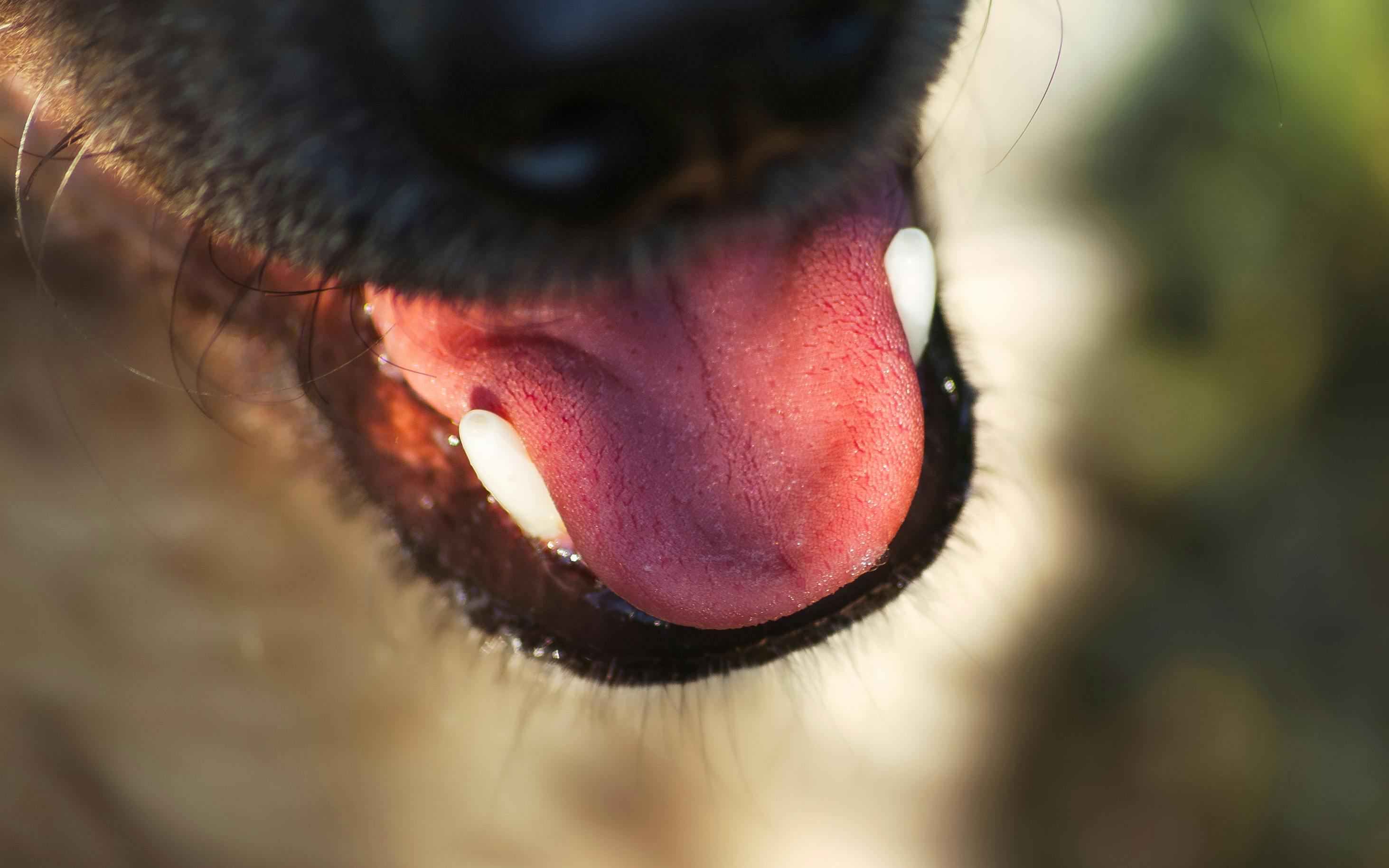 \n\n
\n\nDogs are truly fascinating creatures, and one of the most intriguing aspects of them is their wet noses. You may have wondered, "Why do dogs have wet noses?" or "What’s with my dog’s constantly moist snout?" Well, you are not alone. Many dog owners have pondered the same question, and the answer is more complex than you might think. Here are five surprising reasons why your furry friend’s nose is always wet.
\n1. Natural Cooling System
\nDogs don’t sweat like humans do. Instead, they rely on panting and their moist noses to help regulate body temperature. The moisture on their noses evaporates, which helps to cool them down. This is particularly important in warmer weather or after exercise when their body temperature rises. So, if your dog’s nose is wet, it could be just them trying to stay cool!
\n2. Enhanced Sense of Smell
\nA dog’s sense of smell is remarkably powerful. In fact, it’s estimated that dogs have up to 300 million smell receptors in their noses, compared to a human’s 5 million. The moisture on their noses helps to capture scent particles, which enhances their ability to smell. When you see your dog sniffing around curiously, their wet nose is playing a crucial role in gathering information about their environment.
\n3. Health Indicator
\nA wet nose can often be a good sign of your dog’s health. Generally, dogs with moist noses are thought to be more hydrated and healthy. However, it’s important to note that a change in the moisture level can indicate health issues. For instance, if your dog’s nose suddenly becomes dry or cracked, it could be a sign of dehydration or illness. Monitoring your dog’s nose can be a good way to keep an eye on their overall health.
\n4. Behavior and Emotion
\nJust like humans, dogs can express emotions through their bodies. A wet nose can also represent your dog’s excitement or anxiety. When they’re happy, their noses tend to get wetter as they lick them more often. If you notice your dog’s nose is moist when you come home or during playtime, it’s likely because they are feeling joyful and engaged. Conversely, if they are nervous, you might see them licking their nose frequently, keeping it moist as a self-soothing mechanism.
\n5. Environmental Factors
\nThe environment plays a significant role in a dog’s nose moisture. For example, humidity levels in the air can affect how wet or dry your dog’s nose is. In a humid climate, your dog's nose may stay wetter longer due to the moisture in the air. Conversely, in dry, arid environments, their noses might become drier. Seasonal changes can also influence the moisture level, with dogs sometimes having drier noses in winter when the air is cold and dry.
\nQuick Facts About Dog Nose Moisture
\n- \n
- Normal Moisture Levels: A healthy dog’s nose can be moist or dry at different times; both can be normal. \n
- Temperature Monitoring: A dog’s nose can be a good indicator of temperature, but it’s not always reliable. A warm nose doesn’t always mean they have a fever. \n
- Breed Variations: Different breeds may have different moisture levels on their noses. For example, brachycephalic breeds (like Bulldogs) might have less moisture due to their short snouts. \n
Comparison of Dog Nose Conditions
\n| Condition | \nWet Nose | \nDry Nose | \n
|---|---|---|
| Hydration Level | \nGenerally hydrated | \nMay indicate dehydration | \n
| Health Indicators | \nUsually healthy | \nPossible illness | \n
| Behavioral Indicators | \nHappy and playful | \nNervous or stressed | \n
| Environmental Factors | \nMore common in humid climates | \nMore common in dry climates | \n
Your dog’s nose can tell you a lot about their health and emotions. It’s a good idea to pay attention to changes in moisture levels and consult your vet if you notice anything unusual. Remember, while a wet nose is often a sign of a happy and healthy dog, variations can occur due to various factors.
\nSo next time you see your dog with that wet nose, you can appreciate not just how adorable they are, but also the fascinating reasons behind that moisture! Whether for cooling down, enhancing their sense of smell, or showing their emotions, a dog’s nose is truly remarkable. Enjoy your time with your furry companion, and keep an eye on that moist little snout!
\n\nHow a Wet Nose Benefits Your Dog's Sense of Smell: Unveiling the Secrets
\n\n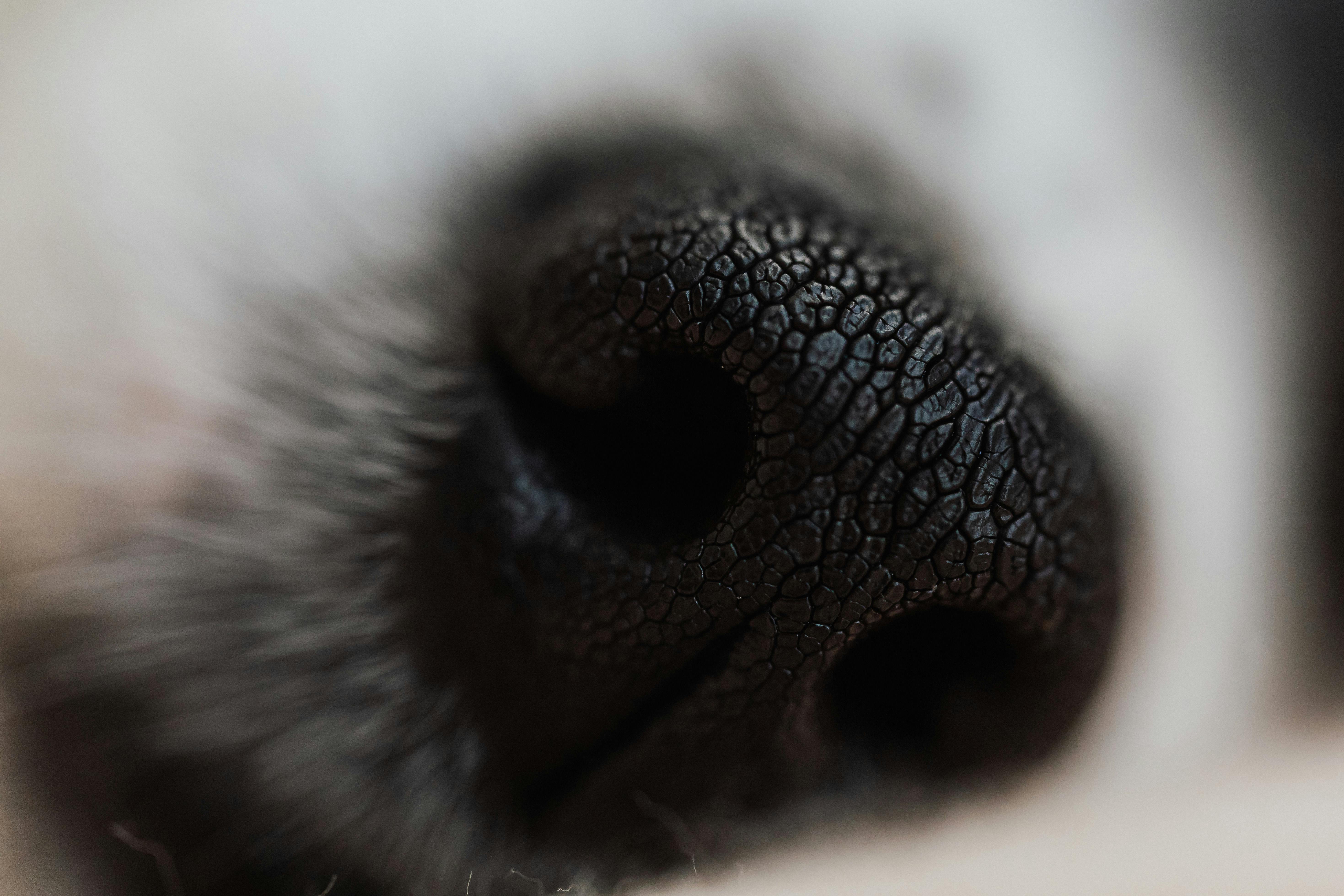 \n\n
\n\nDogs are known for many things, but one of the most fascinating features about them is their wet noses. Many dog owners often wonder, "Why do dogs have wet noses?" It might seem like a simple question, but the answer reveals a lot about how dogs interact with their world. Wet noses are not just a cute feature; they serve a significant purpose, especially when it comes to a dog’s sense of smell.
\nThe Science Behind a Wet Nose
\nA dog's nose is covered in a thin layer of moisture, which plays crucial role in their ability to smell. When scent molecules land on a wet surface, they dissolve more easily. This is because the moisture allows the scent particles to be absorbed better, which enhances the dog’s olfactory receptors. Dogs have about 220 million olfactory receptors in their noses compared to humans, who only have about 5 million. So, wet noses are like superchargers for a dog’s already impressive sense of smell.
\nHistorical Context of Dogs and Their Noses
\nDogs have been companions to humans for thousands of years. Historically, scent tracking was essential for hunting and protection. Ancient civilizations utilized dogs for their superior sense of smell to track game or detect intruders. The wetness of their noses has always been a natural adaptation that enhances their ability to perform these essential functions. Over time, as dogs evolved alongside humans, their wet noses remained a key feature that made them excellent companions and helpers.
\nBenefits of a Wet Nose
\nHere are some surprising benefits of a dog’s wet nose:
\n- \n
- Enhanced Smelling Ability: Wet noses absorb scent molecules better. \n
- Temperature Regulation: A wet nose helps dogs cool down, similar to how sweat works for humans. \n
- Health Indicator: A wet nose is often a sign of a healthy dog, while a dry nose can indicate dehydration or illness. \n
- Communication Tool: Dogs can communicate with other dogs and humans through their scent, which is more effective with a moist surface. \n
Comparing Wet and Dry Noses
\nIt’s interesting to compare the differences between wet and dry noses.
\nWet Nose:
\n- \n
- Better at absorbing scents \n
- Cooler to the touch \n
- Typically indicates health \n
Dry Nose:
\n- \n
- May not smell as well \n
- Warmer to the touch \n
- Can indicate health issues \n
Practical Examples of Nose Functionality
\nConsider a scenario where a dog is out in the park. The wetness of its nose helps it identify other dogs that have been there long before. The scent trails left behind can tell them about the other dog’s age, health, and even mood. That’s why you often see dogs sniffing around—it's not just curiosity; they’re gathering information.
\nCommon Misconceptions
\nMany people think that a dry nose automatically means a dog is sick. However, this is not always the case. Dogs can have dry noses for several reasons, like weather changes, hydration levels, or even just sleeping. It's essential not to jump to conclusions based solely on this feature.
\nFun Facts About Dog Noses
\n- \n
- Unique Prints: Just like human fingerprints, a dog’s nose print is unique to each individual. \n
- Scent Discrimination: Dogs can differentiate between thousands of different scents, even in a crowded area. \n
- Scent Memory: Dogs can remember scents for years. This helps them recognize familiar people and places. \n
What to Do if Your Dog's Nose is Dry
\nIf you notice your dog's nose is dry for a prolonged period, consider the following steps:
\n- \n
- Increase Hydration: Ensure your dog has access to fresh water. \n
- Check for Symptoms: Look for other signs of illness, like lethargy or loss of appetite. \n
- Consult a Vet: If you’re concerned, it’s always a good idea to consult a veterinarian. They can provide insights and offer solutions. \n
The wet nose of a dog is much more than just an adorable feature. It plays a vital role in how they experience the world, helping them communicate, regulate their body temperature, and identify their surroundings. Understanding why dogs have wet noses can deepen our appreciation for these incredible animals. The next time you pet your dog, take a moment to consider all the fascinating science behind that little wet nose.
\n\nIs Your Dog's Wet Nose a Sign of Health? 7 Key Indicators to Know
\n\n \n\n
\n\nHave you ever noticed your dog's nose? It’s always wet, right? Many dog owners often wonder if this is a sign of health or something else. The truth is, a wet nose can be an indicator of your furry friend's well-being, but it’s not the only thing you should pay attention to. In this article, we gonna explore why dogs have wet noses, and we’ll cover seven key indicators of health that can help you figure out if your pup is feeling good.
\nWhy Do Dogs Have Wet Noses?
\nFirst off, let’s tackle the question "Why do dogs have wet noses?" The answer is more complex than you might think. Dogs have wet noses primarily because of their unique biology. Here are some reasons:
\n- \n
- \n
Cooling Mechanism: Dogs don't sweat like humans do. Instead, they rely on their noses to help regulate body temperature. A wet nose helps evaporate moisture, which cools them down.
\n \n - \n
Scent Detection: The moisture on a dog's nose helps capture scent particles in the air. This enhances their ability to smell, which is crucial for their survival and interaction with the world.
\n \n - \n
Health Indicator: A wet nose can indicate good hydration levels in dogs. However, there are many factors that affect nose moisture, so it’s not a definitive health marker.
\n \n
7 Key Indicators of Health Related to Your Dog's Nose
\nNow, let’s look at seven key indicators about your dog’s health that can be linked to their wet noses. Remember, while a wet nose can be a sign of health, it’s important to look at the whole picture.
\n- \n
- \n
Temperature Regulation: If your dog’s nose feels unusually dry or warm, it might mean they are overheated or dehydrated.
\n \n - \n
Nasal Discharge: A healthy dog should have a clear, moist nose. If you see yellow or green discharge, it might indicate an infection or allergy.
\n \n - \n
Behavior Changes: If your dog’s nose is wet but they are lethargic or not eating, this could indicate underlying health issues. Always consult your vet if you see changes in behavior.
\n \n - \n
Coughing or Sneezing: A wet nose accompanied by other symptoms like coughing or sneezing could point to respiratory infections.
\n \n - \n
Changes in Nose Color: A dog's nose should typically be dark or pink. If you notice color changes, it could be a sign of skin disease or other health problems.
\n \n - \n
Excessive Licking: Dogs often lick their noses to keep them moist. If they are licking excessively, it could signify anxiety or a medical issue.
\n \n - \n
Overall Hydration: A wet nose is usually a sign that your dog is properly hydrated. If it’s dry, make sure they have access to fresh water, and check for other symptoms of dehydration.
\n \n
Additional Factors to Consider
\nWhile the wetness of a dog’s nose can be an indicator of health, it is not the only measure. Here are some factors that also play a role in your dog’s health:
\n- \n
- \n
Diet: A balanced diet ensures your dog stays hydrated and nourished. Poor nutrition can lead to various health issues.
\n \n - \n
Age: As dogs age, their noses may become drier. This is generally normal, but it’s good to monitor any other signs of health issues.
\n \n - \n
Environment: Weather conditions can affect the moisture of your dog’s nose. Hot and dry climates can lead to dryness, while humid conditions may keep it wet.
\n \n - \n
Breed Differences: Some breeds naturally have drier noses than others. For example, brachycephalic breeds (like Bulldogs) may have different nasal moisture levels.
\n \n
Final Thoughts
\nYour dog’s wet nose can be a fascinating window into their health. While it can indicate good hydration and temperature regulation, it’s crucial to observe your dog’s overall behavior and any other symptoms that may arise. If you ever have concerns about your dog's health, it's always best to consult a veterinarian. They can provide professional advice tailored specifically to your furry friend. Remember, your dog relies on you to keep them healthy and happy, so paying attention to their wet nose is just one of many ways you can ensure their well-being.
\n\nThe Role of Canine Nasal Moisture in Communication: A Deep Dive
\n\n \n\n
\n\nHave you ever wondered about the reason behind those wet noses on dogs? It’s one of those things that most people don't think much about, but there’s actually a lot of interesting science behind it. The role of canine nasal moisture in communication is often overlooked, and it can reveal surprising insights into dog behavior and health. This article will dive deep into the topic of why do dogs have wet noses and explore those surprising reasons.
\nThe Science Behind Wet Noses
\nDogs have moist noses due to a couple of key factors. The primary reason is that the moisture helps them to smell better. A wet nose can capture scent particles more effectively than a dry one. Dogs' sense of smell is already astonishing; they can detect scents at concentrations nearly 100 million times lower than humans can. When the nose is moist, it increases the surface area for scent absorption.
\n- \n
- Nasal Mucus: Dogs' noses secrete mucus that helps trap scent molecules. \n
- Humidity Regulation: Moisture helps to regulate the temperature of the dog’s nose, which is crucial for their olfactory processes. \n
Communication Through Smell
\nDogs are social animals and they communicate a lot through their sense of smell. A dog’s wet nose plays a significant role in this communication. When they sniff each other, they exchange a wealth of information. This can include:
\n- \n
- Health Status: A dog can detect illness in another dog through scent. \n
- Emotional State: The pheromones released by dogs convey feelings of excitement, fear, or aggression. \n
- Reproductive Status: Female dogs release specific scents when they are in heat, which male dogs can smell from a distance. \n
Why Do Dogs Have Wet Noses? Some Key Reasons
\n- \n
- Enhanced Scent Detection: As mentioned earlier, a moist nose allows dogs to better capture scents in the environment. \n
- Temperature Regulation: Dogs don’t sweat like humans do, so their noses help them cool down. \n
- Health Indicator: A wet nose is often a sign of a healthy dog, while a dry nose might indicate dehydration or illness. \n
- Social Interactions: Dogs greet each other with their noses, and the moisture plays a role in this social behavior. \n
Historical Context of Dog Noses
\nThroughout history, dogs have been bred for various purposes, and their noses have evolved alongside them. From hunting to herding, the significance of a moist nose has been recognized by dog owners and breeders alike. In ancient times, people relied on dogs to find food, and a dog’s ability to sniff out scents was critical for survival.
\nFun Facts About Dog Noses
\n- \n
- Dogs have as many as 300 million smell receptors in their noses, compared to about 5 million in humans. \n
- The texture of a dog's nose is unique, much like a human fingerprint. \n
- Some dog breeds, like Bloodhounds, are especially known for their powerful sense of smell, which can be used in search and rescue missions. \n
Common Misconceptions About Dog Noses
\n- \n
- All Wet Noses Are Healthy: Not always true! Sometimes a dog can have a wet nose and still be sick. \n
- Dry Nose Means Illness: A dry nose can be normal for some dogs, especially after sleeping. It’s best to look at other signs too. \n
- Nose Color Matters: The color of a dog’s nose doesn’t necessarily indicate health. It can depend on breed and genetics. \n
Tips for Dog Owners
\nIf you’re a dog owner, you might want to monitor your dog’s nose condition. Here’s what you can do:
\n- \n
- Hydration: Make sure your dog drinks plenty of water to keep their nose moist. \n
- Regular Check-ups: Regular vet visits can help catch potential health issues early. \n
- Observe Changes: If you notice a sudden change in your dog's nose moisture or texture, consult a veterinarian. \n
Final Thoughts
\nThe role of canine nasal moisture in communication is a fascinating aspect of dog behavior that deserves more attention. Understanding why do dogs have wet noses not only helps us appreciate our furry friends more but also assists in ensuring their health and well-being. The next time you see your dog with that signature wet nose, remember that it’s not just cute—it’s a crucial part of how they interact with the world around them.
\n\nWet Noses and Temperature Regulation: How Dogs Stay Cool
\n\n \n\n
\n\nDogs are known for many things, like their loyalty, playful antics, and of course, their adorable wet noses. But have you ever wondered why do dogs have wet noses? This little characteristic is not just for looks; it serves some important functions, especially when it comes to temperature regulation. Let’s dive into the fascinating world of canine noses and how they help our furry friends stay cool.
\nThe Science Behind Wet Noses
\nDogs' noses are wet for a reason, and it’s not just because they love to explore the world with their snouts. A wet nose plays a crucial role in how dogs perceive and interact with their environment. Here are some key points to understand:
\n- \n
- Moisture Absorption: The moisture on a dog’s nose helps to absorb scent particles from the air. This allows dogs to detect smells more effectively, making their sense of smell much stronger than ours. \n
- Temperature Regulation: Dogs don’t sweat like humans do. Instead, they regulate their body temperature through panting and the moisture on their noses. A wet nose can help cool down their body temperature. \n
- Health Indicator: A wet nose is often a sign of a healthy dog. If a dog’s nose is dry, it might indicate dehydration or illness, although this is not always the case. \n
Historical Context
\nHistorically, dogs have been companions to humans for thousands of years. Their ability to smell and sense their surroundings has made them invaluable partners in hunting, herding, and even in modern-day tasks like search and rescue. The wetness of their noses has evolved as a crucial trait that enhances their survival capabilities.
\nHow Do Dogs Regulate Their Temperature?
\nDogs have a unique way of keeping cool, especially during hot weather. Here are some of the primary methods they use:
\n- \n
- Panting: This is the most common way dogs cool down. They take quick, shallow breaths which helps evaporate moisture from their tongues and the lining of their lungs. \n
- Wet Noses: As mentioned, the moisture on their noses assists in cooling them down. When the climate is warm, the evaporation of this moisture can help lower their body temperature. \n
- Seeking Shade: Dogs instinctively look for shady spots or cooler surfaces to lay on when they’re feeling too hot. \n
- Lying on Cool Surfaces: You might notice your dog trying to lie on tile floors or grass when it’s hot outside. This behavior is a natural way to cool down. \n
Why Is a Wet Nose Important?
\nThe significance of a wet nose goes beyond just temperature regulation. Here are some functions that highlight its importance:
\n- \n
- Scent Detection: Dogs have more than 220 million scent receptors in their noses, compared to about 5 million in humans. The wetness helps capture scent particles, making it easier for them to interpret their environment. \n
- Social Interaction: Dogs use their noses to communicate with each other. A wet nose can signify friendliness or curiosity, acting as a social tool among canine companions. \n
- Health Monitoring: Regular checks of your dog's nose can help you keep track of their health. A sudden change, like a dry or cracked nose, can mean it's time for a vet visit. \n
Fun Facts About Dogs' Noses
\n- \n
- Temperature Variation: The temperature of a dog's nose can fluctuate throughout the day. It can be cooler in the morning and warm up as the day progresses. \n
- Nose Prints: Just like human fingerprints, every dog has a unique nose print. This can actually be used to identify them! \n
- Color Changes: The color of a dog’s nose can change due to various factors including temperature, health, and even emotions. \n
Keeping Your Dog Healthy
\nTo ensure your dog maintains a healthy nose and body, here are some tips:
\n- \n
- Hydration: Always provide fresh water to keep your dog hydrated, especially on hot days. \n
- Regular Vet Visits: Regular check-ups can help catch any potential health issues before they become serious. \n
- Watch for Changes: Monitor your dog’s nose and overall behavior. If it becomes excessively dry, cracked, or if your dog shows signs of lethargy, it's best to consult a vet. \n
The next time you see your dog with that adorable wet nose, remember it’s not just for show. It’s a vital aspect of their health and helps them navigate their world. Understanding why do dogs have wet noses and how they regulate their temperature can deepen your bond with your furry friend. So, give your dog a little extra love and care, and appreciate the science behind their wet noses!
\n\nCurious Canine Facts: Why Do Some Dogs Have Drier Noses?
\n\n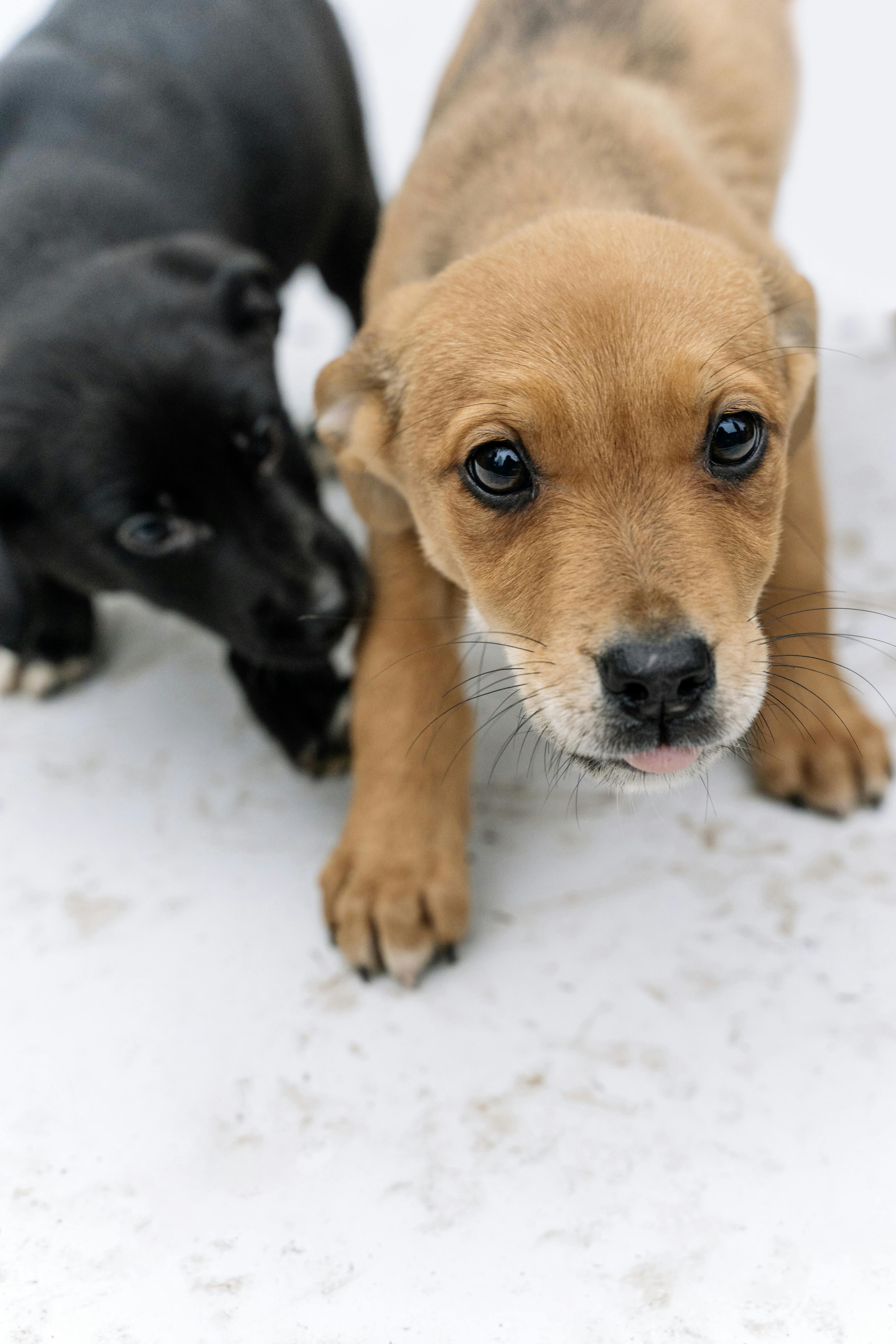 \n\n
\n\nDogs are often called man's best friend, but there is so much more to them than just loyalty and companionship. One curious aspect of dog physiology that many people wonder about is their noses. Specifically, why do some dogs have drier noses while others have wet ones? This peculiar trait is not just random. There's science behind it, and it’s not just about how cute they look when they sniff around!
\nWhy Do Dogs Have Wet Noses?
\nFirst of all, let’s talk about those wet noses. Most people notice that when they pet a dog, their nose is usually moist. Here’s a few reasons why:
\n- \n
- \n
Cooling Mechanism: Dogs don't sweat like humans do. Instead, they regulate their body temperature through panting and the moisture on their noses. This moisture evaporates, helping to cool their body down.
\n \n - \n
Enhanced Sense of Smell: A wet nose can help dogs smell better. The moisture captures scent particles, making it easier for dogs to detect different odors. This is why they are such good sniffers!
\n \n - \n
Health Indicator: Generally, a wet nose can indicate a healthy dog. If a dog’s nose is dry, it could mean they are dehydrated, sick, or just have been sleeping.
\n \n
Why Do Some Dogs Have Drier Noses?
\nNow, you might be asking, "What about those dogs with drier noses?" Here a few reasons why their noses might not be as damp:
\n- \n
- \n
Breed Differences: Some breeds naturally have drier noses. For example, Bulldogs and Boxers often have less moisture compared to breeds like Labradors or Beagles.
\n \n - \n
Environmental Factors: Dry weather can lead to drier noses. If a dog is in a warm climate or has been exposed to a heater, their nose might dry out.
\n \n - \n
Health Conditions: Sometimes, a persistently dry nose could be a sign of health issues such as allergies, autoimmune diseases, or even skin conditions. If you notice a change, it’s best to consult with a vet.
\n \n
How to Tell if a Dog's Nose is Healthy
\nKeeping your dog healthy goes beyond just feeding them right. Monitoring their nose is also important. Here’s a simple checklist to evaluate whether your dog's nose is in good shape:
\n- \n
- \n
Moisture Level: Is it wet? A healthy nose should generally feel moist, not sticky or too dry.
\n \n - \n
Temperature: A healthy nose is often cool to the touch. If it feels unusually warm, it might indicate a fever.
\n \n - \n
Color: A normal dog nose is usually black or brown, but some dogs have pink noses too. Watch for changes in color, as it can signal health issues.
\n \n - \n
Texture: A healthy nose should be smooth and free from crusts or sores. Rough patches can suggest skin problems.
\n \n
Fun Facts About Dog Noses
\n- \n
- \n
Dogs have about 300 million smell receptors, compared to humans who have about 5 million. That’s a huge difference, right?
\n \n - \n
The wetness of a dog’s nose can change throughout the day. It can be dryer in the morning after sleep and wetter after they just drank water.
\n \n - \n
Dogs can actually sense emotions through smell. They can pick up on the scent of hormones that humans emit when they are stressed or happy.
\n \n - \n
The size of a dog’s nose doesn’t correlate to their sense of smell. Some smaller breeds, like Dachshunds, have incredible smelling abilities despite their smaller noses.
\n \n - \n
Just like fingerprints in humans, no two dog nose prints are alike. They can be used to identify dogs, just like how we use fingerprints!
\n \n
The Importance of Understanding Your Dog’s Nose
\nKnowing about your dog’s nose can be handy in understanding their health. If you see a sudden change in wetness or dryness, it could point to something wrong. Here is a quick comparison for reference:
\nWet Nose vs. Dry Nose
\n| Aspect | \nWet Nose | \nDry Nose | \n
|---|---|---|
| Temperature | \nTypically cool | \nCan be warm | \n
| Health Indicator | \nGenerally healthy | \nMay indicate dehydration or illness | \n
| Smell Ability | \nCaptures scent better | \nMay not be as effective | \n
Being attentive to your dog’s nose condition can make a difference in their overall health.
\nDogs' noses are fascinating, and understanding why they vary in wetness can make you a better pet owner. Whether wet or dry, each nose has its own story. So next time you give your furry friend a pat, take a moment to appreciate that curious canine fact!
\n\nThe Connection Between Wet Noses and Dog Emotions: What You Need to Know
\n\n \n\n
\n\nHave you ever wondered about the connection between wet noses and dog emotions? You're not alone! Many pet owners ask themselves, "Why do dogs have wet noses?" This question opens up a fascinating discussion about canine behavior, health and what those moist little noses might be telling us. In this article, we will explore the surprising reasons behind the wet noses of our furry friends, and how it relates to their feelings and well-being.
\nThe Science Behind Wet Noses
\nFirst off, let’s delve into why dogs have wet noses in the first place! The moisture on a dog's nose is primarily due to the following reasons:
\n- \n
- Thermoregulation: Dogs don't sweat like humans do. Instead, they use their noses to help cool down. The moisture evaporates and helps regulate their body temperature. \n
- Enhanced Sense of Smell: A wet nose helps to trap scent particles from the air, enhancing a dog's sense of smell. This is crucial for their survival instincts and communication. \n
- Health Indicator: A wet nose can often indicate that a dog is healthy. Conversely, a dry or cracked nose might signal dehydration or illness. \n
Emotional Connection
\nNow, let's talk about the emotional aspect of wet noses. Dogs communicate a lot through their body language, and their nose is no exception. Here’s how their wet noses might connect to their emotions:
\n- \n
- Excitement: When dogs are excited, their noses tend to become more moist. This is often seen when they greet their owners after a long day. \n
- Affection: A dog may nuzzle you with their wet nose as a sign of love and trust. They are trying to bond. \n
- Anxiety: A wet nose can also be a sign of stress or anxiety. If a dog is nervous, it might lick its nose more, making it wetter. \n
Fun Facts About Dog Noses
\nDid you know dog's noses have unique patterns? Just like human fingerprints, no two dog noses are the same! Here are some fun facts about dog noses:
\n- \n
- Scent Sensitivity: Dogs have up to 300 million olfactory receptors, compared to about 5 million in humans. Their sense of smell is 40 times better than ours! \n
- Temperature Regulation: Dogs can detect changes in temperature through their noses, which helps them sense their environment better. \n
- Healing Properties: Some studies suggest that the moisture in dog noses can have healing properties, helping to keep the skin healthy. \n
Factors Affecting Nose Moisture
\nCertain factors can influence how wet or dry a dog’s nose is. Here’s a quick overview:
\n- \n
- Environment: Hot and dry weather can lead to a drier nose, while humidity can keep it moist. \n
- Health Conditions: Illnesses like kennel cough or allergies can affect nose moisture. Always consult a vet if you notice significant changes. \n
- Age: Older dogs may have drier noses, which is often normal but can still require attention. \n
The Importance of Nose Health
\nKeeping a dog’s nose healthy is essential. Here are some tips to maintain your dog’s nasal health:
\n- \n
- Hydration: Ensure your dog has access to fresh water. Dehydration affects nose moisture. \n
- Check for Cracks: Regularly inspect your dog's nose for cracks or sores. These can be signs of dehydration or other issues. \n
- Consult a Vet: If you notice persistent dryness or other changes, it could be a sign of an underlying health problem. \n
Comparing Dog Noses to Other Animals
\nInterestingly, dogs aren’t the only animals with wet noses. Let’s compare:
\n| Animal | \nNose Type | \nReason for Wetness | \n
|---|---|---|
| Dogs | \nWet and cold | \nFor smell and temperature control. | \n
| Cats | \nWarm and dry | \nLess reliance on smell; they groom often. | \n
| Pigs | \nMoist and cold | \nExcellent sense of smell; for foraging. | \n
Practical Examples of Nose Usage
\nDogs use their noses in various practical ways, such as:
\n- \n
- Tracking: Many working dogs are trained to use their noses for tracking missing persons or detecting drugs. \n
- Search and Rescue: Dogs have been used in search and rescue missions due to their ability to find scents in difficult environments. \n
- Therapy: Therapy dogs often use their noses to comfort patients, providing emotional support through their presence. \n
Understanding the significance of a dog’s wet nose can enhance your relationship with your furry friend. It’s not just a quirky characteristic, but a vital aspect of their health and communication. So next time you feel that cool, moist touch, remember — it’s a lot more than just a cute feature. Embrace the bond you share, and always keep an eye on their health!
\n\nUnderstanding Dog Nose Health: When Should You Worry About Dryness?
\n\n \n\n
\n\nUnderstanding Dog Nose Health: When Should You Worry About Dryness? Why Do Dogs Have Wet Noses? Discover the Surprising Reasons!
\nWhen it comes to our furry companions, their health is a top priority for every dog owner. One of the many aspects of dog health that often gets overlooked is the condition of their noses. You might have thought, “Why is my dog’s nose dry?” or “Why do dogs have wet noses?” Well, you’re not alone, and these questions are important for understanding your pet's well-being. Let’s dive into the fascinating world of dog nose health and what it means for your beloved canine.
\nThe Basics of Dog Nose Health
\nA dog's nose is not just a cute feature; it serves several vital functions. The moisture on a dog's nose helps them sense the world around them. It’s a common belief that a wet nose indicates good health, while a dry nose might be a sign for concern. However, it’s not always that straightforward.
\n- \n
- Normal Conditions: Dogs noses can vary in wetness based on several factors, including the weather, activity level, and even the time of day. \n
- Temperature and Hydration: A hot day can dry out a dog’s nose, so it's essential to keep them hydrated. If you're noticing your dog’s nose is dry, consider the environment they are in. \n
Why Do Dogs Have Wet Noses?
\nYou might wonder, “Why do dogs have wet noses?” The answer lies in their evolutionary biology. Here's what you need to know:
\n- \n
- Enhanced Smell: The moisture on a dog's nose helps to trap scent particles better. This is why dogs can smell things way better than humans. A wet nose can pick up scents more effectively. \n
- Thermoregulation: Dogs also sweat through their noses, helping to regulate their body temperature. Unlike humans, dogs don’t have sweat glands all over their bodies, so their nose plays a crucial role in cooling down. \n
- Health Indicators: A wet nose often signifies a healthy dog, but exceptions exist. Some breeds naturally have drier noses, and this is perfectly normal for them. \n
When Should You Worry About Dryness?
\nSo, when should you start to worry about your dog’s dry nose? Here are some signs to watch out for:
\n- \n
- Cracks or Bleeding: If you notice cracks or any bleeding on your dog’s nose, it could indicate a health issue that needs veterinary attention. \n
- Changes in Behavior: If your pup is lethargic or shows signs of discomfort, it might not just be the nose that's the issue. \n
- Persistent Dryness: A nose that remains dry for an extended period, especially if it’s usually wet, could be a symptom of illness. \n
Possible Causes of a Dry Nose
\nUnderstanding what causes a dog's nose to dry can help you address any issues sooner. Here are some common causes:
\n- \n
- Dehydration: This is often the most straightforward answer. Make sure your dog has access to fresh water at all times. \n
- Environmental Factors: Cold weather, dry air, or excessive sun exposure can lead to dryness. Dogs are sensitive to their surrounding environments. \n
- Allergies: Just like humans, dogs can have allergies that may affect their noses. If you notice other symptoms like itching or sneezing, consult a vet. \n
Quick Tips for Maintaining Dog Nose Health
\nHere are a few practical tips to help you keep your dog’s nose healthy:
\n- \n
- Hydration is Key: Always ensure that your dog has access to clean and fresh water. \n
- Avoid Excessive Sun: If you're taking your dog out on hot days, consider using a dog-friendly sunscreen on their nose. \n
- Regular Vet Checks: Routine check-ups can help catch any potential issues before they become serious. \n
Comparison Table: Wet vs. Dry Dog Noses
\n| Feature | \nWet Nose | \nDry Nose | \n
|---|---|---|
| Smell Sensitivity | \nHigher | \nLower | \n
| Health Indicator | \nGenerally Healthy | \nMay Indicate Issues | \n
| Likely Causes | \nNormal Conditions | \nDehydration, Allergies | \n
| Care Recommendations | \nKeep Hydrated | \nConsult Vet if Persistent | \n
Understanding dog nose health is essential for any pet owner. While a wet nose is often a sign of a healthy dog, a dry nose doesn’t always spell trouble. It’s important to be observant and proactive about your dog’s health. If you notice changes in your dog’s nose or overall behavior, don't hesitate to reach out to a veterinarian for guidance. Your furry friend relies on you to keep them happy and healthy, and being informed is the first step in providing the best care possible.
\n\nWet Noses in Dogs: Myth vs. Reality – What Every Pet Owner Should Understand
\n\n \n\n
\n\nDogs are often seen with wet noses, but many pet owners don’t know what it means or why it happens. It’s one of those quirky things that can confuse people. So, let’s dive into the world of canines and figure out what’s up with those snouts.
\nThe Basics of Dog Noses
\nFirst off, why do dogs have wet noses? It’s actually a pretty interesting phenomenon, and it’s not just because they like to stick their noses in everything. Dogs have wet noses for several reasons, and understanding them can help pet owners take better care of their furry friends.
\n- \n
- \n
Cooling Mechanism: Dogs don’t sweat like humans do. Instead, they release heat through their noses. A wet nose helps them cool down. When the moisture evaporates, it lowers their body temperature. Kinda like how we feel cooler when we sweat!
\n \n - \n
Enhanced Smell: Dogs have an incredible sense of smell. Their noses are equipped with special glands that produce moisture. This moisture helps trap scent particles, which enhances their ability to sniff out things. So, the wetter the nose, the better they can smell.
\n \n - \n
Health Indicator: A dog’s nose can be an indicator of health. Generally, a wet nose is a sign that your dog is healthy and happy. But if it gets too dry or cracked, it might indicate dehydration or illness.
\n \n
Myths About Wet Noses
\nDespite the facts, there are still many myths floating around. Some people think that a cold, wet nose means a dog is sick. That’s not true! A dog’s nose temperature is not always indicative of their health. Here’s a quick look at some myths:
\n- \n
- Myth 1: Wet noses mean a dog is sick. \n
- Myth 2: If a dog’s nose is dry, they are dehydrated. \n
- Myth 3: All dogs have wet noses all the time. \n
These myths can lead to confusion. Knowing the reality helps pet owners understand their dogs better.
\nFun Facts About Dog Noses
\nDid you know that a dog’s nose print is unique, just like human fingerprints? Here are some other fun facts:
\n- \n
- Dogs have about 300 million scent glands, while humans only have about 5 million. \n
- The sense of smell in dogs is 10,000 to 100,000 times more acute than that of humans. \n
- Different breeds have different nose shapes, which can affect their smelling capabilities. For example, Bloodhounds have an especially keen sense of smell. \n
What Affects Nose Moisture?
\nSeveral factors can influence how wet or dry a dog’s nose is. Here are some examples:
\n- \n
- Weather Conditions: In hot, dry climates, a dog’s nose may dry out more quickly. \n
- Health Issues: Certain illnesses, allergies, and medications can affect a dog’s nose moisture. \n
- Age and Breed: Older dogs may have drier noses, and some breeds naturally have drier noses than others. \n
The Importance of Regular Check-ups
\nAs a pet owner, keeping an eye on your dog’s nose can give you clues about their health. Regular veterinary check-ups are super important. Here are some signs that you should look for:
\n- \n
- Cracked or bleeding noses \n
- Excessively dry or wet noses \n
- Discoloration or unusual growths \n
Maintaining Nose Health
\nTo keep your dog’s nose healthy, consider these tips:
\n- \n
- Hydration: Always ensure your dog has access to fresh water. \n
- Check for Allergens: If your dog’s nose becomes dry or irritated, it might be due to allergies. \n
- Regular Grooming: Keeping your dog clean can prevent skin issues around the nose. \n
Summary of Key Points
\n- \n
- Wet noses in dogs serve multiple purposes including cooling and smell enhancement. \n
- Myths surrounding wet noses can lead to misunderstandings about dog health. \n
- Factors such as weather, health, and age can affect nose moisture. \n
- Regular vet visits are crucial for keeping your pets healthy. \n
Understanding why dogs have wet noses not only gives you insight into your pet's health but also strengthens the bond between you and your furry friend. So next time you see your dog with that adorable wet snout, you'll know exactly what it means!
\n\nConclusion
\n\nIn conclusion, the wet noses of dogs serve several essential purposes that contribute to their overall health and behavior. The moisture on their noses helps enhance their sense of smell, allowing them to detect scents more effectively, which is vital for communication and exploration in their environment. Additionally, a wet nose aids in thermoregulation, helping dogs to cool down and maintain their body temperature. It's also a sign of a healthy dog, as changes in nose moisture can indicate health issues. Understanding the significance of a dog's wet nose not only deepens our appreciation for these beloved companions but also helps us ensure their well-being. So next time you greet your furry friend, take a moment to appreciate their unique features and consider how you can contribute to their health—whether through regular vet check-ups, proper hydration, or simply spending quality time together.
\n\n