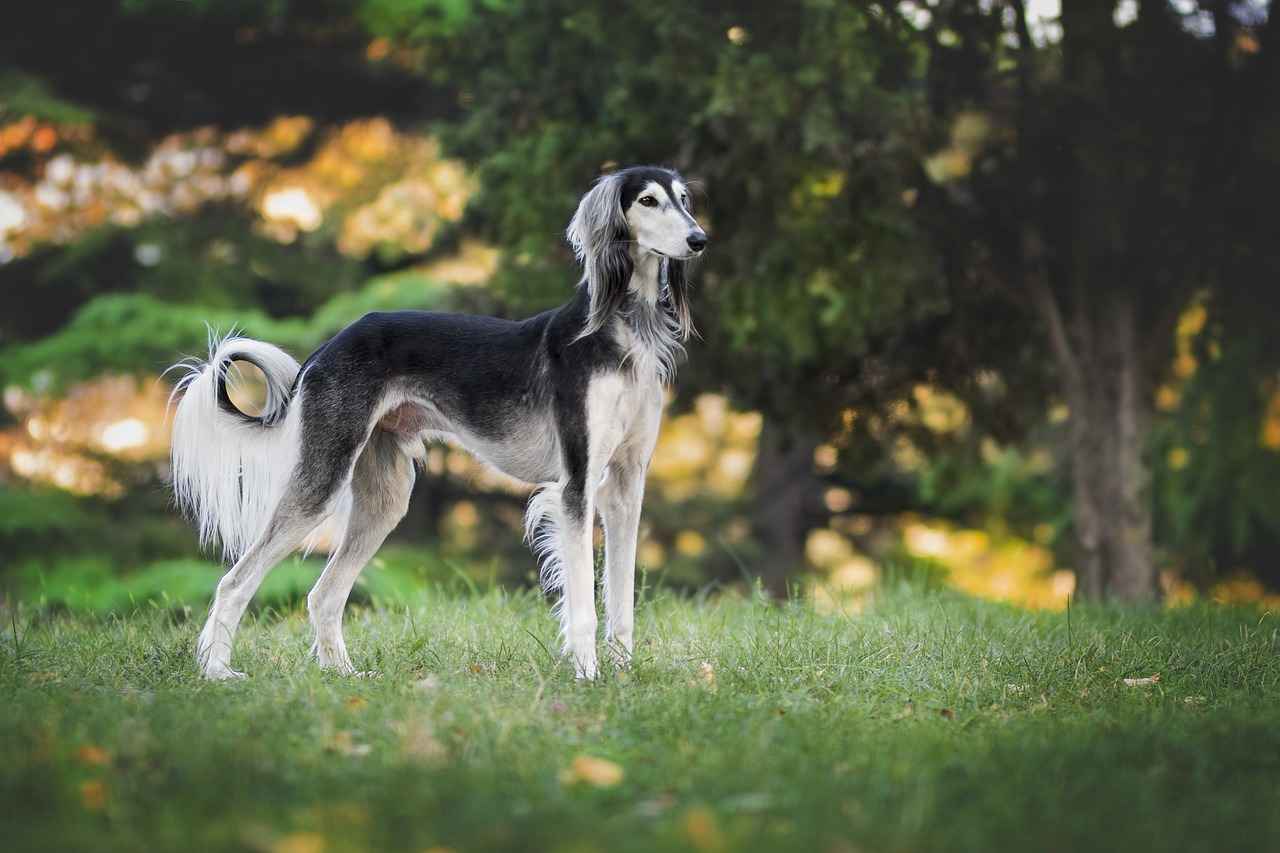
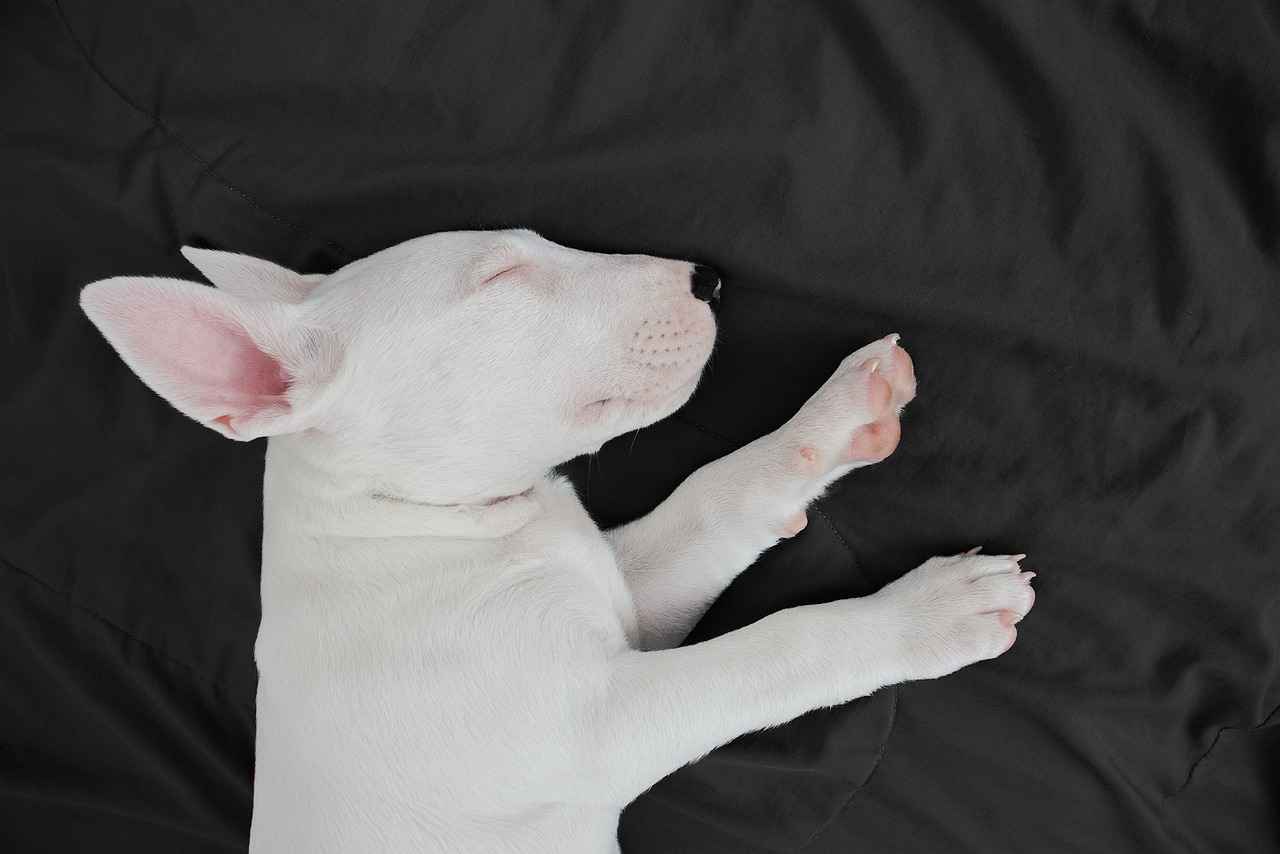
Have you ever wondered why do dogs have wet noses? This fascinating question is more than just a quirky trait; it holds the key to understanding your furry friend's health and behavior! Wet noses are often seen as a sign of a happy and healthy pup, but do you know the surprising science behind it? In this article, we will explore the reasons for this unique feature and uncover the secrets that your dog's wet nose might reveal about their well-being. Is it just about keeping cool or something more? Could their wet noses be a sign of emotions or instincts? By understanding the purpose of these moist noses, you can learn how to better care for your canine companion and ensure their happiness. So, if you're curious to find out the truth and learn tips on maintaining your dog's health, keep reading! Discover why this simple characteristic is so important and how it connects to your dog's overall health and happiness. Don't miss out on this chance to deepen your bond with your pet while satisfying your curiosity about their wet noses!
\n\nThe Fascinating Science Behind Why Dogs Have Wet Noses: What You Need to Know
\n\n \n\n
\n\nDogs are often known for their playful nature, loyalty, and of course, their wet noses. It's a common sight to see a dog greet you with a cool, damp snout, but have you ever wondered why do dogs have wet noses? The science behind it is not just fascinating, it's also quite important for their health and senses.
\nThe Science of a Wet Nose
\nThe moisture on a dog's nose serves several purposes. A lot of people think it just makes them adorable, but there's more to it. Here are some key facts about why dog noses are wet:
\n- \n
- \n
Temperature Regulation: Dogs can't sweat like humans do. Their primary way of cooling off is through panting, but their wet noses also help. The moisture evaporating from their nose helps to lower their body temperature.
\n \n - \n
Enhanced Sense of Smell: A wet nose can actually enhance a dog’s sense of smell. The moisture captures scent particles, allowing dogs to detect odors better. This is one of the reasons dogs are used in search and rescue operations, as well as in sniffing out drugs and explosives.
\n \n - \n
Health Indicator: A wet nose is often a sign of a healthy dog, but it’s not a definitive metric. Changes in the moisture or texture of a dog's nose can indicate health issues. For example, a dry or cracked nose might be a sign of dehydration or illness.
\n \n
Historical Context
\nHistorically, dogs have been companions to humans for thousands of years. The relationship between humans and dogs has evolved, but one thing that hasn’t changed is the unique characteristics that dogs possess. Wet noses have been observed in various breeds from ancient times, suggesting that it’s a trait that has been beneficial for their survival and companionship.
\nWhy Do Some Dogs Have Drier Noses?
\nNot all dogs have wet noses all the time. Some breeds or individuals might have drier noses due to various reasons. Here’s a list of factors that could contribute to this condition:
\n- \n
- \n
Breed Differences: Some breeds, like bulldogs or pugs, may naturally have drier noses.
\n \n - \n
Environmental Conditions: Hot weather or dry climates can lead to a dry nose.
\n \n - \n
Health Issues: Conditions like allergies, autoimmune diseases, or even skin infections can cause changes in the moisture of a dog’s nose.
\n \n
Fun Facts About Dog Noses
\n- \n
- \n
A dog’s nose print is as unique as a human fingerprint.
\n \n - \n
Dogs have approximately 220 million scent receptors in their noses, compared to a human’s 5 million.
\n \n - \n
The color of a dog’s nose can vary based on breed and is not necessarily an indicator of health.
\n \n
Comparing Wet Noses to Other Animals
\nDogs aren’t the only animals with wet noses. Other animals, like cats and some mammals, also have similar traits. Here’s a quick comparison:
\n| Animal | \nNose Type | \nPurpose | \n
|---|---|---|
| Dogs | \nWet | \nEnhanced smell, temperature regulation | \n
| Cats | \nWet | \nSimilar to dogs, helps with scent | \n
| Pigs | \nWet | \nExcellent sense of smell and rooting | \n
| Cows | \nDry | \nLess reliance on smell for survival | \n
Practical Examples of Nose Health
\nMaintaining a healthy nose is important for your dog’s overall health. Here are some simple tips:
\n- \n
- \n
Regular Check-Ups: Make sure your vet checks your dog's nose during regular visits.
\n \n - \n
Hydration: Keep your dog hydrated, especially in hot weather.
\n \n - \n
Watch for Changes: Monitor your dog’s nose for any unusual changes in moisture or texture.
\n \n - \n
Avoid Irritants: Keep your dog away from allergens and irritants that can affect their nose condition.
\n \n
Understanding why do dogs have wet noses can deepen your appreciation for these lovable companions. Their wet noses are more than just cute; they serve vital functions that contribute to their health and well-being. So next time you feel that cool, moist snout against your skin, remember it’s not just a sign of affection, but a marvel of nature that helps your dog interact with the world around them.
\n\n7 Surprising Benefits of a Dog’s Wet Nose You Never Knew About
\n\n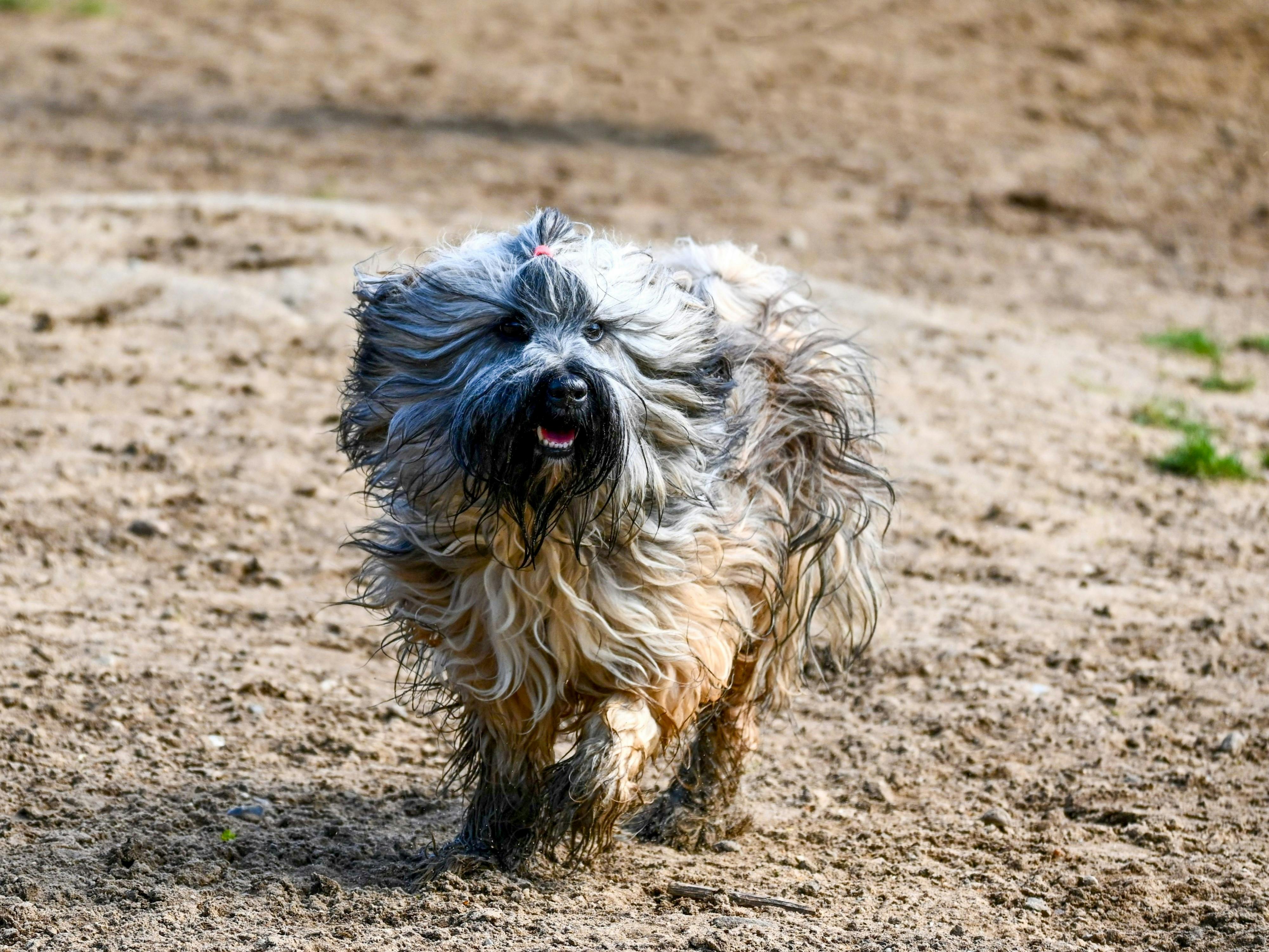 \n\n
\n\nDogs are often considered man's best friend, but have you ever thought about why they always have that wet nose? It’s more than just an adorable feature; it’s actually a sign of their health and well-being. In fact, there are numerous benefits to a dog's wet nose that many people, even dog owners, might not know about. Let’s dive into the surprising truth behind those damp snouts and explore seven benefits you probably never knew about.
\n1. Natural Thermoregulation
\nDogs don’t sweat like humans do. Instead, they rely on their wet noses to help regulate their body temperature. When a dog licks its nose, the moisture evaporates, which cools them down. This is particularly important on hot days when they might be overheating. Have you ever seen your dog panting? That’s their way of cooling off, but a wet nose adds an extra layer of temperature control.
\n2. Enhanced Smell Sensation
\nA dog's sense of smell is far superior to that of humans. Their wet noses play a crucial role in this. The moisture helps capture scent particles from the air, making it easier for dogs to detect and identify different smells. This is why dogs are often used in search and rescue missions or sniffing out drugs. Their wet noses essentially enhance their olfactory abilities, allowing them to smell things we can't even imagine.
\n3. Social Interaction
\nHave you noticed how dogs love to greet each other with a nose touch? This behavior isn't just cute; it serves a social purpose. A wet nose can convey information about a dog’s identity and mood. By sniffing each other, dogs can pick up on pheromones and other scent signals that tell them if another dog is friendly, scared, or aggressive. So, a wet nose is not just a feature; it’s a tool for social interaction.
\n4. Health Indicator
\nA dog's wet nose can also be an indicator of their health. Generally, a healthy dog will have a moist nose, while a dry or cracked nose can signify dehydration or illness. However, it’s important to note that there are exceptions. Some dogs may naturally have drier noses, and that might be their normal state. Keeping an eye on your dog's nose, along with other health indicators, can help you catch potential issues early.
\n5. Protection from Infection
\nThe moisture on a dog’s nose contains natural antibacterial properties. This helps protect them from infections. When dogs sniff around, their nose comes into contact with various surfaces and substances that could be harmful. Their wet noses help to neutralize some of these harmful agents, providing a layer of protection against potential infections.
\n6. Bonding Through Licking
\nDogs often lick their noses, and this behavior is more than just a habit. It’s a way for them to bond with their owners and other dogs. When your dog licks your hand or face, it’s their way of showing affection and trust. This licking behavior is often accompanied by a wet nose, which can strengthen the emotional connection between you and your furry friend.
\n7. Sign of Hydration
\nA wet nose can also be a sign that your dog is well-hydrated. When dogs are dehydrated, their noses tend to dry out. By ensuring your dog has access to fresh water and observing their nose, you can better monitor their hydration levels. Regular hydration is essential for your dog’s overall health, and a wet nose is a good indicator that they’re getting enough fluids.
\nWhy Do Dogs Have Wet Noses?
\nSo, why exactly do dogs have wet noses? The answer lies in evolution and biology. Dogs have evolved to have moist noses that serve various functions, including:
\n- \n
- Scent Detection: As mentioned earlier, the moisture helps capture scents. \n
- Temperature Regulation: It's a natural cooling mechanism. \n
- Social Interaction: Wet noses help with communication among dogs. \n
In summary, a dog’s wet nose is not just a cute feature; it’s a multifunctional tool that plays a significant role in their health and behavior. Whether it's regulating their body temperature, enhancing their sense of smell, or being a sign of hydration, wet noses are packed with benefits. Next time you give your four-legged friend some love, take a moment to appreciate that damp snout and all the amazing things it does.
\n\nAre Wet Noses a Sign of Health? Discover the Truth About Your Dog's Snout
\n\n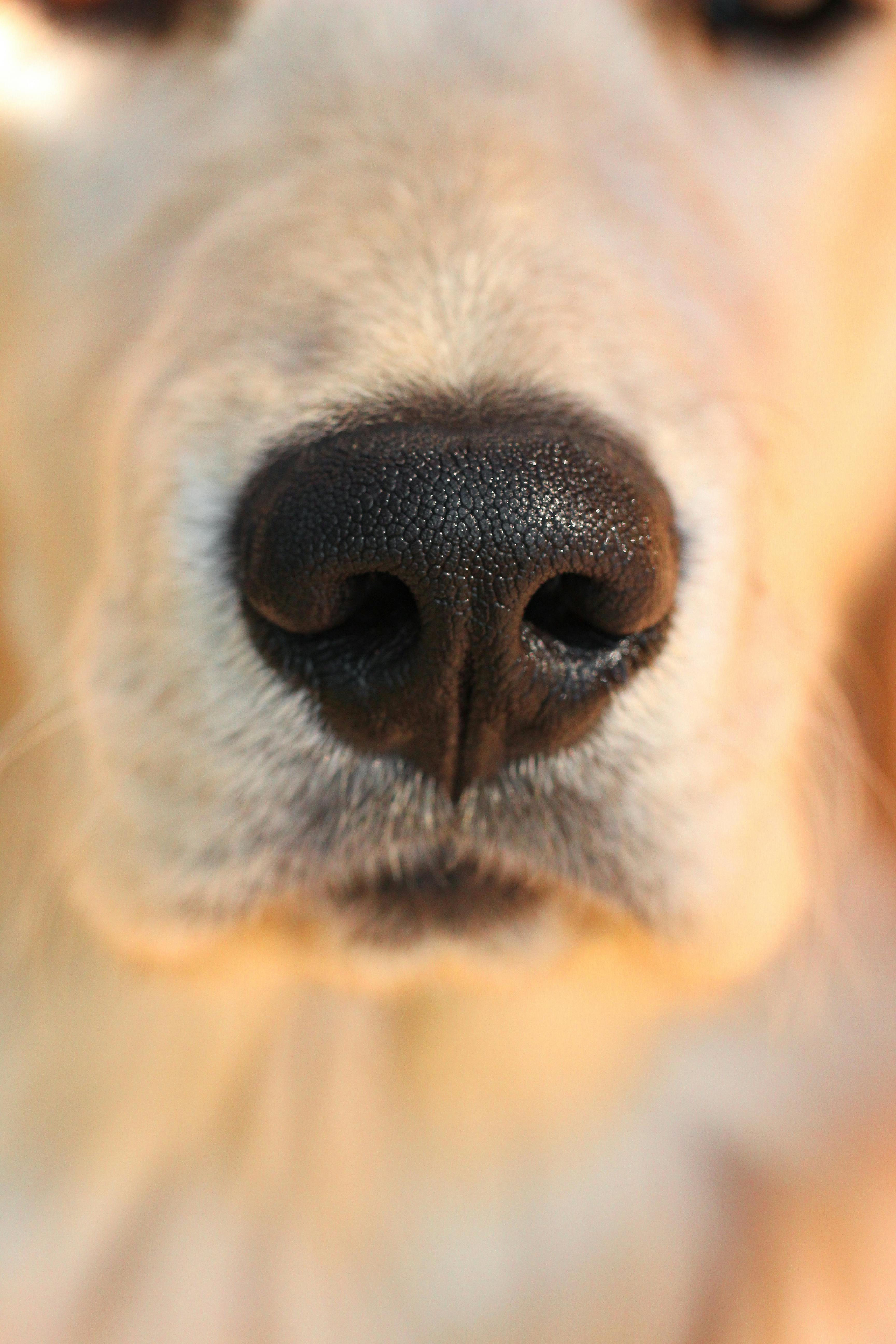 \n\n
\n\nDo you ever wonder why your dog's nose is wet? Many pet owners ask themselves, "Are wet noses a sign of health?" The truth is, dogs have wet noses for several reasons, and while it can indicate good health, it's not the only factor to consider. This article gonna help you uncover the mystery behind your furry friend's snout.
\nWhy Do Dogs Have Wet Noses?
\nDogs' noses are not just for sniffing; they serve several important functions. Here’s why they might be moist:
\n- \n
- Temperature Regulation: Dogs can't sweat like humans do. Instead, they cool down by panting and through their noses. A wet nose helps them regulate their body temperature better. \n
- Sense of Smell: A wet surface on a dog’s nose helps trap scent particles, enhancing their ability to smell. This is why dogs have one of the most powerful olfactory senses among animals. \n
- Health Indicator: A wet nose can indicate hydration and overall health. However, it’s important to note that a dry nose doesn’t automatically mean your dog is sick. \n
The Science Behind Wet Noses
\nThe wetness of a dog's nose is due to a thin layer of mucus. This mucus is produced by moist glands in the nasal cavity, and it serves multiple purposes. Here’s a quick breakdown:
\n- \n
- Moisture Retention: Keeps the nose wet which helps with scent detection. \n
- Body Temperature: Helps regulate heat as mentioned before. \n
- Hygiene: The mucus acts as a barrier against dust and allergens. \n
Common Misconceptions About Wet Noses
\nMany people think that a warm or dry nose definitely means a dog is sick. This is not always true. Here are some misconceptions debunked:
\n- \n
- A Dry Nose Equals Illness: A dog can have a dry nose when they are just waking up or if it’s a particularly warm day. It doesn’t mean they are unwell. \n
- Wet Nose Means Happy Dog: While a wet nose can be a sign of a happy and healthy pup, stress or anxiety can also cause wetness due to increased mucus production. \n
- Only Some Dogs Have Wet Noses: All dogs have wet noses, but the moisture level can vary greatly among breeds and even individual dogs. \n
What To Look For: Signs of a Healthy Nose
\nWhen monitoring your dog's nose, consider these signs of good health:
\n- \n
- Color: A healthy dog’s nose is usually a consistent color, whether that’s black, brown, or pink. \n
- Moisture Level: It should be moist but not dripping wet. \n
- Temperature: A cool-to-the-touch nose is generally a good sign, but remember body temperature is best measured with a thermometer for accuracy. \n
- No Cracks or Lesions: Healthy noses won’t have cracks, sores, or bleeding. \n
When To Be Concerned
\nSometimes, changes in the nose can indicate a health issue. If you notice:
\n- \n
- Excessive Dryness: Can indicate dehydration or illness. \n
- Discoloration: Changes in color or dark spots might require a vet check. \n
- Unusual Odor: A foul smell could signal an infection or other issue. \n
- Persistent Runny Nose: If your dog has a runny nose for a long time, it could be allergies or an infection. \n
Tips for Maintaining Your Dog’s Nose Health
\nHere are some practical tips to help keep your dog's nose healthy:
\n- \n
- Hydration: Make sure your dog always has access to fresh water. \n
- Healthy Diet: A well-balanced diet contributes to overall health, including skin and nose. \n
- Regular Vet Check-ups: Routine visits can catch potential health issues early. \n
- Environment: Keep your dog's environment clean and free from irritants. \n
Quick Facts About Dog Noses
\n- \n
- Dogs have more than 220 million scent receptors, compared to humans' 5 million. \n
- The moisture on a dog's nose can help them detect scents up to 100,000 times better than humans. \n
- Some breeds, like Bloodhounds, have particularly moist noses due to their exceptional tracking abilities. \n
It’s clear that a dog's wet nose plays an important role in their health and well-being. While it can be an indicator of good health, it's not the only sign you should watch for. Regular check-ups and being observant of any changes in your pup's behavior or physical state can help ensure they stay healthy and happy. Remember, your dog's nose is just one part of their overall health picture!
\n\nHow a Dog's Wet Nose Plays a Crucial Role in Their Sense of Smell
\n\n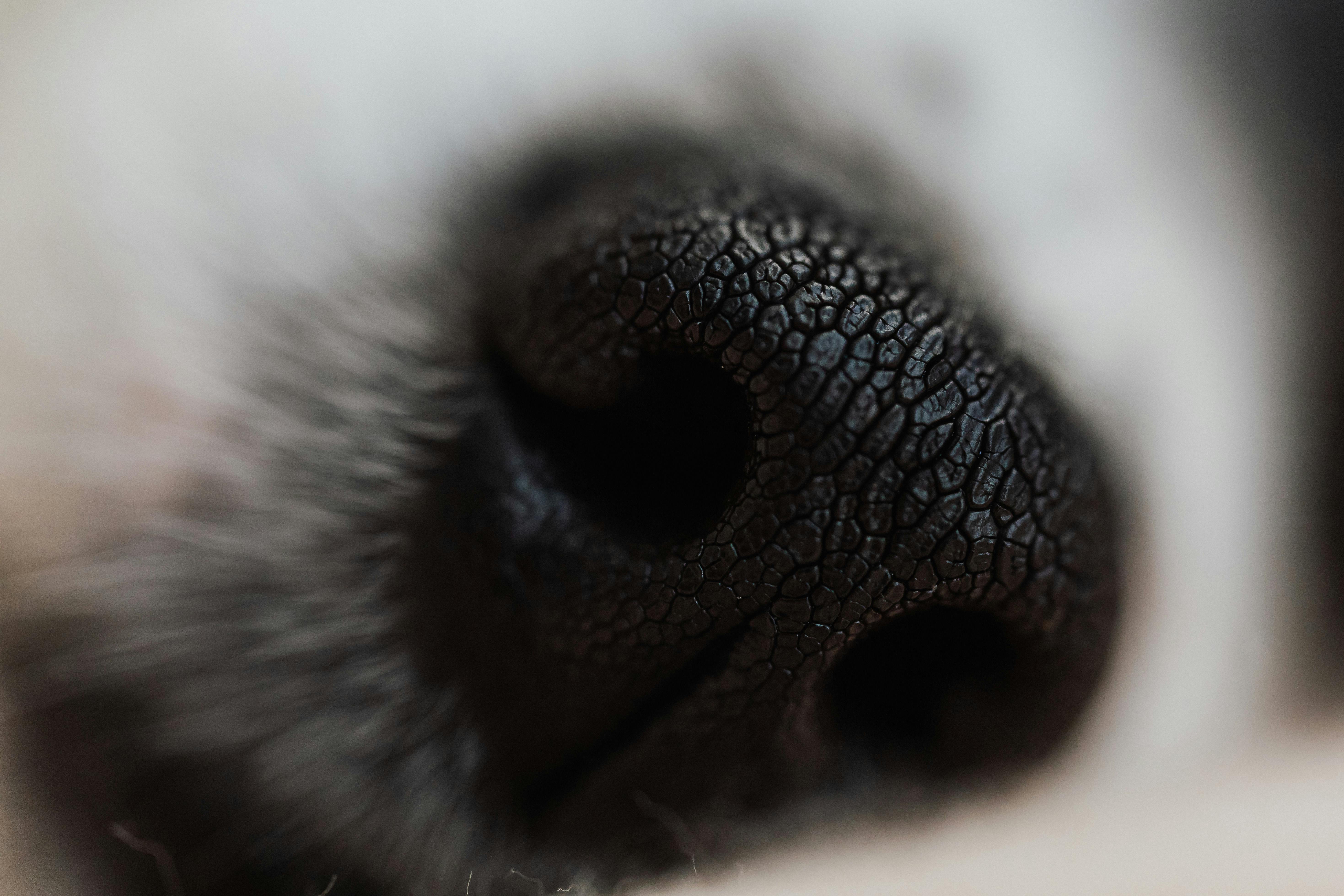 \n\n
\n\nDogs are truly fascinating creatures, and one of their most intriguing features is their wet noses. Many dog owners might wonder, “why do dogs have wet noses?” It turns out, that this seemingly simple characteristic plays a vital role in a dog’s ability to smell. Let’s dive into the surprising truth behind those moist snouts and why they are crucial for our furry friends.
\nThe Science Behind Wet Noses
\nA dog’s sense of smell is incredibly powerful, estimated to be anywhere from 10,000 to 100,000 times better than humans. But what does the wetness of a dog’s nose have to do with this extraordinary olfactory ability? Here are some key points:
\n- \n
- Moisture Enhances Smell: A wet nose helps capture scent particles in the air. The moisture creates a better surface for the scent molecules to adhere to, which amplifies their ability to pick up different odors. \n
- Temperature Regulation: Dogs can’t sweat like humans do. Their wet noses also help to cool them down, making it a part of their overall temperature regulation system. \n
- Health Indicator: A healthy dog typically has a moist nose. If a dog’s nose is dry or cracked, it can indicate dehydration or illness. \n
Historical Context of Dog Noses
\nHistorically, dogs have been bred for various purposes, many of which relied heavily on their sense of smell. Bloodhounds, for example, are famous for their tracking abilities, which are largely due to their exceptional sense of smell. Different breeds have different nose shapes and lengths, which can also influence their smelling capabilities.
\nWet Nose vs. Dry Nose: What’s the Difference?
\nUnderstanding the difference between a wet and dry nose can help dog owners keep an eye on their pet’s health:
\n- \n
- Wet Nose: Indicates hydration and good health. Dogs often lick their noses, which helps to keep it moist. \n
- Dry Nose: Can be a sign of dehydration, illness, or fever. However, not all dry noses are cause for alarm; many dogs can have naturally dry noses without any underlying issues. \n
Fun Facts About Dogs’ Noses
\n- \n
- Unique Patterns: Just like human fingerprints, each dog has a unique nose print. This means no two dogs have the same nose! \n
- Scent Discrimination: Dogs can differentiate between various smells even if they are mixed together. This is why they are often used in search and rescue operations. \n
- Nasal Structure: A dog’s nose has a complex structure designed specifically for olfaction. The turbinates, which are bony structures inside the nose, help filter and regulate airflow. \n
Why Do Dogs Have Wet Noses?
\nSo, why do dogs have wet noses? To summarize, there are several reasons:
\n- \n
- Enhanced Scent Detection: Wet noses improve a dog’s ability to detect scents as explained earlier. \n
- Thermoregulation: Helps in cooling their body temperature. \n
- Health Monitoring: A wet nose can be an indicator of a dog’s overall health. \n
Practical Examples of Dogs Using Their Noses
\n- \n
- Search and Rescue: Dogs are trained to locate missing persons, using their noses to find scents even in challenging environments. \n
- Detection Work: From sniffing out drugs to detecting diseases like cancer, dogs' noses are essential tools in various fields. \n
- Tracking: Many hunting breeds use their noses to track game animals, showcasing their natural abilities. \n
Common Myths About Dog Noses
\nThere are many misconceptions surrounding dog noses. Here are a few:
\n- \n
- \n
Myth 1: A warm nose means a dog is sick.
\n- \n
- Truth: A dog’s nose temperature can fluctuate throughout the day, and it does not always indicate illness. \n
\n - \n
Myth 2: Dogs can only smell with their noses.
\n- \n
- Truth: Dogs also have specialized sensory receptors in their vomeronasal organ that assist in their ability to detect pheromones. \n
\n
Conclusion
\nDogs’ wet noses are not just an adorable feature; they play a crucial role in their sense of smell, health, and overall well-being. Understanding the importance of this unique characteristic helps dog owners appreciate their pets even more. By keeping an eye on your dog’s nose, you can monitor their health and ensure they are happy and thriving. So next time you see your dog with that charming wet nose, remember just how vital it is to their world!
\n\nThe Connection Between Your Dog's Mood and Their Wet Nose: A Deep Dive
\n\n \n\n
\n\nWhen you think about your dog, you probably think about their playful antics or how they tilt their head when they hear a noise. But have you ever noticed how your dog’s nose is often wet? You might ask yourself, "Why do dogs have wet noses?" Well, there’s actually a fascinating connection between your dog's mood and their wet nose, which we will explore in this article. Let's dig into the surprising truth and uncover the reasons behind this distinctive feature.
\nThe Science Behind Wet Noses
\nDogs have wet noses for several reasons, and it’s not just because they like to stick their noses in water. The moisture on a dog’s nose helps them with their sense of smell. A wet nose can capture scent particles more effectively, which is why dogs are known to have an incredible sense of smell compared to humans.
\nHere are some scientific insights into why dog noses are wet:
\n- \n
- Scent Absorption: The moisture helps trap scent particles, making it easier for dogs to identify different smells. \n
- Body Temperature Regulation: Dogs don’t sweat like humans. Instead, they regulate their body temperature through panting and the wetness of their noses. \n
- Health Indicator: A wet nose can indicate that a dog is healthy, while a dry nose might suggest dehydration or illness. \n
Mood Indicators: What’s Your Dog Feeling?
\nJust like humans, dogs can show their emotions through their physical state. A dog’s wet nose can actually reflect their mood. When dogs are excited or happy, their noses tend to be more moist. Conversely, when they are stressed or anxious, their noses can become dry.
\nHere’s a breakdown of how a dog’s mood might relate to their nose condition:
\n- \n
- Happy and Excited: Wet, cool nose. These dogs might wag their tails, jump around, or bark playfully. \n
- Calm and Relaxed: Moderately wet nose. They might be lying down, resting, or just chilling next to you. \n
- Anxious or Stressed: Dry, warm nose. This could happen during thunderstorms, fireworks, or when they are left alone. \n
Historical Context of Dog Noses
\nThe unique structure of a dog’s nose has been refined over thousands of years. Ancient civilizations recognized dogs for their hunting abilities, which revolved substantially around their sense of smell. Breeds were developed based on these capabilities.
\n- \n
- Hunting Dogs: Breeds like Bloodhounds were bred for their keen sense of smell, which is critical for tracking. \n
- Companion Dogs: Many small breeds were bred more for companionship, but they still maintain the anatomical features that give them wet noses. \n
This historical context shows that wet noses aren’t just a quirk but a trait that has been essential for dogs throughout their evolution.
\nFun Facts About Dog Noses
\nDid you know there are some fascinating tidbits about dog noses? Here are a few to chew on:
\n- \n
- Unique Patterns: Just like human fingerprints, each dog’s nose print is unique. \n
- Temperature Check: A dog’s nose can change temperature; a cooler nose can indicate a relaxed state, while a warmer nose may suggest they’re feeling unwell. \n
- Natural Moisturizer: Dogs lick their noses to keep them moist, which is why you might see them doing this frequently. \n
Practical Examples of Nose Behavior
\nYou may wonder how to interpret your dog’s nose behavior in everyday situations.
\n- \n
- During A Walk: If your dog’s nose is wet, they are likely feeling good and are ready to explore. A dry nose might indicate they are tired or not feeling well. \n
- During Playtime: An excited dog with a wet nose is showing you they’re engaged and happy. If their nose dries up quickly, they may need a break or some water. \n
- At Home Alone: If you notice your dog has a dry nose after being home alone, it might be a sign of anxiety. \n
Understanding these different behaviors can help you provide better care for your furry friend and improve their overall well-being.
\nIn summary, the connection between your dog's mood and their wet nose is a fascinating aspect of canine behavior. By observing your dog's nose and understanding its implications, you can gain valuable insights into their feelings and health. So the next time you pet your dog and feel that cool, wet nose, you can appreciate not just its biological function but also the emotions it reflects.
\n\nWhy Does Your Dog's Nose Change? Understanding the Science of Moisture Levels
\n\n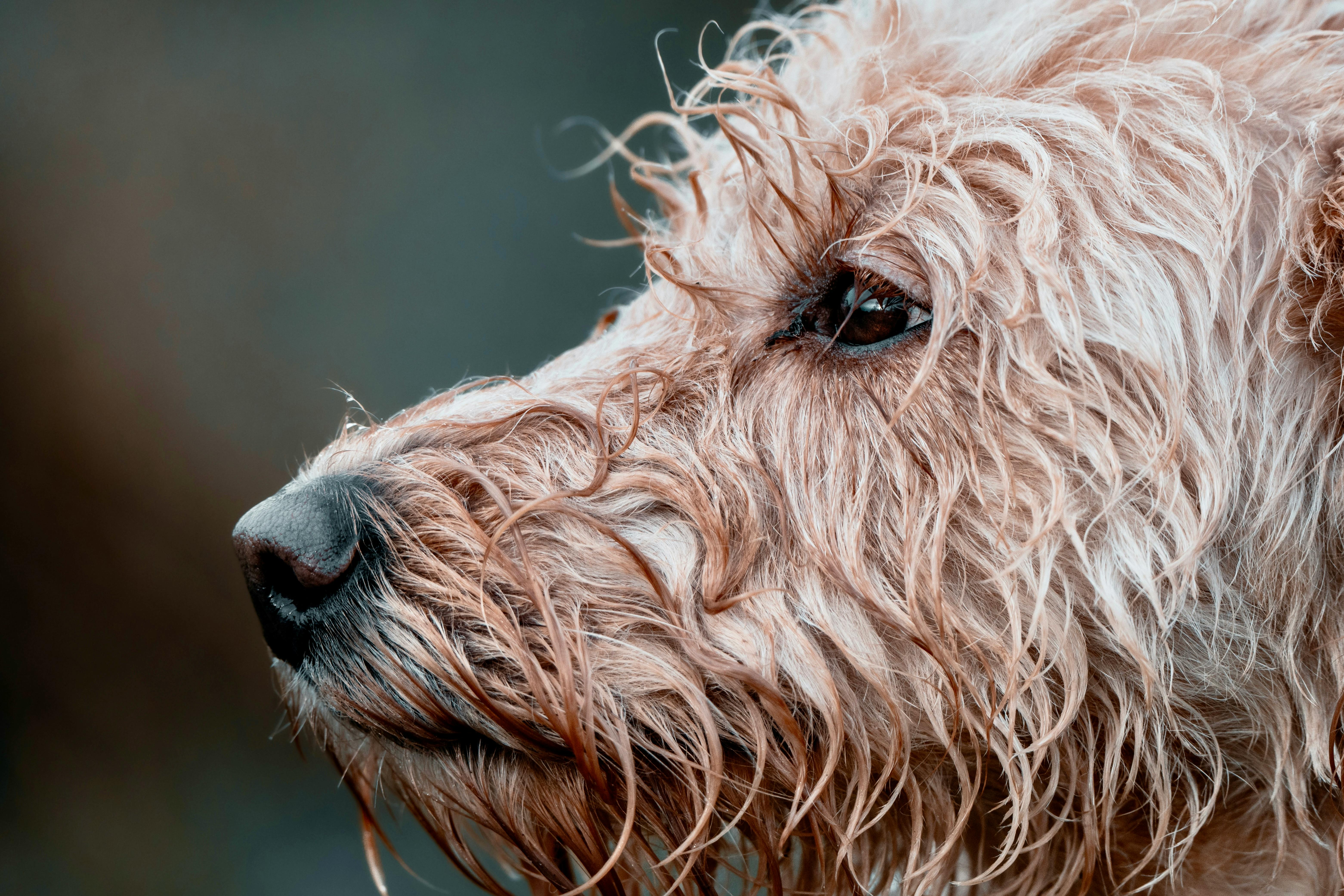 \n\n
\n\nHave you ever noticed that your dog’s nose can change from time to time? One minute it’s wet and cool, and the next it might feel warm and dry. Lots of dog owners probably ask themselves, "Why does my dog's nose change?" It’s a fascinating topic that dives deep into the science of moisture levels in our furry friends.
\nThe Science Behind Wet Noses
\nDogs have wet noses for a reason, and it ain't just for show. The moisture on their noses aids in their sense of smell, which is way better than ours. The wetness helps to capture scent particles, making it easier for them to identify various smells in their environment. It’s like having a supercharged nose! In fact, a dog’s sense of smell is estimated to be anywhere from 10,000 to 100,000 times more acute than a human's, depending on the breed.
\nWhy Do Dogs Have Wet Noses?
\nHere’s a list of reasons why dog noses are usually wet:
\n- \n
- Scent Detection: Wet noses trap scent particles, improving their ability to smell. \n
- Thermoregulation: Dogs don’t sweat like humans do. Their noses help to cool them down. \n
- Health Indicator: Changes in nose moisture can indicate health issues, so it can be a sign to watch for. \n
The Role of Moisture Levels
\nMoisture levels on your dog’s nose can fluctuate for several reasons. Here’s a few that might surprise you:
\n- \n
- \n
Environmental Changes: A hot day might dry a dog’s nose out. Likewise, humidity can make it feel wetter.
\n \n - \n
Health Status: If your dog is sick, it might show a dry nose. Conversely, a nose that’s too wet might indicate a fever or infection.
\n \n - \n
Hydration Levels: Just like humans, dogs need to stay hydrated. A well-hydrated dog typically has a moist nose.
\n \n - \n
Breed Differences: Certain breeds have naturally wetter noses compared to others. For instance, breeds like the Labrador Retriever often have wetter noses, while others might not.
\n \n
Common Misconceptions
\nMany people think that a warm, dry nose always means that a dog is sick. However, this isn’t always true! Here’s some common myths debunked:
\n- \n
- \n
Myth: A dry nose means the dog is sick.
\n
\nFact: A dog’s nose can be dry for various reasons, including weather and activity levels. \n - \n
Myth: All dogs have wet noses.
\n
\nFact: Some breeds may have drier noses naturally. \n - \n
Myth: You can predict a dog’s health by its nose.
\n
\nFact: While changes can indicate health issues, they are not the sole indicator. \n
What to Watch For
\nDog owners should keep an eye on their pups' noses. Here’s a list of things that could signal a problem:
\n- \n
- Consistently dry or cracked nose \n
- Nose that’s unusually warm for a long time \n
- Discharge from the nose \n
- Frequent licking of the nose \n
If any of these symptoms show up, it might be wise to consult a vet.
\nWhen to Be Concerned
\nUnderstanding when a nose change is concerning is crucial. Here’s a quick guide:
\n| Symptom | \nAction Needed | \n
|---|---|
| Dry, cracked nose for days | \nVisit a vet | \n
| Warm nose with lethargy | \nVisit a vet | \n
| Excessive nasal discharge | \nVisit a vet | \n
| Nose temperature change suddenly | \nMonitor, consult if persists | \n
Fun Facts About Dog Noses
\n- \n
- Dogs have as many as 300 million smell receptors in their noses. \n
- The texture of a dog's nose is as unique as a fingerprint. \n
- A dog may sniff around 40 times per second! \n
Understanding why does your dog's nose change is not just about curiosity. It's about being aware of your dog’s health and well-being. Keeping an eye on those little changes can make a big difference in your furry friend's life. So, next time you feel your dog's nose, take a moment to appreciate the science behind it all. It’s not just cute; it’s essential!
\n\nWet Noses and Dog Behavior: What Your Pet’s Snout Is Trying to Tell You
\n\n \n\n
\n\nWet noses are an iconic feature of dogs, and they often make you wonder about their purpose. Why do dogs have wet noses? It actually turns out that these moist little snouts do more than just look cute. They have a big role in how your furry friend interacts with the world. So let's explore what your dog’s snout is trying to tell you, and the science behind those wet noses.
\nThe Science Behind Wet Noses
\nDogs are known for their incredible sense of smell—it's estimated that their noses are thousands to possibly even 100,000 times more sensitive than humans! One reason their noses are wet is because moisture helps enhance this sense of smell. When the snout is wet, it helps to capture scent particles more effectively. Essentially, a wet nose helps dogs take in more information about their surroundings.
\n- \n
- Scent Detection: Wetness on the nose allows scent molecules to stick better, making it easier for dogs to detect different smells. \n
- Temperature Regulation: Dogs don’t sweat like humans do. Instead, they cool off through their noses and paw pads. The moisture helps them regulate their body temperature. \n
- Health Indicator: A dog’s nose is an important health indicator. A sudden change in moisture or temperature can signal illness, such as a fever. \n
Why Do Dogs Have Wet Noses?
\nSo, why do dogs have wet noses? It’s a question that has baffled even the most devoted pet owners. The truth is, wet noses are a natural evolutionary trait that serves several practical purposes.
\n- \n
- \n
Enhanced Smell: As mentioned, a wet nose captures scent particles better. This is vital for dogs, as they rely heavily on their sense of smell for communication and exploration.
\n \n - \n
Communication Tool: Dogs often use their noses to interact with other dogs and humans. A damp snout can indicate a friendly demeanor and can be used during social interactions.
\n \n - \n
Cooling Mechanism: Dogs pant to cool down, but their noses also help in this process. The evaporation of moisture from the nose helps to lower their body temperature.
\n \n
Common Myths About Wet Noses
\nThere are many misconceptions about wet noses in dogs. Here are some of the most common myths, debunked:
\n- \n
- \n
Myth 1: A dry nose means your dog is sick. \nReality: A dog’s nose can be dry for various reasons, including weather conditions or simply waking up from a nap. It doesn't automatically mean they are unwell.
\n \n - \n
Myth 2: All dogs have wet noses. \nReality: While many dogs do, some breeds may naturally have drier noses. This can be due to their genetics or environmental factors.
\n \n - \n
Myth 3: A cold nose means a dog is healthy.\nReality: A dog’s nose temperature can vary for many reasons. Checking other health indicators is more reliable.
\n \n
What You Can Do
\nUnderstanding your dog's nose gives you insights not just into their health but also into their overall well-being. Here are some practical tips for dog owners:
\n- \n
- \n
Regular Checkups: Keep an eye on your dog’s nose. If you notice sudden changes in moisture or color, consult your vet.
\n \n - \n
Hydration: Make sure your dog has access to fresh water. Proper hydration helps maintain that wet nose.
\n \n - \n
Environment: Protect your dog from extreme weather conditions. If it’s too hot or too cold, their noses can be affected.
\n \n
Interesting Facts About Dog Noses
\nHere’s a quick list of surprising facts about dog noses:
\n- \n
- Unique Prints: Just like human fingerprints, every dog has a unique nose print. \n
- Nasal Turbinates: Dogs have complex structures in their noses, called turbinates, which help filter and warm air as they breathe. \n
- Scent Memory: Dogs can remember scents for years after they first encounter them. \n
Understanding your dog’s wet nose is just as important as knowing other aspects of their behavior. Not only does it provide insights into their health, but it also enhances your bond with them. So next time you give your dog a pat and feel that cool, wet nose, remember it’s not just there for show; it's a fascinating part of their biology and communication. Embrace the quirks of your furry friend, and enjoy the journey of understanding their unique world!
\n\nThe Myth of Dry Noses: Why a Wet Nose Is a Sign of a Happy Dog
\n\n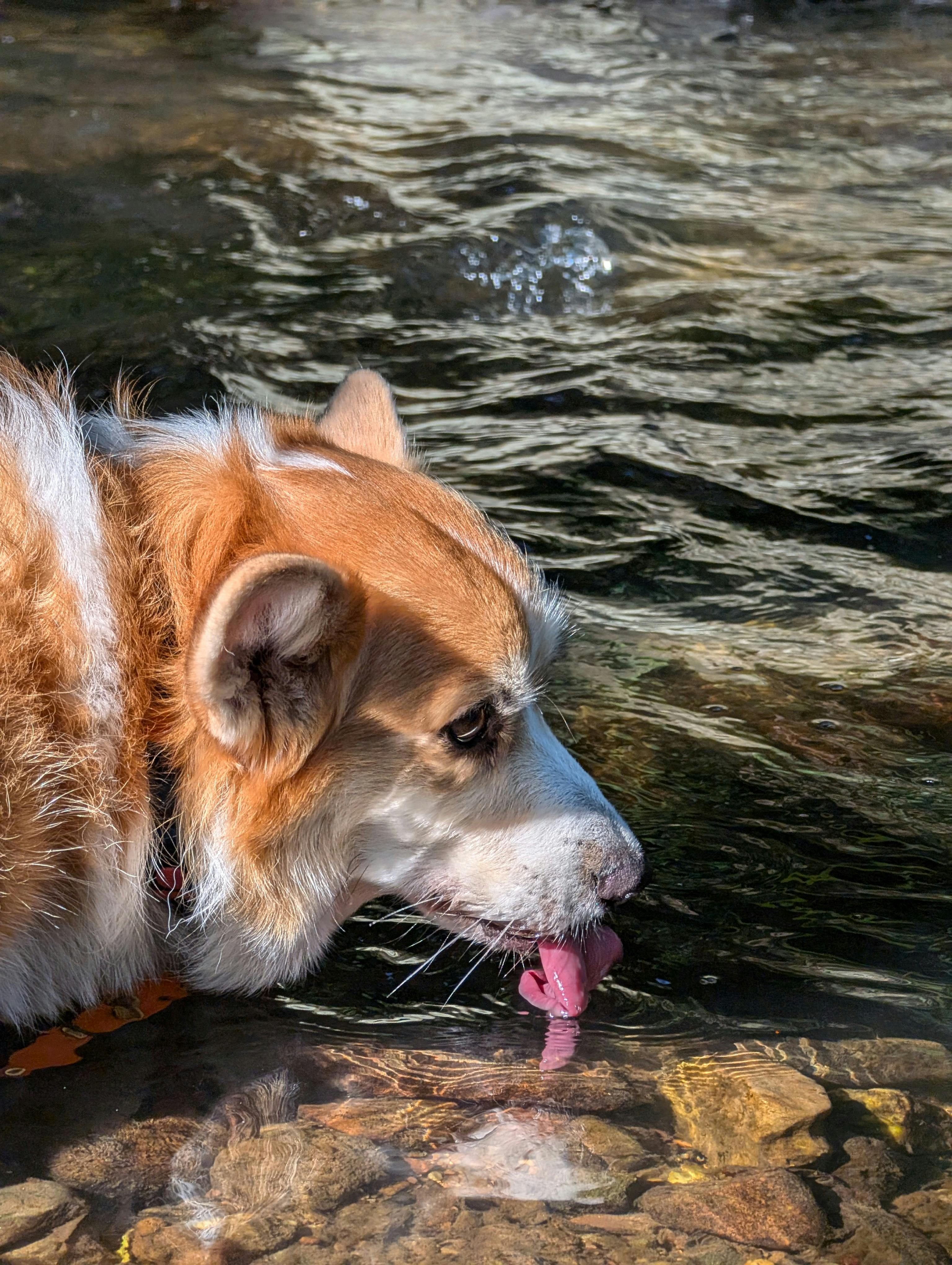 \n\n
\n\nA lot of people think that a dry nose is a sign that a dog is sick or unhappy. But that’s just not true! In fact, the opposite is more likely to be true; a wet nose is often seen as a sign of a happy and healthy dog. Have you ever wondered why do dogs have wet noses? This is a question that many dog lovers ask, and the answer is fuller of fascinating facts than you might think.
\nThe Biology Behind a Dog's Wet Nose
\nDogs' noses are moist for many reasons. One of the main reasons is that the moisture helps them to smell better. Dogs have an incredible sense of smell, and the wetness on their noses helps to capture scent particles in the air. This is how they can smell things that humans can't, which is one of the reasons why dogs are often used for search and rescue missions or in law enforcement.
\n- \n
- Dogs have approximately 220 million scent receptors compared to humans, who have only about 5 million. \n
- The wetness of a dog’s nose can enhance their ability to detect smells by about 40%. \n
Why Do Dogs Have Wet Noses?
\nNow, let’s dive in deeper into the science of why do dogs have wet noses. The moisture on a dog's nose comes from a combination of two main sources: the dog’s saliva and nasal secretions. When a dog licks its nose, it spreads saliva onto it, which helps to absorb scents. Plus, the nasal glands produce mucus that keeps the nose moist, which is also essential for detecting odors.
\nHere’s a quick list of reasons why a dog’s nose is wet:
\n- \n
- Enhances sense of smell \n
- Keeps the nose clean \n
- Regulates temperature \n
- Helps with hydration \n
Misconceptions About Dry Noses
\nMany people think a dry nose means a dog is sick. But this isn't always the case. A dog can have a dry nose for multiple reasons, and it doesn't necessarily indicate health issues. Weather can affect a dog's nose too. For example, a dog might have a dry nose on a hot summer day or after spending time in an air-conditioned room. Also, certain breeds are more prone to having drier noses, which can be completely normal for them.
\nSome common misconceptions include:
\n- \n
- \n
Myth: A dry nose means your dog has a fever.
\n \n - \n
Truth: Dogs can have dry noses due to weather, hydration levels, or breed tendencies.
\n \n - \n
Myth: Wiping a dog’s nose can help it stay wet.
\n \n - \n
Truth: While this can temporarily increase moisture, it doesn't address the underlying cause of dryness.
\n \n
Historical Context
\nThroughout history, there have been many beliefs about dogs and their noses. In ancient times, people thought that a wet nose was a sign of a dog's connection to the spiritual world. Various cultures have held superstitions about dogs’ noses, linking wetness to happiness and vitality.
\n- \n
- Ancient Egyptians often depicted dogs as sacred animals, associating their wet noses with their ability to communicate with the divine. \n
- In folklore, a dog’s wet nose was believed to predict weather changes, such as rain or storms. \n
Practical Tips for Dog Owners
\nSo, what should dog owners do about their dog's nose? Here are some practical tips to ensure your dog stays healthy and happy:
\n- \n
- \n
Regular Vet Check-ups: Always keep up with vet appointments to monitor your dog's overall health.
\n \n - \n
Hydration: Make sure your dog has access to fresh water at all times. A well-hydrated dog is more likely to have a moist nose.
\n \n - \n
Watch for Changes: If your dog’s nose becomes persistently dry or changes color, it might be time to consult a vet.
\n \n - \n
Seasonal Care: In dry or cold weather, consider using a nose balm made specifically for dogs to keep it hydrated.
\n \n - \n
Observe Behavior: A happy dog will often display signs beyond just a wet nose. Look for wagging tails, playful behavior, and good appetite.
\n \n
In summary, the myth of dry noses being a sign of illness doesn't hold much water. Understanding why do dogs have wet noses can help you appreciate the unique biology of dogs and their incredible olfactory abilities. A wet nose is just one of many signs that your dog is happy and healthy!
\n\nHow to Care for Your Dog's Nose: Tips for Maintaining Moisture and Health
\n\n \n\n
\n\nWhen it comes to caring for your beloved dog, one often overlooked area is their nose. Many dog owners wonder, “Why do dogs have wet noses?” and how to keep them healthy. Understanding the importance of moisture in your dog's nose can help you maintain its health and happiness. Let’s dive into some fascinating facts and helpful tips about dog noses!
\nWhy Do Dogs Have Wet Noses?
\nFirst off, let's tackle the question: Why do dogs have wet noses? Believe it or not, there's a lot of science behind it. A wet nose helps dogs by:
\n- \n
- Enhancing their sense of smell: The moisture helps to capture scent particles in the air, making it easier for dogs to detect different smells. \n
- Regulating temperature: A wet nose can cool down dogs, similar to how sweating works for humans. \n
- Communicating health: Often, a dog's nose can be an indicator of their overall health. A healthy nose is usually moist and cool, while a dry nose could signal dehydration or illness. \n
How to Care for Your Dog's Nose
\nMaintaining the moisture and health of your dog's nose is essential. Here are some useful tips to keep in mind:
\n- \n
- Hydration is key: Ensure your dog always has access to fresh water. Dehydration can lead to a dry nose. \n
- Humidify the air: If you live in a dry climate or during winter months, consider using a humidifier in your home. It can help keep the air moist, benefiting both you and your furry friend. \n
- Regular vet check-ups: Regular check-ups can identify potential issues early. If you notice any changes in your dog’s nose or overall health, consult your veterinarian right away. \n
- Avoid irritants: Be mindful of cleaning products and air fresheners. These can irritate your dog’s sensitive nose. \n
Signs of Nose Problems
\nSometimes, a dog's nose can show signs of problems. Here are some symptoms to watch for:
\n- \n
- Cracking or peeling: This might indicate dryness or an underlying health issue. \n
- Discoloration: A change in color could signal an infection or other problems. \n
- Excessive discharge: While a little discharge is normal, excessive amounts could mean your dog needs to see a vet. \n
Fun Facts About Dog Noses
\nDid you know that dog noses come in various shapes and sizes? Here are some fun tidbits to impress your friends:
\n- \n
- Unique patterns: Just like human fingerprints, each dog's nose has a unique pattern. No two are alike! \n
- Sniffing superstars: Dogs have about 220 million scent receptors in their noses, compared to a human’s mere 5 million. That’s why they excel in scent detection work, such as search and rescue and detecting diseases. \n
- Temperature gauge: A dog's nose can actually help you gauge their temperature. A cool, moist nose is usually a sign of good health, while a warm, dry nose might suggest they are sick or overheated. \n
Tips for Maintaining a Healthy Nose
\nHere’s a quick list of things you can do to keep your dog's nose in great shape:
\n- \n
- Provide balanced nutrition: A well-rounded diet contributes to overall health, including the condition of the nose. \n
- Check for allergies: If your dog is frequently scratching their face or rubbing their nose, they might have allergies. Consult your vet for solutions. \n
- Limit sun exposure: Dogs can get sunburned, especially those with light-colored noses. Apply pet-safe sunscreen if your dog is going to be out in the sun for long periods. \n
Common Misconceptions
\nThere are a lot of myths surrounding dog noses. Here’s a few to clarify:
\n- \n
- \n
Myth: A dry nose always means your dog is sick.
\n- \n
- Fact: A dog’s nose can be dry for many reasons, including weather or activity level. It is not the only indicator of health. \n
\n - \n
Myth: Dogs with wet noses are always healthier.
\n- \n
- Fact: Wetness is not a definitive sign of health. Look at other behaviors and symptoms too. \n
\n
Maintaining your dog’s nose health is as crucial as taking care of the rest of their body. Regular care and attention will ensure they stay happy and healthy. Keep these tips in mind, and your furry friend will thank you!
\n\nWhat Does a Wet Nose Mean? Common Misconceptions Explained by Experts
\n\n \n\n
\n\nWhen you see a dog with a wet nose, it might make you wonder, "What does a wet nose mean?" Many people have their own ideas about it, but experts got some surprising truths to share. Wet noses are a common sight among dogs, and they play an important role in their health and communication. Let’s dive into the fascinating world of why dogs have wet noses and uncover the common misconceptions that have been floating around.
\nThe Science Behind Wet Noses
\nDogs noses are not just cute and cold, they serve important functions. One key reason why dog noses are wet is because moisture helps enhance their sense of smell. This is how it works:
\n- \n
- Olfactory Sensitivity: A wet nose captures scent particles more effectively. The moisture increases the surface area of the nose, allowing dogs to pick up more smells. \n
- Thermal Regulation: Dogs can sweat through their noses, although they primarily pant to regulate their body temperature. A wet nose can help keep them cool as well. \n
- Health Indicator: A wet nose is often a sign of a healthy dog. If a dog’s nose is dry or cracked, it could indicate dehydration or illness. \n
Common Misconceptions
\nThere’s a lot of myths about wet noses. Let’s clear up some of the most common misunderstandings:
\n- \n
- \n
Misconception 1: A Wet Nose Means a Dog is Sick
\n
\nMany people believe that a wet nose means their dog is not feeling well. This is simply not true. While a change in nose moisture could be a symptom of illness, a wet nose is usually a sign of health. \n - \n
Misconception 2: All Dogs Have Wet Noses
\n
\nNot all dogs have the same nose moisture. Some breeds have naturally drier noses. For example, bulldogs and boxers might have drier noses than a beagle or a lab. \n - \n
Misconception 3: Dogs Lick Their Noses to Keep Them Wet
\n
\nWhile dogs do lick their noses, it’s not the primary reason their noses are moist. The environmental factors and their body’s natural functions play a bigger role. \n
The Role of Environment
\nThe environment can greatly affect the moisture of a dog's nose. Here are some factors to consider:
\n- \n
- Humidity: In a humid climate, dogs may have wetter noses compared to dry climates. \n
- Activity Level: After a long walk or playtime, a dog’s nose may be more moist due to increased panting and licking. \n
- Health Conditions: Certain conditions like allergies or infections can also alter the moisture level of a dog’s nose. \n
Fun Facts About Dog Noses
\n- \n
- Dogs have around 220 million scent receptors, compared to humans who have about 5 million. \n
- The size and shape of a dog’s nose can influence its smell. Breeds like bloodhounds have larger, wetter noses, which help them track scents better. \n
- A dog's sense of smell is so powerful, it can detect certain medical conditions in humans, like diabetes or even cancer. \n
Keeping Your Dog Healthy
\nMaintaining your dog’s nose and overall health is essential. Here’s a simple checklist:
\n- \n
- Regular Vet Check-ups: Annual vet visits can help catch any potential issues early. \n
- Hydration: Always provide fresh, clean water to keep your dog hydrated. \n
- Healthy Diet: A balanced diet supports overall health, which can affect nose moisture. \n
Conclusion
\nUnderstanding why dogs have wet noses can help pet owners better care for their furry friends. The wetness is not just a cute feature; it's a vital part of their health and communication. While there are many misconceptions about what a wet nose means, it’s clear that a moist nose typically signifies a healthy, happy dog. So next time you see your dog with that wet nose, you can smile knowing it’s just part of what makes them special.
\n\nConclusion
\n\nIn conclusion, the wet noses of dogs serve several important purposes that contribute to their overall health and behavior. The moisture on a dog’s nose enhances their sense of smell, allowing them to explore the world more effectively, as the wet surface captures scent particles. Additionally, a wet nose helps regulate their body temperature, acting as a natural cooling system. Regular nose moisture can also indicate good health, while changes in texture or dryness may warrant a veterinary check-up. Understanding these aspects not only deepens our appreciation for our canine companions but also empowers us as responsible pet owners. So, next time you give your furry friend a pat, take a moment to admire their wet nose and remember the unique biology that keeps them in tune with their environment. Ensure your dog stays hydrated and healthy, and don’t hesitate to consult a veterinarian if you notice any unusual changes.
\n\n