Have you ever wondered, why do dogs have wet noses? This intriguing question sparks curiosity among dog lovers and pet owners alike. A dog’s nose is not just an adorable feature; it serves important purposes that can surprise you! Many people think that a wet nose is simply a sign of a healthy dog, but the truth is more complex than that. Did you know that a dog's nose plays a crucial role in their sense of smell? In fact, a wet nose helps to enhance their olfactory abilities, allowing them to pick up scents more effectively. But that’s not all—dogs also use their noses to regulate body temperature. So, what else can we learn about our furry friends and their fascinating noses? In this post, we dive deep into the surprising truth behind why dogs have wet noses and how this unique trait benefits them. Whether you're a seasoned dog owner or just a curious animal lover, understanding the reasons behind this phenomenon can deepen your bond with your canine companion. Stay tuned as we explore the science and secrets of our beloved pets!
\n\nThe Science Behind Wet Noses: Why Do Dogs Have This Unique Trait?
\n\n \n\n
\n\nDogs have a lot of unique traits, but one of the most fascinating is their wet noses. Ever wonder why do dogs have wet noses? It's not just a quirky characteristic; there's real science behind it. In this article, we will dive into the reasons for this trait, explore its evolutionary significance, and even touch on some surprising facts about dog noses.
\nThe Biology of a Dog's Nose
\nFirst off, let's talk about what makes a dog's nose wet. The moisture you see on a dog's nose comes from a combination of mucus secretions and saliva. Dogs use their noses to gather scents, and the moisture helps enhance their sense of smell. When a dog sniffs, the wet surface captures scent particles, making it easier for them to identify different smells. Isn’t that something?
\nEvolutionary Context
\nDogs, descending from wolves, have evolved to have wet noses for practical reasons. Wolves, and thus dogs, needed to be skilled hunters. A wet nose allows dogs to detect pheromones and other scents in the air more effectively. This ability to smell is crucial for survival in the wild. The wetness helps to bind scent particles, making them more noticeable to a dog’s highly sensitive olfactory receptors.
\nHealth Indicators
\nBut wet noses are not just for smelling. They can also indicate a dog's health. Generally speaking, a healthy dog usually has a cool, moist nose. However, a dry or warm nose can be a sign of various issues. Here is a quick list of what different nose conditions might mean:
\n- \n
- Wet and Cold: Typically healthy, well-hydrated dog. \n
- Dry and Warm: Possibly has a fever or is dehydrated. \n
- Dry and Cracked: Could indicate a skin condition or allergies. \n
- Excessively Wet: Might be a sign of a respiratory infection. \n
The Science of Smell
\nDogs have an extraordinary sense of smell, estimated to be anywhere from 10,000 to 100,000 times more acute than humans. The moisture on their noses plays an integral role in this. Here’s a comparison:
\n- \n
- Dogs: Approximately 300 million olfactory receptors. \n
- Humans: About 5 million olfactory receptors. \n
Additionally, dogs have a special organ called the Jacobsen's organ, which is located in the roof of their mouths. This organ helps them process pheromones, which are chemical signals that can convey a variety of information, like the emotion or reproductive status of other animals.
\nPractical Examples
\nLet’s look at some everyday situations where a dog’s wet nose can be beneficial:
\n- \n
- Tracking: Dogs are used in search and rescue missions. Their wet noses allow them to track scents over long distances. \n
- Medical Detection: Some dogs are trained to detect diseases like cancer by smelling changes in a person's scent. The moisture on their noses helps in this process. \n
- Emotional Support: Dogs can sense their owner's emotional state. A wet nose can be comforting, offering a tactile reminder of their presence. \n
Fun Facts About Dog Noses
\n- \n
- Each dog’s nose print is unique, similar to human fingerprints. \n
- Dogs can smell certain diseases, like diabetes, by detecting changes in body odor. \n
- The temperature of a dog’s nose can fluctuate depending on their activity level and environment. \n
Conclusion
\nSo why do dogs have wet noses? The answer is multilayered, involving biology, evolution, and health indicators. Their moist noses are not only essential for their incredible sense of smell but also serve as a window into their health. Understanding this unique trait can deepen our appreciation for these wonderful companions. So the next time you see a wet nose, remember it’s doing a lot more than just looking cute!
\n\n5 Fascinating Reasons Dogs’ Noses Are Always Wet – Number 3 Will Surprise You!
\n\n \n\n
\n\nDogs are often called "man's best friend," and if you’ve ever wondered why their noses are always wet, you’re not alone! Many people asks this question. There’s actually a lot of science behind those moist noses. Let's dive into 5 fascinating reasons dogs’ noses are always wet – and believe me, number 3 will surprise you!
\n1. Temperature Regulation
\nOne of the most important reasons for a dog’s wet nose is temperature regulation. Just like humans sweat to cool down, dogs do it differently. Their primary method is through panting, but the moisture from their noses also plays a role. When a dog’s nose is wet, it helps to evaporate the moisture, which can cool their body temperature.
\n- \n
- Dogs can’t sweat through their skin like humans. \n
- They rely heavily on their noses to help maintain their body temperature. \n
- A wet nose can indicate a well-hydrated and healthy dog. \n
2. Enhanced Smell
\nAnother fascinating fact about dogs' noses is that they are designed for smelling. A wet nose helps to trap scent particles, which makes it easier for dogs to identify odors. A dog’s sense of smell is far superior to humans, and the moisture from their noses plays a critical part in that.
\n- \n
- Dogs have up to 300 million smell receptors, compared to a human’s 5 million. \n
- A wet nose can help capture more scent particles, enhancing their ability to smell. \n
- The moisture provides a better surface for detecting odors. \n
3. Health Indicator
\nSurprisingly, a wet nose can also be an indicator of a dog’s health. A healthy dog usually has a moist nose, while a dry nose can sometimes indicate a problem. However, this isn’t always the case, as a dog’s nose may vary throughout the day. Factors like weather, activity level, and even certain breeds can affect the moisture level.
\n- \n
- Wet noses generally indicate hydration and good health. \n
- A dry nose could sometimes mean dehydration or illness. \n
- Always check with a vet if you notice significant changes in your dog's nose moisture. \n
4. Natural Lubrication
\nDogs’ noses are covered in a thin layer of mucus. This mucus serves as a kind of natural lubricant, keeping their noses wet and functional. This moisture helps protect the sensitive skin of the nose from irritants and bacteria, making it an important part of their anatomy.
\n- \n
- The mucus can help filter out dust and allergens. \n
- It provides a protective barrier against environmental irritants. \n
- A healthy layer of mucus can keep their noses sensitive and responsive. \n
5. Behavioral Aspects
\nDogs can also wet their noses as a behavioral response. When they are excited or anxious, they might lick their noses more, which can lead to increased moisture. This behavior can be quite interesting, as it shows how emotions can affect physical traits.
\n- \n
- Dogs lick their noses out of curiosity, anxiety, or excitement. \n
- A wet nose can indicate a dog is feeling playful or anxious. \n
- Understanding these behaviors can help owners respond appropriately. \n
Summary of Reasons Dogs Have Wet Noses
\nHere’s a quick recap of why dogs have wet noses:
\n- \n
- Temperature Regulation: Helps cool them down. \n
- Enhanced Smell: Traps scent particles, improving their sense of smell. \n
- Health Indicator: Wet noses may indicate hydration and overall health. \n
- Natural Lubrication: Protects against irritants and keeps their noses functional. \n
- Behavioral Aspects: Can change based on emotions or excitement. \n
A Closer Look at Dog Nose Care
\nWhile we often think of wet noses as a sign of good health, regular care is essential for keeping them in top shape. Here are some tips for taking care of your dog’s nose:
\n- \n
- Regular Checks: Inspect your dog’s nose regularly for any unusual dryness or cracks. \n
- Hydration: Ensure your dog has access to fresh water at all times. \n
- Avoid Irritants: Be mindful of chemicals or allergens in your dog’s environment. \n
- Vet Visits: Consult a veterinarian if you notice persistent dryness or changes in your dog’s nose. \n
Dogs are truly fascinating creatures, and their wet noses are just one of the many unique traits that make them special. So, the next time you see your furry friend, you can appreciate not just their wagging tail but also the science behind those moist noses. Understanding the reasons behind their wet noses can deepen the bond you share and help you care better for your beloved pet!
\n\nHow Wet Noses Help Dogs Experience Their World: The Amazing Role of Canine Smell
\n\n \n\n
\n\nDogs are often called man's best friend, and one of the most fascinating features of our furry companions is their wet noses. You might wonder, "why do dogs have wet noses?" This question leads to a deeper understanding of how they experience their world through their sense of smell. Wet noses aren't just cute; they play a crucial role in how dogs perceive their environment.
\nThe Importance of Canine Smell
\nDogs have an incredible sense of smell, which is estimated to be between 10,000 to 100,000 times more sensitive than that of humans. This ability helps them navigate their surroundings, find food, and even detect emotions in other animals and people. Wet noses help enhance this sense.
\nHere are some reasons why a dog's sense of smell is so remarkable:
\n- \n
- \n
Olfactory Receptors: Dogs have about 300 million olfactory receptors in their noses, compared to a human's 5 million. This allows them to detect a vast array of scents.
\n \n - \n
Vomeronasal Organ: Dogs possess a special organ called the vomeronasal organ, situated on the roof of their mouth. It helps them process pheromones, which are chemicals that carry scents related to social and reproductive behaviors.
\n \n - \n
Moisture Absorption: A dog's wet nose helps them absorb scent particles. The moisture on a dog's nose captures more scent molecules in the air, making it easier for them to identify different smells.
\n \n
The Science Behind Wet Noses
\nSo, why do dogs have wet noses? There are several scientific reasons for this unique trait. Here’s a breakdown:
\n- \n
- \n
Cooling Mechanism: Dogs do not sweat like humans. They mainly cool down through panting and the moisture on their noses. A wet nose can help regulate their body temperature.
\n \n - \n
Health Indicator: A wet nose is often a sign of a healthy dog. However, a dry nose can indicate health issues. Pet owners should pay attention to changes in their dog's nose moisture level.
\n \n - \n
Enhanced Smelling Ability: The wet surface of a dog's nose helps trap scent particles, which boosts their ability to smell. This is one of the main reasons why dogs can track scents over great distances.
\n \n
The Role of Wet Noses in Dog Behavior
\nWet noses are not just about biology; they also play a significant role in dog behavior. Dogs explore their world through smell, and a wet nose enhances this experience. When dogs greet each other, they often sniff each other's noses. This behavior is crucial for communication among dogs.
\nHere are some behaviors linked to their wet noses:
\n- \n
- \n
Greeting Rituals: Sniffing is a way for dogs to gather information. They can learn about the other dog’s diet, health, and even mood.
\n \n - \n
Exploring Environment: Dogs use their noses to explore new places. A wet nose allows them to pick up on scents left behind by other animals, humans, or even changes in weather.
\n \n - \n
Emotional Detection: Dogs can sense emotions through smell. A wet nose helps them detect stress or fear from humans, allowing them to respond appropriately.
\n \n
Fun Facts About Dog Noses
\n- \n
- \n
Did you know that each dog’s nose print is unique, much like a human fingerprint? This means that a dog’s nose can be used for identification!
\n \n - \n
Puppies are born with dry noses, and they start to develop moisture as they grow and begin to explore their environment.
\n \n - \n
Dogs can detect certain diseases like cancer and diabetes through their keen sense of smell, thanks to the wetness that helps enhance their olfactory prowess.
\n \n
Comparison of Dogs and Other Animals
\nWhile dogs have exceptional smelling abilities, other animals also have unique adaptations related to their noses. Here’s a quick comparison:
\n- \n
- \n
Cats: Cats have about 50-80 million olfactory receptors, making their sense of smell quite good, but not as strong as dogs.
\n \n - \n
Bears: Bears have an incredible sense of smell, estimated to be about 7 times better than a dog's. They use this ability to find food over large distances.
\n \n - \n
Elephants: Elephants have a highly developed sense of smell as well, which they use to communicate and find food sources.
\n \n
Understanding the fascinating role of wet noses in dogs not only sheds light on their unique biology but also enhances our appreciation for these beloved companions. Our furry friends experience the world in a way that is different from us, and their wet noses are a vital part of that experience. The next time you see your dog sniffing around, remember that they are not just being curious; they are fully engaging with their world in an extraordinary way.
\n\nIs Your Dog’s Wet Nose a Sign of Health? Discover What It Means for Your Furry Friend
\n\n \n\n
\n\nIs your dog’s wet nose a sign of health? Many dog owners often wonder about this, and the truth is more surprising than you might think! A wet nose is a common trait among dogs and it might be connected to their overall well-being. But why do dogs have wet noses in the first place? Let’s dive into the fascinating world of canine anatomy and behavior to discover what those moist noses really mean for your furry friend.
\nWhy Do Dogs Have Wet Noses?
\nDogs have wet noses for several reasons, and it’s not just for show. Here’s a breakdown of why your pup’s nose might be moist:
\n- \n
- \n
Cooling Mechanism: Dogs don’t sweat like humans do. Instead, they rely on their noses to help regulate their body temperature. The moisture on their noses evaporates, which can cool them down. This is why you might notice your dog’s nose being wetter after a walk on a hot day.
\n \n - \n
Enhanced Smell: The wetness on a dog’s nose helps to capture scent particles in the air. This enhances their olfactory senses, making them better at sniffing out things. Dogs have an extraordinary sense of smell, and that wet nose is essential for their sniffing prowess.
\n \n - \n
Health Indicator: A wet nose can be a sign of a healthy dog, but it’s not the only indicator. While a moist nose is often associated with good health, it’s important to look at other factors too, like their energy level, appetite, and behavior.
\n \n
Is a Wet Nose Always a Good Sign?
\nWhile a wet nose can indicate health, it’s not always the case. Here’s when you should be cautious:
\n- \n
- \n
Dry Nose: If your dog’s nose becomes excessively dry, it might indicate dehydration or illness. A dry nose could be a sign of fever or other health issues, so it’s worth monitoring.
\n \n - \n
Cracked or Flaky Skin: If the skin on your dog’s nose appears cracked or flaky, this may be a sign of a skin condition or allergies. It’s best to consult with your veterinarian if you notice these symptoms.
\n \n - \n
Excessive Discharge: If there’s unusual discharge coming from your dog’s nose, whether wet or dry, it could indicate an infection or other health problems.
\n \n
Factors Affecting Nose Moisture
\nMultiple factors can influence the moisture levels of your dog’s nose. Here’s a list of some common ones:
\n- \n
- Weather Conditions: Hot or dry weather can lead to a drier nose, while humidity usually keeps it moist. \n
- Hydration Levels: A well-hydrated dog is more likely to have a moist nose. Ensure your dog has access to fresh water. \n
- Physical Activity: After a long walk or play, dogs may have a wetter nose due to increased moisture from panting. \n
Fun Facts About Dog Noses
\nDid you know that a dog’s nose print is unique, just like a human fingerprint? Here are more interesting facts about dog noses:
\n- \n
- Scent Receptors: Dogs have up to 300 million scent receptors in their noses compared to about 5 million in humans. \n
- Temperature Regulation: Dogs can detect changes in temperature through their noses, which plays a role in their ability to sense danger. \n
- Communication Tool: Dogs use their noses to gather information about other animals and their environment, helping them understand their surroundings better. \n
What to Do If You’re Concerned
\nIf you’re ever worried about your dog’s health or notice changes in their nose, here’s what you should consider:
\n- \n
- Monitor Behavior: Keep an eye on your dog’s overall behavior. Are they eating and drinking normally? Are they active and playful? \n
- Check for Other Symptoms: Look for other signs of illness, like coughing, sneezing, or lethargy. \n
- Consult Your Vet: When in doubt, it’s best to reach out to your veterinarian for professional advice. They can help assess if there’s a real concern. \n
In summary, your dog’s wet nose can often be a sign of health, but it’s essential to consider various factors. While a moist nose is generally a good sign, it’s not the only indicator of a dog’s well-being. Understanding why dogs have wet noses can help you care for your furry friend better, and maintaining awareness of any changes can ensure that they stay healthy and happy. Always consult with a veterinarian if you have concerns, so you can keep your beloved pet in the best shape possible!
\n\nThe Surprising Connection Between Wet Noses and Dog Behavior: What Pet Owners Should Know
\n\n \n\n
\n\nDogs are fascinating creatures, with behaviors that can baffle even the most seasoned pet owners. One of the most curious aspects of our furry friends is their wet noses. Many people often wonder, "Why do dogs have wet noses?" And what does it mean for their health and behavior? This article aims to explore the surprising connection between wet noses and dog behavior, shedding light on what every pet owner should know.
\nThe Science Behind Wet Noses
\nWet noses in dogs is not just a quirky trait; it serves several purposes that are important to their well-being. A dog's nose is moist because it secretes a thin layer of mucus which helps to enhance their sense of smell. Dogs have an extraordinary olfactory system, and a wet nose increases the surface area for scent molecules to stick to. Here are some key points about the science behind wet noses:
\n- \n
- Enhanced Scent Detection: A wet nose can absorb scent particles better, which helps dogs detect smells more effectively. \n
- Temperature Regulation: Dogs don't sweat like humans. Their noses help regulate body temperature, playing a role in thermoregulation. \n
- Health Indicator: The moisture level of a dog’s nose can sometimes indicate health. A dry nose might signal dehydration or illness, while a wet nose is often seen as a sign of a healthy pup. \n
Historical Context of Dog Noses
\nHistorically, dogs have been companions to humans for thousands of years. Their noses have played a crucial role in their domestication. Early humans relied on dogs for hunting and protection, and a keen sense of smell was vital for survival. Over time, this ability has been honed through selective breeding, with certain breeds being developed specifically for their scent-tracking abilities.
\n- \n
- Scent Hounds: Breeds like Bloodhounds and Beagles were bred for their exceptional scent detection. \n
- Working Dogs: Dogs used in law enforcement or search-and-rescue missions often rely heavily on their sense of smell. \n
What Pet Owners Should Know
\nUnderstanding the significance of a dog’s wet nose can empower pet owners to better care for their furry companions. Here are some practical tips and facts to keep in mind:
\n- \n
- Check for Changes: Monitor your dog’s nose regularly. A sudden change from wet to dry could indicate underlying health issues. \n
- Hydration is Key: Ensure your dog has access to fresh water at all times, specially during warm weather to keep their noses moist and healthy. \n
- Nose Care: For some breeds, the nose may crack or dry out. Applying a pet-safe moisturizer can help. \n
Common Misconceptions
\nThere are quite a few myths surrounding dog noses that pet owners should be aware of:
\n- \n
- Cold Nose = Healthy Dog: While many believe that a cold, wet nose indicates good health, this is not always true. Some dogs can be healthy with a warm nose too. \n
- Wet Nose = Happy Dog: A wet nose is not a definitive sign of a happy dog. Dogs can have wet noses for various reasons, including environmental factors. \n
Why Do Dogs Have Wet Noses?
\nSo, why do dogs have wet noses? The answer lies in their biology, behavior, and environment. Wet noses are linked to several factors:
\n- \n
- Environmental Influence: Dogs often wet their noses by sniffing around, which is their way of exploring the world. \n
- Behavioral Response: Dogs may lick their noses as a way to cool off or when they are anxious or excited. \n
The Connection Between Wet Noses and Behavior
\nThe moisture level of a dog’s nose can also reflect their emotional state. Here’s how:
\n- \n
- Excitement: A dog may have a wetter nose when they are excited or anticipating something fun, like a walk or playtime. \n
- Calm and Relaxed: A dog resting might have a nose that is moist but not excessively so. \n
Quick Facts About Dog Noses
\n- \n
- Dogs have about 300 million scent receptors in their noses. \n
- The texture of a dog’s nose is unique, much like a human fingerprint. \n
- Some dogs can detect certain medical conditions through their sense of smell, including cancer and diabetes. \n
Being aware of the role that a dog’s nose plays can help pet owners foster better relationships with their pets. By understanding these connections, you can appreciate your dog’s behavior even more. Wet noses are not just adorable; they are a fascinating part of what makes dogs so unique.
\n\nCan a Wet Nose Indicate a Sick Dog? Unveiling the Myths and Facts You Need to Understand
\n\n \n\n
\n\nWhen it comes to our furry friends, there's a lot of myths surrounding their health. One common question pet owners often ask is, “Can a wet nose indicate a sick dog?” This question is rooted in the belief that a dog’s nose temperature and moisture can be indicators of their overall health. Let's dive into the facts, and unpack the truth behind this commonly held belief and take a look at why do dogs have wet noses in the first place.
\nThe Truth About Wet Noses
\nFirst off, the idea that a wet nose means a healthy dog is not entirely accurate. While many dogs do have moist noses, it’s not a definitive sign of health. Here’s what you should know:
\n- \n
- Variation: A dog’s nose can be wet, dry, warm, or cool depending on various factors. \n
- Temperature and Environment: A dog’s nose might become dry after a long walk in the sun or after sleeping. It’s normal for a nose to change throughout the day. \n
- Health Conditions: Some illnesses or conditions can lead to changes in the moisture of a dog’s nose, but it’s not the only symptom to look for. \n
So, while a wet nose might be a typical trait of a healthy dog, it does not guarantee that your dog is sick or healthy.
\nWhy Do Dogs Have Wet Noses?
\nNow, let’s look at the science behind the wet nose. Dogs have wet noses for several reasons, and understanding these can shed light on your canine companion’s health.
\n- \n
- Thermoregulation: Dogs sweat through their paw pads, but their noses also help regulate their body temperature. A cool, damp nose can help keep them cool. \n
- Scent Enhancement: A wet nose helps to absorb scent particles, allowing dogs to smell better. This is part of their hunting and tracking instincts. \n
- Health Indicator: Dogs may lick their noses to keep them moist, which can be a way of keeping their sense of smell sharp. \n
Common Misconceptions About Dog Health
\nThere’s a lot of old wives’ tales and misconceptions about dogs that can lead to confusion. Here are some of those myths:
\n- \n
- A warm dry nose means illness - Not true. A dog’s nose can be warm and dry for many reasons, including being in a warm environment. \n
- All dogs have wet noses - Not all breeds have constantly wet noses. Some breeds may have naturally drier noses. \n
- Nose color indicates health - The color of a dog’s nose can change with age or breed and isn’t a reliable health indicator. \n
Signs of a Sick Dog
\nIf you’re worried about your dog’s health, it’s important to know the signs of illness rather than relying solely on the condition of their nose. Here’s a list of symptoms that could indicate your dog is not feeling well:
\n- \n
- Changes in appetite: Not eating or drinking as usual. \n
- Lethargy: Less energy than normal, not wanting to play. \n
- Vomiting or diarrhea: Any sudden changes in digestion. \n
- Coughing or sneezing: Persistent respiratory issues. \n
- Behavioral changes: Increased aggression or withdrawal. \n
When to See a Vet
\nIf you notice any significant changes in your dog’s behavior or health that lasts longer than a day, it’s best to consult with a veterinarian. They can provide a thorough examination and diagnose any potential issues.
\nSummary of Key Points
\n- \n
- Wet noses can vary and should not be the only measure of a dog’s health. \n
- Dogs have wet noses for several reasons, including thermoregulation and enhanced scent ability. \n
- Don’t rely on myths; focus on overall behavior and health signs. \n
- Consult a vet for any concerns about your dog’s health. \n
The wetness of a dog’s nose certainly sparks curiosity and leads many to question their pet’s health. Understanding the facts behind why dogs have wet noses and what symptoms indicate illness can help pet owners take better care of their companions. Always remember to look at the big picture when assessing your dog's health, because, at the end of the day, a wet nose or dry nose is just one small part of who they are.
\n\nWhy Do Some Dogs Have Drier Noses? Exploring the Factors That Affect Canine Nose Moisture
\n\n \n\n
\n\nHave you ever noticed that some dogs have drier noses than others? This phenomenon might leave you scratching your head, especially if you’ve heard the old saying that a wet nose equals a healthy dog. But what really causes these differences in moisture levels? Turns out, there’s a lot more to canine noses than meets the eye. In this article, we explore the reasons behind why do dogs have wet noses and why some may not.
\nThe Anatomy of a Dog’s Nose
\nDog noses are fascinating structures. They are not just for sniffing; they also play a crucial role in regulating their body temperature. Here’s a quick breakdown of the key components:
\n- \n
- Nasal Mucosa: This is a specialized tissue that helps keep the nose moist. When a dog’s nose is wet, it’s usually because this tissue is working properly. \n
- Sebaceous Glands: These glands produce oils that can influence how moist or dry a dog’s nose is. If these glands are not functioning well, it can lead to dryness. \n
- Blood Vessels: A well-hydrated nose is often a sign of good blood flow, which can also help keep it moist. \n
Why Do Dogs Have Wet Noses?
\nIt’s a common belief that wet noses are a sign of a healthy dog. Here are a few reasons why dog noses tend to be moist:
\n- \n
- Cooling Mechanism: Dogs do not sweat like humans do. Instead, they rely on their noses to help regulate body temperature by evaporating moisture. A wet nose can help cool them down. \n
- Enhanced Sense of Smell: A moist nose can capture scent particles better than a dry one. It’s a dog’s way of enhancing their incredible sense of smell. \n
- Behavioral Factors: Sometimes, a dog may lick its nose, making it wet. This behavior can be associated with excitement, curiosity, or even anxiety. \n
Exploring Factors That Affect Nose Moisture
\nNow, let’s turn our attention to why some dogs have drier noses. There are several factors that can lead to this condition:
\n- \n
- Breed Differences: Certain dog breeds naturally have drier noses. For example, breeds like the Basenji or the Greyhound may have less moisture due to their unique genetic makeup. \n
- Environmental Conditions: Hot and dry weather can lead to dehydration, which often results in a dry nose. Conversely, cold and damp weather may cause a nose to become wetter than usual. \n
- Health Issues: A persistently dry nose could indicate a health problem, like a fever or dehydration. If a dog’s nose is dry and it shows other signs of illness, a visit to the vet is recommended. \n
- Age: Older dogs may have drier noses simply due to aging. As they grow older, their bodies may not produce as much moisture. \n
Common Myths About Dog Noses
\nThere are many misconceptions surrounding dog noses. Here are a few myths debunked:
\n- \n
- A Dry Nose Means Your Dog is Sick: While it can be an indicator, a dry nose alone does not mean a dog is unwell. Look for other signs of illness too. \n
- All Wet Noses are Healthy: Not always. A dog can have a wet nose and still be sick, so always consider the whole picture. \n
- Nose Color Doesn’t Matter: Nose color can change with the seasons or due to other factors, but it does not necessarily affect moisture levels. \n
Tips for Keeping Your Dog’s Nose Healthy
\nA dog’s nose can tell you a lot about their health. Here are some tips to ensure your furry friend’s nose stays moist and healthy:
\n- \n
- Stay Hydrated: Make sure your dog always has access to fresh water. \n
- Monitor Environment: Keep an eye on the humidity levels in your home, especially during the winter months when heating can dry the air. \n
- Regular Vet Check-ups: Regular visits to the vet can help catch any potential health issues early. \n
- Diet Matters: A balanced diet can impact overall health, including skin and nose moisture. \n
The Bottom Line
\nThe moisture level of a dog’s nose can be influenced by many factors, ranging from breed to environmental conditions. While wet noses are often associated with good health, it’s crucial to look at the bigger picture. If a dog has a dry nose but is otherwise happy and active, it may not be a cause for concern. However, if you notice other symptoms, seeking veterinary advice is always a wise decision. Understanding your dog’s nose can give you insight into their well-being and help you provide the best care possible.
\n\nWet Noses and Dog Communication: How Your Pup Uses Their Nose to Connect with You
\n\n \n\n
\n\nHave you ever wondered why do dogs have wet noses? It's one of those curious features that dog owners and enthusiasts alike often notice, but seldom fully understand. Wet noses aren't just part of a dog's charm; they play a significant role in how pups communicate and interact with the world around them. In this article, we will explore the fascinating world of wet noses and dog communication, uncovering the surprising truths about our furry friends' most recognizable features.
\nThe Science Behind Wet Noses
\nA dog's nose is more than just a cute feature; it's an essential tool for survival and communication. Wet noses help enhance a dog's sense of smell, which is much more developed than a human's. Here’s why that wetness is important:
\n- \n
- Moisture Increases Olfactory Capability: The moisture helps to capture scent particles in the air, making it easier for dogs to detect smells. \n
- Temperature Regulation: Dogs also use their noses to help cool down. Just like humans sweat, a dog’s nose can help with thermoregulation. \n
- Emotional Connection: Dogs can also use their noses to sense your emotions. They can detect changes in your body chemistry, which is why they often seem to know when you're sad or stressed. \n
Why Do Dogs Have Wet Noses?
\nThere’s a lot of speculation around the need for wet noses in dogs. Some of the theories are pretty interesting! Here’s a quick rundown:
\n- \n
- Enhanced Smell: The wetness on a dog’s nose helps to dissolve scent particles. This makes it easier for them to pick up on different odors. \n
- Scent Communication: Dogs communicate with each other through smell, and having a wet nose may help them share information about their surroundings. \n
- Health Indicator: A wet nose can be a sign of a healthy dog. If a dog’s nose is unusually dry, it may indicate an illness or dehydration. \n
Historical Context of Dog Noses
\nThe relationship between humans and dogs is long-standing, dating back thousands of years. Early domesticated dogs developed their keen sense of smell and wet noses as they evolved alongside humans. Historically, dogs were used for hunting and herding, and their ability to smell was crucial for these tasks.
\n- \n
- Ancient Hunters: Early humans relied on dogs to track down game. Their wet noses played a big role in helping them sniff out food. \n
- Companionship: As dogs became companions, their ability to communicate through scent became vital for bonding with humans. \n
Ways Dogs Use Their Noses to Connect
\nDogs are quite expressive creatures, and their noses are a crucial part of their communication repertoire. Here are some ways they use their noses to connect with you and other animals:
\n- \n
- Greeting: When dogs greet each other, they usually sniff each other's noses. This is their way of saying "hello" and gathering information about the other dog. \n
- Exploration: Dogs explore their environment primarily through their sense of smell. They sniff everything from grass to furniture, gathering a wealth of information about the world around them. \n
- Emotion Detection: Dogs can sense human emotions through scent. They can pick up on pheromones and other chemicals released by humans, which helps them respond to our feelings. \n
Fun Facts About Wet Noses
\nDid you know that a dog’s wet nose is unique to each dog? Just like human fingerprints, the patterns on a dog's nose can be used to identify them. Here’s some more fun facts:
\n- \n
- Temperature Variation: Dogs often have slightly cooler noses than the rest of their body, which is normal. \n
- Licking Their Noses: Dogs frequently lick their noses to keep them moist. This behavior also helps them gather more scent particles. \n
Practical Tips for Dog Owners
\nUnderstanding your dog’s nose can help improve your relationship with your furry friend. Here are some practical tips for dog owners:
\n- \n
- Regular Check-Ups: Keep an eye on your dog's nose. If it becomes excessively dry or cracked, consult your vet. \n
- Encourage Exploration: Allow your dog to explore their environment through their nose. It’s a natural behavior that can be very stimulating for them. \n
- Positive Reinforcement: Use treats to encourage your dog to sniff out objects or follow scents during walks or playtime. \n
Wet noses are a small but significant part of your dog’s biology and behavior. They are essential for communication and help to create a bond between you and your pup. So next time you notice that wet nose, remember it’s not just adorable; it’s a vital part of how your dog interacts with the world! Understanding this can deepen your connection and provide insights into your dog’s needs and emotions.
\n\nThe Role of Temperature Regulation: How Wet Noses Keep Dogs Cool and Comfortable
\n\n \n\n
\n\nWhen you think about dogs, one of the first things that might come to mind is their adorable wet noses. You may have wondered why do dogs have wet noses? And how does that play a role in keeping them cool and comfortable? Well, it turns out that there’s more to this than just cuteness. Wet noses are actually essential for a dog’s health and well-being, especially when it comes to temperature regulation. Let's explore this fascinating aspect of our furry friends.
\nThe Science Behind Wet Noses
\nDogs' noses are generally moist due to a thin layer of mucus. This mucus helps to enhance their sense of smell, which is already incredibly acute. But did you know that this wetness also plays a crucial role in thermoregulation? When a dog is hot, they can’t sweat like humans do. Instead, they rely on their noses to help cool down. Here's how it works:
\n- \n
- Evaporation: The moisture on a dog’s nose evaporates, which helps to cool their body temperature. \n
- Heat Exchange: A wet nose can help facilitate heat exchange, allowing dogs to regulate their body heat more effectively. \n
- Scent Detection: The moisture helps to trap scent particles, making it easier for dogs to detect odors in their environment. \n
Why Do Dogs Have Wet Noses? The Surprising Truth!
\nYou might wonder if all dogs have wet noses. The answer is mostly yes, but there are exceptions. Here’s a breakdown of why dogs have wet noses and what it means:
\n- \n
- Health Indicator: A wet nose is generally a sign of a healthy dog. If your dog’s nose suddenly becomes dry, it could indicate dehydration or illness. \n
- Temperature Regulation: As mentioned earlier, wet noses help keep dogs cool. This is especially important in hot weather when overheating can be dangerous. \n
- Enhanced Scent Recognition: A wet surface allows scent molecules to adhere better, enhancing a dog's ability to smell. \n
Historical Context of Dog Noses
\nHistorically, dogs have evolved from wolves, and their noses have adapted over thousands of years. Wolves rely on their keen sense of smell for hunting and survival, and domestic dogs share this trait. Some interesting points include:
\n- \n
- Evolution: The evolution of a wet nose likely helped early dogs to track prey and stay cool while hunting. \n
- Domestication: As dogs became domesticated, their noses remained wet, continuing to serve the same functions. \n
Common Misconceptions About Dog Noses
\nThere are several myths surrounding dog noses that might confuse pet owners. Let’s clarify a few:
\n- \n
- \n
Myth: A dry nose means a dog is sick.
\n- \n
- Truth: While a dry nose can sometimes indicate illness, many healthy dogs can have dry noses, depending on the weather or after sleeping. \n
\n - \n
Myth: All dogs have the same nose temperature.
\n- \n
- Truth: The temperature of a dog’s nose can vary based on activity, health, and environment. \n
\n
Practical Tips for Dog Owners
\nAs a dog owner, it’s important to keep an eye on your pet’s nose and overall health. Here are some practical tips:
\n- \n
- Hydration: Ensure your dog has access to fresh water, especially in hot weather. \n
- Check for Changes: Regularly check your dog’s nose for dryness or cracks, which could indicate health issues. \n
- Cool Down: If your dog seems overheated, provide a cool place to rest and plenty of water. \n
Fun Facts About Dog Noses
\nDid you know that dog noses come in various shapes and sizes? Here are some fun facts to ponder:
\n- \n
- Unique Patterns: Just like human fingerprints, each dog’s nose print is unique. \n
- Color Variation: While many dogs have black noses, some can have pink, brown, or even spotted noses! \n
Dogs are amazing creatures, and their wet noses are just one of the many features that make them special. Understanding the role of temperature regulation and why do dogs have wet noses can help us take better care of our furry companions.
\nNext time you’re cuddling with your dog, take a moment to appreciate that adorable wet nose and all the hard work it does to keep them cool and comfortable. It's just another way dogs show us their love and trust.
\n\nCurious About Dog Nose Moisture? Here’s What Veterinarians Want You to Know!
\n\n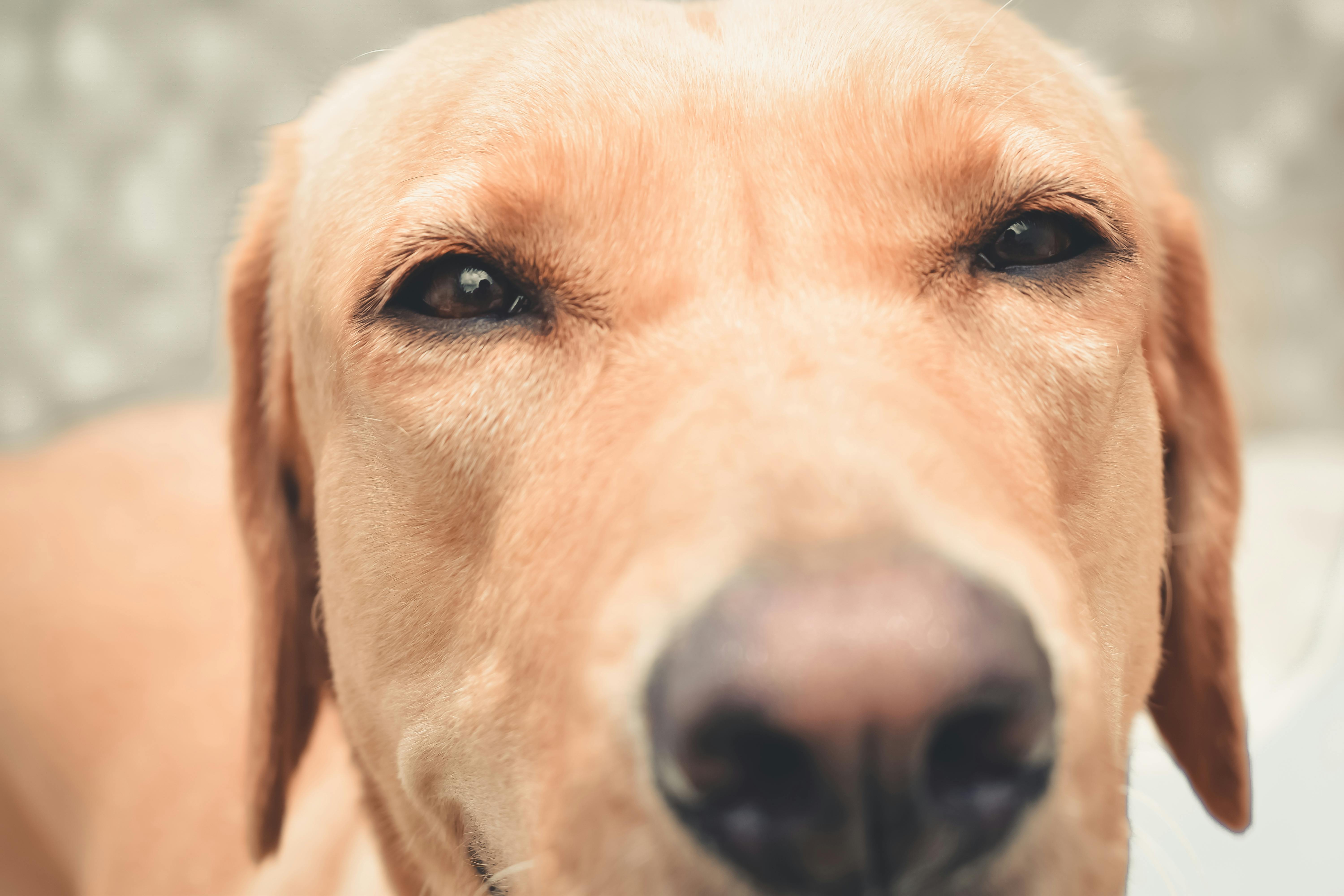 \n\n
\n\nCurious about Dog Nose Moisture? Here’s What Veterinarians Want You to Know!
\nHave you ever looked at your furry friend and wondered why their nose feels wet or cold? You’re not alone! Many pet owners curious about dog nose moisture and often ask why do dogs have wet noses. This peculiar characteristic can leave you scratching your head. So, let’s dive into the surprising truth about those moist noses and what veterinarians have to say about it!
\nThe Science Behind Wet Noses
\nDog noses are interesting structures. They are made up of a unique combination of skin, mucus, and various glands. The moisture on a dog’s nose plays several crucial roles.
\n- \n
- Temperature Regulation: Just like humans sweat to cool down, dogs use their noses to help maintain a comfortable body temperature. The moisture evaporates off the nose, providing a cooling effect. \n
- Enhanced Sense of Smell: Dogs have an extraordinary sense of smell, and the wetness helps to trap scent particles. This is why you often see dogs sniffing around; their wet noses help them gather more information about their environment. \n
- Communication: Dogs communicate through scent. A wet nose can signal to other dogs (and people) about their mood or health. \n
Why Do Dogs Have Wet Noses?
\nSo, why do dogs have wet noses? The answer lie in the biological and evolutionary adaptations. Here are some points to consider:
\n- \n
- Glandular Secretion: Dogs have specialized glands in their noses that produce moisture. This secretion keeps the surface of the nose hydrated, which is essential for scent detection. \n
- Humidity Levels: A dog’s nose may be wetter in humid weather. This is because moisture from the environment can increase the wetness on their noses. \n
- Health Indicator: A wet nose is often seen as a sign of a healthy dog. But, if your dog’s nose becomes excessively dry or cracked, it might indicate dehydration or illness. \n
Fun Facts About Dog Noses
\n- \n
- Unique Nose Prints: Just like human fingerprints, every dog has a unique nose print. This uniqueness can be used for identification purposes! \n
- Temperature Variations: A dog’s nose can be cooler than the rest of their body. If it’s warm or dry, it may be time to check in with your veterinarian. \n
- Nasal Folds: The folds and ridges on a dog’s nose increase their ability to detect smells. More surface area means more scent receptors! \n
Comparison: Dog Noses vs. Human Noses
\nHere’s a quick comparison of dog noses and human noses:
\n| Feature | \nDog Nose | \nHuman Nose | \n
|---|---|---|
| Moisture Level | \nGenerally wet | \nGenerally dry | \n
| Sense of Smell | \nHighly developed | \nLess sensitive | \n
| Temperature Regulation | \nHelps cool body | \nLimited role in cooling | \n
| Unique Patterns | \nUnique nose prints | \nUnique fingerprints | \n
Common Misconceptions About Dog Nose Moisture
\nMany people think that a wet nose is the only indicator of a dog’s health. However, this isn’t always true. Here are some misconceptions to clear up:
\n- \n
- Myth: A Wet Nose Means No Illness: While many healthy dogs have wet noses, some sick dogs can also have moist noses. Always consult a vet if you notice other symptoms. \n
- Myth: All Dogs Have Wet Noses: Some breeds, like Bulldogs or Pugs, may have drier noses due to their anatomy. This doesn’t necessarily mean they are unhealthy. \n
- Myth: You Should Keep Their Nose Wet: It’s natural for a dog’s nose to dry out occasionally. Unless there are signs of distress, it’s usually not a cause for concern. \n
Practical Tips for Dog Owners
\nIf you’re a dog owner, here are some tips to keep in mind regarding your pup’s nose:
\n- \n
- Hydration: Always ensure your dog has access to fresh water. Proper hydration can help maintain a healthy nose. \n
- Regular Vet Visits: Regular check-ups can help identify any underlying health issues before they become serious. \n
- Observe Changes: Keep an eye on your dog’s nose. If it changes in color, texture, or moisture level, consult a veterinarian. \n
Understanding your dog's nose can enhance the bond you share. Dogs communicate through many channels, and their moist noses are just one way of expressing their health and emotions. So, the next time you give your furry friend a scratch behind the ears, take a moment to appreciate that wet nose and all the fascinating science behind it!
\n\nConclusion
\n\nIn conclusion, the wet noses of dogs serve several essential functions that contribute to their overall health and sensory capabilities. The moisture on a dog's nose enhances their sense of smell, allowing them to detect scents more effectively, which is crucial for their survival and communication. Additionally, a wet nose helps regulate their body temperature through evaporation, functioning similarly to sweating in humans. While a healthy dog typically has a moist nose, it's important to be aware of any significant changes, as this could indicate health issues. Understanding the reasons behind this fascinating trait not only deepens our appreciation for these loyal companions but also encourages us to pay closer attention to their well-being. So, the next time you see your furry friend with that signature wet nose, remember the vital roles it plays and continue to cherish every moment with them.
\n\n