Have you ever wondered, why do dogs have wet noses? This intriguing question not only sparks curiosity but also reveals a fascinating aspect of canine biology that pet owners often overlook. A dog's nose isn't just moist for no reason; it serves several important purposes that contribute to their health and behavior. For instance, the wetness of a dog's nose helps them to enhance their sense of smell, allowing them to detect scents more accurately. This is because moisture captures scent particles better, making it easier for dogs to sniff out everything from food to potential dangers. But what happens when a dog’s nose is dry? Could it signal an underlying health issue? Understanding the purpose of a dog’s wet nose can help you recognize when your furry friend is feeling unwell or just needs some extra love. So, why do dogs have wet noses, and what does it mean for their overall well-being? Join us as we dive deeper into this fascinating topic and unravel the secrets behind that adorable, moist nose of your canine companion!
\n\nThe Science Behind Wet Noses: What Makes Your Dog's Nose So Unique?
\n\n \n\n
\n\nDogs are often known for their quirky habits and lovable traits, but one of the most fascinating aspects of our canine companions is their wet noses. Ever wondered why do dogs have wet noses? This question might seem simple, but the science behind it reveals a lot about your furry friend's biology and behavior.
\nThe Science of Wet Noses
\nDogs noses are moist for several reasons that all contribute to their overall health and sensory abilities. The moisture serves several important functions:
\n- \n
- Enhanced Sense of Smell: A wet nose helps to absorb scent chemicals. The moisture captures scent particles from the air, making it easier for dogs to detect and interpret smells. \n
- Temperature Regulation: Dogs don’t sweat like humans do. Instead, they rely on their noses to help regulate their body temperature. A wet nose can help cool a dog’s body. \n
- Health Indicator: A dog’s nose can be a quick health indicator. A dry nose might suggest dehydration or illness, while a moist one is often a sign of a healthy pup. \n
Why Do Dogs Have Wet Noses?
\nSo, why do dogs have wet noses? The answer is rooted in evolution and biology. Dogs are descendants of wolves, who also have wet noses. This trait has been passed down through generations. The unique structure of a dog's nose, filled with sensitive cells, allows them to pick up on scents from far away.
\n- \n
- Nasal Mucosa: The surface of a dog’s nose is covered in a mucous layer that keeps it moist. This layer is part of the nasal mucosa, which plays a key role in their sense of smell. \n
- Breed Variations: Different breeds may have slight differences in nose moisture. For instance, the bloodhound is known for its incredible sense of smell, aided by its wet nose. \n
What Makes a Dog's Nose Unique?
\nThe uniqueness of a dog's nose goes beyond just being wet. Each dog has a distinct nose print, similar to a human fingerprint. This uniqueness can be used for identification. Here are some interesting facts about dog noses:
\n- \n
- Layers of Sensitivity: A dog’s nose has about 300 million smell receptors compared to a human's 5 million. This makes their sense of smell extraordinarily powerful. \n
- Color Variations: Dog noses can be black, brown, or even pink, and the color can change with the seasons or due to health issues. \n
- Nose Shape: The shape and size of a dog's nose can affect their smelling ability. For example, breeds like the Basset Hound have long noses which help them sniff out scents more effectively. \n
How to Care for Your Dog’s Nose
\nTaking care of your dog's nose is important for their overall health. A healthy nose is typically moist and cool. Here are some tips for maintaining your dog’s nose:
\n- \n
- Regular Checks: Look for signs of dryness or cracking. If you notice these, it could mean your dog needs more hydration. \n
- Humidity Levels: In dry weather, consider using a humidifier in your home to help maintain moisture levels. \n
- Diet Matters: Ensure your dog is eating a balanced diet that includes enough hydration. Foods with high water content can help. \n
Common Myths About Dog Noses
\nThere are several myths surrounding the wet noses of dogs. Here’s a quick rundown:
\n- \n
- Myth: A warm, dry nose means a dog is sick.
- \n
- Fact: A dog’s nose temperature can vary, and it’s not always an indicator of health. \n
\n - Myth: All dogs have wet noses.
- \n
- Fact: Some dogs, especially certain breeds or those with specific health issues, can have drier noses. \n
\n
Summary of Key Points
\n- \n
- Wet noses help dogs smell better and regulate body temperature. \n
- Each dog has a unique nose print. \n
- Moist noses can indicate good health, while dryness may suggest dehydration. \n
- Care for your dog’s nose is vital for their well-being. \n
Understanding the science behind wet noses gives us a deeper appreciation for our four-legged friends. So next time you pet your dog, take a moment to admire that wet nose and consider all the incredible features it provides. Remember, a healthy nose is just one of the many aspects that make dogs such loving companions. Whether they’re wagging their tails or sniffing out new adventures, our dogs’ wet noses are just another reason we love them so much!
\n\n5 Intriguing Reasons Why Dogs Have Wet Noses You Didn’t Know About
\n\n \n\n
\n\nDogs are known for their many delightful quirks, but one of the most fascinating features is their wet noses. You might have asked yourself, “Why do dogs have wet noses?” Well, the answer is not just about keeping them cool or being cute. Here are five intriguing reasons why dogs have wet noses that you probably didn’t know about.
\n1. Enhanced Sense of Smell
\nDogs have an incredible sense of smell, which is way more powerful than humans. Their noses are wet for a reason. The moisture on a dog’s nose helps to capture scent particles from the air. This moisture acts like a sponge, allowing dogs to absorb more scents. When a dog sniffs, the wet surface of their nose helps to increase the amount of information it receives about their environment.
\n- \n
- Dogs have up to 300 million scent receptors, compared to a human’s 5 million. \n
- A dog’s sense of smell can be up to 100,000 times better than that of a human. \n
- Wet noses help them discern different smells, which is crucial for hunting or tracking. \n
2. Regulation of Body Temperature
\nAnother interesting reason for a dog’s wet nose is its role in thermoregulation. Just like humans sweat to cool down, dogs use their noses to help regulate their body temperature. The moisture evaporating from their noses can help them cool off, especially during hot days.
\n- \n
- Dogs don’t sweat like humans; they mainly cool down through panting. \n
- A wet nose can indicate that a dog is feeling comfortable and cool. \n
- If a dog’s nose is excessively dry, it may indicate overheating or dehydration. \n
3. Communication Tool
\nDogs are social animals, and they communicate in various ways. A wet nose plays a part in how dogs interact with each other and with humans too. When they greet each other, they often sniff one another’s noses, which helps them gather information about their health and mood.
\n- \n
- A wet nose can be a sign of friendliness; dogs often approach each other with wet noses. \n
- Dogs also use their noses to identify their owners and other familiar scents. \n
- This form of communication is vital in establishing social bonds among dogs. \n
4. Health Indicator
\nA dog’s nose can be a good indicator of their overall health. While it's not always true that a cold, wet nose means a dog is healthy, changes in the moisture and temperature of a dog’s nose could signal health issues.
\n- \n
- A dry or cracked nose can indicate dehydration or illness. \n
- Changes in color or excessive discharge can also be signs of health problems. \n
- Regularly checking your dog’s nose can help in early detection of health issues. \n
5. Evolutionary Trait
\nThe wet nose is an evolutionary trait that has been passed down through generations of dogs. Dogs are descendants of wolves, and having a wet nose may have provided evolutionary advantages in the wild.
\n- \n
- Wet noses may have helped wolves track prey more effectively. \n
- The ability to smell better would have been crucial for survival. \n
- This trait has persisted in domestic dogs, showing the importance of scent in their lives. \n
Summary of Reasons Why Dogs Have Wet Noses
\n- \n
- Enhanced sense of smell: Moisture helps absorb scent particles. \n
- Temperature regulation: Evaporation cools the dog down. \n
- Communication: Wet noses are a social tool among dogs. \n
- Health indicator: Changes in moisture can signal health issues. \n
- Evolutionary trait: Beneficial for tracking prey in the wild. \n
Understanding why dogs have wet noses not only satisfies our curiosity but also helps us better care for our furry companions. Next time you pet your dog, take a moment to appreciate that wet nose and all the fascinating purposes it serves. From enhancing their sense of smell to regulating body temperature, those little wet noses are much more than just an adorable feature. So, whether your dog is sniffing out a treat or just giving you a wet kiss, remember there’s a lot going on behind that adorable snout!
\n\nHow Your Dog's Wet Nose Contributes to Their Sense of Smell: A Deep Dive
\n\n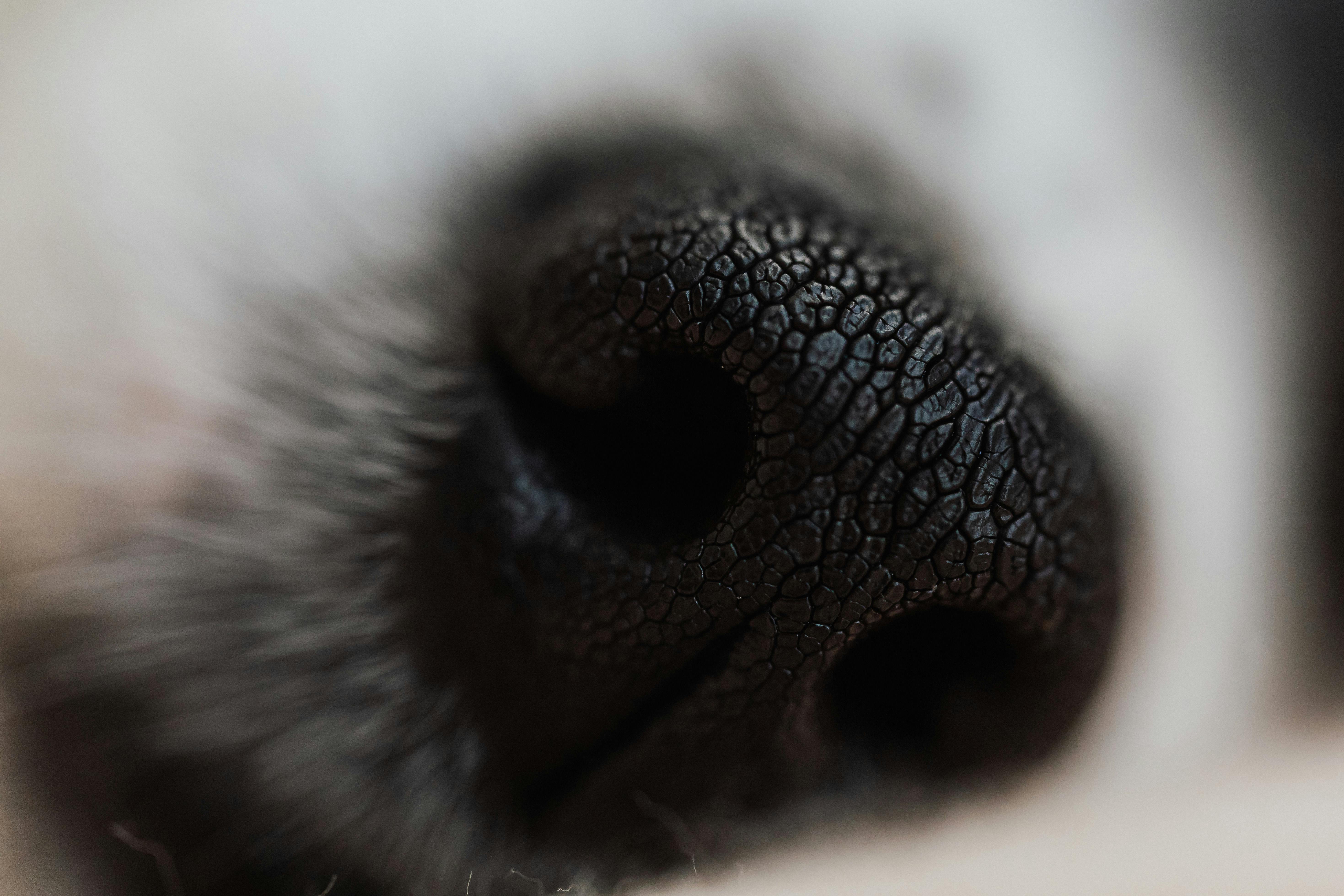 \n\n
\n\nDogs are known for their many unique traits, but one of the most fascinating aspects is their wet noses. You might have wondered, "Why do dogs have wet noses?" or even, "How does a wet nose help my dog smell better?" Well, let's take a deep dive into this topic and explore the incredible world of canine olfaction and the role of that adorable, damp feature.
\nThe Science Behind a Dog's Sense of Smell
\nDogs have a superhuman sense of smell, it’s said to be between 10,000 to 100,000 times more sensitive than humans. This incredible ability is due in part to the structure of their noses. Inside a dog's nose, there are:
\n- \n
- Olfactory receptors: Dogs have around 300 million olfactory receptors, compared to humans who only have about 5 million. \n
- Olfactory bulb: The part of the brain that processes smells is much larger in dogs, which allows them to interpret scents more effectively. \n
- Vomeronasal organ: This organ helps dogs detect pheromones and other chemical signals. \n
Why Are Dog Noses Wet?
\nNow, let's get back to that wet nose. You may be wondering why dogs have wet noses and what purpose it serves. There are a few reasons for this interesting characteristic:
\n- \n
- Temperature regulation: A wet nose helps cool a dog down. When they lick their noses, the moisture evaporates and cools the skin. \n
- Enhanced scent detection: A moist nose can capture more scent particles. The wetness helps to trap scents, making it easier for dogs to identify smells. \n
- Health indicator: The state of a dog’s nose can reflect their health. A healthy dog often has a cool, moist nose, while a dry nose might indicate illness or dehydration. \n
Historical Context of Dogs and Their Noses
\nDogs have been our companions for thousands of years. The history of their noses is as rich as their relationship with humans. In fact, ancient civilizations recognized the importance of a dog’s sense of smell.
\n- \n
- Hunting: Early humans relied on dogs for hunting, and their ability to track scents was crucial. \n
- Guarding: Dogs have also been trained to guard homes and livestock, using their keen sense of smell to detect intruders. \n
- Search and Rescue: Even today, dogs are used in search and rescue operations, showcasing their incredible olfactory skills. \n
Fun Facts About Dog Noses
\nHere are some interesting tidbits about dog noses that you might not know:
\n- \n
- Unique patterns: Just like human fingerprints, every dog has a unique nose print. \n
- Color variations: A dog’s nose color can change with age, health, and breed. \n
- Seasonal changes: Dogs might have wetter noses in the summer than in the winter due to humidity levels. \n
Practical Tips for Dog Owners
\nAs a dog owner, it’s essential to understand the significance of your furry friend’s nose. Here are some practical tips:
\n- \n
- Monitor health: Pay attention to changes in the moisture level of your dog's nose. If it’s consistently dry or cracked, it might be time for a vet visit. \n
- Keep hydrated: Ensure your dog has plenty of fresh water available to keep them hydrated, which can help maintain that healthy wet nose. \n
- Regular vet check-ups: Regular veterinary visits can help catch any potential health issues early on. \n
Comparing Dog Noses to Human Noses
\nIt’s interesting to see how dog noses differ from human noses in function and structure. Here’s a quick comparison:
\n| Feature | \nDog Nose | \nHuman Nose | \n
|---|---|---|
| Olfactory receptors | \nAbout 300 million | \nAbout 5 million | \n
| Scent detection | \n10,000 to 100,000 times better | \nMuch less sensitive | \n
| Nose wetness purpose | \nEnhances scent capture | \nMostly for humidifying air | \n
| Unique prints | \nYes, like fingerprints | \nNo, not unique | \n
Understanding why dogs have wet noses can truly enrich your appreciation for your pet. The next time you feel your dog’s cool, damp nose, remember how it plays a vital role in their amazing ability to explore the world through scent! Dogs are indeed remarkable creatures, and their wet noses are just one of the many things that make them special.
\n\nIs Your Dog’s Wet Nose a Sign of Health? Understanding the Connection
\n\n \n\n
\n\nIs your dog’s wet nose a sign of health? Understanding the connection, why do dogs have wet noses? Discover their fascinating purpose!
\nMany dog owners often wonder why their furry friends have those cold, wet noses. Is it just a cute trait or does it mean something more? In fact, a dog's wet nose can provide important insights into their overall health. This article dives into the reasons behind wet noses and what they might mean for your pet.
\nWhy Do Dogs Have Wet Noses?
\nDogs have wet noses for several reasons. It’s not just for show! Here are some key points that help explain this fascinating feature:
\n- \n
- \n
Sense of Smell: A wet nose helps dogs pick up scents. The moisture on their noses trap scent particles, enhancing their keen sense of smell. Dogs' sense of smell is far superior to humans, and their wet noses plays a crucial role in this ability.
\n \n - \n
Temperature Regulation: Just like humans sweat, dogs lose heat through their noses. A wet nose can help cool down their body temperature, especially on hot days or after exercise.
\n \n - \n
Health Indicator: Many people believe that a wet nose signifies health in dogs. While it's not the only indicator of a dog's well-being, it can often suggest that your pup is feeling good.
\n \n - \n
Behavioral Signals: Dogs use their noses to communicate and explore their environment. A wet nose is often a sign that your dog is curious and engaged with their surroundings.
\n \n
The Connection Between Wet Noses and Health
\nSo, is a wet nose always a sign of health? Not necessarily. It’s important to look at the bigger picture. Here’s a simple list of what a wet nose might indicate:
\n- \n
- \n
Healthy and Hydrated: If your dog’s nose is consistently moist, it might be a sign that they are hydrated and healthy.
\n \n - \n
Illness: On the flip side, if a dog’s nose is dry or cracked, it could indicate dehydration or illness. It’s not a definitive diagnosis, but it can be a red flag.
\n \n - \n
Environmental Factors: Changes in weather can affect a dog's nose as well. For example, cold weather can dry it out, while humidity can keep it moist.
\n \n
What to Do if Your Dog's Nose Changes
\nIf you notice changes in your dog's nose, it’s important to pay attention. Here are some steps that can help:
\n- \n
- \n
Monitor Behavior: Keep an eye on your dog’s overall behavior. Are they eating and drinking normally? Any signs of lethargy or distress?
\n \n - \n
Hydration Check: Ensure that your dog is drinking enough water. Dehydration can cause a dry nose and can be serious.
\n \n - \n
Consult a Vet: If you’re concerned, it’s always best to consult a veterinarian. They can provide guidance and check for any underlying health issues.
\n \n
Fun Facts About Dogs' Noses
\nDid you know that a dog's nose print is unique, just like a human fingerprint? Here are some other interesting tidbits:
\n- \n
- \n
Temperature: A dog’s body temperature is usually higher than humans. Their average temperature is between 101°F to 102.5°F.
\n \n - \n
Nasal Anatomy: Dogs have more than 200 million scent receptors in their noses, while humans have only about 5 million. This is why dogs are often used for search and rescue operations.
\n \n - \n
Wet Nose and Bonding: When dogs nuzzle their noses against you, it’s a sign of affection and trust. This behavior can strengthen the bond between you and your pet.
\n \n
Quick Reference Table: Healthy vs. Unhealthy Nose
\n| Feature | \nHealthy Nose | \nUnhealthy Nose | \n
|---|---|---|
| Moisture Level | \nWet and cool | \nDry or excessively warm | \n
| Texture | \nSmooth and soft | \nCracked or flaky | \n
| Behavior | \nActive and playful | \nLethargic or withdrawn | \n
| Hydration | \nDrinks water regularly | \nAvoids drinking | \n
It’s fascinating to think about how something as simple as a wet nose can tell us so much about our dogs. While it is not the only measure of health, it can be a helpful indicator. Paying attention to changes in your dog's nose, and overall behavior can help ensure they stay healthy and happy. Remember, a wet nose can be a sign of many things, and understanding that connection can lead to better care for your beloved pet.
\n\nThe Evolutionary Advantage of Wet Noses: Why Nature Designed Dogs This Way
\n\n \n\n
\n\nDogs have long been known as man's best friend. But have you ever thought about why do dogs have wet noses? It’s kinda fascinating when you think about it. The evolutionary advantage of wet noses is not just a random quirk of nature; it’s a well-thought-out design by nature itself. Let’s dive into this topic to uncover the mysteries behind those adorable, damp noses.
\nThe Science Behind Wet Noses
\nDogs have wet noses for a variety of reasons that are deeply rooted in their biology. First off, a wet nose helps dogs to smell better. Dogs have an incredible sense of smell that is significantly better than that of humans. Their noses are packed with olfactory receptors—estimates suggest around 300 million, compared to a human's 6 million. The moisture on their noses helps to absorb scent particles in the air, making them more effective at detecting smells.
\n- \n
- Increased scent detection: Wetness helps catch scent particles. \n
- Thermoregulation: A wet nose helps to cool down the dog’s body. \n
- Health indicator: A dog’s nose can signal their health status. A dry nose might indicate dehydration or illness. \n
Historical Context of Dog Noses
\nDogs evolved from wolves, who also had wet noses. This adaptation was crucial for hunting and survival. The ability to detect prey through scent was vital for wolves. A wet nose likely played a key role in their hunting success, which eventually carried over to domestic dogs.
\nBack in the days of early domestication, humans might have chosen to favor dogs with certain traits, including good olfactory senses. This led to the evolution of various breeds with enhanced smelling capabilities, but the wet nose remained a common trait among all dogs.
\nWhy Do Dogs Have Wet Noses? The Fascinating Purpose
\nAside from smell, wet noses serve other important purposes. For one, they help dogs to regulate their body temperature. Dogs don’t sweat like humans; instead, they rely on panting and the moisture on their noses to cool down.
\nHere’s some interesting points to consider:
\n- \n
- Cooling Mechanism: Wet noses help cool down a dog’s body temperature. \n
- Health Monitoring: A change in the moisture level of a dog's nose can signal health issues. \n
- Communication Tool: Dogs often use their noses to communicate with one another, and a wet nose can be a sign of excitement or curiosity. \n
Comparisons to Other Animals
\nIt’s interesting to compare dogs to other animals. For example, cats have dry noses. This difference could be due to their hunting styles. Cats tend to be more solitary hunters, relying on stealth, while dogs often hunt in packs, requiring a strong sense of smell to coordinate their efforts.
\nHere’s a quick comparison of nose moisture in various animals:
\n| Animal | \nNose Type | \nPurpose | \n
|---|---|---|
| Dogs | \nWet | \nScent detection, cooling | \n
| Cats | \nDry | \nStealth, reduced scent reliance | \n
| Elephants | \nWet | \nScent detection, social interactions | \n
| Pigs | \nWet | \nForaging, scent detection | \n
Practical Examples of Nose Functions
\nWhen you think about it, a dog’s wet nose is like a Swiss Army knife of functions. For instance, when a dog is excited, it might nuzzle you with its wet nose, which is not just a cute gesture but also a way to communicate affection.
\nHere’s some practical examples of when you might notice the importance of a wet nose:
\n- \n
- Greeting Behavior: Often, a dog will greet you with a wet nose, signifying happiness. \n
- Health Checks: A dog’s wet nose can be a quick way to check health; a sudden dryness can indicate a problem. \n
- During Play: Wet noses are prominent during playtime; they help them engage with their environment. \n
In conclusion, the evolutionary advantage of wet noses in dogs is a blend of biology, history, and practical function. From enhancing their sense of smell to helping with temperature regulation, it’s clear that nature designed dogs with their wet noses for a reason. So next time you get a nuzzle from your furry friend, remember that there's more to that wet nose than meets the eye!
\n\nDo Dogs Have Wet Noses for Cooling? Exploring Temperature Regulation in Pets
\n\n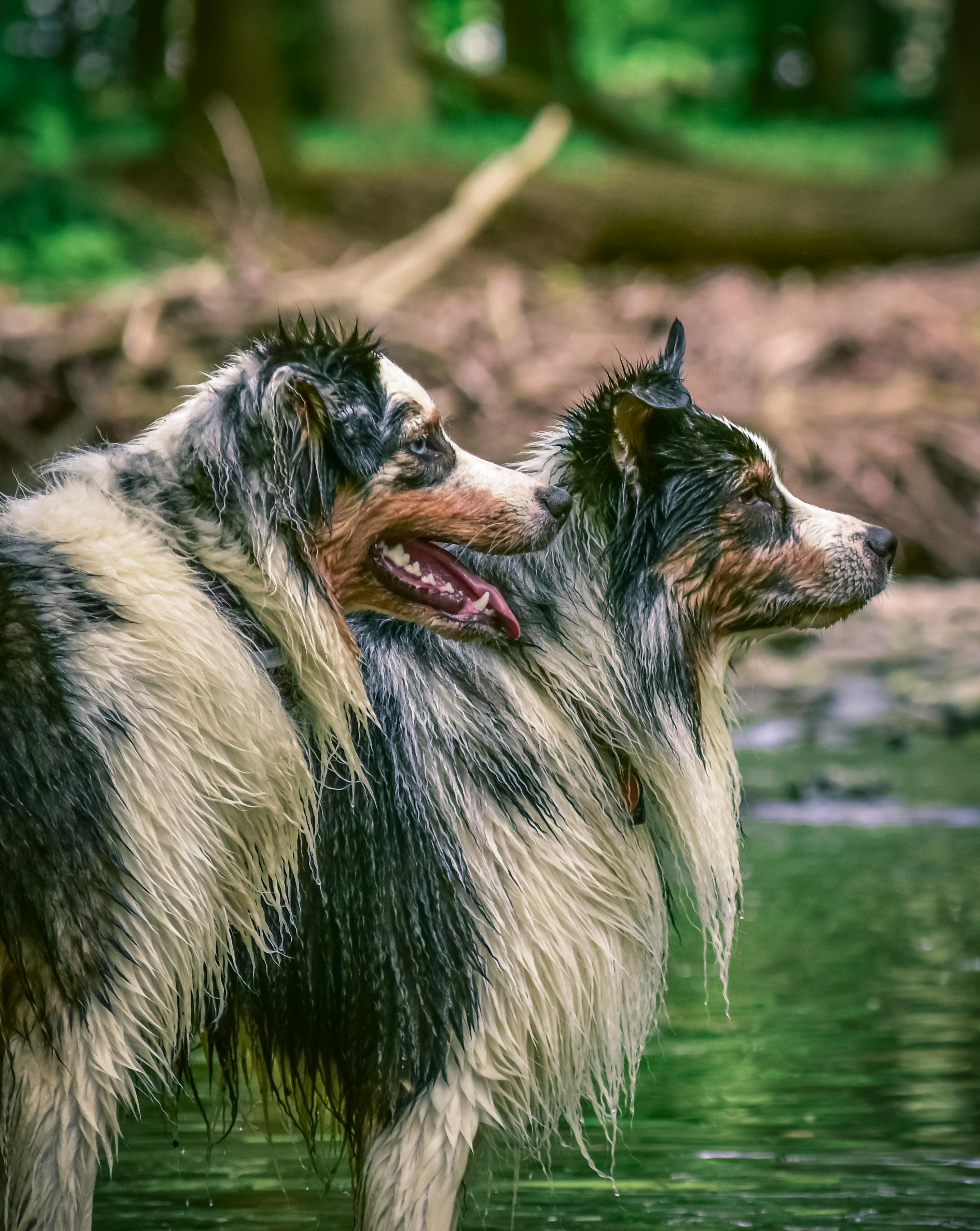 \n\n
\n\nDogs are more than just furry companions; they are fascinating creatures with unique biological traits. One of the most notable characteristics of dogs is their wet noses. But have you ever wondered why do dogs have wet noses, and do dogs have wet noses for cooling? This article dives into the intriguing world of canine temperature regulation and the purpose behind their moist snouts.
\nThe Science Behind a Dog’s Wet Nose
\nDogs' noses are typically moist for several reasons. The primary scientific explanation is that a wet nose helps in the process of thermoregulation. When a dog’s nose is wet, it can better absorb heat from the environment, cooling their body. Here's how it works:
\n- \n
- Evaporation: Just like sweat evaporates from human skin, moisture on a dog’s nose can evaporate, which cools the blood vessels underneath the skin. \n
- Scent Detection: A wet nose also helps dogs to better absorb scent particles from the air, enhancing their remarkable sense of smell. \n
This leads to the question, do dogs have wet noses for cooling? The answer is yes, but it's also much more complex than just temperature regulation.
\nWhy Do Dogs Have Wet Noses?
\nThe wetness of a dog's nose serves multiple purposes. Some of them includes:
\n- \n
- Enhanced Smell: Dogs have an exceptional sense of smell, estimated to be 10,000 to 100,000 times more acute than humans. A wet nose helps trap scent particles better. \n
- Thermoregulation: As mentioned, a wet nose assists in cooling, especially on hot days when dogs might struggle to regulate their body temperature. \n
- Health Indicator: The condition of a dog's nose can indicate their health. A healthy dog usually has a moist, cool nose, while a dry or cracked nose might indicate dehydration or illness. \n
Historical Context of Canine Noses
\nHistorically, humans have bred dogs for various traits, including their sense of smell. In ancient times, dogs were utilized for hunting and tracking because of their ability to smell. The wet nose became a sought-after trait, ensuring that dogs could perform their tasks efficiently.
\nFun Facts About Dog Noses
\n- \n
- Dogs have about 220 million scent receptors in their noses compared to about 5 million in humans. \n
- The texture of a dog’s nose is unique, much like a human fingerprint. \n
- Puppies are born with pink noses that darken as they grow. \n
Factors Influencing Nose Moisture
\nNot all dogs have consistently wet noses. Several factors can influence the moisture level of a dog’s nose:
\n- \n
- Weather Conditions: Humidity and temperature can greatly affect how wet a dog’s nose is. \n
- Health Status: Illness, dehydration, or fever can lead to a dryer nose. \n
- Age: Older dogs may experience changes in their nose moisture levels. \n
How to Keep Your Dog's Nose Healthy
\nMaintaining a healthy nose can be a good indicator of your dog’s overall health. Here are some practical tips:
\n- \n
- Hydration: Always ensure your dog has access to fresh water. \n
- Regular Vet Check-ups: Routine visits can help catch any potential health issues early. \n
- Watch for Changes: If your dog’s nose becomes persistently dry, cracked, or discolored, consult a veterinarian. \n
Comparing Dog Noses with Other Animals
\nDogs aren't the only animals with wet noses. Other species, like cats and some animals in the wild, also have moist noses. But, how do they compare?
\n| Animal | \nNose Type | \nPurpose | \n
|---|---|---|
| Dog | \nWet | \nSmell enhancement, cooling | \n
| Cat | \nSlightly moist | \nSmell enhancement | \n
| Horse | \nDry | \nLess emphasis on scent | \n
| Pig | \nWet | \nExcellent sense of smell | \n
Conclusion
\nUnderstanding why dogs have wet noses sheds light on their fascinating biology and how nature equips them to thrive. While cooling is a part of the equation, the moistness of a dog’s nose plays a multifaceted role in their well-being and functionality. So next time you look at your dog, remember that their wet nose is not just a cute feature but an essential part of their survival and health. Keep those noses wet and your furry friends happy!
\n\nWet Nose, Happy Dog: The Emotional Benefits of Canine Nose Moisture
\n\n\n\nWhen someone thinks about dogs, often they picture a happy pup with a wet nose. But have you ever wondered why do dogs have wet noses? It’s not just for show! There’s a whole world of fascinating science and emotional benefits behind that moist little button on your furry friend’s face. Understanding this can open up an entirely new perspective on what makes our canine companions so special.
\nThe Science Behind Wet Noses
\nDogs’ noses are naturally moist, and this moisture serves several purposes. Here’s a quick rundown of why those noses are often wet:
\n- \n
- \n
Enhanced Sense of Smell: Dogs’ noses have a lot of scent receptors—around 300 million compared to humans’ 5 million! This moisture helps capture scent particles, making it easier for them to sniff out things in their environment.
\n \n - \n
Temperature Regulation: Just like humans sweat, dogs can cool themselves through their noses. When it’s hot, the moisture evaporates, helping to regulate their body temperature.
\n \n - \n
Health Indicator: A wet nose can indicate that a dog is healthy and hydrated. Conversely, a dry nose might suggest illness or dehydration, although this isn't always the case.
\n \n
The Emotional Benefits of a Wet Nose
\nIt’s not just about biology! The emotional connection between a dog and its owner can deepen because of that wet nose. Here are some emotional benefits:
\n- \n
- \n
Comfort and Security: When a dog nudges you with its wet nose, it’s often a sign of affection. This can be comforting for owners, creating a sense of security and bonding.
\n \n - \n
Communication Tool: Dogs can’t talk, but they sure have their ways of communicating. A wet nose can indicate a dog’s need for attention or playtime, enhancing the human-animal bond.
\n \n - \n
Stress Relief: Interacting with a dog, especially those wet, happy noses, can reduce stress and anxiety for humans. Studies have shown that petting a dog can lower cortisol levels and increase serotonin production.
\n \n
Why Do Dogs Have Wet Noses? The Historical Context
\nDogs have been with humans for thousands of years. The moist nose is not just an evolutionary trait; it’s also a part of their history. Early domesticated dogs relied on their sense of smell for survival, hunting, and finding food. A wet nose would have been beneficial for those tasks, allowing them to thrive alongside humans.
\nFun Facts About Dogs' Noses
\n- \n
- \n
Dogs can distinguish between different types of scents, which is why they are often used in search and rescue missions.
\n \n - \n
The shape of a dog’s nose can indicate its breed type. For instance, bloodhounds have longer noses, which help in tracking scents over long distances.
\n \n - \n
Dogs have a “third eyelid,” which helps keep their eyes moist and protects them, similar to how their wet noses help them stay alert and aware.
\n \n
Practical Tips for Nose Care
\nIt’s important to take care of your dog’s nose just like any other part of their body. Here are some tips:
\n- \n
- \n
Keep Hydrated: Make sure your dog has access to fresh water at all times. Proper hydration helps maintain a moist nose.
\n \n - \n
Observe Changes: If you notice your dog’s nose suddenly becoming dry or cracked, it might be time to consult a veterinarian. This could indicate an underlying health issue.
\n \n - \n
Avoid Irritants: Be cautious with chemicals, strong perfumes, or cleaning products around your dog. These can irritate their noses and cause discomfort.
\n \n
Comparison: Wet Nose vs. Dry Nose
\n| Feature | \nWet Nose | \nDry Nose | \n
|---|---|---|
| Hydration Level | \nUsually well-hydrated | \nMay indicate dehydration | \n
| Health Indicator | \nGenerally shows good health | \nCould suggest illness | \n
| Sensory Function | \nBetter at picking up scents | \nMay not capture scents well | \n
Understanding why dogs have wet noses can enhance your relationship with them. You’ll appreciate those little boops and nudges even more! While science plays a big role, the emotional connection and comfort they provide are just as important. If you ever find yourself pondering over your dog’s adorable, wet nose, just remember: It’s a little miracle that enhances both their lives and yours.
\n\nThe Role of Dog Noses in Communication: Wetness and Its Meaning
\n\n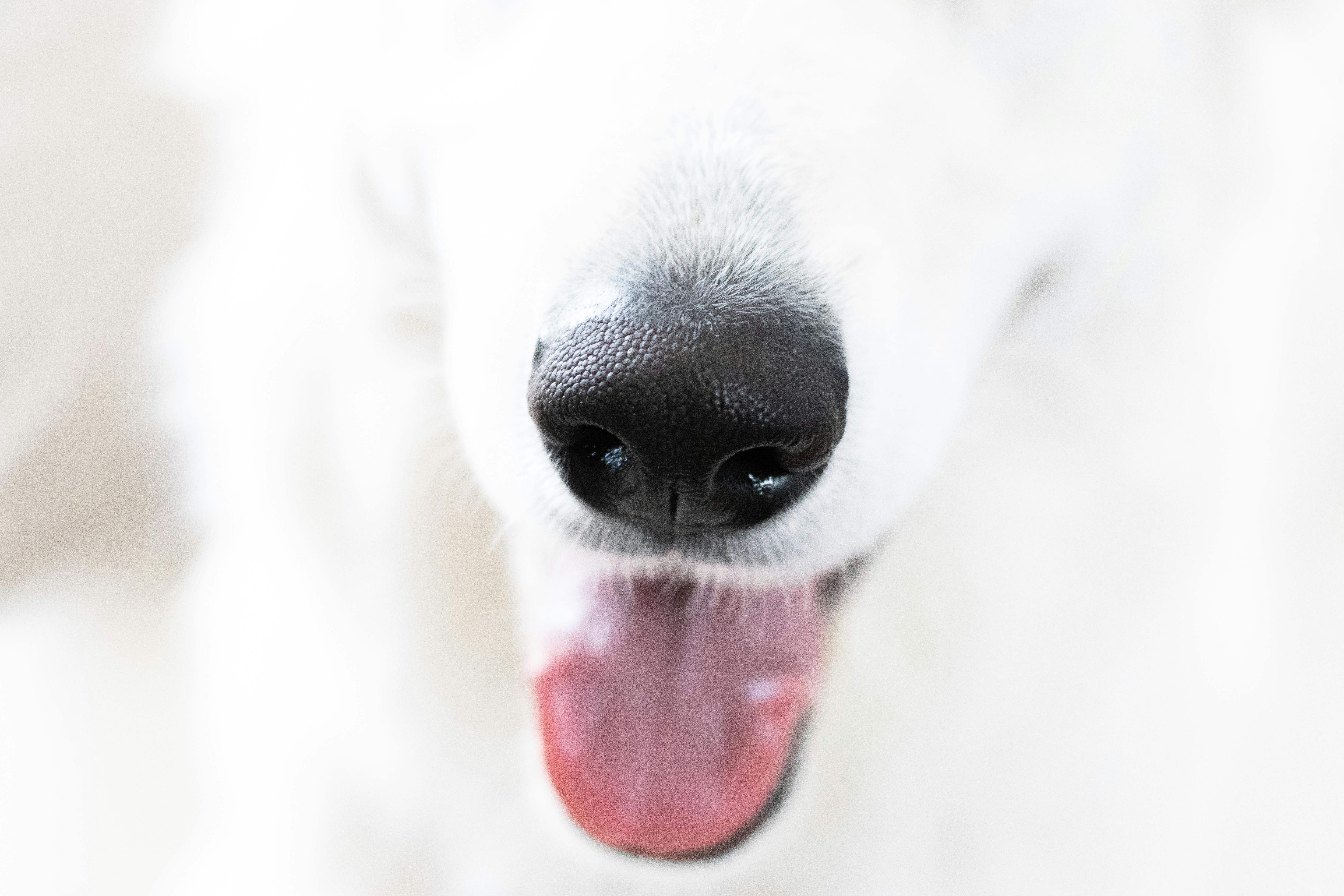 \n\n
\n\nDogs are more than just pets; they’re companions who communicate in ways that are often overlooked by humans. One of the most fascinating aspects of dog communication is their noses — specifically, the wetness of them. Why do dogs have wet noses? This question not only sparks curiosity but also reveals a deeper understanding of canine behavior and health. Let’s dive into the intriguing world of dog noses and explore their significant role in communication.
\nThe Science Behind Wet Noses
\nA dog’s nose is not just a cute feature; it plays a critical role in their life. The wetness of a dog's nose is primarily due to a thin layer of mucous that helps them sense their environment better. Dogs have around 300 million smell receptors in their noses, compared to about 6 million in humans. Because of this, they can detect scents at incredibly low concentrations. The moisture on their noses helps to absorb scent particles, amplifying their sense of smell.
\n- \n
- More receptors: Dogs have about 300 million smell receptors. \n
- Moisture helps: Wet noses absorb scent particles, enhancing smell. \n
- Temperature regulation: The moisture also cools down the dog, similar to sweating. \n
Communication Through Scent
\nDogs communicate a lot through scents, and their wet noses are a key player in this process. When dogs sniff, they are gathering information about other animals, people, and even their environment. A wet nose allows for better scent detection, which is crucial for recognizing familiar scents or identifying something new.
\n- \n
- Identifying others: Dogs can recognize individuals and other animals by their unique scents. \n
- Emotional state: A dog’s scent can indicate their mood or health condition. \n
- Territory marking: Dogs also use scents to mark their territory, and a wet nose helps in detecting the scents left by others. \n
Why is Dog Nose Wetness Important?
\nThe wetness of a dog’s nose can be an indicator of their health. A typical dog nose should feel cool and moist. But what does it mean when it’s dry? A dry nose does not always signal illness, but it can be a sign of dehydration or fever. Here’s a quick reference to help you understand more about what a dog’s nose can tell you:
\n| Nose Condition | \nPossible Meaning | \n
|---|---|
| Cool & Moist | \nHealthy and hydrated | \n
| Dry & Warm | \nPotential fever or dehydration | \n
| Cracked or Chapped | \nPossible allergy or skin condition | \n
| Extremely Wet | \nCould indicate excitement or anxiety | \n
Evolutionary Perspective
\nInterestingly, the evolution of dogs has played a significant role in the development of their noses. Early canines relied heavily on their sense of smell for hunting and survival. This evolutionary trait has been honed over thousands of years, making modern dogs exceptional sniffers.
\n- \n
- Hunting ancestors: Early dogs used their noses to track prey. \n
- Selective breeding: Different breeds were developed for specific tasks, influencing their sense of smell. \n
- Companionship: As dogs became companions to humans, their communication skills evolved, including how they use their noses. \n
Practical Examples of Nose Use
\nDogs use their noses in various ways that go beyond simple communication. Here are some practical examples of how they utilize their wet noses daily:
\n- \n
- Finding Food: Dogs can sniff out food even when it's hidden or buried. Their wet noses help in detecting the scent trail leading to it. \n
- Detecting Illness: Some dogs are trained to detect illnesses like diabetes or cancer through scent. They can sense changes in human body chemistry. \n
- Social Interactions: When dogs greet each other, they often sniff noses. This behavior is a form of social communication, allowing them to gather information about one another. \n
Conclusion
\nUnderstanding why dogs have wet noses and their fascinating purpose reveals so much about how these animals communicate and interact with the world around them. Whether it's gathering information through scent or signaling their health and emotional state, a dog’s nose is essential to their lives. So, the next time you notice your furry friend’s wet nose, remember it’s not just an adorable feature; it’s a crucial tool that helps them navigate their environment and communicate with you and other dogs. Embracing these quirks can deepen the bond you share with your canine companion.
\n\n7 Fascinating Facts About Dog Noses: Why Wetness Matters More Than You Think
\n\n \n\n
\n\nDogs are some of the most beloved pets in the world, and their unique features have captivated our hearts for centuries. One of those distinct characteristics is their wet noses. Ever wondered why do dogs have wet noses? It's not just for show! In fact, the wetness of a dog's nose serves several important purposes. Here are 7 fascinating facts about dog noses that reveal just how crucial that moisture is.
\n1. Enhancing the Sense of Smell
\nDid you know that a dog's sense of smell is about 10,000 to 100,000 times more sensitive than a human's? Wet noses help enhance this incredible ability. The moisture on a dog’s nose captures scent molecules from the air, which then get absorbed into the nasal tissue, helping them to identify smells more effectively. This is essential for their survival instincts, like hunting or detecting danger.
\n2. Cooling Mechanism
\nDogs don’t sweat like humans do. Instead, they rely on their noses to help regulate body temperature. When a dog’s nose is wet, it helps cool them down. The moisture evaporates, which can provide a slight cooling effect. This is one reason you might notice your furry friend panting or running around with their tongue out after a long walk on a hot day.
\n3. Communication Tool
\nBelieve it or not, dog noses are also a form of communication. Dogs use their noses to gather information about their environment and other animals. The scent left by another dog can tell them all sorts of things, like the other dog’s health, mood, and even diet. When dogs meet, they often sniff each other’s noses as a way of saying hello and gathering information.
\n4. Natural Moisturizer
\nHave you ever noticed a dog with a dry or cracked nose? This can be a sign of dehydration or health issues. The wetness of a dog's nose is a natural moisturizer. When they are healthy, their noses are typically moist and cool. If a dog’s nose is excessively dry, it might be worth a trip to the vet to ensure there is no underlying health problem.
\n5. Unique Nose Prints
\nJust like human fingerprints, every dog has a unique nose print! The patterns of ridges and creases on a dog’s nose are as individual as a person’s fingerprint. This is something that can be used for identification purposes. In fact, some dog owners even register their dog's nose print with pet identification services. This can help in cases of lost pets.
\n6. Health Indicators
\nA dog’s nose can be a good indicator of their overall health. Generally, a healthy dog will have a moist, cool nose. If a dog’s nose suddenly becomes dry or warm, it might indicate a fever or illness. Changes in color can also be significant; for instance, if a dog’s nose turns pale or loses pigmentation, it could signal health issues that should be addressed.
\n7. The Role of Breed
\nDifferent dog breeds can have variations in their nose moisture. For example, brachycephalic breeds like Bulldogs or Pugs may have noses that are less moist due to their short snouts. On the other hand, working breeds like Retrievers often have very wet noses, which help them excel in tracking scents.
\nSummary of Key Facts
\n- \n
- Dogs have an exceptional sense of smell, aided by their wet noses. \n
- Wet noses help to cool dogs down as they don’t sweat like humans. \n
- A dog’s nose is a communication tool, gathering scent information. \n
- Healthy dogs typically have moist noses, and dryness can indicate health issues. \n
- Every dog’s nose print is unique, like a human fingerprint. \n
- Changes in a dog’s nose can indicate health problems. \n
- Different breeds may have varying levels of nose moisture. \n
Knowing why do dogs have wet noses can deepen your understanding of these amazing creatures. The next time you give your dog a pat on the head and feel that cool, wet nose against your hand, remember all the fascinating functions it serves! From helping them smell better to keeping them cool, a dog's nose is much more than just a cute feature; it’s a vital part of their health and communication. So, take care of your furry friend's nose and ensure they stay healthy and happy.
\n\nCanine Health Myths: Debunking Common Misconceptions About Wet Noses
\n\n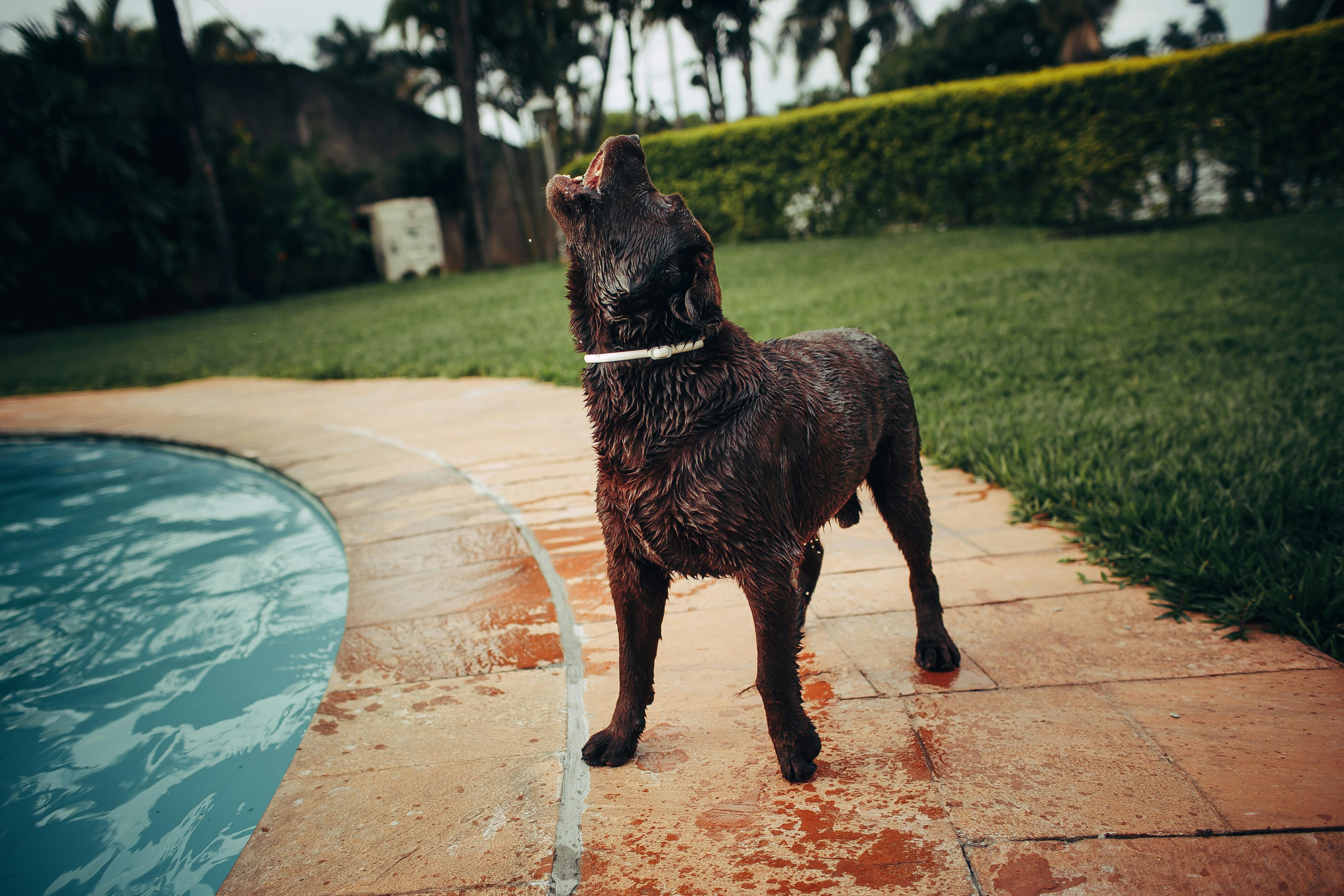 \n\n
\n\nDogs are often seen as the most loyal companions, but there's a lot of mystery surrounding their health and behavior. One of the most common questions that arise among dog owners is, "Why do dogs have wet noses?" This seemingly simple question leads to a multitude of myths and misconceptions. In this article, we will debunk some of these myths, revealing the fascinating purpose behind those moist noses.
\nThe Science Behind Wet Noses
\nFirst things first, let's explore the biology of a dog's nose. A dog's nose is wet due to the presence of moisture, which serves various purposes. The primary reason dogs have wet noses is related to their sense of smell. Dogs are known for their incredible olfactory abilities, and a wet nose actually helps enhance their sense of smell. The moisture on their noses captures scent particles from the environment, making it easier for them to detect odors.
\nFun Facts About Dog Noses
\n- \n
- Scent-Sensing Cells: Dogs have about 220 million scent-sensing cells in their noses, compared to a human's 5 million. \n
- Temperature Regulation: Dogs can regulate their body temperature through their noses. The moisture evaporates, cooling them down. \n
- Communication: Dogs often lick their noses to keep them moist and to communicate with other dogs. A wet nose can signal that a dog is friendly or wants to play. \n
Common Myths About Canine Health
\nThere are many myths surrounding the health and behavior of dogs, particularly concerning their noses. Here are a few common misconceptions debunked:
\n- \n
- \n
A Wet Nose Means a Healthy Dog: While a wet nose is often seen as a sign of good health, it's not always the case. Dogs can have dry noses and still be perfectly healthy. Factors like weather, activity level, and individual health conditions influence nose moisture.
\n \n - \n
Dogs Have Wet Noses Because They Sweat: This is not true. Dogs do not sweat through their noses. They mainly sweat through their paw pads. The wetness is due to saliva and environmental moisture.
\n \n - \n
All Dogs Have Wet Noses: Not all dogs have wet noses all the time. Some breeds, especially those with longer hair or skin conditions, may have drier noses.
\n \n - \n
A Warm Nose Means a Dog is Sick: While a warm nose can indicate a fever, it is not a reliable indicator of illness. The temperature of a dog's nose can fluctuate based on various factors, including activity and environment.
\n \n
Historical Context of Dog Noses
\nHistorically, dogs have been companions to humans for thousands of years. Ancient civilizations recognized their hunting abilities, which relied heavily on their sense of smell. This led to breeding practices that emphasized olfactory skills. Wet noses might not have been recognized for their health implications back then, but they certainly contributed to dogs’ effectiveness in their roles.
\nThe Purpose of a Wet Nose
\nSo, why do dogs have wet noses? Here’s a breakdown:
\n- \n
- Enhanced Smelling Ability: The moisture helps capture scent particles, improving detection. \n
- Thermoregulation: Helps keep dogs cool during hot weather. \n
- Social Interaction: Dogs often use their noses to explore their environment and communicate with other dogs. \n
Tips for Dog Owners
\nAs a responsible dog owner, it's essential to understand your dog's health. Here are some practical tips:
\n- \n
- Regular Vet Check-ups: Regular check-ups can help monitor your dog's overall health, including their nose condition. \n
- Hydration: Ensure your dog has access to fresh water, as dehydration can lead to a dry nose. \n
- Watch for Changes: Keep an eye on your dog's nose. If it suddenly becomes excessively dry or cracked, consult your veterinarian. \n
Comparing Dog Noses to Human Noses
\n| Feature | \nDog Nose | \nHuman Nose | \n
|---|---|---|
| Number of Scent Cells | \n220 million | \n5 million | \n
| Moisture Source | \nSaliva and environment | \nMucous membranes | \n
| Sensitivity | \nHighly sensitive | \nLess sensitive | \n
Dogs and humans have different nose functions and structures, which reflect their unique evolutionary paths and roles in the ecosystem.
\nIn summary, dogs’ wet noses are not just an adorable feature; they serve multiple important purposes that relate to health and behavior. Understanding these facts can help dispel common myths and enhance the bond between you and your furry friend. So, next time you notice your dog's moist nose, remember its fascinating role in their health and communication!
\n\nConclusion
\n\nIn conclusion, the wet noses of dogs serve several essential purposes, including enhancing their sense of smell, regulating body temperature, and promoting overall health. The moisture on a dog's nose helps to capture scent particles, making their olfactory capabilities one of the most impressive in the animal kingdom. Additionally, the cooling effect of a wet nose aids in thermoregulation, especially during warmer weather. While the texture and moisture levels can vary among breeds, a consistently dry nose may indicate health issues that warrant attention. Understanding these fascinating aspects of your dog's anatomy not only enriches your bond with them but also encourages proactive care. So, the next time you greet your furry friend with a wet-nosed nuzzle, remember the science behind it. Embrace the uniqueness of your dog and ensure they receive the love and care they deserve.
\n\n