Have you ever wondered, why do dogs have wet noses? This intriguing question holds the key to understanding your furry friend’s unique biology and behavior. Dogs' noses are not just cute; they are crucial for their health and communication. The wetness of a dog's nose is not just a random fact, but a fascinating secret that reveals much about their sense of smell and overall well-being. Many pet owners ask, "Can a dry nose indicate illness?" or "What does a wet nose mean for my dog's health?" These questions are common, and the answers can be eye-opening! When exploring the reasons behind wet noses, you'll discover surprising benefits, such as enhanced scent detection and temperature regulation. Did you know that a wet nose can also help dogs cool down? Join us as we dive into the science and secrets of why our canine companions have those adorable, moist noses. Understanding this little-known aspect of dog biology not only satisfies your curiosity but also strengthens the bond between you and your pet. So, let’s uncover the mystery behind those wet noses and learn something new about our beloved dogs!
\n\nThe Science Behind Wet Noses: Why Are Dogs' Noses Always Damp?
\n\n \n\n
\n\nEver wondered why your furry friend always seems to have a wet nose? It’s a common question among dog owners, and the answer is as fascinating as it is practical. Dogs noses are not just cute, they play a crucial role in their health and the way they interact with the world. Let’s dive into the science behind wet noses and discover why they are always damp.
\nThe Anatomy of a Dog's Nose
\nA dog's nose is not just an ordinary feature. It's a highly developed organ. Here are some interesting facts:
\n- \n
- Olfactory Receptors: Dogs have up to 300 million olfactory receptors compared to a human's 5 million. Their sense of smell is 40 times better than ours! \n
- Moisture: A wet nose helps to absorb scent molecules. This moisture increases the ability to detect smells, making dogs excellent at tracking scents. \n
- Thermoregulation: Dogs also use their noses to regulate their body temperature. The moisture on their noses evaporates, helping them cool down. \n
Why Do Dogs Have Wet Noses?
\nDogs have wet noses for several reasons. Here are some key points:
\n- \n
- Enhanced Smell: The moisture on a dog's nose helps capture scent particles. This makes it easier for their brains to analyze smells. \n
- Health Indicator: A wet nose can indicate good health. Dogs with dry noses may be sick, but this isn’t always the case. It's just one of many signs to observe. \n
- Communication Tool: Dogs also use their noses to communicate. The wetness can help them gather information about their environment and other animals. \n
The Role of Mucus
\nThe moisture on a dog’s nose isn’t just water. It’s a mix of mucus and other secretions. Here’s what it does:
\n- \n
- Traps Particles: The mucus traps dust and allergens, preventing them from entering the nasal passages. \n
- Enhances Smell: The moisture helps to dissolve scent particles, making it easier for the dog to smell. \n
- Keeps Nose Sensitive: A wet nose is more sensitive to temperature changes which is useful for detecting food or threats. \n
Historical Context
\nHistorically, dogs have been domesticated for thousands of years. Their noses have played a crucial role in their development as working animals. For instance:
\n- \n
- Hunting: Early humans relied on dogs to track game. Their wet noses helped them follow scents through varied terrains. \n
- Search and Rescue: In modern times, dogs are trained to assist in search and rescue missions due to their remarkable sense of smell. \n
Fun Facts About Dog Noses
\n- \n
- Nose Prints: Just like human fingerprints, every dog has a unique nose print. \n
- Color Change: A dog’s nose can change color with the seasons or due to health issues. \n
- Sweat Glands: Dogs don't sweat like humans. Their primary means of cooling off is through panting and having a wet nose. \n
Comparison with Other Animals
\nDogs are not the only animals with wet noses. Here’s how they compare with some other pets:
\n| Animal | \nNose Type | \nFunctionality | \n
|---|---|---|
| Cats | \nDry | \nGood sense of smell, but less acute than dogs | \n
| Pigs | \nWet | \nExcellent sense of smell, used for foraging | \n
| Horses | \nDry | \nLess olfactory sensitivity compared to dogs | \n
Practical Examples of Dog Noses in Action
\n- \n
- Service Dogs: Trained to detect medical conditions like seizures or low blood sugar. \n
- Detection Dogs: Used by law enforcement to sniff out drugs or explosives. \n
- Therapy Dogs: Their wet noses provide comfort to those in hospitals or nursing homes. \n
What Affects Wetness?
\nSeveral factors can influence how wet or dry a dog’s nose is:
\n- \n
- Weather: Hot or dry conditions can lead to a drier nose. \n
- Health: Allergies, dehydration, or illness can affect nose moisture. \n
- Activity Level: After play, a dog’s nose may be wetter due to increased panting. \n
In summary, the wetness of a dog's nose serves multiple vital purposes that benefit both the dog and its environment. Whether it’s enhancing their sense of smell or playing a role in their health, a damp nose is a fascinating feature that showcases the incredible adaptations of our canine companions. Understanding why dogs have wet noses not only deepens our appreciation for them but also helps us take better care of our beloved pets.
\n\n5 Fascinating Reasons Your Dog's Wet Nose Is More Than Just Cute
\n\n \n\n
\n\nDogs are one of the most beloved pets around the world, and their wet noses are a hallmark feature that many people find adorable. But have you ever wondered why do dogs have wet noses? It’s a common question, and it turns out there’s more to that moist snout than just being cute. Here are five fascinating reasons that your dog’s wet nose is more than just a charming characteristic.
\n1. Enhanced Sense of Smell
\nOne of the primary reasons dogs have wet noses is to enhance their sense of smell. The moisture on a dog’s nose helps to trap scent particles. When a dog smells something, it can absorb those particles better with a wet surface. This is crucial since dogs has an extraordinary sense of smell, estimated to be anywhere from 10,000 to 100,000 times more sensitive than that of humans.
\n- \n
- Dogs have around 300 million smell receptors. \n
- Their brains are also structured to process scents in ways ours can’t. \n
- Wet noses help them distinguish between different scents effectively. \n
Without that moisture, their ability to sniff out the world around them would be dramatically reduced.
\n2. Temperature Regulation
\nDid you know that dogs don’t sweat like humans do? Instead, they regulate their body temperature primarily through their noses and paws. A wet nose helps to cool them down when they're feeling overheated. This is particularly important during warm weather when dogs can easily overheat.
\n- \n
- Dogs pant to cool down, but the wetness on their nose aids in this process. \n
- A dog's nose can evaporate moisture, which helps to cool their body. \n
- When a dog’s nose is dry, it can be a sign that they are too hot or dehydrated. \n
This natural cooling system is just one of the many ways dogs have adapted to their environments.
\n3. Health Indicators
\nA dog’s wet nose can also serve as an important health indicator. Pet owners often check their dog's nose to gauge their well-being. A healthy dog typically has a moist, cool nose, while a dry or excessively warm nose can signal problems.
\n- \n
- Dry noses can indicate dehydration. \n
- Changes in the texture of the nose may suggest illness. \n
- A consistently warm nose can point to a fever or infection. \n
It’s important for dog owners to regularly monitor their pet’s nose condition, as it can be an early sign of potential health issues.
\n4. Communication Tool
\nDogs communicate in many ways, and their nose plays a role in that too. The act of sniffing is not just about detecting smells; it's also a form of social interaction. When dogs greet each other, they often sniff each other’s noses. This exchange of scents can convey a wealth of information about their mood, health, and social standing.
\n- \n
- Dogs can learn about each other’s diets, emotional state, and even reproductive status through scent. \n
- Sniffing can also be a calming behavior for dogs, helping them to feel more at ease in new environments. \n
- A dog’s nose can express curiosity and excitement, especially when encountering new smells. \n
Understanding this form of communication can help dog owners appreciate their pet’s social behaviors.
\n5. Natural Lubrication
\nLastly, a dog’s wet nose is also a natural lubrication mechanism. The moisture helps prevent the nose from becoming cracked or irritated. Just like humans use lip balm to keep their lips moist, dogs rely on the natural wetness of their noses to maintain their health.
\n- \n
- A well-hydrated nose is less susceptible to irritants and allergens. \n
- It helps to keep the nasal passages clear, promoting better breathing. \n
- Moisture can help with the overall sensory experience for dogs. \n
Keeping an eye on your dog’s nose can help you ensure that it stays healthy and functioning well.
\nIn summary, the wet noses of dogs are so much more than just a cute trait. From enhancing their sense of smell, regulating their body temperature, serving as health indicators, facilitating communication, to providing natural lubrication, these fascinating features play vital roles in a dog’s life. So next time you see your furry friend with that adorable wet snout, remember that it’s not just for show; it’s an essential part of what makes them unique and wonderful companions. Understanding why do dogs have wet noses can deepen your appreciation for these amazing animals and all they do for us.
\n\nHow a Wet Nose Helps Dogs Sense the World: Unveiling Their Secret Superpower
\n\n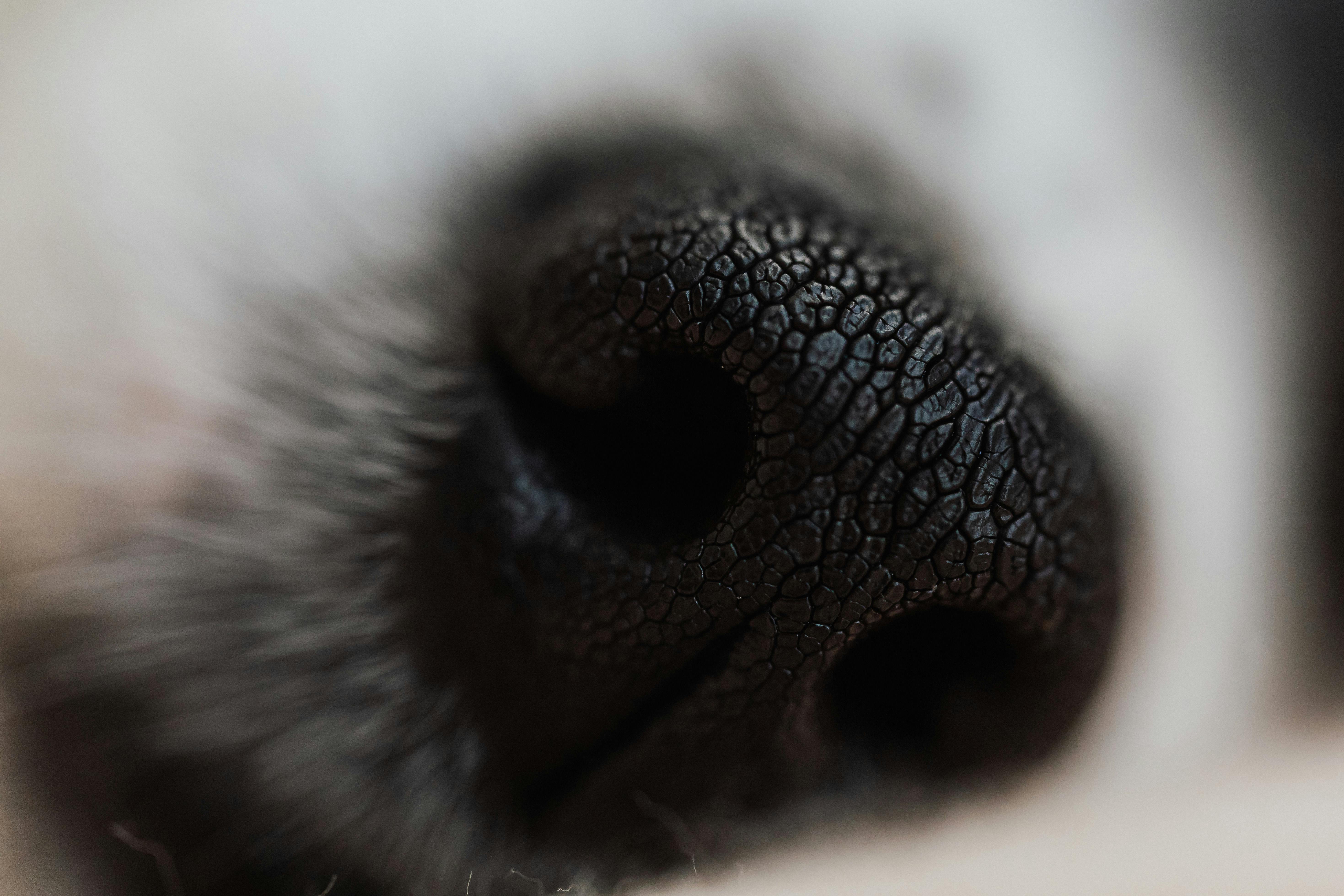 \n\n
\n\nDogs are incredible creatures with a whole bunch of fascinating traits that make them unique. One of the most interesting features they have is their wet noses. Ever wonder why do dogs have wet noses? This seemingly simple characteristic plays a crucial role in how dogs perceive the world around them. Let’s dive into the science behind their moist snouts, uncovering a secret superpower that helps them navigate their environment.
\nThe Science of a Wet Nose
\nA dog’s nose serves more than just a cute appearance; it’s an essential tool for sensing. When we talk about why do dogs have wet noses, we must understand how their sense of smell works. Dogs have an extraordinary olfactory system that allows them to detect scents at much higher levels than humans. In fact, dog's noses contain up to 300 million scent receptors, compared to a human’s mere 5 million. This makes their sense of smell about 40 times better than ours!
\nBut what does moisture have to do with all that? Well, the wetness of a dog’s nose actually enhances their ability to smell. Here’s how:
\n- \n
- Increased Surface Area: A wet nose provides a larger surface area for scent particles to adhere to. This means they can pick up more scents. \n
- Chemical Detection: Moisture helps trap scent molecules, allowing dogs to better identify and analyze different smells. \n
- Thermoregulation: A wet nose also helps regulate a dog’s body temperature, which is another reason for its moisture. \n
How Dogs Use Their Noses
\nDogs rely heavily on their noses for various tasks. Here’s some common ways they utilize their sense of smell:
\n- \n
- Hunting: Many breeds, like Bloodhounds and Beagles, are famous for their tracking capabilities. They can follow trails that are days old! \n
- Detecting Emotions: Dogs can sniff out human emotions such as fear or stress. They can sense chemical changes in our bodies that occur during these feelings. \n
- Medical Detection: Some dogs are trained to detect illnesses like cancer or diabetes by smelling changes in a person's body chemistry. \n
- Finding Lost Items: With their powerful noses, dogs can locate lost keys or even people! \n
Interesting Facts About Dog Noses
\n- \n
- Color Variation: The color of a dog's nose can vary widely among breeds. Some have black noses, while others may have brown or even spotted noses. \n
- Nose Prints: Just like human fingerprints, each dog has a unique nose print that can be used for identification. \n
- Temperature Regulation: Dogs sweat through their noses and paw pads, which helps them cool down. \n
Historical Context
\nDogs have been companions to humans for thousands of years. Their sense of smell was honed through generations of breeding for specific tasks like hunting, herding, and guarding. Ancient civilizations recognized the importance of a dog’s nose, and they often trained dogs for various purposes, which included finding food or even detecting intruders.
\nWhy Do Dogs Have Wet Noses?
\nHere’s a quick summary of the reasons behind the wet noses:
\n- \n
- Enhanced Scent Detection: Moisture captures scent molecules effectively. \n
- Temperature Regulation: Helps maintain a balanced body temperature. \n
- Communication: Dogs use their noses to gather information about other animals and humans. \n
Fun Comparisons
\nWhen thinking about dogs’ noses, it can be helpful to compare them to our own sense of smell. For example, while humans can detect about 10,000 different scents, dogs can recognize up to 100,000. That’s a massive difference!
\n| Feature | \nHumans | \nDogs | \n
|---|---|---|
| Scent Receptors | \n5 million | \n300 million | \n
| Scent Detection Range | \nLimited | \nExtensive | \n
| Unique Identifiers | \nLimited to fingerprints | \nUnique nose prints | \n
Practical Examples
\nImagine going for a walk with your dog. While you might only notice the sights and sounds, your dog is taking in the world through an entirely different lens. They can smell a neighbor’s dinner cooking miles away, detect another dog's presence long before you see them, and even understand your mood based on the pheromones you’re giving off.
\nNow that we know why do dogs have wet noses, it's easy to see just how special these furry friends are. Their ability to sense the world around them is a marvel, and the wet nose is a key part of that. Embracing this unique characteristic gives us a deeper appreciation for our canine companions and their remarkable talents. Whether they’re sniffing out treats or helping us through tough times, dogs continue to show us just how extraordinary they really are!
\n\nDebunking Myths: What Your Dog’s Wet Nose Really Tells You About Their Health
\n\n \n\n
\n\nWhen you think about dogs, one of the first things that comes to mind is probably their wet noses. But what does that really means? Many people have heard that a wet nose indicates a healthy dog, while a dry nose often signals illness. But is that true? Let’s dive into the science behind why do dogs have wet noses and debunk some myths along the way.
\nWhy Do Dogs Have Wet Noses?
\nDogs' noses are wet for several reasons, and it ain't just a random quirk. Here’s some insights into why they are that way:
\n- \n
- Cooling Mechanism: Dogs don’t sweat like humans does. Instead, they rely on their noses to help regulate their body temperature. The moisture on their noses evaporates, which helps them cool down. \n
- Sense of Smell: Their wet noses actually enhances their sense of smell. The moisture helps to capture scent particles, making it easier for them to detect the odors in their environment. \n
- Health Indicator: While a wet nose is often seen as a sign of good health, it’s not the sole indicator. A dog can have a wet nose and still be sick. Factors like humidity and temperature can also affect nose wetness. \n
Common Myths About Dog Noses
\nThere are several myths surrounding dog noses that need to be cleared up. Let’s look at a few of them:
\n- \n
- Myth 1: A Wet Nose Means a Healthy Dog: As mentioned before, this isn’t always the case. Dogs can be sick with a wet nose, so it’s important to look at other symptoms as well. \n
- Myth 2: A Dry Nose Equals Illness: While a dry nose can be a sign of dehydration or illness, it can also be caused by environmental factors like heat or dry air. \n
- Myth 3: All Dogs Have Wet Noses: Not all dogs have the same nose moisture levels. Some breeds might have drier noses naturally, and that’s perfectly normal. \n
What Do Different Nose Conditions Mean?
\nUnderstanding the different conditions of a dog’s nose can provide insights into their health. Here’s a quick reference:
\nNose Conditions:
\n- \n
- Wet and Cool: Generally healthy \n
- Wet and Warm: Potential fever or illness \n
- Dry and Cool: Might be normal, but watch for other signs \n
- Dry and Warm: Possible dehydration or illness, should be monitored \n
How to Monitor Your Dog's Nose
\nHere are some practical tips for keeping an eye on your dog’s nose and overall health:
\n- \n
- Check Regularly: Make it a habit to look at your dog’s nose daily, noting any changes in moisture or temperature. \n
- Look for Other Symptoms: Pay attention to your dog’s behavior, appetite, and energy levels. If you notice any drastic changes, consult a vet. \n
- Hydration is Key: Make sure your dog is drinking plenty of water, especially in hot weather. Dehydration can lead to a dry nose. \n
The Fascinating Secret of Dog Noses
\nDogs’ noses are not just adorable; they are also incredibly sensitive and complex. Here’s some fun facts:
\n- \n
- Scent Detection: A dog’s sense of smell is estimated to be around 10,000 to 100,000 times better than that of humans. \n
- Unique Patterns: Just like human fingerprints, each dog has a unique nose print. This could potentially be used for identification. \n
- Health Monitoring: Some studies suggest that changes in the moisture levels or color of a dog’s nose could indicate health issues, making nose checks an important part of pet care. \n
Final Thoughts
\nUnderstanding why do dogs have wet noses can help pet owners better monitor their furry friends’ health. While a wet nose can be a good sign, it’s just one piece of the puzzle. Always pay attention to your dog’s overall behavior and consult with a veterinarian if you have any concerns. Dogs are not only our pets but also our companions, and keeping them healthy is a priority for every pet owner. So, next time you give your dog a pat, take a moment to appreciate their fascinating nose and all its capabilities!
\n\nKeeping Cool: The Surprising Role of a Wet Nose in Dog Temperature Regulation
\n\n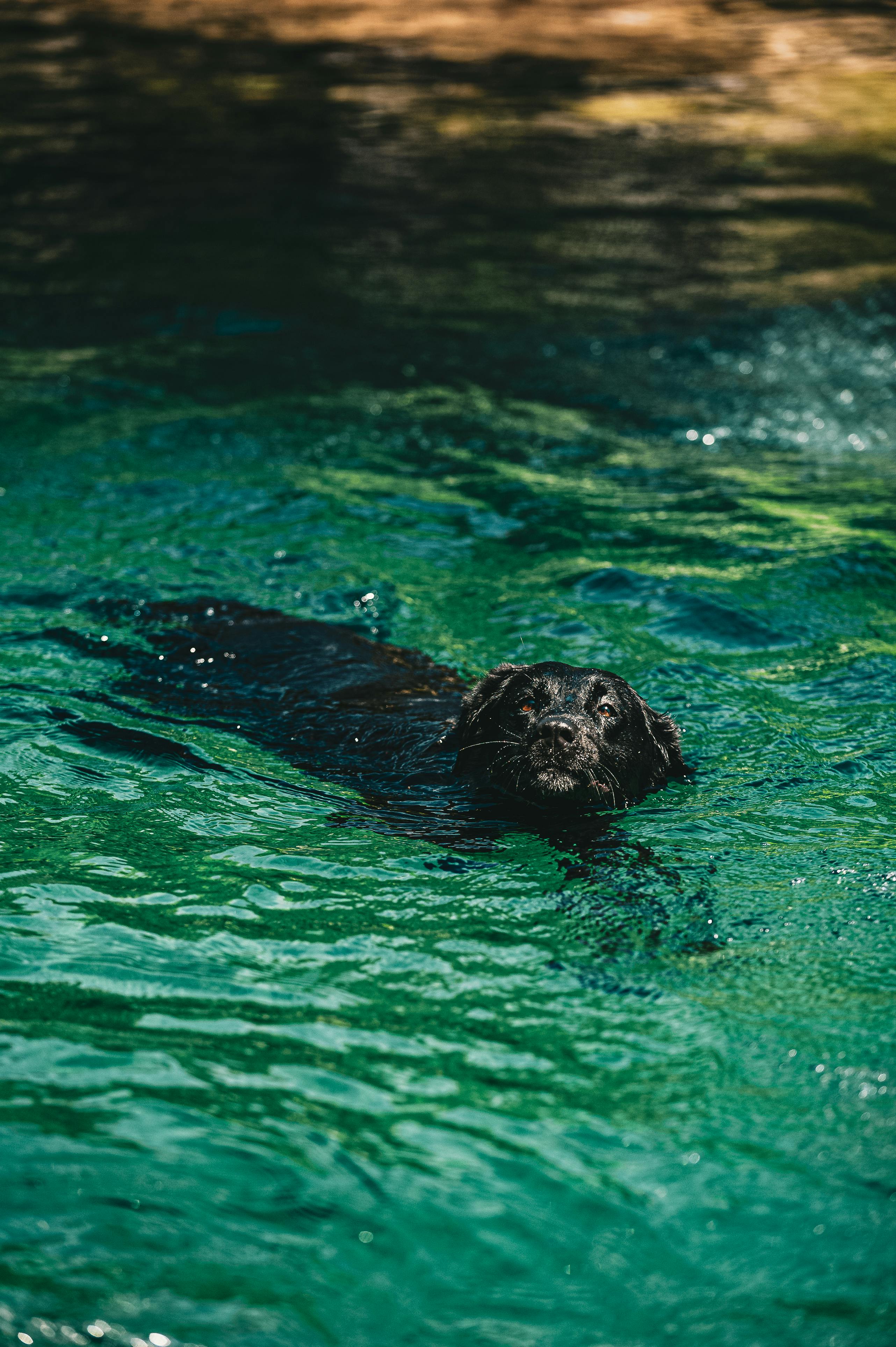 \n\n
\n\nDogs are truly remarkable creatures, and one of the most interesting characteristics they have is their wet noses. Have you ever wondered why do dogs have wet noses? This seemingly simple trait plays a significant role in how dogs regulate their body temperature and interact with the world around them. Keeping cool: the surprising role of a wet nose in dog temperature regulation is a topic worth exploring, so let’s dive into this fascinating secret!
\nThe Science Behind a Wet Nose
\nA dog’s nose is often covered in a thin layer of moisture, which is not just there for looks. This wetness actually helps dogs cool down. When a dog pants, the moisture evaporates from their nose and mouth, which cools their blood vessels. This, in turn, lowers their body temperature. Isn’t that cool?
\nHere are some key points about how a wet nose aids in temperature regulation:
\n- \n
- Evaporation: The moisture on the nose evaporates and helps cool the blood vessels close to the surface. \n
- Heat Dissipation: Dogs don’t sweat like humans do; instead, they rely on their wet noses and panting to regulate heat. \n
- Scent Detection: A wet nose also helps dogs pick up scents more effectively, because moisture enhances the olfactory receptors. \n
Why Is a Wet Nose Important?
\nBeyond temperature regulation, the wetness of a dog’s nose serves several other purposes. For instance, it aids in their sense of smell. Dogs have an extraordinary sense of smell, and the moisture helps trap scent particles, making it easier for them to detect different odors. The anatomy of a dog’s nose is designed for this very function, which is crucial for their survival and communication.
\nHistorical Context of Dog Noses
\nDogs have been domesticated for thousands of years. Ancient civilizations recognized the importance of a dog’s sense of smell, using them for hunting and tracking. The wet nose is a trait that has existed throughout this time and has been essential in how dogs interact with their environment.
\n- \n
- Tracking and Hunting: In ancient times, dogs were used to track game. Their wet noses helped them follow scents over long distances. \n
- Companionship: As dogs became companions, their ability to smell and sense human emotions grew more important. The wet nose became synonymous with affection and loyalty. \n
Fun Facts About Dog Noses
\n- \n
- Unique Patterns: Just like human fingerprints, every dog has a unique nose print. This could be used for identification. \n
- Temperature Indicator: A dog’s nose can change temperature based on their health. A warm, dry nose may indicate illness, while a wet, cool nose is often a sign of a healthy dog. \n
- Nasal Passages: Dogs have much more extensive nasal passages compared to humans. This allows them to detect scents at incredibly low concentrations. \n
Keeping Your Dog Healthy
\nUnderstanding the role of a wet nose in a dog’s overall health is essential for pet owners. Here are some tips to ensure your dog’s nose stays healthy:
\n- \n
- Hydration: Always provide fresh water. Dehydration can lead to a dry nose. \n
- Regular Check-Ups: Routine veterinary visits can help catch any health issues early. \n
- Watch for Changes: If your dog’s nose suddenly becomes dry or warm, it may be time to consult a vet. \n
Remember, a wet nose is generally a sign of a happy and healthy dog.
\nComparing Dogs and Other Animals
\nWhen we look at other animals, we can see differences in how they regulate their body temperatures and their nose characteristics. For instance, cats have dry noses, and they primarily rely on grooming and shade to cool themselves. Here’s a quick comparison:
\n| Animal | \nNose Characteristics | \nTemperature Regulation Method | \n
|---|---|---|
| Dogs | \nWet, cool, unique patterns | \nPanting, wet nose, and drinking water | \n
| Cats | \nDry, warm | \nGrooming, seeking shade | \n
| Horses | \nMoist, varies with activity | \nSweating, seeking shade | \n
| Humans | \nDry, varies with health | \nSweating, regulating through clothing | \n
The Bottom Line
\nThe wet nose of a dog is more than just an adorable feature; it’s a vital part of how they maintain their health and interact with their environment. Understanding why do dogs have wet noses can help owners appreciate their furry friends even more. With a wet nose, dogs not only keep cool but also enhance their remarkable ability to smell and connect with us. So, next time you cuddle with your pup, take a moment to think about this fascinating trait and how it contributes to their overall well-being.
\n\nWet Noses and Emotional Bonds: How Dogs Use Their Senses to Connect with Us
\n\n \n\n
\n\nHave you ever noticed how your dog’s nose feels wet and cool when you give them a pat? You might wonder why do dogs have wet noses? This peculiar feature of our canine companions is not just for show, it plays a crucial role in their ability to connect with us and understand the world around them. Wet noses are one of many fascinating quirks about dogs that showcase their unique biology and deep emotional bonds with humans.
\nThe Science Behind Wet Noses
\nDogs have wet noses primarily for a few important reasons. Firstly, that moisture helps them to sense smells better. Dogs' noses contains a lot of olfactory receptors, and when their noses are moist, it can absorb scent particles more effectively. The wetness helps enhance their sense of smell, which is why they can sniff out things much better than us humans can.
\nHere’s how it works:
\n- \n
- Moisture Absorption: The wet surface captures scent particles from the air, making it easier for dogs to detect various smells. \n
- Cooling Mechanism: Dogs also sweat through their noses, which helps regulate their body temperature, especially since they don’t sweat like humans do. \n
- Communication: A wet nose can also be a sign of a dog’s emotional state. A happy or excited dog often has a wetter nose, which can indicate they are ready to bond and play. \n
Historical Context: Dogs and Humans
\nDogs have been domesticated for thousands of years, and their connection with humans has evolved tremendously. In ancient times, dogs were primarily used for hunting and protection. Over time, they became companions and family members, forming emotional bonds that are still present today.
\nSome interesting historical points:
\n- \n
- Companionship: Dogs were domesticated as early as 14,000 years ago. \n
- Guardianship: Many breeds were specifically bred for guarding livestock and homes. \n
- Working Dogs: Their roles expanded to include herding, rescue, and therapy work, showcasing their emotional intelligence. \n
Why Do Dogs Have Wet Noses? The Fascinating Secret
\nSo, why do dogs have wet noses? The answer is multi-faceted. Besides being essential for their sense of smell, a dog’s wet nose plays a role in their emotional connection with humans. When a dog nudges you with their wet nose, it’s often their way of seeking attention or affection. They have an incredible ability to sense human emotions and can detect pheromones and changes in your body language.
\nThe Emotional Bond
\nDogs are known for their ability to connect emotionally with their human companions. The warmth of a dog’s wet nose can bring comfort and joy to many people. Here are some ways they communicate their feelings:
\n- \n
- Affection: A gentle nudge or a wet kiss often shows love and affection. \n
- Attention Seeking: If your dog licks your face or nudges you with their nose when you seem upset, it’s likely they are trying to comfort you. \n
- Excitement: A happy dog may wag its tail and have a wet nose ready to greet you when you come home. \n
Fun Facts About Dog Noses
\n- \n
- Unique Patterns: Just like human fingerprints, every dog has a unique nose print. \n
- Sense of Smell: Dogs have about 220 million olfactory receptors, compared to a human's 5 million. \n
- Nose Temperature: A dog’s nose can change temperature; a warm nose might indicate illness, while a cool, wet nose is usually a sign of good health. \n
Practical Insights for Dog Owners
\nUnderstanding why dogs have wet noses and their emotional significance can enhance the bond between you and your furry friend. Here are some practical tips for dog owners:
\n- \n
- Regular Vet Check-ups: Keep an eye on your dog's nose; sudden changes can indicate health issues. \n
- Interactive Play: Engage in activities that stimulate their sense of smell, like hide-and-seek with treats. \n
- Positive Reinforcement: Always reward your dog for good behavior with affection; this strengthens your emotional bond. \n
In conclusion, the wet noses of dogs are not just a quirky physical feature; they are a window into their emotional world and a means of connecting with us humans. Understanding this can deepen the relationship you have with your canine companion, making your time together even more rewarding. So next time your furry friend greets you with that cool, wet nose, remember, it’s their way of saying “I’m here for you!”
\n\nIs Your Dog’s Nose Too Wet? 7 Signs of Health Issues You Shouldn't Ignore
\n\n \n\n
\n\nIs your dog's nose too wet? This is a question many dog owners ask themselves. Wet noses are often assumed to be a sign of a healthy pup, but what if there's more to it? In this article, we will explore the reasons behind a dog's wet nose, the signs that might indicate health issues, and what to do if you notice anything unusual.
\nWhy Do Dogs Have Wet Noses?
\nDogs have wet noses for a few reasons, and it's kinda fascinating. A wet nose helps them smell better. The moisture in their nose captures scent particles, making it easier for them to detect different smells. This is super important for dogs since they rely on their sense of smell for communication and navigation.
\nAlso, wet noses are sorta like a natural air conditioning system. When a dog pants, the moisture on their nose helps cool them down. This is why you often see dogs with a wet nose after they’ve been playing outside or running around.
\n7 Signs of Health Issues You Shouldn't Ignore
\nWhile a wet nose is usually a good sign, there are times when it could indicate something wrong. Here are some signs to watch out for:
\n- \n
- \n
Dry Nose: If your dog's nose is unusually dry and cracked, it may signal dehydration or illness. A healthy dog generally has a moist nose.
\n \n - \n
Discharge: Clear or colored discharge from the nose could be a sign of allergies, infections, or even a cold. Any unusual discharge should be checked by a vet.
\n \n - \n
Change in Temperature: If your dog’s nose is hot and dry, it might be a sign of fever. A healthy dog’s nose is usually cool and wet.
\n \n - \n
Nose Bleeds: If you notice blood coming from the nose, it could be due to trauma or other serious health issues. This shouldn't be taken lightly.
\n \n - \n
Swelling: Swelling around the nose can indicate an allergic reaction, injury, or infection. It's best to get this checked out.
\n \n - \n
Behavioral Changes: If your dog is lethargic, not eating, or shows signs of discomfort, these could be indications of health problems, regardless of the nose condition.
\n \n - \n
Persistent Coughing or Sneezing: If your dog is coughing or sneezing frequently, it could be a sign of respiratory issues that may be linked to their nasal health.
\n \n
What to Do If You Notice These Signs
\nIf you observe any of these signs, it’s important to take action. Here’s what you can do:
\n- \n
- \n
Schedule a Vet Visit: Don’t wait! Get your pup checked out by a veterinarian. Early diagnosis can be crucial.
\n \n - \n
Monitor Hydration: Make sure your dog is drinking enough water. Dehydration can lead to more serious issues.
\n \n - \n
Look for Other Symptoms: Keep an eye out for any other symptoms like vomiting or diarrhea. This can help your vet in diagnosing.
\n \n - \n
Keep a Record: Noting any changes in your dog’s behavior or health can provide valuable information to your vet.
\n \n - \n
Avoid Self-Diagnosis: Don’t rely on online searches alone. Every dog is different, and only a vet can provide a proper diagnosis.
\n \n
The Fascinating Secret of Dog Noses
\nHave you ever wondered just how sensitive a dog's nose is? Dog noses can detect certain smells up to 100,000 times better than humans can. This is due to the unique structure of their noses, which contain more olfactory receptors than ours. It's estimated that dogs have around 300 million olfactory receptors compared to our 5 million. This is why dogs are often used in search and rescue operations, as well as detection tasks like finding drugs or explosives.
\nFun Facts About Dog Noses
\n- \n
- Dogs have a unique nose print, similar to a human fingerprint, which can be used for identification. \n
- The color of a dog's nose can change depending on their mood or temperature. \n
- Some breeds, like Bloodhounds, have an incredible sense of smell and can track scents that are days old! \n
In conclusion, understanding your dog’s nose can give you insight into their overall health. While a wet nose is often a good sign, keeping an eye out for any changes is essential. If you have concerns about your dog's health, don't hesitate to reach out to a veterinarian. They can provide guidance and help ensure your furry friend stays happy and healthy.
\n\nThe Evolutionary Advantage of Wet Noses: How It Benefits Survival in the Wild
\n\n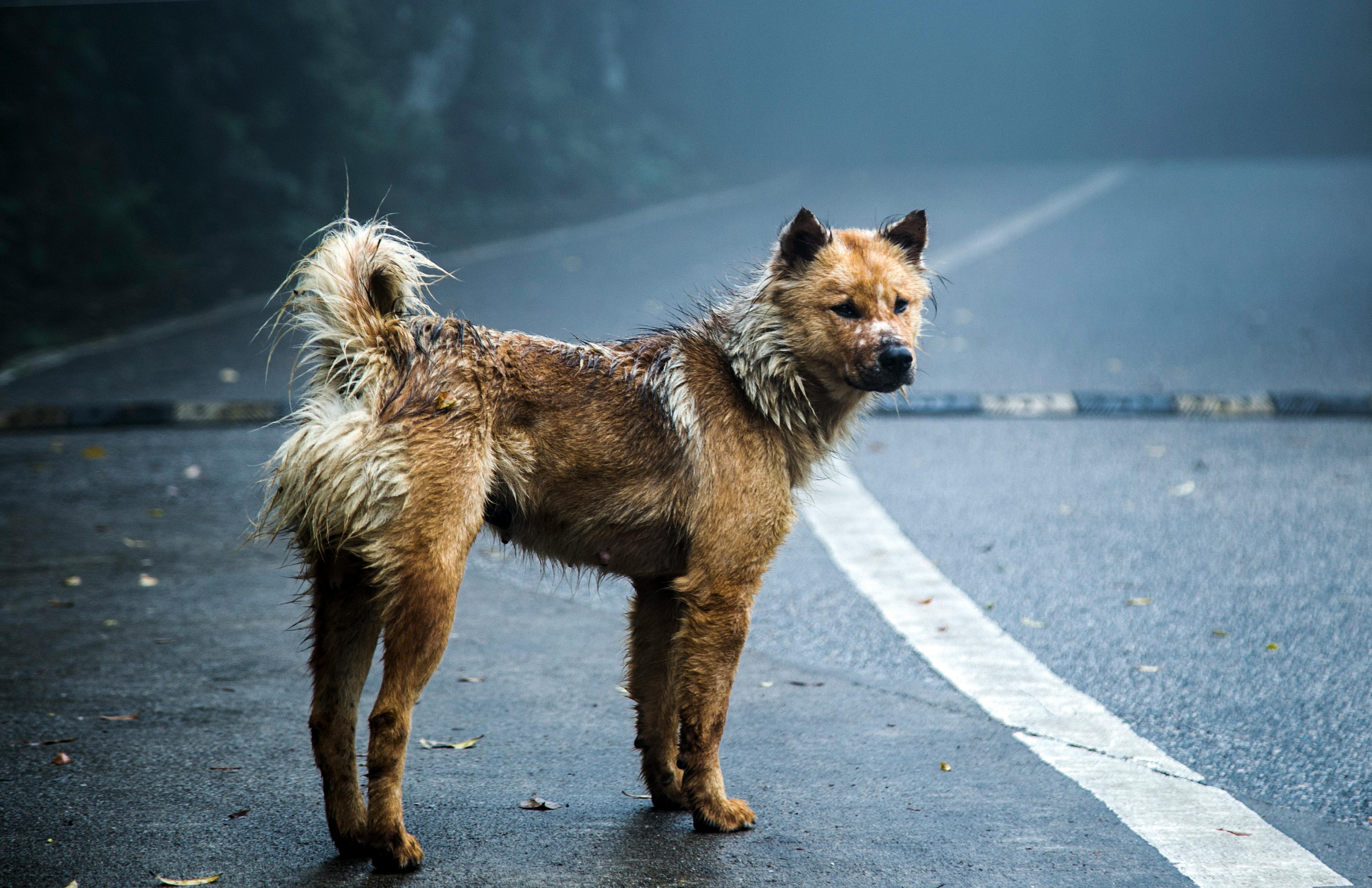 \n\n
\n\nDogs are known for many things, but one of the most peculiar and fascinating features of them is their wet noses. Ever wonder why do dogs have wet noses? It's not just a quirk of nature; it’s an evolutionary advantage that has helped them survive in the wild. This article dive into the science behind those moist snouts and reveal their significance in a dog’s life.
\nThe Science Behind Wet Noses
\nWet noses in dogs serve multiple crucial purposes. The moisture helps enhance their sense of smell, which is incredibly important for dogs as they rely heavily on scent for communication and survival. The wetness on their noses is mostly due to a thin layer of mucus, which helps capture scent particles in the air.
\nHere are some key points about wet noses:
\n- \n
- Enhanced Olfactory Function: The moisture traps scent particles, making it easier for dogs to detect odors. \n
- Temperature Regulation: Dogs can’t sweat like humans do. Their noses help them cool down by evaporating the moisture. \n
- Health Indicator: A wet nose can indicate a healthy dog, while a dry nose might signal dehydration or illness. \n
Historical Context of Dogs’ Noses
\nDogs have evolved from wolves, which also have wet noses. Early canines needed to hunt and communicate effectively in the wild. Over time, dogs adapted their hunting techniques and social behaviors, but their wet noses remained a crucial part of their evolutionary toolkit.
\n- \n
- Wolves: They use their wet noses to track prey and communicate with pack members. \n
- Domestication: As dogs transitioned from wild animals to companions, their noses remained sensitive, allowing them to engage with humans and their environment effectively. \n
Fascinating Facts About Dogs' Noses
\n- \n
- Scent Detection: Dogs have up to 300 million smell receptors, compared to a human's 5 million. This allows them to detect scents at incredibly low concentrations. \n
- Nose Prints: Just like fingerprints in humans, each dog has a unique nose print that can be used for identification. \n
- Temperature Sensitivity: The moisture in a dog's nose helps them sense temperature changes in their environment, which can be critical for survival. \n
- Communication Tool: Dogs often use their noses to communicate with each other. Sniffing is a form of greeting and social interaction among dogs. \n
Why Do Dogs Have Wet Noses? The Benefits Explained
\nThe evolutionary advantages of having wet noses are numerous. Here are some of them:
\n- \n
- Survival Skills: In the wild, a dog’s ability to smell food or danger is vital. Wet noses enhance this ability, directly impacting their survival rate. \n
- Social Interaction: Dogs that can communicate through scent are often more successful in forming bonds with their pack, whether they’re in the wild or living with humans. \n
- Health Benefits: A well-hydrated nose helps dogs detect illness in themselves and other animals, as changes in scent can indicate health issues. \n
Comparisons with Other Animals
\nDogs are not the only animals with wet noses. Here are some comparisons with other species:
\n| Animal | \nNose Type | \nAdvantages | \n
|---|---|---|
| Dogs | \nWet nose | \nEnhanced smell, communication | \n
| Cats | \nDry nose | \nLess reliance on smell for survival | \n
| Pigs | \nWet nose | \nExcellent sense of smell, foraging | \n
| Cows | \nWet nose | \nGrazing and social interactions | \n
Practical Examples of Wet Noses at Work
\n- \n
- Search and Rescue: Dogs are trained to use their noses to find missing persons or detect substances like drugs or explosives. \n
- Medical Detection: Some dogs can detect certain diseases in humans, including diabetes and cancer, simply by smelling changes in body chemistry. \n
- Behavioral Analysis: Dogs’ noses help them understand human emotions. They can often sense when a person is sad or happy based on scent changes. \n
Dogs’ wet noses are more than just adorable; they hold significant evolutionary advantages that have allowed these animals to thrive in the wild and adapt to living alongside humans. Understanding why do dogs have wet noses isn't just about biology; it’s about appreciating how these animals have evolved and what makes them such wonderful companions. So next time you see a dog with a wet nose, remember, it’s one of nature’s many clever adaptations that aid their survival and enrich their interactions with us all.
\n\nWhy Do Puppies Have Wet Noses? Discover the Developmental Secrets of Canines
\n\n \n\n
\n\nDogs are some of the most beloved creatures on the planet, and one of the most interesting things about them is their wet noses. Many people wonder why do puppies have wet noses, and it turns out this feature isn’t just adorable but has several important functions. In this article, we will explore the fascinating secrets behind the wet noses of canines.
\nThe Science Behind Wet Noses
\nWet noses in dogs serve a practical purpose. Firstly, the moisture helps to enhance their sense of smell. Dogs possess an extraordinary olfactory system that’s 10,000 to 100,000 times more sensitive than humans. A wet nose can trap scent particles more effectively, which helps dogs to gather information about their surroundings.
\n- \n
- Enhanced Smell: The wetness on their noses captures scent molecules from the air. \n
- Temperature Regulation: Dogs don’t sweat like humans, so they lose heat through their noses. \n
- Communication: Dogs use their noses to gather information from other dogs and their environment. \n
Developmental Stages of a Puppy’s Nose
\nPuppies are born with closed eyes and ears, but their noses start to develop shortly after birth. Here’s a brief outline of how a puppy’s nose develops:
\n- \n
- Newborn Stage: Puppies are born with a cold and wet nose, which helps them find their mother for feeding. \n
- Growth Stage: As they grow, their sense of smell improves, and noses become more prominent. \n
- Adult Stage: By the time they reach maturity, their noses are fully developed, which can vary between breeds. \n
Historical Context
\nThe wet nose isn’t just a modern-day trait; it has roots in the evolutionary history of dogs. Early domesticated canines likely developed this trait to improve their hunting skills. Wolves, the ancestors of modern dogs, had wet noses for the same reason—to maximize their sense of smell while tracking prey. This feature has been passed down through generations, highlighting the adaptability of dogs in various environments.
\nWhy Do Dogs Have Wet Noses? Not Just for Smell!
\nWhile smell is the most well-known reason for a wet nose, it's not the only one. Here’s a list of other reasons:
\n- \n
- Cooling Mechanism: Dogs have sweat glands, but they are mostly located in their paw pads. A wet nose helps in cooling them down. \n
- Health Indicator: A healthy dog typically has a moist nose. If a dog’s nose becomes dry or cracked, it may signal health issues. \n
- Behavioral Signaling: A wet nose can also be a sign of affection. When dogs nuzzle against you, they might be trying to show love, and their wet noses are part of that communication. \n
Comparisons with Other Animals
\nDogs aren’t the only animals with wet noses. Other mammals also exhibit similar traits, though for different reasons. Here’s how dogs stack up against other common pets:
\n| Animal | \nNose Type | \nPurpose | \n
|---|---|---|
| Dogs | \nWet | \nSmell, cooling, communication | \n
| Cats | \nWet | \nSmell, temperature regulation | \n
| Pigs | \nWet | \nEnhanced smell for foraging | \n
| Cows | \nDry | \nLess reliance on smell, grazing | \n
Practical Examples of Nose Functionality
\nIf you've ever watched your dog sniff around, you may have noticed how they interact with their environment. Here are some practical examples of how a wet nose benefits dogs:
\n- \n
- Tracking Scents: When a dog follows a trail, their wet nose helps them pick up the scent of other animals or food. \n
- Social Interactions: Dogs often greet each other with nose-to-nose contact, exchanging scents to gather information about each other. \n
- Health Checks: Many dog owners monitor their pet's nose. If it becomes excessively dry, they might consult a vet to ensure their dog is healthy. \n
Interesting Facts About Dog Noses
\n- \n
- Dogs have unique nose prints, much like human fingerprints. \n
- The average dog has about 300 million scent receptors in their noses. \n
- Some breeds, like Bloodhounds, have an exceptional sense of smell and can track scents that are days old. \n
Wet noses are not just a cute trait but a fundamental aspect of a dog's biology and behavior. Understanding why do puppies have wet noses helps us appreciate these remarkable animals even more. Next time you get a wet-nosed kiss from your furry friend, remember that it’s not just a sign of affection; it’s a vital part of what makes dogs unique.
\n\nFrom Dogs to Wolves: The Evolution of Wet Noses in Canine Ancestry Explained
\n\n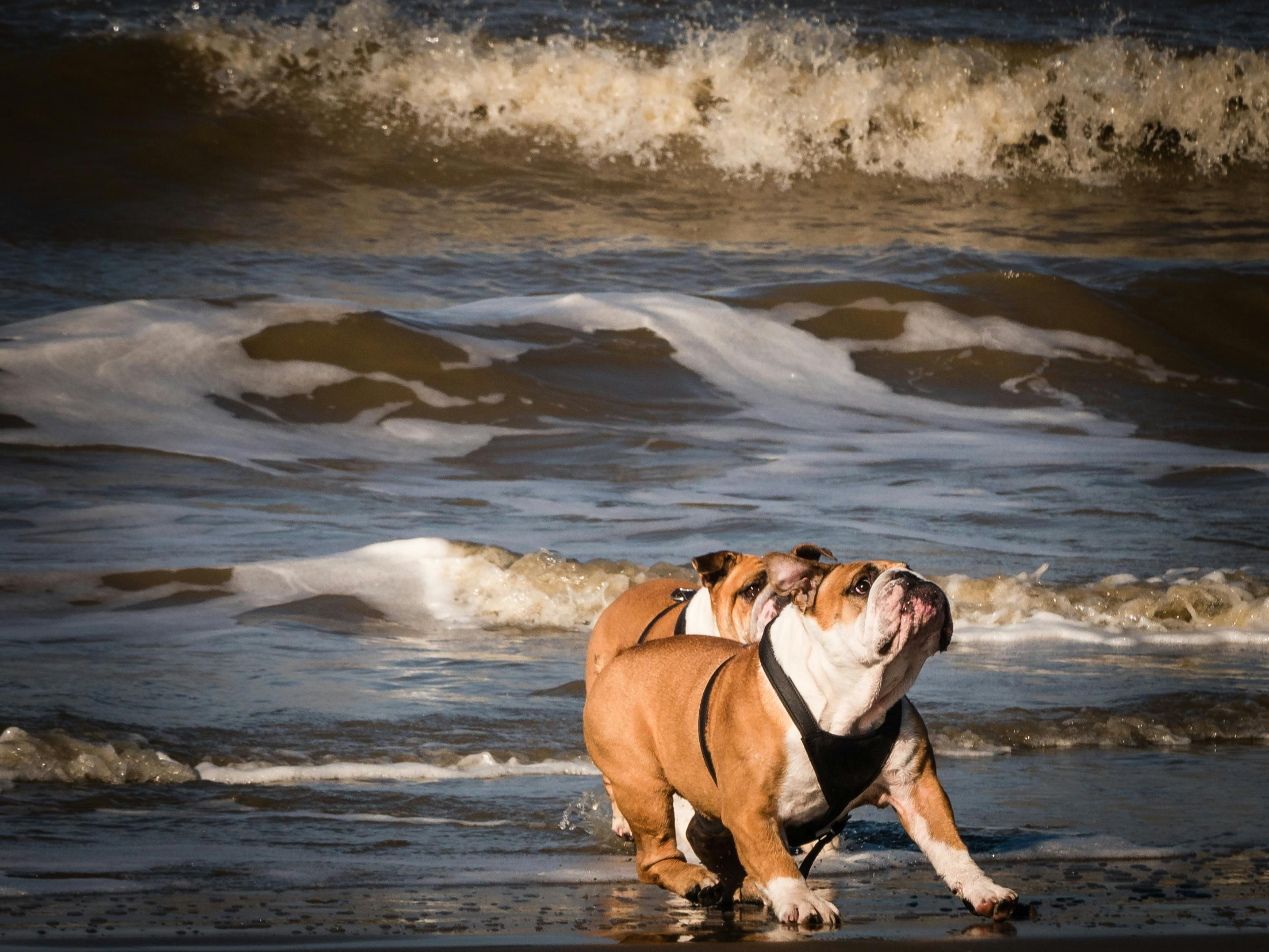 \n\n
\n\nDogs are known for many things, but one of their most fascinating features is their wet noses. Have you ever wonder why dogs have wet noses? It’s not just for show; it’s part of their evolution and survival. From dogs to wolves, the journey of their wet noses is pretty interesting. Let’s dive into this topic and uncover the secrets behind those damp snouts.
\nThe Evolutionary Background of Canine Noses
\nCanines, including dogs, evolved from a common ancestor that roamed the Earth millions of years ago. The ancestors of modern dogs were hunters, and their survival depended on their ability to track down prey. Wet noses played a crucial role in this process. Here’s how:
\n- \n
- Enhanced Smell: A wet nose helps to capture scent particles in the air. When the nose is moist, it can absorb more scent molecules, which allows dogs to smell better than humans. \n
- Temperature Regulation: Dogs do not sweat like humans do. Their wet noses help to cool them down. The moisture on their noses evaporates, which helps regulate their body temperature. \n
- Social Interactions: Dogs use their noses to communicate with each other and with humans. A wet nose can be more inviting and friendly, making social interactions smoother. \n
The Science Behind Wet Noses
\nEver stop to wonder about the science of dog noses? They are pretty amazing. Here are some key points:
\n- \n
- Structure: Dog noses have a complex structure with a large number of olfactory receptors. Depending on the breed, dogs can have anywhere from 20 to 300 million olfactory receptors, compared to humans who only have about 5 million. \n
- Scent Memory: Dogs can remember scents for a long time. This ability helps them navigate their environment and find their way home or locate lost items. \n
- Moisture: The moisture on a dog’s nose is produced by glands in the skin. This helps to enhance their sense of smell. If a dog’s nose is dry, it could indicate health issues, but it’s not always a cause for concern. \n
Why Does Nose Wetness Matter?
\nWet noses are not just a cute feature; they serve essential functions in a dog’s life. Here’s a list of reasons why wet noses is important:
\n- \n
- Detection of Pheromones: Dogs can detect pheromones – chemical signals that convey information – with greater efficiency when their noses are moist. \n
- Hunting and Tracking: Moist noses are vital for hunting. They help dogs track scents over long distances, which is why they are used in search and rescue operations. \n
- Health Indicators: A dog’s nose can serve as an indicator of their health. A significant change in moisture levels can signal illness or dehydration. \n
Common Myths About Dog Noses
\nThere are several myths about dogs and their noses that just aren’t true. Here are some common misconceptions:
\n- \n
- A Dry Nose Means a Sick Dog: While a dry nose can sometimes indicate illness, it’s not a definitive sign. Many factors can affect nose moisture, including weather and activity levels. \n
- Dogs Only Use Their Noses to Smell: Dogs actually use their noses for more than just smelling. They often explore their environment through touch and taste as well. \n
- All Dog Noses are Cold: Not all dog noses are the same temperature. Some may feel warm, especially if the dog has been resting or if they have been active. \n
Fun Facts About Dog Noses
\n- \n
- Dogs have unique nose prints, much like human fingerprints. Each dog’s nose has a distinct pattern of ridges and creases. \n
- They can detect certain scents at incredibly low concentrations, even as low as one part per trillion. \n
- Studies show that dogs can even detect diseases such as cancer and diabetes through their sense of smell. \n
Understanding why dogs have wet noses gives us a deeper appreciation for our furry friends. Their noses not only help them navigate the world but also connect with us in ways we may not fully understand. So the next time you see your dog with a wet nose, remember it’s not just a cute trait – it’s a vital part of who they are. Dogs are truly amazing creatures, and their noses are a testament to their evolutionary journey from wolves to the beloved companions we know today.
\n\nConclusion
\n\nIn conclusion, the wet noses of dogs serve several important functions that contribute to their health and communication. The moisture on a dog's nose enhances their sense of smell, allowing them to gather more scent particles, which is vital for their navigation and interaction with the world. Additionally, a moist nose helps regulate body temperature, acting as a natural cooling mechanism. While variations in wetness can indicate a dog’s health status, it's essential for pet owners to monitor any significant changes. Understanding the science behind this fascinating feature not only deepens our appreciation for our furry friends but also encourages responsible pet care. So the next time you give your dog a gentle pat on the head, take a moment to appreciate their unique wet nose and the incredible abilities it represents. Keep learning about your dog's needs and behaviors—your bond will only grow stronger!
\n\n