Have you ever wondered, why do dogs have wet noses? This intriguing question not only sparks curiosity but also uncovers fascinating secrets about our furry friends. A dog's nose is not just an adorable feature; it's a powerful tool that plays a crucial role in their health and communication. But what makes their noses so wet? Is it just a quirky trait, or does it serve a greater purpose? In this article, we'll dive deep into the science behind dog noses, exploring their unique anatomy and the important functions they perform. From detecting scents to regulating body temperature, the wetness of a dog's nose is packed with meaning. Are you ready to discover why your pup's sniffing habit is more than just a cute quirk? Join us as we unravel this fascinating secret and learn how a simple wet nose can tell you so much about your canine companion's well-being. Don't miss out on understanding the mysteries of dog noses—it's a topic that every dog lover should know!
\n\nThe Science Behind Dog Nose Moisture: Why Do Dogs Have Wet Noses?
\n\n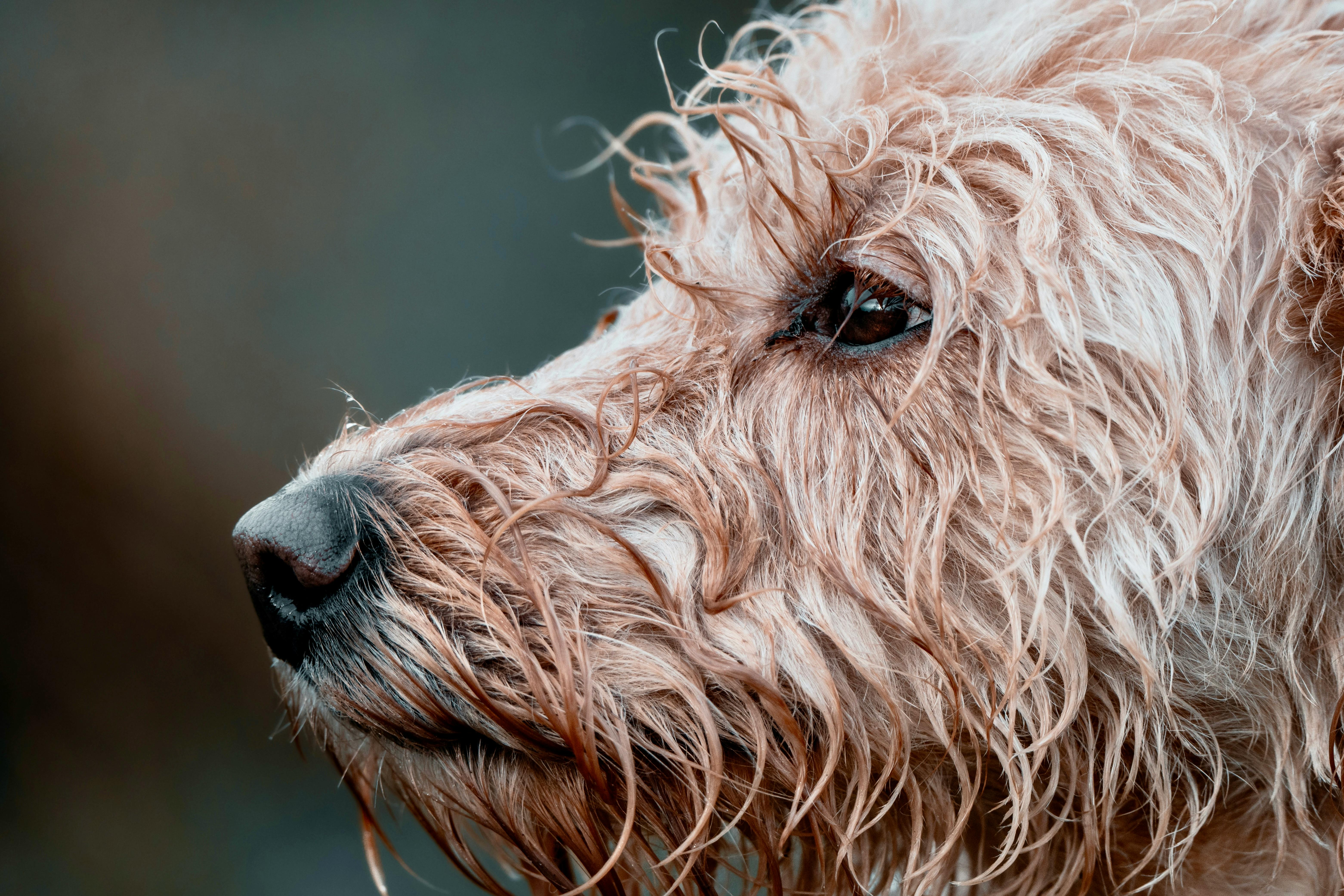 \n\n
\n\nHave you ever wonder why dogs have wet noses? It’s a question that many people ask, and the answer is as fascinating as the dogs themselves. Dogs' noses are not just cute and wet for no reason; there’s actual science behind it! So, let’s dive into the reasons behind that delightful moisture and what it means for our furry friends.
\nThe Anatomy of a Dog's Nose
\nFirst off, a dog’s nose is made up of a complex structure that includes various types of tissues. The surface of a dog's nose has a thin layer of skin that is often moist. The moisture comes from several glands located in and around the nose. Unlike humans, who have dry skin in many areas, dogs have a different setup that allows their noses to stay wet.
\n- \n
- Types of tissues:
- \n
- Epithelial tissue: Covers the nose. \n
- Glandular tissue: Produces the moisture. \n
- Nerve endings: Help with their sense of smell. \n
\n
Dogs have around 300 million olfactory receptors in their noses, compared to about 5 million in humans. That’s why dogs seem to be always sniffing around!
\nWhy Do Dogs Have Wet Noses?
\nNow let’s get to the main question, why do dogs have wet noses? The moisture serves several important functions:
\n- \n
- \n
Enhanced Sense of Smell: The wetness helps to trap scent particles, allowing dogs to pick up odors more effectively. A moist nose can absorb scent molecules better than a dry one. It's like having a sponge that soaks up more water!
\n \n - \n
Temperature Regulation: Dogs can’t sweat like humans do. Their primary method of cooling down is through panting, but having a wet nose also helps to regulate their body temperature. The moisture evaporates and cools the blood vessels near the nose.
\n \n - \n
Health Indicator: A wet nose is often a sign of a healthy dog. If a dog’s nose is excessively dry or cracked, it might indicate dehydration or illness. However, it’s important to note that a wet nose alone doesn’t guarantee good health.
\n \n
Historical Context of Dog Nose Moisture
\nHistorically, dogs had wet noses for evolutionary reasons. Wet noses were advantageous for survival, allowing them to hunt and gather food more efficiently. Over time, those traits were passed down through generations.
\n- \n
- Evolutionary Benefits:
- \n
- Improved hunting success due to better sense of smell. \n
- Enhanced communication with other dogs through scent. \n
\n
Comparisons Between Dog Noses and Human Noses
\nThe differences between dog noses and human noses are fascinating. Here’s a quick comparison:
\n| Feature | \nDog Nose | \nHuman Nose | \n
|---|---|---|
| Moisture | \nAlways moist | \nUsually dry | \n
| Receptors | \n300 million | \n5 million | \n
| Sense of smell | \nHighly developed | \nLess developed | \n
| Cooling method | \nEvaporation from nose | \nSweating from skin | \n
Fun Facts About Dog Noses
\n- \n
- Dogs can actually recognize their owner’s scent, even if they haven't seen them for a long time. The wet nose helps with this recognition. \n
- Different dog breeds have distinct nose shapes and sizes, which can influence their smelling abilities. \n
- Dogs often lick their noses to keep them moist, this is a natural behavior. \n
Practical Examples of Nose Moisture in Action
\nNext time you see your dog sniffing around, remember that their wet nose is working hard! For instance:
\n- \n
- When a dog is on a hunt, their wet nose helps them pick up trails left by animals. \n
- A dog may sniff the ground after it rains, as the moisture brings out scents that are usually masked by dry conditions. \n
What to Watch For
\nAs a dog owner, being aware of your dog’s nose condition can help you keep them healthy. Here are some signs to look out for:
\n- \n
- Excessive dryness: Could indicate dehydration. \n
- Crusting or bleeding: Might be a sign of a more serious condition. \n
- Change in temperature: A significantly warm nose could indicate fever. \n
So, the next time you ponder about why do dogs have wet noses, remember the science behind it! Their moist noses are not just charming; they are vital tools that enhance their ability to interact with the world around them.
\nUnderstanding this fascinating secret not only enriches your knowledge but also strengthens the bond you share with your canine companion. Keep an eye on that adorable nose; it’s a little wonder in its own right!
\n\n5 Amazing Reasons Your Dog’s Wet Nose Is More Than Just Cute
\n\n \n\n
\n\nHave you ever found yourself wondering why do dogs have wet noses? It’s one of those cutesy features that make them more adorable, but there’s way more to it than just looks. In fact, your furry friend’s damp snout holds a treasure trove of fascinating secrets about their health, behavior, and even evolution. Let’s dive into the five amazing reasons your dog’s wet nose is more than just cute.
\n1. Natural Thermoregulation
\nDogs are known for panting to regulate their body temperature, but their noses also play a crucial role in keeping them cool. The moisture on a dog’s nose helps them to dissipate heat. When the air is drawn in through the nose, it cools down the blood vessels close to the surface. This process is vital, especially on hot days.
\n- \n
- How It Works: The moisture evaporates, cooling the blood that is circulating through the snout. \n
- Why It Matters: This helps prevent overheating, making it essential for active pups or those living in warmer climates. \n
2. Enhanced Sense of Smell
\nOne of the most incredible aspects of a dog’s anatomy is their sense of smell. A wet nose helps improve this sense. But how?
\n- \n
- Moisture Trap: The wetness allows scent molecules to adhere better. When a dog sniffs, these molecules get trapped in the moisture, making it easier for their olfactory receptors to detect and analyze smells. \n
- Scientific Facts: Studies show that dogs have up to 300 million smell receptors, compared to about 6 million in humans. This makes them super sniffers! \n
3. Health Indicator
\nA dog’s nose can indicate their overall health. A healthy dog generally has a moist, cool nose. On the other hand, a dry, cracked, or excessively warm nose may signal a health problem.
\n- \n
- Things to Watch For:
- \n
- Dryness \n
- Crustiness \n
- Excessive heat \n
- Discharge or bleeding \n
\n
These signs can indicate fever or various illnesses. If you notice any abnormal changes in your dog’s nose, it may be wise to consult a vet.
\n4. Communication Tool
\nDogs are social creatures, and their noses play a significant role in their social interactions. They often use their noses to gather information about other dogs and even humans.
\n- \n
- Scent Marking: Dogs communicate through scent marking. A wet nose is more effective in picking up scents from their environment, which helps them learn about other animals in the area. \n
- Social Signals: Dogs may nuzzle or nudge with their noses to communicate affection or request attention. That wet nose is often a sign of love and a plea for interaction. \n
5. Evolutionary Advantage
\nDogs evolved from wolves, and their wet noses have provided them with evolutionary benefits.
\n- \n
- Survival Skills: In the wild, the moisture helps them track prey more effectively. A dog with a keen sense of smell can locate food, mates, and avoid predators. \n
- Adaptability: The wet nose also aids in adapting to various environments, allowing dogs to thrive in both hot and cold climates. \n
Quick Facts About Dog Noses
\n- \n
- Dogs have around 18,000 taste buds, making their sense of taste less acute compared to their sense of smell. \n
- The average dog can recognize over 100,000 different scents. \n
- A dog’s nose print is unique, much like a human fingerprint. \n
Fun Comparisons
\n| Feature | \nDogs | \nCats | \n
|---|---|---|
| Sense of Smell | \n300 million receptors | \n50-80 million receptors | \n
| Nose Temperature | \nCooler when healthy | \nVaries, less consistent | \n
| Communication Method | \nScent and nudging | \nBody language and purring | \n
Knowing why do dogs have wet noses can truly enhance your understanding of your beloved pet. It’s not just a cute feature; it serves multiple purposes that contribute to their health, behavior, and survival. So, the next time you give your dog a scratch behind the ears and feel that damp little nose, remember there’s a lot more going on than just a sweet gesture. Embrace the wet-nosed love and appreciate all the incredible traits that make dogs such fascinating companions!
\n\nExploring the Benefits of Wet Noses: What Your Dog’s Nose Reveals About Their Health
\n\n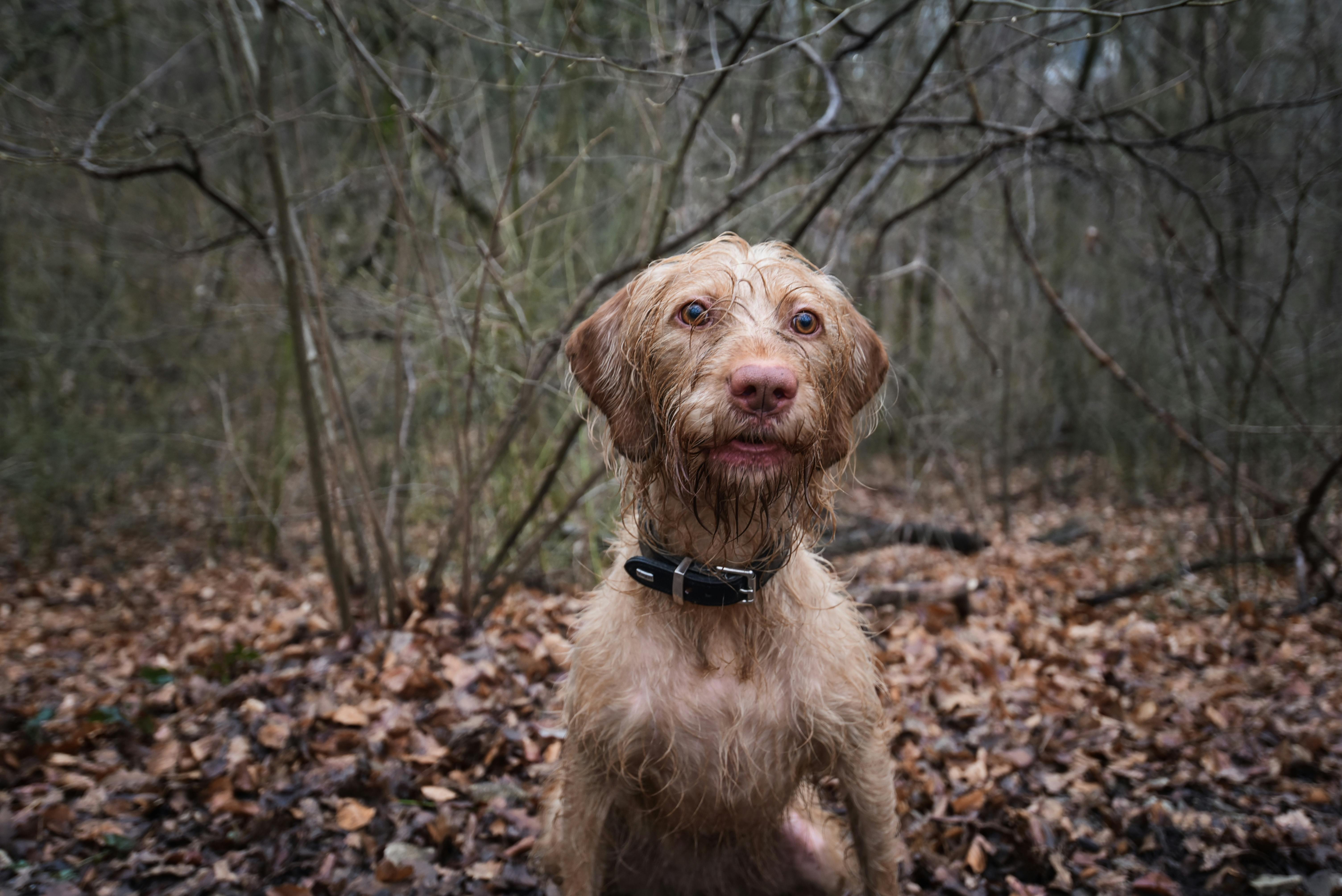 \n\n
\n\nWhen it comes to our furry friends, one of the most adorable and intriguing features of dogs is their wet noses. Have you ever wondered why do dogs have wet noses? It seems like a simple question, but the answer reveals a lot about their health and biology. Let’s dive into the fascinating world of dog noses and explore what those wet noses can tell us about the well-being of our canine companions.
\nThe Science Behind Wet Noses
\nDogs have wet noses for multiple reasons, and it’s not just for show. The moisture on a dog's nose plays a critical role in their sensory experience. Here’s some scientific facts:
\n- \n
- Enhanced Smell: A wet nose helps to capture scent particles from the air, which is why dogs have such an incredible sense of smell. Their noses are packed with olfactory receptors that detect a wide range of smells. \n
- Cooling Mechanism: Dogs don’t sweat like humans do. Instead, they cool down through their noses and paw pads. The moisture on their noses evaporates, helping to regulate their body temperature. \n
- Health Indicator: The condition of a dog’s nose can reveal a lot about their health. A dog with a dry nose might be dehydrated or ill, while a wet nose is typically a sign of a healthy and happy pup. \n
Why Do Dogs Have Wet Noses?
\nSo, why is it that every dog owner has wondered about this? The explanation goes back to evolution. Dogs, like their wild ancestors, have developed traits that help them survive and thrive in their environments. The wet nose is one of those traits.
\nHistorical Context of Dog Noses
\nDogs have been companions to humans for thousands of years, and over time, their noses have adapted to serve specific purposes. Some historical insights include:
\n- \n
- Hunting: Early dogs were bred for hunting and tracking. Their wet noses allowed them to pick up scents more effectively, aiding in their roles as hunters. \n
- Companionship: As dogs became companions, their noses still played a role in how they interacted with humans. The ability to smell helps them bond with us by recognizing our scent. \n
What Your Dog’s Nose Can Tell You
\nA dog's nose can provide insight into their current health status. Here are some signs to look for:
\n- \n
- Temperature: A cool, wet nose is generally a sign that a dog is healthy. If it feels warm and dry, it might indicate a fever. \n
- Color Changes: A healthy dog's nose is typically black or brown. If you notice discoloration, it could mean allergies or other health issues. \n
- Cracking or Dryness: If your dog's nose is cracked or excessively dry, it may be a sign of dehydration or a more serious condition. \n
Other Interesting Facts About Dog Noses
\nHere are some fun facts you might not know about dog noses:
\n- \n
- Unique Patterns: Just like human fingerprints, every dog’s nose print is unique and can be used for identification. \n
- Scent Memory: Dogs can remember scents for a long time. They can recognize the smell of their owner even after a long time apart. \n
- Wet Noses and Emotions: Dogs often wet their noses when they are excited or happy, as it helps them take in more scents from their environment. \n
Keeping Your Dog’s Nose Healthy
\nTaking care of your dog’s nose is important for their overall health. Some tips include:
\n- \n
- Hydration: Make sure your dog is drinking enough water. Dehydration can lead to a dry nose. \n
- Regular Check-ups: Routine veterinary visits can help catch any potential health issues early on. \n
- Protect from Elements: In cold weather, consider using a pet-safe moisturizer to prevent cracking. \n
Final Thoughts
\nUnderstanding why do dogs have wet noses and what their condition can reveal about their health is crucial for every dog owner. A wet nose is not just a cute feature; it serves many purposes that contribute to a dog’s well-being. By paying attention to your dog's nose, you can gain insights into their health that can help you keep them happy and healthy. So next time you give your furry friend a scratch behind the ears, take a moment to appreciate that wet little nose and all the secrets it holds!
\n\nWet Nose Wonders: The Fascinating Connection Between Dogs and Their Sense of Smell
\n\n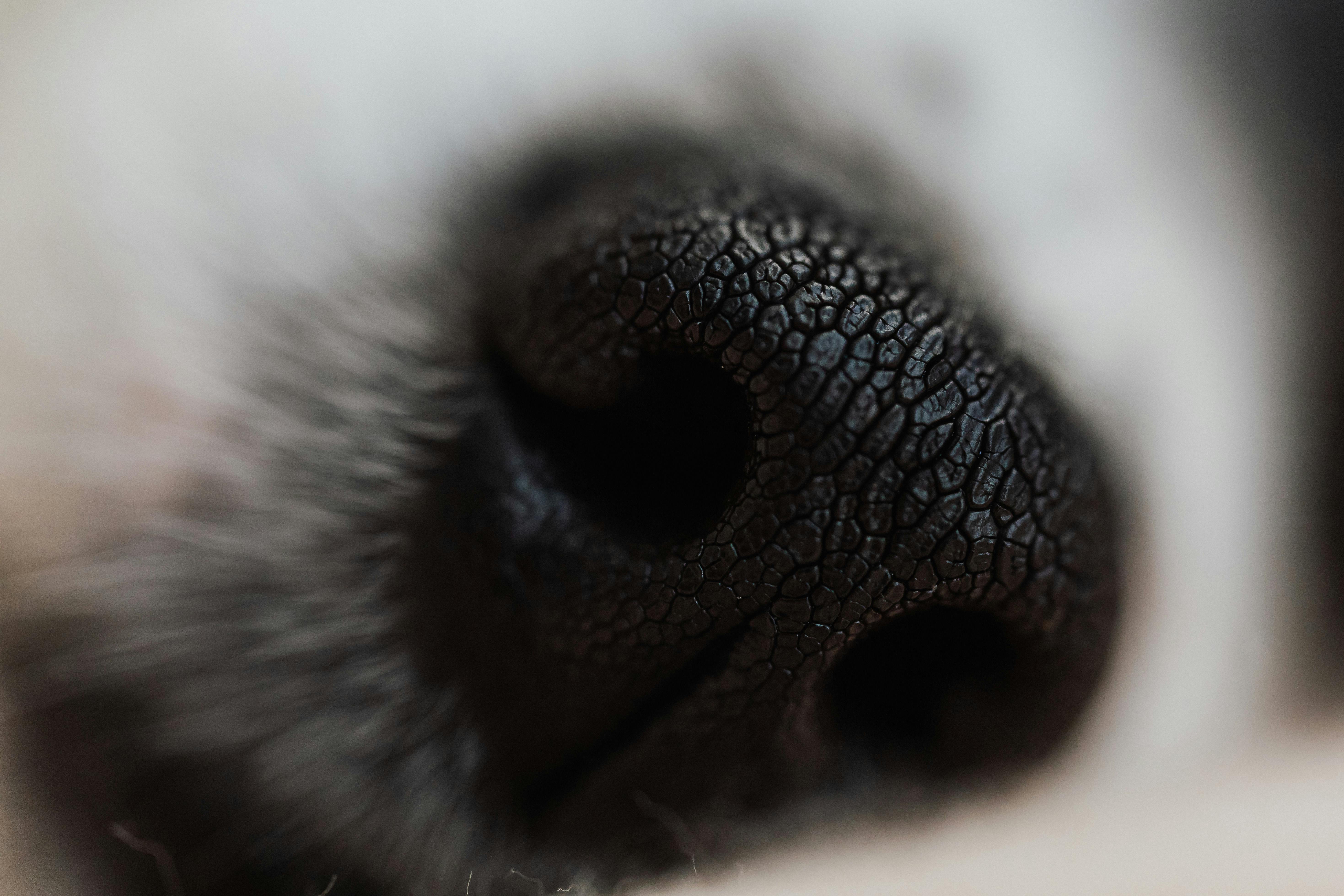 \n\n
\n\nDogs have long been our loyal companions, but there's something particularly intriguing about them that often gets overlooked – their noses! Wet Nose Wonders: The Fascinating Connection Between Dogs and Their Sense of Smell, Why Do Dogs Have Wet Noses? Discover This Fascinating Secret! Let’s dive into this topic and uncover why dogs have those wet noses and what it means for their sense of smell.
\nThe Science Behind a Dog's Nose
\nFirst off, dogs has an extraordinary sense of smell. It’s estimated that they have up to 300 million smell receptors in their noses, compared to a human's mere 5 million. This remarkable ability allows them to detect scents at incredibly low concentrations. But, what do wet noses got to do with this?
\n- \n
- \n
Moisture and Scent Capture: A dog’s nose is wet for a reason. The moisture helps to trap scent particles. When a dog inhales, the moisture on their nose captures even more scents, allowing them to get a clearer picture of their environment. It's like having a built-in magnifying glass for smells!
\n \n - \n
Temperature Regulation: Dogs also use their noses to help regulate their body temperature. The moisture on a dog's nose can help cool them down, similar to how sweat works for humans. So, if a dog’s nose is wet, it’s a sign they’re managing their heat effectively.
\n \n - \n
Health Indicator: A wet nose can sometimes be an indicator of a dog’s health. While a wet nose is generally a good sign, an excessively dry or cracked nose might indicate health issues. However, it’s important to note that this is not a definitive measure of a dog’s wellbeing.
\n \n
Why Are Dog Noses Wet?
\nEver wonder why dogs tend to have wet noses? Here’s a list of reasons:
\n- \n
- \n
Nature's Design: Evolutionarily, dogs have developed wet noses to enhance their ability to smell. Their ancestors relied heavily on their sense of smell for hunting and survival.
\n \n - \n
Glandular Secretion: Dogs have special glands in their noses that produce moisture. This secretion helps in scent detection and also may play a role in communication with other dogs.
\n \n - \n
Environmental Factors: Weather conditions can affect a dog’s nose. For example, humidity can make a nose feel wetter, while dry conditions might lead to a drier nose.
\n \n
The Fascination with Dog Noses Throughout History
\nHistorically, dogs has been revered for their incredible olfactory capabilities. Ancient civilizations often used dogs for hunting and tracking due to their keen sense of smell. Here are some historical facts about dogs and their noses:
\n- \n
- \n
Tracking and Hunting: In ancient Rome, dogs were trained to track game by scent. They played a crucial role in hunting and gathering for food.
\n \n - \n
Search and Rescue: During the World Wars, dogs were used to locate injured soldiers. Their noses helped them track down people even in the most challenging conditions.
\n \n - \n
Modern-Day Uses: Today, dogs are utilized in various fields, including police work, search and rescue missions, and even in medical detection, such as identifying diseases like cancer.
\n \n
Comparison: Dog Noses vs. Human Noses
\n| Feature | \nDog Nose | \nHuman Nose | \n
|---|---|---|
| Number of Smell Receptors | \nUp to 300 million | \nAbout 5 million | \n
| Scent Detection Capability | \nExtremely high | \nLimited | \n
| Moisture Levels | \nUsually wet | \nVaries | \n
| Role in Communication | \nYes | \nLimited | \n
Practical Examples of Dogs Using Their Sense of Smell
\nDogs uses their noses in many practical, fascinating ways:
\n- \n
- \n
Detecting Smells: Dogs can detect drugs and explosives, which is why they often works with law enforcement.
\n \n - \n
Medical Detection: Some dogs can sniff out diseases like diabetes by detecting changes in a person's scent.
\n \n - \n
Tracking Lost Persons: Search and rescue dogs are trained to find missing persons by following scent trails.
\n \n
In conclusion, the wet nose of a dog is more than just an adorable feature; it’s an essential part of their biology that enhances their remarkable sense of smell. Understanding these unique characteristics can deepen our appreciation for our furry friends. So, next time you see a dog with a wet nose, remember the fascinating secrets that lie behind it!
\n\nIs a Wet Nose a Sign of a Happy Dog? Unraveling the Myths and Facts
\n\n \n\n
\n\nWhen we think about our furry friends, many of us can't help but notice how their noses feel. A wet nose is a common sight among dogs, and it often leads us to wonder: Is a wet nose a sign of a happy dog? What does it mean? Let’s dive into this fascinating topic and unravel some of the myths and facts surrounding our canine companions' noses.
\nWhy Do Dogs Have Wet Noses?
\nDogs noses are wet for a few reasons, and understanding this can help us appreciate our pets better. Here are some key points to consider:
\n- \n
- \n
Cooling Mechanism: Just like humans sweat to cool down, dogs use their noses to regulate their body temperature. A wet nose helps them stay cool during hot weather.
\n \n - \n
Enhanced Sense of Smell: Dogs have an amazing sense of smell, and a wet nose helps enhance that. The moisture on their noses captures scent particles from the air, making it easier for them to detect smells.
\n \n - \n
Health Indicator: A wet nose can sometimes indicate good health in dogs. Dry noses might suggest dehydration, fever, or other health issues. However, this isn’t always a definitive measure.
\n \n
The Myth of a Happy Dog
\nIt's a common belief that a wet nose means a dog is happy. While this can be true, it’s not the only sign of a happy dog. Here are some alternative signs:
\n- \n
- \n
Tail Wagging: A wagging tail is often a clear signal of a dog’s happiness. But the speed and position matter! A slow wagging tail might mean they are unsure about something, while a high-speed wag can mean excitement.
\n \n - \n
Playfulness: If your dog brings you their favorite toy or starts running around playfully, it’s a sure sign they are feeling good.
\n \n - \n
Affectionate Behavior: Dogs that nuzzle, lick, or lean into you are often expressing happiness and contentment.
\n \n
Interesting Facts About Dog Noses
\nDid you know that a dog's sense of smell is 10,000 to 100,000 times more acute than humans? Here’s more about dog noses:
\n- \n
- \n
Unique Nose Print: Just like human fingerprints, every dog has a unique nose print. This can be used for identification purposes.
\n \n - \n
Nasal Mucus: Dogs produce mucus in their noses which helps in trapping scents. This mucus is what contributes to the wetness.
\n \n - \n
Behavioral Indicators: A dog that is sniffing around with a wet nose might be exploring their environment or could be anxious. Wetness doesn’t always equal joy!
\n \n
Dehydration and Health Concerns
\nWhile wet noses often indicate a happy, healthy dog, a dry nose can signal possible health issues. Here are some reasons why you might see a dry nose:
\n- \n
- \n
Dehydration: Ensure your dog is drinking enough water, especially in hot weather.
\n \n - \n
Fever: If a dog has a fever, their nose may become dry and warm to touch.
\n \n - \n
Allergies or Illness: Allergies or certain illnesses can cause changes in a dog’s nose moisture.
\n \n
How to Care for Your Dog’s Nose
\nKeeping your pup’s nose healthy is important. Here are some tips:
\n- \n
- \n
Hydration: Always provide fresh, clean water to keep your dog hydrated.
\n \n - \n
Check for Cracks: Regularly inspect your dog’s nose for any signs of cracking or bleeding. If you see anything concerning, consult a vet.
\n \n - \n
Protect During Winters: Just like humans, dogs can suffer from dry noses in winter. Consider using a nose balm if your dog is prone to this.
\n \n
Comparing Dog Noses to Other Animals
\nDogs aren’t the only ones with fascinating noses. Let’s compare them to some other animals:
\n| Animal | \nNose Type | \nFunctionality | \n
|---|---|---|
| Dogs | \nWet and Cold | \nEnhanced sense of smell, cooling mechanism | \n
| Cats | \nDry and Warm | \nLess sensitive to smell than dogs | \n
| Elephants | \nLong and Flexible | \nExcellent for picking up scents from far away | \n
| Sharks | \nHighly Sensitive | \nDetects blood from miles away in the ocean | \n
By understanding our dog's nose better, we can appreciate their unique traits and needs.
\nThe wetness of a dog’s nose is indeed fascinating and serves several purposes, but it isn’t the sole indicator of their happiness. Instead, look for a combination of behaviors to gauge your dog’s emotional state and health. Keeping their nose healthy and wet can contribute to their overall well-being, and by doing so, we ensure our furry friends remain happy companions for years to come!
\n\nWhy Do Dogs Have Wet Noses? Discover the Secrets of Canine Anatomy
\n\n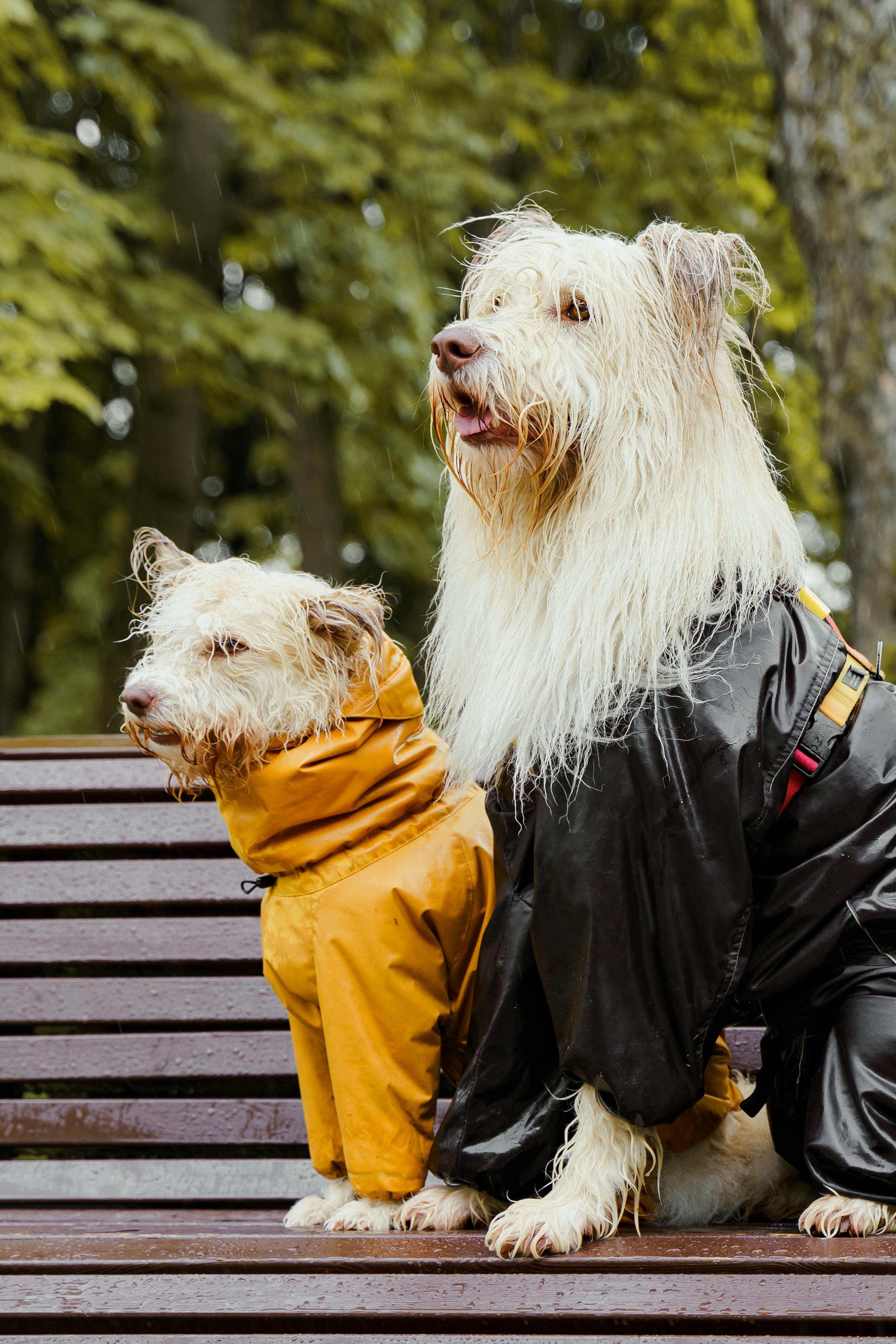 \n\n
\n\nHave you ever wondered, “Why do dogs have wet noses?” This question often pops up in casual conversations among dog lovers, but there’s actually a lot more to this canine feature than meets the eye. Dogs and their wet noses are not just cute; they play a significant role in their overall health and well-being. Let’s dive into the fascinating world of canine anatomy and explore the secrets behind those moist, cold noses.
\nThe Science Behind Wet Noses
\nDogs’ noses are covered with a thin layer of mucous, which helps to keep them moist. This moisture is crucial for a few reasons. First off, a wet nose helps dogs to smell better. When they sniff around, the moisture captures scent particles, making it easier for their brains to process smells. Think about it — dogs have about 220 million scent receptors while humans have only about 5 million! This incredible sense of smell is why they can detect things humans can’t, like changes in the environment or even health conditions.
\nWhy Are Dogs’ Noses Wet?
\nThere are several reasons why dogs have wet noses:
\n- \n
- Enhanced Olfactory Function: The moisture on a dog’s nose allows scent particles to stick better, improving their ability to smell. \n
- Regulation of Body Temperature: Dogs do not sweat like humans do; they primarily cool down through panting. A wet nose helps in regulating their body temperature by allowing evaporative cooling. \n
- Health Indicator: A wet nose often indicates a healthy dog, while a dry nose might signal dehydration or illness. However, it’s not always a definitive sign, as factors like weather and activity level can affect nose moisture. \n
Historical Context
\nHistorically, dogs have been companions to humans for thousands of years. As they evolved alongside us, certain traits, including their wet noses, became more pronounced. In ancient times, humans relied on dogs not just for companionship but also for hunting and protection. Dogs with better olfactory senses were more successful in these roles, leading to the natural selection of traits that enhanced their smell — including the wetness of their noses.
\nHow Wet Noses Work
\nLet’s break down how the wetness of a dog’s nose functions:
\n- \n
- Mucous Glands: Dogs have special glands that produce mucus, which keeps the nose moist. \n
- Nasal Turbinates: Inside a dog’s nose, there are structures called turbinates that help to humidify and filter the air they breathe. This also assists in maintaining moisture. \n
- Environmental Factors: Weather conditions, humidity levels, and even the dog’s activity can affect how wet their nose is. For example, a dog may have a wetter nose after playing outside, or it might dry up a bit in winter months. \n
Fun Facts About Dog Noses
\n- \n
- Unique Patterns: Just like human fingerprints, each dog has a unique nose print that can be used for identification. \n
- Temperature Detection: A dog’s nose can sense temperature changes in the environment, making them more aware of their surroundings. \n
- Health Monitoring: Some studies suggest that a dog’s nose temperature can indicate fever or other health issues. \n
Comparisons: Wet vs. Dry Noses
\nHere’s a quick comparison table that outlines the differences between wet and dry noses in dogs:
\n| Feature | \nWet Nose | \nDry Nose | \n
|---|---|---|
| Smell Detection | \nEnhanced ability to smell | \nReduced smell sensitivity | \n
| Health Indicator | \nGenerally healthy | \nMay indicate dehydration or illness | \n
| Temperature Control | \nHelps in regulating body temperature | \nLess effective in cooling down | \n
| Moisture Level | \nHigh | \nLow | \n
Practical Examples
\nIf you notice your dog’s nose is unusually dry, it could be a sign of something. Here are some examples of conditions that may cause this:
\n- \n
- Dehydration: Ensure your dog has access to fresh water at all times. \n
- Illness: If your dog shows other signs of illness, like lethargy or loss of appetite, consult a vet. \n
- Environmental Factors: Hot weather or dry air can affect nose moisture. \n
Being aware of these signs can help you monitor your pet’s health more closely.
\nSo, next time you pat your dog and feel that cool, wet nose, remember it’s not just an adorable feature. It’s a crucial aspect of their anatomy, serving multiple functions that help them navigate the world around them. Understanding why dogs have wet noses can deepen your appreciation for these loyal companions and their unique biology.
\n\n7 Surprising Facts About Dog Noses You Probably Didn’t Know
\n\n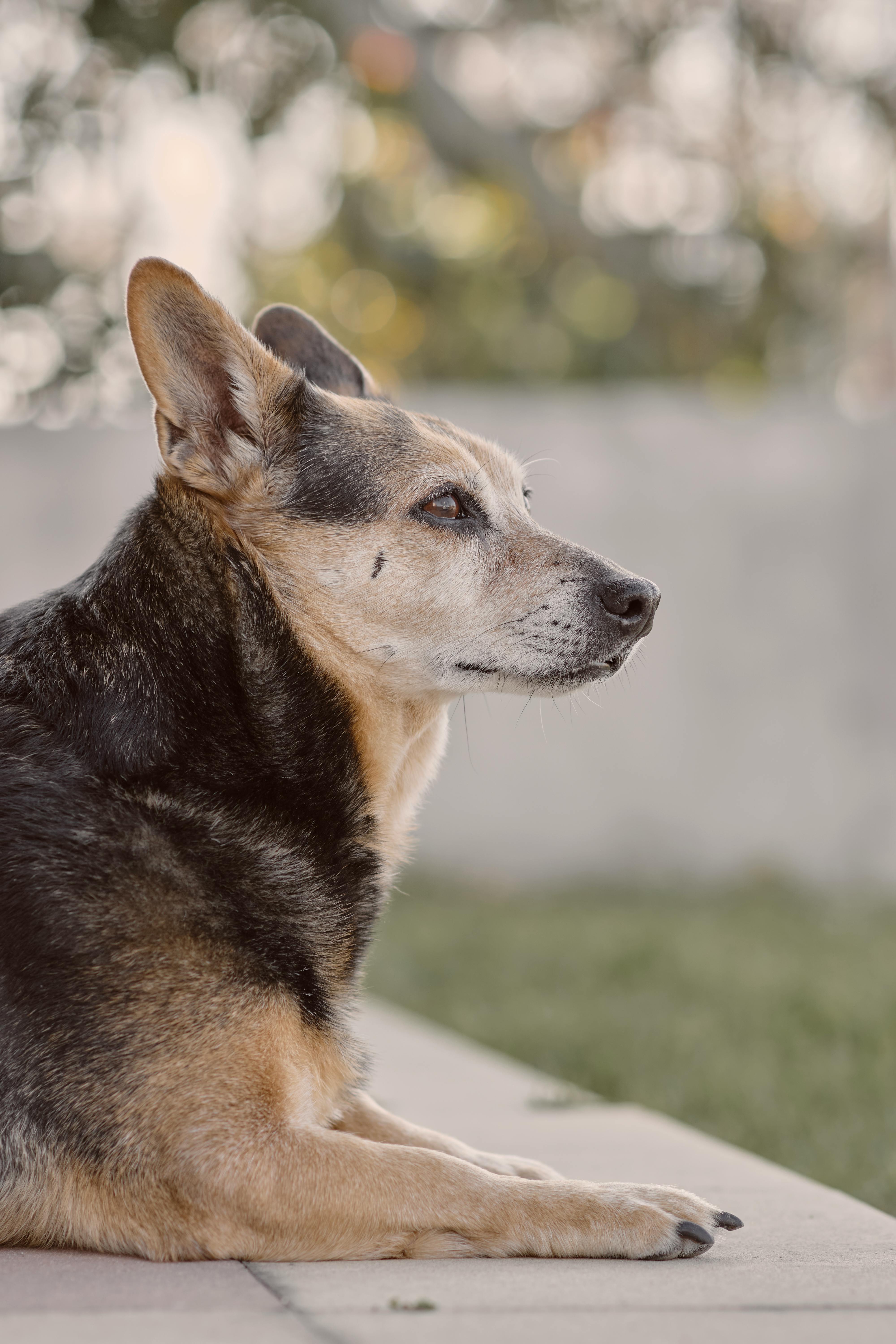 \n\n
\n\nIf you ever wondered why dogs have those adorable, wet noses, you're not alone. Many people have asked this question and there's some pretty fascinating science behind it. Let’s dive into 7 surprising facts about dog noses that might just blow your mind, and uncover the secrets behind their wetness.
\n1. Dogs' Noses Are Super Sensitive
\nDid you know that a dog’s sense of smell is between 10,000 to 100,000 times more sensitive than humans? This is because they have around 300 million olfactory receptors in their noses, while humans only have about 6 million. That’s a huge difference! This incredible sense helps dogs detect scents from miles away and is why they are often used in search and rescue missions, police work, and even medical fields.
\n2. The Wetness is Important
\nSo, why do dogs have wet noses? A wet nose helps dogs absorb scent chemicals better. When the nose is moist, it can trap odors more effectively, which amplifies their ability to smell. Plus, the moisture on their noses can help cool them down, especially on hot days. So, the next time you see your furry friend sniffing around, remember they’re just gathering all that important information!
\n3. Temperature Regulation
\nDogs don’t sweat like we do. Instead, they regulate their body temperature through panting and the moisture on their noses. A wet nose helps to cool off their bodies, making it an essential part of their natural cooling system. If a dog’s nose is dry, it might be a sign that they are overheating or dehydrated. Keeping their nose moist is vital for their overall health.
\n4. Unique Nose Prints
\nJust like human fingerprints, each dog has a unique nose print. The patterns of ridges and creases on their noses can be used to identify them. Some animal shelters and pet services even use these nose prints as a form of identification. Isn’t that an amazing way to tell dogs apart?
\n5. Dogs Can Sense Emotions
\nDogs have an impressive ability to pick up on human emotions through scent. They can detect pheromones and other chemical signals that change based on what humans feel. When a person is happy, stressed, or scared, their body releases different chemicals. A dog’s wet nose aids in this process, allowing them to connect with their human companions on a deeper emotional level.
\n6. Nose Color Changes
\nYou might notice that some dogs have darker noses than others, and this can change with seasons or health conditions. A dog's nose can lighten in color during winter due to reduced sunlight exposure. This phenomenon is often referred to as “snow nose.” Additionally, certain health issues may also cause color changes, so it’s always good to keep an eye on your dog’s nose.
\n7. The Science of Dog Noses
\nScientists have actually studied dog noses to understand their complexity. They discovered that the shape and structure of a dog’s nose help filter and direct airflow, enhancing their olfactory capabilities. The more curved or elongated the nose, the better a dog can smell. For instance, breeds like Bloodhounds and Beagles are known for their exceptional scent-tracking abilities, thanks to their unique nose designs.
\nQuick Facts About Dog Noses
\n- \n
- Number of Olfactory Receptors: 300 million in dogs vs. 6 million in humans. \n
- Identifying Features: Unique nose prints act like fingerprints. \n
- Temperature Regulation: Helps cool down their body. \n
- Health Indicator: Dry nose can indicate overheating or dehydration. \n
Practical Examples of Dog Nose Use
\n- \n
- Search and Rescue: Dogs are trained to locate missing persons or disasters using their sense of smell. \n
- Medical Detection: Dogs can detect diseases like cancer or diabetes through scent. \n
- Law Enforcement: They sniff out drugs, explosives, and even cash during investigations. \n
With all these surprising facts about dog noses, it’s clear that they are not just cute features but also essential tools that help our furry friends navigate the world. If you own a dog, take a moment to appreciate that wet nose and all the incredible functions it serves. Understanding why dogs have wet noses can deepen your bond with your pet and remind you of the amazing capabilities they possess.
\n\nThe Role of Nose Moisture in Dog Behavior: How Their Wet Nose Influences Interactions
\n\n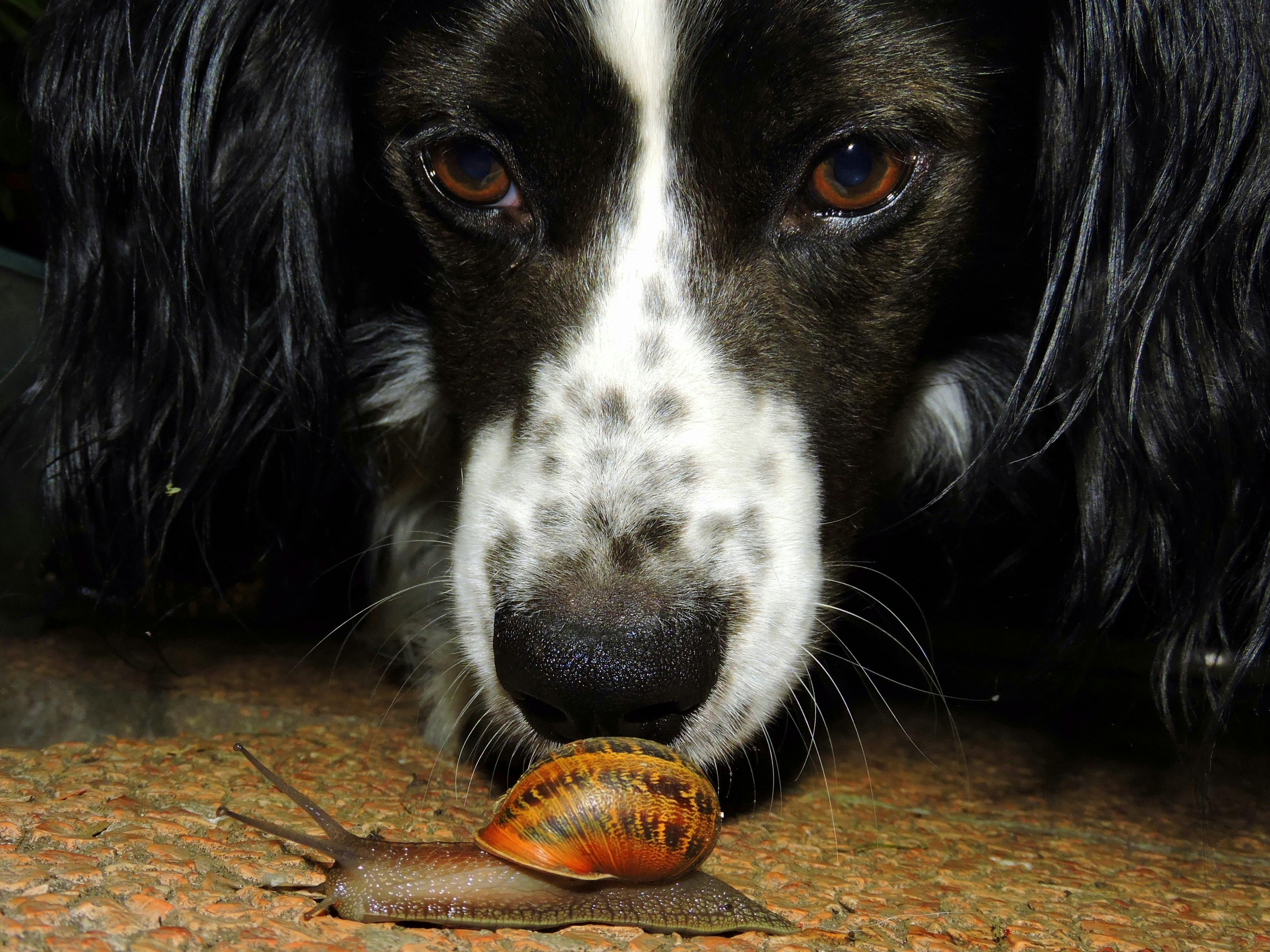 \n\n
\n\nDogs are truly fascinating creatures, and one of their most interesting features is their wet noses. But why do dogs have wet noses? It’s not just a quirky trait; it plays a significant role in their behavior and interactions with the world around them. Understanding the role of nose moisture in dog behavior can help pet owners appreciate their furry friends even more.
\nThe Science Behind Wet Noses
\nA dog’s nose is covered in a thin layer of moisture. This moisture serves several purposes, and it's important to know how it influences a dog's life.
\n- \n
- \n
Enhanced Smell: Dogs have an incredible sense of smell; their noses are estimated to have up to 300 million olfactory receptors, compared to a human's 5 million. The moisture on their noses helps trap scent particles, allowing them to detect smells better.
\n \n - \n
Temperature Regulation: Dogs don’t sweat like humans do. Instead, they regulate their body temperature through panting and their noses. The moisture evaporating from their noses can help cool them down.
\n \n - \n
Communication: A dog's nose can also signal emotions. A wet nose often indicates a relaxed and healthy dog, while a dry nose may suggest stress or illness.
\n \n
Historical Context of Dog Noses
\nThroughout history, dogs have served various roles, from hunting companions to beloved family pets. Ancient cultures recognized the benefits of a dog’s sense of smell. For example, hunting dogs were bred for their keen olfactory skills. In ancient Egypt, dogs were often depicted in art, illustrating their importance in society.
\nHow Nose Moisture Influences Interactions
\nDogs engage in a lot of social behaviors, and their wet noses play a role in how they interact with other dogs and humans. Here are a few ways that happens:
\n- \n
- \n
Scent Marking: Dogs use their noses to gather information about their environment and other animals. When they sniff each other’s noses, they gather a wealth of information about health, mood, and identity.
\n \n - \n
Bonding: A quick nuzzle or a wet nose poking you can be a dog's way of showing affection. They rely on their sense of smell to recognize their owners and show their attachment.
\n \n - \n
Playfulness: A dog with a wet nose might be more inclined to play. They often approach other dogs or humans with a moist nose, signaling their readiness to interact.
\n \n
Common Myths About Dog Noses
\nThere are many myths surrounding dog noses that can lead to confusion for dog owners. Here are some common ones debunked:
\n- \n
- \n
Myth: A Cold Nose Means a Healthy Dog: While a wet nose can indicate good health, a cold nose is not a definitive sign. Dogs can have varying temperatures, and health should be assessed through overall behavior and physical condition.
\n \n - \n
Myth: Dry Nose Equals Sickness: A dog's nose can be dry for many reasons, including the weather or after sleeping. It doesn’t always mean that something is wrong.
\n \n - \n
Myth: All Dogs Have Wet Noses: Certain breeds, such as Bulldogs and Pugs, may have drier noses due to their facial structure.
\n \n
Practical Examples of Nose Moisture Effects
\nIt’s interesting to observe how different factors can affect a dog's nose moisture and behavior. Here are some examples:
\n- \n
- \n
Weather Conditions: Hot, dry weather can lead to a drier nose. This doesn't always mean your dog is sick; they might just need more hydration.
\n \n - \n
Health Changes: If your dog’s nose suddenly becomes excessively dry or cracked, it might be worth consulting a vet. This could indicate dehydration or other health issues.
\n \n - \n
Age Factors: Older dogs might have drier noses compared to younger ones. This can be a normal part of aging, but keeping an eye on their overall health is still a good idea.
\n \n
Quick Tips for Dog Owners
\nTo ensure that your dog's nose stays healthy and moist, consider these tips:
\n- \n
- \n
Hydration: Always provide fresh water for your dog. Dehydration can lead to a dry nose.
\n \n - \n
Regular Vet Visits: Have regular check-ups to monitor your dog’s health.
\n \n - \n
Observe Behavior: Pay attention to changes in behavior or nose texture.
\n \n - \n
Climate Consideration: In extreme temperatures, take special care of your dog’s nose with moisturizing products designed for pets if needed.
\n \n
Understanding why dogs have wet noses can deepen your appreciation for your furry companion. Their wet noses are not just a cute feature; they are essential for their health, behavior, and interactions. So next time your dog gives you a nudge with that moist nose, remember, it’s not just a greeting; it’s a window into their world.
\n\nCan Your Dog’s Wet Nose Indicate Health Issues? What Every Owner Should Know
\n\n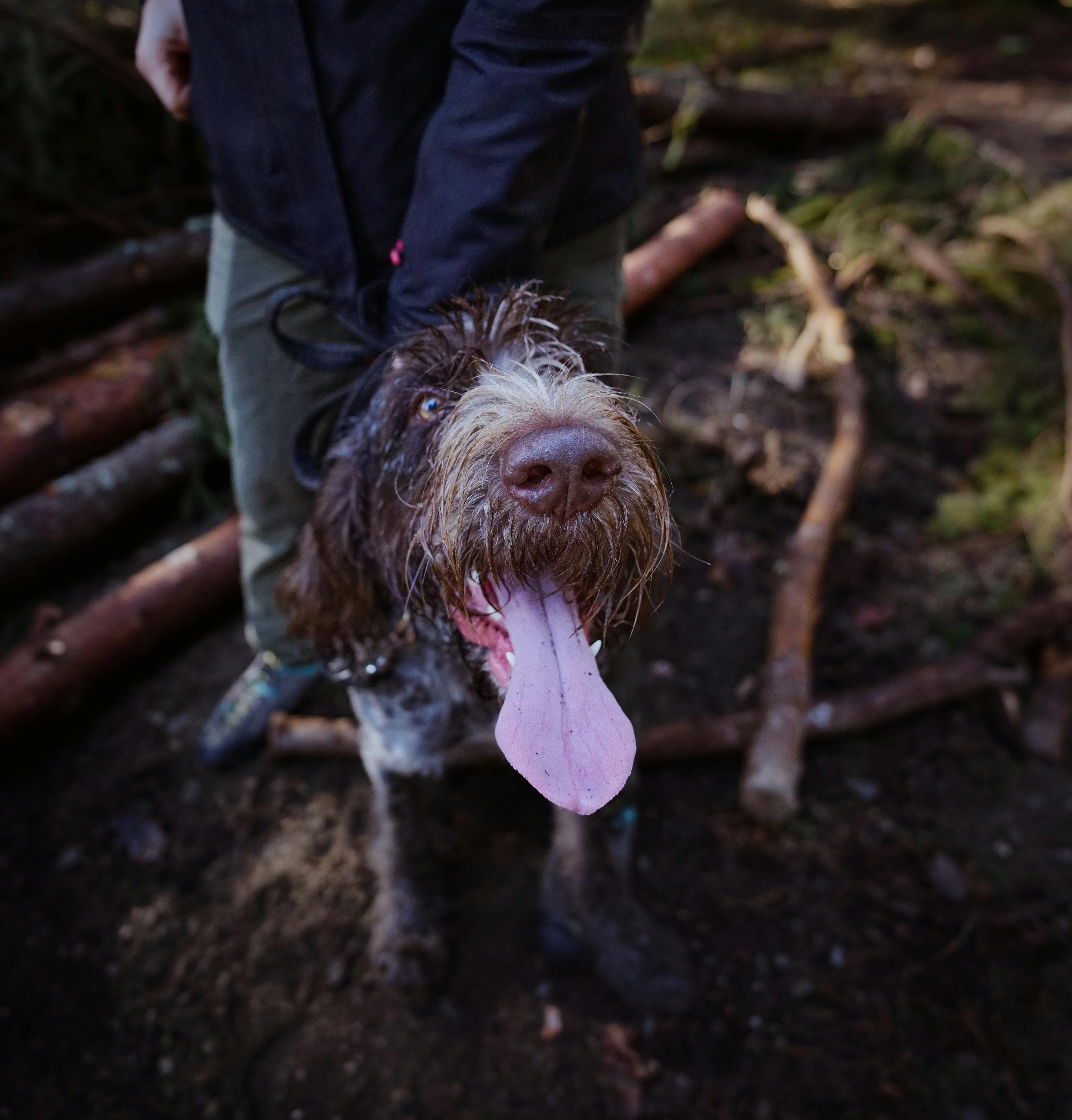 \n\n
\n\nEvery dog owner knows that the feel of a furry friend’s wet nose can be a comforting and familiar sensation. But have you ever thought, can your dog’s wet nose indicate health issues? This question is more common than you might think, and there are various reasons behind the moisture that covers your pet's snout. In this article, we will explore why dogs have wet noses, the significance of this feature, and what it could mean for their health.
\nWhy Do Dogs Have Wet Noses?
\nDogs’ noses are typically damp, and this serves several purposes. One primary reason for the moisture is that it helps them to smell better. The wet surface of a dog’s nose can capture scent particles more effectively, aiding in their exceptional sense of smell. Some interesting facts about dog noses include:
\n- \n
- Enhanced Scent Detection: A wet nose can absorb scent chemicals better than a dry one, making it easier for dogs to identify scents. \n
- Temperature Regulation: Dogs don’t sweat like humans. Their noses help cool them down. When a dog pants, moisture from their noses evaporates, cooling them off. \n
- Health Indicator: A wet nose can sometimes be a sign of a healthy dog. However, changes in nose moisture might indicate health issues. \n
Can Your Dog’s Wet Nose Indicate Health Issues?
\nNow, this brings us to the question of health. While a wet nose is generally a sign of good health, there are times when changes in wetness could indicate something more serious. Below are some things to watch out for:
\n- \n
- Dry Nose: If your dog’s nose is unusually dry and cracked, it could be a sign of dehydration, fever, or even a skin condition. \n
- Excessively Wet Nose: A very wet nose can sometimes indicate allergies or an infection. \n
- Nasal Discharge: If there is a discharge that is colored or has an odor, it could indicate a more serious issue, like sinusitis or a foreign object lodged in the nasal passage. \n
- Changes in Temperature: If your dog’s nose is warm and dry, it may be time to visit the vet, as this could indicate illness. \n
Common Reasons for Nose Changes
\nIt’s helpful to understand the common reasons for changes in your dog’s nose moisture. Here’s a handy list for dog owners:
\n- \n
- Environmental Factors: Weather changes, humidity levels, or exposure to heat can affect nose moisture. \n
- Dietary Changes: A sudden change in diet can lead to dehydration, affecting nose wetness. \n
- Health Conditions: Conditions such as autoimmune diseases, infections, and allergies can cause variations in nose moisture. \n
- Age Factors: Older dogs might have drier noses due to natural aging processes. \n
Signs of Health Issues to Watch For
\nAs mentioned above, changes in your dog’s nose can point to potential health issues. Here is a list of signs that may indicate a problem:
\n- \n
- Persistent Dryness: If the nose remains dry for an extended period. \n
- Cracking or Bleeding: If the nose appears cracked, or if there is blood. \n
- Color Changes: If the nose changes color, such as turning pale or dark. \n
- Behavioral Changes: If your dog shows signs of lethargy, loss of appetite, or unusual behavior. \n
Practical Examples of Nose Conditions
\nHere’s a simple comparison of potential nose conditions that may affect your dog:
\n| Condition | \nSymptoms | \nPossible Causes | \n
|---|---|---|
| Dry Nose | \nCracked, flaky, warm | \nDehydration, fever, dry environment | \n
| Wet Nose | \nExcessively moist, dripping | \nAllergies, nasal infection | \n
| Nasal Discharge | \nColored discharge, foul odor | \nInfection, foreign object | \n
| Color Change | \nPale or dark nose | \nCirculation issues, skin condition | \n
The Importance of Regular Vet Check-Ups
\nRegular vet visits are crucial for keeping your dog healthy. During these check-ups, the vet can assess the overall health of your dog, including their nose. If you notice any of the signs mentioned earlier, don’t hesitate to reach out to your veterinarian. They can guide you in interpreting these symptoms correctly.
\nDog owners should keep an eye on their pet's nose and overall health. A wet nose has its secrets and can tell a lot about your dog’s well-being. Understanding these signs can help ensure your furry friend remains happy and healthy. Remember, while a wet nose is often a good sign, it’s essential to be vigilant and proactive about your dog's health.
\n\nThe Evolution of Dog Noses: Why Wetness Is Key to Their Survival and Communication
\n\n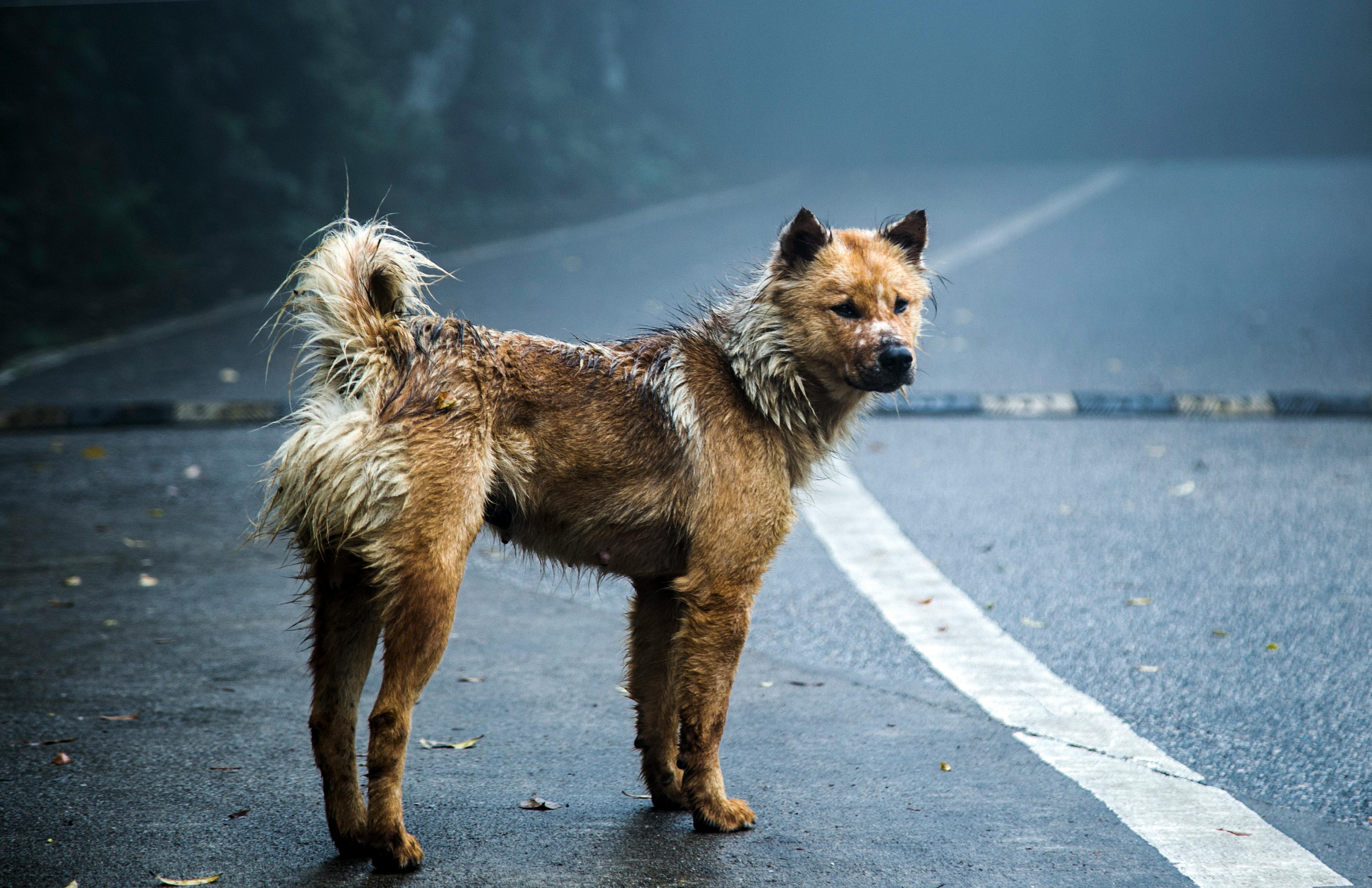 \n\n
\n\nDogs, our loyal companions, have a number of unique features that set them apart from other animals, and one of the most interesting is their noses. Have you ever wondered why do dogs have wet noses? This question opens a door to fascinating insights into their survival and communication tactics. Wet noses aren’t just a quirky trait; they play an essential role in a dog’s day-to-day life.
\nThe Science Behind Wet Noses
\nThe moisture on a dog's nose serves multiple purposes. It helps enhance their sense of smell, which is already incredibly acute. In fact, dogs have around 220 million scent receptors in their noses, compared to a human's mere 5 million. Here are some ways wet noses contribute to their abilities:
\n- \n
- Enhanced Smell: Moisture helps to dissolve scent particles, making it easier for dogs to detect and identify smells. \n
- Temperature Regulation: Just like humans sweat, dogs can regulate their body temperature through their noses. \n
- Communication: A dog’s wet nose can also be a form of communication, signaling emotions and well-being to other dogs and humans. \n
Historical Context of Dog Noses
\nDogs have evolved over thousands of years, originally from wolves. Their noses have adapted significantly during this time. Early domesticated dogs developed wet noses, which helped them survive in various environments. The evolution of their olfactory capabilities has been crucial for hunting and locating food, as well as for avoiding predators.
\n- \n
- Wolves: Ancestors of dogs, had dry noses that helped them in different climates. \n
- Domestication: As dogs became closer to humans, their noses became wetter, aiding in their ability to bond and communicate. \n
What Makes Dog Noses Different?
\nDog noses aren’t just wet; they’re also uniquely structured. The surface of their nose contains a complex network of tissues and glands that produce mucus. This mucus keeps the nose moist and helps trap scent particles. Here’s a comparison between dog noses and human noses:
\n| Feature | \nDog Nose | \nHuman Nose | \n
|---|---|---|
| Moisture Level | \nHigh | \nModerate | \n
| Scent Receptors | \n220 million | \n5 million | \n
| Temperature Control | \nEffective | \nLess effective | \n
| Communication Role | \nYes, through wetness | \nLimited | \n
Why Wetness Is Key to Their Survival
\nWet noses are not just a peculiarity; they serve a purpose that is key to a dog’s survival. Here are some survival benefits:
\n- \n
- Hunting: Wetness allows for better scent detection, making hunting and tracking prey easier. \n
- Finding Food: Dogs can locate food sources more efficiently, which is crucial for scavengers in the wild. \n
- Social Interactions: Dogs often greet each other by sniffing noses, and a wet nose can indicate a healthy, active dog. \n
The Fascinating Secret Behind Wet Noses
\nHave you ever noticed that dogs often lick their noses? This behavior is essential for keeping their noses moist, especially if they are outside in dry conditions. Here are some reasons why this is so important:
\n- \n
- Scent Detection: A wet nose can detect more scents, meaning dogs can better understand their environment. \n
- Health Indicator: A dry nose can sometimes indicate dehydration or illness, so moisture level can be a health sign. \n
Fun Facts About Dog Noses
\n- \n
- Unique Patterns: Just like human fingerprints, every dog has a unique nose print that can be used for identification. \n
- Color Variation: The color of a dog’s nose can vary widely, and it doesn’t affect their sense of smell. \n
- Temperature Sensitivity: Dogs can differentiate between temperatures through their noses, which helps them navigate their surroundings. \n
Practical Examples in Daily Life
\nWhen you see a dog sniffing around, remember, it’s not just being nosy. It’s actively gathering information about its world. Whether it's sniffing out a treat hidden in the grass or recognizing the scent of another dog that passed by, it’s all part of their communication and survival toolkit.
\nIn summary, the wetness of dog noses serves vital functions, from improving their sense of smell to regulating their body temperatures. Understanding these elements not only enriches our appreciation for our furry friends but also enhances our bond with them. So next time you pet a dog and feel that cool, wet nose, remember, there's a lot more going on than meets the eye!
\n\nConclusion
\n\nIn conclusion, the wet noses of dogs serve several important functions that contribute to their overall health and well-being. A wet nose helps enhance their sense of smell, allowing them to detect scents more effectively due to the moisture trapping scent particles. Additionally, the wetness plays a role in thermoregulation, helping dogs maintain optimal body temperature. The unique composition of canine nasal mucus also serves as a protective barrier against pathogens, further ensuring their health. Understanding the significance of a dog's wet nose can deepen our appreciation for these beloved pets and their remarkable biology. Next time you greet your furry friend, take a moment to acknowledge the fascinating reasons behind that cool, wet nose. Share your insights with fellow dog lovers and explore more about canine health to ensure your pup lives a happy, healthy life.
\n\n