Have you ever wondered why do dogs have wet noses? This fascinating question not only piques curiosity but also reveals important secrets about our furry friends. A dog's nose is not just an adorable feature; it serves multiple vital functions that contribute to their health and well-being. But what makes those noses so moist? Is it simply a quirk of nature, or does it have a deeper purpose? As we delve into the science behind dog nose moisture, you might be surprised to learn that a wet nose can be an indicator of a dog's overall health. Many believe that the wetness helps enhance their sense of smell, which is crucial for their interaction with the world. Could this simple trait be the key to unlocking their incredible olfactory abilities? Join us as we explore the reasons behind this intriguing phenomenon and uncover the truth about why dogs have wet noses. This insight not only enriches your understanding of canine biology but also strengthens the bond between you and your pet. Are you ready to discover the secrets lurking behind that adorable, moist nose? Dive in and let's find out together!
\n\nThe Science Behind Wet Noses: Why Are Dogs' Noses Always Moist?
\n\n \n\n
\n\nDogs are one of the most beloved pets across the globe, and one of the most fascinating features of our furry companions is their noses. Ever wonder why do dogs have wet noses? The science behind wet noses reveals a lot about how these animals interact with their environment and what makes them such amazing companions.
\nThe Importance of Moisture
\nDogs have moist noses for several important reasons. Firstly, the moisture helps to enhance their sense of smell. A dog’s nose has a high number of olfactory receptors, estimates say about 300 million compared to a human's 5 million. This significant difference allows dogs to detect scents at incredibly low concentrations. When a dog's nose is wet, it can capture more scent particles from the air. This ability is essential for their survival instincts, as it helps them track prey, identify danger, and find their way home.
\nHow Does it Work?
\nThe moisture on a dog’s nose is primarily due to a thin layer of mucous. This mucous serves multiple purposes. Here are a few key functions:
\n- \n
- Enhances Scent Detection: Wet noses help to trap scent particles, making it easier for dogs to pick up smells. \n
- Regulates Temperature: Just like sweating in humans, moisture on a dog's nose can assist in thermoregulation. It helps them cool down on hot days. \n
- Health Indicator: A wet nose is often seen as a sign of a healthy dog. Changes in moisture levels can indicate health issues. \n
Historical Context
\nThroughout history, dogs have been seen as more than just pets. They were bred for specific purposes and their noses played a significant role in those functions. For instance, hunting breeds like Bloodhounds are known for their incredible tracking ability, while others like St. Bernards were bred for rescue missions in snowy climates. The wetness of their noses has always been a crucial part of their capability to perform their tasks effectively.
\nWhy Are Some Noses Dry?
\nNot every dog has a consistently wet nose. There are various reasons for this dryness, including:
\n- \n
- Weather Conditions: Hot or dry weather can cause a dog's nose to dry out. \n
- Health Issues: A dry nose might indicate dehydration, fever, or other health problems. \n
- Age Factors: Older dogs might have drier noses compared to younger ones. \n
Fun Facts About Dog Noses
\n- \n
- Dogs have unique nose prints, similar to human fingerprints. Each dog has a distinct nose pattern that can be used for identification. \n
- The color of a dog’s nose can vary from black, brown, and even pink. This often correlates with the dog’s overall coat color. \n
- Dogs can sniff in stereo, which allows them to determine the direction of a scent. \n
Comparing Dog Noses to Human Noses
\nWhen you compare a dog’s nose to a human's, there are some notable differences:
\n| Feature | \nDog's Nose | \nHuman Nose | \n
|---|---|---|
| Number of Receptors | \n300 million | \n5 million | \n
| Scent Detection Ability | \nHighly superior | \nLimited | \n
| Moisture Level | \nTypically wet | \nUsually dry | \n
| Temperature Regulation | \nAids in cooling | \nLimited role | \n
Practical Examples of Nose Use
\nDogs use their noses in various practical scenarios. For example:
\n- \n
- Search and Rescue: Dogs are trained to sniff out missing persons through scent trails. \n
- Medical Detection: Some dogs can detect diseases like cancer through scent. \n
- Detection Work: Dogs are often used by law enforcement to find drugs or explosives. \n
In conclusion, the wet noses of dogs are not just a cute characteristic; they play a crucial role in a dog’s ability to smell and interact with the world. Understanding why do dogs have wet noses gives us a deeper appreciation for these amazing animals and their incredible capabilities. Whether you're a dog owner or just an animal lover, the science behind wet noses reveals a fascinating secret that showcases just how remarkable our canine friends truly are.
\n\n5 Fascinating Reasons Your Dog's Nose is Wet: What You Need to Know
\n\n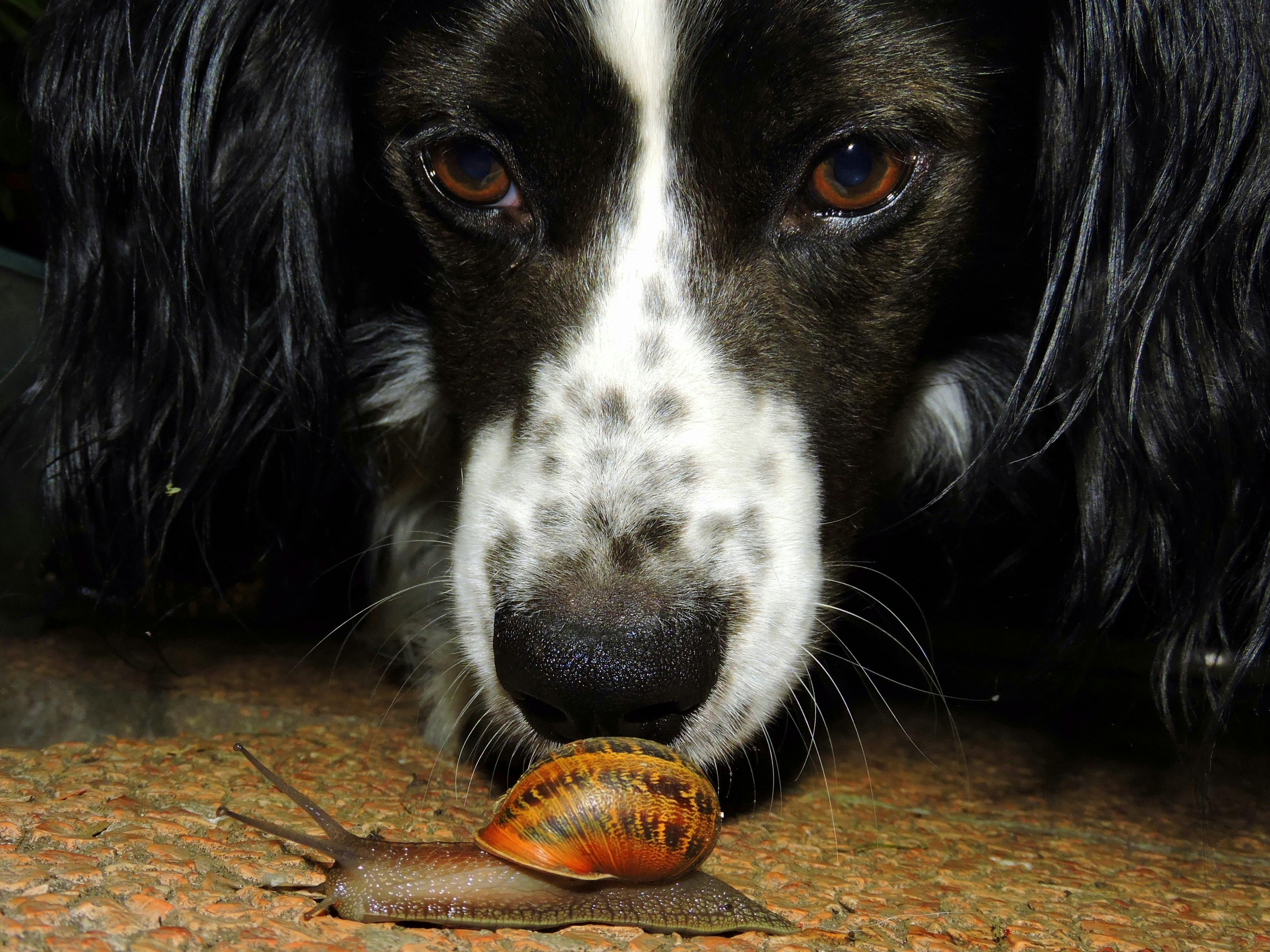 \n\n
\n\nWhen you notice your dog’s nose, you might think it’s just a cute feature, but there’s more to it. The reason why dogs have wet noses is fascinating and packed with insights into their health and behavior. Here’s five intriguing reasons that explains this unique characteristic, shedding light on a secret that many pet owners might not know about!
\n1. Temperature Regulation
\nDogs, unlike humans, they don’t sweat through skin. Instead, they primarily rely on their noses to help cool down. The moisture on a dog’s nose helps to regulate their body temperature. When a dog pants, the evaporation of the moisture on their nose and tongue becomes helps cools them down. So, if you find your dog’s nose wet, it might just be a sign that they're trying to chill out!
\n2. Enhanced Sense of Smell
\nA dog’s sense of smell is thousands of times better than that of humans. Their wet noses play a crucial role in this ability. The moisture on the nose captures scent particles from the air, allowing dogs to detect odors more effectively. This is why you often see dogs sniffing around, they are picking up scents with their wet noses. Some interesting facts about a dog’s sense of smell includes:
\n- \n
- Dogs have about 300 million smell receptors in their noses, compared to a human's 5 million. \n
- They can even detect certain diseases, like cancer, just by smelling a person’s breath or skin. \n
3. Communication Tool
\nDogs are social animals, and their wet noses are part of their communication arsenal. When dogs greet each other, they often sniff each other’s noses and rear ends. This behavior is not just about curiosity; it’s how they gather important information about each other. A wet nose may signify friendliness and openness. It’s like a handshake in the canine world!
\n4. Health Indicator
\nA wet nose can also be an indicator of a dog’s health. Generally, a healthy dog will have a cool, moist nose. However, changes in the moisture level or temperature of a dog’s nose might suggests illness. For example, if a dog’s nose becomes dry and warm, it could be a sign of fever or dehydration. Here’s a quick list of what different nose conditions might indicate:
\n- \n
- Wet and Cool: Healthy dog \n
- Dry and Warm: Possible fever or dehydration \n
- Cracked or Flaky: Allergies or skin conditions \n
It’s always important to monitor your dog’s overall health and consult a vet if you notice persistent changes.
\n5. Environmental Factors
\nLastly, a dog’s nose can be wet due to environmental conditions. If it’s a warm, humid day, or if your dog has been drinking water, you might notice their nose being particularly moist. On the flip side, in colder or dryer climates, noses can become dry and chapped. Here’s a few environmental factors that impact your dog’s nose:
\n- \n
- Humidity: High humidity can lead to a wetter nose. \n
- Hydration: Dogs that drink plenty of water often have moist noses. \n
- Outdoor Activity: Running around outside can also contribute to a wet nose. \n
Understanding these elements can help pet owners provide the best care for their furry friends.
\nFun Facts About Dog Noses
\n- \n
- Dog noses are uniquely patterned, similar to human fingerprints. \n
- The size and shape of a dog’s nose can affect their sense of smell. \n
- Some breeds, like Bloodhounds, have an extraordinary ability to track scents due to their unique nose structure. \n
In summary, the wet nose of your dog is not just an adorable feature; it’s a vital part of their anatomy with important functions. From helping regulate their body temperature to enhancing their sense of smell, a dog’s wet nose plays a key role in their health and behavior. So, next time you give your pup a pat, take a moment to appreciate that wet nose and all the wonders it represents!
\n\nHow a Wet Nose Enhances Your Dog's Sense of Smell: The Hidden Benefits
\n\n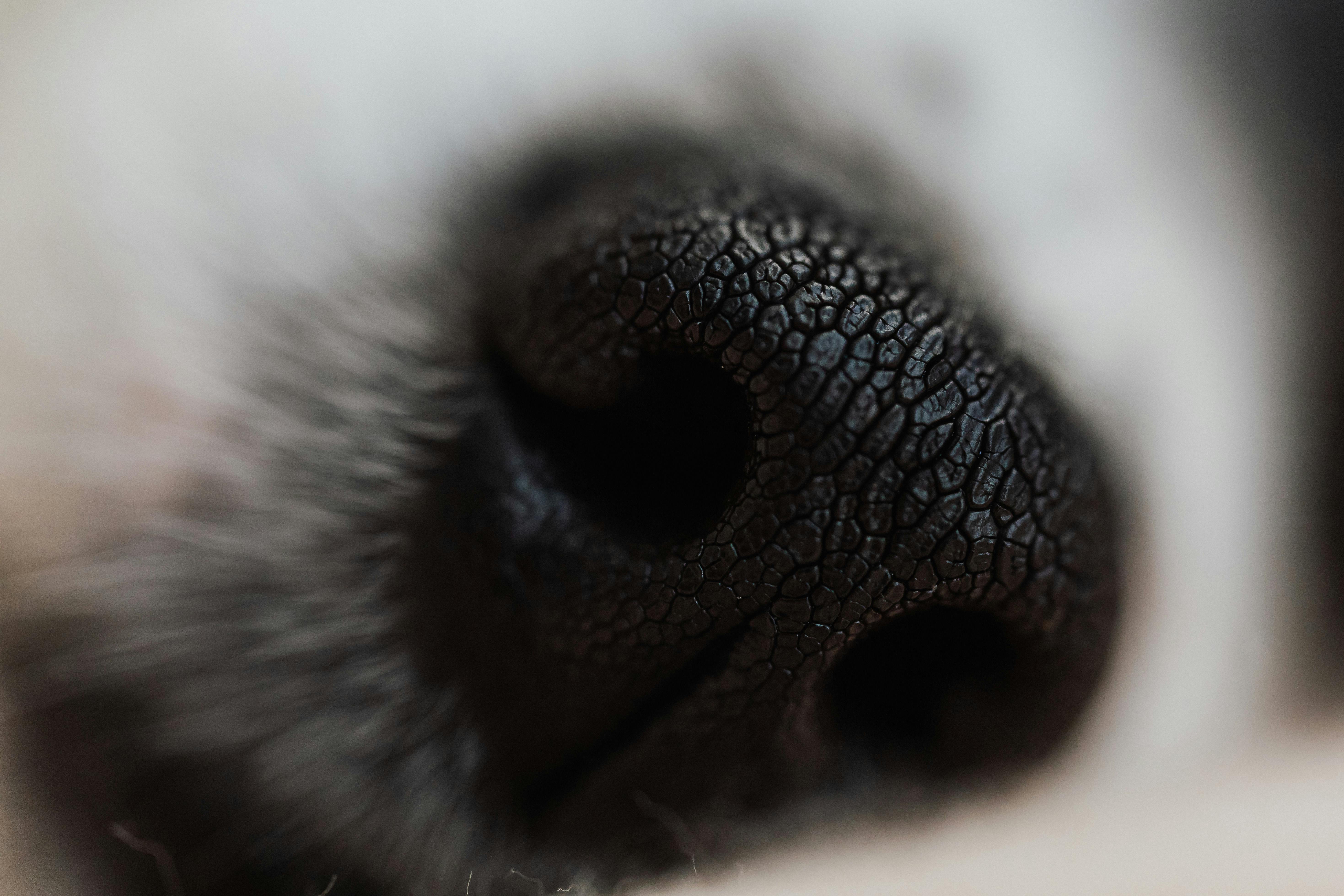 \n\n
\n\nDogs are truly amazing creatures, and one of their most fascinating features is their wet noses. Ever wondered why do dogs have wet noses? It’s not just for show, there’s a whole bunch of science behind it. A wet nose enhances your dog’s sense of smell, making them extraordinary at sniffing out things. So, let’s dive into the hidden benefits of those adorable, wet noses.
\nThe Science Behind a Dog's Nose
\nDogs have an incredible olfactory system. Their sense of smell is estimated to be between 10,000 to 100,000 times better than humans. This ability is partly due to the structure of their noses, which contains a complex network of scent receptors.
\n- \n
- Scent receptors: Dogs have about 220 million scent receptors, compared to humans who have only about 5 million. \n
- Olfactory bulb: The part of a dog's brain that processes smells is much larger relative to their brain size than in humans. \n
- Jacobsen’s organ: This is a special sensory organ in dogs that helps process scent, allowing dogs to detect pheromones and other chemical signals. \n
Why Are Dog Noses Wet?
\nSo, why do dogs have wet noses? The moisture on their noses serves several purposes, most importantly, it helps enhance their sense of smell. Here’s how:
\n- \n
- Capturing Scents: A wet surface can trap scent particles better than a dry one. When a dog sniffs, moisture collects the odor molecules, allowing them to analyze the smells more effectively. \n
- Cooling Mechanism: Dogs don’t sweat like humans. Instead, they cool off primarily through their noses and paw pads. A wet nose helps in regulating body temperature. \n
- Health Indicator: A dog’s nose can indicate its health. A wet, cool nose is often a sign of a healthy dog, while a dry nose might suggest dehydration or illness. But not always, so it’s important not to stress too much about it. \n
Historical Context of Dogs' Noses
\nDogs have been companions to humans for thousands of years, and their sense of smell has been utilized in various ways throughout history:
\n- \n
- Hunting: Early humans relied on dogs for hunting, using their keen sense of smell to track game. \n
- Search and Rescue: Today, dogs are trained to find missing persons or detect drugs and explosives. Their wet noses are key in these life-saving roles. \n
- Medical Detection: Some dogs can even sniff out diseases like cancer or diabetes in humans. Their wet noses play a role in their ability to detect these subtle changes. \n
Benefits of a Wet Nose for Dogs
\nHere is a list of the benefits that a wet nose provides:
\n- \n
- Enhanced Smelling Ability: A wet nose captures more scent particles. \n
- Thermoregulation: Helps in cooling down the body. \n
- Health Monitoring: A wet nose can indicate hydration and overall health. \n
- Social Interaction: Dogs use their noses to communicate with each other and understand their environment. \n
Comparisons: Wet vs. Dry Noses
\nLet’s take a closer look at the differences between wet and dry noses in dogs:
\n| Feature | \nWet Nose | \nDry Nose | \n
|---|---|---|
| Scent Capturing | \nExcellent | \nPoor | \n
| Temperature Regulation | \nEffective | \nLess Effective | \n
| Health Indicator | \nUsually Healthy | \nCould Indicate Issues | \n
| Moisture Level | \nHigh | \nLow | \n
In summary, while a wet nose in dogs might seem like a minor detail, it plays a crucial role in their overall health and functionality. Dogs depend on their noses for a multitude of reasons that go beyond just smelling.
\nWhat to Do If Your Dog’s Nose is Dry
\nIf you notice your dog's nose is dry for an extended period, here are a few things to consider:
\n- \n
- Hydration: Ensure your dog has access to fresh water. \n
- Environment: Dry weather or heated indoor air can affect nose moisture. \n
- Check for Symptoms: Look for any signs of illness, such as lethargy or loss of appetite. \n
- Veterinary Advice: If you’re concerned about your dog’s health, consult a veterinarian. \n
Understanding why do dogs have wet noses and recognizing the benefits can enhance your bond with your furry friend. Their noses are not just cute; they are a vital part of their biology that helps them interact with the world. So, next time you give your dog a scratch behind the ears, take a moment to appreciate that fascinating secret: their wet nose makes them the sniffing superstars they are!
\n\nIs a Wet Nose a Sign of a Healthy Dog? Debunking Common Myths
\n\n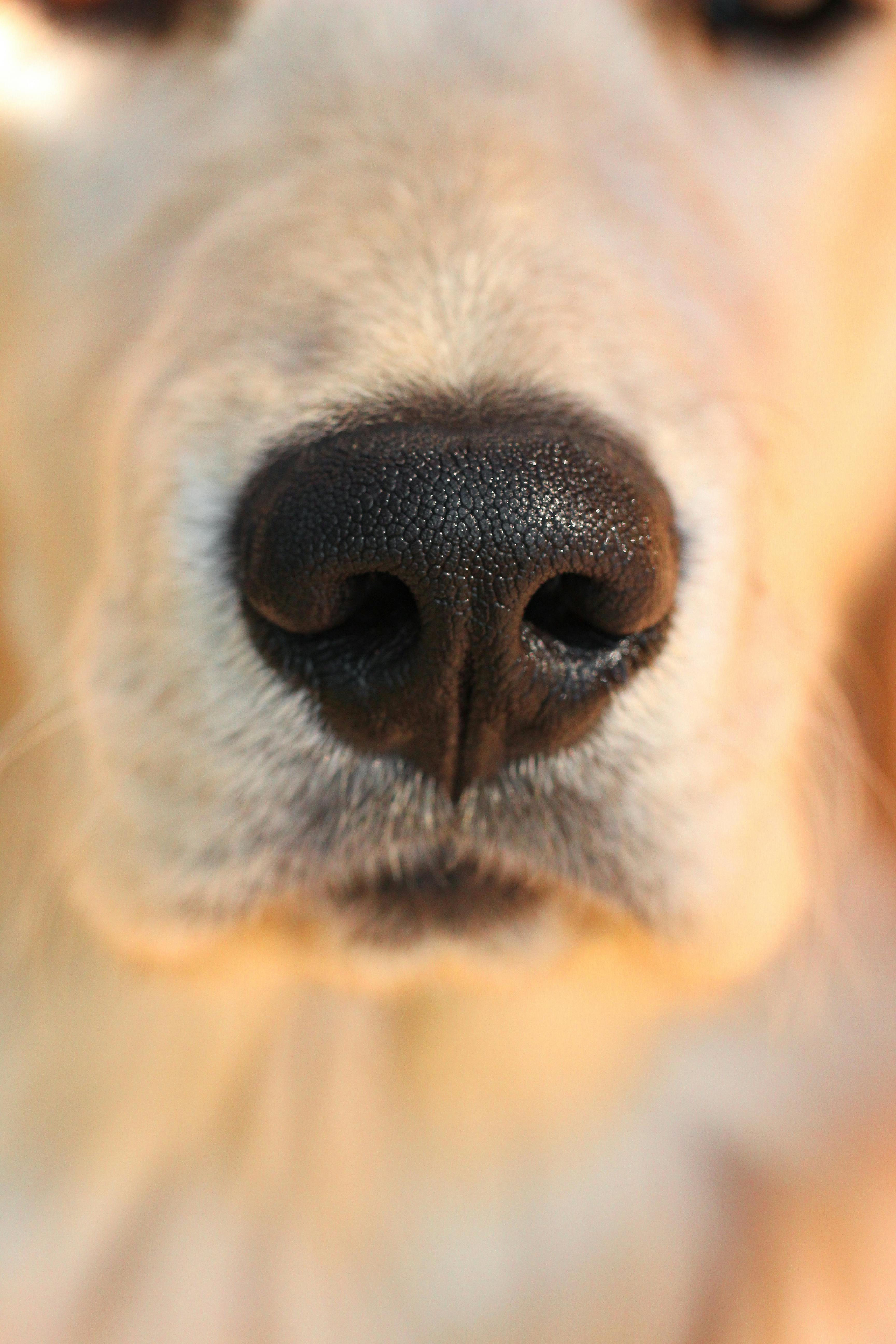 \n\n
\n\nDogs have always been our loyal companions, and their health is a priority for every pet owner. One common question many people ask is, "Is a wet nose a sign of a healthy dog?" Well, let's dive into this intriguing topic and debunk some myths along the way. One thing is clear, a wet nose might be just one of the many indicators of a dog’s well-being, but it's not the only one.
\nThe Science Behind a Dog’s Wet Nose
\nSo, why do dogs have wet noses? There’s actually a fascinating explanation for this. A dog’s nose is covered in a thin layer of moisture which helps them to smell better. Dogs have a sense of smell that is much more acute than humans, and moisture in their noses helps to capture scent particles in the air. When a dog sniffs, the moisture helps to absorb scents, allowing for better detection.
\n- \n
- Nasal Mucus: The wetness comes from mucus secreted by the nose. \n
- Temperature Regulation: A wet nose may also help in thermoregulation, keeping the dog cool during hot weather. \n
- Health Indicator: While a wet nose can be a sign of good health, it’s not a definitive measure. \n
Debunking Common Myths
\nMany myths exist about dog health, particularly when it comes to nose wetness. Here are some common misconceptions:
\n- \n
- \n
Myth 1: A wet nose means your dog is healthy.
\n- \n
- Truth: While a wet nose can indicate that a dog is well-hydrated and possibly healthy, it’s not conclusive. Some healthy dogs may have dry noses, and some sick dogs can have wet noses. \n
\n - \n
Myth 2: Dogs with warm noses are sick.
\n- \n
- Truth: A warm nose doesn’t automatically indicate illness. Dogs’ noses can change temperature for many reasons, including environmental factors. \n
\n - \n
Myth 3: All dogs have wet noses.
\n- \n
- Truth: Some breeds, especially those with less fur on their noses, may naturally have drier noses. \n
\n
Historical Context of Dog Noses
\nThe anatomy of a dog’s nose has evolved over thousands of years. Dogs are descendants of wolves, and their noses have adapted to their roles as hunters and companions. The ability to smell was vital for survival in the wild, and it continues to be important for domesticated dogs.
\nWhy a Wet Nose Can Be Important
\nWhile it’s important to remember that a wet nose isn’t the sole indicator of health, it plays a role in a dog’s overall well-being. Here’s how:
\n- \n
- Scent Recognition: A wet nose improves a dog’s ability to process smells. This is why dogs are often used in search and rescue operations. \n
- Behavioral Indicators: Dogs with wet noses may be more social and engaged. They’re often more likely to approach people and other animals. \n
What to Look for Instead of Just Wetness
\nIf you’re worried about your dog’s health, it’s better to look for a combination of signs rather than just focusing on their nose. Here’s a checklist:
\n- \n
- Energy Levels: Is your dog active and playful? \n
- Appetite: Are they eating regularly? \n
- Behavior Changes: Any sudden changes in behavior can be a cause for concern. \n
- Physical Condition: Check for any abnormalities in coat, skin, or weight. \n
Practical Tips for Dog Owners
\nHere are some practical tips for assessing your dog’s health beyond just the wetness of their nose:
\n- \n
- Regular Vet Check-ups: Schedule annual vet visits to keep vaccinations and health checks up to date. \n
- Monitor Diet: Ensure your dog has a balanced diet suited to their age and breed. \n
- Exercise: Regular walks and playtime are essential for overall health. \n
- Hydration: Always provide fresh water to keep them hydrated. \n
Comparisons: Wet vs. Dry Noses
\nHere’s a quick comparison of what a wet nose vs. a dry nose might signify:
\n- \n
- \n
Wet Nose:
\n- \n
- Usually cool to the touch \n
- Can indicate hydration and good health \n
- Often associated with active dogs \n
\n - \n
Dry Nose:
\n- \n
- May feel warm or hot \n
- Can indicate dehydration or illness, but not always \n
- Some dogs naturally have dry noses \n
\n
In summary, while a wet nose can be one indicator of a dog's health, it should not be the only factor you consider. Paying attention to other signs and seeking professional advice is key to ensuring your furry friend stays happy and healthy. Always remember that every dog is unique, and what works for one may not work for another. So, keep observing, interacting, and loving your pets as they deserve all the care in the world!
\n\nThe Role of Dog Noses in Temperature Regulation: Why Wetness Matters
\n\n \n\n
\n\nDogs are often known for their playful personalities and loyal companionship, but have you ever wondered about their wet noses? There's a fascinating science behind why do dogs have wet noses, and it’s not just for show. It plays a critical role in their temperature regulation. Let’s dive into this intriguing subject, exploring the secrets of canine noses and why their wetness matters.
\nThe Anatomy of a Dog’s Nose
\nDog noses are complex organ. They contain a high number of olfactory receptors – estimated to be around 300 million, compared to a human's mere 5 million. This unique structure allow dogs to smell far better than us. But what does the wetness have to do with it?
\n- \n
- Moisture: Dog noses are moist because of a thin layer of mucus. This moisture helps to capture scent particles from the air. When these particles dissolve in the mucus, it makes it easier for dogs to detect smells. \n
- Temperature Regulation: The wetness also helps cool their body. Just like humans sweat, dogs rely on their noses to help regulate temperature. \n
Why Do Dogs Have Wet Noses?
\nThe question of why do dogs have wet noses can be answered in several ways. Here’s a breakdown of the main reasons:
\n- \n
- \n
Enhanced Smell: As mentioned earlier, the moisture on a dog's nose helps trap scent particles. This makes their sense of smell much sharper and effective.
\n \n - \n
Cooling Mechanism: Dogs don’t sweat like humans do. Instead, they release heat through their noses. A wet nose helps to cool off their body temperature, especially on hot days.
\n \n - \n
Health Indicator: A dog’s nose can indicate their health. A dry or cracked nose may signal dehydration or illness, whereas a cool and moist nose generally indicates good health.
\n \n
The Science Behind Wetness
\nSo, why is there a need for wetness in dog noses? It’s all about the science! Here are a few facts:
\n- \n
- Olfactory Epithelium: The nasal cavity contains the olfactory epithelium, which is responsible for detecting odors. When it’s wet, it can better absorb scent molecules. \n
- Evaporative Cooling: Just like when we sweat, the evaporation of moisture from a dog’s nose helps to cool their body. When the air is hot, the moisture evaporates, taking heat with it. \n
- Behavioral Aspects: Dogs often lick their noses to keep them moist. This is a natural behavior and signifies their instinctual need to enhance their sense of smell. \n
Comparisons Between Dog and Human Noses
\nIt's interesting to compare dog noses with our own. Here's a quick look:
\n| Feature | \nHuman Nose | \nDog Nose | \n
|---|---|---|
| Number of Olfactory Receptors | \n5 million | \n300 million | \n
| Moisture Level | \nGenerally dry | \nUsually moist | \n
| Temperature Regulation | \nSweating | \nEvaporation from nose | \n
| Scent Detection | \nModerate | \nHighly sensitive | \n
Common Misconceptions About Wet Noses
\nThere are many myths surrounding why do dogs have wet noses. Here’s a list of a few misconceptions:
\n- \n
- \n
Myth 1: All dogs have wet noses.
\n- \n
- Reality: Some breeds may have drier noses due to their unique physiology or environmental factors. \n
\n - \n
Myth 2: A wet nose means a dog is sick.
\n- \n
- Reality: A wet nose is usually a sign of good health, but it's not the only indicator. Other symptoms need to be considered. \n
\n - \n
Myth 3: Dogs can’t smell if their noses are dry.
\n- \n
- Reality: While moisture helps, dogs can still detect scents even if their noses are dry, just not as effectively. \n
\n
Practical Implications for Dog Owners
\nAs a dog owner, understanding the importance of your pet's nose can help you care for them better. Here are some practical tips:
\n- \n
- Check for Changes: Regularly examine your puppy's nose. Look for changes in moisture levels, color, or texture. \n
- Hydrate Your Dog: Make sure your dog stays hydrated, especially on warm days. Adequate water intake promotes a healthy, moist nose. \n
- Consult Your Vet: If you notice any significant changes in your dog’s nose, it might be wise to consult your veterinarian. \n
The wetness of a dog’s nose serves multiple purposes, from enhancing their incredible sense of smell to aiding in temperature regulation. It's a fascinating aspect of canine biology that reflects their evolutionary adaptations. Understanding this can not only deepen your appreciation for dogs but also help you in providing better care for your furry friends. With their unique wet noses, dogs continue to amaze us with their extraordinary abilities and behaviors.
\n\nCan Dogs' Wet Noses Detect Illness? Exploring the Health Connection
\n\n \n\n
\n\nHave you ever noticed how dogs’ noses are always wet? It’s one of those quirks that seems to spark curiosity. But beyond just being cute, there’s a fascinating connection between a dog’s wet nose and its health, including the ability to sniff out illnesses. So, can dogs' wet noses detect illness? And why do they have wet noses in the first place? Let’s dig into this intriguing topic and uncover the secrets behind our canine companions’ noses.
\nWhy Do Dogs Have Wet Noses?
\nFirstly, dogs have wet noses for a variety of reasons, and it's not just for show. Their wet noses help them in several ways:
\n- \n
- \n
Enhanced Sense of Smell: A dog’s sense of smell is significantly better than humans. A wet nose helps trap scent particles, making it easier for them to pick up smells. It's estimated that dogs can detect certain scents 10,000 to 100,000 times better than we can!
\n \n - \n
Temperature Regulation: Just like humans sweat, dogs use their noses as a way to help regulate their body temperature. When a dog is hot, the moisture on their nose can evaporate, helping to cool them down.
\n \n - \n
Communication Tool: Dogs use their noses to communicate with other dogs and humans. A wet nose often signifies a friendly approach. It’s a way for them to gather information about their environment and those around them.
\n \n - \n
Health Indicator: A dog’s nose can also indicate its health status. A healthy dog typically has a moist and cool nose, while a dry or cracked nose might signal illness or dehydration.
\n \n
Can Dogs' Wet Noses Detect Illness?
\nNow, let’s explore the compelling idea that dogs' wet noses can actually detect illnesses. Science has shown that dogs possess an incredible ability to sniff out certain medical conditions, which is somewhat linked to their wet noses. Here are some facts:
\n- \n
- \n
Cancer Detection: Studies have suggested that dogs can detect certain types of cancer, like melanoma, through smell. They can sense the change in the chemical composition of a person’s body. This is attributed to their extraordinary olfactory senses, which are enhanced by their moist noses.
\n \n - \n
Diabetes Alert: Some dogs are trained to detect changes in blood sugar levels in diabetic patients. They can alert their owners before a hypoglycemic episode occurs, providing a valuable warning sign.
\n \n - \n
Seizure Prediction: There are accounts of dogs that can sense an impending seizure in their owners. The mechanism isn't fully understood, but it’s believed that they can detect subtle changes in their human's body chemistry.
\n \n
Fascinating Facts About Dogs' Noses
\nHere are some interesting tidbits about our furry friends' noses:
\n- \n
- \n
Unique Nose Prints: Just like human fingerprints, each dog has a unique nose print. This can be used for identification purposes.
\n \n - \n
Nasal Turbinates: Dogs have complex structures in their noses called nasal turbinates which help filter and warm the air they breathe. This structure is part of what enhances their sense of smell.
\n \n - \n
Sense of Smell and the Brain: The portion of a dog's brain dedicated to analyzing smells is about 40 times larger than that of humans, highlighting just how crucial this sense is for them.
\n \n - \n
Temperature Sensitivity: Dogs have a special organ called the Jacobsen's organ, located in the roof of their mouth, that helps them analyze scents even further. This organ enhances their ability to detect pheromones and other chemical signals.
\n \n
Practical Examples of Dog Senses in Action
\nMany people have shared stories of their dogs detecting medical conditions. Here are some examples:
\n- \n
- \n
Cancer Sniffers: Dogs have been trained to sniff out cancer in patients, sometimes during routine check-ups. This has led to earlier diagnoses and improved treatment outcomes.
\n \n - \n
Diabetic Alert Dogs: There are numerous accounts of service dogs that alert their owners about low blood sugar levels, potentially saving lives.
\n \n - \n
Seizure Alert Dogs: Many families report that their dogs can sense when a seizure is about to occur, allowing them to seek safety and assistance.
\n \n
In summary, the wet noses of dogs do more than just look adorable; they play a vital role in their ability to interact with their environment and even detect illnesses in humans. This remarkable connection between their wet noses and health can lead to new understandings of how we can better care for our canine companions and ourselves. It's truly a testament to the bond we share with these incredible animals and the hidden abilities they possess.
\n\nWhy Does Your Dog's Nose Change From Wet to Dry? Understanding Dog Health
\n\n \n\n
\n\nEver wondered why your dog's nose seems to change from wet to dry? This is a common observation among dog owners, and it often leads to questions about dog health. Understanding why dogs have wet noses can help you care for your furry friend better. There’s a fascinating science behind this, and it can tell you a lot about their well-being.
\nWhy Do Dogs Have Wet Noses?
\nDogs typically have wet noses for a few reasons. First, a wet nose helps them to smell better. The moisture on their nose can trap scent particles from the air, allowing them to pick up more scents. This is especially important since dogs have an incredible sense of smell, which is way better than humans.
\nHere are some reasons why dogs’ noses are wet:
\n- \n
- Enhanced Olfactory Function: The moisture helps capture scents. \n
- Temperature Regulation: Dogs can regulate their body temperature through their noses. \n
- Hydration: A moist nose can indicate that a dog is well-hydrated. \n
The Science Behind Wet and Dry Noses
\nSo, what causes your dog's nose to change from wet to dry? Several factors can influence this.
\n- \n
- Environmental Factors: The weather can play a big role. For instance, on hot sunny days, your dog's nose might dry out from the heat. Conversely, during rainy or humid days, it might stay wet. \n
- Health Status: A dog's health can also affect their nose's moisture. If they are sick or dehydrated, their nose may become dry. \n
- Sleep Patterns: While sleeping, a dog’s nose might dry out because they are not active and their body is in a resting state. \n
When Should You Be Concerned?
\nMost of the time, a change in your dog's nose from wet to dry is nothing to worry about. However, there are some signs that might indicate a health issue. Here’s a quick list of things to watch for:
\n- \n
- Excessive Dryness: If the nose is excessively dry and cracked. \n
- Change in Color: Any unusual discoloration might be a sign of concern. \n
- Behavioral Changes: If your dog seems lethargic or not eating, it could be serious. \n
Historical Insights into Dog Noses
\nHistorically, wet noses have been a sign of a healthy dog. Ancient cultures believed that a dog’s nose could predict their health. There were even myths that claimed a wet nose could ward off evil spirits. While those beliefs are outdated, they highlight the importance people placed on a dog's health.
\nFun Facts About Dog Noses
\nDid you know that a dog's nose print is unique? Just like human fingerprints, each dog has a distinct nose print. Here are some other interesting facts:
\n- \n
- Dogs can smell up to 100,000 times better than humans. \n
- The wetness of a dog's nose can help them cool down. \n
- Dogs have about 300 million scent glands, compared to only 6 million in humans. \n
Caring for Your Dog's Nose
\nTaking care of your dog's nose is pretty important. Here’s how you can help maintain its health:
\n- \n
- Hydration: Make sure your dog drinks plenty of water, especially during hot weather. \n
- Avoid Irritants: Avoid exposing your dog to smoke or harsh chemicals. \n
- Regular Vet Checkups: Regular visits to the vet can catch any potential issues early. \n
Common Myths about Dog Noses
\nThere are plenty of myths out there. Here are some you might have heard:
\n- \n
- A Warm Nose Means a Sick Dog: This is not always true. A dog's nose temperature can vary. \n
- Wet Nose Equals Healthy Dog: While a wet nose is often a sign of health, it’s not the only indicator. \n
In the end, knowing why your dog’s nose changes from wet to dry can help you understand their health better. Whether it's environmental factors or health issues, being aware can make a big difference. Just keep an eye on those little clues your dog gives you, and you can ensure your furry friend stays happy and healthy.
\n\nWet Noses and Dog Behavior: What Your Pup’s Nose Says About Their Mood
\n\n \n\n
\n\nHave you ever wondered why your furry friend’s nose is always wet? It’s like a little sponge, constantly ready to explore the world. Wet noses have fascinated dog owners for ages, and many people don’t realize just how much they can reveal about a dog's feelings and overall health. So, let’s dive into the intriguing world of wet noses and dog behavior!
\nWhy Do Dogs Have Wet Noses?
\nDogs have wet noses for a variety of reasons, and it’s not just because they love to play in the water. Here are some key points explaining this phenomenon:
\n- \n
- \n
Nasal Cooling: A wet nose helps dogs regulate their body temperature. By keeping their noses moist, they can cool off more efficiently. This is similar to how we sweat to maintain our body temperature.
\n \n - \n
Enhanced Smell: A moist surface on their noses captures scent particles better, which is crucial for a species that relies heavily on their sense of smell. The wetness helps to absorb and retain scents, making it easier for dogs to detect things around them.
\n \n - \n
Health Indicator: The state of a dog’s nose can reflect their health. A healthy dog usually has a cool, wet nose. If a dog’s nose is dry and warm, it could mean they’re sick or dehydrated, but not always. It's important to look for other signs of illness too.
\n \n - \n
Dog Behavior: The moisture in a dog’s nose can also be a signal of their emotional state. For example, when dogs are excited or curious, their noses tend to be wetter.
\n \n
What Your Pup’s Nose Says About Their Mood
\nYour dog’s nose can tell you more than you think! Dogs express their emotions through their body language, and their noses are a part of that. Here’s how to read your pup’s mood:
\n- \n
- \n
Curiosity: When your dog is sniffing around, their nose is usually wet. This indicates they are engaged and interested in their surroundings.
\n \n - \n
Playfulness: A wet nose, along with a wagging tail, can mean your dog is ready to play. It shows they are happy and excited!
\n \n - \n
Stress or Fear: A dry, warm nose might indicate that your dog is stressed or anxious. They may be feeling uncomfortable in certain situations.
\n \n - \n
Relaxation: If your dog’s nose is cool and wet while they are lounging, they are likely feeling content and relaxed.
\n \n
Historical Context of Dogs’ Noses
\nDogs have been companions to humans for thousands of years. Historically, humans have understood the importance of a dog’s sense of smell. Ancient civilizations even trained dogs for hunting and searching, relying on their ability to smell with that wet nose. Here’s a quick timeline of this bond:
\n- \n
- \n
15,000+ Years Ago: Evidence of domesticated dogs emerges, and their acute sense of smell is recognized.
\n \n - \n
Middle Ages: Dogs are used in hunting and herding, showcasing their skills in tracking and scent detection.
\n \n - \n
Modern Times: Dogs are trained for various roles, including search-and-rescue and detection of drugs or explosives, emphasizing the importance of their noses.
\n \n
Fun Facts About Dog Noses
\n- \n
- \n
Did you know a dog’s nose print is unique, like a human fingerprint? Each dog has a different pattern!
\n \n - \n
Dogs have about 220 million scent receptors in their noses, compared to a human’s 5 million. That’s why they can detect certain scents up to 100,000 times better than we can.
\n \n - \n
The wetness of a dog’s nose can vary based on the environment. In humid weather, their noses tend to stay wetter longer.
\n \n - \n
Puppies are born with relatively dry noses, which become wetter as they grow and develop.
\n \n
How to Care for Your Dog’s Nose
\nTaking care of your dog’s nose is important for their health. Here are some tips:
\n- \n
- \n
Hydration: Make sure your dog has access to fresh water at all times. A hydrated dog is more likely to have a healthy, wet nose.
\n \n - \n
Check for Cracks: If you notice cracks or dryness, it might be time to consult your vet. It could be a sign of a skin condition or allergies.
\n \n - \n
Keep it Clean: Gently wipe your dog’s nose with a damp cloth to remove dirt and debris, especially after outdoor play.
\n \n - \n
Monitor Changes: Keep an eye on any significant changes in your dog’s nose. If it becomes persistently dry or warm, consider a vet visit.
\n \n
In the world of canines, a wet nose is more than just a cute feature; it serves essential functions for their health and behavior. So next time you see your pup with that adorable, damp nose, remember the fascinating secrets it holds! Dogs really know how to communicate, and their wet noses are just one of the many ways they express their emotions and well-being.
\n\n7 Surprising Facts About Dog Noses: More Than Just Wet and Cold!
\n\n \n\n
\n\nDog lovers across the globe often wonder about their furry companions' quirks, and one of the most fascinating features is their noses. Many peoples think dog noses are just wet and cold, but there is so much more to it than that! Let’s uncover 7 surprising facts about dog noses that might just blow your mind.
\n1. Dogs Have Incredible Sense of Smell
\nDid you knows that dogs' sense of smell is estimated to be between 10,000 to 100,000 times more sensitive than humans? This is because they have around 300 million olfactory receptors in their noses, compared to a human’s roughly 5 million. This means dogs can detect scents at incredibly low concentrations, making them excellent at tracking scents or detecting diseases.
\n2. Wet Noses Help with Smell
\nYou might been curious, why do dogs have wet noses? It turns out, having a moist nose actually helps enhance their sense of smell. The moisture on a dog’s nose captures scent particles from the air, allowing them to identify different smells more effectively. So, that wet nose isn’t just for show; it serves a crucial purpose in their ability to sniff out the world around them.
\n3. Dogs’ Noses Are Unique Like Fingerprints
\nJust like humans have unique fingerprints, every dog has a distinct nose print. The patterns and ridges on a dog’s nose can be used to identify them, similar to how we use fingerprints for identification. Some animal shelters even use nose prints for this reason, creating a unique profile for each dog.
\n4. Changing Temperature of Their Noses
\nHave you ever noticed that a dog’s nose can change temperature? When a dog is healthy and relaxed, their nose usually feels cool and wet. However, when they are sick or stressed, it might become dry or warm. This change could be an indicator of their overall health, making it an important aspect to observe as a pet owner.
\n5. Dogs Use Their Noses to Communicate
\nDogs don't just use their noses to smell; they also use them for communication. Dogs often sniff each other’s noses and behinds as a way of gathering information about each other. This behavior is part of their social interaction and helps them learn about the other dog’s identity, gender, and even mood.
\n6. The Science Behind the "Scent of Fear"
\nWhen a dog senses fear or anxiety, they can actually smell it! Humans release pheromones when they are scared and dogs can pick up on those scents. This is why dogs often react to people who feel nervous or fearful, and it can explain why some dogs are more protective than others.
\n7. The Role of Noses in Dog Breeds
\nDifferent breeds have varying nose shapes which can affect their smelling abilities. For example, bloodhounds have long and droopy noses, which help them trap scents better, making them excellent trackers. On the other hand, brachycephalic breeds (like pugs or bulldogs) have shorter noses which can limit their sense of smell. Here’s a quick comparison:
\n| Breed | \nNose Type | \nSmelling Ability | \n
|---|---|---|
| Bloodhound | \nLong and droopy | \nExcellent | \n
| Beagle | \nMedium | \nVery good | \n
| Pug | \nShort | \nLimited | \n
Now that you know these surprising facts about dog noses, it’s clear that they’re more than just wet and cold! With their incredible sense of smell, unique patterns, and ability to communicate through scent, dog noses are a window into the fascinating world of canine behavior.
\nIn summary, understanding why dogs have wet noses and the secrets behind them can deepen the bond between you and your furry friend. So next time you see that adorable, cold, wet nose, remember there’s a lot more going on beneath the surface!
\n\nHow to Care for Your Dog's Nose: Ensuring Optimal Health and Hydration
\n\n \n\n
\n\nDogs are often called man's best friend, and for good reason. They bring joy, companionship, and loyalty into our lives. One of the most interesting features of our furry pals is their noses. Have you ever wondered why do dogs have wet noses? Or how to care for your dog’s nose properly? Let's dive into the fascinating world of canine noses and learn how to keep them healthy and hydrated.
\nWhy Do Dogs Have Wet Noses?
\nWet noses are a common sight among dogs, but have you ever stopped to think about why? There are several reasons that explain this unique trait:
\n- \n
- \n
Scent Enhancement: Dogs rely heavily on their sense of smell. A wet nose helps to absorb scent particles, making it easier for them to detect various smells. The moisture on their nose allows them to pick up scents more effectively, which is vital for their survival and social interaction.
\n \n - \n
Thermoregulation: Dogs don't sweat like humans do. Their bodies cool down through panting, but their wet noses also play a role in regulating their body temperature. The moisture evaporates from their nose, helping to keep them cool.
\n \n - \n
Health Indicator: A wet and cool nose is often a sign of a healthy dog. However, it's important to note that a dry nose doesn't always indicate illness. Changes in nose moisture can happen for many reasons, including weather and activity levels.
\n \n
How to Care for Your Dog's Nose: Ensuring Optimal Health and Hydration
\nTaking care of your dog's nose is essential for maintaining their overall health. Here are some practical tips to ensure their snout stays in tip-top shape:
\n- \n
- \n
Hydration is Key: Make sure your dog has access to fresh water at all times. Dehydration can lead to a dry nose, which could be a sign of health issues.
\n \n - \n
Regular Check-Ups: Just like any other part of your dog, their nose should be examined during routine veterinary visits. Your vet can spot any abnormalities, like cracks or sores, that could indicate a problem.
\n \n - \n
Avoid Harsh Chemicals: If you use cleaning products or pesticides in your home or yard, be mindful of your dog’s exposure. Chemicals can irritate their sensitive noses and lead to health issues.
\n \n - \n
Seasonal Care: Protect your dog’s nose during extreme weather. In winter, cold air can cause dryness and cracking, while summer heat can lead to sunburn. Consider using pet-safe moisturizers or sunblock on their nose if needed.
\n \n - \n
Diet Matters: A healthy diet contributes to overall health, including the condition of their nose. Ensure your dog is eating a balanced diet rich in essential fatty acids.
\n \n
Signs of Nose Problems to Watch For
\nBeing attentive to changes in your dog’s nose can help catch potential issues early. Here’s a list of signs that might indicate a problem:
\n- \n
- Cracks or sores \n
- Excessive dryness or flakiness \n
- Unusual swelling or discoloration \n
- Bleeding or oozing \n
If you notice any of these signs, it's best to consult with a veterinarian.
\nFun Facts About Dog Noses
\nDid you know that dog noses have unique patterns similar to human fingerprints? Here are some more fun facts:
\n- \n
- \n
Nose Prints: Just like humans have unique fingerprints, each dog has a unique nose print. This can be used for identification purposes.
\n \n - \n
Scent Sensitivity: Dogs have up to 300 million scent receptors in their noses compared to about 5 million in humans. This makes them incredibly sensitive to smells.
\n \n - \n
Temperature Tolerance: Dogs can tolerate a wide range of temperatures, but their noses can be a good indicator of their comfort level. A warm, dry nose can signal overheating.
\n \n
Conclusion
\nCaring for your dog's nose is a simple yet important part of pet ownership. By understanding why do dogs have wet noses and how to keep them healthy, you can ensure your furry friend stays happy and comfortable. Remember, hydration, regular check-ups, and a keen eye for changes can go a long way in maintaining optimal nose health. Keep those noses wet and those tails wagging!
\n\nConclusion
\n\nIn conclusion, the wet noses of dogs serve several vital functions that contribute to their overall health and well-being. From enhancing their sense of smell to helping regulate body temperature, a dog's moist nose is a remarkable adaptation. The moisture also plays a role in the olfactory process, allowing dogs to better detect scents in their environment. Additionally, the wetness can indicate hydration levels and general health, making it an important aspect for pet owners to monitor. Understanding these reasons not only enriches our appreciation for our furry companions but also encourages responsible pet care. So, the next time you notice your dog’s wet nose, remember the science behind it and take a moment to check on their health. Embrace the joy of having a dog and ensure they stay happy and healthy by providing regular vet check-ups and plenty of love!
\n\n