
Have you ever wondered, why do dogs have wet noses? This fascinating question captivates pet owners and animal lovers alike! A dog’s moist nose isn’t just an adorable quirk; it’s packed with purpose and secrets waiting to be discovered. Many people curious about dog health might ask, is a wet nose a sign of a healthy pup? Or could it mean something more? The truth is, a wet nose serves various functions—from enhancing their sense of smell to regulating body temperature. Isn’t it amazing how something so simple can hold such importance? In this blog post, we will explore the science behind dog noses and uncover the truth behind this quirky characteristic. You’ll be surprised by what you learn about your furry friend! Are you ready to dive into the world of canine anatomy and behavior? Join us as we unravel the mystery of why dogs have wet noses and discover how this unique feature contributes to their overall well-being. Whether you’re a seasoned dog owner or a curious newbie, you’ll find answers that will deepen your understanding and appreciation for your canine companion. Let’s embark on this exciting journey together!
The Science Behind Dog Noses: Why Are They Always Wet?
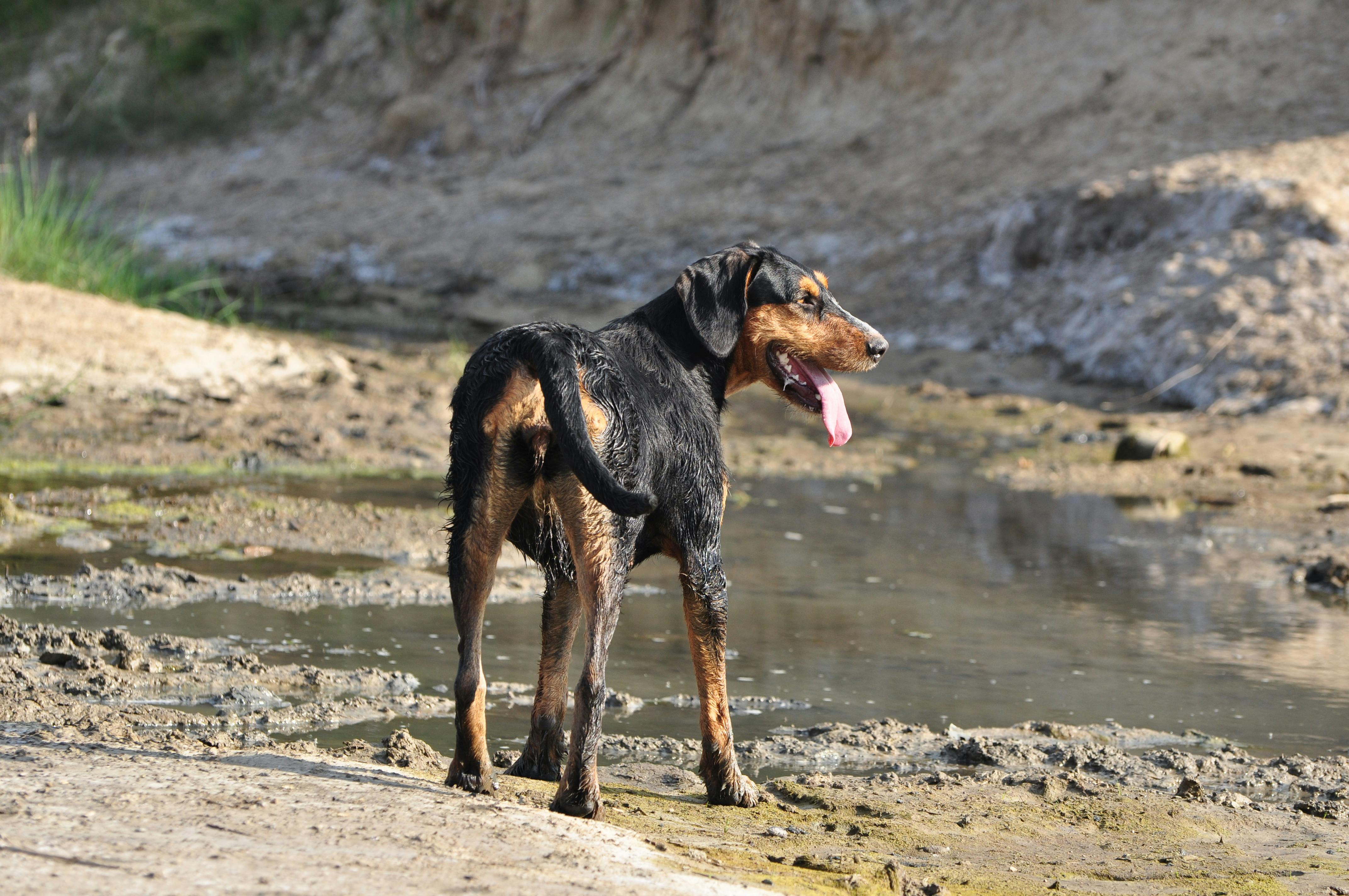
Every dog owner has probably noticed their furry friend’s nose is almost always wet. This observation may lead to questions like, “Why do dogs have wet noses?” or “Is there a scientific reason behind it?” Well, there’s more to those damp doggy noses than meets the eye. The science behind dog noses is fascinating, and it plays a crucial role in how these animals interact with their environment.
The Anatomy of a Dog’s Nose
Dog noses are not just for show; they are highly specialized organs. A dog’s sense of smell is significantly better than humans — estimates vary, but it can be up to 100,000 times more sensitive! This is due to the structure of their noses, which includes:
- Olfactory Receptors: Dogs have about 300 million olfactory receptors, compared to humans who have roughly 5 million. This makes their noses super sensitive to different scents.
- Vomeronasal Organ: This organ helps dogs detect pheromones, which are chemicals that can convey information about other animals.
- Moisture: The moisture on a dog’s nose serves a functional purpose, helping to capture scent particles from the air.
Why Are Dog Noses Wet?
So, why do dogs have wet noses? The answer lies in several factors related to their health and sensory capabilities. Here are the primary reasons:
Enhanced Smell: A wet nose can capture more scent particles. When the nose is moist, it can trap more odor molecules, improving a dog’s ability to smell.
Thermoregulation: Dogs do not sweat like humans do. Instead, they rely on their noses to help regulate body temperature. A wet nose helps cool them down through evaporation, similar to how sweat works for us.
Health Indicator: A wet nose is often seen as a sign of a healthy dog. While a dry nose doesn’t always indicate illness, a consistently warm, dry nose could be a sign of dehydration or other health issues.
Fun Facts About Dog Noses
- Dogs have unique nose prints, similar to human fingerprints. Each pattern is different and can be used for identification.
- The wetness of a dog’s nose can vary based on weather, activity, and even their mood.
- Breeds like Bloodhounds and Basset Hounds have the most developed sense of smell, making their noses particularly crucial for tracking.
Historical Context and Cultural Significance
Throughout history, dogs have been revered for their olfactory abilities. In ancient times, they were used for hunting and tracking due to their keen sense of smell. The importance of a dog’s nose has been recognized in various cultures — for instance:
- In Ancient Egypt: Dogs were often depicted in art and were known for their scent-tracking abilities.
- In Modern Times: Law enforcement agencies rely on dogs for sniffing out drugs, explosives, and even missing persons.
Comparisons: Dog Noses vs. Human Noses
Here’s a comparison to illustrate just how different dog noses are from human noses:
| Feature | Human Nose | Dog Nose |
|---|---|---|
| Number of Olfactory Receptors | About 5 million | About 300 million |
| Sense of Smell | Moderate | Highly sensitive |
| Purpose | Breathing, smelling | Smelling, tracking |
| Moisture | Varies, not crucial | Essential for scent capture |
Practical Examples of How Dogs Use Their Noses
Dogs use their noses in various ways that can be quite fascinating. Here are some examples:
- Tracking: Bloodhounds can track scents over several days, which is invaluable in search and rescue operations.
- Detection: Many service dogs are trained to detect medical conditions, such as low blood sugar or seizures, using their sense of smell.
- Social Interaction: Dogs often greet each other by sniffing noses, which is a way of gathering information about one another.
Conclusion
The science behind why dogs have wet noses reveals a fascinating interplay between biology and behavior. Their moist noses not only enhance their incredible sense of smell but also play important roles in temperature regulation and health indicators. As a dog owner, understanding these nuances enriches the bond you share with your pet. So next time you see your dog’s wet nose, remember it’s not just cute — it’s a vital tool for their survival and interaction with the world around them.
Top 5 Reasons Your Dog’s Nose Is Wet—And What It Means for Their Health

Have you ever wondered why your dog’s nose is wet? It’s one of those little quirks of canine biology that can be both fascinating and puzzling. Many dog owners have probably asked themselves, “Why do dogs have wet noses?” Is it normal, or is something wrong? In this article, we will explore the top five reasons your dog’s nose might be wet, and what it can means for their health.
1. Natural Cooling Mechanism
Dogs don’t sweat like humans do. Instead, they regulate their temperature primarily through panting and the moisture on their noses. A wet nose helps cool them down. When a dog breathes, the moisture evaporates from the surface, which causes a cooling effect.
- Dogs have sweat glands only in their paw pads.
- A wet nose can help in regulating body temperature, especially during hot weather.
- It’s part of their natural survival instinct.
2. Sense of Smell Enhancement
Dogs have an incredible sense of smell, and a wet nose helps amplify that. The moisture on their noses captures scent particles from the air, allowing them to process smells more efficiently. This is crucial for their hunting and tracking instincts.
- It’s estimated that a dog’s sense of smell is 10,000 to 100,000 times more sensitive than humans.
- Wet noses can absorb scent better than dry ones.
- This ability is why dogs are often used in search and rescue missions.
3. Health Indicator
The state of your dog’s nose can actually indicate their health. A normal, healthy nose is moist, but if it’s excessively dry or crusty, it could signal a health issue.
- Possible health problems indicated by a dry nose includes dehydration, fever, or even autoimmune diseases.
- Conversely, an overly wet nose can also be a sign of allergies or infection.
- Regularly checking your pet’s nose can help you catch health concerns early.
4. Environmental Factors
A dog’s nose can become wet due to environmental factors. For instance, if your dog has just been playing in the water, their nose might be wet from splashes. Similarly, humidity levels in the air can also contribute to a moist nose.
- Dogs living in humid climates may have persistently wet noses.
- Exposure to moisture, like rain or swimming, can lead to a wet nose.
- It’s important to note that changes in the environment can affect your dog’s nose.
5. Licking Behavior
Dogs often lick their noses. This behavior is quite common and can lead to a wet nose. Dogs lick their noses for several reasons, including cleaning, tasting, and even calming themselves down.
- Licking can help spread saliva, which aids in scent detection.
- It also serves as a grooming method, keeping their noses free of debris.
- If your dog is frequently licking their nose, it can indicate boredom or anxiety.
Quick Tips for Care
Taking care of your dog’s nose is essential for their overall health. Here are some quick tips to ensure your furry friend has a healthy snout:
- Hydration: Always provide fresh water to keep your dog hydrated.
- Check Temperature: A healthy nose can be warm or cool—temperature alone is not a definite indicator of illness.
- Observe Behavior: If you notice changes in licking behavior, it could be worth consulting a vet.
- Environmental Awareness: Be mindful of extreme weather conditions that could affect your dog’s nose.
Frequently Asked Questions
Why do some dogs have dry noses?
- It could be due to dehydration or health issues. Always consult a vet for persistent changes.
Do all dogs have wet noses?
- Most dogs do, but certain breeds might have drier noses naturally.
Can a wet nose be a sign of illness?
- Yes, it can indicate allergies or infections if the wetness is excessive or accompanied by other symptoms.
Understanding why your dog’s nose is wet can help you monitor their health better. A wet nose is generally a sign of a happy and healthy pup, but being observant about changes is key. If you’re ever in doubt, don’t hesitate to consult with your veterinarian for advice tailored to your dog’s specific needs. By keeping an eye on these factors, you can ensure your furry friend stays healthy and happy for years to come.
Wet Noses and Canine Behavior: How Your Pup Communicates with You
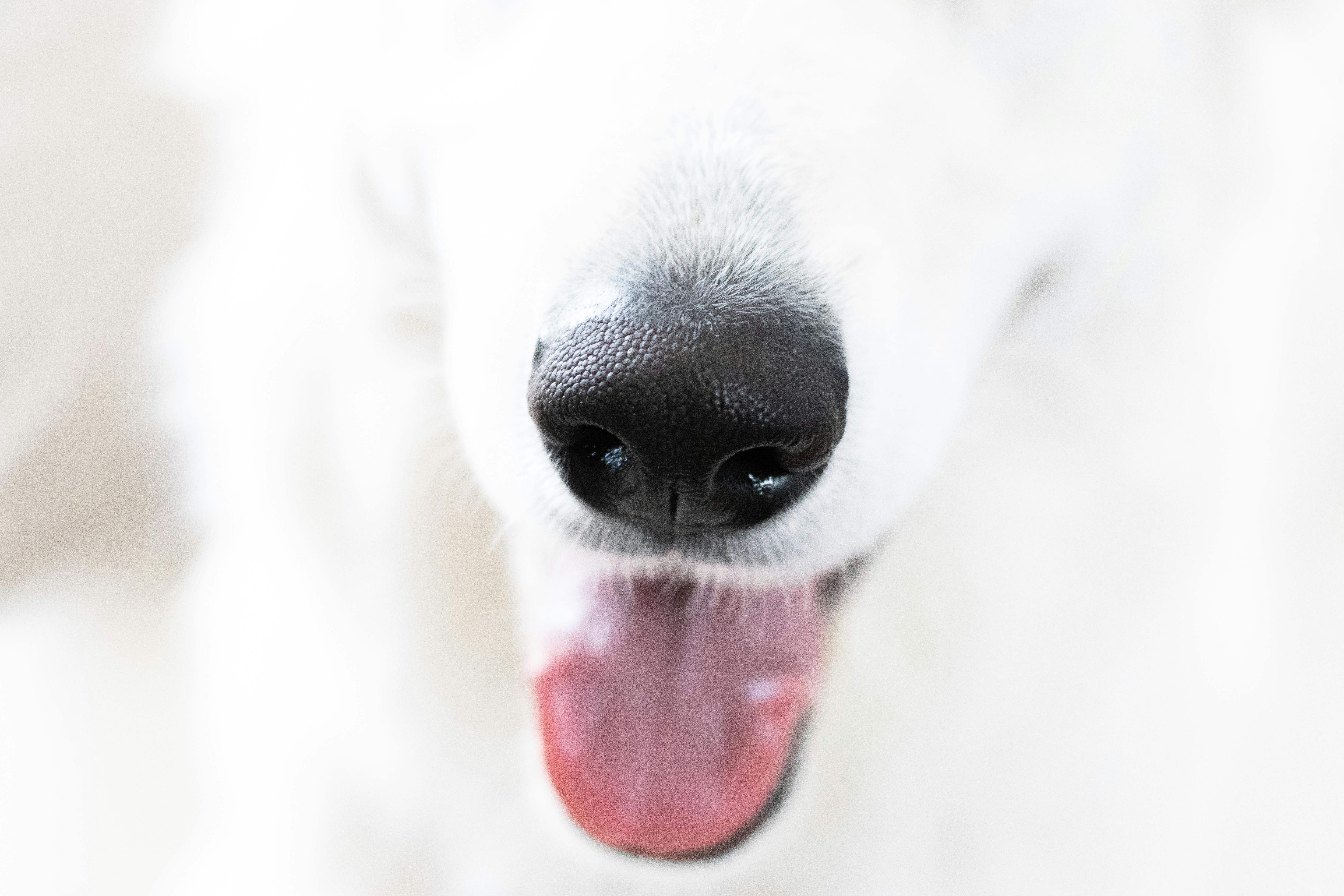
Dogs, they’re not just pets; they are our best friends, companions, and sometimes our most trusted confidants. One of the most intriguing aspects of canine behavior is their wet noses. Ever wonder why do dogs have wet noses? It’s kinda fascinating, actually. Wet noses aren’t just a cute feature — they play a crucial role in how dogs communicate and interact with the world around them. Let’s explore this fascinating secret together, shall we?
The Science Behind Wet Noses
First off, it’s important to know that a dog’s nose is wet for a reason. The moisture on their noses helps them smell better. Yes, you heard that right! Dogs have an incredible sense of smell, estimated to be between 10,000 to 100,000 times more sensitive than humans. When their noses are moist, it helps to absorb scent particles from the air, making it easier for them to detect odors.
In addition, the wetness helps to cool down their body temperature. Dogs don’t sweat like humans do — they mainly cool off by panting. So, a wet nose can also help them regulate their body heat. Isn’t that clever?
Why Do Dogs Have Wet Noses?
There are several reasons why dogs have those adorable wet noses. Here’s a list of some key points:
- Enhanced Smelling Ability: As mentioned, moisture helps capture scent particles.
- Thermoregulation: Helps in cooling down their bodies.
- Communication: A wet nose can signal emotions and health — a warm, dry nose might indicate illness.
- Social Interactions: Dogs often greet each other with their noses, and a wet nose can be a friendly gesture.
Canine Communication Styles
Dogs communicate not just with barks and growls but also through their body language and, yes, their noses. Here are some ways your pup may communicate with you:
- Nudging: When your dog nudges you with their wet nose, it can mean they want attention or to play.
- Licking: A gentle lick on your hand or face can show affection and trust.
- Sniffing: Dogs use their noses to gather information about their environment, including other animals and people.
The Role of Wet Noses in Health
Your dog’s wet nose can also be an indicator of their health. A healthy dog usually has a moist, cool nose. However, if their nose becomes overly dry, hot, or cracked, it could be a sign of dehydration or other health concerns. Regularly checking your dog’s nose can help you stay alert to changes that might require a vet’s attention.
Things to watch for include:
- Excessively dry nose: Could signal dehydration.
- Warm or hot nose: Might indicate fever.
- Cracks or sores: Could show skin issues or infections.
Fun Historical Facts About Dogs and Their Noses
Dogs have been companions to humans for thousands of years. Some fun facts about their noses through history includes:
- Ancient Egypt: Dogs were revered and often depicted in art with their noses highlighted.
- Scent Detection: During World War II, dogs were trained to sniff out explosives and locate injured soldiers.
- Modern Day: Canines are now used in search and rescue operations, thanks to their incredible ability to smell.
How to Keep Your Dog’s Nose Healthy
Taking care of your dog’s nose is essential. Here are some tips:
- Hydration: Ensure they have access to fresh water at all times.
- Regular Vet Check-ups: Keeping up with vaccinations and health checks.
- Moisturizing Balms: If their nose appears dry, you can use a vet-approved balm.
Comparing Dog Noses to Human Noses
It’s interesting to compare our noses with those of dogs. Here’s a quick table:
| Feature | Dogs | Humans |
|---|---|---|
| Smell Sensitivity | 10,000 to 100,000 times more | Limited to basic scents |
| Nose Moisture | Essential for scent detection | Dryness can cause issues |
| Body Temperature Reg. | Helps cool down | Sweating is primary method |
Dogs are truly remarkable creatures. Their wet noses are not just cute but serve multiple purposes that affect their health and interactions. Understanding why do dogs have wet noses can deepen your connection with your furry friend. So next time your pup nudges you with that moist nose, you’ll know just how much they are trying to communicate with you. Embrace these little quirks, they are part of what makes dogs so special!
Is a Wet Nose a Sign of a Healthy Dog? Understanding the Connection

When we think about our furry friends, one of the first things we notice is their wet noses. But is a wet nose a sign of a healthy dog? It’s a question that many dog owners ask, and the answer is more complex than one might think. Dogs have wet noses for a variety of reasons, and understanding these can help you better care for your pet. Let’s delve into this fascinating topic and uncover the reasons why dogs have wet noses.
Why Do Dogs Have Wet Noses?
Dogs have wet noses mainly because of their unique anatomy and physiology. Here’s some key points to consider:
- Nasal Glands: Dogs possess special glands in their noses that secrete moisture. This helps to keep their sense of smell sharp.
- Cooling Mechanism: Just like humans sweat to regulate body temperature, dogs can cool themselves through their noses. A wet nose helps to evaporate moisture and cools the blood flow to the brain.
- Scent Detection: A wet nose can enhance a dog’s ability to detect scents. The moisture helps to capture scent particles from the air, making it easier for them to sniff out interesting smells.
The Myth of the Wet Nose
While a wet nose is often associated with a healthy dog, it’s important to note that it’s not an absolute indicator of health. Here’s a breakdown:
- Wet Nose ≠ Healthy Dog: Some dogs may have dry noses and still be perfectly healthy. It’s about the overall behavior and physical condition of the dog.
- Environmental Factors: Weather conditions, humidity, and even the time of day can affect how wet a dog’s nose is. For instance, a dog might have a dry nose after a long sleep.
Common Reasons for Changes in Nose Moisture
If you notice your dog’s nose becoming dry, it might not be a cause for alarm. However, here are some common reasons for changes in a dog’s nose moisture:
- Dehydration: If a dog isn’t drinking enough water, their nose may dry out.
- Allergies: Seasonal allergies can cause irritation and lead to a dry nose.
- Infections: In some cases, infections or diseases can result in changes to nose moisture.
How to Keep Your Dog’s Nose Healthy
Maintaining your dog’s overall health contributes to keeping their nose moist. Here are some practical tips:
- Hydration: Always ensure your dog has access to fresh water. Proper hydration is essential for overall health.
- Regular Vet Visits: Regular check-ups can help catch any underlying health issues early.
- Healthy Diet: A balanced diet contributes to overall skin and coat health, including the nose.
Signs That Your Dog May Be Unwell
Apart from a dry nose, there are other signs that may indicate your dog is not feeling well. Here’s a quick list:
- Changes in Appetite: If your dog suddenly stops eating or drinking.
- Lethargy: Unusual tiredness or lack of energy.
- Vomiting or Diarrhea: Digestive issues can be a sign of illness.
- Behavior Changes: If your dog becomes irritable or withdrawn.
Comparing Wet vs. Dry Nose
Let’s take a look at a simple comparison between wet and dry noses in dogs.
| Feature | Wet Nose | Dry Nose |
|---|---|---|
| Health Indicator | Often healthy, but not definitive | Not necessarily unhealthy |
| Scent Detection | Enhanced ability to smell | May slightly reduce scent ability |
| Temperature Regulation | Helps cool the body | Less effective in cooling |
This table simplifies the differences, but understanding your dog’s overall condition is more important than just focusing on their nose.
Fun Facts About Dog Noses
- Unique Patterns: Just like human fingerprints, every dog has a unique nose print.
- Scent Sensitivity: Dogs can detect scents at concentrations nearly 100 million times lower than humans can.
- Temperature Sensitivity: Dogs can sense temperature changes through their noses, helping them react to their environment.
As you can see, while a wet nose can be an indicator of a healthy dog, it isn’t the only factor to consider. Observing your dog’s overall health and behavior is crucial. So, the next time you give your pup a scratch behind the ears, remember that their wet nose is just one of the many wonders about dogs! Understanding what’s normal for your furry friend will help ensure they lead a happy and healthy life.
Debunking Myths: Common Misconceptions About Dogs and Their Wet Noses
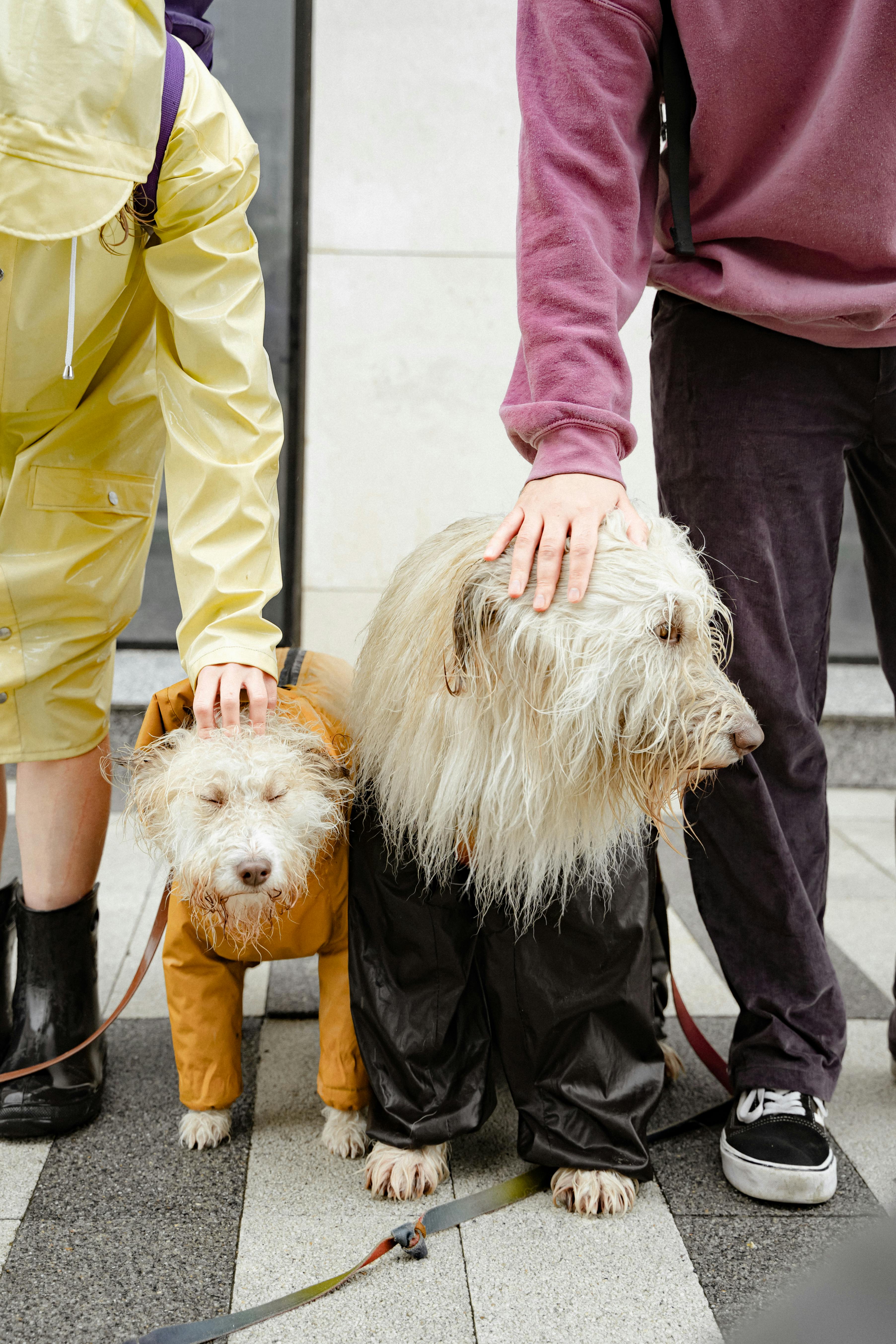
Dogs are often known for their unique characteristics, and one of the most intriguing is their wet noses. You might have wondered, why do dogs have wet noses? There’s a lot of myths surround this point, and it’s time to debunk some of those misconceptions while diving into the fascinating secrets behind our furry friends’ moist snouts.
The Science Behind Wet Noses
It’s widely accepted that a dog’s nose is wet for several important reasons. When a dog has a wet nose, it can actually help them in many ways, especially when it comes to their sense of smell. Here’s a few scientific reasons why this is the case:
- Enhanced Smell: Dogs have an impressive olfactory system, and a moist nose helps to absorb scent particles. This makes them better at detecting smells in their environment.
- Temperature Regulation: A wet nose helps dogs cool down. Just like humans sweat, dogs also regulate their body temperature through their noses.
- Health Indicator: A healthy dog’s nose is typically moist and cool. If a dog’s nose is excessively dry or hot, it could indicate a health issue.
Common Myths About Dog Noses
There’s a lot of misconceptions floating around that can lead to confusion about why dogs have wet noses. Here are some of the most common myths:
A Warm Nose Means a Sick Dog: Many people believe that a warm nose is a sign of illness. However, the truth is that a dog’s nose temperature can vary throughout the day and doesn’t necessarily indicate health problems.
Dogs Lick Their Noses Because They’re Nervous: While dogs do lick their noses, it’s not always a sign of anxiety. They lick their noses to keep them moist and clean, which helps with their sense of smell.
All Dogs Have Wet Noses: Not all dogs have consistently wet noses. Some breeds, like Bulldogs or Pugs, may have drier noses due to their facial structure.
Dogs’ Noses Are Wet Because They Just Came From Outside: This is partly true, but not entirely. While dogs can get wet noses from rain or snow, their noses are naturally moist due to the mucus glands present.
Historical Context of Dog Noses
Historically, dogs have been humans’ companions for thousands of years. They were domesticated from wolves, and their sense of smell is highly developed, which is thought to come from their ancestors’ survival needs. Ancient cultures recognized the importance of a dog’s nose; for instance, in hunting, their ability to track scents was invaluable.
Fun Facts About Dog Noses
Here are some cool tidbits that might surprise you:
- Unique Patterns: Just like human fingerprints, each dog has a unique nose print, which can be used for identification.
- Nose Color: The color of a dog’s nose can change with the seasons. Some dogs may have darker noses in summer and lighter in winter.
- Health Monitoring: Regularly checking a dog’s nose can help owners identify potential health issues early. Changes in texture or moisture can be indicative of problems.
Practical Tips for Dog Owners
If you’re a dog owner, here’s some practical advice related to your dog’s nose:
- Keep It Clean: Regularly wipe your dog’s nose with a damp cloth to remove dirt and debris.
- Monitor Changes: Be observant of any sudden changes in the moisture or temperature of your dog’s nose and consult a vet if necessary.
- Provide Hydration: Ensure your dog has access to fresh water at all times, which helps maintain moisture levels.
Comparison of Dog Breeds and Nose Types
Different breeds can have different types of noses, which can affect their moisture levels. Here’s a quick comparison:
| Breed | Nose Type | Moisture Level |
|---|---|---|
| Labrador Retriever | Long, wet | High |
| Bulldog | Short, drier | Moderate |
| Greyhound | Long, moist | High |
| Pug | Short, drier | Low |
Understanding your dog’s unique characteristics can help you better care for them.
In summary, the wet noses of dogs serve various purposes, from enhancing their sense of smell to helping them regulate body temperature. By debunking common myths and understanding the science behind this intriguing feature, dog owners can appreciate their pets even more. So next time you give your furry friend a pat, remember that their wet nose is not just an adorable quirk but a fascinating aspect of their biology.
How Temperature Affects Your Dog’s Nose Moisture: What Every Owner Should Know
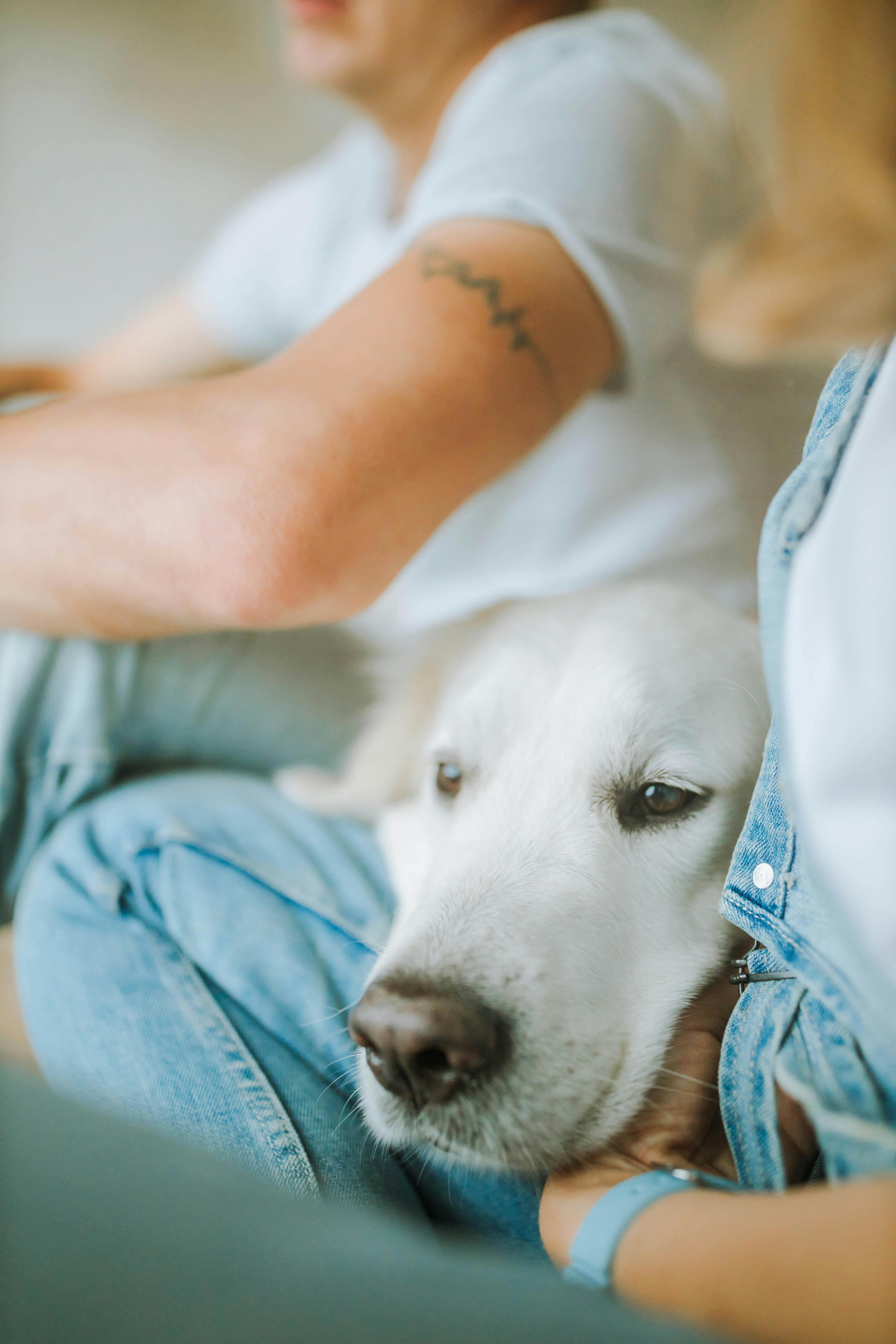
Dogs are more than just pets, they’s part of our families. As dog owners, we often curious about their health and behavior, especially when it comes to something as simple yet fascinating as their noses. You ever wonder why do dogs have wet noses? Or how temperature affects your dog’s nose moisture? Let’s dive into this intriguing subject.
The Science Behind Wet Noses
First off, a dog’s nose is not just for show. It serves several important functions. One of the most significant reasons why dogs have wet noses is because it helps with their sense of smell. Dogs have an incredible olfactory system, and a moist nose helps to capture scent particles more effectively.
Here’s some interesting facts:
- A dog’s sense of smell is anywhere from 10,000 to 100,000 times more sensitive than humans.
- Wet noses can help dogs cool off, similar to how humans sweat.
- The moisture on their noses comes from a combination of saliva and mucus.
Temperature and Nose Moisture
Now, let’s talk about temperature. The moisture level on your dog’s nose can change drastically based on the environment. When it’s hot outside, your dog may pant to regulate its body temperature, and this can affect the moisture level on their noses. When it’s cold, however, noses can dry out, which is not ideal.
Here’s how different temperatures can affect your dog’s nose:
- Hot Weather: Increased moisture. Dogs may have wetter noses because they pant more, helping to cool their bodies.
- Cold Weather: Decreased moisture. Noses can become dry and cracked due to cold air, which can be uncomfortable for your pet.
- Humid Conditions: Moist noses. The humidity in the air keeps their noses wet and helps their sense of smell.
- Dry Conditions: Drier noses. Hot and dry weather can lead to a lack of moisture, making them feel less comfortable.
Changes in Nose Moisture: What to Watch For
As a dog owner, you should keep an eye on your furry friend’s nose. If you notice significant changes, it might indicate health issues. Here’s a quick list of things to monitor:
- Dry, Cracked Nose: Could suggest dehydration or illness.
- Discolored Nose: A change in color could indicate allergies or skin conditions.
- Excessively Wet Nose: This might be due to excitement or anxiety but could also point to respiratory issues.
Fun Facts About Dog Noses
- Dogs have unique nose prints, just like human fingerprints. Each nose is different!
- A dog’s sense of smell is so strong, they can detect certain diseases, like cancer or diabetes.
- Some breeds have wetter noses than others. For instance, Bulldogs often have more moisture than Greyhounds.
Why Temperature Matters for Your Dog’s Health
Keeping your dog comfortable in various temperatures is essential for their well-being. Hot weather can lead to heat exhaustion, while cold weather can lead to hypothermia. Here’s what you can do:
In Hot Weather:
- Provide plenty of water.
- Avoid walks during peak sun hours.
- Offer a cool place for them to rest.
In Cold Weather:
- Use a doggy coat or sweater for short-haired breeds.
- Limit outdoor time if temperatures drop too low.
- Keep their noses moisturized with a pet-safe balm.
Conclusion
Understanding how temperature affects your dog’s nose moisture is just one of the many ways you can ensure your furry friend stays healthy and happy. Dogs’ wet noses are fascinating and serve important purposes, from enhancing their sense of smell to helping regulate body temperature. Recognizing the signs of a dry or unusually wet nose can help you catch any potential health issues early. So, next time you pet your dog, take a moment to appreciate that wet nose and all the secrets it holds!
The Fascinating Role of Dog Noses in Scent Detection: Wet and Wonderful!
Have you ever wondered why dogs have wet noses? It’s one of those fascinating quirks of our furry friends that seems to spark curiosity among pet owners and animal lovers alike. The truth is, a dog’s nose is not just a cute feature but plays a crucial role in their incredible sense of smell. In this article, we delve into the science behind those wet noses, why they matter, and how they contribute to the amazing world of scent detection.
The Science Behind Wet Noses
Dogs have a unique physiology that gives them an extraordinary sense of smell—estimated to be about 10,000 to 100,000 times more sensitive than humans. The wetness of a dog’s nose is not merely for show; it serves several important functions:
- Enhanced Scent Detection: The moisture on their noses helps trap scent particles, making it easier for dogs to detect odors. When the nose is wet, it can absorb scents more effectively.
- Temperature Regulation: Just like humans sweat, dogs can regulate their body temperature through the moisture on their noses. It helps keep them cool on hot days.
- Health Indicator: A dog’s nose can sometimes indicate their health. A cold, wet nose is often a sign of a healthy dog, while a dry or warm nose may suggest illness or dehydration.
Historical Perspective on Dog Noses
Throughout history, dogs have been utilized for various roles based on their incredible olfactory abilities. Ancient civilizations recognized the talent of dogs in scent detection. Here are some key points:
- Hunting Companions: In ancient times, dogs were often used for hunting. Their ability to track scents made them invaluable to hunters.
- Search and Rescue: In more recent history, dogs have been trained for search and rescue missions, locating missing persons through scent.
- Detection Dogs: Today, canines are employed in law enforcement and security as detection dogs, trained to sniff out drugs, explosives, and even currency.
Why Do Dogs Have Wet Noses?
The question of why do dogs have wet noses leads us back to their biological makeup. Here are some reasons:
- Moisture Glands: Dogs have special glands in their noses that produce mucus. This mucus is what makes their noses wet, allowing for better scent absorption.
- Evaporation and Cooling: When the moisture evaporates, it cools the blood vessels in the nose, helping to regulate their body temperature.
- Scent Receptors: A dog’s nose is packed with scent receptors—about 220 million compared to a human’s 5 million. The wetness helps these receptors do their job more effectively.
Fun Facts about Dog Noses
- Unique Patterns: Just like human fingerprints, every dog has a unique nose print that can be used for identification.
- Dogs and Colors: While dogs see fewer colors than humans, they use their noses to gather information about their environment in ways we can’t even imagine.
- The Nose Knows: Dogs can detect certain medical conditions in humans, such as diabetes or cancer, simply by smelling a person’s breath or skin.
The Importance of Their Sense of Smell
A dog’s sense of smell is one of their most powerful tools. Here’s a breakdown of why it matters:
- Communication: Dogs use scent to communicate with each other. They can pick up pheromones that indicate a dog’s mood or health.
- Tracking and Locating: In various fields, dogs are trained to track scents, which is crucial in search and rescue operations.
- Behavioral Insights: Understanding how dogs use their noses can provide insights into their behavior and needs.
Practical Tips for Dog Owners
To keep your dog’s nose healthy, consider these tips:
- Regular Vet Check-ups: Ensure their nose is examined regularly during vet visits.
- Hydration: Keep your dog well-hydrated to maintain moisture levels on their nose.
- Avoid Irritants: Keep your dog away from harsh chemicals and smoke that can dry out their noses.
By understanding the fascinating role of your dog’s nose, you can appreciate not just the cuteness factor but also the marvel of nature they represent. The next time you see your furry friend with a wet nose, remember, it’s not just adorable—it’s a vital part of who they are. Whether they’re sniffing out a hidden treat or just exploring the world around them, their incredible sense of smell is one of the many reasons we love dogs.
Why Do Some Dogs Have Drier Noses? Exploring the Variations Across Breeds
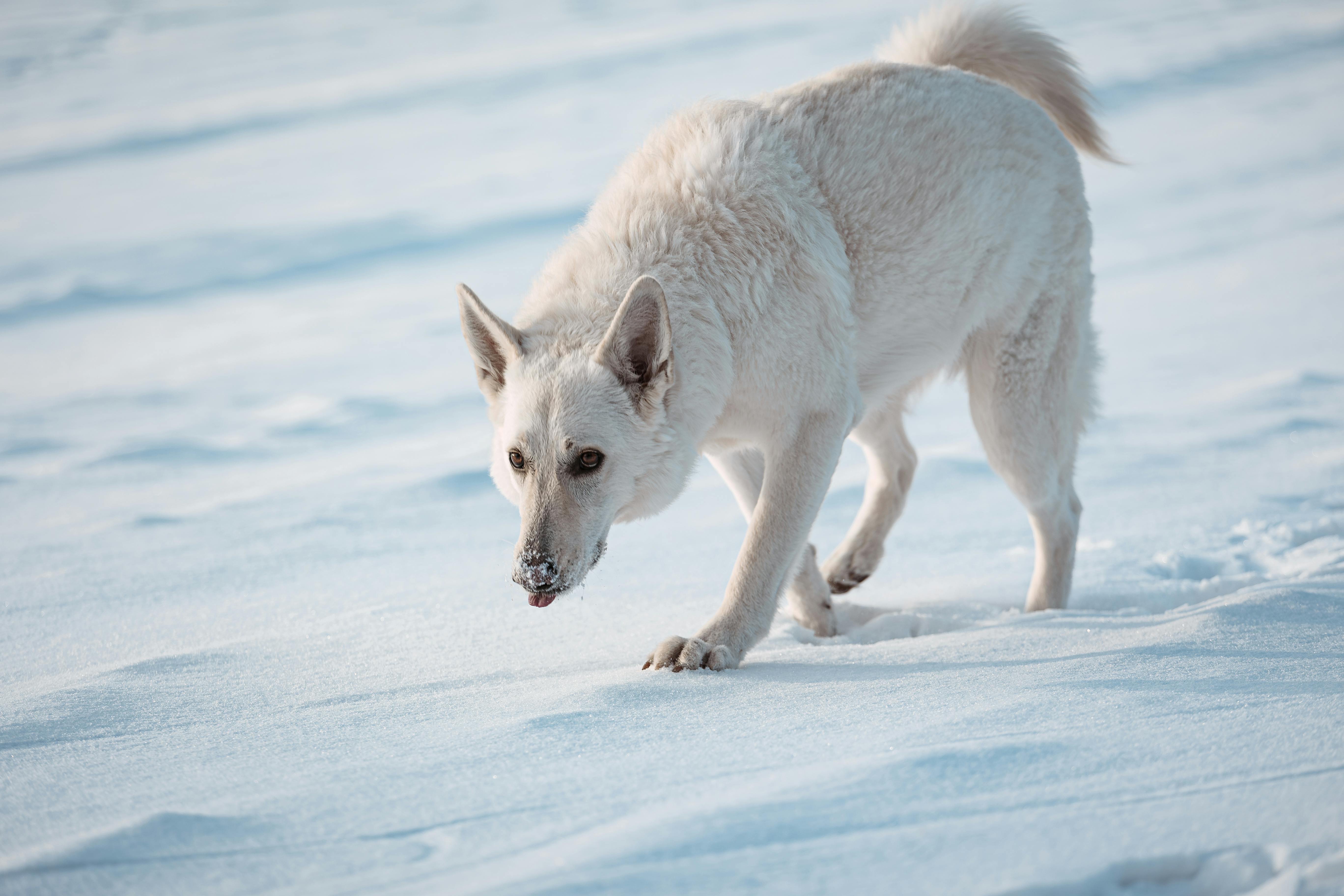
Dogs are amazing creatures, and they come in all shapes, sizes, and with various characteristics. One of the most noticeable traits is their noses. You might have wondered, “Why do some dogs have drier noses?” or “Why do dogs have wet noses?” These questions may seem simple, but they lead to an exploration of fascinating facts about our furry friends.
The Science Behind Wet Noses
First, let’s talk about why dogs noses are often wet. Dogs have wet noses because of a few reasons. The moisture on a dog’s nose actually comes from a combination of factors including, their environment, and the dog’s own saliva.
- Temperature Regulation: A wet nose helps dogs cool down. When they pant, moisture evaporates from their nose, helping to regulate their body heat.
- Enhanced Sense of Smell: The wetness on the nose helps to capture scent particles. A dog’s sense of smell is much stronger than humans, and a wet nose can enhance this ability. It helps them to identify different scents better than if they had a dry nose.
Why Do Some Dogs Have Drier Noses?
Now, let’s discuss why some dogs have drier noses than others. It can be linked to several factors, including breed variations, health conditions, and environmental issues.
- Breed Differences: Certain breeds tend to have drier noses. For example, Greyhounds and Bulldogs might show a tendency towards a more arid nose compared to other breeds.
- Health Issues: A dog’s nose can become dry due to dehydration, fever, or even allergies. If a dog is feeling under the weather, their nose might not be as moist as usual.
- Climate Factors: Living in drier climates can also lead to a dog having a drier nose. Dogs living in humid environments usually have wetter noses.
The Fascinating Secret of Wet Noses
Now, let’s dive deeper into why dogs have wet noses. It’s not just a quirk; there’s a practical reason behind it.
- Scent Absorption: Dogs have olfactory receptors in their noses that help them smell. The moisture helps to absorb scent particles, making it easier for them to detect odors.
- Communication: A dog’s nose can actually tell other dogs about their health and mood. A wet nose usually indicates a well-hydrated and healthy dog.
Comparing Wet and Dry Noses
To better understand the differences between wet and dry noses, here’s a simple comparison:
| Characteristic | Wet Nose | Dry Nose |
|---|---|---|
| Hydration Level | Generally well-hydrated | May indicate dehydration or illness |
| Sense of Smell | Enhanced due to moisture | Could be reduced if persistently dry |
| Health Indicator | Usually a sign of good health | Possible sign of health issues |
| Breed Examples | Most breeds, especially retrievers | Some breeds, like Bulldogs |
Practical Examples of Nose Variations
Here are some practical examples of dog breeds and their typical nose conditions:
- Labrador Retrievers: Typically have moist noses, which enhances their excellent sense of smell.
- Pugs: Usually have wet noses, but can sometimes have drier noses due to their short snouts.
- Chihuahuas: Their noses can fluctuate between wet and dry, often depending on the environment and health.
Health Concerns Related to Nose Conditions
If a dog’s nose is persistently dry, it could indicate underlying health issues. Here are some potential concerns to look out for:
- Dehydration: If a dog isn’t drinking enough water, their nose may dry out. This can be serious, especially in hot weather.
- Infections: Sometimes, a dry nose can be a sign of an infection. If accompanied by other symptoms, it might be time to visit the vet.
- Allergies: Environmental allergens can sometimes cause a dog’s nose to dry up.
Being attentive to these signs can help in maintaining your dog’s health.
In the end, understanding why some dogs have drier noses while others have wet noses can provide insight into their health and well-being. It’s a simple yet fascinating aspect of dog biology that can enhance our bond with these loyal companions. So, next time you’re petting your furry friend, pay attention to their nose—it might just be telling you a story!
Can You Tell if Your Dog Is Sick by Their Nose? Signs to Watch For

Dogs are often known as man’s best friend, and for good reason. They bring joy and companionship to our lives, but just like humans, they can get sick. One of the common questions pet owners ask is, “Can you tell if your dog is sick by their nose?” It’s a fascinating topic, and many people wonder what their dog’s nose says about their health.
Understanding the Role of a Dog’s Nose
A dog’s nose is much more than just a cute feature. It’s a vital tool that helps them interact with the world. Dogs have an incredible sense of smell, which is said to be up to 100,000 times more sensitive than that of humans. This means that a dog’s nose can detect various scents in their environment, playing a key role in their behavior and health.
Can You Tell If Your Dog Is Sick by Their Nose?
While you might think that a warm or dry nose indicates illness, that’s not always the case. A dog’s nose can change due to several factors, including their activity level, the environment, or even the weather. Here are some signs to look for when determining if your dog may be unwell:
- Nose Dryness or Cracking: If your dog’s nose is dry or cracked, it may indicate dehydration or fever.
- Nasal Discharge: Clear discharge might be normal, but yellow or green discharge could signal an infection.
- Change in Temperature: A normal dog’s nose is typically cool and moist. If it feels unusually warm, a fever could be present.
- Behavior Changes: If your dog seems lethargic, refuses to eat or drink, or shows signs of distress, these could be indicators of illness, independent of the state of their nose.
Why Do Dogs Have Wet Noses?
Now, let’s dive into the question: “Why do dogs have wet noses?” The moisture on a dog’s nose serves several important purposes.
Enhanced Smell: A wet nose helps to trap scent particles. This allows dogs to have an even better sense of smell as the moisture collects and holds onto various scents in the air.
Thermoregulation: Dogs sweat through their paw pads, but their wet noses also play a role in cooling them down. The moisture evaporating from the nose helps lower their body temperature.
Health Indicator: A healthy dog typically has a moist nose, although this can vary depending on the time of day and their level of activity.
Communication Tool: Dogs often use their noses to explore their surroundings and communicate with other dogs. A wet nose can be a sign of curiosity and engagement.
Signs of Illness Beyond the Nose
While a dog’s nose can provide some clues about their health, it’s not the only thing to consider. Here are additional signs that might indicate your dog is sick:
- Changes in Appetite: If your dog suddenly stops eating or drinking, this should raise a red flag.
- Excessive Thirst or Urination: Increased drinking and urination can suggest health issues like diabetes.
- Vomiting or Diarrhea: These symptoms can indicate various problems, from dietary indiscretion to more serious illnesses.
- Changes in Behavior: If your dog becomes unusually aggressive or timid, or if they hide away, these might be signs that something is wrong.
What to Do If You Suspect Your Dog is Sick
If you notice any of the above signs or if your dog’s nose shows unusual characteristics, it’s crucial to take action. Here’s a simple course of action:
- Monitor Symptoms: Keep track of any changes in behavior, appetite, or physical condition.
- Consult Your Vet: Don’t hesitate to reach out to a veterinarian. They can provide a thorough examination and help identify any potential issues.
- Keep Your Dog Comfortable: Ensure they have a cozy place to rest, and keep their water bowl full to encourage hydration.
Remember, early detection of health issues can lead to better outcomes.
In summary, while a dog’s nose can give you some clues about their health, it’s not the only indicator. Wet noses serve many purposes, and understanding the nuances can help you better care for your furry friend. Keep an eye on their overall behavior and health, and consult a vet if anything seems off. After all, our dogs rely on us to keep them happy and healthy!
Keeping Your Dog’s Nose Healthy: Tips for Optimal Moisture and Care

Keeping Your Dog’s Nose Healthy: Tips for Optimal Moisture and Care, Why Do Dogs Have Wet Noses? Discover This Fascinating Secret!
When it comes to our canine companions, their noses are one of the most charming and intriguing features. Ever notice how a dog’s nose is usually wet? It’s not just a random quirk but it serves important purposes. If you ever wonder “Why do dogs have wet noses?” you’re not alone! Many dog owners are curious about this fascinating aspect of dog physiology. Here’s a deep dive into the reasons behind those wet noses, along with some handy tips for keeping your dog’s nose healthy and hydrated.
The Science Behind Wet Noses
Dogs have moist noses for several reasons. First off, it helps them to smell better. The moisture on their noses captures scent particles from the air, which enhances their ability to detect different smells. It’s like a built-in perfume that helps them sniff out interesting scents. Here’s some key points on wet noses:
- Enhanced Smell: A wet nose can absorb more scent particles.
- Temperature Regulation: Dogs can cool themselves down through their noses, similar to how humans sweat.
- Health Indicator: A healthy nose is typically wet and cool; if it’s dry or warm, it might signal a health issue.
Why Do Dogs Have Wet Noses?
Now, let’s explore the question: why do dogs have wet noses? It’s a combination of evolutionary traits and biological functions. Here’s a list of factors that contribute to this phenomenon:
- Evolutionary Advantage: Dogs descended from wolves who hunted for food. A wet nose helped them track prey more effectively.
- Thermoregulation: Dogs do not sweat like humans. They rely on their noses to help regulate body temperature.
- Communication: A dog’s nose can be a social tool. They often greet each other by sniffing, which helps them gather information about fellow dogs.
Keeping Your Dog’s Nose Healthy
Just like the rest of your dog’s body, their nose needs care. Here are some practical tips to keep your dog’s nose healthy and hydrated:
- Regular Check-ups: Take your dog to the vet for regular check-ups. This helps to ensure that their nose and overall health is in good shape.
- Hydration: Make sure your dog drinks enough water. Dehydration can lead to a dry nose.
- Moisturize: If you notice your dog’s nose is dry or cracked, consider using a dog-safe nose balm. Look for products that are natural and free from harmful chemicals.
- Avoid Allergens: Keep your dog away from pollen, dust, or any other allergens that can irritate their nose.
- Diet: A balanced diet rich in Omega fatty acids can help maintain skin and coat health, which includes the nose.
What to Watch For
Now that you know how to keep your dog’s nose healthy, it’s important to know what signs may indicate a problem. Here’s a quick checklist of things to monitor:
- Dryness: If your dog’s nose is consistently dry, it might be a sign of illness.
- Cracks or Bleeding: Any signs of cracking or bleeding should be addressed by a veterinarian immediately.
- Discoloration: If your dog’s nose changes color significantly, this can also be a red flag.
- Foul Smell: A bad odor coming from the nose can indicate an infection.
Fun Facts About Dog Noses
Here’s some additional fun facts about dog noses to impress your friends or fellow dog lovers:
- Dogs have an estimated 220 million scent receptors in their noses, compared to about 5 million in humans.
- The shape and size of a dog’s nose can also affect their smelling ability. Breeds like Bloodhounds are known for their incredible sense of smell.
- Each dog’s nose has a unique pattern, much like human fingerprints.
In the end, understanding why dogs have wet noses and how to care for them is essential for every dog owner. A healthy nose is a sign of a happy and healthy dog. So, keep an eye on your furry friend’s nose, provide them with plenty of water, and don’t shy away from giving them some extra love!
Conclusion
In conclusion, the wetness of a dog’s nose serves several important purposes, from enhancing their sense of smell to regulating body temperature. The moisture collected on their noses helps to capture scent particles, making their already keen olfactory abilities even more effective. Additionally, a wet nose can indicate a dog’s health; generally, a cool, moist nose suggests that a dog is well and hydrated. However, it’s essential to remember that there are exceptions, and a dry or excessively warm nose may warrant a visit to the veterinarian. Understanding why dogs have wet noses not only deepens our appreciation for these beloved pets but also empowers us to monitor their health more effectively. So, the next time you greet your furry friend, take a moment to appreciate the science behind that delightful wet nose. If you have any questions or observations about your dog’s nose, don’t hesitate to share them with your vet!
