Have you ever wondered why do dogs have wet noses? It’s a fascinating question that sparks curiosity among dog lovers and pet owners alike. A dog’s nose is not just adorable; it serves several important purposes that are essential for their health and well-being. The truth behind this wetness is more than just a quirky trait; it reveals insights into a dog’s sense of smell, their temperature regulation, and even their overall health. Why is it that some dogs have wetter noses than others? As we dive deeper into this intriguing topic, we’ll explore the science behind those moist noses and how they play a crucial role in a dog's ability to interact with the world. Do you know that these wet noses can actually help dogs detect scents better? This post will uncover the secrets of canine biology and answer the burning question: why do dogs have wet noses and what does it mean for your furry friend? So stick around, because understanding your dog’s nose might just change the way you look at your loyal companion forever!
\n\nThe Science Behind Dog Noses: Why Are They Always Wet?
\n\n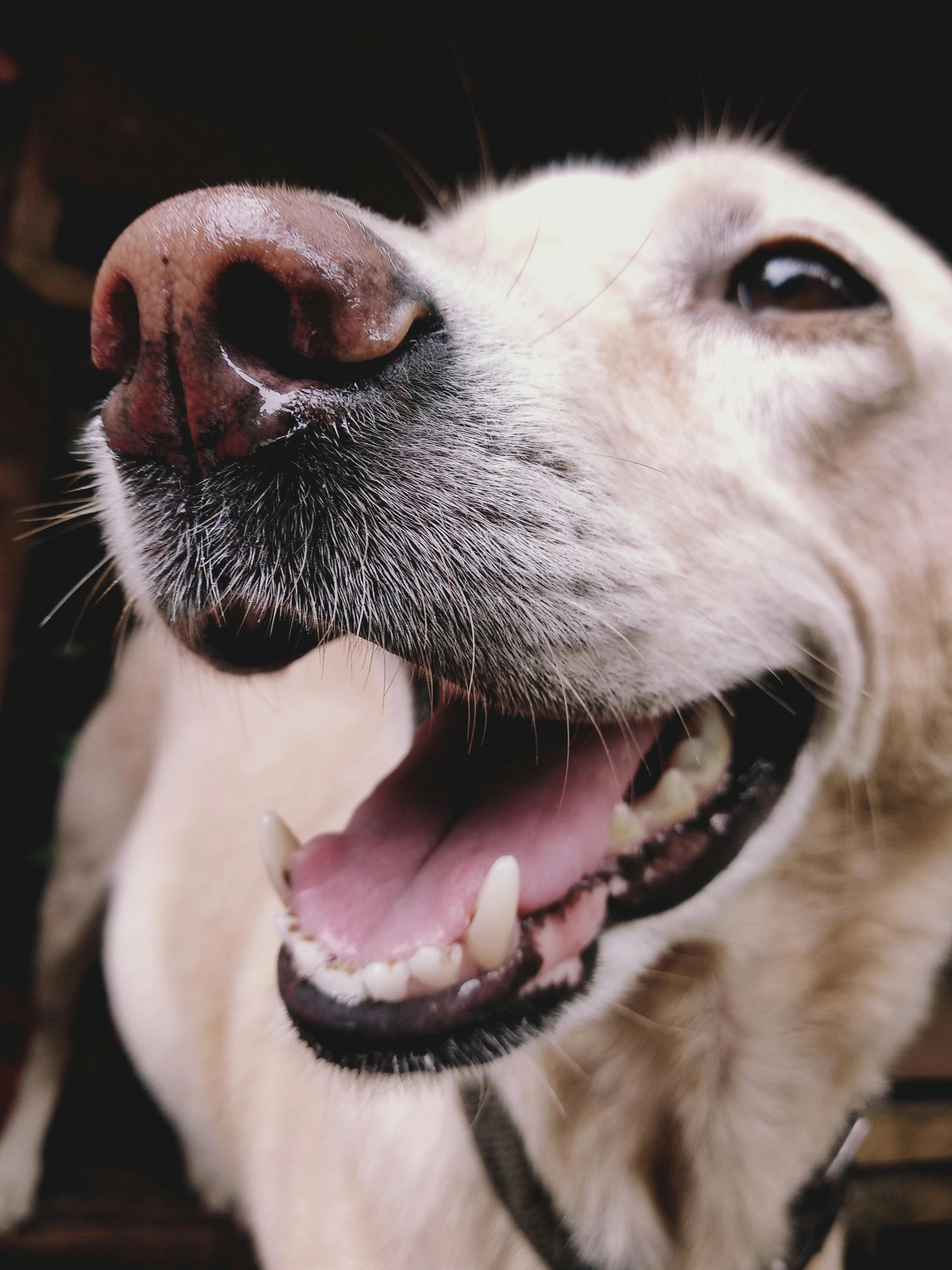 \n\n
\n\nEver wonder why your furry friend’s nose always seems to be wet? It's one of those little mysteries that dog owners just can’t seem to figure out. The science behind dog noses is pretty fascinating and goes beyond just simple moisture. Let’s dive in and discover why do dogs have wet noses, and what that means for their health and behavior!
\nThe Anatomy of a Dog's Nose
\nFirst off, it's important to know that a dog’s nose is not just a cute feature. It’s a highly developed organ that plays a crucial role in their perception of the world. A dog has around 300 million olfactory receptors in their noses compared to a human’s mere 5 million. This means they can smell things we can’t even begin to imagine!
\nBut why are they wet? The moisture on a dog’s nose actually helps to enhance their sense of smell. Here’s how it works:
\n- \n
- \n
Enhanced Scent Detection: The wet surface of the nose helps to capture scent particles from the air. When the nose is moist, it can absorb these particles better, which makes it easier for the dog to identify different scents.
\n \n - \n
Cooling Mechanism: Just like sweating in humans, a wet nose can help cool a dog down. Dogs don’t sweat in the same way we do; they primarily regulate their temperature through panting. But a wet nose can provide an extra means of keeping cool.
\n \n - \n
Communication Tool: Dogs also use their noses to communicate. A wet nose can indicate excitement or happiness, and dogs often nuzzle or touch noses to greet each other or their human companions.
\n \n
Why Are Dog Noses Wet?
\nSo, let’s answer the big question: Why do dogs have wet noses? There are several reasons, and they all contribute to the dog’s incredible abilities.
\n- \n
- \n
Physiological Needs: Dogs’ noses have glands that secrete mucus, which keeps the nose moist. This moisture is essential for their sense of smell to function properly.
\n \n - \n
Temperature Regulation: As mentioned earlier, the wetness helps with thermoregulation. When the weather is hot or they’ve been running around, a wet nose can help lower their body temperature.
\n \n - \n
Health Indicator: A dog’s nose can actually serve as an indicator of their overall health. A typical healthy nose is moist and cool. If it's dry and warm, it could signal a fever or dehydration.
\n \n
Comparing Wet and Dry Noses
\nLet’s look at how a wet nose compares to a dry one. Here’s a quick breakdown:
\n| Feature | \nWet Nose | \nDry Nose | \n
|---|---|---|
| Temperature | \nTypically cooler | \nWarmer than usual | \n
| Moisture Level | \nHigh | \nLow | \n
| Health Indicator | \nGenerally healthy | \nPossible illness or dehydration | \n
| Scent Detection | \nEnhanced | \nDiminished | \n
Fun Facts About Dog Noses
\nDid you know that dog noses are as unique as human fingerprints? Each dog has a distinct nose print! Here are some more fun facts:
\n- \n
- \n
Scent Memory: Dogs can remember scents for years. If they’ve encountered a scent before, they can often recognize it again, which is why they can track certain smells so well.
\n \n - \n
Dogs Can Smell Emotions: Research shows that dogs can detect human emotions through scent. They can sense when their owners are happy, sad, or even stressed.
\n \n - \n
Nose Work: There are entire sports dedicated to dogs using their noses! Nose work activities help to engage a dog’s natural instincts and are great for mental stimulation.
\n \n
Keeping Your Dog's Nose Healthy
\nWith all this information, it’s essential to ensure your pup's nose stays healthy. Here are some tips:
\n- \n
- \n
Stay Hydrated: Ensure your dog has constant access to fresh water, especially during warm weather.
\n \n - \n
Regular Vet Check-ups: Regular visits to the veterinarian can help catch any potential health issues early on, including those that might affect the nose.
\n \n - \n
Monitor Changes: Keep an eye on your dog’s nose. If it becomes excessively dry, cracked, or discolored, consult your vet.
\n \n
Understanding why dogs have wet noses not only enhances our appreciation for our furry companions but also helps us take better care of them. Their remarkable sense of smell, combined with the physiological benefits of a moist nose, truly makes them unique creatures. So next time you pet your dog, take a moment to consider the science behind that delightful wet nose!
\n\n5 Fascinating Reasons Your Dog's Nose Is Wet and What It Means
\n\n \n\n
\n\nHave you ever wondered why do dogs have wet noses? It's one of those charming quirks of our furry friends that many pet owners might not think too much about. But there is actually a fascinating science behind it! Many people just assume its normal, but the truth is, a dog's wet nose serves multiple purposes that are really interesting. So let's dive right into it and find out why your dog's nose is wet, with five fascinating reasons that'll make you appreciate their unique physiology even more.
\n1. Enhances Sense of Smell
\nOne of the primary reasons dogs have wet noses is to enhance their ability to smell. The moisture on their nose helps to capture scent particles from the air. This may sound a bit weird, but think about it — when your dog's nose is moist, it absorbs more odors, making it easier for them to identify different smells. Dogs have an incredible sense of smell, estimated to be anywhere from 10,000 to 100,000 times more sensitive than humans. So that little wet nose is actually a vital tool for their survival and understanding the world around them!
\n2. Temperature Regulation
\nAnother interesting point is that wet noses help dogs to regulate their body temperature. Dogs don’t sweat like humans do; instead, they primarily cool off through panting and the moisture on their noses. When a dog's nose is wet, it can evaporate the moisture, which cools them off. This is especially important during hot summer days or after some vigorous playtime in the park. So, next time your dog seems a bit too warm, check that nose — it can give you a clue about their comfort level!
\n3. Health Indicator
\nYou might not realize it, but the state of your dog's nose can indicate their health status. A healthy dog usually has a cool, moist nose. If that nose becomes dry or cracked, it may be a sign of dehydration or illness. Of course, not every case is the same. Some dogs naturally have drier noses without any health issues. But, if you notice drastic changes, it’s always a good idea to consult a veterinarian. Keep an eye out for these signs:
\n- \n
- Dry or cracked nose \n
- Discoloration \n
- Excessive discharge \n
- Unusual warmth \n
4. Communication Tool
\nAnother fascinating reason for wet noses is that it serves as a communication tool among dogs. When dogs greet each other, they often sniff each other's noses. This wetness can carry chemical signals that provide information about their mood, health, and even their reproductive status. Canines are social animals, and these wet noses play an essential role in their interactions, helping them understand and bond with one another. Isn't it amazing to think that something as simple as a wet nose can convey so much information?
\n5. Keeps Nose Clean
\nYou might not think about this, but a wet nose actually helps to keep itself clean. The moisture on a dog's nose can trap dirt and allergens, reducing the chances of irritations. Dogs often lick their noses, which can help remove debris and bacteria. This natural cleaning mechanism is just another reason why their noses are so important. It's like built-in hygiene!
\nQuick Facts About Dog Noses
\n- \n
- Dogs have around 220 million scent receptors in their noses, compared to about 5 million in humans. \n
- The wetness of a dog's nose comes from mucus that helps capture scent particles. \n
- Different breeds may have varying nose shapes and moisture levels, but all serve the same purposes. \n
- The color of a dog's nose can change with temperature, mood, and health. \n
In summary, understanding why do dogs have wet noses can deepen your bond with your furry friend. From enhancing their sense of smell to acting as a health indicator, these wet noses are not just an adorable feature — they play crucial roles in a dog's life. So the next time you see your dog with that charming, wet nose, remember all the science and function behind it. It’s truly a fascinating aspect of our canine companions that adds to their charm and complexity. Whether they’re cooling off after a play session or communicating with other dogs, their noses are doing more than meets the eye!
\n\nIs a Wet Nose a Sign of a Healthy Dog? Discover the Truth!
\n\n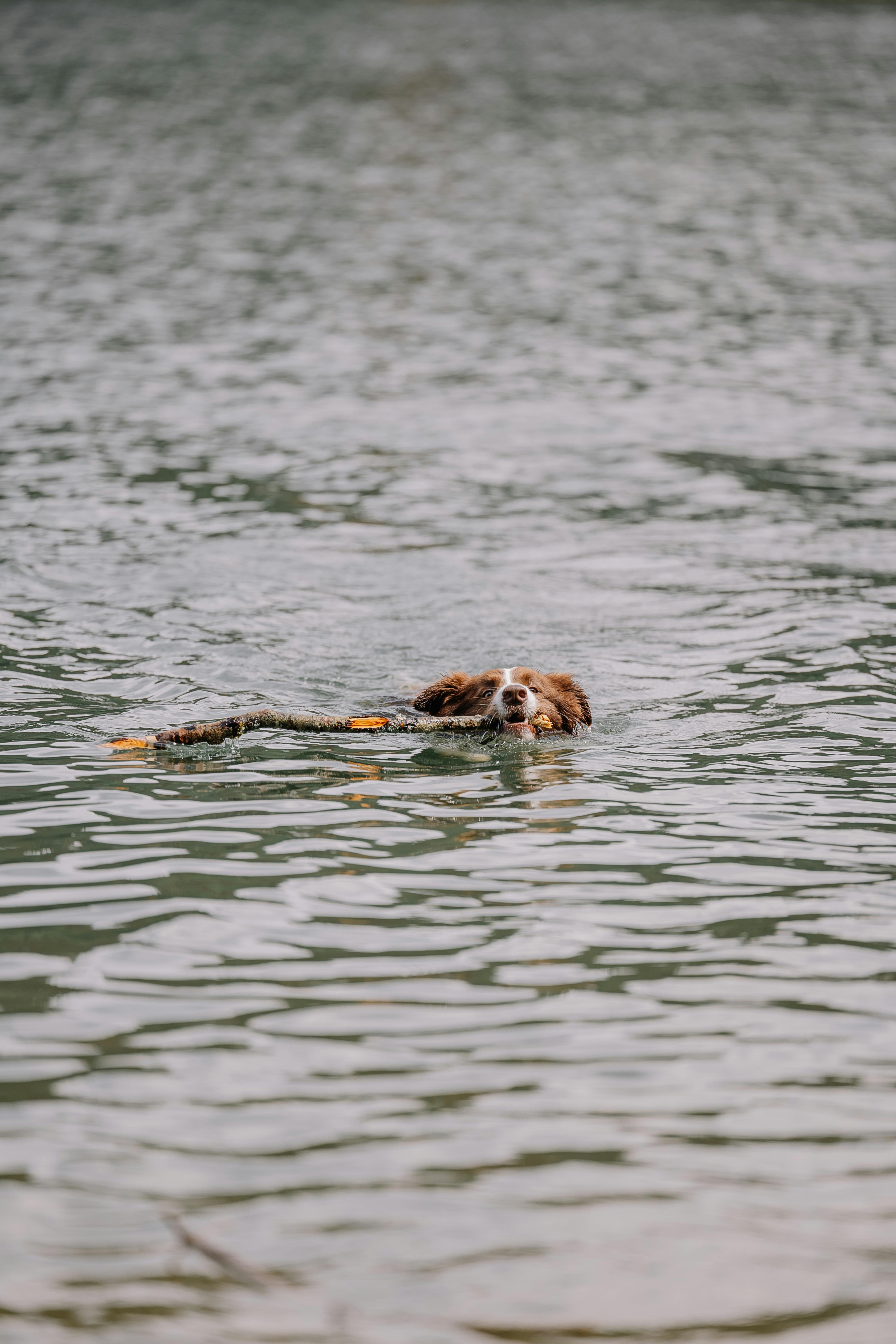 \n\n
\n\nIf you ever been around dogs, you might notice their noses are often wet. But, is a wet nose really a sign of a healthy dog? Many people believe it is, but the truth is a little more complex. In this article, we will explore the reasons why dogs have wet noses, what it means for their health, and some fascinating facts about these beloved pets.
\nThe Science Behind a Dog’s Wet Nose
\nDogs have wet noses for a couple of reasons. First, it helps them to smell better. A wet surface captures scent particles more effectively than a dry one. This is crucial since dogs have an incredible sense of smell—estimated to be between 10,000 to 100,000 times more sensitive than humans. When their nose is moist, they can pick up the scents in the air more effectively, which is why you may see them sniffing around.
\nAnother reason for the moisture is thermoregulation. Dogs don’t sweat like humans do. Instead, they regulate their body temperature through panting and by having a cool, wet nose. The evaporation of moisture from their noses helps to cool them down.
\nWhy Do Dogs Have Wet Noses? Discover This Fascinating Truth!
\nSo what makes their noses wet in the first place? Here’s a breakdown:
\n- \n
- Mucus Production: Dogs have mucus glands in their noses that produce moisture. This mucus not only keeps their noses wet but also traps and enhances scent molecules. \n
- Licking: Dogs often lick their noses. This can add additional moisture and keep their noses cool. They might lick their noses to clean them too, removing dirt or other particles. \n
- Environmental Factors: Ambient humidity and temperature can affect how wet a dog’s nose is. For instance, a dog might have a drier nose on a hot, dry day compared to a cooler, humid day. \n
Is a Wet Nose a Sign of a Healthy Dog?
\nWhile a wet nose can indicate a healthy dog, it’s not the only factor to consider. Here are some key points to think about:
\n- \n
- Temperature: A dog with a warm, dry nose might be sick, but it’s not a definitive sign. Other symptoms like lethargy, loss of appetite, or unusual behavior are more telling. \n
- Hydration: Just like humans, dogs need to stay hydrated. A dry nose can indicate dehydration, especially if the dog has not had enough water. \n
- Nasal Discharge: If a dog has a runny nose or discharge, it might be a sign of allergies or illness. In this case, a visit to the vet is warranted. \n
- Breed Differences: Certain breeds have different nose characteristics. For example, brachycephalic breeds (like Bulldogs) might have different moisture levels due to their facial structure. \n
Common Misconceptions About Dog Noses
\nIt’s easy to assume that all dogs have wet noses all the time, but that’s not the case. Here are some common misconceptions:
\n- \n
- A Dry Nose Means Sickness: While it can be a sign, a dry nose doesn’t always mean illness. Dogs can have dry noses for various reasons, including sleep or environmental conditions. \n
- All Dogs Have Wet Noses: Some breeds might have naturally drier noses, and that doesn’t mean they’re unhealthy. \n
Fascinating Facts About Dog Noses
\n- \n
- Unique Nose Prints: Just like human fingerprints, every dog has a unique nose print. They can be used for identification. \n
- Scent Discrimination: Dogs can identify different scents and even differentiate between identical smells. \n
- Nose Temperature: A dog’s nose can change temperature based on their surroundings. A cooler nose might be found in a colder environment, while a warmer nose is often in warmer conditions. \n
Quick Tips for Dog Owners
\n- \n
- Monitor your dog’s overall health, not just their nose. Watch for signs of illness and consult your vet if you have concerns. \n
- Ensure they are hydrated, especially in hot weather. Always provide fresh water. \n
- Keep an eye on their behavior. Changes can indicate health issues. \n
In the end, while a wet nose can be a good sign of a healthy dog, it's not the only indicator. Understanding the complexities of canine health is paramount for any dog owner. By staying informed, you can ensure a happy, healthy life for your furry friend. So next time you pet your dog and feel that wet nose, remember that it’s just one part of a much bigger picture of their health and well-being.
\n\nHow a Wet Nose Benefits Dogs: The Surprising Connection to Their Senses
\n\n\nDogs are amazing creatures and their wet noses are one of the most interesting aspects of their anatomy. Why do dogs have wet noses? This question might seem simple, but there’s a fascinating truth behind it that many dog lovers don’t know. A wet nose not only looks cute but also serves important purposes related to a dog’s senses.
\nThe Science Behind Wet Noses
\nFirst off, it’s important to understand that a dog’s nose is much more than just a cute feature. The moisture on their noses plays a critical role in their sense of smell. Dogs have a highly developed olfactory system; in fact, they can smell things 10,000 to 100,000 times better than humans. The wetness of their noses helps them detect scents better because moisture captures scent particles in the air.
\n- \n
- Dogs have an estimated 220 million scent receptors, compared to about 5 million in humans. \n
- A dog’s wet nose can absorb scent chemicals, which helps their brain process odors more effectively. \n
Why Are Dog Noses Wet?
\nSo, why do dogs have wet noses? There are several reasons for this phenomenon. Here are the main ones:
\n- \n
- \n
Cooling Mechanism: Just like humans sweat, dogs don't sweat in the same way. Their primary method to cool down is through panting. However, their wet noses also helps them regulate body temperature. The moisture evaporating from their noses has a cooling effect.
\n \n - \n
Enhanced Smell: As mentioned, a wet nose can capture scent particles more efficiently. This is why you’ll often see dogs sniffing around, especially when they want to investigate something new.
\n \n - \n
Health Indicator: A wet nose is often a sign of a healthy dog. However, it’s important to note that while a wet nose can indicate good health, it isn’t a definitive indicator. If a dog has a dry nose, it could be a sign of dehydration, illness, or even just a change in weather.
\n \n
Historical and Evolutionary Context
\nThe evolution of a dog’s wet nose is quite fascinating. Dogs are descendants of wolves, which have evolved to have wet noses as a survival mechanism. Historically, wolves relied heavily on their sense of smell for hunting and navigation. Over time, domestic dogs have retained this trait, which has become a defining feature among various breeds.
\n- \n
- Wolves: Effective hunters that depend on their sense of smell to track prey. \n
- Domestic dogs: Evolved with similar traits that still aid in their hunting instincts, even in a home environment. \n
Fun Facts About Dog Noses
\n- \n
- Dogs' noses come in an array of shapes and sizes, much like their personalities! \n
- The unique pattern on a dog’s nose is similar to a human's fingerprint; no two noses are alike. \n
- Dogs can actually detect certain diseases in humans, including diabetes and even cancer, through their sense of smell. \n
How to Care for Your Dog’s Nose
\nKeeping your dog’s nose healthy is important, and there are a few things you can do:
\n- \n
- Hydration: Make sure your dog has access to fresh water at all times. Dehydration can lead to a dry nose. \n
- Humid Environment: If you live in a dry climate, consider using a humidifier at home to keep the air moist, which can help keep your dog’s nose from drying out. \n
- Regular Vet Check-Ups: Routine visits to the veterinarian can help catch any potential health issues early. \n
What to Watch For
\nThere are certain signs you should be aware of regarding your dog’s nose. If you notice any of the following, it might be time to consult a vet:
\n- \n
- Crusty or cracked nose \n
- Excessive dryness \n
- Discoloration \n
- Bleeding or unusual discharge \n
The moisture on a dog’s nose is not just a quirky feature; it’s a critical aspect of their health and sensory abilities. Understanding why do dogs have wet noses gives you a deeper appreciation for these creatures. The next time you see your furry friend with a wet nose, remember that it’s more than just cute; it’s a vital part of what makes dogs so special.
\n\nThe Role of Moisture: Why Dogs Have Wet Noses and How It Affects Their Health
\n\n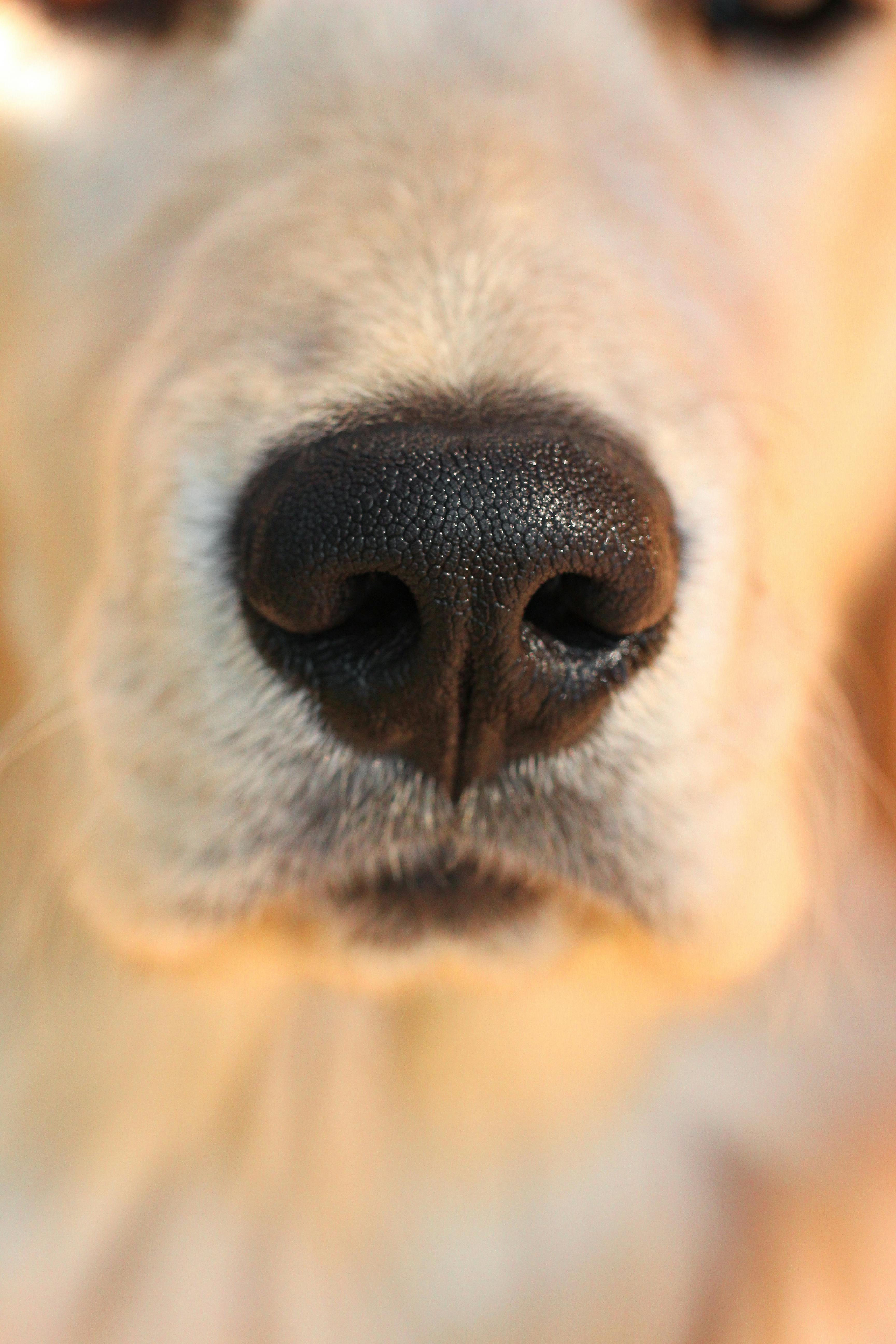 \n\n
\n\nHave you ever noticed how your dog’s nose is usually cold and wet? This common characteristic of our furry companions is more than just a cute quirk; it serves important functions for their health and well-being. The moisture on a dog's nose plays a significant role in its ability to sense the world around them, and it actually impacts their overall health. So, why do dogs have wet noses? Let’s delve into this intriguing subject and uncover the fascinating truth behind those damp snouts.
\nThe Science of a Wet Nose
\nDogs’ noses are moist for a few reasons, primarily related to their sense of smell. A wet nose helps them absorb scent molecules from the air. The moisture attracts these molecules, making it easier for dogs to detect various scents. This is crucial for their survival instincts, as dogs rely heavily on their noses to explore their environments and communicate with other dogs.
\nHow Moisture Affects Scent Detection
\nWhen it comes to detecting smells, dogs have an exceptional ability. Here’s how moisture plays a role in this process:
\n- \n
- Increased Scent Absorption: The wet surface of a dog’s nose allows for better absorption of scent particles, which enhances their olfactory capabilities. \n
- Temperature Regulation: A moist nose helps regulate a dog’s body temperature. When the nose is wet, it helps cool the dog down through evaporation, similar to sweating in humans. \n
- Natural Cleaning: The moisture helps to keep the nose clean, washing away dust and other particles that could block scent receptors. \n
Why Do Dogs Have Wet Noses? The Evolutionary Perspective
\nHistorically, dogs have evolved from wolves, who relied on their keen sense of smell for hunting and survival. The wetness of their noses is believed to be an adaptation that has been passed down through generations. In the wild, a dog’s ability to smell food, track scents, and avoid dangers relies heavily on their nose’s condition. Thus, the wetness is not just a random occurrence but a vital evolutionary trait.
\nHealth Implications of a Wet Nose
\nWhile a wet nose is generally a sign of a healthy dog, it’s essential to understand that changes in moisture levels can indicate health issues. Here are some health aspects related to a dog's nose:
\n- \n
- Normal Moisture: A healthy dog usually has a cool, wet nose. This indicates that their body is functioning well. \n
- Dry Nose: If a dog’s nose becomes severely dry, it could signal dehydration or illness. Keeping an eye on hydration is crucial. \n
- Cracked or Bleeding Nose: This could be a sign of allergies, infections, or other serious conditions. Immediate veterinary attention may be required. \n
Factors That Influence Nose Moisture
\nSeveral factors can influence the moisture level in a dog’s nose. Here’s a brief overview:
\n- \n
- Weather Conditions: Hot and dry weather can lead to a drier nose, while cold and humid conditions can keep it more moist. \n
- Hydration Levels: A dog that is well-hydrated will typically have a wetter nose. \n
- Health Status: As mentioned before, overall health affects moisture levels; sick dogs may exhibit changes in nose condition. \n
Fun Facts About Dogs’ Noses
\nHere’s a list of interesting tidbits about dogs and their noses:
\n- \n
- Dogs have up to 300 million scent receptors in their noses, compared to about 5 million in humans. \n
- The shape and size of a dog's nose can affect their smelling abilities. Breeds like Bloodhounds are particularly renowned for their exceptional olfactory skills. \n
- Dogs can detect certain diseases, like cancer, through scent, thanks to their incredible sense of smell. \n
A Quick Comparison: Dog Noses vs. Human Noses
\nHere’s a simple table comparing dog noses and human noses:
\n| Feature | \nDog Nose | \nHuman Nose | \n
|---|---|---|
| Number of Scent Receptors | \n300 million | \n5 million | \n
| Moisture Level | \nGenerally wet | \nCan be dry or wet | \n
| Primary Function | \nScent detection | \nBreathing and sensing | \n
| Temperature Regulation | \nEvaporative cooling | \nMinimal | \n
Understanding why dogs have wet noses and how it plays a role in their health gives us a deeper appreciation for these wonderful animals. Observing changes in your dog’s nose can be an important indicator of their overall health. So the next time you give your furry friend a pat, take a moment to appreciate that wet nose and what it signifies. It’s just another fascinating aspect of the incredible bond we share with our canine companions.
\n\nCurious About Your Dog’s Nose? 7 Reasons Why It’s Always Damp
\n\n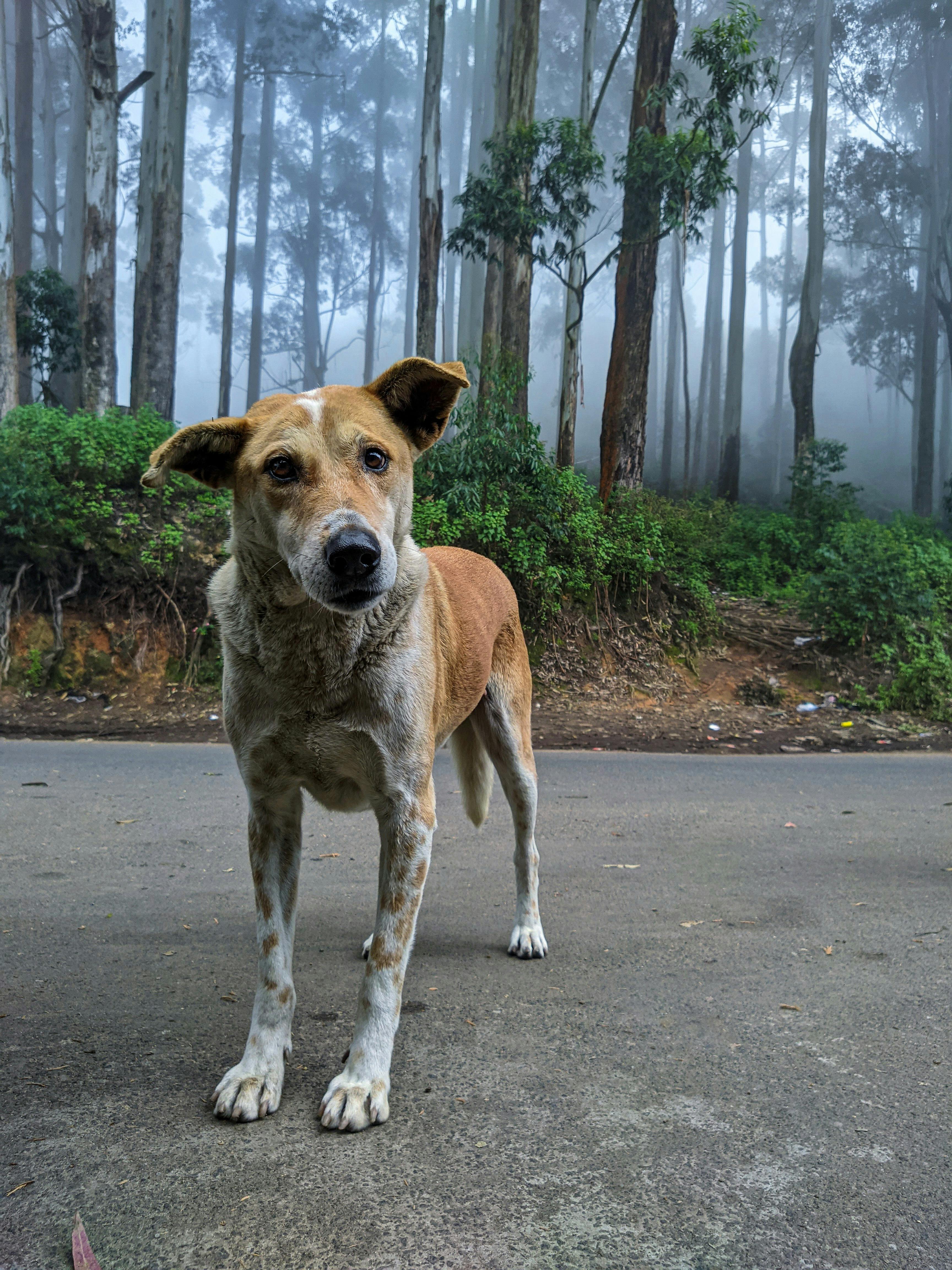 \n\n
\n\nCurious About Your Dog’s Nose? 7 Reasons Why It’s Always Damp, Why Do Dogs Have Wet Noses? Discover This Fascinating Truth!
\nEver notice how your dog's nose is often damp? You may have wondered why this is. It’s not just a cute little quirk; there are multiple reasons why dogs have wet noses. Understanding this can help you appreciate your furry friend even more. So, let's dive into the seven fascinating reasons that explain why dog noses are typically wet.
\n1. Temperature Regulation
\nDogs don't sweat like humans do. Instead, they regulate their body temperature through their noses. When a dog gets hot, the moisture on their nose helps to cool them down. This is because as the moisture evaporates, it takes heat with it, making the dog feel cooler. You might notice your dog's nose getting wetter when they spend time outside on a hot day.
\n2. Enhanced Sense of Smell
\nDogs have an incredible sense of smell—up to 100,000 times better than humans. A wet nose helps to capture scent particles more effectively, enhances smell sensitivity, and helps them identify smells better. Their moist nose can absorb scent molecules and send signals to their brain, making them excellent trackers.
\n3. Communication Tool
\nDogs use their noses to communicate with each other and with humans. A wet nose can signify a dog's emotional state. For example, a damp nose might indicate that your pup is relaxed and ready to interact. Conversely, if the nose is dry, it could mean they are stressed or unwell. So, paying attention to your dog's nose can give you clues about their feelings.
\n4. Natural Cleaning Mechanism
\nDogs often lick their noses, which helps to keep it clean. The moisture also traps dirt and debris, which can be cleaned off easily. This is vital for their health, as a clean nose can prevent infections or other issues. You might see your dog frequently licking their nose; it’s their way of maintaining hygiene!
\n5. Sign of Good Health
\nA moist, cool nose is generally a sign of good health in dogs. If your dog’s nose is consistently dry or hot, it may indicate illness or dehydration. However, it's important to remember that this isn't a definitive health indicator. Various factors can influence a dog's nose condition, so regular vet check-ups are essential.
\n6. Breed Differences
\nSome breeds are known to have naturally wetter noses than others. For example, hound breeds, such as Beagles and Bloodhounds, have particularly moist noses to aid in their tracking abilities. On the other hand, some breeds may have drier noses due to their unique anatomy or coat type. Understanding the specific needs of your dog's breed can help you care for them better.
\n7. Environmental Factors
\nThe environment plays a significant role in the moisture level of a dog's nose. Humidity, temperature, and even air quality can affect how damp a dog’s nose is. In dry weather, for example, you might find your dog’s nose is less moist than usual. Keeping your dog hydrated and comfortable in different climates can help maintain their nose's health.
\nQuick Tips on Nose Care
\n- \n
- Hydration: Always provide fresh water to keep your dog hydrated. \n
- Humidity: If you live in a dry area, consider using a humidifier in your home. \n
- Health Monitoring: Keep an eye on any drastic changes in your dog's nose; consult a vet if it seems persistently dry or cracked. \n
- Regular Vet Visits: Regular check-ups can help catch potential issues early on. \n
Final Thoughts
\nUnderstanding why dogs have wet noses can deepen your bond with your furry friend. Their noses are not just adorable features; they serve essential purposes that contribute to their overall well-being. Remember, a wet nose can indicate many things from health to emotion. So next time you pet your dog, take a moment to appreciate that soft, damp nose and all the fascinating reasons behind it!
\n\nWet Noses and Canine Communication: What Your Dog Is Telling You
\n\n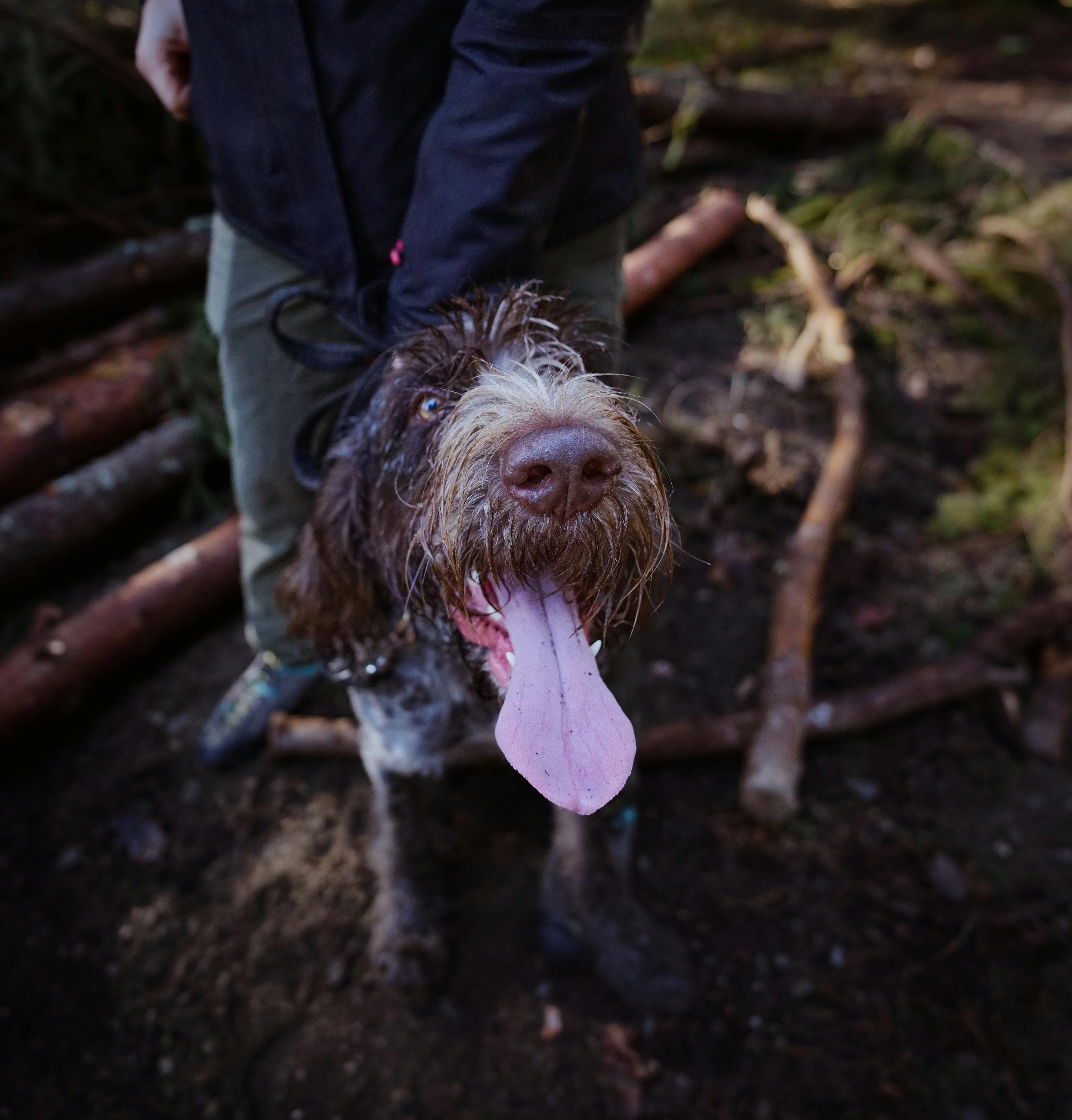 \n\n
\n\nDogs are often known as man's best friend, but have you ever wondered what your furry companion is trying to tell you? One of the most interesting aspects of canine communication is their wet noses. You might have noticed how your dog's nose feels cool and moist when you give them a gentle pat. But why do dogs have wet noses, and what does it mean? Let’s dive into this fascinating truth!
\nThe Science Behind Wet Noses
\nDogs’ noses are wet for a good reason. Their noses are covered in a thin layer of mucous that helps them to absorb scent particles. This is essential for the dog’s sense of smell, which is far superior than humans. In fact, a dog's sense of smell can be up to 100,000 times more sensitive than ours!
\nHere’s some key points about why dogs have wet noses:
\n- \n
- Enhanced Smell Sensitivity: The moisture on their nose helps to trap scent particles better, allowing them to pick up scents more effectively. \n
- Temperature Regulation: Wet noses help dogs cool down. When they are panting, the moisture evaporates and helps to regulate their body temperature. \n
- Health Indicator: A wet nose is often a sign of a healthy dog. A dry nose can sometimes indicate illness, but not always. It's just one of many factors to look at. \n
Historical Context of Canine Communication
\nDogs have been companions to humans for thousands of years. Their evolution from wild wolves to domesticated pets has changed how they communicate with us. Early on, humans likely relied on dogs for hunting and protection, and the relationship blossomed over time.
\n- \n
- Ancient Roles: In ancient civilizations, dogs were used for herding, guarding, and companionship. Their ability to communicate through body language and vocalizations was key to these roles. \n
- Modern Communication: Today, dogs use a combination of vocal sounds, body language, and yes, even their wet noses to express their feelings. Understanding these signals can strengthen the bond between you and your pet. \n
What Your Dog’s Nose Might Be Telling You
\nWhen you greet your dog, the first thing they might do is nuzzle or lick your hand. This behavior is not just a sign of affection but also a form of communication. Here are some common interpretations of canine nose behaviors:
\n- \n
- Nudging with Nose: This can mean "pay attention to me" or "I want something." It’s their way of saying they need help or just some love. \n
- Licking: Dogs lick as a sign of submission, affection, or even to taste something. It’s their way of exploring the world. \n
- Sniffing: Dogs use their noses to gather information about their environment. If they’re sniffing around, they might be trying to assess their surroundings or find out where other animals have been. \n
Wet Nose vs. Dry Nose: What’s Normal?
\nIt's common for dog owners to worry if their dog's nose feels dry. However, a wet nose isn’t always a necessity for good health. Here’s a quick comparison:
\n| Condition | \nWet Nose | \nDry Nose | \n
|---|---|---|
| Health Indicator | \nTypically a sign of health | \nNot always a sign of illness | \n
| Temperature | \nUsually cooler | \nWarmer to the touch | \n
| Behavior | \nActive and playful | \nCan be normal, but watch for other signs | \n
The Role of Nose in Dog Behavior
\nUnderstanding the significance of a dog's wet nose can provide insights into their behavior. Dogs often rely on their sense of smell to communicate with each other and with humans. For example, when dogs meet, they often sniff each other’s noses and behinds to gather information about health, mood, and territorial claims.
\nPractical Tips for Dog Owners
\nIf you want to deepen your relationship with your dog, here are a few practical tips:
\n- \n
- Observe Behavior: Keep an eye on your dog's nose and overall behavior. Changes can indicate health issues. \n
- Engage in Play: Spend time playing with your dog. Use toys that encourage sniffing or hide treats around the house to stimulate their sense of smell. \n
- Regular Vet Visits: Ensure your dog has regular check-ups to monitor their health and address any concerns with their nose or behavior. \n
Dogs are complex creatures with a rich way of communicating. Their wet noses are just one aspect of the many signals they send us. By paying attention to these small details, you can better understand and connect with your beloved pet. So next time your dog nudges you with their nose or gives you a wet kiss, remember they’re speaking a language all their own!
\n\nThe Myth of the Dry Nose: Debunking Common Misconceptions About Dogs
\n\n \n\n
\n\nEvery dog owner has wondered about their furry friend's wet nose at some point. It’s a common question: why do dogs have wet noses? Many people believes that a dry nose indicates illness or some kind of health problem, but that’s not always true. In fact, there’s a whole lot of misconceptions floating around about dog noses that need debunking. Let’s dive into the fascinating truth behind those moist snouts and why they are important for our canine companions.
\nThe Science of Dog Noses
\nDogs noses are known for being wet, and there’s actually a scientific reason for this. The moisture on a dog's nose comes from a few different sources:
\n- \n
- Mucous Glands: Dogs have mucous glands in their noses that produce a thin layer of mucus. This helps to keep the nose moist. \n
- Saliva: Sometimes, dogs lick their noses, which adds moisture. \n
- Environmental Factors: Humidity and temperature can also affect how wet a dog’s nose is. \n
So when you’re petting your pup and feel that cool, damp nose, it’s a sign that they are likely healthy and alert, not necessarily sick!
\nThe Myths Surrounding Dry Noses
\nThere are several myths about dog noses that are widely believed. It's important to explore these misconceptions and understand what is true. Here are some common myths:
\n- \n
- \n
Myth: A Dry Nose Means Your Dog is Sick
\n- \n
- This is one of the most pervasive myths. While a dry nose can indicate dehydration or fever, it’s not a definitive sign of illness. Dogs can have dry noses for many reasons, including just being in a dry environment. \n
\n - \n
Myth: All Dogs Have Wet Noses
\n- \n
- Some breeds, like Bulldogs or Boxers, tend to have drier noses naturally. So, it’s not true that every dog has to have a wet nose. \n
\n - \n
Myth: You Can Tell a Dog's Temperature by Their Nose
\n- \n
- While it’s a common belief that a warm nose indicates a fever, this is not reliable. The best way to check a dog's temperature is still with a thermometer. \n
\n - \n
Myth: Dogs Only Lick Their Noses When They’re Thirsty
\n- \n
- Dogs lick their noses for many reasons. It helps them taste scents in the air and is part of their natural behavior. \n
\n
Why a Wet Nose is Beneficial
\nNow that we’ve debunked some myths, let’s look at why having a wet nose is actually beneficial for dogs:
\n- \n
- \n
Enhanced Smell: A wet nose helps to capture scent particles in the air, enhancing a dog’s sense of smell. This is crucial for their hunting instincts and overall understanding of their environment.
\n \n - \n
Cooling Mechanism: Dogs don’t sweat like humans do. Their moist noses can help them cool down, which is particularly important in warmer weather.
\n \n - \n
Social Interaction: Dogs use their noses to communicate with other dogs. A wet nose can indicate friendliness and approachability.
\n \n
Factors That Influence Nose Moisture
\nIt’s important to understand that several factors can influence how wet or dry a dog’s nose can be:
\n- \n
- \n
Weather Conditions: Humidity levels can cause a dog’s nose to be wetter than usual. In dry winter months, noses may dry out.
\n \n - \n
Health Status: While a dry nose isn’t always a bad sign, if it’s accompanied by other symptoms like lethargy or lack of appetite, it can be worth a check-up with the vet.
\n \n - \n
Age: Older dogs may have drier noses due to changes in skin elasticity and moisture retention.
\n \n
Practical Tips for Dog Owners
\nHere are some practical tips for dog owners to ensure their furry friends are healthy:
\n- \n
- \n
Regular Vet Check-ups: Regular visits to the vet can help ensure your dog’s overall health, including nose condition.
\n \n - \n
Hydration: Make sure your dog has access to fresh water at all times. Proper hydration can help maintain a moist nose.
\n \n - \n
Environmental Care: If you live in a dry area, consider using a humidifier at home to help keep your dog’s nose moist.
\n \n - \n
Observe Changes: Keep an eye on any changes in your dog’s nose texture or moisture level. If something seems off, consult your veterinarian.
\n \n
Understanding why dogs have wet noses can help dispel the myths and misconceptions surrounding canine health. Rather than worrying about a dry nose, focus on the overall well-being of your pet. Remember, a wet nose is just one part of a dog's health puzzle. So, the next time you get a wet kiss from your pup, know that it’s a natural part of their charm and biology!
\n\nUnderstanding Dog Physiology: Why Do Canines Have Wet Noses?
\n\n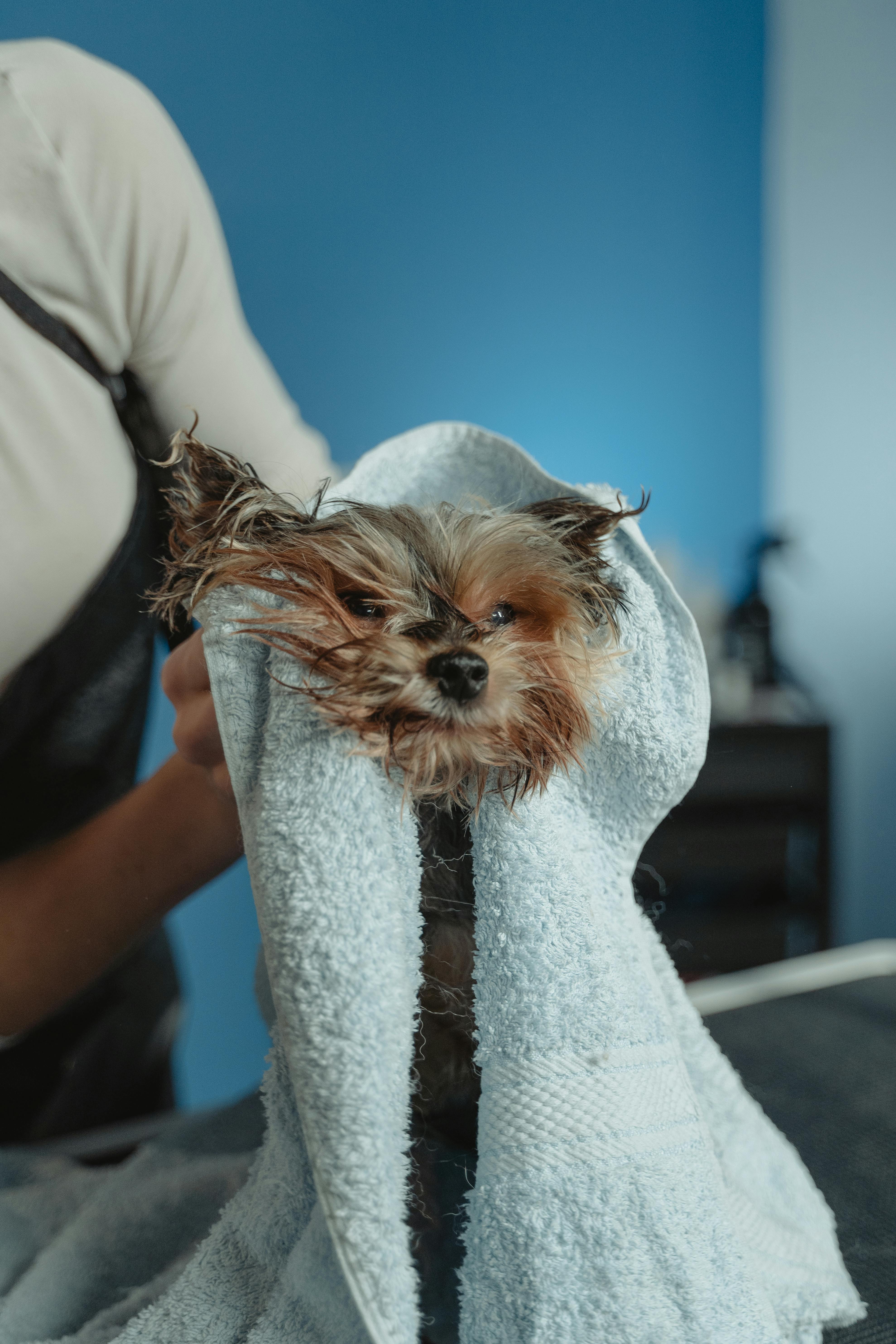 \n\n
\n\nDogs, those furry companions that fill our lives with joy, have many unique traits that make them stand out. One of the most intriguing features is their wet noses. Ever wondered why do dogs have wet noses? This question not only sparks curiosity among pet owners but also reveals fascinating insights into canine physiology. Let’s dive into understanding dog physiology and uncover the truth behind those wet noses.
\nThe Physiology Behind Wet Noses
\nA dog's nose is more than just a cute feature. It's a highly developed organ that plays a critical role in their sensory perception. Here’s a quick breakdown of why canine noses are wet:
\n- \n
- Moisture Retention: The wetness of a dog's nose helps to trap scent particles. This allows them to detect a wider range of smells, which is vital for their hunting instincts and social interactions. \n
- Temperature Regulation: Dogs don’t sweat like humans do. Their wet noses help them cool down. When the moisture evaporates from the nose, it provides a cooling effect, much like sweating. \n
- Health Indicators: A dog's nose can tell you a lot about their health. A wet and cool nose generally indicates a healthy dog. Conversely, a dry or overly warm nose could signal illness or dehydration. \n
Evolutionary Context
\nHistorically, dogs evolved from wolves, and their wet noses served essential functions in the wild. In ancient times, tracking prey was crucial for survival. The ability to smell with heightened accuracy gave early dogs an advantage in locating food and avoiding predators. This evolutionary trait has been passed down through generations, making it a fundamental aspect of their biology today.
\nThe Science of Smell
\nDid you know that dogs have up to 300 million olfactory receptors in their noses? For comparison, humans have only about 5 million. This significant difference means that dogs can detect smells at incredibly low concentrations. Here are some fascinating facts about dog noses and their incredible sense of smell:
\n- \n
- Scent Detection: Dogs can smell substances in parts per trillion. This ability is why they are used in search-and-rescue operations or detecting drugs and explosives. \n
- Scent Memory: Dogs have a remarkable scent memory. They can remember smells for years, which is why they recognize their owners or familiar places after long periods. \n
- Nasal Structure: The structure of a dog’s nose includes a moist surface and complex turbinates that help them differentiate between various smells. \n
Fun Facts About Dog Noses
\nHere is a quick list of interesting trivia about dog noses:
\n- \n
- Nose Prints: Just like human fingerprints, each dog has a unique nose print. This uniqueness can sometimes be used for identification. \n
- Color Variations: A dog’s nose color can vary, and it’s not just for looks. The pigmentation can reflect their breed and genetics. \n
- Dry Noses: While a wet nose is typical, some dogs may have dry noses due to environmental factors or health issues. It’s always good to monitor any changes. \n
Common Misconceptions
\nThere are many myths surrounding dog noses that are worth clearing up:
\n- \n
- Wet Means Healthy: While a wet nose is often an indicator of health, it’s not a definitive measure. Some dogs may have a naturally drier nose. \n
- Cooler Noses Are Healthier: A cooler nose is often seen as a sign of good health, but temperature can fluctuate based on environment and activity. \n
- All Dogs Have Wet Noses: Some breeds, like Bulldogs or Pugs, may not have the same moisture levels due to their unique physical characteristics. \n
Practical Tips for Dog Owners
\nIf you’re a dog owner, here are some practical tips to keep your dog’s nose healthy:
\n- \n
- Hydration: Ensure your dog has access to fresh water to maintain moisture levels. \n
- Regular Checkups: Keep up with routine veterinary visits to monitor your dog’s overall health, including their nose. \n
- Environmental Awareness: Be mindful of weather conditions. Hot or dry climates can affect your dog’s nose, so take precautions during extreme temperatures. \n
Understanding the physiology of a dog’s nose not only helps in appreciating their unique abilities but also plays a role in responsible pet ownership. Those wet noses are more than just adorable features; they are crucial to a dog's health and well-being. So the next time you see your furry friend with that wet little nose, remember, it’s not just cute, it’s a fundamental part of what makes them the amazing companions they are.
\n\n10 Amazing Facts About Dog Noses That Will Change How You View Your Pet!
\n\n \n\n
\n\nHave you ever wondered why your dog’s nose is always wet? Or maybe you just enjoy watching them sniff around like they are on an important mission. Dog noses are not just cute; they are fascinating and full of surprises. Here are 10 amazing facts about dog noses that will change how you view your furry friend, and help you understand why dogs have wet noses.
\n1. Dogs Have an Incredible Sense of Smell
\nDid you know that dogs noses have up to 300 million olfactory receptors? Humans only have about 5 million. This means that dogs can sniff out scents at an astonishing level. They can detect drugs, explosives, and even certain diseases in humans. Their sense of smell is so sharp that they can identify a scent even if it is diluted to one part per trillion!
\n2. Wet Noses Help Them Smell Better
\nSo, why do dogs have wet noses? The moisture on their noses helps to capture scent particles in the air. When a dog’s nose is wet, it is more effective at absorbing scents, which makes their already impressive smelling ability even better. A dry nose can mean that they are unable to smell as well as they can when it is moist.
\n3. Dogs Can Smell Emotions
\nDogs have an amazing ability to sense human emotions through their sense of smell. They can detect subtle changes in body odor that relate to feelings like fear, happiness, or stress. This is why your dog seems to know when you’re sad or stressed; they can smell it!
\n4. Unique Nose Prints
\nJust like human fingerprints, every dog has a unique nose print. The patterns of ridges and creases are distinct for each dog. Some organizations even use these nose prints to identify lost pets. It's kind of like a doggy fingerprint!
\n5. Dogs Can Sniff Out Medical Conditions
\nResearch shows that dogs can be trained to detect certain medical conditions, such as cancer and diabetes. They can sense changes in the body’s chemistry that humans cannot. For example, some dogs are able to alert their owners when their blood sugar is too low or when they need to see a doctor.
\n6. Cooling Mechanism
\nDogs don’t sweat like humans do. Instead, they rely on their wet noses to help regulate their body temperature. The moisture on their noses evaporates, which helps to cool them down. That’s one reason why you often see dogs with their tongues out on hot days; they are trying to cool off!
\n7. The Shape Matters
\nThe shape of a dog’s nose can influence its sense of smell. Breeds with longer snouts, like Bloodhounds, have a greater number of smell receptors and a larger surface area in their noses. Short-nosed breeds, such as Bulldogs, have fewer olfactory receptors, which can affect their smelling ability.
\n8. Dogs Use Their Noses to Communicate
\nDogs also use their noses to communicate with each other. When they sniff each other’s noses, they are gathering important information about the other dog’s identity, health, and mood. This is why it’s so common for dogs to greet each other with a good sniff!
\n9. Different Smells for Different Purposes
\nDogs can differentiate between various smells for different purposes. For instance, they can recognize smells related to food, danger, or other animals. This ability is crucial for their survival instincts. When your dog smells something unfamiliar, it may be assessing whether it’s a potential threat or just another dog.
\n10. Nose-Related Health Issues
\nWhile most dogs have healthy noses, some can experience issues like dryness, cracking, or infection. A sudden change in the moisture level of your dog’s nose could indicate a health problem. If you notice your dog’s nose is persistently dry or has sores, it’s best to consult a veterinarian to ensure everything is alright.
\nWhy A Wet Nose Matters
\nThe moisture on a dog's nose is not just for show; it plays a crucial role in their overall health and sense of smell. Dogs that have consistently dry or cracked noses might be dealing with dehydration or other health issues. It’s a good idea to monitor your pet’s nose and consult your vet if you notice any unusual changes.
\nIn summary, the wet noses of dogs are not only adorable but also serve a vital purpose in how they interact with the world. From their incredible sense of smell to their ability to communicate and detect health issues, a dog's nose is a testament to their unique biology. Next time you see your dog sniffing around or enjoying a good rub on the nose, you can appreciate the amazing capabilities that come with it!
\n\nConclusion
\n\nIn conclusion, the wet noses of dogs serve several essential purposes that contribute to their overall health and well-being. The moisture on a dog’s nose helps enhance their sense of smell, allowing them to detect scents more effectively, which is vital for their communication and exploration. Additionally, a wet nose can help regulate body temperature, acting as a natural cooling mechanism. While a moist nose is often associated with a healthy dog, it's important to note that variations can occur based on factors such as humidity and activity levels. Understanding the significance of your dog's wet nose can deepen your appreciation for their unique biology. So, the next time you greet your furry friend and feel that cool, damp touch, remember the vital role it plays in their sensory world. Embrace this quirky characteristic and ensure your pup stays hydrated and healthy for a happy life together!
\n\n