Have you ever wondered why do dogs have wet noses? This intriguing question has puzzled pet owners for ages! A dog's nose is not just a cute feature; it plays a crucial role in their health and behavior. In fact, the moisture on their noses serves several fascinating purposes that many people don’t even know about! For instance, did you know that a wet nose helps dogs smell better? Yes, it’s true! The moisture captures scent particles, enhancing their incredible sense of smell. But that’s not all—dogs’ wet noses are also a sign of their emotional state. Curious to learn more about this unique trait? In this article, we'll explore the science behind why dog noses are wet and what it means for your furry friend. Whether you're a new dog owner or a seasoned pet lover, understanding these facts can deepen your bond with your canine companion. So, if you’re asking yourself, why do dogs have wet noses, stay tuned as we unravel this captivating mystery! Your curiosity is about to be rewarded with some surprising insights!
\n\nThe Science Behind Dogs' Wet Noses: What Makes Them So Special?
\n\n \n\n
\n\nHave you ever wonder why dogs have wet noses? It’s a question many pet owners ask. While they might seem like a simple feature, dogs' wet noses are actually pretty fascinating and have a lot of science behind it. This article delves into the reasons for this unique trait, its purpose, and what makes it special in the canine world.
\nThe Anatomy of a Dog's Nose
\nFirst off, it helps to understand how dogs' noses work. A dog's nose is made up of a complex structure of tissues, moisture-producing glands, and a large number of olfactory receptors. The wetness of a dog’s nose comes from mucus and the moisture in the air. Here’s some facts about their noses:
\n- \n
- Dogs have about 300 million olfactory receptors, compared to humans who only have around 5 million. \n
- The surface area of a dog's nose is larger than a human's, allowing for better scent detection. \n
- The moisture on their noses helps capture scent particles, which enhances their sense of smell. \n
Why Do Dogs Have Wet Noses?
\nThe moisture on a dog's nose serves multiple purpose. One of the main reasons is that it helps them smell better. When a dog’s nose is wet, it can absorb scent molecules more easily. This is why you’ll often see dogs sniffing around with their noses glistening.
\nAlso, wet noses may help thermoregulation. Unlike humans who sweat to cool down, dogs pant and use their noses. A wet nose can help them cool off by evaporating moisture, just like sweat does for humans. It’s a natural way for them to regulate their body temperature, especially during hot days.
\nHistorical Context of Dogs’ Noses
\nDogs have evolved over thousands of years, and their noses have played a crucial role in their survival. Historically, dogs were bred for various tasks, including hunting, herding, and guarding. A keen sense of smell was essential for these activities. As a result, dogs with wet noses were more successful in detecting scents, which made them more desirable as companions and workers.
\nComparisons with Other Animals
\nWhen we look at other animals, we find that wet noses aren’t unique to dogs. Many animals, like cats and certain species of mammals, have wet noses too. However, the wetness and structure of a dog’s nose are particularly adapted for their lifestyle.
\nHere’s a brief comparison:
\n| Animal | \nNumber of Olfactory Receptors | \nWet Nose Function | \n
|---|---|---|
| Dogs | \n300 million | \nEnhances smell, thermoregulation | \n
| Cats | \n50-80 million | \nScent detection | \n
| Humans | \n5 million | \nBasic smell detection | \n
Practical Examples of Nose Functions
\nDogs use their noses for various tasks that are vital in their everyday lives. Here are some practical examples:
\n- \n
- Tracking: Dogs can be trained to track scents for search and rescue missions, or even in law enforcement. \n
- Detection: Many dogs are trained to detect drugs, explosives, or even medical conditions like low blood sugar or seizures. \n
- Communication: Dogs also use their noses to gather information about other animals and humans, leaving and reading scent markers. \n
Fun Facts About Dogs' Wet Noses
\n- \n
- Temperature Indicator: A wet nose can indicate a dog’s health. If a dog’s nose is dry and warm, it might be a sign they’re not feeling well. \n
- Unique Patterns: Just like human fingerprints, every dog's nose print is unique. This can even be used for identification purposes! \n
- Licking Behavior: Dogs often lick their noses to keep them moist. It’s a natural behavior that helps them maintain their sense of smell. \n
In the end, the science behind dogs' wet noses illustrates just how remarkable these furry companions are. Their wet noses are not just adorable, but they serve important functions in their lives. Understanding the reasons behind this unique characteristic can deepen the bond between humans and their canine friends. Next time you see a dog with a shiny nose, you’ll know the fascinating truth behind it!
\n\n5 Compelling Reasons Why Dogs Have Wet Noses and What It Means for Their Health
\n\n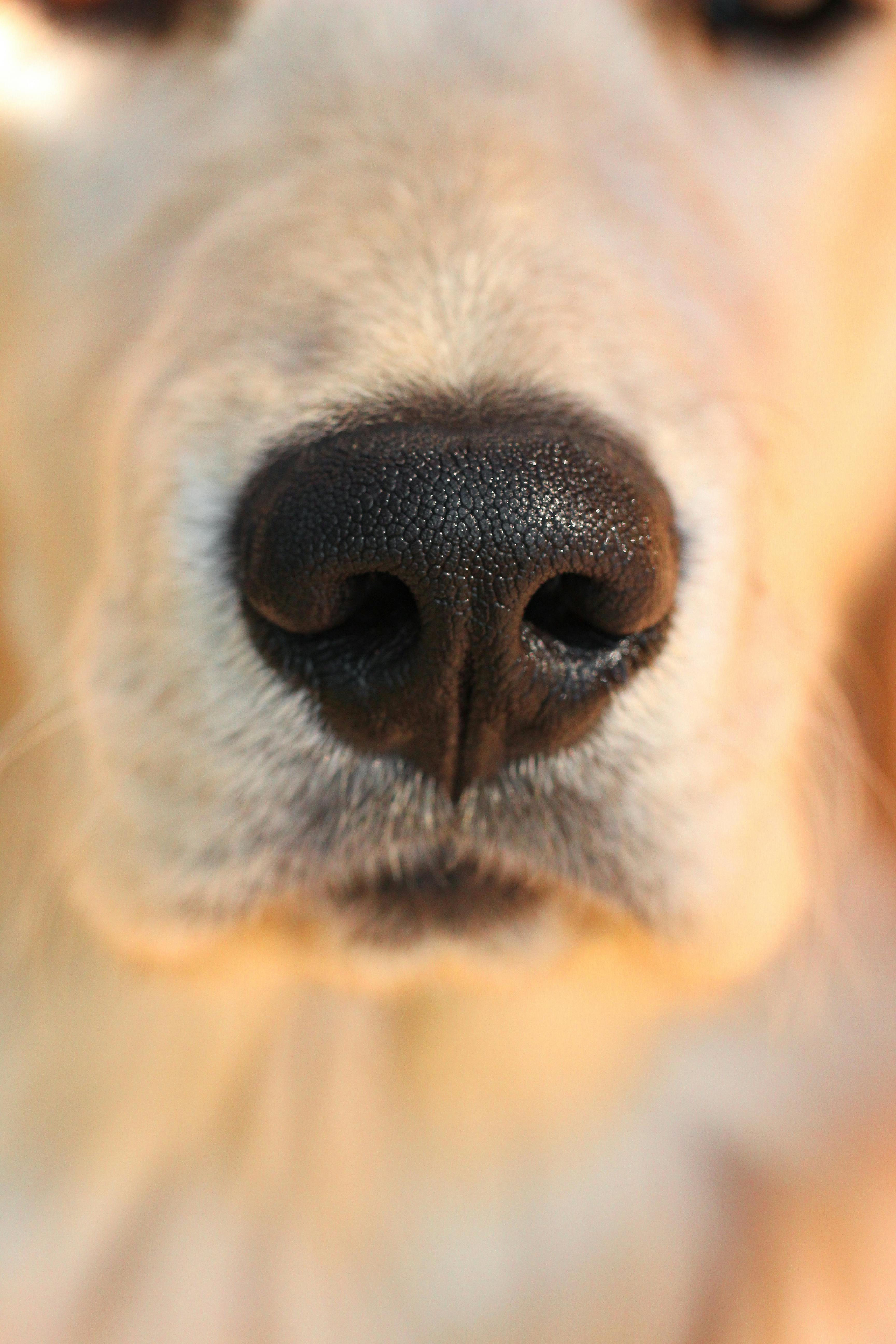 \n\n
\n\nDogs, those loyal companions, have some fascinating traits that often leave us wondering. One of the most interesting things about dogs is their wet noses. Ever thought about it? Why do dogs have wet noses? In this article, we will explore 5 compelling reasons why that is the case, and what it means for their health. So, let’s dive into this intriguing topic and uncover the truth!
\n1. Sense of Smell Enhancement
\nOne of the biggest reasons why dogs have wet noses is that it helps them smell better. A wet nose can actually amplify a dog’s sense of smell. The moisture on their nose absorbs scent particles from the air, which helps dogs detect smells better than they could with dry noses. This is super important for their survival, as scent is how they communicate and understand the world around them.
\n- \n
- Dogs have up to 300 million scent receptors. \n
- Humans, by contrast, have only about 5 million. \n
- A dog’s sense of smell is 40 times better than that of humans. \n
2. Temperature Regulation
\nYou might not know this, but a dog’s wet nose also helps with temperature regulation. Dogs don’t sweat like humans do, so they rely on their noses to help cool off. When dogs pant, moisture from their nose can evaporate, which cools them down. This is critical during hot summer days, helping them stay comfortable and healthy. If a dog’s nose is dry, it may indicate that they are not regulating their body temperature properly.
\n- \n
- Dogs cool off through:
- \n
- Panting \n
- Sweating through their paws \n
- Moisture evaporation from their nose \n
\n
3. Natural Lubrication
\nDogs’ noses are naturally moist, and this is also due to a special mucus that helps keep the nose lubricated. This lubrication is essential for trapping scent particles and ensuring that their noses remain sensitive. A dog with a dry nose may not be able to pick up scents as effectively, which could affect their hunting instincts or even their ability to interact with other dogs.
\n- \n
- The mucus on a dog’s nose:
- \n
- Traps scent particles \n
- Keeps the nose sensitive \n
- Helps in communication with other dogs \n
\n
4. Health Indicator
\nThe condition of a dog’s nose can be a health indicator. A wet nose is often seen as a sign of a healthy dog, while a dry or cracked nose could signal an underlying health issue. However, it’s important to note that not every dog has a consistently wet nose, and variations may occur based on breed, environment, or even the time of day.
\n- \n
- Signs to look for:
- \n
- Wet and cool: generally healthy \n
- Dry and warm: could indicate fever or dehydration \n
- Cracked or bleeding: potential health issue requiring vet attention \n
\n
5. Social Interaction and Communication
\nA dog's nose is not just for smelling; it is also a social tool. Dogs use their noses to communicate with each other and with humans. When dogs greet each other, they often sniff each other's noses, which is a way to gather information. A wet nose can make this interaction more inviting and friendly, as it’s often associated with a healthy and vibrant dog.
\n- \n
- Dogs communicate through:
- \n
- Scent marking \n
- Nosing each other \n
- Body language \n
\n
Understanding why dogs have wet noses provides a deeper insight into their health and behavior. If you ever have concerns about your dog’s nose being too dry or not moist enough, it’s always wise to consult with a veterinarian.
\nIn the end, the wet nose of a dog serves many purposes, from enhancing their sense of smell to indicating their health. It's a fascinating aspect of canine biology that showcases their unique adaptations. So, the next time you see your furry friend with a wet nose, remember that it’s not just cute; it’s a vital part of what makes them the amazing companions they are. Dogs are truly remarkable creatures, and their wet noses are just one of the many reasons why we love them.
\n\nAre Wet Noses a Sign of a Healthy Dog? Discover the Truth Behind the Myth
\n\n \n\n
\n\nHave you ever petted your dog and noticed that their nose is damp? Many people believe that a wet nose is a sign of a healthy dog. But is this really true? In this article, we will explore the fascinating truth behind wet noses, why dogs have them, and if they really indicate health or not.
\nThe Science Behind Wet Noses
\nDogs have wet noses mainly because of their unique physiology. The moisture on a dog’s nose comes from a combination of saliva, mucus, and the natural oils that their skin produces. But what does this moisture actually do?
\n- \n
- \n
Sense of Smell: A wet nose helps enhance a dog’s sense of smell. The moisture captures scent particles in the air, allowing them to pick up more scents. This is why dogs are often so good at tracking and sniffing things out.
\n \n - \n
Temperature Regulation: Just like humans sweat to cool down, dogs also use their noses to help regulate body temperature. The moisture on their noses evaporates, providing a cooling effect.
\n \n - \n
Health Indicator: While a wet nose is often associated with being healthy, it’s not the only indicator. Dogs can still be sick with a wet nose, and a dry nose doesn’t always mean they are unwell.
\n \n
Common Myths About Dog Noses
\nThere are a lot of myths floating around about dog noses. Let’s break down a few of the most common ones:
\n- \n
- \n
Wet Nose = Healthy Dog: While a wet nose can indicate hydration, it's not a foolproof way to gauge a dog's health. A dog can have a wet nose and still have other health issues.
\n \n - \n
Dry Nose = Sick Dog: A dry nose doesn’t necessarily mean your dog is sick. Some dogs just have naturally dry noses, or they could be experiencing weather-related dryness.
\n \n - \n
Nose Temperature: Many people think that if a dog’s nose is warm, that they have a fever. This is not always true. A dog’s nose temperature can vary throughout the day.
\n \n
Why Do Dogs Have Wet Noses?
\nThe question arises, why do dogs specifically have wet noses while other animals don’t? The answer lies in evolution.
\n- \n
- \n
Ancestral Traits: Dogs descended from wolves, and wolves have wet noses too. This trait likely helped them in hunting and foraging by improving their ability to detect scents.
\n \n - \n
Adaptation: Over thousands of years, domesticated dogs have retained this characteristic as it aids in their survival.
\n \n
Factors That Affect Nose Moisture
\nSeveral factors can influence how wet or dry a dog's nose is. Here are some common ones:
\n- \n
- \n
Weather Conditions: Hot, dry conditions usually cause a dog's nose to become drier. Conversely, humidity can keep it moister.
\n \n - \n
Hydration: If a dog is well-hydrated, their nose is more likely to be wet. Dehydration can lead to a dry nose.
\n \n - \n
Health Conditions: Certain health issues like allergies, infections, or autoimmune diseases can affect moisture levels.
\n \n
Quick Tips to Maintain a Healthy Nose
\nKeeping your dog's nose healthy is important. Here are some tips:
\n- \n
- \n
Hydration: Make sure your dog always has access to fresh water.
\n \n - \n
Regular Vet Check-ups: Routine health check-ups can help catch any underlying issues before they become serious.
\n \n - \n
Watch for Changes: If you notice a sudden change in your dog’s nose moisture, consult a veterinarian. It could indicate health issues.
\n \n - \n
Skin Care: Use pet-safe moisturizers if your dog’s nose gets too dry.
\n \n
When to Worry About Your Dog's Nose
\nThere are certain signs to look out for that may indicate a problem:
\n- \n
- \n
Cracks or Bleeding: If the nose is cracked or bleeding, it's a sign that something may be wrong.
\n \n - \n
Discoloration: A sudden change in color could indicate health issues.
\n \n - \n
Foul Smell: A bad odor coming from the nose may be a sign of an infection.
\n \n
The Bottom Line
\nWhile the belief that a wet nose indicates a healthy dog is partially true, it’s essential to understand that it’s not the sole indicator of health. Dogs have wet noses for various reasons, including better smell and temperature control. Always pay attention to changes in your dog’s nose, and if you have any concerns, it’s best to consult with a veterinarian. After all, knowing your furry friend’s health is just as important as understanding their quirky features. Remember, every dog is unique, and so is their nose!
\n\nHow Do Wet Noses Enhance a Dog's Sense of Smell? Unveiling the Fascinating Connection
\n\n \n\n
\n\nDogs are often known for their remarkable ability to smell. But did you ever wonder how do wet noses enhance a dog's sense of smell? Or, why do dogs have wet noses? These questions leads us to explore the fascinating connection between a dog’s physiology and their extraordinary olfactory capabilities. Actually, there’s more to a dog’s wet nose than just a cute feature; it plays a crucial role in their everyday lives.
\nThe Science Behind a Dog's Nose
\nA dog’s nose is not just a feature for sniffing; it's a complex organ that helps them interact with the world around them. The olfactory system of dogs are vastly different from humans. While humans have around 5 million olfactory receptors, dogs have approximately 220 million! This means they can detect scents at incredibly low concentrations, which is why they are often used in search-and-rescue missions and detecting drugs or explosives.
\n- \n
- Olfactory Receptors: Dogs have about 220 million, compared to humans' 5 million. \n
- Vomeronasal Organ: Dogs possess an additional organ called the vomeronasal organ, which helps them detect pheromones. \n
- Scent Memory: Dogs can remember scents for a long time, which helps them recognize familiar people and places. \n
Why Are Dog Noses Wet?
\nSo, why do dogs have wet noses? The main reason for their moist noses is to enhance their sense of smell. When a dog’s nose is wet, it allows scent particles to adhere better, which helps them pick up more information from the scents they encounter. The moisture on their noses comes from a combination of factors:
\n- \n
- Mucus Production: Dogs produce mucus that makes their noses wet, which helps capture scent particles. \n
- Evaporation: When a dog’s nose is wet, it can evaporate, helping to cool them down. \n
- Temperature Regulation: A cool nose can help in regulating body temperature. \n
The Benefits of a Wet Nose
\nThe wetness of a dog's nose is not just for show. It has several benefits that directly contribute to their ability to smell.
\n- \n
- Increased Surface Area: A wet nose increases the surface area available for scent particles to bind to. This means more information is gathered by the olfactory receptors. \n
- Scent Discrimination: The moisture helps in differentiating between different scents, enhancing their ability to identify and follow a specific scent trail. \n
- Health Indicator: A wet nose is often seen as a sign of good health in dogs. However, it’s important to note that not all dogs have wet noses all the time, and a dry nose doesn’t always mean illness. \n
Fun Facts About Dog Noses
\n- \n
- Unique Patterns: Just like human fingerprints, every dog's nose has a unique pattern of ridges and creases. \n
- Color Variation: The color of a dog’s nose can vary widely, from black to liver to pink, depending on the breed. \n
- Nasal Turbinates: Inside a dog’s nose, there are structures called nasal turbinates that help warm and humidify the air they breathe, making it easier for scent detection. \n
Dogs and Their Sense of Smell in Action
\nMany breeds are particularly known for their exceptional sense of smell. Here’s a short list of some of those breeds:
\n- \n
- Bloodhound: Known for their tracking abilities, they can follow a scent trail over several days. \n
- Beagle: These small dogs have a keen sense of smell and are often used in detection work. \n
- German Shepherd: Frequently used in police and military roles due to their strong sense of smell. \n
How to Keep Your Dog's Nose Healthy
\nMaintaining your dog's nose is important for their health and sensory capabilities. Here’s some tips:
\n- \n
- Regular Check-ups: Take your dog for regular vet visits to ensure their overall health. \n
- Hydration: Make sure your dog has access to fresh water, as hydration affects the moisture level of their nose. \n
- Avoid Chemicals: Keep your dog away from harsh chemicals or irritants that could dry out their nose. \n
Understanding how do wet noses enhance a dog's sense of smell is not only fascinating but also highlights the intricate design of these wonderful animals. Dogs, with their wet noses and incredible olfactory systems, are truly remarkable companions. They have evolved over thousands of years to be not just our pets, but also our helpers, friends, and invaluable members of our communities. So, next time you see your furry friend with their wet nose, remember the incredible abilities that come with it.
\n\nThe Role of Moisture in a Dog's Nose: Why It's Essential for Communication
\n\n \n\n
\n\nEvery dog owner probably noticed how their furry friends noses are often wet, but why do dogs have wet noses? It’s more than just an odd quirk of nature. The moisture in a dog’s nose plays a crucial role in communication and overall health. This article explores the fascinating truth behind why a dog’s nose is wet and how it contributes to their ability to connect with the world around them.
\nThe Importance of Moisture in a Dog's Nose
\nA dog's nose is not just an adorable feature; it serves many vital functions. The moisture on a dog's nose helps them in several ways, including:
\n- \n
- Enhanced Smell: The wetness helps to capture scent particles from the air. That makes it easier for dogs to smell things, which is essential for their hunting and social behaviors. \n
- Temperature Regulation: Dogs don’t sweat like humans do. A wet nose can help regulate their body temperature, cooling them down. \n
- Scent Detection: The moisture on the nose helps to dissolve scent particles, allowing the dog to better process those smells. Their olfactory receptors are highly developed and moist noses help them make sense of those scents. \n
How Dogs Use Their Nose for Communication
\nDogs communicate through a variety of methods, and their noses play a significant role. Here’s how:
\n- \n
- Scent Marking: Dogs use their noses to pick up scents left by other animals. They can learn about each other’s presence, health, and even emotional states. \n
- Social Interactions: A dog’s nose can tell them a lot about other dogs. For example, a dog greeting another will often sniff their rear end, which is a way of gathering information. \n
- Emotional Indicators: A wet nose is often seen as a sign of a healthy dog. If a dog’s nose becomes dry or cracked, it could indicate illness or dehydration. \n
Why Do Dogs Have Wet Noses?
\nThe moisture on a dog’s nose is primarily due to the mucous membranes inside their nasal passages. These membranes secrete fluids, keeping the nose moist. Several factors contribute to the wetness, including:
\n- \n
- Humidity Levels: In high humidity, a dog’s nose can stay wetter longer. \n
- Physical Activity: When dogs are active, they pant, which can increase moisture levels on their nose. \n
- Health Factors: A healthy dog usually has a moist nose, while a dry nose can indicate health issues. \n
Fascinating Facts About Dog Noses
\n- \n
- Unique Patterns: Just like human fingerprints, each dog has a unique nose print. \n
- Sensitivity: A dog’s sense of smell is anywhere from 10,000 to 100,000 times more sensitive than humans. \n
- Breed Variations: Some breeds like Bloodhounds have especially moist noses, while others might have drier noses based on their genetics. \n
The Science Behind Dog Noses
\nThe science behind why dogs have wet noses is pretty interesting. Here’s a brief breakdown:
\n- \n
- Nasal Structure: The canine nasal cavity is long and complex, with many folds that increase the surface area for scent absorption. \n
- Moisture Production: The moisture comes from glands in the nose and is important for the olfactory process. \n
- Role of Temperature: When the air is cooler, dogs can smell better. The wetness helps with this, as a cool surface can capture more scent particles. \n
Common Misconceptions
\nMany myths surround the wet noses of dogs, such as:
\n- \n
- A Dry Nose Means Sick: While a dry nose can be a sign of illness, it’s not always the case. Environmental factors can also play a big role. \n
- Dogs Only Need Wet Noses: Some dogs may have naturally drier noses, and as long as they show no other signs of illness, this is generally not a concern. \n
Practical Tips for Dog Owners
\nTo keep your dog’s nose healthy, consider these tips:
\n- \n
- Hydration: Ensure your dog has access to fresh water at all times. \n
- Regular Vet Check-Ups: Regular visits to the vet can help catch any potential issues early. \n
- Watch for Changes: Be observant of any changes in your dog’s nose. If it becomes excessively dry or cracked, it might be time to seek veterinary advice. \n
In summary, the moisture in a dog's nose isn't just a quirky characteristic; it's essential for communication and health. Understanding why dogs have wet noses can give pet owners deeper insight into their canine companions. Next time you pet your dog, take a moment to appreciate that moist nose and all the fascinating roles it plays in your dog's life.
\n\n7 Surprising Benefits of a Wet Nose: What Every Dog Owner Should Know
\n\n \n\n
\n\nDogs are often considered man's best friend, and their wet noses are a fascinating feature that many people overlook. Have you ever wonder why do dogs have wet noses? The truth is, those damp snouts do more than just feel cool—they actually serve several important functions. In this article, we will explore 7 surprising benefits of a wet nose and what every dog owner should know about these lovable companions.
\n1. Enhances Sense of Smell
\nFirst off, let’s talk about the nose itself. Dogs have an incredible sense of smell, which is estimated to be anywhere from 10,000 to 100,000 times better than humans. A wet nose plays a crucial role in this. The moisture on a dog’s nose helps to capture scent particles in the air. This moisture helps to keep the scent receptors functioning at their peak, meaning your pup can sniff out everything from treats to trouble.
\n2. Temperature Regulation
\nDid you know that a wet nose can also help dogs regulate their body temperature? Unlike humans, who sweat to cool off, dogs primarily rely on panting and their noses to keep cool. When a dog’s nose is wet, it helps to evaporate moisture, which can lower their body temperature. This is especially important during hot summer days when heat can be dangerous for our furry friends.
\n3. Health Indicator
\nA dog’s nose can tell you a lot about its health. A healthy dog usually has a moist and cool nose. If you notice that your dog’s nose is dry or cracked, it might indicate dehydration or illness. While not always a definitive sign, changes in nose moisture can be an early warning signal. Keeping an eye on your dog’s nose can help you catch health issues early.
\n4. Social Communication
\nDogs are social animals, and their wet noses play a part in how they communicate with other dogs and humans. When dogs greet each other, they often sniff each other's noses as a form of social interaction. This sniffing allows them to gather information about each other, including health, mood, and even diet. In a way, a wet nose is a dog’s version of a handshake!
\n5. Attraction to Humans
\nEver wondered why dogs love to nuzzle against you? Their wet noses are not just for sniffing around; they also help create a bond with their humans. The moisture from a dog’s nose can stimulate the release of bonding hormones in both dogs and humans, such as oxytocin. This bonding experience strengthens the relationship between you and your furry friend.
\n6. Protection Against Bacteria
\nAnother surprising benefit of a wet nose is its role in protecting against bacteria. Moisture helps to trap dirt and bacteria, which are then removed when your dog licks its nose. This natural cleaning process is an essential part of a dog’s hygiene and helps to keep their overall health in check. So the next time your pup gives their nose a good lick, remember it’s doing its part to stay clean!
\n7. Scent Memory
\nDogs have a unique ability to remember scents, and a wet nose enhances this ability. The moisture helps to preserve scent particles, allowing dogs to remember and recognize smells even after a long time. This is why dogs can find their way back home or locate their favorite toys after being away for a while. Their wet noses play a vital role in their memory and navigation skills.
\nQuick Facts About Dog Noses
\n- \n
- Dogs have around 300 million scent receptors in their noses. \n
- The average dog can detect scents at concentrations as low as 1 part per trillion. \n
- A dog’s sense of smell is used in various professions, like search and rescue, therapy, and even detecting diseases. \n
Caring for Your Dog’s Nose
\nTo ensure your dog's nose stays healthy, consider the following tips:
\n- \n
- Hydration: Make sure your dog is drinking enough water. \n
- Environment: Protect your dog from extreme weather conditions, like intense heat or cold. \n
- Regular Check-ups: Routine veterinary visits can help catch any potential health issues early. \n
Understanding why do dogs have wet noses is essential for every dog owner. It’s not just a quirky characteristic; it serves multiple important functions that contribute to a dog's overall health and happiness. Keep an eye on your furry friend's nose, and you may just find that it's more than just a cute feature—it's a key part of what makes your dog, well, a dog! So, embrace the wet nose and all the benefits it brings!
\n\nWhy Do Puppies Have Wet Noses? Exploring This Adorable Trait
\n\n \n\n
\n\nHave you ever noticed how puppies have those cute, wet noses? It's one of those adorable traits that makes them even more endearing. Most of us have probably wondered, "Why do dogs have wet noses?" Well, this particular characteristic is more than just a cute quirk; it actually serves several important purposes in a dog's life. Let's dive into the fascinating world of canine noses and explore why they are always so moist.
\nThe Biology of a Wet Nose
\nDogs' noses are wet for a number of biological reasons. Firstly, a wet nose helps with their sense of smell. Dogs have an incredible sense of smell, which is about 10,000 to 100,000 times more sensitive than humans. The moisture on their noses helps to trap scent particles, making it easier for them to detect and analyze different smells.
\nWhen a dog sniffs, the moisture on its nose collects scent molecules from the air, helping the dog to identify its surroundings better. This moisture also helps to cool the dog down, since dogs don’t sweat like humans do. They primarily lose heat through panting and their noses.
\nHistorical Perspective
\nDogs have been companions to humans for thousands of years. The wet nose trait has evolved over time. Historically, dogs were bred for different purposes, such as hunting and herding. A wet nose was advantageous for these tasks since it enhances their ability to track scents. This evolutionary trait is still prevalent today, regardless of whether your dog is a working dog or just a family pet.
\nKey Benefits of a Wet Nose
\n- \n
- Enhanced Sense of Smell: As mentioned, the moisture helps them pick up scents better. \n
- Temperature Regulation: A wet nose can help them cool down, essential for their health. \n
- Communication Tool: Dogs often use their noses to communicate with other dogs and humans, expressing curiosity or affection. \n
Common Misconceptions
\nThere are some myths about why dogs have wet noses. Here are a few that people often believe:
\n- \n
- Wet Noses Mean Health: It's a common belief that a wet nose indicates a healthy dog. While it can be a sign of health, not all healthy dogs have wet noses, and vice versa. \n
- Dry Noses Indicate Illness: While a persistent dry nose might suggest something is wrong, it’s not a definitive health indicator. \n
Fun Facts About Dog Noses
\n- \n
- Unique Patterns: Just like human fingerprints, each dog's nose print is unique. This can actually be used for identification. \n
- Color Variation: A dog's nose color can vary from black to brown to pink, and this can change with age or breed. \n
- Nasal Turbinates: Dogs have complex structures in their noses called turbinates that help to warm and humidify the air they breathe, enhancing their olfactory capabilities. \n
Keeping Your Dog’s Nose Healthy
\nWhile wet noses are generally a good sign, you should still pay attention to any changes. Here are some tips to keep your dog's nose healthy:
\n- \n
- Hydration: Make sure your dog drinks enough water to keep its nose moist. \n
- Diet: A balanced diet contributes to overall health, including skin and nose health. \n
- Regular Vet Check-ups: Regular vet visits can help catch any potential issues early. \n
Interesting Comparisons
\nWhen looking at different breeds, you might notice variations in nose wetness. For example:
\n- \n
- Hounds: Typically have very moist noses due to their strong scenting abilities. \n
- Bulldogs: Often have drier noses, which is normal for their breed. \n
- Retrievers: Usually have a consistently wet nose, aiding in their hunting skills. \n
Conclusion
\nSo, why do dogs have wet noses? It's an intriguing question with a wealth of biological and evolutionary answers. The moisture on their noses enhances their sense of smell, helps with temperature regulation, and plays a vital role in their communication. Next time you see a puppy with a wet nose, you can appreciate the science behind that adorable trait. Remember, while a wet nose is often a good sign, it’s just one of many indicators of a dog’s health and happiness. Keep your furry friend happy with proper care and love!
\n\nUnderstanding Dog Behavior: What a Wet Nose Reveals About Your Pet’s Emotions
\n\n \n\n
\n\nHave you ever wondered why your dog's nose is often wet and cool to the touch? It’s a question that many dog owners have, and it turns out that this wetness can reveal a lot about your pet’s emotions and health. Understanding dog behavior is a vital part for any pet parent, and knowing what that wet nose means can help you connect better with your furry friend. So, let’s dive into the fascinating world of canine noses and what they can tell us!
\nWhy Do Dogs Have Wet Noses?
\nDogs have wet noses for several reasons, and it’s more than just a quirky trait. Here are some key points to consider:
\n- \n
- Moisture Regulation: A dog’s nose helps regulate body temperature. The moisture on their nose evaporates, cooling them down when they’re hot. \n
- Sense of Smell: Dogs have an incredible sense of smell, and a wet nose enhances this ability. The moisture helps capture scent particles, making it easier for them to analyze their environment. \n
- Health Indicators: A wet nose can be an indicator of a dog's health. Generally, a healthy dog has a moist nose, while a dry nose might signal dehydration or illness. \n
The Science Behind It
\nSo, why is it that some dogs have a drier nose than others? This can depend on several factors, including breed, environment, and health status. For example, certain breeds like the Bulldog or Pug may naturally have drier noses.
\nHere are some interesting facts about dog noses:
\n- \n
- Temperature Sensitivity: The wetness of a dog's nose can change with the weather. In hot weather, their noses may dry out more quickly. \n
- Behavioral Factors: When a dog is excited or nervous, their nose may become wetter due to increased moisture production. \n
- Health Issues: If your dog’s nose is consistently dry or cracked, it might be a sign of a health problem, such as allergies or infections. \n
Emotional Indicators
\nDogs communicate through body language, and their nose is just one part of this. Here’s how a wet nose can indicate what your dog might be feeling:
\n- \n
- Happy and Relaxed: When a dog is content, their nose is likely to be moist. They might wag their tail and have relaxed body posture. \n
- Anxious or Stressed: If a dog is anxious, they may lick their nose more frequently, making it wetter, but it can also lead to a drier appearance if they’re overly stressed. \n
- Curious or Alert: A wet nose paired with perked ears often indicates curiosity. Your dog is likely sniffing around and exploring their surroundings. \n
Practical Examples
\nLet’s say you’ve just come home after a long day. Your dog rushes to greet you, tail wagging, with a wet nose pressed against your hand. This greeting is a sign of affection and happiness. On the other hand, if your dog is hiding under the bed with a drier nose, they might be stressed or feeling unwell.
\nComparing with Other Animals
\nDogs aren’t the only animals with wet noses. Cats, for instance, also have moist noses, but their scent detection capabilities aren't as developed as dogs. Here’s a quick comparison:
\n- \n
- Dogs: Highly developed olfactory senses; wet noses help enhance scent detection. \n
- Cats: Good sense of smell, but their noses are generally less wet and more sensitive to temperature changes. \n
- Other Animals: Many mammals have wet noses, but the reasons can vary widely based on species and habitat. \n
Quick Tips for Dog Owners
\nHere are some tips to ensure your dog's nose stays healthy:
\n- \n
- Hydration: Always ensure your dog has access to fresh water. Dehydration can lead to a dry nose. \n
- Regular Vet Check-ups: Keep up with routine vet visits to check on your dog’s overall health, including their nose. \n
- Watch for Changes: If you notice persistent changes in your dog's nose moisture, consult your vet. \n
Ultimately, a wet nose is just one of the many indicators of your dog's health and emotional state. By paying attention to these cues, you can strengthen the bond with your furry companion. Understanding dog behavior isn’t just about the wetness of their nose; it’s also about interpreting their actions and expressions. Embrace the quirks of your pet, and you’ll discover a deeper connection that goes beyond words.
\n\nThe Evolutionary Purpose of Wet Noses: How It Helps Dogs Survive and Thrive
\n\n \n\n
\n\nDogs have always been our loyal companions, but have you ever thought about why do dogs have wet noses? This simple yet intriguing question leads us to explore the evolutionary purpose of wet noses and how it plays a vital role in a dog's ability to survive and thrive in their environment. The wet nose is not just an adorable feature; it serves multiple essential functions that enhance a dog's life.
\nThe Science Behind Wet Noses
\nSo, why are dog noses wet? The simple answer is that a wet nose helps dogs to smell better. Dogs have an incredible sense of smell, which can be anywhere from 10,000 to 100,000 times more sensitive than humans. A wet nose helps to capture scent particles from the air more effectively. When the nose is moist, it can absorb these odor molecules, allowing dogs to detect scents with greater precision.
\n- \n
- Moisture Absorption: The mucus on a dog's nose helps to trap scent particles. This means when they sniff, they get a more potent whiff of whatever is around them. \n
- Temperature Regulation: A wet nose also helps dogs to cool down. Dogs don't sweat like humans do; they primarily rely on panting and the moisture in their noses to regulate body temperature. \n
- Health Indicator: A dog's nose can also provide clues about their health. A dry or cracked nose can indicate dehydration or illness, while a healthy nose is typically cool and wet. \n
The Evolutionary Benefits
\nThroughout history, dogs have evolved from wild wolves into the domesticated pets we know today. Their wet noses have evolutionary advantages that help them adapt in various environments. The reasons are fascinating and deeply rooted in their biology.
\n- \n
- Hunting Efficiency: Early dogs relied on their sense of smell to hunt and find food. A wet nose would have been advantageous for tracking prey. \n
- Social Interaction: Dogs use their noses to gather information about other animals and humans. A wet nose enhances their ability to communicate and bond with others in their social group. \n
- Survival Mechanism: In the wild, a dog's ability to detect danger or locate food can be a matter of life and death. A wet nose helps them identify scents that signal danger or opportunity. \n
Historical Context
\nThe evolution of dogs and their noses has been shaped by thousands of years of domestication. In ancient times, humans began to selectively breed dogs for specific traits, including scent detection.
\n- \n
- Breeds and Their Noses: Some breeds, like Bloodhounds, have especially large and moist noses, designed for tracking scents over long distances. Others, like Terriers, have smaller but still effective noses, reflecting their unique hunting roles. \n
- Cultural Significance: In many cultures, a dog's wet nose has been viewed as a sign of health and vitality. Superstitions and folklore often mention the importance of a dog’s nose in determining their overall well-being. \n
Practical Examples of Wet Nose Importance
\nUnderstanding the significance of a dog's wet nose can help dog owners better care for their furry friends. Here are some practical examples of how you can observe and use this information.
\n- \n
- Check for Health: Regularly check your dog’s nose. If it’s consistently dry or cracked, it could be time to visit the vet. \n
- Observe Behavior: If your dog seems to be less interested in sniffing or exploring with their nose, it might be a sign of an underlying issue. \n
- Encourage Sniffing: During walks, let your dog take time to sniff their surroundings. This is not only engaging for them but also helps fulfill their natural instincts. \n
Fun Facts About Dog Noses
\n- \n
- Dogs have more than 220 million scent receptors in their noses, while humans only have about 5 million. \n
- A dog's nose print is unique, much like a human fingerprint. Every dog's nose has a distinct pattern. \n
- The moisture on a dog’s nose can evaporate quickly, which is why you might notice your dog’s nose being wetter after they’ve been outside. \n
The fascinating truth about why do dogs have wet noses goes beyond mere cuteness. It plays a crucial role in their survival and provides insight into their health and behavior. Understanding these aspects can enhance the bond between you and your dog, ensuring both of you enjoy a fulfilling companionship. Knowing the purpose of that wet nose can help you appreciate your dog even more.
\n\nCan a Dry Nose Indicate Health Issues in Dogs? Learn When to Be Concerned
\n\n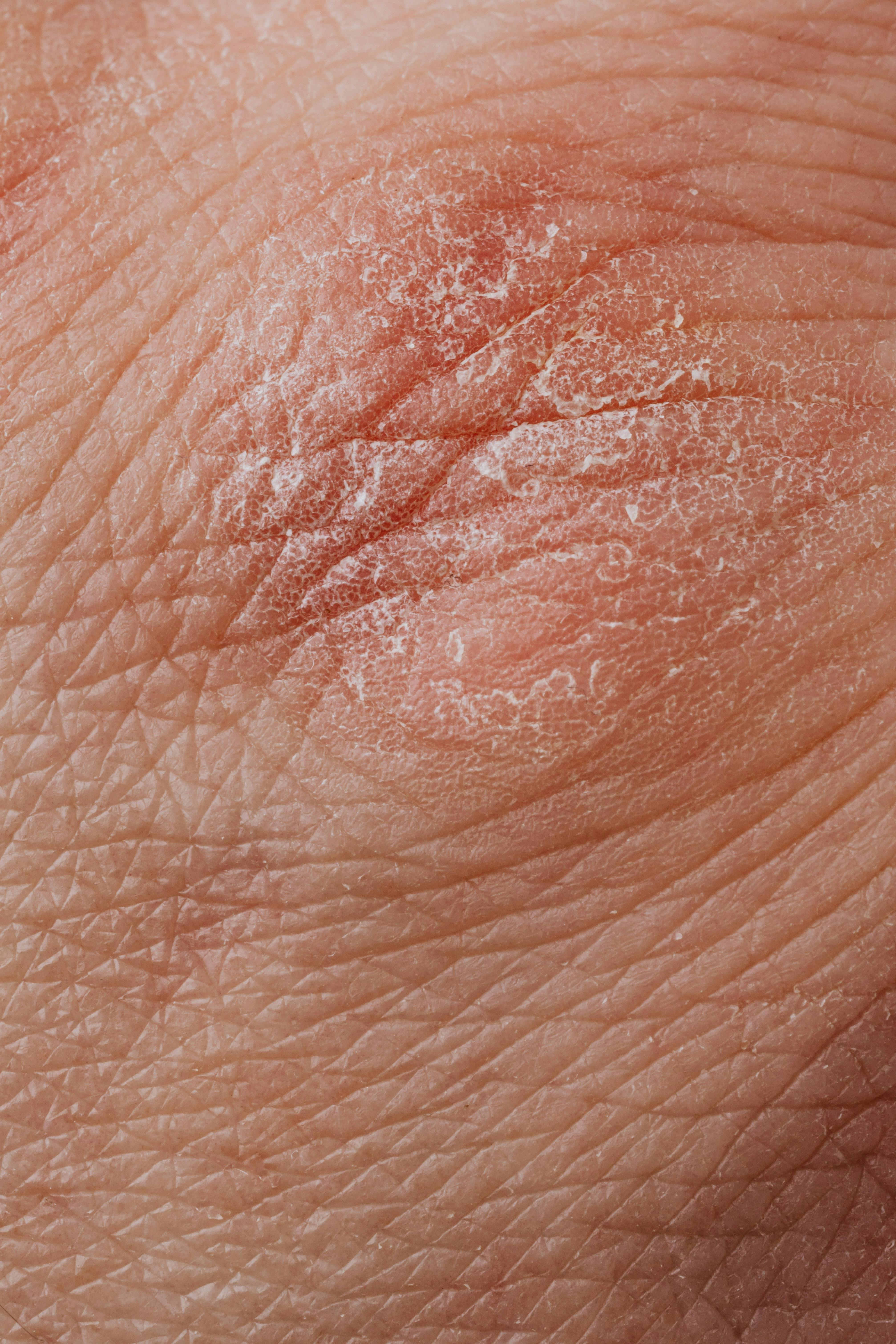 \n\n
\n\nWhen you own a dog, you probably have noticed how their noses feel. Some days, they’re wet and cool, while other times, they can feel dry and warm. This leads many pet owners to wonder, “Can a dry nose indicate health issues in dogs?” It’s a common question, and understanding the signs can be crucial for your furry friend's health. So, let’s dive into this fascinating topic and discover the truth behind dog noses!
\nWhy Do Dogs Have Wet Noses?
\nDogs have wet noses for a few reason. First, a wet nose helps them in sensing the world around them. The moisture on their nose can enhance their ability to smell, which is extremely important for dogs. Their sense of smell is far superior to humans, and a wet nose allows them to pick up even the faintest scents.
\nAnother reason for the wetness is that dog's noses produce mucus. This mucus helps to trap scent particles from the air, making it easier for them to detect smells. It's somewhat like how we might breathe in steam to clear our sinuses! Here’s a quick list of why dog noses are typically wet:
\n- \n
- Enhanced Smell: Moisture helps trap scent particles. \n
- Cooling System: Dogs also cool themselves through their noses. \n
- Natural Lubrication: Keeps their nose from cracking and drying out. \n
Can a Dry Nose Indicate Health Issues in Dogs?
\nA dry nose isn’t always a sign that something is wrong. Many factors can lead to a dog having a dry nose. It could be simply due to the weather or them sleeping. However, there are times when a dry nose might be a cause for concern. Here’s some things to look out for:
\n- \n
- Temperature: If the nose is dry and warm, it might indicate a fever. \n
- Cracks or Sores: If there’s visible damage, it could be a sign of a skin issue. \n
- Lethargy: If your dog seems tired or less active than usual, it might be worth investigating. \n
- Loss of Appetite: If your dog isn’t eating, that might be a serious issue. \n
- Coughing or Sneezing: If they have these symptoms along with a dry nose, you should consult a vet. \n
Common Causes of Dry Noses in Dogs
\nHere’s a list of common reasons why dogs might experience a dry nose:
\n- \n
- Weather Conditions: Hot or windy weather can dry out noses. \n
- Dehydration: Not drinking enough water can lead to dryness. \n
- Illness: Certain diseases can cause a dry nose, including infections and autoimmune disorders. \n
- Allergies: Environmental allergens can affect the moisture levels in your dog’s nose. \n
- Age: Older dogs might experience changes in skin and moisture levels. \n
When to Be Concerned About Your Dog's Nose
\nIt’s important to observe your dog’s overall behavior and habits. While a dry nose alone might not be a huge red flag, combining it with other symptoms can indicate health issues. Here’s what to monitor:
\n- \n
- Behavior Changes: Sudden changes in behavior could indicate discomfort or illness. \n
- Physical Symptoms: Look for signs like vomiting, diarrhea, or unusual barking. \n
- Nose Color Changes: If the nose changes color (like from pink to white), it could signal an issue. \n
- Persistent Dryness: If the dryness continues for several days, consult a vet. \n
What Should You Do If You’re Concerned?
\nIf you notice your dog has a dry nose along with other concerning symptoms, it’s always best to consult with a veterinarian. They can perform a full examination and get to the root of the problem. It’s also good to keep an eye on your dog’s hydration levels. Ensuring they drink enough water is crucial, especially in warmer months.
\nFun Fact About Dog Noses
\nDid you know that dog noses have unique patterns? Just like human fingerprints, each dog's nose print is unique. This uniqueness can even be used for identifying dogs!
\nIn summary, while a wet nose is a sign of health in dogs, a dry nose doesn’t always mean there’s an issue. Pay attention to your dog's overall health and behavior. If you’re ever unsure or worried about your furry friend, don’t hesitate to reach out to a veterinary professional. Understanding your dog’s needs is important for their wellbeing, and keeping an eye on their nose is just one of the many ways to show you care!
\n\nConclusion
\n\nIn conclusion, the unique wetness of a dog's nose serves several important functions that contribute to their overall health and communication. The moisture helps enhance their sense of smell, allowing them to detect scents more effectively, which is essential for their survival and interaction with the environment. Additionally, a wet nose aids in thermoregulation, helping dogs cool down through evaporation. The presence of moisture also plays a role in social interactions, as dogs can communicate their emotional state through the condition of their noses. Understanding these aspects not only highlights the fascinating biology of dogs but also deepens our appreciation for our furry companions. As dog owners or enthusiasts, we should celebrate these unique traits and ensure our pets are healthy and happy. Keep observing those wet noses and cherish the bond you share with your canine friend!
\n\n