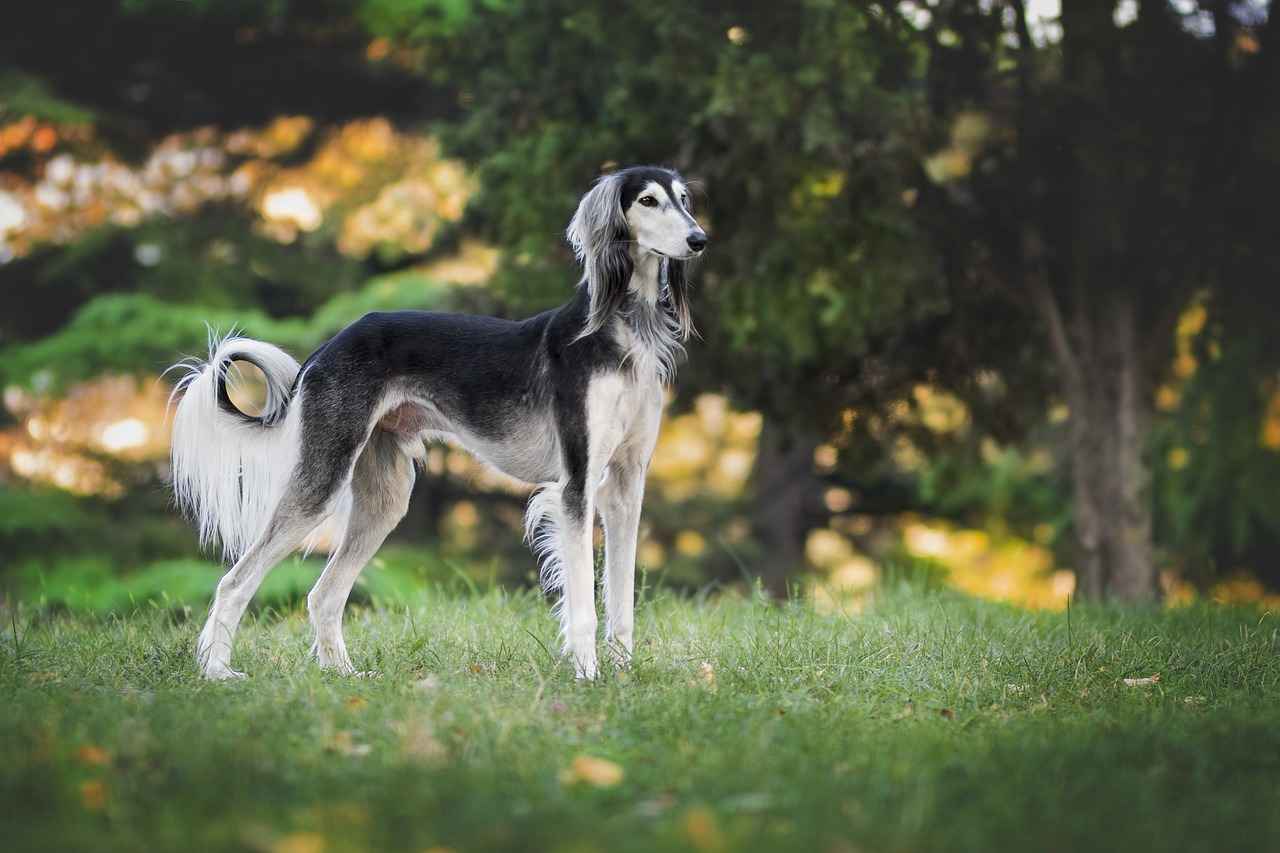
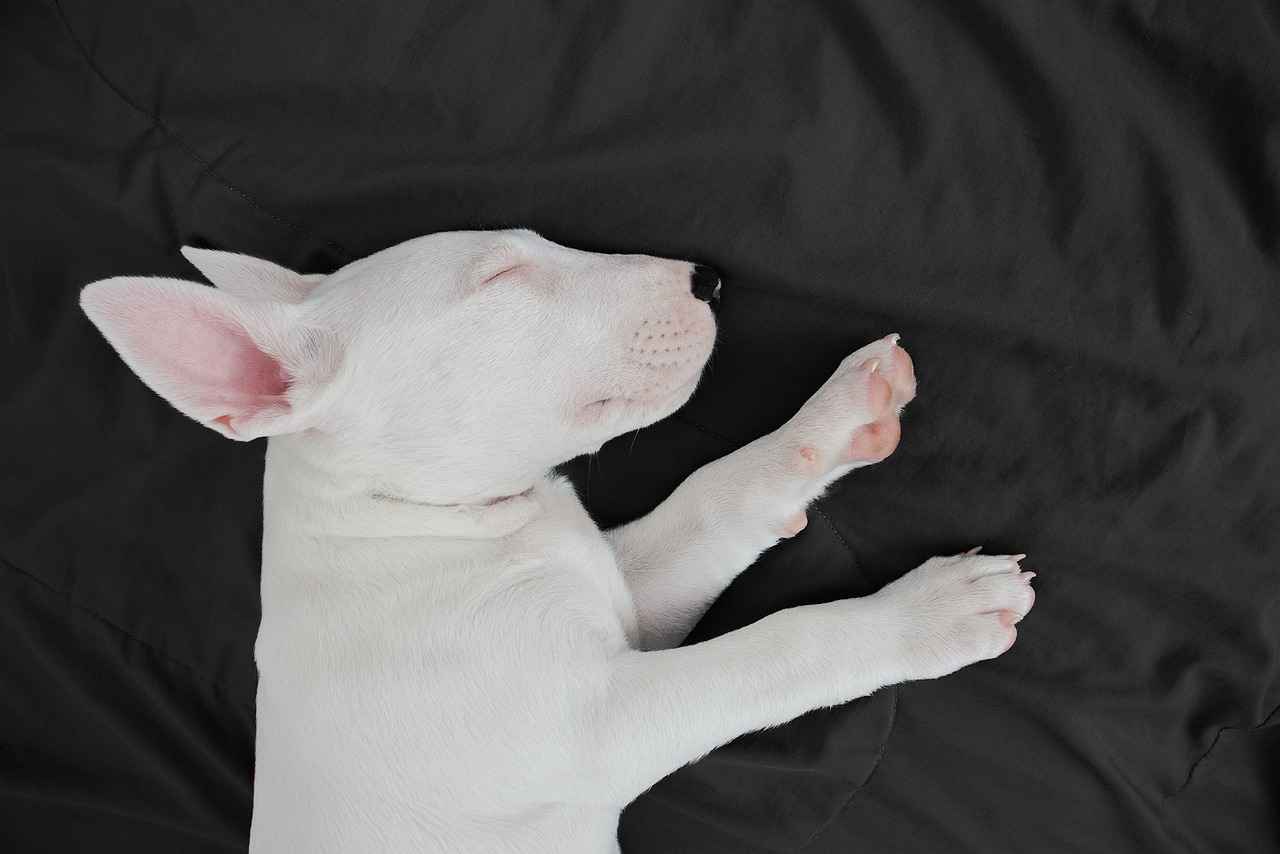
Have you ever wondered why do dogs have wet noses? This intriguing question has puzzled pet owners and dog lovers alike for ages. A dog’s nose is not just an adorable feature; it plays a crucial role in their overall health and behavior. But what makes it so wet? In this blog post, we will discover this fascinating truth behind those moist noses that many people think are just cute. Is it simply a way for them to stay cool, or does it serve a more vital purpose?
\nMoreover, the science behind wet noses reveals fascinating insights into your dog's senses and well-being. Have you noticed how a dog's sense of smell is thousands of times stronger than that of humans? This incredible ability is closely linked to the moisture on their noses. What if we told you that a wet nose could indicate a healthy dog? Join us on this journey as we explore the reasons behind this unique canine characteristic. Uncover the secrets of your furry friend’s health, and learn why a wet nose is not just a cute trait but also a sign of a happy dog!
\n\nThe Science Behind Dog Noses: Why Are They Always Wet?
\n\n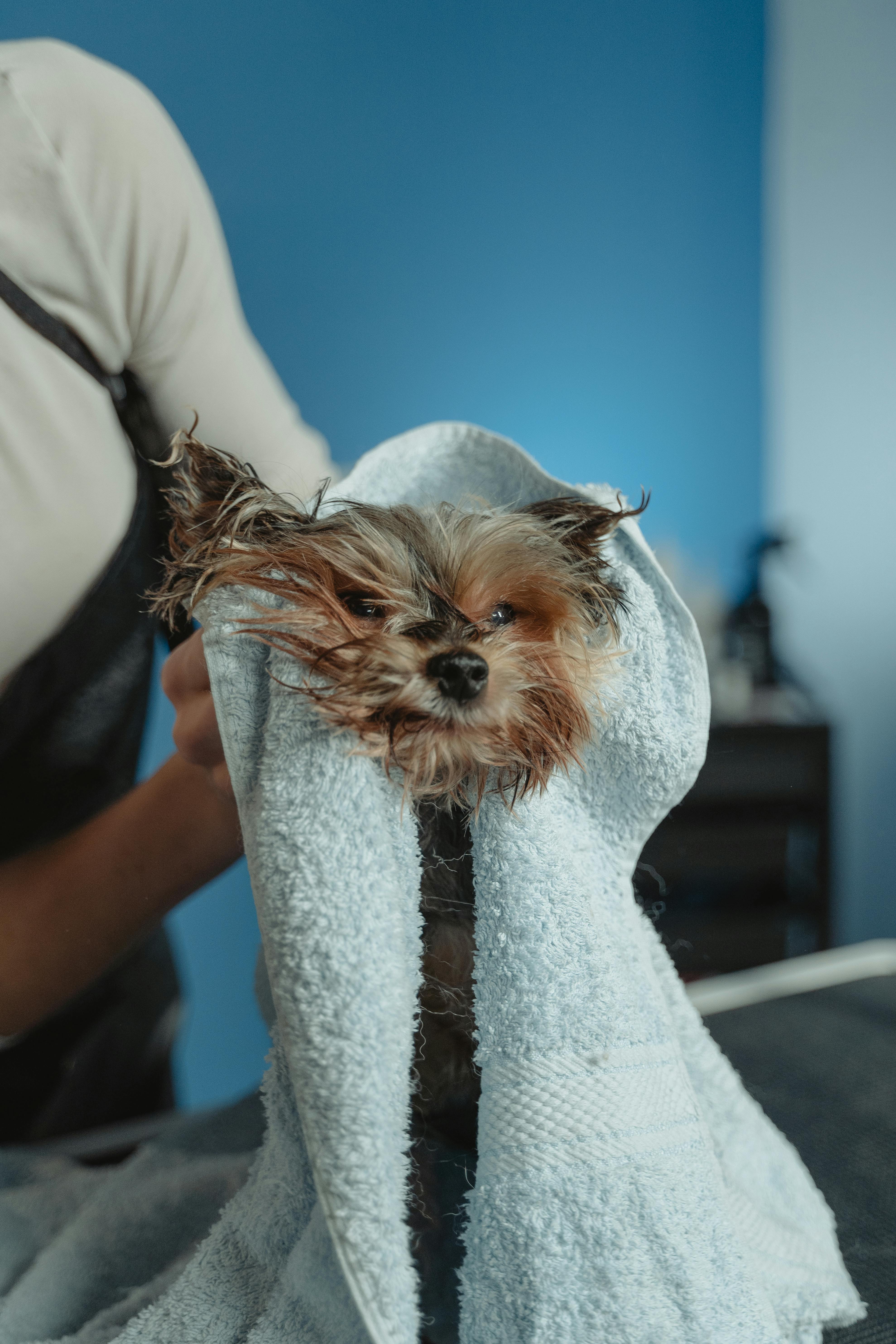 \n\n
\n\nDogs are fascinating creatures, and one of the most intriguing aspects of their biology is their noses. Many dog owners often wonder, “why do dogs have wet noses?” and “what’s the science behind dog noses?” It’s not just a quirky trait; there’s actually a lot going on beneath the surface. This article digs into the fascinating truth behind those wet noses and why they seem to always be moist.
\nThe Function of a Wet Nose
\nA wet nose serves many important functions in a dog's life. It’s not just for show. Here’s why having a wet nose is beneficial for dogs:
\n- \n
- \n
Enhanced Smell: Dogs' noses are equipped with special cells that detect smells. A wet nose helps to trap scent particles better, making it easier for dogs to sniff out things. Dogs have up to 300 million olfactory receptors, compared to humans, who only have about 5 million. This difference makes their sense of smell incredibly powerful.
\n \n - \n
Temperature Regulation: Just like humans sweat, dogs can cool down through their noses. When a dog pants, moisture from its nose evaporates, helping to lower its body temperature.
\n \n - \n
Health Indicators: A dog's nose can be an indicator of its health. Generally, a wet nose suggests that a dog is healthy, while a dry nose could indicate dehydration or illness. However, this is not always the case, as dogs can have dry noses for various reasons.
\n \n
How Dogs Keep Their Noses Wet
\nDogs have their ways of keeping their noses moist. One major factor is the secretion of mucus. This mucus keeps the nose hydrated, allowing it to maintain its sensitivity to smells. Here are some facts about how this works:
\n- \n
- \n
Saliva: Dogs often lick their noses, which helps to keep them wet. This behavior is instinctual and helps to enhance their sense of smell.
\n \n - \n
Environmental Factors: Humidity and temperature can affect how wet a dog’s nose is. For example, in warmer weather, a dog’s nose might be drier than in cooler, more humid conditions.
\n \n
Historical Context of Dog Noses
\nThe evolution of a dog's nose is quite interesting. Canines, like wolves, evolved with wet noses to enhance their survival skills. Here’s a brief history:
\n- \n
- \n
Ancestral Traits: The ancestors of modern dogs relied heavily on their sense of smell for hunting and survival. A wet nose was advantageous for detecting prey and avoiding predators.
\n \n - \n
Domestication: As dogs became companions to humans, their noses remained wet and sensitive. This trait helped them maintain their hunting instincts while adapting to a domesticated lifestyle.
\n \n
Comparisons with Other Animals
\nWhen considering why dogs have wet noses, it can be useful to compare them to other animals. Here’s how dogs stack up:
\n| Animal | \nNose Type | \nWetness Level | \nSmell Sensitivity | \n
|---|---|---|---|
| Dogs | \nWet | \nHigh | \nExtremely Sensitive | \n
| Cats | \nDry | \nModerate | \nSensitive | \n
| Humans | \nDry | \nLow | \nLimited | \n
| Elephants | \nWet/Dry | \nVariable | \nHighly Sensitive | \n
Dogs have one of the wettest noses in the animal kingdom, which contributes significantly to their exceptional olfactory abilities.
\nPractical Examples of Wet Noses in Action
\nYou might have noticed your dog’s wet nose when they greet you, or even how they seem to “sniff out” treats hidden around the house. Here’s how their wet noses come into play in everyday life:
\n- \n
- \n
Detecting Illness: Some dogs are trained to detect certain illnesses, like cancer, through smell. A wet nose helps them pick up the faint scents associated with such conditions.
\n \n - \n
Tracking and Search: Many service dogs use their noses to locate missing people or track scents. The wetness of their noses helps them to identify specific scents over long distances.
\n \n
In conclusion, the science behind why do dogs have wet noses is not just a fun fact; it reveals a lot about their biology and evolution. Their wet noses are essential for their sense of smell, temperature regulation, and even health indicators. Understanding these fascinating traits enhances our appreciation for our furry friends. So next time you pet your dog and feel that wet nose, remember the incredible science that makes it possible.
\n\n7 Fascinating Facts About Why Dogs Have Wet Noses
\n\n\n\nDogs have always fascinated peoples, and one of the quirkiest traits is their wet noses. You might wondering, why do dogs have wet noses? Well, there’s actually a lot more to it than just a cute feature. Here’s 7 fascinating facts that will help you understand this unique characteristic.
\n1. A Natural Cooling Mechanism
\nDogs sweat very little, unlike humans who can cool down through sweat glands. Instead, they rely on their noses to help regulate body temperature. The moisture on a dog’s nose evaporates, which can help lower their body heat. This is particularly important on warm days when your furry friend is playing outside.
\n2. Enhanced Sense of Smell
\nThe wetness of a dog’s nose helps in capturing scent particles from the air. When a dog inhales, the moisture on their nose collects these scent particles, which enhances their ability to smell. It’s said that dogs can smell up to 100,000 times better than humans. That’s why they are often used in search and rescue missions, and even in locating drugs or explosives.
\n3. Dogs Have a Unique Nose Print
\nJust like human fingerprints, every dog has a unique nose print. The patterns and ridges on their noses can actually be used to identify them. This is a fun fact that some people don’t know, but it can also be a useful tool in case your dog goes missing.
\n4. Health Indicator
\nA dog’s nose can be an indicator of their health. A wet, cool nose is often a sign that your dog is healthy and hydrated. Conversely, a dry or excessively warm nose could indicate illness or dehydration. Many veterinarians will check a dog’s nose as part of a routine examination to assess their overall health.
\n5. The Role of Mucus
\nYou might think a wet nose is just about moisture, but it’s also about mucus. Dogs have special glands in their noses that produce a thin layer of mucus. This mucus not only helps to trap scents but also aids in keeping the nose moist. When you notice your dog sniffing around, they’re actually enhancing their scent detection with that mucus.
\n6. Evolutionary Advantage
\nFrom an evolutionary standpoint, a wet nose gives dogs an advantage in the wild. In their natural habitat, having a keen sense of smell is crucial for hunting and finding food. The moisture in their noses helps them to detect prey over long distances. This trait has been passed down through generations, keeping it strong in domesticated breeds.
\n7. Cultural Significance
\nThroughout history, dogs and their wet noses have been a part of many cultures. In some societies, a wet nose is seen as a sign of good luck, while in others it’s considered a charm. For example, in ancient Egypt, dogs were revered and often depicted with wet noses in art and sculptures, emphasizing their importance in human lives.
\nQuick Facts Summary
\nHere’s a quick overview of the fascinating facts we've discussed:
\n- \n
- Cooling Mechanism: Helps regulate body temperature. \n
- Enhanced Smell: Wet noses capture scent particles. \n
- Unique Nose Print: Every dog has a distinct nose pattern. \n
- Health Indicator: Can indicate hydration and illness. \n
- Mucus Role: Aids in trapping scents and keeping noses moist. \n
- Evolutionary Advantage: Essential for hunting and survival. \n
- Cultural Significance: Valued in various societies and histories. \n
Practical Examples
\n- \n
- Signs of Illness: If your dog usually has a wet nose and it suddenly becomes dry, it might be time to visit the vet. \n
- Behavioral Observations: When your dog is exploring, take note of how they use their nose. It’s part of their natural instinct and behavior. \n
- Nose Prints: If you’re feeling creative, consider using your dog’s nose print as a unique art piece! \n
Understanding these facts about why do dogs have wet noses can deepen the bond between you and your furry friend. Their wet noses are not just an adorable trait, but a window into their health, instincts, and history. Next time you give your dog a pat, take a moment to appreciate that wet nose and all the fascinating truths it represents!
\n\nIs a Wet Nose Healthy? Understanding Your Dog's Unique Anatomy
\n\n \n\n
\n\nWhen you got a dog or you are thinking about getting one, you might wonder about some of their unique characteristics. One such characteristic that often catches the attention of dog owners and animal lovers alike is their wet nose. You might be asking, "Is a wet nose healthy?" or "Why do dogs have wet noses?" This article digs into the fascinating truth behind your dog’s anatomy and why that little moist button on their face is more than just an adorable feature.
\nThe Anatomy of a Dog's Nose
\nDogs' noses are incredible organs. They contain up to 300 million smell receptors, compared to a human’s mere 5 million. This exceptional anatomy allows dogs to detect scents at incredibly low concentrations, which is why they are often used in search and rescue operations, police work, and even medical detection.
\n- \n
- Moisture: The wetness of a dog's nose is partly due to the secretion of mucous. This moisture helps to capture scent particles, making it easier for dogs to smell. \n
- Temperature Regulation: Dogs also regulate their body temperature through their noses. A cool, wet nose can help prevent overheating, especially in warmer weather. \n
Why Do Dogs Have Wet Noses?
\nThe reasons why dogs have wet noses are not just about looks. It’s a combination of biology and behavior.
\n- \n
- \n
Scent Detection: The moisture on a dog's nose helps them to absorb scent particles better. When the nose is wet, it can pick up smells more effectively, enhancing their ability to smell everything from food to pheromones.
\n \n - \n
Health Indicators: Believe it or not, a wet nose can also indicate health. While not always the case, dogs with a healthy, moist nose are often well-hydrated and not running a fever. However, it is not a definitive health indicator.
\n \n - \n
Communication: Dogs communicate through scent, and a wet nose is an essential part of that. Dogs will often sniff each other’s noses as a way of gathering information about one another.
\n \n
The Myths About Wet Noses
\nMany people believe that a wet nose is always a sign of a healthy dog. But that’s not completely true.
\n- \n
- Not Always Healthy: A dog can be sick and still have a wet nose. Conversely, a dry nose doesn't automatically mean your dog is ill. Factors like temperature, activity level, and hydration all play a role. \n
- Seasonal Changes: Weather changes can also affect nose moisture. For instance, during hot summer days, a dog’s nose might dry out a bit. This doesn’t mean there’s something wrong. \n
Understanding the Variations
\nNot all dogs have the same nose moisture levels. Here are some factors that can contribute to this variance:
\n- \n
- Breed Differences: Some breeds, like Bulldogs and Pugs, may have less moisture due to their facial structure. \n
- Age: Older dogs may have drier noses. Aging can affect moisture production. \n
- Environment: Dogs living in dry climates may have drier noses compared to those in humid environments. \n
How to Maintain a Healthy Nose
\nTo help your furry friend maintain a healthy nose, consider these tips:
\n- \n
- Stay Hydrated: Make sure your dog has plenty of fresh water to drink. Hydration can help keep their nose moist. \n
- Regular Vet Checkups: Regular visits to the vet can help catch any underlying health problems that may affect your dog’s nose and overall health. \n
- Observe Changes: Keep an eye on any sudden changes in your dog’s nose, whether it’s dry, cracked, or excessively wet. \n
Quick Facts About Dogs’ Noses
\n- \n
- Dogs can smell 40 times better than humans! \n
- Their noses can tell the difference between different scents. \n
- A dog’s sense of smell is so strong that they can detect certain diseases in humans, like cancer. \n
Final Thoughts
\nUnderstanding your dog’s wet nose gives you a glimpse into their health and behavior. It’s a fascinating aspect of their anatomy that serves numerous purposes, from scent detection to temperature regulation. While you should not solely rely on nose moisture to determine your dog's health, knowing what is typical for your pet can help you stay informed and proactive. So next time you see your dog with that adorable wet nose, remember the incredible science behind it!
\n\nHow a Wet Nose Enhances Your Dog’s Sense of Smell
\n\n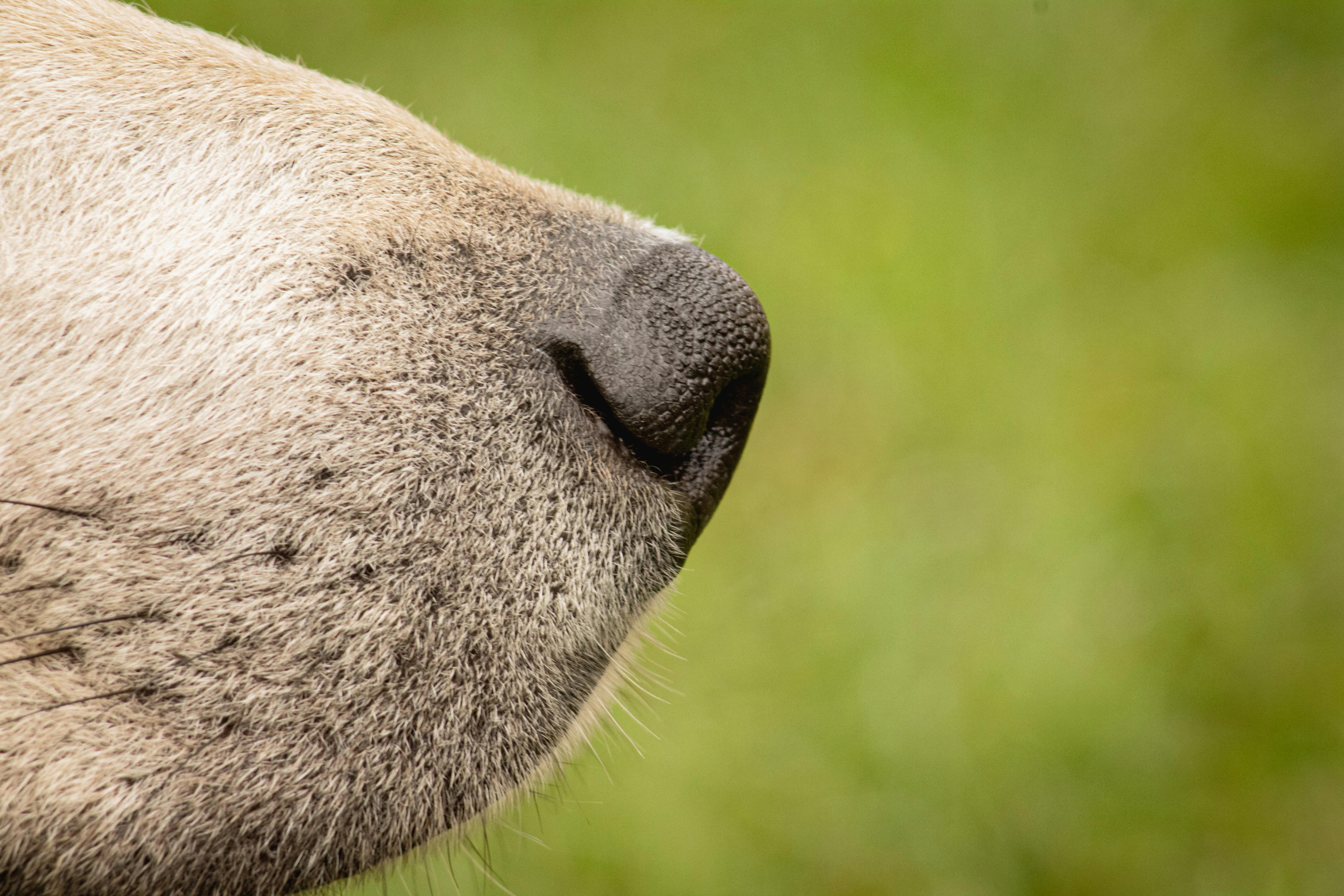 \n\n
\n\nHave you ever wonder why your dog’s nose is always wet? It’s not just something that makes them look cute or silly; there’s a fascinating science behind it. Dog’s noses play a crucial role in their sense of smell, which is way stronger than a human’s. In fact, dogs have between 220 million to 300 million olfactory receptors in their noses, compared to only about 5 million in humans. This article is gonna explore how a wet nose enhances a dog’s sense of smell and why dogs have wet noses in the first place.
\nThe Anatomy of a Dog’s Nose
\nDog’s noses are not just for decoration. They’re complex organs that are specially designed for sniffing. The moistness of a dog’s nose is due to a thin layer of mucus. This mucus does a couple of things:
\n- \n
- Captures scent particles: When a dog sniffs, the moisture helps trap tiny scent molecules, making it easier for the olfactory receptors to detect them. \n
- Regulates temperature: The wetness can help cool the dog’s brain as it heats up during intense sniffing sessions. \n
But it doesn’t stop there. The structure of a dog’s nose is also unique. The folds and ridges increase the surface area, allowing more scent particles to come into contact with the olfactory receptors. This is why dogs can smell things we can’t even dream about.
\nWhy Do Dogs Have Wet Noses?
\nSo, why do dogs have wet noses? Let’s break it down. Here are some reasons:
\n- \n
- Enhanced Smell: Wet noses help dogs detect scents better. A wet surface is more effective at capturing and holding scent particles. \n
- Thermoregulation: Dogs don’t sweat like humans. Instead, they pant and rely on their noses to help regulate body temperature. \n
- Health Indicator: A wet nose is often a sign of a healthy dog. Dryness can indicate dehydration or illness, although it’s not always the case. \n
- Communication Tool: Dogs use their noses to interact with each other. The moisture helps transfer scent information when they greet one another. \n
Historical Context
\nHistorically, dogs have been trained to use their keen sense of smell for various tasks. From tracking down lost people to detecting drugs and even medical conditions, dogs have proven their abilities time and time again. The wetness of their noses is part of what makes them so successful in these roles.
\n- \n
- Tracking Dogs: Used in search and rescue missions. \n
- Detection Dogs: Employed at airports to find contraband. \n
- Medical Alert Dogs: Trained to detect changes in their owner’s body chemistry. \n
Comparison: Dogs vs. Humans
\nLet’s look at how dogs’ noses stack up against humans’ noses in a quick comparison:
\n- \n
- Olfactory Receptors: Dogs 220-300 million, Humans 5 million. \n
- Sense of Smell: Dogs’ sense of smell is 40 times better than that of humans. \n
- Functionality: Dogs can detect certain diseases, like cancer or diabetes, that humans can’t. \n
Practical Examples of Dog's Nose Functionality
\nHere’s some interesting facts about how dogs utilize their noses:
\n- \n
- Scent Discrimination: Dogs can sniff out specific scents in a mixture of odors. For example, they can locate a single item in a room full of other smells. \n
- Scent Memory: Dogs remember scents for a long time. They can recognize familiar smells even after a long time has passed. \n
- Scent Mapping: Dogs can create a mental map of smells in their environment, which helps them navigate and understand their surroundings better. \n
The Science Behind Wet Noses
\nRecent studies have shown that the wetness of a dog’s nose helps in the process of olfaction. The moisture allows for better absorption of scents. When a dog sniffs, the moisture in their nose helps dissolve the scent particles, making it easier for their olfactory receptors to get to work.
\n- \n
- Mucus Layer: The mucus on a dog’s nose is not just for trapping scents; it also helps in identifying scents by making them more accessible to receptors. \n
- Environmental Factors: Weather can affect the wetness of a dog’s nose. For example, humidity can enhance their sense of smell since more moisture in the air helps carry scent particles. \n
As you can see, a wet nose is not just an adorable characteristic of dogs. It plays a vital role in their ability to interact with the world around them. From tracking scents to regulating body temperature, the wetness of a dog’s nose is an essential element of their biology. Understanding this can deepen your appreciation for your furry friend and their incredible abilities. So, the next time you see that wet nose, remember, it’s more than just cute; it’s a powerful
\n\nThe Connection Between Dog Emotions and Nose Moisture: What You Need to Know
\n\n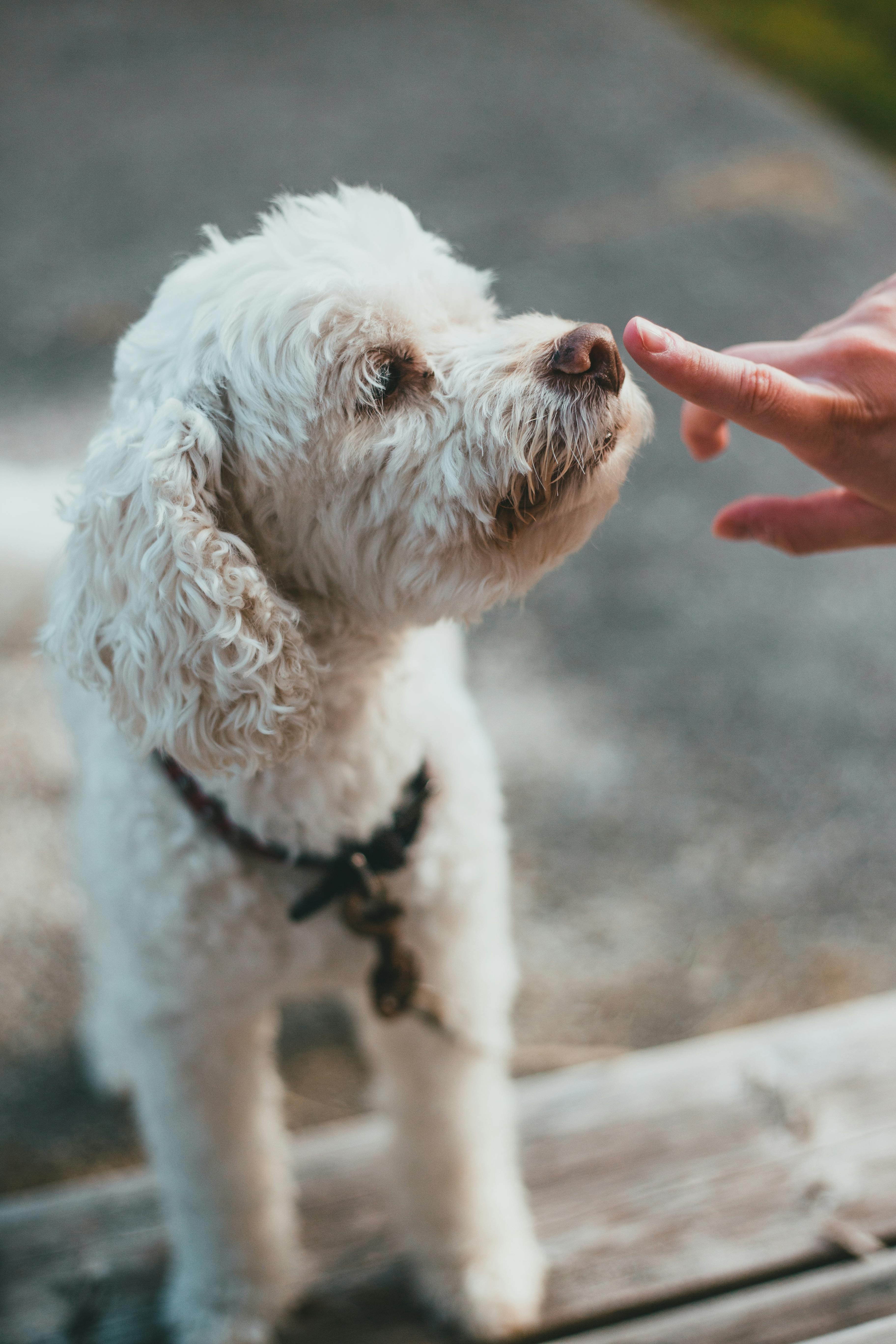 \n\n
\n\nDogs are often thought of as man's best friend, but have you ever wonder why they have such wet noses? This intriguing characteristic is more than just a quirky feature; it actually has deep connections to their emotions and overall health. In this article, we explore the fascinating truth about dog emotions and nose moisture, along with answering the burning question: Why do dogs have wet noses?
\nThe Science Behind Wet Noses
\nDogs' noses are naturally moist for several reasons. The moisture helps them smell better, which is essential for communication and hunting. The olfactory receptors in a dog's nose are extraordinary, and moisture can enhance their ability to detect scents. A wet nose can also cool down a dog, similar to how sweating works for humans.
\n- \n
- Olfactory Functionality: Moisture in the nose helps to trap scent particles, making it easier for dogs to detect smells. \n
- Temperature Regulation: Wet noses can assist in thermoregulation, especially on hot days. \n
- Emotional Indicator: A dog's nose can change moisture levels based on their emotional state. \n
Why Do Dogs Have Wet Noses?
\nYou might wonder, "Why do dogs have wet noses?" It's not just for show! Here are some of the main reasons:
\n- \n
- Enhanced Smelling Ability: A wet nose captures more scent particles, which is essential for dogs as they rely heavily on their sense of smell. \n
- Body Temperature Control: Dogs don't sweat like humans do. Instead, they cool off mainly through their noses and panting. \n
- Health Indicators: A wet nose is often a sign of a healthy dog. If your pup's nose is dry and cracked, it might be a sign of dehydration or illness. \n
Historical Context of Dogs' Noses
\nThe evolution of dogs has shaped many of their characteristics, including their noses. Thousands of years ago, dogs were bred for specific tasks like hunting and herding. Their wet noses were advantageous because:
\n- \n
- Tracking Prey: Dogs with moist noses were better at tracking scents, which made them more effective hunters. \n
- Social Signals: In the wild, a dog's nose moisture can signal their emotional state to other animals, thus playing a role in social interactions. \n
Emotional Connections
\nA dog's nose can often reflect its emotions. For example, when a dog is excited or anxious, its nose can become wetter. This can be an indicator of how your furry friend is feeling.
\n- \n
- Excitement: When a dog is happy or excited, it may produce more moisture in its nose. \n
- Stress or Fear: A stressed or scared dog may have a dry nose. \n
What to Watch For
\nAs a dog owner, you should keep an eye on your pet's nose moisture. Here are some indicators of potential health issues:
\n- \n
- Dry Nose: Could indicate dehydration or illness. \n
- Cracked Nose: May suggest skin issues or allergies. \n
- Excessive Moisture: Sometimes, excessive moisture can be a sign of a respiratory infection. \n
Fun Facts About Dogs’ Noses
\n- \n
- Dogs have around 300 million olfactory receptors in their noses, compared to about 5 million in humans. \n
- The moisture on a dog's nose comes from a combination of saliva and mucus. \n
- Dogs can even smell certain medical conditions, like cancer, due to their acute sense of smell. \n
Practical Tips for Dog Owners
\nTo ensure your dog’s nose stays healthy and moist, consider these tips:
\n- \n
- Hydration: Always provide fresh water and encourage drinking. \n
- Regular Vet Visits: Regular check-ups can help catch any potential health issues early. \n
- Observe Changes: Take note of any significant changes in your dog’s nose moisture and consult your vet if needed. \n
In summary, the connection between dog emotions and nose moisture is a fascinating subject that goes beyond just appearance. Understanding why dogs have wet noses can give you deep insights into their health and emotional state. So, the next time you pet your furry friend, take a moment to appreciate that wet nose—it’s a window into their world!
\n\nWet Noses and Dog Behavior: What Their Moisture Levels Reveal
\n\n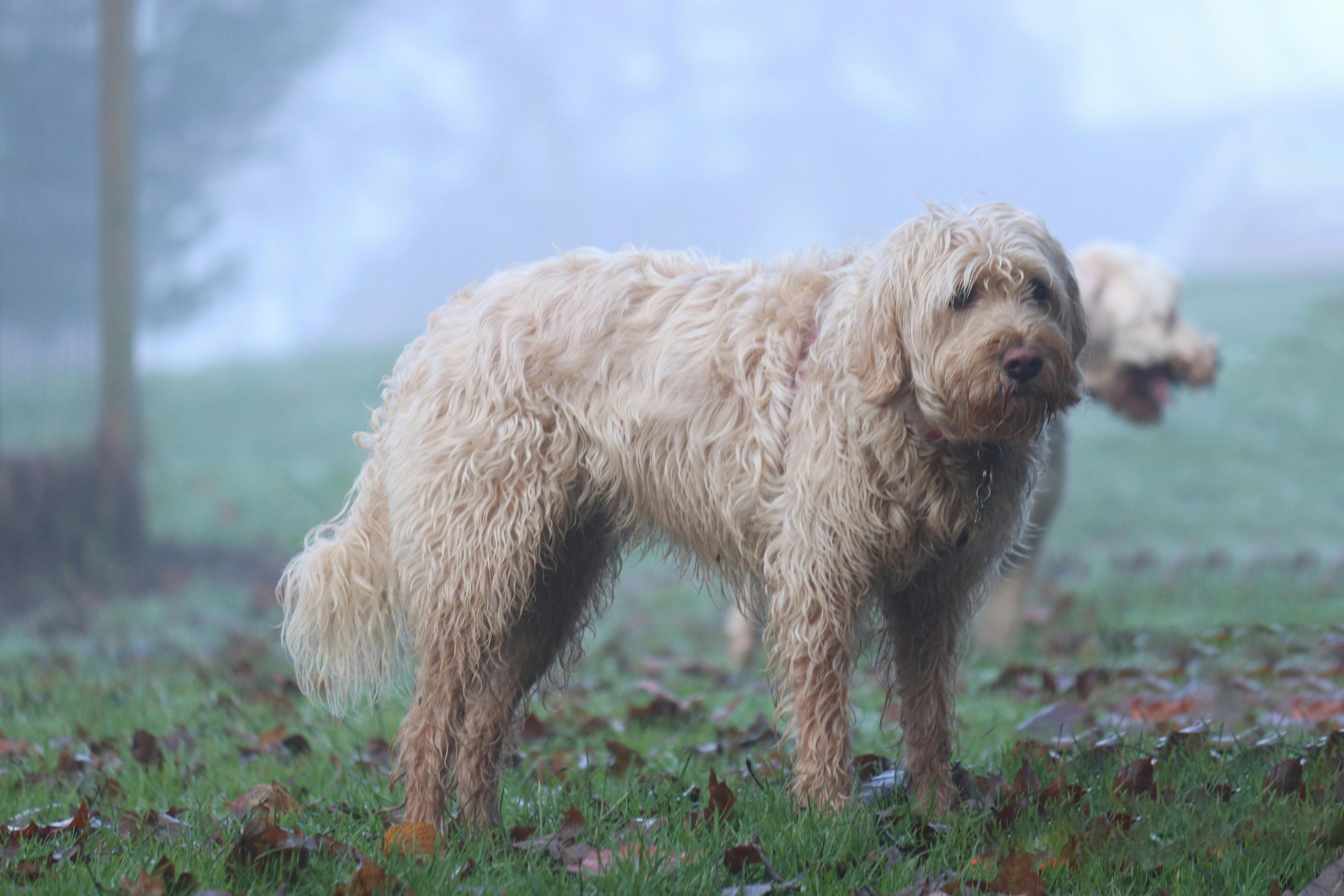 \n\n
\n\nDogs, those fluffy companions of our lives, have many quirks and unique characteristics that make them special. One such feature that catches the attention and curiosity of many pet owners is their wet noses. You might’ve thought, “Why do dogs have wet noses?” This question often leads to a deeper understanding of dog behavior and health. Let’s explore this fascinating truth about our canine friends and what their wet noses can tell us.
\nThe Science Behind Wet Noses
\nDogs have moist noses for a variety of reasons, and it’s not just because they just drank water or played outside in the rain. The moisture on a dog’s nose serves important functions, such as:
\n- \n
- Scent Detection: A wet nose helps to absorb scent particles, enhancing a dog’s ability to smell. Did you know that dogs have up to 300 million scent receptors in their noses? That’s a lot more than humans, who have only about 5 million! \n
- Temperature Regulation: Dogs don’t sweat like humans do. Instead, they cool off through their noses and paw pads. The moisture on the nose can help regulate their body temperature, especially on hot days. \n
- Health Indicator: A dog’s nose can be an indicator of their health. A dry or cracked nose may suggest dehydration or illness, while a wet nose often signals a healthy pup. \n
Why Are Some Noses Wetter Than Others?
\nNot all dogs have the same level of moisture on their noses. Various factors can influence this, including:
\n- \n
- Breeds: Certain breeds, like Bulldogs and Pugs, may have drier noses due to their facial structure. \n
- Environment: Humidity plays a role. In a dry climate, a dog’s nose might dry out more quickly than in humid areas. \n
- Activity Level: Dogs that are active and get plenty of exercise often have wetter noses because they are panting and producing more moisture. \n
Historical Context of Dog Noses
\nThe evolution of dogs from wolves gives us insight into their wet noses. Wolves have moist noses, just like domesticated dogs, which aid them in hunting and foraging. Over thousands of years, dogs have adapted to live alongside humans, but their wet noses have remained a critical tool for their survival and interaction with the environment.
\nThe Benefits of a Wet Nose
\nA wet nose doesn’t just look cute. Here are some benefits that come along with it:
\n- \n
- Enhanced Smell: Dogs rely heavily on their sense of smell to understand the world. A wet nose increases their olfactory capabilities. \n
- Improved Communication: Dogs often use their noses to communicate with other dogs and humans. A wet nose can indicate excitement or curiosity. \n
- Social Interaction: When dogs greet others, they often sniff each other’s noses. A wet nose can signal friendliness and openness. \n
What If Your Dog’s Nose Is Dry?
\nA dry nose can sometimes be a cause for concern. Here’s a quick checklist of things to consider:
\n- \n
- Hydration: Ensure your dog is drinking enough water. Dehydration can lead to a dry nose. \n
- Weather Conditions: Hot or windy weather can dry out a dog’s nose. Consider using a nose balm if it gets too dry. \n
- Illness: If a dry nose is accompanied by other symptoms (like lethargy, vomiting, or lack of appetite), it may be time to consult a veterinarian. \n
Fun Facts About Dog Noses
\n- \n
- Dogs can smell 40 times better than humans. That’s why they are often used in search and rescue operations. \n
- The color of a dog's nose can vary based on their breed, and some dogs even have spots or patterns. \n
- Dogs can even determine the emotional state of humans through scent! \n
Monitoring Nose Moisture
\nAs a responsible pet owner, keep an eye on your dog’s nose. Here’s how to monitor it:
\n- \n
- Check Regularly: Make it a habit to check your dog’s nose daily. Look for signs of dryness, cracks, or unusual changes. \n
- Observe Behavior: Notice if your dog is drinking more or less water than usual. Changes in behavior can indicate health issues. \n
- Consult a Vet: If you’re ever unsure about your dog’s health based on their nose condition, don’t hesitate to reach out to your vet for advice. \n
Recognizing the significance of a dog’s wet nose can enhance your understanding of your furry friend’s well-being. Remember, their noses are not just cute features; they serve vital purposes in health, communication, and sensory perception. By paying attention to these little things, you can ensure your dog stays happy and healthy for years to come.
\n\nDo All Dogs Have Wet Noses? Exploring Breeds and Their Unique Traits
\n\n \n\n
\n\nDogs are often considered man's best friend, and many people wonder about their various traits, one of which is the famous wet nose. But do all dogs have wet noses? And why do dogs have wet noses? Let’s dive into these interesting questions, exploring the breeds, their unique characteristics, and the fascinating truth behind those moist snouts!
\nUnderstanding Dog Breeds and Their Unique Traits
\nNot all dogs have the same nose texture or moisture level. Some breeds are known for their particularly wet noses while others may have drier ones. Here’s a quick look at how different breeds compare in this area:
\n- \n
- \n
Labrador Retrievers: These friendly dogs usually have wet noses. Labs are known for their playful nature and love for water, which likely contributes to their moist snouts.
\n \n - \n
Bulldogs: Often have drier noses compared to other breeds. Their unique face shape might be a factor, as the structure can limit the ability to maintain moisture.
\n \n - \n
Siberian Huskies: Generally have wet noses too, which is useful for their survival in cold climates. A wet nose can help them detect scents even in freezing temperatures.
\n \n - \n
Chihuahuas: These tiny dogs can vary widely in nose moisture. Some might have wet noses, while others may be dry, depending on their individual health and environment.
\n \n
Why Do Dogs Have Wet Noses?
\nThe wetness of a dog’s nose serves multiple functions that are vital to their well-being. The reasons are not just for show! Here’s a list of the main purposes:
\n- \n
- \n
Enhanced Sense of Smell: A wet nose helps absorb scent chemicals from the air, improving a dog’s ability to smell. This is important for hunting, tracking, and understanding their environment.
\n \n - \n
Temperature Regulation: Dogs can't sweat like humans do. A wet nose can help regulate their body temperature. The moisture evaporates, which cools them down.
\n \n - \n
Health Indicators: The state of a dog’s nose can indicate their health. A healthy dog usually has a cool, wet nose. If it’s dry or warm, it might suggest illness or dehydration.
\n \n - \n
Social Interactions: Dogs use their noses to communicate with each other. A wet nose can be more inviting and friendly, encouraging social behavior among dogs.
\n \n - \n
Comfort and Security: A moist nose can feel good and comforting to a dog, especially when they are feeling anxious or scared.
\n \n
The Fascinating Truth About Dog Noses
\nInterestingly, the moisture level of a dog's nose can change throughout the day. It can be influenced by factors such as:
\n- \n
- Weather Conditions: Hot or dry environments tend to dry out noses. \n
- Health Status: Illness or dehydration can lead to a drier nose. \n
- Activity Levels: After playing, a dog’s nose may be wetter due to panting. \n
Comparing Wet Noses with Other Animals
\nDogs aren't the only animals with wet noses. Here’s how they compare to other common pets:
\n| Animal | \nTypical Nose Moisture | \nFunction of Moist Nose | \n
|---|---|---|
| Dogs | \nWet | \nEnhanced sense of smell, temperature regulation | \n
| Cats | \nDry | \nGenerally drier; still have a good sense of smell | \n
| Pigs | \nWet | \nGood for smelling; often seen rooting around in mud | \n
| Cows | \nWet | \nHelps with smell and cooling, but less pronounced than dogs | \n
Unique Breeds and Their Nose Traits
\nSome breeds have unique characteristics that influence their nose moisture. For instance:
\n- \n
- \n
Bloodhounds: Known for their incredible sense of smell, they often have very wet noses due to their genetics and need for scent tracking.
\n \n - \n
Great Danes: Typically have moist noses, which is essential for their size and the heat they generate.
\n \n - \n
Poodles: Have varying nose moisture based on their coat type and health but can also be prone to allergies that might affect their nose.
\n \n
Health and Nose Care
\nKeeping an eye on a dog's nose can be important for their overall health. Dog owners should monitor for changes in moisture levels and color. Here’s what to look for:
\n- \n
- Dryness or Cracking: This could indicate dehydration or skin issues. \n
- Discoloration: A nose that changes from black to pink or shows other unusual colors may require a vet’s attention. \n
- Excessive Moisture: If the nose is consistently overly wet, it might be a sign of allergies or infections. \n
Being aware of these signs can help dog owners keep their furry friends happy and healthy.
\nIn summary, the wetness of a dog's nose is not just a charming feature; it plays a significant role in their health and well-being. Understanding the diverse traits across breeds and the reasons for their wet noses
\n\nHow Climate Affects Your Dog’s Nose Moisture: Essential Tips for Pet Owners
\n\n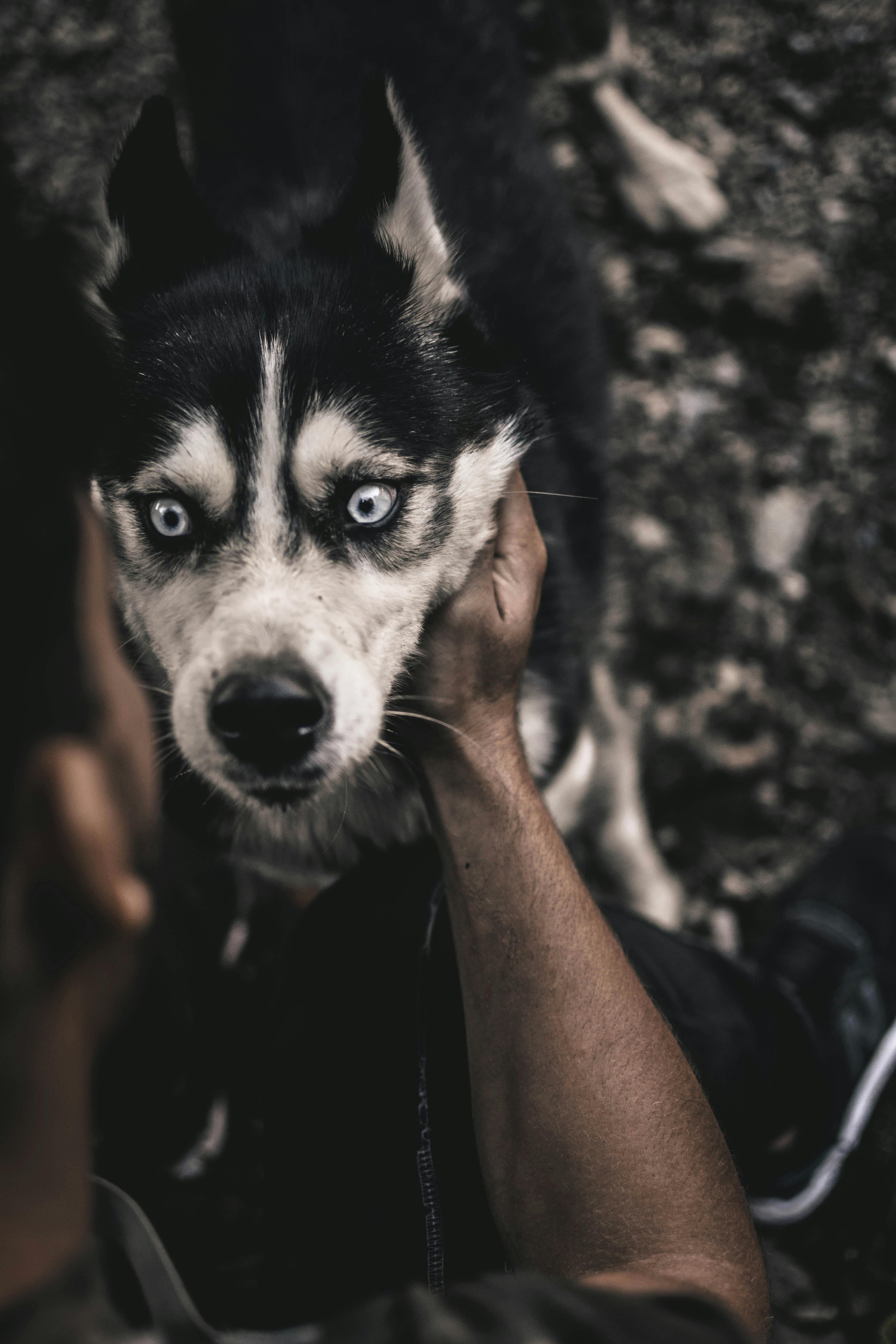 \n\n
\n\nHave you ever wonder why your dog’s nose is always wet? This question is more common than you think among pet owners. It turns out, the moisture on a dog’s nose isn’t just random—it’s actually tied to their health and environment. In fact, climate plays a significant role in how moist or dry your furry friend’s nose can be. Understanding this can help you keep your pup happy and healthy, especially in changing weather conditions.
\nWhy Do Dogs Have Wet Noses?
\nDogs have wet noses mainly for a few reasons. First off, the moisture helps them sense their surroundings better. Dogs have an incredible sense of smell, and a damp nose can trap scent particles more effectively. Here’s a quick breakdown:
\n- \n
- Scent Detection: The wetness helps absorb scent particles, making it easier for dogs to sniff out things. \n
- Cooling Mechanism: Dogs don’t sweat like humans do. Instead, they rely on their noses to regulate body temperature. \n
- Health Indicator: A wet nose usually means your dog is healthy, while a dry nose can sometimes indicate illness or dehydration. \n
How Climate Affects Nose Moisture
\nThe climate where you live can greatly influence your dog’s nose moisture. For example, in humid weather, you might notice your dog's nose stays pretty wet. On the other side, in dry or cold climates, their noses might become dry and cracked. Here’s how different climates can impact your pet:
\n- \n
- Hot and Humid Weather: High moisture in the air helps maintain nose wetness. However, too much heat can lead to dehydration. \n
- Cold and Dry Weather: Cold air can dry out the skin and nose, causing your dog discomfort. \n
- Seasonal Changes: Dogs can experience fluctuations in nose moisture during the year. Spring and summer might keep their noses wet, while fall and winter could dry them out. \n
Essential Tips for Pet Owners
\nTo keep your dog’s nose healthy regardless of the climate, here are some essential tips:
\n- \n
- Hydration is Key: Always make sure your dog has access to fresh water. Dehydration can lead to a dry nose. \n
- Use Nose Balm: In colder months, applying a pet-safe nose balm can help protect against cracking and dryness. \n
- Humidity Control: If you live in a very dry climate, consider using a humidifier indoors. This can help keep your dog’s skin, and nose more moisturized. \n
Signs of a Healthy Nose
\nIt’s important to be aware of what a healthy nose looks like. Here’s some signs your dog is doing well:
\n- \n
- Wet and cool to the touch \n
- Smooth texture without cracks \n
- Normal color (usually dark or pink, depending on the breed) \n
When to Seek Veterinary Help
\nIf you notice your dog's nose is persistently dry or cracked, it’s a good idea to consult a vet. Some signs to watch for include:
\n- \n
- Excessive dryness that lasts several days \n
- Cracking or bleeding \n
- Changes in your dog’s behavior, like lethargy or refusal to eat \n
Comparisons to Other Animals
\nInterestingly, not all animals have wet noses. For instance, cats typically have drier noses. Here’s a quick comparison:
\n- \n
- Dogs: Moist noses help with smell and cooling. \n
- Cats: Drier noses but still capable of smelling well. \n
- Humans: Sweat glands help regulate body temperature, unlike dogs. \n
Fun Facts About Dogs’ Noses
\n- \n
- Did you know that dogs have about 220 million scent receptors in their noses? That’s way more than humans, who only have about 5 million! \n
- A dog’s sense of smell is so powerful that they can even detect certain diseases, like cancer, just by sniffing a person. \n
Understanding how climate impacts your dog’s nose moisture can help you take better care of your furry friend. Keeping an eye on their nose can be a simple way to gauge their overall health. Remember, if you have any concerns, don’t hesitate to reach out to a veterinarian for advice. Ensuring your dog is comfortable in all types of weather is a crucial part of being a responsible pet owner.
\n\nCan You Tell If Your Dog Is Sick by Their Nose? Debunking Common Myths
\n\n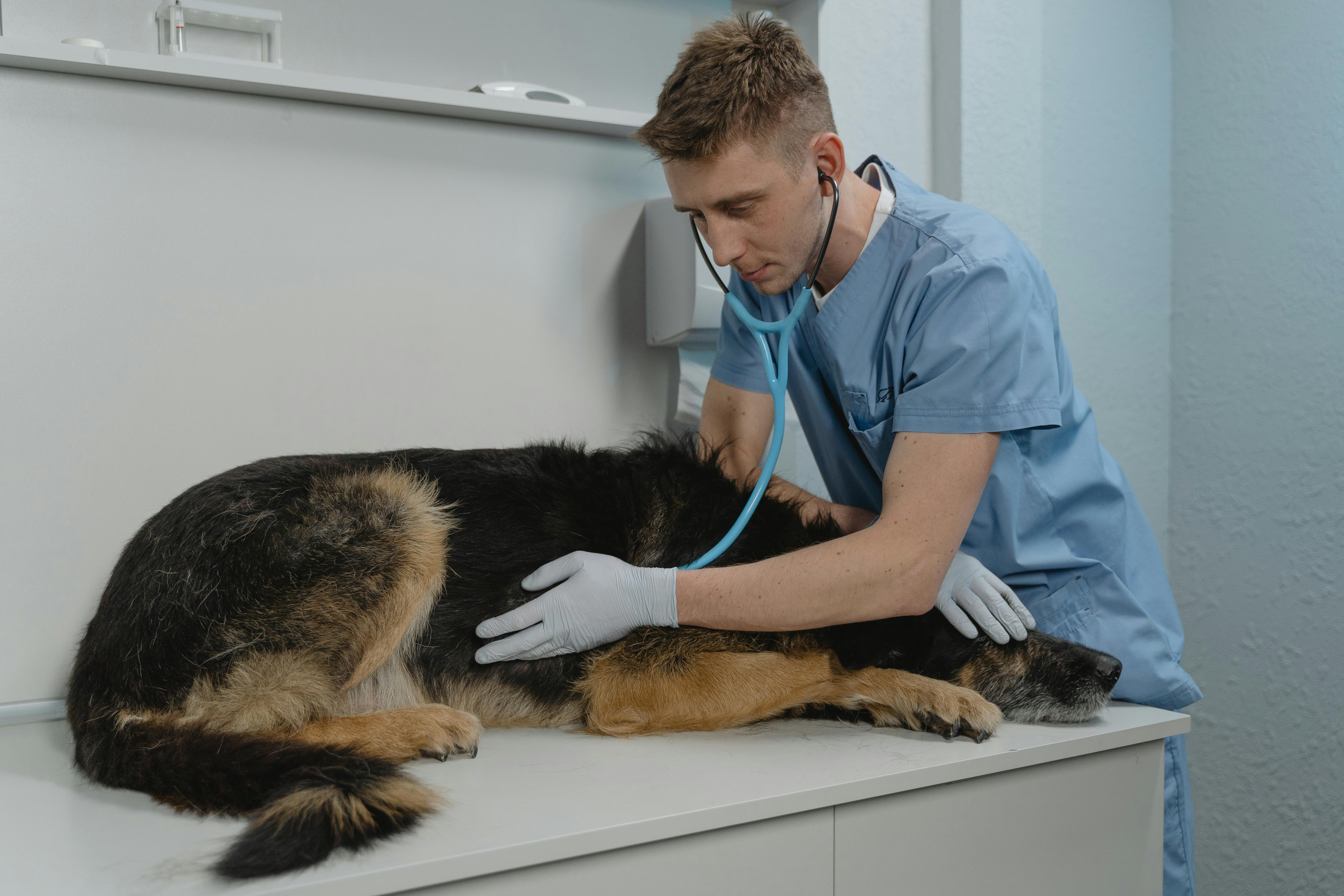 \n\n
\n\nMost of us love our furry friends, and it's natural to worry when they appear unwell. One common belief is that you can gauge a dog's health by the condition of its nose. But how true is this? Can you really tell if your dog is sick by their nose? Let’s dig into this and discover some fascinating truths about why dogs have wet noses.
\nThe Myth of the Wet Nose
\nA lot of pet owners think that a wet nose means a dog is healthy, while a dry nose signals sickness. This belief is deeply rooted in tradition, but science tells us a different story. Here are some key points:
\n- \n
- Nose Temperature: A dog's nose can be wet for various reasons, not just health. Dogs often lick their noses, and humidity can affect how wet their noses feel. \n
- Health Indicators: A dog's overall health can't be determined just by the nose. Many factors play into a dog’s well-being, including appetite, energy levels, and behavior. \n
- Individual Variation: Some dogs naturally have drier noses than others. Breeds, age, and environmental factors can all contribute to this difference. \n
Why Do Dogs Have Wet Noses?
\nSo, if a wet nose doesn’t mean health, why are they wet in the first place? Dogs have wet noses for several reasons:
\n- \n
- Scent Enhancement: A wet nose helps dogs smell better. The moisture captures scent particles, which allows them to detect smells more accurately. \n
- Cooling Mechanism: Dogs don’t sweat like humans do. Their noses are moist, which helps with thermoregulation, keeping them cool. \n
- Health Indicator: While a wet nose doesn’t guarantee health, it can sometimes signal hydration. Dehydration often leads to a dry nose. \n
Common Conditions Linked to Nose Changes
\nWhile the wetness of a dog's nose isn't a definitive measure of health, there are some conditions that can affect it. Here’s a quick list of what to look out for:
\n- \n
- Infections: Bacterial or viral infections can lead to changes in a dog's nose. \n
- Allergies: Environmental allergens can cause irritation and dryness. \n
- Dehydration: A persistently dry nose might suggest that a dog is not drinking enough water. \n
- Autoimmune Disorders: Certain diseases can cause more severe symptoms that might show up on the nose. \n
Signs That Your Dog Might Be Sick
\nInstead of just checking your dog's nose, you should consider a holistic view of their health. Here’s what to observe:
\n- \n
- Behavior Changes: Are they more lethargic than usual? Maybe they don’t want to play? \n
- Eating Habits: A sudden loss of appetite can be a red flag. \n
- Vomiting or Diarrhea: These symptoms often indicate an underlying issue. \n
- Coughing or Sneezing: Respiratory issues can be serious, so keep an eye on your dog’s breathing. \n
How to Care for Your Dog’s Nose
\nA dog’s nose requires care and attention. Here are some practical tips to keep your pet's nose healthy:
\n- \n
- Regular Hydration: Always provide fresh water to keep your dog hydrated. \n
- Avoid Irritants: Keep your dog away from smoke or strong chemicals that can irritate their nose. \n
- Consult Your Vet: If you notice any significant or persistent changes in your dog's nose, a visit to the vet is essential. \n
The Bottom Line
\nUnderstanding your dog’s health is more complex than simply checking their nose. Wetness, dryness, or any change in texture can vary widely among individual dogs and situations. Paying attention to a combination of factors like behavior, appetite, and overall demeanor is crucial for assessing your furry friend’s health.
\nSo, while you can observe your dog's nose, it’s important to remember that it’s just one piece of the puzzle. Always consult with a veterinarian for any concerns regarding your dog's health. It’s better to be safe than sorry when it comes to our beloved pets. Keep an open eye, be proactive, and you'll ensure your furry companion stays healthy and happy!
\n\nThe Importance of Hydration for Your Dog’s Nose: 5 Tips for Pet Parents
\n\n \n\n
\n\nAs pet parents, we all want the best for our furry companions. A healthy dog is a happy dog, and one aspect that might often get overlooked is hydration, especially when it comes to their noses. You might wonder, “Why do dogs have wet noses?” Well, this isn’t just for show. Wet noses play an important role in a dog’s overall health. Let's delve into the fascinating truth behind those damp noses and the significance of keeping them hydrated. Here are five tips that all dog owners should keep in mind.
\nThe Science Behind Wet Noses
\nFirst off, dogs have wet noses for multiple reasons. One of the main reasons is that a wet nose helps to enhance their sense of smell. The moisture on a dog's nose captures scent particles in the air, making it easier for them to detect different smells. This is why dogs are such great trackers!
\nAnother reason why their noses are wet is because it helps to regulate their body temperature. Unlike humans, dogs don’t sweat through their skin. Instead, they rely on panting and the moisture of their noses to cool down. A hydrated nose is essential for effective temperature regulation.
\nWhy Keeping Your Dog’s Nose Hydrated Matters
\nJust like humans, dogs can suffer from dehydration. A dry nose can be a sign that your dog is not getting enough water, or it may indicate underlying health issues. A well-hydrated nose is not just a cosmetic feature; it’s crucial for your dog’s overall well-being. Here are some reasons why hydration matters:
\n- \n
- Enhanced Smell: A moist nose helps dogs to capture scents better. \n
- Thermoregulation: Keeps your dog cool, especially in hot weather. \n
- Health Indicator: A change in nose moisture can indicate health problems. \n
5 Tips for Keeping Your Dog’s Nose Hydrated
\nNow that you understand the importance of hydration, here are five practical tips for ensuring your dog’s nose stays moist and healthy:
\n- \n
- \n
Always Provide Fresh Water: Make sure your dog has constant access to clean and fresh water. Change their water daily to encourage them to drink more.
\n \n - \n
Monitor Humidity Levels: In dry climates or during winter months, indoor heating can dry out the air. Consider using a humidifier to keep the atmosphere comfortable, which can also help keep your dog’s nose hydrated.
\n \n - \n
Use Nose Balm: There are special balms available that are designed to keep a dog’s nose moisturized. These can be especially useful for breeds with naturally dry noses.
\n \n - \n
Increase Water Intake with Food: Consider adding wet dog food to your pet’s diet. This not only provides hydration but can also be more palatable for picky eaters.
\n \n - \n
Regular Vet Check-ups: Routine check-ups with your veterinarian can help catch any underlying health issues that may cause nose dryness. It’s better to be safe than sorry!
\n \n
Signs of Dehydration in Dogs
\nUnderstanding the signs of dehydration can help prevent serious health issues. Here are some warning signs to look for:
\n- \n
- Dry or cracked nose \n
- Lethargy or low energy \n
- Loss of appetite \n
- Dry gums or mouth \n
- Skin elasticity test: If the skin doesn’t bounce back quickly when pinched, it might indicate dehydration. \n
Fun Facts About Dog Noses
\n- \n
- Did you know that each dog's nose print is unique, much like human fingerprints? This uniqueness can even be used for identification! \n
- A dog's sense of smell is estimated to be between 10,000 to 100,000 times more acute than that of humans. \n
- Dogs can sweat a little through their paw pads, but their primary method of cooling off is through their noses and panting. \n
Maintaining your dog's nose hydration is not just about aesthetics; it's about ensuring their health and happiness. By following these tips and being aware of the signs of dehydration, you can help keep your furry friend feeling great. Pay attention to those wet noses, and remember, they’re not just cute; they’re vital to a dog’s well-being. So, the next time you notice your dog’s nose feeling dry, take action and provide the hydration they need!
\n\nConclusion
\n\nIn conclusion, the wet noses of dogs serve several important functions that contribute to their overall health and well-being. The moisture helps enhance their sense of smell, allowing them to better detect scents in their environment, which is vital for their communication and hunting instincts. Additionally, a wet nose can help regulate their body temperature and keep them cool, especially during warm weather. It's also a sign of a dog's hydration and general health, making regular checks on your dog's nose a simple yet effective way to monitor their well-being. So, next time you greet your furry friend with a wet nose, remember that it’s not just an adorable feature—it’s a sign of a healthy, happy dog. Embrace the uniqueness of your pet and consider educating others about these fascinating facts, fostering greater appreciation for our canine companions.
\n\n