
Have you ever wondered, why do dogs have wet noses? This fascinating question unveils a world of intriguing science and dog behavior that many pet owners overlook! A dog’s nose not only serves as a unique feature but also plays a crucial role in their health and communication. With a wet nose, your furry friend is not just being adorable; it’s a sign of their well-being! But what makes a dog’s nose wet, and how does it affect their sense of smell? In this blog post, we will explore the truth behind wet noses in dogs, revealing the benefits and reasons behind this common characteristic. You might be surprised to learn that the moisture on their nose helps enhance their remarkable sense of smell, allowing them to interact with their environment more effectively. So, if you’re asking yourself, “Is my dog’s wet nose a good sign?” or “What does a dry nose mean for my dog?” you are in the right place! Join us as we dive into the captivating world of canines and discover the secrets hidden behind those wet, cold noses that make our dogs so special!
The Science Behind Why Dogs Have Wet Noses: Unveiling the Fascinating Truth

Dogs have been companions to humans for thousands of years, and one of the most distinct characteristics of these furry friends is their wet noses. You might’ve noticed how a dog’s nose is often damp, but have you ever wondered why? The science behind why dogs have wet noses is fascinating and provides insights into their health and behavior. So, let’s dig into the reasons for this unique trait!
The Biology of a Dog’s Nose
First off, dogs possess a highly developed olfactory system, which is partially why their noses are usually moist. In fact, a dog’s sense of smell is estimated to be anywhere from 10,000 to 100,000 times more sensitive than humans. This superb sense help them detect scents, track down food, and even identify diseases.
Here’s how it works: when a dog’s nose is wet, it helps to absorb scent particles more effectively. The moisture on the surface traps these particles, increasing the likelihood that the dog will smell something interesting.
- Nasal structure: Dogs have a complex nasal structure, consisting of turbinates that create a larger surface area for scent absorption.
- Mucous glands: These glands are present in a dog’s nose and help in keeping it moist, aiding in scent detection.
- Humidity regulation: A wet nose also helps regulate temperature, keeping the dog cool when they’re panting.
The Evolutionary Perspective
Historically, wet noses might have evolved as a survival mechanism. In the wild, dogs (and their ancestors) relied on their noses for hunting and foraging. A wet nose could help them sniff out prey more effectively in different environments.
Moreover, the wetness of a dog’s nose can also communicate information to other dogs. For example, when dogs greet each other, they often sniff noses. The moisture can carry pheromones and other scent markers that convey vital information about their health and emotional state.
Health Indicators
Interestingly, the state of a dog’s nose can sometimes indicate its overall health. A dog with a consistently dry nose might be dehydrated or sick, while a wet nose usually signals a healthy pup. Here are some health-related aspects to consider:
- Normal temperature: A wet nose often means a lower temperature, which is typical for healthy dogs.
- Signs of illness: If a dog’s nose becomes excessively dry or cracked, it could mean they’re suffering from a health issue.
- Allergies: A runny nose in dogs might be a sign of allergies or infections, so owners should keep an eye on it.
Fun Facts About Dog Noses
- Unique patterns: Just like human fingerprints, every dog has a unique nose print.
- Sense of direction: Dogs can determine the direction of a scent, helping them track things down.
- Temperature control: Dogs can cool themselves off through their noses, alongside panting.
Comparing Dog Noses to Other Animals
It’s interesting to see how a dog’s nose compares to those of other animals. Here’s a brief overview:
| Animal | Nose Characteristics |
|---|---|
| Cats | Dry noses, less sensitive than dogs. |
| Humans | Less sensitive, with a limited ability to detect scents. |
| Bears | Extremely sensitive, even more than dogs. |
| Elephants | Use their trunks for a heightened sense of smell. |
Practical Examples of Nose Use
Dogs use their noses in various ways that demonstrate their incredible abilities:
- Search and rescue: Dogs are trained to find missing persons or locate disaster survivors using scent.
- Detection: Many dogs work in law enforcement to sniff out drugs or explosives.
- Health detection: Some studies suggest dogs can detect certain cancers through scent.
Dogs have wet noses for a multitude of reasons that intertwines with their biology and evolution. This characteristic is not just an adorable feature but also essential for their survival and communication. Understanding why dogs have wet noses helps us appreciate these marvelous creatures even more. So the next time you pet your pup and feel that familiar dampness, remember it’s more than just a cute quirk — it’s a testament to their incredible nature!
5 Surprising Benefits of Your Dog’s Wet Nose: What Every Pet Owner Should Know
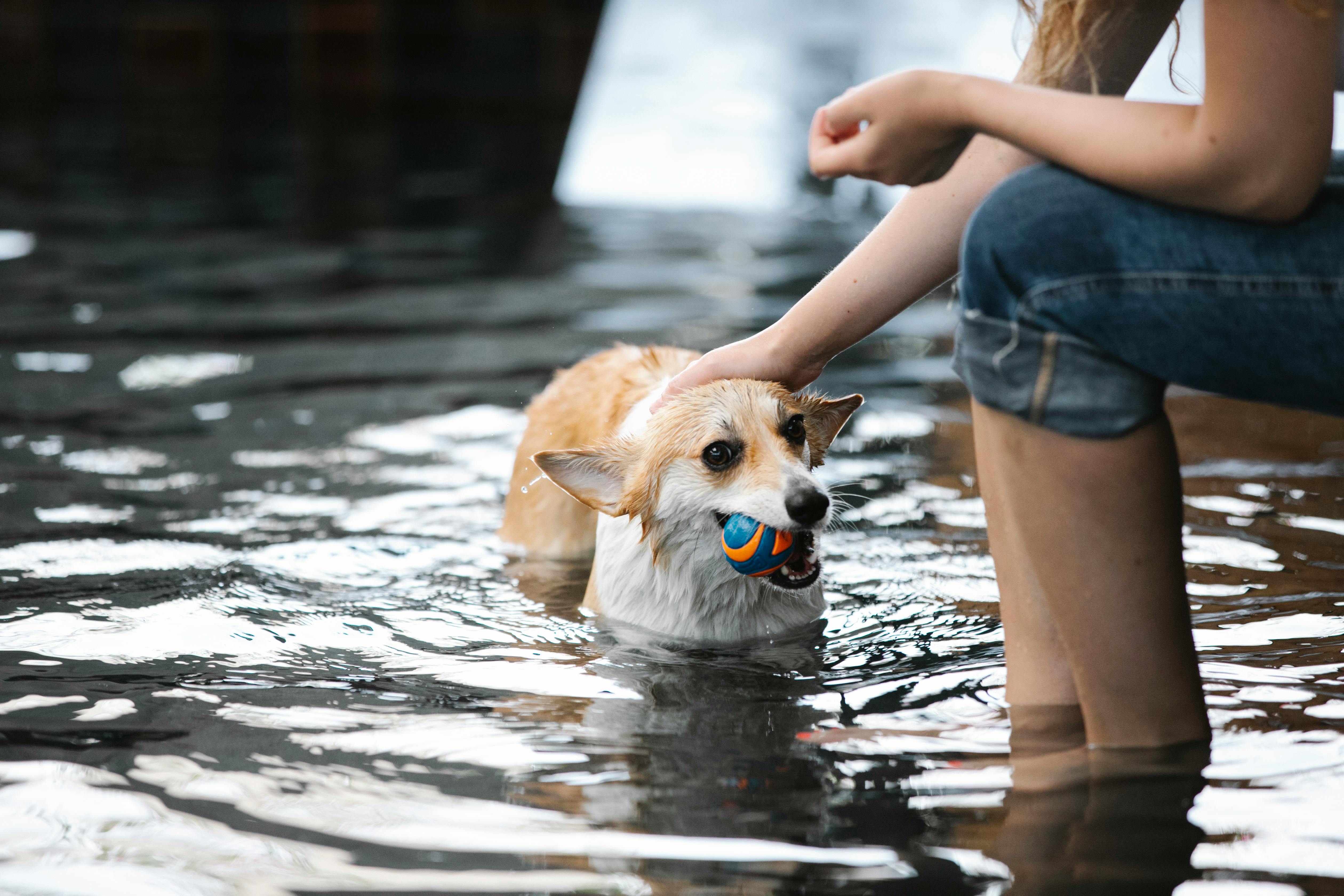
Dogs are often known for their playful antics and loyal companionship, but one thing that might surprise you is the significance of their wet noses. Have you ever wondered why do dogs have wet noses? There is actually a lot more to it than just a quirky feature of your furry friend. Let’s explore five surprising benefits of your dog’s wet nose that every pet owner should know.
1. Temperature Regulation
One of the primary reasons dogs have wet noses is to help regulate their body temperature. Dogs don’t sweat like humans do; they cool off primarily through panting. But, the moisture on their noses also plays a role. The wetness helps to dissipate heat and keeps them cool, especially on hot days.
- Dogs sweat through their paws, but their noses are key for cooling.
- A wet nose can indicate a healthy dog, as dehydration can lead to a dryer nose.
- When dogs are overheating, their noses may feel excessively dry.
2. Enhanced Sense of Smell
Another fascinating fact is that the moisture on a dog’s nose aids in their incredible sense of smell. You might have noticed that dogs sniff around a lot. They’re not just being curious; they’re actually gathering scent particles. The wetness on their noses captures these particles better than a dry surface would.
- Dogs have up to 300 million smell receptors, compared to humans’ 5 million.
- A wet nose helps to enhance their olfactory abilities, making them better at tracking scents.
- Certain breeds have particularly wet noses, enhancing their scenting capabilities even further.
3. Communication Tool
Dogs use their noses for more than just smelling; it’s also a way of communicating with other dogs and humans. When you see your dog nudging you with their wet nose, it’s often a sign of affection or a request for attention.
- A wet nose can mean many things: playfulness, curiosity, or even a begging for food.
- Dogs can also sense emotions through smells, meaning a wet nose can help them pick up on your feelings.
- Understanding this can improve your bond with your dog, as you learn to interpret their signals.
4. Health Indicator
Have you ever been concerned about your dog’s health? Checking the moisture level of their nose can be a quick health indicator. Generally, a healthy dog will have a cool, moist nose. If it becomes excessively dry or cracked, it might be time to consult a vet.
- A dry nose can indicate dehydration, fever, or even allergies.
- Changes in your dog’s nose condition can be an early warning sign of health issues.
- Regularly checking your dog’s nose can help you keep tabs on their overall well-being.
5. Cooling Effect on Inhaling Air
When dogs breathe in, the wetness of their noses helps cool the air they inhale. This is particularly important for dogs who may be more prone to heat exhaustion or overheating during playtime or exercise. Keeping the air cool as it enters their lungs aids in their overall comfort and performance.
- Dogs were originally bred for various tasks, many requiring endurance.
- A wet nose, combined with the panting technique, allows them to manage their temperature better during physical activities.
- This cooling mechanism can be especially vital for working dogs or those who accompany their owners in outdoor activities.
Fun Facts to Consider
- The texture of a dog’s nose can vary; some are smooth while others are bumpy.
- Different breeds have different nose shapes, which can affect how wet they remain.
- Interestingly, the color of a dog’s nose doesn’t affect its functionality; both black and pink noses serve the same purpose.
Understanding the reasons behind why do dogs have wet noses not only enriches your knowledge as a pet owner but also deepens your connection with your furry friend. It’s a small detail that carries a lot of weight in terms of health, behavior, and communication. So next time you give your dog a little pat and feel that cold, wet nose, remember these surprising benefits! Embrace the quirks of your dog, and appreciate the unique biology that makes them special.
Is Your Dog’s Wet Nose a Sign of Health? Exploring Common Misconceptions

Many dog owners often wonder if their pup’s wet nose is a sign of health. It’s a common belief that a moist nose indicates a well-nourished and happy dog. But is that really true? Let’s explore the truth behind the wet nose mystery while debunking some misconceptions along the way.
Why Do Dogs Have Wet Noses?
First off, why is it that dogs have wet noses in the first place? There are a few reasons, both practical and biological.
- Temperature Regulation: Dogs don’t sweat like humans do. Instead, they use their noses to help regulate body temperature. When a dog’s nose is wet, it helps to cool them down through evaporation.
- Scent Detection: A wet nose is more conducive to picking up scent particles in the air. This is because moisture can trap these particles better than a dry surface, allowing dogs to smell better.
- Health Indicator: A moist nose can sometimes indicate that a dog is healthy. However, it’s not a definitive sign.
- Habitual Behavior: Dogs often lick their noses, which keeps it moist. This behavior can also be a sign of anxiety or excitement.
Common Misconceptions About Wet Noses
Many myths exist surrounding the wet nose phenomenon. Some of these misconceptions can lead to misunderstandings about dog health. Here are some popular ones:
- Myth 1: A wet nose means the dog is sick. This is simply not true. While a dry nose can sometimes indicate illness, it’s not a universal rule.
- Myth 2: All dogs have wet noses. Different breeds have varying nose moisture levels. Bulldogs, for example, may have drier noses due to their facial structure.
- Myth 3: A cold nose equals a healthy dog. While a cold nose can signify a healthy pup, it is not always the case. A dog can be sick with a cold nose.
How to Assess Your Dog’s Nose Health
So how do you determine if your dog’s nose is healthy? Here are some practical tips:
- Texture: A healthy dog’s nose should feel slightly wet and cool. If it feels excessively dry or cracked, it might warrant a veterinary visit.
- Color: The color of the nose can also give you clues. A change in pigmentation, especially if it becomes very pale or dark, may need attention.
- Temperature: While they shouldn’t be hot or excessively cold, a warm nose can sometimes indicate a fever.
- Behavioral Changes: If your dog is acting differently, such as lethargy or loss of appetite, it might be time to consult a veterinarian.
Signs That Your Dog Might Need Medical Attention
Sometimes, a wet nose can accompany other symptoms that signal a health issue. Look out for:
- Persistent coughing or wheezing
- Vomiting or diarrhea
- Loss of appetite
- Excessive licking of the nose
- Swelling around the nose area
If your dog shows any of these signs along with a wet nose, it is advisable to contact a veterinarian.
Historical Context of Dog Noses
Historically, dogs are known to be man’s best friend, and their noses have played a big role in their working lives. For centuries, dogs have been used in various roles like hunting, herding, and even search and rescue. Their exceptional sense of smell is one of the reasons they excel in these roles.
- Tracking Dogs: In the past, dogs were trained to track scents for hunting purposes, which is still done today. Their wet noses helped them detect trails more easily.
- Service Dogs: Nowadays, many dogs are used in search and rescue missions, thanks to their keen sense of smell.
- Therapy Animals: They are also used in therapy settings where their comforting presence, often accompanied by a wet nose, provides emotional support to those in need.
So, when you think about your dog’s wet nose, remember that it’s not just a health indicator but also a fascinating aspect of their biology and history.
In summary, while a wet nose can often be a sign of a happy, healthy dog, it should not be the sole indicator of well-being. Various factors contribute to the moisture level of a dog’s nose. If you’re concerned about your pet’s health, always consult a veterinarian. Understanding your dog’s unique needs will help ensure they lead a long, healthy life.
The Evolutionary Secrets of Dogs’ Wet Noses: How They Help in the Wild
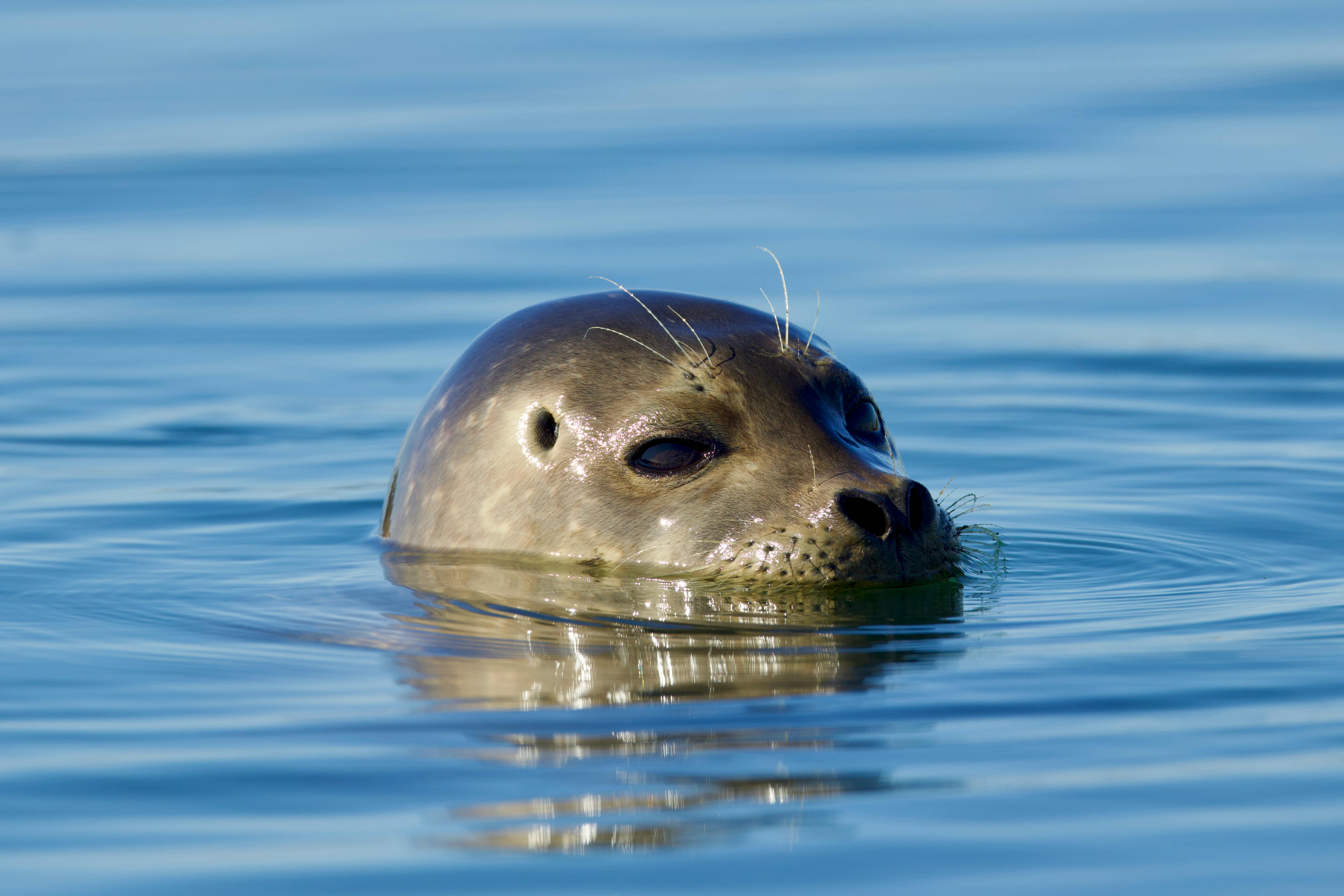
What is it with dogs and their wet noses? It’s not just a cute quirk, but actually a fascinating aspect of canine biology that serves important purposes in their lives. Many people often wonder, why do dogs have wet noses? Well, let’s dive into the evolutionary secrets behind these moist appendages and uncover how they help dogs in the wild.
The Science Behind Wet Noses
Dogs’ noses are typically moist, and this moisture plays significant role in their survival. The wetness comes from a layer of mucus that covers their noses, which is produced by specialized glands. This mucus serves several functions:
- Enhanced Smell: A wet nose helps trap scent particles in the air, allowing dogs to pick up on smells more efficiently. The olfactory receptors in the nasal cavity can absorb more scent when there’s moisture present.
- Temperature Regulation: Just like humans sweat to cool down, dogs also use their noses to help regulate their body temperature. The moisture evaporates, which can help cool them off.
- Health Indicator: A wet nose can be a sign of good health in dogs. If a dog’s nose becomes too dry or crusty, it may indicate dehydration or illness.
Evolutionary Perspective
Dogs have evolved from wolves, and their noses have changed over time. Wolves relied heavily on their sense of smell for hunting and survival, which is why they developed such strong olfactory capabilities. In fact, dogs have approximately 220 million scent receptors in their noses compared to a human’s mere 5 million. This evolutionary trait is critical for their survival in the wild.
- Hunting and Foraging: An efficient sense of smell helps dogs locate food, track prey, and avoid predators. A wet nose aids in this process, making it easier to catch scents in the environment.
- Social Interaction: Dogs also use their noses for communication. They can smell pheromones that convey information about other animals, whether it’s signaling readiness to mate, territory marking, or recognizing other individuals.
Fun Facts About Dog Noses
Here are some interesting tidbits about dog noses that you might not know:
- Unique Prints: Just like human fingerprints, every dog has a unique nose print that can be used for identification.
- Temperature Variation: A dog’s nose can change temperature based on their health; a hot, dry nose may indicate a fever, while a cold, wet one is generally considered normal.
- Color Matters: The color of a dog’s nose can vary by breed, and certain colors may affect their sensitivity to smells. Darker noses tend to absorb heat better than lighter ones.
Practical Examples of Wet Noses in Action
Wet noses are not just for show; they serve practical purposes. Here’s how dogs utilize their noses in real-world scenarios:
- Search and Rescue: In emergency situations, specially trained dogs use their wet noses to find missing persons. Their ability to smell can locate individuals buried under rubble or lost in the wilderness.
- Medical Detection: Some dogs have been trained to detect medical conditions, like diabetes or cancer, through scent. Their wet noses enhance their abilities to identify specific odors related to these conditions.
- Tracking: Hunting dogs use their noses to track game, while police dogs may track down suspects or missing persons. The wetness helps them maintain an effective scent trail.
The Importance of Nose Care
While wet noses are generally a sign of good health, it’s essential for dog owners to monitor their pets’ noses. Here are some tips for nose care:
- Hydration: Make sure your dog stays hydrated, especially in hot weather. Drinking enough water helps maintain nose moisture.
- Regular Check-ups: During veterinary visits, have the vet check your dog’s nose for any signs of unusual dryness or cracks, which could signal health issues.
- Avoid Irritants: Protect your dog from exposure to harsh chemicals or allergens that could dry out their noses.
In summary, the wet noses of dogs are not just endearing features; they are evolutionary adaptations that play critical roles in their survival and health. The next time you see a dog with a wet nose, remember the fascinating truth behind it. Whether they are sniffing out a trail, cooling down, or simply greeting you, their noses are busy working hard in ways that are essential to their lives. Embrace this incredible aspect of your furry friend, and appreciate the nature’s design at play!
Why Do Dogs Have Wet Noses? 7 Reasons That Will Make You Love Your Pup Even More
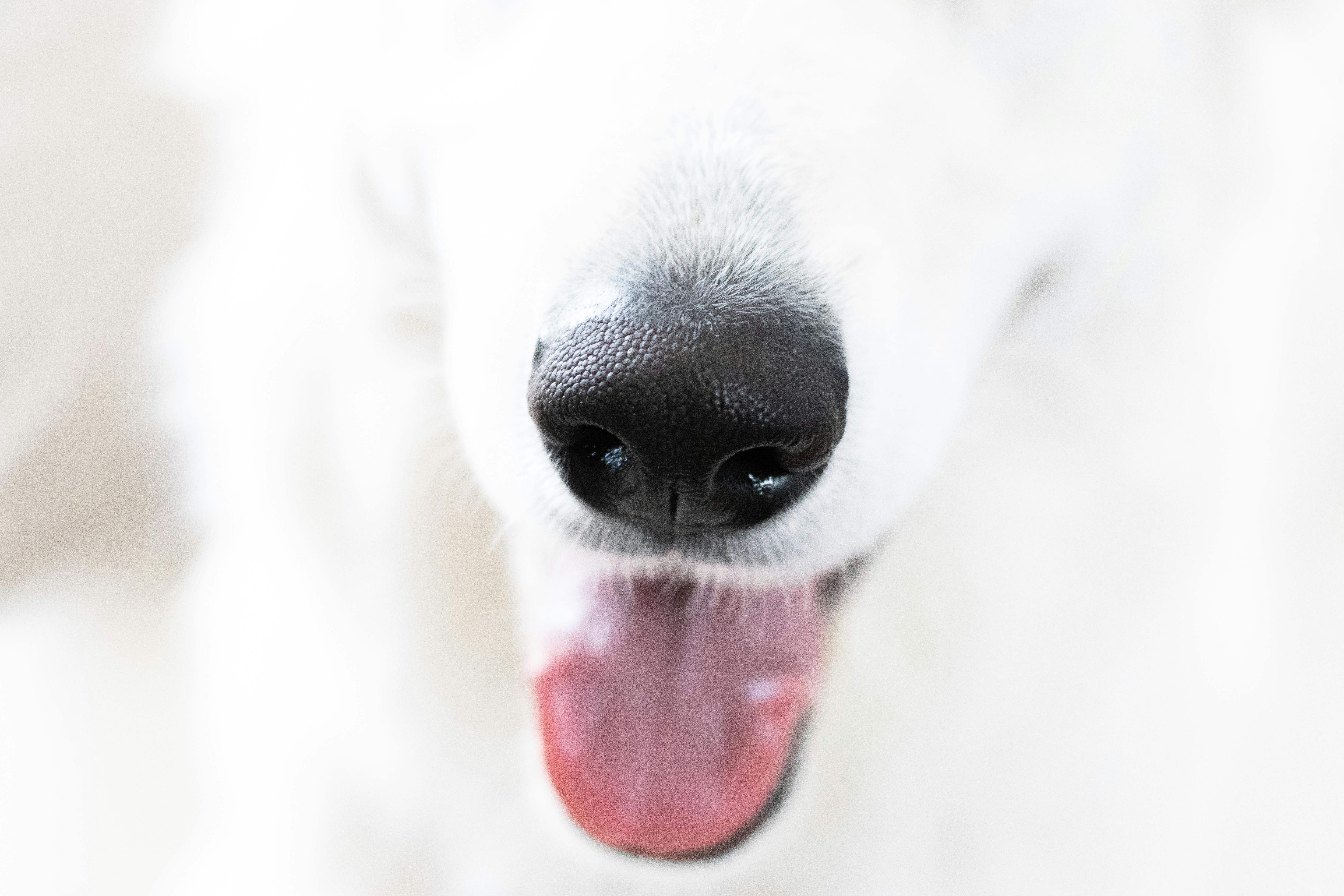
Have you ever noticed your dog’s nose? It’s often wet, and you might be wondering why. This peculiarity has intrigued dog lovers and scientists alike for years. Understanding why dogs have wet noses can not only deepen your appreciation for your furry friend but also give you insight into their health and behavior. Let’s explore seven reasons that will make you love your pup even more!
1. Sense of Smell
Dogs have an incredibly powerful sense of smell. In fact, it is estimated that dogs have around 220 million scent receptors in their noses, compared to a mere 5 million in humans. A wet nose helps enhance their smelling ability. The moisture on the surface of the nose captures scent particles from the air, making it easier for dogs to identify smells. This is why you might see your dog sniffing around with that adorable, wet snout!
2. Temperature Regulation
Just like humans sweat to cool down, dogs use their noses to help regulate their body temperature. When a dog is overheated, the moisture on their nose can evaporate, cooling them down a bit. The wetness of a dog’s nose is a sign of a healthy thermoregulation system. So, if your dog’s nose is dry, it might be a sign they need to cool off or drink more water!
3. Communication Tool
Dogs communicate in many ways, and their noses play a significant role in this. A wet nose is often associated with a friendly demeanor. When dogs meet each other, they sniff one another’s noses as a greeting. This behavior helps them gather information about each other, like their mood and health. If your dog approaches you with a wet nose, they are likely seeking your attention or affection!
4. Health Indicator
A wet nose can also be an indicator of your dog’s overall health. Generally, a moist nose is a sign that your pup is hydrated and well. Conversely, a consistently dry nose could signal dehydration or illness. It’s important to monitor changes in your dog’s nose moisture. If you notice significant changes, it’s always best to consult with a veterinarian.
5. Natural Behavior
Dogs have evolved over thousands of years, and their wet noses are part of their natural behavior. In the wild, a wet nose can help a dog detect prey or find food. This instinctual behavior is still present in domestic dogs. So, when you see your pup sniffing around, remember that it’s part of their natural instinct to explore their environment and gather information.
6. Keeping Their Noses Clean
A wet nose helps with hygiene as well. Dogs often lick their noses, which helps keep it clean and free of debris. This behavior ensures that their sense of smell remains sharp. It’s quite fascinating how nature has equipped dogs with this mechanism to maintain their sensory abilities.
7. Unique Characteristics
Every dog is unique, and their noses can show individual characteristics. Some breeds naturally have wetter noses than others. For example, retrievers and hounds tend to have moist noses more frequently, while certain toy breeds may not. Moreover, the texture and temperature of your dog’s nose can tell you a lot. A warm and dry nose might not always be a cause for concern, but it’s worth keeping an eye on.
Fun Facts About Dog Noses
- Dogs can distinguish between various smells, allowing them to identify individual scents in a crowded area.
- A dog’s nose print is as unique as a human fingerprint, making it a reliable form of identification.
- Dogs have a special organ called the Jacobsen’s organ located in the nasal cavity, which helps them process scents more effectively.
Quick Comparison: Dog Nose vs. Human Nose
| Feature | Dog Nose | Human Nose |
|---|---|---|
| Number of Receptors | 220 million | 5 million |
| Primary Function | Smell, temperature regulation | Smell, breathing |
| Unique Identifier | Nose print | Fingerprint |
| Moisture Role | Enhances smell | Not applicable |
Dogs are more than just pets; they are companions that bring joy and love into our lives. Their wet noses are just one of the many delightful traits that make them unique. Understanding why dogs have wet noses not only helps us appreciate them but also encourages us to take better care of their health. So the next time you give your pup a pat and feel that cool, wet nose against your hand, remember the fascinating reasons behind it. Your furry friend is not just a pet; they’re a marvel of nature!
Understanding Your Dog’s Sense of Smell: The Role of a Wet Nose in Canine Communication
Dogs are often seen as man’s best friend, but have you ever thought about how they communicate? One of the most fascinating aspects of canine communication is their sense of smell, with their wet noses playing a significant role. So, why do dogs have wet noses? Understanding this can provide insights into your furry friend’s behavior and health.
The Science Behind a Dog’s Wet Nose
A dog’s nose contains a high concentration of scent receptors, which is why they can sniff out things that humans can’t even imagine. The wetness of their noses, which is often overlooked, actually serve multiple purposes.
Enhanced Scent Detection: The moisture on a dog’s nose helps to capture scent particles. When the nose is wet, it can trap these particles, making it easier for dogs to process smells. This ability is essential for their survival instincts, as dogs use their noses to find food, identify other animals, and even recognize people.
Temperature Regulation: Dogs don’t sweat like humans do. Instead, they regulate their body temperature through their nose and panting. A wet nose helps keep them cool, especially during hot weather.
Health Indicator: The condition of a dog’s nose can be an indicator of their health. A dry or cracked nose might signal dehydration or illness, whereas a moist nose generally indicates good health.
Historical Context of Canine Smelling Abilities
The history of dogs being used for scent detection can be traced back thousands of years. Ancient civilizations recognized the value of dogs’ sense of smell in hunting and tracking. For instance:
- Hunting Companions: Early humans utilized dogs to track game animals. Their keen sense of smell made them invaluable partners.
- Search and Rescue: In more modern times, dogs have been trained to locate missing persons, detect drugs, and even find explosives. Their abilities have been honed through selective breeding and training over generations.
How Dogs Use Their Noses for Communication
Dogs communicate not just through barking or body language but also through scent. They use their noses to gather information about their environment and other dogs. Here’s how it works:
- Scent Marking: Dogs leave their scent by urinating or rubbing their noses against objects, which conveys their presence to other dogs.
- Social Interactions: When dogs greet each other, they often sniff each other’s noses and behinds. This behavior is similar to a handshake among humans, as it allows them to gather information about each other, including age, health, and mood.
Fun Facts About Dog Noses
- Did you know that dogs have about 300 million scent receptors in their noses, compared to humans, who have only about 5 million?
- The wetness of a dog’s nose can vary depending on the breed, age, and environment they are in.
- Dogs can even detect certain diseases in humans, like diabetes and some cancers, just by smelling.
How to Care for Your Dog’s Nose
Taking care of your dog’s nose is essential for their overall health. Here are some tips:
- Hydration: Ensure your dog has access to fresh water. A well-hydrated dog is more likely to have a healthy, moist nose.
- Protect from Harsh Elements: In extreme weather, consider using nose balms to protect against cracking or drying.
- Regular Vet Checkups: Just like any other part of your dog’s health, regular vet visits can help catch any potential issues early.
Nose-related Myths and Misconceptions
There’s many myths surrounding dog noses that need addressing. Here’s a quick rundown:
Myth: A cold nose means a dog is sick.
Fact: A dog’s nose temperature isn’t always an accurate health indicator; many factors can affect it.Myth: All dogs have wet noses.
Fact: Some breeds may naturally have drier noses, and that’s normal for them.Myth: Dogs only use their noses for smell.
Fact: While smell is crucial, they also use their noses to explore and interact with their environment.
Understanding your dog’s sense of smell and the role of their wet nose can deepen the bond you have with your furry friend. It’s important to appreciate the complex ways dogs communicate and perceive the world around them. Their noses are not just cute; they are essential tools that enhance their lives and ours.
Wet Noses and Dog Behavior: What Your Pup’s Moisture Levels Reveal About Their Mood
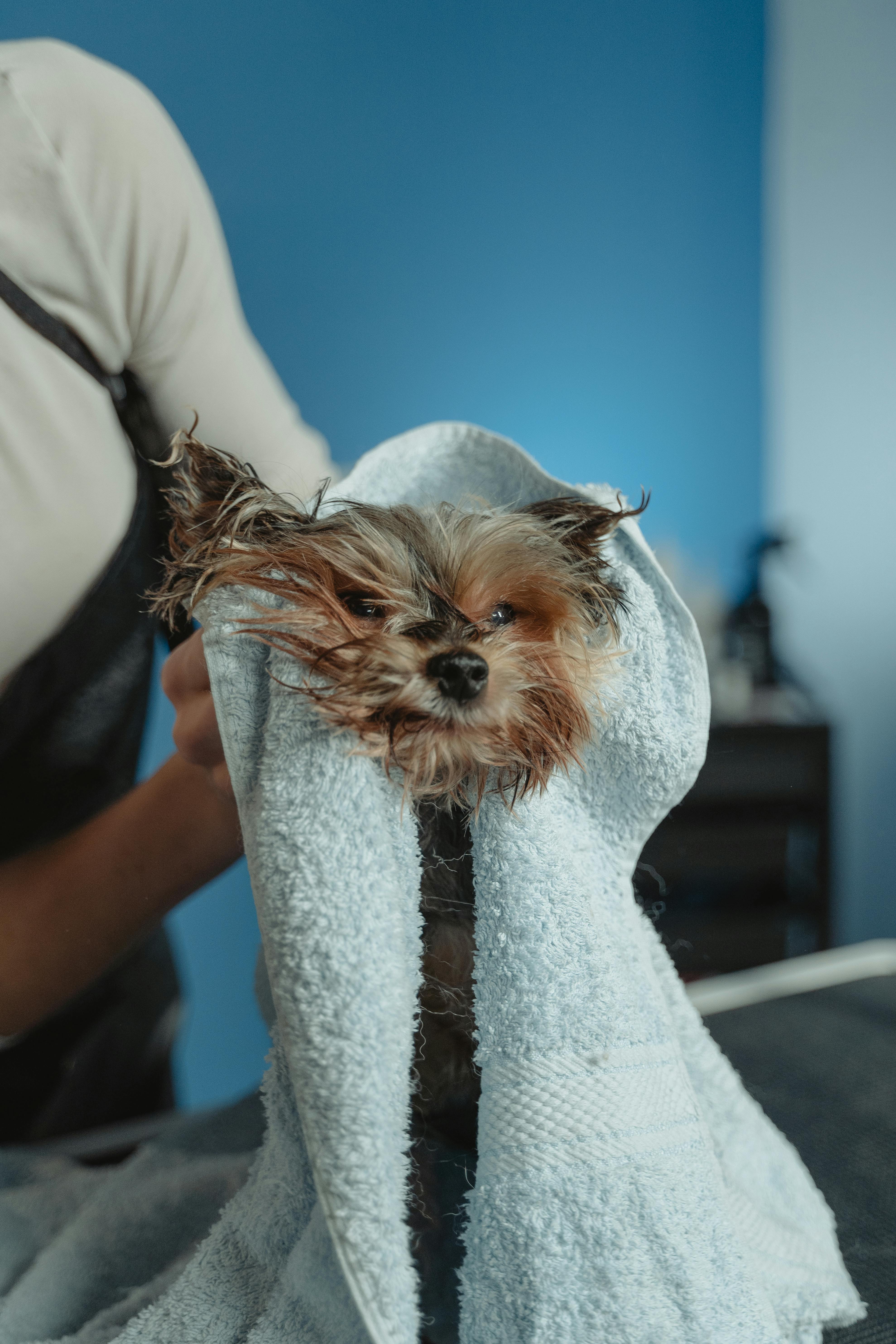
Have you ever wonder why your furry friend’s nose is always wet? It’s not just a cute feature; it’s a window into their feelings and health. Dogs’ noses can tell us a lot about what’s going on in their world, and understanding this can help you bond better with your pup. So, why do dogs have wet noses? Let’s dive into this fascinating truth!
The Science Behind Wet Noses
First off, let’s talk about how a dog’s nose works. The moisture on a dog’s nose comes from several sources. Dogs have specialized glands in their noses that produce mucus, and they also frequently lick their noses to keep them moist. This moisture helps them to better sense their environment.
- Wet noses help dogs detect scents. The moisture captures scent particles, making it easier for dogs to smell things.
- A wet nose can regulate temperature. Dogs don’t sweat like humans; they primarily cool down through panting and the moisture on their noses.
- Wetness can indicate health. Changes in nose moisture can sometimes signal health issues.
Why Dogs Have Wet Noses
Now, let’s explore the reasons why dog noses are wet.
Scent Detection: A wet nose helps dogs to smell better, which is critical for their survival. Dogs have an incredible sense of smell, and the moisture enhances their ability to catch scents.
Temperature Regulation: Dogs cool themselves down through their noses. The wetness helps to lower their body temperature, especially on hot days.
Health Indicator: A wet nose is often a sign of a healthy dog. But if a dog’s nose becomes dry or cracked, it could be a sign of dehydration or illness.
Licking Behavior: Dogs often lick their noses, which keeps them moist. This behavior can also show they are relaxed or comfortable.
What Your Dog’s Nose Can Reveal About Their Mood
A dog’s nose moisture can be an indicator of their mood. Here’s a little breakdown:
Wet and Cool: This usually means your pup is relaxed and content. They feel safe and are likely in a good mood.
Dry and Warm: A dry nose might indicate that your dog is anxious or stressed, or even sick. If your dog’s nose is dry for a prolonged period, it may be time to visit the vet.
Frequent Licking: If your dog is licking their nose often, it may show they are nervous or unsure about something.
Historical Context of Dog Nose Moisture
Dogs have been domesticated for thousands of years. Historically, their noses were essential for hunting and tracking. Wet noses helped hunters locate prey more effectively. Today, even though most dogs are family pets, their noses still serve the same fundamental purpose.
Fun Facts About Dog Noses
Did you know that every dog nose print is unique, just like human fingerprints? This uniqueness is used in some identification processes.
A dog’s sense of smell is estimated to be anywhere from 10,000 to 100,000 times better than humans.
Certain dog breeds have wetter noses than others. Breeds like the Bloodhound or Labrador Retriever often have more moisture due to their genetics.
Tips on Maintaining Your Dog’s Nose Health
Hydration: Always provide fresh water to keep your dog well-hydrated. A hydrated dog is more likely to have a healthy nose.
Environment: Protect your dog from extreme weather conditions. Too much sun can dry out their nose, so consider sunscreen for dogs if they are outside for long periods.
Regular Check-ups: Keep up with regular vet visits. If you notice significant changes in your dog’s nose moisture, consult your veterinarian.
Avoid Irritants: Be aware of household cleaners or chemicals that could irritate your dog’s nose. Natural cleaning products can be safer options.
Diet: A balanced diet contributes to overall health, including nose moisture. Make sure your dog’s nutrition is top-notch.
In summary, the moisture levels of your dog’s nose are more than just a quirky characteristic. They reveal vital information about your pup’s mood, health, and well-being. Whether your dog is feeling playful or a bit under the weather, understanding what their wet nose signifies can help you provide the best care possible. So, next time you see your dog’s wet nose, remember it’s more than a cute feature; it’s a fascinating reflection of what’s going on inside your furry friend!
How to Keep Your Dog’s Nose Healthy and Moist: Expert Tips for Pet Owners

Keeping your dog’s nose healthy and moist is important for their overall well-being. Have you ever wondered why do dogs have wet noses? That’s a common question among pet owners, and the answer is quite fascinating! In this article, we’ll explore some expert tips to ensure your furry friend’s nose stays in top shape and delve into the science behind why their noses are usually wet.
Why Do Dogs Have Wet Noses?
Dogs have wet noses for multiple reasons, and it’s not just because they are playful or constantly sniffing everything! Here are a few key points:
- Temperature Regulation: Dogs don’t sweat like humans do. Instead, they cool off primarily through their noses and paw pads. A wet nose helps to regulate their body temperature.
- Enhanced Sense of Smell: A moist nose can help in trapping scent particles. This is important for dogs, as their sense of smell is far superior to ours. The moisture helps them pick up smells better, making their navigation of the world a lot easier.
- Health Indicator: A dog’s nose can reflect their health status. A healthy dog usually has a cool, moist nose, while a dry or cracked nose may indicate dehydration or illness.
Keep Your Dog’s Nose Healthy
Now that you know why dogs have wet noses, let’s talk about how to keep them healthy and moist. Here’s a list of expert tips for pet owners:
Hydration is Key: Make sure your dog is always drinking enough water. Dehydration can lead to a dry nose. Always have fresh water available for your furry friend.
Use Nose Balm: If your dog’s nose seems dry or cracked, consider using a dog-safe nose balm. These products are designed to moisturize and protect the sensitive skin on your dog’s nose.
Regular Vet Check-Ups: Regular visits to the vet can help in early detection of any health issues that might affect your dog’s nose. Don’t neglect those annual check-ups!
Watch the Weather: Just like humans, dogs can suffer from the elements. In cold weather, protect your dog’s nose from chapping by using a nose balm. In hot weather, ensure they have plenty of shade and water.
Nutrition Matters: A well-balanced diet can also impact the health of your dog’s nose. Omega-3 fatty acids, for example, are known to promote healthy skin and coat.
Maintain Cleanliness: Regular grooming can prevent dirt and debris from accumulating on your dog’s nose, which can cause irritation or infection.
Fun Facts About Dog Noses
- Unique Patterns: Just like human fingerprints, every dog has a unique nose print. This could be used for identification!
- Color Changes: A dog’s nose can change color due to various reasons including temperature, stress, and health issues.
- Scent Power: Dogs have approximately 220 million scent receptors in their noses compared to about 5 million in humans. This makes their sense of smell 40 times better than ours!
Common Nose Problems in Dogs
While many dogs have healthy noses, some might face issues that require attention. Here’s a quick list of common nose problems:
- Dry Nose: Can be caused by dehydration or allergies.
- Crusty Nose: May indicate infections or autoimmune diseases.
- Nasal Discharge: Could be a sign of respiratory infections or allergies.
- Nosebleeds: Often due to trauma or infections, and should be examined by a vet.
How to Spot a Healthy Nose
A healthy dog’s nose should ideally be:
- Cool to the touch
- Moist but not dripping
- Free from cracks, sores, or excessive discharge
Regularly checking your dog’s nose can help you identify any changes that might indicate health problems.
Being a pet owner comes with the responsibility of ensuring your dog stays happy and healthy. By understanding why do dogs have wet noses and how to keep them that way, you can help enhance your pet’s quality of life. Remember, a moist nose is not just a cute feature but an essential part of your dog’s health. Make sure to follow these expert tips, keep an eye on your dog’s nose, and enjoy the wonderful bond you share with your furry friend!
The Connection Between Wet Noses and Canine Emotion: What Science Says

Dogs are often called “man’s best friend,” but have you ever wondered why they have wet noses? This seemingly trivial aspect of canine anatomy actually connects deeply with their emotions and overall health. Understanding the science behind wet noses is not just fascinating; it can also help you better understand your furry companion.
The Science Behind Wet Noses
Dogs typically have moist noses due to a combination of factors. The most prominent reason being the presence of mucus and moisture that aids their sense of smell. The wetness helps to capture scent particles, making it easier for dogs to process odors. This is important since dogs have an incredible olfactory system, estimated to be between 10,000 to 100,000 times more sensitive than humans.
Did you know that a dog’s nose can also be a window into their emotional state? When dogs are excited, anxious, or happy, their bodies produce more moisture, leading to a wetter nose. This connection between wet noses and canine emotions is something that scientists have begun to explore more deeply.
Why Do Dogs Have Wet Noses?
There’s multiple reasons why dogs noses are wet, and they can be grouped into several categories:
- Health Indicator: A wet nose generally indicates that a dog is healthy. If a dog’s nose becomes dry, it may signal dehydration or illness.
- Temperature Regulation: Dogs don’t sweat like humans do. Instead, they regulate their body temperature through panting and the moisture on their noses.
- Enhanced Scent Detection: The moisture on a dog’s nose helps them to absorb scent chemicals more effectively, enhancing their ability to detect and distinguish smells.
Emotional Connection
Understanding a dog’s emotional state can be tricky, but wet noses can offer clues. Here are a few examples of how wetness relates to canine emotions:
- Excitement: When a dog is excited, their nose often becomes wetter. This can happen during playtime or when anticipating a treat.
- Stress or Anxiety: In contrast, a dry nose may indicate stress or anxiety. If a dog is feeling overwhelmed, their body may not produce as much moisture.
- Relaxation: A content dog often has a wet nose, especially if they are lounging or being petted.
Historical Context
Historically, the connection between a dog’s health and their nose has been recognized for centuries. Ancient cultures often believed that a wet nose indicated good health, whereas a dry nose could signal illness. Moreover, hunters and trainers have relied on dogs’ sense of smell for various tasks, further emphasizing the importance of a moist nose in assessing a dog’s capabilities and well-being.
Fun Facts About Dog Noses
- Dogs have unique nose prints, similar to human fingerprints. Each dog’s nose print is different and can be used for identification.
- The average dog has about 300 million olfactory receptors in their noses, compared to about 5 million in humans.
- Dogs can smell certain medical conditions in humans, such as cancer and diabetes, due to their advanced scent detection abilities.
Practical Examples of Nose Care
To ensure your dog’s nose stays healthy and properly moist, consider these tips:
- Hydration: Always provide fresh water to keep your dog hydrated. This helps maintain nose moisture.
- Environmental Factors: Protect your dog from extreme temperatures and dry air which can lead to a dry nose.
- Regular Check-ups: Routine vet visits can help identify any health issues early on.
Comparing Wet vs. Dry Noses
Here’s a simple comparison table showing the differences between wet and dry dog noses:
| Wet Nose | Dry Nose |
|---|---|
| Generally indicates health | Can signify dehydration |
| Helps with scent detection | Might indicate stress or illness |
| Often associated with excitement | Can be a sign of discomfort or anxiety |
Understanding the connection between wet noses and canine emotions offers valuable insights for dog owners. While a wet nose is more than just a cute feature, it serves as an essential tool for emotional and physical health assessment. So next time you pet your dog, take a moment to appreciate that wet nose and what it truly represents in your furry friend’s life.
Fun Facts About Dogs’ Wet Noses: Discover the Myths and Realities Behind This Unique Feature

Dogs have long been our loyal companions, and one of their most endearing features is their wet noses. But have you ever wondered why do dogs have wet noses? This unique characteristic is often surrounded by myths and misconceptions, and it’s time to dive into some fun facts about dogs’ wet noses, exploring the realities that make these furry friends so fascinating.
The Science Behind Wet Noses
To understand the reason behind the wetness of a dog’s nose, it’s important to look at how they work. The moisture on a dog’s nose comes from a combination of two main factors: the secretion of special glands and environmental influences. Dogs have a set of glands located inside their nostrils, which produce a thin layer of mucus. This layer helps enhance their sense of smell, which is already incredibly powerful.
- Nasal Glands: Dogs have mucous glands that keep their nose moist.
- Environmental Factors: Things like humidity and temperature can affect how wet their noses are.
- Health Indicators: A dry nose can sometimes indicate a health issue, while a wet nose is usually a sign of a healthy dog.
Myths vs. Reality
There are plenty of myths floating around about why dogs have wet noses. Some people think it’s just a random quirk, while others believe it can tell you something about their health. Let’s clear up some of the common myths:
Myth 1: Wet noses means a dog is sick.
- Reality: A wet nose is often a sign of good health, but it doesn’t always mean a dog is sick if it’s dry. It can vary from dog to dog.
Myth 2: Dogs lick their noses for hydration.
- Reality: While dogs do lick their noses, it’s more about keeping their sense of smell sharp than quenching thirst.
Myth 3: All dogs have wet noses.
- Reality: Some breeds may have dryer noses than others, influenced by genetics and environmental factors.
Why Do Dogs Have Wet Noses?
So, why do dogs have wet noses? The answer lies in their biology and behavior. Dogs rely heavily on their sense of smell, which is way more developed than ours. The moisture on their nose helps to trap scent particles from the air, enhancing their ability to detect smells. Here are some more interesting facts:
- Scent Detection: The wetness on a dog’s nose captures scent particles better, helping them to detect a wider range of odors.
- Cooling Mechanism: Just like humans sweat to cool down, dogs can also regulate their body temperature through their noses to some extent.
- Communication Tool: Dogs use their noses to gather information about their environment and other animals. A wet nose can signal excitement or curiosity.
Fun Facts About Dogs’ Wet Noses
Now that we know a bit about the science, let’s jump into some fun facts about dogs’ wet noses that you might not have heard before:
- Temperature Indicator: A dog’s nose can be a temperature indicator. Generally, a cool, wet nose means good health, while a warm or dry nose might indicate illness.
- Unique Patterns: Just like fingerprints in humans, each dog’s nose has a unique pattern that can be used for identification.
- Breed Differences: Breeds like Bulldogs and Pugs often have drier noses due to their facial structure.
Practical Examples of Nose Use
Dogs use their noses in a variety of ways. Here are some practical examples:
- Tracking: Search and rescue dogs rely on their noses to track scents over great distances.
- Medical Alerts: Some dogs can even detect diseases like cancer by sniffing out chemical changes in the body.
- Social Interaction: Dogs often greet each other with nose touches, which is a way of gathering information about each other.
Dogs and Their Environment
The environment plays a significant role in the condition of a dog’s nose. Here are a few factors to consider:
- Humidity: Dogs living in humid climates often have wetter noses than those in dry areas.
- Health Conditions: Conditions like allergies or infections can lead to changes in the moisture levels of a dog’s nose.
- Seasonal Changes: Cold weather can make a dog’s nose dry, while warm weather can keep it moist.
Understanding why do dogs have wet noses gives us insight into their health and behavior. Next time you give your furry friend a pat, take a moment to appreciate that unique wet nose. It’s not just a cute feature; it’s a fascinating aspect of their biology that helps them explore the world. Whether you are a dog owner or just a lover of these amazing creatures, the wet nose is a reminder of their incredible abilities and connection to us.
Conclusion
In conclusion, the wet noses of dogs serve several important purposes that contribute to their health and well-being. A moist nose enhances their sense of smell, allowing them to detect scents more effectively, which is crucial for communication and navigation in their environment. Additionally, the moisture helps regulate their body temperature, acting as a natural cooling mechanism. The unique composition of a dog’s nasal secretions also plays a role in their overall health and can indicate various conditions. Understanding why dogs have wet noses can deepen our appreciation for these incredible animals and their unique biological features. As a dog owner, it’s essential to monitor your pet’s nose condition as part of their health check-up routine. If you notice any unusual changes, don’t hesitate to consult with your veterinarian. Embrace the quirks of your furry friend, and cherish the bond you share with them!
