Have you ever wondered, why do dogs have wet noses? This fascinating question sparks curiosity among pet owners and animal lovers alike! Wet noses are not just an adorable feature; they play a crucial role in a dog’s health and communication. But what exactly is the reason behind this unique trait? Is it mere evolution or does it serve a purpose?
In this blog post, we’ll delve into the science of dog noses and uncover the truth behind this intriguing characteristic. Did you know that a wet nose helps dogs to detect scents more effectively? This is because moisture enhances their sense of smell, making them incredible hunters and companions. Moreover, a wet nose can indicate a dog’s overall health, offering insights into potential issues.
So, if you’ve ever asked yourself, “Why do dogs have wet noses?” you’re not alone! Join us on this journey to discover the secrets of your furry friend’s unique feature. Let’s explore the incredible world of dogs and their extraordinary senses, while also addressing common myths and truths surrounding their wet noses. Get ready to be amazed by what you learn!
The Science Behind Wet Noses: Why Are Dogs’ Noses Always Damp?
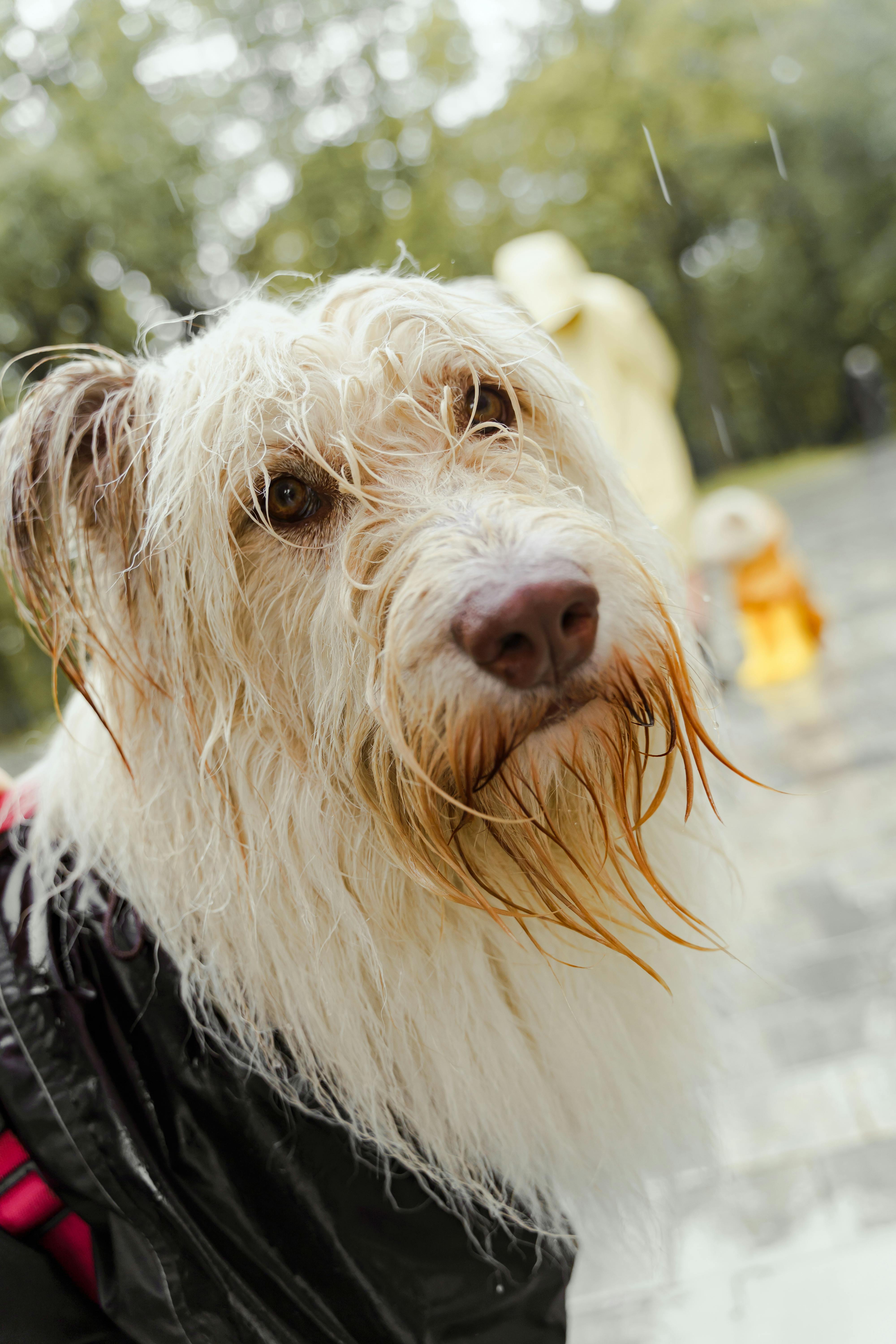
Have you ever noticed how your dog’s nose is always damp? It's one of those peculiar traits that many pet owners often ponder. The wetness of a dog’s nose isn't just adorable; it serves several important purposes. Let’s dive into the science behind why dogs have wet noses and uncover the fascinating truth about our furry friends.
The Anatomy of a Dog's Nose
A dog’s nose contains a complex structure of tissues and glands. The surface is covered in a layer of mucous, which helps keep it moist. This moisture plays an essential role in a dog’s sense of smell. Dogs have approximately 300 million smell receptors in their noses, compared to a human's mere 5 million. The dampness helps to dissolve scent particles, making it easier for dogs to detect and identify different odors.
Why Do Dogs Have Wet Noses?
Enhanced Sense of Smell: The moisture on a dog’s nose helps capture scent molecules. When the nose is wet, it can absorb more aromas. This is one reason why dogs have such an amazing ability to track scents.
Temperature Regulation: A wet nose also helps dogs to regulate their body temperature. Dogs don’t sweat like humans do; they primarily cool down through panting and their nose. The evaporation of moisture from their noses can help lower their overall body temperature.
Health Indicator: A dog’s nose can be a good indicator of its health. Generally, a dog with a wet, cool nose is considered healthy. Conversely, a dry or excessively warm nose can indicate possible illness or fever. However, it's crucial to note that not all dogs have the same nose moisture levels, and some breeds may have drier noses naturally.
Social and Communication Cues: Dogs use their noses to communicate with other dogs and gather information about their environment. A wet nose can attract the attention of other dogs, providing opportunities for social interactions.
Historical Context of Dogs’ Noses
Dogs have been companions to humans for thousands of years, and their noses have evolved alongside their domestication. Ancient cultures recognized the importance of a dog’s sense of smell for hunting and tracking. In fact, bloodhounds, known for their incredible olfactory abilities, were bred specifically for tracking down scents. Their wet noses are a critical feature that enhances their natural tracking instincts.
Interesting Facts About Dog Noses
- Unique Nose Prints: Just like human fingerprints, every dog has a unique nose print. This uniqueness can be used for identification purposes.
- Nasal Turbinates: Inside a dog’s nose are structures called nasal turbinates that help warm and humidify the air they breathe in, which also aids in scent detection.
- Color Variations: A dog’s nose color can vary significantly between breeds and can be affected by factors such as age, health, and even exposure to sunlight.
- Age and Nose Moisture: Puppies tend to have wetter noses than older dogs, and some senior dogs may experience drier noses due to age-related changes in their body.
Practical Examples of Nose Use
- Service Dogs: Many service dogs are trained to detect medical conditions like low blood sugar or seizures via scent, showcasing how vital a wet nose is for their work.
- Search and Rescue: Dogs are commonly used in search and rescue missions, where their wet noses help them locate missing persons by following scent trails.
Comparisons: Wet vs. Dry Noses
| Feature | Wet Nose | Dry Nose |
|---|---|---|
| Smell Ability | Enhanced scent detection | Reduced smell ability |
| Temperature | Helps in cooling | May indicate overheating |
| Health Status | Generally healthy | Can indicate illness |
The bottom line is that a dog’s wet nose is not just a quirky trait; it serves multiple vital functions that contribute to their health and well-being. Understanding why dogs have wet noses can help pet owners better care for their furry companions. Observing your dog’s nose can provide insights into their health and happiness, making it a small but significant part of their overall care. So, the next time you give your dog a scratch behind the ears, take a moment to appreciate that damp little nose and all the science it represents!
5 Fascinating Reasons Your Dog’s Wet Nose Could Be Key to Their Health
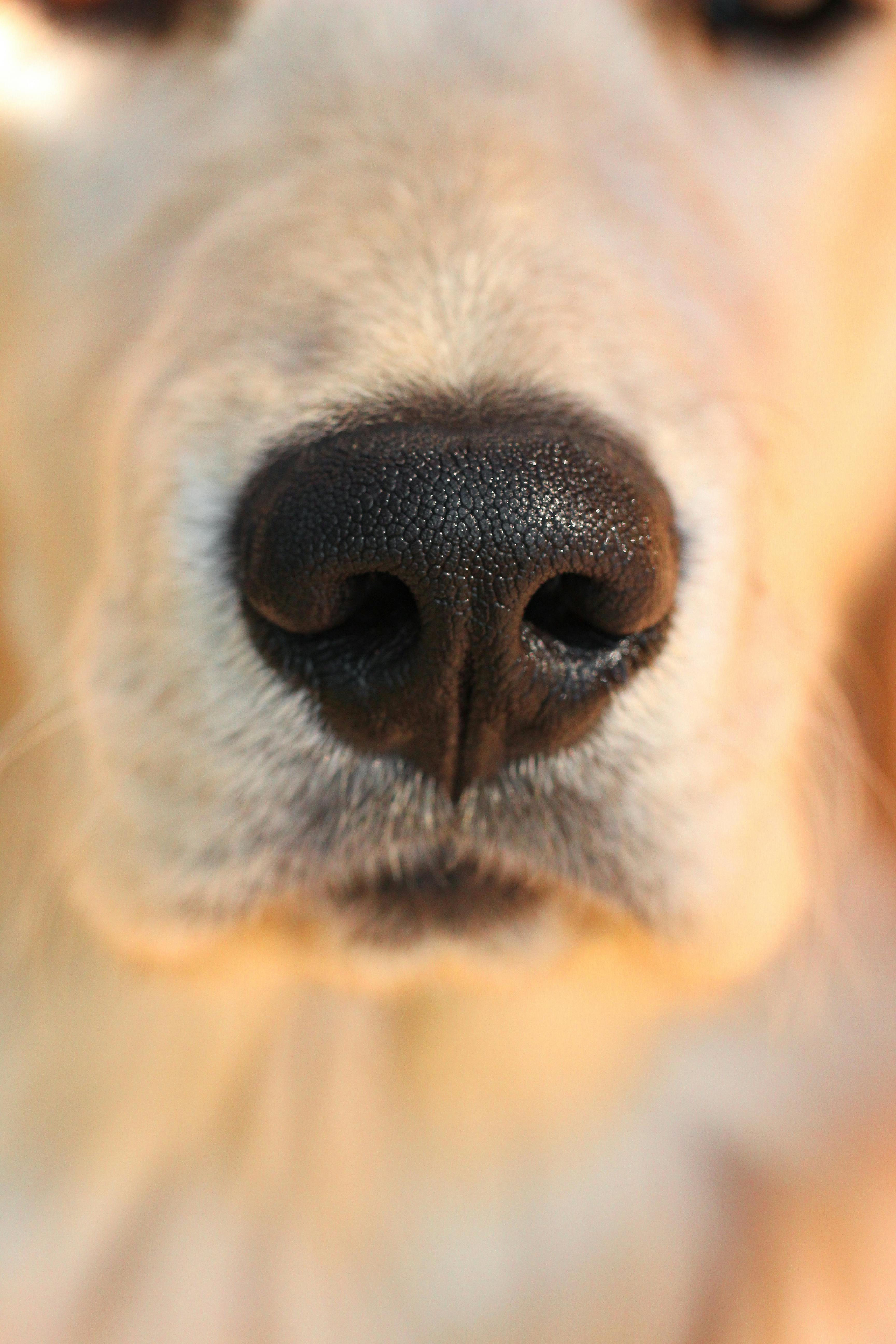
Dogs are some of the most beloved pets in the world, and their wet noses is one of the most endearing traits. But have you ever wondered why do dogs have wet noses? Is it just for show, or is there something deeper behind this phenomenon? Let’s dive into 5 fascinating reasons your dog’s wet nose could be key to their health, and uncover the truth behind those adorable snouts.
1. Temperature Regulation
One of the primary reasons why dogs have wet noses is to help regulate their body temperature. Unlike humans who sweat from their skin, dogs rely on their noses to cool down. When a dog pants, moisture evaporates from their noses, which helps to lower their body temperature. In hot weather, a wet nose it's crucial for maintaining their comfort and overall health.
2. Enhanced Sense of Smell
Dogs have an incredible sense of smell, estimated to be 10,000 to 100,000 times more sensitive than that of humans. A wet nose plays a significant role in this. The moisture on a dog's nose helps to capture scent particles from the air, making it easier for them to identify and analyze smells. When you see your dog sniffing around, remember that their wet nose is working hard to gather information about their environment.
3. Sign of Hydration
Another interesting reason for a dog’s wet nose is that it can be an indicator of their hydration levels. A healthy dog typically has a moist nose, which means they are adequately hydrated. On the contrary, if you notice that your dog’s nose is dry or cracked, it could mean they need more water. Keeping your furry friend hydrated is essential for their overall health, and their wet nose can serve as a quick check.
4. Communication Tool
Dogs are social animals, and they communicate in various ways. Their noses are no exception. A wet nose can be a way for dogs to express themselves. When your dog nudges you with their wet snout, it could be a sign of affection or a request for attention. This behavior is rooted in their instinctual need to bond with their human companions. So, next time your dog gives you a friendly poke, remember that their wet nose is more than just cute—it's a way for them to connect with you.
5. Health Indicator
Lastly, a wet nose can be an important health indicator. A healthy dog’s nose is usually moist and cool, while a dry or warm nose might signal a health issue. Some conditions that can affect your dog’s nose include fever, dehydration, or even allergies. Regularly checking your dog’s nose can help you catch potential health problems early, which is crucial for their well-being.
Quick Facts About Dog Nose Health
- Normal Condition: A moist and cool nose is generally a sign of a healthy dog.
- Temperature Check: A warm, dry nose may indicate a fever.
- Hydration Reminder: Dryness can be a sign of dehydration.
- Behavioral Signs: If your dog’s nose changes suddenly, it’s worth a vet visit.
Comparison: Dog Nose vs. Human Nose
| Feature | Dog Nose | Human Nose |
|---|---|---|
| Sensitivity | Extremely sensitive to scents | Less sensitive to scents |
| Moisture | Maintains moisture for smell | Generally dry |
| Function | Temperature regulation, scent | Filter air, smell |
| Health Indicator | Can indicate hydration & health | Not a reliable health indicator |
Understanding these fascinating aspects of your dog’s wet nose can help you appreciate the unique biology of your furry friend. Not only is it a cute feature, but it also serves vital functions that contribute to their health and well-being.
So, why do dogs have wet noses? It’s not just for aesthetics; it’s a combination of health, communication, and sensory enhancement. Next time you give your pup a scratch behind the ears, notice their adorable wet nose and consider all the incredible things it does! After all, our beloved dogs deserve all the care and attention we can give them. Embrace their quirks, and keep an eye on that wet nose—your dog’s health might depend on it!
How a Wet Nose Affects Your Dog’s Sense of Smell: Discover the Connection

Dogs are truly one of the most fascinating creatures on the planet. One of their most unique features is their wet noses. You might have wondered, why do dogs have wet noses? This question opens up a whole world of interesting facts about how a wet nose affects your dog’s sense of smell. Let’s dig into this captivating topic and uncover the connection between a dog's nose and their extraordinary olfactory abilities.
The Science Behind Wet Noses
Ever notice how your dog’s nose is always cold and moist? This isn’t just a random trait; it has a purpose! A wet nose helps dogs smell better. The moisture on their noses facilitates the absorption of scent molecules in the air. When a dog inhales, the wet surface picks up these molecules, enhancing the scent's intensity. Research shows that dogs have up to 300 million smell receptors in their noses, compared to only about 6 million in humans. This difference makes dogs' sense of smell 40 times better than ours!
Historical Context of Dog Noses
The history of dogs and their sense of smell is quite interesting. Dogs have been companions to humans for thousands of years. Initially, they were bred for hunting and herding, tasks that required an exceptional sense of smell. Ancient civilizations recognized the importance of this trait, and thus, selective breeding emphasized this quality. The result? A variety of breeds that excel in tracking scents, like Bloodhounds and Beagles.
Why Do Dogs Have Wet Noses?
There are several reasons why dogs have wet noses, and these reasons all link back to their sense of smell:
- Enhanced Scent Detection: As mentioned, the moisture helps absorb scent particles.
- Temperature Regulation: A wet nose can help dogs cool down. When they pant, evaporation from their noses helps regulate their body temperature.
- Health Indicator: A wet nose is generally a sign of a healthy dog. If a dog’s nose becomes dry or cracked, it may indicate dehydration or illness.
How Does a Wet Nose Impact Smell?
A dog's sense of smell is not just about having a wet nose; it involves an intricate system. Here’s how it works:
- Inhalation: When a dog breathes in, air passes over the moist surface of the nose.
- Scent Absorption: The moisture collects scent particles, and these particles bind to the nasal receptors.
- Processing: The olfactory bulbs in a dog’s brain process the information, identifying different scents.
- Association: Dogs are known to associate scents with experiences, which is why they can find their way home or identify familiar people.
Fascinating Facts About Dog Smell
- Sensitivity to Pheromones: Dogs can detect pheromones, which are chemicals that carry information about other animals. This allows them to sense emotions or readiness to mate.
- Tracking Abilities: Some breeds, like German Shepherds, are used in search and rescue missions because of their exceptional tracking abilities.
- Medical Detection: Dogs can be trained to detect diseases like cancer or diabetes. Their sense of smell can pick up on specific scents emitted by disease markers.
What Happens When a Dog’s Nose Is Dry?
A dry nose can be a cause for concern. While it’s normal for a dog’s nose to vary in moisture throughout the day, a persistently dry nose can indicate issues such as:
- Dehydration: Lack of water intake can lead to a dry nose.
- Fever: Sometimes, a dog’s nose becomes dry when they are sick and have a fever.
- Skin Conditions: Allergies or infections can also lead to a dry nose, requiring veterinary attention.
Practical Tips for Dog Owners
To ensure your dog's nose stays healthy and moist, consider the following tips:
- Hydration: Always provide fresh water.
- Regular Vet Check-ups: Regular health checks can help catch any underlying issues.
- Monitor Nose Condition: Keep an eye on any changes in moisture levels.
Understanding the connection between a wet nose and a dog's remarkable sense of smell can enhance your appreciation for these loyal companions. Their ability to smell better than humans is not just impressive but crucial for their survival and daily activities. So, the next time your furry friend nudges you with their wet nose, remember that it’s not just a cute gesture but a powerful tool that helps them navigate through life!
Do All Dogs Have Wet Noses? Unraveling the Myths and Facts
When you think about dogs, one of the first things that pop into your mind might be their wet noses. Many people wonders, do all dogs have wet noses? Well, it’s a question that leads to some interesting facts and myths about our furry friends. Let’s unravel this mystery and explore why do dogs have wet noses in the first place.
The Science Behind Wet Noses
Dogs’ noses are wet for several reasons. Most notably, the moisture helps them to smell better. When a dog’s nose is damp, it can absorb scent chemicals more effectively than a dry nose. This is crucial for their survival, as a strong sense of smell helps them communicate, find food, and detect danger.
Here’s a quick breakdown of what makes dog noses wet:
- Glandular Secretions: Dogs have specialized glands in their noses that secrete a thin layer of mucus. This helps to capture scents from the air.
- Temperature Regulation: A wet nose may also help to cool down a dog’s body temperature. Dogs mainly regulate their temperature through panting, but a wet nose can assist in this process too.
- Humidity: Environmental factors, like humidity and temperature, can affect how wet a dog’s nose is at any given time.
Do All Dogs Have Wet Noses?
The simple answer is no, not all dogs have wet noses all the time. Some breeds have drier noses, and there can also be variations based on health or environmental conditions. For example:
- Breeds with Dry Noses: Some dogs like the Shar Pei or Bulldog may often have drier noses due to their unique skin structure.
- Health Conditions: If a dog's nose is persistently dry, it might indicate dehydration or illness. It's important for pet owners to monitor their dog's health closely.
- Environmental Factors: Weather plays a big role. Hot or dry weather can lead to drier noses.
The Myths About Wet Noses
There are several myths surrounding wet noses. One common misconception is that a wet nose is always a sign of a healthy dog. While it can indicate good hydration, a wet nose does not guarantee overall health. Here are some myths debunked:
- Myth 1: A wet nose means a dog is sick. This isn’t true; dogs can have wet noses and still be perfectly healthy.
- Myth 2: All dogs have wet noses. As discussed above, not all breeds have the same level of moisture in their noses.
- Myth 3: A dry nose means a dog is sick. A dog’s nose can be dry for many reasons, such as sleeping or environmental conditions.
Why Is a Wet Nose Important?
Having a wet nose is not just a quirky trait; it serves several important functions. Here’s why it matters:
- Enhanced Smell: As mentioned earlier, a wet nose helps dogs detect scents better. Dogs have an incredible sense of smell, and the moisture on their noses aids in this natural ability.
- Communication: Dogs use their noses to communicate with other dogs and animals. A wet nose can indicate curiosity or excitement.
- Temperature Regulation: Moisture on a dog’s nose can help them stay cool, which is especially important during hot weather.
Fun Facts About Dog Noses
- Unique Patterns: Just like human fingerprints, each dog’s nose print is unique. Some people even use them to identify their pets.
- Nose Color: The color of a dog’s nose can vary widely among breeds, from black to pink, and this is often influenced by genetics.
- Training Tool: Dogs can be trained to use their noses for various purposes, like sniffing out drugs or even detecting certain illnesses in humans.
Practical Tips for Dog Owners
To ensure your dog’s nose stays healthy, consider the following tips:
- Hydration: Always provide fresh water to keep your dog hydrated, which helps maintain a moist nose.
- Regular Check-ups: Keep up with vet visits; they can help identify any health issues related to nose dryness.
- Monitor Changes: If you notice significant changes in your dog’s nose texture or moisture, consult a veterinarian.
In the end, knowing why do dogs have wet noses helps us understand our pets better. While not all dogs have perpetually wet noses, the reasons behind this phenomenon are fascinating. Whether it’s for smell enhancement, communication, or temperature regulation, the wet nose is just one of the many things that make dogs such incredible companions. So, the next time you see a dog with a wet nose, remember the science and the fun behind it!
The Surprising Benefits of a Wet Nose: Why Dogs Are Better Sniffers
Dogs are often known as man's best friend, but have you ever wondered why their noses are wet? The wetness of a dog's nose isn't just a quirky trait; it has some fascinating purposes and benefits. In this article, we dive into the surprising benefits of a wet nose, explore why dogs are better sniffers, and unpack the science behind this feature.
The Science Behind Wet Noses
So, why do dogs have wet noses? A dog's nose is wet for a few reasons. One main reason is that it helps them smell better. The moisture on their noses traps scent particles, making it easier for them to pick up smells. This is super important for dogs, as they rely heavily on their sense of smell to navigate the world around them.
Dogs have about 220 million scent receptors in their noses compared to humans, who have only about 5 million. The wetness also helps with thermoregulation. When a dog's nose is cool and moist, it helps them stay cool when they’re feeling hot.
Benefits of a Wet Nose
Here are some surprising benefits of a wet nose:
- Enhanced Smelling Ability: A wet nose captures scent particles more effectively.
- Body Temperature Regulation: Helps dogs maintain a cooler body temperature.
- Health Indicator: A healthy dog usually has a cool, wet nose. If it’s dry or warm, it might indicate an illness.
- Social Bonding: Dogs use their noses to explore and communicate with other dogs and humans.
Historical Context of Dogs’ Noses
Dogs have been companions to humans for thousands of years. Over time, their noses have adapted. In ancient Egypt, dogs were revered and their keen sense of smell was utilized in hunting and protection. Romans even trained dogs for scouting and tracking, using their nose as a key tool.
Why Dogs Are Better Sniffers
Compared to humans, dogs are superior sniffers for various reasons. Here’s a simple comparison:
| Feature | Humans | Dogs |
|---|---|---|
| Scent Receptors | 5 million | 220 million |
| Part of Brain for Smell | Small area | Large, dedicated area |
| Ability to Detect Scents | Limited | Extensive |
| Sensitivity to Odors | Lower | Much higher |
Dogs can even detect specific diseases like cancer, diabetes, and even COVID-19! Their ability to sniff out odors is not just impressive; it’s life-saving in many cases.
Practical Examples of Dogs’ Sniffing Abilities
In real-world scenarios, dogs help with various tasks thanks to their amazing noses. Some practical examples include:
- Search and Rescue: Dogs are trained to find missing persons or disaster survivors.
- Detection Work: Many law enforcement agencies use dogs to sniff out drugs, explosives, or even currency.
- Medical Detection: Some dogs are trained to sniff out diseases, alerting their human companions to potential health issues.
- Therapy Dogs: Their presence and ability to sense emotions can provide comfort and support to those in need.
Facts About Dogs’ Noses
- Dogs’ noses can vary in size and shape, but they all share the same moist advantage.
- The color of a dog’s nose can also change with age; puppies may have pink noses that darken as they mature.
- Wetting their noses is a natural behavior; dogs often lick their noses to keep them moist.
Misconceptions About Dog Noses
There are several myths surrounding dog noses. Some people believe that a dry nose means a dog is sick, but this isn’t always true. Dogs can have a dry nose for many reasons including weather changes or just waking up. It’s essential to check for other signs of health issues rather than relying solely on nose wetness.
In New York, it’s common for pet owners to wonder about their furry friends' health and behaviors. Keeping an eye on your dog’s nose is just one part of being a responsible pet owner.
So, the next time you pet your dog and feel that cool, wet nose, remember all the fascinating science behind it. Their noses are not just for show; they play a crucial role in how dogs interact with the world. Understanding why dogs have wet noses can deepen your appreciation for these loyal companions and their incredible abilities. Whether you’re a dog owner or just a dog lover, knowing these details can enrich your interactions with these wonderful animals.
Is Your Dog’s Nose Too Wet? Learn When to Worry and When to Relax
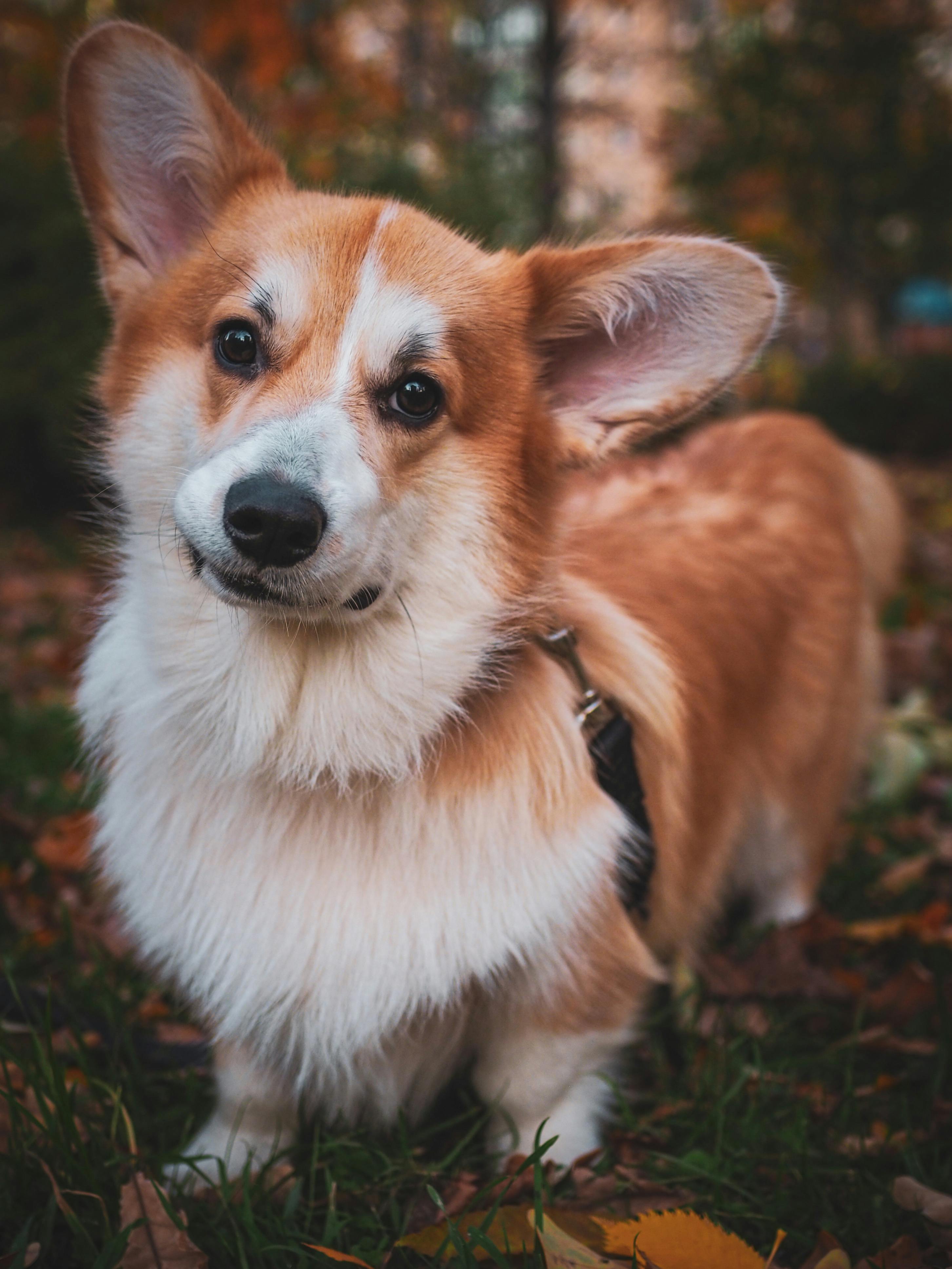
Is your dog’s nose too wet? This is a question many dog owners find themselves asking, especially when they notice changes in their furry friend’s nose. But how do you know when to worry and when to just relax? The truth is, a wet nose is often a sign of good health, but there are other factors to consider. Let’s explore why dogs have wet noses and what it means for their overall wellbeing.
Why Do Dogs Have Wet Noses?
Dogs’ noses are naturally moist due to a number of reasons. Here’s some of the main factors that contribute to that familiar wetness:
Cooling Mechanism: Dogs don’t sweat like humans do. Instead, they rely on their noses to help regulate their body temperature. When they breathe, moisture evaporates from their noses and helps cool them down.
Sense of Smell: The wetness helps enhance a dog’s sense of smell. A damp nose can capture and hold scent particles better than a dry one. This is why dogs are often great at tracking scents!
Health Indicator: A wet nose is often associated with a healthy dog. When a dog is sick, their nose can become dry or warm. However, this is not a definitive measure of health.
Humidity and Environment: The weather can impact a dog’s nose, too. Humid conditions can lead to a wetter nose, while dry or cold environments may cause it to dry out.
When to Worry About Your Dog's Nose
While a wet nose is usually a good sign, there are circumstances when you should pay attention. Here’s when you might want to be concerned:
Dry or Cracked Nose: If your dog’s nose is persistently dry or shows signs of cracking, it might indicate dehydration or other health issues.
Warm Nose: A warm nose can be a sign of fever. If your dog’s nose is warm and they’re showing other symptoms, like lethargy or loss of appetite, it’s best to consult a vet.
Discoloration: Any change in color, like a black dog’s nose turning pink, could signal something is off.
Excessive Mucus or Discharge: If you notice a lot of mucus or discharge, it could indicate an infection or allergy.
Behavior Changes: If your dog is acting differently — like being more tired or not eating — it’s important to seek professional help.
How to Care for Your Dog's Nose
Taking care of your dog’s nose is not complicated, but it’s important. Here are some tips:
Hydration: Make sure your dog has access to fresh water at all times. Hydration is key to maintaining a healthy nose.
Humidifier: If you live in a dry climate, using a humidifier can help keep your dog’s nose moist.
Regular Vet Visits: Regular check-ups ensure that any potential issues can be caught early.
Avoid Irritants: Keep your dog away from strong chemicals or allergens that can cause irritation.
Monitor Changes: Regularly check your dog’s nose and overall health. If something seems off, don’t hesitate to ask a vet.
Fun Facts About Dogs' Noses
Unique Patterns: Just like human fingerprints, every dog’s nose print is unique. This means that they could be used for identification!
Temperature Sensitive: Dogs can actually detect changes in temperature through their noses, which aids in their hunting and tracking abilities.
Nose Licking: Dogs often lick their noses to keep them moist, especially after sniffing something interesting.
Nasal Cavity: Dogs have a much larger nasal cavity than humans, which allows them to take in more scents.
Scent Discrimination: Dogs can distinguish between different scents even when they are mixed together, thanks to their wet noses.
In summary, while a wet nose is typically a sign of a healthy dog, it’s important to be observant. Changes in your dog’s nose or behavior can signal health issues that may require attention. Remember to keep your dog hydrated and monitor for any unusual signs. If in doubt, always consult with your veterinarian. Your furry friend’s health is worth it!
Why Do Dogs Lick Their Noses? Understanding This Common Behavior
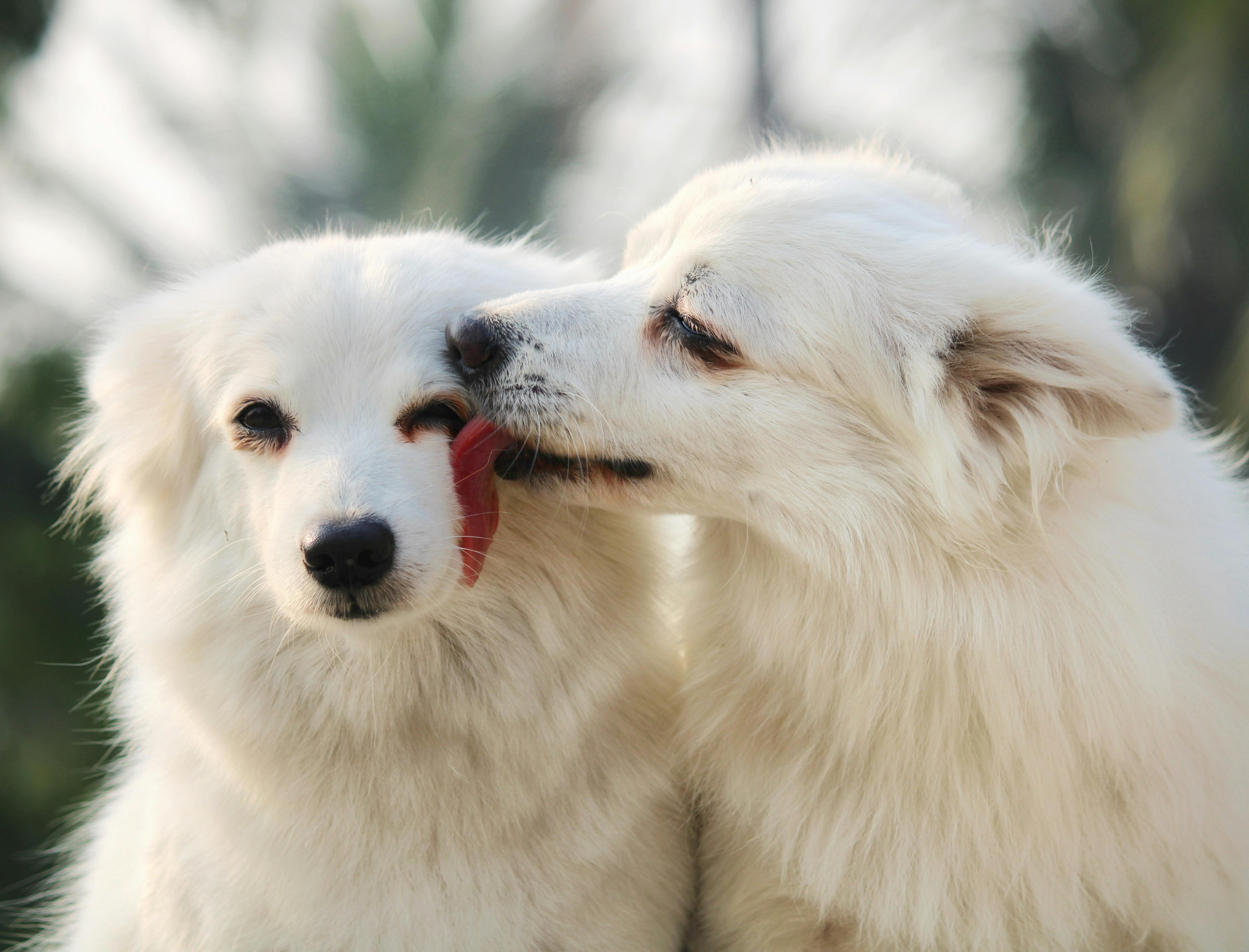
Dogs are often known for their quirky behaviors, but one that stands out among these is their tendency to lick their noses. You may have caught yourself wondering, "Why do dogs lick their noses?" or "Why do dogs have wet noses?" These questions might seem simple, but the answers reveal a fascinating mix of biology, behavior, and even a bit of history.
The Biology Behind Nose Licking
Dogs lick their noses for several reasons, some of which are tied to their biology. Here’s a quick breakdown of why this behavior occurs:
- Moisture Regulation: A wet nose helps dogs to regulate their body temperature. This moistness allows for better heat dissipation.
- Scent Enhancement: Dogs have an incredibly strong sense of smell. By licking their noses, they can enhance their ability to pick up scents from the air. The moisture on their nose helps to capture scent particles, making it easier for them to interpret their surroundings.
- Taste Testing: Dogs often lick their noses after eating or when they are curious about something. This behavior could be their way of tasting the air or their environment.
Wet Noses: What Makes Them So Special?
If you've ever noticed how your dog's nose feels cold and wet, you might be wondering why this is the case. A wet nose is actually a sign of a healthy dog. Here's some interesting facts about dog noses:
- Temperature Regulation: Dogs lack the ability to sweat like humans do, so a wet nose helps them cool down. It’s also why you might notice that your dog’s nose can feel different temperatures depending on the weather.
- Health Indicator: Generally speaking, a healthy dog will have a moist nose. If a dog’s nose is dry or cracked, it might indicate dehydration or illness.
- Scent Absorption: The moisture on a dog’s nose plays a key role in their olfactory abilities. Wet noses can absorb scent better, which is essential for a creature that relies largely on smell to understand its world.
A Historical Perspective
The history of the relationship between dogs and humans is rich and complex. Dogs have been companions to humans for thousands of years, and their behaviors have evolved alongside us. Interestingly, much of what we know about dogs comes from close observation over time.
- Utility of the Wet Nose: In ancient times, humans might have noticed that dogs with wet noses were better at hunting. This could have influenced breeding practices, favoring dogs with characteristics that included a moist nose.
- Cultural Significance: In some cultures, a dog’s wet nose is often viewed as a sign of affection. Dogs will come to greet their owners with a wet nose, which can be a form of communication.
Practical Examples of Nose Licking Behavior
You may see your dog licking its nose in various situations. Here are some common scenarios:
- After Eating: Dogs often lick their noses after they eat. This behavior can be their way of cleaning themselves off or even savoring the taste of their meal.
- When Curious: If your dog is sniffing around a new object or environment, you might see them licking their nose. This is an instinctual behavior to enhance their sense of smell.
- When Nervous: Sometimes, dogs lick their noses when they are feeling anxious or stressed. This can be a self-soothing behavior, much like humans might bite their nails.
Fun Facts About Dog Noses
- Unique Patterns: Just like human fingerprints, each dog has a unique nose print.
- Scent Receptors: Dogs have around 300 million scent receptors, compared to about 6 million in humans. This is why their noses are so important.
- Nose Temperature: A dog’s nose can change temperature depending on their health and environment. A warm, dry nose can sometimes indicate illness, but it’s not a definitive sign.
Dogs have a way of charming their way into our hearts, and understanding their behaviors can make that bond even stronger. From the reasons behind their nose licking to the intriguing facts about their wet noses, there’s always something new to learn about our furry friends. So next time you see your dog licking its nose, remember that this behavior is not just cute; it’s a reflection of their unique biology and history.
The Role of Wet Noses in Dog Communication: What You Need to Know
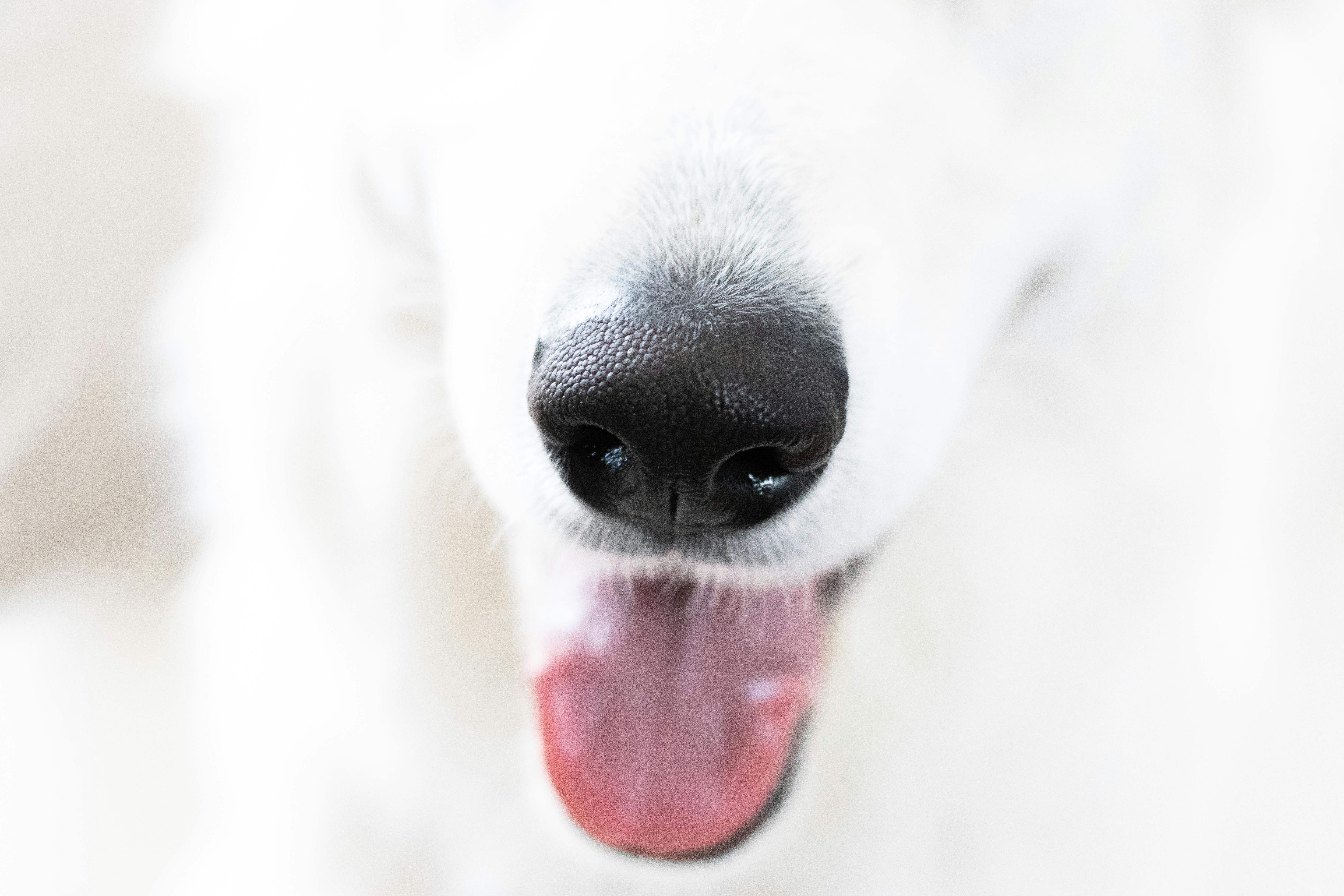
Dogs, those lovable companions, have a lot of quirks that make them unique. One of the most interesting aspects of dogs are their wet noses. Have you ever wondered why do dogs have wet noses? Well, it turns out this isn't just for show; it plays an important role in how they communicate and interact with the world around them. Understanding the role of wet noses in dog communication can give us valuable insight into our furry friends' behavior.
The Science Behind Wet Noses
A dog’s nose is not just a cute feature; it is a sophisticated sensory organ. The moisture on a dog’s nose serves several purposes:
Enhanced Smell: A wet nose helps to absorb scent particles. When a dog's nose is moist, it can capture more scents, which is why dogs are such great sniffers. They have about 300 million smell receptors, compared to a human’s five million!
Temperature Regulation: Dogs don’t sweat like humans do. Their wet nose helps to cool them down. When dogs pant, moisture evaporates from their noses, which can help regulate body temperature.
Communication Tool: Dogs use their noses to communicate with each other and with humans. A wet nose can indicate a friendly approach, signaling an invitation for interaction.
Historical Context of Dogs and Their Noses
The relationship between humans and dogs goes way back. Historians believe that dogs were domesticated around 15,000 years ago. As our relationship with them evolved, so did their communication methods. Historically, dogs have relied on their keen sense of smell to communicate not just with humans, but with other dogs too.
Hunting Partners: In ancient times, dogs were often used as hunting partners. Their ability to smell would help locate prey. A wet nose would have been essential for this task.
Companionship: As dogs became companions, their wet noses became a way for them to express affection. A wet nose nuzzling against you can be a comforting and loving gesture.
Why Do Dogs Have Wet Noses? The Fascinating Truth
So, why do dogs have wet noses? It boils down to biology and behavior. Here are a few key points that summarize the fascinating truth:
Scent Detection: The moisture on a dog’s nose allows it to capture more pheromones and scents. This is crucial for their understanding of the environment.
Emotional Signals: A wet nose can indicate a dog’s emotional state. If a dog approaches you with a wet nose, it can be a sign of affection or curiosity.
Health Indicator: A dog’s nose can also be a health indicator. While a wet nose is often a sign of a healthy dog, a dry or cracked nose could indicate dehydration or illness.
How Dogs Use Their Noses to Communicate
Dogs communicate in a variety of ways, and their noses play a big role in it. Here are some examples:
Greeting: When dogs meet, they often sniff each other's noses. This is a form of greeting and helps them gather information about each other.
Playfulness: A dog may approach another with its nose wet and wagging tail, indicating a desire to play.
Anxiety or Stress: If a dog's nose is dry, it might be a sign of stress or anxiety. They may be more reserved in their interactions, preferring to stay away from social situations.
Fun Facts About Dog Noses
To wrap things up, here’s a list of fun facts about dog noses that can deepen your appreciation for these furry companions:
Dogs have a unique nose print, similar to human fingerprints. Each one is different!
The wetness of a dog's nose can change throughout the day, depending on their activity and environment.
Some breeds have naturally wetter noses than others! For example, the Bloodhound has a particularly moist and droopy nose.
Dogs can smell things up to 100,000 times better than humans. They can even smell fear or stress in humans!
Understanding why do dogs have wet noses and the role they play in communication can help you bond better with your canine companion. It gives us a glimpse into their world and how they perceive us and their environment. Embracing these little quirks only strengthens the bond we share with our furry friends. Whether it’s a nuzzle from a wet nose or a playful bark, our dogs have so much to say!
Are Wet Noses a Sign of Happiness in Dogs? The Truth Revealed!
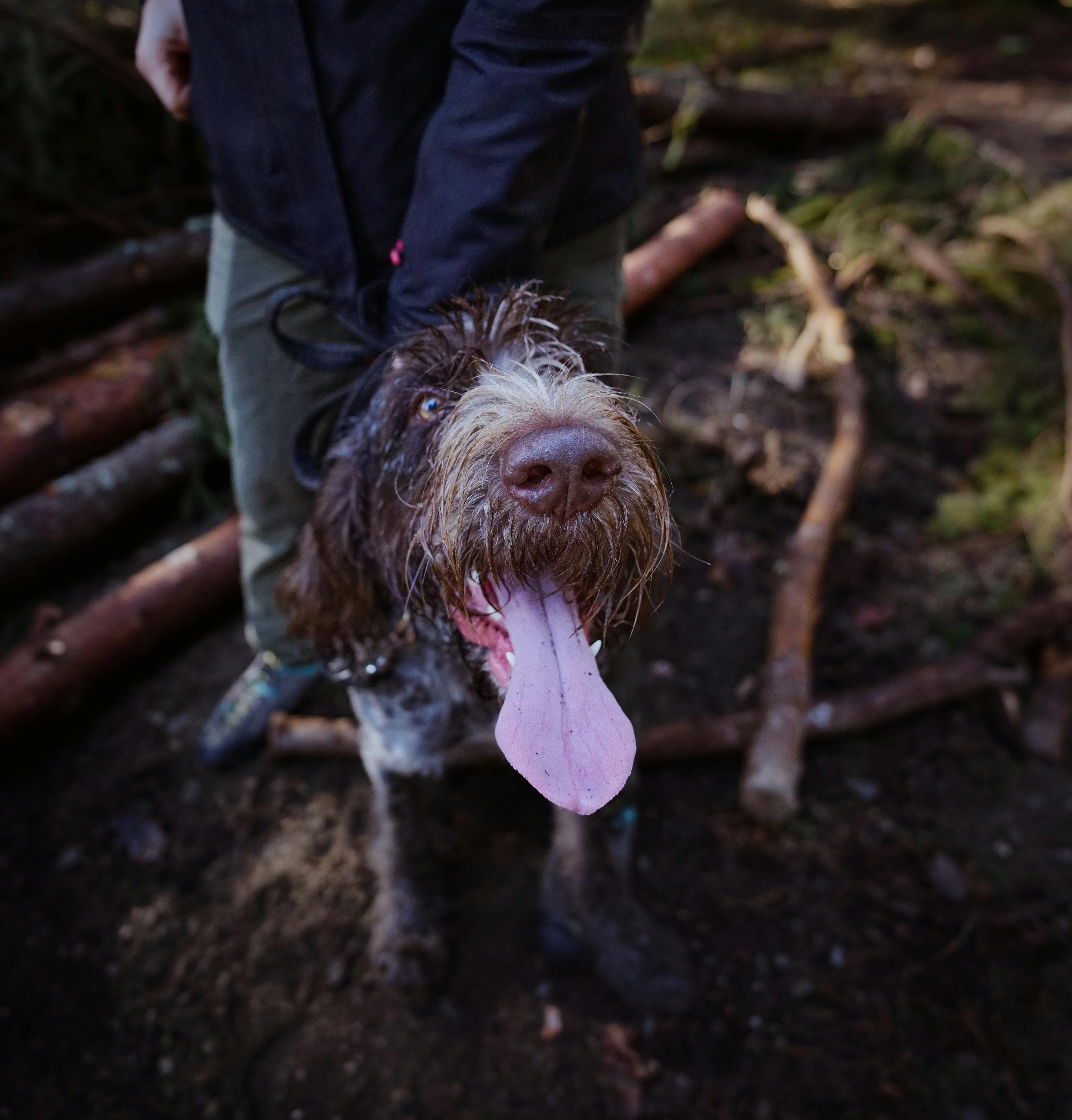
Are wet noses a sign of happiness in dogs? This is a question that many dog owners ponder. If you've ever wondered why your furry friend’s nose is often moist, you're not alone. In fact, there is a lot more to wet noses than just being a sign of joy. Let’s explore the fascinating truth behind why dogs have wet noses, and what it means for their well-being.
Why Do Dogs Have Wet Noses?
Dogs noses are wet for several reasons, and it’s not just because they feel happy. Here are some key points to consider:
Temperature Regulation: Dogs don’t sweat like humans do. Their primary way of regulating body temperature is through panting and their noses. A wet nose helps cool down their body.
Enhanced Smell: Dogs have a superior sense of smell, and a wet nose actually helps them smell better. The moisture on the nose traps scent particles, which makes it easier for dogs to pick up on different smells.
Natural Moisture: The nose secretes mucus that keeps it moist. This natural moisture is essential for scent detection and overall health.
Health Indicators: A dog’s nose can indicate their health status. A dry, cracked nose might signify dehydration or illness, while a wet nose is generally considered a sign of good health.
Historical Context of Dog Noses
Dogs have been companions to humans for thousands of years. The evolution of their noses is quite remarkable. Historically, dogs were bred for specific purposes, many of which relied on their sense of smell. For example, hunting breeds developed wet noses to help track scents better during the hunt.
Hunting Dogs: Breeds like Bloodhounds and Beagles have wet noses to help them pick up trails.
Working Dogs: Dogs used in search and rescue operations also rely on their moist noses to detect scents from missing persons.
Are Wet Noses a Sign of Happiness?
So, let’s tackle the big question: Are wet noses really a sign that your dog is happy? Well, not exactly. While a wet nose can indicate that your dog is healthy, it doesn’t necessarily correlate with happiness. Here are some signs that indicate happiness in dogs:
Wagging Tail: A wagging tail, especially if it’s loose and moving side to side, usually indicates a happy dog.
Playful Behavior: Engaging in play, whether it's chasing a ball or wrestling with you, shows joy.
Relaxed Body Language: A dog that’s happy will have a relaxed posture, soft eyes, and an open mouth.
Affectionate Actions: Dogs that nuzzle, lick, or cuddle are often expressing their happiness and affection.
Wet Noses vs. Dry Noses: What’s the Difference?
It’s important to note the difference between a wet nose and a dry nose when assessing your dog’s health. Here’s a quick comparison:
| Wet Nose | Dry Nose |
|---|---|
| Generally healthy | Might indicate dehydration or illness |
| Helps with scent detection | May also result from environmental factors |
| Can be a sign of excitement | Not necessarily a sign of distress |
Practical Tips for Dog Owners
If you’re a dog owner, you might wonder how to ensure your dog maintains a healthy nose. Here are some practical tips:
Hydration: Always provide fresh water. Dehydration can lead to a dry nose.
Regular Vet Checkups: Ensure your dog gets regular health checkups to catch any potential issues early.
Watch for Changes: Monitor your dog's nose for significant changes in moisture levels or texture, as these could indicate health problems.
Grooming: Regular grooming can help maintain overall skin and nose health.
Final Thoughts
In the world of dogs, their wet noses serve multiple purposes, from temperature regulation to enhancing their remarkable sense of smell. While it’s easy to associate a wet nose with happiness, it’s not the only indicator of your dog’s well-being. Understanding what a wet nose signifies can help you take better care of your furry friend. Always pay attention to your dog’s behavior and health, and consult with a veterinarian if something seems off. After all, your dog’s happiness is ultimately connected to their overall health and well-being.
How to Keep Your Dog’s Nose Healthy and Hydrated: Tips for Pet Owners
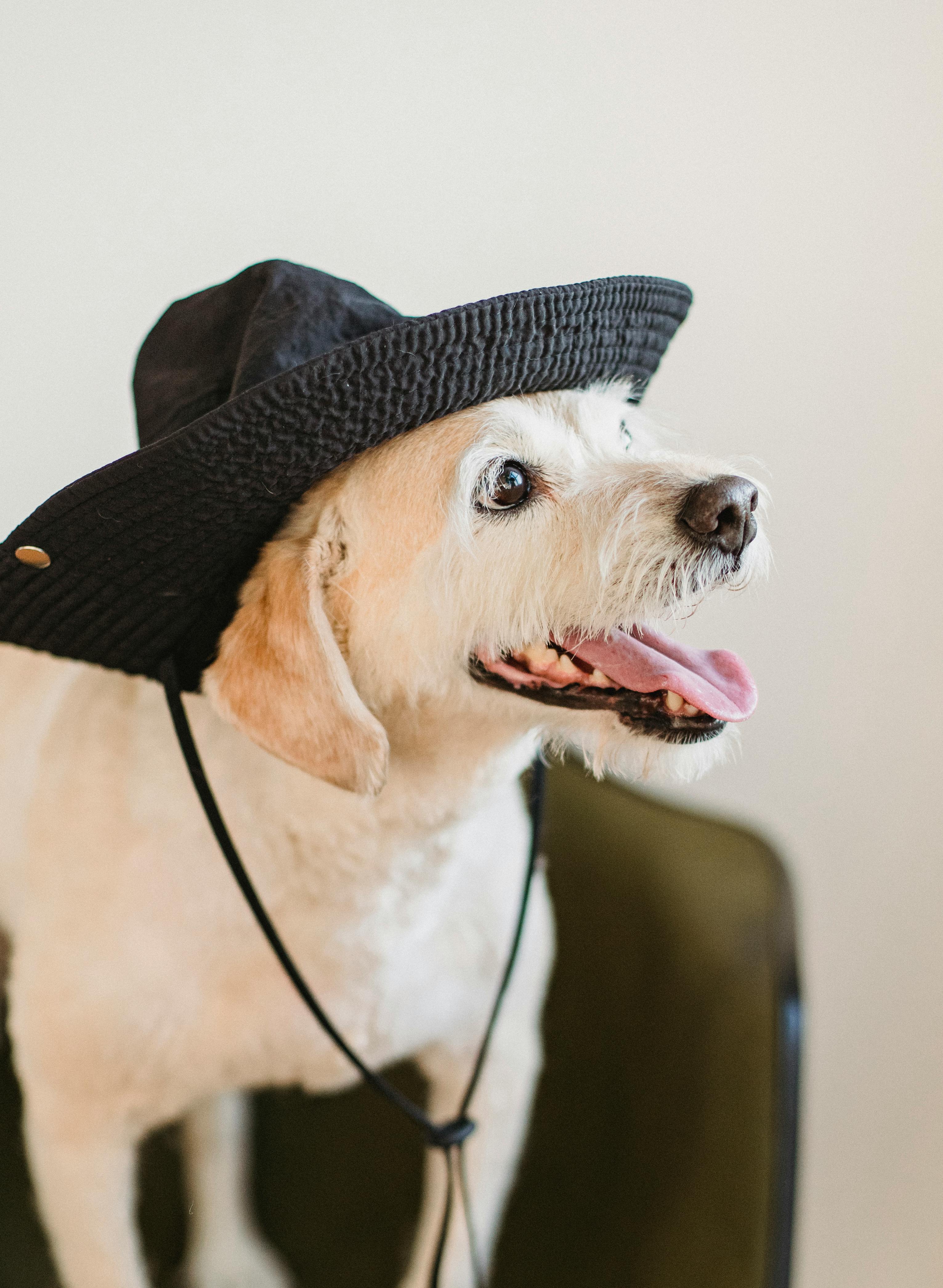
Every dog owner wonders about their furry friend’s health, and one of the most noticeable features of a dog is its nose. Many people ask, "Why do dogs have wet noses?" and the answer is more interesting than you might think. A wet nose is not just a cute feature; it plays a big role in how dogs interact with the world around them. Understanding how to keep your dog’s nose healthy and hydrated is crucial for their overall well-being.
Why Do Dogs Have Wet Noses?
A dog's nose is typically wet due to a thin layer of mucus that helps them smell better. Dogs have an incredible sense of smell — about 10,000 to 100,000 times more acute than humans. This wetness helps to capture scent particles in the air, making it easier for them to detect odors. Here are some fascinating facts about dog noses:
- Scent Detection: The wetness on a dog’s nose helps trap scent particles, allowing them to sniff out smells more efficiently.
- Temperature Regulation: Dogs also use their noses to regulate body temperature. The moisture evaporates and cools them down.
- Health Indicator: A wet nose is often seen as a sign of good health, but it’s not always the case. A dry or cracked nose could indicate dehydration or illness.
Keeping Your Dog’s Nose Healthy and Hydrated
Just like any part of their body, a dog’s nose needs proper care. Keeping it healthy and hydrated can prevent issues such as dryness, cracking, or infections. Here are some tips for pet owners:
- Hydration is Key: Make sure your dog has access to fresh water all day. Dehydration can lead to a dry nose.
- Regular Vet Check-ups: Regular veterinary visits can help catch any potential health issues early. Your vet can provide guidance specific to your dog’s needs.
- Avoid Harsh Chemicals: If you clean your house with strong chemicals, make sure your dog doesn’t come into contact with them. Some chemicals can irritate their nose.
- Use Nose Balm: There are specially formulated balms available to keep your dog’s nose moisturized. Look for natural ingredients that are safe for pets.
- Watch the Weather: In hot or cold weather, your dog’s nose may need extra care. Protect it from extreme temperatures.
Signs of an Unhealthy Nose
It’s important to recognize when something is off with your dog’s nose. Here’s a quick checklist of signs that may indicate a problem:
- Dryness: A nose that is excessively dry or cracked.
- Discoloration: Changes in color can indicate health issues.
- Bleeding: Any signs of bleeding should be addressed immediately.
- Swelling: Swollen noses can be a sign of infection or injury.
Common Nose Issues and Solutions
Here’s a table of common nose issues along with their possible solutions:
| Issue | Symptoms | Possible Solutions |
|---|---|---|
| Dry Nose | Cracking, flaking | Use nose balm, ensure hydration |
| Nasal Infections | Discharge, swelling | Consult vet for treatment |
| Allergies | Itching, redness | Identify allergens, use meds |
| Sunburn | Redness, peeling skin | Use sunscreen designed for dogs |
Fun Facts About Dog Noses
- Unique Prints: Just like human fingerprints, each dog’s nose print is unique and can be used for identification.
- Nose Temperature: The temperature of a dog's nose can vary throughout the day; it is not always an accurate indicator of their health.
- Scent Memory: Dogs can remember scents for years, which is why they often get excited when they smell familiar things.
Keeping your dog’s nose healthy and hydrated is more than just a cosmetic concern; it plays a vital role in their overall health. With proper care and attention, you can ensure that your pup’s nose remains a healthy, functioning part of their remarkable sense of smell. Remember to observe changes and consult your vet if anything seems off. Your dog’s nose is not just cute; it’s an essential tool for their well-being!
Conclusion
In summary, the wet noses of dogs serve several crucial functions that contribute to their overall health and well-being. The moisture on a dog’s nose enhances their sense of smell, allowing them to detect scents more effectively, which is vital for their communication and survival. Additionally, the dampness helps with thermoregulation, cooling the dog down through evaporation. The wetness can also indicate a healthy state, as it reflects proper hydration and bodily functions. Understanding the reasons behind this unique characteristic not only deepens our appreciation for our canine companions but also highlights the importance of regular veterinary check-ups to ensure their continued health. So, the next time you give your pup a loving pat on the head, take a moment to appreciate their wet nose and the fascinating biology behind it—maybe even share this newfound knowledge with fellow dog lovers!