
Have you ever wondered, why do dogs have wet noses? This intriguing question has puzzled many dog lovers and pet owners alike. The truth behind those damp, cold noses is more than just a charming quirk of our furry friends. In fact, understanding the science of dog noses can reveal fascinating insights into their health and behavior. Did you know that a dog’s nose is not only a tool for smelling but also plays a crucial role in thermoregulation? Yes, wet noses help dogs cool down, and this is just one of the many reasons why they are so unique! Plus, the moisture on a dog’s nose can enhance their sense of smell, making them incredibly adept at sniffing out scents. So, if you’re curious about the connection between dog nose moisture and their well-being, you’re in for a treat! In this article, we will explore the reasons behind those wet noses and uncover the secrets that every dog owner should know. Join us in discovering this fascinating truth about our canine companions – you might just be surprised at what you learn!
The Science Behind Your Dog’s Wet Nose: What It Really Means for Their Health

Have you ever noticed your dog’s cold, wet nose and wondered why it feels like that? It’s a common thought among dog owners, and while it might just seem like a cute quirk, there’s actually a whole lot of science behind it! Dogs noses are not just wet for show; they serve a crucial role in their health and well-being. So let’s dive into the fascinating truth about why do dogs have wet noses and what it really means for their health.
The Basics of a Dog’s Nose
To understand why dogs have wet noses, we gotta know a little about how their noses work. A dog’s nose is not only a sense organ, but it also has a significant impact on their overall health. The moisture on their noses is primarily due to a mix of sweat and mucus. This moisture helps dogs to smell better, as scent molecules stick to the wet surface, making it easier for them to detect various odors.
Key Functions of a Dog’s Wet Nose:
- Enhanced Smell: The wetness captures scent molecules, helping dogs to discern different smells more effectively.
- Temperature Regulation: Dogs also sweat through their noses, which helps to cool them down when they get overheated.
- Health Indicator: A dog’s nose can also indicate health issues. If it’s excessively dry or cracked, it may be a sign of dehydration or illness.
The Evolutionary Perspective
Dogs, being descendants of wolves, have evolved to have wet noses over thousands of years. In the wild, having a moist nose could help them hunt and survive. The wetness aids in their sense of smell, allowing them to track prey more efficiently. This evolutionary trait continues to benefit domestic dogs today, even if their hunting days are mostly behind them.
Why Do Dogs Have Wet Noses? The Science Behind It
The science behind why dogs have wet noses goes beyond just smell. Here are some interesting facts:
- Nasal Glands: Dogs have specialized glands in their noses that produce mucus. This mucus keeps their noses moist and helps them smell better.
- Thermal Regulation: The moisture on the nose can also help regulate a dog’s body temperature. When they pant, the evaporation of moisture from their noses and mouths helps cool them down.
- Health Monitoring: Veterinarians often check the moisture of a dog’s nose during exams. Abnormal changes can signal health problems.
Common Myths About Dog Noses
There are many myths that circulate about dog noses. Let’s debunk a few:
- Myth: A cold, wet nose means a dog is healthy.
- Truth: While a moist nose can indicate health, it’s not a definitive sign.
- Myth: A dry nose means illness.
- Truth: Dogs can have dry noses for many reasons, including weather changes or even just waking up from a nap.
Practical Examples of Nose Health
Keeping an eye on your dog’s nose can be an important part of responsible pet ownership. Here are some things to watch for:
- Changes in Texture: A sudden change from wet to dry or vice versa could indicate an issue.
- Cracking or Peeling: This might suggest dehydration or a skin condition.
- Discharge: If there’s unusual discharge, it could be a sign of infection or allergies.
How to Care for Your Dog’s Nose
Caring for your dog’s nose is relatively simple. Here’s a quick list of tips:
- Hydration: Ensure your dog has access to fresh water. Dehydration can lead to a dry nose.
- Humid Environment: If you live in a dry climate, consider using a humidifier in your home.
- Regular Vet Check-Ups: Routine veterinary visits can help catch any potential health issues early.
Conclusion
The wet nose of a dog is more than just a cute characteristic; it’s an essential part of their biology that plays a significant role in their health and abilities. Understanding the reasons why do dogs have wet noses helps us appreciate our furry friends even more and ensures we take good care of them. So, next time you give your pup a scratch behind the ears and feel that wet nose, remember, it’s all part of the fascinating science that makes them who they are!
Top 5 Reasons Why Dogs Have Wet Noses: A Deep Dive into Canine Physiology
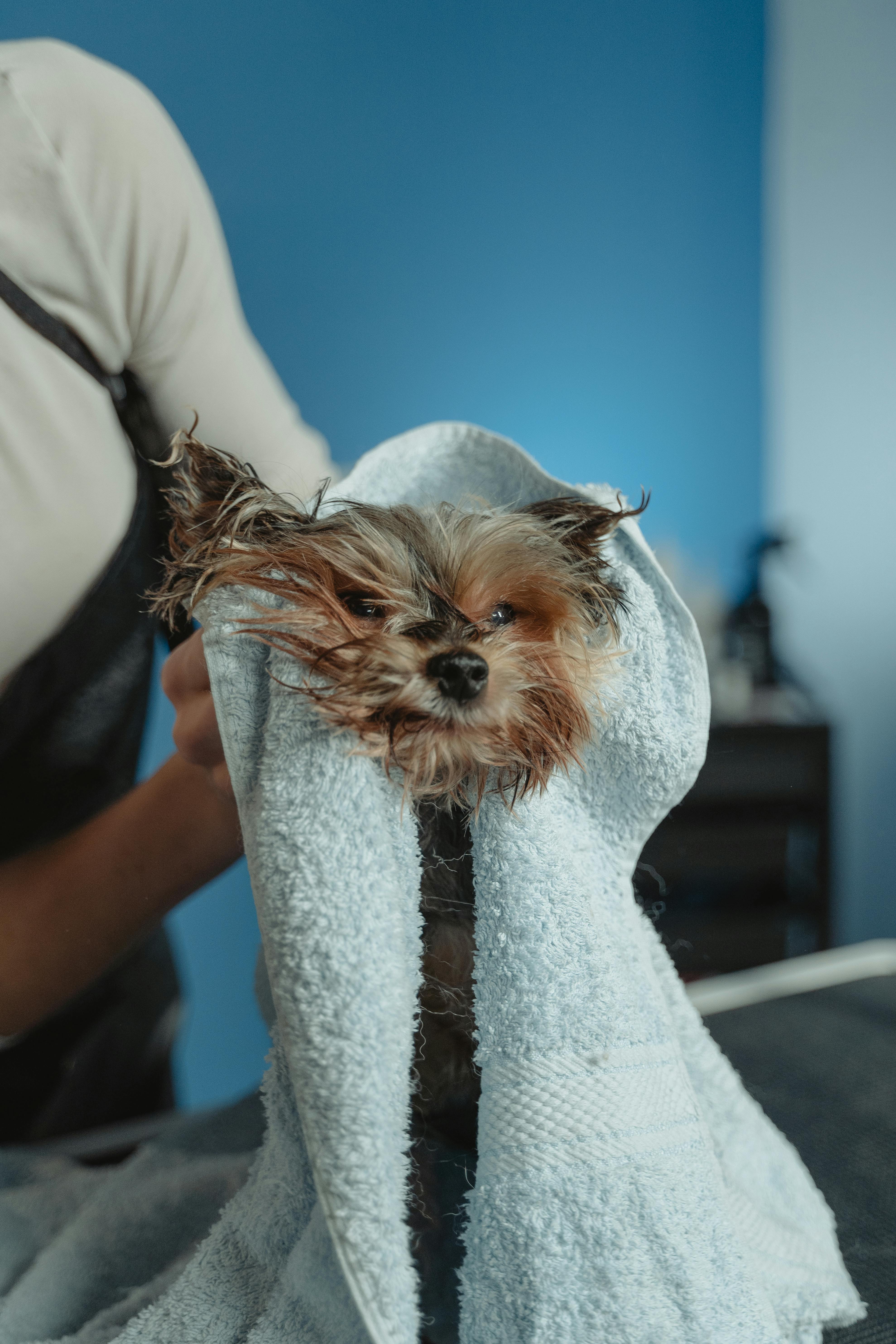
Have you ever wondered why do dogs have wet noses? It’s one of those quirky features that make our furry friends so endearing. But there’s a lot more going on behind those moist little noses than just cuteness. The truth is, wet noses serve several important purposes in canine physiology. Let’s take a closer look at the top five reasons why dogs have wet noses.
1. Enhanced Sense of Smell
Dogs are known for their incredible sense of smell, which is significantly stronger than that of humans. A wet nose actually plays a crucial role in this. The moisture on a dog’s nose helps to capture scent particles more effectively. When a dog sniffs, the wet surface collects odors, allowing the olfactory receptors in their nasal cavity to process these scents better.
- Dogs have up to 300 million olfactory receptors compared to humans’ 5 million.
- The moisture on their nose helps to dissolve scent particles, making them easier to detect.
2. Temperature Regulation
Another fascinating function of a dog’s wet nose is its role in regulating body temperature. Dogs do not sweat like humans do. Instead, they cool down primarily through panting, but their noses also help. When a dog’s nose is wet, it helps to dissipate heat.
- Moisture evaporates from the nose surface, cooling the blood vessels located there.
- This means a wet nose can help keep your dog cool during hot weather.
3. Hydration Indicator
A wet nose can serve as an indicator of a dog’s hydration level. If a dog’s nose becomes dry and cracked, it might be a sign that they need water or that they are not feeling well. However, it’s important to note that a wet nose doesn’t always mean a dog is healthy, and a dry nose doesn’t automatically indicate illness.
- A healthy dog typically has a moist nose.
- Monitoring the moisture of a dog’s nose can be a simple way to check on their wellbeing.
4. Communication Tool
Dogs use their noses to communicate with each other and with humans. The wetness of a dog’s nose aids in picking up pheromones and other scent markers left by other animals. This helps them gather important information about their environment and other dogs they encounter.
- Dogs often sniff each other’s noses as a form of greeting.
- Understanding scent communication can help you better interpret your dog’s behavior.
5. Protection from Environmental Factors
The surface of a dog’s nose is not just about appearance – it’s also protective. A moist nose can help to trap dust, pollen, and other particles, thus preventing them from entering the nasal passages. This natural filtration system is crucial for keeping a dog’s respiratory system healthy.
- Dogs with dry noses may be more susceptible to irritants.
- Keeping a dog’s nose healthy is important for their overall respiratory health.
Interesting Facts About Dogs’ Noses
- The shape and size of a dog’s nose can vary widely among breeds, affecting their sense of smell.
- Dogs’ noses are also a unique identifier, similar to human fingerprints.
- Some breeds, like Bloodhounds, have noses that are especially adapted for tracking scents.
Summary of Canine Nose Functions
Here’s a simple table summarizing the key functions of a dog’s wet nose:
| Function | Description |
|---|---|
| Sense of Smell | Captures scent particles for better detection |
| Temperature Regulation | Evaporates moisture to cool the dog down |
| Hydration Indicator | Indicates hydration levels |
| Communication Tool | Helps in gathering information via scents |
| Environmental Protection | Filters out dust and irritants |
Understanding why do dogs have wet noses can enhance our appreciation of these wonderful creatures. It’s more than mere physiology; it’s a blend of biology, communication, and health. So, next time you see your dog’s adorable, wet nose, remember all the amazing things it does for them! Each little detail of their anatomy serves a purpose, reminding us why dogs are such fascinating companions.
Why Do Dogs Have Wet Noses? Unveiling the Secrets of Canine Scent Detection
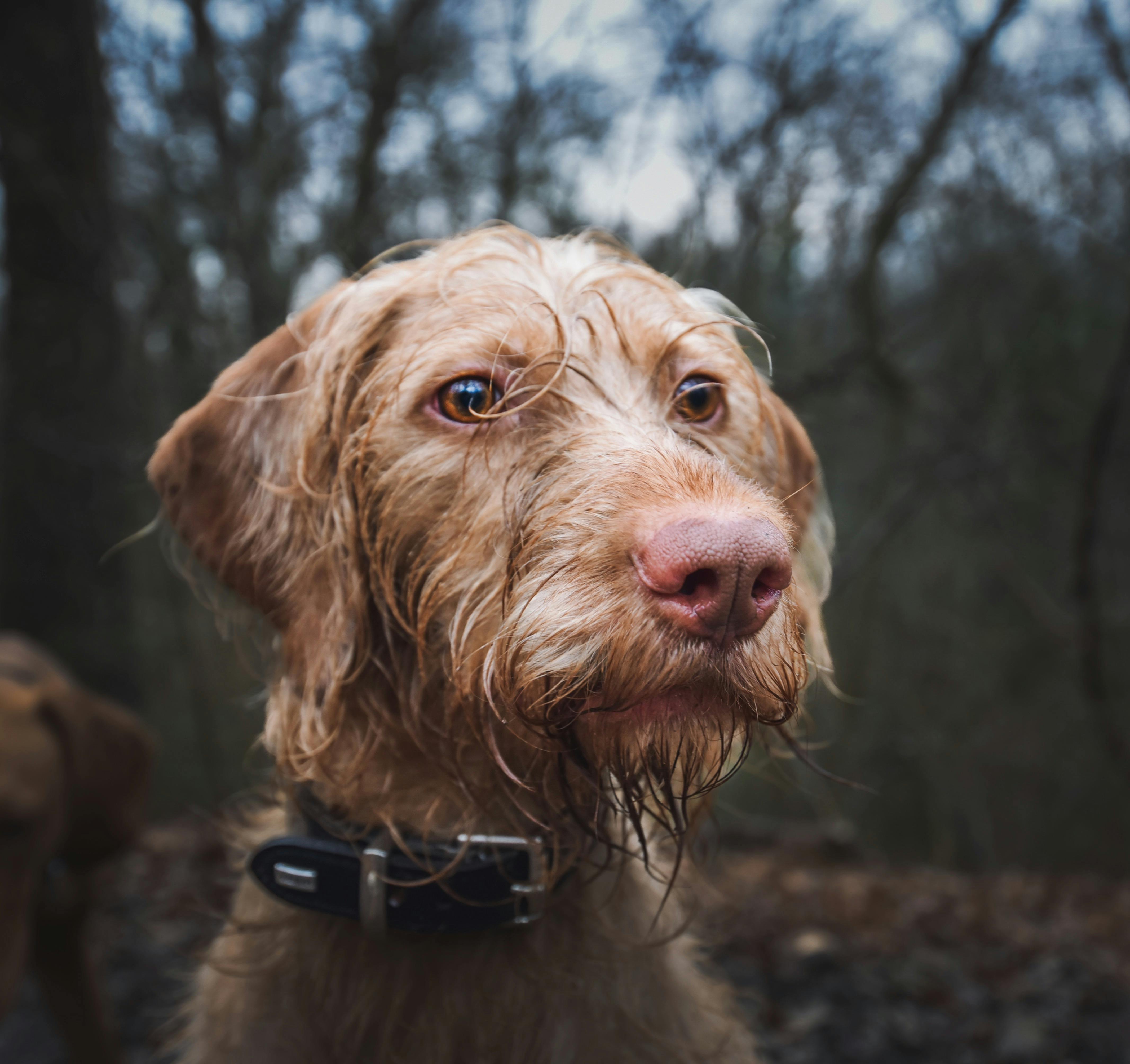
Dogs are amazing creatures, and one of the most interesting things about them is their wet noses. You might have asked yourself, “Why do dogs have wet noses?” Well, this question leads us down a fascinating path into the world of canine scent detection. It isn’t just a quirky feature of our furry friends, but a crucial part of how they interact with the world around them. Let’s dive into the science and history behind those adorable, cold, and damp noses.
The Science Behind Wet Noses
Dogs have wet noses for several reasons, and it all ties back to their sense of smell. A dog’s nose is not just for show; it’s an incredible tool for detecting scents. Here’s why a wet nose is beneficial:
- Enhanced Scent Detection: The moisture on a dog’s nose helps to capture scent particles from the air. When their noses are wet, they can absorb more odors, which helps them identify smells better.
- Temperature Regulation: Dogs don’t sweat like humans do. Their noses aid in regulating body temperature, especially when they pant. A wet nose can also help cool them down.
- Communication Tool: Dogs use their noses to gather information about their environment and other animals. A wet nose might indicate a dog’s health status, as a dry nose can sometimes be a sign of illness.
A Historical Look at Dogs and Their Noses
Dogs have been our companions for thousands of years, and they’ve evolved alongside humans. Early humans relied on dogs for hunting and protection, and their keen sense of smell was invaluable. Here’s a brief history of how dogs developed their scent detection abilities:
- Domestication of Dogs: It’s believed that dogs were domesticated between 20,000 to 40,000 years ago. As they began living with humans, their ability to smell became more refined.
- Breeding for Smell: Over the years, specific breeds were developed for particular tasks, such as hunting, herding, or even search and rescue. Breeds like Bloodhounds and Beagles are renowned for their exceptional olfactory capabilities.
- Scientific Studies: Research indicates that dogs have approximately 220 million scent receptors in their noses compared to a human’s 5 million. This vast difference is why dogs can detect certain scents at incredibly low concentrations.
Canine Nose Facts
Here are some interesting facts about dogs’ noses that you might not know:
- Dogs can distinguish between different odors and can even identify individual scents within a complex mixture.
- A wet nose can absorb scent particles better than a dry one, which is why you might notice your dog sniffing around after a rainstorm.
- Dogs’ noses can detect certain medical conditions, such as diabetes or cancer, based solely on the smell of a person’s breath or skin.
The Role of a Dog’s Nose in Everyday Life
Dogs are often used in various fields due to their incredible sense of smell. Here are some practical examples of how dogs’ noses are utilized:
- Search and Rescue: Dogs are trained to find missing persons in disaster zones or wilderness areas. Their noses help locate people buried under rubble or lost in the woods.
- Detection of Substances: Many law enforcement agencies use dogs to sniff out drugs, explosives, and even currency. They can often detect these items better than any machine.
- Therapy and Support: Some service dogs are trained to detect changes in their owner’s health, like alerting them to an upcoming seizure or drop in blood sugar.
Comparison of Dog Breeds and Their Smell Abilities
Different dog breeds have varying capabilities when it comes to scent detection. Here’s a quick comparison of some popular breeds known for their remarkable noses:
- Bloodhound: Known for their tracking ability; they can follow a scent trail for miles.
- Beagle: Excellent at detecting scents; often used in airports for drug detection.
- German Shepherd: Frequently used by police and military for their strong sense of smell and intelligence.
Conclusion
In summary, the reason why dogs have wet noses is rooted deeply in their biology and history. Their noses are not just adorable; they are essential tools for understanding their environment and communicating with us. So next time you feel your dog’s cold, wet nose against your hand, remember that it’s not just a sign of affection—it’s also a powerful instrument that connects them to the world around them. Whether they are tracking a scent, cooling off, or simply saying hello, those wet noses hold a wealth of secrets waiting to be explored.
The Fascinating Role of Moisture: How Wet Noses Help Dogs Communicate

Have you ever wondered why do dogs have wet noses? It’s a question that many pet owners ask, and the answer is as fascinating as it is practical. From enhancing their sense of smell to helping them communicate, wet noses are an essential feature of our furry friends. Let’s dive into the intriguing world of canine noses and discover the truth behind their moisture.
The Science Behind Wet Noses
So, why do dogs have wet noses? The simple answer is that a wet nose helps dogs to smell better. Dogs have an extraordinary sense of smell, estimated to be between 10,000 to 100,000 times more sensitive than humans. When a dog’s nose is moist, it helps to capture scent particles from the air. This moisture is critical for their olfactory receptors to function properly.
- Dogs actually have a special layer of cells in their noses called the olfactory epithelium, which is vital for detecting odors.
- The wetness on their noses is produced by mucous glands and helps to dissolve scent chemicals, making them easier to smell.
Historical Context of Dog Noses
It’s not just about the science, though. Historically, dogs have been bred for specific traits, including their sense of smell. Breeds like Bloodhounds and Beagles have been specifically developed to hunt and track, and their wet noses play a big role in these abilities.
- Different breeds have different nose shapes and sizes, which can affect how well they smell.
- Dogs like Greyhounds have narrow noses, while breeds like Bulldogs have more compact noses.
Communication Through Wet Noses
Did you know that a dog’s wet nose can also communicate their emotions? Dogs use their noses in many ways to express themselves, and moisture levels can play a role in that.
- A dog may nuzzle you with a wet nose when they’re feeling affectionate.
- If a dog’s nose is dry, it might indicate that they are stressed or unwell, although this is not always the case.
Why Your Dog’s Nose Might Be Dry
Sometimes, dog owners notice their pets’ noses are dry. It could be due to various reasons:
- Dehydration: If your dog isn’t drinking enough water, their nose may lose moisture.
- Weather Conditions: Hot or windy weather can lead to a dry nose.
- Illness: Certain health issues can affect the moisture of a dog’s nose.
Fun Facts About Dog Noses
- Dogs have about 300 million smell receptors in their noses, compared to about 5 million in humans.
- The shape and size of a dog’s nose can tell you a lot about their personality and breed traits.
- The unique pattern on a dog’s nose is similar to a human fingerprint, making it one-of-a-kind.
Caring for Your Dog’s Nose
It’s important to keep an eye on your dog’s nose. Here’s a quick list of tips for maintaining their nose health:
- Hydration: Always ensure your dog has access to fresh water.
- Humidity: If you live in a dry climate, consider using a humidifier to help keep your dog comfortable.
- Vet Visits: Regular check-ups can help detect any underlying health issues.
Comparing Dog Noses and Human Noses
While human noses serve a different purpose, there are interesting comparisons to make:
| Feature | Human Nose | Dog Nose |
|---|---|---|
| Moisture Level | Generally dry | Often wet |
| Smell Receptors | About 5 million | 300 million |
| Functionality | Breathing and tasting | Primary sense of smell |
| Communication | Limited | Expressive through touch |
Practical Examples of Dog Communication
Dogs communicate through various means, and their noses play a significant role. Here are some examples:
- Nudging with a wet nose: This is often a sign of affection or a way to get your attention.
- Sniffing: When dogs sniff other dogs or objects, they are gathering information about their environment.
The moisture of a dog’s nose is not just a quirky trait but serves multiple crucial functions. From enhancing their smelling capabilities to facilitating communication, wet noses hold a remarkable importance in a dog’s life. Next time you ask yourself, “Why do dogs have wet noses?” remember that these moist marvels are central to how our furry companions interact with the world.
Curious Canines: 7 Surprising Facts About Dogs and Their Wet Noses
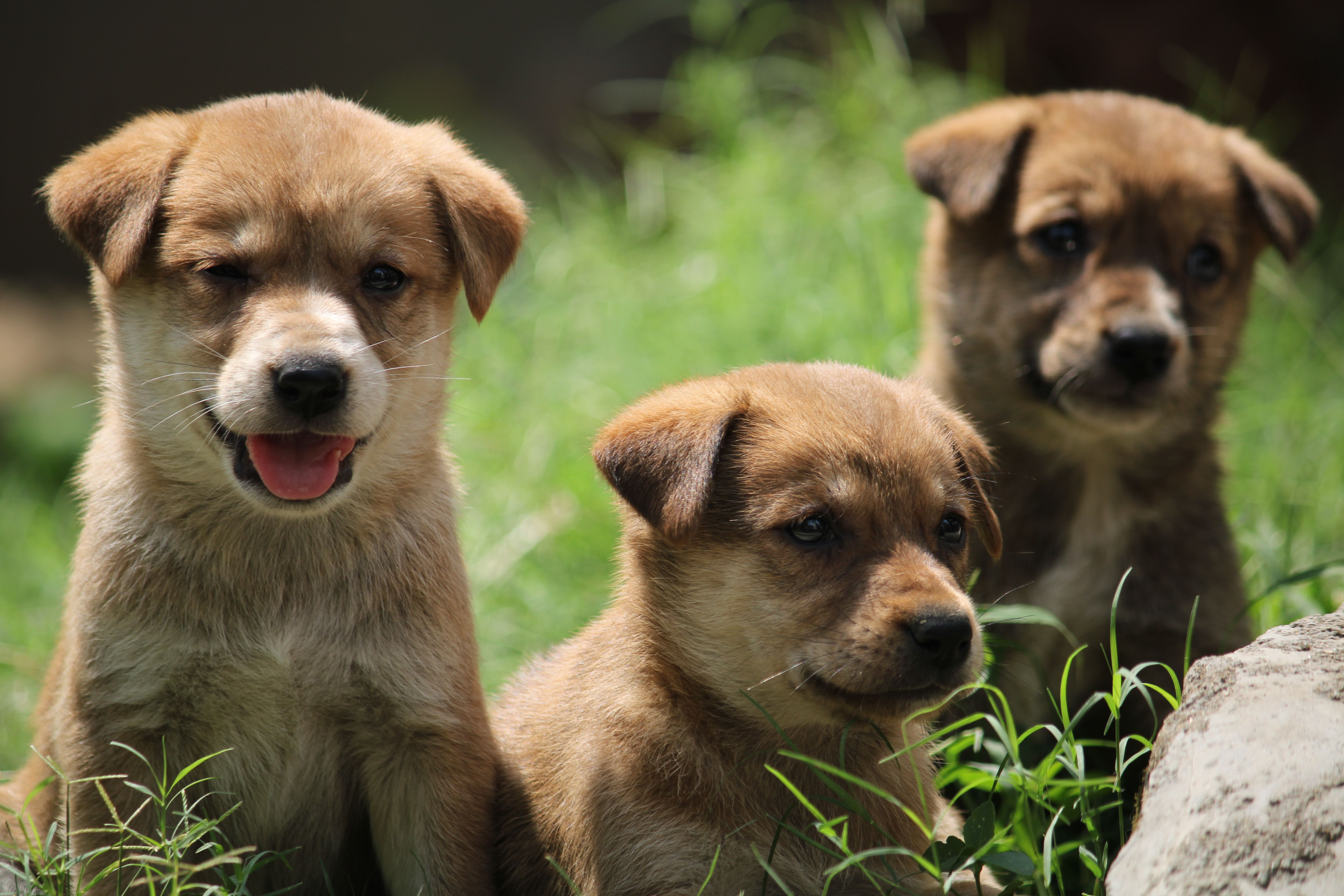
Dogs have long been our loyal companions, and their wet noses are just one of the many intriguing features that make them so special. Have you ever wondered, why do dogs have wet noses? The answer to this question goes beyond simple curiosity. There are surprising facts that reveal the unique biology of our canine friends. Here are seven fascinating insights into the world of dogs and their wet noses.
1. A Natural Cooling Mechanism
Dogs don’t sweat like humans do, they rely on their noses to help regulate their body temperature. The moisture on their noses evaporates and cools off their bodies. This is crucial, especially during warm weather. So, if you see your dog with a particularly wet nose, it may just be trying to cool down!
2. Enhanced Sense of Smell
Have you ever hear that dogs have an incredible sense of smell? Well, it’s true! A dog’s nose is covered with a thin layer of mucus which helps to absorb scent particles in the air. This moist environment allows them to detect smells more effectively. Studies show that dogs can differentiate between numerous scents, making them excellent at tasks like tracking and search-and-rescue.
3. The Importance of Hydration
Moist noses can also be an indicator of a dog’s hydration levels. A healthy dog usually has a wet and cool nose. If a dog’s nose is dry or cracked, it may indicate dehydration or illness. It’s always good to keep an eye out for changes in your dog’s nose condition to ensure their health.
4. Dogs’ Noseprints Are Unique
Just like human fingerprints, each dog’s noseprint is unique! The patterns of ridges and creases on a dog’s nose can be used to identify them. This is something that some shelters and breeders have started to document, much like how we keep track of human fingerprints. Isn’t it amazing that your furry friend has their own personal ‘ID’?
5. The Social Aspect of Noses
Dogs often greet each other by sniffing noses. This behavior is part of their social interaction. Dogs communicate through scent, and their wet noses play a vital role in gathering information about one another. They can learn about other dogs’ age, sex, health, and even their mood from just a quick sniff!
6. Dogs and Their Wet Noses: A Historical Perspective
Historically, dogs have been known for their keen sense of smell and wet noses. Ancient civilizations, like the Egyptians, revered dogs for their hunting skills and companionship. The idea of a dog having a wet nose has been documented through various cultures, emphasizing their role in society and their connection to humans.
7. What If a Dog’s Nose Is Too Dry?
If you notice that your dog’s nose is excessively dry or warm, it could be a sign of health issues. Some common reasons for a dry nose include:
- Dehydration
- Allergies
- Fever
- Skin disorders
If these symptoms persist, it’s important to consult with a veterinarian to ensure your canine friend stays happy and healthy.
A Quick Comparison: Wet vs. Dry Noses
Here’s a simple table to illustrate the differences between wet and dry noses in dogs:
| Condition | Wet Nose | Dry Nose |
|---|---|---|
| Temperature | Cool to the touch | Warm |
| Health Indicator | Usually healthy | May indicate health issues |
| Hydration Level | Well-hydrated | Possible dehydration |
| Smell Absorption | Enhanced sense of smell | Diminished smell capabilities |
These facts about dogs and their noses offer a glimpse into their fascinating biology and behavior. As pet owners, understanding these characteristics can help us take better care of our furry companions. So next time you give your dog a scratch behind the ears, take a moment to appreciate their uniquely wet noses and all the wonders that come with them. It’s just one of the many things that make dogs not only curious canines but also cherished members of our families!
Wet Noses and Dog Behavior: Understanding Your Furry Friend’s Emotions
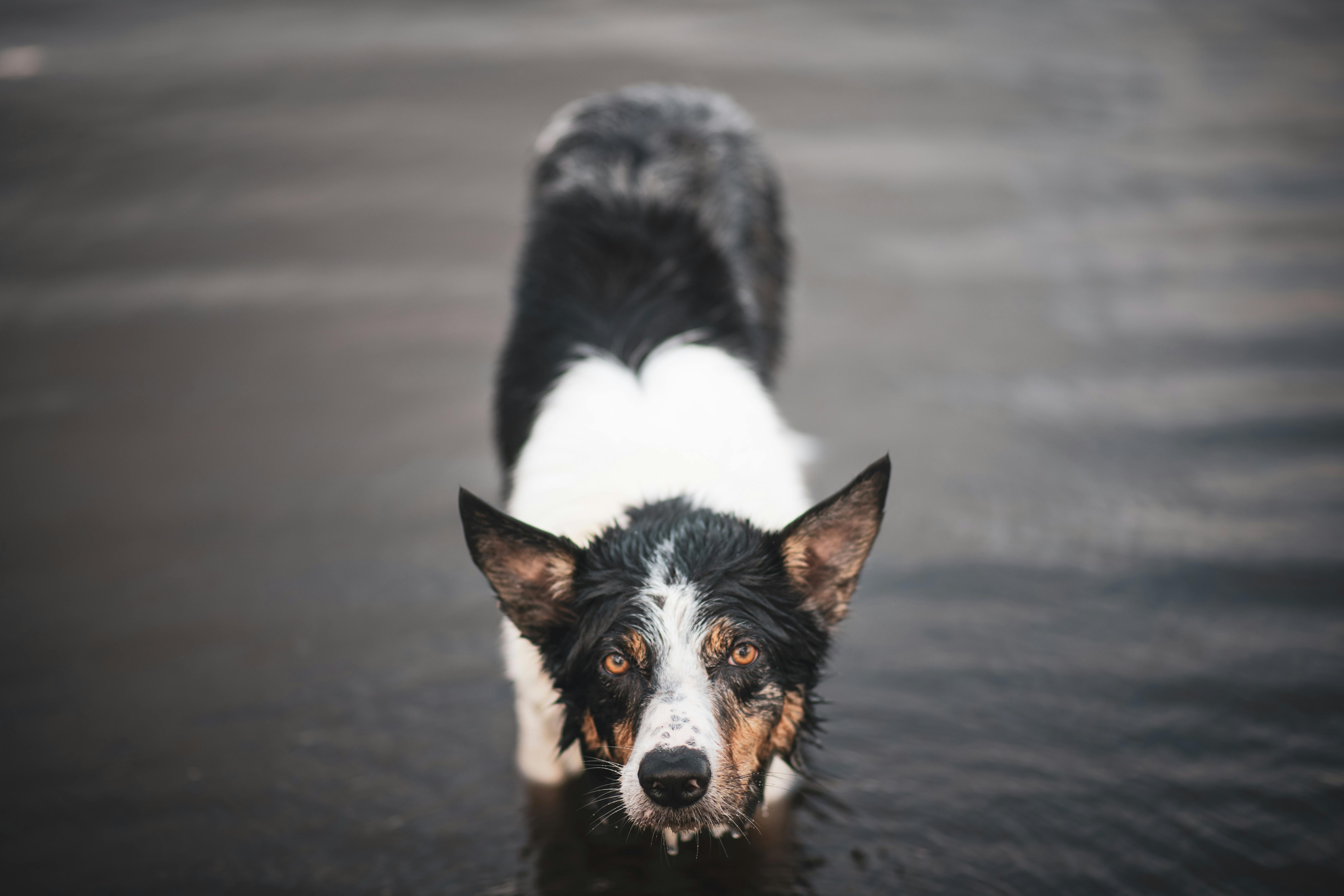
Wet noses and dog behavior is a topic that fascinates many dog owners. Have you ever wonder why your furry friend’s nose is often wet? It’s a common sight, but the reasons behind it is more than just a quirk of nature. Understanding your dog’s emotions through their nose can also give you insights into their overall health and behavior.
Why Do Dogs Have Wet Noses?
The wetness of a dog’s nose serves several important purposes. First of all, dogs has very sensitive nose, and moisture helps enhance their sense of smell. A wet nose captures scent molecules better than a dry one, making it easier for them to detect smells. This is why dogs are often used in search and rescue operations or as detection dogs.
Another reason is that a wet nose helps cool down a dog’s body. Dogs don’t sweat like humans do; instead, they regulate their body temperature through panting and the moisture on their noses. When the nose is moist, it can help to evaporate and cool them down, which is especially important on hot days.
Additionally, the mucus on a dog’s nose can help to trap dirt and other particles, keeping their noses clean and more effective in detecting scents. This mucus also contains antibodies that can help protect them from infections.
The Fascinating Truth About Dog Emotions
Dogs are complex creatures, and their emotions can be reflected in their behavior and physical traits, including their noses. A wet nose can indicate a dog that is alert and engaged with its environment. Conversely, a dry nose may suggest that a dog is unwell, stressed, or dehydrated.
Here are some common dog behaviors related to their noses:
- Excitement: A dog may have a wet nose when they are excited or playing. The moisture can be a sign that they are happy and engaged.
- Calmness: A dog resting comfortably may also have a moist nose, indicating they are relaxed and content.
- Health Issues: If a dog’s nose is excessively dry or cracked, it could be a sign of dehydration, illness, or even allergies. Observing changes in your dog’s nose can help you catch potential health issues early.
Historical Context
Historically, dogs have been valued for their keen sense of smell. Ancient civilizations, including the Egyptians and Greeks, recognized the importance of dogs in hunting and companionship. Dogs with wet noses were often seen as healthy and vigorous. The connection between a dog’s nose and overall health has persisted throughout history, making it a point of interest for dog owners and breeders alike.
Comparisons: Dogs vs. Other Animals
When comparing dogs to other animals, their wet noses stand out. For example:
- Cats: Generally, cats have drier noses. Their hunting techniques and behaviors differ significantly from dogs, and they don’t rely on their sense of smell in the same way.
- Rabbits: Like dogs, rabbits have moist noses that help them detect scents, but they also have a unique ability to sense danger using their sense of smell.
- Pigs: Pigs have very wet noses too, and they rely heavily on their sense of smell for foraging, similar to dogs.
Fun Facts About Dog Noses
- A dog’s nose print is unique, much like a human fingerprint.
- Dogs have up to 300 million olfactory receptors in their noses, compared to about 5 million in humans.
- Dogs can smell certain diseases, such as cancer or diabetes, through changes in a person’s scent.
- The wetness of a dog’s nose can vary by breed; for example, some brachycephalic breeds (like Bulldogs) may have drier noses due to their facial structure.
Practical Tips for Dog Owners
Taking care of your dog’s nose is important for their well-being. Here are some tips:
- Hydration: Ensure your dog has access to fresh water, especially during hot weather.
- Regular Check-Ups: Keep an eye on your dog’s nose for any changes in texture or moisture. If you notice excessive dryness or cracking, contact your veterinarian.
- Grooming: Regularly clean your dog’s face and nose area to remove dirt and debris that can accumulate.
Understanding your dog’s wet nose is just one piece of the puzzle when it comes to their behavior and emotions. By paying attention to these little details, you can improve the bond you share with your furry friend and ensure they are happy and healthy. So next time you see that familiar wet nose, remember, it’s not just a cute feature; it’s a vital part of what makes your dog who they are!
From Cool to Cozy: How Wet Noses Regulate Your Dog’s Body Temperature

Have you ever wonder why dogs have wet noses? It’s a question that many pet owners ask, and the answer is more interesting that you might think. Wet noses are not just a cute characteristic of our furry friends, they actually play an important role in their overall health and well-being. In this article, we’ll dive into how a dog’s wet nose helps regulate their body temperature and what makes it so fascinating.
The Science Behind Wet Noses
Dogs have wet noses due to a combination of factors. First, they have special glands in their nasal passages that secrete a thin layer of moisture. This moisture has several benefits:
Temperature Regulation: Just like humans sweat to cool down, dogs use their noses to help regulate their body temperature. When the moisture evaporates, it cools the nasal passages and helps lower the dog’s overall body temperature.
Enhanced Sense of Smell: A wet nose can enhance a dog’s sense of smell. The moisture helps trap scent particles, which allows dogs to detect and identify odors more efficiently. This is why dogs are often used in search and rescue operations.
Health Indicator: A wet nose can also be a sign of a healthy dog. If a dog’s nose is extremely dry, it could indicate dehydration or other health issues.
Dogs and Body Temperature Regulation
Dogs don’t sweat like humans do, they mainly rely on panting and their noses to manage body temperature. Here’s how it work:
Evaporation: The moisture on their noses evaporates, which cools the air they inhale. This is especially important during hot weather.
Humidity Levels: In high humidity, dogs might struggle to cool down since evaporation is less effective. This is why you might notice your dog panting more on humid days.
Breeds and Temperature: Different breeds have different abilities to regulate their body temperatures. For instance, brachycephalic breeds (like Bulldogs) tend to have more difficulty because of their short snouts.
Fun Facts About Dog Noses
Unique Patterns: Just like human fingerprints, each dog has a unique nose print. It can actually be used to identify them.
Temperature Sensitivity: A dog’s nose is sensitive to temperature changes in their environment, which can help them detect nearby animals or food.
Health Monitoring: Pet owners often use the condition of their dog’s nose as a way to monitor their health. A healthy dog’s nose is usually moist and cool, but if it’s warm and dry, it might be time to check with a vet.
What Causes a Dry Nose?
There are several reasons that can cause a dog’s nose to become dry, including:
Dehydration: Not drinking enough water can lead to a dry nose.
Weather Conditions: Hot or windy weather can dry out a dog’s nose.
Illness: Some illnesses can cause a change in the moisture levels of a dog’s nose, so it’s important to pay attention to other symptoms.
Comparing Nose Types
Here’s a quick comparison of different types of dog noses and their characteristics:
| Nose Type | Characteristics |
|---|---|
| Wet Nose | Cool, moist, indicates health, helps with smell |
| Dry Nose | Warm, dry, may indicate dehydration or illness |
| Cold, Wet Nose | Often seen in healthy, active dogs |
Practical Tips for Dog Owners
To help maintain your dog’s nose health, consider the following tips:
Hydration: Always ensure your dog has access to fresh water, especially on hot days.
Regular Vet Check-ups: Regular visits to the vet can help catch any health issues early.
Nose Balm: If you live in a particularly dry climate, consider using a nose balm to keep your dog’s nose moisturized.
Monitor Changes: Keep an eye on any changes in your dog’s nose condition. If it changes suddenly, consult your vet.
Understanding why do dogs have wet noses and their role in temperature regulation helps us appreciate our furry friends even more. Those little wet noses are not just adorable; they’re essential for a dog’s health and happiness. So next time you give your pup a pat, take a moment to admire that wet nose and all the wonders it does for your four-legged companion.
The Connection Between Wet Noses and Your Dog’s Sense of Smell: Why It Matters

Dogs are often called man’s best friend, and part of their charm lies in their unique characteristics. One of the most fascinating aspects is their wet noses. Have you ever wondered why do dogs have wet noses? It’s not just for cuteness, you know. There’s a significant connection between those damp snouts and their incredible sense of smell. In this article, we will explore the reasons behind this phenomenon and why it matters for both dogs and their owners.
The Science Behind Wet Noses
Dogs noses are wet for a couple of reasons. One of the main reasons is that their noses help them to smell better. When a dog has a wet nose, it’s more sensitive to odor molecules in the air. This is because moisture helps to capture these scent particles. So, it’s like having a superpower for sniffing! The wetness can enhance their ability to detect scents by increasing the surface area that is exposed to air.
Here’s a little breakdown of how this works:
- Moisture on the nose captures scent molecules.
- The olfactory receptors in a dog’s nose are much more numerous than in humans.
- Dogs have about 220 million olfactory receptors, compared to humans’ 5 million.
Why Do Dogs Have Wet Noses? A Historical Perspective
Historically, dogs have been bred for various purposes, including hunting, herding, and companionship. Each breed has its own unique characteristics, but wet noses are common among them all. The ancestors of modern dogs, wolves, relied heavily on their sense of smell for survival. A wet nose was essential for tracking prey and navigating their environment.
In ancient times, humans noticed this skill and began to domesticate dogs, leading to the development of various breeds with heightened olfactory capabilities. This evolution ensured that wet noses became a standard feature among dogs, as it played a crucial role in their ability to thrive and assist humans.
The Importance of a Wet Nose in Dogs
So, what does it mean if your dog has a dry nose? While it might not always indicate a problem, here are some facts to consider:
- Hydration: A dry nose could mean your dog is dehydrated. Make sure they are drinking enough water, especially in hot weather.
- Health Issues: Sometimes, a dry nose may be a sign of a health problem, such as allergies, fever or even infections.
- Normal Variation: Just like humans have different skin types, dogs’ noses can vary in wetness. Some dogs naturally have drier noses than others.
Fun Facts About Dog Noses
Let’s get into some interesting trivia about dog noses that many people don’t know:
- Temperature Regulation: A wet nose helps dogs cool off. When they lick their noses, the moisture evaporates and cools them down.
- Scent Discrimination: Dogs can differentiate between various odors. They can smell certain things, like drugs or even diseases, that humans cannot.
- Unique Patterns: Just like human fingerprints, no two dog noses are alike. The patterns of ridges and bumps on their noses are unique identifiers.
How to Care for Your Dog’s Nose
Keeping your dog’s nose healthy is important. Here are some tips:
- Stay Hydrated: Ensure your dog has access to clean, fresh water.
- Check Regularly: Look for any signs of cracks or dryness. Moisturizers designed for dogs can be used if necessary.
- Visit the Vet: Regular vet check-ups can catch any underlying issues early.
A Wet Nose is Not Just Cute
The connection between wet noses and your dog’s sense of smell is more than just an interesting fact. It plays a vital role in how dogs interact with the world around them. This unique adaptation allows them to be invaluable companions, whether they are service dogs, search and rescue dogs, or just your loyal pet.
Understanding why do dogs have wet noses helps to appreciate their remarkable abilities. It’s a reminder of the incredible bond shared between humans and dogs, built on trust and communication. So the next time you see your dog’s wet nose, remember that it’s not just an adorable feature—it’s a key to their extraordinary sense of smell and a significant part of what makes them such special companions.
Is a Wet Nose Always Healthy? What Every Dog Owner Should Know
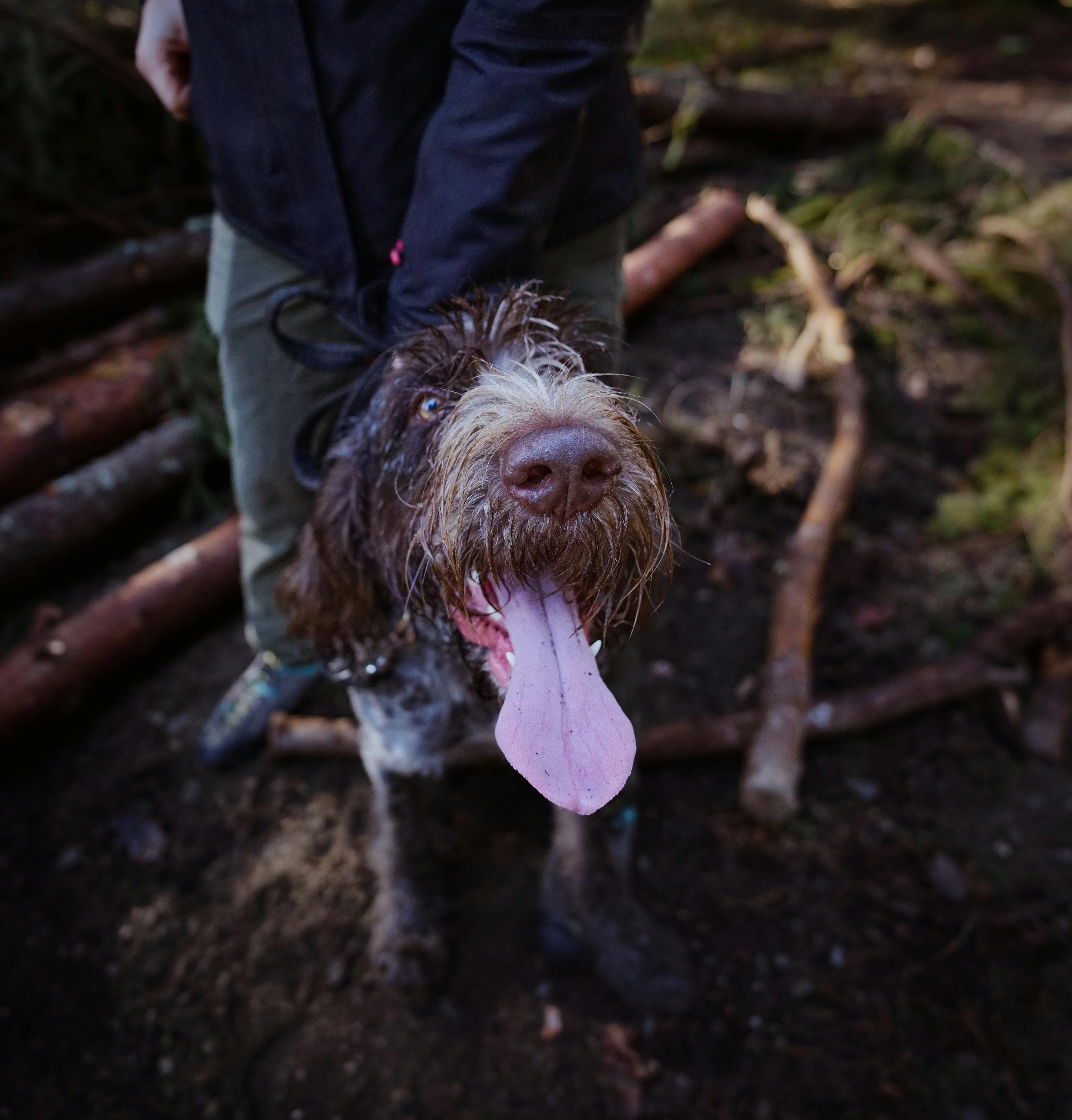
Is a Wet Nose Always Healthy? What Every Dog Owner Should Know, Why Do Dogs Have Wet Noses? Discover This Fascinating Truth!
When you think about dogs, one of the first things that comes to mind is their wet noses. But why do they have wet noses anyway? And is a wet nose always a sign of a healthy pup? These are questions that many dog owners ponder, and it’s important to understand the truth behind this common belief.
Why Do Dogs Have Wet Noses?
Dogs have wet noses for a variety of reasons, and it’s more than just an adorable trait. Here’s some interesting facts about your furry friend’s nose:
- Temperature Regulation: Dogs sweat through their noses and paws, but mainly through their noses. A wet nose helps to cool down their body temperature.
- Sense of Smell: The moisture on a dog’s nose helps to capture scent particles in the air, making their sense of smell even stronger. This is why dogs can sniff out a treat from so far away!
- Health Indicator: A wet nose is often seen as a sign of good health. However, it’s not the only indicator.
- Natural Behavior: Dogs naturally lick their noses, which keeps them moist. This is an instinctual behavior that has been passed down through generations.
Wet Nose vs. Dry Nose: What’s the Difference?
A wet nose is often associated with a healthy dog, but a dry nose doesn’t necessarily indicate illness. Here’s a quick comparison:
Wet Nose:
- Often cool to touch.
- Can indicate hydration and healthy temperature control.
- Typically seen in healthy dogs.
Dry Nose:
- Can be warm or cool.
- May indicate dehydration, but can also be normal depending on the dog’s activity level and environment.
- Not always a sign of sickness, especially if it’s not accompanied by other symptoms.
Common Myths About Dog Noses
There are many myths floating around about dog noses, and it’s important to separate fact from fiction. Here’s a list of common myths:
- A Wet Nose Means a Healthy Dog: While a wet nose can be a sign of good health, it’s not definitive. Other factors, like energy levels and appetite, are more telling.
- Dogs Can’t Get Sick if Their Nose is Wet: This is wrong. Dogs can still get sick regardless of their nose moisture level.
- Dogs’ Noses Should Always be Cold: Noses can vary in temperature. It’s normal for them to warm up after play or exercise.
What Should Dog Owners Look For?
As a dog owner, it’s essential to monitor your pet’s overall health, not just their nose. Here are some signs to watch for:
- Energy Levels: Is your dog lethargic or unusually tired?
- Appetite: Has there been a change in their eating habits?
- Behavior Changes: Any sudden changes in behavior could indicate health issues.
- Grooming Habits: Excessive licking or scratching can signal allergies or skin problems.
When to Consult a Vet
If you notice any of the following, it might be time to consult with a veterinarian:
- Persistent dry nose accompanied by lethargy or loss of appetite.
- A wet nose that suddenly becomes dry and warm.
- Any signs of distress, like whining, hide, or refusal to play.
- Unusual discharge from the nose or mouth.
Fun Facts About Dog Noses
- Dogs have about 220 million scent receptors in their noses, compared to humans who have about 5 million.
- A dog’s sense of smell can be up to 40 times better than that of a human.
- The pattern on a dog’s nose is unique, just like a human fingerprint!
In summary, a wet nose can be a sign of a healthy dog, but it’s not the only indication of their well-being. As a responsible pet owner, it’s crucial to keep an eye on your dog’s overall health by monitoring their behavior, appetite, and energy levels. Being informed about your dog’s health can help you catch potential issues early and ensure a long, happy life for your furry companion. So next time you give your pup a scratch behind the ears, remember that their wet nose is just one part of their wonderful, complex health!
How Weather Affects Your Dog’s Nose: Tips for Keeping It Healthy and Happy

When it comes to our furry companions, there’s a lot of things we don’t understand. One of those is how weather, especially different temperatures and humidity levels, can affect our dog’s nose. You might wonder, why do dogs have wet noses at all? Well, it’s a fascinating truth that we’re about to explore! Let’s dig into the science behind those adorable, moist noses and provide some tips on keeping them healthy and happy, no matter the weather conditions.
The Science Behind Wet Noses
Dogs have wet noses for a couple of reasons, and it’s not just because they like to stick them in water bowls! A dog’s nose is packed with olfactory receptors, which helps them smell things better than we can. The moisture on their noses actually helps to capture scent particles from the air. So, when you see your dog sniffing around, just know they’re doing some serious detective work!
Here’s a quick list of reasons why dog noses are wet:
- Cooling Mechanism: Dogs can’t sweat like humans do, so their noses help them cool down.
- Scent Detection: Wet noses absorb scent molecules better, making it easier for dogs to identify smells.
- Health Indicator: A wet nose can be a sign of good health, while a dry nose might indicate dehydration or illness.
Seasonal Changes and Their Impact
Weather can have a big impact on your dog’s nose. In colder months, noses can become dry and cracked, while hot weather might lead to excessive moisture. Here’s how different weather conditions can affect your dog’s sniffer:
Winter: Cold air can dry out a dog’s nose. Plus, indoor heating can also contribute to dryness.
Summer: Heat and humidity can make noses excessively moist. This might not be a problem, but it’s important to keep an eye on it.
Rainy Weather: The increased moisture in the air can keep noses nice and wet, but watch out for mud and dirt!
Allergies: Changes in weather can also trigger allergies, leading to a runny nose.
Tips for Keeping Your Dog’s Nose Healthy
Now that we know how weather affects your dog’s nose, let’s discuss some practical tips for keeping it in top shape:
Hydration: Make sure your dog has constant access to fresh water. Dehydration can lead to dry noses.
Humidifiers: Using a humidifier in winter can help keep indoor air moist, which is beneficial for your dog’s nose.
Nose Balm: Applying dog-safe nose balm can help prevent cracking in cold weather. Look for products made from natural ingredients.
Regular Check-ups: Regular vet visits can help catch any underlying health issues that could be affecting your dog’s nose.
Limit Outdoor Exposure: On extremely hot or cold days, limit your dog’s time outside.
Diet: A healthy diet rich in Omega-3 fatty acids can improve skin and nose health.
Why Do Dogs Have Wet Noses? More Fascinating Facts
Let’s dive a bit deeper into why dogs have those fascinating wet noses. It’s more than just a cute trait!
Evolutionary Advantage: Dogs evolved from wolves, and a moist nose may have helped them track prey more effectively.
Communication: Dogs also use their noses to communicate with other dogs. A wet nose can indicate friendliness and readiness to play.
Temperature Regulation: Dogs’ noses can help regulate their body temperature. Licking their noses keeps them cool!
Comparison: Dog Noses vs. Human Noses
It’s interesting to compare dog noses with human noses. Here’s a little breakdown:
| Feature | Dog Nose | Human Nose |
|---|---|---|
| Moisture | Typically wet | Usually dry |
| Scent Receptors | Around 300 million | About 5 million |
| Temperature | Helps cool the body | Sweating and breathing |
| Functionality | High sense of smell, communication | Primarily for breathing and smell |
Dogs really have some amazing features that are tailored to their needs!
Each dog has its own unique nose print, kinda like a fingerprint. This means that each one is special in its own right.
Taking care of your dog’s nose is important for their overall health. Weather certainly plays a role, so be mindful of changes in the environment. Your pup deserves a happy and healthy life, and a well-cared-for nose is a big part of that! Whether you’re out in the sun or cuddled up at home during the winter, keeping your dog’s nose in check is an easy way to ensure they stay healthy and happy.
Conclusion
In conclusion, the wet noses of dogs serve several important functions that contribute to their health and behavior. Through the process of thermoregulation, dogs can efficiently cool themselves, while their moist noses enhance their sense of smell, allowing them to explore the world in remarkable detail. Additionally, the moisture on a dog’s nose plays a critical role in gathering scent particles, making it an essential tool for communication and interaction with their environment. Understanding why dogs have wet noses not only deepens our appreciation for these beloved pets but also highlights the unique adaptations that make them such extraordinary companions. So the next time you give your furry friend a pat on the head, take a moment to appreciate the fascinating biology behind their wet noses. If you’re a dog owner, consider sharing this knowledge with fellow pet lovers to spread awareness about the wonders of canine physiology!
