Have you ever wondered, why do dogs have wet noses? This intriguing question is not just a quirky dog trait; it holds deeper insights into canine biology and behavior. A dog's nose is often damp, and many pet owners are curious about the reasons behind this phenomenon. Is it merely an adorable characteristic, or does it serve a functional purpose? In this fascinating exploration, we will uncover the science and secrets behind those wet noses that many love to kiss. From enhancing the sense of smell, to regulating body temperature, wet noses are more than just a cute feature. Have you noticed how your furry friend’s nose feels different during various seasons? This can be a clue to their health and well-being! In this article, we’ll delve into the health benefits of a dog’s wet nose and why it’s important for their overall well-being. So, if you’re a dog lover or simply curious about your pup’s unique traits, keep reading to discover the surprising reasons behind why do dogs have wet noses and what it means for your beloved companion!
\n\nThe Science Behind Wet Noses: Why Are Dogs' Noses Always Damp?
\n\n \n\n
\n\nHave you ever wondered why dogs have wet noses? This is a common question among pet owners, and there’s actually a lot of fascinating science behind it! It’s not just an adorable trait; there are several reasons why those little noses are always damp. Let’s delve into the science and uncover the mysteries behind our furry friends' moist noses.
\nThe Biology of Dog Noses
\nTo understand why dogs have wet noses, it’s important to know a bit about their biology. Dogs' noses are covered in a special type of skin called the nasal planum, which is different from other skin on their bodies. This area is designed for maximum sensitivity and helps dogs to detect smells.
\n- \n
- Dogs have an incredible sense of smell, estimated to be anywhere from 10,000 to 100,000 times more sensitive than humans. \n
- The moisture on their noses plays a crucial role in their ability to smell. It helps to dissolve scent particles in the air, making it easier for dogs to pick up and identify different smells. \n
Besides their sensitivity, dogs' noses are also equipped with a unique organ called the Jacobsen’s organ, or vomeronasal organ. This organ helps them detect pheromones, which are chemicals that carry information about other animals.
\nWhy Are Dogs' Noses Wet?
\nNow that we’ve talked about the biology, let’s explore the reasons why dogs' noses are often wet:
\n- \n
- \n
Temperature Regulation: Just like humans sweat, dogs lose heat through their noses. When a dog’s body temperature rises, moisture on their nose evaporates, helping to cool them down. This is more common in active dogs or during hot weather.
\n \n - \n
Humidity in the Environment: If it’s humid outside, the air can help keep a dog’s nose damp. Conversely, dry air can make noses appear drier. So, if you notice your dog’s nose is wet one day and dry the next, it could be due to environmental conditions.
\n \n - \n
Health Indicators: A wet nose generally signifies good health. If a dog has a dry nose, it could indicate dehydration or illness. However, it’s important to note that not all dry noses mean sickness; some dogs naturally have drier noses.
\n \n - \n
Communication: Dogs use their noses to communicate with other dogs and even humans. A wet nose can be a sign of excitement or affection. When dogs nuzzle you with their noses, they are often showing trust and love.
\n \n
Interesting Facts About Dog Noses
\n- \n
- \n
Different Breeds, Different Noses: Some breeds have more pronounced wet noses than others. For instance, hounds tend to have wetter noses compared to breeds like bulldogs, which may have drier noses.
\n \n - \n
Nose Prints are Unique: Just like human fingerprints, every dog has a unique nose print. This means that a dog’s nose could potentially be used to identify them!
\n \n - \n
Dogs Can Smell Emotions: Research suggests that dogs can detect changes in human emotions through scent. For example, they can sense when a person is stressed or happy, which is why they often approach us when we’re feeling down.
\n \n
How to Care for Your Dog’s Nose
\nIt is important to keep an eye on your dog’s nose health. Here are some tips to ensure their nose stays healthy:
\n- \n
- \n
Hydration: Always ensure your dog has access to fresh water to keep them hydrated.
\n \n - \n
Check for Cracks: If your dog’s nose is consistently dry, check for cracks or sores. If you notice anything unusual, it’s best to consult with a veterinarian.
\n \n - \n
Avoid Irritants: Be mindful of chemicals or allergens in the environment that might irritate your dog’s nose.
\n \n
Fun Comparisons: Dogs vs. Other Animals
\nLet’s compare dog noses to those of other animals:
\n| Animal | \nNose Type | \nSmell Sensitivity | \n
|---|---|---|
| Dogs | \nWet and cold | \n10,000 to 100,000 times better than humans | \n
| Cats | \nDry and warm | \nAbout 5 to 10 times better than humans | \n
| Elephants | \nWet and large | \nIncredible sensitivity for environmental cues | \n
| Bears | \nWet and keen | \nUp to 100 times better than dogs | \n
As you can see, dogs have some of the most sensitive noses in the animal kingdom, which is part of what makes them such exceptional companions and helpers in various roles, from search and rescue to therapy animals.
\nUnderstanding the science behind your dog’s wet nose not only helps you appreciate their unique biology, but it also deepens your bond with your furry friend. So, next time you give your dog a pat and feel that damp nose against your hand, you’ll know just how special it really is!
\n\n5 Fascinating Reasons Your Dog's Wet Nose Is More Than Just Cute
\n\n \n\n
\n\nWhen you think about dogs, their big eyes, wagging tails, and of course, those adorable wet noses come to mind. But, did you ever wonder why do dogs have wet noses? It’s not just a cute feature that makes us go “aww” — there’s more to it. Here are five fascinating reasons your dog’s wet nose is more than just cute, and understanding them can deepen your bond with your furry friend.
\n1. Enhanced Sense of Smell
\nOne of the main reasons why canine noses are wet is because moisture helps to enhance their sense of smell. Dogs have an incredible olfactory system, and having a damp nose allows them to absorb scent chemicals more effectively. When the nose is moist, it can trap more scent particles, making it easier for dogs to detect faint odors.
\n- \n
- Dogs have about 220 million scent receptors. \n
- Humans only have about 5 million. \n
- A wet nose can absorb scent molecules, which is why dogs often sniff around when they’re exploring. \n
This amazing sense of smell is not just for finding food. It helps dogs communicate and interact with their environment, playing a crucial role in their social behavior.
\n2. Temperature Regulation
\nDogs don’t sweat like humans do. Instead, they rely on their wet noses to help regulate body temperature. When a dog is too warm, moisture from their nose evaporates, helping to cool them down. This mechanism is important for their overall health, especially during hot weather.
\n- \n
- Dogs can pant to cool down, but their noses also play a role. \n
- A wet nose can indicate that a dog is cooling off effectively. \n
If you ever notice your dog’s nose getting dry, it could be a sign that they’re overheating or not feeling well. A dog’s wet nose is like a natural thermometer that can give you important insights into their health.
\n3. Communication Tool
\nDogs communicate in many ways, and their noses are a big part of that. A wet nose can be an invitation for play or an indication of affection. When your dog nudges you with their damp snout, they’re likely seeking your attention or trying to express their love.
\n- \n
- Wet noses can signal a dog’s mood. \n
- A dog might have a dry nose when they’re sick or stressed. \n
Understanding these signals can improve the relationship you share with your pet. Learning to read your dog’s body language and nose behavior can be a fun and rewarding experience.
\n4. Health Indicator
\nA wet nose is often seen as a sign of a healthy dog. Vets often check a dog’s nose to get clues about their health. Generally, a moist nose can suggest that your dog is well-hydrated and in good condition. On the flip side, if your dog’s nose is consistently dry, it might indicate dehydration or other health issues.
\n- \n
- Dogs’ noses can change with their health status. \n
- A sudden change in moisture level should be monitored closely. \n
It’s important to keep an eye on your dog’s nose and consult with a veterinarian if you notice any unusual changes. Regular check-ups can help ensure they stay happy and healthy.
\n5. Evolutionary Adaptation
\nThe wet nose is also an evolutionary trait that has developed over thousands of years. As pack animals, dogs have evolved to have moist noses for survival. The ability to detect scents and communicate effectively with their pack was vital for hunting and social interaction.
\n- \n
- Wet noses are a trait shared among many animals. \n
- Evolution has favored dogs with better olfactory senses. \n
This evolutionary advantage has allowed dogs to thrive alongside humans, and understanding their biology can give us insight into their behavior and needs.
\nQuick Facts About Dogs’ Wet Noses
\n- \n
- Moisture Source: Dogs secrete a thin layer of mucus that keeps their noses wet. \n
- Nose Variability: Different breeds may have different nose shapes and moisture levels. \n
- Temperature Sensitivity: A dog’s nose can change temperature based on their environment. \n
Maintaining your dog’s health means being aware of these fascinating features. From their impressive sense of smell to their ability to communicate through their noses, understanding why do dogs have wet noses enriches our relationship with them. So next time you lean in for a snuggle, remember there’s a lot more beneath that adorable wet nose than meets the eye. Embrace the quirks and enjoy every moment with your furry companion!
\n\nHow a Dog's Wet Nose Enhances Their Sense of Smell: Discover the Biology
\n\n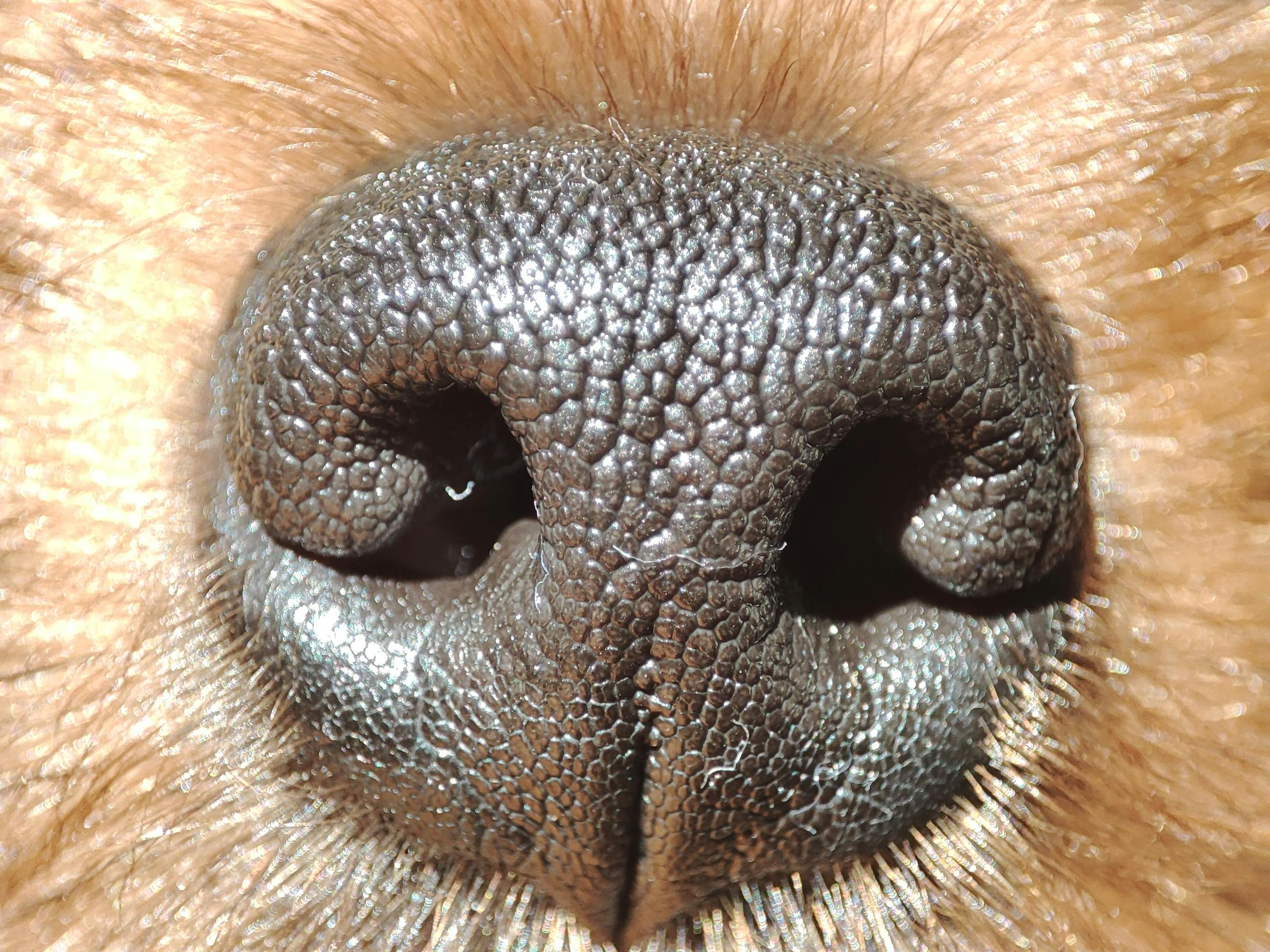 \n\n
\n\nDogs are incredible creatures, and their sense of smell is nothing short of amazing. One of the most interesting aspects of a dog's biology is the wetness of their nose. Have you ever wonder why do dogs have wet noses? It’s not just an adorable feature; it actually plays a significant role in enhancing their sense of smell. Let’s explore the fascinating reasons behind this phenomenon and how it helps our furry friends navigate their world.
\nThe Biology of a Dog's Nose
\nA dog’s nose is a complex organ that is specially designed for smelling. Dogs have around 220 million scent receptors in their noses, compared to humans who only have about 5 million. This difference makes dogs some of the best sniffers on the planet. But what does wetness have to do with it?
\n- \n
- \n
Moisture and Scent Detection: The moisture on a dog's nose helps to capture scent particles from the air. When the nose is wet, it can absorb more scent molecules, which helps dogs to discern different smells more acutely. This is why you might see your dog sniffing around with their nose constantly wet.
\n \n - \n
Cooling Mechanism: Just like humans sweat, dogs also use their noses to help cool themselves down. The moisture evaporates, providing a cooling effect. This is especially important for those hot summer days when dogs can’t sweat like humans do.
\n \n - \n
Health Indicator: A dog’s nose can also be an indicator of their health. A wet nose usually indicates that a dog is healthy, while a dry nose can sometimes be a sign of illness. However, this isn't a rule of thumb, as various factors can influence a dog's nose moisture.
\n \n
Why Do Dogs Have Wet Noses? Uncovering the Reasons
\nSo, why do dogs specifically have wet noses? Here are some key factors:
\n- \n
- \n
Enhanced Smell: The wetness increases a dog's ability to pick up scents. Dogs can detect certain scents up to 100,000 times better than humans, and a wet nose enhances this ability.
\n \n - \n
Chemical Detection: The moisture layer on a dog's nose helps dissolve chemicals in the air, which aids in detecting pheromones and other important scents. This is crucial for communication with other dogs.
\n \n - \n
Temperature Regulation: Dogs do not sweat like humans. Their ability to cool down through their wet noses is vital, especially during exercise or on hot days.
\n \n - \n
Environmental Interaction: A wet nose can pick up scents from the ground or other surfaces, allowing dogs to gather information about their environment. This helps them understand what other animals have been around and what they might be facing.
\n \n
Historical Context of Dogs and Their Noses
\nDogs have been domesticated for thousands of years, and their noses have evolved to adapt to their roles alongside humans. Historically, dogs have been used for hunting, herding, and protection, and their superior sense of smell has always been a valuable asset.
\n- \n
- Hunting: Early humans relied on dogs to track down prey. Their ability to smell was critical for survival. \n
- Service Dogs: Today, dogs are trained for various roles, including search and rescue, detection dogs for law enforcement, and even therapy dogs. Their wet noses are crucial in these roles. \n
Fun Facts About Dogs’ Noses
\n- \n
- \n
Each dog's nose print is unique, similar to human fingerprints. This means that you could identify a dog just by their nose!
\n \n - \n
Dogs can smell emotion. They can detect changes in human pheromones that indicate emotions like fear or happiness.
\n \n - \n
The wetness of a dog’s nose can vary based on breed, environment, and health. Some breeds have naturally wetter noses than others.
\n \n
Practical Examples of How Dogs Use Their Noses
\n- \n
- \n
Tracking: Bloodhounds are famous for their tracking abilities, and part of that comes from their incredibly wet noses which help them pick up scents over long distances.
\n \n - \n
Detection Work: Dogs are used in airports to sniff out drugs, explosives, and even diseases like cancer, all thanks to their exceptional sense of smell.
\n \n - \n
Everyday Life: Even in a home environment, a dog’s wet nose is often busy sniffing around to learn about their surroundings, detecting the scents of family members, or even potential food spills!
\n \n
Dogs’ wet noses are not just an endearing trait; they are a critical component of their biology that enhances their sense of smell. Understanding why do dogs have wet noses can deepen our appreciation for these furry companions and their incredible abilities. It’s fascinating to see how nature has equipped them to interact with the world in such a unique way. So, the next time you see your dog with a wet nose, remember, it’s not just cute – it’s a powerful tool in their sensory arsenal!
\n\nIs a Wet Nose a Sign of a Healthy Dog? Debunking Common Myths
\n\n \n\n
\n\nWhen you think about dogs, you probably picture their wagging tails, playful barks, and, of course, those wet noses. But have you ever wondered if a wet nose is a good indicator of your dog's health? Many people believe that a wet nose means a dog is healthy, while a dry nose signals illness. In this article, we will explore the truth behind this common myth and delve into the fascinating reasons why dogs have wet noses.
\nThe Myth: Wet Noses Equals Healthy Dogs
\nFirst off, let's talk about the common belief that a wet nose means a dog is healthy. This myth has been passed down through generations, but it doesn't hold up under scrutiny. Although a wet nose can be a sign of a dog being well-hydrated or having a good immune system, it's not an absolute indicator of health. For instance, dogs can have wet noses even when they are sick, and a dry nose doesn't always mean they are unwell.
\n- \n
- Reasons why a dog may have a wet nose:
- \n
- Humidity: The environmental moisture can make a dog's nose wet. \n
- Licking: Dogs often lick their noses, which keeps them moist. \n
- Temperature: A dog’s nose may become wet when they are feeling warm, as they often regulate their temperature through their noses. \n
\n
Why Do Dogs Have Wet Noses?
\nNow, let's uncover the scientific reasons behind those wet noses. Dogs are unique creatures, and their bodies have evolved in ways that help them function in their environments. One of the main reasons for a wet nose is related to their sense of smell.
\n- \n
- \n
Enhanced Smell: A wet surface on the nose helps to capture scent particles from the air. This moisture allows dogs to better absorb these particles, which aids in their powerful olfactory capabilities. They can smell things 10,000 to 100,000 times better than humans!
\n \n - \n
Cooling Mechanism: Just like humans sweat to cool down, dogs use their noses to help regulate body temperature. When they breathe, moisture evaporates from their noses, which helps to cool them down.
\n \n
The Role of Nose Temperature
\nInterestingly, the temperature of a dog's nose can also be an indicator of their health. A normal nose temperature is typically cool and moist. However, if your dog’s nose is hot and dry, it could indicate a fever or illness, but it's not always the case. Various factors can influence nose temperature, including:
\n- \n
- Activity Level: After exercise, a dog’s nose might feel warmer and drier due to increased body temperature. \n
- Environmental Conditions: In hot weather, a dog's nose may dry out quicker. \n
Common Misconceptions About Dog Nose Health
\nThere are several misconceptions surrounding dog noses that can create confusion for pet owners. Here are some of the more prevalent ones:
\n- \n
- A Cold Nose is Always Healthy: This is not true. While a cold, wet nose can indicate well-being, it can also be just a result of environmental conditions or your dog just being relaxed. \n
- A Dry Nose Means Illness: Not necessarily. Dogs may have dry noses for reasons that have nothing to do with their health, such as being in a dry climate or sleeping. \n
- Nose Color Indicates Health: The color of a dog’s nose can vary and does not necessarily indicate health status. Different breeds have different nose colors, and these should not be judged against health indicators. \n
Monitoring Your Dog's Health
\nInstead of solely relying on your dog's nose to gauge their health, it's better to pay attention to other signs. Here are some indicators of a healthy dog:
\n- \n
- Energy Level: Is your dog active and playful? \n
- Appetite: Is your dog eating and drinking normally? \n
- Behavioral Changes: Are there any sudden changes in behavior, such as lethargy or aggression? \n
- Grooming Habits: Is your dog grooming itself regularly? \n
Keeping an eye on these factors, along with regular vet check-ups, can help you ensure your furry friend remains in good health.
\nSo, while a wet nose can be a cute feature of your dog, it's not the end-all-be-all sign of health. Understanding why dogs have wet noses and what they truly signify can help you become a more informed pet owner. Remember, a dog’s overall behavior and physical condition are much better indicators of their health than just the state of their nose. Always consult your veterinarian if you have concerns about your dog’s health.
\n\nThe Role of Canine Hydration: Why Dogs Need Wet Noses for Optimal Health
\n\n \n\n
\n\nDogs are more than just pets; they are our loyal companions and part of our family. One of the most curious and endearing features of dogs is their wet noses. Ever wonder why do dogs have wet noses? It’s not just for show, oh no! There’s a fascinating science behind it that’s crucial for their health and well-being. Let’s explore the role of canine hydration and why those wet noses matter so much.
\nThe Science Behind Wet Noses
\nA dog’s nose is much more than just a cute feature. The wetness of a dog’s nose plays a significant role in their overall health. Here are some key points to consider:
\n- \n
- \n
Temperature Regulation: Dogs don’t sweat like humans do. Instead, they use their noses to help regulate body temperature. The moisture on their noses evaporates, cooling them down. This is especially important during hot weather.
\n \n - \n
Enhanced Sense of Smell: A wet nose helps trap scent particles. When a dog’s nose is moist, it can absorb odors better, enhancing their impressive sense of smell. This is one reason why dogs are so great at tracking and sniffing out things we might miss.
\n \n - \n
Health Indicator: A dog’s nose can tell you a lot about their health. A dry nose can indicate dehydration or illness. Keeping an eye on your dog’s nose can help you catch health issues early.
\n \n
Historical Context: Why Wet Noses?
\nDogs have evolved over thousands of years alongside humans. The wet nose is a trait that has been beneficial for their survival. Early dogs relied on their sense of smell for hunting and finding food. A moist nose increased their ability to detect scents, which was crucial in the wild.
\n- \n
- \n
Dogs as Hunters: In ancient times, dogs were used for hunting. Their ability to sniff out prey was essential, and the moisture in their noses played a vital role in this.
\n \n - \n
Domestication: As dogs became domesticated, their roles changed, but the wet nose remained. It’s a trait that has been passed down through generations, highlighting its importance.
\n \n
The Anatomy of a Dog’s Nose
\nUnderstanding the structure of a dog’s nose helps us grasp why it needs to be wet. Here’s a breakdown of the essential features:
\n- \n
- \n
Nasal Mucosa: This is the moist lining inside the nose. It helps to trap scent particles, making it easier for the dog to smell.
\n \n - \n
Sinuses: Dogs have sinuses that help filter the air they breathe. A wet nose helps keep these sinuses moist, which is important for their respiratory health.
\n \n - \n
Olfactory Receptors: Dogs have millions of olfactory receptors in their noses, far more than humans. This is why they can smell things we can’t even detect.
\n \n
Practical Examples of Nose Care
\nKeeping your dog’s nose healthy is crucial. Here are some tips to ensure their nose stays wet and healthy:
\n- \n
- \n
Hydration: Always ensure your dog has access to fresh water. Dehydration can lead to a dry nose.
\n \n - \n
Humidity: If you live in a dry climate, consider using a humidifier in your home to keep the air moist.
\n \n - \n
Regular Vet Check-ups: Regular visits to the vet can help ensure your dog’s overall health, including their nose.
\n \n
Common Myths About Dog Noses
\nThere are plenty of misconceptions about dog noses. Here are a few myths debunked:
\n- \n
- \n
Myth 1: A dry nose always means a dog is sick. Not true! Dogs can have dry noses for various reasons, including weather and activity level.
\n \n - \n
Myth 2: A wet nose means a dog is healthy. While a wet nose can indicate health, it’s not the only factor to consider.
\n \n - \n
Myth 3: Dogs can only smell when their noses are wet. Dogs can still detect scents with a dry nose, but it’s less effective.
\n \n
The Relationship Between Wet Noses and Dog Behavior
\nInterestingly, a dog’s wet nose can influence its behavior. For example, dogs may use their noses more actively when they are excited or curious. A wet nose can signal that a dog is alert and ready to engage with their environment, which is part of their social behavior.
\n- \n
- \n
Exploration: Dogs often sniff around when they are exploring new areas. The moisture helps them take in more scents.
\n \n - \n
Interaction: A wet nose can signal playfulness or a desire to engage with other dogs or humans.
\n \n
In summary, the wet nose of a dog is not just an adorable trait; it serves vital functions for their health and behavior. Understanding why do dogs have wet noses helps us appreciate these wonderful creatures even more. By taking care of their hydration and monitoring their noses, we can ensure our furry friends stay happy and healthy. So the next time you see your dog with that glistening nose, remember the crucial role it plays in their life!
\n\nDo All Dogs Have Wet Noses? Exploring Variations Across Breeds
\n\n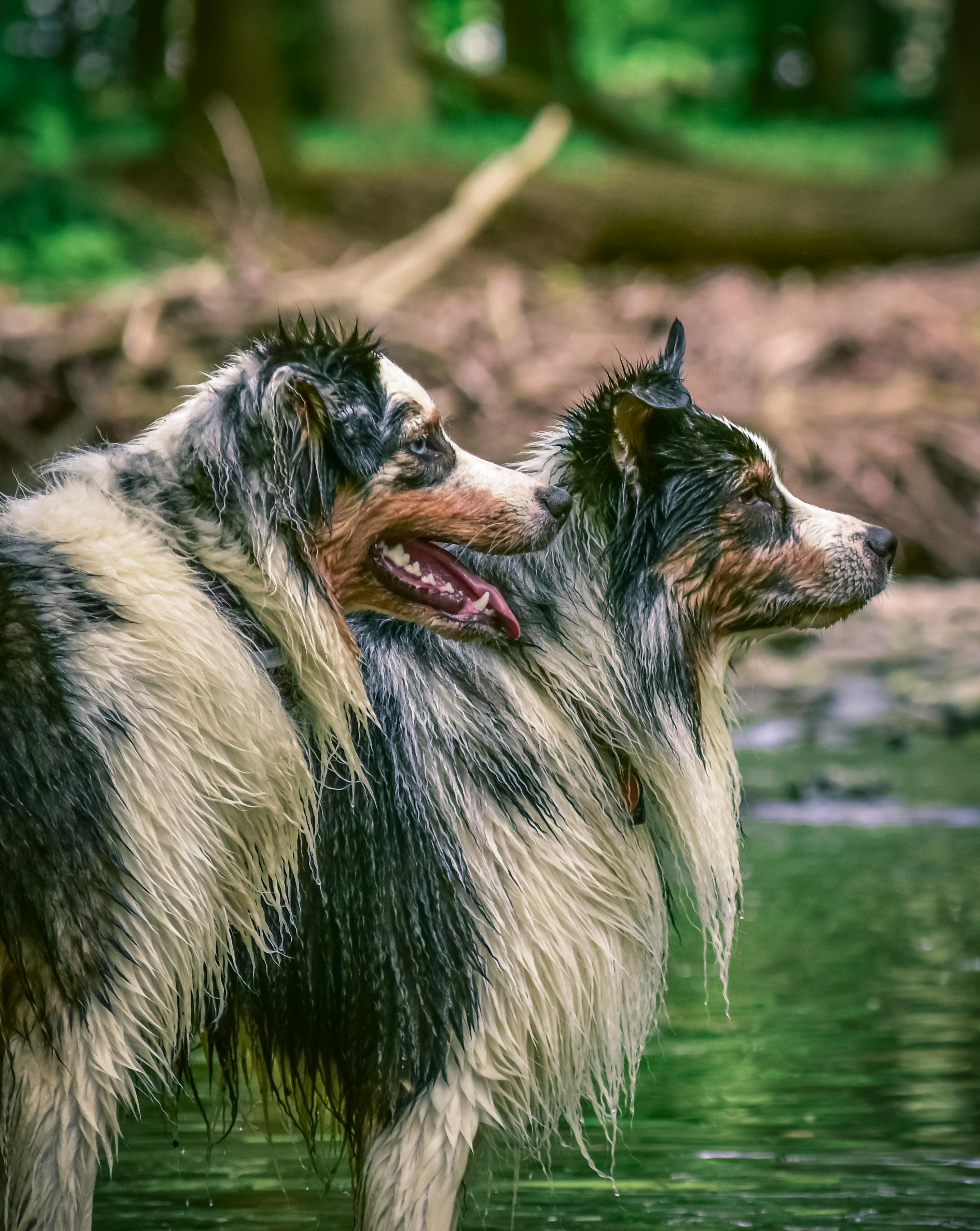 \n\n
\n\nWhen you think of dogs, one of the first things that comes to mind is probably their wet noses. But do all dogs have wet noses? Or is it just certain breeds? This is a question that many pet owners have pondered over the years. In this article, we will dive deep into the fascinating world of canine noses, exploring not just why dogs have wet noses but also the variations across different breeds. Let’s sniff out the answers together!
\nDo All Dogs Have Wet Noses?
\nTo put it simply, no, not all dogs have wet noses. While many dogs do have moist noses, it can vary greatly depending on the breed, age, and health of the individual dog. Here are some important points to consider:
\n- \n
- Breed Differences: Some breeds are more likely to have drier noses. For instance, bulldogs and pugs may have noses that appear drier compared to a Labrador Retriever or a Beagle. \n
- Health Factors: A dog’s nose can also change due to its health. If a dog is sick or dehydrated, their nose may become dry. Conversely, a dog that is feeling well may have a moist and cool nose. \n
- Age: Puppies often have wetter noses than older dogs. As dogs age, their noses can become drier. \n
Why Do Dogs Have Wet Noses?
\nThe reasons dogs have wet noses are both fascinating and practical. Here are some of the main reasons:
\n- \n
- \n
Scent Detection: A wet nose helps dogs to detect scents better. The moisture helps to trap scent particles, making it easier for dogs to pick up on various smells in their environment.
\n \n - \n
Temperature Regulation: Dogs don’t sweat like humans do. Instead, they release heat through their noses and paw pads. A wet nose can help cool them down when they are overheating, similar to how sweating works in humans.
\n \n - \n
Natural Lubrication: A moist nose is also important for maintaining the health of the nasal passages. It keeps the mucous membranes moist and prevents them from drying out.
\n \n - \n
Communication Tool: Dogs often use their noses to communicate with each other and humans. A wet nose can be a sign of a happy and healthy dog, while a dry nose may indicate something is off.
\n \n
Variations Across Breeds
\nWhile many dogs have wet noses, the degree of moisture can vary significantly. Here’s a quick glance at some breeds and their typical nose conditions:
\n- \n
- \n
Breeds with Generally Wet Noses:
\n- \n
- Labrador Retrievers \n
- Golden Retrievers \n
- Beagles \n
\n - \n
Breeds with Drier Noses:
\n- \n
- Bulldogs \n
- Pugs \n
- Shih Tzus \n
\n - \n
Mixed Breeds: The moisture level of mixed breed dogs can vary widely based on their lineage.
\n \n
Fun Facts About Dog Noses
\n- \n
- A dog's nose print is unique to each individual, similar to a human fingerprint. \n
- Dogs have an incredible sense of smell, estimated to be between 10,000 to 100,000 times more acute than humans. \n
- The wetness of a dog’s nose can change throughout the day, and it’s normal for it to feel different at various times. \n
Tips for Monitoring Your Dog’s Nose Health
\nKeeping an eye on your dog’s nose can give you insights into their health. Here’s what you can do:
\n- \n
- Check Regularly: Make a habit of checking your dog’s nose daily. Look for changes in temperature, moisture, and texture. \n
- Hydration: Ensure your dog stays hydrated, especially during hot weather, as dehydration can lead to a dry nose. \n
- Vet Visits: If you notice persistent dryness, cracking, or discoloration, it’s best to consult your veterinarian. \n
Summary of Key Points
\n- \n
- Not all dogs have wet noses, and the moisture level can vary based on breed and health. \n
- Wet noses assist dogs in scent detection, temperature regulation, and keeping their nasal passages moist. \n
- Breeds like Labrador Retrievers typically have wetter noses, while breeds like Bulldogs may have drier noses. \n
- Regular monitoring of your dog’s nose can help you catch health issues early. \n
Understanding why dogs have wet noses isn’t just a trivial fact; it reveals a lot about how dogs interact with their environment and maintain their health. So, the next time you give your furry friend a scratch behind the ears, take a moment to appreciate that delightful wet nose!
\n\nThe Connection Between Your Dog's Wet Nose and Their Emotions: What You Should Know
\n\n \n\n
\n\nDogs are one of the most beloved pets, and their behavior can truly be fascinating. One of the most interesting aspects of a dog's anatomy is their wet nose. Many pet owners often wonder, why do dogs have wet noses? It’s not just an odd quirk; there are significant reasons behind this. This article will explore the connection between your dog’s wet nose and their emotions, and uncover the fascinating reasons that explain this phenomenon.
\nThe Science Behind Wet Noses
\nFirst off, dog's noses are wet for several biological reasons. One major factor is that moisture helps to enhance their sense of smell. Dogs have a highly developed olfactory system, and the wetness helps to trap scent particles. This allows them to detect smells better than humans can. According to studies, dogs have up to 300 million smell receptors, compared to a human's 5 million.
\nHere's a quick breakdown of why dog noses are wet:
\n- \n
- Moisture Absorption: The wetness helps absorb scent particles. \n
- Temperature Regulation: Wet noses can help to cool down a dog when they are too warm. \n
- Health Indicator: A dog's nose moisture can indicate their health status. A dry nose can sometimes be a sign of dehydration or illness. \n
Emotional Indicators
\nInterestingly, a dog's wet nose can also reflect their emotional state. When a dog is excited or happy, their noses tend to be more moist. Conversely, a dry nose might suggest they are stressed or unwell. Understanding these signs can be crucial for dog owners in gauging their pet's feelings.
\n- \n
- Happy Dog: Wet nose, wagging tail, playful behavior. \n
- Stressed Dog: Dry nose, tucked tail, avoidance behaviors. \n
Historical Context
\nHistorically, dogs have been seen as man's best friend for thousands of years. Their noses have evolved to adapt to their environments and lifestyles. Ancient breeds were often used for hunting, and a wet nose would have been advantageous in tracking scents, leading to better hunting success.
\nFun Facts About Dog Noses
\n- \n
- The texture of a dog’s nose is unique, much like human fingerprints. \n
- Dogs can detect certain diseases like cancer through their sense of smell. \n
- A dog’s nose can change color based on environmental factors or health issues. \n
Common Misconceptions
\nThere are many myths surrounding dog noses. One common belief is that a wet nose means a dog is healthy. While it can be an indicator, it’s not the only factor to consider. A dog can be perfectly healthy with a dry nose, especially after sleeping.
\nPractical Tips for Pet Owners
\nUnderstanding your dog's nose can help you be a better pet parent. Here are some practical tips:
\n- \n
- Monitor Moisture Levels: Check your dog's nose throughout the day. A sudden change from wet to dry could indicate a health issue. \n
- Hydration: Ensure your dog is always hydrated. Fresh water should be available at all times. \n
- Vet Visits: Regular check-ups can help catch any potential health issues early. \n
Comparing Dog Noses
\nHere is a simple comparison table about dog noses:
\n| Feature | \nWet Nose | \nDry Nose | \n
|---|---|---|
| Scent Detection | \nEnhanced ability to detect smells | \nReduced ability to detect smells | \n
| Emotional State | \nOften indicates happiness | \nMay indicate stress or illness | \n
| Health Indicator | \nGenerally healthy | \nMay require vet attention | \n
The Connection with Emotions
\nUnderstanding the connection between your dog's wet nose and their emotions can deepen the bond you share. When you see that wet nose, it might mean your dog is feeling playful and excited. On the other hand, a dry nose could signal that they need some extra care or attention. Emotional cues are important; being in tune with them can improve your relationship significantly.
\nIn conclusion, the fascinating reasons why dogs have wet noses extend beyond mere biology. They reflect a dog's emotional state and health, serving as an important communication tool between pets and their owners. Being aware of these signs can help you provide better care and understand your furry friend more deeply. So the next time you touch your dog’s nose, remember the deeper meanings behind its wetness!
\n\nHow Weather Affects Your Dog’s Nose Moisture: 7 Key Insights
\n\n \n\n
\n\nDogs are often known for their wet noses, but have you ever stopped to think about why that is? It turns out, a dog's nose moisture can be influenced by various factors, including the weather. Understanding how weather affects your dog’s nose moisture can help you keep your furry friend healthy and happy. Here’s 7 key insights into why do dogs have wet noses and how they relate to the weather.
\n1. Dogs' Noses: A Natural Thermoregulator
\nOne fascinating reason why dogs have wet noses is that it helps them regulate their body temperature. Unlike humans, dogs don’t sweat the same way we do. Instead, they rely on their noses to help cool down. When it is hot outside or during summer months, a dog's nose may become wetter as they pant and cool down their bodies.
\n2. Humidity Levels
\nThe weather conditions can greatly affect a dog’s nose moisture. In highly humid environments, dogs’ noses tends to stay wetter longer. This is because the moisture in the air helps to keep their noses from drying out. Conversely, in dry or windy conditions, a dog's nose may appear dry and cracked.
\n3. Cold Weather Impact
\nCold weather can also affect a dog’s nose. When temperatures drop, dogs may experience a decrease in moisture on their noses. Cold air can cause the moisture to evaporate faster, resulting in a drier nose. This is why you might notice your pup’s nose feels different in winter compared to warmer months.
\n4. The Role of Breed
\nDifferent dog breeds may have varying levels of nose moisture. Some breeds, like Bulldogs and Pugs, may have naturally wetter noses due to their unique anatomy. On the other hand, breeds with longer snouts, like Greyhounds, may have drier noses. Regardless of breed, all dogs can be influenced by weather conditions that affects their nose moisture.
\n5. Health Indicators
\nA dog’s nose moisture can serve as an indicator of their health. While a wet nose is often a sign of a healthy dog, a dry or cracked nose can suggest a potential health problem. It can be caused by dehydration, fever, or even allergies. If you notice any significant changes in your dog's nose moisture, it might be worthwhile to consult with a veterinarian.
\n6. Seasonal Changes
\nEach season brings its own weather patterns that can impact your dog’s nose moisture. For instance:
\n- \n
- Spring: Allergies may increase, possibly leading to a drier nose. \n
- Summer: Increased heat and humidity can lead to a wetter nose. \n
- Fall: Changes in temperature can lead to fluctuations in nose moisture. \n
- Winter: Cold air can dry out noses quickly. \n
7. Hydration is Key
\nOne of the most important factors that influences a dog’s nose moisture is hydration. Just like humans, dogs need to drink enough water to maintain their overall health. If a dog is dehydrated, their nose might be dry, regardless of the weather. Ensuring your dog has access to fresh water at all times, especially during hot days, is crucial.
\nQuick Tips to Maintain Your Dog's Nose Health
\n- \n
- Regularly check your dog's nose for cracks or dryness. \n
- Keep your dog hydrated, especially in hot weather. \n
- Protect your dog's nose with a pet-safe moisturizer during colder months. \n
- If you notice any sudden changes in your dog's nose moisture, consult your veterinarian. \n
By understanding how weather affects your dog’s nose moisture, pet owners can better care for their furry companions. The moisture on a dog's nose isn't just a cute quirk; it’s tied to their health and well-being. So the next time you notice your dog's nose, consider the weather and what it might mean for your pet. Keeping an eye on these changes can help you ensure that your dog stays happy and healthy through all seasons.
\n\nCan You Use Your Dog's Wet Nose to Gauge Their Health? Expert Answers Inside
\n\n \n\n
\n\nWhen you think about dogs, you might picture their wagging tails, playful barks, and, of course, their wet noses. Many people often wonder if they can use their dog's wet nose to gauge their health. Is it really that simple? And why do dogs have these moist noses in the first place? Let's dive into these fascinating questions and uncover what science and experts say.
\nCan You Use Your Dog's Wet Nose to Gauge Their Health?
\nThere's a common belief that a dog's nose should be cold and wet for them to be healthy. But here's the thing: it's not that straightforward. While a wet nose can indicate certain health conditions, it shouldn't be the only measure you rely on.
\n- \n
- Normal Variation: Just like humans have different body temperatures, dogs also have variations in their noses. Some may have a dry nose one day and a wet nose the next, and that can be completely normal. \n
- Health Indicators: A consistently dry or warm nose could point to dehydration or fever, but it’s not the definitive sign of illness. \n
- Consulting Professionals: If you’re worried about your dog’s health, it's best to consult a veterinarian. They can provide insights that go beyond the state of your dog’s nose. \n
Why Do Dogs Have Wet Noses?
\nNow, let’s explore why dogs’ noses are typically wet. It might seem trivial, but it's actually a fascinating topic.
\n- \n
- Cooling Mechanism: Dogs don’t sweat like humans do. Their primary way of regulating temperature is through panting and having a moist nose. The moisture helps cool them down as it evaporates. \n
- Enhanced Sense of Smell: Wet noses help absorb scent molecules from the air. This makes it easier for dogs to identify and distinguish scents. The more moist the nose, the better they can smell. \n
- Health Indicator: A healthy dog’s nose can be smooth and moist. If the nose becomes cracked or excessively dry, it could signal health issues, but again, it’s not a foolproof method. \n
The Science Behind Dog Noses
\nTo understand more about dog noses, let’s look at some interesting facts and statistics:
\n- \n
- Scent Receptors: Dogs have approximately 300 million scent receptors in their noses. In comparison, humans only have about 5 million. This difference gives dogs a remarkable ability to detect scents. \n
- Nasal Structure: The intricate structure of a dog’s nose is designed to maximize their olfactory capabilities. The moist surface helps trap scents, making it easier for them to analyze their environment. \n
What Affects the Moisture of a Dog's Nose?
\nSeveral factors can influence the moisture of a dog's nose, and it can vary throughout the day.
\n- \n
- Weather Conditions: Hot or dry weather can lead to a drier nose. Cold, humid conditions might keep a dog’s nose wetter. \n
- Activity Level: After playing or exercising, a dog may have a drier nose due to panting and heat. \n
- Health Status: Illness can affect the moisture of a dog’s nose. For instance, if they have a fever or are dehydrated, their nose might be drier than usual. \n
When to Be Concerned
\nIt’s important to know when a change in your dog's nose might mean something more serious. Here’s a quick list of signs to watch for:
\n- \n
- Persistent Dryness: If your dog's nose stays dry for an extended period. \n
- Cracking or Bleeding: This could indicate dehydration or an underlying condition. \n
- Other Symptoms: If you notice any other signs of illness, like lethargy, coughing, or changes in behavior, consult your vet. \n
Fun Facts About Dog Noses
\nHere are some quirky and fun tidbits about dog noses that might surprise you:
\n- \n
- Unique Patterns: Just like human fingerprints, each dog has a unique nose print. This can even be used for identification! \n
- Nose Color: A dog’s nose color can change with age. For example, a black nose might lighten as they grow older. \n
- Nasal Folds: Some breeds have more pronounced nasal folds, which can affect their ability to smell. Flat-faced breeds may have more difficulty than others. \n
Dogs' wet noses are more than just a cute feature; they play important roles in their health and well-being. While a wet nose can suggest a healthy pup, it shouldn't be the only thing you rely on. True health assessments require observing behavior, appetite, and other physical signs. So, next time you pet your dog and feel that cool, wet nose, remember the science behind it, and keep an eye on those other indicators of health!
\n\nFun Facts About Dogs' Wet Noses: Unraveling the Mysteries of Canine Anatomy
\n\n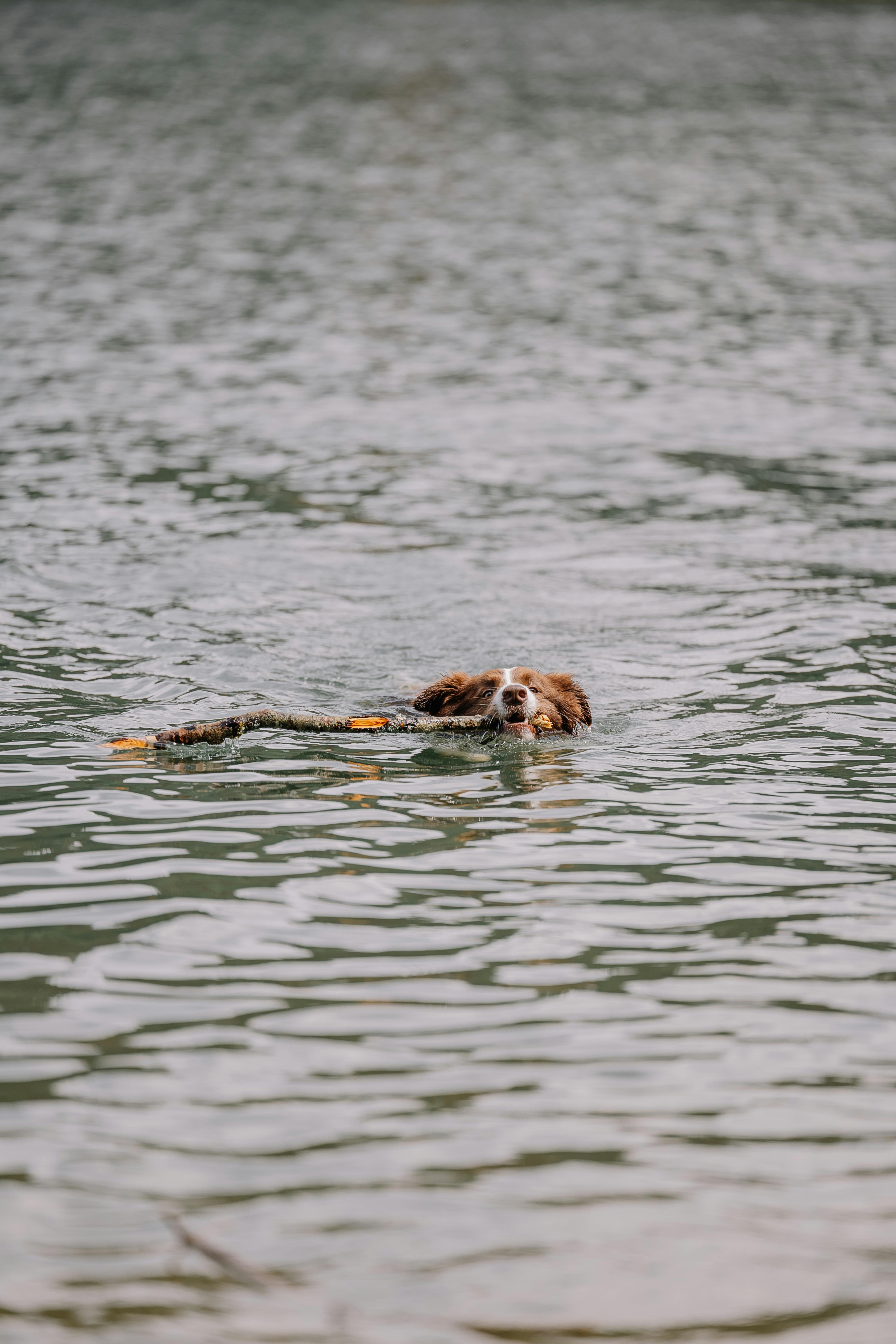 \n\n
\n\nHave you ever wondered about those adorable, wet noses that dogs seem to have? If so, you’re in for a treat! Dogs’ noses are not just cute features; they serve several important functions. In this article, we’ll explore fun facts about dogs' wet noses, unravel the mysteries of canine anatomy, and explain why do dogs have wet noses.
\nThe Science Behind Wet Noses
\nThe moisture on a dog’s nose is more than just a sign of a happy pup. It plays a crucial role in their overall health and sense of smell. Here's why:
\n- \n
- Enhanced Smell: Dogs have an incredible sense of smell, estimated to be anywhere from 10,000 to 100,000 times more sensitive than humans. The wetness helps to capture scent particles, improving their ability to identify odors. \n
- Cooling Mechanism: Dogs don't sweat like humans do. Instead, they rely on their noses to help regulate body temperature. The moisture evaporates, which cools them down. \n
- Health Indicator: A wet nose is often seen as a sign of good health. However, a dry or cracked nose can sometimes indicate dehydration or illness. It’s important to pay attention to changes in your dog’s nose. \n
Fun Facts About Dogs' Wet Noses
\n- \n
- \n
Nose Prints Are Unique: Just like human fingerprints, each dog’s nose print is unique. Some researchers have even suggested that it could be used for identification purposes, though it's not common practice.
\n \n - \n
Dogs Use Their Noses for Communication: Dogs often greet each other by sniffing noses. It’s their way of gathering information about other dogs, much like humans shake hands or exchange pleasantries.
\n \n - \n
Dogs Can Detect Disease: There are studies showing that dogs can detect certain diseases, including cancer and diabetes, through smell. The wet nose helps in this process by picking up on subtle chemical changes in the body.
\n \n - \n
Historical Context: The evolution of a dog’s nose is fascinating. Breeds that were developed for hunting typically have longer, wetter noses, which help them track scents better. This trait was naturally selected over generations.
\n \n - \n
Nose Shapes and Sizes: Different breeds have different nose shapes and sizes, which can influence their ability to smell. For example, Bloodhounds have long, droopy noses that are excellent for scent detection, while breeds like Pugs have shorter snouts.
\n \n
Why Do Dogs Have Wet Noses?
\nThe main reasons why do dogs have wet noses are both functional and evolutionary. Here’s a quick breakdown:
\n- \n
- Capture Scent Particles: The moisture on a dog's nose helps capture scent particles, which is essential for their survival instincts. \n
- Regulate Temperature: Dogs cool down through their noses, so having a wet nose can mean they're regulating their body temperature effectively. \n
- Indicate Health: Wet noses often indicate a healthy dog. If your dog’s nose is unusually dry or warm, it may be time to consult a vet. \n
Interesting Comparisons
\nLet’s take a look at how dogs’ noses compare to human noses in terms of functionality:
\n| Feature | \nDog Nose | \nHuman Nose | \n
|---|---|---|
| Sense of Smell | \n10,000 to 100,000 times better | \nBasic sense of smell | \n
| Moisture | \nAlways moist for scent capture | \nVariable moisture, not for scent | \n
| Unique Identifiers | \nUnique nose prints | \nUnique fingerprints | \n
| Cooling System | \nRegulates temperature | \nSweating through skin | \n
Practical Examples of Nose Use
\nDogs use their noses in various practical ways:
\n- \n
- Search and Rescue: Many dogs are trained to use their noses to locate missing persons in search and rescue missions. \n
- Detection Work: Dogs are employed in various fields, including law enforcement, to sniff out drugs or explosives. \n
- Therapeutic Roles: Some therapy dogs use their noses to comfort people during stressful situations, providing emotional support. \n
Dog noses are fascinating, and their wetness is just one of the many aspects that make them incredible companions. Next time you pet your furry friend and feel their wet nose, remember that it’s not just adorable; it’s a vital part of their anatomy that helps them navigate the world. Whether it’s detecting scents or cooling down, a dog’s wet nose is a true marvel of nature.
\n\nConclusion
\n\nIn conclusion, the wet noses of dogs serve multiple essential purposes, ranging from thermoregulation to enhanced olfactory capabilities. The moisture on their noses helps them absorb scent particles, making their sense of smell even more acute, which is crucial for their communication and environmental awareness. Additionally, a wet nose is often a sign of good health, indicating proper hydration and an active immune system. While it's a common belief that dogs have wet noses due to their ability to cool themselves, it’s clear that this unique feature plays a vital role in their overall well-being. As dog owners, it’s essential to pay attention to the condition of your pet’s nose; any significant changes could signal health issues. Embrace the science behind your dog's wet nose and appreciate how it contributes to their remarkable abilities. After all, a healthy, happy dog is a joy to have in any home!
\n\n