Have you ever wondered, why do dogs have wet noses? This intriguing question has captivated pet owners and dog enthusiasts alike. The truth is, a dog's wet nose isn't just a quirky trait; it serves several vital purposes that can enhance your furry friend's overall health and happiness. Did you know that a dog’s nose can actually aid in their sense of smell? Yes, it’s true! The moisture on their noses helps to capture scent particles, allowing them to detect odors more efficiently. But that’s not all—there’s a fascinating science behind this seemingly simple characteristic that every dog lover should know. From temperature regulation to emotional communication, the wetness of a dog's nose plays a crucial role in their daily life. As we dive deeper into the reasons behind this phenomenon, you might find yourself asking, what does a wet nose truly indicate about your canine companion? Join us as we uncover the fascinating truth about why dogs have wet noses and what it means for their well-being. Get ready to explore the wonders of your pet’s anatomy and learn why this feature is more than just cute—it's essential!
\n\nThe Science Behind Wet Noses: What Makes Your Dog's Nose Moist?
\n\n \n\n
\n\nWhen you think about dogs, one of the first things that comes to mind is that moist, cool nose of theirs. Ever wonder why is it like that? You might think, "Why do dogs have wet noses?" Well, there's actually a fascinating science behind it.
\nThe Purpose of a Wet Nose
\nDogs have wet noses for a few good reasons. First off, their noses are full of sweat glands. Unlike humans, who sweat through their skin, dogs primarily cool themselves down through panting and their noses. The moisture on their noses helps in regulating their body temperature. This is kinda like how we feel refreshed when splashing water on our faces on a hot day.
\nHere are some of the main purposes of that wet nose:
\n- \n
- Temperature Regulation: Dogs lose heat through their noses. When it gets hot, the moisture evaporates, cooling them down. \n
- Enhanced Smell: A wet nose may help trap scent particles. This allows them to smell better. Dogs have an incredible sense of smell, and that moisture aids in picking up those faint scents in the air. \n
- Health Indicator: A dog's nose can actually give you clues about their health. A dry or cracked nose could indicate dehydration or illness, while a wet nose is generally a sign of good health. \n
How Dogs Keep Their Noses Moist
\nYou might be wondering how dogs keep their noses moist in the first place. It's a combination of factors, really.
\n- \n
- \n
Nasal Mucus: Dogs produce a special kind of mucus in their noses that keeps it wet. This mucus also contains proteins that help in transporting scent molecules to their olfactory receptors.
\n \n - \n
Licking: Dogs will often lick their noses to keep them moist. It's a natural behavior, and it can also help them taste and smell things better.
\n \n - \n
Environmental Factors: The humidity and temperature of their environment can also affect the moisture level of a dog’s nose. A dog might have a drier nose during winter months or in dry places.
\n \n
The Anatomy of a Dog's Nose
\nTo understand why dogs have wet noses, let's look at the anatomy of a dog's nose. It's not just a simple organ; it's quite complex. Here’s what makes it so special:
\n- \n
- Olfactory Receptors: Dogs have up to 300 million olfactory receptors, compared to humans who have about 5 million. This helps them detect smells at incredibly low concentrations. \n
- Vibrissae: These are the whiskers or tactile hairs on a dog’s face. They help dogs sense their surroundings and can even help them navigate in the dark. \n
- Nasal Turbinates: These are complex bony structures inside the nose that increase the surface area for smell detection. \n
Typical Conditions Affecting Nose Moisture
\nSometimes, a dog's nose can become dry or cracked. Here are some common reasons why that might happen:
\n- \n
- Dehydration: If a dog is not drinking enough water, it could lead to a dry nose. \n
- Allergies: Just like humans, dogs can have allergies that affect their skin and nose. \n
- Sunburn: Dogs with light-colored coats may be more susceptible to sunburn on their noses, leading to dryness. \n
- Illness: Certain medical conditions may cause changes in the moisture of a dog’s nose, making it a good idea to keep an eye on it. \n
Fun Facts About Dog Noses
\n- \n
- Did you know that a dog’s nose print is unique, just like a human fingerprint? This makes them one of a kind! \n
- The wetness of a dog’s nose can change throughout the day, influenced by activity levels and the weather. \n
- Some breeds, like the Bloodhound, have particularly moist noses which enhance their incredible sense of smell even more! \n
Understanding why dogs have wet noses can deepen your appreciation for these furry companions. It’s not just a cute feature but serves essential functions that help them thrive in their environments. Keeping an eye on that nose can also be a good way to monitor their health.
\nSo, next time your dog greets you with that delightful wet nose, remember there's a lot more behind it than just a simple touch.
\n\nTop 5 Fascinating Reasons Why Dogs Have Wet Noses You Didn't Know
\n\n \n\n
\n\nDogs are often referred as man's best friend, but have you ever wondered why their noses are wet? It's one of those peculiarities that many pet owners have pondered over, yet not many really understand. The truth is, there's a fascinating science behind them. Here are the top 5 reasons why dogs have wet noses that you probably didn’t know!
\n1. Enhanced Sense of Smell
\nDogs have an incredible sense of smell, way better than humans. Their noses have an extraordinary number of scent receptors; a typical dog has about 220 million compared to a human's mere 5 million. But why does moisture matter?
\n- \n
- Wet noses help to capture scent particles from the air more effectively. \n
- The moisture allows for better absorption of these particles, which enhances their olfactory abilities. \n
- When a dog sniffs, the wetness helps to keep the scents on their nose longer. \n
So, in a way, a wet nose is like a superpower for dogs, allowing them to take in more information about their environment.
\n2. Temperature Regulation
\nMany people don't realize that dogs, unlike humans, don't sweat through their skin. Instead, they use their noses to help regulate their body temperature.
\n- \n
- Dogs may lick their noses to keep them moist, which can help cool them down. \n
- The evaporation of moisture from their noses can assist in lowering body temperature, especially during hot days. \n
- This is why you might see your dog frequently licking his nose or panting – it’s all part of their natural cooling mechanism. \n
3. Sense of Emotion
\nDogs are quite emotional creatures. Their wet noses can also be an indicator of their feelings.
\n- \n
- A dog's nose can change temperature with their emotional state; a warm nose might indicate stress or overheating, while a cooler one often means they are relaxed. \n
- When dogs are excited or happy, their noses tend to be moist, which is often why a dog will greet you with a wet nose when you come home. \n
- The wetness can also be a way for dogs to communicate; they nuzzle or lick to show affection. \n
4. Health Indicator
\nBelieve it or not, a dog’s nose can be a good barometer for their health.
\n- \n
- A healthy dog’s nose is usually cool and moist. \n
- If a dog’s nose becomes dry and cracked, it could indicate dehydration or illness. \n
- However, not all dry noses are problematic, as certain environmental factors or sleeping can affect moisture levels. \n
Regularly checking your dog’s nose can give you insight into their overall health, so it’s a good habit to develop.
\n5. Evolutionary Advantage
\nWet noses have evolved over thousands of years. Understanding this evolutionary aspect can shine a light on their importance.
\n- \n
- Dogs descended from wolves, who also have wet noses. \n
- In the wild, a wet nose can help in tracking prey by picking up scents more efficiently. \n
- This trait has been passed down, making it crucial for hunting and survival. \n
Wet noses are not just a quirky feature; they have practical implications for a dog’s ability to survive and thrive in various environments.
\nQuick Facts About Dog Noses
\n- \n
- Dogs' noses come in various colors, including black, brown, and even pink. \n
- The texture of a dog’s nose can vary from smooth to rough. \n
- Dogs can have unique patterns on their noses, much like human fingerprints. \n
Fun Comparisons
\nWhen comparing dogs to humans, consider the following:
\n- \n
- Humans rely on sight and hearing mostly, while dogs heavily depend on their sense of smell. \n
- The average human can detect about 1 trillion smells, while dogs can distinguish between a million different scents. \n
- A wet nose is like a dog’s version of a high-tech gadget for sniffing out interesting smells! \n
It’s pretty clear that a dog’s wet nose is not just a cute feature; it serves multiple purposes that are vital for their survival, health, and emotional well-being. So, the next time your furry friend greets you with a cold, wet nose, remember that it’s not just a sign of affection, but a complex, fascinating aspect of their biology that enhances their connection to the world. Understanding why dogs have wet noses allows us to appreciate the incredible intricacies of these beloved companions just a little bit more.
\n\nHow Your Dog's Wet Nose Affects Their Sense of Smell: An In-Depth Look
\n\n \n\n
\n\nDogs are often called man's best friend, and their unique features contribute to this close bond. One of the most fascinating aspects of dogs is their wet noses, which many people wonder about. So, how does your dog's wet nose affects their sense of smell? And why do dogs have wet noses anyway? Let us dive into the details and uncover the truth behind these intriguing canine characteristics.
\nThe Science Behind Wet Noses
\nDogs noses are wet for a few reasons, and it’s not just for show. The moisture on a dog’s nose plays an important role in enhancing their sense of smell. A dog's nose has a specialized structure and contains millions of sensory receptors. When the nose is wet, it helps trap scent particles in the air, making it easier for dogs to detect different smells.
\nHere’s some cool facts about dog noses:
\n- \n
- \n
Scent Receptors: Dogs have approximately 220 million scent receptors, compared to humans who have about 5 million. This means they can detect smells at incredibly low concentrations.
\n \n - \n
Moisture and Scent: The wetness of the nose creates a better surface for scent particles to adhere to, which makes it easier for dogs to analyze and identify different odors.
\n \n - \n
Temperature Regulation: A wet nose also helps dogs regulate their body temperature. When they pant, the moisture evaporates, cooling them down.
\n \n
Why Do Dogs Have Wet Noses?
\nThere is a mix of biological and evolutionary reasons that explains why dogs have wet noses. One significant aspect is hydration. Dogs lick their noses to keep them moist, which enhances their ability to smell. This behavior is instinctive, and you can often see them doing this when they are sniffing around.
\nSome other reasons include:
\n- \n
- \n
Hunting and Survival: In the wild, a dog's sense of smell is crucial for hunting. A wet nose helps them track prey more efficiently.
\n \n - \n
Communication: Dogs also use their sense of smell to communicate with other dogs. A wet nose can pick up pheromones, which carry important information about other animals.
\n \n - \n
Health Indicator: A wet nose can be a sign of a healthy dog. If a dog’s nose is excessively dry or cracked, it may indicate dehydration or illness.
\n \n
The Role of Nose Shape and Size
\nNot all dog breeds have the same nose shape or size, and this can affect their sense of smell, too. Some breeds have longer snouts, while others have shorter ones. Generally, dogs with longer noses tend to have a better sense of smell. Here’s a quick comparison:
\n| Dog Breed | \nNose Length | \nSmell Sensitivity | \n
|---|---|---|
| Bloodhound | \nLong | \nVery High | \n
| Beagle | \nMedium | \nHigh | \n
| Pug | \nShort | \nLower | \n
Practical Examples: How Dogs Use Their Noses
\nDogs use their noses in various ways, from everyday activities to specialized jobs. Here are some examples:
\n- \n
- \n
Search and Rescue: Dogs are trained to find missing persons using their keen sense of smell. They can pick up on scents that are days or even weeks old.
\n \n - \n
Detection Work: Many dogs work with law enforcement to detect drugs or explosives. Their ability to smell is vital in these situations.
\n \n - \n
Everyday Scents: Even at home, dogs investigate their environment through smell. They can tell if another animal has been around or if food is nearby.
\n \n
The Importance of Nose Health
\nMaintaining your dog's nose health is crucial. A wet nose is usually a sign of good health, but there are things to look out for. If your dog's nose becomes dry, cracked, or has unusual discharge, it could indicate a health issue. Regular vet check-ups can help keep your furry friend in good condition.
\nConclusion
\nSo, why do dogs have wet noses? It’s not just for cuteness; it plays a vital role in how they interact with the world. Their unique noses contribute to their incredible ability to smell, making them valuable companions in both everyday life and specialized work. Understanding this fascinating truth about your dog's nose can help you appreciate them even more.
\n\nCurious Canines: What a Wet Nose Reveals About Your Dog's Health
\n\n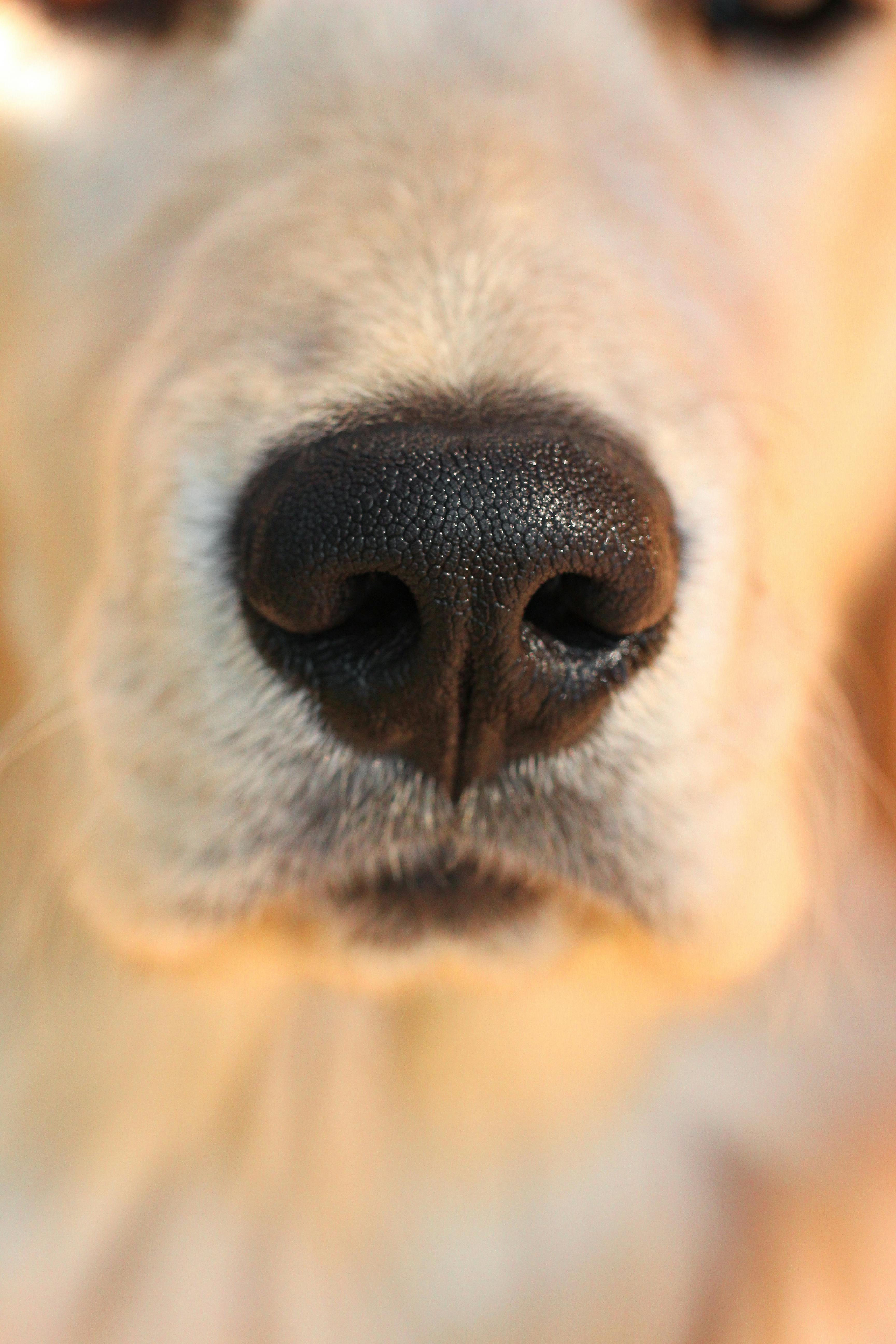 \n\n
\n\nHave you ever wondered why your dog’s nose feels like a wet sponge? Curiosity about our furry friends often leads to interesting questions, and one of those is definitely: why do dogs have wet noses? There’s a lot more to this simple aspect of canine anatomy than meets the eye, and understanding it can provide insights into your pet’s health. Let’s dive into this fascinating topic and uncover what that wet nose really reveals about your beloved canine companion.
\nThe Basics of a Dog's Nose
\nDog noses are not just cute; they are crucial for various reasons. The moisture on a dog's nose helps with their sense of smell, which is vastly superior to humans. Dogs have around 220 million scent receptors, compared to about 5 million in humans. This incredible olfactory ability allows dogs to detect scents and pheromones, which is essential for their communication and hunting instincts.
\nThe Science Behind Wet Noses
\nBut what causes dogs' noses to be wet? There’s a couple of reasons:
\n- \n
- \n
Nasal Gland Secretions: Dogs have specialized glands in their noses that produce mucus. This helps to trap scent particles, making it easier for them to identify smells.
\n \n - \n
Cooling Mechanism: Dogs don’t sweat like humans do. Instead, they regulate their body temperature through panting and the evaporation of moisture from their noses. A wet nose can help them cool down.
\n \n - \n
Environmental Factors: Dogs often wet their noses by licking them. This behavior can also be influenced by the environment, like humidity or rain.
\n \n
Health Indicators: What Changes in Nose Wetness Mean
\nA dog's nose can change from wet to dry throughout the day, and that’s usually normal. However, sudden changes in the moisture level of your dog’s nose can be a sign of health issues. Here are some things to watch for:
\n- \n
- \n
Dry Nose: Could indicate dehydration, fever, or illness. If your dog’s nose is persistently dry and warm, it may be wise to consult with a veterinarian.
\n \n - \n
Excessively Wet Nose: This may suggest allergies or a cold. If your dog has a runny nose along with other symptoms, a vet visit is advisable.
\n \n - \n
Cracked or Flaky Nose: This can indicate a skin condition or even a potential allergic reaction. It’s important to keep an eye on this and seek professional help if it doesn’t improve.
\n \n
Historical Context of Dogs’ Noses
\nInterestingly, the evolution of a dog's wet nose goes back thousands of years. Ancient breeds, like the Basenji, have been found to have unique nose shapes and moisture levels, which suggest that it played a significant role in their survival and hunting strategies. The wet nose is not just a cute feature; it’s a hallmark of a healthy and functioning canine body.
\nWhat Your Dog’s Nose Can Tell You
\nHere’s a quick reference list about what different conditions of a dog’s nose could mean:
\n- \n
- Wet and Cool: Generally healthy. \n
- Warm and Dry: Possible fever or dehydration. \n
- Cold and Wet: May indicate illness or shock. \n
- Crusty or Cracked: Potential skin issues or allergies. \n
Practical Tips for Dog Health Monitoring
\nKeeping an eye on your dog’s nose is important, but it’s just one part of their overall health. Here are some tips for monitoring your dog’s health:
\n- \n
- \n
Regular Vet Checkups: Routine veterinary visits can catch health issues early.
\n \n - \n
Hydration: Ensure your dog always has access to fresh water, especially in hot weather.
\n \n - \n
Watch for Changes: If you notice any sudden changes in your dog’s behavior or appearance, consult your vet.
\n \n - \n
Diet and Exercise: A balanced diet and regular exercise help maintain overall health, including skin and coat condition.
\n \n
Fun Facts About Dogs’ Noses
\n- \n
- \n
Dogs can differentiate between identical scents, meaning they can detect subtle changes in the environment.
\n \n - \n
The texture of a dog’s nose is unique to each dog, similar to human fingerprints.
\n \n - \n
Some breeds have unique nose shapes which can affect their sense of smell, such as snub-nosed breeds like Bulldogs.
\n \n
Understanding why dogs have wet noses and what that means for their health can be a fun journey for any dog owner. It’s always fascinating to know how something so simple can reveal so much about our companions. So keep an eye on that nose, along with all the other signs of health, and enjoy your time with your curious canine!
\n\nWhy Do Dogs Have Wet Noses? The Surprising Truth Explained
\n\n \n\n
\n\nHave you ever wondered why dogs have wet noses? This might seem like a simple question, yet the answer is quite fascinating and involves a mix of biology and behavior. Dog noses are not just cute; they serve important functions that can be surprising. Let's dive into the reasons behind those moist snouts and uncover some interesting facts about our furry friends.
\nThe Science Behind Wet Noses
\nDogs' noses are wet for several reasons, mostly related to their health and senses. The moisture on a dog's nose helps to enhance their sense of smell. Here are the key points about the science behind wet noses:
\n- \n
- \n
Enhanced Olfactory Function: A wet nose helps dogs trap scent particles better. When the nose is moist, it can catch more smells, which is essential for how dogs explore their environment. This is why dogs are often used in search and rescue missions.
\n \n - \n
Temperature Regulation: Dogs also use their noses to help regulate their body temperature. When they pant, moisture evaporates from their noses and helps to cool them down.
\n \n - \n
Health Indicators: The state of a dog's nose can indicate their health. A dry nose could mean dehydration or illness, while a moist nose often suggests that the dog is well hydrated and healthy.
\n \n
Historical Context of Dogs' Noses
\nHistorically, dogs have been companions to humans for thousands of years, and their wet noses have been a topic of interest for many cultures. Ancient civilizations, such as the Egyptians and Greeks, recognized dogs for their keen sense of smell, and some even believed that a dog's nose could tell fortunes.
\n- \n
- \n
Egyptians: They considered dogs sacred and thought their ability to smell could connect them to the divine.
\n \n - \n
Greeks: They often used dogs in hunting and recognized their acute smelling ability, which was crucial for tracking.
\n \n
Fun Facts About Dog Noses
\nHere are some fun and surprising facts about why dogs have wet noses. These tidbits can help you appreciate your furry friend even more:
\n- \n
- \n
Unique Nose Prints: Just like human fingerprints, every dog's nose print is unique. This can be used to identify them!
\n \n - \n
Nose Temperature: A dog's nose can change temperature based on their environment. A cool nose usually indicates a relaxed dog, while a warm nose might mean they are excited or running.
\n \n - \n
Licking Behavior: Dogs often lick their noses to keep them moist. This behavior is instinctual and helps them gather more odors.
\n \n
Comparing Wet and Dry Noses
\nIt might be interesting to compare a dog's wet nose with a dry nose and what that means:
\n| Wet Nose | \nDry Nose | \n
|---|---|
| Usually healthy | \nMay indicate illness | \n
| Enhances smell | \nMay mean dehydration | \n
| Cooler temperature | \nWarmer, sometimes hot | \n
| Traps scents better | \nLess effective for scent gathering | \n
Practical Examples of Nose Functions
\nDogs use their noses for numerous practical purposes. Here are some examples:
\n- \n
- \n
Finding Food: A dog's wet nose helps them sniff out food from great distances. This is why dogs are often used in tracking down missing persons or cadaver searches.
\n \n - \n
Detecting Diseases: Some dogs are trained to detect diseases like cancer or diabetes through scent. Their wet noses play a crucial role in this ability.
\n \n - \n
Social Interactions: Dogs also use their noses to communicate with each other. They sniff each other's noses as a greeting, which helps them gather information about one another.
\n \n - \n
Weather Prediction: Believe it or not, some dog owners claim that dogs can sense changes in weather through their noses. They may act differently before storms or changes in temperature.
\n \n
Understanding the reasons why dogs have wet noses gives us insight into their health and behavior. While it seems like a minor detail, it actually reveals a lot about how dogs interact with the world around them. So next time you pet your dog, take a moment to appreciate that wet nose and what it represents in the life of your furry companion. Dogs are truly remarkable creatures, and their wet noses are just one of the many things that make them special.
\n\nWet Nose Wonders: The Role of Canine Nasal Moisture in Communication
\n\n\n\nDogs are known for their loyalty, playful spirits, and of course, their wet noses. But have you ever wonder why do dogs have wet noses? This unique trait not only adds to their charm but also plays an important role in their communication and sensory perception. In this article, we will uncover the fascinating truth behind canine nasal moisture and its significance in dog behavior and interaction.
\nThe Science Behind Wet Noses
\nA dog’s nose is wet due to the secretion of mucus and moisture which is crucial for several reasons. The moisture on a dog’s nose helps to enhance their sense of smell. Dogs possess an extraordinary olfactory system, which is significantly more sensitive than that of humans. Here’s a breakdown of how wet noses work:
\n- \n
- Increased Sensitivity: The wetness allows scent particles to dissolve, making it easier for dogs to detect different smells. \n
- Regulation of Temperature: A wet nose helps to cool down the dog’s body through evaporation, assisting in thermoregulation. \n
- Communication Tool: Dogs often use their noses to communicate with other dogs and humans, and moisture can indicate their emotional state. \n
A Historical Context
\nHistorically, dogs have been companions to humans for thousands of years. Their wet noses have been a part of their evolution. In wild environments, a wet nose could be crucial for survival, helping dogs locate food and avoid predators. Ancient civilizations recognized the importance of a dog’s sense of smell and bred them for various purposes like hunting, herding, and protection.
\nWhy Do Dogs Have Wet Noses?
\nNow, you might be curious, why do dogs have wet noses? Several factors contribute to this characteristic, including:
\n- \n
- Physiological Adaptation: The wetness is a natural physiological adaptation that enhances their ability to smell and communicate. \n
- Health Indicator: A wet nose can sometimes indicate a dog’s health status. For instance, a dog’s nose might be dry when they are sick or dehydrated. \n
- Social Interaction: Dogs often greet each other or humans with their noses. A wet nose can signify friendliness and approachability. \n
Fun Facts About Canine Noses
\n- \n
- Dogs have up to 300 million scent receptors in their noses compared to about 5 million in humans. \n
- The texture of a dog’s nose is unique, just like human fingerprints. \n
- Dogs can detect diseases in humans, such as cancer and diabetes, through their keen sense of smell. \n
- A dog’s nose can change temperature depending on their physical activity and environment. \n
Common Misconceptions
\nThere are several misconceptions regarding canine noses. Some of the most common include:
\n- \n
- \n
Myth: A dry nose means a dog is sick.
\n
\nFact: While a dry nose can indicate illness, it’s not always a reliable sign. Factors like weather, activity level, and hydration can affect nose moisture. \n - \n
Myth: All dogs have wet noses.
\n
\nFact: Some breeds, such as Bulldogs or Pugs, may have drier noses due to their unique facial structures. \n
The Role of Nose Moisture in Communication
\nWhen it comes to dog communication, their noses play a vital role. Dogs often use their noses to greet each other or explore their surroundings. Here are a few ways they communicate:
\n- \n
- Sniffing: Dogs greet other dogs by sniffing their noses and behinds, which helps them gather information about the other dog’s health, mood, and identity. \n
- Licking: A dog may lick its owner’s face or hands as a sign of affection or submission. \n
- Nose-to-nose Contact: Dogs may touch their noses together, which can be a friendly gesture or a way to bond. \n
Practical Tips for Dog Owners
\nAs a dog owner, it's important to keep your canine's nose healthy. Here are some practical tips:
\n- \n
- Regular Check-Ups: Ensure your dog has regular veterinary check-ups to monitor their health. \n
- Hydration: Keep your dog well-hydrated, especially during hot weather, to maintain moisture levels. \n
- Observe Changes: Pay attention to any sudden changes in the moisture level or texture of your dog's nose, as it may indicate health issues. \n
In summary, the wet noses of dogs are not just an adorable feature; they serve essential functions in communication and sensory perception. Understanding the role of a dog’s nose can deepen the bond between you and your furry friend. Whether they greet you with a wet nose or nuzzle against your hand, remember that this small detail is a window into their world, filled with scents, emotions, and connections.
\n\n7 Incredible Benefits of a Dog's Wet Nose for Their Well-Being
\n\n \n\n
\n\nDogs are beloved companions for many people, and their wet noses often are one of the first things we notice about them. Have you ever wondered why do dogs have wet noses? Well, there's actually a fascinating truth behind it. Not only does a moist nose serve practical purposes, but it also offers incredible benefits for a dog's well-being. Let's dive into the 7 incredible benefits of a dog's wet nose and uncover the reasons behind this unique feature.
\n1. Enhanced Sense of Smell
\nDogs' noses are not just wet for show; they help to improve their sense of smell. A wet nose captures scent molecules more effectively than a dry one. The moisture helps to trap scents, allowing dogs to detect smells that humans can't even fathom. This ability is crucial for their survival in the wild, and it's one of the many reasons we rely on dogs for tasks like search-and-rescue operations.
\n2. Temperature Regulation
\nHave you noticed your dog panting on a hot day? A wet nose plays a role in temperature regulation as well. Just like humans sweat to cool off, dogs use their noses to help maintain their body temperature. The moisture evaporates, which cools them down. So, if your dog’s nose is wet, it might be a sign that they're keeping cool, or it might also indicate that they're healthy.
\n3. Communication Tool
\nDogs communicate with each other and their human companions in various ways. A wet nose can signal different emotions. For example, a wet nose might indicate excitement or affection. When your dog nudges you with their nose, they often are showing their love or seeking attention. It's a simple yet effective way for them to express themselves.
\n4. Health Indicator
\nA dog's nose can be a good health indicator. Generally, a healthy dog has a moist and cool nose. If you notice sudden changes—like a dry or cracked nose—it could be a sign of dehydration or illness. Regularly checking your dog’s nose can help you stay alert to any potential health issues. Here are some things to watch for:
\n- \n
- Dryness: Could indicate dehydration or fever. \n
- Cracks: May suggest skin problems or allergies. \n
- Discoloration: Might be a sign of underlying health issues. \n
5. Natural Moisturizer
\nDogs' noses produce mucus which helps to keep them moist. This mucus serves as a natural moisturizer, preventing the skin from drying out. Just like humans use lip balm to keep their lips from cracking, dogs need this natural moisture to maintain a healthy nose.
\n6. Connection to Their Environment
\nA wet nose helps dogs connect with their environment. They use their nose to explore the world around them, gathering information about other animals, people, and places. A wet nose is more effective at detecting pheromones and other chemical signals in the air, which is important for their social interactions and overall understanding of their surroundings.
\n7. Bonding with Humans
\nWhen dogs nuzzle their wet noses against humans, it often fosters a stronger bond. This simple act can create feelings of love and affection between a dog and their owner. It encourages positive interactions and can even help reduce stress for both parties. Studies have shown that petting dogs can lower cortisol levels in humans, promoting a sense of calm and connection.
\nFun Facts about Dogs' Wet Noses
\n- \n
- Dogs' noses are unique just like human fingerprints. Each dog has a distinct nose print. \n
- The reason why noses are wet is also linked to the dog's breed. Some breeds naturally have wetter noses than others. \n
- Dogs' nostrils can work independently. This allows them to analyze scents from different directions. \n
It’s quite fascinating how something as simple as a dog's wet nose can have so many benefits. Understanding why do dogs have wet noses not only helps us appreciate them more but also enhances our relationship with our furry friends. Now, whenever you see your dog with that adorable, wet nose, you can smile knowing it plays a crucial role in their well-being.
\nNext time someone asks you about your dog's wet nose, you’ll have the knowledge to share these incredible insights.
\n\nThe Connection Between Wet Noses and Dog Behavior: What You Need to Know
\n\n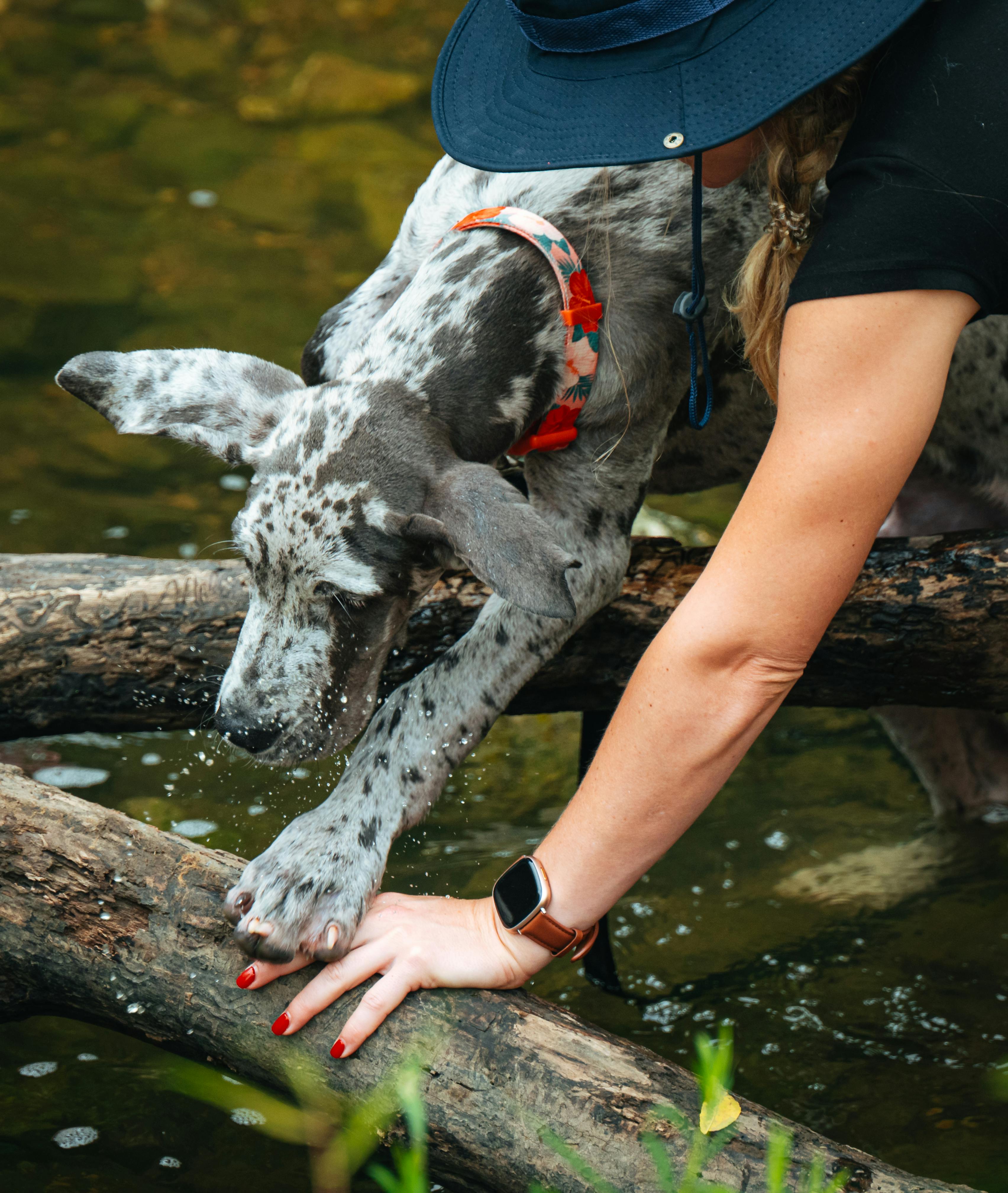 \n\n
\n\nDogs are often referred to as man’s best friend, but there's a lot more to their behavior than just loyalty and companionship. One of the most fascinating aspects of dogs is their wet noses. You might have noticed how your furry friend’s nose is always moist, but have you ever wondered why that is? Understanding the connection between wet noses and dog behavior can reveal some intriguing insights into your pet's health and emotional state. So why do dogs have wet noses? Let’s dive in and uncover the fascinating truth.
\nWhy Do Dogs Have Wet Noses?
\nThere’s several reasons why dogs have wet noses, and it’s not just for show. Here are some key points:
\n- \n
- \n
Temperature Regulation: A dog’s nose helps in regulating their body temperature. When they pant, moisture on their nose evaporates, cooling them down. This is especially useful on hot days.
\n \n - \n
Enhanced Sense of Smell: Dogs have an incredible sense of smell, believed to be anywhere from 10,000 to 100,000 times more sensitive than humans. A wet nose helps to trap scent molecules in the air, enhancing their ability to detect smells.
\n \n - \n
Health Indicator: A dog’s nose can be an indicator of their health. A healthy dog typically has a moist, cool nose. If a dog’s nose is dry or excessively warm, it could be a sign of illness or dehydration.
\n \n - \n
Social Interaction: Dogs often use their noses to communicate with other dogs and humans. The act of sniffing is essential for gathering information about their environment and other creatures.
\n \n
Historical Context and Facts
\nDogs have been companions to humans for thousands of years. The wet nose is a trait that has evolved over time for various practical reasons. Here are some historical facts and insights:
\n- \n
- \n
Evolutionary Development: Early domesticated dogs relied on their sense of smell for hunting and foraging. A wet nose was crucial for tracking scents, which helped them find food.
\n \n - \n
Sensory Evolution: As dogs evolved from wolves into household pets, their noses have adapted to help them navigate their environments. Their reliance on smell has made them skilled hunters, even in modern settings.
\n \n - \n
Cultural Significance: In many cultures, a dog’s wet nose is seen as a sign of health and vitality, which has influenced how dogs are perceived in society.
\n \n
The Science Behind Wet Noses
\nThe moisture on a dog’s nose comes from a combination of mucus and saliva. This moisture is crucial for several reasons:
\n- \n
- \n
Cooling Mechanism: As mentioned, moisture evaporates from a dog’s nose, which helps keep them cool. This is vital during warm weather when they may be more prone to overheating.
\n \n - \n
Scent Detection: A wet nose also enhances the olfactory receptors within the nasal cavity. It allows dogs to absorb more scents, making them excellent trackers.
\n \n - \n
Hydration Indicator: The state of a dog’s nose can reflect their hydration levels. A dog that is well-hydrated usually has a moist nose, while dehydration can result in a dryer nose.
\n \n
Practical Examples and Comparisons
\nUnderstanding the connection between wet noses and dog behavior can help you be a better pet owner. Here are some practical examples:
\n- \n
- \n
Behavioral Changes: If your dog’s nose suddenly becomes dry and warm, monitor their behavior. If they seem lethargic or refuse to eat, it could be a sign to visit the vet.
\n \n - \n
Different Breeds: While most dogs have wet noses, some breeds, like Bulldogs, might have less moisture due to their physical characteristics. It’s important to understand that variations exist among different breeds.
\n \n - \n
Nose Color: A dog’s nose can also change color due to health reasons. For instance, a black nose may fade to brown if they are unwell.
\n \n
Quick Facts About Dog Noses
\n- \n
- \n
Size Matters: Larger breeds typically have larger noses, which may enhance their sense of smell even more.
\n \n - \n
Temperature Sensitivity: Dogs can sense changes in temperature through their noses, which can alert them to changes in their environment.
\n \n - \n
Wet vs. Dry: While a wet nose is usually a good sign, a dry nose doesn’t always mean your dog is sick. Context is important.
\n \n
In summary, the connection between wet noses and dog behavior is a fascinating subject. Understanding why dogs have wet noses not only enhances your knowledge about your furry friend but also helps you to better care for them. Their wet noses are more than just a cute feature; it’s a vital part of their health and communication. So the next time you give your dog a pat, take a moment to appreciate that moist little nose and all the science behind it.
\n\nCan a Dog's Wet Nose Indicate Illness? Understanding the Signs
\n\n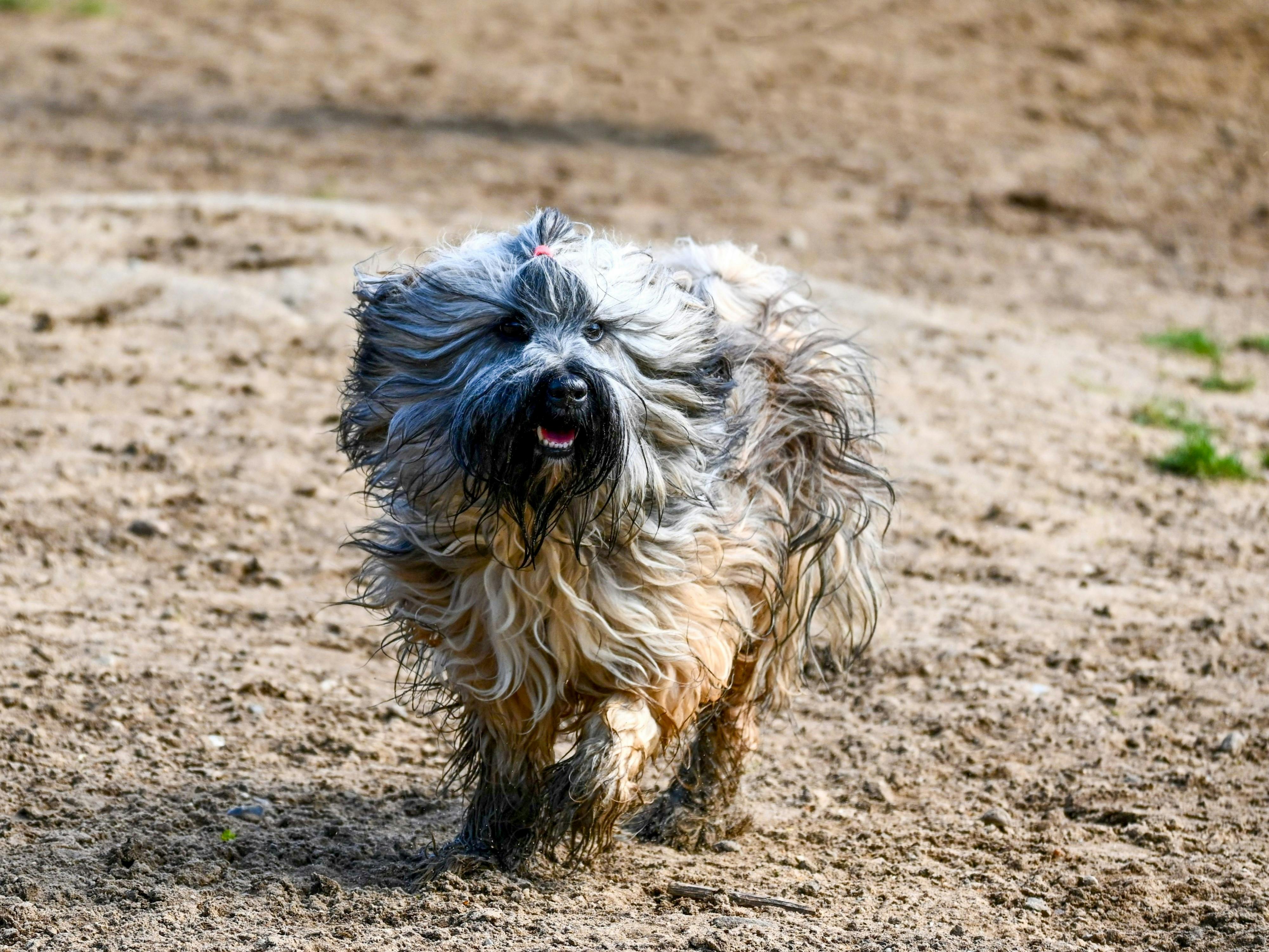 \n\n
\n\nDogs are often considered our best friends, and their health is a priority for many pet owners. One common observation that many people have is their dog's wet nose. But what does it mean? Can a dog's wet nose indicate illness? So many owners wonder about this, but before diving into the signs, let’s look at why do dogs have wet noses in the first place.
\nThe Science Behind Wet Noses
\nDog noses are not just wet for no reason. It turns out, there's a fascinating biological reason behind it. A dog’s nose is naturally moist, and this moisture come from a combination of mucous secretions and the environmental factors. Here are some reasons why a dog’s nose might be wet:
\n- \n
- Cooling Mechanism: Dogs don't sweat like humans. Instead, they cool themselves through their noses and pads. The moisture on their noses evaporates, helping to regulate their body temperature. \n
- Enhanced Smell: Dogs have an extraordinary sense of smell. The wetness on their nose helps to capture scent particles from the air, making it easier for them to smell things. \n
- Health Indicator: Generally, a wet nose is a sign of a healthy dog. However, this can change based on various factors, including illness. \n
Can a Dog's Wet Nose Indicate Illness?
\nSo, can a wet nose really signal that your furry friend is not feeling well? Not directly, but there are several factors to consider. It’s important to understand that a wet nose alone isn't a definitive indicator of health. Here are some signs to look for:
\n- \n
- Dry Nose: A dry or cracked nose could indicate dehydration, fever, or other health issues. If your dog’s nose changes from wet to dry, it might be worth a vet visit. \n
- Discharge: If there is unusual discharge from the nose, this could be a sign of an infection or allergy. \n
- Behavior Changes: If your dog is acting differently, such as being lethargic or not eating, it could be a sign of illness, regardless of their nose's wetness. \n
- Fever Symptoms: If a dog has a warm, dry nose in conjunction with other fever symptoms, it could be an indicator of illness. \n
What Are Other Signs of Illness in Dogs?
\nBesides the condition of their nose, there are several other signs that dog owners should be on the lookout for. These include:
\n- \n
- Changes in Appetite: Eating less or refusing food can be a red flag. \n
- Excessive Thirst or Urination: This might indicate a health issue like kidney disease or diabetes. \n
- Vomiting or Diarrhea: Gastrointestinal issues can arise from various causes, including infections or dietary changes. \n
- Coughing or Sneezing: Respiratory issues can affect a dog’s overall health. \n
Historical Context of Dog Noses
\nHumans have kept dogs as companions for thousands of years. In ancient times, dogs were often used for hunting and protection, and their noses played a vital role in these activities. Wet noses were seen as a sign of a healthy hunting dog. Interestingly, many cultures believed that a dog’s nose could tell you about its well-being.
\nA Quick Comparison: Dog Noses vs. Human Noses
\nHere’s a quick look at how dog noses differ from human noses:
\n| Feature | \nDog Nose | \nHuman Nose | \n
|---|---|---|
| Moisture Level | \nTypically wet | \nUsually dry | \n
| Smell Sensitivity | \nExtremely sensitive (10,000 to 100,000 times more) | \nLess sensitive | \n
| Cooling Mechanism | \nAids in temperature regulation | \nNot a primary cooling method | \n
| Health Indicator | \nWetness can suggest health | \nDryness can suggest dehydration | \n
Practical Examples of Nose Checks
\nHere’s how you can check your dog’s nose to monitor their health:
\n- \n
- Feel the Nose: Is it cool and moist? Good! If it’s warm and dry, pay attention. \n
- Look for Changes: Has the nose changed in texture or color? Note it down. \n
- Check for Discharge: Any unusual sneezing or snot? Time for a vet visit. \n
Being attentive to your dog's nose and overall health can definitely help catch illnesses early. But remember, while a wet nose can be a sign of a healthy dog, it shouldn't be the only factor you rely on. Always consult with a veterinarian if you’re ever unsure about your pet's health.
\nIn the end, understanding why dogs have wet noses and what it could mean for their health is essential for any pet owner. By keeping an eye on these signs, you can help ensure your furry friend stays happy and healthy.
\n\nHow to Care for Your Dog's Nose: Tips for Keeping it Healthy and Moist
\n\n \n\n
\n\nCaring for your dog's nose is important, and many dog owners often wonder why their furry friends have wet noses. In this article, we will explore tips for keeping your dog's nose healthy and moist while uncovering the fascinating truth behind why dogs have wet noses in the first place.
\nWhy Do Dogs Have Wet Noses?
\nDogs noses are typically wet for several reasons. One of the main reasons is that it helps their sense of smell. Did you know that dogs have a sense of smell that's thousands of times better than humans? A wet nose helps to capture scent particles, making it easier for dogs to detect odors.
\nAnother reason for the moisture is that it helps regulate their body temperature. Dogs don't sweat like humans do, so their noses serve as a way to cool down. Here’s a quick list of reasons why dogs have wet noses:
\n- \n
- Enhanced Smell: Moisture helps capture scent particles. \n
- Temperature Regulation: A wet nose helps cool the dog down. \n
- Health Indicator: A healthy nose is often a sign of a healthy dog. \n
- Communication Tool: Dogs use their noses to interact with their environment and other dogs. \n
Tips for Keeping Your Dog’s Nose Healthy and Moist
\nKeeping your dog’s nose healthy is just as vital as caring for their other body parts. Here are some practical tips that can help you maintain that moist and healthy nose:
\n- \n
- \n
Hydration is Key: Make sure your dog has access to fresh, clean water at all times. Dehydration can lead to a dry nose and other health issues.
\n \n - \n
Regular Vet Check-ups: Regular visits to the vet can help catch any potential health issues early on. Your vet can provide advice tailored to your dog’s specific needs.
\n \n - \n
Avoid Harmful Chemicals: Be cautious with household cleaners or garden chemicals. Some of them can irritate your dog's nose. Always use pet-safe products.
\n \n - \n
Moisturize When Necessary: If you notice your dog’s nose is excessively dry or cracked, you can use a veterinarian-approved nose balm. Just ensure it’s safe for dogs.
\n \n - \n
Watch for Changes: Keep an eye on your dog’s nose. If it becomes excessively dry, cracked, or changes color, it could be a sign of health issues. Consult your vet if you see any changes.
\n \n
Understanding Changes in Your Dog's Nose
\nDog noses can change due to various factors, and knowing when to be concerned can help. Here’s a simple breakdown of what different nose conditions could mean:
\n| Condition | \nPossible Cause | \nWhat to Do | \n
|---|---|---|
| Dry Nose | \nDehydration, Allergies | \nIncrease water intake, consult vet | \n
| Cracked Nose | \nLow humidity, Lack of moisture | \nApply balm, humidify environment | \n
| Warm Nose | \nFever, Illness | \nMonitor health, vet visit needed | \n
| Color Change | \nAllergic reaction, Skin disease | \nConsult vet immediately | \n
Common Myths About Dogs' Noses
\nThere are many myths surrounding dogs’ noses that can mislead pet owners. Here are a few common misconceptions:
\n- \n
- \n
A Wet Nose Means a Healthy Dog: While a wet nose is usually a good sign, it’s not the only indicator of health. Always look for overall behavior and physical condition.
\n \n - \n
Dogs Know When It's Going to Rain: While dogs may sense changes in the atmosphere, it’s not entirely accurate that they can predict rain just from their noses.
\n \n - \n
Dogs Only Use Their Noses to Smell: Dogs also use their noses for communication, exploring their surroundings, and even tasting.
\n \n
The Historical Context of Dog Noses
\nHistorically, dogs have been bred for various purposes, and their noses have adapted accordingly. Bloodhounds, for instance, have a highly developed sense of smell due to their breeding for tracking scents. Similarly, terriers were bred for hunting and have noses suited for that purpose. The variations in nose shapes and wetness often correlate with their specific breeds and the traits that have been favored over generations.
\nCaring for your dog’s nose is an essential aspect of responsible pet ownership. Understanding why your dog has a wet nose and how to keep it healthy can not only enhance their well-being but also deepen the bond you share with your furry friend. So, the next time you give your dog a loving pat on the head, take a moment to appreciate that fascinating wet nose and all that it does for them!
\n\nConclusion
\n\nIn conclusion, the wet noses of dogs play a significant role in their health and well-being, serving various essential functions. As we've explored, a dog's moist nose helps to enhance their sense of smell, regulate body temperature, and maintain hydration. The unique composition of nasal mucus not only amplifies olfactory receptors but also provides a natural cooling mechanism, which is crucial for their overall comfort and functioning. While a wet nose is often seen as a sign of a healthy dog, it's essential to be vigilant for any changes, as they can indicate health issues. So, the next time you notice your furry friend’s wet nose, remember its vital role in their life. Embrace the science behind it, and cherish those moments of connection. If you want to learn more about your dog's health or behavior, consider discussing it with your veterinarian or exploring reputable pet care resources.
\n\n