Have you ever wonder, why do dogs have wet noses? This intriguing question has captivated dog lovers and pet owners alike. A dog's nose is not just moist; it's a fascinating marvel of nature that serves multiple purposes. Many people think that a wet nose is a sign of good health, but is this really the case? In this article, we will uncover the fascinating truth behind this curious canine characteristic. Wet noses are not only crucial for thermoregulation but also play a vital role in a dog's sense of smell. Have you ever noticed how your furry friend sniffs everything? This is because their noses are packed with specialized cells that help them detect scents better. But that's not all! The temperature and moisture of a dog's nose can also reveal much about their emotional state. So, what makes a dog’s nose wet, and why is it important? Stay tuned as we dive deeper into the science of dog noses, explore canine health, and debunk common myths. You’ll be amazed at what you learn about your loyal companion’s wet nose!
The Science Behind Wet Noses: Why Are Dogs' Noses Always Moist?
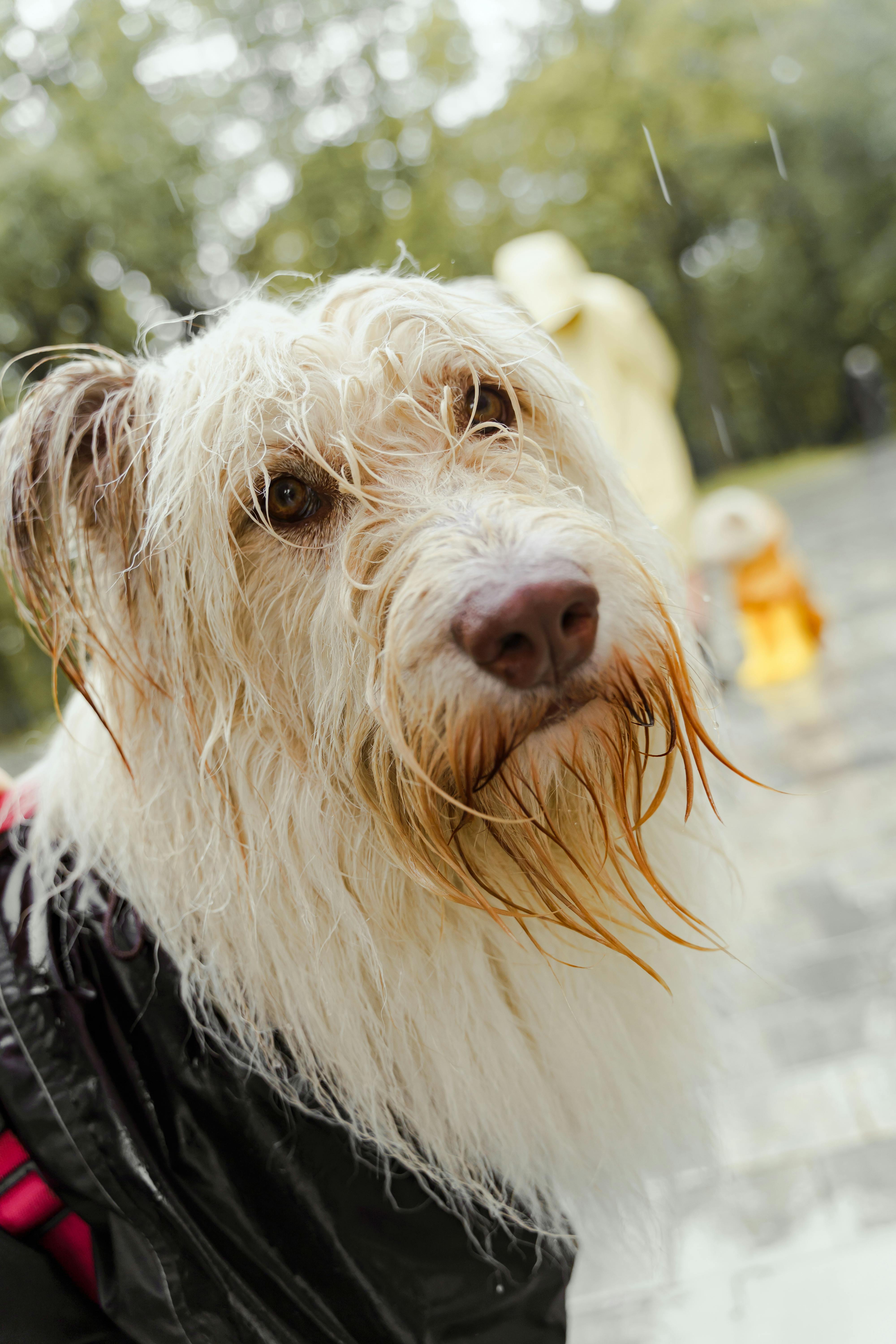
Dogs are often regarded as our loyal companions, but have you ever wondered about the science behind their wet noses? The moistness of a dog's nose is not just a quirky feature; it has significant biological and behavioral purposes. In this article, we will unravel the fascinating truth about why dogs have wet noses and what it means for their health and interactions with the world.
The Biology of a Dog's Nose
First off, let’s talk about what makes a dog's nose wet. Dogs have a special gland in their nose that produces mucus, helping to keep it moist. This moisture plays a crucial role in enhancing their sense of smell. A wet nose can capture scent molecules more effectively, allowing dogs to better detect various odors in their environment. In fact, dogs have about 220 million scent receptors in their noses, compared to a human's 5 million. So, when you see your furry friend sniffing around, they’re not just being cute; they’re actively gathering information.
Why Do Dogs Have Wet Noses?
There are several reasons which explain why dogs' noses are usually damp:
Thermoregulation: Dogs can’t sweat like humans do, so they rely on their noses to help cool down. A wet nose helps to regulate body temperature, similar to how sweating cools us down.
Enhanced Smell: As mentioned, moisture helps to trap scent particles, improving their olfactory abilities. This is especially important for hunting or tracking dogs.
Health Indicator: A dog’s nose can often indicate their health. A moist nose is typically a sign of a healthy dog, while a dry or cracked nose may point to dehydration or illness.
Social Interactions: Dogs communicate through scent. A wet nose can help in the socialization process with other dogs and humans, as they can pick up on pheromones and other scents.
Historical Context
Historically, dogs have been valued for their sense of smell. Ancient civilizations often utilized dogs for hunting and tracking due to their superior olfactory capabilities. Their wet noses have been an integral part of this ability, allowing them to excel in roles such as search and rescue, detection of drugs, and even medical alert tasks.
The Science Behind Nose Moisture
How exactly does the moisture on a dog's nose work? Here’s a breakdown:
- The nose of a dog is covered with a thin layer of epithelial cells that secrete mucus.
- This mucus helps to capture and dissolve odor particles, making it easier for the olfactory receptors to detect them.
- When a dog breathes, the air passes over this moist surface, enhancing the sense of smell even further.
Fun Facts About Dogs' Noses
- Each dog's nose print is unique, much like a human fingerprint.
- Puppies are born with dry noses, and they develop the moist feature as they grow.
- Dogs can smell certain diseases, like cancer or diabetes, thanks to their keen sense of smell.
Comparing Dog Noses to Other Animals
To understand dogs better, it's interesting to compare their noses to those of other animals. Here’s a quick look:
| Animal | Number of Scent Receptors | Nose Moisture Level |
|---|---|---|
| Dogs | 220 million | High |
| Cats | 50-80 million | Moderate |
| Humans | 5 million | Low |
| Elephants | 2,000 genes for smell | Moderate |
As you can see, dogs really outshine humans and even cats in their olfactory capabilities, thanks to that famous wet nose!
Practical Example: A Day in the Life of a Dog
Imagine a day in the life of your dog. They wake up and immediately start sniffing around the house. Their wet nose helps them detect the scent of breakfast, the lingering aroma of last night’s dinner, and even the location of that pesky squirrel outside. As they explore the park, their nose is constantly working, helping them identify other animals, people, and even the freshest scents in the area.
Understanding why dogs have wet noses not only highlights their unique biology but also deepens our appreciation for these remarkable animals. The next time you give your furry friend a pat on the head, remember that their wet nose is not just a cute feature – it's a vital tool that enhances their connection to the world around them.
Top 5 Reasons Your Dog's Nose Is Wet: Discover What It Means for Their Health

Ever wonder why do dogs have wet noses? It’s more than just a quirky trait; it’s a signal of their health and well-being. If you’ve ever noticed your furry friend’s cold, moist nose, you might’ve asked yourself what it actually means. In this article, we gonna explore the top five reasons your dog's nose is wet, uncovering the fascinating truth behind this common canine characteristic.
1. Natural Body Temperature Regulation
Dogs, like humans, can sweat, but they don’t do it the same way. Instead of sweating all over their bodies, dogs primarily rely on panting to cool down. However, their noses play a role too.
- Wet noses help dogs regulate their body temperature.
- Moisture on their noses evaporates, cooling the blood vessels nearby.
- Helps them stay cool during hot days or after running around.
So, if you notice your dog’s nose is wet after playtime or on a sunny day, it’s just their way of keeping cool.
2. Sensory Function
A dog’s nose is a powerful sensory organ. They have an incredible sense of smell, which is way better than humans. The wetness of their noses actually helps enhance their ability to smell.
- Moisture in the air captures scent particles.
- Dogs can identify different smells better with a wet nose.
- Increased olfactory abilities help in hunting, tracking, and even social interactions.
In fact, dogs have around 300 million scent receptors in their noses compared to about 6 million in humans! That’s a huge difference, and their wet noses help them utilize this incredible sense to its fullest.
3. Sign of Good Health
A wet nose is often seen as a sign of good health in dogs. However, it’s not the only indicator. Here’s what to keep in mind:
- A cold and wet nose generally indicates hydration and good health.
- If the nose feels dry or hot, it might be a cause for concern.
- Changes in moisture levels could signal illness or dehydration.
Here’s a quick checklist to determine if your dog’s nose is healthy:
- Is it cool to the touch?
- Does it have a normal moisture level?
- Are there no visible sores or crust?
If you notice any abnormalities, it’s best to consult with your veterinarian to rule out any health issues.
4. Environmental Factors
Environmental conditions can have a big impact on the moisture level of your dog’s nose. Different factors can lead to changes in how wet or dry their nose feels.
- Humidity levels in the air.
- Temperature changes, both indoors and outdoors.
- Allergens and pollutants that can cause irritation.
For example, during the winter months, you might find your dog’s nose drier due to cold air and indoor heating. Conversely, a high humidity day may leave their nose feeling extra wet.
5. Natural Behavior and Grooming
Dogs are natural groomers. They often lick their noses to keep them clean and moist. This behavior has multiple purposes:
- Keeps their noses clean from dirt and debris.
- Helps them maintain a level of moisture needed for optimal smelling.
- Shows their natural instincts for self-care.
If your dog is frequently licking their nose, it’s normal behavior but excessive licking might indicate anxiety or discomfort. In such cases, you might want to observe your dog for other signs of stress or consult a veterinarian.
Summary of Key Points
- Natural Body Temperature Regulation: Wet noses help in cooling down.
- Sensory Function: Moisture enhances smelling capabilities.
- Sign of Good Health: A wet nose often indicates hydration.
- Environmental Factors: Weather can change nose moisture.
- Natural Behavior and Grooming: Dogs lick their noses for cleanliness.
Understanding why do dogs have wet noses can help you keep a closer eye on your canine companion's health. The moistness is not just a quirky characteristic; it’s tied to their well-being and instincts. If your dog’s nose seems unusually dry or hot, it might be a good idea to speak with a veterinarian. After all, being informed is key to ensuring your furry friend lives a happy and healthy life. So, the next time you give your dog a pat and feel that wet nose, you'll know a little bit more about what it means for their health!
How a Wet Nose Boosts Your Dog’s Sense of Smell: The Fascinating Connection
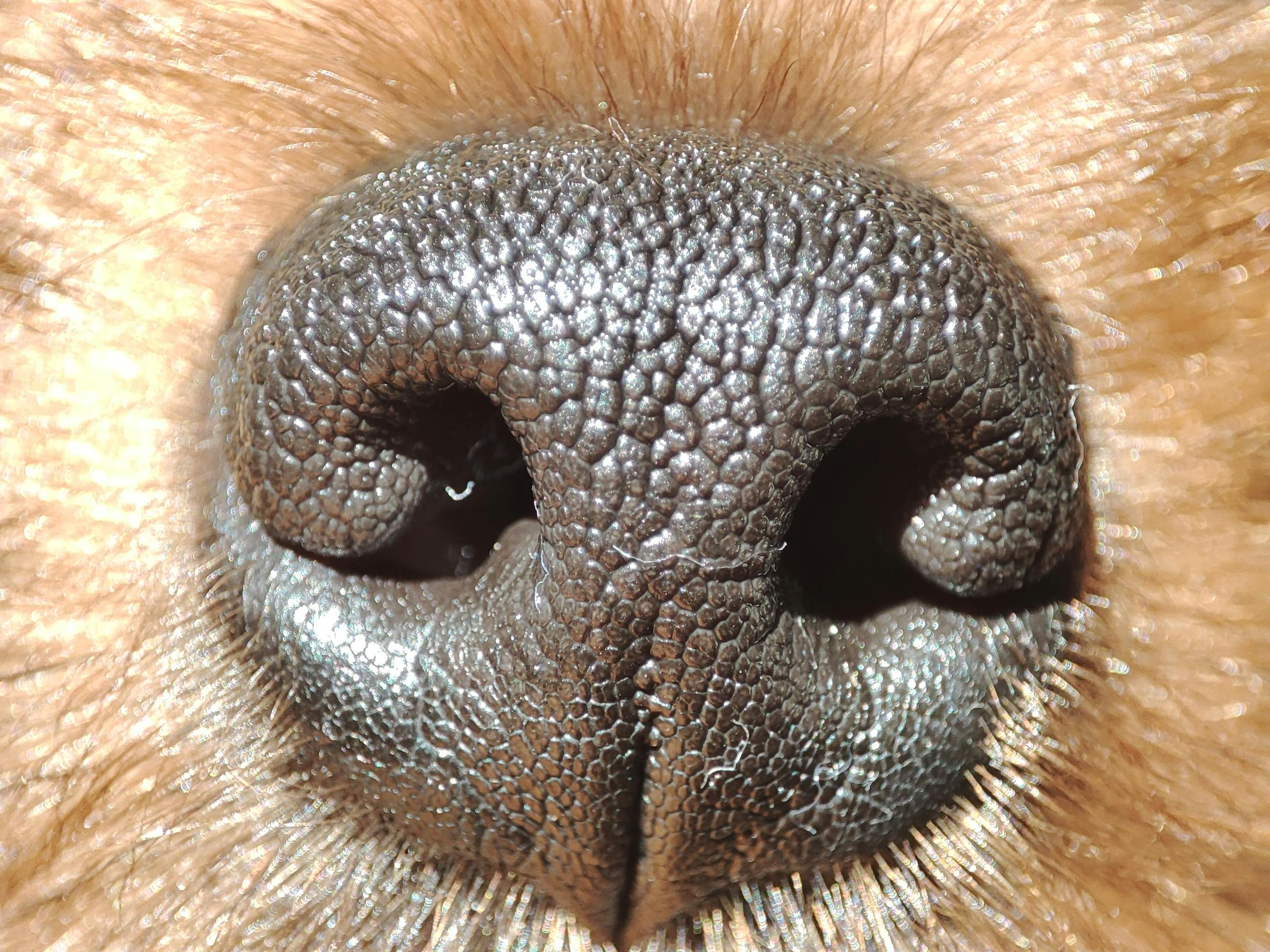
Have you ever wondered why your dog’s nose is wet? It’s not just for show or because they’ve been drinking water. A wet nose actually plays a significant role in your dog’s incredible sense of smell. Dogs have a remarkable ability to detect scents, and their wet noses help them do it even better. There’s a fascinating connection between a dog’s wet nose and their olfactory prowess that’s worth exploring.
The Science Behind a Dog's Sense of Smell
Dogs have an extraordinary sense of smell that’s estimated to be 10,000 to 100,000 times more sensitive than that of humans. This difference can be attributed to several factors:
- Olfactory Receptors: Dogs have around 300 million olfactory receptors in their noses, compared to a human’s approximately 5 million.
- Jacobsen's Organ: This special organ located in the nasal cavity helps dogs to process scents more effectively.
- Nasal Structure: The structure of a dog's nose is designed to trap and analyze scent particles.
Why Do Dogs Have Wet Noses?
The moisture on your dog's nose is not just for aesthetics; it serves several practical purposes. Here’s how a wet nose boosts their sense of smell:
- Enhanced Scent Capture: A wet surface captures scent particles better than a dry one. When a dog sniffs, the moisture helps to absorb the scent molecules, allowing for better detection.
- Temperature Regulation: Dogs can’t sweat like humans do. Their wet noses help them cool down and regulate body temperature, which is crucial when they are working hard to sniff out scents.
- Health Indicator: A dog’s nose can also be an indicator of health. A dry or cracked nose could signify dehydration or illness, while a moist nose is often a sign of a healthy dog.
Historical Context of Dogs' Sense of Smell
Historically, dogs have been used for various purposes due to their keen sense of smell. From hunting and tracking to search and rescue missions, their ability to detect scents has been invaluable to humans.
- Hunting Dogs: Breeds like Beagles and Bloodhounds were bred specifically for their olfactory skills, aiding hunters in locating game.
- Service Dogs: Many service dogs help in locating drugs, explosives, or even detecting medical conditions like seizures or low blood sugar.
- Search and Rescue: Dogs have been used in rescue missions after natural disasters, relying on their sense of smell to locate trapped individuals.
Practical Examples of Canine Olfactory Abilities
To highlight just how impressive dog noses are, here’s some amazing examples:
- Drug Detection: Dogs can be trained to detect illegal substances hidden in luggage, on persons, or even in vehicles.
- Medical Alerts: Some dogs can detect diseases like cancer or diabetes by sniffing breath or skin.
- Tracking Abilities: Bloodhounds are particularly famous for their tracking abilities, often helping law enforcement in locating missing persons.
How to Keep Your Dog’s Nose Healthy
Maintaining your dog’s nose health is important for their overall well-being. Here are some tips:
- Hydration: Ensure your dog drinks enough water to keep their nose moist.
- Regular Vet Check-ups: Regular visits to the vet can help catch any potential health issues early.
- Watch for Changes: If you notice a sudden change in the moisture or texture of your dog’s nose, consult your veterinarian.
Fun Facts About Dog Noses
- Did you know each dog has a unique nose print, much like a human fingerprint?
- Dogs can detect certain diseases in humans, like cancer, with their sense of smell.
- The wetness of a dog’s nose can vary with the weather, becoming drier in hot conditions.
The connection between a dog’s wet nose and their sense of smell is a fascinating topic that illustrates just how remarkable these animals truly are. Their ability to sniff out scents is not just a party trick; it’s an essential part of their biology that has implications for their health and their ability to serve alongside humans. So next time you give your dog a scratch behind the ears, remember that those wet noses are doing a lot more than just looking cute!
Is Your Dog’s Wet Nose a Sign of Illness? Understanding the Health Indicators
Is your dog’s wet nose a sign of illness? Many dog owners often wonder about this curious feature of their pets. Dogs are known for their wet noses, but few realize just how much information a wet nose can provide about their health. So, let’s dive into the fascinating world of dog noses and what they really mean for your furry friend.
Why Do Dogs Have Wet Noses?
Dogs have wet noses for several reasons, and it’s not just for show. Here’s a breakdown of why your dog’s nose might be wet:
Cooling Mechanism: Just like humans sweat, dogs use their noses to help regulate their body temperature. A wet nose helps cool them down. Dogs don’t sweat like we do, and instead, they rely on panting and the moisture on their noses.
Enhanced Smell: Dogs have an incredible sense of smell, and moisture helps to capture scent particles in the air. A wet nose allows them to detect smells better, which is why they often sniff around.
Health Indicator: A dog’s nose can reflect their health. A healthy dog typically has a cool, moist nose, while changes in its texture or temperature can sometimes indicate health issues.
Understanding the Health Indicators
So, is a wet nose always a good sign? Not necessarily. Here are some conditions and what the nose might indicate:
Healthy Nose: Cool and moist, signs of a happy and healthy dog.
Dry Nose: Could indicate dehydration, illness, or simply that they’ve been snoozing in the sun.
Warm Nose: If your dog’s nose is warm and dry, it might be a sign of fever or illness. It’s not definitive, but it’s worth keeping an eye on.
Cracked or Sore Nose: This might suggest allergies, infections, or even sunburn.
Excessive Nasal Discharge: This could be a sign of an upper respiratory infection or other health issues that require attention.
Common Myths about Dog Nose Health
There are several myths surrounding dog noses that can confuse pet owners. Let’s debunk them:
Myth 1: A cold nose means your dog is sick.
- Reality: Cold and wet noses are typical for healthy dogs. A warm nose doesn’t always mean there’s an illness.
Myth 2: Dogs with dry noses are always sick.
- Reality: A dry nose can simply mean they’re sleeping or it's a warm day.
Myth 3: You can always tell if a dog is sick just by looking at their nose.
- Reality: While the nose can give clues, it’s important to monitor other behaviors and consult a vet.
What to Do if You Notice Changes
If you notice changes in your dog’s nose or overall behavior, it’s important to take action. Here’s a quick checklist:
Monitor Symptoms: If your dog has a dry or warm nose, observe for other symptoms like lethargy, loss of appetite, or coughing.
Check Hydration: Make sure your dog has access to fresh water at all times. Dehydration can lead to a dry nose.
Consult Your Vet: If you’re concerned about your dog’s health, don’t hesitate to reach out to a veterinarian. They can provide accurate diagnosis and treatment.
Keep a Journal: Document any changes you notice. This can help your vet understand what might be going on.
Interesting Facts about Dog Noses
Did you know that dogs have about 220 million scent receptors in their noses? Humans only have about 5 million.
The texture of a dog’s nose is unique, similar to a human fingerprint. No two dogs have the same nose pattern!
Dogs can smell certain diseases, like cancer and diabetes, due to their incredible olfactory senses.
Final Thoughts
The condition of your dog’s nose can tell you quite a bit about their health, but it should not be the only indicator you rely on. A wet nose is usually a good sign, but always consider other symptoms and changes in behavior. Your furry friend deserves the best care possible, and being observant can help you catch potential health issues early on. Remember, when in doubt, a quick vet visit can ease your mind and keep your dog healthy and happy.
The Role of a Wet Nose in Dog Communication: What Your Pup Is Trying to Tell You
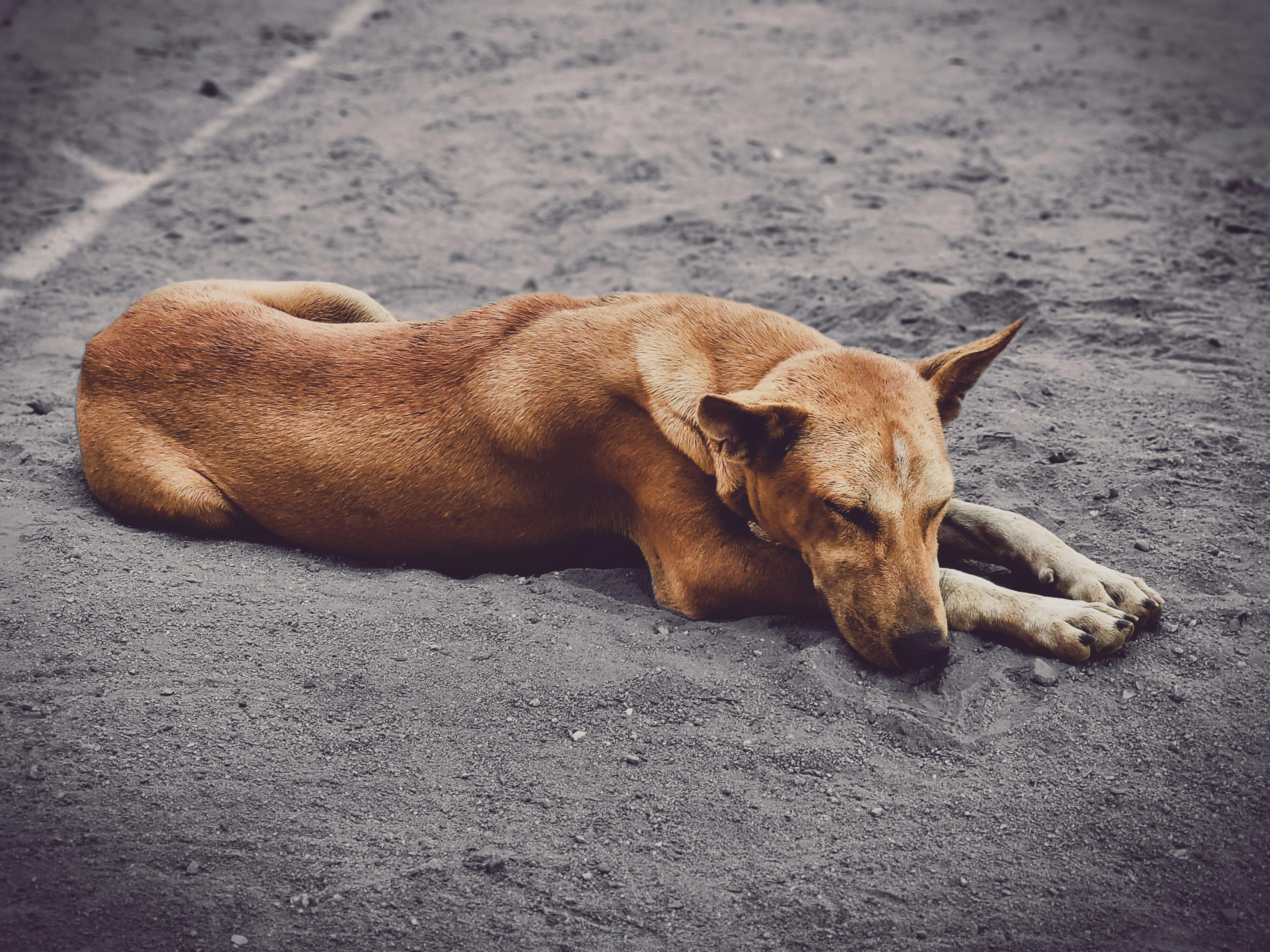
Dogs are often known as man’s best friend, and part of what makes them so endearing is how they communicate with us. One of the most interesting aspects of dog communication is their wet noses. Ever wondered why do dogs have wet noses? Understanding the role of a wet nose in dog communication can tell us a lot about what our furry companions are trying to express. This article will explore the fascinating truth behind those moist snouts and what they mean for your pup's health and emotions.
The Science Behind Wet Noses
Dog noses are wet for several reasons, primarily related to their health and sensory capabilities. Here’s a quick breakdown:
- Temperature Regulation: The moisture helps cool a dog’s body. When they pant, the evaporation of water from their nose can assist in regulating their body temperature.
- Enhanced Smell: Dogs have an incredible sense of smell, and the wetness on their noses helps capture scent particles in the air. The moisture allows scents to adhere better, improving their ability to detect and differentiate smells.
- Health Indicator: A wet nose can also be a sign of health. A normal dog nose should feel cool and moist, and a sudden change to dryness might indicate illness or dehydration.
How Dogs Communicate with Their Noses
Dogs use their noses to communicate with each other and with humans. Here’s how it works:
- Scent Marking: Dogs have scent glands in their noses. When they sniff something, they might be marking their territory or gathering information about other animals.
- Greeting Rituals: When dogs meet, they often sniff each other’s noses. This behavior is a way of saying hello, gathering information about the other pup. The wetness of their noses makes this interaction more effective since it captures more scent.
- Emotional States: A dog’s nose can also reflect their emotional state. When a dog is excited or happy, their nose might be wetter than when they are feeling anxious or scared.
What Your Pup Is Trying to Tell You
Your dog’s wet nose can reveal various messages. Here’s what to look for:
Happy and Excited: If your dog approaches you with a wet nose and wagging tail, it likely means they are happy to see you. They may want to play or go for a walk.
Curious: When your dog is sniffing around a new environment, their nose will be constantly moist. This is their way of exploring and trying to learn about their surroundings.
Nervousness or Stress: A dry or warm nose may indicate that your dog is feeling stressed or unwell. If combined with other signs, like hiding or excessive barking, it’s worth checking in with your vet.
Historical Context of Dog Noses
Interestingly, throughout history, dogs have been bred for specific functions, many of which rely heavily on their sense of smell. Here’s a brief overview:
- Hunting and Tracking: Breeds like Bloodhounds and Beagles were developed specifically for their keen sense of smell. Their wet noses play a crucial role in tracking scents over long distances.
- Search and Rescue: Dogs have been employed in search and rescue operations due to their exceptional olfactory abilities. Their wet noses help them detect scents even in challenging conditions.
Fun Facts About Dog Noses
- Dogs have around 300 million scent receptors, compared to a human's 5 million.
- The unique pattern of a dog’s nose is similar to a human fingerprint—no two are alike.
- A wet nose can help dogs detect certain illnesses in humans, including cancer and diabetes.
Why Do Dogs Have Wet Noses?
In summary, the reason why dogs have wet noses is multi-faceted. They serve important functions in communication, temperature regulation, and health indicators. Here are some key takeaways:
- Wet noses enhance a dog’s sense of smell.
- Moisture helps with body temperature regulation.
- A wet nose can indicate emotional states or health conditions.
The next time your pup comes up to you with that cute, wet nose, remember that they are communicating something important. Whether it’s excitement, curiosity, or a need for attention, those wet noses are a vital part of your dog’s way of connecting with the world around them. So, embrace those moments, and don’t forget to return the love!
Wet Noses vs. Dry Noses: What Every Dog Owner Should Know About Their Pet’s Health
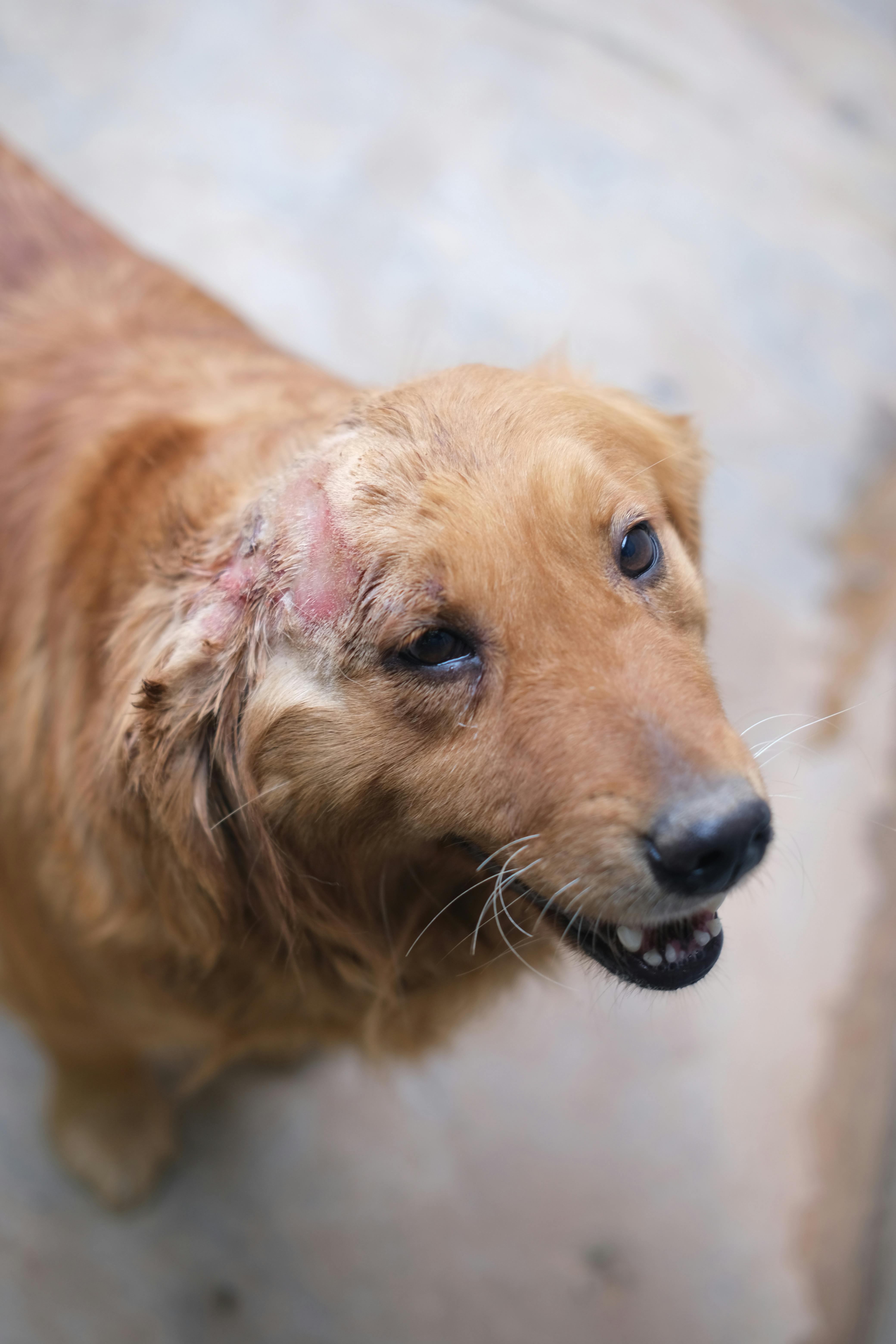
Dogs are often considered man's best friend, and one of the most interesting things about them is their wet noses. Ever wonder why do dogs have wet noses? Many dog owners might think it’s just a cute trait, but it’s actually linked to their health and well-being. Understanding wet noses vs. dry noses can help pet owners be more aware of their furry friends’ health.
The Science Behind Wet Noses
First things first, a dog's nose is wet for a few reasons. The moisture on a dog’s nose helps them smell better. Yup, that’s right! Dogs have an incredible sense of smell, estimated to be 10,000 to 100,000 times more sensitive than humans. The moist surface of the nose captures scent particles, allowing dogs to detect odors more effectively. It's like how a sponge soaks up water, making it easier to absorb the scents in the air.
- Helps with scent detection
- Regulates body temperature
- Keeps the nose cool
Why Do Dogs Have Wet Noses?
Now, let’s dive deeper into the fascinating truth of why do dogs have wet noses. Here’s a list of key reasons:
Enhanced Olfactory Ability: The wetness on a dog's nose enhances their ability to smell. It captures scent particles in the air, improving their detection capabilities.
Thermoregulation: Dogs can’t sweat like humans do. Their wet noses help cool them down. When a dog pants, moisture evaporates from their nose, helping to regulate their body temperature.
Health Indicator: A dog's nose can also be a health barometer. Changes in the moisture level or texture can indicate possible health issues.
Wet Noses vs. Dry Noses
Understanding the difference between wet and dry noses is crucial for every dog owner. A wet nose is typically a sign of a healthy dog, but a dry nose doesn't always mean something is wrong. Here’s a breakdown:
Wet Nose: Often a sign of hydration and good health. It’s also common for dogs to have a wet nose after eating or drinking.
Dry Nose: Can indicate dehydration, illness, or even allergies. But sometimes, it can just be due to the weather or being in a warm environment.
Common Myths About Nose Moisture
There are tons of myths surrounding dogs' noses. Let’s clear some of those up:
Myth 1: A warm, dry nose means your dog has a fever.
- Fact: A dog's body temperature is best measured with a thermometer, not by their nose.
Myth 2: Dogs with dry noses are always sick.
- Fact: Many healthy dogs have dry noses, especially in certain weather conditions.
Myth 3: A dog’s nose will always be wet.
- Fact: A variety of factors can influence the moisture level of a dog's nose.
What To Do If Your Dog's Nose Changes
If you notice a sudden change in your dog’s nose, it might be worth monitoring. Here are some practical steps:
Observe Behavior: Is your dog acting normally? Eating, drinking, and playing like usual?
Check for Other Symptoms: Look for signs of illness, like lethargy, vomiting, or diarrhea.
Consult a Vet: If the nose remains dry for an extended period or if other symptoms appear, it’s always a good idea to consult your veterinarian.
Keeping Your Dog Healthy
As a dog owner, being proactive about your pet's health is super important. Here’s a simple checklist to help maintain your dog’s well-being:
- Regular vet visits
- Keep them hydrated
- Monitor their diet
- Ensure proper exercise
Fun Fact About Dog Noses
Did you know that every dog’s nose print is unique? Just like human fingerprints, no two dog noses are alike! This uniqueness could potentially be used for identification purposes, if ever needed.
Understanding your dog’s health through their nose can be quite fascinating. A wet nose can tell you a lot about your furry friend's well-being. So, next time you see your pup with a moist snout, you can appreciate the science behind it! Keeping an eye on these changes can make a significant difference in your dog's health. Always remember, a happy dog means a happy home!
The Evolutionary Benefits of a Wet Nose: Why Nature Designed Dogs This Way

Dogs are often known as man's best friend, but did you ever wonder why do dogs have wet noses? The evolutionary benefits of a wet nose is quite fascinating, and it reveals much about how nature design can be so clever. This unique feature of dogs is not just for show; it serves several important functions that are crucial for their survival and communication.
The Science Behind Wet Noses
A dog’s nose, when wet, plays a significant role in their overall sense of smell. Dogs have an incredible olfactory system that is much more developed than humans. In fact, their sense of smell is estimated to be between 10,000 to 100,000 times more sensitive. This heightened sense helps them detect scents, identify other animals, and even sense changes in their environment.
When a dog’s nose is wet, it helps to dissolve scent particles in the air. This makes it easier for dogs to pick up on those smells. The moisture on their noses also helps to keep the olfactory receptors cool, which is essential for optimal functioning.
Historical Context of Dog Noses
Dogs’ wet noses have evolved over thousands of years. Ancient breeds, like the Basenji, were developed in environments where hunting and tracking were essential for survival. Their wet noses were beneficial in detecting prey and avoiding predators.
- Wet Noses in Ancient Breeds:
- Basenji: Known for their hunting abilities in Africa.
- Bloodhound: Renowned for their tracking skills due to their excellent sense of smell.
- Siberian Husky: Developed in cold climates, their wet noses helped them sense changes in the weather.
Understanding the Purpose of a Wet Nose
So, why do dogs have wet noses? Let’s break down the main benefits:
Enhanced Smell Detection: The moisture captures scent particles, enhancing a dog’s ability to detect and identify smells.
Temperature Regulation: Dogs do not sweat like humans. A wet nose helps in regulating their body temperature. The evaporation of moisture from their noses can cool them down.
Health Monitoring: A wet nose can often be a sign of a healthy dog. However, if the nose is excessively dry, it could indicate dehydration or illness.
Communication Tool: Dogs use their noses to communicate with other dogs and animals. A wet nose can signal friendliness or curiosity, while a dry nose might indicate stress or discomfort.
Fascinating Facts About Dog Noses
- Nasal Patterns: Just like human fingerprints, every dog has a unique nose print.
- Number of Smell Receptors: Dogs can have up to 300 million smell receptors, compared to a human's 5 million.
- Scent Memory: Dogs can remember scents for years, which aids in tracking and search-and-rescue missions.
Comparison: Dogs Vs. Humans
When comparing the olfactory abilities of dogs and humans, it's clear why dogs rely on their wet noses so much. Here’s a simple breakdown:
| Feature | Dogs | Humans |
|---|---|---|
| Smell Receptors | Up to 300 million | About 5 million |
| Scent Sensitivity | 10,000 to 100,000 times more sensitive | Standard sensitivity |
| Ability to identify scents | 100,000 different scents | About 10,000 scents |
Practical Examples of Wet Nose Benefits
Let’s take a look at how wet noses play practical roles in a dog's life:
- Tracking: Bloodhounds are used in law enforcement for tracking down individuals due to their keen sense of smell, aided by their wet noses.
- Search and Rescue: Dogs trained for search and rescue missions rely on their sense of smell to locate missing persons, often using their wet noses to help in the detection.
- Therapeutic Roles: Therapy dogs use their noses to comfort people, showing that a wet nose can also be a tool for emotional connection.
The evolutionary benefits of a wet nose in dogs is a beautiful example of how nature has crafted these creatures for survival, communication, and companionship. It’s easy to overlook these small details, but understanding why do dogs have wet noses not only makes us appreciate them more but also gives us insight into their behavior and health. Next time you pet your furry friend, take a moment to think about that wet nose and all the amazing functions it serves!
Curious Canine Facts: How Wet Noses Help Dogs Regulate Their Body Temperature
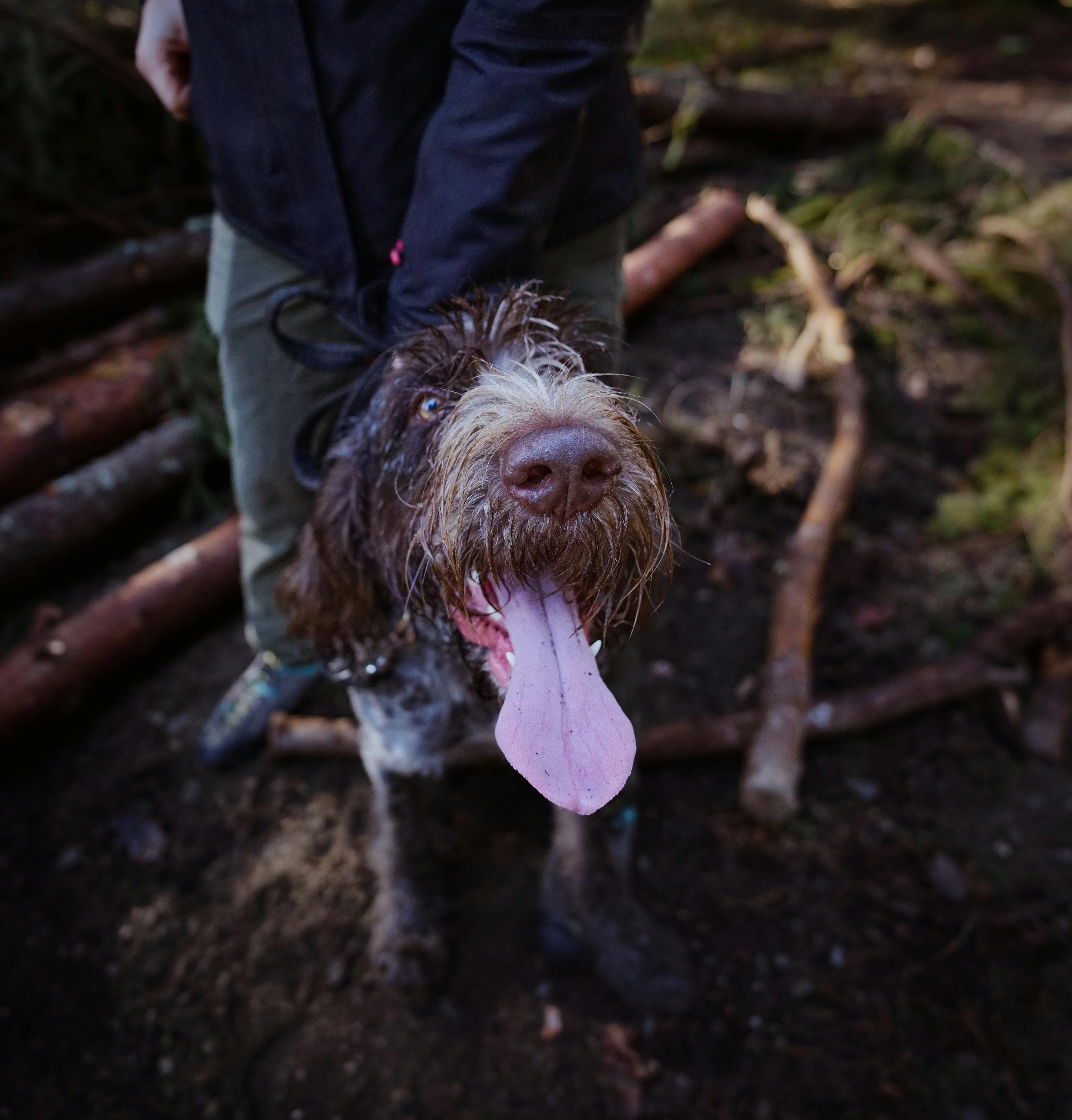
Dogs are some of the most beloved pets around the world, and their unique characteristics often spark our curiosity. One of the most fascinating features about dogs is their wet noses. You might wonder, why do dogs have wet noses? This question has intrigued pet owners and animal lovers alike for ages. Let’s dive into the curious canine facts surrounding this intriguing topic, particularly focusing on how those wet noses help dogs regulate their body temperature.
The Science Behind Wet Noses
Dogs have wet noses for a number of reasons. Firstly, it helps them in regulating their body temperature. Unlike humans, who sweat to cool down, dogs primarily rely on their noses and panting. Here's how it works:
- Evaporation: The moisture on a dog's nose evaporates and cools them down.
- Increased Surface Area: A dog's nose has a large surface area that allows for more heat exchange.
- Scent Detection: Wet noses help dogs pick up scents better, which is crucial for their survival in the wild.
Historical Context of Dog Noses
Historically, dogs have been our companions for thousands of years. They evolved from wolves, and their noses have adapted to suit their lifestyle. Ancient civilizations recognized the importance of a dog's sense of smell. For example, the Egyptians used dogs for hunting and protection, appreciating their keen olfactory senses.
Why Are Dog Noses Wet?
There are few reasons why a dog's nose tends to be wet. Here’s a breakdown:
- Mucus Production: Dogs have mucus glands in their noses that keep the surface moist. This moisture helps them in detecting smells.
- Environmental Factors: When dogs are outside, they often pick up water from grass or other surfaces, which adds to the wetness.
- Health Indicator: A wet nose is often seen as a sign of a healthy dog. If a dog’s nose is dry, it could indicate dehydration, illness, or other health issues.
Fun Facts About Dog Noses
- Unique Patterns: Just like human fingerprints, no two dog noses are alike. Each dog has a unique pattern of ridges and creases.
- Temperature Regulation: Dogs can lower their body temperature by up to 2 degrees Fahrenheit through their noses.
- Scent Sensitivity: A dog’s sense of smell is estimated to be 10,000 to 100,000 times more sensitive than that of humans.
Comparison: Dog Noses vs. Human Noses
Here's a quick comparison of dog noses and human noses:
| Feature | Dog Nose | Human Nose |
|---|---|---|
| Moisture Level | Generally wet | Usually dry |
| Olfactory Receptors | Approximately 300 million | About 5 million |
| Purpose | Scent detection, temperature regulation | Breathing, smelling |
| Unique Patterns | Yes | No |
Practical Examples of Nose Functionality
When dogs sniff around, they are not just being curious; they are using their wet noses for a variety of purposes. For instance:
- Tracking: Bloodhounds can follow a scent trail that is days old, thanks to their powerful noses.
- Detection: Dogs are used in police work and search-and-rescue missions because of their ability to detect drugs or find missing persons.
- Health Detection: Some dogs can even detect diseases like cancer or diabetes through smell.
What If a Dog’s Nose is Dry?
If a dog’s nose is dry, it doesn’t always mean something is wrong. However, it can be helpful to monitor the situation. Here are some possible reasons for a dry nose:
- Dehydration: Make sure your dog is drinking enough water.
- Weather Conditions: Hot or windy weather can dry out a dog’s nose.
- Health Issues: If the dryness is accompanied by other symptoms, it may be worth consulting a veterinarian.
How to Keep Your Dog’s Nose Healthy
To ensure your dog’s nose remains healthy and moist, consider these tips:
- Hydration: Always have fresh water available.
- Humidifier: Using a humidifier in dry climates can help.
- Regular Vet Visits: Regular check-ups can help catch any potential health issues early.
In summary, the wet nose of a dog is not just a cute feature; it serves a multitude of functions that are essential for their survival and health. Understanding why dogs have wet noses can deepen our appreciation for these wonderful creatures. So next time you pet your furry friend, take a moment to think about the fascinating truth behind their wet nose!
Do All Dogs Have Wet Noses? Exploring Variations Across Breeds and Conditions

When we think about dogs, we often picture their floppy ears, wagging tails, and those adorable wet noses. But, do all dogs have wet noses? It's a question that many dog owners might wonder about, and the answer is not as simple as one might think. Let's dive into the world of our furry friends to uncover why dogs have wet noses and how variations across breeds and conditions can affect this characteristic.
Why Do Dogs Have Wet Noses?
One of the main reasons why dogs have wet noses is because it's a natural mechanism for thermoregulation. Their noses help them cool off, and the moisture helps to absorb scent particles, which enhances their sense of smell. Dogs have an incredible olfactory system, and a wet nose can actually improve their ability to detect odors. Some facts about this phenomenon includes:
- Temperature Regulation: Dogs sweat through their paw pads, but their noses helps to cool them down too.
- Enhanced Smell: Moisture on the nose captures scent molecules, making it easier for dogs to smell.
- Health Indicator: A wet nose is often a sign of a healthy dog, while a dry nose could indicate dehydration or illness.
Variations Across Breeds
Not all dogs have the same type of noses. Different breeds can exhibit varying nose moisture levels. For example, brachycephalic breeds like Bulldogs or Pugs often have flatter noses, which may not stay as moist as those of other breeds. Here’s a breakdown of how some breeds compare:
- Basset Hounds: Known for their long, droopy noses that often stay moist.
- Siberian Huskies: These dogs often have a dry nose, especially in cold weather.
- Chihuahuas: They can have moist noses, but it varies widely among individuals.
- Golden Retrievers: Typically have a moist nose, which is a good sign of health.
Conditions That Affect Nose Moisture
Several conditions can lead to changes in a dog’s nose moisture. Here are some common reasons:
- Dehydration: If a dog isn't getting enough water, their nose may become dry.
- Health Issues: Certain illnesses can cause a dog’s nose to be dry or cracked.
- Allergies: Dogs with allergies might have a runny nose, making it moist but sometimes irritated.
- Weather Changes: Cold or dry weather can lead to a drier nose in many dogs.
Fun Facts About Dog Noses
Here are some interesting tidbits to consider about dog noses:
- Unique Patterns: Just like human fingerprints, each dog has a unique nose print that can be used for identification.
- Scent Sensitivity: Dogs can detect smells at concentrations nearly 100 million times lower than humans can.
- Nasal Turbinates: Dogs have complex nasal structures that help them process scents efficiently.
Conclusion
Understanding why dogs have wet noses and the variations among breeds is fascinating. From their evolutionary adaptations to their health indicators, a dog's nose plays a significant role in their daily lives. If you notice changes in your dog's nose moisture level, it could be worth consulting a vet to ensure everything is alright. Remember, a wet nose is often a sign of a happy, healthy dog, but each dog is unique and may vary in this aspect. Keep an eye on your furry friend's nose, and you'll be better equipped to understand their health and well-being.
Fun Facts About Dog Noses: Why Wetness Matters in Your Dog’s Daily Life

Dogs are often known for their playful antics and loyal companionship, but one of their most fascinating features is their noses! The wetness of a dog’s nose is not just an adorable trait; it plays a significant role in their daily life. Many people wonder, why do dogs have wet noses? Let’s dive into some fun facts about dog noses and uncover the fascinating truth behind their wetness.
The Science Behind Wet Noses
Dog noses are typically moist, and there's a reason for that. A wet nose helps dogs to detect scents more effectively. The moisture captures scent particles from the air, allowing dogs to sniff out different smells. Isn’t that interesting? Here’s how it works:
- Scent Detection: The olfactory receptors in a dog’s nose can detect odors at incredibly low concentrations. A wet surface enhances this ability, making sniffing more effective.
- Temperature Regulation: Dogs don't sweat like humans. Wet noses help cool down their bodies through evaporation.
- Health Indicator: A wet nose can sometimes indicate a dog’s overall health. A dry or warm nose may suggest dehydration or illness, but it’s not always a definitive sign.
Historical Context of Dog Noses
Throughout history, dogs have been valued for their incredible sense of smell. In ancient times, they were used for hunting and tracking due to their keen olfactory skills.
- Tracking and Hunting: Early humans relied on dogs to track game animals. Their noses guided hunters, making them essential companions.
- Search and Rescue: In modern times, dogs are trained for search and rescue missions because of their ability to follow scents over vast distances.
Fun Facts About Dog Noses
Let’s look at some fun and intriguing facts about dog noses that you may not know:
Unique Nose Prints: Just like human fingerprints, every dog has a unique nose print. This uniqueness can be used to identify dogs!
Nasal Turbinates: Dogs have complex structures in their noses called nasal turbinates, which increase the surface area for detecting smells. This means they can distinguish between thousands of different scents.
Breeds and Nose Size: Different breeds have varying nose shapes and lengths. Bloodhounds, for example, have long, droopy noses that help them detect trails over long distances, while Pugs have shorter noses but still have a strong sense of smell.
Sniffing Frequency: Dogs sniff about 20 times per minute on average. This habit helps them gather information about their environment.
Nose Temperature: A dog’s nose can change temperature based on their activity level. After a good run, their noses may become warmer!
Practical Examples of Nose Functions
Here are some practical examples of how a dog’s wet nose benefits their daily activities:
Exploring the Environment: When a dog walks outside, they’re using their nose to gather information about other animals, food sources, and even the weather.
Social Interactions: Dogs greet each other by sniffing each other’s noses. This behavior is part of their social interaction, allowing them to learn about their canine friends.
Training and Commands: Dogs can be trained to use their noses to find specific scents, which is useful in various dog sports and activities, like scent work and tracking.
Compelling Comparisons
When comparing dogs to other animals, their noses stand out. Here’s a quick comparison of sniffing abilities:
Dogs vs. Humans: Dogs have up to 300 million olfactory receptors, compared to about 6 million in humans. This means they can smell at least 40 times better than we can!
Dogs vs. Cats: Cats have about 50-80 million olfactory receptors, making them decent sniffers, but they still can’t compete with dogs in scent detection.
The Importance of Wet Noses
In summary, a dog’s wet nose is not just cute; it’s a vital part of their biology and day-to-day life. The moisture helps them smell better, keeps them cool, and can even hint at their health status. Understanding why do dogs have wet noses provides insight into their behavior and health. So, the next time you see a dog with a wet nose, remember that it’s not just an adorable characteristic, but a key component of what makes dogs such incredible companions!
Dog noses are truly amazing, playing a role in everything from their social interactions to their ability to sniff out danger. It’s a fun reminder of the unique ways our canine friends experience the world around them.
Conclusion
In conclusion, the wet noses of dogs serve multiple important functions that contribute to their overall health and behavior. The moisture on a dog’s nose enhances their sense of smell, allowing them to detect scents more effectively, which is critical for their survival and interaction with the environment. Additionally, a wet nose can help regulate their body temperature and is a sign of hydration. While a dry nose may sometimes indicate a health issue, it is essential to consider other symptoms and context. Understanding these fascinating characteristics can deepen our bond with our canine companions. As you spend time with your dog, observe their nose and overall behavior; it can provide valuable insights into their well-being. Remember to prioritize regular veterinary check-ups to ensure your furry friend stays healthy and happy. Embrace the unique traits of your dog, including that iconic wet nose, as a symbol of their vibrant personality!