Have you ever wondered, why do dogs have wet noses? It's a question that many pet owners ask, and the answer is more fascinating than you might think! A dog's nose is not just an adorable feature; it serves critical functions that can leave you amazed. From enhancing their sense of smell to regulating their body temperature, the wetness of a dog's nose plays an essential role in their overall health and behavior. But what makes a dog's nose wet in the first place? Is it simply moisture from the environment, or is there more to the story? In this article, we will uncover the truth behind those adorable, moist noses and explore topics like the health implications of a dry nose, the science of canine olfaction, and how you can tell if your dog's nose is a sign of good health. Are you ready to dive into the world of canine anatomy and discover the secrets behind that lovable wet nose? Join us as we explore intriguing facts, expert insights, and everything you need to know about your furry friend’s snout!
The Science Behind Canine Noses: Why Are Dogs' Noses Always Wet?
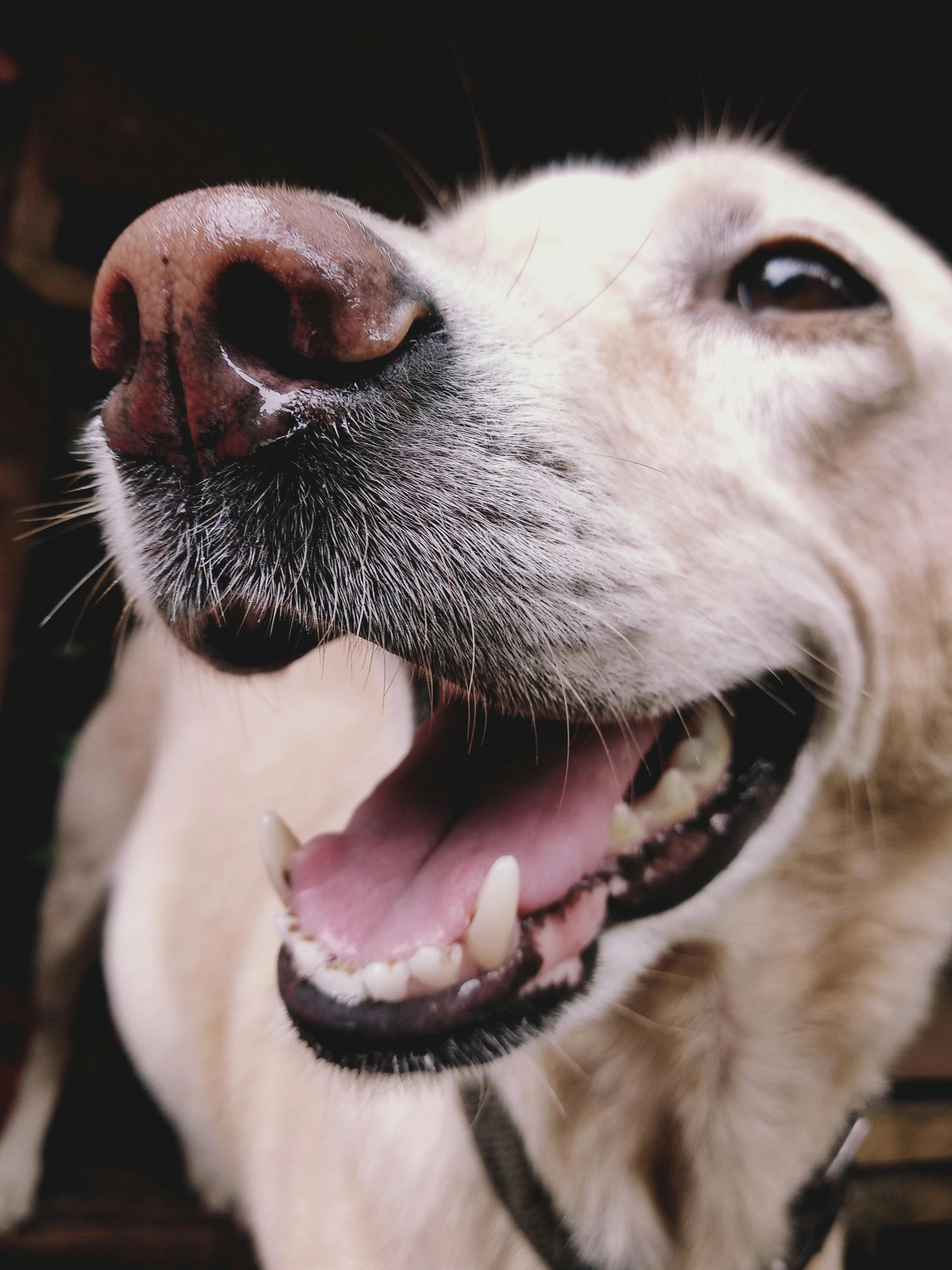
Have you ever notice that dogs have wet noses? It seems like a common thing, yet many people don't understand why this is. The science behind canine noses is really fascinating, and it goes much deeper than just a little moisture. In fact, dog noses are not only about being cute—they serve important functions in their lives. Let’s uncover the truth behind why do dogs have wet noses and what that means for their health and behavior.
The Anatomy of a Dog's Nose
Dog noses are complex and unique, equipped with about 300 million olfactory receptors. Humans only have about 5 million. This difference in number shows why dogs are such great sniffers. Their noses are also moist, which helps in capturing scent particles from the air. The wetness helps to dissolve these particles, making it easier for dogs to smell and interpret their environment.
- Olfactory Receptors: 300 million in dogs vs 5 million in humans.
- Moisture: Aids in scent detection and interpretation.
- Nasal Turbinates: These structures help warm and humidify inhaled air, which is crucial for scent processing.
Why Are Dogs' Noses Wet?
One of the most common questions is, "Why do dogs have wet noses?" The reasons are pretty interesting. Here are some key points:
Enhanced Scent Detection: The moisture on a dog's nose captures scent particles. When they sniff, the wet surface helps absorb scents better. It’s like having a sponge that soaks up information.
Thermoregulation: Dogs don't sweat like humans do. Instead, they regulate their body temperature through their noses. A wet nose can help cool them down, especially after a good run.
Health Indicator: A wet nose is usually a sign of a healthy dog. If a dog's nose becomes dry and cracked, it could indicate dehydration or illness. However, this isn't always true for every dog.
Behavioral Cues: Dogs often use their noses to communicate and understand the world around them. A wet nose can signal curiosity or excitement.
The Science of Canine Smell
Dogs have a remarkable ability to smell, which is crucial for their survival and interaction with the environment. Their sense of smell is so powerful that they can detect certain diseases, find missing persons, and even identify specific scents like drugs or explosives. Here’s a quick comparison of scent detection capabilities:
| Species | Olfactory Receptors | Scent Detection Ability |
|---|---|---|
| Dogs | 300 million | Exceptional |
| Humans | 5 million | Limited |
| Bears | 2,000 times better than humans | Incredible |
Historical Context of Dogs' Noses
Throughout history, humans have relied on dogs for their keen sense of smell. From hunting to search-and-rescue missions, dogs have proven invaluable. The use of dogs in police work and medical fields is a testament to their olfactory skills. For instance, Bloodhounds are known for their tracking abilities, able to follow scents that are days old.
- Hunting: Used for tracking and retrieving game.
- Search and Rescue: Dogs have found lost individuals in various terrains.
- Medical Detection: Certain breeds can detect diseases like cancer through scent.
How to Keep Your Dog’s Nose Healthy
Since a wet nose is often associated with health, it’s important to keep it in good shape. Here are some tips:
- Hydration: Ensure your dog drinks plenty of water.
- Regular Vet Check-ups: This can help catch any potential issues early.
- Humidity Levels: Keep your home at a comfortable humidity to prevent dryness.
- Watch for Changes: A sudden change in moisture can indicate health problems.
Fun Facts About Dog Noses
- Dogs' noses come in different colors and patterns, just like their fur!
- The unique pattern of a dog's nose is similar to a human fingerprint.
- Dogs can smell certain diseases, like diabetes, with their noses.
The wetness of a dog’s nose is a small but significant feature that contributes to their overall health and abilities. Understanding why do dogs have wet noses helps us appreciate these wonderful animals even more. So next time you pet your furry friend, take a moment to think about their incredible sense of smell and what that wet nose actually does!
5 Amazing Reasons Your Dog's Wet Nose is a Sign of Good Health
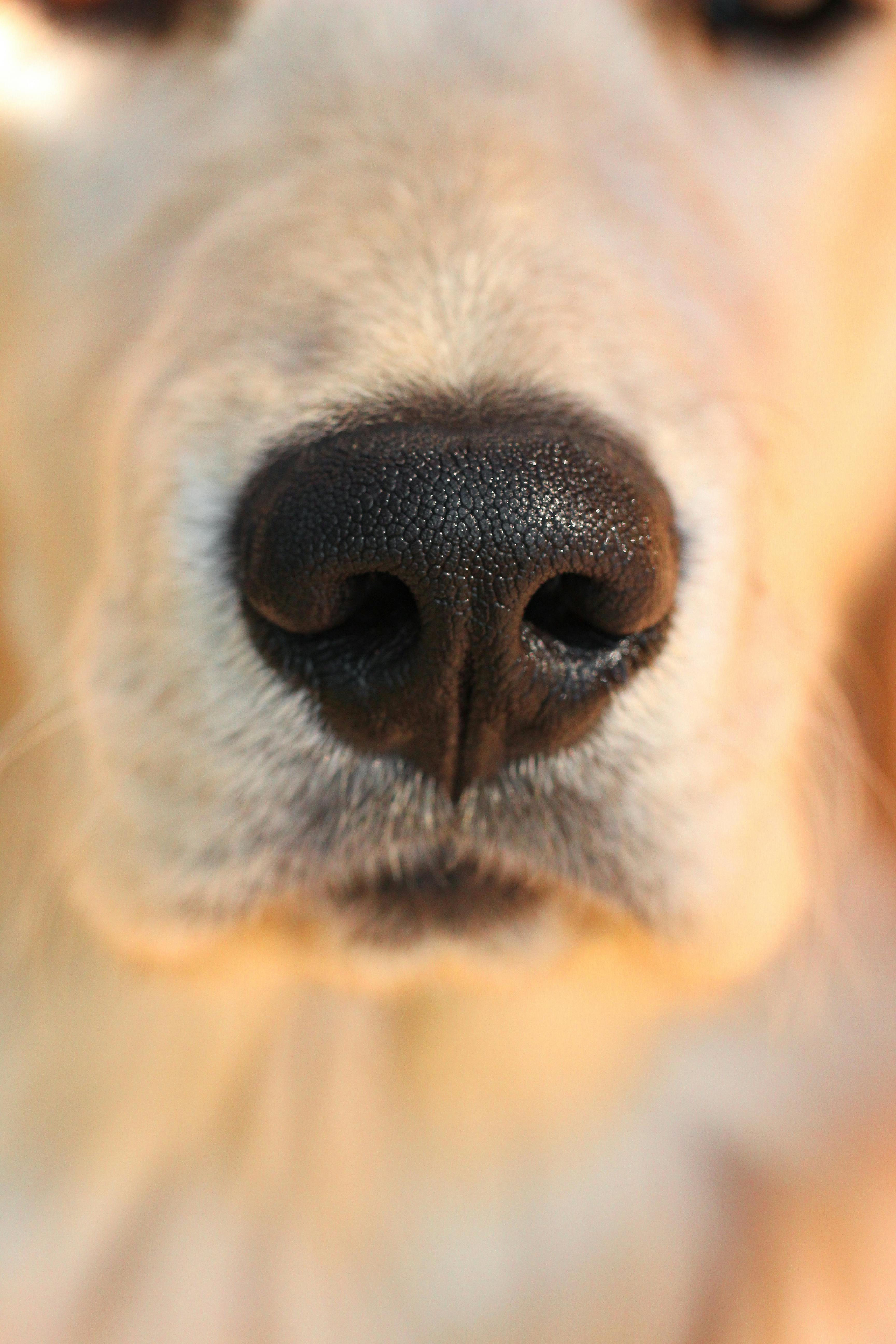
When you have a dog, you probably have noticed their wet nose and you might wonder why it’s always so moist. It’s not just a quirky characteristic, but it’s actually a significant indicator of your dog’s health. This article will reveal 5 amazing reasons why your dog’s wet nose is a sign of good health and explore the fascinating truth behind why dogs have wet noses.
1. Natural Thermoregulation
Dogs can’t sweat like humans do. Instead, they rely on panting and their wet nose to regulate body temperature. The moisture on their noses helps in cooling down their bodies. When they breathe in, the moisture evaporates, which helps to lower their body temperature. This is very important, especially in hot weather.
- Dogs with dry noses may have trouble cooling down.
- A wet nose indicates proper thermoregulation.
- It’s a natural process that keeps them comfortable.
2. Enhanced Sense of Smell
The wetness of a dog’s nose plays a vital role in its ability to smell. The moisture helps to capture scent particles from the air, which then allows them to better analyze and interpret those scents. This is why dogs are so good at tracking and detecting things that humans can’t.
- Dogs have up to 300 million smell receptors.
- Wet noses help in enhancing their olfactory sensitivity.
- Without that moisture, their ability to smell would be diminished.
3. Indicator of Hydration
A wet nose can also be an indicator of your dog’s hydration levels. If your dog is well-hydrated, their nose is likely to be moist. Conversely, a dry nose may signal dehydration or other health issues. Regularly checking your dog’s nose can help you monitor their health.
- Dehydration can lead to serious health problems.
- A wet nose is often a sign of good hydration.
- Always provide fresh water to keep your dog hydrated and healthy.
4. Immune System Function
A wet nose doesn’t just mean your dog is healthy; it also suggests that their immune system is functioning well. The moisture on a dog’s nose contains various enzymes and antibodies that help protect them from pathogens. This means that a wet nose can be a sign of a strong immune response.
- Dogs with wet noses often fight off illnesses better.
- The moisture acts as a barrier against germs.
- A dry nose could indicate potential health issues.
5. Emotional Connection
Dogs express their emotions through their noses too! A wet nose can indicate that your dog is feeling happy and relaxed. When they are excited or content, their nose tends to be moist. So, a wet nose can also reflect your dog’s emotional health, which is closely tied to their overall well-being.
- Happy dogs often have wet noses.
- Emotional distress can lead to a dry nose.
- Monitoring their nose can provide insight into their feelings.
Why Do Dogs Have Wet Noses?
Now, many people ask, why do dogs have wet noses in the first place? The truth is that it’s a combination of evolutionary adaptations and physiological needs. Dogs, as descendants of wolves, have retained many traits that support their survival.
- Wet noses help in tracking prey.
- It’s essential for social interactions with other dogs.
- Dogs lick their noses to keep them moist, which is a natural behavior.
Fun Facts About Dog Noses
- Dogs have unique nose prints, kinda like human fingerprints.
- A dog’s sense of smell is 40 times better than a human’s.
- The texture of a dog’s nose can vary from breed to breed.
So, when you see your furry friend with their moist nose, you can now appreciate that it’s not just a cute feature but also a sign of their overall health and happiness. Monitoring your dog’s nose can provide valuable insights into their well-being. If you notice any sudden changes, like a dry nose, it may be time to consult a veterinarian. Always keep an eye on those wet noses, as they say a lot about your beloved companion!
How Dogs Use Their Wet Noses: The Surprising Role in Communication

Dogs are fascinating creatures, and their wet noses are one of the most intriguing features of them. Have you ever wondered, "Why do dogs have wet noses?" Well, there's more to it than just a cute look! These moist noses are not only adorable but also play a crucial role in how dogs communicate, sense their environments, and even regulate their body temperature. Let's dig deeper into this fascinating topic.
The Science Behind Wet Noses
First off, a dog’s nose is not just for show. It's covered in a special type of skin that helps them absorb scent molecules. When a dog has a wet nose, it helps capture more of these scents. Here’s some key facts about wet noses:
- Olfactory Receptors: Dogs have around 300 million smell receptors in their noses, compared to about 6 million in humans. This makes their sense of smell incredibly powerful.
- Moisture: The wetness on a dog's nose is primarily due to mucus, which helps to enhance their sense of smell. Wet noses are better at picking up scents.
- Cooling Mechanism: A wet nose can also help regulate a dog’s body temperature. Just like sweating in humans, a dog can cool itself down through the moisture on their nose.
Communication Through Scent
Dogs communicate in many ways, but their sense of smell is essential for understanding their world. When dogs sniff each other, they’re not just being friendly; they’re gathering information about the other dog. The wet nose plays a significant role in this communication. Here’s how:
- Identifying Others: Dogs can recognize other dogs and even humans by scent. A wet nose helps them do this more effectively.
- Emotional State: When dogs are excited, scared, or relaxed, their noses may change in temperature and moisture. Other dogs can sense these changes.
- Marking Territory: Dogs also use their noses to leave their scent behind. This can be a way to communicate with other dogs that they’ve been there.
Historical Context
The relationship between humans and dogs goes back thousands of years. Historically, dogs were bred for specific tasks, and their noses played a pivotal role in these functions. For instance:
- Hunting: Many breeds were developed based on their ability to track scents.
- Herding: Dogs used their noses to guide and control livestock.
- Companionship: Even as companions, a dog’s nose helps them bond with their human families.
The Role of Wet Noses in Health
A wet nose is often associated with a healthy dog, but it’s not always a definitive indicator. Here are some things to consider:
- Temperature: A dog’s nose should feel cool and moist, but a warm or dry nose doesn’t always mean they’re sick.
- Hydration: Keeping your dog hydrated can help maintain the moisture in their noses.
- Regular Checks: A sudden change in the texture or temperature of a dog's nose could indicate a health issue and should be checked by a vet.
Fun Facts about Dog Noses
- Unique Patterns: Just like human fingerprints, every dog’s nose print is unique.
- Scent Discrimination: Dogs can even differentiate between identical twins based on scent alone.
- Nasal Turbinates: Dogs have complex structures in their noses called turbinates, which help filter and warm the air they breathe in.
How to Care for a Dog's Nose
Caring for your dog’s nose is pretty straightforward, but it’s essential for their overall health. Here are some tips:
- Hydration: Ensuring your dog drinks enough water can help keep their nose moist.
- Sun Protection: If your dog has a light-colored nose, consider using dog-safe sunscreen to protect it from sunburn.
- Regular Vet Visits: Regular check-ups ensure any potential issues are caught early.
The Fascinating Truth About Wet Noses
In conclusion, the wet noses of dogs are not just cute features; they serve multiple purposes in their lives. From enhancing their incredible sense of smell to playing a vital role in their communication, the wetness of a dog’s nose is a marvel of nature. Understanding why dogs have wet noses can deepen our appreciation for these loyal companions.
So, next time you see a dog with a wet nose, remember, it's not just for show – it’s a crucial part of how they experience and interact with the world around them.
Wet Noses and Scent Detection: How Your Dog's Nose Works Like a Super Sniffer
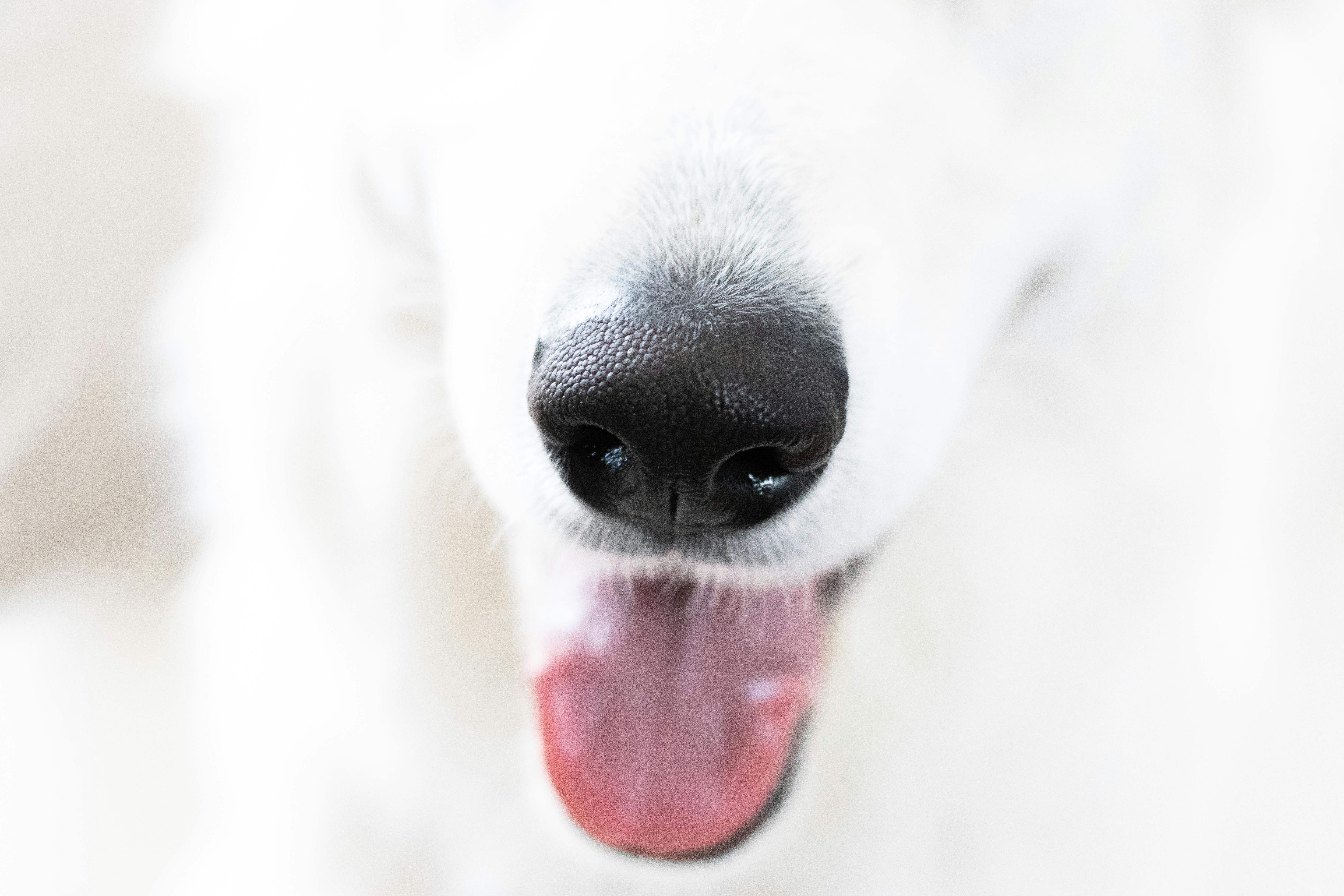
Have you ever wondered why dogs noses are always wet? It's a curious characteristic that many dog owners notice but few understand. Wet noses and scent detection are fascinating subjects, revealing how dogs experience the world in a way that humans could only dream of. This article will explore the science behind your pup's super sniffer, why do dogs have wet noses, and how this unique feature enhances their ability to detect scents.
The Science Behind a Dog's Nose
Dogs have an incredible sense of smell that is far superior to that of humans. While humans have about 5 million scent receptors in their noses, dogs possess around 220 million. This means they can detect odors at incredibly low concentrations, making them excellent at tracking scents. The wetness of a dog's nose plays a crucial role in this ability.
- Scent Detection: When a dog sniffs, the moisture on their nose helps to trap scent particles. This allows the particles to be absorbed into the olfactory receptors, enhancing their ability to identify different smells.
- Vomeronasal Organ: Dogs have a special organ called the Jacobsen's organ, or vomeronasal organ, which helps them detect pheromones. This organ works in conjunction with their wet noses to provide an even broader range of scent detection.
Why Do Dogs Have Wet Noses?
Now, let's dive deeper into why do dogs have wet noses. There are several theories and facts that can shed light on this intriguing feature:
Cooling Mechanism: Just like humans sweat to cool down, dogs can regulate their body temperature through their noses. The moisture evaporates and helps to cool their bodies.
Enhancing Scent Detection: The wetness helps to dissolve scent particles. When the nose is moist, it can absorb more scent molecules, which enhances the dog’s ability to smell.
Health Indicator: A dog's nose can serve as a health indicator. A wet nose is generally a sign of a healthy dog, while a dry nose could indicate illness or dehydration. However, this isn't always the case, as various factors can influence nose moisture.
Evolutionary Advantage: Over time, dogs that had wetter noses may have had better hunting success due to their enhanced olfactory abilities, leading to the evolution of this trait.
Fun Facts About Dog Noses
Unique Patterns: Just like human fingerprints, every dog has a unique nose print. This means that no two dogs have the same nose!
Dogs Can Smell Disease: There are studies showing that dogs can detect certain types of cancer and other diseases through smell. Their noses can pick up on the chemical changes in our bodies.
Dogs Have Separate Breathing Passages: Dogs can sniff and breathe at the same time. They have separate air passages for breathing and smelling, allowing them to continuously explore with their noses.
Comparison of Dog Noses to Human Noses
Here’s a simple comparison of how dog noses and human noses work differently:
| Feature | Dog Nose | Human Nose |
|---|---|---|
| Scent Receptors | About 220 million | About 5 million |
| Moisture Level | Typically wet | Usually dry |
| Ability to Detect Scents | Superior, can detect at lower concentrations | Limited sensitivity |
| Unique Identification | Unique nose prints | No unique identification |
Training Dogs for Scent Detection
Dogs are not only born with an incredible sense of smell, but they can also be trained to use it effectively. Here’s how scent training typically works:
- Introduce Scents: Start with a specific scent and let the dog become familiar with it.
- Positive Reinforcement: Reward the dog with treats or praise when they successfully identify the scent.
- Gradual Increase of Difficulty: As the dog improves, increase the number of scents or make the task more challenging.
The Importance of a Dog's Nose in Daily Life
A dog's sense of smell is not just for show; it has practical applications in various fields:
- Search and Rescue: Dogs are used in search and rescue missions to locate missing persons.
- Detection Dogs: Many dogs are trained to detect drugs, explosives, and even certain diseases in medical settings.
- Service Dogs: Some service dogs alert their owners to medical issues, such as low blood sugar or seizures, using their exceptional sense of smell.
Understanding the intricacies of why do dogs have wet noses and how their super sniffer works enriches our appreciation for these loyal companions. Their noses, with their unique structure and capabilities, are not just a cute feature; they play a vital role in their lives and in ours. So next time you see your furry friend with a wet nose, take a moment to marvel at the incredible biology that allows them to experience the world
Are All Dog Noses Wet? Debunking Common Myths About Canine Nose Moisture
Are all dog noses wet? This question gets thrown around a lot, and it’s easy to assume that all dogs have moist noses. But the truth is a bit more complicated than that. Many folks think that a wet nose is a sign of good health, while a dry one might be cause for alarm. But is that really the case? Let's delve into why dogs have wet noses and debunk some common myths surrounding canine nose moisture.
The Science Behind Wet Noses
Dog noses are fascinating, and they serve several purposes. The moisture on a dog’s nose comes from a combination of environmental factors, like humidity and temperature, and the dog’s own bodily functions. The wetness helps dogs to absorb scent chemicals, which enhances their ability to smell. This is crucial because dogs have an incredible sense of smell — about 10,000 to 100,000 times more acute than humans!
Here are some key points about why dog noses are wet:
- Scent Detection: Wet noses help in trapping scent particles, making it easier for dogs to pick up scents in the air.
- Cooling Mechanism: Dogs don’t sweat like humans do, so their noses can help cool them down.
- Health Indicator: While a wet nose is often seen as a sign of health, it’s not always definitive.
The Myths of Dog Nose Moisture
There are a lot of misconceptions regarding dog nose moisture. Let’s bust some of those myths!
All Dogs Have Wet Noses: Not true! Some dogs naturally have drier noses, and factors like breed can influence this. For instance, certain breeds, like bulldogs, may often have drier noses compared to others.
A Wet Nose Means a Healthy Dog: While a wet nose can indicate a healthy dog, it’s not a guarantee. Dogs can be sick even if their nose is moist, and vice versa.
A Dry Nose Means Illness: This is a common belief, but it oversimplifies the reality. A dog’s nose can be dry for many reasons, including weather changes or even just waking up from a nap.
What Causes Nose Moisture in Dogs?
Several factors contribute to the moisture on a dog’s nose. Here are some of the most notable:
- Environmental Conditions: Humidity and temperature play big roles. In humid weather, dogs’ noses tend to be wetter.
- Body Temperature: When a dog is cooling down, their nose may become wetter.
- Saliva: Dogs often lick their noses, which adds moisture.
How to Care for Your Dog's Nose
Maintaining your dog's nose health is important. Here are some practical tips:
- Hydration: Ensure your dog has access to fresh water at all times. Dehydration can lead to a dry nose.
- Humidifier Use: In dry climates or winters, using a humidifier can help keep your dog’s nose moist.
- Regular Vet Check-ups: If you notice persistent changes in your dog’s nose moisture, consult a veterinarian.
When to Be Concerned
While a dry nose might not always be a red flag, there are signs you shouldn’t overlook. Consider the following:
- Cracking or Peeling: If your dog’s nose is cracking, it could be a sign of dehydration or other health issues.
- Bleeding: If there’s blood present, it’s time to see a vet.
- Changes in Behavior: If your dog is lethargic or not eating, these could be signs of illness regardless of nose moisture.
Quick Reference: Dog Nose Health Checklist
- Monitor moisture levels daily.
- Ensure hydration is prioritized.
- Look out for symptoms like lethargy or lack of appetite.
- Keep an eye on nose condition — cracks, bleeding, or swelling are concerning.
Dogs and Their Unique Noses
Not all dogs are created equal, and their noses vary just like their personalities. Some breeds, like the Bloodhound, are well-known for their incredible sense of smell, while others, like the Chihuahua, might not have the same olfactory prowess.
Here’s a quick comparison of nose moisture in various dog breeds:
- Bloodhound: Typically has a moist nose due to its active scent detection.
- Bulldog: Often has a drier nose; this is normal for the breed.
- Labrador Retriever: Usually has a moist nose and is a great scent hound.
In summary, while many dogs have wet noses, it doesn't mean that all dogs will. The moisture level can fluctuate for various reasons, and it’s essential to understand your dog’s individual needs. If you have concerns about your pup's nose, don't hesitate to reach out to a veterinarian for professional advice. They can provide you with the best information tailored to
The Importance of a Wet Nose: How It Affects Your Dog's Sense of Smell
The fascinating world of dogs always holds surprises, and one of the most intriguing aspects is their wet noses. Many dog owners have probably wondered, “Why do dogs have wet noses?” These moist appendages are often seen as a simple quirk of nature, but they actually play a crucial role in your furry friend's life. Let's dive into the importance of a wet nose and how it affects your dog's sense of smell.
A Dog's Sense of Smell: The Basics
Dogs are known for having an extraordinary sense of smell, far superior than humans. In fact, a dog's olfactory system has around 300 million smell receptors compared to a human's mere 5 million. This incredible ability allows them to detect scents, track down prey, and even sense changes in their owner's emotions. But how does a wet nose contribute to this remarkable sense?
- Increases Sensitivity: The moisture on a dog’s nose helps to capture scent particles from the air. This wetness allows the olfactory receptors to function more effectively, enhancing their ability to pick up on various scents.
- Temperature Regulation: A wet nose helps cools a dog down. When dogs breathe, the moisture evaporates, which helps regulate their body temperature, especially during hot weather.
- Health Indicator: A wet nose is often seen as a sign of health in dogs. If a dog’s nose becomes dry or warm, it may indicate an underlying health issue.
Why Do Dogs Have Wet Noses?
Now, let’s get to the heart of the matter. The question "Why do dogs have wet noses?" can be answered by looking at several key factors.
Biological Adaptation: Dogs have evolved over thousands of years, and their wet noses are a result of adaptation that enhances their survival. Wet noses help them to better detect scents, which was crucial for hunting and navigating their environment.
Scent Absorption: When a dog’s nose is wet, it can absorb scent particles more effectively. The moisture helps to dissolve these particles, making it easier for the olfactory receptors to process and interpret smells.
Communication: Dogs also use their noses to communicate with each other. A wet nose can carry more scent, allowing them to gather more information about other dogs or animals they encounter.
The Science Behind the Wet Nose
Understanding the scientific aspects of a dog's wet nose can be quite enlightening. Here are some fascinating facts:
- Mucus Production: Dogs have a specialized mucus that is secreted in their noses. This mucus captures scent molecules and helps in the olfactory process.
- Nasal Passages: The structure of a dog's nasal passages is complex, with turbinates that increase surface area. This allows for more efficient scent detection.
- Environmental Influence: A dog’s nose can change in moisture level depending on the environment. For instance, a dog may have a wetter nose after playing outside or when it’s humid.
Fun Facts About Dog Noses
Here are some intriguing tidbits about dog noses that you might not know:
- Unique Patterns: Just like human fingerprints, every dog has a unique nose print. This can be used for identification!
- Temperature Detection: Dogs can sense temperature changes through their noses. They can detect warmth from living creatures, helping them locate prey.
- Nose Leaks: Sometimes, dogs may have clear fluid dripping from their noses. This can be normal, but if it’s excessive or discolored, a vet should check it out.
Practical Tips for Dog Owners
As a dog owner, you might want to pay attention to your dog’s nose for signs of health and well-being. Here are some practical tips:
- Check Moisture Levels: Regularly check if your dog's nose is wet and cool. A dry nose could indicate dehydration or illness.
- Watch for Changes: If you notice any sudden changes in your dog’s nose, such as swelling, cracks, or excessive dryness, consult a veterinarian.
- Hydration: Ensure your dog has access to fresh water. Proper hydration is key to maintaining a healthy wet nose.
Understanding why dogs have wet noses and the role they play in their sense of smell can deepen your appreciation for these loyal companions. Their wet noses are not only an adorable feature but also a vital part of their biology that aids in their interactions with the world around them. So next time you give your furry friend a scratch behind the ears, take a moment to admire that wet nose and the incredible functions it serves!
7 Fascinating Facts About Dogs' Wet Noses That Every Pet Owner Should Know
Dogs are known for their loyal companionship and playful antics, but one of their most intriguing features is their wet noses. Ever wonder why do dogs have wet noses? There’s actually a lot more going on than just a cute, squishy feature. Here are 7 fascinating facts about dogs' wet noses that every pet owner should know.
1. Nature's Thermometer
Dogs' noses are naturally cool and wet, which helps them regulate their body temperature. When a dog breathes, moisture from their nose evaporates, creating a cooling effect. This is especially important because dogs can’t sweat like humans do. Instead, they rely on panting and their wet noses to cool down. So, if your pup’s nose is unusually dry, it could mean they are overheated or dehydrated.
2. Sense of Smell Amplifier
The wetness of a dog's nose actually enhances their sense of smell. It helps trap scent particles in the air, making it easier for dogs to detect different smells. This is why dogs are often used in search and rescue operations, detecting drugs, or even identifying certain medical conditions in humans. Their noses have up to 300 million olfactory receptors, compared to humans who have only about 6 million!
3. Unique Nose Prints
Just like human fingerprints, every dog has a unique nose print. The patterns of ridges and creases on a dog's nose are as distinctive as a fingerprint. Some people even register their dog's nose print as a form of identification. It’s a fun fact, but also a practical one in case your furry friend gets lost!
4. Communication Tool
Dogs often use their noses for communication. When they greet other dogs, they’ll sniff each other's noses to gather information. This helps them learn about the other dog’s health, diet, and even mood. So, when your dog is sniffing around, they’re not just being nosy; they’re connecting and communicating with the world around them.
5. Indicator of Health
A dog’s nose can be a good indicator of their health. While a cold, wet nose is generally a sign of a healthy dog, other conditions can affect nose moisture. For instance, a dry or cracked nose can indicate dehydration, allergies, or even illness. Pet owners should monitor their dog’s nose and consult a veterinarian if they notice significant changes.
6. Historical Significance
Historically, dogs’ noses have been admired not just for their cuteness but also for their utility. In ancient cultures, dogs were often revered and considered sacred. Their ability to track scents was used for hunting and protection. Ancient Egyptians even depicted dogs in their hieroglyphs, highlighting their importance in society.
7. Different Types of Noses
Not all dog noses are created equal. There are several types of noses found in dog breeds, each serving different purposes. For instance:
- Short, flat noses (like Bulldogs) tend to have a harder time regulating their temperature.
- Longer, narrow noses (like Greyhounds) can excel in scent detection.
- Wet and cool noses are more common in hunting breeds, where scent tracking is crucial.
Quick Facts to Consider
- Dogs can detect some scents at a concentration as low as one part per trillion.
- A dog’s nose can change color due to weather, health, and other factors.
- The average dog’s nose is about 1 to 1.5 degrees cooler than their body temperature.
The Importance of Nose Care
Taking care of your dog's nose is just as important as any other part of their body. Here are some tips to ensure their nose stays moist and healthy:
- Hydration: Always provide fresh water to keep them hydrated.
- Moisturizers: If you notice dryness, consider using pet-safe moisturizers.
- Avoid Irritants: Keep your dog away from harsh chemicals and allergens.
In summary, the wet nose of a dog is not just an adorable trait but a vital aspect of their biology and behavior. From being natural thermometers to enhancing their sense of smell, these fascinating facts reveal why understanding your dog’s nose can be essential for every pet owner. So next time you give your furry friend a scratch behind the ears, remember the incredible science behind that wet, cold nose!
Why Does Your Dog's Nose Change? Understanding Wetness and Temperature Fluctuations
Have you ever wonder why your dog's nose is often wet and cool to the touch? It’s a common question among dog owners, and there’s actually some fascinating science behind it. Many people may think that a dog’s nose is always wet, but it can change quite a bit. Let's dive into why this happens and what it means for your furry friend.
Why Do Dogs Have Wet Noses?
Dogs have wet noses for several reasons. One of the primary reasons is that a wet nose helps them to smell better. The moisture on the nose helps to capture scent particles from the air. Think about it: a dry nose can’t absorb those scents as effectively. This moist environment allows for enhanced olfactory detection, making your dog’s sense of smell one of the best in the animal kingdom.
Another reason dogs have wet noses is related to temperature regulation. Just like humans, dogs can get hot, and their noses play a small role in keeping them cool. When a dog pants, the moisture evaporating from their nose and mouth helps to regulate their body temperature. In short, a wet nose is not just a cute characteristic; it serves important functions in your dog’s life.
Understanding Nose Temperature Fluctuations
You might notice that your dog's nose isn’t always wet or cold. It can change throughout the day depending on several factors. Here’s a list of things that can affect your dog’s nose temperature and moisture levels:
- Activity Level: After a good run or play session, your dog's nose might feel warmer and dryer.
- Environmental Conditions: Hot weather can cause the nose to dry out, while humidity can keep it wetter.
- Health Status: Certain illnesses can lead to changes in the temperature and moisture of your dog’s nose. For example, a fever might cause a dog’s nose to feel warm and dry.
The Science of Nose Moisture
The moisture on a dog's nose comes mainly from the mucous membranes within their nasal passages. The secretions from these membranes help to keep the nose moist. Here's a quick breakdown of how this works:
- Mucous Production: Dogs produce mucus that maintains moisture on their noses.
- Evaporation: Just like sweat evaporates on human skin, moisture can evaporate from a dog's nose, cooling them down.
- Scent Absorption: The mucus on the nose captures scent particles, enhancing their ability to smell.
What Changes in Nose Wetness Might Mean
While a wet nose is typically a sign of a healthy dog, there are times when it might indicate something else. Here’s a quick list of possible concerns:
- Dry and Cracked Nose: This can suggest dehydration or a health issue, like allergies or a skin condition.
- Warm Nose: If the nose feels hot, it might be a sign of fever or illness.
- Excessive Moisture: If your dog’s nose is excessively wet, especially if accompanied by discharge, it could be a sign of an infection.
Fun Facts About Dogs' Noses
- Did you know that dogs have up to 300 million scent receptors in their noses? Humans only have about 5 million!
- A dog's sense of smell is about 40 times better than that of humans. This is why they are often used in search and rescue operations.
- The shape and size of a dog's nose can affect its sense of smell. Breeds like Bloodhounds have long snouts that help them detect scents more effectively.
Keeping Your Dog's Nose Healthy
To ensure your dog's nose remains healthy, here are some tips to follow:
- Stay Hydrated: Make sure your dog has access to fresh water at all times.
- Regular Vet Check-ups: Routine check-ups can help identify any potential health issues early on.
- Watch for Changes: Pay attention to any sudden changes in your dog’s nose moisture or temperature, and consult a vet if you're concerned.
Understanding why your dog’s nose changes can help you better care for your furry friend. It's not just a quirky characteristic of dogs; it tells you a lot about their health and well-being. So the next time you touch your dog's nose, you might think about all the amazing things that are happening behind that wet, cool surface. Remember, a wet nose is usually a happy nose.
The Connection Between Wet Noses and Dog Behavior: What Your Pup is Trying to Tell You
Have you ever notice your dog's wet nose and wonder what it means? Many dog owners just think it's a cute feature of their furry friends, but there’s much more going on under the surface. Wet noses have a fascinating connection to dog behavior and health, and understanding this can deepen the bond you share with your pup. So, why do dogs have wet noses? Let’s uncover the truth behind those moisture-laden snouts and what they’re really trying to tell you.
The Science Behind Wet Noses
Dogs have wet noses for a bunch of reasons. First off, their noses are covered in a special type of skin that helps them absorb scents. When a dog is sniffing around, his nose gets moist, which helps it pick up even the faintest smells. It’s kind of like a superpower for them!
- Scent Detection: Wetness enhances their olfactory receptors.
- Temperature Regulation: Dogs pant to cool down, and a wet nose helps with that too.
- Health Indicator: A dog's nose can show signs of health issues if it’s not its usual moist self.
Why Do Dogs Have Wet Noses?
So, why do dogs have wet noses? Here are some key points to consider:
Temperature Regulation: Just like humans sweat, dogs use their noses to help regulate body temperature. A wet nose can help cool them off when they get too hot.
Scent Sensitivity: Dogs are known for their incredible sense of smell. A wet nose traps scent particles better than a dry one, making it easier for your pup to detect smells.
Communication Tool: Dogs often use their noses to communicate with each other and with humans. A wet nose can mean your dog is feeling friendly and relaxed.
Health Indicator: A change in your dog’s nose can indicate health problems. A dry or cracked nose might suggest dehydration or illness.
Historical Context of Dog Noses
Dogs have been companions to humans for thousands of years, and their noses have evolved to be finely tuned to our environment. Historically, they were used for hunting and herding, where a keen sense of smell was essential. In fact, breeds like Bloodhounds and German Shepherds have been specifically bred for their olfactory capabilities.
- Ancient Roles: Dogs were bred for specific tasks; hunting, herding, and companionship.
- Modern Roles: Today, dogs serve in roles like therapy, service, and detection animals due to their incredible noses.
What Your Dog’s Nose Is Telling You
Understanding what a wet nose means can help you interpret your dog’s feelings. Here are some behaviors to watch for:
- Nose Nudging: If your dog nudges you with a wet nose, it often means they want attention or affection.
- Sniffing Everything: A wet nose while exploring indicates curiosity and excitement.
- Licking Their Nose: This could mean your dog is anxious or unsure about something in their environment.
Common Misconceptions About Dog Noses
There are a few myths about wet noses that can cause confusion among dog owners. For example:
- Myth 1: A wet nose always means a healthy dog. Not true! A dog can have a wet nose and still be unwell.
- Myth 2: All dogs have wet noses. Some breeds naturally have drier noses due to their skin type.
How to Maintain Your Dog's Nose Health
Keeping your dog's nose in good shape is important. Here are some practical tips:
- Hydration: Ensure your dog has access to fresh water all day.
- Regular Vet Check-ups: This helps catch any potential issues early.
- Environmental Awareness: Be mindful of extreme weather conditions that can dry out your dog's nose.
Interesting Facts About Dog Noses
- Dogs have about 220 million olfactory receptors, compared to a human’s 5 million!
- The size of a dog's nose can indicate its breed and their scenting ability. Larger noses often belong to breeds known for their tracking skills.
Wet noses in dogs are not just an adorable feature, they are a window into their health and emotions. By paying attention to your dog's wet nose and the behaviors associated with it, you can better understand what your pup is trying to tell you. Their noses are one of the many ways they communicate, and knowing the signs can help you respond appropriately. So next time you feel that cool, wet nudge against your hand, remember it’s not just a sign of affection—it’s a language all its own.
Can a Dry Nose Indicate Illness? Recognizing Signs of Health Issues in Dogs
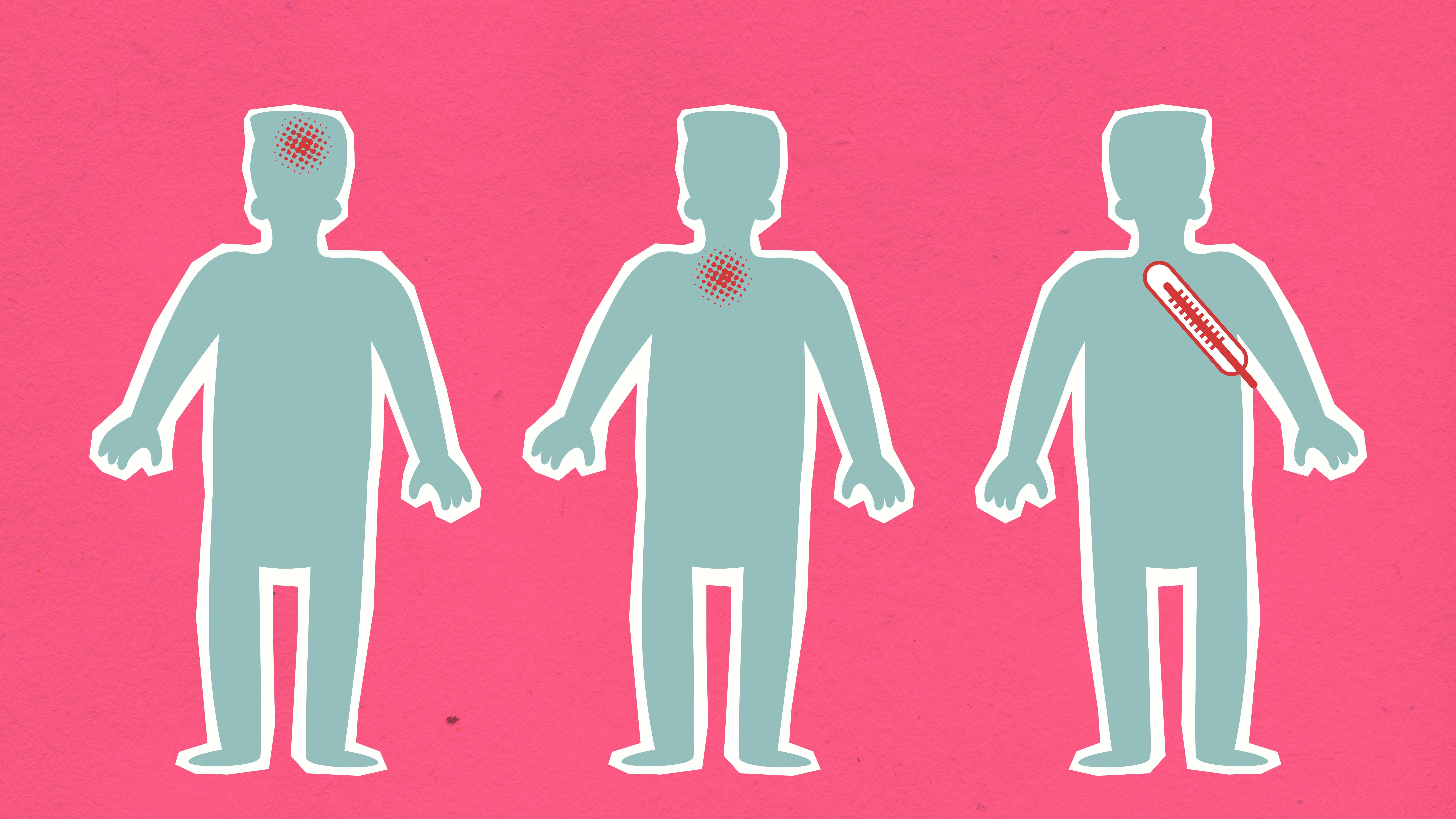
When it comes to our furry companions, a lot of us wonder about their health and well-being. One common question pet owners ask is, “Can a dry nose indicate illness?” It's a valid concern as dogs can't exactly tell us when something's wrong. Understanding the signs of health issues in dogs can crucially help us take better care of them.
The Nose Knows: Understanding Dog Noses
First, let's tackle the age-old question: why do dogs have wet noses? The moisture on a dog's nose actually plays an important role in their health and sensory functions. A dog's nose has special cells that detect scents, and the moisture helps to absorb these scents better. This means, the wetter the nose, the more adept they can be at sniffing out everything from food to potential threats.
So, why is it wet? There’s several reasons:
- Humidity: A dog can get moisture from the air, especially if it’s humid outside.
- Licking: Dogs often lick their noses, which adds moisture.
- Health: It can be a sign of a healthy dog, as a moist nose is often associated with good hydration and overall health.
Can a Dry Nose Indicate Illness?
Now, let’s get back to that burning question. A dry nose can sometimes indicate that something might be off with your pup. But it’s not always a clear-cut sign of illness. Here’s a few causes for a dry nose:
- Dehydration: If your dog isn’t drinking enough water, their nose can dry out.
- Weather Conditions: Hot, dry weather can lead to a dry nose.
- Allergies: Just like humans, dogs can have allergic reactions that can affect their nose.
- Infections: Some infections can cause dryness or other abnormal changes in your dog’s nose.
Recognizing Signs of Health Issues in Dogs
Being a good pet owner means being observant. Besides a dry nose, there are other signs of potential health issues in dogs. Here’s some things to look out for:
- Behavior Changes: If your dog is more lethargic, withdrawn, or not eating, it’s worth investigating.
- Vomiting or Diarrhea: These can be signs of various health issues from simple to serious.
- Coughing or Sneezing: Persistent respiratory symptoms shouldn’t be ignored.
- Skin Changes: Excessive scratching, redness, or hair loss can indicate allergies or skin infections.
What to Do If You Notice a Dry Nose?
If you see a dry nose and it’s accompanied by other symptoms, it’s a good idea to consult your vet. Here’s a quick checklist:
- Check Hydration: Make sure your dog has access to fresh water and is drinking regularly.
- Observe Other Symptoms: Take note of any other changes in behavior or health.
- Environmental Factors: Consider if the weather or any recent changes in diet could be affecting your dog.
- Veterinary Consultation: When in doubt, always reach out to a professional.
The Fascinating Truth About Dog Noses
Did you know that a dog’s sense of smell is thousands to millions of times more sensitive than that of humans? Here’s some fun facts about dog noses:
- Unique Nose Prints: Just like human fingerprints, every dog has a unique nose print.
- Temperature Regulation: A wet nose helps dogs regulate their body temperature through evaporation.
- Communication Tool: Dogs often use their noses to gather information about other animals and their environment.
Final Thoughts
A dry nose can sometimes be an indicator of health issues in dogs, but it’s not the only sign to watch for. Understanding why dogs have wet noses and what a dry nose could mean can help you be a more responsible pet owner. Always pay attention to your dog’s behavior and seek veterinary advice if you notice any concerning signs. After all, keeping our furry friends healthy and happy is what it's all about!
Conclusion
In conclusion, the wet noses of dogs serve several important functions that contribute to their overall health and well-being. Firstly, a moist nose enhances their sense of smell, allowing them to detect scents more effectively, which is crucial for their interaction with the environment. Additionally, the moisture helps regulate their body temperature, acting as a natural cooling system. We also learned that a wet nose can be an indicator of a dog's health; while a warm or dry nose may signal a potential issue, it’s essential to consider the context and other symptoms. Understanding these aspects highlights the fascinating biology of our canine companions. So, the next time you greet a dog with a wet nose, remember the remarkable reasons behind this unique feature. Embrace the opportunity to learn more about your furry friend’s health and behavior, and consider sharing your insights with fellow dog lovers to foster a deeper appreciation for these beloved pets.