Have you ever wondered why do dogs have wet noses? This intriguing question not only sparks curiosity but also uncovers a fascinating truth about our furry companions. A dog's nose is more than just an adorable feature; it serves multiple essential purposes. The moisture on a dog’s nose plays a crucial role in their sense of smell, which is much more powerful than ours. But that’s not all! The wetness helps to regulate their body temperature, acting as a natural cooling system. It's also an indicator of their health! In this blog post, we dive deep into the reasons behind this unique canine characteristic. Are you curious to discover how a dog's nose works and why it’s always so cold? You might be surprised to learn that the wetness of a dog's nose is linked to their overall well-being and behavior. Join us as we explore the science behind this fascinating feature and uncover why your pup’s nose might just be one of the most interesting aspects of their physiology. Keep reading to find out more about the mysteries of dog noses and what they can tell us about our beloved pets!
The Science Behind Wet Noses: Why Are Dogs’ Noses Always Damp?
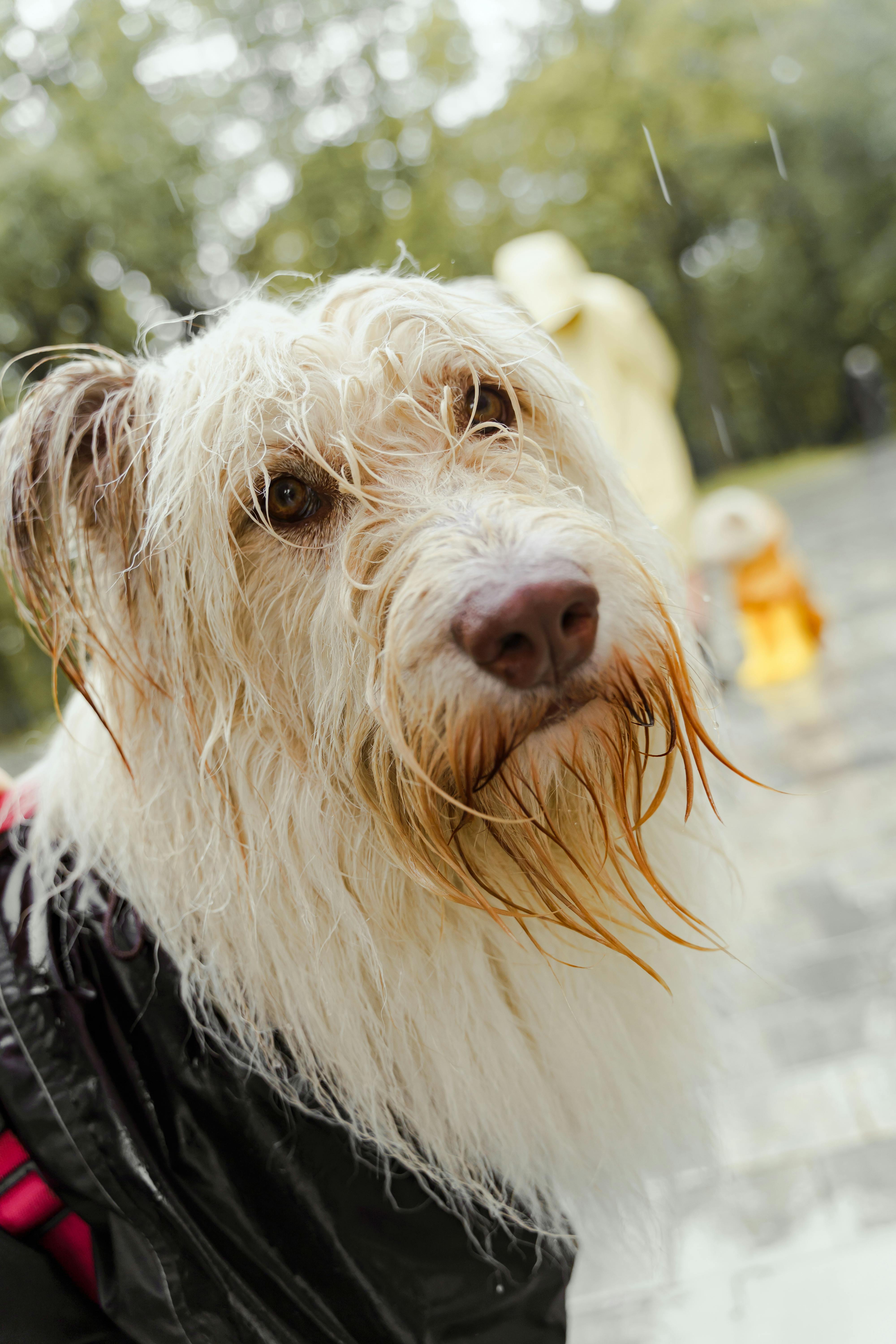
Have you ever wonder why dogs noses are usually wet? This question seems simple, but it leads to a fascinating exploration of canine biology and behavior. Dog owners often notice that their furry friends have a distinctively damp nose, and while it may seem like a trivial detail, it actually serves important functions.
The Biological Purpose of a Wet Nose
Dogs' noses are wet for a few reasons, mainly linked to their survival instincts and sensory capabilities. The moisture on a dog’s nose helps to enhance their sense of smell. Here’s how it works:
- Scent Detection: The dampness helps to trap scent particles. When a dog inhales, these particles stick to the moist surface, allowing them to better identify scents.
- Temperature Regulation: Dogs don’t sweat as humans do. Instead, they regulate their body temperature through panting and the moisture evaporating from their noses, which can help cool them down.
- Health Indicator: A wet nose can sometimes indicate a healthy dog. Dry noses can indicate dehydration or illness, though this isn't always the case.
The Evolution of Wet Noses
Historically, dogs evolved from wolves, who also had wet noses. The evolution can be traced back to their need for survival. A wet nose provided wolves with better hunting capabilities. Here’s some key points:
- Enhanced Smelling Ability: Early canines relied on their sense of smell for hunting prey.
- Social Communication: Dogs use their noses not only for hunting but also for social interactions. The moisture acts as a signal to other dogs.
- Adaptation to Environment: Wet noses are an adaptation to various environments, helping dogs to thrive in different climates.
Fun Facts About Dog Noses
Here are some interesting facts that might surprise you:
- Unique Nose Prints: Just like human fingerprints, every dog has a unique nose print, which can be used for identification.
- Nasal Folds: The wetness comes from the mucous membranes in a dog's nose, which produce moisture.
- Sensitivity: A dog’s sense of smell is estimated to be between 10,000 to 100,000 times more acute than that of humans.
- Temperature Sensitivity: Dogs can sense temperature changes through their noses, helping them detect nearby dangers or prey.
Factors Influencing Nose Wetness
Several factors can affect how wet or dry a dog's nose is. They include:
- Weather Conditions: Humidity and temperature can either increase or decrease the moisture on a dog’s nose.
- Health Status: Illness or dehydration can lead to a dry nose, while a wet nose can be a sign of health.
- Activity Levels: After playing or exercising, dogs might have a wetter nose due to increased panting and drooling.
Comparing Dog Noses to Other Animals
Dogs aren't the only animals with wet noses. Here’s how they compare with some other creatures:
| Animal | Nose Condition | Purpose |
|---|---|---|
| Cats | Mostly dry | Scent detection, grooming |
| Pigs | Wet and cold | Enhanced sense of smell, rooting behavior |
| Cows | Wet | Grazing and environmental interaction |
| Horses | Dry | Scent detection, social interactions |
Practical Implications for Dog Owners
As a dog owner, understanding the significance of a wet nose can help you monitor your dog’s health. Here are some practical tips:
- Regular Check-Ups: Keep an eye on your dog's nose. If it suddenly becomes dry, consult a veterinarian.
- Hydration: Ensure your dog is drinking enough water, especially in hot weather.
- Environment Awareness: Be mindful of how weather changes can affect your dog’s moisture levels.
Wet noses are a unique feature of dogs that goes beyond just cuteness. It reflects their biology, evolution, and health. So the next time you give your furry friend a pat, remember that their nose is doing much more than just being adorable. Understanding these nuances can deepen the bond between you and your pet, ensuring that you both live a happy and healthy life together.
7 Surprising Benefits of a Dog’s Wet Nose You Never Knew About
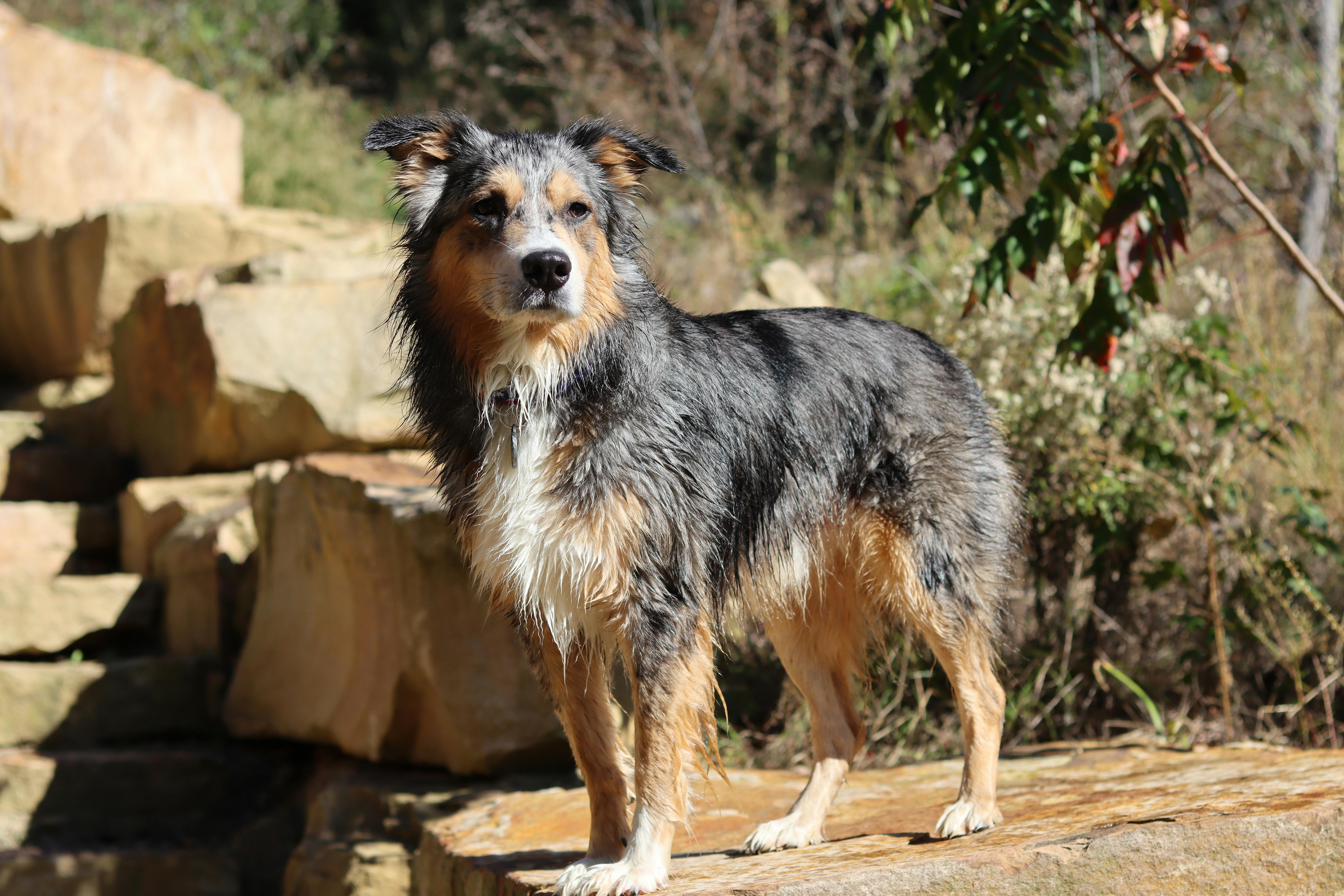
Dogs have been our loyal companions for thousands of years, and many of us have noticed their wet noses. But have you ever wonder why do dogs have wet noses? There’s actually some fascinating science and logic behind it that we might not know. Believe it or not, a dog’s wet nose has more benefits than just being cute. Here are seven surprising benefits of a dog’s wet nose you probably never knew about!
1. Enhanced Sense of Smell
One of the main reasons why do dogs have wet noses is to enhance their sense of smell. Dogs have an incredible olfactory system and their noses are specially design to help them sniff out scents better. The moisture on their noses helps to capture scent particles from the air, making it easier for them to identify smells. This is especially important for hunting or tracking, as it allows dogs to discover trails or food sources that humans might miss.
2. Temperature Regulation
Did you know that a dog’s wet nose helps regulate its body temperature? Just like humans sweat, dogs rely on their noses to cool down. When a dog pants, the moisture evaporates from their nose, helping to lower their body temperature. This is crucial during hot summer days or after intense play sessions. So, next time you see your furry friend with a wet nose, remember it's a sign they may be working to keep cool.
3. Health Indicator
A wet nose can also be an important health indicator. Vets often check a dog’s nose moisture as part of their examination. A dry or cracked nose may suggest dehydration, fever, or other health issues. On the other hand, a consistently wet nose usually indicates that your pooch is healthy and well-hydrated. Keeping an eye on your dog's nose can give you insight into their overall well-being.
4. Communication Tool
Dogs use their noses not just for smelling, but also for communication. When they greet other dogs or humans, they often sniff to gather information about the other party. A wet nose can be a sign of excitement or curiosity. This is part of how dogs socialize and understand their environment. It’s like having a conversation without words — sniffing tells them who’s been around and what’s going on!
5. Natural Moisturizer
Just like we apply lotion to keep our skin hydrated, a dog’s wet nose serves as a natural moisturizer. The moisture helps to keep their noses supple and prevents cracking or dryness. It’s an essential aspect of their physiology, ensuring that they can continue to perform their natural behaviors without discomfort. A well-moisturized nose is also less prone to infections or irritations, making it important for their overall health.
6. Protection Against Allergens
The moisture on a dog’s nose can help protect them from allergens and irritants in the air. When their noses are wet, it traps dust, pollen, and other particles that could otherwise be harmful. This natural filtering system can reduce the risk of allergies or respiratory issues in dogs, allowing them to breathe more easily. So, when your dog is sniffing around, they might be doing some important work!
7. Unique to Each Dog
Finally, one of the most surprising benefits is that every dog’s nose is unique! Just like human fingerprints, each dog’s nose print is different, which can actually be used for identification. This uniqueness adds a charming layer to the bond between dogs and their owners. Understanding that their noses are as individual as they are can deepen our appreciation for our furry friends.
Summarizing the Benefits
To recap, let’s bullet-point some of the key benefits of a dog’s wet nose:
- Enhanced sense of smell for tracking scents
- Temperature regulation through moisture evaporation
- Health indicator for hydration and overall well-being
- Communication tool for socializing with other dogs
- Natural moisturizer to prevent dryness and cracking
- Protection against allergens by trapping harmful particles
- Uniqueness for identification, just like fingerprints
Understanding why do dogs have wet noses and the benefits that come with it can help us take better care of our furry companions. So, the next time you’re cuddling with your pup and feel that wet nose, remember all the amazing things it does! It's more than just a cute feature; it’s a vital part of their health and happiness.
How Does a Wet Nose Help Dogs Detect Scents? The Fascinating Mechanism Explained
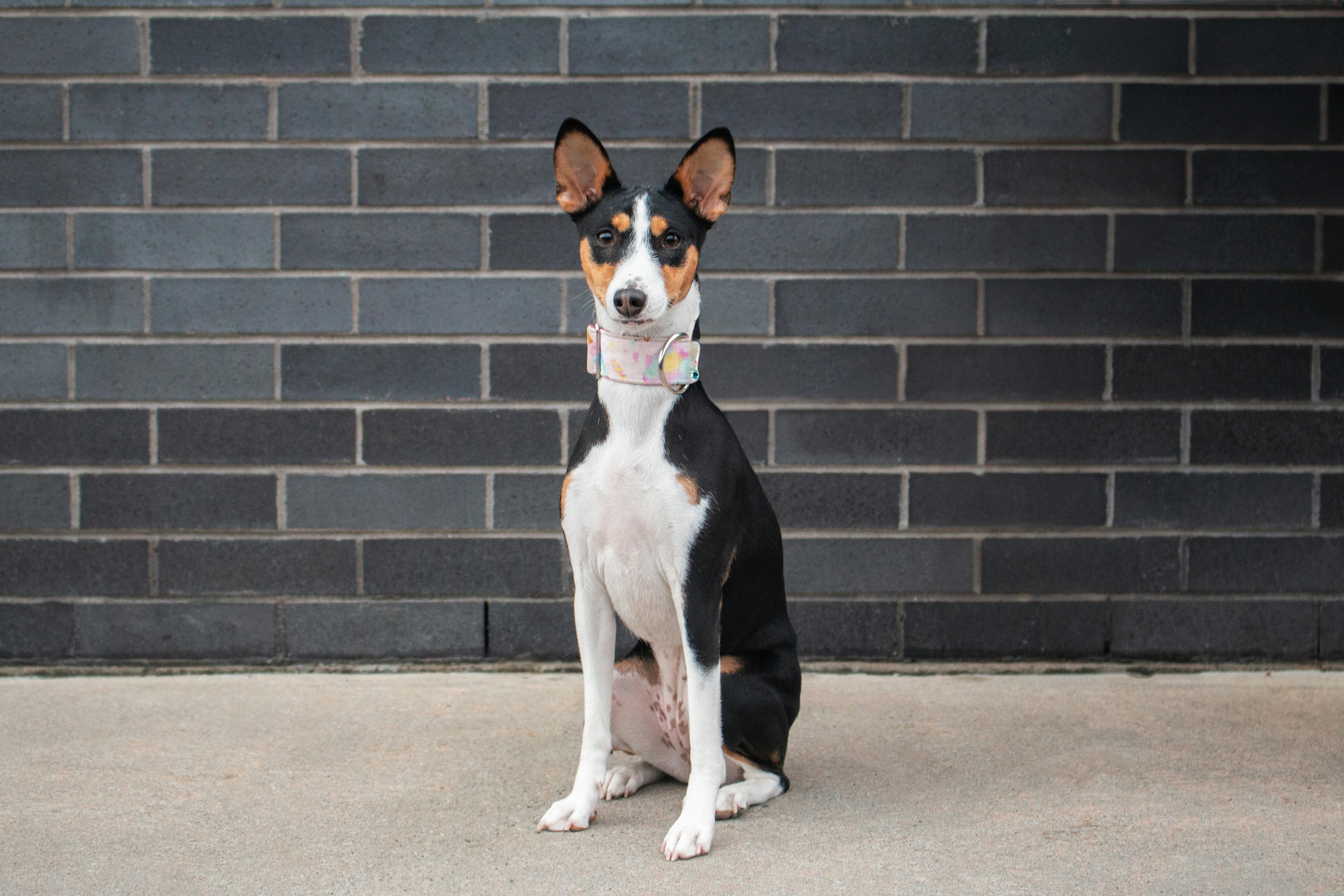
Have you ever wondered why dogs have wet noses? It’s not just because they like to sniff around, but actually their wet noses play a crucial role in how they detect scents. There is something fascinating about the mechanism behind it, and it can even help us understand why dogs are considered some of the best sniffers in the animal kingdom. Let’s break down how a wet nose helps dogs with their incredible sense of smell.
The Science of Scent Detection
Dogs have an extraordinary ability to detect scents, which is about 10,000 to 100,000 times more acute than that of humans. The olfactory system of dogs is highly specialized. Here’s how it works:
Olfactory Receptors: Dogs have approximately 300 million olfactory receptors in their noses, compared to a human’s 5 million. This means they can pick up on scents that we can’t even imagine.
Jacobsen's Organ: Also known as the vomeronasal organ, it allows dogs to detect pheromones, which are chemicals used for communication among animals.
Wet Nose Advantage: A dog’s nose is often moist, and this moisture helps to capture scent particles more effectively. When a dog sniffs, the moisture on its nose traps these particles, allowing their olfactory receptors to analyze them more efficiently.
Why Do Dogs Have Wet Noses?
It’s a common question, and the answer is not just about sniffing. Here are several reasons why dogs have wet noses:
Scent Detection: As mentioned, moisture helps in trapping scent molecules. By having a wet nose, dogs enhance their ability to smell.
Temperature Regulation: Dogs don’t sweat like humans. They primarily regulate their body temperature through panting and having a wet nose.
Health Indicator: A dog’s nose can also indicate their health status. A healthy dog usually has a moist, cool nose. Conversely, a dry or warm nose might indicate illness or dehydration.
Social Interaction: Dogs often use their noses to gather information about other dogs and their environment. A wet nose is better at picking up scents that may be crucial in social interactions.
The Fascinating Mechanism Explained
The mechanism of scent detection starts with the nose. When a dog inhales, air moves over the olfactory receptors located in a specialized area called the olfactory epithelium. Here’s a simple breakdown of the process:
Inhalation: When a dog takes a breath, scent particles enter the nasal cavity. A wet nose aids in capturing these particles.
Chemical Reaction: The scent molecules bind to the receptors, triggering a chemical reaction. This sends signals to the dog’s brain, which interprets the smells.
Identification: The brain processes these signals, allowing dogs to identify different scents. They can recognize familiar smells, track scents, or even detect certain diseases in humans.
Fun Facts About Dogs’ Noses
Unique Patterns: Just like human fingerprints, every dog’s nose has a unique pattern. This can be used for identification.
Nose Temperature: A dog’s nose can also be a gauge for temperature. A cold, wet nose generally indicates a healthy dog, while a warm, dry nose might be a cause for concern.
Sniffing Technique: Dogs have a specific sniffing technique where they exhale as they sniff in. This helps to push scent particles back to the olfactory receptors.
Scent Memory: Dogs have an impressive scent memory. They can remember scents for a long time, which is why they can track down missing persons or detect specific items.
Comparison with Other Animals
Dogs are not the only animals with keen senses of smell. Here is how their scent detection compares with a few other animals:
Bears: Bears have an incredible sense of smell, possibly more acute than dogs. They can smell food from miles away.
Cats: Cats have about 20 million olfactory receptors, which is significantly less than dogs, but still better than humans.
Rats: Rats also have a good sense of smell, and they are often used in search and rescue missions due to their ability to detect certain scents.
Humans: Humans have around 5 million olfactory receptors, making our sense of smell relatively weak compared to dogs.
In the realm of scent detection, dogs stand out for several reasons, but their wet noses are a significant part of what makes them such excellent sniffers. It’s really a combination of biology, evolution, and a bit of moisture that gives them the edge. So next time you see a dog with a wet nose, remember just how fascinating their sense of smell really is!
The Connection Between Dog Emotions and Their Wet Noses: What You Should Know

Dogs are some of the most beloved companions humans can have. From their wagging tails to their curious barks, they sure bring joy to our lives. But have you ever thought about why dogs have wet noses? It’s something many people notice, yet few understand. In this article, we will explore the connection between dog emotions and their wet noses, unveiling the fascinating truth behind why do dogs have wet noses.
The Science Behind Wet Noses
A dog’s nose is not just cute, it's also a complex organ that serves multiple purposes. The moisture on a dog's nose actually plays a significant role in their sense of smell. Here’s how:
Enhanced Olfactory Function: A wet nose helps to trap scent particles from the environment, allowing dogs to pick up scents more efficiently. This is crucial for their survival instincts and helps them communicate with other animals.
Temperature Regulation: Dogs can't sweat like humans do. So, a wet nose helps them cool off. When a dog pants, the moisture evaporates from their nose, aiding in thermoregulation.
Health Indicator: A healthy dog typically has a moist nose. However, a dry or cracked nose could indicate potential health issues, such as dehydration or illness.
Dog Emotions Reflected in Their Noses
It’s interesting to note that a dog’s emotional state can also be reflected in the condition of their nose. Here are some things to consider:
Excitement: When a dog is excited, their nose may become wetter. This is because they are panting and their body is in a state of readiness.
Calmness: A relaxed dog might have a slightly drier nose. However, this doesn’t mean something’s wrong; it’s just a sign that they are comfortable in their environment.
Stress: If a dog is stressed or anxious, their nose may feel warmer and drier. This can be an early indicator that your dog might be feeling uneasy.
Historical Context of Dog Noses
Dogs have been companions to humans for thousands of years. Historically, their wet noses were always seen as a sign of health. Ancient civilizations often relied on dogs for hunting and protection, and a wet nose was a symbol of a healthy, alert dog. As dogs became more domesticated, their noses continued to play a vital role in their interactions with humans.
Common Misconceptions About Dog Noses
Many myths surround the idea of wet noses. Here are some common misconceptions:
A Wet Nose Always Means a Healthy Dog: While a moist nose is generally a good sign, it’s not a foolproof indicator of health. Other factors should also be considered.
All Dogs Have Wet Noses: Some dog breeds, like bulldogs or pugs, might not have as wet of a nose due to their facial structure.
Dogs Only Have Wet Noses When They’re Sick: A dog can have a wet nose and still be ill. It's important to look for other signs of illness besides just the state of their nose.
Fun Facts About Dog Noses
- Dogs have about 300 million smell receptors in their noses, compared to a human's 5 million.
- The texture of a dog’s nose is unique, like a fingerprint. Each dog has a distinct nose print!
- Dogs can detect certain diseases, like cancer, just through their sense of smell.
Practical Tips for Dog Owners
If you’re a dog owner, here are some practical tips regarding your dog's nose:
Regular Checks: Make it a habit to check your dog's nose regularly. Look for any sudden changes in moisture or texture.
Hydration: Ensure your dog is hydrated, especially during hot weather. Dehydration can lead to a dry nose.
Vet Visits: If you notice your dog’s nose is persistently dry or cracked, it might be time for a vet visit. They can provide insights into any underlying issues.
Understanding Behavior: Pay attention to your dog's behavior alongside the condition of their nose. A wet nose combined with excitement could mean they’re ready for playtime!
Understanding why dogs have wet noses is more than just an interesting fact; it’s about exploring their emotions and health. The state of a dog’s nose can give us insights into how they are feeling and their overall well-being. Next time you snuggle with your furry friend, take a moment to appreciate that wet nose and all the science and emotion that comes with it. Dogs truly are fascinating creatures!
Can a Dog’s Wet Nose Indicate Health Issues? Understanding the Signs
Dogs are often considered man's best friend, and their peculiarities never cease to amaze us. One of the most interesting aspects of our canine companions is their wet noses. You might have wondered at some point, can a dog’s wet nose indicate health issues? Understanding the signs can be crucial for your furry friend’s well-being. In this article, we gonna explore why do dogs have wet noses and what it could mean for their health.
Why Do Dogs Have Wet Noses?
Dogs have wet noses for a variety of reasons, most of which are linked to their sense of smell. Here are some key points about why dog noses are often moist:
- Enhanced Sense of Smell: A wet nose helps to capture scent particles from the air. This moisture allows dogs to absorb odors better, making their sense of smell much more acute compared to humans.
- Cooling Mechanism: Dogs don’t sweat like humans do. Their noses can help regulate body temperature. When they pant, moisture evaporates from their noses, helping to cool them down.
- Natural Behavior: Dogs lick their noses to keep them clean and moist. It’s a natural behavior that helps them stay alert to their surroundings.
Interestingly, the moisture on their noses can vary based on the environment, activity level, and even emotional state.
Can a Dog's Wet Nose Indicate Health Issues?
While a wet nose is usually a sign of a healthy dog, there are some cases where it might indicate health issues. Here are some signs to be aware of:
- Dry Nose: A dry nose could be a sign of dehydration, fever, or other health problems. However, it’s important to consider overall behavior and other symptoms.
- Discharge: If your dog’s nose has a lot of discharge or is excessively dry, it might signal allergies, infections, or other health concerns.
- Change in Temperature: A nose that is unusually hot could indicate fever or illness. However, this is not a definitive sign, and you should consider other symptoms.
- Behavior Changes: If your dog’s nose is wet but they are lethargic, not eating, or showing other signs of distress, it’s time to consult a veterinarian.
Common Health Issues Linked to Nose Conditions
Here is a list of health issues that could be related to changes in your dog's nose:
- Allergies: Dogs can be allergic to various substances like pollen or certain foods. Symptoms may include sneezing, itching, or a runny nose.
- Infections: Bacterial or viral infections can cause nasal discharge and a change in moisture levels.
- Autoimmune Diseases: These can lead to dryness or crusting on the nose.
- Nasal Tumors: Although rare, growths in the nasal cavity can present with nasal discharge and other symptoms.
How to Monitor Your Dog’s Nose Health
It’s essential to keep an eye on your dog’s nose and overall health. Here are some tips on how to monitor it effectively:
- Regular Checks: Examine your dog’s nose daily for changes in moisture, color, or texture.
- Hydration: Ensure your dog always has access to fresh water. Hydration plays a key role in maintaining a moist nose.
- Consult a Vet: If you notice any concerning changes, don’t hesitate to reach out to a veterinarian for advice.
Fascinating Facts About Dog Noses
- Dogs have up to 300 million smell receptors, while humans only have about 6 million.
- The unique pattern of a dog’s nose is as distinctive as a human fingerprint.
- Dogs can detect certain diseases, including cancer, due to their powerful sense of smell.
- The temperature of a dog’s nose can fluctuate throughout the day based on their activity level.
In summary, while a wet nose is commonly associated with health, it’s not the only indicator to consider. Understanding the signs and monitoring your dog’s overall well-being is crucial. If you ever have doubts about your pet’s health, consulting with a veterinarian is always the best course of action. Dogs express their health through various means, and their noses are just one of the many fascinating aspects to explore.
Why Is Your Dog’s Nose Wet? Common Myths vs. Scientific Facts
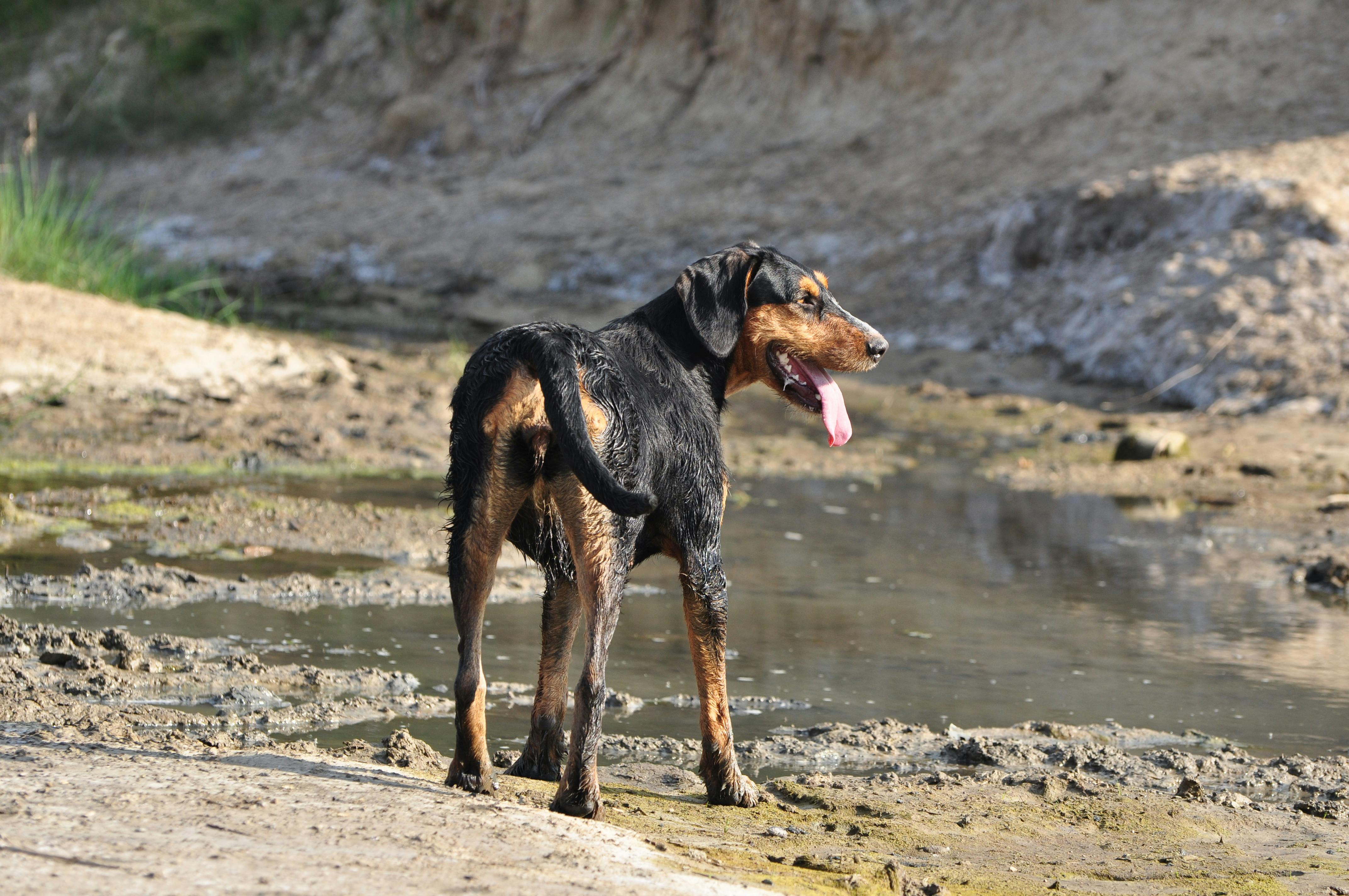
Have you ever wondered why is your dog’s nose wet? Many dog owners have noticed this phenomenon and often have their own ideas about it. Some might think it’s a sign of health, others might see it as a sign of affection. However, there's more to the story than just myths. In this article, we will explore the common myths about why dogs have wet noses and shed light on the scientific facts.
What Does a Wet Nose Mean?
First off, it’s important to understand that a dog’s nose can be wet for a few reasons. Most people believe that a wet nose indicates a healthy dog, but that’s only part of the truth. Here are some of the common reasons why dogs have wet noses:
- Natural Moisture: Dogs have special glands in their noses that produce moisture, keeping them wet. This moisture helps enhance their sense of smell.
- Temperature Regulation: Dogs don't sweat like humans do. They use their noses to help cool down their body temperature. The wetness evaporates, which aids in cooling.
- Environmental Factors: Dogs often lick their noses or come into contact with water while drinking or playing, which naturally makes their noses wet.
Debunking Myths About Wet Noses
There’s a ton of myths surrounding the wet noses of dogs. Let’s break down some of the most popular ones and set the record straight.
Myth 1: A Wet Nose Means Your Dog is Healthy
While a wet nose can be a sign of health, it’s not the only indicator. A dog can have a dry nose and still be perfectly healthy. Factors like the weather, the dog's activity level, and even age can affect nose moisture.
Myth 2: Dogs Sweat Through Their Noses
This one is totally false. Dogs primarily sweat through their paw pads. Their noses play a different role, mainly in scent detection rather than temperature regulation.
Myth 3: A Cold Nose is a Sign of Illness
A cold nose does not automatically mean your dog is sick. In fact, many dogs have cold noses as a normal characteristic. A sudden change in temperature or texture could indicate a health issue, but it’s best to consult a vet for a professional opinion.
The Science Behind Wet Noses
Now, let’s get into the science of why do dogs have wet noses. The moisture on your dog’s nose serves multiple purposes:
- Enhanced Smell: The wetness helps to trap scent particles, making it easier for dogs to smell things. Dogs have an amazing sense of smell, and their wet noses play a crucial role in that.
- Communication: Dogs use their noses to gather information about their environment. A wet nose can indicate excitement or curiosity.
How Does Nose Moisture Vary?
The level of moisture on a dog's nose can vary from breed to breed and even from dog to dog. Here’s a quick rundown of what affects that moisture:
- Breed Differences: Some breeds naturally have drier noses. For example, Bulldogs and Pugs often have less moisture due to their unique facial structure.
- Health Conditions: Allergies, dehydration, or infections can cause a dog’s nose to become dry. If you notice a persistent change, it’s wise to consult a veterinarian.
- Age Factors: Older dogs might have drier noses compared to puppies, which typically have wetter noses.
Fun Facts About Dog Noses
Did you know that dog noses are as unique as fingerprints? Here are some interesting facts to ponder:
- Scent Detection: A dog’s sense of smell is 10,000 to 100,000 times more sensitive than a human’s.
- Nasal Patterns: Just like fingerprints, a dog's nose has a unique pattern of ridges and creases.
- Temperature Differences: A dog's normal nose temperature can vary widely, but generally, it ranges from 94 to 102.5 degrees Fahrenheit.
Practical Tips for Dog Owners
If you’re a dog owner, there are some things you can keep in mind regarding your pet's nose:
- Regular Checks: Make it a habit to regularly check your dog’s nose. Look for cracks, dryness, or excessive moisture.
- Hydration is Key: Ensure your dog stays well-hydrated, as dehydration can lead to a dry nose.
- Consult a Vet: If you notice any sudden changes in moisture levels or texture, it’s best to consult a veterinarian for advice.
Understanding your pet’s health can be fascinating and complex. The next time you ask, "Why do dogs have wet noses?" remember that there's a mix of science and myth involved. So, embrace the quirks of your furry friend’s nose, and appreciate the unique characteristics that make dogs such wonderful companions.
The Role of a Wet Nose in Canine Communication: What Dogs Are Trying to Tell Us
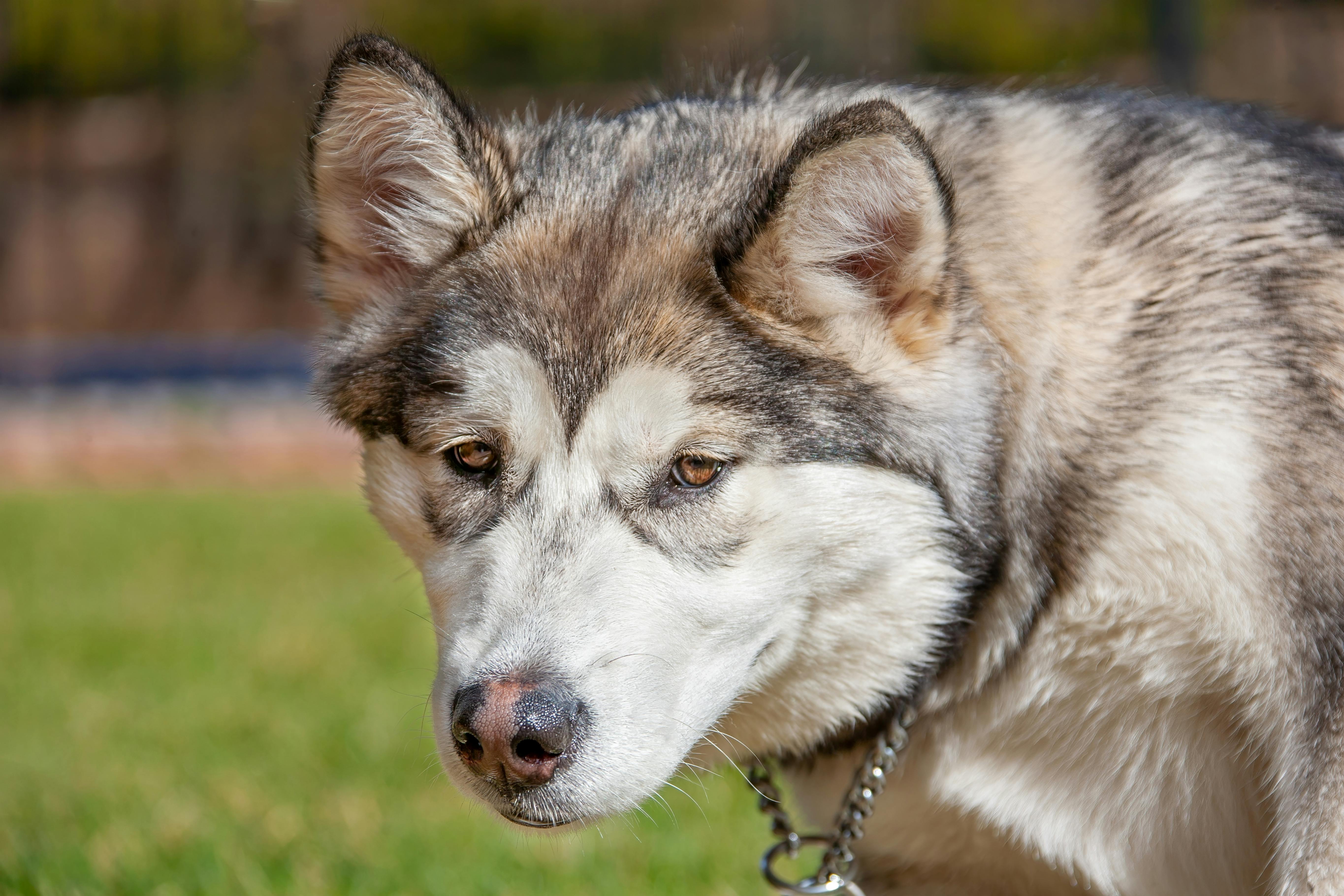
Dogs are often considered man's best friend, and their unique ways of communication can sometimes leave us puzzled. One of the most fascinating aspects of canine communication is their wet noses. But why do dogs have wet noses? What are they trying to tell us when they nuzzle us with that cool, damp snout? Let’s explore the fascinating truth behind this natural phenomenon and how it plays a crucial role in the way dogs interact with the world around them.
The Science Behind Wet Noses
Dogs have moist noses for several reasons. One of the primary reasons is that it helps them to smell better. The moisture on their nose captures scent particles from the air, enhancing their sense of smell, which is already far superior to that of humans. A dog’s sense of smell is estimated to be between 10,000 to 100,000 times more acute than ours. This means that when your dog sniffs around, it’s not just curiosity; it’s gathering information about their environment, other animals, and even humans.
Historical Context of Canine Communication
Throughout history, dogs have been companions to humans, serving various roles from hunters to guardians. Their communication methods have evolved alongside us, and the wet nose is part of this evolutionary journey. Ancient breeds, like the Basenji, were known to use their sense of smell to track prey, a trait that remains evident in modern dogs today. The wet nose serves multiple purposes, and understanding these can deepen our bond with our furry friends.
What Dogs Are Trying to Tell Us
When a dog nudges you with their wet nose, they might be communicating a range of emotions or needs. Here are some common messages that your pup might be trying to convey:
- Affection: A gentle nudge is often a sign of love and trust. Dogs may use their noses to show they care about you.
- Attention: If your dog wants your attention, a wet nose poking at you can be their way of saying, "Hey! Look at me!"
- Curiosity: Dogs are naturally curious creatures. They explore the world with their noses, and a wet snout can be an invitation for you to investigate something new together.
- Anxiety: Some dogs may nuzzle you when they’re feeling anxious or fearful. Your presence can provide comfort when they’re feeling nervous.
- Hunger: If it’s close to mealtime and your dog gives you a wet nose bump, they might be reminding you it’s time to eat.
The Benefits of a Wet Nose
Besides communication, a wet nose offers several benefits for dogs:
- Temperature Regulation: Dogs can’t sweat like humans do. Their wet nose helps to cool them down through evaporative cooling.
- Health Indicator: A healthy dog typically has a moist, cool nose. Changes, like excessive dryness or discharge, can indicate health issues and should be checked by a vet.
- Enhanced Scent Detection: As mentioned earlier, the moisture helps capture scent particles, making their sense of smell even more powerful.
Fun Facts About Dog Noses
Here are some intriguing tidbits about dog noses you might not know:
- Unique Patterns: Just like human fingerprints, every dog has a unique nose print.
- Temperature Sense: Dogs can detect temperature differences as small as one degree Fahrenheit.
- Sniffing Techniques: Dogs have two different types of sniffing. One is for identifying scents, and the other is for understanding the context of those scents.
Comparison: Wet Noses vs. Dry Noses
To further understand the significance of a wet nose, let’s compare wet and dry noses in dogs:
| Characteristic | Wet Nose | Dry Nose |
|---|---|---|
| Temperature | Typically cool | Often warmer |
| Health Indicator | Sign of good health | May indicate dehydration or illness |
| Smell Sensitivity | Enhanced due to moisture | Less effective at capturing scents |
| Common Causes of Dry | Dehydration, illness, allergies | Normal variation |
Practical Examples of Nose Communication
Dogs communicate not just through barks or body language but also through their noses. Here are some examples of how they might use their wet nose:
- Greeting: A dog might greet you with a wet nose when you come home, showing excitement.
- Play: During playtime, they may use their noses to invite you to join in the fun.
- Exploration: When on a walk, a dog will often stop to sniff around, using their nose to gather information about other animals that passed by.
Understanding the role of a wet nose in canine communication can help strengthen the bond between you and your dog. It’s a fascinating aspect of their behavior that reflects their emotions, needs, and health. So next time your dog nudges you with that
Is Your Dog’s Nose Too Wet? When to Worry and When to Relax

Is Your Dog’s Nose Too Wet? When to Worry and When to Relax, Why Do Dogs Have Wet Noses? Uncover The Fascinating Truth
Dogs, those lovable companions, come with many quirks, but one of the most common questions pet owners ask is about their dog's nose. Is your dog’s nose too wet? What does it mean, and when should you be concern? These questions can puzzle even the most experienced dog lovers. Let's dive into the wet world of canine noses and uncover the truth behind this intriguing trait!
Why Do Dogs Have Wet Noses?
Dogs noses are usually wet for a couple of reasons. One of the main reasons is that it helps them to smell better. The moisture on their noses can enhance their sense of smell. Dogs have an incredible sense of smell, estimated to be anywhere from 10,000 to 100,000 times better than humans. That’s right, your dog can sniff out things you can’t even imagine!
Some other reasons include:
- Temperature regulation: A wet nose can help cool a dog down. Just like sweating for humans, the moisture helps in regulating their temperature.
- Collecting scent particles: The wet surface of a dog’s nose can trap scent particles in the air, making it easier for them to pick up scents. It’s like having an extra superpower!
When Should You Worry About Your Dog’s Nose?
While a wet nose is generally a sign of a healthy dog, there are times when you might need to take a closer look. Here some signs to watch out for:
- Dry and Cracked Nose: If your dog’s nose is unusually dry and cracked, it could be a sign of dehydration or illness. This could be a result of fever or allergies.
- Excessive Discharge: If there’s excessive mucus or discharge, it could indicate an infection or other underlying health issue.
- Change in Temperature: If your dog’s nose is hot and dry, it could be a sign of fever. A normal dog’s temperature ranges between 101°F to 102.5°F.
- Behavior Changes: If your dog seems lethargic or is not eating, it’s a good idea to consult with a veterinarian.
Quick Reference Chart: When to Worry
| Symptom | Possible Issue | Action Needed |
|---|---|---|
| Dry and cracked nose | Dehydration, illness | Vet check-up recommended |
| Excessive discharge | Infection | Immediate veterinary attention |
| Hot and dry nose | Fever | Consult a vet |
| Changes in behavior | Various issues | Schedule a vet appointment |
Why Is My Dog’s Nose Wet and Cold?
While we’re at it, let’s clear up an interesting fact. A wet nose doesn’t always mean your dog is healthy. While it’s often normal, sometimes a cold, wet nose can be associated with other things. For instance, if your dog has been outside in the cold or just had a drink, their nose might be wet and cold.
However, if your dog’s nose is cold for an extended period and is accompanied by other symptoms, like shivering or reluctance to move, it could be a sign of hypothermia or other health issues.
Fun Fact: The Science Behind Dog Noses
Did you know that dogs have special glands in their noses that help them keep it moist? These glands create a thin layer of mucus that enhances their olfactory abilities. Moreover, the shape of a dog’s nose can also affect their sense of smell. Breeds like Bloodhounds, with long, droopy noses, have more scent receptors than shorter-nosed breeds. So, if your dog is a pug, they may not sniff things out quite like a German Shepherd!
When to Relax
If your dog is playful, eating well, and seems happy, a wet nose is likely a good sign! Most dogs have wet noses because they’re simply being dogs. Here’s a quick list of situations where you can relax about your dog’s nose:
- After a good play session or a walk
- Following a drink of water
- During warm, humid weather
Remember, dogs are individuals, and what’s normal for one may not be for another. Monitor your pup and trust your instincts!
In the end, understanding your dog’s nose is just one part of being a responsible pet owner. Regular veterinary check-ups, balanced nutrition, and lots of love are key. So, if your dog’s nose is wet, it’s probably just fine, but if you see changes, don’t hesitate to reach out to your veterinarian for advice. Keeping an eye on those little details can make a big difference in your furry friend’s health and happiness!
5 Interesting Facts About Dog Noses That Will Blow Your Mind!

Have you ever thought about why dogs have wet noses? It's kinda fascinating and there's more to it than just their appearance. In fact, there are some interesting facts about dog noses that might just blow your mind! Let’s take a dive into this topic and uncover the truth behind our furry friends' unique noses.
The Science Behind Wet Noses
So, why do dogs have wet noses, anyway? Well, it mostly comes down to a few scientific reasons. The wetness of a dog’s nose helps them in a number of ways:
Enhanced Smell: A wet nose helps to capture scent particles in the air, allowing dogs to smell better. This is because moisture can help to dissolve these particles, making it easier for dogs to detect smells. Their sense of smell is about 10,000 to 100,000 times more sensitive than humans!
Temperature Regulation: Dogs don't sweat like humans do. Instead, they have sweat glands mostly located in their paw pads. Their nose’s wetness can help regulate their body temperature, especially on hot days. This is one way they keep cool.
Health Indicator: A dog's nose can also be an indicator of their health. A healthy dog typically has a moist and cool nose. If their nose becomes dry or warm, it could signal illness or dehydration, although it's not always a definitive sign.
Fun Facts About Dog Noses
Ready for some mind-blowing facts? Here are five intriguing tidbits about dog noses that you probably didn’t know:
Unique Nose Prints: Just like human fingerprints, every dog has a unique nose print! This means that if you ever need to identify your dog, you could use their nose print. Some organizations have even used nose prints for identification purposes.
Scent Discrimination: Dogs can distinguish between different scents. They can even detect specific medical conditions in humans, like diabetes or certain types of cancer. Their noses are so powerful that some dogs are trained to detect these health issues.
Nasal Heat Detection: Dogs can detect heat signatures through their noses. They can sense the warmth of a living creature from a distance, which is why they’re often used in search and rescue missions.
Temperature Sensing: Dogs can actually sense temperature changes through their nose. This ability helps them find food and water sources, as well as detect changes in their environment.
Nose as a Tool: Dogs use their noses not just for smelling, but for communication too. They often greet each other by sniffing noses, which helps them learn about each other's health and emotional states.
Why Dog Noses are Important
Dog noses are not just adorable; they serve important purposes in their everyday lives. Here’s a list of why these noses are crucial:
- Survival Skills: Helps them find food and avoid dangers.
- Social Interactions: Essential for communication with other dogs.
- Emotional Intelligence: Dogs can detect human emotions through scent, helping them bond with their owners.
Additional Insights
If you think about it, the wetness of a dog’s nose is so much more than just a cute feature. Dogs have evolved over thousands of years to develop these noses for a variety of reasons. You might be surprised to learn some of the history behind this!
- Evolutionary Trait: Breeds that were used for hunting have especially pronounced nasal abilities; this is because they needed to track down prey.
- Cultural Significance: In some cultures, a dog’s nose is considered a sign of good luck.
Caring for Your Dog’s Nose
Keeping your dog's nose healthy is important. Here are some tips to ensure it stays moist and healthy:
- Stay Hydrated: Make sure your dog has access to fresh water.
- Regular Check-Ups: Take your dog to the vet for regular health check-ups.
- Watch the Weather: Protect your dog from extreme weather conditions, which can dry out their nose.
In summary, dog noses are not just cute features but are essential for their health and survival. Understanding why dogs have wet noses and the fascinating facts surrounding them can deepen your appreciation for these beloved pets. So next time you see your dog with that adorable, wet nose, remember all the incredible things it can do!
How to Keep Your Dog’s Nose Healthy: Tips for Pet Owners on Nose Care

As a pet owner, you probably have noticed your dog has a wet nose. But have you ever thought about why that is? Dogs have wet noses for reasons that are fascinating and complex. So, let’s dive into the world of canine noses, explore how to keep them healthy, and uncover the truth about those moist, adorable snouts.
Why Do Dogs Have Wet Noses? Uncover The Fascinating Truth
The wetness of a dog’s nose is not just for show. There are several reasons why dogs have this unique feature:
Temperature Regulation: A dog’s nose helps to cool down their body. When a dog pants, the moisture on their nose evaporates, which aids in regulating their body temperature.
Enhanced Sense of Smell: The wet surface of a dog’s nose helps trap scent particles, making it easier for them to detect different smells. This is why dogs are often used in search and rescue operations or to detect drugs and explosives.
Health Indicator: A healthy dog usually has a cool, moist nose. Conversely, a dry or excessively warm nose might indicate an underlying health problem.
Psychological Connection: Dogs also use their noses to communicate with each other. The scent left on their noses from sniffing can convey a lot of information, helping them to interact socially.
Isn’t that interesting? A simple wet nose holds so much significance in a dog’s life.
How to Keep Your Dog’s Nose Healthy: Tips for Pet Owners on Nose Care
Keeping your dog's nose healthy is essential for their overall well-being. Here are some practical tips for pet owners:
Regular Checks: Look at your dog’s nose regularly. If you notice cracks, excessive dryness, or swelling, it might be time to consult a vet.
Hydration: Just like us, dogs need to stay hydrated. Make sure your dog has access to fresh water at all times. It can help keep their nose moist and healthy.
Avoid Harsh Chemicals: If you use cleaning products around the house, make sure they are pet-safe. Chemicals can irritate your dog’s sensitive nose.
Sun Protection: Dogs with light-colored or thin fur are especially susceptible to sunburn on their noses. Consider using a pet-safe sunscreen if your dog will be out in the sun for a long time.
Healthy Diet: Good nutrition plays a role in your dog’s skin and nose health. Make sure you’re feeding them a balanced diet rich in vitamins and minerals.
Consult Your Vet: If you have any concerns about your dog's nose health, don’t hesitate to ask your veterinarian. They can provide personalized advice based on your dog's specific needs.
Common Nose Issues in Dogs
Sometimes, despite your best efforts, dogs can experience nose problems. Here’s a quick list of common issues:
Nasal Hyperkeratosis: This is when the skin on the nose becomes thickened and crusty. It can be treated with topical ointments.
Nasal Dermatitis: Allergies or irritants can cause inflammation on the nose. Symptoms may include redness, swelling, and discomfort.
Infections: Bacterial or fungal infections can occur, resulting in discharge or foul odors. Veterinary care is necessary for treatment.
Sunburn: Just like humans, dogs can get sunburned. This is more common in light-colored breeds.
Quick Comparison: Wet vs. Dry Noses
| Feature | Wet Nose | Dry Nose |
|---|---|---|
| Temperature | Generally cool | May be warm |
| Health Indicator | Often sign of good health | Can indicate illness |
| Scent Detection | More effective | Less effective |
| Moisture Level | High moisture | Low moisture |
Final Thoughts
Understanding why dogs have wet noses and how to care for them can significantly improve your furry friend’s quality of life. Not only do those moist noses play a vital role in their biology, but they also need proper care to stay healthy. So the next time you give your dog a pat on the nose, remember all the fascinating things that come with that wet little snout. Always be observant, and don’t hesitate to seek veterinary advice if something seems off. Your dog’s health is worth every effort!
Conclusion
In conclusion, the wet noses of dogs serve several important functions that contribute to their overall health and well-being. From enhancing their sense of smell to regulating body temperature, a moist nose is a sign of a healthy canine. Additionally, the moisture helps to trap scent particles, allowing dogs to better interpret their environment and communicate with other animals. While the occasional dry nose may not necessarily indicate a problem, it's essential for dog owners to stay vigilant about any significant changes in their pet's health. Regular veterinary check-ups can help ensure your furry friend stays happy and healthy. So, the next time you admire your dog's wet nose, remember that it plays a crucial role in their sensory experiences. Embrace the unique characteristics of your dog, and consider sharing this information with fellow dog lovers to foster a deeper understanding of our beloved companions.