Have you ever wondered, why do dogs have wet noses? This intriguing question sparks curiosity among pet lovers and dog owners alike! A wet nose isn't just an adorable trait; it serves a vital purpose for our furry friends. But what exactly does a wet nose mean? Is it merely a sign of health, or is there more to this phenomenon? Many people is often surprised to learn that a dog's nose can reveal a lot about their overall well-being. For instance, did you know that a dog's wet nose helps them detect scents better? This fascinating ability makes dogs exceptional companions and skilled hunters. Plus, the moisture on their noses helps regulate temperature, keeping them cool and comfortable. If you've ever thought, "Why does my dog’s nose feel so cold and wet?", you're not alone! In this article, we will uncover the surprising truth behind this quirky feature, exploring the science and significance of dog noses. From health indicators to sensory functions, join us as we delve into the captivating world of your dog’s wet nose and discover why it’s more than just a cute characteristic!
The Science Behind Dog Noses: Why Are They Always Wet?
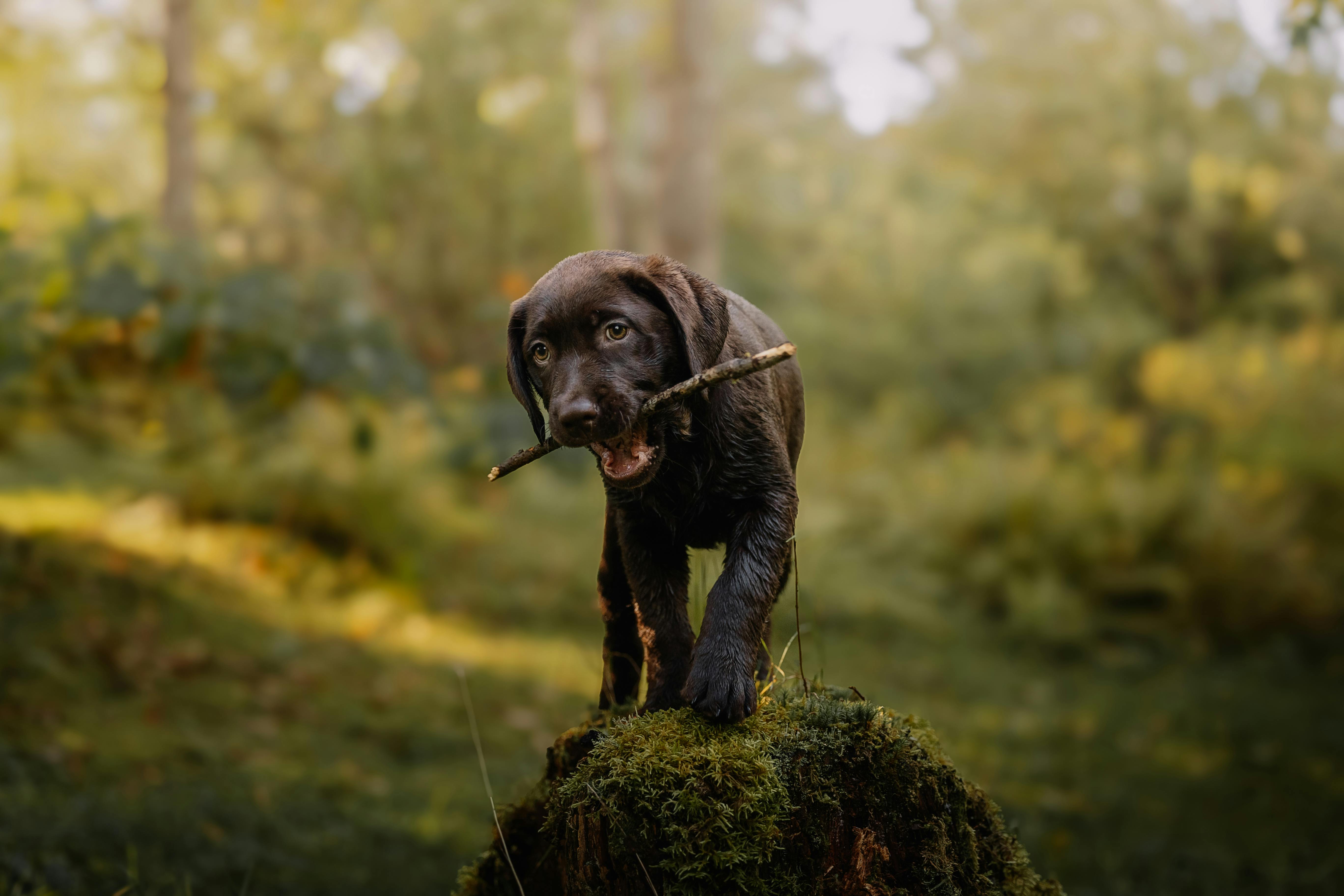
Ever wonder why your furry friend’s nose feels like a wet sponge when you give them a pat? Dogs have wet noses, and it’s not just for show! There’s actually a lot of science behind it. This article dives into the reasons why dogs have wet noses, exploring the fascinating biology and functions behind this unique trait. You might be surprised to find out how much a dog’s nose can tell us about their health and emotions.
The Biology of a Dog’s Nose
First off, dog noses are super sensitive. They have more than 300 million smell receptors, compared to about 5 million in humans. This means dogs can pick up scents that are incredibly faint, making their sense of smell one of the best in the animal kingdom. But what does this have to do with wetness? Well, moisture plays a role in enhancing their sense of smell. A wet nose helps to dissolve scent particles, which makes it easier for dogs to detect odors.
- Moisture and Scent Detection
- Wet noses help absorb scent particles.
- Moisture increases sensitivity to smells.
- Helps dogs track scents over long distances.
Why Is a Dog’s Nose Wet?
Now, let’s take a look at some reasons why dog noses are typically wet:
Thermoregulation
- Dogs do not sweat like humans do. Instead, they cool themselves down through their noses. The moisture evaporates, helping to regulate their body temperature.
Health Indicator
- A wet nose is often seen as a sign of a healthy dog. However, it’s not always the case. A dry nose can indicate dehydration or illness. Monitoring your dog’s nose can give you clues about their health.
Behavioral Insights
- Dogs often lick their noses, which keeps them wet. Licking may also serve to calm them down or relieve anxiety. It’s a behavior you may notice during stressful situations.
Environmental Factors
- A dog’s nose may become wetter after they’ve been outside, especially in humid conditions or after drinking water. Changes in environment can affect the moisture level of their nose.
Historical Context of Dog Noses
Dogs have been companions to humans for thousands of years. Historically, their noses have played a crucial role in their utility. During ancient times, dogs were used in hunting and tracking due to their exceptional sense of smell. The wetness of their noses was likely an evolutionary advantage, helping them to find food and stay close to humans.
Fun Facts About Dog Noses
Unique Patterns: Just like human fingerprints, each dog’s nose print is unique. This can be used for identification purposes.
Color Variation: The color of a dog’s nose can vary from black to pink, and even spotted. It can change with age and health.
Temperature Sensitivity: A dog’s nose can detect temperature changes too. They may use this ability to sense heat emitted by prey or danger.
Sniffing Behavior: Dogs can sniff up to 40 times a second. They have a specific sniffing pattern that allows them to gather more information about their environment.
Practical Tips for Dog Owners
Keeping your dog's nose healthy is important. Here are some practical tips you can follow:
Hydration: Always ensure your dog has access to fresh water. Dehydration can lead to a dry nose.
Check for Changes: Regularly monitor your dog’s nose for any drastic changes in moisture or color. A persistent dry or cracked nose could indicate health issues.
Veterinary Check-ups: Regular check-ups with your vet can help catch any potential issues early. Don’t ignore a dry nose if your dog shows other signs of illness.
Avoid Harsh Chemicals: When cleaning your home or yard, avoid using chemicals that could irritate your dog's sensitive nose.
When you think about your dog’s wet nose, you realize it’s more than just a cute feature. It’s a fascinating part of their biology that plays a critical role in their health, behavior, and ability to connect with the world around them. So next time you see your dog sniffing around, remember that their wet nose is a powerful tool, not just a quirky characteristic.
Top 5 Fascinating Reasons Dogs Have Moist Noses You Didn't Know

Have you ever noticed how dogs have those irresistibly moist noses? It's kind of fascinating, right? Many people wonder, why do dogs have wet noses? The truth behind this peculiar characteristic is both interesting and informative. Let’s dive into the top 5 reasons why dogs noses are often wet, and some surprising facts that might just blow your mind!
1. Temperature Regulation
One of the most important reasons for a dog’s wet nose is temperature control. Dogs don't sweat like humans do. Instead, they have sweat glands primarily in their paw pads. So, how do they cool off? A wet nose helps them regulate their body temperature. When a dog’s nose is moist, it helps evaporate water, which cools them down. This is especially useful during hot summer days when they might be running around outside.
2. Enhanced Sense of Smell
Did you know that a dog’s sense of smell is thousands of times more acute than a human's? Their wet noses play a key role in this remarkable ability. The moisture collects scent particles from the air, making it easier for dogs to detect various smells. The wetness enhances the olfactory receptors, allowing dogs to pick up on scents that we can't even imagine. This is why dogs are often used in search and rescue missions or in police work.
3. Communication Tool
Dogs are social animals, and they communicate in various ways. A wet nose can be a form of communication as well! When they approach other dogs or humans, they often use their noses to gather information about their surroundings. A moist nose might indicate excitement or curiosity. Dogs can pick up on pheromones and other chemical signals, giving them insight into the emotional state of other animals.
4. Health Indicator
Your dog’s nose can tell you a lot about its health. A healthy dog usually has a cool, moist nose. Conversely, if a dog has a dry or warm nose, it could be a sign of illness or dehydration. While it’s not a definitive diagnosis, changes in the moistness of a dog’s nose—like if it’s suddenly excessively dry—can be a reason to consult your veterinarian for further examination. Regular nose checks can thus become a part of your pet care routine!
5. Evolutionary Trait
The wet nose of a dog is also an evolutionary trait that has been passed down from their ancestors. Canines, like wolves, have wet noses which help them hunt. The moisture allows them to track scents over long distances, essential for survival. This feature has been retained through domestication, making it an ingrained characteristic of many dog breeds today.
Fun Facts About Dogs’ Noses
Nose Prints: Just like human fingerprints, each dog's nose print is unique. This can also be used for identification purposes.
Nasal Turbinates: Dogs have complex structures in their noses called nasal turbinates that increase the surface area for scent detection.
Wetness Variation: Not all dogs have the same level of nose moisture. Some breeds naturally have drier noses due to their genetics.
Environmental Influence: The humidity in the air can affect a dog’s nose moisture. For example, in dry climates, dogs may have drier noses.
Paw Pads Sweat: Remember, dogs do sweat, but only through their paw pads. So, if their noses are dry, it doesn’t mean they’re not cooling off in other ways!
Table: Key Differences Between Dog and Human Noses
| Feature | Dog Nose | Human Nose |
|---|---|---|
| Sense of Smell | Highly developed | Less developed |
| Moisture Level | Typically moist | Varies, usually dry |
| Sweat Glands | Not in nose, in paws | Present in nose |
| Purpose of Moisture | Scent detection | Minor for cooling |
As you can see, the reasons behind why dogs have wet noses are not just trivial facts but also essential to their health and survival. Whether it's for cooling down, enhancing their sense of smell, or communicating with others, these moist noses play a vital part in a dog’s life. So next time you give your furry friend a little scratch on the head, take a moment to appreciate that moist nose and all the wonders it represents!
Is Your Dog's Wet Nose a Sign of Health? Discover the Truth!
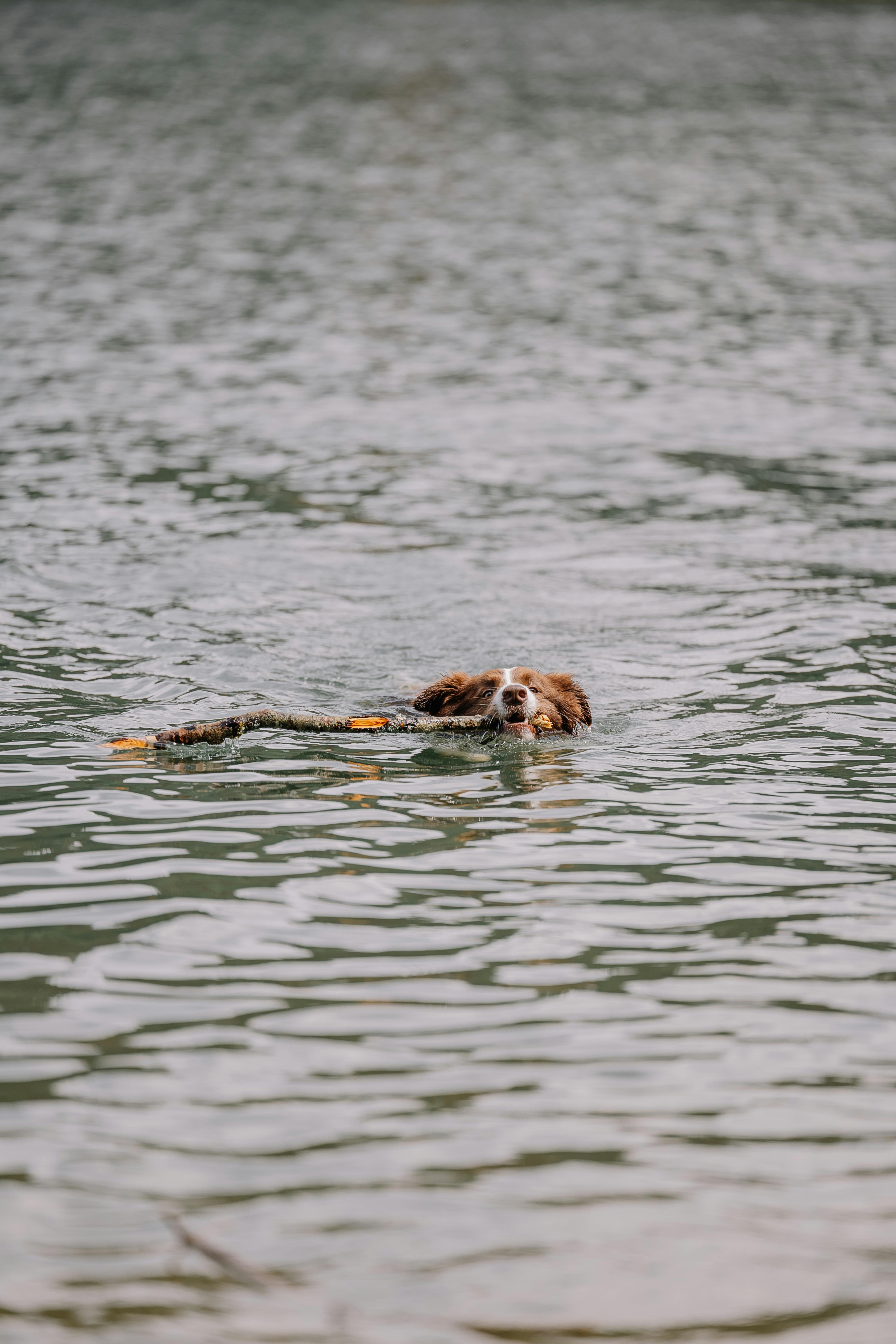
Is your dog's wet nose a sign of health? This is a question many dog owners have pondered. A wet nose is often seen as an indicator of a healthy pup, but is that really the truth? Let’s dive into the fascinating world of dog noses to uncover the surprising truth behind why do dogs have wet noses.
The Science Behind Wet Noses
First off, let’s understand the biology of a dog's nose. Dog noses are covered with a thin layer of mucous which helps them in smelling. A wet nose helps to capture scent particles more effectively, which is why dogs are equipped with this unique feature. Here are some reasons why a dog's nose tends to be wet:
Temperature Regulation: Dogs don’t sweat like humans do. Instead, they regulate their body temperature through panting and by having wet noses. The moisture on their noses evaporates, which helps to cool them down.
Enhanced Sense of Smell: A wet surface can absorb more scent molecules. So when dogs sniff around, their wet noses help them to detect odors better than if their noses were dry.
Health Indicator: A dog’s nose can change based on their health. A wet, cool nose is often seen as a sign of good health, whereas a dry or cracked nose can indicate issues. However, this isn’t a hard-and-fast rule.
Common Misconceptions About Dog Noses
Many dog owners think that if their dog’s nose is dry, it means they’re sick. This isn’t always true. Dogs can have dry noses for several reasons, and sometimes it’s perfectly normal. Here’s a breakdown of some common misconceptions:
Wet Nose = Healthy Dog: While a wet nose can indicate a healthy dog, it is not the only factor. Other signs of health include energy levels, appetite, and behavior.
Dry Nose = Sick Dog: As mentioned, a dry nose does not mean your dog is ill. Dogs can have dry noses due to environmental factors, like hot weather or being indoors with air conditioning.
Every Dog is the Same: Not all dogs have the same nose characteristics. Some breeds have naturally drier noses than others, and that’s completely normal.
Factors That Affect Nose Moisture
Several factors can contribute to whether a dog’s nose is wet or dry. Here’s a list of some of them:
Environmental Conditions: Hot weather or low humidity can cause a dog's nose to become dry.
Health Issues: Certain health problems, such as allergies or autoimmune diseases, can affect nose moisture.
Age: Older dogs may have drier noses as they age, which can be a natural part of the aging process.
Hydration: Just like humans, dogs need to stay hydrated. A well-hydrated dog is more likely to have a moist nose.
What Should You Watch For?
As a responsible pet owner, you should monitor your dog’s nasal health. Here are some signs that may require a visit to the vet:
- Cracks or sores on the nose
- Discoloration or unusual texture
- Persistent dryness or excessive moisture
- Changes in behavior, appetite, or energy levels
Interesting Facts About Dog Noses
A dog's sense of smell is between 10,000 to 100,000 times more sensitive than humans.
The nose print of a dog is unique, much like human fingerprints.
Dogs have approximately 300 million olfactory receptors in their noses, compared to about 5 million in humans.
The wetness of a dog’s nose can vary throughout the day and is not a fixed characteristic.
Conclusion
So, is your dog's wet nose a sign of health? Well, it can be, but it's not the only indicator. Knowing the reasons behind why do dogs have wet noses gives you a better understanding of your furry friend. It’s important to look at the whole picture when it comes to their health. Remember to keep an eye on other health indicators too! A moist nose can be a good sign, but it's not the ultimate answer to your dog's wellbeing. Keep loving and caring for your pup, and they will be happy and healthy!
How a Wet Nose Enhances Your Dog's Sense of Smell: The Surprising Connection

Dogs are often considered man's best friend, and their remarkable sense of smell plays a huge role in that bond. But have you ever noticed how wet their noses are? It's not just an endearing quality; it actually serves a purpose. Let’s dive into the fascinating world of canine noses and explore the surprising connection between a wet nose and a dog’s impressive ability to detect scents. So, why do dogs have wet noses? Uncover the surprising truth!
The Anatomy of a Dog's Nose
Dogs have a unique nose structure that is vastly different from humans. Their noses are covered in a layer of skin that contains numerous olfactory receptors. While humans have about 5 million olfactory receptors, dogs have anywhere from 220 to 300 million! This incredible anatomy is what allows them to smell things we can't even imagine.
Key Features of a Dog's Nose
- Olfactory Receptors: The more receptors, the better the sense of smell. Dogs possess a significantly higher number.
- Moisture: A wet nose helps to enhance their olfactory capabilities.
- Vomeronasal Organ: This organ helps dogs detect pheromones, adding another layer to their smelling ability.
Why is a Wet Nose Important?
So, why do dogs have wet noses? The moisture on a dog’s nose plays several critical roles. First, it helps to trap scent particles in the air, making it easier for them to analyze and identify different smells.
Benefits of Moisture on a Dog’s Nose
- Enhanced Scent Detection: Wet noses can absorb scent molecules, improving their ability to identify smells.
- Temperature Regulation: Dogs can also cool down through their noses, which is crucial since they don't sweat like humans do.
- Communication: Dogs often use their noses to communicate with other dogs, and moisture aids in this process.
The Science Behind a Wet Nose
Research shows that when a dog’s nose is wet, the moisture interacts with the scent particles. This interaction enhances their ability to process these scents. A dry nose can limit a dog’s ability to smell effectively, which is why many dog owners often notice that a wet nose is usually a sign of a healthy and active dog.
Comparisons: Wet vs. Dry Noses
Wet Nose:
- Better scent detection
- Cooler temperature regulation
- Generally indicates a healthy dog
Dry Nose:
- May mean dehydration or illness
- Could limit smelling ability
- Not necessarily a sign of poor health, as some dogs have naturally drier noses
Historical Context of Dog Smelling Abilities
Historically, dogs have been bred for various purposes, many of which involved their incredible sense of smell. From hunting to search and rescue, dogs have proven to be invaluable to humans because of their olfactory skills. Ancient civilizations recognized the importance of scent, leading to the development of specialized dog breeds.
Examples of Breeds with Exceptional Smell
- Bloodhound: Known for its incredible tracking ability, often used in search and rescue missions.
- Beagle: Originally bred for hunting, their sense of smell is so strong that they are often used in detection work.
- German Shepherd: Frequently employed in police work, they excel at scent detection.
Practical Examples of Dogs Using Their Sense of Smell
Dogs are trained for various tasks that require their exceptional sense of smell. Here are some real-world applications:
- Search and Rescue: Dogs can locate missing persons in natural disasters or urban environments.
- Detection Work: They help law enforcement in identifying drugs, explosives, or even certain medical conditions.
- Therapeutic Roles: Some dogs are trained to detect medical conditions like seizures or low blood sugar.
Final Thoughts
Understanding why dogs have wet noses and how this contributes to their extraordinary sense of smell not only highlights their unique biology but also deepens the bond we share with our furry friends. Whether you're a dog owner or just a lover of these amazing animals, appreciating the science behind their wet noses enhances our understanding of their abilities. So the next time you give your pup a scratch, remember that their wet nose isn’t just cute; it’s a crucial part of what makes them so special in our lives.
Curious Canines: Exploring the Evolutionary Benefits of a Wet Nose
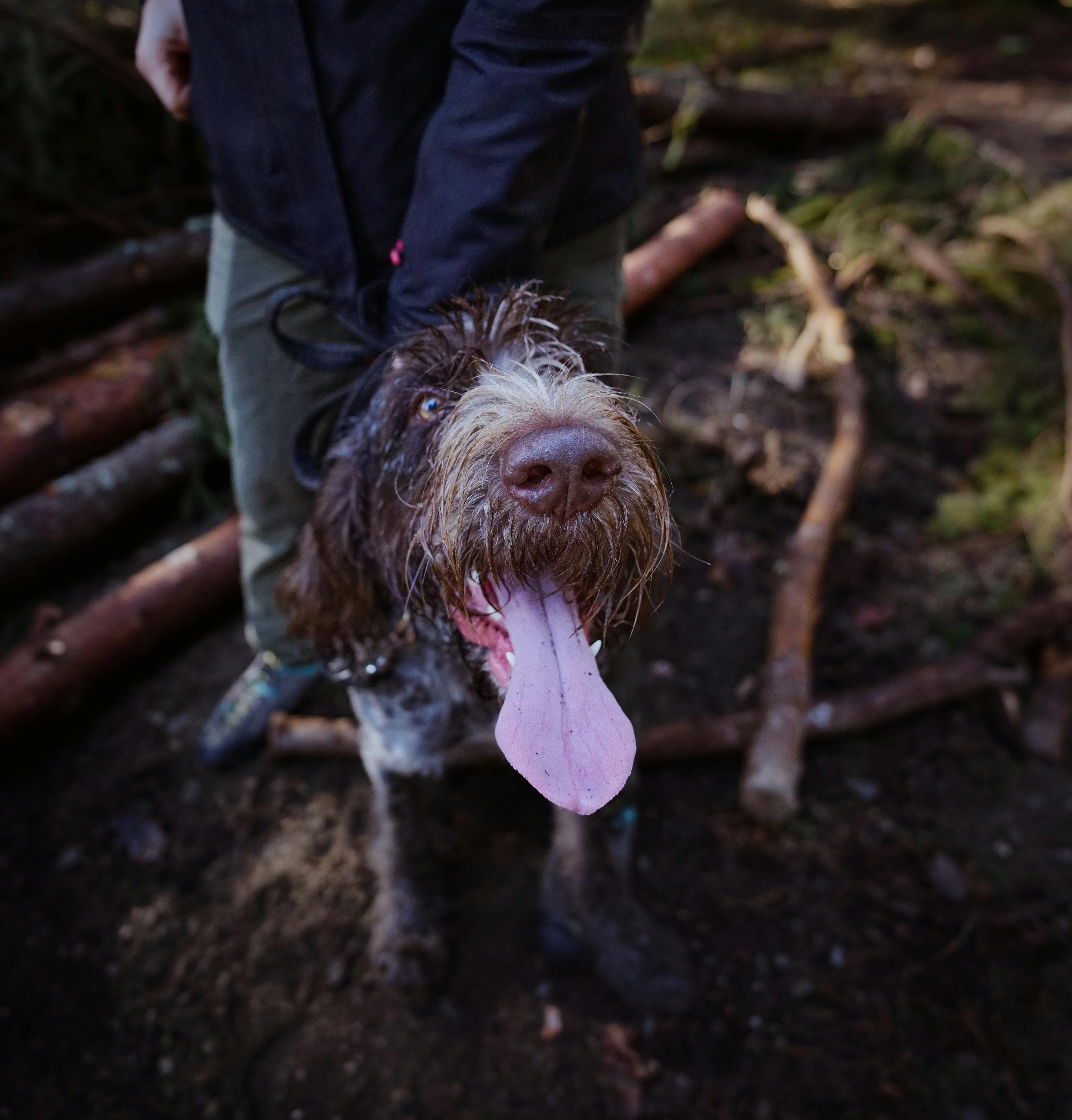
Curious Canines: Exploring the Evolutionary Benefits of a Wet Nose, Why Do Dogs Have Wet Noses? Uncover The Surprising Truth!
Ever wondered why dogs have wet noses? It’s a question that many pet owners ask but not always get the answer they looking for. The moistness of a dog’s nose isn’t just an adorable feature; it serves several important functions that help them in everyday life. Let's dive into the reasons and the evolutionary benefits behind those curious canines' wet noses.
The Science Behind the Wet Nose
A dog's nose is not just a cute accessory; it’s a sophisticated sensory organ. The moisture on a dog’s nose comes from a combination of mucus and sweat. This wetness plays a crucial role in how dogs perceive the world around them. Here are some reasons why dogs have wet noses:
Enhanced Smell: Dogs have an extraordinary sense of smell, estimated to be 10,000 to 100,000 times more sensitive than humans'. The moisture helps to absorb scent particles, allowing dogs to detect a wider range of smells. It’s like having a built-in scent enhancer!
Temperature Regulation: Just like humans sweat to cool down, dogs do the same through their noses. The wet surface helps with thermoregulation, preventing overheating, especially during warm weather.
Communication Tool: A wet nose can also signal to other dogs and animals. It can indicate health and mood, making it an important part of canine communication.
Health Indicator: The condition of a dog’s nose can be a health indicator. A healthy nose is typically moist and cool, whereas a dry or cracked nose may indicate dehydration or illness.
Evolutionary Advantages of a Wet Nose
The evolutionary journey of dogs has led to some fascinating adaptations, including their wet noses. Here’s a breakdown of some evolutionary advantages:
Hunting: Early dogs that had moist noses likely had a hunting advantage. Their ability to track scents would have improved their chances of finding food and avoiding predators.
Survival Instincts: Wet noses may have provided a survival benefit in the wild. Dogs with better scent detection could navigate their environment more effectively, enhancing their ability to find mates and shelter.
Pack Dynamics: In social settings, dogs with wet noses may have been better at communicating with pack members, fostering stronger social bonds and cooperation during hunts.
Historical Context of Dogs and Their Noses
Dogs have been companions to humans for thousands of years. The domestication process has influenced many traits, including the characteristics of their noses. Here’s a brief history of how noses played a role in dog evolution:
Ancient Civilizations: In ancient Egypt, dogs were often revered and depicted in art. Their keen sense of smell was recognized, and they were used for hunting and protection.
Breeding Practices: Over centuries, selective breeding led to a variety of dog breeds, each with unique nose shapes and sizes. While some breeds have shorter or flatter noses, the wetness remains a common trait across breeds.
Modern Understanding: Today, scientific studies continue to explore the dog's sense of smell and the role of the wet nose, uncovering more about how these traits evolved over time.
Fun Facts About Dog Noses
- Dogs have approximately 300 million olfactory receptors in their noses, compared to about 5 million in humans.
- The wetness of a dog’s nose can vary based on environmental factors, such as humidity and temperature.
- Dogs can even sniff out diseases like cancer or diabetes, thanks to their incredible sense of smell.
Practical Tips for Dog Owners
Maintaining a healthy nose for your dog is a good idea. Here are some practical tips:
- Hydration: Always ensure your dog has access to fresh water to keep their nose moist and healthy.
- Regular Vet Check-ups: Keep an eye on any changes in nose appearance; consult a veterinarian if you notice dryness or cracking.
- Environment Awareness: Be mindful of weather conditions, as extreme heat or cold can affect your dog’s nose.
In summary, the wet noses of dogs are not just cute; they’re essential for their health and survival. From enhancing their sense of smell to aiding in communication, these moist noses are a testament to the incredible evolution of canines. Understanding why dogs have wet noses not only deepens our appreciation for these animals but also helps us care for them better. So next time you give your furry friend a pat, take a moment to appreciate that wet nose and all the science behind it!
The Role of a Wet Nose in Dog Communication: What You Need to Know
Dogs, man’s best friend, have long captivated our hearts and minds. But there’s one particular trait that often raises questions: their wet noses. You might be wondering, why do dogs have wet noses? What’s the purpose behind this unique characteristic? Let’s dive deep into the role of a wet nose in dog communication and uncover the surprising truth behind it!
The Science Behind a Dog’s Wet Nose
A dog’s nose is more than just a cute feature; it serves multiple vital functions. First off, that wetness? It isn’t just for show. When a dog’s nose is moist, it helps enhance their sense of smell. Dogs have about 220 million scent receptors, compared to humans’ measly 5 million. The moisture on their noses captures scent particles from the air, allowing them to detect scents more accurately.
Here’s a quick breakdown of how it works:
- Moisture Capture: The wetness on a dog’s nose traps odor molecules, making them easier to detect.
- Temperature Regulation: A wet nose can help dogs cool down. They don’t sweat like humans; instead, they rely on their noses and pads to regulate temperature.
- Health Indicator: The condition of a dog’s nose can indicate their health. A dry, cracked nose might signal dehydration or illness.
Dog Communication: Reading the Signs
Dogs communicate through various means, and their noses play a significant part in this language. When dogs greet each other, they often sniff each other’s noses and rear ends. This behavior is natural and helps them gather information about their fellow canines. Here’s what they’re really doing:
- Identifying Other Dogs: Every dog has a unique scent signature. By sniffing, they can identify the dog’s age, health, and even mood.
- Emotional States: A wet nose can indicate a dog is excited or happy. Conversely, a dry nose might mean they’re anxious or stressed.
- Territorial Marking: Dogs often leave their scent on objects, including their own noses, as a way to mark territory.
Historical Context of Dogs’ Noses
Understanding why dogs have wet noses isn’t a modern concept. Ancient civilizations recognized the importance of a dog’s sense of smell. For instance, in ancient Egypt, dogs were revered for their hunting capabilities, which heavily relied on their keen sense of smell.
In different cultures worldwide, dogs have been used for tracking, hunting, and even as therapy animals, showcasing the significance of their olfactory abilities. The wet nose trait has likely been naturally selected throughout generations, as dogs with better smelling abilities were more successful in their roles.
Wet Nose vs. Dry Nose: What’s Normal?
Not all dog noses are created equal. Some dogs naturally have drier noses than others, and it’s important for owners to understand what’s typical for their pets. Here’s a simple guide to help you determine what’s normal:
- Wet and Cool: Often indicates a healthy, happy dog.
- Dry and Cracked: May suggest dehydration or an underlying health issue. If this persists, consult a veterinarian.
- Warm and Dry: Could indicate fever or illness. Keep an eye on other symptoms.
Fun Facts About Dog Noses
Who knew dog noses could be so fascinating? Here are some fun facts that might surprise you:
- Dogs can sniff at the frequency of 5 to 10 hertz, allowing them to detect scents over great distances.
- The wetness of a dog’s nose can change based on the weather. Hot, dry days may lead to a drier nose.
- Dogs have a special organ called the Jacobsen's organ, which helps them process scents more effectively.
- Just like human fingerprints, every dog’s nose print is unique and can even be used for identification.
Practical Tips for Dog Owners
If you’re a dog owner, it’s essential to pay attention to your furry friend’s nose. Here are some practical tips:
- Hydration: Always ensure your dog has access to fresh water, especially during warm weather.
- Check Regularly: Monitor your dog’s nose for changes. If it becomes persistently dry or cracked, consult your vet.
- Engage Their Senses: Provide toys that stimulate their sense of smell, like puzzle toys filled with treats.
Understanding the role of a wet nose in dog communication is crucial for any dog owner. Not only does it help us grasp how our furry friends interact with the world, but it also highlights their incredible capabilities. So the next time you see a dog with a wet nose, remember, it’s not just an adorable feature; it’s a powerful tool for communication and connection in the canine world.
Is Your Dog’s Wet Nose Normal? Common Myths Debunked
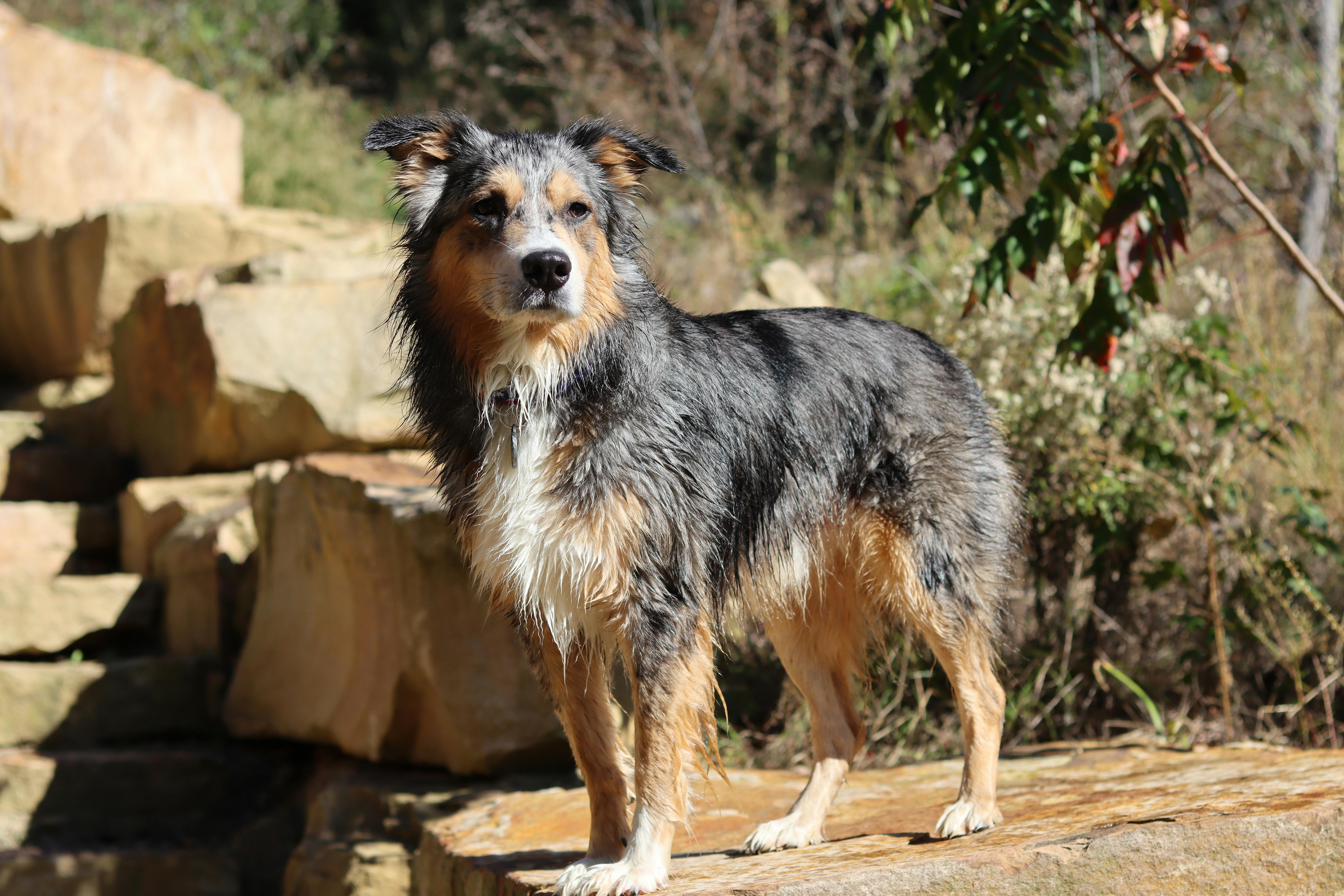
Is your dog’s wet nose normal? Many dog owners often wonder about this, and it’s one of those things that seem to come with a lot of myths. Some people say that a wet nose means your dog is healthy, while others think it’s just a matter of breed. The truth is that there’s much more to a dog’s wet nose than meets the eye. Let’s dive into the facts and debunk some common myths surrounding this canine characteristic.
Why Do Dogs Have Wet Noses?
First, it is important to understand why dogs have wet noses. The moisture on their noses serves several purposes. Here are a few key points to consider:
Sense of Smell: Dogs have an incredible sense of smell, and a wet nose helps to enhance this ability. The moisture in the nose traps scent particles, making it easier for them to detect various smells in the environment.
Temperature Regulation: Dogs don’t have sweat glands like humans do. Their noses help regulate body temperature. When a dog is hot, their wet nose can help cool them down.
Health Indicator: While it’s a common belief that a wet nose indicates good health, that’s not always the case. A dog’s nose can be wet for many reasons, including weather conditions or activity level.
Common Myths About Wet Noses
Now, let’s take a look at some common myths about wet noses and uncover the truth behind them.
Myth 1: A Wet Nose Equals a Healthy Dog
This is not entirely true. While a wet nose can indicate hydration, it’s not a definitive sign of health. Dogs can have dry noses and still be perfectly healthy.Myth 2: All Dog Breeds Have Wet Noses
Some breeds may have drier noses than others. For example, brachycephalic breeds like Bulldogs or Pugs might have less moisture on their noses due to their facial structure.Myth 3: A Wet Nose Means a Dog is Sick
A wet nose does not automatically mean that a dog is sick. Changes in nose moisture can result from various factors, including temperature, humidity, or recent activity.Myth 4: You Should Worry if Your Dog's Nose is Dry
While a persistently dry nose can be a sign of dehydration or illness, it’s essential to consider other symptoms before jumping to conclusions.
What Affects a Dog’s Nose Moisture?
Several factors can affect whether a dog’s nose is wet or dry. Here’s a quick list of some of those factors:
Weather: Hot, dry weather can lead to a drier nose. Conversely, humidity can keep a dog’s nose moist.
Activity Level: After playing or exercising, a dog’s nose might be wetter due to increased breathing and panting.
Health Conditions: Certain health issues, like allergies or infections, can cause changes in nose moisture.
Age: Older dogs might experience changes in their nose texture and moisture levels.
Quick Tips for Dog Owners
If you’re a dog owner, here are some practical tips regarding your pup’s nose health:
Check for Other Symptoms: If your dog’s nose is dry, look for other signs of illness, like lethargy or loss of appetite.
Keep Them Hydrated: Ensure your dog has access to fresh water at all times to prevent dehydration.
Monitor Changes: If you notice significant changes in your dog’s nose moisture, it may be worth consulting a vet.
Consider the Environment: Be aware of how seasonal changes can affect your dog’s nose moisture.
Final Thoughts
So, is your dog’s wet nose normal? Most of the time, yes! However, it’s crucial to remember that a wet nose isn't the end-all-be-all indicator of health. Understanding the reasons behind a dog’s wet nose can help you take better care of your furry friend. By debunking myths and providing clarity on the subject, you can ensure that you’re responding appropriately to your dog’s needs. Always consult with your veterinarian if you have concerns about your pet’s health, but don’t worry too much about whether their nose is wet or dry—there’s a lot more to a happy, healthy dog than just that!
Can Weather Affect Your Dog's Nose Moisture? Unraveling the Mystery

When you see a dog, one of the first things you might notice is its wet nose. Ever wonder why do dogs have wet noses? It's a question many pet owners ask, and it's more intriguing than you might think. Wet noses are not just for show; they actually serve several important purposes. But wait, can weather affect your dog’s nose moisture? Let’s unravel this mystery and uncover the surprising truth behind those adorable, moist snouts.
Why Do Dogs Have Wet Noses?
To understand the significance of a wet nose, it's essential to look at a dog’s anatomy and biology. A dog’s nose is made up of specialized cells that help them detect scents much better than humans. The moisture on their noses plays a crucial role in this process. Here's how:
Enhanced Scent Detection: The wetness helps to capture scent particles from the air, making it easier for dogs to smell things. This is one reason why dogs are often used in search and rescue operations.
Regulation of Body Temperature: A dog's nose helps to cool down their body temperature. When the nose is wet, it can evaporate moisture, which helps to regulate heat.
Communication: Dogs often use their noses to communicate with each other. A wet nose can indicate excitement or a friendly demeanor, making it an essential tool in canine social interactions.
Historically, dogs have relied on their noses for survival and hunting. Ancient breeds, like the Bloodhound, were bred specifically for their incredible sense of smell. This development emphasizes the importance of the nose in a dog’s life.
Can Weather Affect Your Dog's Nose Moisture?
Now, let’s dive into how weather can impact your dog’s nose. Yes, it can! Various weather conditions can change how moist or dry your dog's nose feels. Here’s a breakdown:
Humidity: In high humidity, a dog’s nose may stay wetter longer due to the moisture in the air. On the contrary, in dry conditions, such as during winter or in arid climates, it can dry out.
Temperature: Hot weather can cause a dog's nose to dry out as they pant and lose moisture. Conversely, cool weather generally keeps their noses moist.
Rain and Snow: Wet weather can enhance nose moisture, as dogs often play outside in these conditions, wetting their noses naturally.
Indoor Environment: Central heating in winter can lead to dry air, which might dry out your dog's nose. Consider using a humidifier to help maintain moisture levels indoors.
Signs of Healthy vs. Unhealthy Noses
Knowing the condition of your dog's nose can provide insights into their health. Here’s a quick list of signs to look for:
Healthy Nose:
- Moist and cool to touch
- Consistent color, usually dark
- No cracks or sores
Unhealthy Nose:
- Dry and flaky
- Unusual color, such as pale or very dark
- Cracks, sores, or excessive discharge
If your dog’s nose becomes persistently dry or shows signs of irritation, it may be wise to consult a veterinarian.
Keeping Your Dog's Nose Moist
Just like humans, dogs can benefit from proper hydration. Here’s how you can help keep your dog’s nose healthy:
Provide Fresh Water: Always ensure your dog has access to clean, fresh water.
Humidifiers: In dry indoor environments, a humidifier can help maintain moisture in the air.
Regular Vet Check-Ups: Regular visits to the vet can help you catch any potential issues early.
Nasal Balms: Some pet stores sell dog-safe balms to apply to dry noses.
Fun Facts About Dog Noses
- Unique Patterns: Just like fingerprints in humans, every dog has a unique nose print.
- Temperature Sensitivity: Dogs can sense changes in temperature through their noses, making them excellent at detecting changes in their environment.
- Nose Color Changes: A dog’s nose color can change with the seasons, often darkening in the summer and lightening in the winter.
Understanding why do dogs have wet noses and how weather interacts with that moisture can greatly enhance your knowledge of your furry friend. Next time you give your pup a scratch behind the ears, take a moment to appreciate the science behind that moist nose. If you have concerns about your dog’s health, always consult with a veterinarian for professional advice.
7 Tips for Keeping Your Dog's Nose Healthy and Hydrated

Keeping your furry friend's nose healthy and hydrated is super important, but many dog owners don't know where to start. You might’ve noticed that your dog's nose is often wet, and you probably wonder, “Why do dogs have wet noses?” Well, this little fact has some interesting science behind it. In this article, we will provide you with 7 tips to ensure your dog’s nose stays in tip-top shape while also exploring the surprising truth behind those moist snouts!
Why Do Dogs Have Wet Noses?
Dogs, like humans, have unique characteristics that serve specific purposes. A wet nose helps dogs in a few ways.
- Enhanced Smell: Dogs have an incredible sense of smell, and a wet nose helps to absorb scent particles, making it easier for them to detect various smells.
- Cooling Mechanism: Just like sweating in humans, a dog’s wet nose can help regulate their body temperature. They don't sweat like us, so the moisture on their nose aids in keeping them cool.
- Health Indicator: The condition of your dog's nose can be an indicator of their health. A dry or cracked nose might suggest dehydration or illness, while a healthy nose is usually moist and cool.
7 Tips for Keeping Your Dog's Nose Healthy and Hydrated
Now that you know why those wet noses are so important, let's dive into some practical advice on how to keep your dog's nose healthy!
Regular HydrationAlways provide fresh and clean water for your dog. Dehydration can lead to a dry nose and affect overall health. Make sure your dog drinks enough water daily.
Balanced DietA well-balanced diet rich in essential fatty acids can contribute to a healthy nose. Foods like salmon, flaxseed oil, or even supplements can improve your dog's skin and nose health.
Avoid AllergensEnvironmental allergens like pollen or dust can irritate your dog's nose. Keep your home clean and consider using air purifiers to minimize exposure to allergens.
Check for Cracks or BleedingRegularly inspect your dog’s nose for any cracks, bleeding, or unusual growths. If you notice anything odd, consult your vet immediately. Early detection is key!
Use Nose BalmJust like humans use lip balm, dogs can benefit from nose balms that are specifically designed to moisturize and protect their noses. Look for natural ingredients that are safe for pets.
Limit Sun ExposureDogs can get sunburned, especially those with light-colored or thin fur. If your dog spends a lot of time outdoors, consider applying a pet-safe sunscreen to their nose.
Routine Vet VisitsRegular veterinary check-ups can help catch any health issues early on. Your vet can provide tailored advice about your dog’s nose and overall health.
Fun Facts About Dog Noses
- Dogs have about 220 million scent receptors in their noses, compared to a human's 5 million. This is why their sense of smell is so powerful!
- The wetness of a dog's nose can change throughout the day, depending on factors like activity level and environment.
- Each dog’s nose print is unique, similar to a human fingerprint, and can be used for identification.
Signs of a Healthy Nose
Here’s a quick checklist to help you identify if your dog's nose is healthy:
- Moisture: A healthy nose will feel moist to the touch.
- Temperature: It should feel cool, not hot.
- Color: Normal coloration is usually dark or light pink, depending on the breed.
- No Cracks: A healthy nose should be free from cracks or sores.
When to Consult a Vet
If you observe any of these signs, it might be time to see your vet:
- Persistent dryness or cracking.
- Unusual discharge or bleeding from the nose.
- Changes in color or texture.
- Signs of discomfort or irritation.
Remember, a dog's nose is not just a cute feature; it's a vital part of their health and well-being. Taking care of it should be a priority for every dog owner. By following these tips and staying observant, you can ensure that your dog's nose remains healthy, hydrated, and ready for all the adventures life throws their way!
What Your Dog's Nose Says About Their Mood: The Link Between Wetness and Emotions
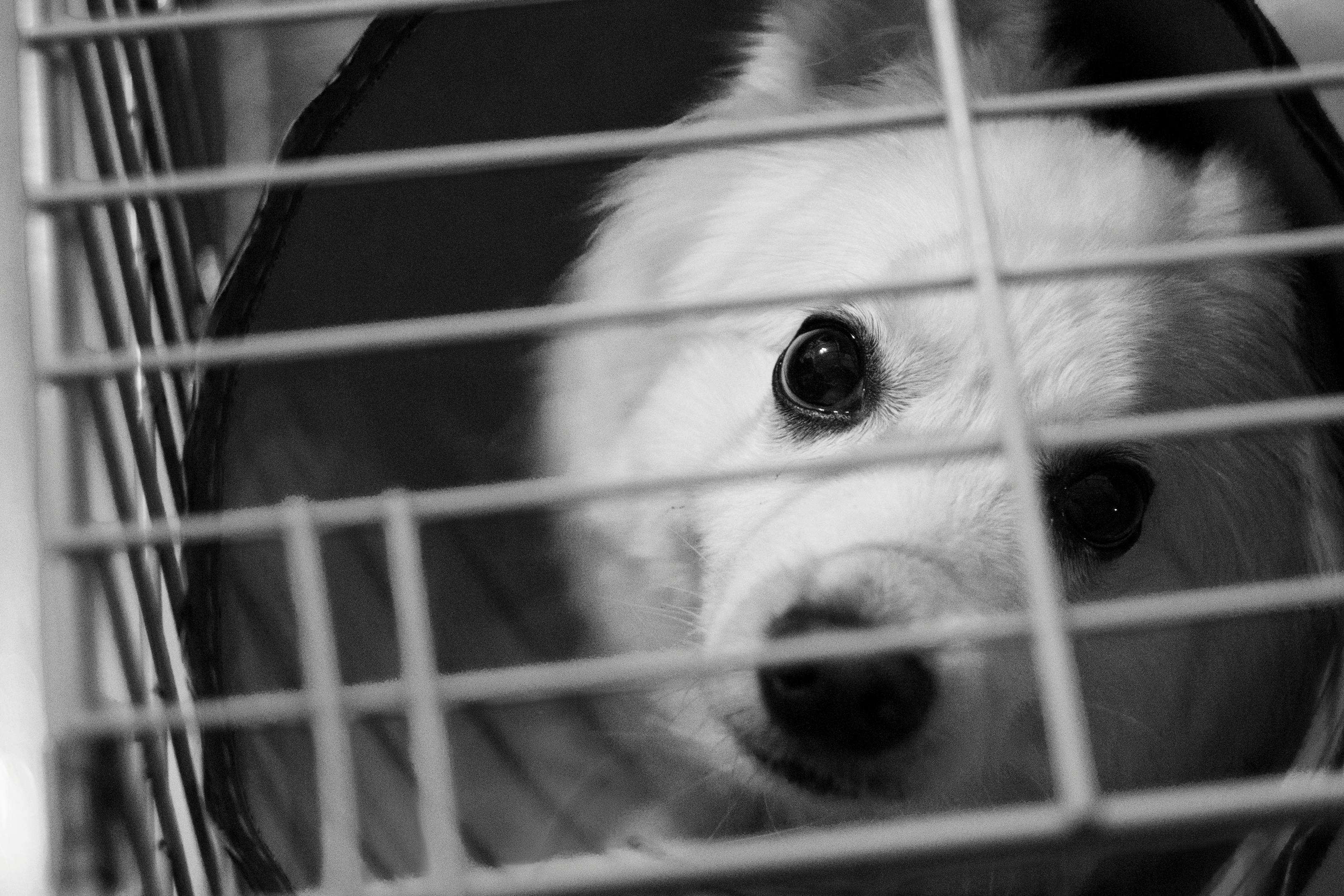
Dogs are often regarded as man's best friend, but have you ever wonder what their noses can reveal about their feelings? Most dog owners notice their furry companions have wet noses, but what does that really mean? The connection between a dog's nose wetness and their emotional state is more complex than it appears. Not only does this characteristic serve practical purposes, but it also provides insight into how dogs express their moods.
Why Do Dogs Have Wet Noses?
First off, let’s cover the basics. A dog’s nose is moist for a variety of reasons. This wetness aids in their incredible sense of smell, which is thousands of times more sensitive than that of humans. But it is not just about smell; there’s more to it.
Key Functions of a Dog’s Wet Nose:
- Enhanced Sense of Smell: A damp surface helps to capture scent particles, making it easier for dogs to identify smells.
- Temperature Regulation: Just like humans sweat, dogs rely on their noses to help cool themselves down.
- Health Indicator: A wet nose can signify good health, while a dry one may indicate dehydration or illness.
What Does Wetness Indicate About Mood?
Now, let’s dive into the emotional aspect of wet noses. Its fascinating how the state of a dog's nose can reflect their mood. When a dog is happy or excited, their noses tend to be wetter. This is because, during these moments, dogs tend to pant more and lick their noses, which keeps it moist. On the flip side, a dry nose might hint at anxiety or stress.
Common Emotional States and Nose Conditions:
- Happy/Excited: Wet and cold nose; wagging tail.
- Calm/Relaxed: Slightly moist; resting position.
- Stressed/Anxious: Dry and warm; tucked tail.
- Illness: Often dry; lethargic behavior.
The Science Behind Nose Wetness
Research show that dogs' noses contain special glands that produce mucus. This mucus not only keeps the nose moist but also traps scent particles. Interestingly, it’s also believed that the moisture helps them to detect pheromones, which are crucial for communication among dogs.
Fun Fact: Did you know that each dog's nose has a unique pattern, much like human fingerprints? This uniqueness is not only fascinating but also demonstrates the complexity of canine biology.
Historical Context of Wet Noses
Historically, dogs have been bred for various purposes, including hunting, herding, and companionship. Different breeds have different nose shapes and characteristics, which can affect their moisture levels. For example, breeds like Bloodhounds have larger, droopier noses that can collect more scent, while breeds like Greyhounds have sleeker noses that might not maintain moisture as effectively.
How to Keep Your Dog’s Nose Healthy
Maintaining the health of your dog’s nose is crucial. Here are some practical tips to ensure your pup’s nose stays in tip-top shape:
- Hydration: Make sure your dog drink plenty of water.
- Environment: Protect them from extreme weather conditions; hot or cold can affect nose moisture.
- Regular Vet Check-ups: Keep an eye on changes in your dog’s nose; seek veterinary advice if it becomes persistently dry.
What to Observe in Your Dog
It’s important to observe other behaviors alongside the condition of the nose. A dog's body language can provide a fuller picture of their emotional state. Here are some signs to look for:
- Tail Position: A high, wagging tail indicates happiness; a lowered tail may mean fear or submission.
- Ears Position: Upright ears often signify alertness, while flat ears can indicate anxiety.
- Vocalizations: Barking, whining, or growling can also reflect moods and emotions.
Summary of Key Points
- Dogs have moist noses mainly to enhance their sense of smell, regulate temperature, and indicate health.
- The wetness of their noses can often reflect their emotional state, with wet noses indicating happiness and dry ones indicating stress or illness.
- Understanding these signs can help pet owners better relate to their furry friends.
In the end, dogs communicate in ways that go beyond barking and wagging tails. Their noses tell a story, one that reflects their emotions and well-being. By paying attention to these subtle cues, dog owners can deepen their bond with their pets and ensure their happiness. So next time you give your dog a pat, take a moment to check their nose – it just might tell you how they really feel!
Conclusion
In conclusion, the wet noses of dogs serve several important purposes, from enhancing their sense of smell to regulating body temperature. The moisture on a dog's nose helps to trap scent particles, allowing them to gather more information about their environment, which is essential for their communication and survival. Additionally, the cooling effect of a wet nose plays a crucial role in a dog’s overall health, especially during warm weather. While the presence of moisture can indicate a healthy dog, it’s important to monitor any changes, as they may signal health issues. Understanding the science behind a dog's wet nose not only deepens our appreciation for these beloved pets but also highlights the importance of regular veterinary check-ups. So, the next time you give your furry friend a pat on the head, take a moment to admire their unique wet nose and consider all the remarkable functions it serves in their daily life.