Have you ever wondered, why do dogs have wet noses? This curious characteristic is not just an adorable quirk of our furry friends; it serves some fascinating purposes! In fact, the moisture on a dog's nose plays a crucial role in their sense of smell, which is far superior to ours. Dogs depend on their noses to gather information about their environment, and a wet nose can help enhance their olfactory abilities. But, what makes these wet noses so essential to their health and behavior? As we delve into the science behind this phenomenon, you'll discover how a dog's nose acts like a built-in thermometer and even helps them regulate their body temperature. Plus, have you ever noticed how your pup loves to sniff? This is not just for fun; it’s vital for their communication and exploration! If you’re asking yourself, “Is a dog’s nose always wet?” or “What does a dry nose mean?” then you’re in the right place! In this article, we will unveil the secrets behind those wet noses and why they are a key to understanding your dog's health and happiness. Join us as we explore the captivating world of canine noses!
\n\nThe Science Behind Dog Noses: Why Wetness Matters for Canine Health
\n\n \n\n
\n\nThe nose of a dog is one of the most fascinating parts of its anatomy. Ever wonder why do dogs have wet noses? It’s a question that many dog owners ponder, but the answer goes beyond mere curiosity. The moisture on your furry friend's snout plays a significant role in their overall health and ability to interact with the world. In this post, we will explore the science behind dog noses, why wetness matters for canine health, and the fascinating evolutionary history that has brought us to where we are today.
\nThe Function of Dog Noses
\nDog noses are extraordinary, designed by nature to perform a variety of functions. Unlike humans, who primarily rely on sight, dogs have an incredible sense of smell. Their noses contain up to 300 million olfactory receptors compared to a human’s mere 5 million. This makes their sense of smell far superior. The wetness of a dog’s nose is crucial for several reasons:
\n- \n
- Enhanced Smell: The moisture in a dog’s nose helps to capture scent particles in the air. When the nose is wet, it can trap more odor molecules, which then makes it easier for dogs to identify and differentiate scents. \n
- Temperature Regulation: Dogs don’t sweat like humans do. Instead, they use their noses to help cool down. When a dog pants, the moisture on its nose evaporates, which helps to regulate body temperature. \n
- Health Indicator: A dog’s nose can also serve as a health indicator. A wet, cold nose is often seen as a sign that a dog is healthy. Conversely, a dry or warm nose can signal illness or dehydration. \n
Why Do Dogs Have Wet Noses? Evolutionary Insights
\nThe evolution of wet noses in dogs can be traced back to their ancestors. Canines have evolved over thousands of years to adapt to their environments, and the wet nose is a feature that has proven beneficial. Here’s some historical context to consider:
\n- \n
- Hunting and Survival: Early dogs relied heavily on their sense of smell to hunt and survive. A wet nose increased their ability to find food and avoid predators. \n
- Social Interaction: Dogs are social animals, and their noses play a role in communication. The moisture on a dog’s nose can pick up pheromones, which are important for social interactions among canines. \n
The Science of Nose Wetness
\nThe wetness of a dog’s nose is not just random. It's a result of specialized glands that produce moisture. Here’s how it works:
\n- \n
- Nasal Glands: The glands in a dog’s nose secrete a thin layer of mucus. This mucus aids in capturing scent particles and also keeps the nose moist. \n
- Evaporation: Just like sweating in humans, the moisture on a dog’s nose can evaporate, which helps to cool down the body. \n
Practical Examples of Nose Health
\nKeeping a dog’s nose healthy is essential for its overall well-being. Here are some practical tips for dog owners:
\n- \n
- Regular Vet Check-ups: Routine check-ups help ensure that your dog's nose is in good shape. If you notice persistent dryness or cracking, consult your vet. \n
- Hydration: Make sure your dog has access to fresh water at all times, as dehydration can lead to a dry nose. \n
- Avoid Irritants: Protect your dog's nose from harsh chemicals or allergens. If your dog spends a lot of time outdoors, be mindful of environmental factors that can affect its nose. \n
Common Myths Debunked
\nThere are several myths surrounding dog noses that need clarification:
\n- \n
- A Warm Nose Means Illness: While a warm nose can indicate fever, it’s not a definitive sign of illness. Always consult a vet for a proper diagnosis. \n
- All Dogs Have Wet Noses: Not all dogs have the same level of moisture. Factors like breed, age, and health can influence nose wetness. \n
In Summary
\nUnderstanding why dogs have wet noses and the science behind it helps us appreciate our furry friends even more. Their noses are not just adorable; they are vital tools for survival, communication, and health. By keeping an eye on your dog's nose and ensuring it remains healthy, you can contribute to their overall well-being. Next time you give your pup some affection, take a moment to admire that wet little nose—it’s a remarkable feature that plays a bigger role in their lives than you might think.
\n\n5 Fascinating Reasons Dogs Have Wet Noses: Unlocking Nature's Secrets
\n\n \n\n
\n\nDogs are one of the most beloved pets worldwide, and many of us often wonder about their unique features. One of the most intriguing aspects of a dog’s anatomy is its nose. Ever notice how dogs have wet noses? Well, there’s more to it than just cuteness! Let’s dive into the fascinating reasons behind this characteristic and unlock nature's secrets that answer the question: Why do dogs have wet noses?
\nSensory Superstars
\nFirstly, dogs' noses are not just for looks; they perform a critical function. A wet nose helps dogs smell better. Yes, you heard that right! The moisture on their noses helps capture scent particles in the air, boosting their sense of smell. It’s like a natural enhancement tool. Here are some facts:
\n- \n
- Dogs possess about 220 million scent receptors, compared to a human’s mere 5 million. \n
- Wet noses can enhance the ability to detect scents by keeping the receptors moist. \n
- Dogs can detect certain diseases in humans, thanks to their incredible olfactory skills. \n
Temperature Regulation
\nAnother fascinating reason is that wet noses help dogs regulate their body temperature. Just like sweating helps humans cool down, dogs do this through their noses. When a dog pants, the moisture evaporates from the nose, helping to lower their body temperature. Here’s how it works:
\n- \n
- Dogs don’t sweat like humans; instead, they rely on panting and nasal moisture. \n
- A wet nose can indicate a dog’s health; if it’s excessively dry, it might be a sign of dehydration. \n
- The temperature of a dog’s nose can fluctuate based on activity levels and environmental conditions. \n
Communication Tool
\nDogs also use their noses for communication. A wet nose can be an indicator of their mood and feelings. For instance, when a dog nudges you with their wet nose, it’s often a sign of affection or a request for attention. In contrast, a dry nose might indicate stress or discomfort. Here are a few ways dogs communicate with their noses:
\n- \n
- Greeting: When dogs meet other dogs or humans, they often sniff and wet their noses to gather information. \n
- Comfort: A wet nose can signal that a dog feels safe and relaxed in their environment. \n
- Warning: If a dog has a dry or hot nose, it might indicate that they’re feeling unwell or stressed. \n
Historical Context
\nHistorically, the function of a dog’s wet nose has been recognized for centuries. Ancient civilizations understood the importance of a dog’s sense of smell. For instance, hunting dogs were prized for their ability to track game using their keen noses. Here’s a brief timeline of how humans have valued dogs for their olfactory skills:
\n- \n
- Ancient Egypt: Dogs were used for hunting and protection; their noses were essential for tracking. \n
- Middle Ages: Dogs were employed in hunting and herding, showcasing their reliance on scent. \n
- Modern Times: Dogs are now trained to assist in search and rescue operations, medical diagnosis, and even detecting illegal substances. \n
Fun Facts About Dog Noses
\nHere are some interesting tidbits that might surprise you about dog noses:
\n- \n
- Each dog’s nose print is unique, similar to human fingerprints. \n
- The color of a dog’s nose does not impact its sense of smell; all dogs have extraordinary olfactory capabilities. \n
- Dogs can even smell emotional changes in humans, which is why therapy dogs are so effective. \n
Comparison with Other Animals
\nDogs aren’t the only animals with wet noses. However, they are among the most skilled when it comes to using them. Let’s compare:
\n- \n
- Cats: Generally have dry noses but can also use their sense of smell effectively. \n
- Elephants: Have highly sensitive trunks that can detect scents but lack the wetness of a dog’s nose. \n
- Dolphins: Use echolocation rather than scent, showcasing how different species adapt their senses for survival. \n
Dogs have wet noses for a variety of reasons that go far beyond mere aesthetics. They help enhance their sense of smell, regulate body temperature, and serve as communication tools. Understanding the function of a wet nose not only deepens our appreciation of our canine companions but also highlights the incredible ways in which nature has equipped them for survival. So, the next time you’re greeted by a wet nose, remember, it’s more than just a sign of affection — it’s a marvel of nature!
\n\nDo Wet Noses Indicate a Healthy Dog? Exploring the Myths and Facts
\n\n \n\n
\n\nDogs, those furry companions we love so much, often have wet noses. Many people believes that a wet nose means a healthy dog! But is this really true? There’s a lot of myths and facts swirling around about dog noses and their moisture levels. Let’s dive into this fascinating subject and see what’s really going on with our canine friends.
\nWhy Do Dogs Have Wet Noses?
\nWet noses in dogs serve several functions, and understanding these can shed light on why they’re so important. Here’s a quick list of reasons why your dog’s nose might be wet:
\n- \n
- \n
Cooling Mechanism: Dogs can’t sweat like humans, so their noses helps them cool down. The moisture on their nose evaporates, which helps regulate body temperature.
\n \n - \n
Enhanced Sense of Smell: A wet nose can capture scent particles better. The moisture can help trap odors, allowing dogs to investigate their surroundings with greater efficiency.
\n \n - \n
Health Indicator: While not an absolute rule, many believe that a wet nose can indicate health. However, it’s important to remember that there are exceptions.
\n \n - \n
Natural Behavior: Dogs often lick their noses, which keeps it moist. This is a normal behavior and helps them stay aware of their environment.
\n \n
Do Wet Noses Indicate a Healthy Dog?
\nThe belief that wet noses means a healthy dog is widespread, but it’s not always accurate. Here’s a breakdown of some common myths and facts related to wet noses:
\n- \n
- \n
Myth: A warm, dry nose means a dog is sick.
\nFact: Dog's noses can vary in temperature and moisture levels throughout the day. Factors like weather, activity level, and even time of day can influence this. A dry nose doesn’t automatically mean illness.
\n \n - \n
Myth: All healthy dogs have wet noses.
\nFact: Just like humans, dogs are unique. Some dogs might have naturally drier noses, and that doesn’t mean they’re unhealthy.
\n \n - \n
Myth: A wet nose always means a dog is hydrated.
\nFact: Hydration is vital, but a dog’s nose being wet doesn’t always correlate with their overall hydration levels.
\n \n
The Science Behind Dog Noses
\nLet’s take a closer look into some interesting facts about dog noses:
\n- \n
- \n
Anatomy of a Dog's Nose: A dog’s nose is covered in a special type of mucous membrane that helps with scent detection. The surface area is also larger than it appears, which enhances its ability to smell.
\n \n - \n
Scent Receptors: Dogs have an astounding number of scent receptors—up to 300 million, compared to humans, who have about 5 million! This makes their sense of smell about 40 times stronger than ours.
\n \n - \n
Nasal Cooling: Dogs have a unique structure in their noses that allows them to cool their blood as they inhale, helping to regulate their body temperature more efficiently.
\n \n
Practical Tips for Dog Owners
\nTo ensure your dog stays healthy, consider these practical tips:
\n- \n
- \n
Regular Vet Check-ups: Make sure to take your dog to the vet regularly, regardless of nose moisture. This is important for overall health.
\n \n - \n
Hydration: Always provide fresh water for your pet. Keep an eye on their drinking habits, as changes could indicate health issues.
\n \n - \n
Watch for Other Symptoms: If your dog has a dry nose along with other symptoms like lethargy, vomiting, or loss of appetite, it’s important to consult a vet.
\n \n - \n
Grooming: Regular grooming can help maintain your dog’s skin and coat health, which can indirectly affect nose moisture.
\n \n - \n
Environmental Factors: Be mindful of the climate. In hot weather, ensure your dog has plenty of shade and water, as it can affect their nose and overall health.
\n \n
Final Thoughts
\nIn the end, while a wet nose can be a sign of a healthy dog, it’s not the only indicator. It's important for dog owners to look at the bigger picture of their pet’s health. Understanding your dog’s unique characteristics, including their nose moisture levels, can help you provide the best care possible. Keep an eye on your furry friend, and remember that regular vet check-ups and attention to their behavior are key to ensuring their overall well-being. So, whether their nose is wet or dry, love and care is what your dog really needs!
\n\nWhy Your Dog’s Nose is Wet: Discover the Surprising Benefits
\n\n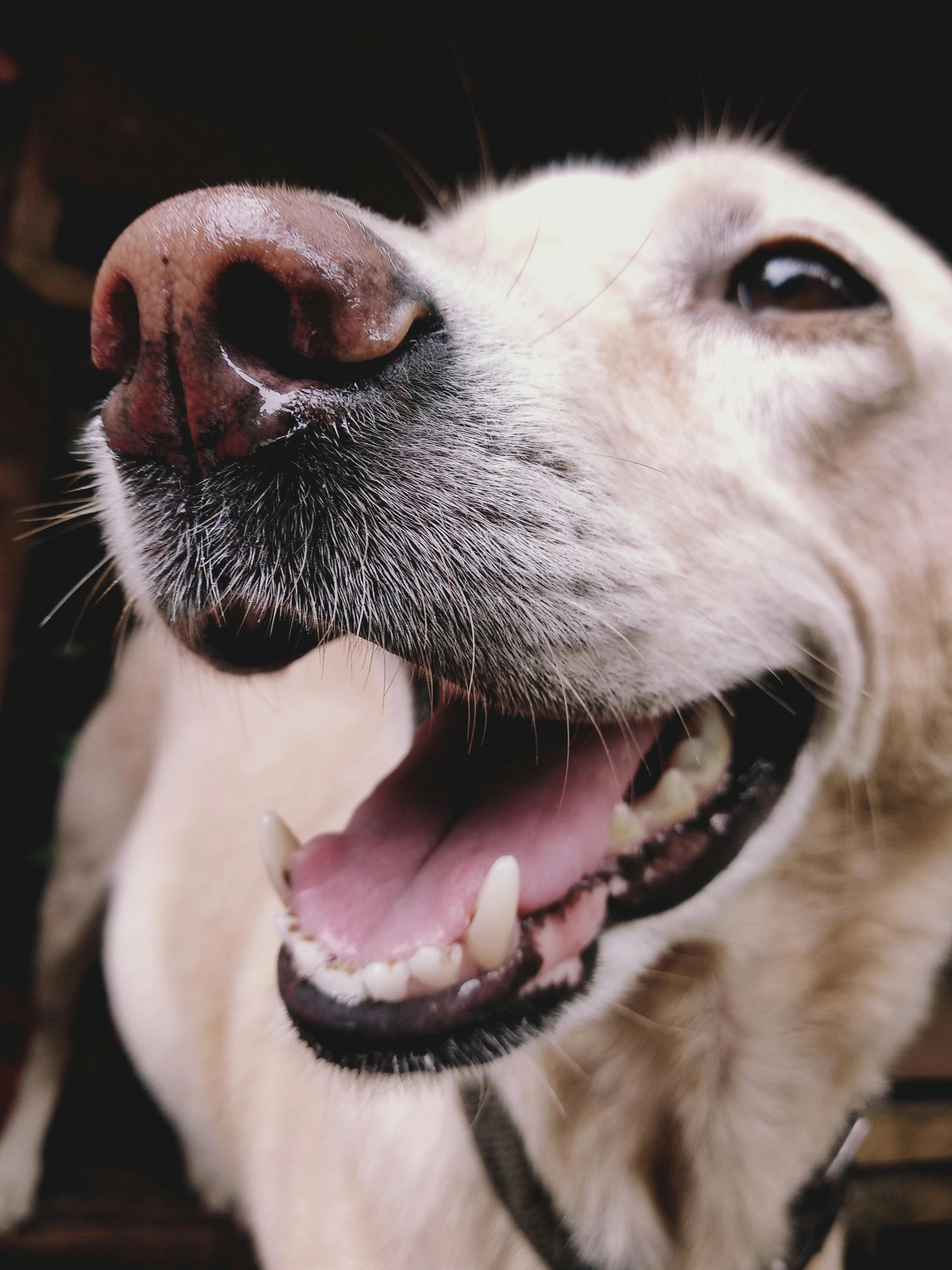 \n\n
\n\nWhen you think about dogs, one of the first things that may comes to mind is their wet noses. They are unique, and they play a vital role in your furry friend’s life. But have you ever wondered why your dog’s nose is wet? It’s time to explore the surprising benefits and the reasons behind this curious feature.
\nWhy Do Dogs Have Wet Noses?
\nDogs have wet noses for several reasons, and each of them is pretty interesting. The moisture on their noses is not just for show – it serves important purposes. Here’s a look at some key reasons:
\n- \n
- \n
Enhanced Sense of Smell: A wet nose helps to capture scent particles better. The moisture helps to dissolve these particles, making it easier for dogs to detect and identify scents. This is why dogs are such great hunters and trackers.
\n \n - \n
Temperature Regulation: Dogs don't sweat like humans do. Instead, they cool themselves through their noses. The evaporation of moisture helps to regulate their body temperature, especially on hot days.
\n \n - \n
Health Indicator: The condition of a dog’s nose can often indicate their health. A healthy dog usually has a moist nose, while a dry nose could be a sign of dehydration or other health issues.
\n \n
The Science Behind Wet Noses
\nInterestingly, the structure of a dog’s nose plays a crucial role in its wetness. The skin on a dog's nose contains special glands that produce moisture. This moisture can also help to keep their sense of smell sharp. When dogs sniff, they also lick their noses, which helps to keep it wet and enhances their ability to detect scents.
\nHistorical Context of Wet Noses
\nDogs have been companions to humans for thousands of years. The evolution of their wet noses can be traced back to their ancestors, who needed sharp senses to survive. The ability to smell food, predators, or even other animals was critical for their survival. As dogs became domesticated, their wet noses continued to serve these essential functions.
\nBenefits of Wet Noses in Dogs
\nThe benefits of having a wet nose extends beyond just health indicators. Here are some surprising advantages:
\n- \n
- \n
Improved Scent Tracking: Dogs with wet noses can track scents for miles. This ability has been utilized in search and rescue operations, law enforcement, and hunting.
\n \n - \n
Enhanced Communication: Dogs communicate with each other and with humans through their sense of smell. A wet nose can help convey emotions and intentions, making it an essential tool in canine communication.
\n \n - \n
Bonding with Humans: Dogs often nuzzle or lick their owners, which can be a sign of affection. A wet nose can create a sense of closeness, reinforcing the bond between dogs and their humans.
\n \n
Fun Facts About Dog Noses
\n- \n
- \n
Did you know that a dog’s sense of smell is estimated to be 10,000 to 100,000 times more sensitive than humans? That’s a lot of sniffing!
\n \n - \n
Each dog's nose print is unique, much like a human fingerprint. This could, in theory, be used to identify them.
\n \n - \n
Some breeds have drier noses than others. For instance, breeds like the Bulldog usually have less moisture compared to others.
\n \n - \n
Dogs can sweat through their paw pads, but their noses play a much larger role in keeping them cool.
\n \n
Comparing Dog Noses to Human Noses
\nHere’s a quick comparison of dog noses and human noses:
\n| Feature | \nDog Nose | \nHuman Nose | \n
|---|---|---|
| Sense of Smell | \n10,000 to 100,000 times stronger | \nRelatively weak | \n
| Moisture | \nAlways wet | \nVaries | \n
| Function | \nScent detection & temperature regulation | \nBreathing & filter air | \n
| Unique Prints | \nYes | \nNo | \n
Practical Examples of Wet Noses in Action
\n- \n
- \n
Search and Rescue: Dogs with wet noses are often trained to find missing persons. Their ability to follow scents can lead to life-saving situations.
\n \n - \n
Medical Detection: Some dogs can detect diseases like cancer or diabetes through scent. Their wet noses play a crucial role in this ability.
\n \n - \n
Therapy Work: Dogs that visit hospitals or nursing homes often bring comfort to patients. Their wet noses can provide a sense of warmth and companionship.
\n \n
Understanding why your dog’s nose is wet can give you a deeper appreciation for your furry friend. It serves not just functional purposes, but it also strengthens the bond between you and your pet. Your dog's wet nose is a small but vital part of their identity, and knowing its significance can help you care for them better. Remember, a happy dog often has a wet nose!
\n\nThe Role of a Dog’s Wet Nose in Scent Detection: How It Enhances Their Superpower
\n\n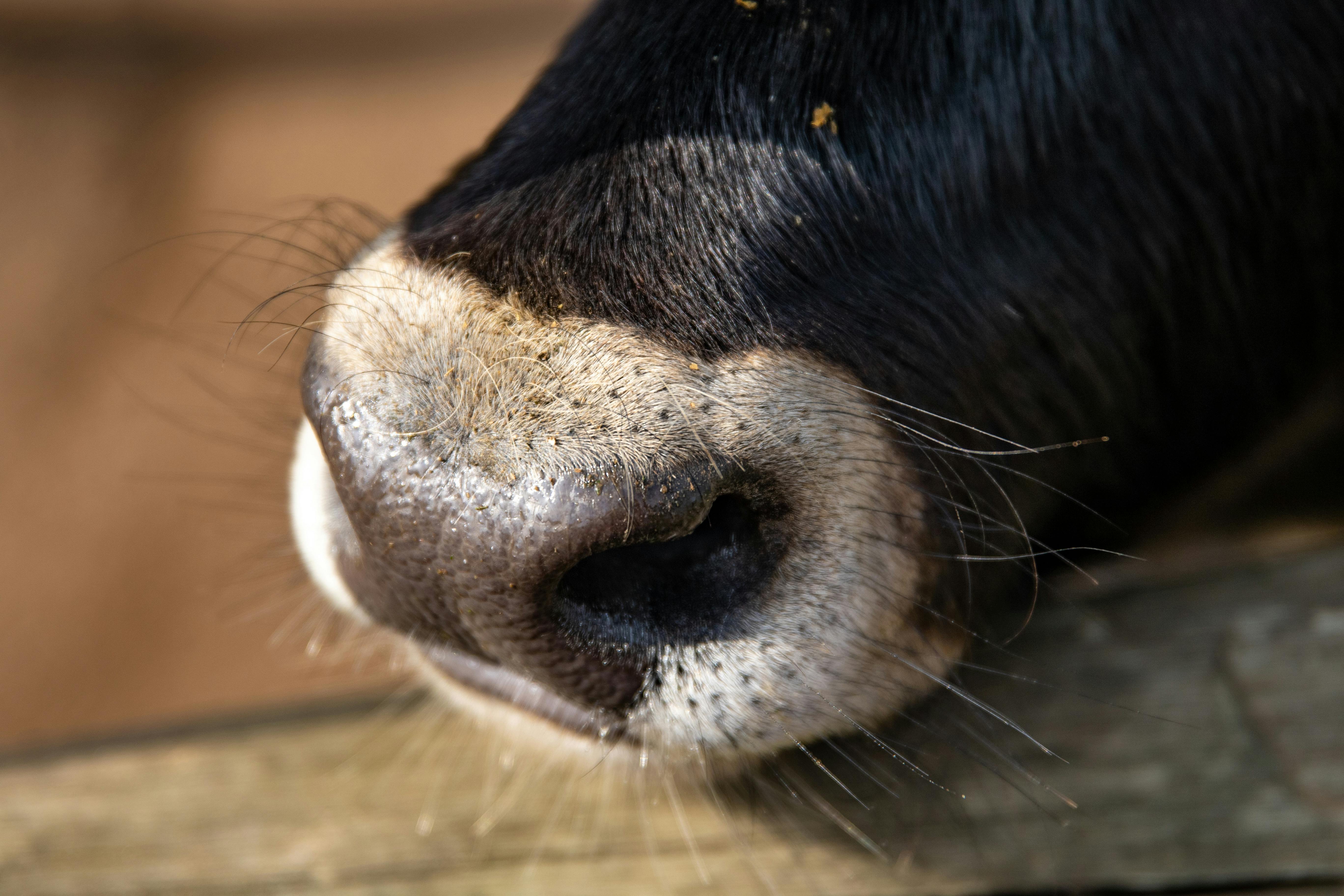 \n\n
\n\nDogs are amazing creatures, and one of their most intriguing features is their wet noses. Have you ever wondered why do dogs have wet noses? This unique characteristic is not just cute; it plays a significant role in their ability to detect scents. Let’s explore how a dog’s wet nose enhances their superpower of scent detection, unraveling nature's curiosity in the process.
\nThe Science Behind the Wet Nose
\nA dog's nose is like a supercharged sensory organ. The moisture on their noses helps to capture scent particles in the air, which is essential for their incredible sense of smell. The wetness allows for better absorption of these particles, making it easier for dogs to identify and distinguish different scents.
\n- \n
- Scent Reception: Dogs have more than 220 million olfactory receptors in their noses, compared to about 5 million in humans. This massive difference allows dogs to detect scents at incredibly low concentrations, sometimes even parts per trillion! \n
- Moisture Importance: The moisture on a dog’s nose not only assists in scent detection but it’s also helps cool them down. Dogs don’t sweat like humans; they primarily rely on panting and the moisture on their noses to regulate body temperature. \n
Why Are Dog Noses Wet?
\nThere are several reasons why dog noses are wet, and they all contribute to a dog’s extraordinary smelling abilities.
\n- \n
- Scent Enhancement: The wet surface of the nose traps scent particles, which provides dogs with information about their surroundings. It’s like they are wearing a perfume collector! \n
- Temperature Regulation: A wet nose helps dogs stay cool. Just like how humans sweat, a dog’s wet nose helps regulate their body temperature. \n
- Health Indicator: A dog’s nose can also indicate its health. A wet, cool nose is generally a sign of a healthy dog, while a dry or warm nose could indicate illness or dehydration. \n
The Mechanism of Scent Detection
\nDogs have a unique mechanism for scent detection that is fascinating. Here’s a simple breakdown:
\n- \n
- Inhalation: When a dog inhales, air enters through the nostrils and passes over the olfactory receptors located in a specialized area. \n
- Moisture Capture: As the air moves over the wet surface of the nose, scent molecules stick to the moisture, enhancing the dog's ability to pick up on different scents. \n
- Exhalation: Upon exhaling, the air is pushed out through a separate passage, allowing for a continuous flow of air, maximizing the scent detection process. \n
Historical Context of Dogs and Their Noses
\nDogs have been companions to humans for thousands of years, and their incredible sense of smell has been utilized in various ways throughout history:
\n- \n
- Hunting Companions: Early humans used dogs to track game. Their noses were essential for hunting, leading to their domestication. \n
- Search and Rescue: In modern times, dogs are trained for search and rescue missions. Their ability to sniff out survivors in disasters saves lives. \n
- Law Enforcement: Dogs are employed in law enforcement for drug detection, bomb detection, and even tracking down criminals due to their superior scent abilities. \n
Fascinating Facts About Dog Noses
\nHere are some intriguing facts about dog noses that emphasize their uniqueness:
\n- \n
- Unique Patterns: Just like human fingerprints, every dog has a unique nose print that can be used to identify them. \n
- Nose Temperature: The normal temperature of a dog's nose is around 94 to 99 degrees Fahrenheit, cooler than the rest of the body. \n
- Scent Memory: Dogs can remember scents for years. They are capable of distinguishing between familiar and unfamiliar scents even after long periods. \n
Practical Examples of Scent Detection in Dogs
\nDogs are often used in various roles due to their incredible sense of smell. Here are some practical applications:
\n- \n
- Medical Detection: Dogs can detect diseases such as cancer or diabetes through scent. They can be trained to alert their owners of low blood sugar levels. \n
- Search and Rescue: In emergency situations, dogs can locate missing persons in rubble or dense forests due to their ability to smell human scent. \n
- Detection Work: Many law enforcement agencies utilize dogs to sniff out illegal substances like drugs or explosives, showcasing their remarkable abilities. \n
In summary, the wet nose of a dog is not just a cute feature; it’s a vital part of their anatomy that significantly enhances their ability to detect scents. This characteristic has deep roots in history and serves numerous practical purposes today. Understanding why dogs have wet noses and how it contributes to their superpower provides a glimpse into the wonderful world of these remarkable animals. Next time you see a pup with a wet nose, remember it’s not just for show; it’s a vital tool that connects them to the world around them.
\n\nCurious Canines: What a Wet Nose Reveals About Your Dog’s Emotions
\n\n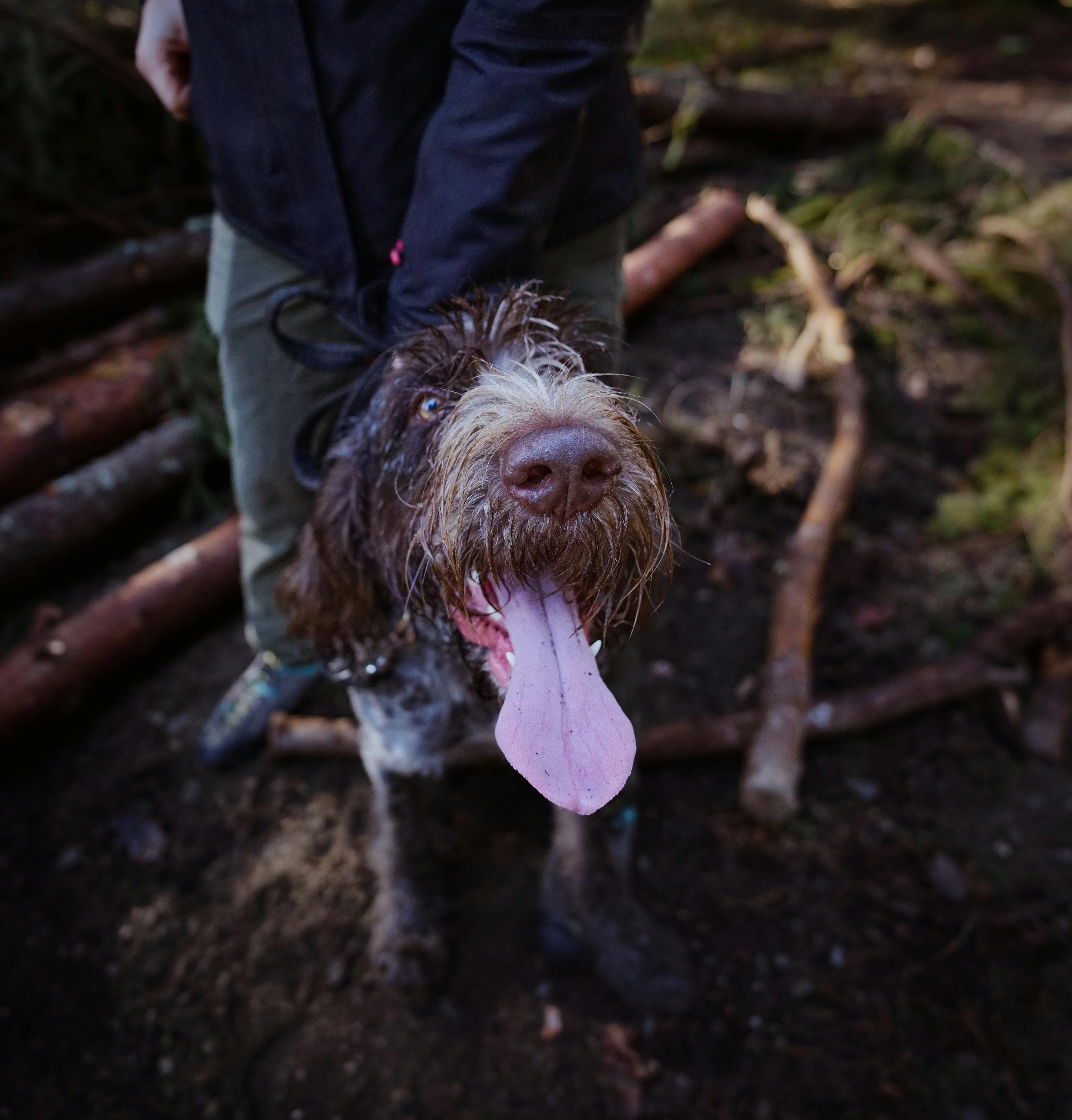 \n\n
\n\nCurious Canines: What a Wet Nose Reveals About Your Dog’s Emotions, Why Do Dogs Have Wet Noses? Unveiling Nature's Curiosity!
\nHave you ever notice how your dog’s nose is always cool and damp? It’s something that many dog owners see, but maybe not everyone understand why. The wetness of a dog’s nose isn’t just a quirky feature; it actually serves several important purposes. In this article, we’ll explore what a wet nose reveals about your dog’s emotions, the science behind why dogs have wet noses, and how these fascinating creatures communicate with us through their sense of smell.
\nThe Science Behind Wet Noses
\nDogs have wet noses mostly because of a phenomenon called thermoregulation. Unlike humans who sweat to cool down, dogs do this through their noses and paw pads. The moisture on their noses helps them maintain a comfortable body temperature. When a dog breathes, moisture evaporates from the nasal surface, cooling the blood vessels and helping to regulate their internal temperature.
\n- \n
- Dogs’ noses are packed with scent receptors—approximately 300 million compared to a human's 6 million. \n
- The moisture helps capture scent particles in the air, enhancing their sense of smell. \n
- A wet nose can be indicative of a healthy dog. If you notice it’s dry or warm, it could be a sign of illness. \n
What Emotions Does a Wet Nose Reveal?
\nJust like humans, dogs express their feelings in various ways, and their noses can be a window into their emotional state. A wet nose can often mean your dog is curious, excited, or happy.
\n- \n
- Curiosity: When dogs are exploring their environment, they often sniff around with their moist noses, absorbing the scents that are all around them. It’s their way of gathering information. \n
- Excitement: When they are happy to see you, you might notice that their nose is a bit wetter than usual. This can be a sign they are eager to greet you. \n
- Affection: Dogs have a unique way of showing love, and a nuzzle with their cool, wet nose can mean they are bonding with you. \n
Historical Context of Dog Noses
\nHistorically, dogs have been companions to humans for thousands of years. Ancient civilizations saw dogs as not just pets, but also partners in hunting and protection. In many cultures, a dog’s ability to smell was regarded as almost mystical.
\n- \n
- In ancient Egypt, dogs were often depicted in art alongside their owners, indicating a close bond. \n
- The Romans utilized dogs in various tasks including hunting, guarding, and even in war. \n
- In modern times, dogs are trained to assist in search and rescue missions, therapy, and even detecting illnesses. \n
Fun Facts About Dogs’ Noses
\nHere are some interesting tidbits about dogs’ noses that you might not know:
\n- \n
- Unique Patterns: Just like human fingerprints, every dog has a unique nose print. This can actually be used to identify them! \n
- Color Variation: The color of a dog’s nose can change with their emotions or health. For instance, they may have a darker nose when they are healthy and lighter when they are sick. \n
- Nose Temperature: A wet nose is not only cool to the touch, but research also suggest that a dog's nose can be used to detect fevers. \n
Why Is It Important for Dog Owners to Know?
\nUnderstanding the significance of a dog's wet nose can help owners better interpret their pets’ needs and feelings. Recognizing when your dog’s nose is dry or warm could prompt you to investigate potential health issues.
\n- \n
- Be observant of changes in your dog’s nose condition. \n
- Regular check-ups with a vet can ensure your furry friend stays healthy. \n
- Knowing your dog’s emotional cues can strengthen your bond and improve communication. \n
Practical Tips for Dog Owners
\nIf you want to keep your dog’s nose healthy and well-hydrated, consider these simple tips:
\n- \n
- Hydration: Ensure your dog drinks plenty of water, especially during hot weather. \n
- Protection: In extreme weather, consider using nose balms to protect against dryness or cracking. \n
- Regular Vet Visits: Regular check-ups can help catch any potential health issues early on. \n
Dogs, with their curious wet noses, are not just pets; they are companions who express their feelings and emotions in unique ways. Understanding the science behind their noses can enhance the bond you share with your furry friend. So next time you see that cool, damp nose, remember that it’s not just a cute feature—it's a vital part of what makes your canine curious and loving!
\n\nHow Environment Affects Your Dog’s Nose Moisture: Tips for Dog Owners
\n\n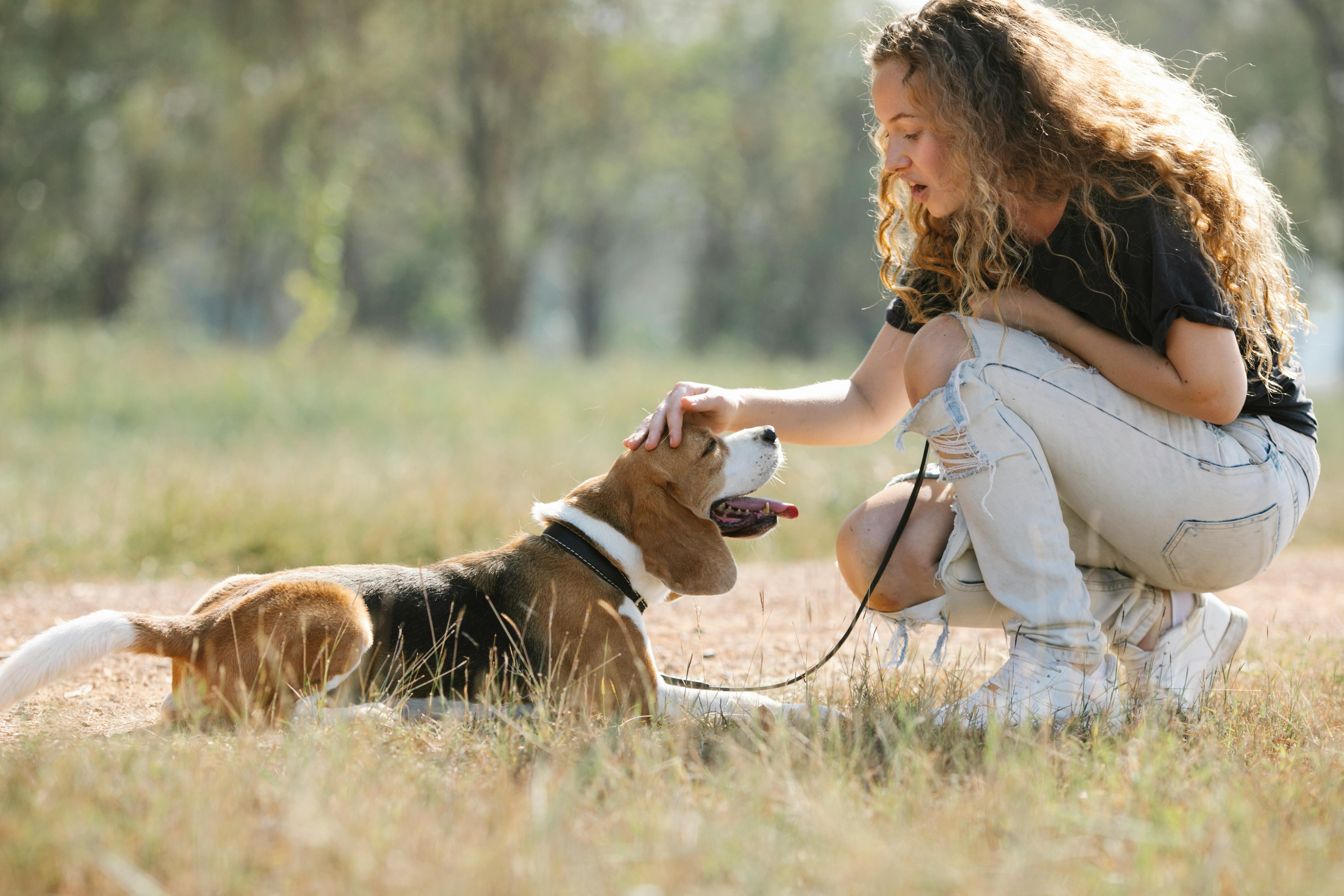 \n\n
\n\nEvery dog owner has probably noticed that their furry friends often have wet noses. It's a curious trait, and it raises questions about why this happens and how environmental factors can affect a dog's nose moisture. Understanding the science behind this can help owners take better care of their pets. So, why do dogs have wet noses? Let’s dive into this fascinating subject.
\nWhy Do Dogs Have Wet Noses?
\nDogs noses are naturally moist, and there are several reasons for this. One big reason is that a wet nose helps dogs to smell better. It seems that moisture on their noses capture scent particles from the air. Here are a few key points to consider:
\n- \n
- Sense of Smell: Dogs have an amazing sense of smell, estimated to be 10,000 to 100,000 times more sensitive than humans. A wet nose helps enhance this ability. \n
- Cooling Mechanism: Dogs can’t sweat like humans do, so they rely on their noses to help regulate their body temperature. The moisture helps cool them down. \n
- Health Indicator: A change in nose moisture can sometimes indicate health issues. For example, a dry nose could be a sign of dehydration or illness. \n
- Social Interaction: Dogs use their noses to gather information about other dogs and their environment. A wet nose is more effective for sniffing out scents. \n
How Environment Affects Your Dog’s Nose Moisture
\nThe environment plays a significant role in the moisture level of a dog’s nose. Factors like humidity, temperature, and even indoor conditions can affect this. Let’s look at some of these influences.
\nHumidity
\n- \n
- High Humidity: In areas with high humidity, dogs may have wetter noses. The moisture in the air helps keep their noses hydrated. \n
- Low Humidity: In dry climates, however, noses can become dry and cracked. This can lead to discomfort for the dog and may require owners to take extra care. \n
Temperature
\n- \n
- Hot Weather: During hot days, dogs may need to pant, which can dry out their noses. Keeping them hydrated is important. \n
- Cold Weather: Cold temperatures can lead to frostbite on a dog’s nose if they are outside for extended periods. Moisture can help protect against this, but extreme cold can cause drying. \n
Indoor Conditions
\n- \n
- Heating and Air Conditioning: Indoor heating in winter or air conditioning in summer can create dry air, which may lead to a dry nose. Using humidifiers can help maintain moisture levels. \n
- Allergens: Dust and pollen in the home can also affect nose moisture. Allergies can lead to an increase in sneezing or rubbing of the nose, which can affect its moisture levels. \n
Tips for Dog Owners
\nTaking care of your dog’s nose is important for their overall health. Here are some practical tips for dog owners:
\n- \n
- Hydration: Always provide fresh water for your dog, especially in hot weather. \n
- Humidifier: If you live in a dry climate or use heat/air conditioning regularly, consider using a humidifier to add moisture to the air. \n
- Regular Check-ups: Keep an eye on your dog’s nose. Changes in moisture or appearance may indicate health problems, and a vet visit may be necessary. \n
- Limit Outdoor Time: On extremely hot or cold days, limit your dog’s outdoor time to prevent nose drying or frostbite. \n
- Nasal Balms: There are dog-safe balms available that can help keep a dog’s nose moisturized, especially in harsh weather conditions. \n
Fun Facts about Dog Noses
\n- \n
- Dog noses have unique patterns, similar to human fingerprints. Each dog has a distinct nose print. \n
- Dogs have approximately 300 million scent receptors in their noses, compared to about 6 million in humans. \n
- The wetness of a dog’s nose can change throughout the day; it can be drier in the morning and wetter in the afternoon. \n
Understanding the reasons behind your dog’s wet nose and how environmental factors affect it can help you be a better pet owner. By following these tips and keeping an eye on your furry friend, you can help maintain their health and well-being. Always remember, a happy, healthy dog is a joy to have around!
\n\nWet Noses and Dog Behavior: What Your Pup’s Snout is Telling You
\n\n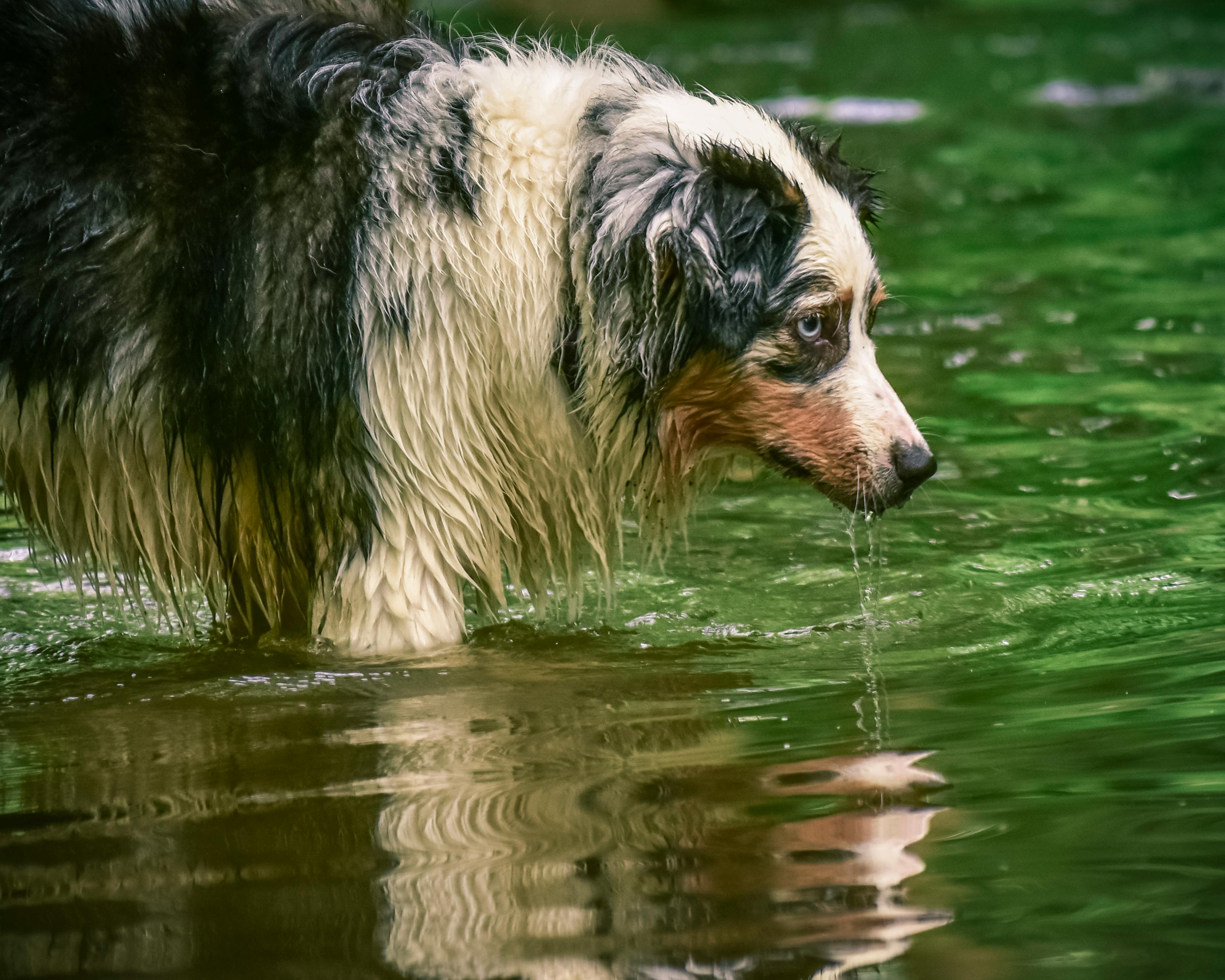 \n\n
\n\nWet noses are not just an adorable feature of dogs; they also play a significant role in their behavior and overall health. Many dog owners often wonder, why do dogs have wet noses? This curious characteristic is not just for show; it serves various purposes related to a dog’s sensory capabilities. Let’s explore the fascinating world of canine noses, what they tell us about our furry friends, and why it's important to pay attention to them.
\nThe Science Behind Wet Noses
\nDogs have wet noses because of the moist surface which helps them to pick up scents more effectively. Their noses are packed with special receptors that help detect odors, and the moisture enhances their ability to absorb scent particles. In fact, a dog’s sense of smell is estimated to be between 10,000 to 100,000 times more acute than that of humans! When the nose is wet, it can trap scent particles better, making it easier for dogs to identify and analyze various smells in their environment.
\n- \n
- Moisture aids in odor detection. \n
- Dogs have more than 220 million scent receptors. \n
- Wet noses help regulate their body temperature. \n
Historical Context of Canine Noses
\nThe evolution of dogs has shaped their noses over thousands of years. Originally, dogs were bred for specific tasks like hunting and herding, which required acute senses. The wet nose became an essential tool for tracking scents and finding game. As dogs became domesticated, the wet nose remained, serving as a reminder of their ancestry and skills.
\n- \n
- Hunting Breeds: Bred for tracking and finding prey. \n
- Herding Breeds: Used their noses to control livestock. \n
- Companion Dogs: Still retain the wet nose characteristic, even if they don't have a hunting role. \n
What a Wet Nose Can Tell You About Your Dog's Health
\nA wet nose is generally a sign of a healthy dog, but it’s important to note that not all wet noses indicate good health. Here’s what to look for:
\n- \n
- Normal Wetness: A dog’s nose should feel cool and slightly moist. \n
- Dry or Cracked Nose: This could be a sign of dehydration or other health issues. \n
- Excessively Runny Nose: May indicate allergies or infections. \n
- Foul Smell: Bad odors could mean infections or dental issues. \n
Monitoring your dog’s nose can help you catch potential health problems early. Regular vet check-ups are also key to ensuring your pup stays healthy.
\nUnderstanding Dog Behavior Through Their Noses
\nDogs communicate through body language, and their noses can reveal a lot about their mood and intentions. For instance:
\n- \n
- Sniffing A Lot: Indicates curiosity or excitement, especially in new environments. \n
- Wet Nose on You: A sign of affection or a way to seek attention. \n
- Nose to the Ground: Engaging in a scent trail, often when they are on the hunt for something interesting. \n
Dogs use their noses to explore the world, and understanding this behavior can enhance your bond with your pet.
\nTips for Keeping Your Dog’s Nose Healthy
\nMaintaining your dog’s nose health is important for their overall well-being. Here are some tips:
\n- \n
- Hydration: Ensure your dog has constant access to fresh water. \n
- Healthy Diet: A balanced diet keeps their skin and nose healthy. \n
- Regular Vet Visits: Routine check-ups can catch issues early. \n
- Limit Sun Exposure: Dogs with light-colored noses can get sunburned. \n
Fun Facts About Dog Noses
\n- \n
- Dogs have unique nose prints, much like human fingerprints! \n
- The average dog's nose temperature is around 33-36 degrees Celsius. \n
- Certain breeds, like Bloodhounds, are known for their exceptional scenting abilities. \n
In Summary
\nThe wet nose of your dog is more than a cute feature; it plays a vital role in how they perceive the world, communicate, and maintain their health. By understanding why do dogs have wet noses and what their snouts are telling you, you can foster a deeper connection with your furry companion. Being observant of changes in your dog’s nose condition and behavior can also lead to a healthier, happier pet. Always remember, our pups rely on us to notice these small but important signs, so keep an eye on those adorable wet noses!
\n\nCan a Dry Nose Signal a Problem? Understanding Dog Health Indicators
\n\n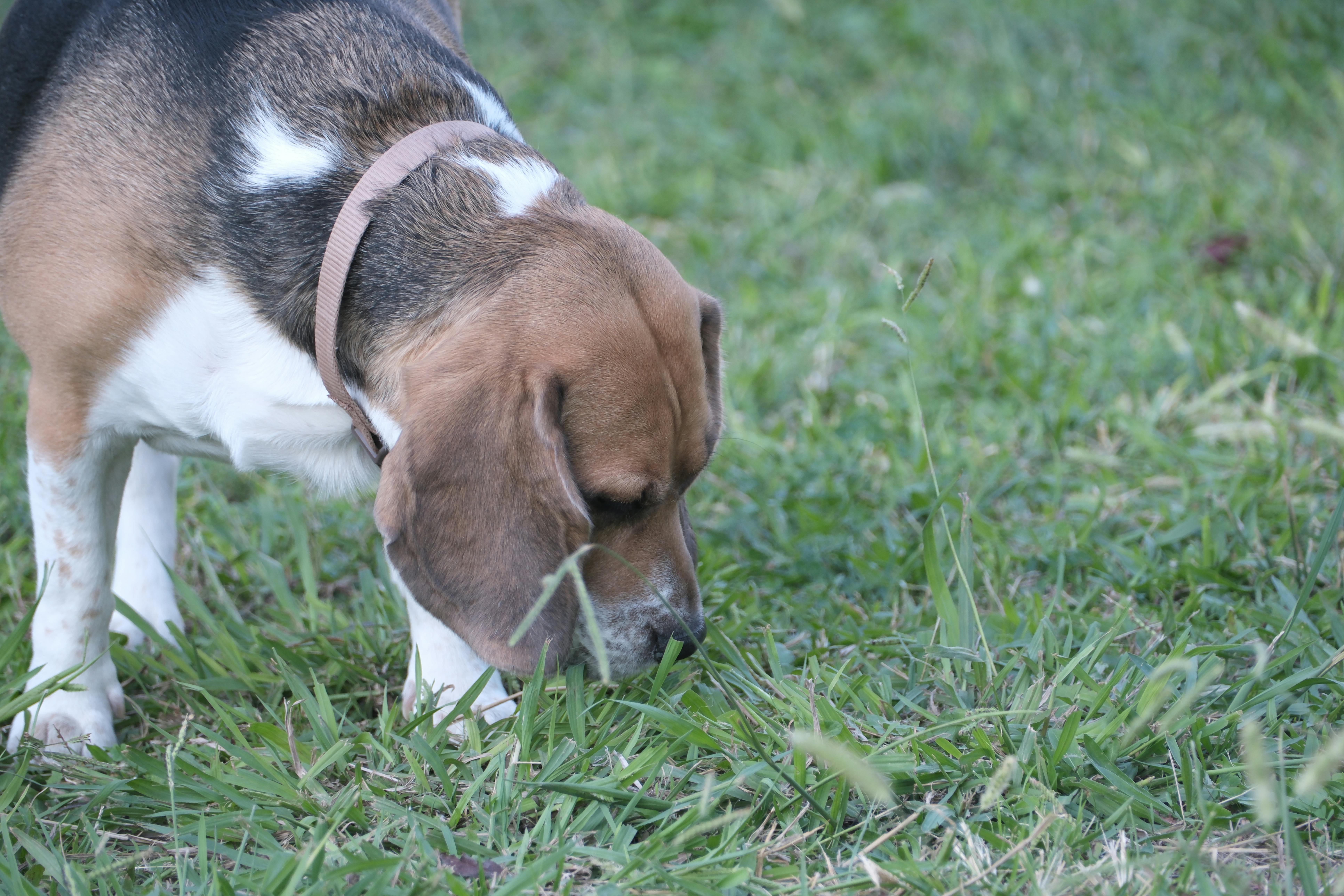 \n\n
\n\nWhen you notices your dog with a dry nose, it might raise a few eyebrows. Is it a sign of something wrong? Or maybe just a normal variation? Understanding dog health indicators can be tricky, but knowing about your pup's nose is a good starting point. In this article, we explore the question: can a dry nose signal a problem? Also, we unravel the mystery behind why do dogs have wet noses in the first place.
\nThe Science Behind a Dog's Nose
\nA dog's nose is more than just a cute feature. It's a complex organ that plays a crucial role in their overall health. The moisture on their noses helps them sense the world around them. A wet nose can also help with temperature regulation. But why do dogs have wet noses? Here are some reasons:
\n- \n
- Enhanced Smell: The moisture helps to trap scent particles, which can improve a dog’s ability to smell. \n
- Cool Down: Just like humans sweat, dogs can use their noses to help cool down. \n
- Health Indicator: A wet nose can be a sign of a healthy pup, while a dry nose can signal various health issues. \n
Can a Dry Nose Signal a Problem?
\nNow, let's talk about the dry nose. It’s easy to assume the worst when you see your furry friend with a dry snout. But not all dry noses mean a visit to the vet. Here are some common causes of a dry nose in dogs:
\n- \n
- Dehydration: If your dog isn’t drinking enough water, their nose may dry out. Always ensure your dog has access to fresh water. \n
- Weather Conditions: Hot or dry weather can cause a dog's nose to become dry. Exposure to sun and wind can also contribute. \n
- Allergies: Dogs can have allergies just like humans. They may develop dry noses due to environmental allergens. \n
- Skin Conditions: Some skin disorders can lead to a dry nose. Issues like lupus or pemphigus can cause significant health concerns. \n
- Age: Older dogs may naturally have drier noses. Just like humans, their bodies change as they age. \n
Signs to Watch For
\nWhile a dry nose can be normal, there are other symptoms that may indicate a more serious issue. Here’s a quick list of what to keep an eye on:
\n- \n
- Cracking or Bleeding: If the nose is not just dry but also cracking, it can be painful. \n
- Discharge: Any unusual discharge from the nose, especially if it's colored, might mean an infection. \n
- Changes in Behavior: If your dog is lethargic or seems to be in pain, this is a reason to consult a vet. \n
- Loss of Appetite: If your dog stops eating or drinking, this is a major red flag. \n
Comparing Wet and Dry Noses
\nTo help understand the differences between wet and dry noses more clearly, here’s a quick comparison:
\n| Feature | \nWet Nose | \nDry Nose | \n
|---|---|---|
| Smell Ability | \nBetter scent detection | \nReduced scent detection | \n
| Temperature Regulation | \nHelps cool down | \nLess effective cooling | \n
| Health Indicator | \nOften healthy | \nCould indicate issues | \n
| Common Causes | \nNormal moisture | \nDehydration, allergies, age | \n
Nature's Curiosity: Why Do Dogs Have Wet Noses?
\nSo, why do dogs have wet noses? It’s a question that sparks curiosity. The evolutionary aspect plays a role too. Dogs' ancestors, wolves, had wet noses which helped them hunt and forage. The moisture acts like a natural radar, allowing them to find food and avoid predators.
\nHere are some fun facts about dog noses:
\n- \n
- Unique Patterns: Just like human fingerprints, every dog has a unique nose print. \n
- Temperature Sensors: Their noses can detect changes in temperature, which can help them sense danger or prey. \n
- Communication Tool: Dogs use their noses to gather information about each other and their environment. \n
When it comes to your dog's health, paying attention to their nose can be a key indicator of their well-being. While a dry nose isn’t always a cause for concern, it’s essential to monitor any changes and look out for additional symptoms. A wet nose is often a good sign, but it’s not the only thing to consider. Always consult with a veterinarian if you have any doubts or concerns about your dog’s health.
\n\nFrom Playful Pups to Senior Dogs: The Evolution of Wet Noses Explained
\n\n\n\nDogs have been humans companions for thousands of years, from playful pups to wise senior dogs, but have you ever wonder why they have those wet noses? It's a common sight, but the reasons behind it is quite fascinating. Wet noses not only add charm to our furry friends, but they also play important roles in their health and communication. So let’s dive into the science and history behind those adorable snouts!
\nThe Science Behind Wet Noses
\nA dog's nose is wet for several reasons, and, surprisingly, it’s not just because they like to sniff everything. Here are some reasons why their noses are often moist:
\n- \n
- Temperature Regulation: Dogs don't sweat like humans. Instead, they cool down by panting and through their noses. The moisture helps to regulate their body temperature more effectively. \n
- Enhanced Sense of Smell: The wetness on a dog's nose helps to trap scent particles in the air, improving their sense of smell. Dogs have up to 300 million smell receptors, compared to about 6 million in humans, making their sense of smell incredibly powerful. \n
- Health Indicator: A dog's nose can be a sign of their health. A warm, dry nose may indicate fever or illness, whereas a cool, moist nose is typically a sign of a healthy dog. \n
The Evolution of Dogs' Noses
\nHistorically, dogs evolved from wolves, and their noses has adapted over the years. Here’s a brief outline of how this evolution took place:
\n- \n
- Ancestral Traits: Early canines had moist noses primarily for hunting and survival. A moist nose enhances the ability to detect prey. \n
- Domestication: As humans began to domesticate dogs, selective breeding amplified certain traits, including nose moisture. Dogs were bred for specific tasks, like hunting or herding, which required keen senses. \n
- Diversity in Breeds: Different breeds have different nose shapes and sizes which can affect the moisture level. For instance, breeds with long snouts may have wetter noses compared to those with shorter snouts. \n
Fun Facts About Dog Noses
\nIt’s not just about being wet! Here are some interesting tidbits about dog noses that you might not know:
\n- \n
- Unique Patterns: Just like human fingerprints, every dog has a unique nose print. This means that no two dogs have the same nose pattern! \n
- Color Variation: The color of a dog’s nose can range from black, brown, to even pink. The color can change with age or health issues. \n
- Communication: Dogs also use their noses to communicate. They can sense pheromones and other chemicals, which helps them understand each other better. \n
The Role of Wet Noses in Dog Care
\nTaking care of a dog’s nose is important for its overall health. Here are some practical tips for pet owners:
\n- \n
- Regular Check-ups: During vet visits, make sure to have your dog’s nose checked. Changes in moisture or color can indicate health issues. \n
- Hydration: Ensure your dog is well-hydrated. Dehydration can lead to a dry nose, signaling potential health problems. \n
- Avoid Irritants: Allergens and irritants in the environment can affect a dog’s nose. Keep an eye on their reactions to new products or changes in their environment. \n
Comparing Dog Noses to Other Animals
\nDogs’ noses aren't the only wet ones around. Let’s compare them with other animals:
\n| Animal | \nNose Type | \nFunctionality | \n
|---|---|---|
| Dogs | \nWet and Cold | \nEnhanced smell, temperature regulation | \n
| Cats | \nUsually Dry | \nLess reliance on scent, but still effective | \n
| Elephants | \nTrunk with Moisture | \nMultitasking tool for smell, touch, and drinking | \n
| Dolphins | \nBlowhole | \nBreathing tool, but also helps to regulate temperature | \n
Dogs have evolved to have wet noses for several reasons, primarily related to their health, communication, and hunting abilities. Understanding why they have these wet noses helps us appreciate these creatures even more.
\nSo next time you see your dog with its moist nose, remember that it’s not just an adorable feature, but it serves a purpose. From playful pups to senior dogs, their noses tell a story of evolution, adaptation, and a deep connection with their human companions!
\n\nConclusion
\n\nIn conclusion, the wet noses of dogs serve several important purposes that contribute to their overall health and well-being. The moisture on a dog's nose helps enhance their sense of smell, allowing them to detect scents more effectively, which is essential for communication and exploration. Additionally, a wet nose aids in thermoregulation, helping dogs cool down in warm weather. It's also an indicator of hydration and health, as a dry nose can signify underlying health issues. Understanding why dogs have wet noses not only deepens our appreciation for these beloved pets but also encourages us to monitor their health closely. So, the next time you greet your furry friend, take a moment to appreciate their wet nose—it’s a fascinating feature that plays a vital role in their lives. Keep learning about your dog’s unique traits and ensure their well-being through regular veterinary check-ups and proper care.
\n\n