
Have you ever wondered, why do dogs have wet noses? This intriguing question has puzzled pet owners for years. The secret behind a dog’s wet nose is not just a quirky characteristic, but it also serves essential purposes for their health and behavior. Did you know that a dog’s nose can tell you a lot about their well-being? Wet noses help them to sense the world around them, enhancing their sense of smell significantly. But that’s not all! There are many fascinating facts about why dogs have wet noses that you probably didn’t know. Is it just for cooling down, or is there more? In this article, we will dive deep into the science and secrets of those adorable, damp noses. You’ll discover how a wet nose can indicate your dog’s emotions and even their health status. So, if you’re curious and want to learn more about your furry friend’s unique features, keep reading! Unraveling the mystery of why do dogs have wet noses might just bring you closer to understanding your loyal companion better.
The Science Behind Dogs’ Wet Noses: Why Moisture Matters for Canine Health

Every dog owner has probably noticed their furry friends have wet noses. But why do dogs have wet noses? This question leads us into the fascinating world of canine health and biology. The moisture on a dog’s nose is not just a quirky characteristic; it serves important functions that contribute to their overall well-being.
The Science Behind Dogs’ Wet Noses
Dogs’ noses are moist for several reasons. One of the primary purposes of the moisture is to enhance their sense of smell. Dogs have an incredible olfactory system, with some breeds having up to 300 million scent receptors, compared to humans’ mere 5 million. The wetness helps to trap scent particles, allowing dogs to detect smells more effectively. When their nose is wet, it can absorb more scent chemicals, which sends signals to their brain.
A Historical Perspective
The peculiar nature of dog noses has been noted for centuries. Ancient civilizations often regarded dogs as companions and helpers, valuing their acute sense of smell. In ancient Egypt, dogs were seen as guardians and were often depicted with exaggerated features, including their noses. The connection between a dog’s nose and its ability to hunt or track prey was crucial for survival, making moisture an essential trait.
How Moisture Affects Canine Health
Moisture on a dog’s nose also plays a role in thermoregulation. Dogs don’t sweat like humans; instead, they rely on panting and the moisture on their noses to help cool down. When a dog breathes, the moisture evaporates, helping to lower their body temperature. This is particularly important during hot weather, as dogs can easily overheat.
Here are some key points about the importance of moisture for a dog’s health:
- Enhanced Sense of Smell: Wet noses trap scent particles, improving olfactory abilities.
- Thermoregulation: It aids in cooling down, especially in hot conditions.
- Health Indicator: Changes in moisture levels can signal health issues.
Why Do Some Dogs Have Drier Noses?
Not all dogs maintain the same level of moisture on their noses. Factors like breed, age, and health status can influence this. For instance, older dogs may have drier noses due to reduced oil production. Additionally, certain breeds, such as Bulldogs, may have naturally drier noses. Environmental factors, like dry weather or indoor heating, can also contribute to a dog’s nose becoming less moist.
Here are some common reasons dogs may have drier noses:
- Dehydration: Lack of water intake can lead to a dry nose.
- Illness: Conditions like fever or allergies can affect moisture levels.
- Environmental Factors: Dry air can cause noses to dry out.
Practical Examples of Nose Moisture in Dogs
- Tracking and Hunting: Dogs trained for hunting often rely on their wet noses to pick up scents left by game. The moisture enhances their ability to follow trails, making them more effective hunters.
- Service Dogs: Many service dogs, such as search-and-rescue animals, benefit from their wet noses, which help them locate missing persons or detect specific scents.
- Daily Interactions: When dogs greet people or other animals, their wet noses can help them gather information about the other being, such as their emotional state or health condition.
A Quick Comparison: Dog Noses vs. Human Noses
| Feature | Dog Noses | Human Noses |
|---|---|---|
| Scent Receptors | Up to 300 million | About 5 million |
| Moisture Role | Enhances smell, thermoregulation | Primarily for smell |
| Temperature Regulation | Yes | No |
| Ability to Detect | Complex scents, pheromones | Limited to basic smells |
The Fascinating Secret of Dog Noses
So, next time you’re giving your pup a pat, and you feel that familiar wetness, remember the science behind it. Dogs’ noses are not just cute; they are vital to their health and well-being. From enhancing their sense of smell to helping regulate their body temperature, the moisture on their noses plays a crucial role in their everyday lives.
Understanding why do dogs have wet noses can deepen your appreciation for these incredible animals. Their noses are fascinating tools, packed with evolutionary advantages that highlight the bond between dogs and humans. Dogs have evolved to use their noses in ways that benefit them, and by extension, us. The more we know about our pets, the better we can care for them. So the next time you see your dog with that delightful wet nose, just know there’s a lot more behind it than just an adorable quirk!
5 Surprising Reasons Why Your Dog’s Nose is Always Wet
Have you ever wondered why your furry friend’s nose is always wet? You might think it’s just one of those things about dogs, but there’s more to it than meets the eye. Wet noses are not just a cute feature; they actually serve important purposes. Let’s dive into 5 surprising reasons why your dog’s nose is always wet and uncover the fascinating secret of why dogs have wet noses.
1. Sense of Smell Enhancement
Dogs are known for their incredible sense of smell. A wet nose helps to enhance this ability. The moisture on their nose traps scent particles, which allows dogs to pick up information from their environment more effectively. This is why you often see your pup sniffing around during walks or exploring new places. It’s like their nose is a high-tech gadget, gathering all sorts of information.
2. Temperature Regulation
Just like humans sweat to cool down, dogs use their noses to help regulate body temperature. When a dog’s nose is wet, it can evaporate moisture, which cools them off. This is particularly important since dogs can’t sweat like we do. Instead of panting alone, a moist nose acts like an air conditioner, helping them stay cool during hot days.
3. Health Indicator
A dog’s wet nose can also be an indicator of their health. Generally, a wet nose is a sign that your dog is feeling good. However, if their nose becomes excessively dry or cracked, it might be a sign of dehydration or illness. Keeping an eye on your pet’s nose can help you catch potential health issues early. Here’s a quick checklist to remember:
- Normal Wetness: Healthy and hydrated.
- Excessively Dry: Might indicate dehydration or health issues.
- Cracked Nose: Could signal allergies or other problems.
4. Communication Tool
Dogs are social animals and their noses play a role in communication too. When dogs greet each other, they often sniff each other’s noses. This is how they gather information about each other, like age, health, and even mood. A wet nose is like an open book, revealing essential details to other dogs. So next time your pup sniffs another dog, just remember, they’re not being rude; they’re just saying hello in their own way!
5. Evolutionary Benefit
From an evolutionary standpoint, having a wet nose provides a survival advantage. In the wild, a dog with a moist nose can track prey more effectively. The ability to smell better means they can hunt more efficiently, ensuring their survival. This characteristic has been passed down through generations, making it a fundamental part of a dog’s biology.
Fascinating Facts About Dog Noses
- Unique Patterns: Just like human fingerprints, every dog has a unique nose print.
- Scent Receptors: Dogs have up to 300 million scent receptors in their noses, while humans have about 6 million.
- Nose Temperature: The temperature of a dog’s nose may change based on their mood; a warm nose might suggest they’re sick or stressed.
Comparison of Dog Breeds and Their Noses
Different dog breeds have variations in their nose wetness, size, and shape. Some breeds, like Bloodhounds, have exceptionally moist noses due to their strong scent-tracking abilities. Here’s a brief overview:
| Dog Breed | Nose Type | Wetness Level |
|---|---|---|
| Bloodhound | Long and droopy | Very Wet |
| Beagle | Short and round | Moderately Wet |
| Bulldog | Short and flat | Often Dry |
| Poodle | Curly and elegant | Regularly Wet |
Understanding the reasons behind your dog’s wet nose can deepen your bond with them. It’s not just a quirky feature; it’s a window into their health, emotions, and instincts. So next time you see that wet nose, remember, it’s doing much more than you think. Your dog’s nose is a marvel of nature, functioning as a tool for communication, health, and survival. Embrace the wetness, and give your pup some extra love for being the amazing creature they are!
Do Wet Noses Mean a Happy Dog? Understanding Canine Emotions
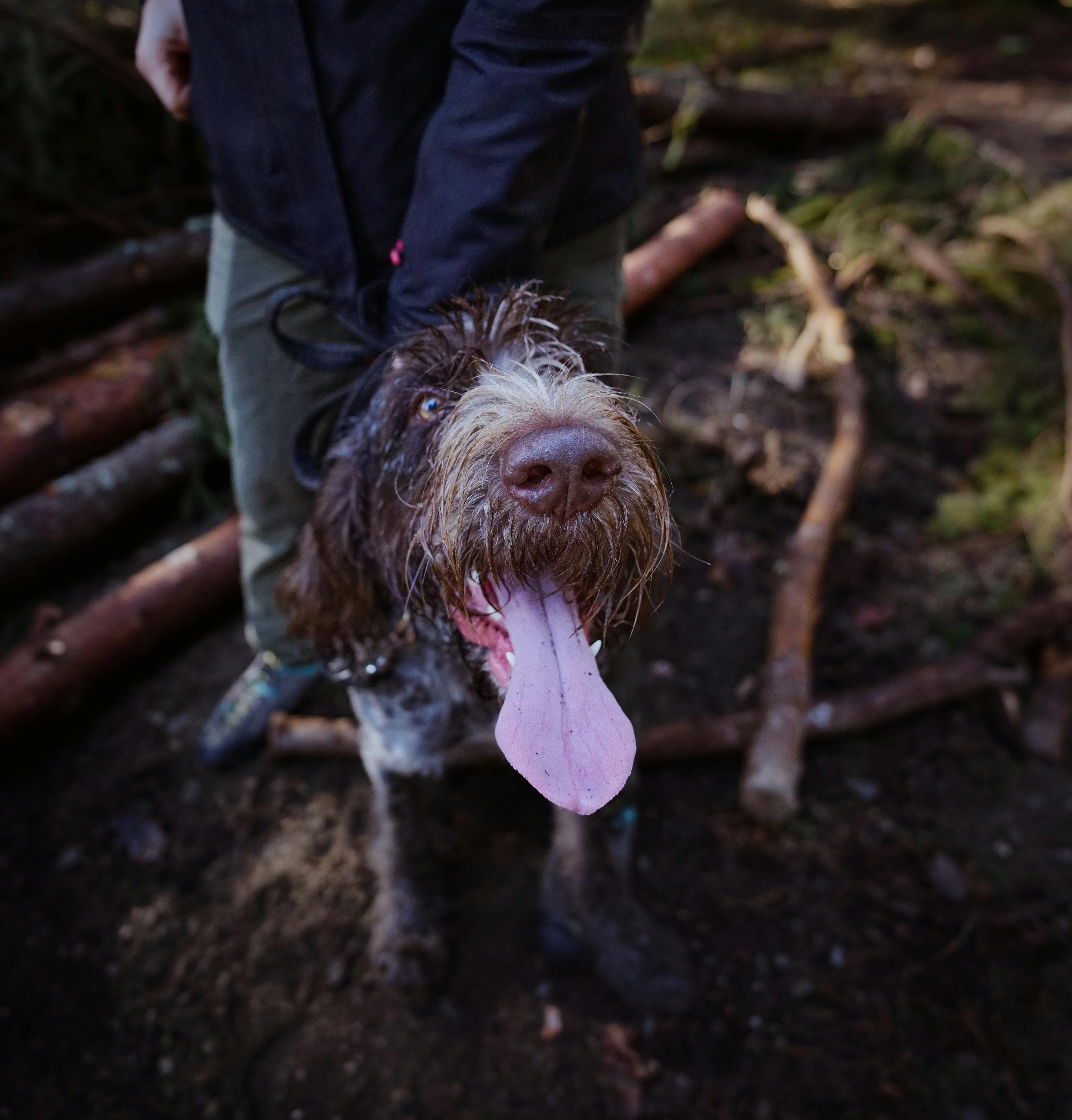
Do Wet Noses Mean a Happy Dog? Understanding Canine Emotions, Why Do Dogs Have Wet Noses? Discover This Fascinating Secret!
Have you ever noticed your dog’s nose and wondered why it’s wet? Many pet owners believe that a wet nose indicates a happy dog, but is that really the case? Understanding canine emotions can be tricky, and the moisture level of a dog’s nose is just one small piece of the puzzle. Let’s dive into the fascinating world of dog noses and what they really tell us about our furry friends.
The Science Behind Wet Noses
Dogs have wet noses for a variety of reasons. One of the main functions of a dog’s nose is to help them smell. The moisture on their snouts helps to capture scent particles from the air, which makes their sense of smell even more powerful. Isn’t that interesting? Here are some key points about why dogs have wet noses:
- Scent Enhancement: The wetness helps trap scents, allowing dogs to identify smells better.
- Cooling Mechanism: Dogs don’t sweat like humans do. A wet nose can help them regulate their body temperature.
- Health Indicator: A wet nose can sometimes indicate good health, but it’s not always a definitive sign.
Do Wet Noses Mean Happiness?
While it’s common to think that a wet nose means a happy dog, it is not that simple. Dogs express their emotions in many ways, and a wet nose is just one of them. Here’s a breakdown of how dogs communicate their feelings:
- Body Language: A wagging tail, relaxed ears, and a playful posture often indicate happiness.
- Vocalizations: Barking, whining, or growling can all express different emotions.
- Nose Condition: A wet nose doesn’t always mean a dog is happy; it could be due to environmental factors or health issues.
The Role of Environment
The environment plays a significant role in a dog’s nose being wet or dry. For instance, when dogs are outside on a hot day, they may have a wet nose due to the moisture in the air. Conversely, if they’re in a dry indoor environment, their nose might dry out. Here’s a comparison of nose conditions:
| Environment | Likely Nose Condition |
|---|---|
| Hot and Humid | Wet |
| Cold and Dry | Dry |
| Active Playtime | Wet |
| Resting or Sleeping | Dry |
Health Indicators of Nose Conditions
While a wet nose can be a sign of health, it’s not the only indicator. Here’s a list of other factors to consider when evaluating your dog’s health:
- Nasal Discharge: Clear discharge is generally normal, but yellow or green discharge can indicate illness.
- Temperature: A warm nose may point to a fever; checking your dog’s temperature can provide insight.
- Behavior Changes: If your dog is lethargic or has a change in appetite, it might be time to visit the vet.
Historical Context of Dog Noses
Historically, dogs have been companions to humans for thousands of years. Their noses have evolved along with them, playing a crucial role in hunting and herding. Ancient civilizations recognized the benefits of a dog’s keen sense of smell, using them to track prey and assist in various tasks. This relationship has only deepened over time, making dogs not just pets but family members.
Fun Facts About Dog Noses
- Did you know that a dog’s nose print is unique, just like human fingerprints? It can be used for identification!
- Dogs have about 220 million scent receptors in their noses, compared to a human’s 5 million.
- The shape of a dog’s nose can affect their sense of smell. Breeds like Bloodhounds have long noses that enhance their olfactory capabilities.
Practical Examples of Understanding Your Dog’s Emotions
When trying to understand your dog’s feelings, observe their behaviors and responses. A happy dog might:
- Run in circles or bounce around when you come home.
- Bring you their favorite toy to play.
- Greet you with a wagging tail and a big smile.
Watching for these signs can help you know if your dog is truly happy, regardless of whether their nose is wet or dry.
As you can see, understanding why dogs have wet noses and what it means for their emotions is more complex than it seems. While a wet nose can sometimes indicate a happy pup, it’s just one of many ways dogs communicate. So, the next time you check your dog’s nose, remember that it’s only part of the bigger picture when it comes to understanding your furry friend!
The Role of a Dog’s Wet Nose in Sensing the World: A Deep Dive

Dogs are often called man’s best friend, and one of their most intriguing features is their wet nose. Have you ever wondered why do dogs have wet noses? It seems like a simple question, but the answer dives deep into a dog’s biology and sensory capabilities. Let’s explore this fascinating secret and understand the crucial role of a dog’s wet nose in sensing the world around them.
The Science Behind the Wet Nose
A dog’s nose is more than just a cute feature; it’s a highly developed organ that plays a vital role in how they experience their environment. The moisture on their nose serves several important functions:
Enhanced Smell: Dogs have an exceptional sense of smell, and their wet noses help to absorb scent molecules from the air. When the nose is moist, it can pick up more smells, which is why they can sniff out things we can’t even imagine.
Temperature Regulation: Just like humans sweat, dogs use their noses to help regulate their body temperature. The moisture evaporating from their noses can help cool them down, especially since dogs do not sweat through their skin as humans do.
Health Indicator: A wet nose is often a sign of a healthy dog. If a dog’s nose is dry, it could indicate dehydration or illness, although this isn’t always the case. A wet nose can change based on the weather and the dog’s activity level.
Historical Context of Dogs’ Noses
Dogs have been companions to humans for thousands of years. Early domesticated dogs likely used their noses for hunting and tracking, skills that were essential for survival. Over the years, humans have selectively bred dogs for various tasks, including search and rescue, detection work, and companionship. This has led to the amplification of their olfactory abilities.
How a Dog’s Nose Works
Dogs have about 300 million scent receptors in their noses, compared to a human’s 5 million. This difference makes their sense of smell incredibly powerful. Here’s a breakdown of how it works:
- Olfactory Bulb Size: The olfactory bulb in a dog’s brain is proportionally larger than in humans, allowing them to process smells more effectively.
- Jacobsen’s Organ: This specialized organ helps dogs detect pheromones, which are chemical signals that can indicate the emotional state of other animals.
- Nasal Turbinates: These structures inside the nose increase the surface area for scent detection and help trap scents.
Fascinating Facts About Dogs’ Noses
Color Variations: The color of a dog’s nose can vary widely, from black to pink, depending on the breed and genetics. Some breeds have distinct nose colors that can change with the seasons.
Unique Patterns: Just like human fingerprints, every dog’s nose print is unique. This means it can potentially be used for identification.
Scent Discrimination: Dogs can detect certain scents at incredibly low concentrations. They can smell parts per trillion, which is why they are often used in police work, search-and-rescue missions, and medical detection.
Practical Implications for Dog Owners
Understanding the importance of your dog’s nose can help you take better care of your furry friend. Here are some tips:
Regular Vet Check-ups: Keep an eye on your dog’s nose. If it’s persistently dry or cracked, consult your veterinarian to rule out health issues.
Hydration: Ensure your dog is drinking enough water. A hydrated dog will generally have a moist nose.
Environmental Awareness: Be mindful of the weather. Hot and dry conditions can lead to a dry nose, so provide shade and water when outdoor.
Training for Scent Work: If you want to engage your dog mentally, consider training them for scent work. Simple games like hide and seek with treats can stimulate their natural abilities.
Nosework Classes: Many areas offer nosework classes or groups for dogs, which can be a fun way for them to use their sniffing skills while bonding with you.
A dog’s wet nose is not just a quirky trait; it is an essential part of how they interact with the world. By understanding the science and implications of their olfactory capabilities, we can deepen our connection with these beloved companions. So next time you see your dog sniffing around, remember that their wet nose is a window to a world filled with scents and signals that we can only begin to fathom.
Why Is Your Dog’s Nose Wet? Exploring the Myths and Facts

Dogs are known for many lovable quirks, and one of the most common is their wet noses. Ever wonder why is your dog’s nose wet? It’s a question that often pops up among dog owners and animal lovers alike. Some myths and facts surround this intriguing aspect of our canine companions. Let’s dig deeper to discover this fascinating secret!
Understanding the Wet Nose
First, it’s important to know that a dog’s nose is naturally moist. This moisture serves several purposes, which we’ll explore. The wetness helps dogs in their sense of smell, which is far superior to humans. A dog’s olfactory senses are incredible, they can detect certain smells in parts per trillion! So, why do dogs have wet noses?
The Science Behind It
Here are the main reasons why a dog’s nose is wet:
- Enhanced Smell: The moisture on a dog’s nose helps trap scent particles, making it easier for them to detect different smells.
- Cooling Mechanism: Dogs don’t sweat like humans do. Instead, their noses help regulate body temperature, especially during hot days.
- Health Indicator: A dog’s nose can reflect its health status. A healthy dog typically has a cool and moist nose, while a dry or warm nose might suggest illness or dehydration.
Myths Surrounding Wet Noses
Despite the facts, there are many myths that persist about why do dogs have wet noses. Let’s break down some of these common misconceptions:
Myth 1: A Wet Nose Means a Healthy Dog
While a wet nose is often a sign of health, it’s not a definitive indicator. Other factors, like energy levels or appetite, should also be considered.Myth 2: Dogs Sweat Through Their Noses
Dogs mainly sweat through their paw pads, not their noses. The wetness is primarily due to licking, not sweating.Myth 3: Only Certain Breeds Have Wet Noses
All dogs can have wet noses, regardless of their breed. Some breeds may have more noticeable moisture due to their physical characteristics.
Historical Context
The fascination with dogs and their noses isn’t new. Historical texts show that ancient civilizations revered dogs for their keen senses. In fact, the Romans believed that dogs could detect illness in humans. This belief laid the groundwork for the understanding of dogs as more than just pets; they were seen as companions with unique abilities.
Practical Examples of Nose Behavior
When observing your dog’s nose, you may notice different behaviors that shed light on their feelings or health status. Here’s a quick guide:
Sniffing Objects: When your dog sniffs something intently, it’s using its wet nose to gather scent particles, helping them understand their environment.
Licking Their Nose: If your dog frequently licks its nose, it may be a sign of anxiety or excitement. However, it’s generally a normal behavior.
Nose Temperature: A warm, dry nose might not always indicate sickness, but if it’s persistently so, it’s worth consulting with a veterinarian.
Fun Facts About Dog Noses
Did you know that dog noses are unique, much like human fingerprints? Each dog has a distinct nose print. Here are more interesting tidbits:
- Dogs can distinguish between different scents, making them excellent at search and rescue missions.
- The wetness of a dog’s nose can vary depending on the environment, temperature, and even their activity level.
- Some breeds, like Bulldogs and Pugs, may have drier noses due to their facial structure.
Why Do Dogs Have Wet Noses? The Takeaway
So, why do dogs have wet noses? The answer lies in their biology and evolution. Their moist noses are not just a curious feature; they serve essential functions that help them navigate the world. This fascinating aspect of dogs showcases their unique adaptations to survive and thrive alongside humans.
Next time you pet your furry friend and feel that wet nose, remember it’s more than just an endearing trait. It’s a tool that aids in scent detection, a cooling mechanism, and even a health indicator. As dog owners, understanding these facts enriches our bond with our four-legged companions. So embrace the wet nose, and enjoy the wonderful world of canine companionship!
The Connection Between Wet Noses and Dog Temperature Regulation
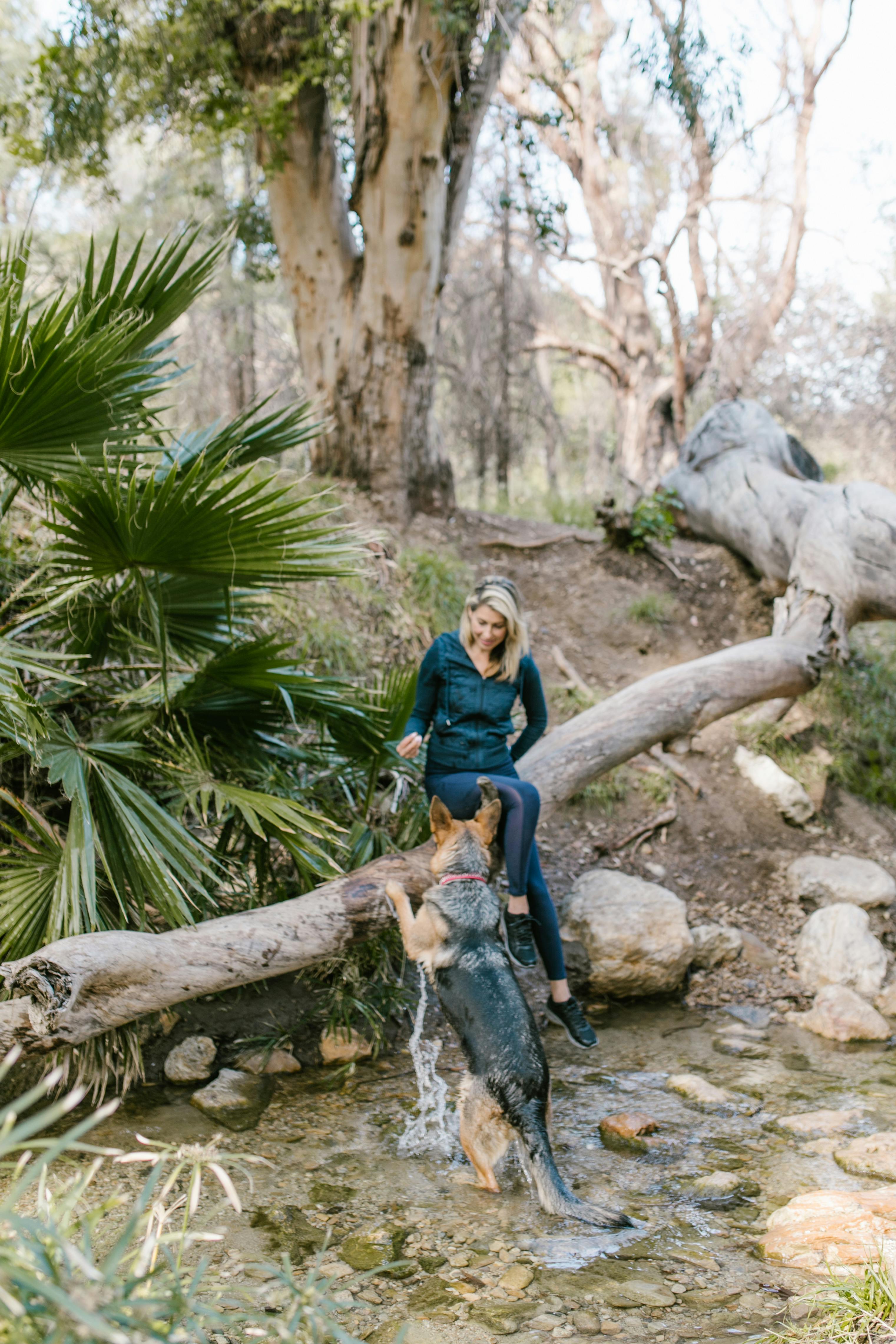
Have you ever wondered why dogs have wet noses? It’s something many of us notice but rarely think about. Wet noses in dogs are not just a cute feature, they play a key role in temperature regulation and health. This article dives into the fascinating connection between wet noses and dog temperature regulation, uncovering why these furry friends possess this intriguing trait.
The Science Behind Wet Noses
Dogs’ noses are wet for a number of reasons, with the primary one being their ability to regulate temperature. The moisture on a dog’s nose helps them cool down, kinda like how we sweat. When a dog pants or breathes heavily, the evaporation of moisture from their nose, as well as their mouth, aids in reducing their body temperature.
- Moisture Absorption: Dogs have special glands in their noses that secrete mucus. This mucus helps to keep the surface of the nose moist.
- Enhanced Smell: A wet nose can absorb scent chemicals better. This makes dogs’ sense of smell incredibly sharp. The moisture helps trap these scent particles, allowing dogs to detect odors more efficiently.
Historical Context of Dogs’ Noses
Historically, dog noses have been a focus of study for scientists and animal behaviorists. In ancient times, dogs were bred for specific tasks, including hunting and herding. Their ability to smell was paramount for these roles. As a result, dogs with wetter noses were often more successful in tracking scents, leading to a natural selection for this trait.
- Hunting Dogs: Breeds like Bloodhounds and Beagles, known for their keen sense of smell, generally have moist noses.
- Working Dogs: Dogs used in search and rescue or detection work also benefit from having wet noses due to their enhanced olfactory capabilities.
Temperature Regulation in Dogs
Dogs don’t sweat the same way humans do. Instead, they rely on other methods to regulate their body temperature. Here are some ways they do it:
- Panting: This is the most recognized method. Through panting, dogs release heat from their bodies. The evaporation of moisture from their tongues and lungs cools them down.
- Wet Noses: As mentioned, a wet nose is another way dogs manage their temperature. The evaporation of moisture from their nose directly contributes to cooling them off.
- Limited Sweat Glands: Dogs have sweat glands, but they are primarily located in their paw pads. This means they don’t rely on sweating like we do.
Why Do Dogs Have Wet Noses?
Let’s break down the reasons further in a simple list:
- Temperature Control: A wet nose helps regulate temperature by cooling through evaporation.
- Improved Sense of Smell: Wetness traps scent particles, boosting their ability to detect smells.
- Health Indicator: A dog’s nose can indicate their health status. A healthy dog often has a moist, cool nose, whereas a dry or warm nose can sometimes signal illness.
Fun Facts About Dog Noses
- Unique Nose Prints: Just like human fingerprints, a dog’s nose print is unique to each individual.
- Health Indicator: Changes in the moisture or temperature of a dog’s nose can signal health issues. For instance, a dry, cracked nose might indicate dehydration or illness.
- Temperature Sensitivity: Dogs can feel temperature changes through their noses. They often use this ability to sense environmental changes.
The Importance of Nose Care
While most dogs naturally maintain their nose moisture, some breeds may need extra attention. Here’s how to take care of your dog’s nose:
- Hydration: Always ensure your dog has access to fresh water. Dehydration can lead to a dry nose.
- Humid Environment: Dry air can affect a dog’s nose. Using a humidifier can help, especially in winter months.
- Regular Check-ups: Regular vet check-ups can help identify any potential issues with your dog’s nose or overall health.
Dogs’ wet noses are not just an adorable feature; they serve essential functions in thermoregulation and health. Understanding why do dogs have wet noses can help pet owners appreciate their furry companions even more. So, the next time you give your dog a pat on the nose, remember that it’s not just wet; it’s working hard to keep them cool and healthy!
Can a Dry Nose Signal Health Issues? What Every Dog Owner Should Know

Every dog owner wants the best for their furry friend. One of the common things that many notice is their dog’s nose. It is often wet, cold, and sometimes it is a bit dry. But can a dry nose signal health issues? And why do dogs have wet noses anyway? Understanding these signs is important for your pet’s health and well-being.
The Mystery of a Dog’s Nose
Dogs’ noses are fascinating. They are not just cute; they serve important functions. A wet nose, for example, helps dogs to smell more effectively. It is believed that moisture on the nose captures scent particles from the air, enhancing their ability to detect smells. This is crucial for dogs, as their sense of smell is much stronger than ours.
Why Do Dogs Have Wet Noses?
- Scent Detection: The moisture helps to absorb scent particles, making it easier for dogs to smell things.
- Temperature Regulation: Dogs do not sweat like humans do. Their noses help in cooling down their body temperature.
- Health Indicator: A wet nose can indicate that a dog is healthy. It is often a sign of good hydration and general well-being.
But, not every wet nose is a sign of health. It is important to remember that other factors can affect a dog’s nose.
Can a Dry Nose Signal Health Issues?
So, what does a dry nose mean for your dog? While a dry nose can be normal, it can sometimes indicate health issues. Here are some reasons why a dog’s nose may become dry:
- Dehydration: If a dog is not drinking enough water, its nose may dry out.
- Illness: Certain illnesses can lead to a dry nose. For instance, conditions like fever or respiratory infections can cause changes in moisture levels.
- Allergies: Allergies may also cause a dog’s nose to become dry or cracked.
- Environmental Factors: Dry weather or indoor heating can affect the moisture on a dog’s nose.
Signs to Watch For
If you notice your dog has a dry nose, it’s important to observe other signs. Here’s a checklist of symptoms that could indicate a health issue:
- Excessive thirst or urination
- Lethargy or loss of energy
- Coughing or sneezing
- Changes in appetite
- Vomiting or diarrhea
If your dog shows any of these signs in addition to a dry nose, it may be time to consult your veterinarian.
Historical Context of Dog Noses
The nose of a dog has been studied for years. Ancient civilizations understood the importance of scent in hunting and companionship. For example, in ancient Egypt, dogs were often used for hunting because of their superior olfactory abilities. This historical reliance on dogs for their noses has set the stage for their role in our lives today.
Caring for Your Dog’s Nose
Keeping your dog healthy includes taking care of its nose. Here are some tips for ensuring your dog’s nose stays in good condition:
- Hydration: Make sure your dog has constant access to fresh water.
- Balanced Diet: Proper nutrition can help maintain moisture levels.
- Avoid Irritants: Stay away from smoke or harsh chemicals that can irritate your dog’s nose.
- Regular Vet Check-ups: Routine visits can help catch any potential issues early.
Fun Facts About Dogs’ Noses
- A dog’s nose print is unique, just like human fingerprints.
- Dogs have around 300 million scent receptors, compared to about 6 million in humans.
- The breed of the dog can influence the moisture level of their nose; some breeds naturally have drier noses than others.
It’s fascinating to learn about why dogs have wet noses and what a dry nose could mean for their health. As a dog owner, being aware of these signs can help you ensure your pet is happy and healthy. If you ever feel uncertain about your dog’s health, don’t hesitate to reach out to a professional. Your furry friend depends on you to understand these signals!
How to Keep Your Dog’s Nose Healthy and Moist: Essential Tips
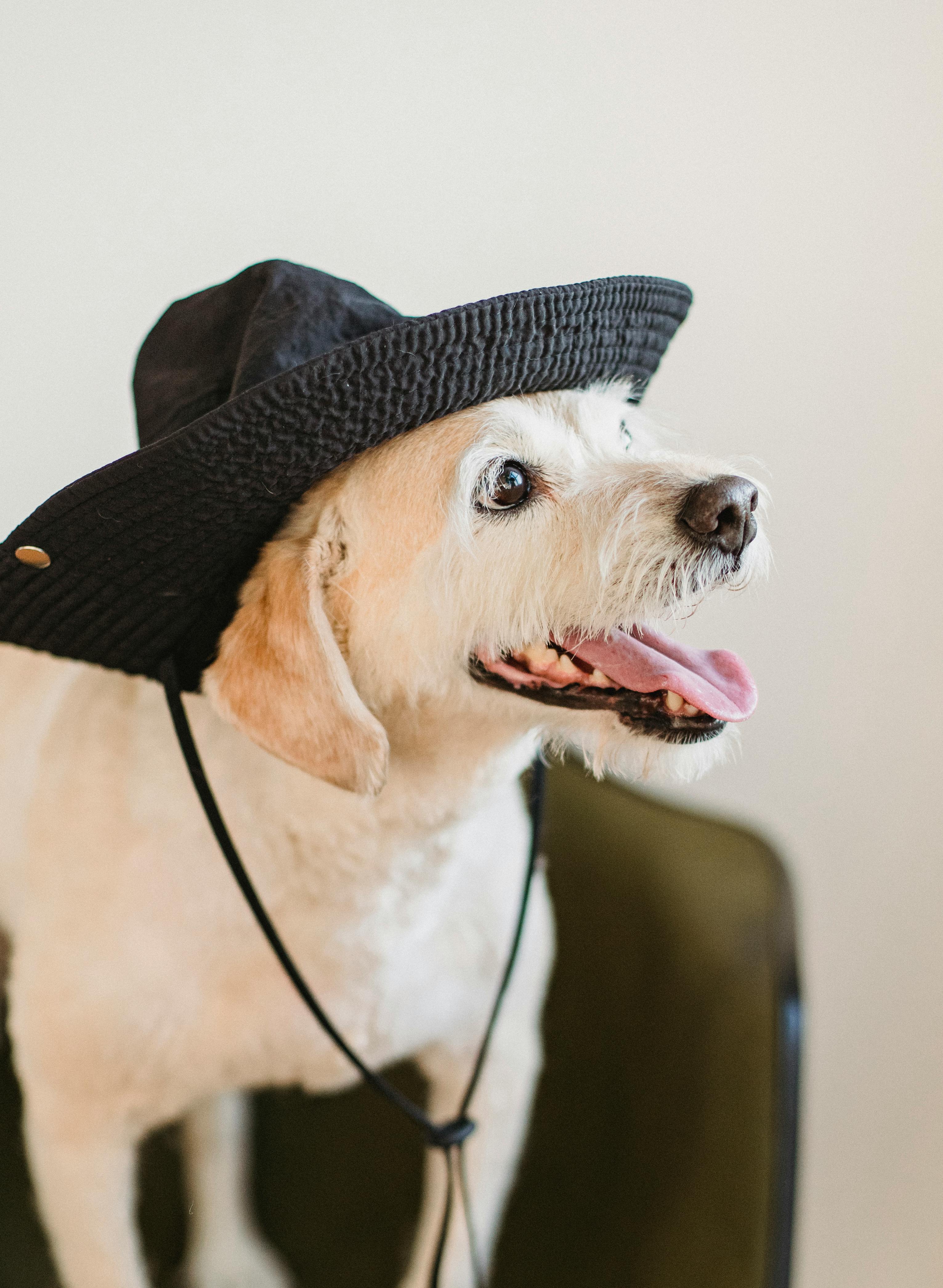
Dogs are often known for their wet noses, and many pet owners might wonder why that is. In fact, it’s a common thing to see your furry friend with a moist snout, but have you ever thought much about it? Understanding how to keep your dog’s nose healthy and moist is important for their overall well-being. So let’s dive into some essential tips and uncover the fascinating reasons behind that wet nose!
Why Do Dogs Have Wet Noses?
So, why do dogs have wet noses anyway? Well, there are a few reasons which include:
- Temperature Regulation: Dogs don’t sweat like humans. Instead, they rely on their noses to help cool down. A wet nose can help regulate their body temperature.
- Enhanced Sense of Smell: A moist nose helps to trap scent particles in the air, which enhances a dog’s ability to smell. This is why they are such great sniffers!
- Health Indicator: A dog’s nose can actually indicate their health. A healthy nose is typically cool and moist, while a dry or cracked nose might signal an issue, like dehydration or illness.
Keeping Your Dog’s Nose Healthy and Moist
Maintaining your dog’s nose in tip-top shape is pretty simple, but it does require some attention. Here are some essential tips for you to consider:
- Hydration is Key: Make sure your dog always have access to fresh water. Dehydration can lead to a dry nose, so keep that bowl full!
- Limit Sun Exposure: Just like humans, dogs can get sunburned too! If your dog is spending time outside, especially in warmer months, use pet-safe sunscreen on their nose if they have a light-colored snout.
- Regular Vet Checkups: Regular vet visits are important for overall health, including your dog’s nose. A vet can spot any potential issues early on.
- Healthy Diet: A balanced diet contributes to your dog’s skin and nose health. Foods rich in omega-3 fatty acids can help maintain moisture.
- Humidifiers: If you live in a dry climate or during winter months when indoor air can be dry, consider using a humidifier. It can keep the air moist and help your dog’s nose.
- Avoid Irritants: Keep your dog away from harsh chemicals or allergens that may irritate their nose. This includes certain cleaning products or even pollen.
Signs of a Problematic Nose
Sometimes, you need to keep an eye on your dog’s nose for signs that something might not be right. Here is a quick list of things to watch out for:
- Cracking or Bleeding: If you notice your dog’s nose is cracked or bleeding, it could be a sign of dehydration or other health issues.
- Excessive Dryness: A consistently dry nose can indicate various health problems, including fever or allergies.
- Discoloration: Changes in color, such as becoming very pale or red, should be checked out by a vet.
- Swelling or Bumps: Any unusual growths or swelling on the nose can be concerning and should be examined.
Fun Facts About Dogs’ Noses
Did you know that a dog’s sense of smell is about 10,000 to 100,000 times more sensitive than humans? That’s incredible! Here are some more fun facts about dog noses:
- Dogs have about 300 million scent receptors in their noses, while humans only have about 5 million.
- The unique pattern of a dog’s nose is as distinct as a human fingerprint.
- Dogs can even smell certain diseases, like cancer or diabetes, in humans.
How to Check Your Dog’s Nose
When checking your dog’s nose, it’s a good idea to look for these things:
- Moistness: Is the nose cool and moist?
- Color: Is it a healthy color for your breed?
- Texture: Is it smooth or rough? Some breeds naturally have rougher noses.
Conclusion
Keeping your dog’s nose healthy and moist is a straightforward task that requires a little attention and care. By ensuring proper hydration, nutrition, and regular vet visits, you can help maintain that adorable, moist snout. Understanding the reasons behind why dogs have wet noses is also beneficial for pet owners. It’s not just a cute feature; it’s an essential part of their health and well-being. So, keep those noses wet and healthy, and your furry friend will thank you for it!
Fascinating Facts About Dogs’ Noses: More Than Just a Wet Surface

Dogs are one of the most beloved pets around the globe, and their noses are often a subject of curiosity. You may have often wondered, “Why do dogs have wet noses?” It turns out that this is not just an odd characteristic but serves several vital purposes. Let’s explore the fascinating facts about dogs’ noses, which are more than just a wet surface!
The Anatomy of a Dog’s Nose
A dog’s nose is not only a striking feature; it’s an incredibly complex organ. The nose is made up of various parts including:
- Nasal Cavity: This is where the air passes through and is filtered.
- Olfactory Receptors: Dogs have about 300 million olfactory receptors, compared to about 6 million in humans. This makes their sense of smell far superior!
- Jacobsen’s Organ: This helps dogs analyze scents more deeply, allowing them to detect pheromones.
Why Are Dog Noses Wet?
The wetness of a dog’s nose plays a crucial role in their ability to smell. Here are some reasons why dog noses are wet:
Enhanced Scent Detection: The moisture helps to dissolve scent particles, enhancing their ability to detect smells. Dogs can pick up on scents that are 40 times weaker than what humans can detect!
Temperature Regulation: Dogs don’t sweat like humans. Instead, they rely on their noses to help regulate their body temperature. The evaporation of moisture from the nose can help cool them down.
Health Indicator: A dog’s nose can also be an indicator of their health. A wet and cool nose is generally a sign of a healthy dog, while a dry or warm nose can indicate illness or discomfort.
The Science Behind the Sniff
Here are some fascinating scientific facts about why dogs’ noses are so special:
Scent Memory: Dogs can remember scents for years. Their brains are wired to recognize and store these memories, which can trigger emotions and memories similar to what humans experience with music or art.
Directional Smelling: Dogs can also determine where a smell is coming from, thanks to the asymmetrical structure of their nostrils. This allows them to locate scents with impressive accuracy.
Scent Discrimination: Dogs can differentiate between different scents and even identify specific substances. For example, trained dogs can detect drugs, explosives, and even certain medical conditions like diabetes or cancer.
Historical Context
The relationship between humans and dogs dates back thousands of years. Ancient civilizations recognized the extraordinary capabilities of dogs’ noses. For instance:
Hunting Companions: Early humans relied on dogs for hunting, utilizing their keen sense of smell to track down game.
Search and Rescue: Throughout history, dogs have been trained to find missing persons or detect scents in disaster areas, showcasing their incredible noses.
Medical Alerts: In recent years, dogs have been trained to alert humans to certain medical conditions, including seizures or low blood sugar, due to their ability to smell chemical changes in the body.
Fun Facts About Dogs’ Noses
Want to impress your friends with some fun trivia? Check out these interesting tidbits:
Unique Nose Prints: Just like human fingerprints, each dog has a unique nose print.
Color Variations: A dog’s nose can come in various colors, from black to brown, and even spotted. The color often depends on the breed.
Nose Temperature: A dog’s nose can be warmer or cooler depending on the environment, but it shouldn’t be a sole indicator of health.
Quick Comparison: Dog Noses vs. Human Noses
Here’s a quick comparison to highlight the differences:
| Feature | Dog Nose | Human Nose |
|---|---|---|
| Number of Receptors | 300 million | 6 million |
| Scent Discrimination | High | Moderate |
| Role in Temperature Regulation | Yes | No |
| Unique Prints | Yes | No |
Practical Examples of Nose Use
Dogs use their noses not just to sniff around, but in many practical ways. Here are some examples:
Therapy Dogs: Many therapy dogs are trained to use their sense of smell to help detect anxiety or distress in humans.
Detection Dogs: Police and military use dogs to sniff out drugs, explosives, and even track suspects.
Service Dogs: Some service dogs are trained to detect changes in their owner’s body chemistry, alerting them to medical emergencies.
As we can see, the wet nose of a dog is not just a quirk of nature; it is a remarkable adaptation that serves multiple purposes. Understanding why dogs have wet noses can deepen our appreciation for these wonderful creatures and the unique ways they interact with the
What Does Your Dog’s Nose Say About Their Health? Key Signs to Watch For
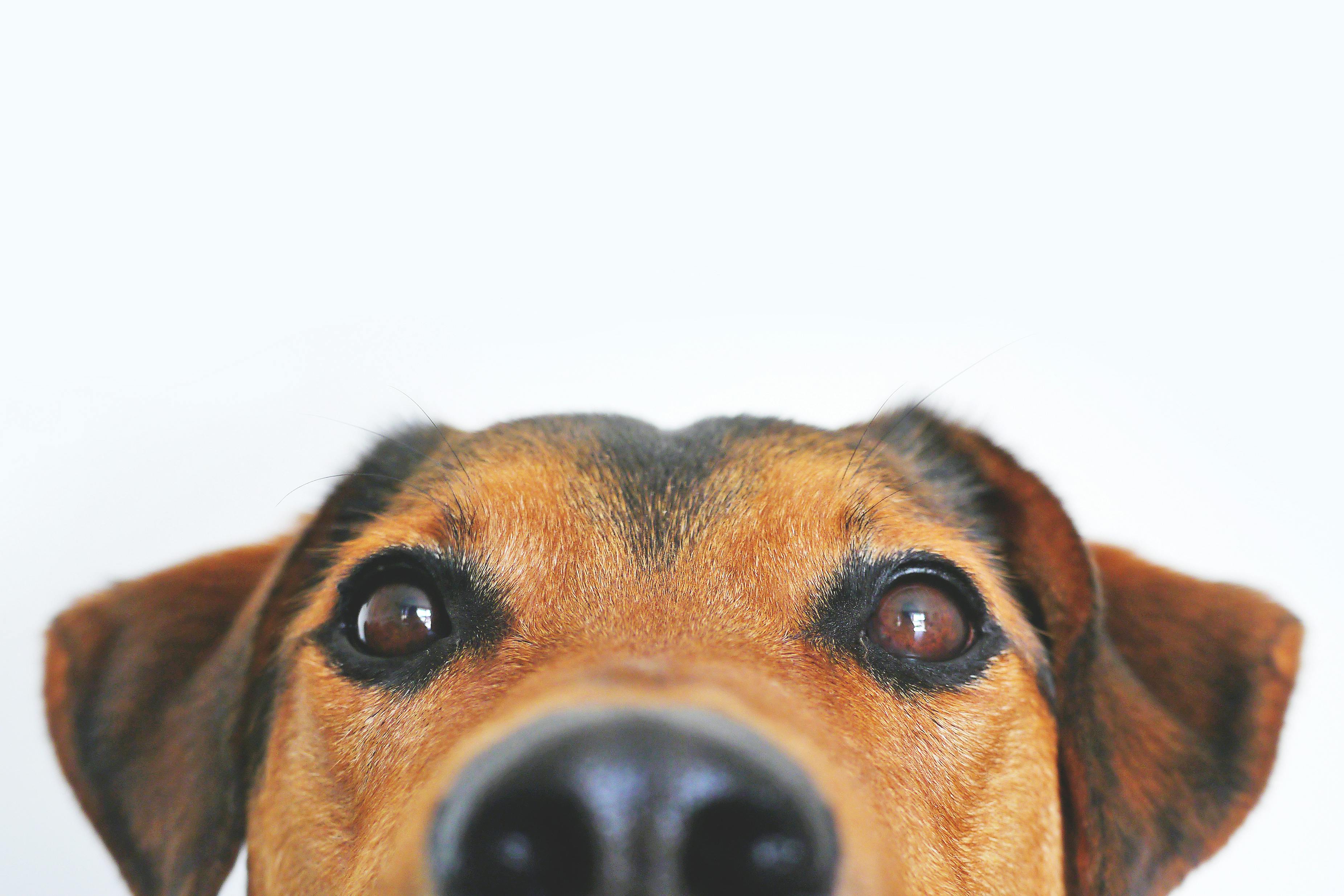
Dogs are often considered man’s best friend, and their health is a major concern for any pet owner. One of the most interesting features of dogs is their nose, which is not just cute but can also be a key indicator of their overall health. So, what does your dog’s nose say about their health? And why do dogs have wet noses? Let’s dive into the fascinating world of canine noses, exploring some signs to watch for and uncovering the secrets behind their wetness.
What Does Your Dog’s Nose Say About Their Health?
The condition of a dog’s nose can provide insights into their health status. A nose that is too dry, too hot, or has unusual discharge can signal underlying issues. Here’s a breakdown of what different nose conditions might mean:
Dry Nose: A dry nose can sometimes indicate dehydration or fever. If you notice your dog’s nose is persistently dry, it may be time to consult a vet.
Wet Nose: Typically, a moist nose is a sign of good health. Dogs naturally lick their noses to keep them wet, which helps with their sense of smell.
Cracked or Chapped Nose: This can be a sign of allergies or even sunburn. If the cracks are deep, it might require veterinary care.
Discharge: Any abnormal discharge (green or yellow) could indicate an infection and should be checked by a veterinarian.
Key Signs to Watch For
As a responsible pet owner, you should pay attention to your dog’s nose and overall behavior. Here are some signs that might require a vet visit:
Nose Temperature: A nose that feels hot may indicate fever. Check other symptoms like lethargy or loss of appetite.
Frequent Sneezing or Sniffling: Dogs can develop allergies just like humans. If your dog is sneezing often, they may have an allergy that needs addressing.
Changes in Behavior: If your dog is normally playful but becomes lethargic and has a change in appetite, this could be a sign that something is wrong.
Persistent Licking: Dogs lick their noses to keep them moist. However, if they are licking excessively, it might indicate anxiety or skin issues.
Why Do Dogs Have Wet Noses? Discover This Fascinating Secret!
Now let’s explore the science behind that wet nose. Dogs have wet noses mainly for a couple of reasons:
Enhanced Sense of Smell: A wet nose helps capture scent particles. The moisture allows them to absorb scents better, making their sense of smell more acute than ours.
Thermoregulation: Dogs don’t sweat like humans. Their wet nose helps them cool down. When they breathe out, moisture evaporates, cooling them off in the process.
Communication: A dog’s nose is also a social tool. They use it to gather information about other animals and people, which can help them understand their environment better.
Fun Facts About Dog Noses
Unique Nose Prints: Just like human fingerprints, each dog’s nose print is unique. It can be used for identification!
Nose Temperature Varies: A dog’s nose temperature can vary throughout the day. It’s perfectly normal for it to change.
Nose Shapes: Different breeds have different nose shapes, which can affect their sense of smell. For example, Bloodhounds have an incredible sense of smell thanks to their longer, droopier noses.
When to Seek Veterinary Help
If you notice any changes in your dog’s nose or health, it’s always best to err on the side of caution. Here’s a simple checklist:
- Persistent Dryness or Cracking: Lasting for more than a few days.
- Unusual Discharge: Especially if it’s green or yellow.
- Behavioral Changes: Loss of appetite or extreme lethargy.
- Temperature Changes: If their nose is unusually hot or dry compared to their normal condition.
Keeping an eye on your dog’s nose is an important part of monitoring their health. While a wet nose is usually a good thing, any significant changes should never be ignored.
In the end, understanding what your dog’s nose says about their health can lead to early detection of potential health issues. By being observant and proactive, you can help ensure that your furry friend stays healthy and happy for years to come.
Conclusion
In conclusion, the wet noses of dogs serve several important functions that contribute to their health and communication. The moisture helps enhance their sense of smell, allowing them to detect scents more effectively, while also playing a role in thermoregulation to keep them cool. Additionally, a wet nose can be a sign of a healthy dog, as it often indicates proper hydration and well-being. While variations in nose moisture can occur due to environmental factors or individual health, regular monitoring is essential for dog owners. Understanding the significance of a dog’s wet nose can deepen the bond between you and your furry friend, ensuring you provide the best care possible. So, next time you give your pup a pat on the head, take a moment to appreciate that moist little nose and what it signifies about their health and happiness. Embrace the science behind your dog’s unique traits and keep them thriving!
