
Have you ever wondered, why do dogs have wet noses? This quirky characteristic of our furry friends is more than just a cute feature; it serves several important purposes. Dogs’ noses are typically cool and moist, which helps them to better detect scents in their environment. But what’s the surprising truth behind this fascinating trait? You might be shocked to learn that a wet nose isn’t just about sniffing out treats or other dogs! It’s also linked to their health and overall well-being. In fact, many dog owners ask, “Is my dog’s nose too wet?” Well, it can be a sign of hydration and a well-functioning olfactory system. But could there be other reasons? From temperature regulation to emotional signals, the reasons why dogs have wet noses are truly captivating. Join us as we dive into the science and secrets of canine noses, uncovering the mystery behind why your pup’s sniffer is always a little damp. Get ready to discover how this seemingly simple feature plays a crucial role in your dog’s life and behavior!
The Science Behind Dogs’ Wet Noses: What You Need to Know

Dogs’ wet noses is a topic that not only fascinates pet owners but also has its roots in science. Ever wondered why do dogs have wet noses? It’s a question many people ask, and the answer is more complex than you might think. The truth is that a dog’s nose does more than just give them a cute look; it serves multiple functions that are essential for their well-being.
The Purpose of a Dog’s Wet Nose
One of the primary reasons for a dog’s wet nose is to help them in their sense of smell. Dogs have an olfactory system that is far superior to humans. Their noses are covered in moist mucus which helps to capture scent particles more efficiently. When a dog inhales, the moisture in their nose helps to absorb these particles, making it easier for them to process smells. This is why they can sniff out treats or track scents that are days old.
Scientific Explanation of Moisture
The moisture on a dog’s nose comes from a combination of mucous secretion and environmental factors. Dogs lick their noses frequently, which keeps it moist and helps them with their scent detection capabilities. But did you know that the wetness can actually change based on the dog’s emotional state? Excited dogs tend to have wetter noses, while a dog that is sick or stressed may have a dry nose.
The Role of Temperature Regulation
Another interesting function of a wet nose is its role in thermoregulation. Dogs do not sweat like humans do. Instead, they regulate their body temperature through their noses and paw pads. When a dog has a wet nose, it can help cool their body down. This is especially important during hot weather or after physical activity.
Why Do Dogs Have Wet Noses? Key Facts
Here are some important points to consider regarding why dogs have wet noses:
- Enhanced Scent Detection: A wet nose captures more scent particles.
- Temperature Regulation: Helps in cooling down the body.
- Health Indicator: A change in moisture can indicate health issues.
- Communication: Dogs use their noses to gather information about their environment and other animals.
Historical Context
Historically, dogs have been companions to humans for thousands of years. The evolution of a dog’s nose has been essential for their survival and has helped them adapt to various environments. Ancient breeds utilized their keen sense of smell for hunting and herding, which is still evident today. The wetness of the nose has been a trait that has persisted through generations due to its survival advantages.
Comparisons with Other Animals
When comparing dogs to other animals, it’s clear that wet noses are a distinct characteristic. For instance:
- Cats: Cats also have moist noses, but their reliance on scent is less compared to dogs.
- Humans: Humans have dry noses and rely more on vision than smell.
- Rabbits: Rabbits have wet noses for similar scent detection but lack the same olfactory capabilities as dogs.
Practical Examples of Nose-Related Behaviors
Dogs exhibit various behaviors related to their noses. Here are a few practical examples:
- Sniffing: Dogs often sniff to gather information. When they sniff another dog, they’re learning everything about them—from their health to their mood.
- Licking: Dogs lick their noses to keep them moist, especially when they are curious or excited.
- Seeking Attention: A dog might nudge you with a wet nose to get your attention, signaling that they want to play or go outside.
What To Look For In Your Dog’s Nose
Monitoring your dog’s nose can give you insights into their health. Here’s what to keep an eye on:
- Moisture Level: A healthy dog usually has a moist nose. If it becomes dry or cracked, it might be a sign of dehydration or illness.
- Color Changes: A change in color, especially if it turns red or pink, could indicate an allergic reaction or infection.
- Discharge: Any unusual discharge could signal a health issue. Clear discharge is usually fine, but if it’s green or yellow, consult your vet.
In summary, the science behind dogs’ wet noses is fascinating and multifaceted. From aiding in scent detection to helping regulate temperature, a dog’s wet nose plays a crucial role in their daily lives. Understanding why do dogs have wet noses not only enhances our appreciation for these furry companions but also helps us care for them better. So the next time you see your dog’s wet nose, remember that there’s a lot more happening than just cuteness!
5 Fascinating Reasons Why Your Dog’s Nose is Always Wet
Have you ever noticed how your dog’s nose is often wet? You might have wondered, “Why do dogs have wet noses?” This common characteristic of our furry friends is not just a random quirk. In fact, there’s a lot more to it than meets the eye. Let’s delve into five fascinating reasons why your dog’s nose is always wet, and uncover the surprising truth behind this intriguing feature.
1. Temperature Regulation
One of the primary reasons for a wet nose is temperature regulation. Dogs, unlike humans, don’t sweat through their skin. Instead, they rely on their noses to help cool down their bodies. The moisture on their noses helps evaporate heat, cooling them off. When a dog is overheated, the moisture on their nose increases to help in this process. So, if your dog’s nose feels particularly wet on hot days, it’s likely they’re trying to cool down.
- Dogs have sweat glands only in their paw pads.
- Wet noses help with cooling, especially when it’s warm.
- This is why you might see dogs panting too, as another way to regulate heat.
2. Enhanced Sense of Smell
Dogs have an extraordinary sense of smell, which is about 10,000 to 100,000 times more sensitive than humans. A wet nose actually enhances their ability to smell. The moisture on their noses helps capture scent particles from the air, which are then absorbed into the olfactory receptors inside their noses. This is crucial for dogs as they rely heavily on their sense of smell to explore the world, communicate, and even detect emotions.
- A wet nose helps trap scent particles.
- Dry noses can mean your pup is not smelling as well.
- This is why you might see them sniffing everything!
3. Sign of Health
A wet nose can be an indication of a healthy dog. Generally, dogs with moist noses are often considered to be in good health, while a dry or cracked nose can sometimes signal underlying health issues. However, this is not a rule, and variances can occur based on the individual dog, their breed, and environmental conditions.
- Wet noses can mean hydration and good health.
- A dry nose isn’t always a sign of illness but can indicate dehydration.
- Regular vet check-ups can help monitor your dog’s overall health.
4. Environmental Factors
The environment plays a significant role in how wet a dog’s nose can be. Factors like humidity, temperature, and even the dog’s activity level can affect nose moisture. For instance, if it’s a rainy day, your dog might have a wetter nose due to moisture in the air. Additionally, dogs often lick their noses, which adds to the wetness. So if you see your pup frequently licking their nose, it’s likely they are just keeping it hydrated.
- Humidity can increase nose moisture.
- Rainy weather can result in a wetter nose.
- Dogs licking their noses also contributes to wetness.
5. Communication
Lastly, a dog’s wet nose serves as a form of communication. Dogs may nuzzle or nudge with their noses as a way to express affection or seek attention. A moist nose can signal a friendly demeanor, indicating that your dog is relaxed and comfortable in their environment. This behavior is often seen in social interactions with both humans and other dogs.
- Wet noses can indicate a friendly approach.
- Nose nudging is a common behavior for showing affection.
- Understanding your dog’s body language is key to effective communication.
Quick Facts
- Dogs have around 220 million scent receptors, while humans have about 5 million.
- The average dog’s nose can detect a variety of scents at incredibly low concentrations.
- Wetness on the nose is not a reliable way to determine health; other signs should also be considered.
Summary of Reasons Why Dogs Have Wet Noses
- Temperature Regulation: Helps cool down their bodies.
- Enhanced Sense of Smell: Moisture captures scent particles.
- Sign of Health: Wet noses can indicate hydration and wellness.
- Environmental Factors: Weather and licking can affect moisture.
- Communication: A wet nose can signal affection and comfort.
So the next time you reach out to pet your furry friend and feel their wet nose, remember these fascinating reasons behind it. It’s not just a cute trait; it’s part of what makes dogs such unique and wonderful companions. Understanding why dogs have wet noses can deepen your bond with them and enrich your interactions.
Is a Wet Nose a Sign of Health? Discover the Truth About Your Dog’s Snout
When you see your dog with a wet nose, you might wonder if that means they’re healthy. Many people believe a wet nose is a sign of a happy, healthy pup. But is it really true? Let’s dive into the science and history of why dogs have wet noses and what it means for their wellbeing.
Why Do Dogs Have Wet Noses?
Dogs’ noses are wet for a few reasons, and understanding this can help you care for your furry friend better. Here are some key points:
- Cooling Mechanism: Just like humans sweat to cool down, dogs use their noses to regulate body temperature. The moisture on their noses evaporates, helping to keep them cool.
- Scent Detection: A wet nose enhances a dog’s sense of smell. The moisture helps to trap scent particles, allowing them to detect smells better. This is why dogs are such great trackers and sniffers.
- Health Indicator: While a wet nose can suggest good health, it’s not the only sign. A dog’s overall behavior, appetite, and energy levels are also important indicators.
The Science Behind the Wet Nose
Research shows that the moisture on a dog’s nose comes from a combination of mucus and saliva. When a dog licks their nose, the moisture helps them to absorb scent particles from the air. This phenomenon is called olfactory mucosa.
Historical Context of Dog Noses
Throughout history, dogs have been recognized for their incredible sense of smell. Ancient civilizations, including Egyptians and Greeks, used dogs for hunting and tracking due to their keen noses. The belief in a wet nose being a sign of health likely stems from these early observations.
Common Myths About Wet Noses
There are several myths surrounding the idea of wet noses in dogs. Let’s clear some of them up:
Myth: A wet nose means your dog is sick.
Fact: While a dry nose may indicate illness, many healthy dogs have dry noses at times. It’s important to look at the overall health signs.
Myth: Dogs can only get sick if their noses are dry.
Fact: Dogs can be ill regardless of the moisture on their noses. Factors like lethargy, vomiting, or lack of appetite should be your focus.
How to Monitor Your Dog’s Health
Rather than just relying on the wetness of your dog’s nose, look out for these signs of health:
- Behavior Changes: Is your dog more lethargic than usual? Are they less playful?
- Eating Habits: A sudden change in appetite can indicate a problem.
- Bathroom Habits: Changes in urination or defecation may signal health issues.
Practical Tips for Dog Owners
To ensure your dog stays healthy, consider these tips:
- Regular Vet Check-ups: Routine visits can help catch illnesses before they become serious.
- Hydration: Keep your dog hydrated to maintain a healthy nose and body temperature.
- Healthy Diet: Feed your dog a balanced diet that supports their health.
Comparing Dog Breeds and Their Noses
Different dog breeds can have variations in nose moisture. Here’s a general comparison:
| Breed Type | Nose Type | Moisture Level |
|---|---|---|
| Working Breeds | Wet & Cool | High |
| Toy Breeds | Dry & Warm | Variable |
| Hounds | Moist & Cold | Moderate to High |
| Terriers | Dry & Cool | Moderate |
Conclusion
Understanding your dog’s nose can be a bit confusing, but it’s clear that a wet nose is just one of many signs of health. The moisture can relate to their cooling system and scent detection abilities, not just their overall wellbeing. Always pay attention to their behavior and consult a vet when in doubt. Your dog’s happiness and health are what’s most important.
How Do Dogs Use Their Wet Noses to Enhance Their Senses?

Dogs are known for their unique characteristics, but one of the most fascinating aspects of them is their wet noses. Many people wonder why do dogs have wet noses and how do they use them to enhance their senses. The truth is, their noses aren’t just cute features; they play a crucial role in how dogs interact with the world around them.
The Importance of a Wet Nose
A wet nose is not just a random trait; it serves several important functions. Here’s a breakdown of what makes a dog’s wet nose so special:
- Enhanced Sense of Smell: Dogs have approximately 220 million scent receptors, compared to humans who have around 5 million. A wet nose helps to absorb scent chemicals, making it easier for dogs to detect smells.
- Temperature Regulation: Dogs don’t sweat like humans do. Instead, they rely on their noses to help cool down. The moisture on their noses evaporates, which can help in regulating their body temperature.
- Health Indicator: A dog’s nose can also be a good indicator of their health. Abnormalities in moisture or texture may signal health issues. For example, a dry, cracked nose may indicate dehydration or illness.
Historical Context of Dogs’ Noses
Historically, dogs have been companions to humans for thousands of years. They were used for hunting, herding, and protection. Over time, humans have bred dogs for specific traits, including their sense of smell.
- Ancient Hunting Partners: In ancient times, dogs with superior olfactory senses were valued for hunting. They helped humans track prey through scent trails.
- Working Dogs: In more recent history, dogs have been employed in various roles, such as search and rescue, detection of drugs or explosives, and even in medical settings to detect diseases like cancer.
How Dogs Use Their Noses
Dogs have an incredible ability to process smells, and their wet noses play a significant role in this. Here’s how they do it:
- Scent Detection: When a dog sniffs, they take in air that carries scent particles. The moisture on their nose helps to trap these particles, allowing the olfactory receptors to process them effectively.
- Identifying Other Dogs: Dogs can recognize each other through scent. They often sniff each other’s noses as a way of saying hello, and this can give them a wealth of information about the other dog’s diet, health, and even emotional state.
- Tracking and Hunting: In hunting scenarios, dogs can follow scent trails that are days old. Their wet noses help them in picking up even the faintest of trails, which is crucial for tracking.
Why Do Dogs Have Wet Noses?
You might still be wondering, why do dogs have wet noses? Well, there are several reasons for this fascinating trait:
- Moisture Retention: A wet nose allows dogs to retain moisture in their nasal passages. This is important for detecting scents, as dry noses can hinder their ability to smell.
- Temperature Sensing: A dog’s nose is sensitive to temperature variations. It helps them to identify the warmth of another animal or person, which is especially useful in hunting or social interactions.
- Social Communication: The wetness of a dog’s nose can also play a role in their social communication. Dogs with wet noses are often perceived as more approachable and friendly.
Fun Facts About Dogs’ Noses
- Dogs have a third eyelid, known as a nictitating membrane, which can help keep their noses moist.
- The wetness of a dog’s nose can vary based on the weather and their level of activity. For instance, in hot weather, you might notice that your dog’s nose seems wetter.
- Some breeds, like Bloodhounds, have been specifically bred for their superior sense of smell, making them exceptional trackers.
Conclusion
Understanding why do dogs have wet noses and how they use them enriches our appreciation of these beloved pets. Their noses are not just for show; they enhance their senses and help them navigate the world in unique ways. From historical roles in hunting to modern-day companionship, a dog’s wet nose is a remarkable aspect of their biology that continues to intrigue and fascinate. So, the next time you pet your furry friend, take a moment to appreciate that little wet nose and all the amazing things it does!
The Surprising Benefits of a Wet Nose: What it Means for Your Dog’s Well-Being

Dogs are truly amazing creatures, and one of the most intriguing aspects about them is their wet noses. You may have wondered, why do dogs have wet noses? This question leads us to some surprising benefits that a wet nose provides, not just for dogs but also for their health and well-being. Let’s dive into the science and the unexpected truths behind those moist snouts.
The Science Behind a Dog’s Wet Nose
Many people think that a wet nose is just a cute feature. It actually serves several important functions. When a dog’s nose is wet, it helps to enhance their sense of smell. Dogs have an incredible olfactory system, and the moisture on their noses helps to trap scent particles, allowing them to detect scents better. Here’s a little breakdown:
- Enhanced Smell: The moisture allows scent molecules to stick better, improving their ability to smell.
- Temperature Regulation: Dogs don’t sweat like humans. Instead, they can regulate their body temperature through their noses.
- Health Indicator: A wet nose can be a sign of good health. If it’s dry or warm, it might indicate that the dog is sick or dehydrated.
Why Do Dogs Have Wet Noses? Uncovering the Truth
So, why do dogs have wet noses? The evolutionary history of dogs provides some interesting insights. Dogs descended from wolves, which relied heavily on their sense of smell for hunting and survival. A wet nose was likely beneficial for tracking prey. Here’s what we know:
- Ancestral Traits: Early canines that had moist noses may have had a survival advantage, leading to this trait being passed down.
- Nasal Structure: Dogs have a unique nasal structure that allows for moisture accumulation, which is vital for scent detection.
Surprising Benefits of a Wet Nose
The benefits of a wet nose extends beyond just smelling better. Here are some surprising advantages:
- Cooling Mechanism: Just like how we sweat, dogs can cool down through their noses. The moisture evaporates, helping to lower their body temperature.
- Health Monitoring: A dog’s nose can be a good indicator of their health. A normally wet and cool nose is often a sign that your dog is in good shape.
- Social Signals: Dogs use their noses to communicate. A wet nose can indicate excitement or affection, as dogs often nudge you with their noses.
What to Watch For: Healthy vs. Unhealthy Nose
Not every wet nose indicates health. Here’s a simple guide to help you understand the difference:
| Condition | Healthy Nose | Unhealthy Nose |
|---|---|---|
| Temperature | Cool to the touch | Warm or hot |
| Moisture level | Moist and supple | Dry or cracked |
| Color | Pink or black | Pale or discolored |
Practical Examples and Tips
If you’re a dog owner, you might want to keep an eye on your furry friend’s nose. Here are some practical tips to ensure their well-being:
- Regular Check-ups: During vet visits, ask about your dog’s nose. It can be a good talking point to check on their overall health.
- Hydration: Ensure your dog has access to clean water. A hydrated dog is more likely to have a healthy, wet nose.
- Temperature Awareness: On hot days, keep your dog cool and monitor their nose to prevent overheating.
Fun Facts About Dog Noses
- Did you know that dogs have up to 300 million smell receptors? Compare that to humans with only about 5 million!
- Each dog has a unique nose print, similar to a human fingerprint. This could be used for identification!
- Dogs can detect some diseases, including cancer, through their sense of smell, which is partly influenced by their wet noses.
The next time you see your dog with that adorable wet nose, remember it’s not just for show. It’s a window into their health and well-being. Understanding why do dogs have wet noses, and the benefits they bring can deepen your bond with your canine companion. So, cherish those wet noses, and make sure you give them lots of love and care!
Why Do Dogs Have Wet Noses? Unraveling the Mystery of Canine Physiology
Have you ever wondered why do dogs have wet noses? This question may seem simple, but the answer is deeply rooted in canine physiology and behavior. A dog’s nose is much more than just a cute feature; it serves several important functions that have evolved over thousands of years. In this article, we will explore the surprising truth behind those damp noses and what they reveal about your furry friends.
The Science Behind Wet Noses
Dogs’ noses are wet for a variety of reasons. One major reason is that moisture helps to enhance their sense of smell. Dogs have an extraordinary sense of smell, estimated to be anywhere from 10,000 to 100,000 times more acute than that of humans. Wet noses play a crucial role in this capability.
- Increased Sensitivity: The moisture on a dog’s nose helps to dissolve scent molecules, making it easier for them to detect and identify smells. This is particularly important for hunting breeds, who rely on their noses to track down prey.
- Temperature Regulation: Dogs also use their noses to help regulate their body temperature. Like humans sweat, dogs release moisture from their noses to cool down. This is especially useful during hot weather or after vigorous exercise.
Why Do Dogs Have Wet Noses? The Evolutionary Perspective
From an evolutionary standpoint, the wet nose is a trait that has been favored for survival. In the wild, dogs (and their ancestors) relied heavily on their sense of smell for hunting, finding mates, and detecting predators. A wet nose provides several advantages:
- Enhanced Smell Detection: Wet noses can pick up more scent particles from the air, leading to better survival rates in the wild.
- Communication: Dogs communicate through scent. A wet nose can indicate a dog’s mood or health status to other dogs or animals.
- Health Indicator: A wet nose is often seen as a sign of a healthy dog. If a dog’s nose is dry or cracked, it can be an indicator of dehydration or illness.
Common Misconceptions About Wet Noses
There are many myths surrounding the wet noses of dogs. Let’s take a look at some common misconceptions:
- All Dogs Have Wet Noses: While most dogs do have wet noses, some breeds can have drier noses. Factors like breed, health, and environment all play a role.
- A Wet Nose Means a Healthy Dog: While a wet nose is generally a sign of good health, it is not the only indicator. Always consult a veterinarian for a comprehensive health check.
- Dogs Lick Their Noses to Keep Them Wet: While dogs may lick their noses, the moisture primarily comes from their own nasal glands. Licking can help, but it’s not the main source.
Factors Affecting Nose Moisture
Several factors can impact the moisture level of a dog’s nose. Here are some of the most common:
- Weather Conditions: Hot, dry weather can lead to a drier nose. Conversely, humidity can keep a nose moist.
- Health Issues: Certain health issues such as allergies, infections, or dehydration can cause a dog’s nose to dry out.
- Age: Older dogs may also experience changes in nose moisture due to aging.
How to Care for Your Dog’s Nose
Keeping your dog’s nose healthy is important. Here are some simple tips:
- Hydration: Ensure your dog has access to fresh water at all times.
- Balanced Diet: A well-balanced diet can help maintain overall health, including the skin and nose.
- Regular Vet Visits: Make sure to take your dog for regular check-ups to catch any potential health issues early.
What to Watch For
While a wet nose is generally a good sign, it’s important to be aware of changes. Here are some warning signs:
- Dry or Cracked Nose: This could indicate dehydration or a health issue.
- Nasal Discharge: If your dog has unusual discharge, it could be a sign of infection.
- Persistent Changes: If the moisture level changes dramatically and persists over time, consult your veterinarian.
Understanding why do dogs have wet noses not only satisfies our curiosity but also helps us provide better care for our canine companions. Their noses are a fascinating aspect of their biology that serves critical functions in their everyday lives. Observing and caring for these features can significantly enhance the bond you share with your furry friend.
The Role of a Wet Nose in Dog Communication: More Than Just a Cool Feature
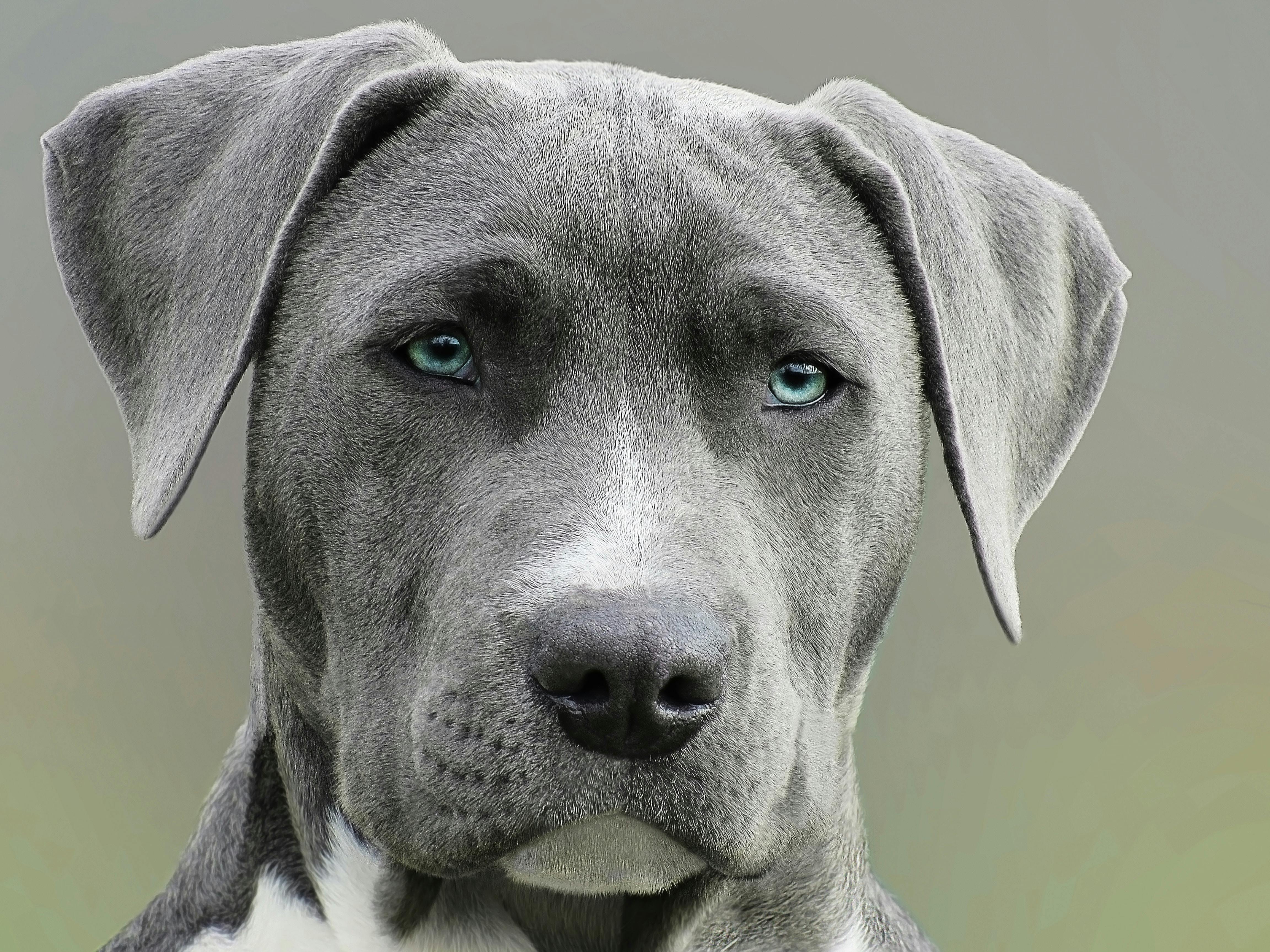
Dogs, those lovable companions, has some interesting traits that often leave us wondering. One of the most curious features is their wet noses. You might ask yourself, “Why do dogs have wet noses?” It’s more than just a cool feature. In fact, there’s a whole world of communication and sensory perception behind it. Let’s dive into the surprising truth about the role of a wet nose in dog communication.
The Science Behind Wet Noses
First off, why are dog noses wet? The moisture on a dog’s nose comes from a combination of their own saliva and an essential gland that helps keep the nose moist. This wetness actually serves several key purposes for dogs.
Enhanced Smell: Dogs sense the world primarily through their noses. A wet nose helps to capture scent particles in the air more effectively. When a dog’s nose is moist, it can pick up on more smells, which means they can identify different scents much better than we can.
Thermoregulation: Dogs don’t sweat like humans do. Instead, they cool down through their noses and paw pads. The moisture helps to regulate their body temperature, which is crucial for their health and well-being.
Health Indicators: A dog’s nose can also tell us about their health. A warm or dry nose can sometimes indicate fever or dehydration, while a wet nose usually means they’re healthy and hydrated.
Communication Through Scent
Dogs communicate a lot through scent, and their wet noses play a significant role in this. When dogs meet each other, they often sniff each other’s noses and behinds. It’s all part of their social interaction. Here’s how it works:
Scent Marking: Dogs have scent glands in their noses and when they sniff another dog, they are gathering information about that dog’s identity, health, and even emotional state.
Social Signals: The position and movement of a dog’s nose can signal various emotions. A dog that is curious might have its nose up and sniffing around; a dog that’s scared might keep its nose low to the ground.
Bonding with Humans: Dogs also use their noses to bond with their humans. When they nuzzle you with their wet nose, they’re not just being affectionate; they’re also taking in your scent to feel connected.
Fun Facts About Dog Noses
- Dogs have about 220 million scent receptors in their noses, compared to a human’s 5 million. That’s a massive difference!
- The patterns on a dog’s nose are as unique as human fingerprints. No two dogs have the same nose print.
- Some dog breeds, like Bloodhounds, can track scents that are days old. Their noses are incredible tools for search and rescue operations.
Comparing Dog Noses to Other Animals
It’s interesting to see how dog noses stack up against other animals. Here’s a quick comparison:
| Animal | Number of Scent Receptors | Unique Nose Features |
|---|---|---|
| Dog | 220 million | Moist, unique nose print |
| Cat | 5 million | Less moist, more sensitive to pheromones |
| Elephant | 2,000 genes for scent | Long trunk aids in scent detection |
| Rat | 1,000 genes for scent | Enhanced olfactory abilities |
Practical Insights for Dog Owners
Understanding why dogs have wet noses can help you better care for your furry friends. Here are some practical insights:
Monitor Nose Health: Regularly check your dog’s nose for any signs of dryness or cracks. If their nose is persistently dry, it may be worth consulting a veterinarian.
Keep Them Hydrated: Make sure your dog has access to clean, fresh water. Hydration helps maintain that crucial wet nose condition.
Socialization is Key: Allow your dog to meet other dogs and engage in sniffing. It’s a natural behavior that promotes good mental health and social skills.
Watch for Signs of Distress: If your dog’s nose is unusually warm or dry, along with other symptoms like lethargy or lack of appetite, it might be time to visit the vet.
Dogs communicate and understand their world in unique ways. Their wet noses are not only a charming feature but also serve essential functions that play a vital role in their health and social interactions. It’s a reminder of how intricately connected we are with our canine companions and how their unique traits help them navigate the world around them. By appreciating these features, we can enhance our relationship with our dogs and ensure their well-being.
7 Common Myths About Dogs’ Wet Noses Debunked
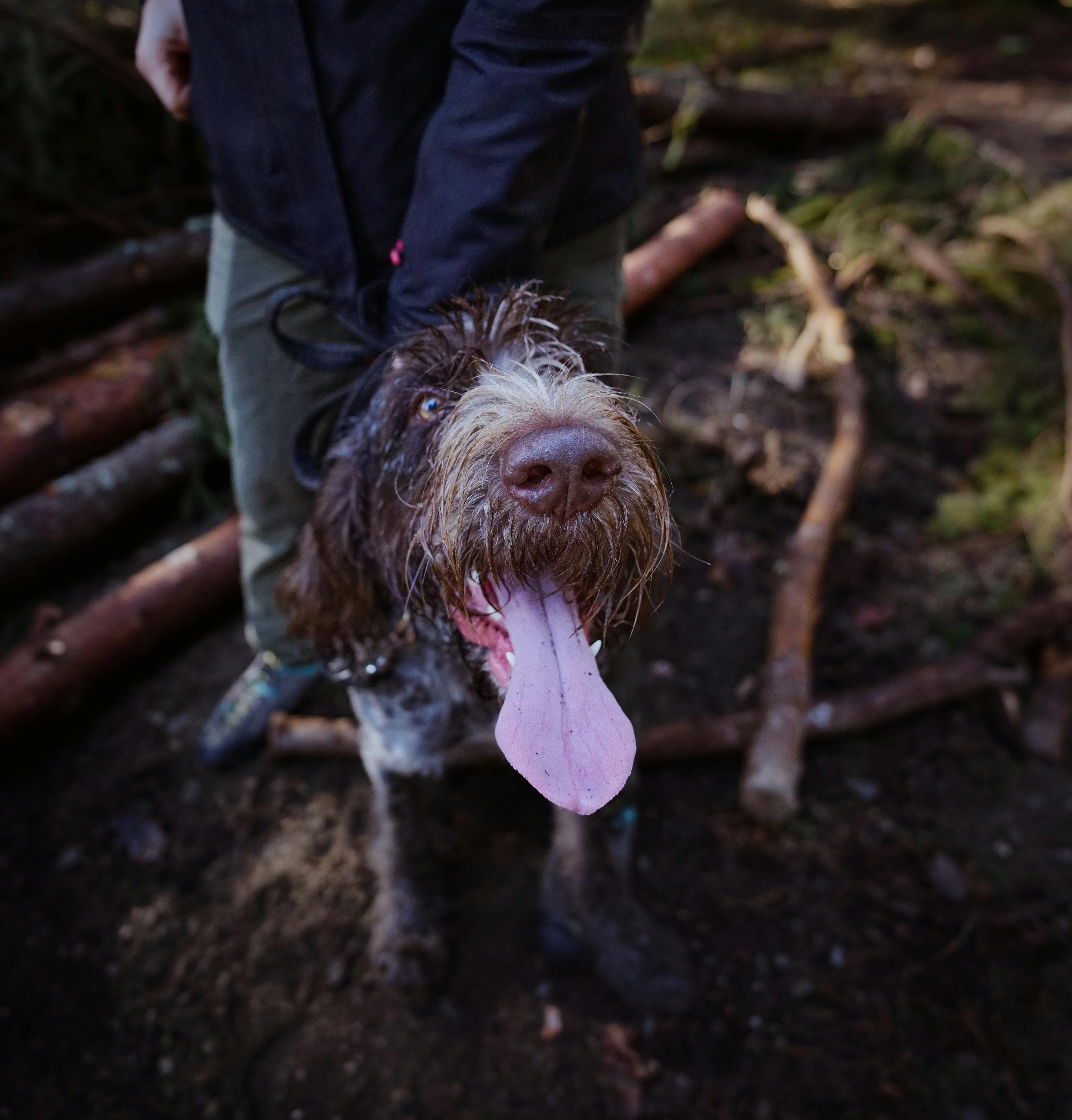
Dogs are often known for their wagging tails and playful barks, but one of the most unique features they have is their wet noses. Many people have been curious about why dogs have wet noses and what that might mean for their health and behavior. However, there are several myths surrounding this topic that can lead to confusion. Let’s dive into some common myths about dogs’ wet noses, debunk them, and uncover the surprising truth.
Myth 1: Wet Noses Mean a Dog is Healthy
It’s a widely held belief that if a dog’s nose is wet, it’s a sign of good health. While a wet nose can indicate that a dog is hydrated and not running a fever, it’s not a definitive indicator of overall health. Dogs can have wet noses when they are sick too, which can suggest infection or other issues.
Myth 2: Dogs’ Noses are Wet Because They Lick Them
Another common myth is that dogs’ noses are wet due to constant licking. While this is partly true, it’s not the only reason. Dogs also have moist noses due to the secretion of mucus, which helps enhance their sense of smell. When dogs sniff around, their noses pick up scent particles, and the moisture helps trap these particles for better detection.
Myth 3: All Dogs Have Wet Noses
Not all dogs have wet noses, and there are many breeds with drier noses. For example, breeds like bulldogs or pugs may often have drier noses due to their unique anatomy. Also, environmental factors such as dry weather can also influence nose moisture. A dog’s wetness can vary from day to day and even moment to moment.
Myth 4: A Cold Nose Means a Dog is Cold
Many people believe that if a dog’s nose is cold, it means the dog is cold overall. However, body temperature and nose temperature are not directly linked. A dog may have a cold, wet nose while being perfectly warm and comfortable. Dogs have an internal body temperature that is generally higher than humans, typically around 101 to 102.5 degrees Fahrenheit.
Myth 5: Dogs’ Noses Change Color Based on Mood
Some pet owners think that a dog’s nose changes color depending on its mood or emotional state. This is not true. The color of a dog’s nose is primarily determined by genetics. If a dog’s nose changes color, it could be due to health issues like allergies or infections, and it’s advisable to consult a veterinarian.
Myth 6: Wet Noses Are a Sign of Allergies
While it’s true that some allergies can cause nasal discharge, a wet nose alone is not a sign of allergies. Dogs can have wet noses for many reasons, such as environmental factors or simple hydration. If a dog is showing other symptoms like excessive sneezing, itching, or swelling, then it might be time to talk to a vet about potential allergies.
Myth 7: Dogs’ Noses Are Wet to Help Them Cool Down
Many people think that dogs have wet noses as a means to regulate their body temperature. This belief is a misconception. Dogs primarily cool themselves through panting. Their wet noses may help them detect scents more efficiently, but they do not play a significant role in thermoregulation.
The Biological Function of a Dog’s Wet Nose
Understanding why do dogs have wet noses goes beyond just dispelling myths. Here are some factual points to consider:
Enhanced Smell: The moisture on a dog’s nose helps capture scent particles, making their sense of smell more acute. Dogs have up to 300 million scent receptors in their noses, compared to about 6 million in humans.
Thermoregulation: While not the primary way dogs cool down, their noses do help with some regulation. A moist nose can help with evaporative cooling to a certain extent.
Health Indicator: Although a wet nose isn’t a definitive health indicator, sudden changes in moisture levels or color can signal health issues. If a normally wet-nosed dog has a dry nose for an extended period or shows other unusual signs, a vet visit may be warranted.
Social Interaction: Dogs often use their noses to explore and interact with their environment, and a wet nose can help them gather more information about other animals, people, and their surroundings.
Understanding these truths can help pet owners take better care of their furry companions. Remember, a dog’s wet nose is just one of many fascinating aspects of their biology. For anyone curious about their pup’s health or behavior, it’s always best to consult with a veterinarian for tailored advice.
How Weather Affects Your Dog’s Nose: What Pet Owners Should Know
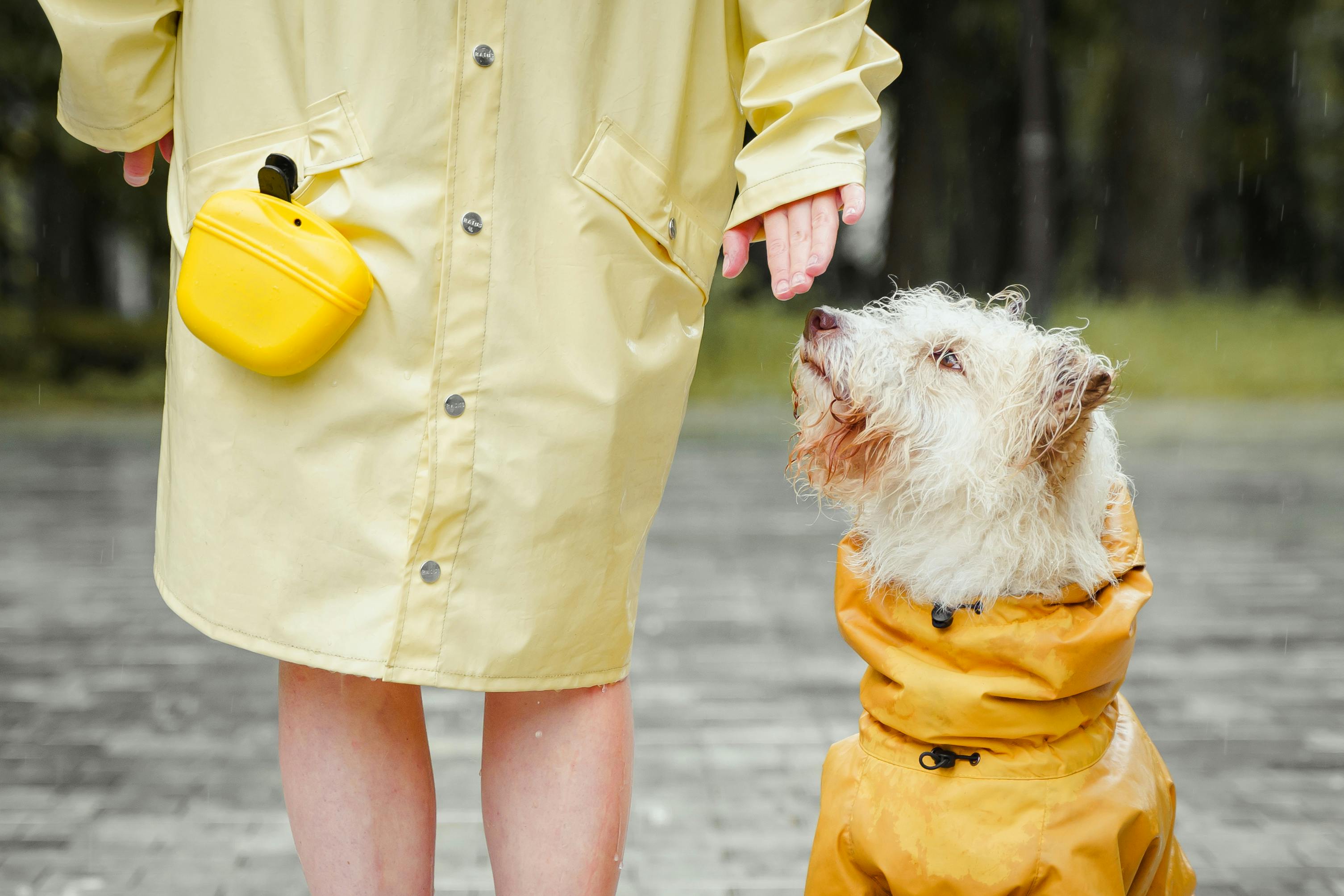
When it comes to our furry companions, many pet owners often wonder why do dogs have wet noses? This question is not only common but also leads to a deeper understanding of how weather affects your dog’s nose. It’s fascinating how something so simple can carry significant implications for your pet’s health and well-being.
The Science Behind Wet Noses
Dogs noses are moist for a variety of reasons. The first thing to know is that a wet nose helps dogs to better sense their environment. Dogs have about 300 million smell receptors in their noses, compared to a human’s 5 million. This allows them to pick up scents much better than we can. Moisture on the nose helps to trap scent particles, making it easier for dogs to pick up on interesting smells.
Also, a wet nose is a way for dogs to regulate their body temperature. Dogs don’t sweat like humans do; they mainly cool off through panting. A wet nose can help cool down their body. However, did you know that the weather plays a significant role in how wet or dry a dog’s nose can get?
How Weather Impacts Your Dog’s Nose
Different weather conditions can have a direct impact on the moisture level of your dog’s nose. Here are some factors to consider:
Humidity: In humid environments, a dog’s nose tends to remain wetter. The moisture in the air keeps the nose hydrated. If you live in a city like New York during the summer, expect your dog’s nose to be more moist compared to winter.
Cold Weather: When the temperature drops, particularly in winter months, your dog’s nose can become dry. Cold air holds less moisture, leading to a less moist nose. It’s not uncommon to see a dry nose during those frigid days.
Heat: Conversely, in hot weather, especially if your dog is dehydrated, you might notice their nose drying out as well. It is crucial to ensure they have plenty of water and shade during those hot summer days.
Reasons for a Dry Nose
There are some reasons that might cause your dog to have a dry nose. Here’s a quick list:
- Dehydration: If your dog is not drinking enough water, their nose may dry out.
- Illness: Certain health issues can lead to a dry nose, such as fever or infections. A persistently dry nose can be a sign you should consult a vet.
- Allergies: Seasonal allergies can cause irritation and dryness in your dog’s nose.
- Environmental Factors: Indoor heating during winter can also dry out their nose.
Why Do Dogs Have Wet Noses? Uncover The Surprising Truth
The wetness of a dog’s nose is more than just a cute feature; it serves vital functions. It plays a crucial role in their sense of smell and helps in temperature regulation. The moisture on a dog’s nose is not just for show; it’s integral to their well-being.
What Pet Owners Should Know
As a pet owner, it’s important to keep an eye on your dog’s nose. Here are a few practical tips:
Hydration: Ensure your dog has access to fresh water at all times, especially in hot weather.
Check for Changes: If your dog’s nose suddenly becomes excessively dry or cracked, it might signal a health issue. Keep an eye on any other symptoms, like lethargy or loss of appetite.
Protect from the Elements: If it’s extremely cold or hot, consider using a dog-safe moisturizer on their nose to prevent it from becoming too dry.
Regular Vet Visits: Routine check-ups can help catch any underlying health issues early on.
Final Thoughts
Understanding why do dogs have wet noses and how weather affects them can help you provide better care for your beloved pet. It’s all about keeping them comfortable and healthy no matter the season. Don’t forget to observe those little changes in their noses, as they can tell you a lot about how your dog is feeling. Remember, being a responsible pet owner is not just about feeding and walking; it’s about paying attention to the little things that make a big difference in their lives.
The Connection Between Wet Noses and Dog Behavior: What Experts Say

Dogs have been our companions for thousands of years, bringing joy, laughter, and sometimes even a little chaos to our lives. One of the most interesting things about dogs is their noses. You ever wonder why do dogs have wet noses? It’s not just an adorable feature. There’s some science behind it, and experts have a lot to say about the connection between wet noses and dog behavior.
The Science of a Wet Nose
First off, let’s get the basics down. A dog’s nose is covered in a thin layer of mucus. This moisture helps them to smell better. Yes, dogs have an incredible sense of smell, about 10,000 to 100,000 times better than humans. Crazy, right? When their noses are wet, it helps to trap scent particles, making it easier for them to sniff out whatever catches their interest.
- Why Wet Noses are Important:
- Enhanced Smell: Wetness aids in trapping scent.
- Thermoregulation: Helps to cool down the dog.
- Health Indicator: Changes in moisture can indicate health issues.
Historical Context of Dog Noses
Historically, dogs have been bred for various purposes like hunting, herding, or guarding. The need for a keen sense of smell often led to the development of wet noses. Breeds that were meant to track game or work closely with humans developed this trait more than others. The wet nose isn’t just a quirk; it’s a part of their survival toolkit.
What Experts Say About Wet Noses
Veterinarians and animal behaviorists agree that a wet nose is generally a sign of good health. But, what does it mean when it’s dry? It could indicate dehydration or illness. However, it’s not always a cause for alarm. Sometimes, dogs just have dry noses due to environmental factors like heat or low humidity.
- Common Misconceptions:
- Dry Nose = Sick Dog: Not always true; can be influenced by weather.
- Wet Nose = Happy Dog: While wet noses can indicate health, they don’t always equal happiness.
The Behavioral Connection
Did you know that a dog’s nose can also reflect their emotional state? When dogs are relaxed or happy, their noses tend to be moist. Conversely, a stressed or anxious dog may have a drier nose. This connection between nose moisture and behavior can help owners understand their pets better.
Practical Examples of Dog Nose Behavior
Let’s look at some examples:
- Happy Dog: A dog wagging its tail, playing fetch, and has a wet nose. This is a quintessential happy dog.
- Anxious Dog: A dog hiding under the bed with a dry nose could be feeling stressed or scared.
- Sick Dog: If a dog is lethargic and has a dry, warm nose, it might be time for a vet visit.
How to Care for Your Dog’s Nose
Caring for your dog’s nose is important, especially if you live in a dry climate. Here are some tips:
- Hydration: Always provide fresh water. Hydrated dogs are generally healthier.
- Humidifiers: In dry seasons, using a humidifier can help keep your dog’s nose moist.
- Nose Balm: For dogs with chronic dry noses, consider using a pet-safe nose balm to keep it hydrated.
Comparison: Wet Noses vs. Dry Noses
| Feature | Wet Nose | Dry Nose |
|---|---|---|
| Smell Ability | Enhanced | Less efficient |
| Health Indicator | Generally healthy | Could indicate issues |
| Emotional State | Happy or relaxed | Stressed or ill |
Final Thoughts
Understanding why do dogs have wet noses and the behaviors associated with them can enrich the relationship you have with your furry friend. Remember, while a wet nose is generally a good sign, changes in moisture levels can indicate a need for attention. So, keeping an eye on those noses is more than just a cute quirk; it’s a vital part of dog care. Embrace the uniqueness of your dog, and you’ll find that their wet nose is just one of the many wonders of canine companionship.
Conclusion
In conclusion, the wet noses of dogs serve several important functions that enhance their health and communication abilities. This moisture helps to amplify their sense of smell, allowing them to detect a broader range of scents, which is vital for their survival and interaction with the world. Additionally, a wet nose plays a role in thermoregulation, helping to keep dogs cool and comfortable. The wetness is also a sign of a healthy dog, as it indicates proper hydration and functioning of their nasal glands. As pet owners, understanding the significance of a dog’s wet nose can deepen our appreciation for these beloved companions. Regularly checking your dog’s nose can be a simple yet effective way to monitor their health. So, next time you greet your furry friend, take a moment to appreciate the science behind their wet noses and ensure they remain happy and healthy!
