
Have you ever wondered, why do dogs have wet noses? This intriguing question has puzzled pet owners and dog lovers alike for ages. The truth behind a dog’s moist snout is not just a quirky fact; it’s a fascinating insight into their health, behavior, and communication. Wet noses are often associated with a healthy dog, but what does it really mean? Is it a sign they are happy or just a part of their natural biology? In this exploration, we will uncover the mysteries of canine physiology and reveal the scientific reasons that explain why your furry friend’s nose is always damp. From the role of scent detection to the ways in which dogs regulate their body temperature, the answers might surprise you! Plus, we’ll delve into trending topics such as how a dog’s nose can indicate health problems and why it’s crucial for pet owners to understand this aspect of canine care. So, are you ready to discover the fascinating truth about your pup’s wet nose? Let’s embark on this enlightening journey together and find out what those adorable, moist noses are really telling us!
The Science Behind Why Dogs Have Wet Noses: Unraveling the Mystery

The curious case of why dogs have wet noses is a question that often tickles the fancy of pet owners and animal lovers alike. The answer is more than just a quirky fact about our furry friends; it’s deeply rooted in biology, behavior, and even a bit of history. So, let’s dive into the science behind those moist snouts and uncover the fascinating truth!
The Biology of a Dog’s Nose
Dogs have wet noses primarily due to the moisture they secrete. This secretion serves several purposes. Here are a few reasons why their noses are often damp:
- Temperature Regulation: Just like humans sweat to cool down, dogs use their noses to help regulate body temperature. The moisture evaporates, which can help them stay cool.
- Enhanced Sense of Smell: Dogs have an extraordinary sense of smell — estimated to be between 10,000 to 100,000 times more sensitive than humans. A wet nose helps trap scent particles, making it easier for dogs to gather information from their environment.
- Health Indicator: A dog’s nose can be a good indicator of its health. A warm, dry nose might signal illness, while a cold, wet nose is often a sign of a healthy pup. However, this is not a foolproof method.
Historical Context and Evolution
Historically, dogs have evolved alongside humans for thousands of years. Their wet noses might have provided an evolutionary advantage. In wild ancestors, the moisture on the nose could help them detect prey more effectively. Over time, this trait persisted, leading to the dogs we know today.
- The wetness of a dog’s nose is a trait that has been passed down through generations, with those possessing better olfactory capabilities likely having a higher chance of survival.
- There’s also a possibility that dogs’ ancestors, who lived in packs, used their noses not just for hunting but also for social interactions, which might explain why even domesticated dogs maintain this characteristic.
The Role of Dog Noses in Communication
Dogs communicate a lot through their sense of smell. The moisture on their noses helps them pick up scents that convey a wealth of information about their surroundings, other animals, and even humans. Here are some ways in which their wet noses play a role in communication:
- Scent Marking: Dogs often leave scent marks with their noses, which can communicate territory or attract mates.
- Emotional Detection: Dogs can detect human emotions through scent. A wet nose can help them sense pheromones and other chemical signals that indicate how someone is feeling.
- Social Interactions: When dogs greet each other, they often sniff each other’s noses and bodies. The moisture helps them gather more information about the other dog’s health, diet, and mood.
Fun Facts About Dogs and Their Noses
- Not all dogs have the same nose shape, which can affect how they interact with their environment. For example, brachycephalic breeds (like Bulldogs) have less surface area for moisture compared to longer-nosed breeds (like Greyhounds).
- Dogs have about 300 million olfactory receptors in their noses, compared to a human’s roughly 6 million.
- The average dog can identify specific scents even in parts per trillion. This incredible ability has led to their use in search and rescue, detection of drugs, and even medical diagnosis.
Common Misconceptions
Despite popular belief, a dog’s nose isn’t always a reliable indicator of health. Here are a few misconceptions worth noting:
- Dry Nose Equals Illness: While a dry nose can indicate health issues, it isn’t always the case. Dogs can have dry noses for various reasons, including environmental factors or simply waking up.
- Cold Nose Means Healthy: Conversely, a cold nose doesn’t automatically indicate good health. It’s just one of many indicators.
- All Dogs Have Wet Noses: While most dogs do have wet noses, there are exceptions. Some breeds, especially those with certain types of skin conditions, may have drier noses.
Caring for Your Dog’s Nose
Maintaining your dog’s nose health is important. Here are some tips:
- Hydration: Ensure your dog stays hydrated, as this can affect the moisture of their nose.
- Check for Cracks: Frequent inspections can help you identify any cracks or sores that may need veterinary attention.
- Protect from Extreme Weather: In cold weather, consider using nose balms to prevent chapping. In hot weather, ensure they have shade and water.
Dogs’ wet noses are not just an adorable trait; they serve practical purposes that are essential for their survival and well-being. By understanding the science behind why dogs have wet noses, we can appreciate our furry companions even more. Next time you give your pup a pat on the head, take a moment to marvel at their incredible sense of smell and what that wet nose really means!
5 Fascinating Reasons Your Dog’s Nose is Always Wet: What You Need to Know

Every dog owner has probably wondered why their furry friend’s nose is always wet. Its seems like a little mystery, right? But wet noses on dogs aren’t just cute; they actually serve important functions. Let’s dive into the fascinating reasons behind this and uncover the truths about why do dogs have wet noses.
1. Enhanced Sense of Smell
Did you know that dogs have an incredible sense of smell? It’s true! Their noses are like super-powered sniffing machines. The wetness on their noses is not just for show; it’s helps in capturing scent particles from the air.
- Dogs possess up to 300 million olfactory receptors, compared to humans’ mere 5 million.
- The moisture on their noses allows these receptors to absorb scent better.
- This wetness helps them identify smells from up to several miles away.
So, when your dog is busy sniffing around, they’re not just being nosy; they’re gathering information about their environment.
2. Temperature Regulation
Just like people sweat to cool down, dogs use their noses to help regulate their body temperature. If you ever notice your dog’s nose feeling cooler than the rest of its body, that’s because it’s playing a role in thermoregulation.
- Wet noses help evaporate moisture, which cools down the dog’s body.
- This is especially important for breeds that don’t have a lot of fur or for those living in hot climates.
- A dog’s normal body temperature ranges between 101 to 102.5 degrees Fahrenheit.
So, if your dog’s nose is a bit damp, it might just be trying to cool off after a play session or a sunny walk.
3. Communication Tool
Dogs are social creatures, and their wet noses play a role in their communication. Just like humans have different ways to express emotions, dogs use their noses, too!
- A wet nose can indicate a happy dog.
- When dogs greet each other, they often sniff each other’s noses, which allows them to gather information about one another.
- It can signal readiness to socialize, play, or even show submission.
So, when your pup nudges you with its wet nose, it might be saying, “Hey, I wanna play!”
4. Health Indicator
A dog’s nose can also be an important health indicator. A change in the moisture level can mean something is not right.
- A dry nose might indicate dehydration, fever, or other health issues.
- Conversely, a very wet nose could signal allergies or nasal infections.
- Regularly checking your dog’s nose can help spot potential health problems early.
If you notice significant changes in the texture or temperature of your dog’s nose, it might be time to consult with a veterinarian.
5. Natural Moisture Production
Dogs produce moisture on their noses as a natural process. This wetness comes from a combination of saliva and nasal secretions.
- Canines lick their noses, which adds to the moisture.
- The mucus in their noses helps to trap dust and allergens, keeping their airways clear.
- This natural process is just another way dogs maintain their health and well-being.
Just think of it as nature’s way of keeping your dog’s nose in top condition!
Quick Facts About Dog Noses
- Dogs have over 1,000 different smells receptors compared to a human’s 5.
- The average dog can detect a scent in parts per trillion.
- Certain breeds, like Bloodhounds, are known for their extraordinary tracking abilities due to their exceptional sense of smell.
Final Thoughts
Understanding why do dogs have wet noses can deepen your bond with your furry friend. Their wet noses aren’t just adorable; they’re vital for their health, communication, and exploration. The next time you give your dog a scratch behind the ears, remember all the fascinating reasons behind that damp little nose. Whether it’s for smelling, cooling off, or just saying hello, those wet noses are a big part of what makes dogs so special. So, embrace those wet kisses and enjoy the unique ways your dog interacts with the world!
Is a Wet Nose Healthy? Understanding the Importance of Dog Nasal Moisture
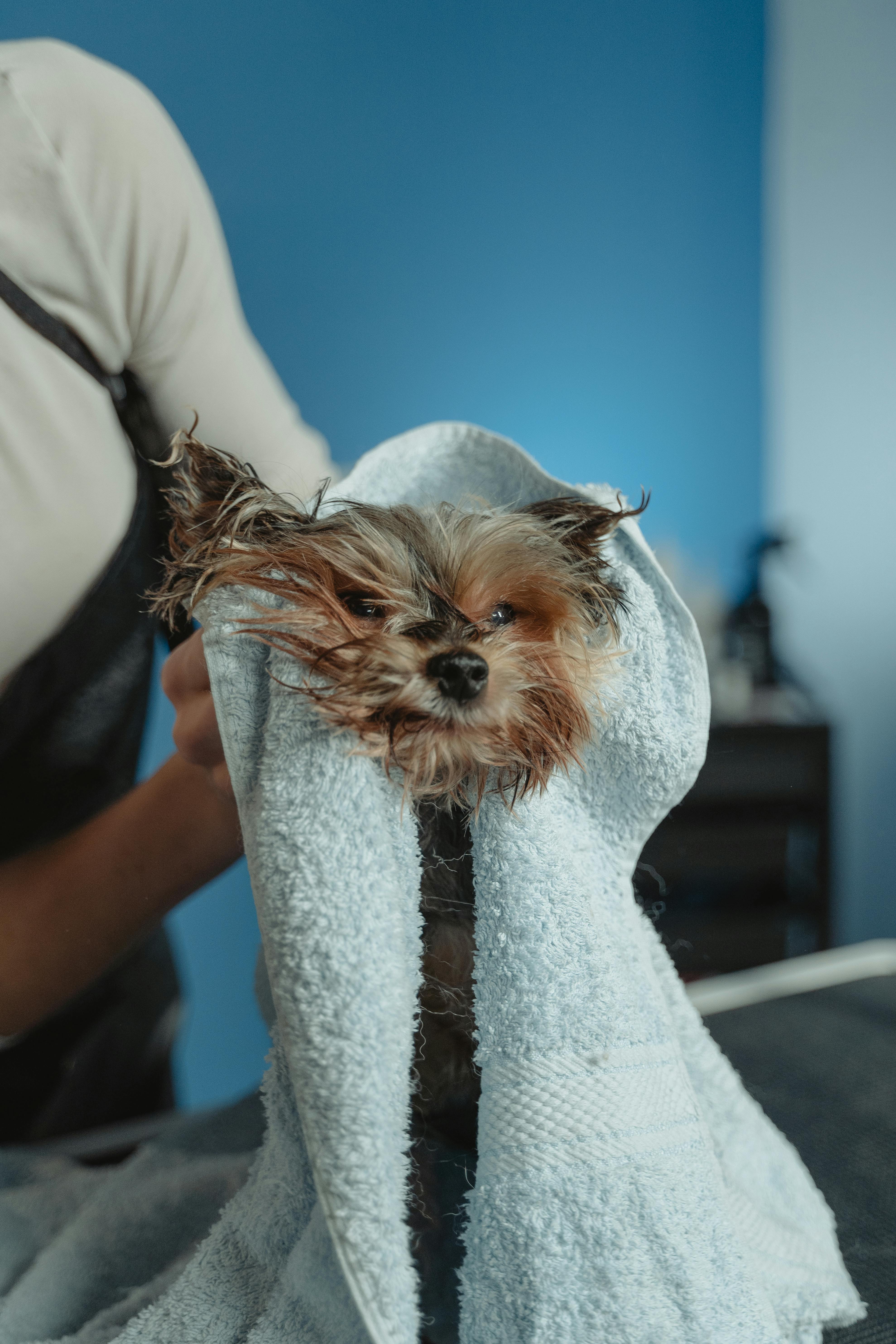
Ever wonder why your dog’s nose is often wet? Many pet owners has asked this question, and the answer is not as simple as you might think. A wet nose is a common characteristic of dogs, and it plays a crucial role in their overall health and sensory perception. Let’s dive into the fascinating world of dog nasal moisture and understand why it matters.
Why Do Dogs Have Wet Noses?
Dogs have wet noses for several reasons that are closely tied to their biology and behavior. Here are the main reasons:
- Enhanced Smell: A dog’s sense of smell is incredibly strong, estimated to be anywhere from 10,000 to 100,000 times more acute than humans. The moisture on their noses helps to capture scent particles from the air, enhancing their ability to sniff out smells.
- Cooling Mechanism: Dogs do not sweat like humans do. Instead, they cool down primarily through panting and having a moist nose. The evaporation of moisture from their nose helps regulate their body temperature.
- Health Indicator: A wet nose is often seen as a sign of a healthy dog. It indicates that the dog is hydrated and functioning well. Conversely, a dry nose can sometimes indicate illness, dehydration, or stress.
How Does Nasal Moisture Benefit Dogs?
The benefits of having a wet nose goes beyond just smelling better. Here’s a closer look at how this trait helps dogs:
- Detecting Illness: Dogs can often sense changes in their health through their noses. A change in nasal moisture can indicate a health issue. If your dog’s nose suddenly becomes dry or warm, it may be a sign to consult a vet.
- Temperature Regulation: The moisture evaporating from a dog’s nose helps cool them off, especially during hot weather. This is vital for breeds that are more prone to overheating.
- Social Interaction: Dogs use their noses to communicate with each other. A wet nose can indicate playfulness and openness, which is crucial for social bonding among canines.
The Science Behind Dog Noses
When we talk about dog noses, we can’t ignore the science that makes them special. Here are some interesting facts:
- Nasal Anatomy: A dog’s nose is made up of millions of olfactory receptors. The wetness of the nose helps to dissolve scent molecules, making it easier for these receptors to detect odors.
- Vibrissae: Dogs also have whiskers (or vibrissae) around their noses that help them sense their surroundings, especially in low light. This is another way they navigate their environment effectively.
- Temperature Sensitivity: Dogs can actually sense temperature changes in their environment through their noses, which aids them in detecting potential dangers or finding their way.
Common Misconceptions About Dog Nose Moisture
There are a few myths that often circulate about dog noses. Let’s clarify some of these:
- A Cold Nose Means a Healthy Dog: While a cool, wet nose is generally a sign of health, it’s not a definitive indicator. Some dogs can be perfectly fine with a warm or slightly dry nose.
- Nose Color Matters: The color of a dog’s nose (black, brown, or pink) does not affect their health or sense of smell. It’s merely a breed characteristic.
- Only Sick Dogs Have Dry Noses: A dry nose can be normal for some dogs, especially in certain environments or during specific weather conditions.
What To Do If Your Dog’s Nose Is Dry?
If you notice that your dog’s nose is consistently dry or cracked, here are some steps you can take:
- Hydration: Ensure your dog has access to clean, fresh water at all times.
- Environment: If your home is particularly dry, consider a humidifier to help maintain moisture in the air.
- Consult a Vet: If the dryness persists or is accompanied by other symptoms (like lethargy or loss of appetite), it’s essential to see a veterinarian for a proper diagnosis.
Quick Facts About Dog Noses
- Dogs have around 220 million olfactory receptors.
- The surface area of a dog’s nasal cavity is about 20 times larger than that of humans.
- Dogs can differentiate between various odors, allowing them to track and identify scents over long distances.
Understanding your dog’s wet nose is crucial for every dog owner. Not only does it provide insight into your pet’s health, but it also enhances your bond with them. Always pay attention to any changes in moisture levels, as they can be key indicators of your dog’s well-being. This knowledge empowers you to take better care of your furry friend and ensure they live a happy, healthy life.
How Dogs Use Their Wet Noses to Detect Scents: The Incredible Sense of Smell
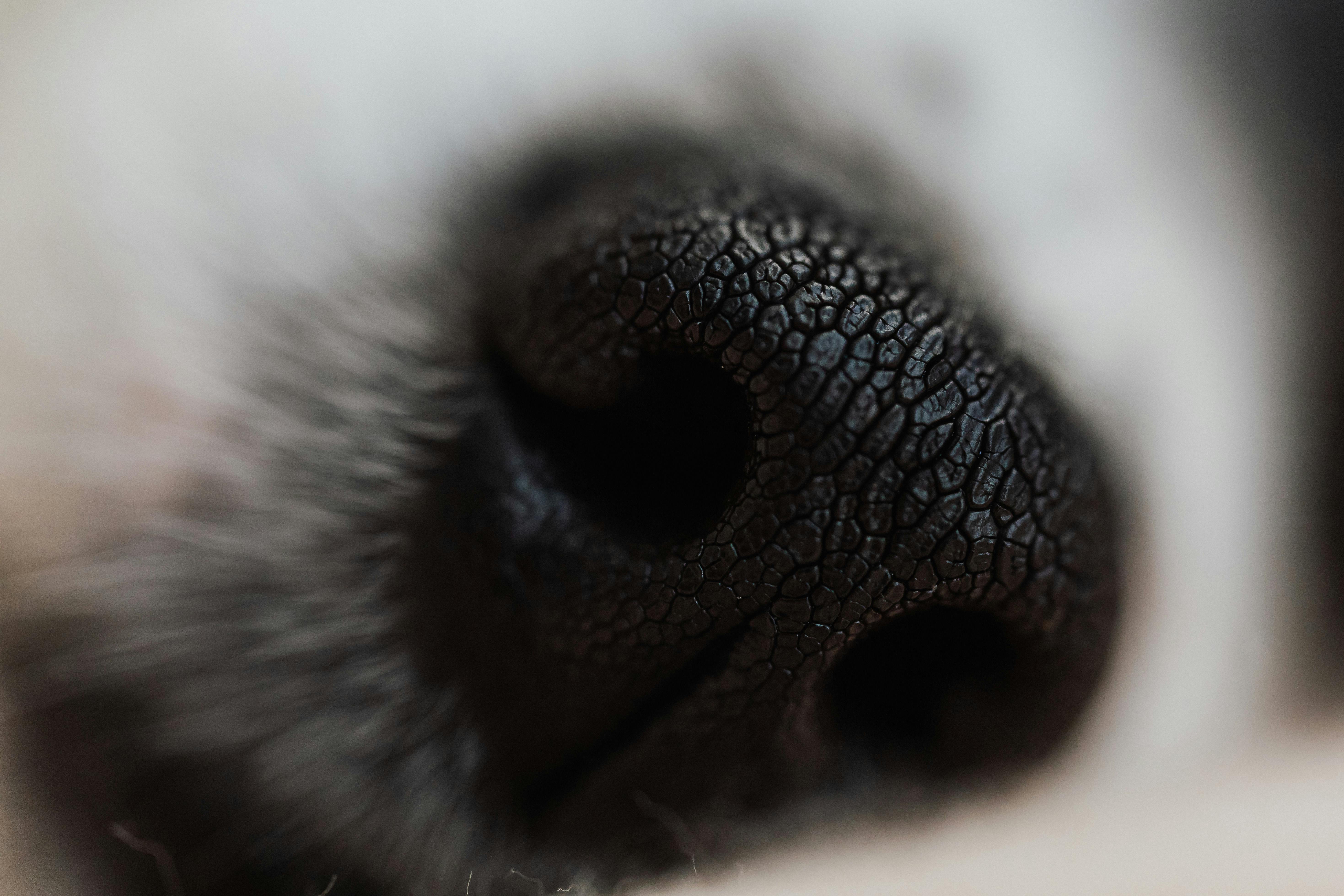
Dogs are often called man’s best friend, but what really makes them so special? One major thing is their incredible sense of smell. You might have observed your furry companion sniffing everything in sight, and there’s a fascinating reason behind this behavior. So, let’s dive into how dogs use their wet noses to detect scents and uncover the truth behind why dogs have wet noses!
The Science Behind a Dog’s Sense of Smell
Dogs have an astonishing ability to smell, with a olfactory system that’s about 10,000 to 100,000 times more sensitive than that of humans. This means that they can detect certain scents at incredibly low concentrations. The part of a dog’s brain that analyzes smells is also proportionally larger than in humans, which explains why they are so skilled at scent detection.
Here’s some facts about a dog’s nose:
- Number of Olfactory Receptors: Dogs have around 300 million scent receptors, compared to about 5 million in humans.
- Vomeronasal Organ: This organ helps dogs detect pheromones, which are chemical signals that communicate information about other animals.
- Nasal Turbinates: The structure of a dog’s nose includes complex folds (nasal turbinates) that help to trap and analyze scents more effectively.
Why Do Dogs Have Wet Noses?
Now, you might be wondering why dogs have wet noses in the first place. The moisture on a dog’s nose isn’t just for show; it serves a few key purposes that enhance their sense of smell.
- Enhanced Olfactory Function: The wetness helps to trap scent particles. When a dog breathes in, the moisture captures the scent and allows the olfactory receptors to work their magic.
- Temperature Regulation: A wet nose can help dogs cool down, especially since they don’t sweat like humans do. They rely on panting and the moisture on their noses to regulate their body temperature.
- Health Indicator: A dog’s nose can also be an indicator of their health. A healthy dog usually has a moist, cool nose. If it’s dry or warm, it may indicate an underlying health issue.
The Role of Wet Noses in Scent Detection
Wet noses play a crucial part in how dogs detect scents. Here’s how it works:
- Sniffing: When dogs sniff, they take in air that carries scent particles.
- Moisture Interaction: The moisture on the nose absorbs these scent particles, allowing for better detection.
- Scent Analysis: The absorbed particles travel to the olfactory receptors in the nasal cavity, where they are analyzed by the brain.
Fascinating Examples of Dogs Using Their Sense of Smell
Dogs have been trained to use their remarkable sense of smell in various fields, including:
- Search and Rescue: Dogs can find missing people or objects in disaster scenarios using their incredible nose.
- Detection of Disease: Some dogs can even detect diseases like cancer or diabetes through scent.
- Law Enforcement: Dogs are often used to locate drugs, explosives, or even track down suspects.
Comparison: Dogs vs. Humans in Scent Detection
To really appreciate how dogs excel at scent detection, it’s helpful to compare their abilities with ours:
| Feature | Dogs | Humans |
|---|---|---|
| Olfactory Receptors | 300 million | 5 million |
| Smell Sensitivity | 10,000 to 100,000 times more sensitive | Basic smell detection |
| Vomeronasal Organ | Present | Absent |
| Ability to Identify Scents | Can detect multiple scents simultaneously | Limited to one scent at a time |
The Importance of a Wet Nose for Dogs
So, the wet nose is not just an adorable trait; it’s essential for their survival and functioning. Dogs rely on scent for communication, navigation, and even emotional understanding. When they sniff you, they might be gathering information about your mood or health.
Moreover, a dog that has a healthy, wet nose is often indicative of their overall wellbeing. Owners should monitor their pets’ noses and consult a vet if they notice any significant changes.
In summary, the wet nose of a dog plays a vital role in their ability to detect scents. It helps them trap scent particles, regulate body temperature, and serve as a health indicator. With their incredible sense of smell, dogs not only enrich our lives but also perform essential tasks that can save lives. So, next time you see your dog sniffing around, remember, they are experiencing the world in a way that’s far beyond human comprehension!
The Connection Between Dog Emotions and Wet Noses: What Your Pup is Trying to Tell You

Dogs are more than just pets; they are companions that offer love, loyalty, and a whole lot of joy to our lives. One of the more curious aspects of our furry friends is their wet noses. You may have asked yourself, why do dogs have wet noses? And what does it mean about their emotions? Let’s dive into the fascinating truth about dog noses and what they’re trying to communicate.
The Science Behind Wet Noses
First off, dog noses are wet for a reason. A wet nose helps dogs to absorb scent molecules, which enhances their sense of smell. This is because the moisture on their noses traps scents more effectively, allowing them to explore the world through their powerful olfactory senses. Dogs have about 220 million scent receptors in their noses, compared to humans who only have about 5 million. That’s a huge difference!
Emotional Connection and Communication
Dogs communicate through body language, vocalizations, and yes, even their noses. A wet nose might indicate a dog is excited, feeling affectionate, or wanting to interact. Here’s a quick list of what a dog’s wet nose might tell you:
- Excitement: When your dog is happy, their nose might feel particularly moist.
- Nervousness: A wet nose can also mean your pup is feeling anxious, as they may lick their nose when stressed.
- Health Indicator: If a dog’s nose is excessively dry or hot, it could signal health issues.
Why Do Dogs Have Wet Noses? Historical Context
The idea of dogs having wet noses isn’t just a modern-day observation. Historically, dogs have evolved from wolves, which also had wet noses. This trait likely developed to help them survive by improving their hunting skills. In ancient times, dogs with the best sense of smell were more successful in finding food and avoiding danger.
The Connection Between Dog Emotions and Their Noses
So how does the wetness of a dog’s nose connect to their emotions? Here’s some interesting insights:
- Social Interactions: Dogs often use their noses to greet each other. A wet nose can be seen as a friendly gesture.
- Bonding: When you pet your dog and their nose feels moist, it can strengthen the bond between you two.
- Curiosity: A wet nose can also indicate that your dog is investigating something new or is curious about their environment.
Practical Examples of Nose Behavior
Let’s break down some situations where you might notice your dog’s nose behavior:
When Meeting New People: Your dog approaches with a wet nose, sniffing the new person. This is them saying “Hello!” in their own way.
During Playtime: If your dog is particularly energetic and their nose is wet, it might mean they’re having the time of their life!
When They’re Feeling Down: If your dog seems to have a dry nose and is not as playful, it might be time to check in on their health.
What Can Affect Your Dog’s Nose Moisture?
There are several factors that can influence how wet or dry a dog’s nose is:
- Weather Conditions: Hot weather can dry out a dog’s nose, while humid conditions may keep it moist.
- Health Issues: Illness can lead to changes in nose moisture. If you notice persistent dryness, consult your veterinarian.
- Age: Older dogs might have drier noses as they age.
Comparison Table: Wet vs. Dry Nose and What They Mean
| Nose Condition | Possible Interpretation |
|---|---|
| Wet Nose | Happy, excited, healthy |
| Dry Nose | Possibly sick, stressed, or dehydrated |
| Warm Nose | Could indicate fever or illness |
It’s important to note that while a wet nose is often a good sign, it’s not the only indicator of a dog’s health. Always keep an eye on other signs and behaviors.
If you’re ever worried about your furry friend’s nose or their overall health, don’t hesitate to reach out to a veterinarian. They are the best resource for understanding your dog’s specific needs and conditions.
So the next time you feel your dog’s wet nose, remember there’s more beneath the surface. They’re not just saying “I love you,” but also sharing their emotions and health signals with you. Understanding these signals can strengthen your bond and ensure your pup remains happy and healthy.
Wet Noses and Dog Health: Signs of a Healthy Pup or a Cause for Concern?

When you think about dogs, their wet noses often come to mind. It’s one of those things that’s just so iconic, right? But what does it really mean when your pup’s nose is moist? Is it a sign of health, or could it indicate something more serious? Let’s dive into the fascinating world of canine noses and discover the truth behind the wetness!
Why Do Dogs Have Wet Noses?
Dogs have wet noses for a bunch of reasons, and some of them are pretty interesting. First, it’s important to know that a dog’s nose helps with their sense of smell. A wet nose can actually enhance the scent receptors, making it easier for them to sniff out all the tasty things in the world, like food or even you! Here’s a breakdown of some reasons why dog noses are wet:
Cooling Mechanism: Dogs don’t sweat like humans do. Instead, they regulate their body temperature through panting and their noses. The moisture on their noses helps cool them off.
Scent Enhancement: The dampness can trap scent particles, which makes their sense of smell more effective. So, it’s not just about looking cute; it’s functional too!
Health Indicator: A dog’s nose can indicate their health status. A healthy dog typically has a moist, cool nose, while changes can signal a potential issue.
Signs of a Healthy Pup vs. Cause for Concern
Now that we know why dogs have wet noses, it’s essential to differentiate between what’s normal and what signals trouble. Here’s a quick list to help you determine your pup’s health based on their nose condition:
Signs of a Healthy Dog Nose:
- Moist to the touch
- Cool temperature
- Slightly shiny appearance
Possible Concerns:
- Dry and cracked nose: This could be a sign of dehydration or illness.
- Excessively runny nose: If your pup’s nose is dripping, it might be allergies or an infection.
- Hot nose: This can indicate fever or overheating.
What Causes Changes in Nose Moisture?
Several factors can influence the wetness of your dog’s nose. Here are some common reasons that might cause changes:
- Weather Conditions: Hot weather can dry out a dog’s nose quickly, while humidity can keep it moist.
- Health Issues: Conditions like allergies, infections, or autoimmune diseases can affect nose moisture.
- Age: As dogs grow older, their body functions, including nose moisture, can change.
Fun Facts About Dog Noses
Did you know that dog noses are as unique as human fingerprints? Each dog has a distinct nose print! Here are some fun facts that may surprise you:
- Dogs have up to 300 million scent receptors, compared to about 5 million in humans. This is why their noses are so wet; it helps them smell better!
- The texture of a dog’s nose can change with the seasons; it may be drier in winter and moister in summer.
- Dogs can detect certain diseases, like cancer or diabetes, through their sense of smell. Incredible, right?
Practical Tips for Nose Care
Taking care of your dog’s nose is essential for their overall health. Here are some practical tips to ensure your pup’s nose stays in tip-top shape:
- Hydration: Always provide fresh water for your dog to drink. Dehydration can lead to a dry nose.
- Check Regularly: Make it a habit to check your dog’s nose for any changes. Early detection is key!
- Keep it Clean: If your dog has a lot of discharge, gently wipe their nose with a damp cloth. But don’t use any harsh chemicals.
The Role of Diet in Dog Nose Health
What your dog eats can also impact their nose moisture. Here’s a simple list of foods that can help maintain a healthy nose:
- Omega-3 Fatty Acids: Found in fish and flaxseed, they help keep skin and noses hydrated.
- Fruits and Vegetables: Carrots, blueberries, and sweet potatoes are excellent for skin health.
- High-Quality Dog Food: Always choose food that’s rich in nutrients, as it contributes to overall health.
Remember, if you’re ever in doubt about your dog’s health, it’s best to consult a veterinarian. They can provide advice tailored to your pup’s specific needs, ensuring they stay healthy and happy.
So, the next time you give your furry friend a pat, take a moment to check out that adorable wet nose. It might just tell you a lot more than you think!
The Role of Temperature Regulation in Dogs: Why a Wet Nose Matters
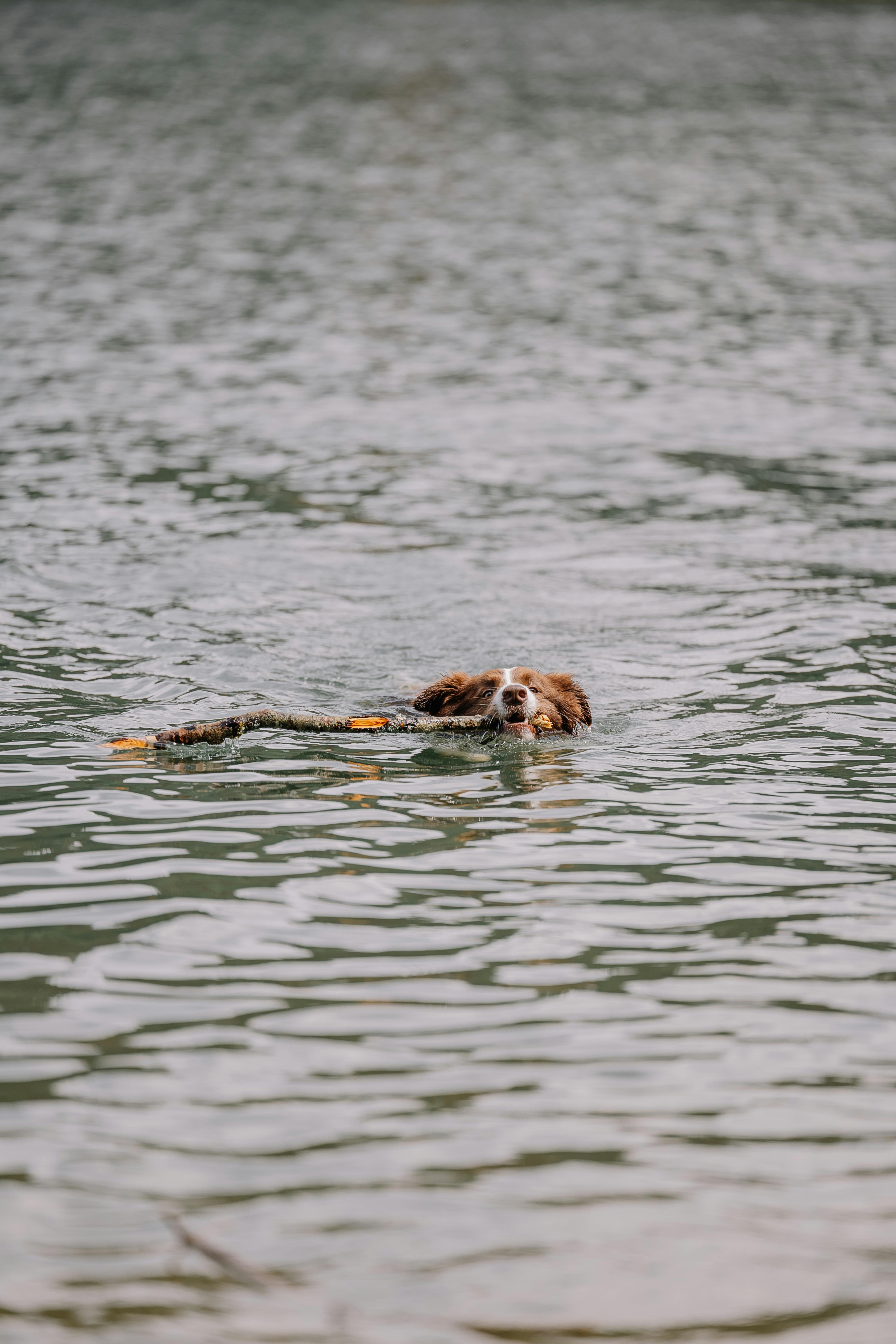
Dogs have been our loyal companions for thousands of years, and if you ever notice your furry friend’s wet nose, you might wonder — why do dogs have wet noses? This seemingly simple feature plays a significant role in their health and behavior. Let’s uncover the fascinating truth about temperature regulation in dogs and why a wet nose matters.
The Science Behind a Wet Nose
A dog’s nose is much more than just an adorable feature. The structure of a dog’s nose is designed to help them interact with the world around them. The wetness of their nose is not just for show; it serves important functions:
- Cooling Mechanism: Dogs do not sweat like humans. Instead, they regulate their body temperature through panting and the moisture of their noses. The evaporation of moisture helps to cool them down.
- Enhanced Smell: A wet nose can help to capture scent particles more effectively. This is because moisture can trap odor molecules, which allows dogs to detect scents better.
- Health Indicator: A wet nose is often a sign of a healthy dog. If a dog’s nose becomes dry or cracked, it may indicate dehydration or illness.
Historical Context of Dogs’ Noses
Throughout history, dogs have been bred for various purposes, from herding to hunting. Their wet noses have an evolutionary background that is interesting to explore:
- Hunting Companions: In ancient times, dogs helped humans hunt. A wet nose helped them track scents, which was crucial for locating prey.
- Companionship: As dogs became more part of human lives, their noses helped them bond with people, using scent to identify their owners and other familiar individuals.
- Working Dogs: Many working dogs, like police and search-and-rescue dogs, rely heavily on their sense of smell. A wet nose plays a vital role in their ability to perform these tasks efficiently.
Why Temperature Regulation Matters
Temperature regulation in dogs is crucial for their overall well-being. Unlike humans, dogs can’t cool down through sweating, which makes their noses even more important. Here are several ways temperature regulation impacts dogs:
- Prevention of Heatstroke: In hot weather, dogs are at risk of heatstroke. A wet nose helps keep them cool, reducing the chances of overheating.
- Physical Activity: Dogs who are active outdoors can quickly become overheated. Their wet noses serve as a natural cooling system, allowing them to enjoy playtime without overheating.
- Health Monitoring: If a dog’s nose becomes excessively dry or warm, it could signal health issues, prompting owners to consult with veterinarians.
Fun Facts About Dogs’ Noses
- Unique Patterns: Just like human fingerprints, each dog’s nose print is unique. This has led to some interesting identification methods.
- Scent Receptors: Dogs have about 220 million scent receptors in their noses, compared to about 5 million in humans. This makes their sense of smell incredibly powerful.
- Temperature Sensitivity: Dogs’ noses are sensitive to changes in temperature, which helps them detect heat and cold in their environment.
Comparison: Dogs vs. Humans
Understanding how dogs’ noses function can help us appreciate the differences between our species. Here’s a quick comparison:
| Feature | Dogs | Humans |
|---|---|---|
| Sweat Glands | Few, primarily in paw pads | Numerous all over the body |
| Sense of Smell | Highly developed (220M receptors) | Limited (5M receptors) |
| Temperature Regulation | Through panting and wet nose | Through sweating |
| Nose Moisture | Important for scent detection | Dry nose, not functionally significant |
Practical Examples of Nose Functionality
If you’ve ever seen a dog sniffing around, you might have noticed how they use their noses. Here are some examples of how a wet nose benefits dogs in daily life:
- Finding Treats: Dogs often use their noses to locate treats hidden around the house or yard.
- Social Interactions: When dogs meet each other, they often greet with their noses, gathering scent information about one another.
- Exploring Environment: A wet nose helps dogs gather information about their surroundings, helping them learn and navigate.
The wet nose of a dog is a remarkable feature that goes beyond mere cuteness. It plays essential roles in temperature regulation, scent detection, and overall health. By understanding the importance of a dog’s nose, owners can better care for their furry friends and appreciate the unique biology of these beloved companions. So next time you give your dog a pat and feel that cool wetness, remember — it’s more than just a cute quirk; it’s a vital part of their well-being.
Do All Dogs Have Wet Noses? Debunking Myths and Exploring Variations

Dogs are often seen with their noses moist and cold, making many people wonder, do all dogs have wet noses? While it may seem like a universal trait, the truth is more complex than that. Dogs’ noses can vary from wet to dry due to several factors, including breed, health, and environment. Let’s debunk some myths and explore why dogs have wet noses in the first place.
The Science Behind Wet Noses
Most people think that a dog’s wet nose is a sign of good health. While this can be true, it’s not the whole story. A dog’s nose secretes a thin layer of mucus that helps to enhance their sense of smell. This moisture allows scent particles to bind better, making it easier for dogs to detect different smells.
Here are some interesting facts about why dogs have wet noses:
- Sense of Smell: Dogs have a remarkable sense of smell, estimated to be between 10,000 to 100,000 times more acute than humans. A wet nose plays an important role in this ability.
- Temperature Regulation: Dogs can’t sweat the same way humans do. A wet nose helps them to keep cool, as evaporation of moisture can lower body temperature.
- Health Indicator: While a wet nose is often seen as a sign of a healthy dog, a dry nose can indicate various issues, such as dehydration or illness. However, it’s not a definitive measure of health.
Do All Dogs Have Wet Noses?
Not all dogs have wet noses all the time. Certain breeds are more prone to having drier noses due to their genetics. For example, brachycephalic breeds like Bulldogs and Pugs may experience drier noses more often than others.
In addition, factors such as:
- Age: Older dogs tend to have drier noses than younger dogs.
- Weather Conditions: Hot, dry weather can lead to a drier nose.
- Health Issues: Illnesses like fever, allergies, or infections may contribute to nose dryness.
Common Myths about Dog Noses
There are many myths surrounding dog noses. Here are a few that need debunking:
Myth: A warm, dry nose means the dog is sick.
- Fact: While a warm nose can indicate fever, it isn’t always a sign of illness. Other factors can affect nose temperature.
Myth: All dogs’ noses should always be wet.
- Fact: As discussed, various factors can lead to a dry nose. It’s not the sole indicator of health.
Myth: Dogs only have wet noses when they are happy.
- Fact: A dog’s nose can be wet or dry regardless of emotional state.
What’s Normal for Dog Noses?
So what’s considered normal for dog noses? Here’s a quick list:
- Wet and Cool: A good sign of a healthy, hydrated dog.
- Warm but Moist: Could indicate mild changes in temperature, but usually not a health concern.
- Dry and Cracked: Might signal dehydration, sunburn, or skin conditions; a vet should check this.
Factors Influencing Nose Moisture
Several elements can affect a dog’s nose moisture:
- Breed: Some breeds naturally have drier noses.
- Time of Day: Noses may be wetter in the morning and dry out throughout the day.
- Diet: Hydration levels can influence nose moisture. A well-hydrated dog typically has a wetter nose.
- Health Status: Illness, allergies, and medications can all affect how wet or dry a dog’s nose is.
Practical Tips for Dog Owners
If you’re a dog owner, here are some tips to maintain your dog’s nose health:
- Hydration: Ensure your dog has access to fresh water at all times.
- Check for Changes: Monitor your dog’s nose regularly. Any sudden changes should be noted.
- Consult a Vet: If you notice persistent dryness or cracking, take your dog to the vet for a thorough check.
In summary, while the idea that all dogs have wet noses is a common belief, it’s not entirely accurate. The moisture of a dog’s nose can vary significantly based on numerous factors. Understanding these variables can help you better care for your furry friend and ensure they remain healthy and happy. Remember, a wet nose isn’t just an adorable feature; it plays a vital role in your dog’s overall health and well-being.
The Evolutionary Advantage of Wet Noses in Dogs: Nature’s Design Explained

Have you ever wondered why dogs have wet noses? The sight of a dog nudging you with its moist snout can be both endearing and puzzling. This characteristic isn’t just a quirk of nature; it serves several important functions that give dogs an evolutionary advantage. Let’s dive into the fascinating world of canine physiology and uncover the reasons behind those wet noses.
The Science Behind Wet Noses
The moisture found on a dog’s nose comes from a combination of factors, including saliva and mucus. This wetness plays a crucial role in a dog’s sense of smell, which is far superior to that of humans. In fact, dogs have up to 300 million olfactory receptors compared to our mere 5 million! The wet surface of their noses helps to trap scent particles, making it easier for them to interpret and understand their environment.
Why is this Important?
Enhanced Smelling Ability: Wet noses help dogs absorb scent molecules better. When a dog sniffs something, the moisture on its nose allows for the scent to adhere more effectively, increasing the likelihood of gathering important information about its surroundings.
Thermoregulation: Dogs can’t sweat like humans do. Instead, they regulate their body temperature through panting and the moisture on their noses. When the nasal area is wet, it can help cool down the blood vessels located nearby, assisting in overall body temperature management.
Communication Tool: Dogs communicate with each other and with humans using smell. A wet nose can indicate a dog’s emotional state—whether they are excited, anxious, or friendly. This is especially important in social interactions among dogs.
Historical Context
The evolution of wet noses can be traced back to the ancestors of today’s dogs. Primitive canines relied heavily on their sense of smell for hunting and foraging. Those with wetter noses likely had a better chance of survival, as they could find food and avoid danger more effectively. Over time, this trait became prevalent in dog breeds that we see today.
Comparing Dogs to Other Animals
When we look at other mammals, we can see different adaptations for smell. For example:
Cats: They have dry noses, which are less effective in trapping scent particles. However, they compensate with a highly developed sense of hearing and vision, especially in low light.
Bears: They also have wet noses and are known for having one of the best senses of smell in the animal kingdom. They rely on this for navigating their environment and locating food sources.
Humans: Our noses are dry, which limits our olfactory capabilities. We depend more on sight and hearing for communication and navigation.
Fun Facts About Dog Noses
Dogs’ noses come in various colors and patterns, influenced by their breed.
The texture of a dog’s nose can be unique to the individual, much like human fingerprints.
Dogs can sense certain medical conditions, like diabetes or cancer, through smell due to their highly developed olfactory senses.
The Role of Breed Differences
Different dog breeds may exhibit slight variations in their nose wetness. For instance:
Hounds: Known for their tracking abilities, they often have particularly moist noses to enhance their scenting skills.
Bulldogs: Their flat faces may inhibit the moisture retention of their noses, potentially affecting their smelling ability compared to breeds with longer snouts.
Retrievers: With their active lifestyles and strong hunting instincts, they generally have wet noses, which aids them in locating game.
Practical Implications for Dog Owners
As a dog owner, understanding the significance of your pet’s wet nose can help you better care for them. Here are some tips:
Check for Changes: A sudden dryness or change in the texture of your dog’s nose may indicate health issues. Monitor your dog’s behavior and consult a veterinarian if you notice anything unusual.
Keep it Moist: In dry climates, consider using a nose balm to keep your dog’s nose hydrated.
Observe Interactions: Take note of how your dog uses their nose in social situations. This can help you understand their mood and comfort level around other animals or people.
The wet nose of a dog is much more than just an adorable feature; it’s a sophisticated tool that has evolved over time to enhance their survival. With its roles in communication, sensing, and temperature regulation, a dog’s nose is a testament to nature’s design. So next time your furry friend greets you with that moist nuzzle, remember, there’s a whole world of fascinating biology behind it!
How to Care for Your Dog’s Nose: Keeping It Moist and Healthy for Optimal Functionality

Caring for your dog’s nose is more important than many people think. A dog’s nose plays a vital role in their health and well-being. Knowing how to keep it moist and healthy can help your furry friend function at their best. But, why do dogs have wet noses in the first place? Let’s dive into the fascinating truth behind those cold, wet noses and how to care for them properly.
The Importance of a Dog’s Nose
The nose of your dog is not just an adorable feature; it serves several essential functions. Here are a few reasons why your dog’s nose is so important:
- Sense of Smell: Dogs have an incredible sense of smell. Their noses contain up to 300 million smell receptors compared to humans’ 5 million. This helps them detect scents and navigate their environment.
- Temperature Regulation: A moist nose helps to cool down a dog’s body temperature. When a dog pants, moisture evaporates from the nose, assisting in regulating their heat.
- Health Indicator: The condition of your dog’s nose can provide clues about their health. A dry or cracked nose can sometimes indicate dehydration or illness.
Why Do Dogs Have Wet Noses?
So, why do dogs have wet noses? Well, there are several reasons for this unique trait. First off, a wet nose helps to enhance their sense of smell. When moisture is present, it captures scent particles more effectively. This is why a dog can sniff out a treat buried in the backyard or find their favorite toy under the couch.
Here’s a quick breakdown of some reasons dogs have wet noses:
- Mucous Secretion: Dogs secrete a mucous layer on their noses, which helps trap scent particles and enhance their olfactory abilities.
- Cooling Mechanism: As mentioned earlier, a wet nose helps in cooling their body. It works like sweating for us.
- Health Benefits: A moist nose is generally a sign of a healthy dog. It keeps the skin hydrated and can help prevent issues like cracking.
How to Keep Your Dog’s Nose Healthy
Now that we know the importance of a dog’s nose, let’s look at some practical tips for keeping it moist and healthy:
- Stay Hydrated: Make sure your dog has access to fresh water at all times. Dehydration can lead to a dry nose, which is not good for your pooch.
- Humid Environment: If you live in a dry climate, consider using a humidifier. This can keep the air moist and help your dog’s nose stay hydrated.
- Regular Cleaning: Gently clean your dog’s nose with a damp cloth to remove dirt and debris. Be careful not to irritate the skin.
- Healthy Diet: A balanced diet rich in essential fatty acids can promote healthy skin and nose. Foods with Omega-3 and Omega-6 fatty acids are beneficial.
- Regular Vet Check-ups: Keeping up with vet appointments ensures any potential health issues are caught early.
Signs of Nose Problems
Sometimes a dog’s nose can show signs of trouble. Here are some signs to watch out for:
- Cracking or Bleeding: If you see cracks or blood, it may indicate dehydration or an underlying health issue.
- Excessive Dryness: A dog’s nose should be moist; if it’s excessively dry, it might be time to consult your vet.
- Changes in Color: If the color of your dog’s nose changes suddenly, this could signal a health problem.
Quick FAQ on Dog Nose Care
Is it normal for my dog’s nose to be warm?
Yes, sometimes a warm nose can be normal, especially after sleeping. Monitor for other symptoms.What should I do if my dog’s nose is peeling?
Check for signs of irritation or allergy. Consult your vet if it persists.Can I use lotion on my dog’s nose?
Only use vet-approved products specifically designed for dogs. Human lotions may not be safe.
Keeping your dog’s nose moist and healthy is essential for their overall well-being. Dogs rely on their sense of smell for many activities, from exploring the world to finding food. By following simple care tips and observing your dog’s nose regularly, you can ensure that they remain happy and healthy. So, next time you give your furry friend some love, don’t forget to check that adorable, wet nose!
Conclusion
In conclusion, the unique phenomenon of dogs having wet noses serves multiple important functions. From enhancing their sense of smell to regulating body temperature and promoting overall health, a wet nose is more than just a charming feature; it is a vital aspect of canine biology. The moisture on a dog’s nose helps to capture scent particles, which aids in their ability to explore and understand their environment. Additionally, a moist nose can indicate hydration levels and overall well-being. As dog owners, it’s essential to recognize the significance of this characteristic and monitor changes in your pet’s nose condition, as it can reflect their health status. So, next time you greet your furry friend and feel that wet nose, remember the fascinating roles it plays in their life. Stay attuned to your dog’s needs, and ensure their health and happiness with regular vet check-ups and plenty of love.
