
Have you ever wondered why do dogs have wet noses? This intriguing question not only sparks curiosity but also unveils a fascinating secret about our furry friends. The moisture on a dog’s nose plays a crucial role in their health and senses, making it an essential topic for pet owners and enthusiasts alike. But what exactly does a wet nose mean? Is it a sign of health or something else entirely? Many people ask, “Can a dog’s nose tell us about their emotions or well-being?” In this article, we will dive deep into the science behind the wet noses of dogs, exploring the reasons why this unique feature is vital for their survival and communication. Additionally, we’ll touch on trending topics like canine health and behavior, offering insights that will keep you engaged and informed. So, if you’re eager to unravel the mystery and learn more about your dog’s wet nose, stay tuned! This knowledge could enhance your bond with your pup and help you understand their needs better. Discover the secrets behind those adorable, damp noses and what they mean for your beloved pet!
The Science Behind Wet Noses: Why Dogs Have This Unique Trait Explained

Have you ever wondered why dogs have wet noses? It’s one of those quirks of our canine companions that seems to puzzle many people. While we might think it’s just a part of their charm, the science behind this unique trait is actually quite fascinating. Let’s dive into the reasons why dogs have wet noses and what makes them so special.
The Purpose of a Dog’s Wet Nose
First of all, a dog’s nose is not just for show. The wetness serves several important functions.
Enhanced Sense of Smell: Dogs have an incredible sense of smell, estimated to be between 10,000 to 100,000 times more sensitive than humans. A wet nose helps to capture scent molecules more effectively. When a dog’s nose is moist, it can absorb more scent particles, allowing them to identify and differentiate smells better.
Cooling Mechanism: Dogs don’t sweat like humans do. Instead, they cool themselves primarily through panting. However, a wet nose can also help regulate their body temperature. The moisture on the nose evaporates and helps to cool the blood vessels close to the surface, which can help keep the dog comfortable, especially in hot weather.
Health Indicator: A dog’s nose can be a good indicator of their health. A wet and cool nose often suggests that a dog is healthy and hydrated, while a dry or warm nose may indicate illness or dehydration. It’s not a definitive rule, but many pet owners look for changes in their dog’s nose as a sign of their overall health.
Historical Context of Wet Noses
Historically, dogs have evolved from wild ancestors, who relied on their keen sense of smell for survival. The wet nose trait likely developed as these ancestors adapted to their environment. Early domesticated dogs that had better olfactory capabilities may have been more successful in hunting and foraging, leading to them being favored by humans. This evolutionary advantage has persisted through generations, making wet noses a common characteristic in dogs today.
Fun Facts About Dog Noses
Unique Patterns: Just like human fingerprints, every dog has a unique nose print. This can actually be used for identification purposes.
Temperature Regulation: Dogs have sweat glands only in their paw pads, so their noses also play a role in temperature regulation, contributing to their ability to stay cool.
Nose Shape and Function: Different breeds have different nose shapes, which can affect their sense of smell. For example, bloodhounds have long, droopy noses that help them trap more scent molecules.
Comparison: Dog Noses vs. Human Noses
Here’s a quick comparison that illustrates the differences between dog noses and human noses:
| Feature | Dog Nose | Human Nose |
|---|---|---|
| Function | Smell, cooling, health indicator | Smell, breathing, aesthetic |
| Moisture Level | Typically moist and cool | Generally dry |
| Sensitivity | Much higher sensitivity | Lower sensitivity |
| Unique Patterns | Unique nose prints | No unique prints |
Practical Examples of Dog Nose Use
Dogs utilize their noses in various ways that showcase their abilities:
Search and Rescue: Dogs are trained to find missing persons or lost items using their incredible sense of smell. They can follow scent trails for miles.
Medical Detection: Some dogs are trained to detect diseases like cancer or diabetes by smelling changes in a person’s scent, which can be crucial for early diagnosis.
Tracking: Law enforcement often uses dogs for tracking suspects or locating drugs and explosives, thanks to their keen olfactory skills.
The Science Behind Dog Noses: Why Wet?
The moisture on a dog’s nose is not just an accident of nature. It’s a result of a combination of factors. Dog noses have special mucous membranes which keep them moist. This moisture helps absorb scent particles, improving their olfactory function. Also, the act of sniffing causes the moisture to be refreshed rapidly, ensuring they are always ready to detect new scents.
Understanding why dogs have wet noses offers more than just a glimpse into canine biology; it provides insight into their behavior and health. The next time you pet your furry friend and feel that cool, wet nose against your hand, remember there’s a lot more going on beneath the surface. The wet nose is not just a cute feature but a vital part of your dog’s ability to interact with the world around them.
Top 5 Fascinating Reasons Dogs Have Wet Noses That You Didn’t Know About

Have you ever wondered why dogs have wet noses? It’s one of those quirky traits that make our furry friends so unique and lovable. But there’s more to it than just a simple characteristic; it’s a fascinating aspect of canine biology that serves various purposes. In this article, we will explore the top 5 reasons dogs have wet noses, what it means for their health, and why it’s essential for them.
1. Enhanced Sense of Smell
Dogs are known for their incredible sense of smell, and their moist noses actually play a big role in this. The wetness helps to capture scent particles in the air, making it easier for dogs to detect different smells. When a dog inhales, the moisture on their nose can hold those scent particles longer, which enhances their ability to identify and distinguish various odors.
- Dogs’ noses have up to 300 million scent receptors.
- Human noses have only about 5 million.
- A dog’s sense of smell is 40 times better than ours!
2. Temperature Regulation
Another fascinating reason dogs have wet noses is related to temperature regulation. Dogs don’t sweat like humans do; instead, they rely on their noses to help cool down. When a dog’s nose is wet, it can evaporate moisture, which helps to lower their body temperature. This is especially helpful during hot summer days when they need to stay cool.
- Dogs also pant to regulate their temperature.
- Wet noses can indicate a dog is healthy and hydrated.
- A dry nose might signal dehydration or illness.
3. Communication Tool
Believe it or not, a dog’s wet nose also serves as a communication tool. Dogs use their noses to gather information about other dogs and their environment. When they greet another dog, they often sniff each other’s noses, which helps them learn about each other’s health, mood, and even diet. A wet nose can be a signal that a dog is feeling friendly and curious.
- Dogs have unique scents that identify them.
- They can recognize each other through smell alone.
- Sniffing is part of social interaction for dogs.
4. Natural Moisture
The moisture found on a dog’s nose is not just there for fun; it actually serves practical purposes. The mucus on their noses helps to keep them moist, which can enhance their sense of smell as mentioned earlier. This natural moisture also acts as a barrier against dust and other irritants, keeping their nose clean and functioning well.
- Dogs lick their noses to keep them moist.
- A healthy dog usually has a cool and wet nose.
- Changes in moisture can indicate health issues.
5. Health Indicators
The state of a dog’s nose can also be an indicator of its health. A wet, cool nose is often a sign of a healthy dog, while a dry or cracked nose can be a signal of potential health problems, such as dehydration, allergies, or even infections. Keeping an eye on your dog’s nose can provide valuable insights into their overall well-being.
- A sudden change in nose moisture may require a vet visit.
- Dogs can experience allergies that affect their noses.
- Regular check-ups can help monitor nose health.
Practical Examples and Observations
When observing your dog, you might notice changes in the moisture of their nose throughout the day. For example:
- After a long walk, a dog’s nose may be wetter due to the humidity in the air.
- After a play session, it might be drier from panting and exertion.
- If a dog has been sick, their nose may feel dry and warm, which is a sign to consult a veterinarian.
Comparison to Other Animals
Interestingly, not all animals have wet noses. For instance, cats have drier noses, and this difference can be attributed to their different methods of scent detection and temperature regulation.
- Dogs: Wet noses, excellent sense of smell.
- Cats: Drier noses, more reliant on their whiskers for spatial awareness.
- Other mammals like pigs have moist noses which help them forage.
Understanding why dogs have wet noses isn’t just a fun fact; it provides insight into their health and behavior. It’s a small but significant aspect of what makes dogs such wonderful companions. The next time you give your furry friend a pat, take a moment to appreciate that wet nose and all the fascinating reasons behind it!
Do Wet Noses Mean a Healthy Dog? Understanding the Connection

Many dog owners often wonder about the significance of their furry friend’s wet noses. The common belief is that a wet nose indicates a healthy dog, but is that really the case? Understanding the reasons behind why do dogs have wet noses can shed light on this fascinating aspect of canine health. Let’s explore this secret and what it means for your beloved pet.
Why Do Dogs Have Wet Noses?
Dogs noses are moist for several reasons, and while it’s often thought a wet nose is a sign of good health, it’s not the only indicator. Here’s some reasons why dogs have wet noses:
Temperature Regulation: Dogs don’t sweat like humans do. Instead, they rely on their noses to help cool down. The moisture on their noses evaporates, which aids in lowering their body temperature.
Enhanced Sense of Smell: A wet nose helps to trap scent particles. This is why dogs have such a keen sense of smell! The mucus on their nose helps dissolve the scent particles, allowing them to better detect odors.
Natural Cleaning Mechanism: Dogs often lick their noses, which helps to keep them clean and moist. This also contributes to their overall sense of smell.
Health Indicator: While a wet nose can sometimes indicate good health, it’s not a definitive measure. Other factors such as behavior, energy levels, and appetite are also crucial in assessing a dog’s health.
Historical Context of Dog Nose Moisture
Historically, dogs were bred for various purposes, including hunting and herding. The moisture in their noses has always been an advantageous trait. It allowed them to track scents more efficiently, which was vital for hunting. Over time, this trait has remained, reflecting how evolution has shaped our canine companions.
Wet Nose Vs. Dry Nose: What’s the Difference?
Many pet owners might panic if their dog’s nose feels warm or dry. However, it’s essential to understand that both wet and dry noses can be normal. Here’s a comparison to help clarify:
| Feature | Wet Nose | Dry Nose |
|---|---|---|
| Temperature | Usually cooler | Might be warmer |
| Health Indicator | Often associated with hydration | Can indicate dehydration or illness |
| Scent Detection | Enhances smell | May not trap scents effectively |
| Behavior | Common in active dogs | Can be normal in resting dogs |
Factors That Can Affect Nose Moisture
Several factors can influence how wet or dry a dog’s nose can be. Some of these include:
Weather Conditions: Hot, dry weather can lead to a drier nose. Cold weather can make it cooler but might not always mean it’s wet.
Hydration Levels: A well-hydrated dog will likely have a more moist nose. If your dog isn’t drinking enough water, their nose might be dry.
Health Status: Illness can impact nose moisture. For example, fever or dehydration can lead to a drier nose.
Age: Older dogs might have drier noses due to changes in skin and moisture production.
When to Worry About Your Dog’s Nose
While nose moisture is a common topic among dog owners, it’s important to note when you should consult a vet. Look for these signs:
- Persistent dry or cracked nose
- Changes in behavior (lethargy, loss of appetite)
- Signs of dehydration (dull eyes, dry gums)
- Nasal discharge that is unusual (thick, colored, or bloody)
Practical Tips for Keeping Your Dog Healthy
To ensure your dog remains healthy, focus on these aspects:
Regular Vet Check-Ups: Routine visits can help catch health issues early.
Hydration: Always provide fresh water and encourage your dog to drink.
Balanced Diet: Proper nutrition is crucial for overall health, including skin and coat health.
Monitor Behavior: Changes in energy levels or habits can signal health problems.
Understanding why do dogs have wet noses can help pet owners take better care of their furry companions. While a wet nose can be a sign of good health, it is just one of many indicators. Paying attention to your dog’s overall behavior and health is vital. By keeping an eye on their hydration, diet, and lifestyle, you can ensure that your dog remains healthy and happy.
How a Dog’s Wet Nose Enhances Their Sense of Smell: The Hidden Benefits
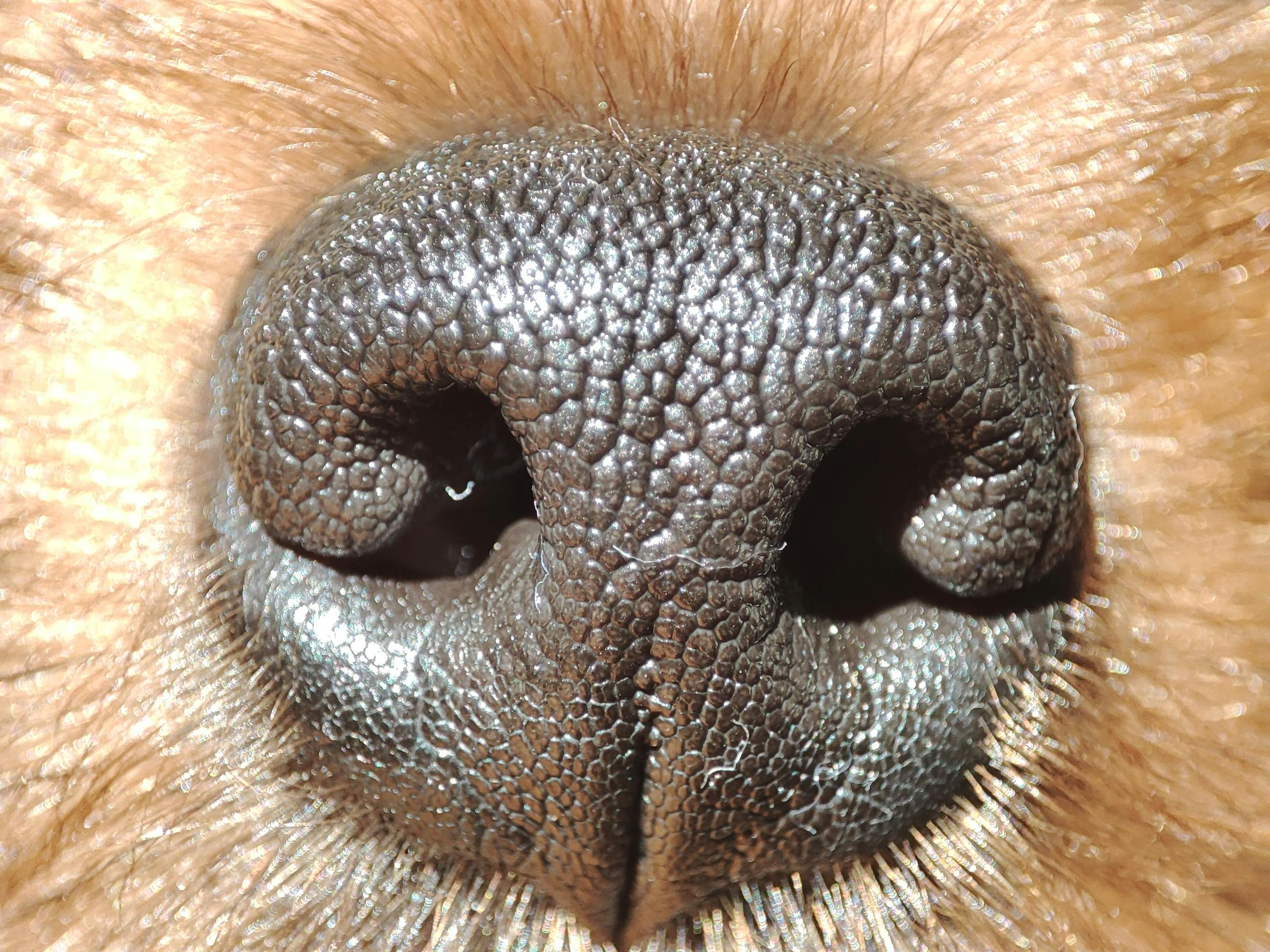
The fascinating world of dogs is full of mysteries and unique traits that set them apart from other animals. One of the most intriguing aspects of our furry friends is their wet noses. You might’ve noticed how your dog’s nose is often damp, but do you ever wonder why this is? It turns out that a dog’s wet nose is not just for show; it plays an essential role in enhancing their sense of smell. So, let’s dive into the hidden benefits of a dog’s wet nose, exploring the question: why do dogs have wet noses?
The Science Behind the Wet Nose
Dog noses are not just moist for the sake of it. There’s a scientific reason behind that dampness! The moisture helps to capture scent particles from the air, allowing dogs to smell more effectively. Here’s how it works:
- Scent Absorption: A wet surface absorbs more scent particles than a dry one. This means that when your dog sniffs around, their wet nose helps them gather more information about their environment.
- Temperature Regulation: Dogs don’t sweat like humans do. Their noses help regulate body temperature, cooling them down when needed. The moisture evaporates, cooling the nasal tissue.
- Enhanced Sensory Function: A wet nose can increase the number of olfactory receptors that are activated, making it easier for dogs to identify different smells.
Why Do Dogs Have Wet Noses?
So, why exactly do dogs have wet noses? Here are some key points to consider:
- Biological Adaptation: Over time, dogs have evolved to have these wet noses as a survival mechanism. The ability to smell better helps them hunt, find food, and avoid dangers.
- Health Indicator: The state of a dog’s nose can often indicate their health. A healthy dog usually has a cool, moist nose. Conversely, if it’s dry or warm, it might signal illness or dehydration.
- Communication Tool: Dogs use their noses to communicate with other dogs. A wet nose can signify friendliness and approachability, while a dry nose might suggest stress or discomfort.
- Environmental Interaction: Dogs interact with their environment primarily through their sense of smell. A wet nose helps them gather more information about other animals, people, and the surrounding world.
Historical Context of Dogs’ Noses
Dogs have been domesticated for thousands of years. Historically, they were bred for various purposes such as hunting, herding, and companionship. Their sense of smell, enhanced by their wet noses, was crucial for hunting and tracking prey. Some facts about the historical role of dogs’ noses include:
- Hunting Companions: Early hunter-gatherers relied on dogs with keen sense of smell to track game. This made wet noses an asset for survival.
- Working Dogs: In more modern times, dogs have been trained for search and rescue, police work, and detection roles due to their incredible olfactory abilities.
- Scientific Studies: Researchers have studied dog noses extensively, revealing that they have up to 300 million olfactory receptors, compared to about 6 million in humans!
Fun Facts About Dogs and Their Noses
Here are some interesting tidbits about dog noses that you might not know:
- Unique Patterns: Just like human fingerprints, each dog’s nose print is unique. This can actually be used for identification.
- Temperature Sensitivity: Dogs can detect changes in temperature through their noses, which can help them locate warm-blooded animals.
- Sniffing Techniques: Dogs have different sniffing techniques. They can inhale and exhale through their noses simultaneously, allowing them to analyze scents more efficiently.
Practical Tips for Dog Owners
As a dog owner, it’s essential to understand your furry friend’s nose and how to keep it healthy. Here are some practical tips:
- Check for Dryness: Regularly monitor your dog’s nose. If it seems too dry or cracked, consult a veterinarian.
- Hydration is Key: Ensure your dog has access to fresh water at all times. This helps keep their nose moist and healthy.
- Protect from Harsh Weather: During extreme weather, protect your dog’s nose from sunburn or frostbite by using pet-safe balms.
In summary, the wet nose of your dog is more than just a cute feature; it’s a critical part of their biology that enhances their sense of smell, aids in communication, and serves as a health indicator. Understanding this fascinating aspect of your dog can deepen the bond you share and help you care for their well-being. So next time you give your pup a pat, take a moment to appreciate that wet nose and all the wonders it holds!
Wet Noses and Dog Behavior: What Your Pup’s Nose Says About Their Mood
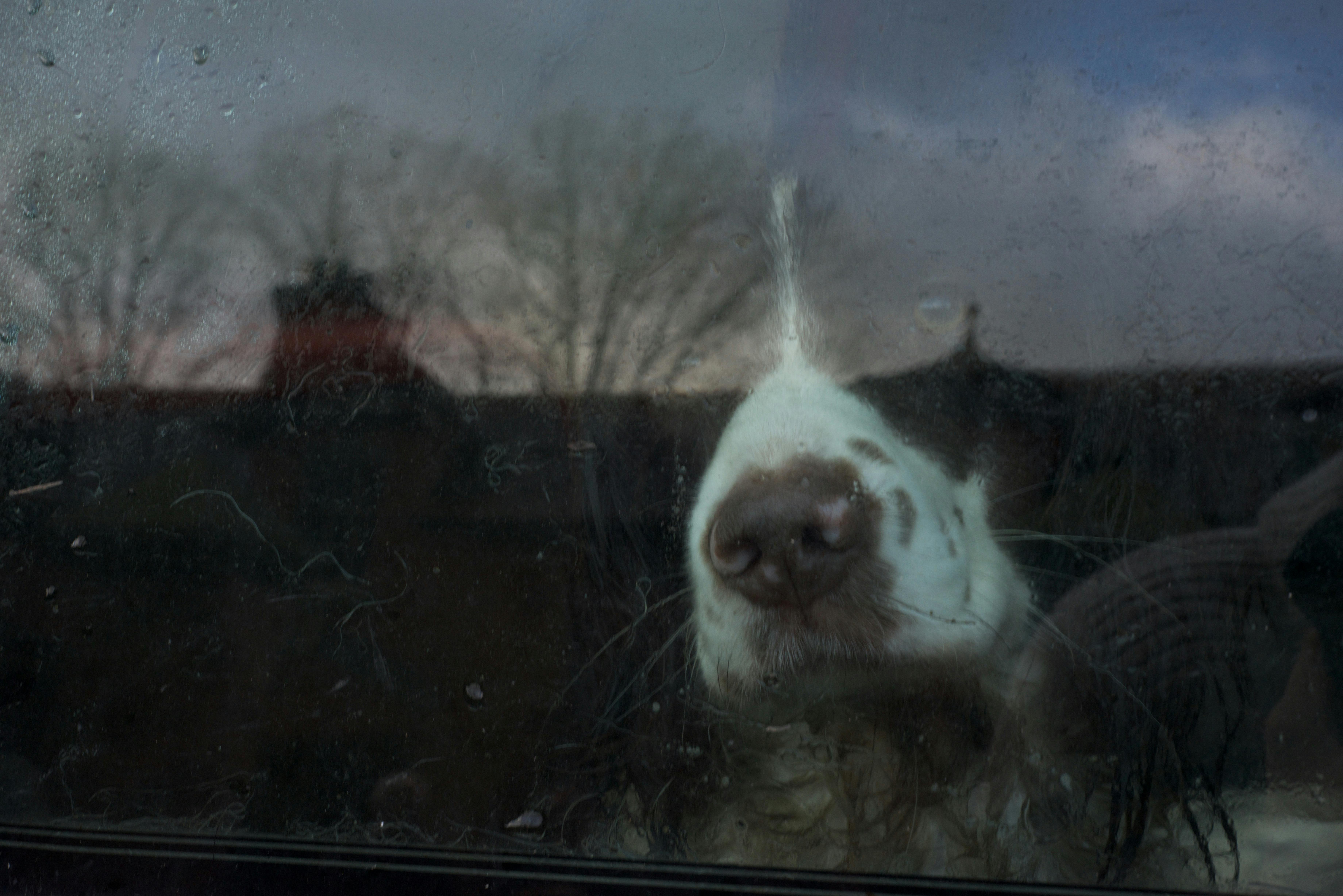
Wet noses, they are a hallmark of our canine companions. Ever wondered why do dogs have wet noses? The answer might not only be fascinating, but it also reveals a lot about your pup’s emotions and health. Dogs use their noses for more than just sniffing out treats; it’s like their very own mood ring, telling you what they feeling.
The Science Behind Wet Noses
So, why do dogs have wet noses? Generally speaking, a dog’s nose is moist due to a special gland that secretes a thin layer of mucus. This helps enhance their sense of smell, which is already super sensitive compared to humans. Dogs can smell anywhere from 10,000 to 100,000 times better than us!
Here’s a short list of reasons behind that wetness:
- Thermoregulation: Just like sweat for humans, a dog’s nose can help regulate body temperature. When they breathe, the moisture evaporates, cooling them down.
- Enhanced Smelling: A wet nose can trap scent particles better, making it easier for dogs to identify smells around them.
- Health Indicator: The moisture levels can indicate their health. A consistently dry nose might suggest dehydration or illness.
What Does Your Dog’s Nose Say About Their Mood?
Dogs communicate a lot through their body language and that includes their noses! Here’s a breakdown of what different conditions of their noses might indicate:
- Wet and Cool: This means your dog is likely relaxed and happy. If they come up to you with a wet snout, it shows they’re comfortable in their environment.
- Warm and Dry: A warm, dry nose can be a sign of stress or anxiety. It might mean they are feeling unwell or even just a little sleepy.
- Excessively Wet: If your dog’s nose is overly wet, this may indicate excitement or they just had a drink of water. Keep an eye out for any other odd behaviors, though, as it could also signal a health issue.
Historical Context: The Evolution of Dog Noses
Throughout history, dogs have had wet noses for ages. These traits have developed over thousands of years. Initially, they were used for hunting and herding. The ability to smell was crucial for survival and helped dogs communicate with humans and other dogs.
Did you know that breeds like Bloodhounds have specially designed noses with more scent receptors? It’s true! Here’s a quick comparison of some popular breeds and their sniffing capabilities:
| Breed | Estimated Scent Receptors |
|---|---|
| Bloodhound | 300 million |
| German Shepherd | 225 million |
| Labrador Retriever | 230 million |
| Beagle | 220 million |
Practical Tips for Dog Owners
Understanding your dog’s nose can help you become a better pet parent. Here are some practical tips:
- Check Regularly: Monitor your dog’s nose regularly. If you notice unusual changes, like cracking or excessive dryness, consult your vet.
- Hydration is Key: Always ensure your dog has access to fresh water, especially during hot days.
- Observe Behavior: Pay attention to how your dog behaves when they have different nose conditions. This can help you identify mood changes or health concerns early on.
Fun Facts About Dog Noses
- Dogs have unique nose prints, much like human fingerprints.
- They can even detect certain diseases, like cancer, through their sense of smell.
- Dogs’ noses can change color based on their health or environment.
Next time you see your furry friend with that wet nose, remember that it’s not just a cute feature. It’s a window into their mood and health. Understanding these signs can deepen the bond between you and your pup, making you both happier. So, embrace those wet noses and cherish the unique way your dog communicates with you!
Is Your Dog’s Nose Too Dry? Signs of Dehydration and What to Do

Is Your Dog’s Nose Too Dry? Signs of Dehydration and What to Do, Why Do Dogs Have Wet Noses? Discover This Fascinating Secret!
Have you ever noticed your dog’s nose? You might be surprised to learn that it can tell you a lot about their health. A dog’s nose, often cool and wet, is actually a fascinating subject. Many pet owners wonder about the significance of their furry friend’s nose, especially when it feels dry. Is your dog’s nose too dry? This could be a sign of dehydration, and knowing how to respond is crucial. Let’s dive into the signs and what they mean, plus explore why dogs have those wet noses in the first place.
Signs of Dehydration in Dogs
When your pup’s nose starts to feel dry, it could indicate they are not getting enough water. Here’s some signs to watch for:
- Dry Nose: A dry or cracked nose can be a red flag.
- Lethargy: If your dog seems more tired than usual, it might not be getting enough fluids.
- Loss of Appetite: A decrease in food intake can signal dehydration.
- Sunken Eyes: Look closely; sunken eyes can be a serious sign.
- Dry Gums: Check your dog’s mouth; dry or sticky gums are concerning.
- Skin Elasticity: If you gently pinch the skin on the back of their neck and it doesn’t spring back quickly, that could be a problem.
If your dog shows these signs, you should acts quickly. Dehydration can be serious and sometimes life-threatening.
What to Do If Your Dog Is Dehydrated
If you suspect your dog is dehydrated, it’s important to take action right away. Here are some steps you can follow:
- Provide Fresh Water: Ensure your dog has access to clean, fresh water at all times. Sometimes, dogs just need a reminder to drink.
- Offer Ice Chips: Some dogs like to munch on ice chips, which can be a fun way to hydrate.
- Wet Food: If your dog usually eats dry kibble, consider mixing in some wet food or broth to encourage them to drink more.
- Electrolyte Solutions: There are pet-safe electrolyte solutions available, but consult your vet before using any.
- Visit the Vet: If the symptoms persist or worsen, take your dog to the vet. They can provide intravenous fluids if needed.
Why Do Dogs Have Wet Noses?
Now, let’s explore that intriguing question: why do dogs have wet noses? Turns out, there are several fascinating reasons behind this phenomenon.
- Temperature Regulation: A wet nose helps dogs regulate their body temperature. When the moisture evaporates, it cools them down, similar to how sweating works for humans.
- Enhanced Sense of Smell: The moisture on a dog’s nose helps to capture scent particles. This can improve their sense of smell, making them fantastic hunters and companions.
- Health Indicator: A wet nose can indicate good health. While a dry nose isn’t always a sign of sickness, a wet one generally reflects a well-hydrated dog.
- Behavioral Factors: Dogs often lick their noses, which ensures that they stay moist. It’s a natural behavior, and if they are curious, you might notice them sniffing and licking more often.
Fun Facts About Dog Noses
- Unique Patterns: Just like human fingerprints, every dog’s nose print is unique!
- Thermal Sensors: Dogs can detect temperature changes through their noses, which helps them understand their environment better.
- Scent Sensitivity: Dogs have about 220 million scent receptors compared to humans, who only have about 5 million. That’s why their noses are wet and working hard!
Quick Comparison: Wet vs. Dry Noses
Here’s a quick look at how to differentiate between a healthy and unhealthy nose:
Wet Nose:
- Cool to the touch
- Slightly moist
- Indicates hydration
Dry Nose:
- Warm or hot to the touch
- Cracked or peeling
- Possible sign of dehydration
Understanding your dog’s nose can help you take better care of them. If you notice changes, especially if their nose goes from wet to dry, keep an eye out for other signs of dehydration. It’s always better to be cautious, and a quick trip to the vet can provide peace of mind.
In the end, knowing why dogs have wet noses sheds light on their health and well-being. So, keep an eye on that little snout – it can reveal so much about your furry friend’s health!
The Myth of the Cold Nose: Why Dogs’ Noses Feel Wet and Cool

Have you ever wondered why dogs have wet noses? It’s a question that might seem simple, but the answer is actually quite fascinating! Many people believe that a cold, wet nose is a sign of a healthy dog, but there’s much more to it than that. This article dives into the science behind why dogs’ noses feel wet and cool, debunking the myth of the cold nose and uncovering some interesting facts along the way.
The Science Behind Wet Noses
Dogs’ noses are naturally moist, and this moisture serves several purposes. It may help in regulating their body temperature and also enhances their sense of smell. When a dog sniffs around, the moisture on their nose can trap scent particles, making it easier for them to process smells. Here’s a quick breakdown of how this works:
- Moisture Retention: Dogs’ noses have mucous glands that produce a thin layer of mucus. This layer helps to trap scents.
- Temperature Regulation: Just like sweating in humans, the moisture on a dog’s nose helps cool them down, especially when they are feeling hot.
- Enhanced Smell: A wet nose can pick up scents better than a dry one, allowing dogs to identify smells more accurately.
The Myth of the Cold Nose
People often say that a dog’s cold nose means they are healthy, but that’s not always true. While a wet and cool nose is usually a sign of a well-hydrated and active dog, it doesn’t always indicate their overall health. Dogs can have warm, dry noses and still be perfectly healthy.
Here’s why this myth persists:
- Cultural Beliefs: Many cultures have long believed that a cold nose indicates good health, leading to misconceptions.
- Observation Bias: People tend to notice wet noses more when dogs are playing or active, associating their behavior with healthiness.
- Variability: Just like humans, dogs’ body temperatures can fluctuate. A dog can have a warm nose after waking up or after being in the sun.
Dogs’ Nose Temperature and Health
Understanding the temperature of a dog’s nose can help you gauge their health, but it’s not the only indicator. Here are some signs of a healthy dog nose:
- Wetness: A moist nose is typically a good sign, as it indicates proper hydration.
- Color: A healthy dog nose should be pink or black, depending on the breed. Look out for any discoloration.
- Temperature: A normal nose temperature is cool, but varying temperatures throughout the day are common.
Factors That Influence Nose Wetness
Several factors can influence how wet or dry a dog’s nose feels. These include:
- Weather: Hot, dry weather can lead to a drier nose.
- Health Status: Illness or dehydration can lead to a dry nose.
- Breed Differences: Some breeds naturally have drier noses than others, such as Bulldogs.
Fun Facts About Dogs’ Noses
- Did you know that dogs have up to 300 million scent receptors? Compare this to humans, who only have about 5 million!
- A dog’s sense of smell is so strong that they can detect certain diseases, including cancer and diabetes.
- The moisture on their nose is not just for smell; it also helps dogs cool off, especially after vigorous exercise.
Tips for Maintaining a Healthy Nose
Keeping your dog’s nose healthy is relatively straightforward. Here are some tips:
- Hydration: Ensure your dog is drinking enough water, especially on hot days.
- Regular Vet Check-ups: Regular check-ups can help catch any potential health issues early.
- Observe Changes: Keep an eye on your dog’s nose. If you notice any significant changes, consult a veterinarian.
In Summary
The wet, cool nose of a dog is not just a quirky feature; it’s an important aspect of their biology that helps them navigate the world through scent. While the myth of the cold nose suggests that a cool nose equals a healthy dog, the reality is more nuanced. Understanding the reasons behind this phenomenon can help dog owners better care for their furry friends. Whether your dog’s nose is wet or dry, what’s most important is their overall health and happiness. So, next time you get a lick from your pup, remember, there’s more to that wet nose than meets the eye!
Dogs and Their Wet Noses: A Deep Dive into Canine Anatomy and Health

Dogs, with their wagging tails and playful antics, has captivated human hearts for centuries. But one feature stands out that often goes unnoticed: their wet noses. Have you ever wondered why do dogs have wet noses? It’s not just an adorable quirk; there’s a science behind it that connects to canine anatomy and health. Let’s take a closer look at this fascinating secret of our furry friends.
The Anatomy of a Dog’s Nose
A dog’s nose is much more than just a cute feature. It’s a complex organ that plays a crucial role in how dogs experience the world. The surface of a dog’s nose is covered in a special type of skin that’s different from the rest of their body. This skin is often cooler and moister, which helps in a variety of ways:
Scent Detection: Dogs have an extraordinary sense of smell, which is partly due to the wetness of their noses. The moisture helps to trap scent particles, making it easier for them to detect different smells.
Thermoregulation: Dogs do not sweat the same way humans do. Their wet noses helps to regulate their body temperature. When they pant, the moisture from their nose evaporates, which cools them down.
Health Indicator: A dog’s nose can tell you a lot about its health. A dry or cracked nose might indicate dehydration or illness, while a moist nose usually signifies a healthy pup.
Why Are Dog Noses Wet?
The question “why do dogs have wet noses?” can be answered in a few different ways. Here’s some interesting facts to consider:
Moisture Production: Dogs’ noses produce a thin layer of mucus that keeps the surface moist. This moisture is essential for scent detection as it helps in capturing scent molecules from the air.
Environmental Factors: Weather plays a significant role too. On humid days, dogs’ noses might feel wetter due to the high moisture content in the air. Conversely, during dry conditions, they might feel drier.
Behavioral Aspects: Dogs often wet their noses by licking them. This behavior may be a way for them to keep their noses clean and enhance their sense of smell.
The Importance of Dog Nose Health
Just like any other part of a dog’s body, the nose requires care and attention. Here’s what dog owners should keep in mind:
Regular Checks: Keep an eye on your dog’s nose. Look for cracks, dryness, or unusual discharge, as these could be signs of health issues.
Hydration: Ensure your dog stays well-hydrated. Fresh water should always be available, especially in hot weather.
Protection from Elements: In extreme weather (either hot or cold), dogs can benefit from nose balms or ointments designed to protect their noses from cracking or burning.
Fascinating Facts About Dogs and Their Noses
Here are some fun and interesting points about dog noses:
Scent Receptors: Dogs have up to 300 million scent receptors in their noses, compared to about 6 million in humans. This makes their sense of smell 40 times better than ours!
Unique Nose Prints: Just like human fingerprints, every dog has a unique nose print. These prints can be used for identification, although it’s not common practice.
Sniffing Techniques: Dogs also have a unique way of sniffing that involves moving their noses from side to side. This helps them better analyze the scents in the air.
Comparisons: Dog Noses vs. Human Noses
Understanding the differences between dog and human noses can give us insights into why dogs have wet noses:
| Feature | Dog Nose | Human Nose |
|---|---|---|
| Number of Receptors | 300 million | 6 million |
| Functionality | Scent detection, cooling | Breathing, limited scent |
| Moisture Level | Always moist | Varies, typically dry |
| Unique Identifier | Nose prints unique | Fingerprints unique |
Final Thoughts
The wet nose of a dog isn’t just a cute aspect of their anatomy; it serves multiple purposes that are vital to their health and behavior. Understanding why do dogs have wet noses can deepen our appreciation for these loyal companions. Observing your dog’s nose can provide insights into their health and well-being. So next time you give your pup a scratch behind the ears, take a moment to appreciate that wet nose and all the amazing science behind it!
Can Weather Affect Your Dog’s Nose? Exploring Seasonal Changes in Nose Moisture

Ever wonder why your dog has that lovely wet nose? It’s not just for show! Lots of folks think that weather might play a role in how moist or dry a dog’s nose can get. Let’s dive into this fascinating subject and explore how seasonal changes might affect your furry friend’s nose moisture, why dogs have wet noses in the first place, and discover some interesting facts along the way.
Can Weather Affect Your Dog’s Nose?
Believe it or not, yes, the weather can change the moisture levels in your dog’s nose. During the hot summer days, dogs might experience a drier nose compared to the cooler months. This is because, just like humans, dogs can get dehydrated when it’s hot outside. If their body is lacking water, their noses can become dry. On the other hand, when it’s cold and humid, their noses usually stay nice and moist.
Here’s a breakdown of how different weather conditions can impact your dog’s nose:
- Hot Weather: Dogs might be more likely to have a dry nose if they’re not drinking enough water.
- Cold Weather: The cold air can sometimes cause the nose to freeze, making it feel dry, but usually, it stays moist.
- Rainy Days: Humidity and rain can help keep your dog’s nose wet since the moisture in the air can be absorbed.
- Winter: Indoor heating can dry out the air, potentially leading to drier noses.
Why Do Dogs Have Wet Noses?
Now, let’s talk about the science behind why dogs’ noses are typically wet. There’s actually a few reasons for this. Wet noses are important for dogs because:
Sense of Smell: A dog’s nose has a high number of scent receptors, around 300 million, compared to a human’s 5 million. The moisture on their nose helps to capture scent particles, enhancing their sense of smell.
Cooling Mechanism: Just like humans sweat to cool down, dogs can also lose heat through their noses. The wetness helps regulate their body temperature.
Health Indicator: A change in nose moisture can sometimes indicate health issues. A very dry or cracked nose could suggest dehydration, fever, or even certain illnesses.
Natural Behavior: Dogs frequently lick their noses, which keeps them moist. This natural behavior is part of their instinct and helps them gather more information about their surroundings.
Fascinating Facts About Dog Noses
You might be surprised by just how interesting dog noses can be. Here are some fun facts to chew on:
Dogs have unique nose prints, much like human fingerprints. Each dog’s nose has a distinct pattern that can be used to identify them.
The surface of a dog’s nose contains a special kind of mucus which helps to absorb scents more effectively.
Some breeds, like the Bloodhound, have exceptionally acute senses of smell, which makes their noses even wetter and more functional.
Dogs’ noses can detect certain diseases in humans, including some forms of cancer. Their noses are truly remarkable!
Seasonal Changes in Nose Moisture
Understanding how the seasons affect your dog’s nose can help you take better care of them. Here’s a quick outline on what to expect throughout the year:
Spring: Allergies can potentially lead to a drier nose, so watch out for that. Keep your dog hydrated!
Summer: Be particularly vigilant about hydration. If your dog’s nose is dry, it may need more water or shade.
Autumn: As temperatures drop, noses may become more moist again, but monitor for cold-related dryness too.
Winter: Indoor heating can dry out the air, so consider using a humidifier to keep your dog’s environment comfortable.
Practical Tips for Dog Parents
Here’s a list of practical tips to keep your dog’s nose healthy throughout the year:
- Always provide plenty of fresh water.
- Ensure your dog has a balanced diet.
- Pay attention to any sudden changes in nose moisture.
- Consider using a humidifier in winter months.
- Regular vet check-ups can help identify any underlying health issues.
In summary, the moisture level of your dog’s nose can be influenced by various factors, including the weather. Understanding why dogs have wet noses and how seasonal changes affect them is crucial for every dog owner. Keeping an eye on your pup’s nose can help you ensure they’re healthy and happy. So, next time you see that wet little nose, you’ll know just how important it is!
Curious Canine Facts: Why Do Dogs Have Wet Noses and Other Fun Nose Trivia
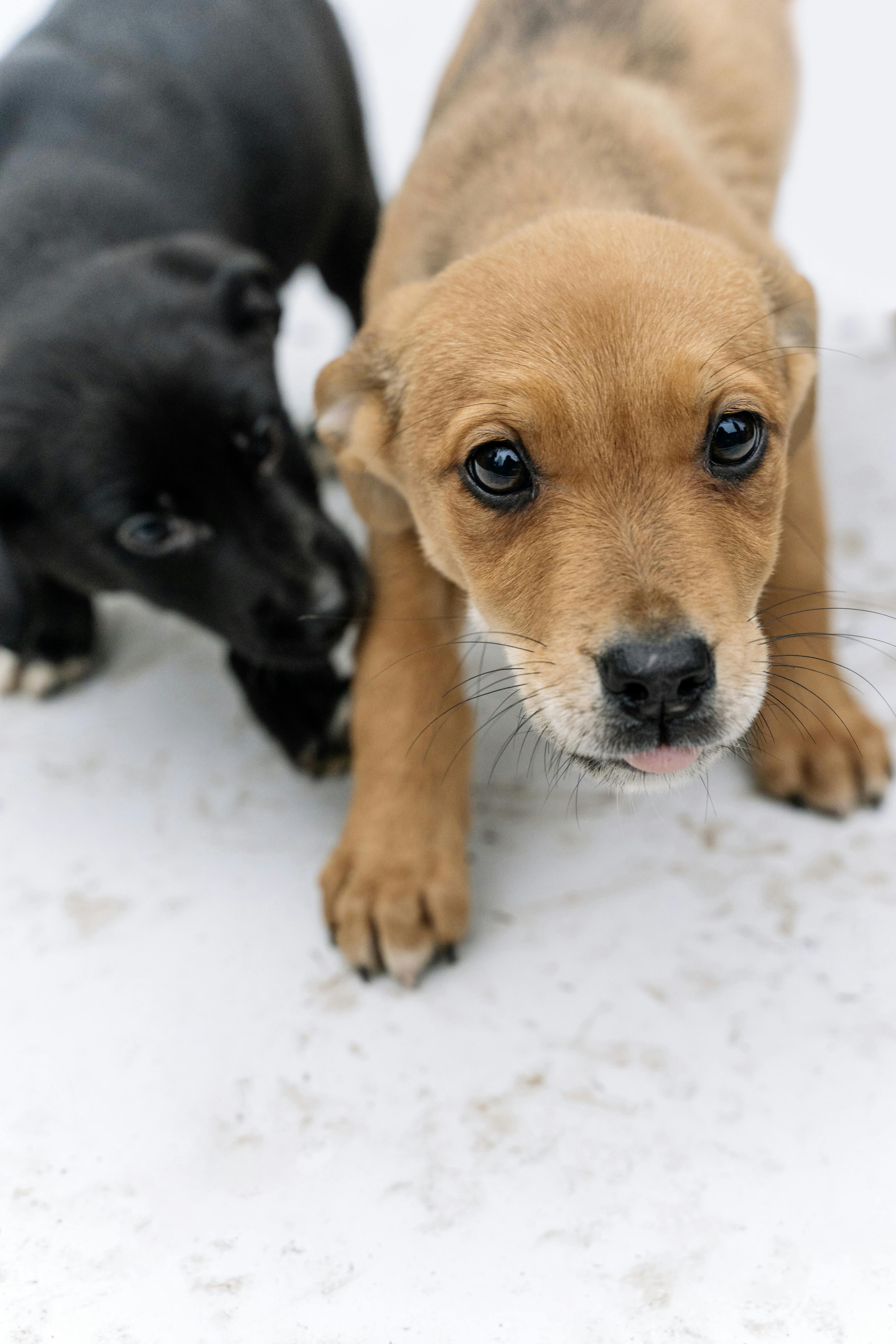
Dogs are known as man’s best friend for a reason. They bring joy, companionship, and a whole lot of fun into our lives. But have you ever wondered why do dogs have wet noses? This curious canine fact is just one of the many fascinating secrets about dogs that might surprise you. The wetness of a dog’s nose isn’t just an adorable trait; it serves important functions that help your furry friend navigate the world.
Why Are Dog Noses Wet?
The wetness of a dog’s nose is actually pretty interesting and has several purposes. Here’s why:
- Scent Enhancement: A wet nose helps to capture scent molecules in the air better than a dry nose. This means dogs can smell things more accurately, which is crucial for their survival and interaction with the environment.
- Temperature Regulation: Dogs don’t sweat like humans do. Instead, they regulate their body temperature through their noses and panting. A wet nose can cool down as moisture evaporates, helping the dog stay cool.
- Health Indicator: The moisture level of a dog’s nose can indicate its health. A dry nose might mean dehydration or illness, while a wet nose is generally a sign of good health.
The Science Behind It
You might be asking, how exactly does this all work? Here’s a bit more detail:
- Mucous Membranes: The nose contains mucous membranes that secrete moisture. This moisture helps in trapping scent particles.
- Nasal Glands: Dogs also have specialized glands in their noses that produce fluids. These fluids contribute to the overall wetness of the nose.
- Nose Temperature: Interestingly, the temperature of a dog’s nose can also help in scent tracking. A cooler nose can absorb more scent particles, improving their ability to smell.
Fun Nose Trivia
Aside from the wetness, dog noses are fascinating for other reasons. Here are some fun facts you might not know:
- Unique Patterns: Just like human fingerprints, every dog’s nose print is unique. This means you could identify a dog by its nose!
- Scent Power: A dog’s sense of smell is approximately 10,000 to 100,000 times more sensitive than humans. They can sniff out drugs, explosives, and even certain diseases.
- Color Changes: A dog’s nose can change color! This can happen due to weather, age, or health conditions. A pink nose can turn darker and vice versa.
Historical Context
The relationship between dogs and humans goes back thousands of years. Ancient cultures revered dogs for their hunting abilities and companionship. The importance of a dog’s nose, however, has always been clear.
- Ancient Hunters: Early hunters used dogs for tracking scents during hunts. A dog’s keen sense of smell was invaluable in finding prey.
- Search and Rescue: Throughout history, dogs have been used in search and rescue missions due to their incredible ability to sniff out people or animals trapped under debris.
Practical Applications
Understanding why dogs have wet noses and their overall sense of smell can be useful in various scenarios. Here are a few practical applications:
- Training Tips: If you’re training a dog, utilize their sense of smell. Hide treats and encourage them to find it using their nose. This can engage them mentally.
- Health Check: Regularly check the moisture of your dog’s nose. If it becomes persistently dry, consider consulting with a veterinarian.
- Enhancing Playtime: Use scent-based toys that encourage dogs to sniff and search, keeping their natural instincts sharp and providing mental stimulation.
Comparison with Other Animals
Dogs aren’t the only animals with wet noses. Here’s how they compare with other animals:
- Cats: Cats have dry noses most of the time, but they can also have wet noses when they’re active or in a humid environment.
- Pigs: Like dogs, pigs have wet noses, which also help them in foraging for food.
- Bears: Bears also have wet noses, and their sense of smell is even more powerful than that of dogs, helping them find food from miles away.
Dogs and their wet noses are truly fascinating. The next time you pet your furry friend, remember that there’s more than meets the eye (or the nose, in this case). This small feature packs a lot of functions and has played a significant role in the bond between humans and dogs for centuries. Whether for tracking scents or regulating temperature, the secrets behind wet noses are just one of the many reasons we love our canine companions.
Conclusion
In conclusion, the wet noses of dogs serve several essential purposes that contribute to their health and behavior. The moisture on a dog’s nose enhances their sense of smell, allowing them to detect scents more effectively, which is crucial for their survival and communication. Additionally, a wet nose helps regulate their body temperature and keeps them cool. The hydration of their nasal tissue also plays a role in overall health, as it helps trap and eliminate pathogens. Understanding why dogs have wet noses not only deepens our appreciation for these remarkable creatures but also highlights the importance of caring for their overall well-being. So, the next time you see your furry friend’s wet nose, remember the science behind it and ensure you provide them with the care they need to thrive. Share your thoughts or experiences with your dog’s nose in the comments below!
