
Have you ever wondered, why do dogs have wet noses? This seemingly simple feature of our furry friends is not just for show. In fact, the reasons behind this curious characteristic are surprisingly beneficial! A dog’s wet nose serves multiple purposes, from enhancing their sense of smell to regulating their body temperature. But wait, there’s more! Did you know that a wet nose can also indicate your dog’s health? It’s true! Exploring the science behind a dog’s moist snout can open up a world of understanding about canine behavior and well-being. As pet owners, knowing the benefits of a wet nose can help you better care for your beloved companion. So, why does your pup’s nose feel like a sponge? What hidden meanings lie beneath the surface? Join us as we dive into the fascinating world of dog physiology, uncovering the secrets that make their noses not just cute, but also crucial for their everyday life. Stay tuned to discover the answers to these intriguing questions and learn how a wet nose can be a window into your dog’s health and happiness!
The Science Behind Why Dogs Have Wet Noses: Uncovering the Truth

Have you ever wondered why dogs have wet noses? It’s a common question among dog lovers and those who are curious about our furry friends. Many people think it’s just a quirky trait, but there’s actually a fascinating science behind it. Not only does a wet nose look cute, but it also serves important purposes for dogs. Let’s dig into the reasons why dogs have wet noses and uncover the surprising benefits of this unique feature.
The Biology of a Wet Nose
Dogs have a special gland in their noses that produces moisture. This moisture helps to keep their sense of smell sharp, which is crucial for dogs since they rely heavily on their noses to explore the world. In fact, a dog’s sense of smell is estimated to be anywhere from 10,000 to 100,000 times more sensitive than that of humans!
- Moisture Production: The moisture comes from mucous glands in the nasal cavity. Dogs lick their noses too which helps to keep them wet.
- Temperature Regulation: A wet nose can help a dog regulate its body temperature. When dogs pant, they lose moisture, and a wet nose can help replace some of that lost moisture.
- Sense of Smell: The moisture on a dog’s nose helps to capture scent particles, enhancing their ability to smell.
Why Do Dogs Lick Their Noses?
Many people see dogs licking their noses and think it’s just a habit. But there’s actually a reason behind this behavior too. Dogs lick their noses to keep them moist and to help with their powerful sense of smell. The act of licking can also be a way for dogs to show comfort or to relieve stress.
- Clearing Scent: Licking helps to clear away old scents and allows for new scents to be absorbed.
- Comfort: Some dogs lick their noses when they feel anxious or uncertain, as it can be a soothing action.
Surprising Benefits of Wet Noses
Enhanced Olfactory Function: A wet nose increases a dog’s ability to detect scents, which is essential for hunting, tracking, and even just finding their favorite toys around the house.
Health Indicator: A wet nose can also indicate a dog’s overall health. If a dog’s nose is dry, it may be a sign of dehydration or illness. However, this is not a definitive rule, as nose moisture can vary.
Cooling Mechanism: Wet noses can help dogs cool down. Just like humans sweat to regulate body temperature, dogs use their noses to help keep cool, especially during hot weather.
The Historical Context of Wet Noses
Historically, dogs have been domesticated for thousands of years, serving as companions, hunters, and guardians. Their wet noses have been a constant feature throughout this time, aiding in their survival and effectiveness as working animals. In various cultures, dogs were revered not only for their companionship but also for their incredible olfactory abilities.
- Ancient Egypt: Dogs were often depicted in ancient Egyptian art, and their keen sense of smell was appreciated by hunters and farmers.
- Medieval Times: During medieval times, dogs were used for hunting and herding, where their noses played a key role in their utility.
Fun Facts About Dogs’ Noses
- Dogs have unique nose prints, much like human fingerprints. Each dog’s nose is as unique as their DNA!
- A dog’s sense of smell is so powerful that they can detect certain diseases, including cancer, in humans.
- Some breeds, like Bloodhounds, have an exceptionally keen sense of smell and are often used in search and rescue missions.
Comparison: Dogs vs. Other Animals
When we compare dogs’ noses to those of other animals, the differences are striking.
| Animal | Sense of Smell (Relative Strength) | Unique Nose Features |
|---|---|---|
| Dogs | 10,000 to 100,000 times stronger | Wet, unique nose prints |
| Cats | About 10 times stronger than humans | Dry, less moisture |
| Elephants | 5 times stronger than humans | Very large, highly sensitive |
| Rats | 50 times stronger than humans | Highly developed scent glands |
Dogs certainly stand out in the animal kingdom with their incredible sense of smell, aided by their wet noses.
Understanding why dogs have wet noses not only satisfies our curiosity but also deepens our appreciation for these amazing animals. Their noses aren’t just for show; they serve vital functions that enhance their lives and the bond we share with them. Next time you pet your dog, take a moment to appreciate that wet nose and all the wonders it brings!
5 Fascinating Reasons Your Dog’s Nose is Always Damp

Have you ever noticed how your dog’s nose is always damp? It’s one of those adorable quirks that many dog owners marvel at. But have you ever stopped to wonder why do dogs have wet noses? There are actually some fascinating reasons behind this moist feature that not only serves a purpose but also contributes to your furry friend’s overall well-being. Let’s dive into the five surprising benefits of a damp nose in dogs.
1. Natural Cooling Mechanism
Dogs can’t sweat like humans do. Instead, they rely on other methods to regulate their body temperature. A wet nose plays a crucial role in keeping them cool. When your dog’s nose is moist, it helps with evaporative cooling. This means that when the moisture on the nose evaporates, it cools down the blood vessels nearby, helping to lower the dog’s overall body temperature. So next time your pup has a damp nose, it could just be their way of staying chill on a hot day!
2. Enhances Sense of Smell
You probably know that dogs have an incredible sense of smell, which is way stronger than humans. A wet nose actually enhances this ability. The moisture on the surface of their nose helps to capture scent particles from the air. This makes it easier for dogs to detect and analyze different smells. In fact, their sense of smell can be thousands to millions of times more sensitive than ours! So, a wet nose is not just cute, it’s also essential for their ability to explore and understand the world around them.
3. Indicates Health and Hydration
A dog’s nose can be an indicator of their health. Generally, a damp and cool nose is a sign that your canine companion is well-hydrated and healthy. On the other hand, a dry or excessively warm nose could signal dehydration or illness. While it’s not a definitive way to diagnose your pet’s health, paying attention to your dog’s nose can give you some insight into their overall condition. Keeping your dog hydrated is key, and a moist nose is often a good sign that they’re getting enough water.
4. Protection Against Allergens
The moisture on a dog’s nose can also provide a layer of protection against allergens and irritants in the environment. A damp nose helps trap dust, pollen, and other particles, preventing them from entering their respiratory system. This is especially important for dogs that may suffer from allergies or sensitive airways. So, having a wet nose can help your dog breathe a little easier, which is always a good thing!
5. Social Interaction and Communication
Dogs are social animals, and their damp noses play a role in how they communicate with other dogs and even humans. A wet nose can be seen as a friendly gesture, as dogs often touch their noses to others as a way to greet, show affection, or gather information. This is part of their instinctual behavior, and it strengthens bonds between dogs and their owners. Plus, who can resist giving a little pat on a damp nose? It’s just too endearing!
Quick Facts About Dog Nose Moisture
- Dogs’ noses are moist due to the secretion of mucus and the environment.
- The wetness helps to absorb scent chemicals, enhancing their smelling ability.
- Healthy dogs typically have a cool and moist nose, while a dry nose may need attention.
- Dogs can lose moisture during sleep, which is why their noses feel drier at times.
- Not all dogs have the same level of nose moisture; some breeds might have drier noses naturally.
Table: Benefits of Dog’s Wet Nose
| Benefit | Explanation |
|---|---|
| Cooling Mechanism | Helps regulate body temperature through evaporation. |
| Enhanced Smell | Dampness captures scent particles, improving olfactory sensitivity. |
| Health Indicator | A moist nose can signify hydration and overall health. |
| Allergens Protection | Traps dust and pollen, aiding in respiratory health. |
| Social Communication | Serves as a friendly gesture in dog interactions. |
Understanding why do dogs have wet noses and recognizing the benefits can deepen your relationship with your furry friend. It’s a reminder of how unique and fascinating dogs truly are. Next time you pet your pup and feel that dampness, you’ll know there’s a whole lot more to it than just an adorable quirk. Embrace those wet-nosed moments and keep your dog healthy and happy!
How a Wet Nose Benefits Your Dog’s Health: Essential Insights for Pet Owners

Every dog owner knows that wet noses are a common feature of our furry companions. But have you ever wonder why do dogs have wet noses? This fascinating aspect of canine biology actually plays a significant role in their overall health. Understanding the reasons behind this phenomenon can help you as a pet owner better care for your furry friend. So let’s dive into how a wet nose benefits your dog’s health and discover the surprising advantages of this often overlooked trait.
The Science Behind Wet Noses
Dogs have wet noses because of a combination of physiology and behavior. Their noses are moist due to a thin layer of mucus, which serves several important functions. Here are a few key reasons why a wet nose is essential:
Temperature Regulation: Just like humans sweat to cool down, dogs use their noses to help regulate their body temperature. A wet nose evaporates moisture, which cools down the blood vessels underneath, helping to maintain a stable body temperature.
Enhanced Smell: Dogs have an incredible sense of smell, and a wet nose actually helps enhance this ability. The moisture on a dog’s nose captures scent particles in the air, making it easier for them to detect different smells. This means their ability to smell is sharper when their noses are wet.
Health Indicator: A dog’s nose can be a good indicator of their health. A healthy dog typically has a moist nose, while a dry or cracked nose may signal dehydration or illness. Monitoring your dog’s nose can help you catch potential health issues early.
The Benefits of a Wet Nose
The advantages of having a wet nose goes beyond just biology. There are a few surprising benefits that pet owners might not be aware of:
Improved Communication: Dogs use their noses to communicate with other dogs and animals. A wet nose can signal a friendly approach, while a dry nose may indicate stress or discomfort.
Less Risk of Infection: The moisture on a dog’s nose helps to trap and kill bacteria and viruses. This natural defense mechanism reduces the risk of infections, keeping your pet healthier.
Social Interactions: Dogs often greet each other with nose-to-nose contact. A wet nose can create a more inviting atmosphere for socialization, helping dogs bond with one another and with humans.
Behavioral Cues: A wet nose can also provide clues about a dog’s emotional state. For instance, if your dog’s nose is suddenly dry, it might be a sign that they are feeling anxious or unwell.
Historical Context of Dogs’ Noses
The evolution of dogs has shaped not only their physical appearances but also their behaviors. Ancient canines relied on their noses for hunting and gathering food. Over time, as dogs became domesticated, they retained this natural ability, which is still evident today.
Ancient Breeds: Some ancient breeds, like the Basenji, are known for their unique nose shapes. These breeds were developed for specific tasks that required keen senses.
Modern Breeds: Today, we see a variety of breeds with different nose shapes and sizes, but the wetness remains an essential trait across the board.
Common Misconceptions
Despite the many benefits of a wet nose, there are also some myths surrounding this topic. Here are a few misconceptions to clear up:
Myth: A dry nose means a dog is sick.
- Fact: While a dry nose can be a sign of illness, it is not always the case. Dogs can have dry noses for many reasons, including weather conditions or just waking up.
Myth: All dogs have cold, wet noses.
- Fact: Not all dogs have the same nose temperature or moisture levels. Factors like breed, age, and health can influence these characteristics.
Practical Tips for Pet Owners
If you want to ensure your dog remains healthy and happy, here are some tips to consider:
- Keep your dog hydrated. Always provide fresh water to help maintain their nose moisture.
- Regularly check your dog’s nose for any changes in texture or color. If you notice anything unusual, consult your veterinarian.
- Pay attention to your dog’s overall behavior. If they show signs of discomfort or stress, a dry nose might just be one indicator among others.
In summary, a wet nose is not just an adorable feature of dogs; it plays a vital role in their health and well-being. Understanding the importance of this trait can help you become a better pet owner. Embrace the wet-nosed wonders of your furry friend, and appreciate how these little details contribute to their overall health.
Do Wet Noses Mean a Dog is Healthy? Myths and Facts Explained
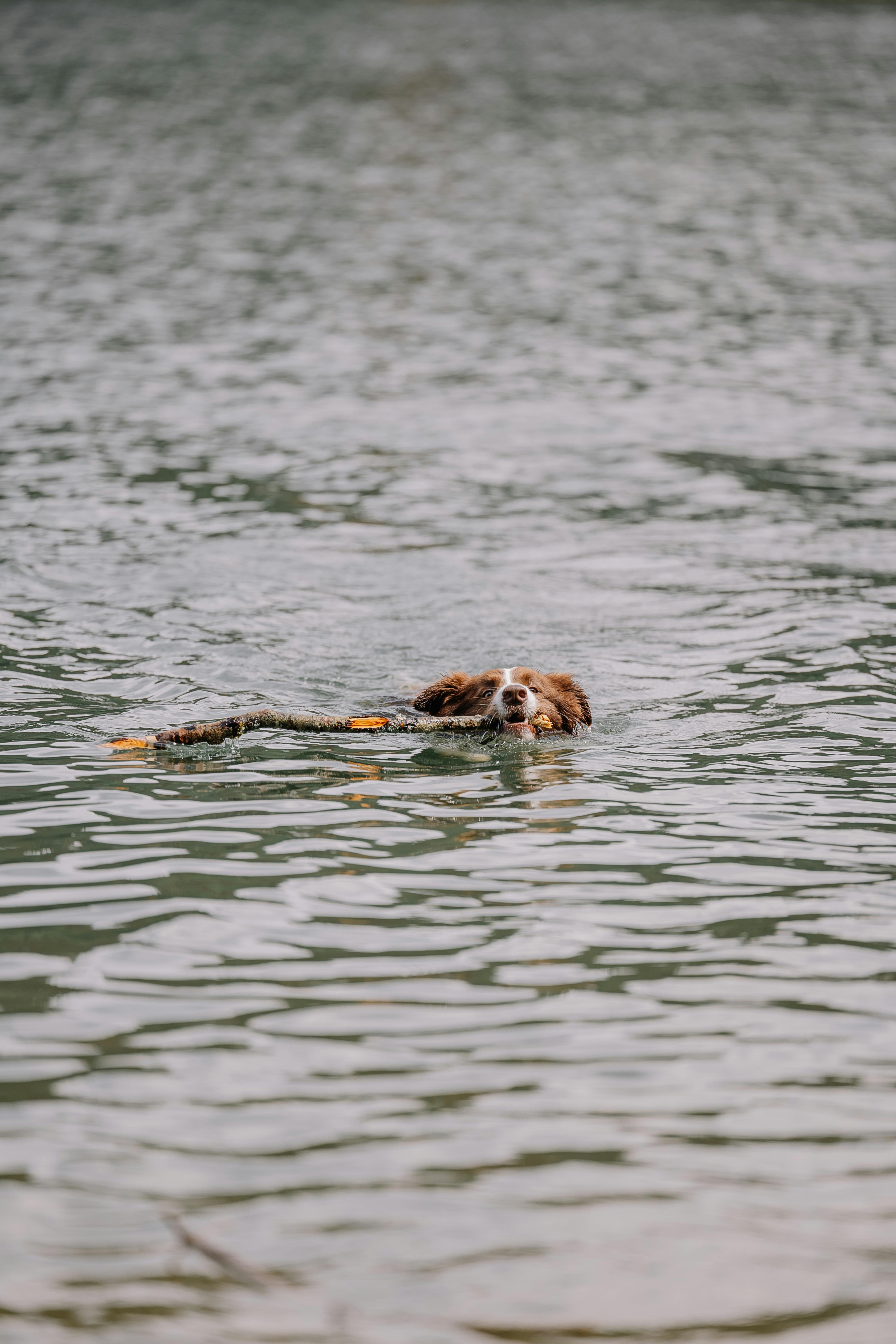
There’s a common belief among dog owners that a wet nose is a sign of a healthy pup. But is this true? Many people have wondered, “Do wet noses mean a dog is healthy?” The answer is not as straightforward as one might think. Let’s dive into the myths and facts surrounding this canine characteristic, while also exploring why dogs have wet noses in the first place and what benefits this unique trait may offer.
The Myths Behind Wet Noses
Wet Noses = Healthy Dogs: One of the biggest myths is that a moist nose indicates good health. While it’s true that a wet nose can be a sign of hydration, it doesn’t guarantee that your dog is free from illness. Dogs can have wet noses for several reasons, including environmental factors like humidity or temperature.
Dry Noses = Sick Dogs: On the flip side, many dog owners believe that a dry nose means their furry friend is unwell. This isn’t necessarily accurate either. A dog’s nose can dry out for multiple reasons like dehydration, sun exposure, or even just aging. It’s important to observe other signs of health, such as energy levels and appetite.
Nose Temperature Indicates Health: Some people may touch their dog’s nose to check its temperature, assuming a cold nose means the dog is healthy. However, a dog’s nose temperature isn’t a reliable health indicator. The best way to check for fever is still through veterinary methods.
Why Do Dogs Have Wet Noses?
Dogs have wet noses primarily due to a few reasons, which are fascinating and surprisingly beneficial for their health.
Sensory Function: A wet nose helps dogs to smell better. The moisture captures scent particles, allowing them to identify scents more effectively. This is why a dog’s sense of smell is so powerful.
Cooling Mechanism: Just like humans sweat, dogs use their noses to help regulate body temperature. The moisture on their nose evaporates, helping to cool them down, especially during hot weather.
Communication: A wet nose can also indicate a dog’s mood. When a dog greets you with a wet nose, it’s often a sign of affection and excitement.
The Surprising Benefits of Wet Noses
Having a wet nose isn’t just a quirk; it offers several advantages for dogs:
Enhanced Smell: As mentioned, moisture helps in picking up scents. This is crucial for dogs that are working or hunting.
Health Indicator: While not definitive, changes in the moisture of a dog’s nose can sometimes indicate health issues. If a normally wet nose becomes persistently dry, it may be time to consult a veterinarian.
Temperature Regulation: Keeping cool is essential for dogs, especially during the summer months. A moist nose aids in their ability to maintain an appropriate body temperature.
Interesting Facts About Dog Noses
Unique Patterns: Just like human fingerprints, every dog has a unique nose print that can be used for identification.
Nasal Receptors: Dogs have about 220 million scent receptors in their noses, compared to a human’s 5 million. This makes them exceptional at detecting scents.
Nasal Structure: The structure of a dog’s nose is designed to maximize airflow, which helps them take in more scents at once.
How to Care for Your Dog’s Nose
Taking care of your dog’s nose is essential for its overall health. Here are some practical tips:
Hydration: Ensure your dog always has access to fresh water. Dehydration can lead to a dry nose.
Sun Protection: If your dog spends a lot of time outdoors, consider using pet-safe sunscreen on their nose to prevent sunburn.
Veterinary Check-ups: Regular vet visits can help monitor your dog’s health, including any changes in their nose’s moisture level.
Final Thoughts
So, do wet noses mean a dog is healthy? Not necessarily. While a wet nose can indicate hydration and is often associated with health, it’s not a definitive sign. Observing your dog’s overall behavior, energy levels, and physical condition is far more important. Remember, a dog’s nose is an incredible tool that serves multiple purposes, from enhancing their sense of smell to helping them cool down. Understanding these facts can help you be a better pet owner and ensure your furry friend stays happy and healthy!
The Surprising Role of a Wet Nose in a Dog’s Sense of Smell
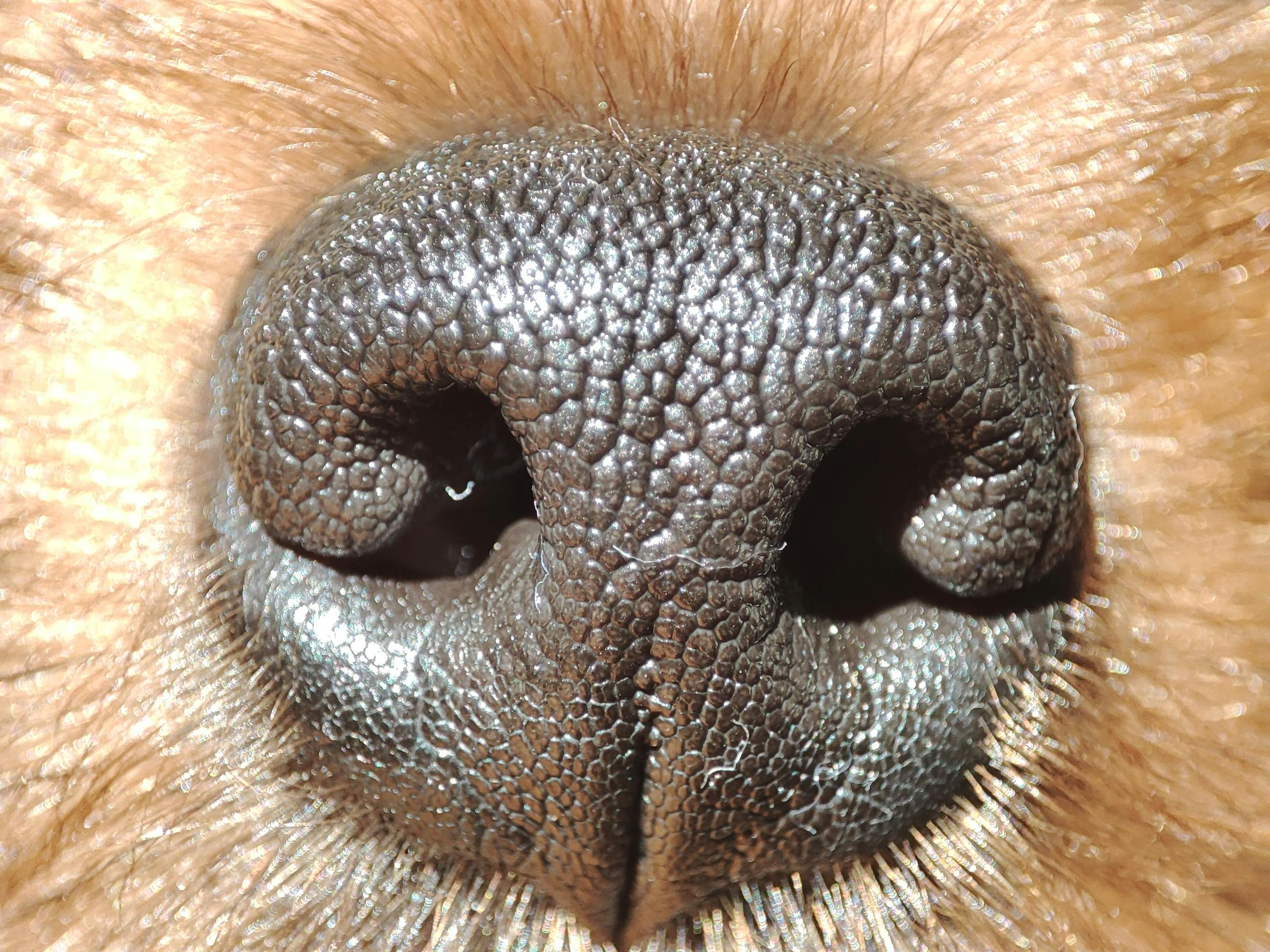
Dogs have always been known for their amazing sense of smell, but did you know that their wet noses play a surprising role in all that? The question of why do dogs have wet noses is not just a quirky fact, but it’s also tied to their remarkable olfactory abilities. Let’s dive into this fascinating topic and discover the benefits that come with a dog’s wet nose.
The Science Behind a Dog’s Nose
Dogs have more than 220 million scent receptors in their noses compared to about 6 million in humans. But what does this have to do with that wet nose? Well, it turns out that moisture helps enhance their sense of smell. The wetness helps to capture scent particles, allowing dogs to identify and differentiate odors more effectively.
- Moisture Enhances Scent Detection: Wet noses can trap scent particles better than dry noses, making it easier for dogs to pick up on various scents.
- Cooling Mechanism: Dogs can’t sweat like humans, so their wet noses also helps them cool down. It’s a natural way to regulate body temperature.
- Health Indicator: A dog’s nose can indicate their health status. A wet, cool nose usually means the dog is healthy, while a dry, warm nose might suggest illness or dehydration.
Historical Context of Dogs and Their Noses
Dogs have been domesticated for thousands of years. Initially, their incredible sense of smell was utilized for hunting and tracking. They helped humans hunt for food, and their wet noses were likely one of the traits that made them such effective hunting companions. Over time, as dogs became more domesticated, their noses continued to play an important role in their interactions with the world.
- Tracking: Early humans relied on dogs to track animals due to their superior sense of smell.
- Companionship: As dogs transitioned from hunting partners to companions, their noses helped them bond with humans through scent recognition.
- Working Dogs: Today, dogs use their noses in various fields, including search and rescue, drug detection, and even medical alert for conditions like diabetes.
Benefits of a Wet Nose
You might be surprised by the range of benefits that come from a dog having a wet nose. Here’s a list of some of the surprising advantages:
- Enhanced Smell: As mentioned, the moisture on a dog’s nose helps to capture scent molecules, making their sense of smell stronger.
- Communication: Dogs often use their noses to communicate with other dogs. Smelling each other’s noses is a way for them to gather information about each other.
- Temperature Regulation: Dogs regulate their body temperature through their noses. The moisture evaporates, cooling them down, especially on hot days.
- Health Monitoring: A wet nose can be an indicator of hydration levels. If your dog’s nose is consistently dry, it may be time to check their health.
- Scent Memory: Dogs can remember scents for a long time, which is crucial for tasks like search and rescue operations.
Interesting Facts About Dog Noses
Here are some fun and interesting facts that you might not know about dog noses:
- Unique Patterns: Just like human fingerprints, each dog’s nose print is unique. This means you can potentially identify a dog by their nose print alone!
- Nasal Turbinates: Dogs have complex structures in their noses called nasal turbinates, which help filter and warm the air they breathe in.
- Scent Discrimination: Dogs can differentiate between scents even at incredibly low concentrations. They can detect certain drugs in parts per trillion!
- Scent Memory: A dog can remember a scent for years, making them excellent at finding lost items or people.
Practical Tips for Dog Owners
If you’re a dog owner, you may want to consider the following practical tips to keep your dog’s nose healthy:
- Hydration is Key: Always ensure your dog has access to fresh water. A hydrated dog is more likely to have a wet nose.
- Avoid Dry Environments: If you live in a dry climate, consider using a humidifier to help maintain moisture in the air.
- Regular Vet Check-ups: Keep an eye on your dog’s nose. If it becomes persistently dry or shows signs of cracks, consult your vet for advice.
The surprising role of a wet nose in a dog’s sense of smell reveals much about their health, behavior, and capabilities. By understanding why dogs have wet noses and the benefits they provide, we can better appreciate our furry friends and their unique traits. So next time you see your dog with that adorable wet nose, just remember how much it contributes to their everyday lives!
Why Do Dogs Have Wet Noses? Understanding Canine Physiology
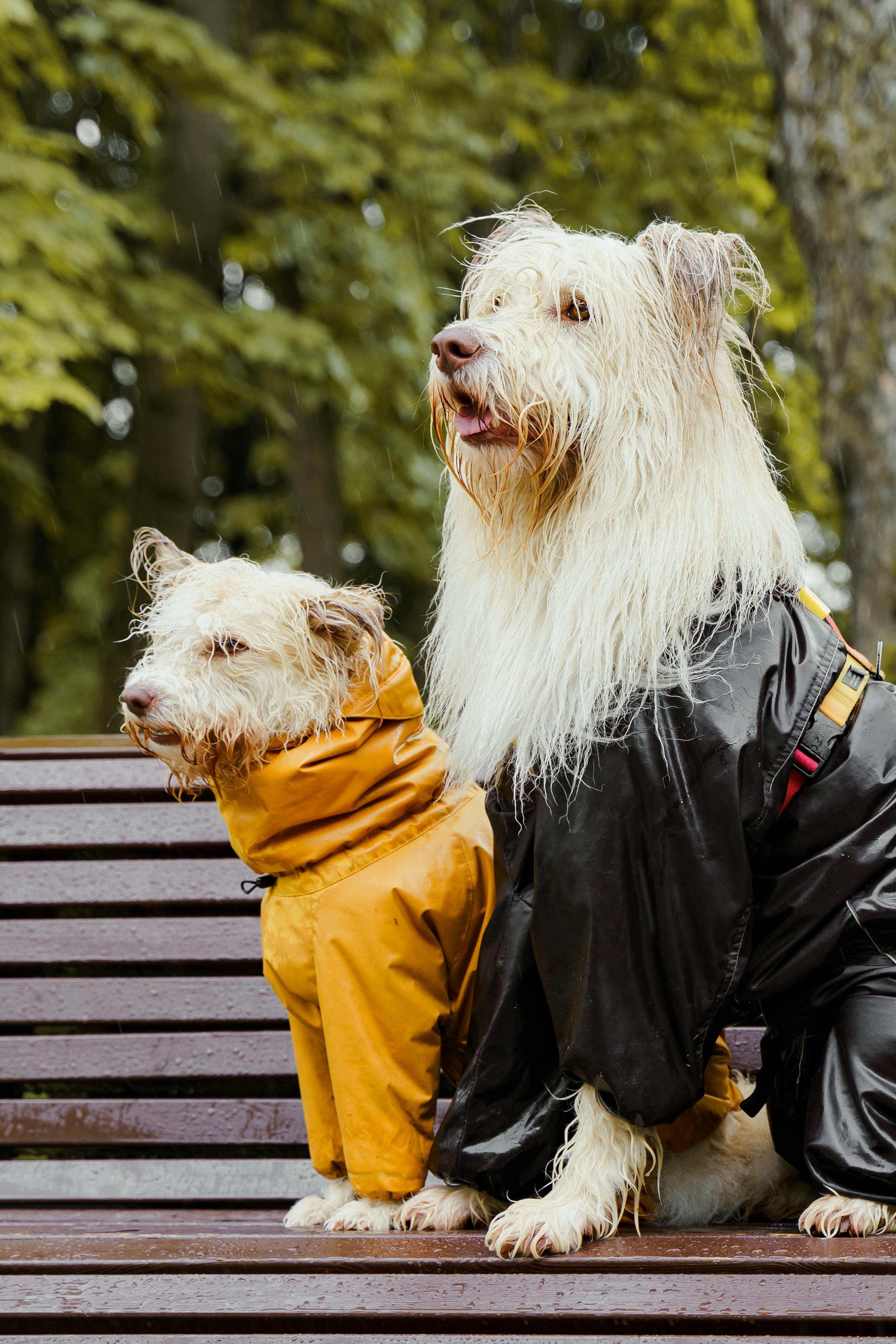
Have you ever wondered why do dogs have wet noses? It’s a question many pet owners find themselves asking, and it turns out there’s more to it than meets the eye. Dogs’ noses, often cold and damp, are not just a quirky feature; they play a crucial role in their physiology and behavior. Understanding this can deepen our appreciation for our furry friends and their unique characteristics.
The Science Behind Wet Noses
Firstly, let’s talk about the science. A dog’s nose is wet mainly due to moisture produced by the glands in their nasal passages. This moisture helps enhance their sense of smell. Did you know that dogs have up to 300 million scent receptors in their noses, compared to a human’s mere 5 million? That’s why they’re often used in search and rescue operations, detecting drugs, or even identifying certain medical conditions.
- Dogs detect smells primarily through:
- Olfactory receptors
- Nasal turbinates (these are the structures in the nose that help in air filtering)
- Moisture on the nose, which captures scent particles
When a dog sniffs, the wetness on their nose helps them collect scent particles from the air. This process makes it easier for them to analyze and identify various smells. In fact, it’s said that a dog’s sense of smell can be up to 40 times better than that of humans!
Why Wet Noses Matter
Now, you might be thinking: “Okay, but what are the benefits of having a wet nose?” Well, here’s a list of some surprising advantages:
- Enhanced Smelling Capability: As mentioned, a wet nose captures more scent particles, allowing dogs to smell better.
- Temperature Regulation: Dogs can’t sweat like humans do. Their wet noses help them stay cool as the moisture evaporates, similar to how humans cool down through perspiration.
- Health Indicator: A wet nose is often a sign of a healthy dog. If a dog’s nose becomes dry or hot, it might indicate an underlying health issue, like fever or dehydration.
- Communication Tool: Dogs use their noses to gather information about their environment and other animals, which can help with social interactions.
Historical Context of Canine Noses
Historically, dogs have been companions to humans for thousands of years, and their noses have played a significant role in their domestication. Early humans relied on dogs for hunting and protection, and their incredible sense of smell made them invaluable.
- Primitive humans began to notice how dogs could track scents and locate prey.
- As time passed, different breeds were developed for specific roles, many focusing on their sense of smell, like Bloodhounds and Beagles.
Fun Facts About Dog Noses
It’s not just about being wet! There’s so much more to learn about dog noses. Here’s a fun list of facts:
- Each dog’s nose print is unique, much like a human fingerprint.
- Dogs can smell certain diseases, including cancer and diabetes, through changes in body odor.
- A dog’s nose is not just for smelling; it also helps them with social behaviors, like greeting other dogs.
- The moisture on a dog’s nose can be affected by the weather; for example, it may be drier in winter months.
Comparing Canine and Human Noses
To put things into perspective, let’s compare canine noses to human noses:
| Feature | Dog Nose | Human Nose |
|---|---|---|
| Scent Receptors | 300 million | 5 million |
| Functionality | Tracking, communication | Breathing, smelling |
| Temperature Regulation | Helps cool down | Sweating only |
| Unique Patterns | Unique nose prints | Unique fingerprints |
Practical Examples of Nose Functions
Imagine taking your dog for a walk. As they sniff around, they’re gathering information about other animals that passed by, potential food sources, and even the moods of other dogs. Their wet noses help them navigate through their world.
Moreover, veterinarians often assess a dog’s nose during check-ups. If your dog has a dry or cracked nose, it could signal dehydration or an underlying health problem.
Understanding why do dogs have wet noses gives us insight into their amazing physiology and helps us care for them better. It’s not just a simple characteristic; it’s a vital part of what makes them such incredible companions. Next time you give your furry friend a pat, take a moment to appreciate that cold, wet nose and all it represents in their world. Knowing these facts can enhance your relationship with your pet, making every sniff an adventure in communication and understanding.
What Your Dog’s Wet Nose Can Tell You About Their Emotions

When you think about dogs, the first thing that may come to your mind is their wagging tails and fuzzy fur. But have you ever thought about their wet noses? It seems like a weird thing to focus on, but your dog’s wet nose can tell you a lot about their emotions and health. And, why do dogs have wet noses anyway? Let’s dive into the fascinating world of canine noses and discover the surprising benefits they bring!
What Makes a Dog’s Nose Wet?
Dogs’ noses are wet for a few reasons. The moisture on their noses comes from a combination of different factors:
Glandular Secretions: Dogs have special glands in their noses that produce moisture. This is often why you may notice your dog’s nose is wet after they’ve been sniffing around.
Environmental Factors: When dogs are outside, the humidity and temperature can also affect the moisture level of their noses. They might get a little wet from the rain or from being in the grass.
Self-Grooming: Dogs often lick their noses, which keeps them wet. This is a natural behavior that also helps them explore their environment better.
The Connection Between Wet Noses and Emotions
So, what do those wet noses really mean? Believe it or not, a dog’s nose can give you clues about their emotions! Here’s how:
Excitement: When dogs are happy or excited, their noses might become a little wetter. It’s like they are ready to play or go on an adventure.
Comfort: A wet nose can signal that a dog is relaxed and comfortable in their surroundings. If they are snuggling up next to you, their nose might feel nice and moist.
Stress or Anxiety: On the flip side, if a dog is feeling anxious, their nose could be dry. Stress can lead to dehydration, causing the nose to lose moisture.
Why Do Dogs Have Wet Noses?
You might be wondering why wet noses are so common in dogs. Here’s why:
Enhanced Sense of Smell: A wet nose helps dogs to smell better! The moisture captures scent particles, making it easier for them to identify different smells in their environment. This is why your dog loves to sniff everything!
Temperature Regulation: Dogs don’t sweat like humans do. A wet nose helps them cool down, especially on hot days. It’s like a built-in air conditioning system!
Communication Tool: Dogs use their noses to communicate with each other. A wet nose can be a sign of friendliness or curiosity when meeting another dog.
Surprising Benefits of a Dog’s Wet Nose
Did you know that your dog’s wet nose provides more than just emotional clues? Here are some surprising benefits:
Health Indicator: A wet nose can often mean that your dog is healthy. However, if it becomes excessively dry or cracked, it could indicate health issues.
Improved Bonding: When your dog nudges you with their wet nose, it’s a sign of affection. This behavior can strengthen the bond you share.
Natural Cooling System: The moisture on their nose helps regulate their body temperature, especially in warmer weather.
Enhanced Interaction: Dogs with wet noses may be more inclined to engage and play, making them more interactive companions.
Scent Detection: Wet noses help dogs detect certain scents better, which can be particularly useful in training or search and rescue efforts.
Fun Facts About Dog Noses
- A dog’s sense of smell is about 10,000 to 100,000 times more sensitive than a human’s!
- Each dog’s nose print is unique, similar to a human fingerprint.
- Some breeds, like Bloodhounds, have extra moist noses which help them track scents over long distances.
Final Thoughts
Understanding what your dog’s wet nose can tell you is not just about science; it’s about the bond you share with your furry friend. Knowing how their nose reflects their emotions and health can help you be a better pet owner. So next time your dog nudges you with that wet nose, remember, they might just be expressing their love or inviting you to play! Keep an eye on those wet noses and enjoy the special connection you have with your canine companion.
The Evolutionary Advantage of Wet Noses in Dogs: Nature’s Design

Dogs have been by humans side for thousands of years, serving as companions, workers, and even guardians. One of the most intriguing features about dogs is their wet noses. But why do dogs have wet noses? It’s not just for show; there’s a fascinating evolutionary advantage behind it. Let’s dive into the science, benefits, and even a bit of history surrounding our furry friends’ unique snouts.
The Science Behind Wet Noses
A dog’s nose is not just a cute feature; it’s a complex organ that plays a vital role in how they interact with the world. The wetness of a dog’s nose helps enhance its sense of smell. Here’s how:
- Moisture helps odor molecules stick: When a dog’s nose is wet, it can trap scent particles more effectively. This means they can smell things better than humans could ever imagine.
- Temperature regulation: A wet nose can help dogs regulate their body temperature, acting somewhat like sweat for humans. It helps them cool down more effectively.
Historical Perspective
Dogs evolved from wolves, and their noses adapted over time. Early domesticated dogs used their noses for hunting and tracking. A wet nose would have been advantageous in detecting prey and finding food.
- Wolves: They relied heavily on their sense of smell for survival. The ability to track scents over long distances was crucial for hunting.
- Domestication: As dogs became companions, their noses stayed wet, proving useful for their new roles in human society.
The Surprising Benefits of Wet Noses
The benefits of having a wet nose goes beyond just smelling better. Here are some surprising advantages:
Enhanced Scent Detection: Dogs have approximately 300 million scent receptors, compared to a human’s 5 million. A wet nose aids this remarkable ability.
Health Indicator: A wet nose can often signal a healthy dog. If a dog’s nose is unusually dry, it might indicate dehydration or illness.
Social Interactions: Dogs use their noses to communicate with each other and humans. A wet nose can be a sign of affection or excitement when greeting.
Environmental Awareness: Wet noses can help dogs pick up on pheromones, which can be crucial for understanding their surroundings, especially in social contexts.
Dogs vs. Other Animals
It’s interesting to compare dogs with other animals that also have wet noses. Here’s a quick breakdown:
- Cats: Similar to dogs, cats also have moist noses, but their scent detection is not as strong.
- Pigs: Pigs have wet noses as well, which help them root for food. Their sense of smell is also very developed.
- Rhinoceroses: They have moist skin, which functions similarly, but they don’t rely on scent as much.
Fun Facts About Dog Noses
- Unique Patterns: Just like fingerprints in humans, each dog’s nose print is unique. You could actually identify a dog by its nose!
- Temperature Sensitivity: Dogs can detect temperature changes through their noses, which can help in detecting danger.
- Nose Work: Many dogs are trained in nose work, a sport that utilizes their incredible sense of smell to find hidden items.
Practical Examples of Wet Nose Benefits
Want to see how these benefits play out in everyday life? Here’s a simple list:
- Tracking: Search and rescue dogs are trained to follow scents, helping find missing people.
- Medical Alerts: Some dogs can detect medical conditions like low blood sugar or seizures through scent changes.
- Therapy: Dogs are used in therapy for their calming presence and ability to read emotional states, often indicated by scent.
Understanding why do dogs have wet noses opens a window into not just their biology but their relationship with humans and the environment. Dogs are more than just pets; they are incredible beings adapted perfectly to their roles in our lives. So the next time you see your dog’s wet nose, remember it’s not just a cute characteristic but a testament to their evolutionary journey.
How to Keep Your Dog’s Nose Healthy: Tips for Pet Parents

Dogs are more than just pets; they’re family. Many dog owners often wonder about their furry friends’ health, especially when it comes to their noses. Have you ever thought about how to keep your dog’s nose healthy? Or why do dogs have wet noses in the first place? Let’s explore the fascinating world of dog noses, their health, and the surprising benefits of that moisture.
Why Do Dogs Have Wet Noses?
Dogs have wet noses for several reasons, and understanding it can help in keeping your pet healthy. The moisture on a dog’s nose helps them in many ways.
Sense of Smell: Wet noses help enhance a dog’s sense of smell. The moisture captures scent particles in the air, making it easier for dogs to identify smells. This is why your dog might sniff around so much when you take them for a walk.
Temperature Regulation: A dog’s nose also helps in regulating body temperature. When a dog is hot, they might lick their nose or pant, which allows moisture to evaporate and cool them down.
Health Indicator: The condition of a dog’s nose can indicate their overall health. A healthy dog’s nose is usually moist and cool, while a dry or cracked nose might signal dehydration or illness.
Benefits of a Wet Nose
It’s surprising how much a wet nose can benefit your dog. Here’s a breakdown of some of the key advantages:
- Enhanced Smell: Wet noses help dogs to detect scents better than dry ones.
- Cooling Effect: Moisture on the nose aids in cooling down their body temperature.
- Sign of Good Health: A moist nose can indicate that your dog is hydrated and healthy.
How to Keep Your Dog’s Nose Healthy
Keeping your dog’s nose healthy is essential for their overall well-being. Here are some simple tips for pet parents:
- Hydration: Always make sure your dog has access to fresh, clean water. Dehydration can lead to a dry nose.
- Humidity Levels: Consider the environment. In dry climates or during winter months, using a humidifier can help keep your dog’s nose moist.
- Regular Vet Visits: Regular check-ups with your veterinarian can help catch any potential problems early. If you notice persistent dryness or cracks, it’s best to consult a vet.
- Protect from Sun: Just like humans, dogs can get sunburned. If your dog spends a lot of time outdoors, consider using pet-safe sunscreen on their nose.
- Watch for Allergens: Dogs can be allergic to pollen, dust, and other environmental factors. Keeping their living area clean and reducing allergens can help maintain a healthy nose.
Common Nose Issues in Dogs
It’s important to be aware of some common issues that can affect your dog’s nose. Here’s a quick list of conditions to look out for:
- Dry, Cracked Nose: This can be caused by dehydration or allergies.
- Nosebleeds: Often due to trauma or dry air, but can indicate a more serious issue.
- Nasal Discharge: Clear discharge can be normal, but yellow or green discharge may indicate an infection.
- Nose Tumors: Rare, but they can occur. If you notice any unusual growths, consult your vet.
Practical Examples of Nose Care
Here’s a small table of do’s and don’ts when it comes to dog nose care:
| Do’s | Don’ts |
|---|---|
| Keep your dog hydrated | Ignore signs of dryness |
| Use a humidifier | Expose your dog to extreme sun |
| Regular vet check-ups | Self-diagnose nose issues |
| Use pet-safe sunscreen | Use human products on your dog |
By following these tips, you can ensure your dog’s nose stays healthy and moist. Remember that a healthy nose is just one part of your dog’s overall health, but it plays a significant role.
Dog noses are not just for sniffing; they’re vital for your pet’s health and comfort. By understanding why dogs have wet noses and how to keep them in good shape, you can contribute to your furry friend’s well-being. Pay attention to their nose and overall health – after all, a happy dog means a happy home!
Wet vs. Dry Nose: What You Need to Know About Your Dog’s Health

When it comes to our furry friends, one of the most common things we notice is their noses. You may ask yourself, “Why do dogs have wet noses?” or “What’s the deal with wet vs. dry noses?” This topic is not just a quirky observation, it can actually tell you a lot about your dog’s health and well-being. In this article, we dive into the reasons behind those moist noses and what they might mean for your beloved pet.
The Science Behind Wet Noses
First off, a dog’s nose is typically wet because of the mucus that coats it. This mucus helps to enhance their sense of smell, which is significantly better than ours. Dogs have a highly developed olfactory system, and moisture on their nose can help capture scent particles from the air. So, the wetter the nose, the better they can smell.
But it’s not just about sniffing. A wet nose also plays a role in thermoregulation. Dogs don’t sweat like humans. Instead, they rely on their noses and paw pads to help regulate their body temperature. When a dog pants or cools down, moisture evaporates from their nose, helping to keep them comfortable.
Why Do Dogs Have Wet Noses?
Here are some fascinating facts about why dogs have wet noses:
- Enhanced Olfactory Function: Wet noses trap scent particles, making it easier for dogs to detect smells.
- Cooling Mechanism: The moisture helps cool down the dog, especially during hot weather.
- Health Indicator: A change in nose moisture can signal health issues.
The Benefits of a Wet Nose
The benefits of having a wet nose are not just for smell. Here are some surprising advantages:
- Better Smell: Wet noses absorb scents more effectively.
- Easier Breathing: Moisture can help dogs breathe better, especially when the air is dry.
- Social Communication: Dogs often use their noses to greet other dogs. A wet nose can indicate friendliness and health.
Wet vs. Dry Noses: What’s the Difference?
It’s important to note that not all noses are created equal. A dog’s nose can be wet, dry, or somewhere in between, and each condition can mean different things. Here’s a quick comparison:
| Condition | Characteristics | Potential Implications |
|---|---|---|
| Wet Nose | Moist, cool to touch | Healthy, well-hydrated dog |
| Dry Nose | Warm, cracked, or flaky | Possible dehydration or illness |
| Normal Nose | Slightly moist | Usually healthy, normal condition |
When Should You Be Concerned?
While a wet nose is generally a sign of good health, there are times when you should be more observant. If your dog’s nose suddenly becomes dry, hot, or cracked, it could indicate several health issues. Here are some things to watch for:
- Dehydration: A persistently dry nose can signal that your dog isn’t drinking enough water.
- Fever: A warm or dry nose can be a sign of fever.
- Allergies or Infections: If your dog’s nose is dry and also has discharge, it could mean an infection or allergies.
What to Do About a Dry Nose
If you notice that your dog’s nose is dry, here are some tips to consider:
- Increase Water Intake: Ensure your dog has access to fresh water at all times.
- Consult Your Vet: If the dryness persists, it’s best to consult your veterinarian for further evaluation.
- Humidity: Use a humidifier, especially during winter months when the air is dry.
Fun Facts About Dog Noses
- Unique Patterns: Just like human fingerprints, every dog has a unique nose print.
- Nose Temperature: A dog’s nose temperature can vary throughout the day, and it can be a good gauge of their overall health.
- Scent Detection: Dogs can smell up to 100,000 times better than humans, making their wet noses a vital tool for survival and interaction.
Knowing about your dog’s nose can offer insight into their health and well-being. It’s fascinating how something as simple as a wet or dry nose can reveal so much about your furry friend. So, the next time you notice that wet snout, remember that it’s not just cute—it’s an essential part of their health!
Conclusion
In conclusion, the wet noses of dogs serve several important purposes that enhance their overall health and well-being. We explored how the moisture in a dog’s nose helps to improve their sense of smell, which is vital for their communication and interaction with the world around them. Additionally, a wet nose can assist in thermoregulation, keeping them cool in warmer temperatures. The presence of moisture also plays a role in maintaining nasal health by trapping dust and allergens. Understanding these fascinating aspects of canine biology not only deepens our appreciation for our furry companions but also highlights the importance of regular veterinary check-ups to ensure they remain healthy. Next time you give your dog a loving pat on the nose, remember the incredible functions it serves! Consider sharing this knowledge with fellow dog lovers to spread awareness about the unique characteristics of our beloved pets.
