Have you ever wondered why do dogs have wet noses? This fascinating question sparks curiosity among dog lovers and pet owners alike. A dog’s nose is not just an adorable feature; it serves multiple essential functions that play a crucial role in their health and behavior. But what exactly makes a dog's nose wet? Is it purely for scent detection or is there more to this intriguing canine characteristic? In this blog post, we will explore the various reasons behind this phenomenon, uncovering the mysteries of dog nose moisture and its significance. Wet noses are often associated with a dog’s ability to regulate their body temperature and enhance their sense of smell. But did you know that a wet nose can also indicate a dog’s emotional state? Join us as we dive deep into the reasons why dogs have wet noses, revealing tips on how to ensure your furry friend stays healthy and happy. So, if you’re curious about your pet’s unique biology and want to understand more about their wet nose secrets, keep reading! You won’t want to miss these fascinating insights!
\n\nThe Science Behind Wet Noses: What Makes Your Dog's Nose So Moist?
\n\n \n\n
\n\nHave you ever wondered why your dog’s nose is always damp? You might think it’s just a quirky trait, but there’s actually a fascinating science behind wet noses. Understanding why dogs have wet noses can shed light on their health, behavior, and even their communication methods. So, why do dogs have wet noses? Let’s explore this intriguing topic together.
\nThe Anatomy of a Dog’s Nose
\nDogs have a highly specialized sense of smell, which is way more developed than ours. The canine nose contains up to 300 million smell receptors, compared to a human’s 5 million. This unique structure is designed to help them sniff out scents in their environment. The moisture on a dog's nose plays a vital role in this process.
\n- \n
- Nasal Mucosa: This is the tissue that lines the inside of the nose. It helps keep the nose moist and is essential for scent detection. \n
- Sebaceous Glands: These glands produce oil that helps maintain the moisture level. If a dog’s nose is dry, it might indicate a health issue. \n
Why Do Dogs Have Wet Noses?
\n- \n
- \n
Enhanced Smell: The moisture on a dog’s nose helps to absorb scent molecules. When the nose is wet, it can trap more smells, allowing dogs to get a better reading of their surroundings. This is why a wet nose is often associated with a healthy and active dog.
\n \n - \n
Thermoregulation: Dogs do not sweat like humans do. Instead, they rely on panting and the moisture on their noses to help regulate their body temperature. When a dog is hot, the moisture evaporates, which can help cool them down.
\n \n - \n
Communication: Dogs use their noses not just for smelling but also for communicating with other dogs and animals. A wet nose can be a sign of excitement or alertness, which can be important in social interactions among dogs.
\n \n - \n
Health Indicator: A dog’s nose can reflect its overall health. Changes in moisture, color, or temperature can signal health issues. For example, if a dog’s nose becomes excessively dry, it could indicate dehydration or illness.
\n \n
Historical Context of Dog Noses
\nThroughout history, dogs have been bred for specific traits, including their olfactory capabilities. Ancient cultures recognized the importance of a dog’s sense of smell for various tasks like hunting and herding. This historical context highlights how vital a dog’s nose has been in developing their roles in human society.
\nFun Facts About Dog Noses
\n- \n
- Unique Patterns: Just like human fingerprints, each dog’s nose print is unique. It can actually be used for identification! \n
- Color Differences: The color of a dog's nose can vary widely based on breed and genetics. Some breeds have black noses while others might be pink or liver-colored. \n
- Wetness Variability: A dog's nose can change from wet to dry depending on factors like weather and activity level. For example, after a long play session, it might be drier than usual. \n
Maintaining Your Dog's Nose Health
\nIt’s important to keep an eye on your dog’s nose health. Here are some tips:
\n- \n
- Hydration: Ensure your dog is drinking enough water. Dehydration can lead to a dry nose. \n
- Humidity: In dry environments, consider using a humidifier to keep the air moist. This can help maintain moisture on your dog’s nose. \n
- Regular Check-ups: Regular veterinary visits can help catch any potential health issues early. \n
Comparison: Wet Noses vs. Dry Noses
\n| Feature | \nWet Nose | \nDry Nose | \n
|---|---|---|
| Scent Absorption | \nHigh | \nLow | \n
| Health Indicator | \nUsually Healthy | \nPossible Health Issues | \n
| Cooling Mechanism | \nEffective | \nLess Effective | \n
| Communication Signal | \nPositive/Alert | \nNeutral/Concern | \n
Understanding the science behind wet noses can enhance your relationship with your furry friend. It’s not just an interesting fact; it’s a part of their biology that contributes to their well-being and communication. So, the next time you give your dog a pat and feel that damp nose, you’ll know there’s a lot more going on than meets the eye!
\nAs you care for your pet, remember that a wet nose is often a sign of a happy and healthy dog, ready to explore the world with you.
\n\nTop 5 Reasons Why Dogs Have Wet Noses: The Surprising Truth Revealed
\n\n \n\n
\n\nDogs are known for many things — their loyalty, playfulness, and ability to sense emotions, but one of the most interesting features they have is their wet noses. You might've wondered, why do dogs have wet noses? This question leads us to some surprising truths about these furry friends. Let’s dive into the top 5 reasons why dogs have wet noses and discover the fascinating reasons behind this quirky trait.
\n1. Enhanced Sense of Smell
\nDogs have an incredible sense of smell, way better than humans. A dog's nose is packed with olfactory receptors — about 300 million compared to a human's 5 million. But why does moisture matter? A wet nose can help capture scent particles in the air. When the nose is moist, it can absorb scents better, helping dogs to identify smells more accurately.
\n- \n
- Olfactory Receptors:
- \n
- Dogs: 300 million \n
- Humans: 5 million \n
\n - Function: Moisture helps in scent absorption. \n
If you ever see a dog sniffing around, just remember that their wet nose is working hard to gather information from the environment.
\n2. Temperature Regulation
\nDogs can’t sweat like humans do. Instead, they rely on different methods to cool down. One of those methods include having a wet nose. When a dog’s nose is moist, it helps in regulating their body temperature. As the moisture evaporates, it cools the skin and helps to lower the dog's core temperature.
\n- \n
- Cooling Mechanism:
- \n
- Moisture evaporates. \n
- Cools skin surface. \n
\n
It’s quite fascinating to think that a simple wet nose plays a role in keeping your dog cool, especially on hot summer days.
\n3. Communication Tool
\nDogs use their noses for more than just smelling; it’s also a way they communicate. A wet nose can indicate a dog’s mood or health. For example, a dog with a dry nose might be feeling unwell or stressed. On the other hand, a wet nose often signals that the dog is happy and healthy.
\n- \n
- Mood Indicators:
- \n
- Wet Nose: Happy, healthy \n
- Dry Nose: Possibly unwell or stressed \n
\n
This shows how much we can learn from observing our dogs, and their noses are like little mood indicators!
\n4. Natural Cleaning Mechanism
\nDogs are very particular about their hygiene, and their noses are no exception. A wet nose helps to keep dirt and bacteria at bay. The moisture can trap dirt particles, and when the dog licks their nose, they are actually cleaning it. This is part of their natural grooming process.
\n- \n
- Cleaning Process:
- \n
- Moisture traps dirt. \n
- Licking helps maintain hygiene. \n
\n
This natural cleaning helps prevent infections and keeps their sense of smell sharp.
\n5. Evolutionary Trait
\nThe wet nose is also an evolutionary trait that dogs inherited from their ancestors. In the wild, a wet nose was beneficial for survival. It helped early canines to track prey and find food. This trait has been passed down through generations, which is why we see it in our domestic dogs today.
\n- \n
- Evolutionary Benefits:
- \n
- Aids in tracking prey. \n
- Enhances survival chances. \n
\n
Understanding this evolutionary aspect can give dog owners a deeper appreciation for their furry companions.
\nQuick Recap of the Reasons
\n- \n
- Enhanced Sense of Smell: Moisture aids in scent absorption. \n
- Temperature Regulation: Evaporation cools the dog’s body. \n
- Communication Tool: A wet nose indicates mood and health. \n
- Natural Cleaning Mechanism: Keeps the nose clean and functional. \n
- Evolutionary Trait: Inherited from ancestors for survival. \n
It’s amazing how much a simple characteristic like a wet nose can reveal about dogs. Each of these reasons contributes to the overall health and functionality of our canine friends, making them even more remarkable.
\nHaving a wet nose is not just a cute feature; it’s a vital part of what makes dogs unique. So, next time you see your pup with that adorable wet snout, remember the science and history behind it. Understanding these aspects can help strengthen the bond you share with your furry friend, making your time together even more special.
\n\nDo Wet Noses Mean a Healthy Dog? Understanding Your Furry Friend's Health
\n\n \n\n
\n\nWhen you see a dog, one of the first things you might notice is its wet nose. But have you ever wonder if a wet nose means a healthy dog? Many dog owners often ask the same question. The truth is, a wet nose is commonly associated with good health in dogs, but there’s much more to explore about why dogs have wet noses in the first place.
\nWhy Do Dogs Have Wet Noses?
\nDogs have wet noses for lots of reasons, and understanding them can help you keep your furry friend healthy. Here are some fascinating facts:
\n- \n
- Cooling Mechanism: Much like humans sweat, dogs use their noses to regulate body temperature. A wet nose helps them cool down, especially during hot weather. \n
- Enhanced Smell: The moisture on a dog's nose helps capture scent particles, making it easier for them to smell. This is why dogs are often great at tracking scents. \n
- Health Indicator: While a wet nose can often indicate a healthy dog, it's not a definitive sign. A dog can be sick and still have a wet nose. \n
- Behavioral Aspect: Dogs often lick their noses to keep them clean and moist. This is part of their grooming habits. \n
The Science Behind a Wet Nose
\nYou might be wondering what causes a dog's nose to be wet. Dogs' noses are covered in a special tissue that produces mucus. This mucus is what keeps their noses moist. Here’s a breakdown of how this works:
\n- \n
- Nasal Glands: Dogs have mucous glands in their noses that secrete moisture. \n
- Humidity: The humidity in the air can also affect how wet a nose gets. On humid days, noses might be wetter than on dry days. \n
- Health Factors: Certain health issues can lead to changes in nose moisture. For example, a dog with a fever might have a dryer nose. \n
Wet Nose vs. Dry Nose: What’s Normal?
\nDog noses can vary from wet to dry, and both can be normal. Here’s a quick comparison:
\n| Condition | \nWet Nose | \nDry Nose | \n
|---|---|---|
| General Health | \nOften a sign of health | \nCan be normal too | \n
| Activity Level | \nActive, playful dogs | \nMight indicate rest | \n
| Temperature | \nCooler, well-regulated | \nWarmer, possibly sick | \n
When to Worry About Your Dog's Nose
\nWhile a wet nose can often indicate a healthy dog, there are situations when you should be alert:
\n- \n
- Persistent Dryness: If your dog's nose is dry for several days, it could be a sign of dehydration or illness. \n
- Cracking or Bleeding: If you see cracks or blood on your dog's nose, it’s time to visit a vet. \n
- Changes in Behavior: If your dog’s behavior changes along with a dry nose, it might be worth consulting a veterinarian. \n
Fun Facts About Dog Noses
\nDid you know that dogs have an extraordinary sense of smell? Here are some interesting facts about dog noses:
\n- \n
- Dogs have up to 300 million smell receptors, while humans only have about 5 million. \n
- Each dog’s nose print is unique, much like human fingerprints. \n
- The shape and size of a dog’s nose can affect its smelling ability. Breeds like Bloodhounds are known for their exceptional sniffing skills. \n
Caring for Your Dog's Nose
\nTo keep your furry friend's nose healthy, consider these tips:
\n- \n
- Stay Hydrated: Make sure your dog always has access to fresh water. Hydration is key! \n
- Regular Vet Visits: Routine check-ups can catch any potential health issues early. \n
- Protect from Harsh Weather: During extreme weather, consider using a nose balm to protect against dryness. \n
Understanding your dog’s health through their nose is just one part of being a responsible pet owner. While a wet nose can indicate health, it’s crucial to pay attention to the overall behavior and condition of your dog.
\nDogs communicate in various ways, and their noses are just one of the many signals they send us. So next time you check your dog's nose, remember that there’s a lot more to it than just wetness. Keeping an eye on your dog's overall health will ensure a happy and long life for your furry friend, wet nose and all.
\n\nHow a Wet Nose Benefits Your Dog: Exploring Its Functionality and Importance
\n\n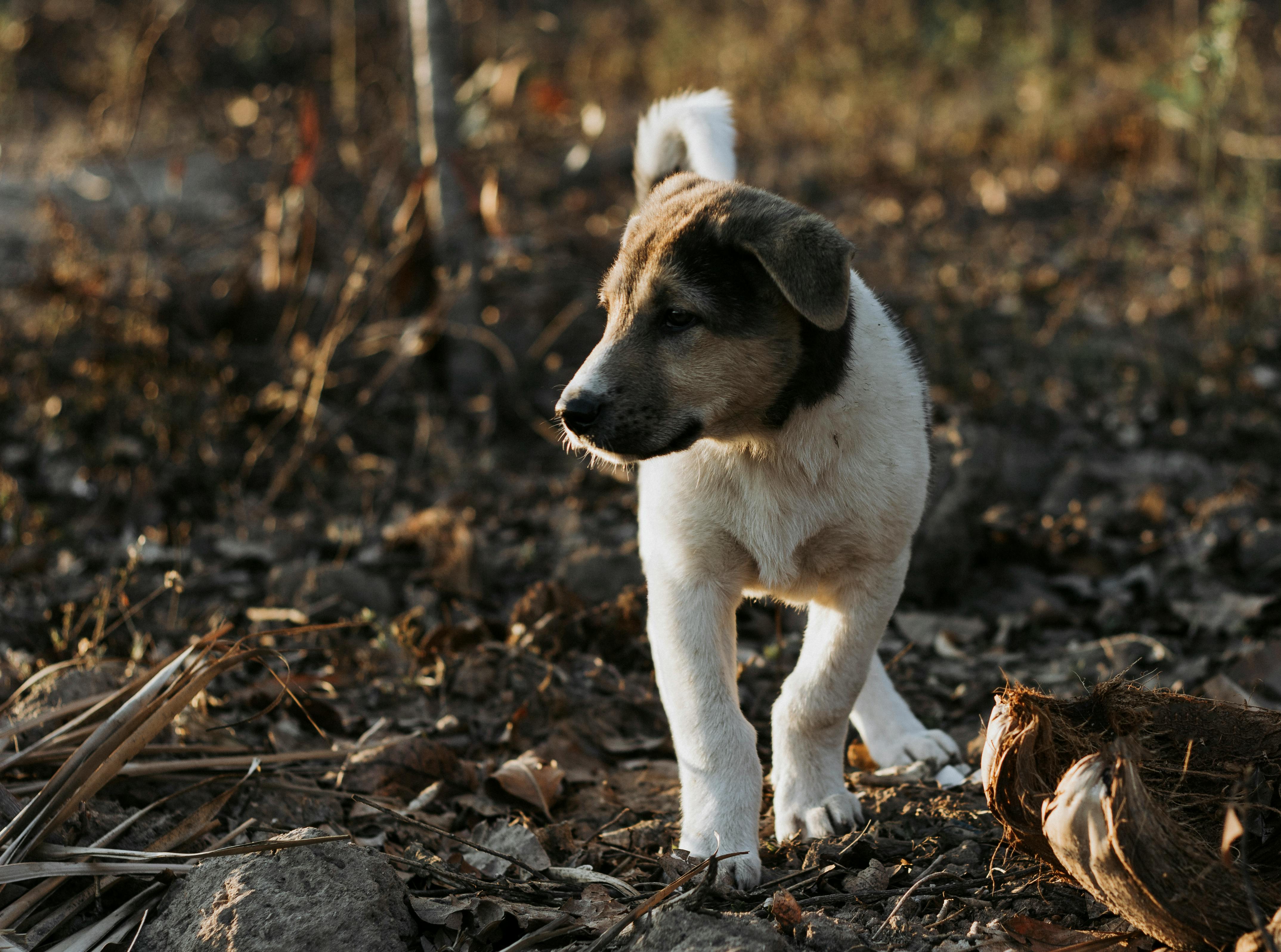 \n\n
\n\nWhen you think about dogs, one of the first things that probably come to mind is their adorable wet noses. But have you ever stopped to think why do dogs have wet noses? The answer is not only interesting but also reveals a lot about how they interact with the world around them. Wet noses are not just a cute feature; they serve several important functions that contribute to a dog’s health and well-being.
\nThe Science Behind a Dog's Wet Nose
\nDogs’ noses are wet primarily because of the moisture that comes from the glands in their skin, which keeps them cool and helps them smell better. When a dog licks its nose, it adds extra moisture, making it easier to pick up scents. This is because the moisture helps to dissolve odor molecules which enhances their sense of smell.
\n- \n
- \n
Olfactory Function: The wetness makes the surface of the nose more sensitive to smells. Dogs have up to 300 million scent receptors in their noses, compared to a human’s 5 million. This makes their sense of smell incredibly acute.
\n \n - \n
Temperature Regulation: Dogs don’t sweat like humans do. Instead, they rely on panting and the moisture of their noses to help regulate their body temperature. A wet nose assists in cooling down the dog’s body temperature during hot weather.
\n \n
Historical Context of Dogs' Noses
\nHistorically, dogs have evolved along with humans for thousands of years. They were bred not just for companionship but also for hunting and herding. Their wet noses became a key trait that helped them track scents over long distances.
\n- \n
- \n
Domestication: As dogs became domesticated, their noses remained wet to assist in their roles. They needed to sniff out food and detect potential dangers.
\n \n - \n
Breeding Practices: Different breeds have developed unique nose characteristics, but the wetness has remained a constant trait across most breeds.
\n \n
Fascinating Reasons Why Dogs Have Wet Noses
\nThere are several reasons that explain why do dogs have wet noses, and these reasons are both functional and fascinating. Here’s a list to break it down:
\n- \n
- Enhanced Smell: A wet nose is better at capturing scents. \n
- Social Interactions: Dogs often greet each other by sniffing noses, which is part of their social behavior. A wet nose can signal health and readiness for interaction. \n
- Health Indicator: A dog’s nose can indicate health. If a normally wet nose becomes dry, it could be a sign of dehydration or illness. \n
- Cooling System: Helps keep dogs cool in hot weather. \n
Comparisons with Other Animals
\nInterestingly, not all animals have wet noses. For instance, cats have dry noses, which serve different purposes. Here’s how dogs compare to a few other common pets:
\n| Animal | \nNose Type | \nPurpose | \n
|---|---|---|
| Dogs | \nWet | \nEnhanced sense of smell, temperature regulation | \n
| Cats | \nDry | \nGood sense of smell, but less than dogs | \n
| Horses | \nMoist | \nSense of smell and temperature regulation | \n
| Pigs | \nWet | \nExcellent sense of smell, used for foraging | \n
Practical Examples of Nose Behavior in Dogs
\nDogs use their noses for various everyday activities. Here are some practical examples that show just how important a wet nose can be:
\n- \n
- \n
Detecting Food: When you’re preparing their meals, dogs often sniff around eagerly. Their wet noses help them identify their favorite treats.
\n \n - \n
Herding and Hunting: Working dogs, like shepherds or hunters, utilize their noses to locate and track animals. A wet nose enhances their ability to smell in diverse environments.
\n \n - \n
Therapeutic Uses: Dogs are utilized in therapy settings, where their ability to sense emotions can provide comfort. A wet nose can be soothing to people in distress.
\n \n - \n
Finding Lost Items: Many dogs are trained to find lost items or people using their incredible sense of smell. Their wet noses are a crucial part of this process.
\n \n
Understanding why do dogs have wet noses gives us insights into their health, behaviors, and interactions with humans and other animals. The next time you see your furry friend with that adorable moist snout, remember it’s not just for show; it’s a vital part of what makes them the amazing companions they are. Wet noses not just enhance their sense of smell but also play a role in their health and social behaviors. So, embrace those playful nudges from your pup, and appreciate the wonders of their wet nose.
\n\nThe Fascinating Evolution of Wet Noses in Dogs: Nature’s Design at Work
\n\n \n\n
\n\nThe world of dogs is full of charming quirks and behaviors that often leave us wondering about their origins. One of the most interesting features of our canine companions is their wet noses. Have you ever stopped to ask yourself, "Why do dogs have wet noses?" It’s a question that has intrigued dog lovers and scientists alike. As we explore the fascinating evolution of wet noses in dogs, we can uncover the reasons that nature has equipped our furry friends with this unique trait.
\nThe Biology Behind Wet Noses
\nDogs have wet noses primarily because of their unique anatomy and evolutionary adaptations. A dog’s nose is covered in a thin layer of moisture which helps with their sense of smell. The moisture comes from glands in the nasal passages and skin that keep the nose moist. This is important because a wet nose can enhance a dog's ability to detect smells, which is vital for their survival.
\n- \n
- Scent Detection: Dogs have an extraordinary sense of smell, up to 100,000 times more sensitive than humans. A wet nose helps to capture scent particles more effectively. \n
- Thermoregulation: Dogs can’t sweat like humans do. A moist nose plays a role in cooling their body temperature. When the moisture evaporates, it helps to cool off the dog. \n
- Health Indicator: A wet nose often signals a healthy dog. While not always the case, a dry or cracked nose can sometimes indicate a health issue. \n
Historical Context of Dog Nose Evolution
\nThe evolution of dogs can be traced back thousands of years. The ancestors of modern dogs were wolves, and they had wet noses as well. This trait likely persisted as dogs evolved alongside humans. Here are some historical highlights:
\n- \n
- Domestication: As wolves began to domesticate themselves around 15,000 years ago, their noses remained wet. This was beneficial for hunting and foraging. \n
- Breeding: Different dog breeds were developed for specific tasks, and those with wet noses maintained their strong sense of smell, which was essential for hunting and tracking. \n
- Survival of the Fittest: Wet noses might have provided an advantage in the wild, allowing dogs to better locate food and avoid dangers. \n
Why Do Dogs Have Wet Noses? Discover the Fascinating Reasons
\nThere are several reasons why dogs have evolved to have wet noses. Here are some key points:
\n- \n
- Enhanced Smell: The moisture on a dog’s nose helps to absorb scent particles. The more moisture, the better the smell. \n
- Communication: Dogs often use their noses to communicate with each other. A wet nose is seen as more inviting and friendly. \n
- Environmental Awareness: Wet noses can allow dogs to better detect changes in their environment, helping them respond to threats or changes in their surroundings. \n
The Role of Wet Noses in Dog Behavior
\nA dog's wet nose isn’t just for show; it plays a significant role in their behavior and interaction with the world. Some fascinating facts include:
\n- \n
- Nose-to-Nose Greetings: Dogs greet each other with nose touches, a behavior that signifies friendliness and curiosity. A wet nose can indicate a relaxed and approachable demeanor. \n
- Detection of Emotions: Dogs can sense human emotions through smell. They can detect subtle changes in a person’s scent when they are happy, sad, or stressed. A wet nose can enhance this ability. \n
- Playfulness: A dog with a wet nose is often perceived as more playful. It’s common for dogs to engage in play and exploration, and a wet nose shows they are actively engaged with their surroundings. \n
Fun Facts About Dog Noses
\nDogs' noses come in various shapes and sizes, and they all have their own unique characteristics. Here are some fun facts about them:
\n- \n
- Dogs have a unique nose print, much like human fingerprints, which can be used for identification. \n
- The color of a dog's nose can vary, from black to brown to pink, depending on the breed and genetics. \n
- Some breeds, like Bloodhounds, have an exceptional sense of smell and can track scents that are days old. \n
The world of dogs and their wet noses is truly captivating. The evolution of this feature reflects a deep connection between dogs and their environment. As we continue to study our furry friends, we gain insight into how nature has shaped them into the loyal companions we cherish today. So, the next time you’re greeted by a dog with a wet nose, remember that it’s not just an endearing trait; it’s a testament to nature's brilliant design at work.
\n\nCan Dogs Control Their Nose Moisture? Unveiling the Secrets of Canine Physiology
\n\n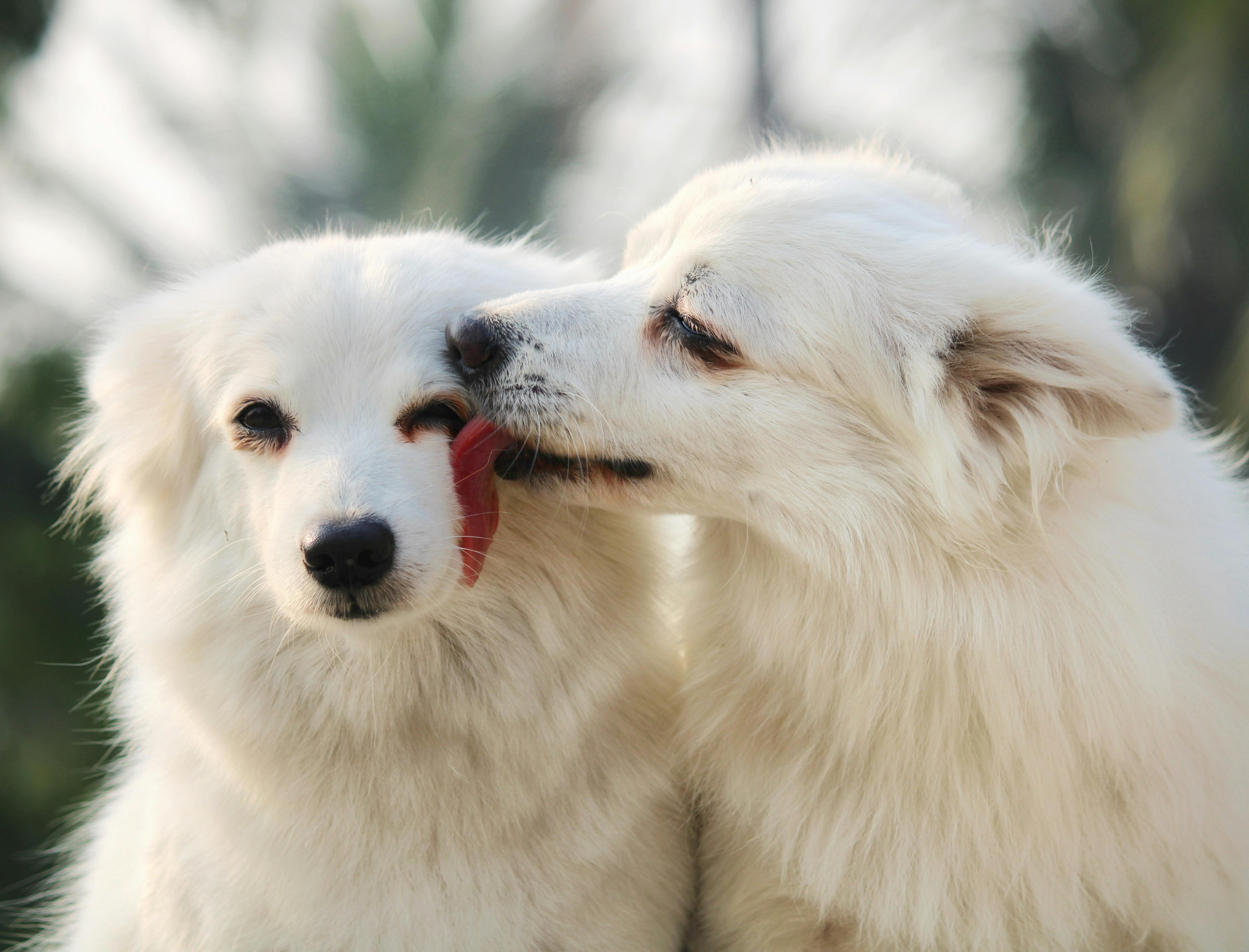 \n\n
\n\nDogs are known for their adorable and wet noses, but have you ever wondered, can dogs control their nose moisture? The answer is a bit more complex than you might think. Understanding why dogs have wet noses can unveil some fascinating insights into canine physiology, and also give us a greater appreciation for our furry friends.
\nThe Science of a Dog's Nose
\nDogs have some of the most sensitive noses in the animal kingdom. Their sense of smell is about 10,000 to 100,000 times more powerful than humans, depending on the breed. This incredible olfactory ability comes with a variety of physiological adaptations. The wetness of a dog's nose plays a crucial role in this.
\nWhy Do Dogs Have Wet Noses?
\n- \n
- \n
Moisture and Scent Detection: The moisture on a dog's nose helps to trap scent particles, which enhances their ability to detect odors. Wet surfaces are better at capturing smells, which is why a damp nose helps dogs pick up scents more efficiently.
\n \n - \n
Temperature Regulation: Dogs don’t sweat like humans do. Instead, they rely on their noses to help regulate body temperature. When the nose is wet, it can cool down through evaporation, helping to maintain a comfortable body temperature, especially on hot days.
\n \n - \n
Health Indicator: The moisture level of a dog's nose can also indicate their health. A consistently dry nose might signal dehydration or illness, while a normal, wet nose usually indicates a healthy pup.
\n \n - \n
Behavioral Signals: Dogs often lick their noses, which is a behavior that can indicate excitement, curiosity, or even anxiety. This licking can also increase moisture levels, which aids in scent detection.
\n \n
The Evolutionary Perspective
\nHistorically, dogs have developed these wet noses as part of their survival strategies. Ancestral wolves had similar adaptations that helped them hunt and find food. Over generations, these traits became more pronounced in domesticated dogs, who relied on their noses for tracking scents and discovering new environments.
\nComparisons with Other Animals
\n- \n
- \n
Cats: Unlike dogs, cats often have drier noses. This is due to different hunting and survival strategies that don't rely on scent as heavily as dogs do.
\n \n - \n
Humans: In contrast, humans have a much less sensitive sense of smell. Our noses are dry most of the time and don't have the same moisture-gathering abilities that dogs have.
\n \n
Practical Examples of Nose Moisture Control
\n- \n
- \n
Licking: When a dog feels excited or anxious, they might lick their nose more frequently. This licking not only keeps their nose moist but can also be a self-soothing behavior.
\n \n - \n
Environmental Factors: Weather can affect the moisture level of a dog’s nose. For instance, in humid weather, a dog's nose may remain wetter compared to dry, arid conditions.
\n \n - \n
Health Monitoring: As a dog owner, you may notice changes in your pet’s nose moisture. Keeping an eye on this can help catch potential health issues early.
\n \n
Table: Signs of Nose Moisture and Their Meanings
\n| Nose Condition | \nPossible Meaning | \n
|---|---|
| Wet and Cool | \nHealthy and hydrated | \n
| Dry and Cracked | \nCould indicate dehydration or illness | \n
| Constantly Running | \nPossible allergy or infection | \n
| Warm and Dry | \nFever or illness | \n
Fun Facts About Dogs' Noses
\n- \n
- Dogs have more than 300 million olfactory receptors in their noses, compared to about 6 million in humans. \n
- The texture of a dog's nose is unique, much like a human fingerprint. \n
- Some breeds, like Bloodhounds, are known for having an extraordinary sense of smell, which can be utilized in search and rescue missions. \n
In conclusion, the wetness of a dog's nose is not just a cute feature; it's a vital aspect of their physiology that aids in scent detection, temperature regulation, and overall health monitoring. Understanding why dogs have wet noses can deepen our connection with these amazing creatures and remind us of the intricate designs in nature. So, the next time you see your furry friend with that shiny, wet nose, you'll know there’s a lot more going on than meets the eye.
\n\nWhy Do Some Dogs Have Drier Noses? Discover the Causes and What They Mean
\n\n \n\n
\n\nDogs, those loyal companions, come in all shapes and sizes, and so do their noses. Ever wonder why some dogs have drier noses while others have that classic wet and shiny look? It’s not just a matter of breed or individual quirks. There are reasons behind these differences, and understanding them can help you take better care of your furry friend. So, let’s dive into this fascinating topic about dog noses, and explore what those wet or dry noses might mean.
\nWhy Do Dogs Have Wet Noses?
\nFirst off, most dogs have wet noses, and it’s actually normal. There are several reasons behind this moist phenomenon:
\n- \n
- \n
Cooling Mechanism: Dogs don’t sweat like humans do. Instead, they rely on their noses to help regulate their body temperature. The moisture from their noses evaporates, helping to cool them down.
\n \n - \n
Sense of Smell: A wet nose enhances a dog’s sense of smell. The moisture helps to dissolve scent particles, making it easier for their olfactory receptors to detect different odors. Since dogs have a sense of smell that’s 10,000 to 100,000 times more sensitive than humans, a wet nose is crucial for their sniffing abilities.
\n \n - \n
Health Indicator: A wet nose can be a sign of good health. Dogs often lick their noses to keep them moist, which also helps them to capture scents better. So when you pet your dog and feel that cool, damp nose, it’s usually a good sign!
\n \n
Why Do Some Dogs Have Drier Noses?
\nHowever, not all dogs have that characteristic wet nose. Some dogs may have drier noses due to various reasons. Here are a few causes:
\n- \n
- \n
Dehydration: If a dog isn’t drinking enough water, it can lead to a dry nose. Keeping your furry friend hydrated is important, especially during hot weather or after exercise.
\n \n - \n
Health Conditions: Certain health issues can affect a dog’s nose. Conditions like autoimmune diseases, allergies, or even infections can lead to dryness or cracking. If you notice persistent dryness, it's wise to consult a veterinarian.
\n \n - \n
Environmental Factors: Just like humans, dogs are susceptible to the environment. Dry air, especially in winter, can dry out a dog’s nose. Dogs living in warmer climates might also experience drier noses due to heat.
\n \n
Interesting Facts About Dog Noses
\nHere are some fun and informative facts about dog noses that you may not know:
\n- \n
- \n
Dogs can smell certain substances in parts per trillion, making them excellent at detecting drugs, explosives, and even diseases like cancer.
\n \n - \n
A dog's nose print is unique, much like a human fingerprint. Researchers have been using this to identify dogs.
\n \n - \n
The color of a dog’s nose can change depending on the weather. For instance, some dogs may have darker noses in the summer and lighter in the winter.
\n \n - \n
Puppies are born with pink noses, which may change color as they grow.
\n \n
Comparisons: Wet vs. Dry Noses
\nUnderstanding the differences between wet and dry noses can help pet owners better care for their dogs. Here’s a simple comparison:
\n| Wet Nose | \nDry Nose | \n
|---|---|
| Usually indicates good health | \nMay signal dehydration or illness | \n
| Helps with scent detection | \nCan affect smell sensitivity | \n
| Maintained by licking | \nMay need moisture (like coconut oil) | \n
| Common in most breeds | \nMore common in certain breeds | \n
Practical Tips for Nose Care
\nTaking care of your dog’s nose is essential. Here are some tips you can follow:
\n- \n
- \n
Hydration: Ensure your dog has constant access to clean water. It’s simple but effective.
\n \n - \n
Moisturizing: If your dog has a consistently dry nose, consider using natural oils like coconut oil to moisturize it. Just apply a small amount gently.
\n \n - \n
Regular Vet Check-Ups: Keep up with regular veterinary visits. If you notice changes in your dog’s nose, don’t hesitate to get it checked out.
\n \n - \n
Avoid Harsh Environments: If possible, limit exposure to dry or cold weather, which can exacerbate dryness.
\n \n
In summary, the condition of a dog’s nose can tell you a lot about their health and well-being. Whether it’s wet or dry, understanding these differences can help you be a better pet owner. Keeping an eye on your dog’s nose and overall health is important for their happiness and longevity. So next time you give your furry friend a pat, pay attention to that nose — it’s more than just a cute feature; it’s a window into their health!
\n\nThe Connection Between a Wet Nose and Your Dog's Senses: Enhancing Smell and Taste
\n\n \n\n
\n\nDogs are fascinating creatures, and one of the most intriguing aspects of their biology is their wet noses. You might have noticed that your furry friend’s nose is often moist, but have you ever wondered why do dogs have wet noses? This seemingly simple question opens up a world of understanding into how a dog perceives the world. Not only do wet noses play a role in enhancing smell and taste, but they also serve several other important functions in a dog's life. Let's dig into the connection between a wet nose and your dog's senses to uncover the reasons behind this unique characteristic.
\nThe Science Behind Wet Noses
\nA dog’s nose is designed for scent detection, which is way more powerful than what humans can comprehend. Did you know dogs have around 220 million smell receptors in their noses? In comparison, humans only have about 5 million. This means dogs are capable of detecting scents at incredibly low concentrations. But what does a wet nose have to do with it?
\n- \n
- Moisture Enhances Smell: The wetness of a dog’s nose helps capture scent particles from the air. When their nose is moist, it can absorb these scent particles better, allowing for more effective detection. \n
- Cooling Mechanism: Dogs do not sweat like humans. Instead, they cool themselves through their noses. A wet nose can help regulate their body temperature, especially on hot days. \n
- Health Indicator: The condition of a dog's nose can be an indicator of their health. A healthy nose is usually moist and cool, whilst a dry or cracked nose could signal a health issue. \n
Why Do Dogs Have Wet Noses?
\nThere are several fascinating reasons why dogs have wet noses. Let’s break it down:
\n- \n
- Scent Detection: A wet nose is critical for dogs to maximize their sense of smell. The moisture traps scent particles, which helps them identify different smells more accurately. \n
- Communication: Dogs use their noses to communicate with each other and with humans. A wet nose can indicate a friendly approach or an invitation to play. \n
- Taste Enhancement: The wetness of a dog’s nose also aids in taste. Although dogs have fewer taste buds than humans, their ability to detect flavors is enhanced by the moisture on their nose, which helps to interpret flavors better. \n
Historical Context of Dog Noses
\nThe evolutionary journey of dogs has shaped their incredible sense of smell. Dogs were domesticated from wolves, who relied heavily on their sense of smell for hunting and survival. Over thousands of years, this trait became more pronounced in domestic dogs.
\n- \n
- Ancient Uses: Historically, dogs were trained to track game using their exceptional sense of smell. This has evolved into modern uses such as search and rescue, detecting drugs, and even identifying certain medical conditions in humans. \n
- Breeding Impact: Different dog breeds have varying nose shapes and moisture levels. For instance, hounds are known for their long snouts and superior smelling capabilities, while breeds like bulldogs may have a less effective sense of smell due to their shorter snouts. \n
Fun Facts About Dog Noses
\n- \n
- Nose Prints: Just like human fingerprints, each dog has a unique nose print. This could be used for identification purposes, although it is not common practice. \n
- Nasal Turbinates: Dogs have complex structures in their noses called nasal turbinates, which help to warm, humidify, and filter the air they breathe. \n
- Color Variation: The color of a dog’s nose can vary greatly among breeds. Some dogs have black noses, while others may have brown or pink noses. \n
Practical Examples of Dog Noses in Action
\n- \n
- Search and Rescue: Dogs are commonly used in search and rescue missions due to their ability to detect human scents even in challenging environments. \n
- Medical Detection: There are trained dogs that can sniff out diseases such as cancer or diabetes in humans, demonstrating the remarkable ability of their noses. \n
- Behavioral Indicators: A dog’s wet nose can also tell you something about its emotional state. For example, a wet and cold nose suggests a relaxed and happy dog, while a dry nose may indicate stress or illness. \n
Understanding why do dogs have wet noses and how it enhances their smell and taste gives us a glimpse into their incredible biology. It’s a reminder of how much we still have to learn about our furry companions and the unique adaptations that have evolved over time. So next time you give your pup a scratch behind the ears, take a moment to appreciate that wet nose and what it really signifies.
\n\nWet Nose vs. Dry Nose: What Your Dog's Nose Can Tell You About Their Health
\n\n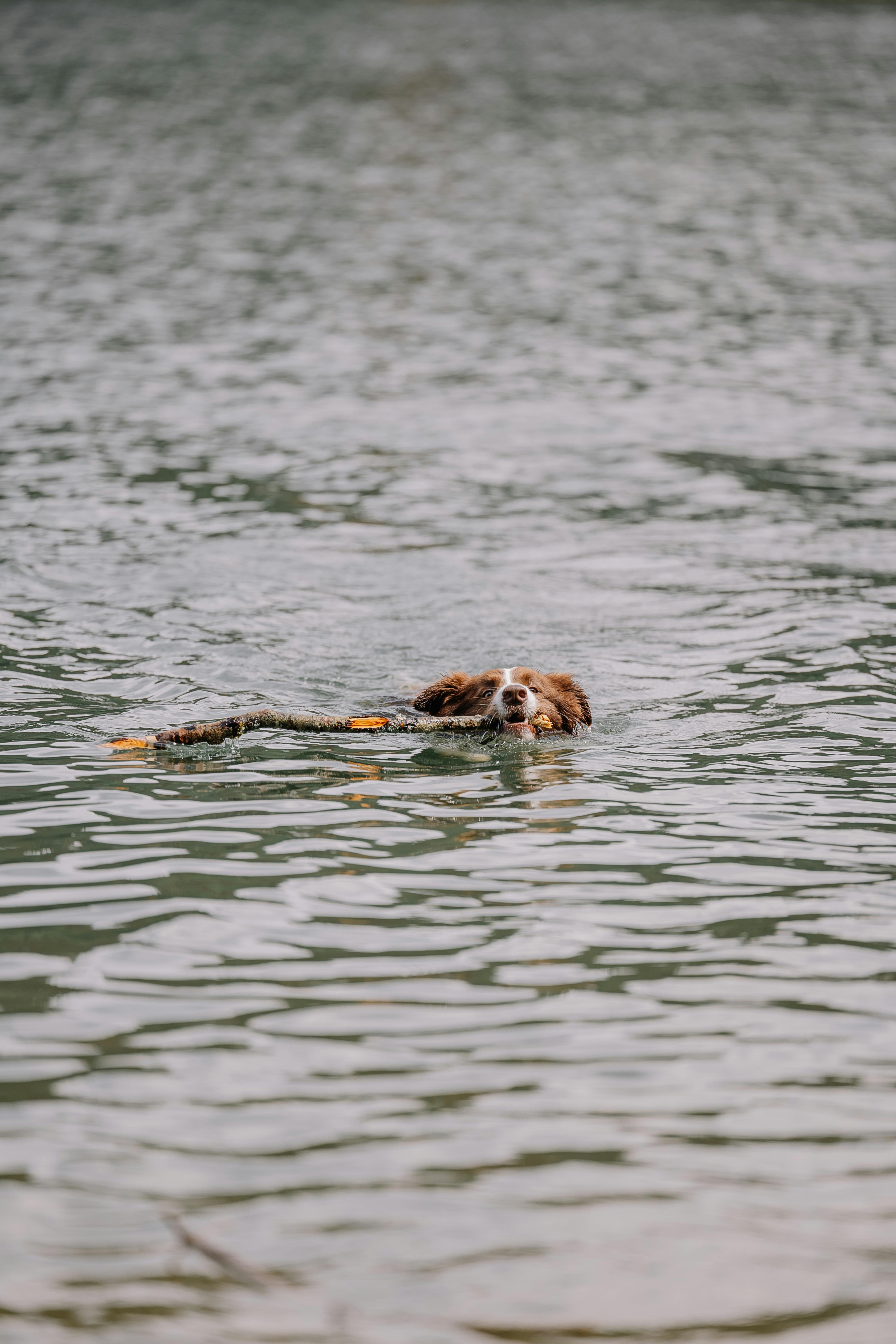 \n\n
\n\nDogs are often said to be our best friends, but their health indicators can sometimes be puzzling. One of the most fascinating aspects of canine health is their noses. Have you ever noticed the difference between a wet nose and a dry nose on your furry companion? Believe it or not, these conditions can tell you a lot about your dog's wellbeing. So, let's dive into the intriguing world of dog noses and uncover what a wet nose vs. a dry nose can signal.
\nWhy Do Dogs Have Wet Noses?
\nDogs have moist noses for several reasons, and it ain't just for show. Here are some key points to consider:
\n- \n
- Enhanced Smell: Moisture helps to dissolve scent particles, which can improve the dog's sense of smell. This is essential for dogs since they rely heavily on their noses to interpret the world around them. \n
- Cooling Mechanism: Just like humans sweat to cool down, dogs can use their noses to regulate body temperature. A wet nose can help them stay cool, especially on hot days. \n
- Health Indicator: A wet nose is often seen as a sign of a healthy dog. It means that they are hydrated and well. However, it is not the only indicator of health. \n
Wet Nose vs. Dry Nose: What Does It Mean?
\nNow, let's explore what you might discover when you examine your dog's nose.
\nWet Nose: Common Causes and Implications
\n- \n
- Hydration: A wet nose generally indicates that your dog is hydrated. If they have a consistently moist nose, that's generally a good sign. \n
- Excitement: Dogs often have wet noses when they are excited or active. When playing or running, their noses can become more moist due to increased breathing and saliva. \n
- Temperature Regulation: As mentioned earlier, dogs use their noses to help cool off. If you see your dog's nose is wet after a walk on a warm day, that's normal. \n
Dry Nose: What to Look For
\n- \n
- Dehydration: A dry nose can sometimes indicate that your dog might be dehydrated. If you notice that your dog’s nose is dry and they seem lethargic or are not drinking enough water, it might be time for a vet visit. \n
- Illness: A persistently dry nose can be a sign of illness. It could signal a fever, allergies, or skin issues that require attention. \n
- Environmental Factors: A dry nose can also be caused by environmental factors like dry air or exposure to heating systems. \n
Factors Influencing Nose Condition
\nVarious factors can impact whether your dog's nose is wet or dry. Here’s a simple breakdown:
\n- \n
- Weather Conditions: Hot, dry weather can lead to a dry nose, while humid conditions often keep it moist. \n
- Time of Day: Just like humans, dogs can have variations in their nose moisture levels throughout the day. Morning time might show a wetter nose after a good night's sleep. \n
- Age and Breed: Some breeds are more prone to dry noses than others. Older dogs may also experience changes in nose moisture. \n
Monitoring Your Dog's Health
\nSo how do you keep track of your dog's nose health? Here are some practical tips:
\n- \n
- Daily Checks: Make it a habit to check your dog’s nose daily. A simple touch can help you gauge its moisture level. \n
- Observe Behavior: Keep an eye on your dog's overall behavior. Are they eating, drinking, and playing normally? Changes in behavior can be more telling than a dry or wet nose. \n
- Vet Visits: If you’re ever in doubt, consult your veterinarian. They can give you insights into any underlying health issues. \n
Common Misconceptions
\nThere are a few myths about dog noses that need to be cleared up:
\n- \n
- "A Warm Nose Means Illness": Not necessarily true. Dogs can have warm noses for various reasons, and temperature can fluctuate throughout the day. \n
- "All Dogs Have Wet Noses": This isn’t the case. Some breeds naturally have drier noses, and that’s perfectly normal for them. \n
In summary, your dog’s nose can be a window into their health. A wet nose can indicate hydration and well-being, while a dry nose may raise some concerns. By understanding the reasons behind these changes, you can keep a close eye on your furry friend’s health. Regular checks, observations, and consultations with your vet can make a world of difference in ensuring your dog's happiness and longevity. Keep loving your pup and pay attention to those fascinating noses!
\n\nFun Facts About Dogs and Their Wet Noses: What Every Pet Owner Should Know
\n\n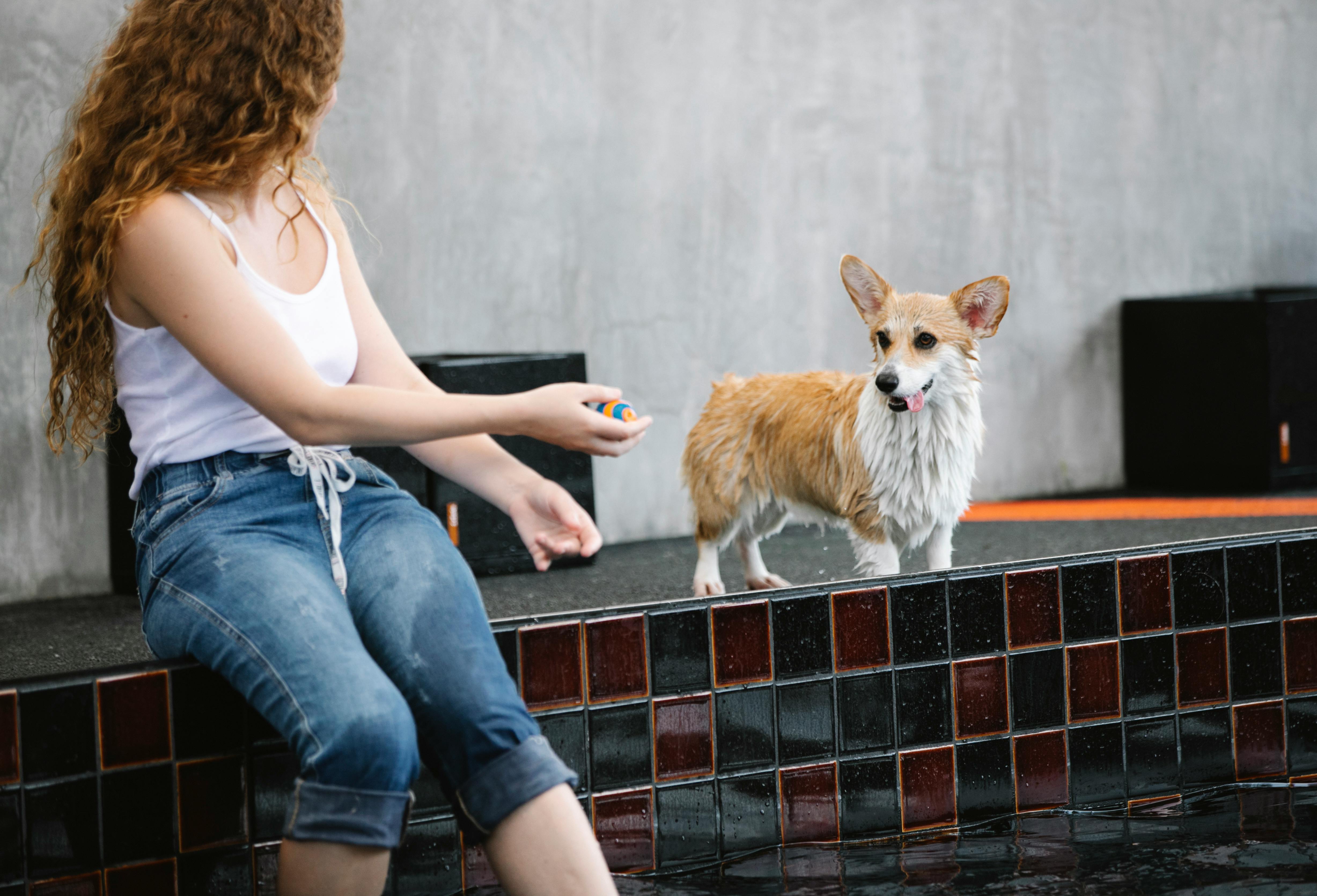 \n\n
\n\nDogs are known for many things, and one of their most distinctive features is their wet noses. Have you ever noticed how your furry friend greets you with a cold, damp nose? It's not just a quirk; there's actually a lot more to it! In this article, we’ll dive into fun facts about dogs and their wet noses, exploring the fascinating reasons behind this unique characteristic.
\nWhy Do Dogs Have Wet Noses?
\nFirst off, let’s get to the big question: why do dogs have wet noses? The moisture on a dog’s nose isn’t just for show. It serves several important functions. Here are some reasons:
\n- \n
- \n
Enhanced Sense of Smell: A dog’s nose is equipped with millions of scent receptors. The moisture helps to trap scent particles, which enhances their ability to smell. This is why dogs can sniff out drugs, bombs, or even a missing person!
\n \n - \n
Temperature Regulation: Just like humans sweat to cool down, dogs use their noses to regulate body temperature. When a dog is hot, the moisture on their nose helps to cool them off through evaporation.
\n \n - \n
Health Indicator: A dog’s nose can be an indicator of their health. Typically, a wet nose suggests good health, while a dry or cracked nose might indicate dehydration or illness. However, this isn’t always the case, as many factors affect nose moisture.
\n \n
Fun Facts About Dogs and Their Noses
\nIf you’re a dog owner, you might find the following facts about your pet’s nose quite interesting:
\n- \n
- \n
Nose Print Identification: Just like human fingerprints, each dog has a unique nose print. This means that your dog could be identified by their nose alone!
\n \n - \n
Nose Color Variations: The color of a dog’s nose can vary greatly, from black to pink, and even spotted! Breeds like Labrador Retrievers often have black noses, while breeds like Dalmatians have speckled noses.
\n \n - \n
Temperature Sensitivity: Dogs have sensitive noses; they can feel changes in temperature. This is why they often seem to be more aware of their surroundings than we are.
\n \n - \n
Nose and Taste Connection: A dog’s sense of taste is closely linked with their sense of smell. This is why they may seem to “taste” their food more by sniffing it before eating.
\n \n
Historical Context of Dogs and Their Noses
\nDogs have been companions to humans for thousands of years. The evolution of their noses has played a significant role in their survival and bonding with humans. Ancient civilizations utilized dogs for hunting, herding, and protection. Their keen sense of smell made them invaluable in these roles.
\n- \n
- \n
Hunting Companions: In ancient times, dogs with superior smelling abilities were favored for hunting. They helped humans track animals and locate food sources.
\n \n - \n
Service Animals: Today, dogs with exceptional noses are trained as service animals. They assist in search and rescue missions, find drugs, and even detect diseases like cancer and diabetes.
\n \n
Practical Tips for Pet Owners
\nUnderstanding your dog’s nose can help you take better care of them. Here’s a list of tips for maintaining your dog’s nose health:
\n- \n
- \n
Hydration: Keep your dog hydrated. A moist nose usually indicates good hydration.
\n \n - \n
Regular Vet Check-ups: Regular check-ups can help identify any issues with your dog’s nose or overall health.
\n \n - \n
Avoid Sun Exposure: If your dog has a light or pink nose, consider applying dog-safe sunscreen during sunny days to prevent sunburn.
\n \n - \n
Watch for Changes: If you notice sudden changes in your dog’s nose, like excessive dryness or cracking, consult with your veterinarian.
\n \n
Comparing Dog Noses
\nNot all dog noses are created equal! Different breeds have varying nose shapes and abilities.
\n| Breed | \nNose Type | \nScenting Ability | \n
|---|---|---|
| Bloodhound | \nLong and droopy | \nExceptional | \n
| Beagle | \nShort and wide | \nVery good | \n
| German Shepherd | \nMedium length | \nExcellent | \n
| Chihuahua | \nSmall and compact | \nGood | \n
As you can see, some breeds are naturally better at scenting due to the structure of their noses.
\nDogs have been our loyal companions for a long time, and their wet noses are just one of the many features that make them special. Knowing more about why dogs have wet noses can deepen your bond with your pet. Next time you’re greeted with a cold nose, remember it’s not just a cute greeting; it’s a sign of your dog’s health, their unique abilities, and a long history of companionship. So cherish those wet nose moments!
\n\nConclusion
\n\nIn conclusion, the wet noses of dogs serve several important functions, including enhancing their sense of smell, regulating body temperature, and facilitating communication with other dogs and humans. The moisture on their noses helps to capture scent particles, making their already impressive olfactory abilities even more effective. Additionally, the cooling effect of a wet nose can be vital in maintaining a dog's overall health, especially in warmer conditions. Understanding why dogs have wet noses not only deepens our appreciation for these beloved companions but also highlights the intricate ways they interact with their environment. As dog owners, it’s essential to pay attention to our furry friends' health and well-being. So, the next time you find yourself marveling at your dog's wet nose, remember the fascinating science behind it and consider sharing this knowledge with fellow dog lovers to celebrate the wonders of canine biology.
\n\n