
Have you ever wondered, “Why do dogs have wet noses?” This intriguing question not only sparks curiosity among dog lovers but also unveils the fascinating truth about our furry companions. A dog’s nose is more than just a cute feature; it plays a crucial role in their overall health and behavior. Wet noses are often associated with a healthy dog, but did you know that there are multiple reasons behind this phenomenon? From the scientific reasons to the emotional connections dogs share with their humans, the story is as captivating as a good tail-wagging adventure.
Moreover, understanding why dog’s noses are wet can help pet owners ensure their beloved pets are happy and thriving. Is it just a biological quirk, or does it serve a greater purpose in the world of canine communication? As we delve deeper into the mystery of wet noses, you’ll discover intriguing insights that will make you appreciate your four-legged friend even more. So, are you ready to uncover the secrets behind this charming characteristic? Join us as we explore the fascinating truth of why dogs have wet noses and what it means for their health and happiness!
The Science Behind Wet Noses: What Makes Your Dog’s Nose Moist?
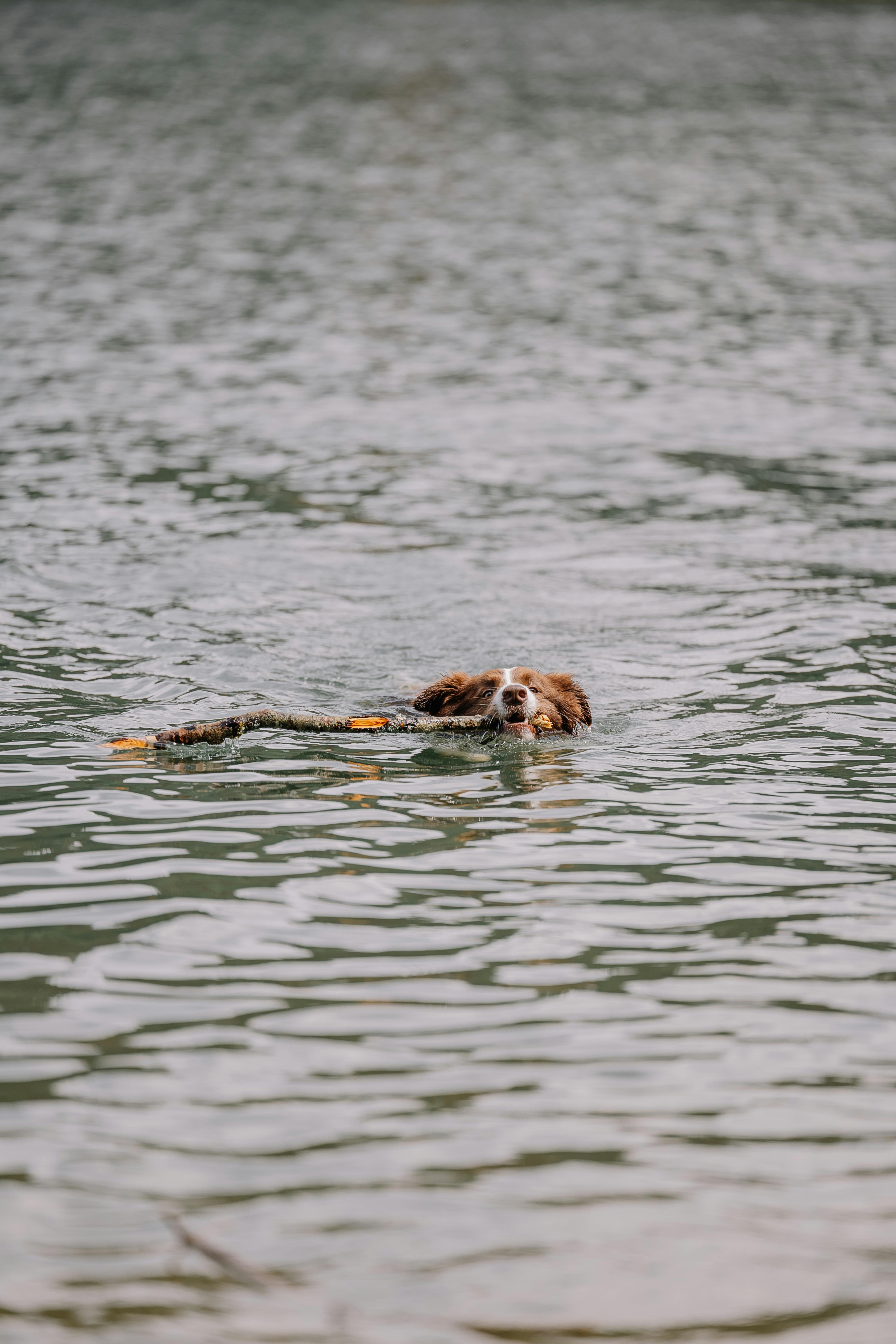
The curious case of your dog’s wet nose has puzzled pet owners for ages. If you ever wondered, “Why do dogs have wet noses?” you’re not alone. Understanding the science behind wet noses isn’t just a fun fact; it’s also crucial for pet health. Wet noses play a significant role in how dogs interact with their environment, and there’s a fascinating truth behind this phenomenon that’s worth exploring.
What Makes a Dog’s Nose Moist?
The moisture on a dog’s nose comes from several sources. First off, dogs have specialized glands in their noses that produce mucus. This mucus helps them sense their environment more accurately. The moisture also helps in absorbing scent particles, which is why dogs have such an incredible sense of smell compared to humans. The more moist their noses are, the better they can smell.
Also, did you know that the temperature of a dog’s nose can fluctuate? When they are happy or excited, their noses might get even wetter due to increased blood flow and activity in the nasal glands.
The Importance of a Wet Nose
There are a lot of reasons wet noses are important for dogs. Here’s a quick look:
- Enhanced Scent Detection: Wet noses absorb scent particles better, allowing dogs to detect smells more effectively.
- Temperature Regulation: A moist nose helps dogs cool down. Just like sweating in humans, it helps them stay comfortable.
- Health Indicator: A wet nose is often a sign of good health. If your dog’s nose is dry, it could indicate dehydration or illness.
Historical Context of Dog Noses
Historically, dogs have been companions to humans for thousands of years. Ancient civilizations valued dogs for their keen sense of smell and ability to track scents. In fact, the phrase “dogs are man’s best friend” relates closely to their abilities to sense and detect. They were even used for hunting, herding, and as service animals due to their unique sense of smell. This history helps us understand why having a wet nose is essential for a dog’s functioning, especially in natural environments.
The Fascinating Truth About Wet Noses
Dogs have wet noses because it helps them in various ways, but it also relates to their breed and lifestyle. For example, hunting breeds have a more prominent need for moisture to track scents, while companion breeds might not rely on their noses as much. Here’s a comparison of dog breeds and their nose moisture:
| Breed | Nose Moisture Level | Purpose |
|---|---|---|
| Bloodhound | High | Tracking and scent detection |
| Beagle | High | Hunting and tracking |
| Chihuahua | Low | Companion and lap dog |
| Labrador | High | Hunting and retrieving |
Why Do Dogs Have Wet Noses?
While science explains the “how,” the “why” dives deeper into canine biology and behavior. A dog’s nose has around 300 million smell receptors, compared to a human’s 5 million. This massive difference means their noses are vital for everything from navigation to understanding their surroundings.
Moreover, some dog owners may notice their dog’s noses can be dryer in certain situations. For example, it might be dry during sleep. When a dog sleeps, they might not produce as much mucus, causing their noses to be dry. This isn’t usually a cause for concern unless it persists.
Common Myths About Dog Noses
There are many misconceptions surrounding dog noses. Here’s a few common myths:
Myth 1: A dry nose always means a sick dog.
- Truth: Dogs can have dry noses for many reasons, including environmental factors or sleep.
Myth 2: The temperature of a dog’s nose indicates their health.
- Truth: A warm nose doesn’t necessarily mean they are ill.
Myth 3: All dogs’ noses should be wet.
- Truth: It varies by breed and individual dog.
Practical Tips for Dog Owners
- Keep an eye on your dog’s nose. If it suddenly becomes dry, check for signs of dehydration.
- Ensure your dog stays hydrated, especially during hot weather.
- Regular vet check-ups can help you monitor your dog’s overall health, including nose moisture levels.
Understanding the science behind wet noses opens a window to appreciating our canine companions even more. It’s a little quirk of nature that plays a big role in their lives. So, the next time you give your dog a pat on the head and notice that wet nose, remember it’s not just cute — it’s a vital part of what makes them, well, dogs.
5 Reasons Why Dogs Have Wet Noses: A Closer Look at Canine Anatomy

Dogs, those loyal companions, have captured human hearts for centuries. One of their most intriguing features is their wet noses. Ever wonder why dogs have wet noses? It’s not just for show, but there are several reasons that link to their anatomy and behavior. Let’s take a closer look at five fascinating reasons why dogs have wet noses.
1. Temperature Regulation
Dogs don’t sweat like humans do. Instead, they regulate their body temperature through panting and other methods. A wet nose helps them cool down. The moisture on their noses evaporates, which cools the blood vessels close to the surface. This can be crucial during the hot summer months when dogs are prone to overheating.
- Dogs have fewer sweat glands.
- They rely on panting and their noses to cool off.
- A wet nose can indicate a dog’s health, as extreme dryness could mean overheating.
For example, if you notice your dog’s nose is dry and hot, it might be a sign to offer them some water and find a cooler place to relax.
2. Enhanced Sense of Smell
The structure of a dog’s nose is uniquely designed for smelling. A wet nose improves their ability to pick up scents. When a dog’s nose is wet, it can more easily trap scent particles from the air, making it easier for them to identify different smells. This is particularly useful for hunting or tracking.
- Dogs have about 220 million scent receptors.
- Wetness helps capture scent molecules.
- A dog’s sense of smell is up to 10,000 to 100,000 times better than humans.
There are many examples of dogs being used in search and rescue missions or detecting drugs because of their incredible smelling ability, often aided by that wet nose.
3. Communication Tool
Dogs are social animals, and they communicate in various ways, including through their noses. A wet nose can be more inviting and friendly. When a dog approaches another dog or a human, they often nuzzle with their noses, which can be a way of greeting.
- A wet nose can signal friendliness.
- It can indicate a dog’s emotional state.
- Dogs also use their noses to explore their environment.
Think about how dogs often lick their owners’ faces. It’s their way of saying, “Hey, I love you!” and their wet nose makes this interaction more affectionate.
4. Health Indicator
A dog’s nose can actually be a health indicator. While a wet nose is generally a sign of good health, changes in moisture levels can signal problems. For instance, a dry or cracked nose may indicate dehydration or illness.
- Healthy nose: Cool and moist.
- Dry nose: May indicate illness or dehydration.
- Check your dog’s nose regularly for changes.
Some dog owners become concerned if they notice their dog’s nose is not as wet as it usually is. It’s a good practice to monitor your pet’s overall behavior and health along with their nose condition.
5. Species Evolution
The wet nose is also a product of evolutionary biology. Early dogs, much like wolves, developed this trait to enhance their survival. Having a wet nose not only helped with temperature regulation and scent detection but also made it easier to hunt and forage for food.
- Canine ancestors needed effective hunting strategies.
- A wet nose was beneficial for survival.
- Evolution favored dogs with better sensory capabilities.
Looking at history, the adaptability of dogs has allowed them to thrive alongside humans, and their wet noses are just one of the many traits that make them unique.
Summary of Reasons Why Dogs Have Wet Noses
- Temperature Regulation: Helps cool them down.
- Enhanced Sense of Smell: Improves scent detection.
- Communication Tool: Signals friendliness and emotional state.
- Health Indicator: Reflects overall well-being.
- Species Evolution: Beneficial for survival and hunting.
Understanding why dogs have wet noses can enrich our relationship with them. Next time you give your furry friend a scratch behind the ears, take a moment to appreciate that little wet nose. It’s not just cute, but also a fascinating part of what makes dogs such amazing companions. Observing these traits can deepen our bond and help ensure we take the best care of our four-legged family members.
Do Wet Noses Mean a Healthy Dog? Discover the Truth About Your Pup’s Health

When you see your dog with a wet nose, you might think, “Oh, my pup must be healthy!” But is that really true? Wet noses are often associated with good health in dogs, but it’s not as simple as that. Many dog owners have wondered, “Do wet noses mean a healthy dog?” Let’s dive into the fascinating world of canine noses and explore why they are wet, what they tell us about our furry friends’ health, and the myths surrounding them.
Why Do Dogs Have Wet Noses?
First off, you might be asking, why do dogs have wet noses anyway? There are a few reasons for this. The moisture on a dog’s nose helps to enhance their sense of smell. Dogs have an incredible olfactory system, and the wetness on their noses helps to capture scent particles from the air. This makes it easier for them to identify different smells, which is super important for their survival instincts.
Here are some key points about wet noses:
- Scent Enhancement: A wet nose picks up more scents due to its moisture.
- Cooling Mechanism: Dogs also use their noses to help regulate their body temperature. When they pant, the moisture evaporates, cooling them down.
- Health Indicator: While a wet nose can indicate health, it’s not the only sign. Other symptoms should be considered too.
The Truth About Wet Noses and Health
Now, let’s bust some myths. Many people think that a wet nose is a surefire sign that their dog is healthy. But that’s not always the case. Dogs can have wet noses and still be sick. The moisture can vary due to several factors, including:
- Environment: Humidity and temperature can affect how wet a dog’s nose is.
- Activity Level: After a bout of play, a dog’s nose may be wetter than after a long nap.
- Breed Differences: Some breeds naturally have drier noses than others.
Signs of a Healthy Dog vs. Unhealthy Dog
It’s important to look at the whole picture when assessing your dog’s health. Here’s a quick comparison of signs that might indicate health and illness:
Signs of a Healthy Dog:
- Wet, cool nose
- Bright, clear eyes
- Good appetite and digestion
- Energetic and playful behavior
Signs of an Unhealthy Dog:
- Dry or cracked nose
- Lethargy or lack of interest in play
- Changes in appetite or weight
- Coughing, vomiting, or diarrhea
What to Do if You’re Concerned
If you notice a change in your dog’s nose or any other concerning symptoms, it’s always best to consult with a veterinarian. They can provide a professional assessment and determine if there’s an underlying health issue. Here’s what you might consider doing:
- Observe: Keep track of any changes in your dog’s behavior or physical state.
- Document Symptoms: Write down when you notice symptoms like a dry nose or lethargy.
- Visit the Vet: Schedule an appointment with your vet to get a thorough check-up.
Fun Facts About Dog Noses
Let’s lighten the mood with some interesting facts about dog noses:
- Unique Prints: Just like human fingerprints, each dog has a unique nose print.
- Nose Temperature: The temperature of a dog’s nose can vary for different reasons, including health status and environment.
- Scent Detection: Dogs can detect certain diseases like cancer through their sense of smell.
Conclusion
So, do wet noses mean a healthy dog? Not necessarily. While a wet nose can be a good sign, there are many other factors that contribute to your dog’s overall health. Observing behavior and physical changes is key. Remember to consider the whole dog, not just their nose. If you’re ever in doubt, a vet visit can help ensure that your furry friend stays happy and healthy. Stay informed and keep an eye on those adorable wet noses!
How Do Dogs Use Their Wet Noses to Understand the World? The Scent Science Explained

Dogs are truly amazing creatures, and one of the most fascinating aspects of them is their wet noses. Ever wonder why do dogs have wet noses? It’s not just for show! There’s a ton of science behind this unique feature that helps them understand the world around them. So let’s dive into how dogs use their wet noses to gather information and what it all means.
The Importance of Scent in a Dog’s Life
Dogs experience the world primarily through their sense of smell. In fact, their olfactory system is vastly superior to that of humans. While humans have about 5 million scent receptors in their noses, dogs boast a staggering 220 million! This incredible ability allows them to detect scents at incredibly low concentrations, making them experts at sniffing out everything from food to danger.
- Scent Detection: Dogs can identify different scents, even if they are mixed together. This is why they are often used in search and rescue missions.
- Emotional Cues: Dogs can sense human emotions through scent. They can detect changes in a person’s body odor that are associated with stress or anxiety.
- Health Monitoring: Some research suggest that dogs can even smell diseases, like cancer or diabetes, in their owners.
With such a keen sense of smell, you might wonder how do dogs use their wet noses specifically in this process.
Why Do Dogs Have Wet Noses?
So, why do dogs have wet noses? The moisture on a dog’s nose serves several important purposes that enhance their ability to smell and interact with their environment.
- Enhanced Scent Absorption: The wet surface of a dog’s nose helps to trap scent particles. When the nose is moist, it can absorb airborne chemicals more effectively.
- Temperature Regulation: Just like sweating in humans, dogs lose heat through their noses. This helps them stay cool, especially during hot weather.
- Communication Tool: Dogs also use their noses to communicate with each other. A moist nose can convey information about their health and emotional state to other dogs.
The Science Behind the Wet Nose
The science of a dog’s wet nose goes beyond basic anatomy. When we look closely at how their noses work, we find a fascinating interplay of biology and behavior.
- Nasal Structure: A dog’s nasal cavity is complex, with a large surface area that allows them to analyze a wide variety of scents. Their noses are filled with olfactory receptors that are sensitive to different kinds of smells.
- Jacobsen’s Organ: This is an additional olfactory structure that helps dogs process scents. It’s located on the roof of their mouth and allows them to “taste” smells.
- Moisture Production: Dogs have specialized glands in their noses that produce moisture. This moisture helps in capturing scent molecules that are then processed by their brain.
How Dogs Interpret Scents
Understanding how dogs interpret scents is key to knowing how they experience the world. Dogs can differentiate scents in a way that’s hard for humans to comprehend. Here’s how they do it:
- Layering Scents: Dogs can smell layers of scents. For instance, if a dog is sniffing a park, it can identify the scent of grass, people, other dogs, and even the individual scents of other animals that have passed through.
- Memory Association: Dogs have a remarkable memory for scents. They can remember specific smells and what they are associated with, like a favorite toy or a person.
- Contextual Understanding: Dogs also learn to associate certain scents with specific events. For example, the smell of food can trigger excitement, while the scent of a vet may cause anxiety.
Fun Facts About Dog Noses
- A dog’s nose print is unique, similar to a human fingerprint.
- The temperature of a dog’s nose can indicate their health — a warm, dry nose can sometimes be a sign of illness.
- Dogs can smell some scents up to 100,000 times more effectively than humans.
Practical Tips for Dog Owners
If you’re a dog owner, here are some things you can do to help your furry friend use their nose to its fullest potential:
- Engage in Scent Games: Hide treats around the house and encourage your dog to find them. This taps into their natural instincts.
- Explore New Environments: Take your dog on walks in different areas. New smells provide mental stimulation.
- Regular Vet Checkups: Ensure your dog’s health is monitored, as changes in nose moisture can indicate health issues.
Understanding how dogs use their wet noses to navigate their world not only deepens our appreciation for them but also enhances our relationship with our furry friends. The next time you see your dog sniffing around, remember that they are experiencing life in ways we can only imagine. Embrace that special bond and consider how much there is still to learn from our canine companions.
The Role of a Dog’s Wet Nose in Temperature Regulation: How It Keeps Them Cool
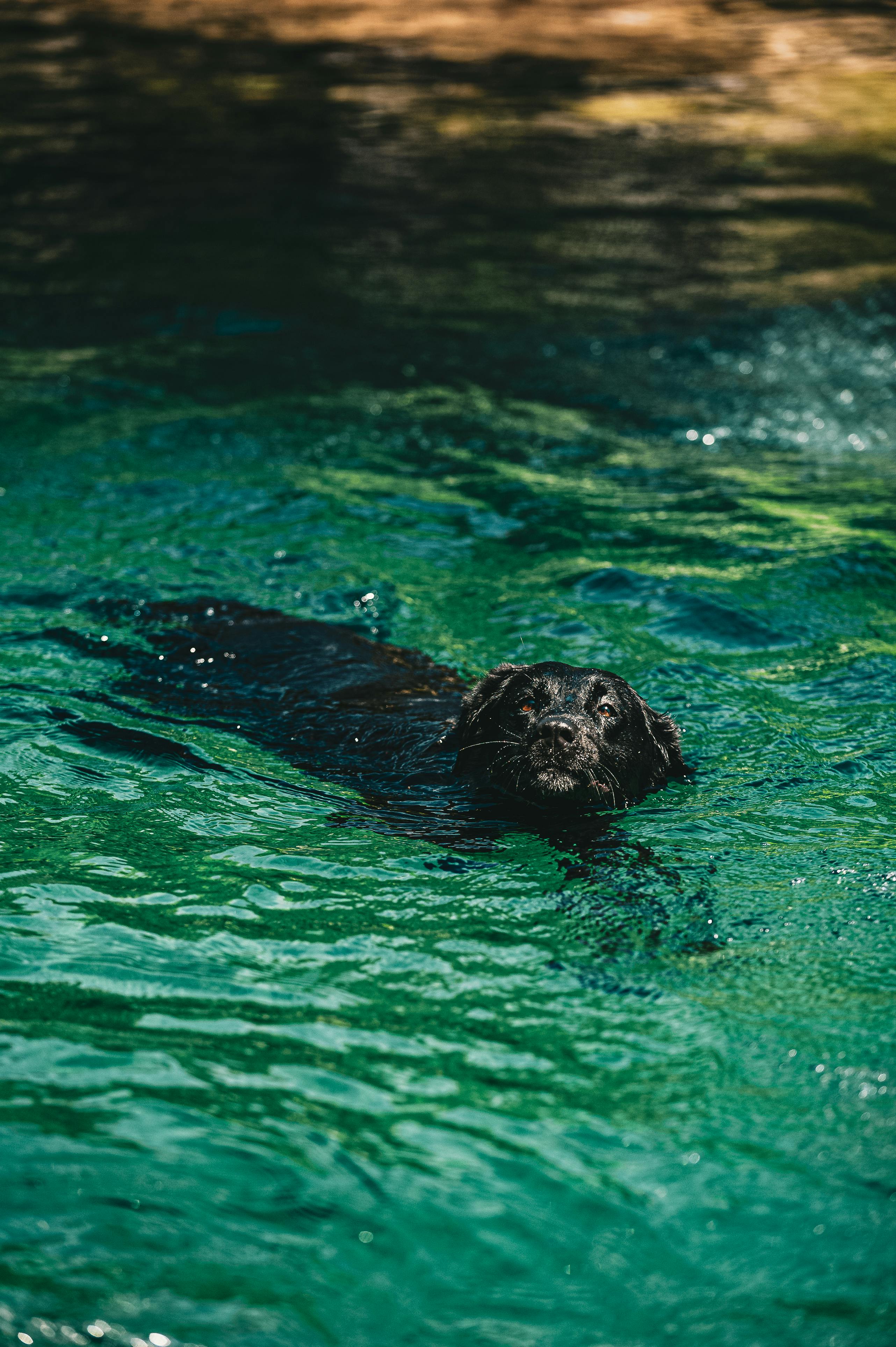
Dogs are often known for their adorable wet noses, but did you ever wondered why they are like that? The truth is, a dog’s wet nose plays a really important role in temperature regulation. It’s like their built-in air conditioner! In this article, we dive into the fascinating truth about why do dogs have wet noses and how it keeps them cool.
The Science Behind a Dog’s Wet Nose
Dogs’ noses are often moist, and this wetness is not just for show. It serves several purposes that are vital for their health and well-being. Here are some key points about the science behind a dog’s wet nose:
Temperature Regulation: Dogs don’t sweat like humans do. Instead, they rely on their noses to help regulate their body temperature. When a dog’s nose is wet, it helps them cool down.
Enhanced Sense of Smell: The moisture on a dog’s nose helps to capture scent particles in the air, which aids their incredible sense of smell. This wetness allows them to detect smells more efficiently.
Health Indicator: A wet nose is often seen as a sign of a healthy dog. However, a dry nose could indicate dehydration or illness, although there are exceptions.
Why Do Dogs Have Wet Noses?
Now, you might be curious, why do dogs have wet noses to begin with? Well, the answer lies in their evolutionary traits. Long ago, dogs evolved from wolves, and they developed various traits that helped them survive. Here’s a breakdown of some reasons why dogs have wet noses:
Cooling Mechanism: Dogs have sweat glands only in their paw pads. So, they primarily depend on their noses to help cool down. When they breathe out, the air cools the moisture on their noses, which in turn reduces their body temperature.
Scent Detection: Dogs use their noses to interact with their environments. The moisture on their noses helps to trap scents, allowing them to identify and track various smells.
Communication: Dogs also communicate with each other through scent. A wet nose helps in the transfer of scent information, allowing them to understand each other better.
Historical Context
Historically, dogs have been companions to humans for thousands of years, providing protection, companionship, and assistance. Their wet noses may have evolved as a survival trait, allowing them to adapt better to their environments. Ancient civilizations recognized the importance of dogs, often depicting them in artwork and literature, showcasing their connection with humans.
The Fascinating Truth Explained
To understand the role of a dog’s wet nose in depth, let’s look at some fascinating facts:
Comparison with Other Animals: While many mammals have moist noses, dogs have particularly wet noses compared to cats or other pets. This difference likely helps them in their active hunting and tracking behaviors.
Nose Shapes and Sizes: Different breeds of dogs have varying nose shapes and sizes, which can also impact how effectively they can regulate temperature and detect scents. For example, a Bloodhound has a very distinct nose structure that enhances its ability to smell.
Temperature Changes: Dogs can feel temperature changes through their noses. If a dog has been running or playing, their nose may become drier as they cool down, but it usually returns to its wet state quickly.
Practical Examples
If you’re a dog owner, you might notice how your dog’s nose changes throughout the day. Here are some practical examples:
After Exercise: After a long walk or playtime, your dog’s nose might feel wetter as their body cools down.
Weather Changes: During hot weather, dogs will have a noticeably wet nose as they try to cool down. Conversely, in colder weather, their noses might feel drier.
Health Checks: Regularly checking your dog’s nose can be a simple health indicator. If it’s persistently dry or cracked, it might be time to consult a vet.
Summary
Understanding the role of a dog’s wet nose in temperature regulation reveals a lot about how these amazing creatures function. The fascinating truth about why do dogs have wet noses is not just a trivial fact; it speaks to their biology and their connection with humans. So next time you see your furry friend’s wet nose, remember that it’s not just cute—it’s a vital part of their health and well-being.
In the world of dogs, every little detail matters, and their wet noses are no exception!
Wet Nose vs. Dry Nose: What Your Dog’s Nose Type Says About Their Health
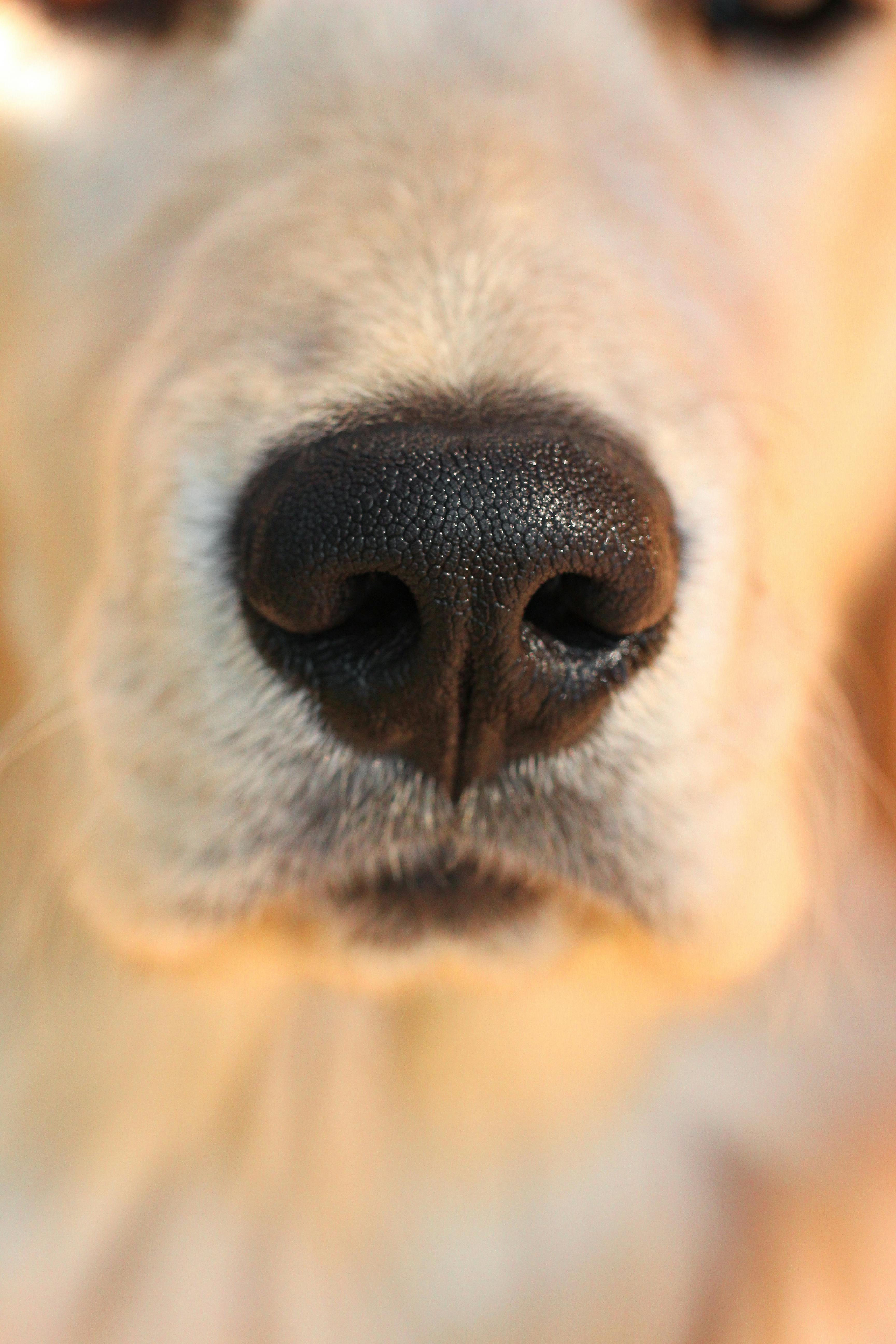
Dogs are often called man’s best friend, and they certainly have some fascinating traits that make them unique. One of the most notable features of dogs is their noses. You might have noticed that some dogs have wet noses while others have dry ones. But what does this mean? What can your dog’s nose type tells you about their health? Let’s dive into the intriguing world of canine noses, exploring the reasons behind wet noses, and what they can reveal about your furry friend.
Why Do Dogs Have Wet Noses?
So, why do dogs have wet noses? The primary reason is that a wet nose helps dogs to smell better. Dogs have an incredible sense of smell, and moisture on their noses enhances their olfactory abilities. When a dog’s nose is wet, it traps scent particles, allowing them to detect odors more efficiently. Here’s a breakdown of why wet noses are beneficial:
- Enhances Sense of Smell: Moisture on the nose helps to absorb scent particles, which improves their ability to detect smells.
- Temperature Regulation: Wet noses can help dogs cool down. Dogs don’t sweat like humans, so they rely on other methods to regulate their body temperature.
- Health Indicator: A wet nose can sometimes indicate that a dog is healthy, while a dry nose may raise some flags.
Wet Nose vs. Dry Nose: What’s the Difference?
Not all dogs have wet noses all the time, and that’s normal. However, the differences between wet and dry noses can be significant. Here’s a quick comparison:
| Feature | Wet Nose | Dry Nose |
|---|---|---|
| Scent Ability | Enhanced | Reduced |
| Temperature | Helps in cooling process | May indicate overheating |
| Health Status | Often a sign of health | Could signal dehydration or illness |
Reasons for a Dry Nose
A dry nose isn’t always a cause for concern, but it can be. Here’s a list of reasons why your dog might have a dry nose:
- Dehydration: Dogs that aren’t drinking enough water might have dry noses.
- Allergies: Allergies can lead to a dry, flaky nose.
- Weather: Hot weather or low humidity can dry out a dog’s nose.
- Illness: Certain health conditions can cause a dry nose.
When to Be Concerned
While a dry nose can be normal, there are situations where you should consult your vet. If you notice any of these signs, it may be time to make an appointment:
- Cracking or bleeding: If your dog’s nose is cracked or bleeding, it needs attention.
- Changes in behavior: If your dog is lethargic, not eating, or showing signs of pain, it could be a health issue.
- Persistent changes: A nose that suddenly goes from wet to dry or vice versa should be checked out.
The Fascinating Truth Explained
The reason dogs have wet noses goes beyond just smell. It’s a combination of biology and evolution. Early ancestors of dogs, like wolves, had moist noses which helped them track prey. Over time, this trait has continued in domestic dogs. Here’s a quick historical overview:
- Evolution: Canines have evolved to have moist noses as a survival mechanism.
- Breeds: Different dog breeds may have different nose characteristics. For example, brachycephalic breeds often have flatter faces and may have drier noses because of their facial structure.
- Adaptation: Dogs adapted to their environment, and moisture on their noses helped them thrive in the wild.
Fun Facts About Dog Noses
- Dogs have about 220 million scent receptors in their noses.
- A dog’s sense of smell is between 10,000 to 100,000 times more sensitive than humans.
- The wetness of a dog’s nose can vary throughout the day depending on their activity level and environment.
The moistness of a dog’s nose is often an overlooked aspect of their health. A wet nose can signal that your pup is healthy and hydrated, while a dry nose might mean something’s off. Just like humans can have differences in skin moisture, dogs too can have variations. Always pay attention to your dog’s behavior and overall health, and when in doubt, consult with your veterinarian. They can provide the best advice and care for your beloved pet. Understanding your dog’s nose is just one step in ensuring they are happy and healthy.
Why Your Dog’s Wet Nose May Be Essential for Their Communication Skills

Dogs are often considered man’s best friend, and one of the most intriguing features they possess is their wet nose. Many people wonder why do dogs have wet noses, and the truth is, it goes beyond just being an endearing characteristic. A dog’s wet nose serves a significant role in their communication skills and overall health. So, let’s explore the fascinating truth about this unique feature of our furry companions.
The Science Behind Wet Noses
Dogs’ noses are moist for several reasons. First off, the wetness helps them to absorb scent particles. You might not know this, but a dog’s sense of smell is thousands of times more sensitive than ours! When their noses are wet, it enhances their ability to detect odors, which is essential for their survival and communication.
- Scent Absorption: The moisture on a dog’s nose captures more scent molecules.
- Temperature Regulation: Wet noses help dogs cool down. They don’t sweat like humans do; instead, they rely on their noses.
- Health Indicator: A wet nose can also be a sign of a healthy dog, while a dry nose may indicate dehydration or illness.
Communication Through Scent
Dogs communicate a lot through scent, and their noses play a crucial role in this process. When a dog sniffs another dog, they are not just saying hello; they are gathering information. This is how they learn about each other’s health, mood, and even their diet.
- Social Interactions: Dogs often greet each other with a nose-to-nose sniff, which is a way of sharing information.
- Identifying Emotions: The scents can carry emotional signals. For example, a nervous dog might emit different pheromones than a happy one.
- Territorial Marking: Dogs use their noses to explore and mark their territory by sniffing and sometimes leaving their own scents.
Why Do Dogs Have Wet Noses? The Evolutionary Perspective
From an evolutionary point of view, wet noses have been beneficial for survival. The ability to detect food and predators is vital. Over time, dogs have developed this feature to enhance their hunting skills and social interactions.
- Hunting: In the wild, a wet nose could mean the difference between catching prey or going hungry.
- Pack Communication: In a pack, the ability to communicate through scent helps maintain social bonds and hierarchies.
Interesting Facts About Dogs’ Noses
Here are some fun and interesting facts that you might not know about dogs’ noses:
- Dogs have about 220 million scent receptors in their noses, compared to a human’s 5 million.
- The texture of a dog’s nose can vary by breed; some have smooth noses, while others have bumpy ones.
- Puppies are born with pink noses that darken as they grow older.
- A dog’s sense of smell is so precise that they can detect certain diseases, like cancer or diabetes, just through sniffing.
Practical Tips for Dog Owners
If you are a dog owner or thinking about becoming one, it’s important to understand the significance of your dog’s wet nose. Here are some practical tips:
- Keep Them Hydrated: Ensure your dog is drinking enough water to maintain a healthy, wet nose.
- Regular Vet Check-ups: A sudden change in your dog’s nose moisture could be a sign of health issues.
- Watch for Changes: Pay attention to your dog’s behavior; if they seem lethargic or their nose is excessively dry, consult a vet.
The Role of Wet Noses in Dog Health
A wet nose is often seen as a sign of a healthy dog. However, it’s essential to remember that a wet nose does not guarantee good health. Various factors can affect the wetness of a dog’s nose, including:
- Weather Conditions: Hot, dry weather can lead to a drier nose.
- Illness: Certain illnesses can cause a change in the moisture levels of a dog’s nose.
- Age: Older dogs may have drier noses than their younger counterparts.
Understanding why your dog’s wet nose is essential for their communication skills can help you become a better pet owner. When you appreciate these tiny details about your furry friends, you can provide better care and strengthen your bond with them.
So, the next time you see your dog with that lovely wet nose, remember it is more than just a cute feature—it’s a vital tool for communication and health!
Fun Facts About Dogs’ Wet Noses: 10 Things You Didn’t Know!
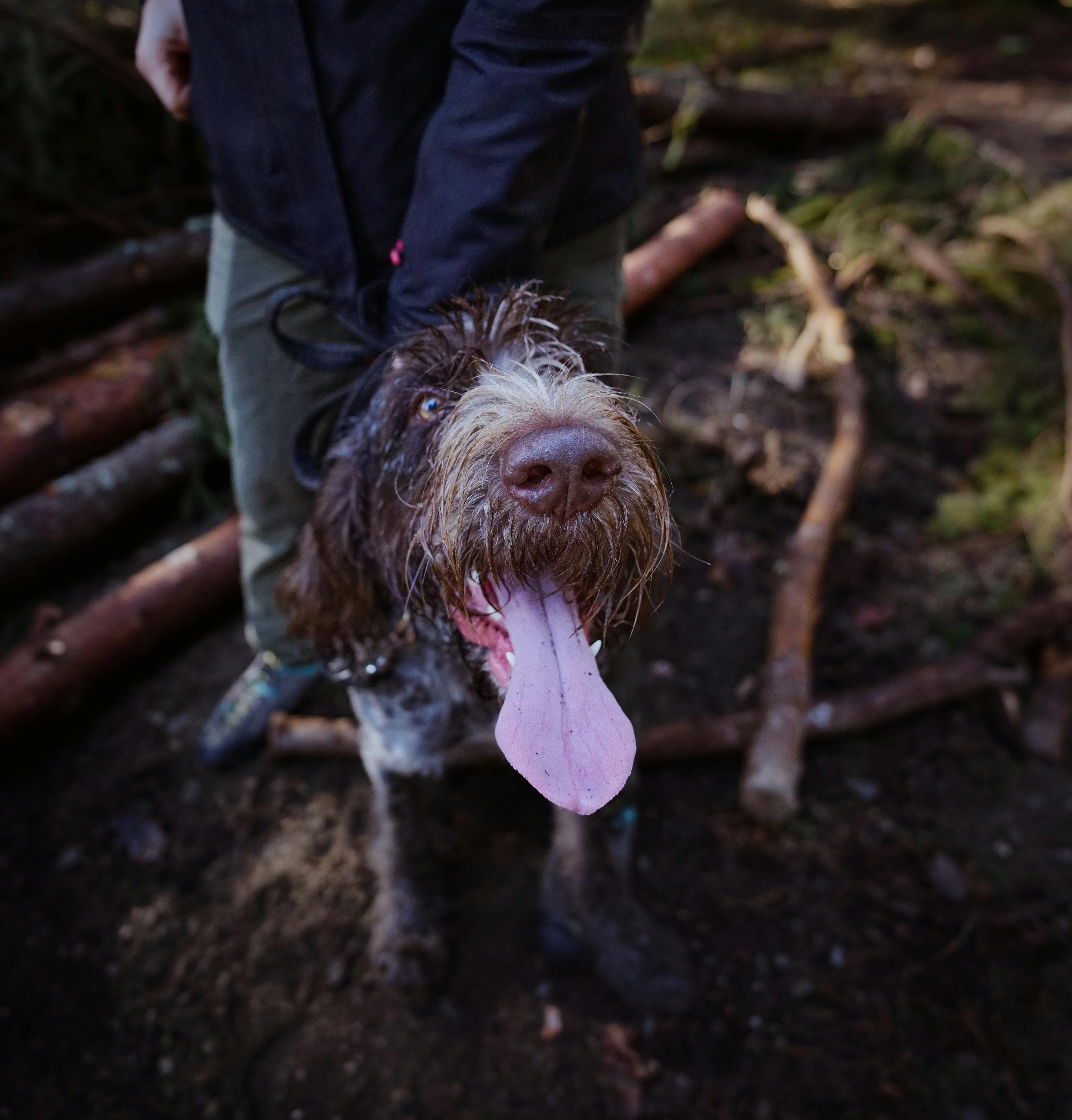
Dogs are known as man’s best friend, and one of the most unique features they has is their wet noses. Many people might wonder, why do dogs have wet noses? This seemingly simple question has a fascinating answer that includes a mix of biology, behavior, and a few fun facts. Here’s a deeper look into this topic that might surprise you.
The Science Behind Wet Noses
Dogs noses are wet for a variety of important reasons. The moisture helps them sense the world around them. When a dog’s nose is wet, it can absorb scent chemicals more effectively. This is why dogs have such an incredible sense of smell, estimated to be between 10,000 to 100,000 times better than humans!
- Dogs have around 300 million smell receptors in their noses.
- Humans, in contrast, only have about 5 million.
- The wetness on a dog’s nose comes from mucus production which helps in trapping scent particles.
Temperature Regulation
Another reason why dogs have wet noses is to help regulate their body temperature. Unlike humans, who sweat to cool down, dogs primarily cool themselves through panting. However, their noses also play a part in this. A cooler nose can help lower their overall body temperature since dogs can lose heat through their nasal passages.
- Wet noses can help dogs feel cooler during hot weather.
- It’s a natural method of thermoregulation for dogs.
Fun Facts About Dogs’ Wet Noses
Scent Detection: The moisture on a dog’s nose enhances its ability to detect scents, making them excellent at search and rescue missions.
Health Indicator: A dog’s nose temperature and wetness can be an indicator of their health. A dry or excessively warm nose could indicate a fever or illness.
Unique Patterns: Just like human fingerprints, every dog’s nose has a unique pattern of ridges and spots. This can be used to identify them, similar to a fingerprint.
Communication Tool: Dogs use their noses to communicate with other dogs. A wet nose is often a sign of friendliness and playfulness.
Variety Among Breeds: Some dog breeds have drier noses than others. For example, Bulldogs and Boxers typically have drier noses compared to breeds like Retrievers or Beagles.
Licking Habit: Dogs lick their noses to keep them moist. This behavior also helps them clean their noses and remove any debris.
Evolutionary Advantage: Wet noses have been an evolutionary advantage for dogs, aiding in their survival and ability to hunt.
Nasal Cooling: The moisture on the nose is also a way to cool off their brain, which is especially important during intense physical activity.
Nasal Glands: The wetness comes from specialized glands located within the nasal passages. These glands are responsible for producing mucus.
Cultural Significance: In some cultures, having a wet nose is seen as a sign of a happy and healthy dog.
The Fascinating Truth Explained
So why do dogs have wet noses? It’s a combination of biology and function. Moist noses not only enhance their sense of smell but also assist in regulating their body temperature. Plus, it plays a role in their interactions with humans and other dogs.
Comparison of Dog and Human Noses
| Feature | Dogs | Humans |
|---|---|---|
| Number of Receptors | 300 million | 5 million |
| Moisture Level | Wet, helps in scent detection | Generally dry |
| Function | Scent absorption, cooling | Scent detection, limited cooling |
| Health Indicator | Temperature and wetness can indicate health | No similar function |
Practical Examples of Nose Functionality
- Tracking: Police and rescue dogs often use their noses to track scents, finding missing persons or detecting drugs.
- Detection Dogs: Dogs trained to sniff out diseases, such as cancer, rely heavily on their sense of smell, enhanced by their wet noses.
- Companionship: When a dog nudges you with their wet nose, it’s often a sign they want attention or affection.
Lastly, the next time you pet your furry friend and feel their cool, wet nose against your hand, remember the incredible biology and purpose behind it. Dogs’ wet noses are not just an adorable feature; they are a vital part of what makes dogs such amazing companions. Understanding this can deepen the bond between you and your canine.
The Myth of the Wet Nose: Debunking Common Misconceptions About Dogs
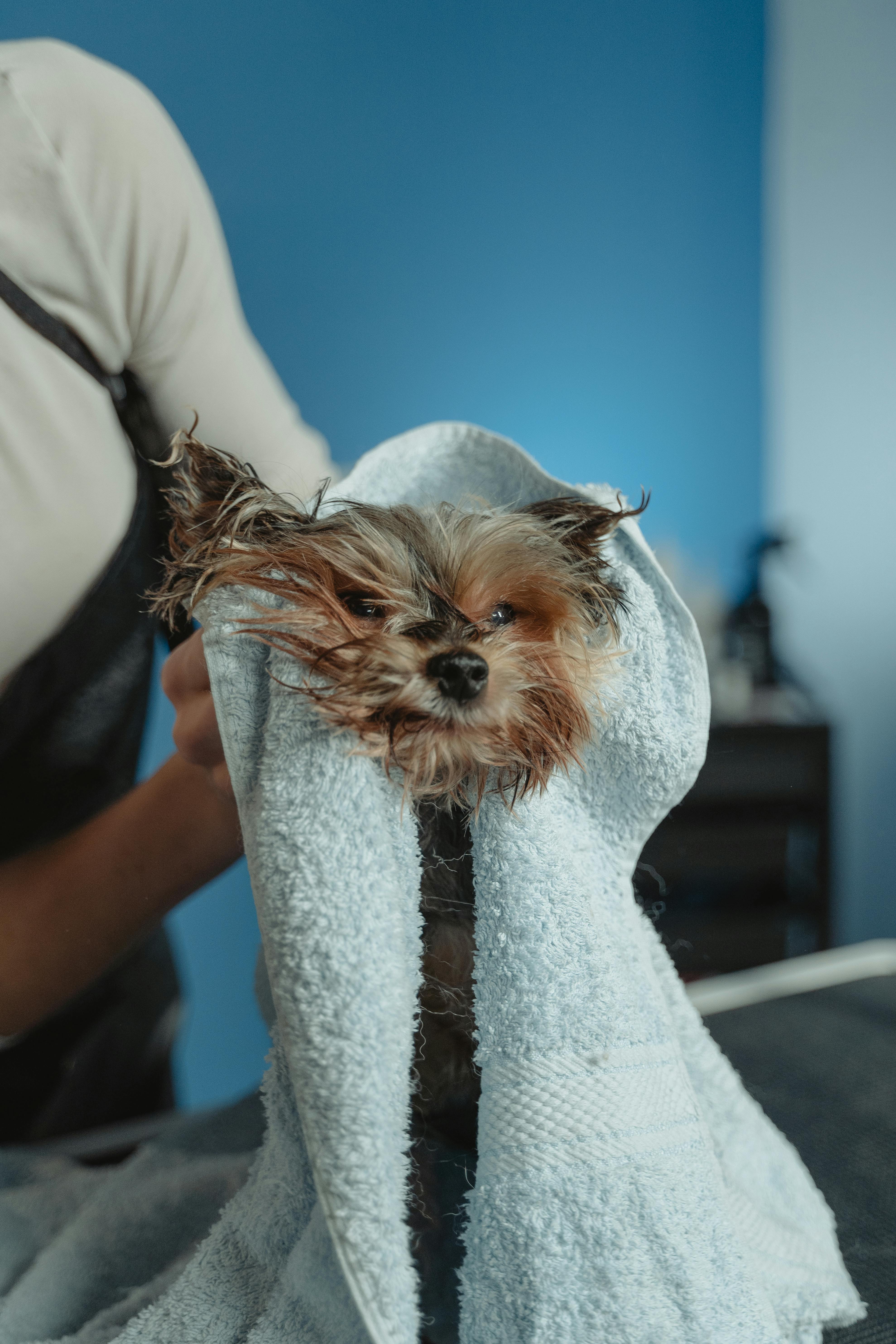
Dogs are often known for their playful antics and unconditional love, but one of their most notable features is their wet noses. Many people believe that a wet nose is a sign of a healthy dog, but there’s more to it than meets the eye. This article explores the myth of the wet nose, debunks common misconceptions about dogs, and explains why do dogs have wet noses in the first place.
The Nature of a Dog’s Nose
First, let’s talk about the structure of a dog’s nose. Dogs have a unique nasal anatomy that is different from humans. The surface of a dog’s nose is covered in a moist layer of epithelial cells, which helps them to absorb scent molecules. This is why dogs are able to smell things much better than humans. In fact, a dog’s sense of smell is estimated to be between 10,000 to 100,000 times more sensitive than that of a human.
But wait, what does this all have to do with their wet noses? Well, the moisture on their noses plays a significant role in enhancing their olfactory capabilities. When the nose is wet, it can trap scent particles better. So, it’s not just a random feature, but rather an essential aspect of their sensory perception.
Why Are Dog Noses Wet?
So, why do dogs have wet noses? Here’s a breakdown:
Temperature Regulation: Dogs do not sweat like humans. Instead, they cool down through panting and sweating through their paw pads. A wet nose can help in regulating their body temperature.
Enhanced Smell: As mentioned earlier, moisture helps to capture scent particles. A wet nose means a better sense of smell, which is crucial for dogs that use their noses for everything from hunting to finding their way home.
Health Indicator: While a wet nose is often associated with good health, it’s important to understand that not all wet noses indicate a healthy dog. A dog’s nose can be wet for various reasons, including environmental factors like humidity or after drinking water.
The Myths Around Wet Noses
Many myths exist regarding why dog noses are wet. Let’s debunk some of the most common ones:
Myth: A Wet Nose Means a Dog is Healthy
- Truth: While a wet nose can be a sign of health, it’s not a definitive indicator. Dogs can have dry noses and still be perfectly healthy.
Myth: Dogs Have Wet Noses Because They Lick Them
- Truth: While dogs do lick their noses, the moisture is primarily a result of their own physiology and environmental conditions.
Myth: All Dogs Have Wet Noses
- Truth: Some breeds have drier noses than others due to their unique genetic makeups.
Myth: A Dog’s Nose Can Diagnose Illness
- Truth: While some changes in a dog’s nose can signal health issues, it’s not a reliable diagnostic tool. Regular vet visits are necessary for proper health assessments.
Fun Facts About Dog Noses
Here are some interesting tidbits that showcase the amazing nature of dog noses:
Unique Patterns: Just like human fingerprints, every dog has a unique nose print. This can actually be used for identification purposes.
Sensitivity to Temperature: Dogs can even sense slight changes in temperature using their noses, which can be helpful in detecting danger.
Nasal Turbinates: Dogs have a complex structure within their noses called nasal turbinates, which help in filtering and warming the air they breathe.
Scent Memory: Dogs can remember scents for years, which is why they can often recognize their owners or other familiar scents long after they’ve been away.
Practical Tips for Dog Owners
Understanding the significance of your dog’s nose can help you take better care of your furry friend. Consider these practical tips:
Monitor Nose Condition: Keep an eye on your dog’s nose. If it becomes cracked, dry, or shows signs of discharge, consult your veterinarian.
Hydration Matters: Ensure your dog stays hydrated, as dehydration can lead to a dry nose.
Environmental Awareness: Be aware of the environment. Humidity levels can affect how wet or dry your dog’s nose is.
Regular Vet Checks: Always have regular check-ups to ensure your dog’s overall health, as nose conditions can sometimes be linked to underlying health issues.
In summary, while a dog’s wet nose is fascinating and plays an important role in their health and sensory capabilities, it is not the ultimate indicator of health. It’s crucial for pet owners to understand the myths and facts surrounding this unique feature. By doing so, one can provide the best care for their canine companions, ensuring they remain happy and healthy.
How to Care for Your Dog’s Nose: Tips for Maintaining Optimal Moisture Levels

When we think about our furry friends, one of the features that really stands out is their nose. It’s often wet, cold, and sometimes even a little slimy. But have you ever wondered why do dogs have wet noses? This unique characteristic serves several purposes, and caring for that important feature is essential for your dog’s overall health. In this article, we’ll explore how to care for your dog’s nose and explain why those noses are always moist.
The Importance of a Wet Nose
Wet noses are not just for show. They play several roles in a dog’s life. Here’s a few reasons why they’re important:
Sense of Smell: Dogs have an incredible sense of smell, and a wet nose helps to enhance that ability. The moisture on their nose captures scent particles, allowing dogs to better detect smells.
Temperature Regulation: Just like sweating in humans, a dog’s wet nose helps them cool down. When the moisture evaporates, it helps to lower their body temperature.
Health Indicator: A dog’s nose can tell you a lot about its health. A healthy nose is generally moist and cool. If a dog’s nose becomes excessively dry or hot, it could indicate health issues.
How to Care for Your Dog’s Nose
Just like you take care of your own body, your dog’s nose needs attention too. Here are some tips for maintaining optimal moisture levels:
Hydration is Key: Ensure your dog is drinking enough water. Dehydration can lead to a dry nose. Make sure fresh water is always available.
Humid Environment: If you live in a dry climate, consider using a humidifier in your home. This can help keep your dog’s nose moist.
Nose Balm: There are specially made balms for dogs that can help if their nose is cracking or dry. Look for natural ingredients and apply as directed.
Regular Vet Check-ups: Regular veterinary visits are important for monitoring your dog’s overall health, including their nose. If you notice sudden changes, make sure to consult your vet.
Avoid Harsh Chemicals: Be mindful of cleaning products or air fresheners that might irritate your dog’s nose.
Why Do Dogs Have Wet Noses? The Fascinating Truth Explained
You might find yourself asking, “Why do dogs have wet noses?” It’s not just random; there’s a fascinating biological reason behind it.
Moisture Capture: Dogs’ noses are covered in a special layer of skin that helps to absorb moisture. This moisture aids in scent detection, which is crucial for hunting and tracking.
Evolutionary Advantage: In the wild, a wet nose can help a dog detect prey or find food more efficiently. Their ancestors relied on this ability to survive, and it’s still present in domestic dogs today.
Temperature Control: As mentioned earlier, a wet nose helps dogs regulate their body temperature. This is especially important during hot weather or after exercise.
Common Myths About Dog Noses
There are several myths surrounding dog noses. Here’s a breakdown of some common misconceptions:
Myth 1: A dry nose means a dog is sick.
Reality: While a dry nose can indicate health issues, it’s not a definitive sign. Other factors like weather and activity level can affect moisture.Myth 2: Dogs’ noses should always be cold.
Reality: Temperature can vary. A warm nose doesn’t always mean a dog is unwell.Myth 3: All dogs have wet noses.
Reality: Some breeds naturally have drier noses than others.
Quick Tips for Monitoring Nose Health
Here’s a quick checklist to keep your dog’s nose in check:
- Regularly observe the moisture level.
- Look for cracks or sores.
- Check for abnormal colors, such as excessive redness or swelling.
- Monitor for changes in behavior, such as licking the nose more than usual.
Taking care of your dog’s nose is not just about aesthetics; it’s about ensuring their health and wellbeing. By understanding why dogs have wet noses and how to maintain them, you can help your furry friend stay happy and healthy. Remember, a moist nose is often a sign of a happy pup, so keep that nose hydrated!
Conclusion
In conclusion, the wet noses of dogs serve multiple essential functions that contribute to their overall health and well-being. We explored how a moist nose enhances their sense of smell, aids in temperature regulation, and acts as a natural indicator of their health status. The secretion of mucus and the ability to collect scent particles are crucial for their communication and interaction with the world around them. Furthermore, a wet nose can indicate hydration and vitality, while dryness may warrant attention from pet owners. Understanding these aspects not only deepens our appreciation for our furry companions but also underscores the importance of regular health check-ups. As a dog owner, pay attention to your pet’s nose and overall behavior; it can provide valuable insights into their health. Share your experiences and insights about your dog’s nose in the comments below, and let’s continue to celebrate the unique traits that make our pets so special.
